
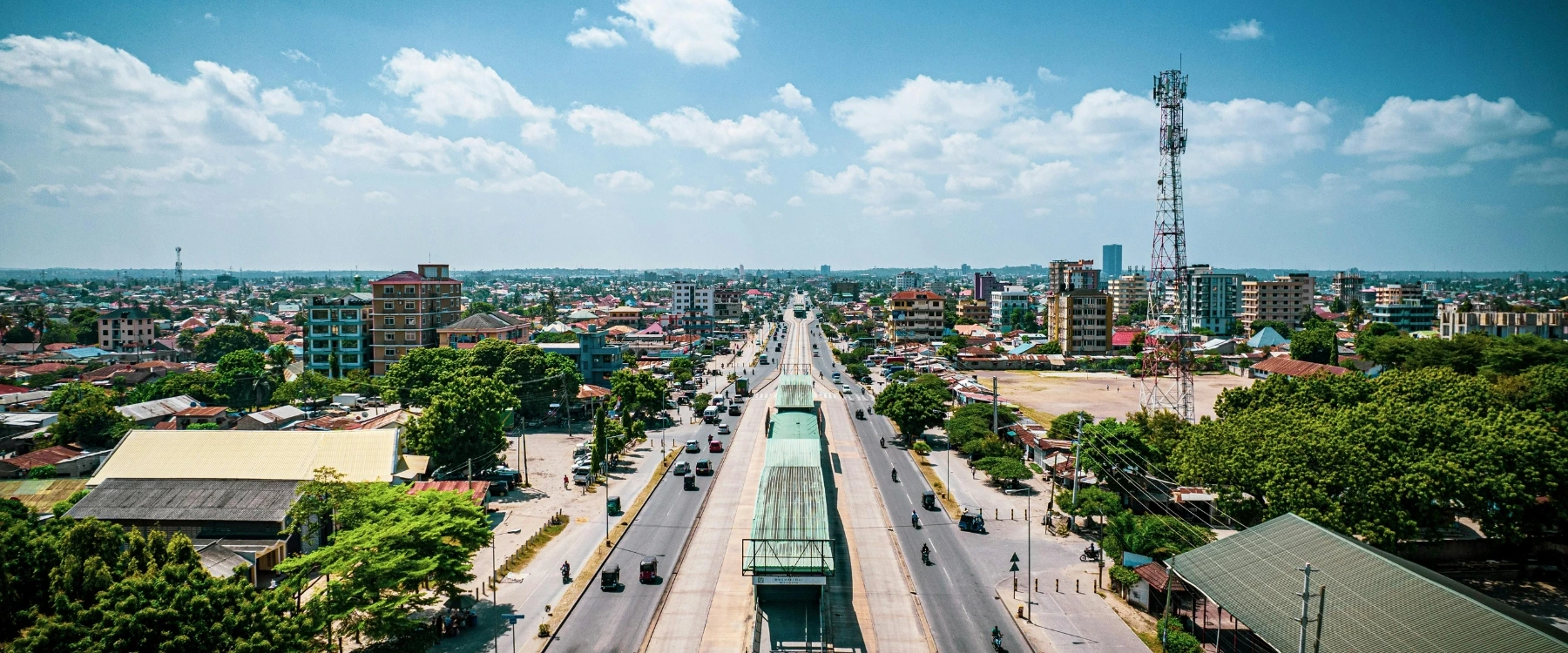
Africa

Africa

Africa, the world’s second-largest continent, captivates travelers with extraordinary diversity—spanning vibrant cultures, awe-inspiring landscapes, and unparalleled wildlife experiences. From the Mediterranean coast to the Cape of Good Hope, and from the Atlantic to the Indian Ocean, Africa’s immense scale offers a lifetime of exploration. Travelers encounter sweeping savannahs in Kenya and Tanzania, towering dunes in Namibia, lush rainforests in Central Africa, and idyllic beaches on islands like Zanzibar, Seychelles, and Mauritius.Wildlife remains a highlight: the Great Migration in the Serengeti and Maasai Mara, elephants roaming Botswana’s Okavango Delta, gorilla trekking in Rwanda and Uganda, and countless species thriving in world-renowned reserves. Yet Africa’s appeal extends far beyond safaris. Historic cities like Marrakech and Cape Town blend modern vibrancy with centuries-old architecture, while cultural traditions are celebrated through music, dance, crafts, and cuisine. From North African tagines and couscous to West African jollof rice and South African wines, food reflects Africa’s rich heritage and global influences.Adventure seekers can climb Mount Kilimanjaro, trek Ethiopia’s Simien Mountains, dive vibrant reefs in the Indian Ocean, or sandboard in the Sahara. History enthusiasts explore Egypt’s pyramids, Lalibela’s rock-hewn churches, and UNESCO heritage sites along the West African coast. For a slower pace, Africa offers luxury safari lodges, wellness retreats, and scenic vineyard tours in South Africa.Practical planning is essential: infrastructure varies, with some destinations offering five-star accommodations while others provide simpler stays. Seasonal travel matters—June to October is prime for wildlife viewing, while November to March suits East African beaches. North Africa is best in spring or autumn to avoid extreme heat. English is widely spoken in tourist areas, though Arabic, French, Portuguese, Swahili, and numerous local languages enrich interactions.Responsible travel is key to preserving Africa’s treasures: choose eco-friendly lodges, respect wildlife regulations, and support community-based initiatives. Health preparations like vaccinations or malaria prophylaxis may be required, and visa policies differ by country, so check requirements early. Transportation ranges from regional flights to scenic trains like South Africa’s Blue Train, with road transfers often adding adventure.Africa offers exceptional value for British travelers, where pounds stretch far, and local hospitality leaves lasting impressions. Whether your journey focuses on luxury safaris, cultural immersion, or multi-country adventures, Africa delivers authenticity, wonder, and lifelong memories.

Travila Africa Travel Guide

What to know before Travelleing

Paris is known around the world as the “capital of love,” and even if you don't understand the history of Paris at all

Language: French, Arabic, Swahili, Afrikaans
Peak Season: June to October
Time Zone: UTC-1 to UTC+4
Currency: Egyptian Pound, South African Rand, Kenyan Shilling, Moroccan Dirham, Nigerian Naira, Ghanaian Cedi, Ethiopian Birr, etc.
Travila

8 Hours

Average Flight Time

£2.50

Price Of Pint
Transport
Best time to visit
Safari Essentials

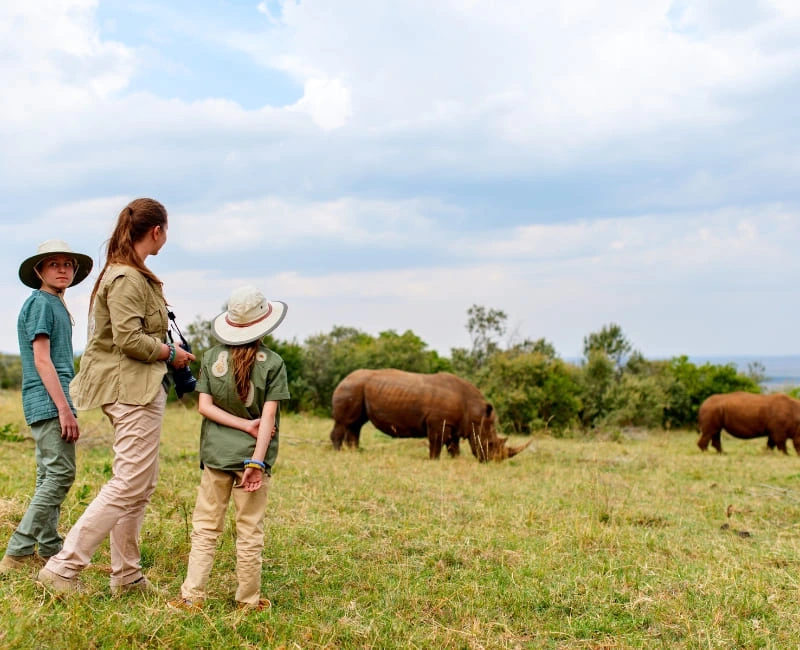
 Africa’s safaris are the heartbeat of many journeys, offering close encounters with iconic wildlife against vast, open landscapes. Planning a successful safari begins with selecting the right region and season: East Africa’s Serengeti-Mara corridor shines during the Great Migration (July–October), while Southern Africa’s Kruger, Okavango Delta, and Chobe deliver excellent game viewing in their dry season (May–October). Consider private reserves versus national parks: private concessions often allow off-road drives and night safaris, enhancing chances to spot nocturnal species. Choose accommodation that aligns with your comfort level—from luxury tented camps with plunge pools to more rustic mobile camps that immerse you in wilderness. Essential packing includes lightweight, neutral-colored clothing for comfort and blending into the environment; sturdy walking shoes for guided walks where permitted; wide-brimmed hat; sunglasses; high-SPF sunscreen; binoculars for distant wildlife viewing; a quality camera with zoom lens; and a compact daypack. Health preparations often require malaria prophylaxis, insect repellent, and up-to-date vaccinations—consult a travel health specialist based on chosen destinations. Respect park regulations: always follow guide instructions, maintain safe distances from animals, and never leave vehicles in undesignated areas. Safaris extend beyond game drives. Early morning and late afternoon drives yield the best animal activity; midday breaks at lodges provide relaxation and cultural interactions with local communities. Some destinations offer walking safaris, canoe safaris (e.g., Okavango Delta), or mokoro (dugout canoe) trips, delivering different perspectives on habitats and smaller wildlife. Specialist experiences such as hot-air balloon safaris over the Serengeti at dawn combine tranquility with panoramic views. Night drives reveal elusive nocturnal species—bushbabies, genets, owls, and predators on the hunt. Responsible safari travel emphasizes supporting conservation efforts and local economies. Many lodges partner with community-based projects, wildlife rehabilitation centers, and anti-poaching initiatives. Opting for eco-certified operators and camps helps ensure that tourism revenue benefits wildlife protection and local livelihoods. Inquire about initiatives such as community visits or tree-planting programs. Understand that safari experiences vary by region: East Africa features vast plains and large predator populations; Southern Africa offers water-based safaris and big-five sightings; West Africa’s emerging reserves cater to niche wildlife interests; and Central Africa specializes in primate tracking in dense forests. For first-time safari-goers, guided group safaris provide cost-effective introductions, while seasoned travelers may choose private guided trips for flexibility. Combine safari with cultural stays, beach extensions, or city explorations for a well-rounded itinerary. Whether photographing the “Big Five,” witnessing birdlife in wetlands, or tracking rare species like endangered rhinos, the safari essentials guide ensures you are prepared for an unforgettable wildlife adventure in Africa.
Cultural Encounters

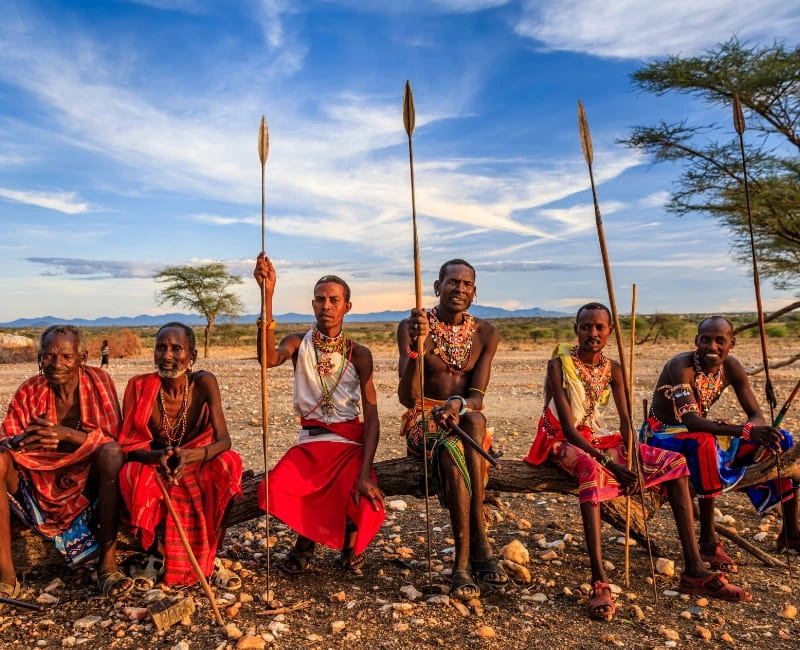
Africa’s cultural diversity is as vast as its landscapes, offering travelers profound insights into humanity’s heritage and vibrant contemporary expressions. Planning meaningful cultural encounters begins with understanding the local context and choosing experiences that benefit communities. In North Africa, explore historic medinas in Morocco (Marrakech, Fes) where artisans practice ancient crafts—leather tanning, ceramics, weaving—and savor tagines flavored by centuries-old recipes. In Egypt, beyond the pyramids, delve into Coptic quarters in Cairo or Nubian villages along the Nile for immersive experiences. East Africa presents opportunities to visit Maasai or Samburu communities in Kenya and Tanzania, witnessing distinctive dress, beadwork, and pastoral traditions. Engage respectfully: follow local guides, ask permission before photographing individuals, and purchase authentic handicrafts directly from artisans to support livelihoods. In Ethiopia, attend coffee ceremonies—a ritual symbolizing hospitality—and discover rock-hewn churches of Lalibela, reflecting deep religious heritage. Visit traditional markets (souks) in cities like Addis Ababa or Addis markets in Arusha for colorful spices, textiles, and jewelry. West Africa’s rhythmic heartbeats resonate in Ghana’s drumming schools, Benin’s voodoo festivals, and Senegal’s vibrant Dakar arts scene. Stay with locals via community-based tourism projects, learning about daily life, farming practices, and storytelling traditions passed down generations. Coastal slave-trade heritage sites, such as Ghana’s Cape Coast Castle, offer sobering but essential history lessons; guided tours led by local historians foster understanding and reflection. Participate in culinary workshops to master jollof rice, akara (bean fritters), or peanut stews, deepening appreciation for regional flavors. Southern Africa blends indigenous cultures with colonial legacies and modern influences. In South Africa, visit townships for cultural tours highlighting resilience and creativity, attend traditional Zulu dance performances, or explore Xhosa villages. Wine regions such as Stellenbosch include cultural elements of Cape Dutch heritage. In Namibia, engage with Himba communities to learn about semi-nomadic lifestyles, while Botswana offers insights into San Bushmen history through guided tracking experiences focusing on traditional knowledge of flora, fauna, and survival skills. Central Africa’s rainforest regions, like Gabon or Congo’s Odzala-Kokoua, contain unique Pygmy cultures; access is more challenging but rewarding for travelers seeking off-the-beaten-path cultural immersion. Such visits demand utmost respect, guided by community protocols and ethical operators prioritizing dignity and environmental stewardship. Across Africa, festivals—such as Morocco’s Fantasia, Ghana’s Panafest, or Ethiopia’s Timkat—provide windows into collective celebrations of history, religion, and seasonal cycles. When arranging cultural encounters, choose operators with clear community partnerships, ensure fair compensation for hosts, and avoid exploitative “tourist shows.” Learn basic greetings in local languages to show respect. Balance visits with free time for reflection and personal exploration—browse markets independently, sample street food, or attend local music gigs. By approaching culture with sensitivity and curiosity, travelers contribute positively to communities and gain deeper connections, transforming trips into exchanges of understanding rather than mere observation.
Coastal Escapes

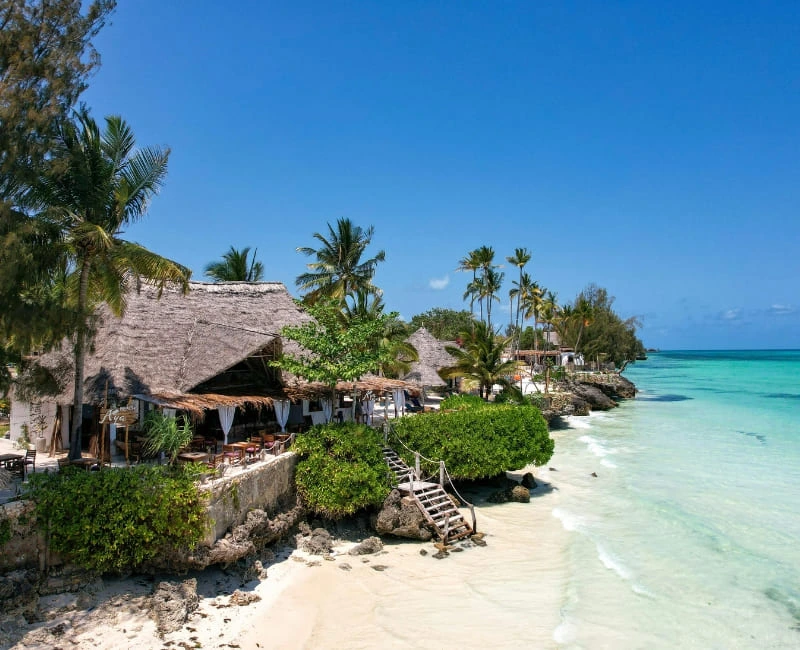
 Africa’s coastline stretches thousands of kilometers, offering coastal escapes that range from secluded islands to vibrant beach towns. Planning a beach retreat begins by selecting a region aligned with your interests: tranquil seclusion, water sports, cultural exploration, or a blend. The Indian Ocean islands—Zanzibar (Tanzania), Seychelles, Mauritius, Comoros, and Madagascar—boast powdery sands, warm waters, and coral reef ecosystems ideal for snorkeling, diving, and marine life encounters. Many resorts emphasize sustainability, participating in reef conservation and community development. Zanzibar’s Stone Town heritage combined with spice plantations invites a mix of history and relaxation. Stay in beachside villas or eco-lodges, explore coral reefs teeming with colorful fish, and savor local seafood specialties. In Seychelles, tailor days between island-hopping boat excursions to see giant tortoises (e.g., on Curieuse Island), hiking in Vallée de Mai on Praslin, and unwinding on Anse Source d’Argent’s iconic beaches. Weather is generally pleasant year-round, though inter-monsoon periods bring occasional showers. Mauritius offers a blend of Indian, African, Chinese, and European cultural influences alongside luxury resorts. Activities include deep-sea fishing, water sports, and hiking in lush interior landscapes, such as Black River Gorges National Park. Comoros and Madagascar provide more remote, less-commercialized beach experiences: in Madagascar, combine visits to Baobab Alley or rainforests with coastal downtime on Nosy Be or Île Sainte-Marie, where whale-watching is seasonal. Along Africa’s mainland coasts, Mozambique’s Bazaruto Archipelago features pristine sands and vibrant marine parks; Vilanculos serves as gateway to boat trips, snorkeling with whale sharks (seasonal), and fishing excursions. South Africa’s beaches around Cape Town—Clifton, Camps Bay—and the Garden Route’s coastal towns offer scenic beauty paired with lively cafes and adventure activities like surfing or shark cage diving. West Africa’s coastlines—Senegal’s Petite Côte, Ghana’s Atlantic shore—blend beach leisure with cultural visits to fishing villages and historic sites. When planning coastal escapes, consider seasonal weather: East Africa’s cooler dry season (June–October) often ideal, but some island destinations shine in opposite months. Book accommodations early for peak seasons. Check marine conservation guidelines: support operators practicing responsible snorkeling/diving to protect coral reefs and marine fauna. Pack reef-safe sunscreen, snorkeling gear if preferred, light clothing, sun protection, and insect repellent for evenings. Many coastal regions offer wellness retreats with spa treatments using local ingredients (coconut oil, sea salt scrubs). Culinary highlights include fresh seafood, tropical fruits, and dishes blending local spices with international influences. Engage with local fishing communities to understand traditional livelihoods; purchase locally crafted souvenirs, seafood, or artisanal goods. Safety on beaches: follow local advice on currents and tides; some shores have strong undertows. Coastal escapes in Africa can complement safari or cultural itineraries: after inland adventures, unwind by the ocean, reflecting on experiences while enjoying sunsets over palms and sea. Whether seeking remote island hideaways, family-friendly resorts with waterparks, or active water-sports hubs, Africa’s beaches and islands deliver diverse coastal retreats, each infused with local character and natural splendour.

Mountain & Desert Adventures

Africa’s interior presents dramatic mountain ranges and vast deserts that invite exploration beyond typical safari circuits. Adventure planning involves choosing environments matching fitness levels and interests: high-altitude treks, desert safaris, or unique ecosystem journeys. Climbing Africa’s highest peak, Mount Kilimanjaro (Tanzania), is a milestone for many travelers: routes vary in difficulty, with the Machame and Lemosho trails offering scenic diversity. Summit attempts require acclimatization, physical preparation, and experienced guides; success yields panoramic views over East African plains. In Ethiopia, the Simien Mountains National Park presents rugged landscapes with deep gorges, jagged peaks, and endemic wildlife such as the Walia ibex. Trekking here involves camping or staying in mountain lodges, guided by local experts familiar with terrain and weather patterns. The Bale Mountains offer alpine moorlands and opportunity to spot the rare Ethiopian wolf. In North Africa, the Atlas Mountains (Morocco) provide treks through Berber villages, verdant valleys, and high passes; guided stays in guesthouses deliver cultural immersion alongside challenging hikes. Desert adventures traverse the Sahara and Namib deserts. In Morocco, multi-day camel treks from Merzouga into Erg Chebbi dunes allow nights under star-filled skies, witnessing dramatic sunrises and engaging with nomadic cultures. Namibia’s Namib Desert features surreal landscapes: Sossusvlei’s towering dunes, Deadvlei’s skeletal trees, and the Skeleton Coast’s haunting coastline. 4x4 expeditions, guided by desert specialists, unveil hidden oases and allow wildlife sightings adapted to arid conditions. Sandboarding down steep dunes and scenic flights over desert vistas add excitement. The Danakil Depression in Ethiopia offers an otherworldly landscape: active volcanoes, acid lakes, and salt flats. Visits require robust logistical arrangements, security considerations, and guided expertise due to remote and extreme conditions. For moderate desert experiences, Egypt’s Western Desert and Omani-influenced Sinai treks combine archaeology (oases, rock art sites) with desert landscapes. Adventure in mountainous regions often pairs with cultural interactions: staying in local homestays or mountain lodges run by communities ensures authentic experiences and supports local economies. Weather in high altitudes can be unpredictable; pack layered clothing, reliable footwear, and trekking poles. Permit requirements apply for many national parks; arrange through reputable operators. Desert travel demands hydration planning, sun protection, and understanding of navigation; guided tours ensure safety. For nature enthusiasts, birding in montane forests, photographing unique flora (e.g., giant groundsels on Kilimanjaro), and observing desert-adapted species (oryx, meerkats) enrich adventures. Wellness elements—hot springs in volcanic regions, yoga retreats overlooking mountains—complement active days. Combine mountain or desert segments with coastal or safari legs for varied itineraries. Africa’s mountain and desert adventures reveal stark beauty and test limits, rewarding travelers with profound senses of achievement and connection to primal landscapes.

Destination

 Safari lodges and camps across Africa curate menus that blend local ingredients with international flavours, ensuring memorable dining amid wilderness settings. Morning game drives often start before dawn, accompanied by bush breakfasts—fresh coffee or tea and pastries served in the crisp air. Lodges source produce locally when possible: fresh fruits, vegetables, and meats from community farms support sustainability. Meals may feature regional specialties: in East Africa, stews spiced with local chilies and herbs; in Southern Africa, braai (barbecue) evenings under stars, sampling boerewors (sausages) and game meats like impala. Afternoon breaks return guests to lodges for light lunches—salads with seasonal produce, sandwiches, or local flatbreads paired with dips such as hummus or sambal. Evening dinners often are multi-course affairs: starters might include soups flavored with indigenous spices; mains could feature grilled fish near coastal safari areas, or hearty stews in inland camps. Vegetarian and dietary-specific requests are typically accommodated with advance notice. Cultural dining experiences sometimes include visiting local villages to learn traditional cooking methods: preparing ugali in East Africa, injera with wot in Ethiopia, or pap and chakalaka in South Africa. Wine regions such as South Africa’s Western Cape complement safari itineraries: after wildlife excursions, travelers can tour vineyards, sample award-winning wines, and enjoy gourmet pairing dinners. Some lodges integrate wine tasting into safari experiences, pairing local wines with game-viewing stories. Craft beer scenes in urban hubs like Nairobi or Cape Town offer modern tastes, while traditional brews—such as sorghum-based drinks in parts of East Africa—provide cultural insights. Bush breakfasts and sundowner experiences blend culinary delight with wildlife viewing: enjoying sundowners atop termite mounds or riverbanks as hippos emerge. Expert guides select scenic spots, sharing local lore and ecological knowledge while guests savor cocktails or mocktails. Cooking classes in some lodges teach bush-friendly recipes, fostering appreciation for local ingredients and sustainable sourcing. For beverage enthusiasts, coffee culture thrives in East Africa—visiting coffee plantations to see bean-to-cup processes. In North Africa, mint tea ceremonies in desert camps or coastal cafes showcase hospitality rituals. Spice tours in places like Zanzibar reveal origins of cloves, cinnamon, and cardamom, with tasting sessions demonstrating their culinary uses. Markets across Africa brim with fresh produce: tropical fruits like mangoes, papayas, and lychees; seafood in coastal markets offering the day’s catch. Sampling street food—samosas in East Africa, bunny chow in South Africa, kebabs in North Africa—adds vibrant flavors. Responsible dining emphasizes reducing waste, avoiding single-use plastics, and supporting ethical sourcing. Many lodges work with community co-ops for produce, ensuring economic benefits for locals. Travelers can purchase artisanal products—spice blends, coffee beans, handmade ceramics—as souvenirs that sustain communities. Combining food and drink experiences with safari adventures enriches sensory memories of Africa, making every meal part of the journey.

Food & Drink Experiences

Discover world-famous destinations that continue to captivate travelers with their iconic landmarks, rich history, and vibrant cultures. These popular spots offer well-developed tourism infrastructure, diverse accommodation options, and countless activities for every type of traveler. While these destinations attract millions of visitors annually, they maintain their unique charm and continue to offer new experiences even for repeat visitors seeking to uncover hidden layers beyond the main attractions.

Hotel

Indulge in premium accommodation options that offer exceptional service, world-class amenities, and exquisite dining experiences. Luxury hotels provide personalized attention, sophisticated design, and exclusive facilities that transform your stay into a memorable journey. From five-star city hotels to boutique resorts in exotic locations, these properties prioritize guest comfort and satisfaction while offering unique local experiences and impeccable hospitality standards.

Hotel

Find comfortable and affordable lodging options that don't compromise on quality or experience. Budget hotels, hostels, and guesthouses offer excellent value for money while providing clean, safe accommodations in convenient locations. Many budget options feature communal spaces that encourage social interaction, local recommendations from knowledgeable staff, and authentic experiences that allow travelers to stretch their budget further while exploring new destinations.

Join our newsletter
Subscribe to see secret deals prices drop the moment you sign up!

No ads. No trails. No commitments