
 Zanzibar Travel
Guide
Zanzibar Travel
Guide
Paris is known around the world as the “capital of love,” and even if you don't understand the history of Paris at all

10 hours
£1.50
Zanzibar boasts some of the world’s most idyllic beaches, with powdery white sands and clear, warm waters perfect for swimming, sunbathing, and water sports. From the lively shores of Nungwi in the north to the quieter sands of Bwejuu and Jambiani on the southeast, each beach offers unique character and natural beauty. Visitors can stroll along fringed palm trees, witness spectacular sunrises and sunsets, and unwind in hammocks suspended over shallow lagoons. The coral reefs just offshore offer snorkeling and diving opportunities where marine life flourishes. These beaches serve as a backdrop for romantic getaways, family vacations, and solo retreats seeking serenity or adventure.
Learn More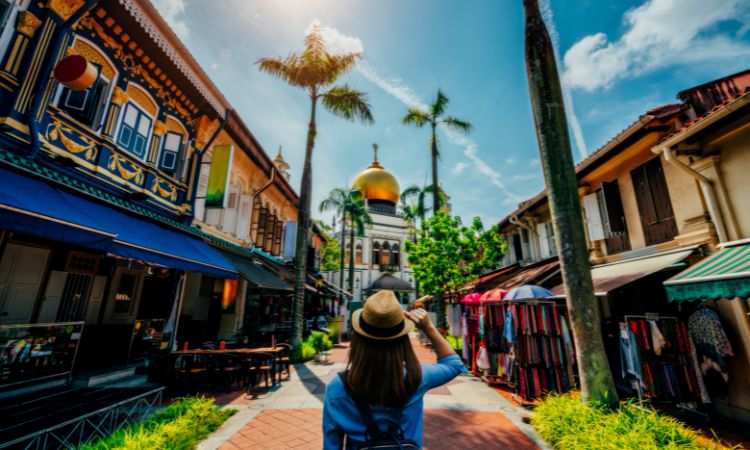
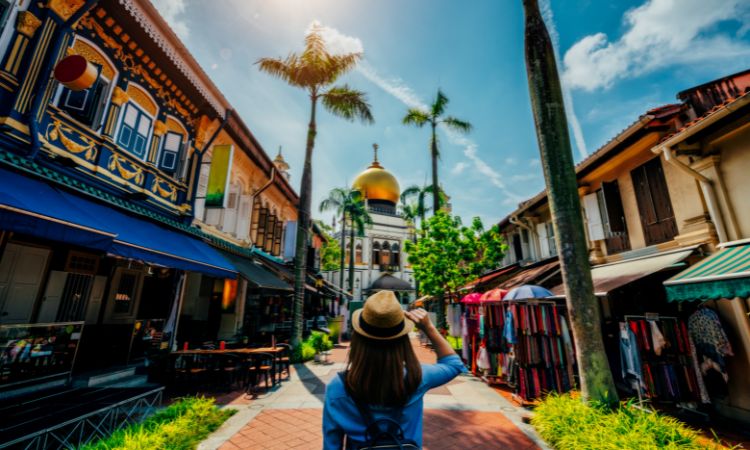
Stone Town, a UNESCO World Heritage site, presents a tapestry of centuries-old architecture, winding alleys, and bustling markets reflecting Zanzibar’s history as a crossroads of African, Arab, Persian, and European influences. Travelers can explore historic sites such as the Old Fort, the House of Wonders, and the Anglican Cathedral, each bearing witness to the island’s storied past, including its role in the spice trade and as a former hub of dhow-based commerce. Engaging with local artisans and sampling street-food specialties like Zanzibar pizza deepens cultural understanding. Guided walking tours reveal hidden courtyards, intricately carved doors, and tales of legendary inhabitants, offering immersive experiences in a living heritage.
Learn More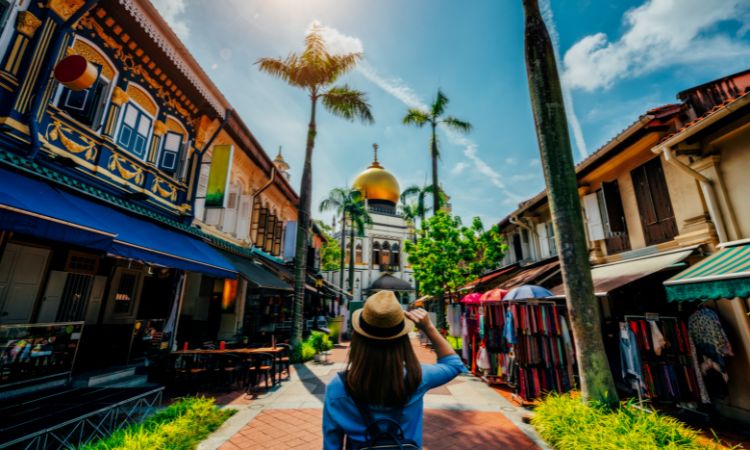
Known as the “Spice Island,” Zanzibar offers interactive spice plantation tours where visitors learn about cloves, nutmeg, cinnamon, vanilla, and other aromatic crops that shaped global trade routes. Walking through lush plantations, travelers smell and taste spices at their source, witness traditional processing methods, and enjoy farm-to-table meals infused with fresh ingredients. Culinary workshops teach preparation of Swahili dishes like biryani, pilau rice, and seafood curries using locally grown produce. The fusion of Arabic, Indian, and African culinary traditions yields memorable flavors. Even casual meals feature seafood straight from the ocean, reflecting Zanzibar’s deep connection to the sea.
Learn More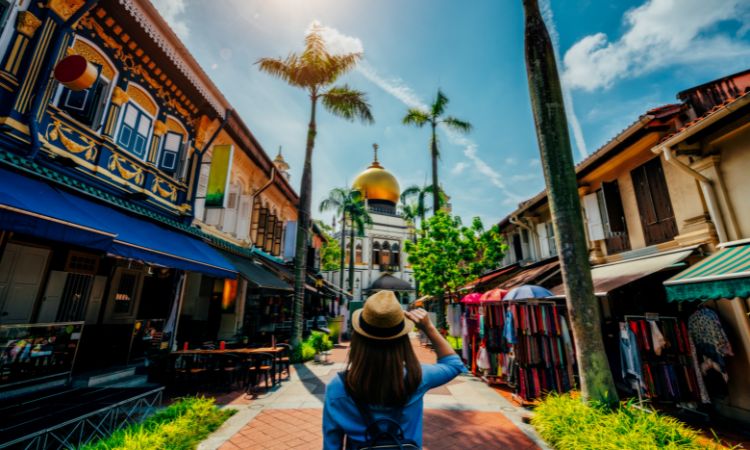
The waters around Zanzibar host vibrant coral reefs and diverse marine species, making the archipelago a prime destination for snorkeling and scuba diving. Dive sites such as Mnemba Atoll and Chumbe Island Coral Park showcase colorful reef systems teeming with tropical fish, turtles, and occasional dolphins. Beginners can take PADI courses, while experienced divers explore underwater pinnacles and wrecks. Snorkeling excursions reveal vivid coral gardens in shallow lagoons accessible from numerous beaches. For thrill-seekers, deep-sea fishing and day trips to remote sandbanks offer encounters with game fish and secluded picnic spots. Marine conservation initiatives allow travelers to learn about reef restoration and sustainable tourism practices.
Learn More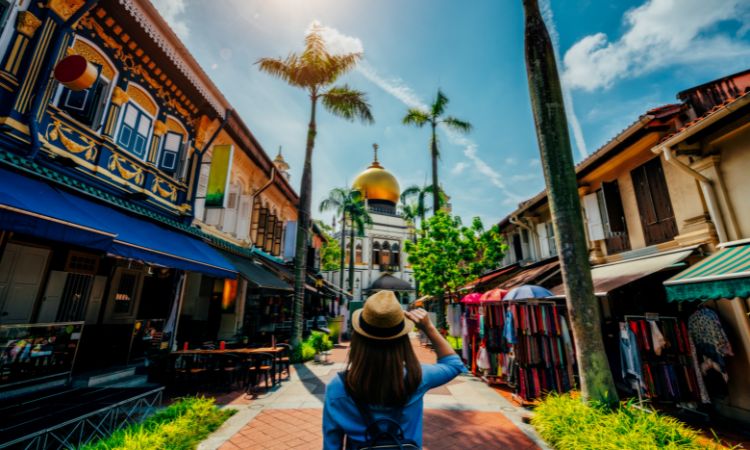
Beyond beaches, Zanzibar harbors unique terrestrial wildlife in Jozani-Chwaka Bay National Park, home to the endemic red colobus monkey and mangrove ecosystems. Guided forest walks reveal rare species, birdlife, and conservation efforts protecting fragile habitats. Dolphin-watching tours off Kizimkazi offer ethical encounters with wild dolphins in their natural environment. Sea turtle conservation centers near Nungwi and Michamvi provide insight into nesting cycles and rehabilitation work. Eco-lodges practice sustainable operations, inviting guests to participate in planting trees or beach clean-ups. Such experiences appeal to eco-conscious travelers and nature enthusiasts eager to support local conservation initiatives.
Learn More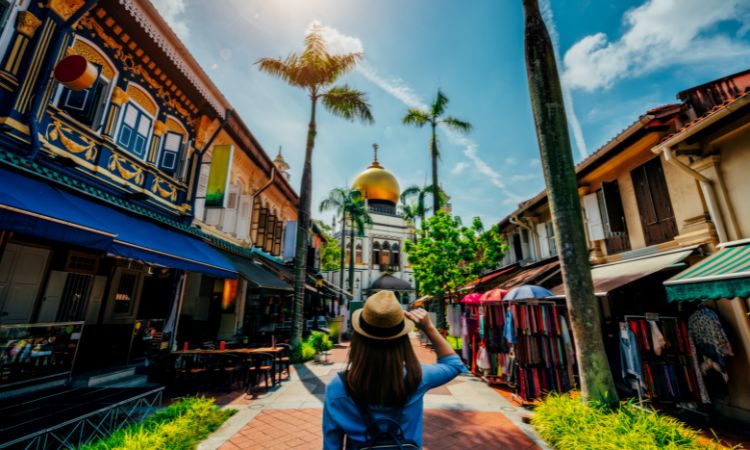
Zanzibar’s serene settings, luxury spa resorts, and beachfront villas create an idyllic backdrop for honeymoons and wellness retreats. Couples can enjoy private dinners on the beach, sunset cruises aboard traditional dhows, and spa treatments featuring local seaweed wraps and coconut oil massages. Yoga sessions on the sand at dawn, meditation overlooking the ocean, and wellness packages combining healthy Swahili cuisine with holistic therapies promote rejuvenation. Boutique hotels often offer personalized experiences—such as starlit dinners, photography sessions among historic locales, and curated excursions—ensuring memorable and restorative stays.
Learn More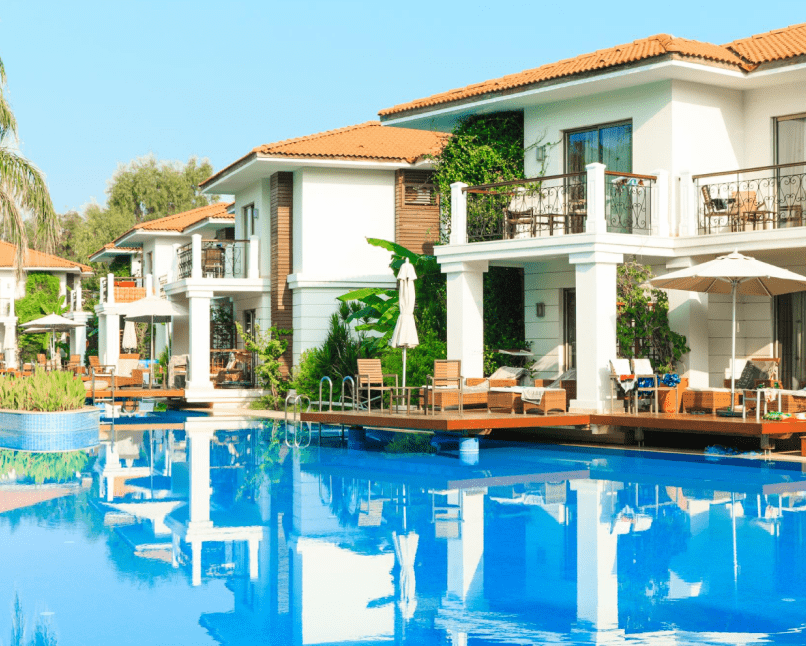
Lorem ipsum dolor, sit amet consectetur adipisicing elit. At illo adipisci iusto
From

Because more than 268 other customers have loved us too

Demonstrates commitment to user data security through encryption and secure payment practices
Learn More
Demonstrates commitment to user data security through encryption and secure payment practices
Learn More
Demonstrates commitment to user data security through encryption and secure payment practices
Learn More
Demonstrates commitment to user data security through encryption and secure payment practices
Learn More
Quality as judged by customers. Book at the ideal price!


/ person
/ person
/ person
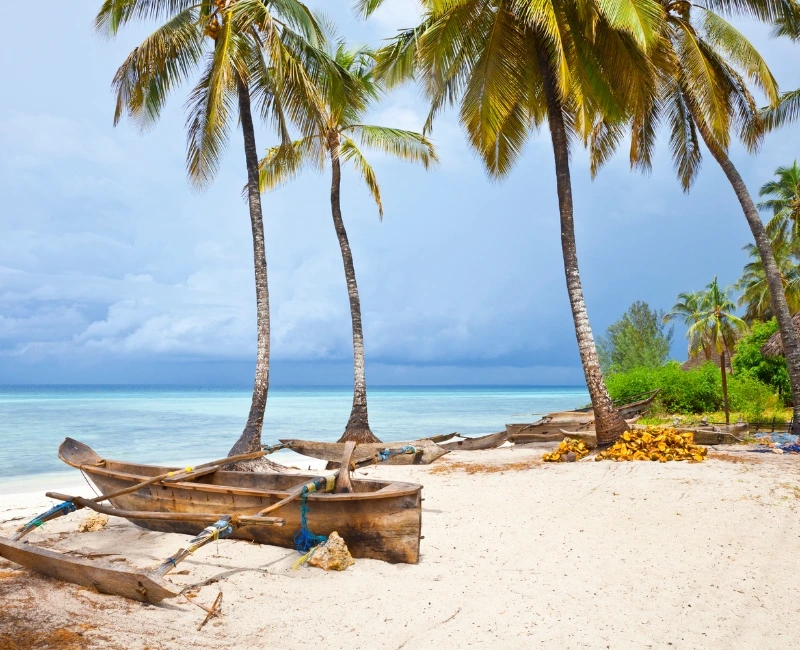
Nungwi Beach, at the northern tip of Unguja, is famed for its dazzling white sands, clear aquamarine waters, and vibrant local culture blending fishing heritage with tourism. This guide explores why Nungwi is a must-visit: the beach’s relatively calm waters in the morning are ideal for swimming and snorkeling, revealing coral fragments and small reef fish close to shore. Early risers can witness fishermen returning with their catch, offering insight into traditional dhow-based livelihoods. As the day warms, visitors can partake in boat-building workshops or observe craftsmen constructing wooden dhows, preserving centuries-old techniques that define the island’s maritime identity.Water sports enthusiasts find plenty of opportunities: kayaks glide over shallow lagoons at low tide, while stand-up paddleboarding reveals hidden sandbanks. Dive centers near Nungwi organize daily trips to Mnemba Atoll—a protected marine reserve where snorkelers and divers encounter vibrant coral gardens teeming with parrotfish, angelfish, and occasionally turtles. These excursions often include guidance on reef conservation, highlighting the delicate balance between tourism and environmental stewardship. Beachside, numerous bars and cafes serve fresh coconut water, fruit juices, and grilled seafood, enabling travelers to sample local flavors without straying far from the shoreline.Sunset at Nungwi is a spectacle: the horizon alights in hues of orange and pink, reflecting off tranquil waters. Many resorts and restaurants offer beachfront sunset seating or dhow sunset cruises, where guests sip tropical cocktails as traditional sails glide across the Indian Ocean. For those seeking a taste of nightlife, Nungwi hosts a handful of lively beach bars with live music or cultural performances, yet retains a laid-back vibe that respects the island’s rhythm. Accommodations range from eco-friendly bungalows to luxury villas with private plunge pools, catering to budgets and preferences across the spectrum.Sustainability-minded travelers should choose operators prioritizing reef-friendly practices—such as using reef-safe sunscreens and supporting local conservation projects. Interacting respectfully with the community, from tipping dive guides fairly to purchasing crafts directly from artisans, ensures economic benefits stay on-island. Whether one seeks adrenaline-fueled water sports, serene beach lounging, or cultural immersion in a fishing village setting, Nungwi Beach stands out as an emblem of Zanzibar’s coastal allure.
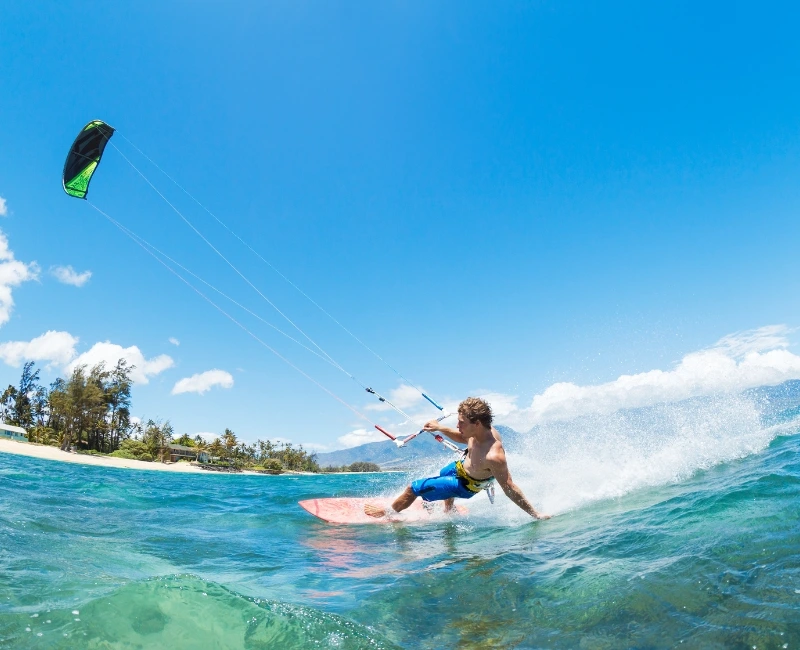
Paje, on Zanzibar’s southeast coast, is renowned globally as a kiteboarding hotspot thanks to consistent winds, shallow lagoons, and expansive sandy flats at low tide. This guide covers all aspects of a Paje visit: kiteboarding schools line the beachfront offering lessons for beginners through advanced kitsurfers. Learners start on shallow sandbanks where instructors guide safe techniques and equipment handling; experienced riders head further offshore to harness stronger winds and practice freestyle moves. Beyond kiteboarding, Paje’s lagoon is excellent for windsurfing and stand-up paddleboarding, allowing travelers to explore mangrove fringes and isolated sandbanks during mid-tide.Beach days in Paje combine action with relaxation: beach bars offer fresh smoothies, seafood platters, and Swahili snacks like urojo (Zanzibar mix) to refuel after sessions on the water. Yoga classes on the sand cater to those seeking balance and recovery, often timed around sunrise or sunset to take advantage of tranquil conditions. Photographers and social media enthusiasts appreciate Paje’s photogenic vistas—kite sails against blue skies and palm-lined shores. Accommodation options include beachfront eco-lodges, simple guesthouses, and mid-range hotels, many emphasizing sustainable practices like using solar energy and minimizing plastic waste.Beyond watersports, Paje serves as a gateway to cultural encounters: nearby villages invite visitors to experience local life, from school visits to community-run projects focusing on environmental education. Day trips can include exploring mangrove ecosystems via guided canoe tours—learning about coastal ecology and traditional uses of mangrove resources. Evenings bring relaxed gatherings at beach bonfires or live acoustic music events, forging connections among travelers and locals. Safety is well-managed: reputable kite centers provide appropriate gear checks, wind condition briefings, and rescue support if needed.For families, calmer lagoon areas allow children to safely paddle and explore tidal pools, discovering small marine creatures under supervision. Photogenic sunsets in Paje are ideal backdrops for casual dinners on the beach, featuring grilled fish and tropical salads infused with spices from inland farms. Travelers keen on wellness can book spa treatments incorporating local ingredients—seaweed wraps and coconut oil massages—offered by select resorts. Paje encapsulates Zanzibar’s adventurous side, marrying adrenaline sports with community engagement and eco-conscious ethos, making it an essential stop for active holidaymakers.
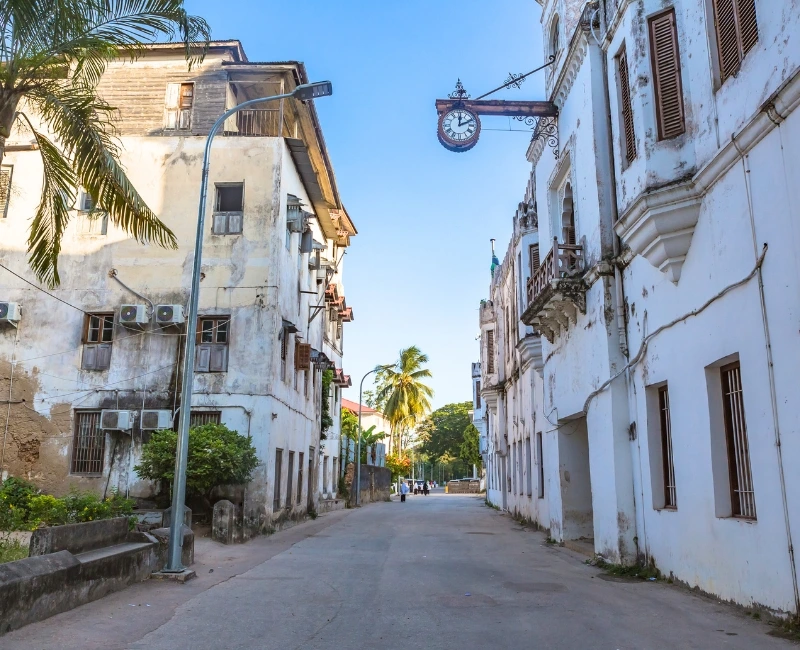
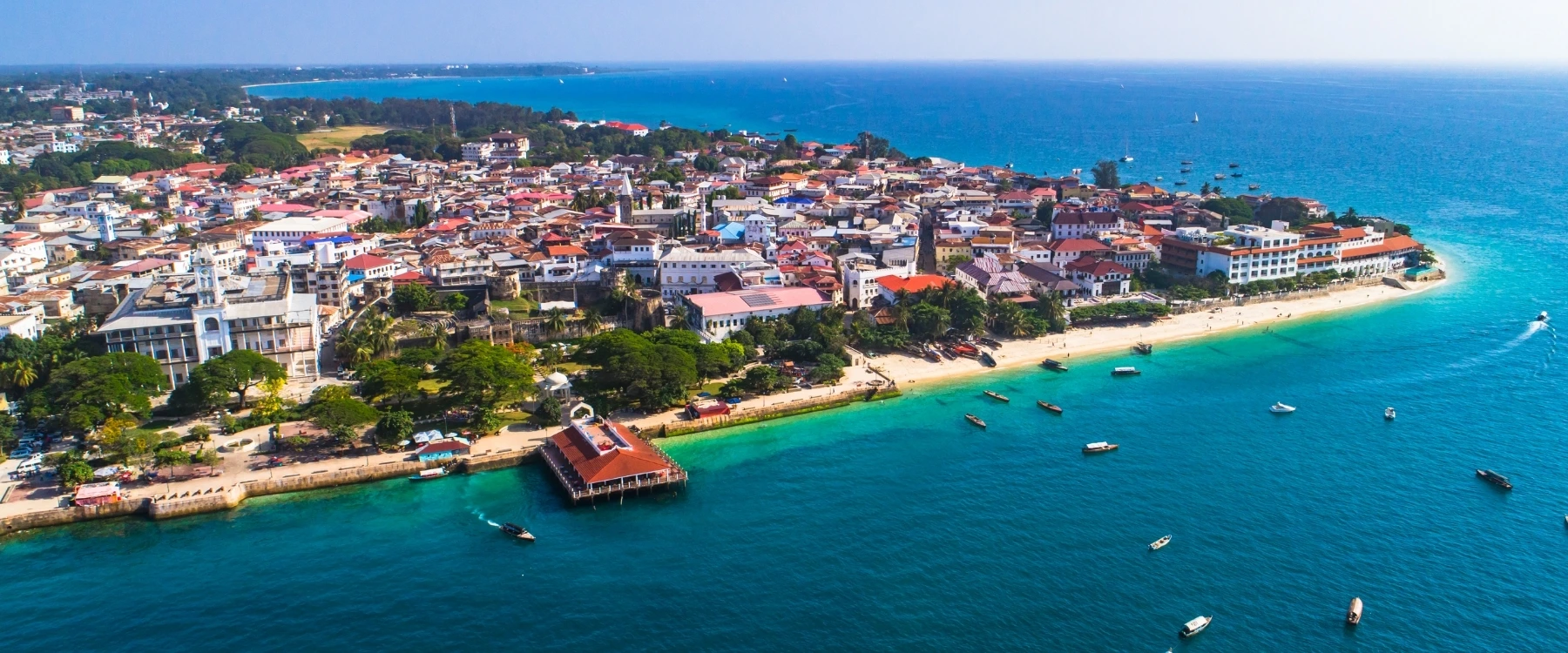
Stone Town, the beating heart of Zanzibar’s history, is a labyrinth of narrow alleys, bustling bazaars, and centuries-old architecture reflecting African, Arab, Persian, Indian, and European influences. This guide outlines how to explore its living heritage: begin at the Old Fort, one of the oldest buildings, where performances and exhibitions showcase local arts. Wander through Darajani Market, where vendors sell fresh produce, spices, seafood, and textiles—an opportunity to observe daily life rhythms and practice Swahili phrases. Architectural highlights include carved wooden doors, ornate balconies, and the House of Wonders (Beit-al-Ajaib), which illustrates Sultanate-era grandeur.A walking tour leads to the Anglican Cathedral, built on the site of a former slave market; its Museum of Slavery provides poignant historical context. Engaging with knowledgeable local guides uncovers stories of Zanzibar’s role in the Indian Ocean trade network and the spice commerce that shaped its identity. Visits to cultural centers reveal traditional dhow-making techniques, music workshops where taarab melodies resonate, and artisanal cooperatives producing intricately carved crafts and silverwork. Even food is history: sampling Zanzibar pizza at street stalls or dining in heritage houses turned restaurants offers flavors entwined with centuries of exchange.Photography enthusiasts should arrive early to capture soft morning light on ancient facades, then linger for sunset shots when golden hues accentuate textured walls. Hidden courtyards provide tranquil retreats from the busy streets, often housing boutique cafes serving spiced chai or fresh juice. Respectful attire (covering shoulders and knees) is advised when entering religious sites or local homes. Stone Town’s compact layout encourages exploration on foot; licensed guides ensure safe navigation and deeper insight. Visitors can also participate in cooking classes held in restored merchant houses, learning to blend spices authentically and understanding culinary traditions passed down generations.Evening experiences include dining on rooftop terraces overlooking rooftops and minarets, accompanied by dusk’s drifting calls to prayer. Cultural events such as Sauti za Busara music festival (typically in February) bring African rhythms to historic courtyards, though dates vary. Throughout, mindful travel practices—supporting local businesses, not photographing individuals without permission, and minimizing plastic usage—help preserve Stone Town’s charm. Stone Town reveals Zanzibar’s complex tapestry, offering travelers a profound connection to its past while engaging with vibrant present-day life.
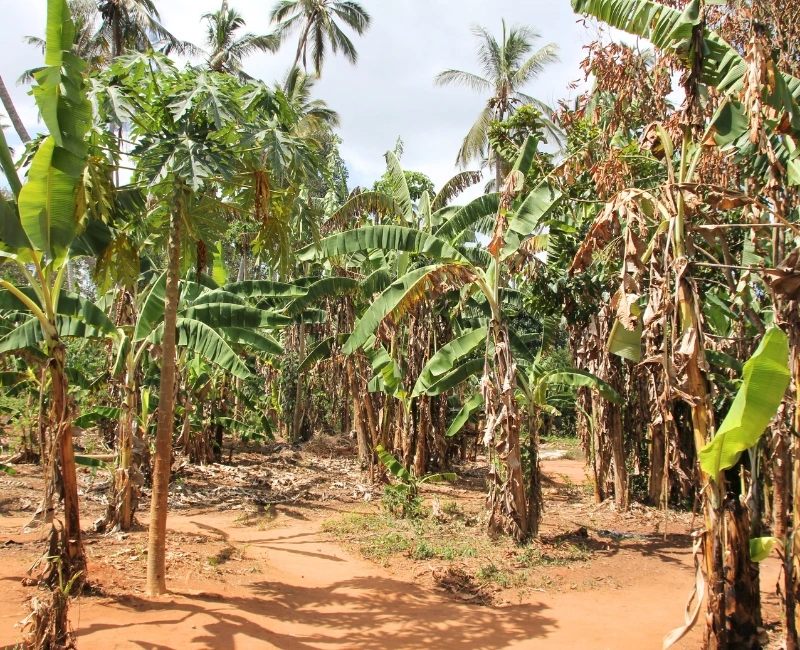
Zanzibar’s moniker “Spice Island” reflects its historic significance in cultivating cloves, nutmeg, cinnamon, vanilla, and other aromatic crops. This guide details immersive spice tour experiences: guests journey through lush plantations where guides demonstrate how spices grow, explaining harvesting techniques and traditional processing. Along the way, travelers taste fresh spices—sugar-coated cloves, raw nutmeg, and aromatic cinnamon bark—and learn to differentiate varieties by scent. Spice tours often culminate in farm-to-table meals prepared with just-picked ingredients, illustrating how spices shape Swahili cuisine’s depth and complexity.Beyond spices, many tours integrate visits to local villages, where travelers witness daily life: women grinding coconuts for coconut milk, fishermen mending nets, and artisans weaving baskets. Home visits provide insight into family structures and customary hospitality—guests may share homemade refreshments such as ginger tea or coconut juice. Educational components often highlight sustainable agriculture practices, organic farming initiatives, and efforts to combat deforestation. Interactions with farmers foster appreciation for the labor behind spice production and support rural livelihoods when tips and purchases are made responsibly.Adventure elements include bicycle tours linking spice farms with nearby villages, offering active exploration through rural landscapes dotted with coconut palms and tropical fruit trees. Photo opportunities abound: vibrant spice berries on branches, traditional drying racks, and rustic farm tools. Visitors learn about the broader historical context: how the spice trade connected Zanzibar to global markets, influencing its cultural mosaic. Small-group tours promote intimate experiences and reduce environmental footprint; many operators partner with community projects, allowing travelers to contribute to education or health initiatives in rural areas.Evening programs may include cooking classes in village homes or guesthouses, where participants prepare Swahili dishes using spices harvested earlier. These sessions deepen culinary knowledge and foster camaraderie with local hosts. For travelers seeking volunteer opportunities, some programs involve teaching English or assisting with sustainable gardening projects. Respect for local customs—dressing modestly, asking permission before photographing individuals, and adhering to community guidelines—ensures positive exchanges. Spice plantation and village life tours encapsulate Zanzibar’s agrarian heritage, offering authentic, educational, and sustainable travel experiences.
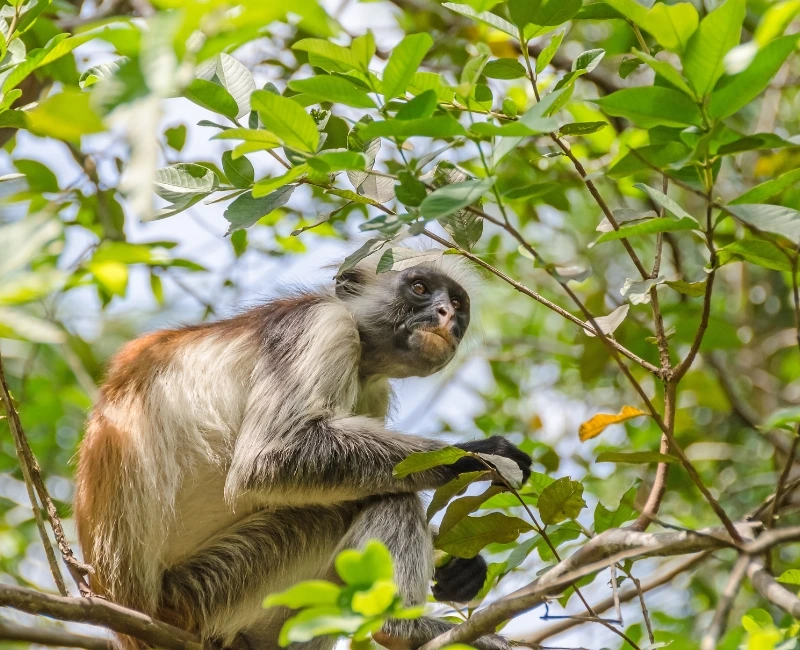
Jozani-Chwaka Bay National Park, Zanzibar’s principal protected area, harbors unique ecosystems and endemic species, most famously the Zanzibar red colobus monkey. This guide outlines planning a visit: located roughly 35 km southeast of Stone Town, Jozani’s guided walks traverse forest trails where red colobus groups forage amid mangrove fringes. Knowledgeable guides explain conservation challenges and local efforts to protect habitats from development pressures. Birdwatchers can spot species like the Pemba sunbird and mangrove kingfisher, while mangrove boardwalks reveal crab burrows and aquatic life in tidal channels.Beyond primates, visitors learn about forest regeneration projects where community initiatives plant seedlings to restore cleared areas. Educational centers offer displays on biodiversity importance and sustainable livelihoods that balance conservation with local needs. Early morning or late afternoon visits maximize wildlife sightings when animals are most active and temperatures are cooler. Photography enthusiasts benefit from diffused light under the canopy, capturing monkeys, butterflies, and unique flora. Respectful behavior—keeping quiet, maintaining distance, and following guide instructions—ensures minimal disturbance.Adjacent to Jozani, guided boat tours explore mangrove waterways, revealing the ecological link between forests and coastal environments. These excursions clarify how mangroves protect shorelines from erosion and serve as nurseries for fish species vital to local fisheries. Travelers interested in marine conservation can combine Jozani visits with beach clean-up activities or volunteer opportunities supporting turtle conservation sites near the coast. Some eco-lodges facilitate participation in citizen science projects, such as monitoring wildlife or assisting in data collection for habitat management.For adventure seekers, forest trails connect to community villages where visitors observe traditional crafts like weaving and learn about life outside tourist hubs. Picnic areas within the park allow relaxation surrounded by nature sounds. Combining Jozani with nearby mangrove tours and community experiences yields a comprehensive eco-adventure. Planning should account for park entry fees, which support conservation, and hiring licensed guides ensures informed and safe exploration. Jozani Forest underscores Zanzibar’s commitment to preserving its natural heritage while offering travelers meaningful connections to wildlife and ecosystems.
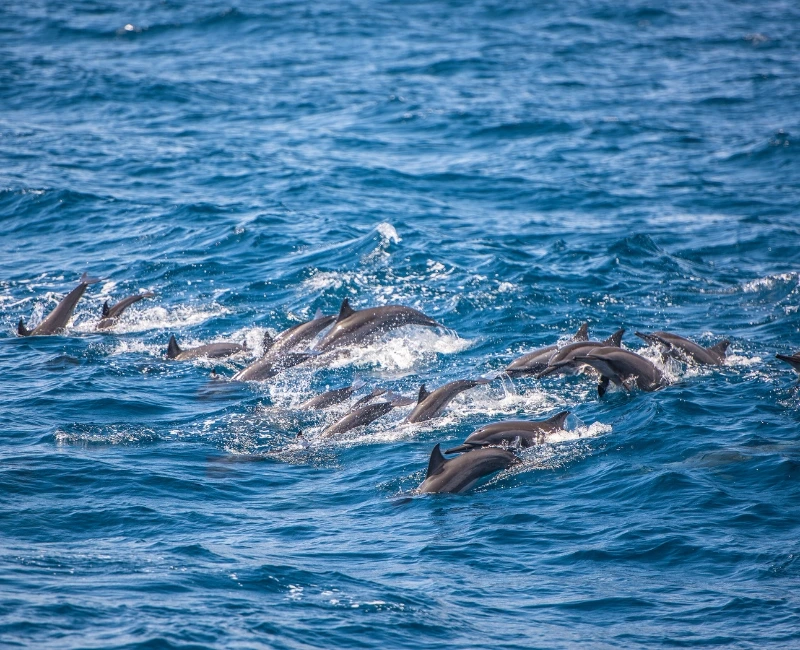
Kizimkazi, on Zanzibar’s southwestern coast, is renowned for dolphin-watching tours offering ethical encounters with wild dolphins in their natural habitat. This guide helps travelers choose responsible operators: tours depart early morning when dolphins are most active, navigating to local hotspots where spinner and bottlenose dolphins often congregate. Reputable operators adhere to guidelines—maintaining respectful distances, limiting group sizes, and avoiding disrupting feeding or breeding behaviors. Such practices support dolphin welfare and sustainable tourism.Beyond dolphin spotting, the guide highlights broader marine conservation activities. Travelers can participate in briefings about marine ecosystems, learning how coral reefs, seagrass beds, and mangroves interconnect to sustain biodiversity. Some initiatives allow visitors to assist in data collection—recording dolphin sightings or water quality measurements—contributing to ongoing research. Conservation centers near Kizimkazi and Nungwi engage guests in educational sessions on threats like plastic pollution and coral bleaching, promoting awareness and actionable behaviors such as reducing single-use plastics.Snorkeling trips often accompany dolphin tours, exploring nearby reef patches teeming with tropical fish. Participants receive orientation on reef-safe snorkeling practices: avoiding contact with corals, using biodegradable sunscreen, and supporting initiatives that restore damaged reef areas. For those seeking deeper dive, local dive centers offer introductions to marine conservation diving, where divers help plant coral fragments in restoration zones. This blend of adventure and stewardship ensures travelers leave a positive impact.Community integration is key: many tour operators collaborate with local fishermen, who share traditional ecological knowledge and benefit economically from conservation-minded tourism. Visitors may join small-group cultural exchanges, understanding how coastal communities balance livelihoods with protecting marine resources. For photographers and nature enthusiasts, early or late tours provide optimal light and calmer seas for capturing dolphin behaviors against scenic backdrops. Dolphins aside, tours may reveal turtles surfacing or seabirds swooping overhead, enriching the ocean wildlife experience. By selecting ethical dolphin tours and participating in conservation efforts, travelers enjoy memorable wildlife encounters while supporting Zanzibar’s marine ecosystems for future generations. .
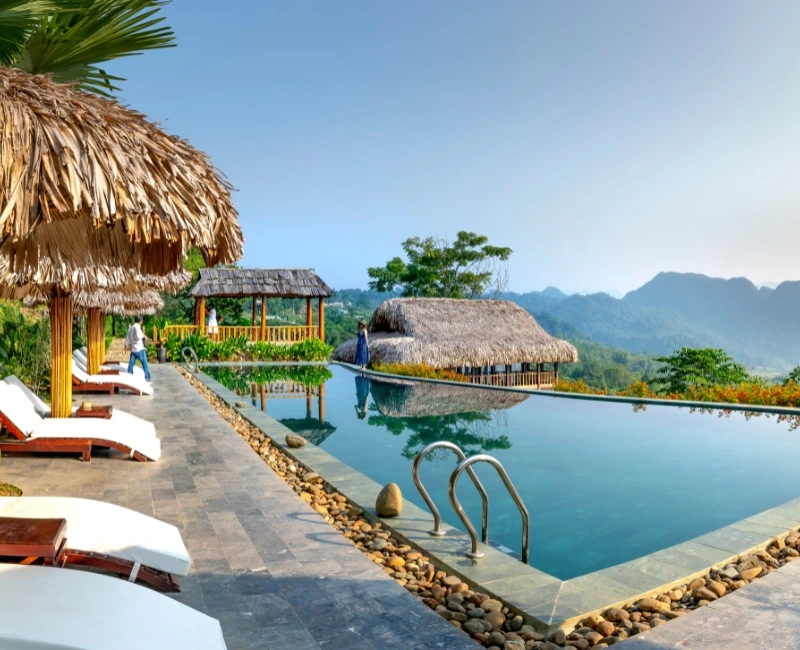
Zanzibar’s luxury resorts cater to wellness travelers seeking rejuvenation in serene oceanfront settings. This guide covers spa offerings that integrate local ingredients—seaweed wraps harvested responsibly, coconut oil massages using cold-pressed coconut from island farms, and aromatherapy featuring cloves and cinnamon essential oils. Many spas are open-air or beachfront pavilions, allowing gentle sea breezes and natural sounds to enhance treatments. Signature rituals might include scrubs using crushed coconut shells or body masks infused with island botanicals.Accommodations emphasize privacy and tranquility: villas with private plunge pools overlook the Indian Ocean, and secluded garden bungalows surround by tropical foliage provide calm retreats. Yoga and meditation sessions occur at dawn on wooden platforms suspended over shallow lagoons, with guided instructors drawing on peaceful surroundings. Wellness packages often combine daily spa treatments, healthy Swahili-inspired cuisine rich in fresh fruits, vegetables, and seafood, and gentle exercise like paddleboarding or guided nature walks in nearby forests.Healthy dining is a highlight: resorts may offer cooking demonstrations focusing on nutritious local dishes, teaching how to blend spices for flavor without excess salt or processed ingredients. Juice bars serve smoothies made from mango, pineapple, and passion fruit. Evening programs may include mindfulness workshops, beach bonfire gatherings, or stargazing sessions facilitated by local experts explaining navigational traditions. The emphasis is holistic: aligning physical treatments with mental relaxation and cultural immersion.For those seeking detox or weight-management retreats, some properties partner with wellness professionals to design personalized plans incorporating spa therapies, light exercise, and balanced meals. Sustainable practices—solar energy, rainwater harvesting, and supporting community projects—align with eco-conscious wellness philosophies. Booking during shoulder seasons (May or November) can yield quieter experiences and tailored attention. Travelers should check package details for inclusions such as airport transfers, spa credits, and excursion options (e.g., boat trips, cultural tours) to balance relaxation with light exploration. Zanzibar’s luxury spas and beachfront retreats offer a sanctuary where guests emerge refreshed, connected to natural rhythms, and enriched by subtle touches of Swahili culture.

Zanzibar’s romantic offerings shine through sunset dhow cruises, private beach dinners, and curated experiences ideal for honeymoons, anniversaries, or celebratory getaways. This guide details planning such occasions: traditional wooden dhows set sail from Nungwi or Stone Town, gliding across calm Indian Ocean waters as the sun dips below the horizon. Guests enjoy sparkling wine or fresh juices, with light hors d’oeuvres featuring local flavors like spiced nuts and seafood canapés. Photographers may capture silhouettes against fiery skies, creating lasting mementos.Private beach dinners provide another highlight: secluded stretches of sand arranged with lanterns, floral décor, and a personalized menu prepared by resort chefs. Menus often blend seafood delicacies—lobster grilled with citrus and spices—with vegetarian options showcasing coconut-based curries and aromatic rice dishes. Personalized touches such as handwritten notes, locally crafted keepsakes, or music playlists selected by guests elevate the experience. Many resorts facilitate surprise proposals or vow renewal ceremonies on the beach, coordinating with florists, musicians, and photographers to craft memorable events.For active couples, combined experiences blend romance with adventure: early-morning snorkeling trips to Mnemba Atoll followed by spa treatments, or joint cooking classes learning Swahili recipes then enjoying the meal together. Couples may participate in sunset yoga sessions or take bicycle rides through spice plantations and coastal villages. Wellness-focused retreats can include couples’ massages and meditation sessions overlooking the sea. Some providers offer stargazing experiences on remote sandbanks—where minimal light pollution reveals the Milky Way—included as part of honeymoon packages.Logistics: best booked in advance during peak seasons (June–October) to secure prime slots for sunset cruises or beachfront setups. Respectful attire for daytime tours transitions into elegant yet comfortable options for evening events—light fabrics suited to tropical evenings. Transportation from Stone Town or hotel to departure points is usually arranged by operators. Selecting eco-friendly providers ensures minimal environmental impact: opting for dhows maintained sustainably and supporting local communities. Zanzibar’s sunset cruises and romantic experiences combine natural beauty, cultural authenticity, and thoughtful details to create unforgettable moments for couples celebrating love and special milestones.
No ads. No trails. No commitments


Alice Roses
London, England
51 ST MATTHIAS ROAD
NOTTINGHAM, NOTTINGHAMSHIRE
NG3 2HF
Hours: 8:00 - 17:00, Mon - Sat
support@johnsonholidays.com