 Plovdiv Travel
Guide
Plovdiv Travel
Guide
Paris is known around the world as the “capital of love,” and even if you don't understand the history of Paris at all

3.5 Hours
£1.50
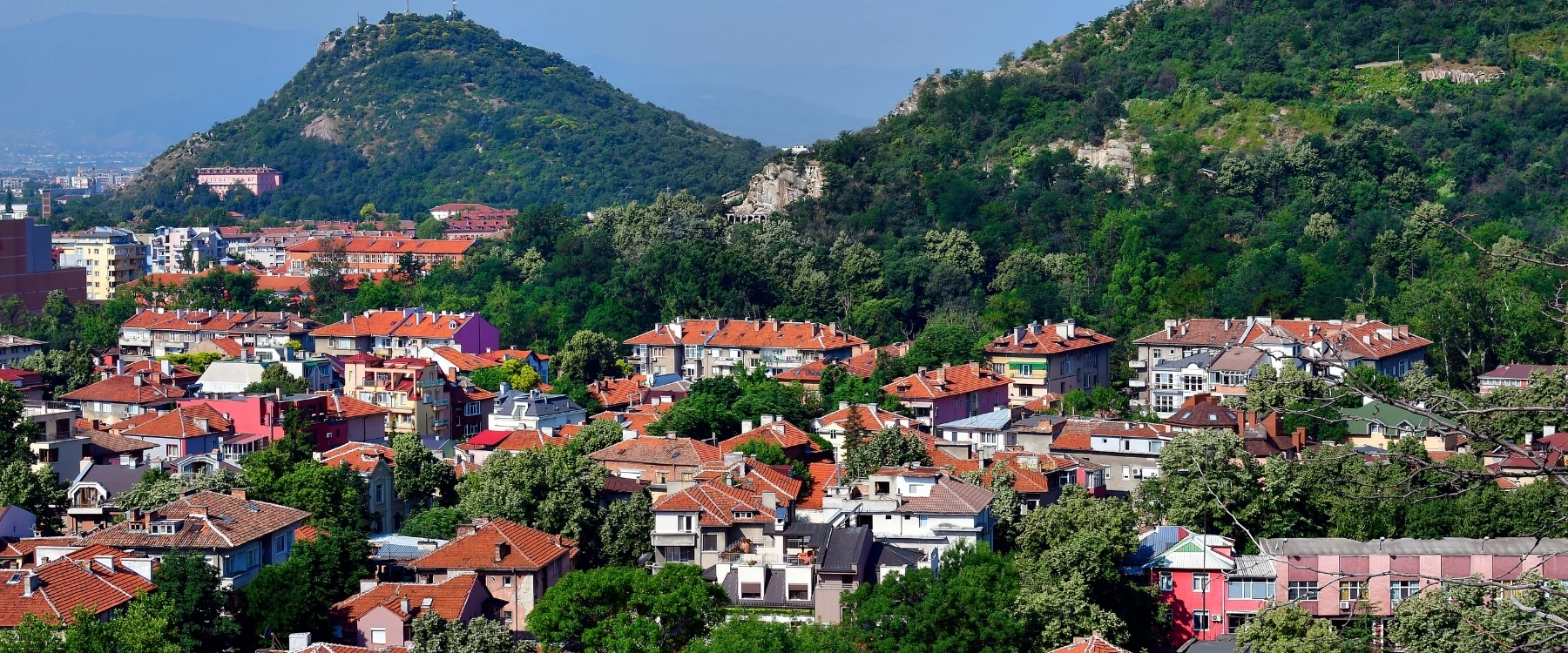
Plovdiv’s ancient roots date back over 6,000 years, making it one of Europe’s oldest continuously inhabited settlements. Visitors can stand inside the remarkably preserved Roman Ancient Theatre, marvel at mosaics in the Early Christian basilica remains, or wander through the Old Town’s Revival-era houses, each embellished with ornate woodwork and vibrant frescoes. Unlike destinations where antiquity feels confined to tourist zones, Plovdiv’s historical layers are woven into daily life: cafés occupy centuries-old courtyards, and archaeological sites emerge beneath modern streets. This intimate proximity to diverse eras fosters a deep connection to the past, allowing travellers to experience history tangibly rather than through distant museum displays. For culture enthusiasts and curious explorers alike, Plovdiv offers a living museum where every hill and lane reveals stories of empires, traditions, and transformations.
Learn More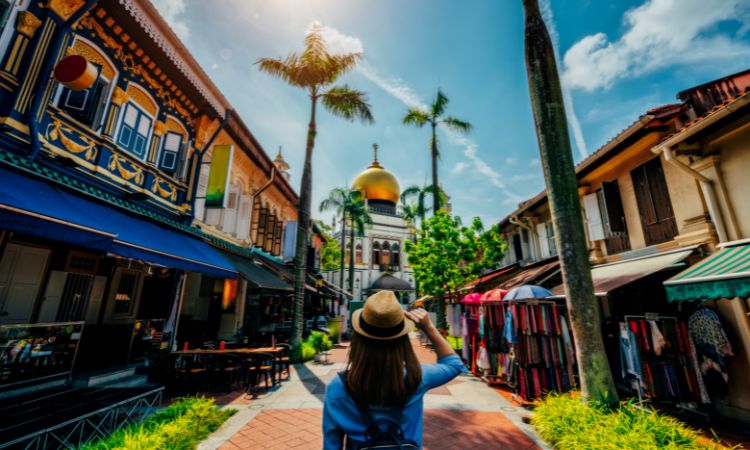
Compared to many Western European city destinations, Plovdiv provides excellent value for money. Quality accommodation—ranging from charming boutique guesthouses in the Old Town to well-equipped mid-range hotels—often falls under £50–£70 per night outside peak festival periods. Dining at local restaurants and taverns allows visitors to sample authentic Bulgarian dishes—like shopska salad, grilled meats, and flaky banitsa pastries—often for just a few pounds per meal. Public transport, tram and bus tickets, or ride-shares remain budget-friendly, and entry fees to museums or historic sites are modest. Even guided tours or wine-tasting experiences in nearby regions tend to cost less than equivalents in Western Europe. For travellers mindful of expenses without wanting to compromise on quality or cultural richness, Plovdiv emerges as a compelling, wallet-friendly choice.
Learn More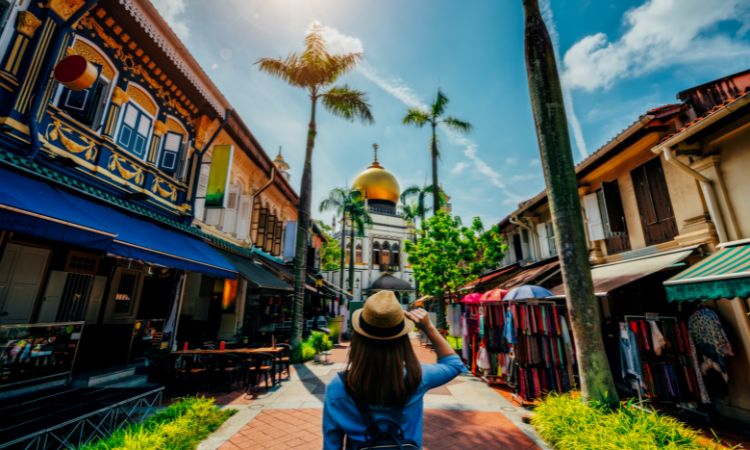
Plovdiv’s cultural calendar brims with festivals, exhibitions, and performances year-round. The Ancient Theatre frequently hosts concerts spanning classical, jazz, and contemporary genres under starlit skies. Art galleries spotlight both Bulgarian and international artists, while street art trails in neighbourhoods like Kapana showcase fresh creativity. Film screenings, literary events, and craft fairs provide immersive experiences, often organised by local collectives eager to share regional traditions. Even outside scheduled events, lively cafés, wine bars, and craft breweries foster convivial atmospheres ideal for meeting locals. This cultural vitality, set against a backdrop of historic architecture and modern amenities, ensures that every visit presents new discoveries: one day exploring museum exhibitions, another attending a music festival or artisan workshop. Plovdiv’s creative pulse resonates with travellers seeking authentic engagement beyond surface sightseeing.
Learn More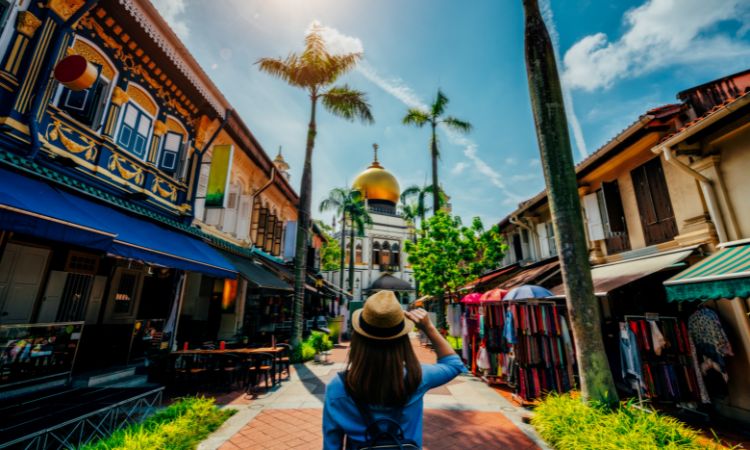
Strategically located in the Maritsa River valley, Plovdiv offers easy access to diverse Bulgarian landscapes. To the south, the Rhodope Mountains beckon with scenic hiking trails, waterfalls, and folklore-rich villages; day trips reveal natural wonders like Buynovo or Trigrad Gorge, often for minimal transport costs. Eastward, the Thracian Plain hosts vineyards where travellers can savour regional wines, pairing tastes with stories of ancient winemaking traditions. Gentle cycling routes or riverside walks along the Maritsa provide relaxing escapes within minutes of the city centre. Whether you seek active outdoor adventures or serene rural retreats, Plovdiv functions as a comfortable base—combining city comforts with swift access to countryside charms at a fraction of the price of typical Alpine or Mediterranean hubs.
Learn More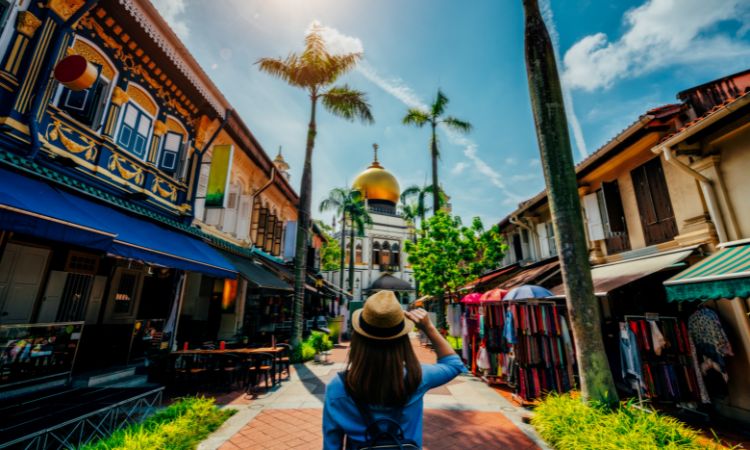
Bulgarian cuisine in Plovdiv reflects hearty flavours and fresh, seasonal ingredients. Local markets brim with produce, while restaurants serve regional specialties: tarator (cold cucumber soup), kavarma stews, grilled meats like kebapche, and freshly baked banitsa. The city’s burgeoning café culture offers artisanal coffee and pastries, while craft breweries and wine bars highlight Bulgaria’s brewing and viticulture traditions. Wine tasting tours in nearby Thracian vineyards introduce travellers to indigenous grape varieties, often accompanied by traditional mezze. For budget-conscious visitors, street food stalls and small family-run taverns provide authentic meals at modest prices—typically under £5–£8 per hearty portion. Food lovers appreciate Plovdiv’s ability to deliver memorable gastronomic experiences without the premium costs seen elsewhere in Europe.
Learn More
Beyond guided tours, Plovdiv invites travellers to immerse themselves in local rhythms: join a cooking workshop in a family home to learn traditional recipes; attend community-led craft demonstrations showcasing pottery or wood carving; explore neighbourhood markets alongside residents selecting fresh produce; or participate in seasonal celebrations such as harvest festivals or folk dance evenings. Many local guides and operators focus on small-group, personalised activities that foster genuine cultural exchange. English is widely spoken in tourism circles, yet interacting in Bulgarian—even a few basic phrases—earns warm appreciation. These authentic, grassroots experiences grant deeper insight into Bulgarian life and traditions, ensuring visits extend beyond surface-level attractions into meaningful encounters that linger long after departure.
Learn More
Lorem ipsum dolor, sit amet consectetur adipisicing elit. At illo adipisci iusto
From

Because more than 268 other customers have loved us too

Demonstrates commitment to user data security through encryption and secure payment practices
Learn More
Demonstrates commitment to user data security through encryption and secure payment practices
Learn More
Demonstrates commitment to user data security through encryption and secure payment practices
Learn More
Demonstrates commitment to user data security through encryption and secure payment practices
Learn More
Quality as judged by customers. Book at the ideal price!


/ person
/ person
/ person
Plovdiv’s Ancient Theatre stands as a testament to the city’s glorious past, its stone seating tiers and stage backdrop remarkably preserved since the 2nd century AD. Arriving early or later in the afternoon rewards you with soft, golden light perfect for photography, and a quieter atmosphere in which to absorb the scale of this amphitheatre. Once you’ve wandered the tiers and imagined ancient crowds, step into the adjoining Old Town, where narrow cobblestone lanes wind between pastel Revival-era houses. Intricately carved wooden eaves and hand-painted frescoes peek through open windows of artisan workshops and small museums housed in these period buildings, offering glimpses of local crafts, period furnishings, and exhibits on Plovdiv’s role through Thracian, Roman, and Ottoman times.Near the theatre, descend slightly to uncover the buried Roman stadium ruins, their mosaic floors and structural outlines visible beneath glass panels in the pavement. Meander toward Saeva Dacha, a tranquil courtyard peppered with cafés where you can pause over a traditional Bulgarian coffee and baklava while watching sunlight filter through vine-laden trellises. A short climb leads to Nebet Tepe hillfort, whose ancient walls crown one of Plovdiv’s famed hills and offer sweeping panoramas of red-tiled roofs, church domes, and distant vineyards. Interpretive plaques in English and Bulgarian contextualize each site, but a knowledgeable local guide can enrich your experience with stories of emperors, merchants, and everyday residents who once walked these very stones.Throughout your exploration, photography enthusiasts find endless motifs: the interplay of light and shadow on weathered stone staircases, the vibrant contrast of pastel façades against bright blue skies, and intimate details such as wrought-iron balconies adorned with geraniums. By interweaving visits to the Ancient Theatre with deeper Old Town wanderings—through small museums, hidden cafés, and hilltop viewpoints—you’ll gain a panoramic sense of Plovdiv’s living history, where antiquity and revival coexist in streets that have welcomed travelers for millennia.
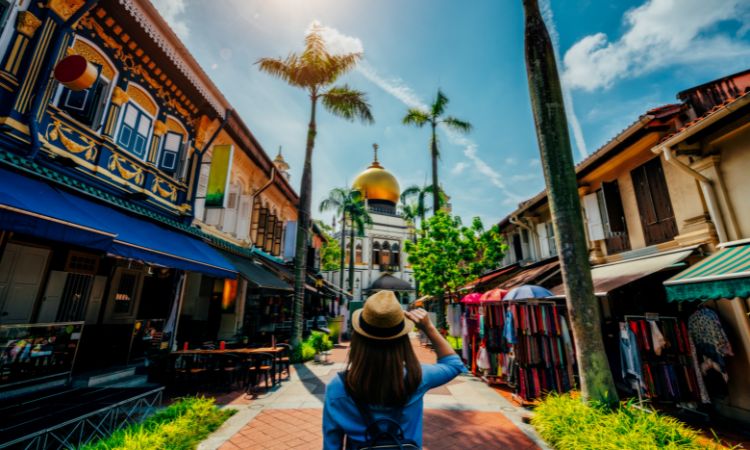
Plovdiv’s layers of history extend well beyond its famed Ancient Theatre, with archaeological and museum experiences that span Thracian, Roman, Byzantine, and Ottoman periods. Begin at the Regional Historical Museum, situated in an elegant Revival-style building at the edge of the Old Town. Here, curated galleries display Thracian tomb artifacts—golden funerary masks and intricately patterned pottery—alongside Roman mosaics, Byzantine icons, and ethnographic exhibits that bring traditional crafts and village life into focus. Its comprehensive narrative traces Plovdiv’s transformation from early settlement through imperial conquests to modern nationhood.A few blocks away, the Ethnographic Museum occupies an impeccably restored Revival house where interiors showcase wood-carved furniture, ornate textiles, and traditional costumes. Hands-on workshops offer demonstrations in weaving, woodcarving, and folk embroidery, inviting visitors to try these crafts themselves. Scattered around the city center are open-air archaeological sites: near the Maritsa River, excavations reveal the outlines of the ancient city’s marketplace and residential districts, with glass-covered pavements granting a window onto Roman columns and mosaic fragments below. The Roman Forum and Odeon ruins, adjacent to pedestrian boulevards, present mosaic flooring and column bases that hint at public life in antiquity.For deeper insight, join an archaeological walking tour led by local experts who narrate recent discoveries and ongoing preservation efforts, explaining how modern development harmonizes with heritage protection. Photography is generally permitted—just respect signage around delicate zones. As you move from the museum’s climate-controlled halls to the outdoor remnants of past civilizations, you’ll develop a tangible connection to Plovdiv’s multi-layered identity, where every pottery shard, carved stone, and fresco fragment contributes to a living chronicle etched into the city’s very foundations.
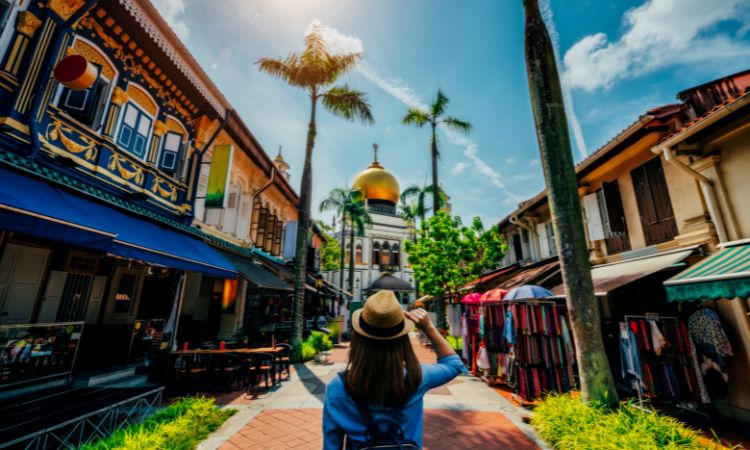
Kapana—“The Trap”—lives up to its name by ensnaring visitors in a vibrant maze of creativity. Once an industrial quarter, it now pulses with artisan workshops, galleries, cafés, and dynamic street art. Wandering its narrow lanes, you encounter bold murals painted on refurbished factory walls, each reflecting local culture, social themes, or abstract artistry. Inside converted workshops, galleries host rotating exhibitions of Bulgarian and international artists, their opening nights drawing crowds eager to discuss the works over locally roasted coffee or regional wine.Artisan boutiques line side streets, offering handmade ceramics patterned with traditional motifs, contemporary jewelry sculpted from silver and glass, and hand-woven textiles that blend age-old techniques with modern design. Culinary venues in Kapana complement the visual feast: specialty coffee shops pull espresso shots from single-origin beans, while micro-breweries serve craft beers flavored with local hops. Small bistros fuse Bulgarian ingredients with global flavors—imagine roasted pepper hummus topped with sirene cheese or grilled trout with lavender honey glaze. Evenings sparkle with live music and poetry readings in intimate courtyard cafés, fostering a convivial atmosphere where travelers and locals mingle.Workshops bookable in advance immerse you in creative processes—throw a pot on a wheel, screen-print a custom design, or learn basic icon-painting under a master’s guidance. Seasonal events—design fairs, pop-up markets, and street theatre—regularly animate Kapana’s cobblestones. Whether you linger over a latte in a repurposed warehouse café or join a communal studio session crafting your own keepsake, Kapana offers a dynamic fusion of past and present, where historic structures house the city’s most innovative cultural expressions.
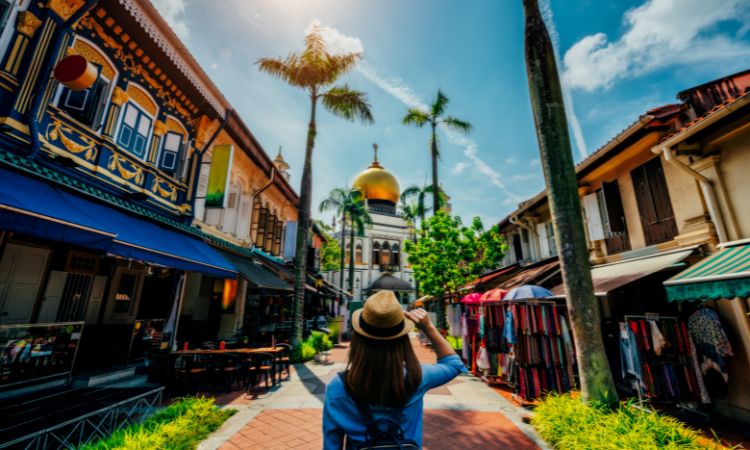
Plovdiv’s cultural calendar ensures that each visit can be uniquely tailored to live performances, festivals, and an eclectic nightlife scene. From late spring through summer, the Ancient Theatre transforms nightly into an open-air stage for classical orchestras, contemporary bands, and film screenings under starry skies. Nearby courtyards and gardens host arthouse film festivals, showcasing international cinema with subtitles, while the city’s energy peaks at music festivals spotlighting jazz, folk, and electronic sounds across venues both large and intimate.Evenings in the Old Town offer diverse options: wine bars pour Bulgarian vintages—Mavrud, Melnik, and Rubin—paired with cheese boards and charcuterie; craft breweries present seasonal ales in relaxed taprooms; and cocktail lounges blend international recipes with regional ingredients, such as rosewater-infused martinis or herb-sprigged spritzers. For a folkloric twist, seek out mehana venues staging live folk ensembles where accordion and tambura melodies entice you into traditional circle dances. Nightclubs concentrate around the city center and Studentski Grad, where electronic DJs and indie bands keep dancers moving until dawn.Getting between hotspots is easy by foot in the compact center or via quick taxi or ride-share—no long waits, even late at night. English-language event listings are available at tourist centers and online, ensuring you don’t miss theatre productions, dance performances, or poetry slams. Whether you savor a symphony amid ancient columns or lose yourself in a neon-lit dance floor, Plovdiv’s festivals, concerts, and nightlife fuse heritage and contemporary flair to create evenings as memorable as its storied past.
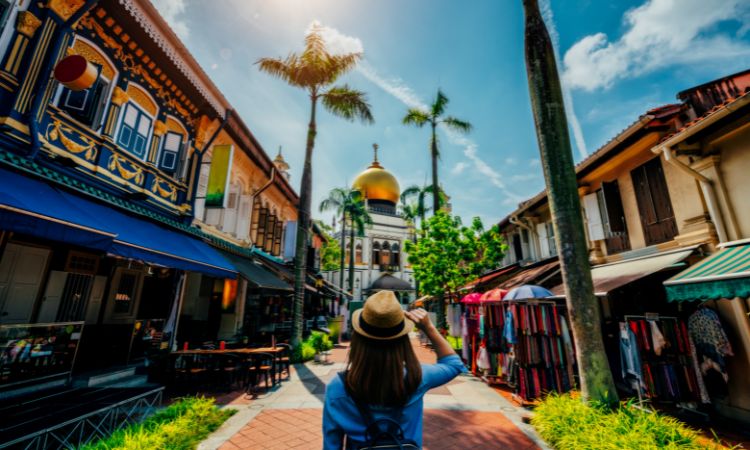
A scenic drive or organized tour south of Plovdiv leads you into the Rhodope Mountains, where dramatic gorges, hidden caves, and traditional villages await exploration. Trigrad Gorge stands as a striking highlight, its vertical cliffs carved by the Trigrad River into a narrow passage perfect for hiking alongside rapids or venturing into the Devil’s Throat Cave. Here, guided spelunking adventures trace subterranean waterfalls that thunder through vast chambers, their echoes lending an otherworldly atmosphere.Beyond caves, verdant trails weave through pine and beech forests toward panoramic overlooks where mist-shrouded peaks greet dawn. Mountain villages such as Shiroka Laka and Shestakovo preserve Rhodope folklore in wooden houses adorned with intricate carvings; folklore museums here exhibit traditional costumes and musical instruments, often accompanied by impromptu performances of gaida (bagpipe) tunes. Local guesthouses serve hearty mountain fare—bean soups, grilled meats, and freshly baked bread—paired with herbal teas made from foraged mountain herbs.Birdwatchers and botanists delight in spotting endemic species: woodpeckers tapping ancient trunks, Balkan chamois grazing on rocky ledges, and spring wildflowers carpeting forest clearings. In autumn, ridgelines blaze with gold and crimson, offering spectacular photo opportunities at every turn. Whether you choose a leisurely guided excursion or craft your own route by car, a day trip into the Rhodopes blends exhilarating adventure with cultural insights, revealing a quieter, wilder facet of Bulgarian heritage just a few hours from Plovdiv’s city lights.
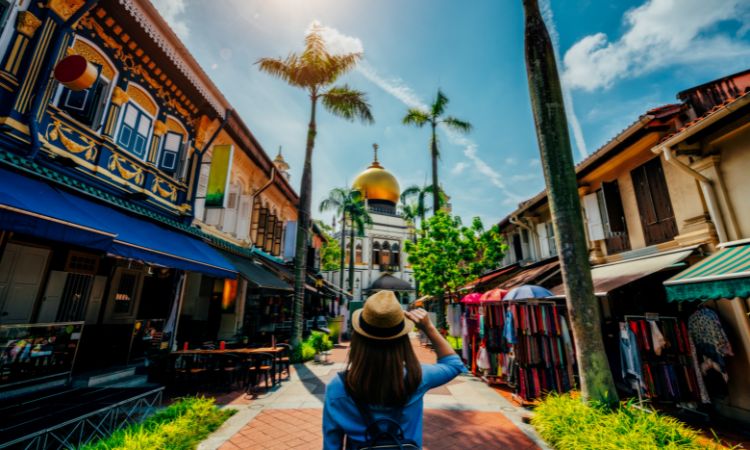
Flowing gently through Plovdiv, the Maritsa River creates a ribbon of green spaces and pastoral scenery inviting serene exploration. Rent a bicycle in the city and follow riverside cycle paths that thread through leafy parks, tranquil canal sections, and riverside cafés where locals gather for morning coffee or evening strolls. Mist rising at dawn paints the waterway in soft hues, offering photographers dreamlike compositions of bridges arching over glassy waters.Seasonal rentals of kayaks and paddle boards allow for a fresh viewpoint of the city’s skyline from the river itself, especially in late spring and summer when water levels are ideal. Venturing beyond the immediate banks, small villages dot the Maritsa Plain, where farm-stay accommodations welcome guests into daily rural rhythms—milking goats, collecting eggs, or helping prepare homemade jam in cottage kitchens. Wetland areas along the river attract migratory birds, making early-morning birdwatching a highlight for nature enthusiasts.In autumn, the plain’s vineyards host grape harvest events: visitors don traditional attire, join locals in picking grapes, and taste freshly pressed must in cool cellars. For a more leisurely pace, guided horseback rides meander through meadow trails and vineyard slopes, offering gentle exercise and close encounters with Bulgaria’s pastoral landscapes. Whether your ideal escape involves active paddling, cycling amid green banks, or savoring rustic village hospitality, excursions along the Maritsa River and its countryside embrace the region’s fertile heritage and provide a restorative contrast to urban sightseeing..
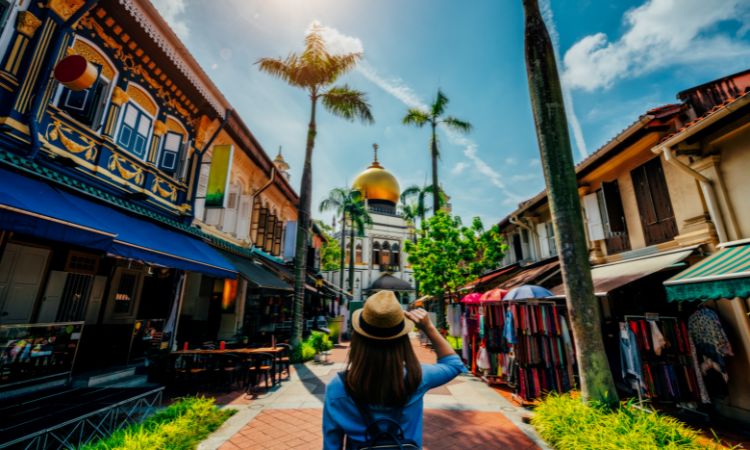
Plovdiv’s culinary offerings reflect Bulgaria’s rich agricultural bounty and evolving gastronomic scene. Begin your epicurean journey with a guided market tour: the central bazaars brim with ripe tomatoes, peppers, fragrant herbs, creamy sirene cheese, and savory cured meats. Sample fresh bread and seasonal fruits as vendors share stories of local harvests. Next, join a hands-on cooking workshop where you learn to craft traditional dishes such as banitsa, kavarma, or shopska salad under the tutelage of a local chef—experiences that yield both delicious meals and recipes to recreate at home.Lunchtime may find you at a family-run mehana, where kebapche sizzle over charcoal and lyutenitsa—a pepper-tomato relish—adds piquant depth to every bite. For dessert, indulge in tikvenik, a pumpkin-filled pastry dusted with sugar, or crisp layers of baklava dripping with honey. As afternoon settles in, embark on a wine-tour through the Thracian Valley, one of Bulgaria’s premier viticultural regions. Boutique wineries welcome visitors to their vineyards, offering tastings of indigenous varietals like Mavrud and Rubin alongside international grapes cultivated here. Cellar tours reveal age-old stone-lined passages where barrels rest in cool darkness, and tasting rooms pair robust reds or crisp whites with local cheeses and homemade charcuterie.Back in Plovdiv, intimate wine bars present flights that let you compare styles, while craft beer pubs showcase local hops in inventive ales. Food-and-wine pairing dinners spotlight new culinary talent, often at remarkably modest prices—tasting menus with wine pairings can run under £30 per person. Whether your palate favors hearty comfort food or refined vintages, Plovdiv’s culinary trails and wine experiences blend tradition with innovation, ensuring every meal is both a cultural lesson and a feast for the senses.
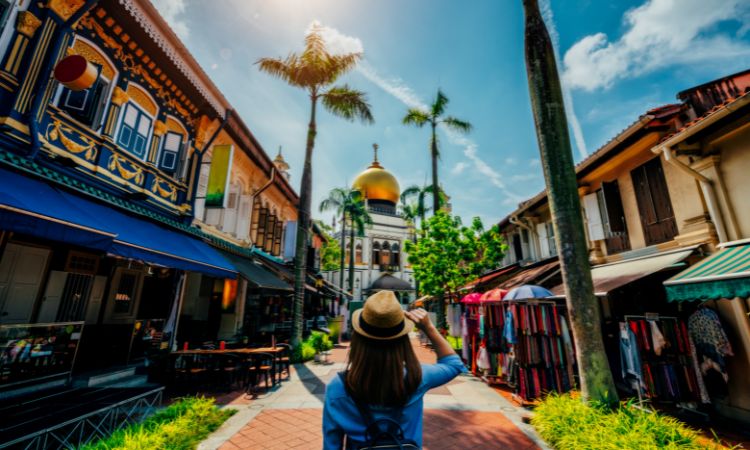
After days of exploring ancient ruins and bustling markets, Plovdiv and its surroundings offer inviting retreats for rest and rejuvenation. A short drive or organized transfer brings you to spa resorts built around natural mineral springs, their thermal waters acclaimed for therapeutic qualities. These facilities offer a range of treatments—mineral baths, full-body massages, aromatherapy sessions infused with Bulgarian rose oil, and mud wraps—that soothe tired muscles and calm the mind. Day-use packages typically include access to indoor pools, saunas, and relaxation lounges, often complemented by light healthy meals sourced from local organic farms.Within the city, boutique studios host yoga and Pilates classes in serene settings: historic courtyards transformed into practice spaces or rooftop studios overlooking terracotta roofs and green hills. Holistic practitioners offer reflexology, reiki, and traditional herbal therapies drawing on Bulgaria’s rich plant-medicine heritage. Wellness cafés supply cold-pressed juices, detox smoothies, and salads featuring seasonal produce, supporting a balanced approach to travel nutrition.For an immersive wellness retreat, combine spa treatments with countryside nature walks or gentle horseback rides through vineyards and olive groves, where the scent of pine and lavender lingers on the breeze. Whether you choose a full-service spa resort outside Plovdiv or maintain your personal wellness routine at city-center studios, these experiences ensure your journey balances cultural discovery with restorative care, leaving you refreshed in body and spirit.
No ads. No trails. No commitments


Alice Roses
London, England
51 ST MATTHIAS ROAD
NOTTINGHAM, NOTTINGHAMSHIRE
NG3 2HF
Hours: 8:00 - 17:00, Mon - Sat
support@johnsonholidays.com