 Alentejo Travel
Guide
Alentejo Travel
Guide
Paris is known around the world as the “capital of love,” and even if you don't understand the history of Paris at all

3 Hours
£2.50
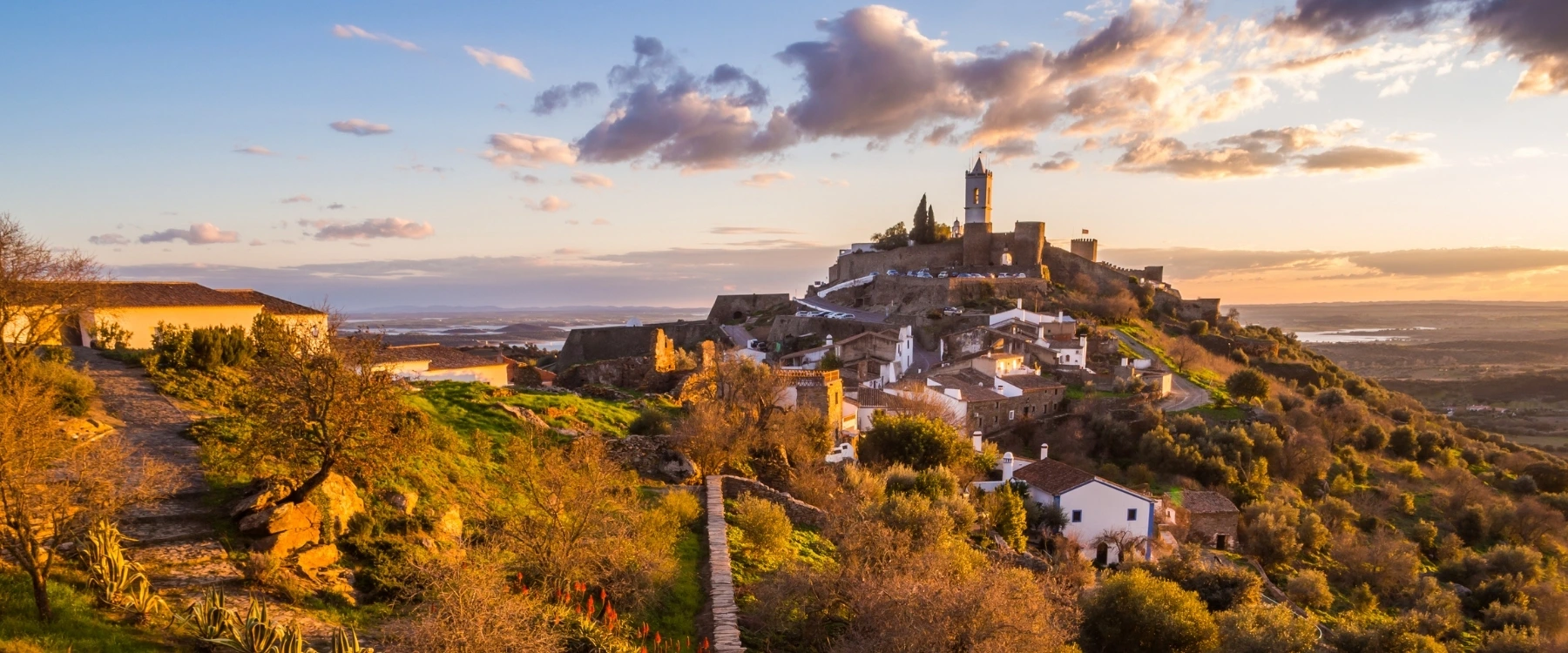
Alentejo reveals layers of history through its well-preserved towns, ancient ruins, and enduring traditions. In Évora, Roman temples coexist with medieval churches and whitewashed façades, creating a tapestry of eras. Monsaraz perches above the Alqueva reservoir, and its hilltop castle offers panoramic views over historic landscapes. Local festivals celebrate folk music, gastronomy, and crafts—joining in these events provides a genuine glimpse into community life. Traditional pottery, embroidery, and cork products underscore the craftsmanship passed down through generations. By booking Alentejo, travellers support sustainable rural economies and engage with a living cultural heritage rather than a staged tourist spectacle.
Learn More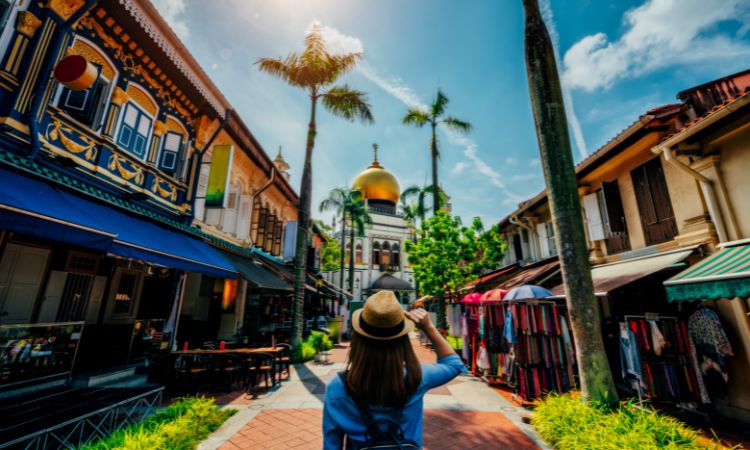
From rolling plains dotted with cork oak groves to dramatic Atlantic coastlines and the vast Alqueva lake, Alentejo’s scenery is remarkably varied. Inland, undulating fields and olive orchards stretch toward the horizon; on the coast, golden beaches and rugged cliffs frame the Atlantic. Birdwatchers relish estuaries where migratory species pause, while stargazers can experience some of Europe’s darkest skies near Alqueva. For active travellers, opportunities abound: hiking quiet trails through cork forests, cycling backroads past sunflower fields, or kayaking on serene reservoirs. The region’s natural beauty encourages exploration at a relaxed pace, with each vista inviting calm reflection and photography.
Learn More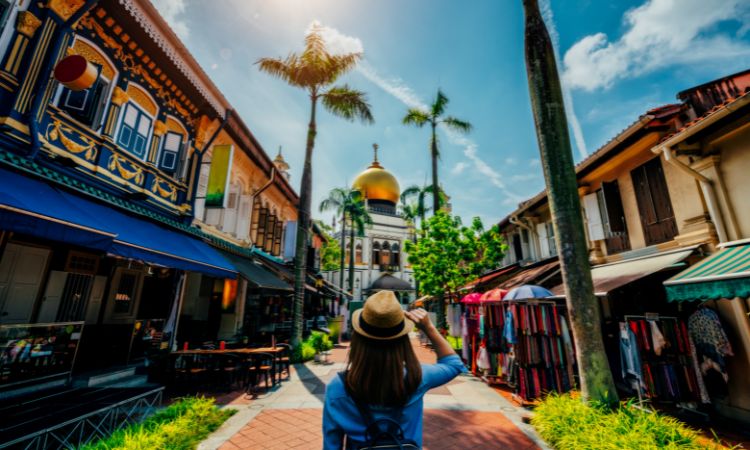
Alentejo’s cuisine is a celebration of local produce and rustic flavours. Hearty dishes such as açorda (bread soup) and migas showcase simple ingredients elevated by herbs, olive oil, and regional cheeses. Fresh seafood along the coast contrasts with rich pork and game stews inland. Olive oil and wine are central: guided tastings at family-run estates reveal robust reds and crisp whites shaped by long summers and cooling nights. Olive oil tours demonstrate sustainable harvesting of cork oak landscapes alongside pressing olives. Dining often centers on farm-to-table experiences where seasonal ingredients are sourced locally. Booking here promises memorable meals paired with regional wines in authentic settings.
Learn More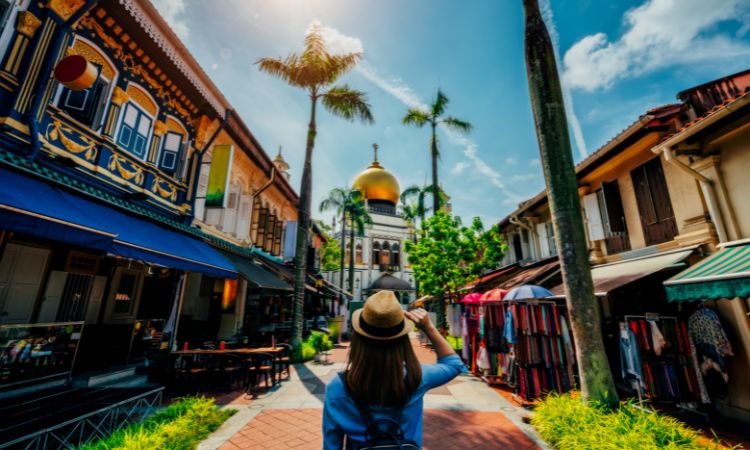
Alentejo embodies the slow-travel ethos: fewer crowds, spacious landscapes, and unhurried days. Unlike busier European destinations, here you can savour sunrise views without jostling tourists and enjoy leisurely lunches under vine-draped pergolas. Accommodations in converted manor houses or eco-retreats emphasize peace and sustainability, inviting you to disconnect from busy routines. Evenings may involve strolling quiet village streets or stargazing by a pool surrounded by cork oaks. Booking Alentejo supports a mindful travel style where each moment—whether sipping coffee in a town square or reading beneath olive trees—becomes a cherished memory rather than part of a hectic schedule.
Learn More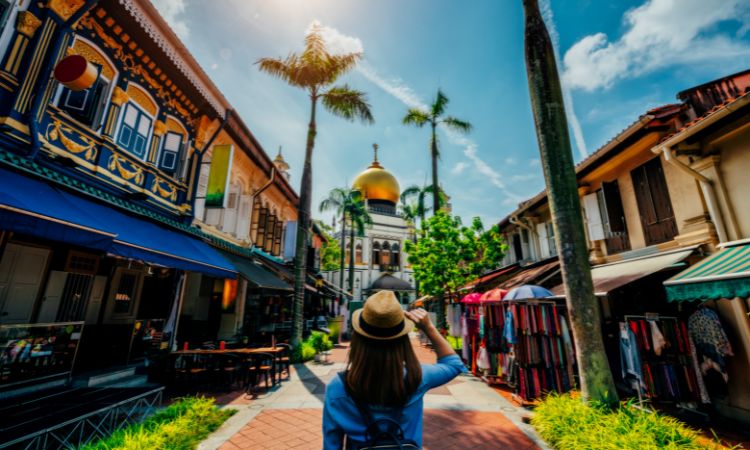
Adventure awaits in Alentejo’s natural spaces: hiking trails through cork forests, birdwatching at marshes near the coast, horseback riding across plains, and cycling scenic backroads. Kayaking on the Alqueva reservoir reveals hidden coves and reflections of starlit skies at night. Surfers and water-sports enthusiasts can catch Atlantic swells along quieter beaches, while nature photographers find endless inspiration in wildflower blooms and golden light over fields. Many operators offer guided eco-tours focusing on sustainable interaction with wildlife and landscapes. Booking allows travellers to embrace active experiences balanced with the region’s calm ambiance.
Learn More
Accommodations in Alentejo range from restored manor houses and boutique hotels to eco-lodges nestled among cork oaks and vineyards. Many properties emphasize sustainability through solar energy, local sourcing, and low-impact design. Staying in a traditional ‘monte’ (farmhouse) or vineyard guesthouse offers immersive experiences: breakfasts featuring homemade bread, cheese, and regional jam; dinners highlighting seasonal produce; and personalized service reflecting local hospitality. Morning walks in olive groves or evening gatherings by wood-fired ovens exemplify the authentic charm. Booking these stays not only ensures comfort but also supports responsible tourism initiatives that preserve Alentejo’s landscapes and traditions.
Learn More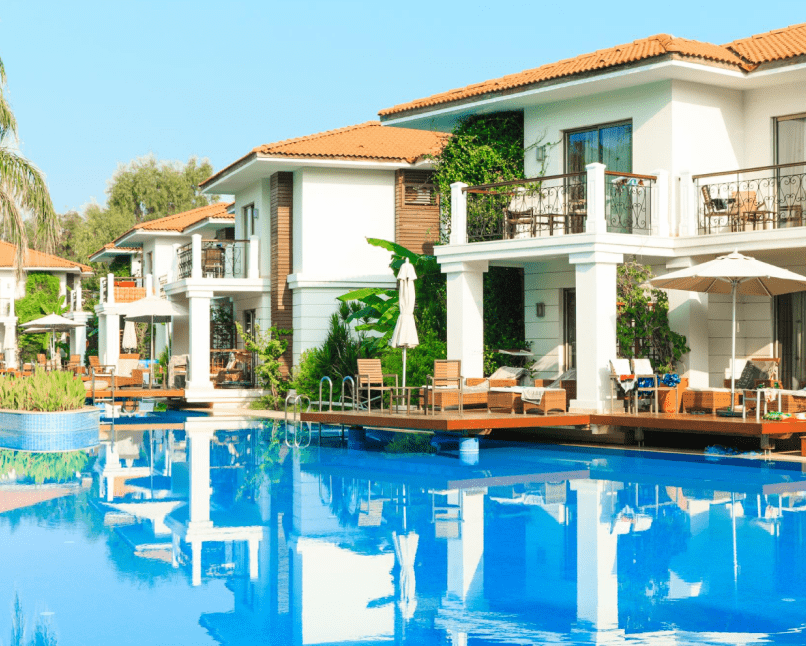
Lorem ipsum dolor, sit amet consectetur adipisicing elit. At illo adipisci iusto
From

Because more than 268 other customers have loved us too

Demonstrates commitment to user data security through encryption and secure payment practices
Learn More
Demonstrates commitment to user data security through encryption and secure payment practices
Learn More
Demonstrates commitment to user data security through encryption and secure payment practices
Learn More
Demonstrates commitment to user data security through encryption and secure payment practices
Learn More
Quality as judged by customers. Book at the ideal price!


/ person
/ person
/ person
Évora stands as the cultural and historical jewel of Alentejo, offering an immersive journey through millennia. As a UNESCO World Heritage site, its cobblestone streets reveal layers from Roman, Moorish, and medieval eras. Begin at the Roman Temple of Diana, whose columns rise amid the town’s whitewashed buildings, symbolizing Évora’s ancient legacy. Nearby, the Cathedral (Sé) invites exploration: climb its roof terraces for sweeping views over terracotta rooftops and distant plains. Wander through narrow lanes to discover hidden chapels and peaceful squares where locals converse over coffee. The eerie Chapel of Bones, decorated with human bones, reminds visitors of mortality and the ephemeral nature of life—a striking contrast to the region’s tranquil ambiance.Beyond core monuments, Évora’s museums showcase archaeological finds and traditional crafts. Artisans continue historic practices, producing ceramics, textiles, and cork items inspired by local motifs. Engage in workshops to learn about pottery techniques or cork handling, connecting past and present. Culinary experiences here enrich historical appreciation: dine in taverns offering Alentejo classics—breads, cheeses, and stews—often served in centuries-old settings. Seasonal events, such as medieval fairs or music festivals in ancient courtyards, further animate heritage. Accommodation in restored manor houses or guesthouses within historic buildings deepens immersion; waking to church bells and strolling under vine-draped pergolas becomes part of the narrative.Venturing from Évora, nearby megalithic sites predate Roman times. Almendres Cromlech, one of Europe’s largest megalithic complexes, lies amidst cork forests; guided visits reveal prehistoric rituals and astronomical alignments. This connection to deep history underscores Alentejo’s timeless quality. The gentle pace of life here allows visitors to reflect on the continuum of human presence in these landscapes. Whether exploring ancient ruins, engaging with traditional artisans, or savouring a meal in a historic courtyard, Évora and its surroundings encapsulate Alentejo’s enduring heritage and invite travellers to step into a living museum shaped by centuries.
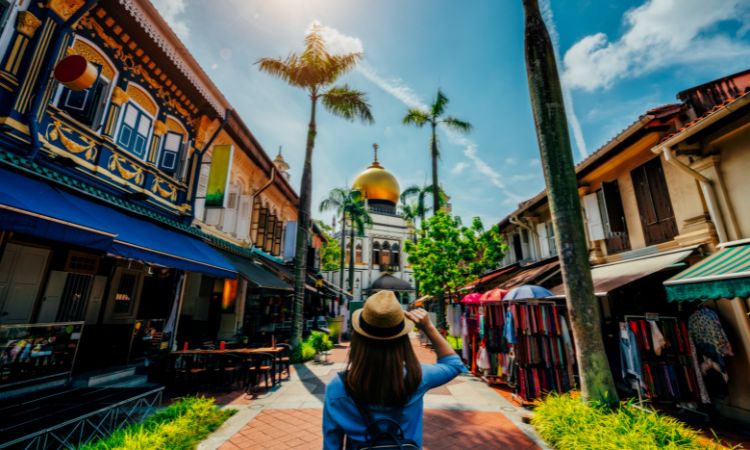
Alentejo’s gastronomy celebrates simplicity elevated by high-quality produce and time-honoured techniques. The region’s fertile plains yield olives, wheat, almonds, figs, and vegetables that form the backbone of its cuisine. Begin your culinary journey with olive oil tastings at family-run groves: guided tours explain sustainable harvesting of olives and cork oak management, culminating in sampling peppery extra-virgin oils paired with fresh bread. Farmers’ markets brim with seasonal offerings: tomatoes bursting with flavour, wild herbs, and artisanal cheeses made from sheep or goat milk.Traditional dishes such as açorda (bread soup with garlic, cilantro, and olive oil) and migas (crumbled bread often served with pork or seasonal greens) embody Alentejo’s thrifty, resourceful cuisine. Seafood features prominently along the coast: grilled fish, clams in garlic sauce, and arroz de marisco (seafood rice) reflect Atlantic influences. Inland, hearty stews with pork, game, or legumes provide comforting meals, often accompanied by robust Alentejo red wines made from indigenous grape varieties. Wine estates ranging from historic quintas to modern boutique wineries open cellars for tastings and pairings. Discover crisp whites that balance summer heat and full-bodied reds with earthy notes that complement local dishes.Participate in cooking workshops to master regional recipes under local chefs’ guidance, learning to layer flavours with simple ingredients. Dine in rustic taverns or refined estate restaurants where seasonal menus highlight farm-to-table ethos. Sweet endings include desserts made with almonds, honey, or seasonal fruits like figs or cherries, accompanied by local liqueurs. For those interested in agritourism, stay at vineyard guesthouses offering immersive experiences: harvest alongside locals, press grapes, or enjoy al fresco dinners beneath star-filled skies.Culinary events punctuate the calendar: olive oil festivals in autumn, wine harvest celebrations in late summer, and gastronomic fairs showcasing regional specialties. These gatherings bring communities together and welcome travellers to join in festivities. Through cuisine and wine trails, you not only taste Alentejo’s flavours but also participate in traditions that sustain rural life. Booking this culinary journey reveals the soul of Alentejo: its people, land, and heritage expressed through every bite and sip.
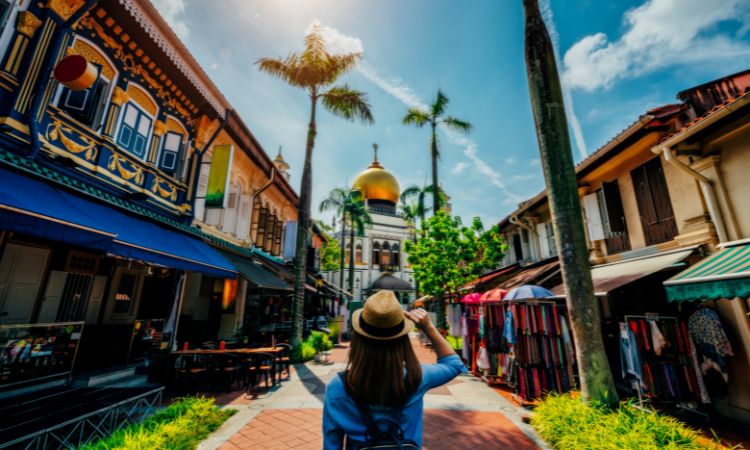
Alentejo’s vast landscapes of cork oak forests, rolling plains, and wetlands provide an ideal playground for outdoor enthusiasts. Cork forests stretch across undulating terrain, offering shaded trails for hiking and mountain biking. As you traverse winding paths, the scent of pine and earth fills the air, and occasional glimpses of wild boar or deer emerge among the trees. Guided nature walks educate travellers about cork harvesting: learning how cork oak bark is sustainably stripped every nine years and discovering the region’s role as a leading cork producer. Photographers find endless subjects: sun-dappled forests, gnarled tree trunks, and seasonal wildflowers carpeting the ground.The Alqueva lake region invites water-based activities: kayaking across glassy waters reveals hidden inlets and birdlife along the shore. Stand-up paddleboarding at sunrise or sunset underscores the serene ambiance. Boating tours highlight starlit experiences—Alqueva is known for dark skies and astronomical tourism; evenings include guided stargazing sessions where you learn about constellations, planets, and celestial myths under clear, unpolluted skies.Birdwatchers flock to marshes and estuaries along the coast, where migratory species rest before continuing journeys. Seasonally, flamingos, storks, and various waders congregate, making Alentejo a prime birdwatching destination. On the coast, scenic hikes follow cliffs overlooking the Atlantic, with occasional hidden beaches accessible via footpaths. Surfers and windsurfers can find quieter spots compared to busier surfing regions, catching Atlantic swells against dramatic backdrops. Coastal trails also suit hikers who relish ocean vistas, wildflowers, and the contrast of rugged land meeting the sea.For a gentler pace, cycling routes traverse country roads passing olive groves, vineyards, and small villages. Bike rentals and guided tours cater to varying fitness levels, connecting travellers to local farms or viewpoints. Horseback riding excursions offer another perspective: riding across plains at dawn, with the rising sun illuminating fields, creates a memorable immersion in rural life. Picnic spots under cork oaks or by riverside hideaways allow time for reflection, reading, or sketching landscapes.Outdoor experiences in Alentejo combine adventure with tranquillity. Whether you seek adrenaline in surf and mountain biking or restful nature immersion through birdwatching and stargazing, the region’s expansiveness ensures you seldom feel crowded. Booking these activities fosters sustainable tourism practices, as many operators emphasize environmental protection and local community engagement. Thus, every outdoor pursuit deepens your connection to Alentejo’s natural heritage and leaves a minimal footprint.
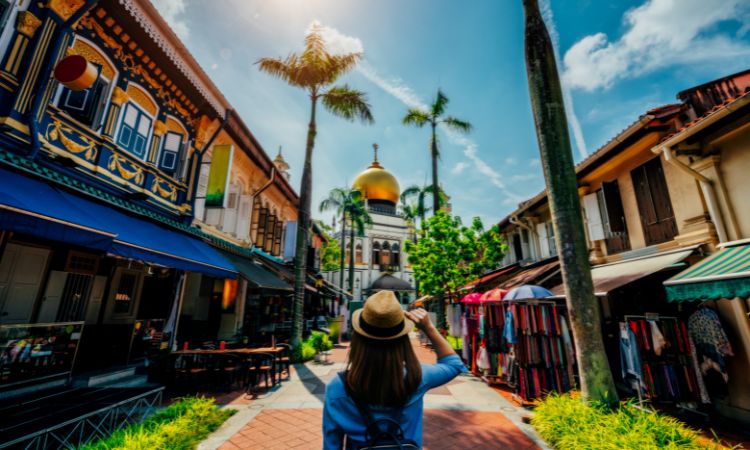
Alentejo’s coastline stretches from the Sado estuary northwards to the southwestern tip, revealing a tapestry of secluded beaches, rugged cliffs, and traditional fishing villages. Base yourself in places like Vila Nova de Milfontes, where the Mira River meets the Atlantic. Here, golden sands and calm river waters offer swimming and kayaking opportunities. Fresh seafood restaurants line the waterfront, serving daily catches prepared simply to showcase pure flavours. Explore nearby Praia do Malhão or Praia das Furnas for quiet beach days, often with only the sound of waves and seabirds for company.Further south, Sines exudes a historic maritime ambiance: its medieval castle overlooks the port where fishing boats and modern vessels coexist. Stroll along promenades, enjoy grilled sardines or clams in garlic sauce, and watch fishermen mend nets. Continue to Porto Covo, a cluster of whitewashed houses tucked among rocky outcrops; its sheltered bays beckon swimmers, snorkelers, and photographers. Coastal hiking trails connect these villages, offering dramatic sea views, wildflower-strewn cliffs, and occasional dolphin sightings offshore.West of Sines, the Costa Vicentina Natural Park extends into the Algarve, but Alentejo’s portion remains less crowded. Dramatic cliffs plunge into turquoise waters, and windswept beaches host surfers drawn by Atlantic swells. Trails such as the Rota Vicentina’s Fishermen’s Trail lead along cliff edges, passing hidden coves accessible via steep paths. Timing visits outside peak hours rewards travellers with near-solitude and pristine landscapes.Small harbours like Zambujeira do Mar and Odeceixe present postcard scenes: fishing boats bobbing in calm waters, cafés serving seafood rice overlooking the sea, and sunsets painting the sky in vivid hues. These villages maintain authentic rhythms: mornings see fishermen unloading catch; afternoons are for beach relaxation; evenings bring communal conviviality over food and music.Accommodation ranges from boutique guesthouses perched on cliffs to converted farmhouses near the coast. Many properties emphasize sustainability: using local materials, solar power, and water conservation. Waking to ocean breezes or drifting to sleep to waves lapping shores embodies Alentejo’s coastal charm. Booking a coastal itinerary allows you to sample fresh seafood, hike dramatic cliffs, and unwind on uncrowded beaches—all within an authentic, unhurried environment. Whether seeking adventure or relaxation, Alentejo’s coast and villages deliver a genuine Atlantic experience.
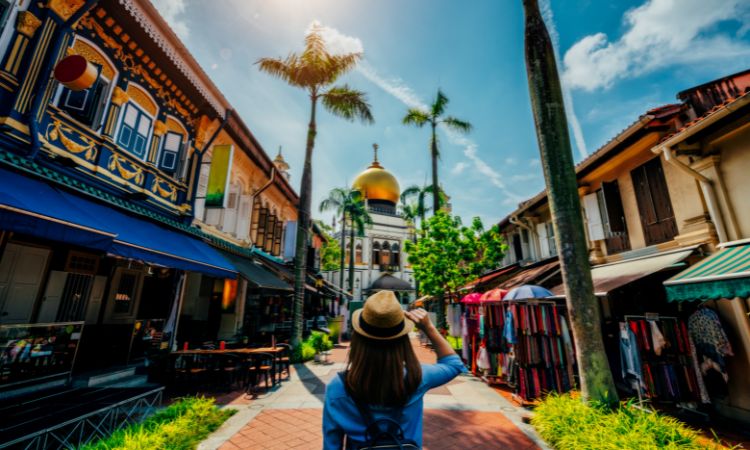
Throughout Alentejo, traditional arts and crafts flourish alongside contemporary creativity. In towns like Évora and Estremoz, artisans produce pottery decorated with local motifs, while cork workshops demonstrate the versatile material’s uses—from wine stoppers to fashion accessories and home décor. Textile crafts include embroidery and weaving using wool from regional sheep. Visiting workshops gives insight into techniques passed down through families, and purchasing directly supports sustaining rural livelihoods.Music and dance are integral: Alentejo’s “Cante Alentejano,” a UNESCO-recognized vocal tradition, features group singing without instruments, conveying profound emotion rooted in pastoral life. Attend performances in village squares or cultural centres to experience this hauntingly beautiful art form. Some accommodations or local associations organize informal singing sessions, inviting travellers to join and learn about communal bonds expressed through music.Seasonal festivals punctuate the calendar, celebrating everything from harvests to religious events. In late summer, grape harvest festivals include wine tastings, grape stomping, and folk music. Olive harvest time features oil tastings and communal gatherings. Spring may bring flower festivals or fairs highlighting regional produce like cherries or almonds. Religious processions in small towns combine solemnity and festivity, with locals dressed in traditional attire, processions through alleys, and shared meals afterward. These events foster genuine cultural exchange—travellers become part of community rhythms rather than mere observers.Contemporary art spaces are emerging in repurposed buildings or rural estates, hosting exhibitions that dialogue with Alentejo’s landscapes and heritage. Workshops and residencies invite artists worldwide to engage with local contexts, resulting in cross-cultural creations visible in galleries and public installations. Visiting these spaces adds a modern dimension to your journey, illustrating how tradition and innovation coexist.Workshops in cooking, pottery, or music deepen engagement: learn to craft traditional ceramics, cook regional dishes, or understand the nuances of Cante Alentejano. These hands-on experiences foster appreciation for local culture and help preserve intangible heritage. Many such activities are small-scale, family-run, ensuring an intimate setting where travellers can ask questions and form connections.Booking your trip around festival dates or arranging workshops in advance ensures availability. Embrace spontaneity too—village fairs may appear unexpectedly, offering delightful surprises. By engaging with Alentejo’s arts and festivals, you contribute to sustaining traditions, support creative communities, and leave with memories shaped by authentic cultural encounters.
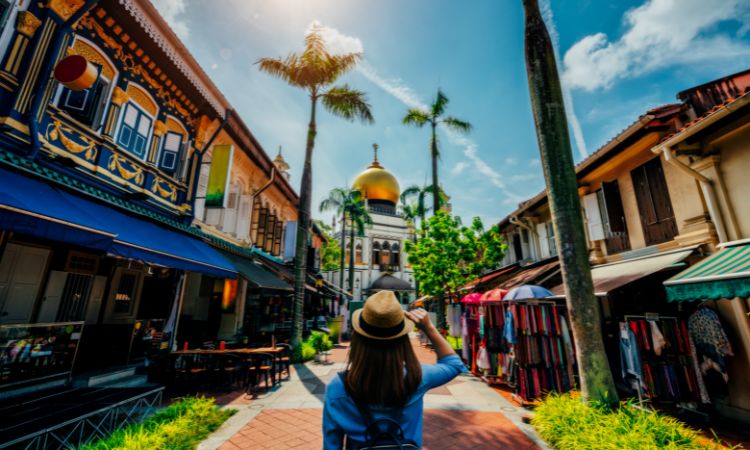
Alentejo’s low light pollution, especially around the Alqueva reservoir, makes it one of Europe’s premier dark-sky destinations. Astronomy enthusiasts can join guided stargazing sessions where experts provide telescopes and explain constellations, planets, and cosmic phenomena. Some lodges offer “astro-friendly” accommodations with skylights in bedrooms, allowing you to fall asleep under starlit roofs. Nighttime experiences may include nocturnal wildlife spotting or silent contemplations by the water’s edge, fostering a profound sense of connection to the universe.Wellness retreats in Alentejo embrace holistic approaches rooted in nature. Yoga sessions amid olive groves, meditation overlooking tranquil plains, and spa treatments using locally sourced ingredients like olive oil, lavender, or honey provide rejuvenation. Many eco-lodges integrate wellness into their ethos: organic gardens supply ingredients for healthy meals; natural materials in construction create harmonious environments; and routines prioritize rest and mindful activities.Thermal springs and spa facilities in some towns offer mineral-rich waters reputed for therapeutic benefits. Combined with massages or holistic therapies, these experiences cater to travellers seeking to unwind. Retreat packages may include guided walks, breathing exercises by lakeside at dawn, or workshops on sustainable living practices such as herbalism or permaculture. Engaging with local wellness practitioners brings insight into traditional remedies and modern wellbeing trends anchored in Alentejo’s natural bounty.Accommodation options range from rustic cabins under starry skies to luxury eco-resorts featuring wellness centres. Early mornings might involve gentle hikes to watch sunrise over misty plains, while evenings can conclude with yoga sessions under twilight. Dining focuses on nourishing, seasonal dishes prepared with organic produce from on-site gardens or nearby farms. Herbal teas infused with regional plants soothe and complement restful nights.Booking a stargazing and wellness itinerary aligns with Alentejo’s ethos of slow travel and mindful living. Whether you seek cosmic exploration or inner balance, the region’s vast, quiet landscapes provide space for reflection. These experiences encourage disconnection from hectic routines and reconnection with nature, self, and wider cosmos. By embracing Alentejo’s dark skies and wellness retreats, travellers return home refreshed, inspired, and with a renewed appreciation for simplicity and the natural world..
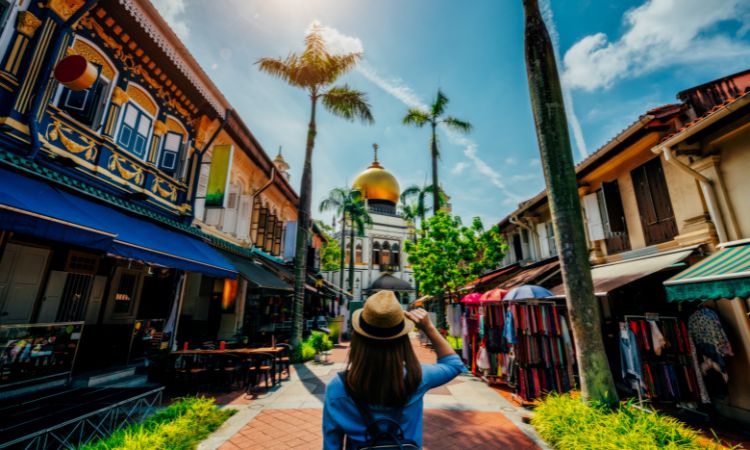
Alentejo’s rural villages offer an immersive retreat into traditional Portuguese countryside life. Small communities like Monsaraz, Marvão, and Vila de Frades showcase whitewashed houses, narrow lanes, and welcoming locals. Staying in family-run guesthouses or restored farmhouses (“montes”) enables direct engagement with daily routines: helping with olive or grape harvests, collecting eggs from free-range hens, or learning to bake traditional bread in wood-fired ovens. These agritourism experiences foster understanding of sustainable agriculture practices and local food chains.In Monsaraz, perched on a hill above the Alqueva lake, stroll through cobblestone streets to discover artisans crafting ceramics or locally produced olive oil. Evenings may involve communal dinners where neighbours gather to share dishes and stories under pergolas draped with vines. In Marvão, high in the Serra de São Mamede, panoramic views stretch across rolling hills and forests; hiking trails reveal hidden chapels and medieval fortress ruins. The region’s tranquillity encourages slow exploration: linger over coffee in village squares or chat with elders recounting local legends.Farm stays often include hands-on workshops: cheese-making with goat or sheep milk, jam production using seasonal fruits, or cork-handling demonstrations. Children and families find these activities educational and entertaining, while solo travellers appreciate the chance to connect with hosts and learn skills. Meals are typically home-cooked using produce grown on-site or sourced from neighbouring farms. Seasonal festivals in villages celebrate harvests or patron saints, inviting travellers to join parades, dances, and feasts.Accommodation balances rustic charm with comfort: rooms in stone cottages with modern amenities, communal lounges with fireplaces, and outdoor spaces overlooking fields. Many properties emphasize eco-friendly practices: solar panels, rainwater harvesting, and organic gardening. Mornings may start with farm-fresh breakfasts featuring eggs, cheese, honey, and homemade bread, followed by guided walks or relaxed reading under olive trees.Booking village stays supports rural economies and preserves heritage. As travellers participate in agritourism, they contribute to sustaining small communities facing urban migration pressures. The personal connections formed—over shared meals, storytelling, or collaborative work—enrich travel experiences far beyond sightseeing. Alentejo’s rural villages and farm experiences invite you to live gently with the land, learn traditional skills, and carry home memories rooted in authenticity and hospitality.
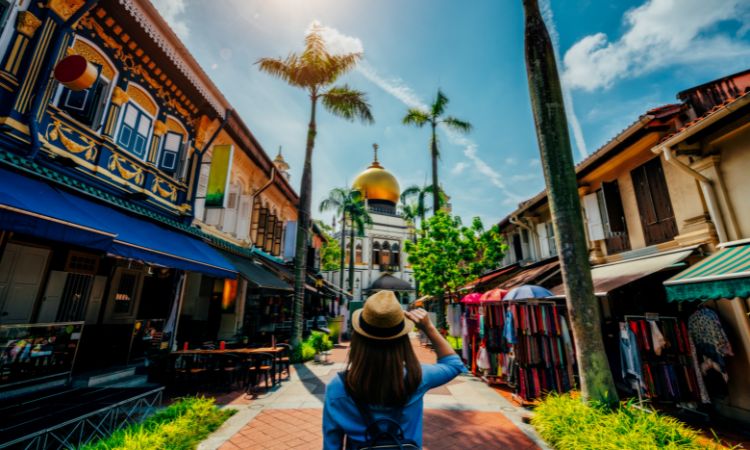
Alentejo’s calendar is punctuated by events celebrating food, culture, and natural cycles. Harvest season in late summer and autumn is vibrant: grape harvest festivals in wine estates welcome visitors to pick grapes, stomp them traditionally, and taste fresh must. Olive harvest events feature oil tastings, pairing sessions, and farm tours explaining sustainable cork oak ecosystems. Participating connects travellers with local rhythms and offers sensory experiences—smelling crushed grapes, tasting new oil, and hearing stories from producers.Spring brings blooming wildflowers across plains, with photography outings organized by local guides. Cherry or almond blossom festivals showcase delicate blooms and artisanal markets selling jams, pastries, and natural products. Bird migration periods attract ornithologists and enthusiasts to wetlands and estuaries; guided birdwatching tours provide telescopes and expert insights into species’ behaviours and habitats.Cultural festivals occur year-round: music events highlight Cante Alentejano in village squares or historic venues; folk dance performances enliven evenings; and art exhibitions appear in repurposed rural spaces. Religious processions blend solemnity and festivity, with locals in traditional dress, processions through lit streets, and community meals afterward. These events often occur in smaller towns, offering genuine engagement away from mass tourism.Seasonal weather influences experiences: spring (April–June) offers mild temperatures and lush landscapes; summer (July–August) brings hot days ideal for coastal retreats or piscina dips at rural estates; autumn (September–October) provides comfortable weather for outdoor exploration and harvest participation; winter (November–March) is cooler, but tranquil, with off-season rates, fewer crowds, and cozy stays in manor houses with wood fires.Special events such as stargazing festivals around Alqueva gather astronomy enthusiasts for nights under clear skies, combining talks, telescope sessions, and communal meals. Wellness retreats often align with seasonal changes: yoga in olive groves amid spring blooms or meditation by lakeside in autumn’s golden light. Art residencies and open-studio events may invite visitors to engage with creative processes.Planning your visit around seasonal highlights enriches the Alentejo experience. Whether celebrating harvests with locals, witnessing blossoming plains, or attending intimate music performances under starlit skies, these events showcase the region’s living culture and natural cycles. Booking during these periods fosters meaningful connections, deeper understanding of traditions, and memories shaped by shared festivities and seasonal transformations.
No ads. No trails. No commitments


Alice Roses
London, England
51 ST MATTHIAS ROAD
NOTTINGHAM, NOTTINGHAMSHIRE
NG3 2HF
Hours: 8:00 - 17:00, Mon - Sat
support@johnsonholidays.com