 Burgos Travel
Guide
Burgos Travel
Guide
Paris is known around the world as the “capital of love,” and even if you don't understand the history of Paris at all

3 Hours
£2.80
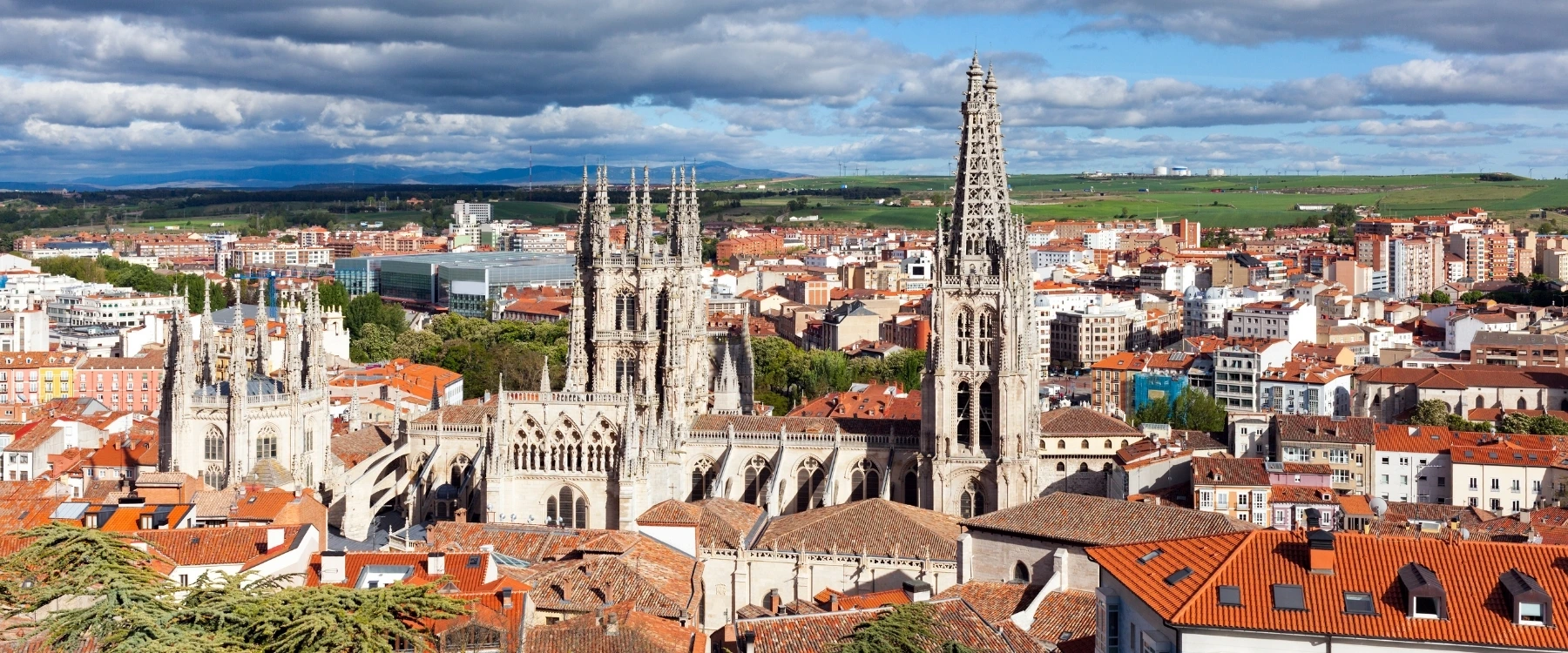
Burgos is globally renowned for its Gothic cathedral, a UNESCO World Heritage Site whose soaring spires and intricately carved façades capture the essence of medieval artistry. Within, chapels dedicated to royalty and saints display fine tombs, stained glass, and sculptures that reflect centuries of devotion. Beyond the main edifice, nearby monuments such as the Monastery of Las Huelgas and the Cartuja de Miraflores reveal further layers of monastic history and architectural elegance. This concentration of heritage sites allows travellers to immerse fully in Spain’s medieval narrative, offering more than a single landmark but an entire tapestry of artistry, faith, and regal legacy. Booking Burgos means experiencing these sublime monuments in a city that balances preservation with contemporary life, enabling visits at quieter times and deeper engagement with knowledgeable guides and exhibitions detailing their significance.
Learn More
Castilian cuisine in Burgos is celebrated for its robust flavours and quality ingredients. The city is famed for morcilla de Burgos, a distinctive rice-studded blood sausage, and succulent lechazo asado (roast lamb), showcasing pastoral traditions. Tapas culture thrives in lively bars, where generous small plates pair with wines from the nearby Ribera del Duero region. Markets like Mercado Norte let visitors sample fresh cheeses, artisanal hams, and sweet local treats such as quesada pasiega. Additionally, a new generation of chefs is injecting creativity into classic dishes, blending innovation with heritage. Booking Burgos offers the opportunity to embark on culinary tours, attend cooking workshops highlighting regional techniques, and dine in establishments where authenticity meets modern flair, ensuring a memorable taste of Castile y León.
Learn More
Burgos is a key stop on the Camino de Santiago, offering pilgrims centuries-old hospitality traditions. Even non-pilgrim travellers benefit from the serene riverside paths, historic albergues repurposed as cultural spaces, and a sense of shared journey among visitors. Walking a section of the Camino near Burgos provides both reflection and scenic views along the Río Arlanzón. The pilgrim heritage is woven into local festivals, museums, and guided experiences, revealing insights into medieval routes, spiritual motivations, and contemporary pilgrim culture. Booking Burgos means engaging with this living tradition—whether by walking a portion of the trail, attending pilgrim-focused events, or simply appreciating the city’s embrace of travellers seeking meaning and connection.
Learn More
Although well connected by road and rail—just a few hours from Madrid—Burgos retains an authentic atmosphere less crowded than Spain’s larger tourist hubs. Its manageable size makes exploration on foot a pleasure, uncovering hidden plazas, tucked-away tapas bars, and riverside promenades. Travellers can enjoy quieter mornings at major sites before day-trippers arrive, and evenings reveal a warm local ambiance ideal for leisurely dining or strolls under softly lit streets. Booking Burgos provides the best of both accessibility and discovery: easy to reach yet offering the sense of unhurried exploration that makes stays feel personal and authentic, away from overwhelming crowds.
Learn More
Throughout the year, Burgos celebrates its heritage through festivals that bring medieval history to life. Costumed reenactments, open-air concerts, and traditional markets enable visitors to witness local customs and artistic performances. Seasonal events tied to the Camino de Santiago highlight pilgrim traditions, while music and art exhibitions showcase contemporary creativity. Booking Burgos during festival periods offers immersion in community spirit, with opportunities to join processions, sample festive foods, and discover local crafts. Even outside peak festival dates, cultural institutions regularly host exhibitions and concerts. This dynamic cultural calendar ensures that each visit can include engaging events, reinforcing Burgos’s blend of historical reverence and modern vitality.
Learn More
Beyond the city limits, Burgos is a gateway to diverse landscapes. Hiking trails in the Sierra de la Demanda reveal panoramic vistas, while the Atapuerca archaeological site invites exploration of prehistoric human history. The nearby Arlanza Valley is dotted with vineyards and medieval villages ideal for day trips. Cycling routes along rivers and through rolling hills suit active travellers, and wildlife enthusiasts can spot birds and fauna in protected areas. Booking Burgos offers guided nature excursions, from walking trails following ancient pilgrim paths to winery visits in bucolic settings. This combination of urban heritage and rural discovery ensures an enriching itinerary for those seeking both cultural immersion and outdoor adventure.
Learn More
Lorem ipsum dolor, sit amet consectetur adipisicing elit. At illo adipisci iusto
From

Because more than 268 other customers have loved us too

Demonstrates commitment to user data security through encryption and secure payment practices
Learn More
Demonstrates commitment to user data security through encryption and secure payment practices
Learn More
Demonstrates commitment to user data security through encryption and secure payment practices
Learn More
Demonstrates commitment to user data security through encryption and secure payment practices
Learn More
Quality as judged by customers. Book at the ideal price!


/ person
/ person
/ person

Burgos Cathedral is the crowning jewel of the city’s medieval heritage, a testament to centuries of devotion and artistic mastery. Constructed beginning in the early 13th century, it evolved over decades into a complex masterpiece of Gothic architecture. Upon arrival, visitors are struck by its soaring spires, delicate flying buttresses, and elaborately carved portals depicting biblical scenes and local patron saints. Inside, the cathedral unfolds into a labyrinth of chapels, altarpieces, and tombs. The Chapel of the Constables houses the tombs of Pedro Fernández de Velasco and his wife, adorned with intricate sculptures reflecting nobility and piety. Stained glass windows filter light into kaleidoscopic hues, lending a serene ambience for contemplation.A guided tour reveals layers of history: from the foundational Romanesque elements to later Gothic additions and baroque modifications. Art historians point out the fine stonework by master masons, whose craftsmanship is evident in ornate capitals and sculpted figures. The choir stalls, carved with delicate motifs, showcase the woodworking traditions of Castile y León. Sculpture lovers will appreciate the tomb of El Cid’s family and the presence of iconography connecting local legend to national identity. The cathedral museum displays liturgical objects, manuscripts, and reliquaries that offer insight into medieval worship practices and Burgos’s role in ecclesiastical networks.Beyond the main church, the surrounding plaza invites reflection on its historical context: merchants, pilgrims, and nobles once gathered here, making it a focal point of civic life. Nearby, ancillary structures like the Archbishop’s Palace and cloisters of adjacent religious houses complete the picture of a once-flourishing ecclesiastical quarter. Photography enthusiasts find ample opportunities: the exterior façade at dawn, when soft light accentuates carvings; the interior vaults illuminated by morning sun; and details such as gargoyles and sculpted saints.For those interested in deeper scholarship, special guided visits or audio tours delve into construction techniques, symbolism of sculptural programs, and conservation efforts. Many visitors opt to climb vantage points (where available) for panoramic views over the city’s rooftops and the river valley. This interplay of architecture, art, and history ensures that Burgos Cathedral remains more than a single monument—it is a living center of heritage. Exploring it provides context for Spain’s medieval narrative and invites reflection on how faith and artistry shaped urban identity. Booking time to wander its nooks and corners, engage with expert guides, and absorb the layered stories makes this guide essential for a meaningful Burgos experience.

Burgos forms a significant stop on the Camino de Santiago, the pilgrimage route leading to Santiago de Compostela. While many travellers arrive as modern pilgrims, even casual visitors appreciate the sense of layered tradition along the Camino paths that weave through the city. Starting at the Puente de San Pablo or other entry points, walkers follow markers along the Río Arlanzón, where well-maintained trails blend urban and pastoral scenery. The experience combines reflection, mild exercise, and discovery of local customs.Along the route, pilgrims encounter albergues (hostels) repurposed for visitors, signage explaining historic pilgrimage customs, and plazas where pilgrims rest and share stories. Interpretive panels and small chapels commemorate saints and local legends connected to the route. Even those not undertaking a long-distance pilgrimage can walk a section near Burgos, experiencing the meditative rhythm of footsteps and the cultural exchange among travellers. Cafés and bars near the route welcome walkers with light meals and beverages, fostering camaraderie.Cultural programmes tied to pilgrimage—lectures, exhibitions, musical performances—often take place in Burgos during peak Camino seasons. Visitors can learn about medieval pilgrim motivations, hygiene and lodging practices, and how the Camino shaped trade and cultural exchange across Europe. The Cathedral’s pilgrim office issues credentials, and pilgrims often pause here for blessings or to view specific chapels dedicated to St. James. Beyond spiritual aspects, the route’s scenery transitions from city streets to gentle riverbanks and nearby countryside, making for varied walking experiences.For those seeking guided visits, local operators offer half-day excursions explaining pilgrimage history, local flora and fauna along the routes, and practical tips for walkers. Photographers capture evocative images: pilgrims’ shells, pathways lined with wildflowers, and twilight vistas over Burgos’s rooftops. Evening reflections in a riverside park or a pilgrim-friendly café emphasize the communal spirit. Even non-walkers benefit from the Camino atmosphere: open-air markets selling pilgrim souvenirs, artwork, and local products evoke centuries-old traditions.Planning a short pilgrimage segment involves selecting safe walking gear, checking seasonal weather (spring and autumn are ideal), and arranging accommodations in Burgos or nearby villages. The blend of urban comforts with a taste of pilgrimage adventure makes this guide invaluable. It situates Burgos within a broader European narrative of faith, travel, and cultural exchange, while offering a tangible, accessible walking experience. Embracing the Camino’s legacy in Burgos enriches understanding of Spanish heritage and provides a memorable, reflective journey.
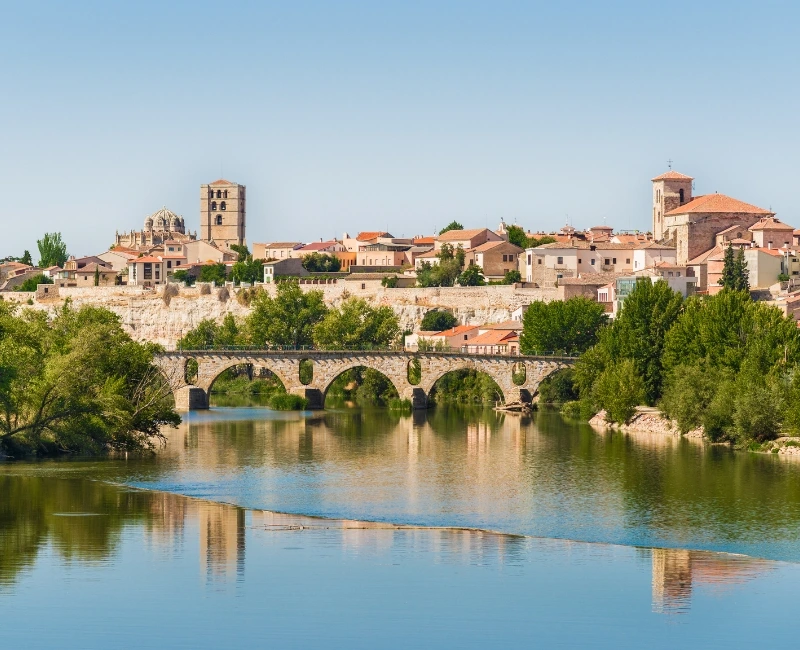
Burgos’s culinary scene reflects the hearty traditions of Castile y León, elevated by modern innovations. A guided food tour or self-directed tapas crawl reveals layers of flavour in each dish. Start with the iconic morcilla de Burgos, a rice-and-spice blood sausage served in thin slices, often accompanied by piquillo peppers or crusty bread. This local specialty captures rustic ingenuity: rice binds the sausage, while spices add depth. Next, sample lechazo asado—roast lamb from unweaned lambs—celebrated for its tenderness and subtly seasoned roast skin. Many traditional asadores (roasteries) prepare it in wood-fired ovens, offering a communal dining atmosphere.Tapas bars line plazas and narrow streets, each vying to present its signature offerings. Simple yet flavourful dishes—fried mushrooms with garlic, grilled peppers drizzled with olive oil, and local cheeses such as queso de Burgos—pair well with red wines from Ribera del Duero or white wines from the surrounding vineyards. For dessert, local sweets like quesada pasiega (a cheesecake-like treat) and pastas de mantequilla offer a gentle finish. Coffee culture thrives alongside, ideal for mid-afternoon breaks.Modern chefs reinterpret classics: you might encounter deconstructed morcilla presented with foam, or lamb prepared sous-vide and finished with local herbs. Fine-dining establishments juxtapose contemporary plating with traditional ingredients, while casual taverns maintain authenticity. Visiting the Mercado Norte market provides an immersive experience: stalls brim with fresh produce, charcuterie, mushrooms, and artisan breads. Engaging with vendors reveals sourcing practices and seasonal variations—wild mushrooms in autumn, fresh asparagus in spring.Wine enthusiasts often venture on day trips to Ribera del Duero vineyards, where tastings elucidate regional terroir. Local guides explain grape varieties, winemaking techniques, and pairing suggestions for Burgos specialties. Cooking workshops allow hands-on practice: making croquettes, preparing pisto (vegetable stew), or crafting traditional stews such as olla podrida. These sessions deepen appreciation for ingredient selection and regional customs.Food festivals in Burgos celebrate seasonal harvests: chestnut fairs in autumn, wine festivals in harvest season, and gastronomy events highlighting local producers. Attending these events offers insights into community traditions and seasonal cycles. Evening dining in Burgos blends relaxed conviviality with quality: sharing tapas over conversation under softly lit arcades defines the city’s social fabric. Booking a culinary guide or following a well-researched itinerary ensures sampling signature dishes and discovering hidden gems favored by locals. This gastronomic journey through Burgos underscores regional identity, nourishing body and mind while forging lasting memories of taste and hospitality.
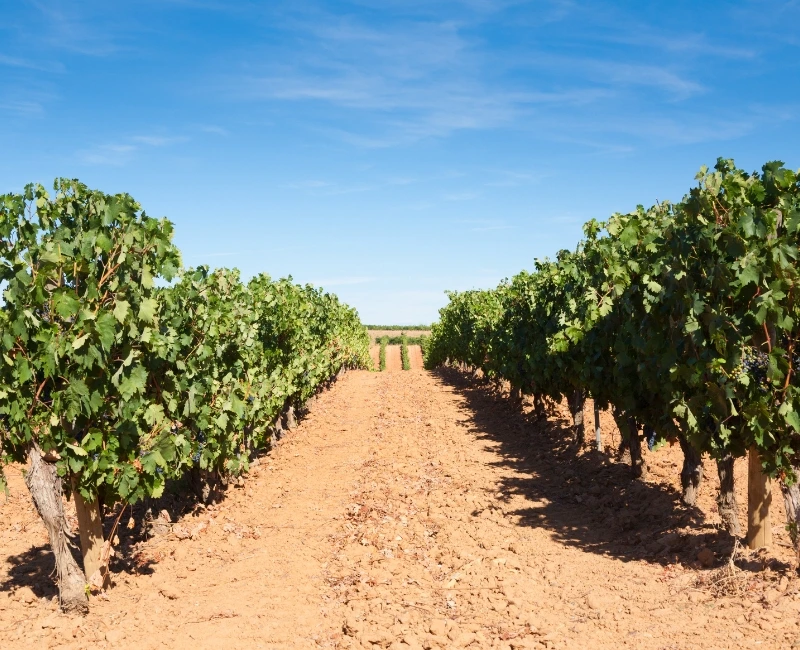
Just south of Burgos lies the Ribera del Duero wine region, world-renowned for bold red wines made from Tempranillo grapes. A wine-focused day trip from Burgos includes scenic drives through vineyards, visits to bodegas (wineries), and tastings guided by knowledgeable enologists. Many estates combine modern architecture with traditional cellars, offering insight into winemaking technology and heritage. Tasting sessions typically present a flight of wines: from young, fruit-forward vintages to aged reservas and grandes reservas, each reflecting climatic influences and oak aging techniques.Guided tours often start with a walk through vineyard rows, learning about vine cultivation, pruning methods, and harvest timing. Seasonal visits during the grape harvest (September/October) allow participation in picking grapes and understanding the communal aspect of winemaking. In winery cellars, visitors witness fermentation tanks, barrel rooms, and bottling areas, gaining appreciation for processes that transform grapes into refined wines. Sommeliers provide tasting notes, pairing suggestions with Burgos cuisine, and anecdotes about each estate’s history and philosophy.Many wineries feature on-site restaurants or picnic areas where visitors can enjoy local cheeses, cured meats, and freshly prepared dishes paired with estate wines. The landscape—rolling vineyards against a backdrop of gentle hills—creates a serene setting. Photographers capture rows of vines at sunrise or sunset, while wine aficionados compare vintages and discuss ageing potential. Some bodegas host cultural events: concerts among barrels, art exhibitions in tasting rooms, or themed dinners pairing multiple courses with selected wines.For travellers wanting deeper immersion, multi-day itineraries include stays at vineyard guesthouses or rural inns. Workshops on blending allow participants to create personalized wine blends and understand balancing acidity, tannins, and fruit notes. Visits to wine museums or interpretation centres provide historical context: how Ribera del Duero evolved from local production to global acclaim. Booking in advance is recommended, especially during peak seasons.Accessibility from Burgos makes these wine tours convenient: many operators offer transport, so travellers can relax and enjoy tastings responsibly. Combining wine exploration with visits to nearby medieval villages adds cultural variety to the itinerary. The synergy between Burgos’s culinary scene and Ribera del Duero wines ensures that travellers return with enriched palates and deeper understanding of Spanish viticulture. This guide to wine tours transforms a simple tasting trip into a holistic cultural experience rooted in terroir, tradition, and innovation.
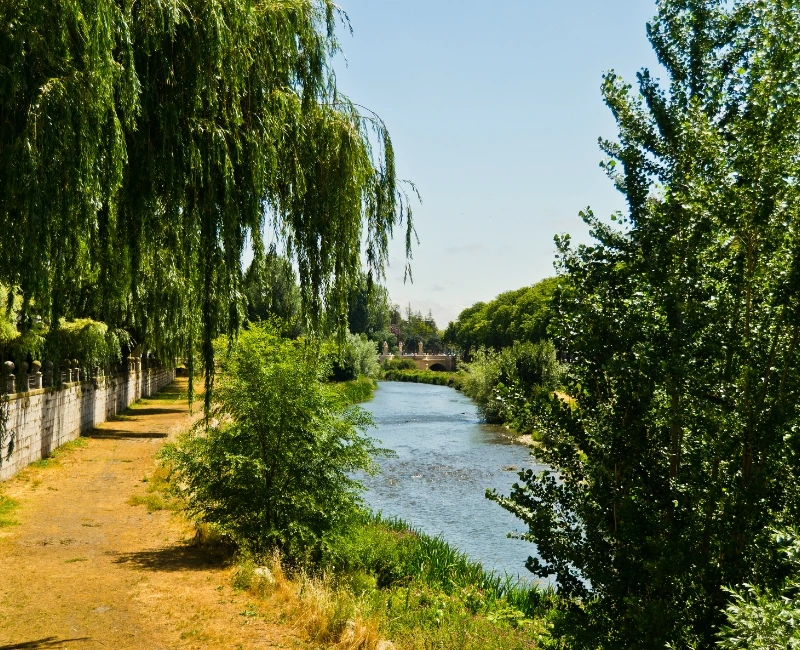
The region surrounding Burgos offers diverse natural landscapes, with the Sierra de la Demanda as a prime destination for hikers and nature enthusiasts. Accessible via short drives from the city, trails of varying difficulty wind through pine forests, alpine meadows, and rugged peaks. In spring and early summer, wildflowers carpet the lower slopes, while autumn brings a tapestry of golden and crimson foliage. Guided hikes introduce participants to local flora—orchids, medicinal herbs—and fauna such as deer, birds of prey, and small mammals. Interpretive signage and experienced guides enrich the experience with ecological insights and conservation efforts.Day trips often include routes to notable viewpoints, offering panoramic vistas over the Castilian plateau. For those seeking multi-day treks, mountain refuges provide basic accommodation, enabling exploration of remote areas under starlit skies. Photography opportunities abound: sunrise over misty valleys, streams weaving through rocks, and wildlife glimpsed at dawn. Birdwatchers find species like griffon vultures and golden eagles in protected reserves. In winter, higher elevations may offer snowshoeing or cross-country skiing, while lower areas remain accessible for brisk walks.Closer to Burgos, the Atapuerca archaeological site combines natural trails with prehistoric interest: guided tours explain how excavations uncovered ancient human remains, situating visitors in a narrative of human evolution. Nearby parks along the Río Arlanzón provide gentle riverside walks, birdwatching spots, and picnic areas, suitable for families. Cycling routes follow former railway lines or quiet country roads, connecting small villages and offering immersive encounters with rural life.Organized eco-tours emphasize sustainable practices, teaching low-impact travel and respect for private lands. Local guide associations arrange seasonal programmes: mushroom foraging in autumn, botanical walks in spring, and stargazing nights in remote clearings. These experiences highlight Burgos’s commitment to preserving its natural heritage. Combining active pursuits with cultural stops—such as visiting mountain villages, sampling local cheeses, or exploring ancient chapels—creates a well-rounded itinerary. Booking Burgos for nature and outdoors ensures travellers engage with landscapes that complement the city’s historical and culinary attractions, yielding a holistic appreciation of Castile y León’s environment and traditions.

Beyond city exploration, Burgos serves as a hub for day trips to charming medieval villages and the renowned Atapuerca archaeological site. Drive or join guided excursions to villages such as Covarrubias and Santo Domingo de Silos, where stone streets, Romanesque churches, and traditional architecture evoke centuries past. Covarrubias, with timber-framed houses and verdant surroundings, offers leisurely strolls among historic squares and artisan shops. Santo Domingo de Silos is famed for its monastery and Romanesque cloister, where carved capitals depict biblical scenes and local legends. Monastic chants sometimes echo in the church, enhancing spiritual ambience.Atapuerca, a short drive from Burgos, stands among Europe’s most important prehistoric sites. Excavations have unearthed hominid remains dating back over a million years. A visitor centre provides interactive exhibits on human evolution, geology, and archaeology. Guided tours of excavation sites allow visitors to see ongoing research areas, understanding methods used to unearth and analyse ancient bones and tools. This blend of science and history appeals to families, academics, and curious travellers alike.Rural roads connecting these destinations traverse scenic countryside: rolling fields, vineyards, and forested hills. Stops may include local farms producing cheeses or honey, offering tasting sessions that showcase artisanal craftsmanship. Birdwatching along country lanes introduces travellers to native species. Photographers capture stone bridges over streams, rustic farmhouses, and panoramic views of villages perched on hillsides.Logistics for day trips are straightforward: rental cars, guided tours departing from Burgos, or small-group excursions. Guides share local anecdotes, legends of El Cid, and details about medieval defense strategies reflected in village layouts. Lunch in a village inn often features regional specialties—stewed beans, roasted meats, and seasonal vegetable dishes—paired with local wines. Returning to Burgos in the evening allows time to reflect on the contrast between urban heritage and rural simplicity.Booking Burgos with this guide ensures travellers experience the region’s richness beyond city walls: connecting medieval architecture, archaeological discovery, and natural beauty. It highlights how Burgos integrates seamlessly with its surroundings, offering layered experiences that satisfy history buffs, families, and outdoor enthusiasts..
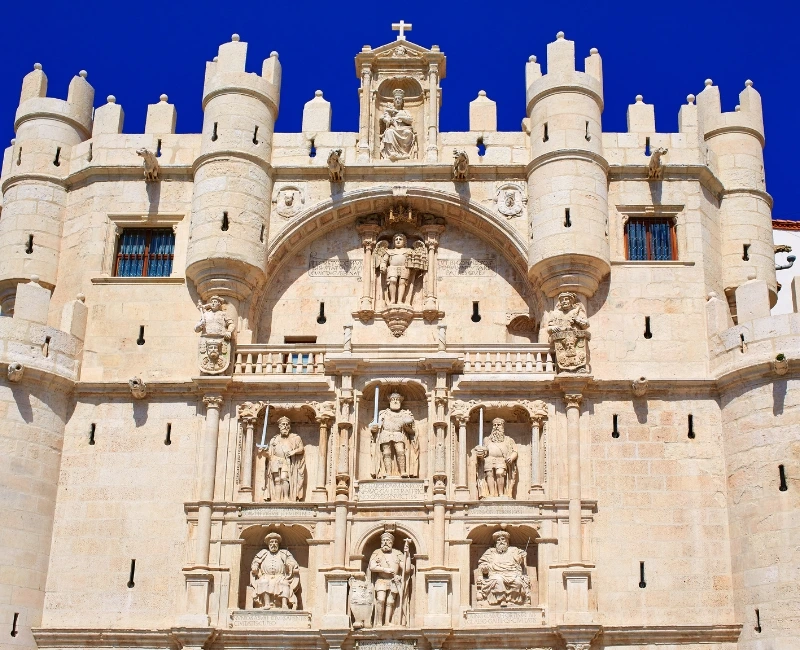
Burgos’s calendar features festivals and fairs that enliven the city throughout the year. Medieval fairs transport visitors back in time: costumed performers, artisan stalls, and traditional music fill plazas, recreating historical market atmospheres. These events often coincide with religious celebrations linked to Burgos’s patron saints or pilgrim traditions. Attendees witness reenactments of medieval crafts—blacksmithing, weaving—and sample period-inspired foods and drinks, gaining insight into daily life centuries ago.Music festivals range from classical concerts in cathedral settings to contemporary performances in open-air venues. Summer months may host chamber music series, jazz nights, or folk music gatherings in historic courtyards. Art exhibitions in galleries highlight regional and visiting artists, sometimes themed around Burgos’s heritage. Cultural institutions organise lectures and workshops on history, archaeology, and gastronomy, often timed to coincide with special anniversaries or local milestones.Food fairs celebrate seasonal produce: chestnut fairs in autumn showcase roasted chestnuts, local pastries, and crafts; wine festivals in harvest season offer tastings and vineyard tours; olive oil tastings and culinary competitions spotlight regional expertise. These gatherings foster community engagement, allowing visitors to interact with producers and artisans, learning about traditional methods and modern adaptations. Family-friendly events include street performances, children’s workshops on crafts or cooking, and interactive storytelling sessions about local legends.Religious processions during Holy Week feature solemn ceremonies and elaborate floats, offering profound cultural insights. Pilgrim-focused events mark the Camino seasons, with blessings for walkers and celebrations at the cathedral. Local theatre groups stage performances in historic venues, ranging from classical plays to modern works inspired by Burgos’s history. Booking Burgos during festival periods offers immersive experiences: meeting locals, participating in rituals, enjoying special menus at restaurants, and capturing vibrant scenes in photographs.Advance planning is recommended for major events to secure accommodations and any required tickets. Many events are free or low-cost, reflecting Burgos’s welcoming spirit. This guide helps travellers align their visit with cultural highlights, ensuring they witness Burgos’s living traditions and dynamic arts scene alongside its timeless monuments.
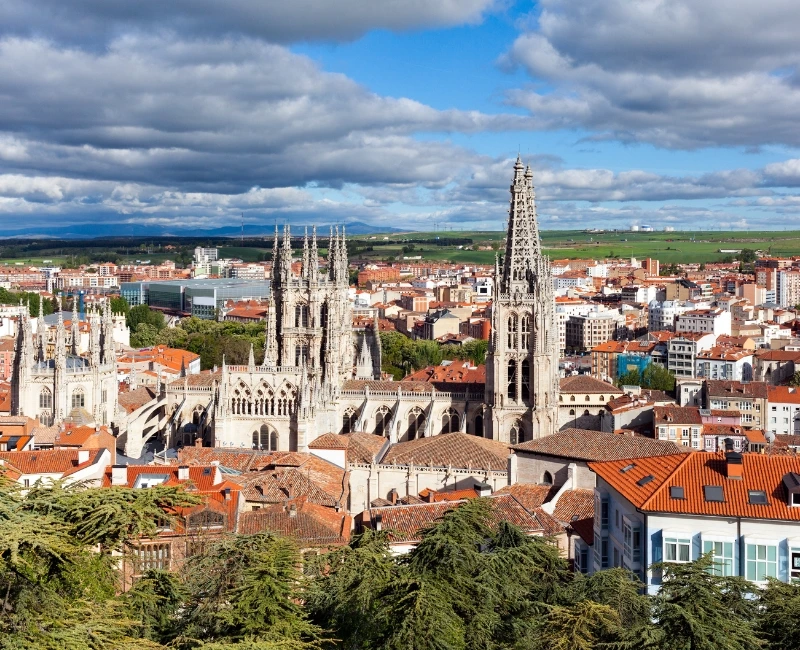
Understanding Burgos’s seasonal nuances enhances visit planning. Spring (April–June) brings mild temperatures, blossoming parks, and fewer crowds at major sites; ideal for walking tours, outdoor dining, and early-season festivals. Summer (July–August) can be warm inland; early mornings and evenings are best for exploring, with midday reserved for leisurely meals or museum visits. Many cultural events occur in summer evenings—concerts in plazas or open-air film screenings—taking advantage of long daylight. Accommodation may fill quickly, so booking ahead is wise.Autumn (September–October) is often considered peak for many travellers: harvest season sparks wine tours in Ribera del Duero, foliage colours mountain trails, and gastronomic events celebrate seasonal produce. Temperatures are comfortable, and festivals continue into autumn. Winter (November–March) is cooler; however, fewer tourists mean quieter visits to monuments. Some attractions may have shorter opening hours, but hotel rates can be lower. Christmas markets and holiday decorations enliven the city in December, offering festive experiences.Practical tips include: comfortable walking shoes for cobbled streets; layering clothing for variable weather; carrying a reusable water bottle (tap water is safe); learning basic Spanish phrases to interact with locals; and being mindful of siesta hours when smaller shops may close midday. Public transport within the city is limited—walking is most rewarding—though taxis and occasional buses are available. Currency is euro; while prices are displayed locally in euros, budgeting in British pounds helps travellers estimate costs. Many establishments accept cards, but carrying cash for small markets or rural excursions is advisable.Safety in Burgos is high: petty theft is rare, but standard precautions apply. Pharmacy and emergency numbers should be noted. Tourist offices and visitor centres provide maps, event schedules, and updated opening times. Booking accommodations near the historic centre or riverside ensures easy access to main attractions. For day trips, renting a car or joining guided tours streamlines logistics. Seasonal considerations: check festival dates, vineyard tour availability, and weather forecasts before packing. Embracing local customs—meal times, greeting norms, and respectful behaviour in religious sites—enhances the experience.This guide to seasonal highlights and practical tips equips travellers to make the most of Burgos year-round. By aligning interests—heritage exploration, gastronomy, outdoor activities, or festival attendance—with seasonal offerings, visitors enjoy a well-planned, enriching journey.
No ads. No trails. No commitments


Alice Roses
London, England
51 ST MATTHIAS ROAD
NOTTINGHAM, NOTTINGHAMSHIRE
NG3 2HF
Hours: 8:00 - 17:00, Mon - Sat
support@johnsonholidays.com