 Kowloon Travel
Guide
Kowloon Travel
Guide
Paris is known around the world as the “capital of love,” and even if you don't understand the history of Paris at all

12 Hours
£5.70
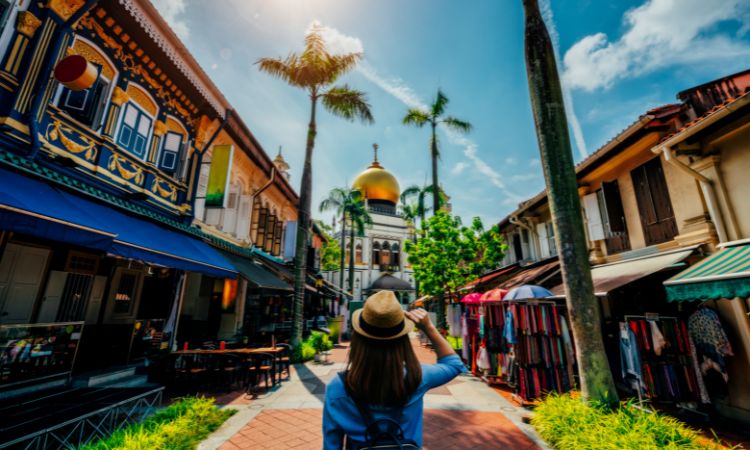
Kowloon’s streets pulse with activity from dawn till dusk. By day, neighborhoods like Sham Shui Po brim with local vendors offering textiles, electronics, and everyday goods at compelling prices. By night, markets such as Temple Street and Ladies’ Market come alive, illuminated by neon signs and filled with the aroma of street snacks. Strolling through these markets offers insight into local culture: observe artisans crafting unique items, sample iconic dishes like curry fishballs and egg waffles, and immerse yourself in the lively bartering culture. This dynamic street life exemplifies Kowloon’s authentic urban charm, making it a must-book destination for those seeking a sensory-rich experience.
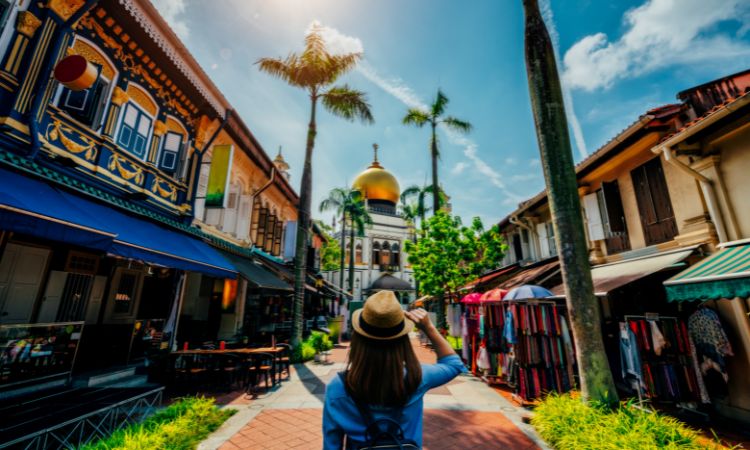
Kowloon’s waterfront at Tsim Sha Tsui and West Kowloon provides postcard-worthy views of Hong Kong Island’s skyline. Book a stay or rooftop experience to witness sunrise or nighttime light shows that transform the cityscape into a dazzling spectacle. Ferry rides across Victoria Harbour allow panoramic vistas that are both romantic and awe-inspiring, perfect for photography and relaxation. Viewing the skyline from vantage points like the Kowloon Peak or the Avenue of Stars connects travelers with the city’s architectural prowess and maritime heritage. For anyone drawn to urban panoramas, Kowloon’s skyline promises memorable moments and Instagram-worthy shots.
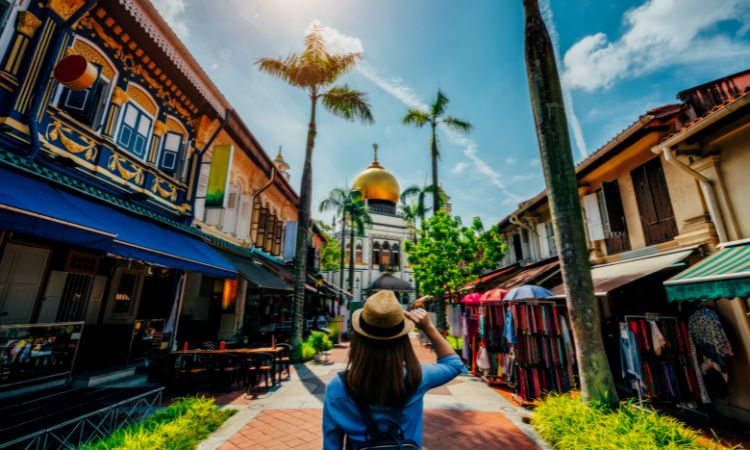
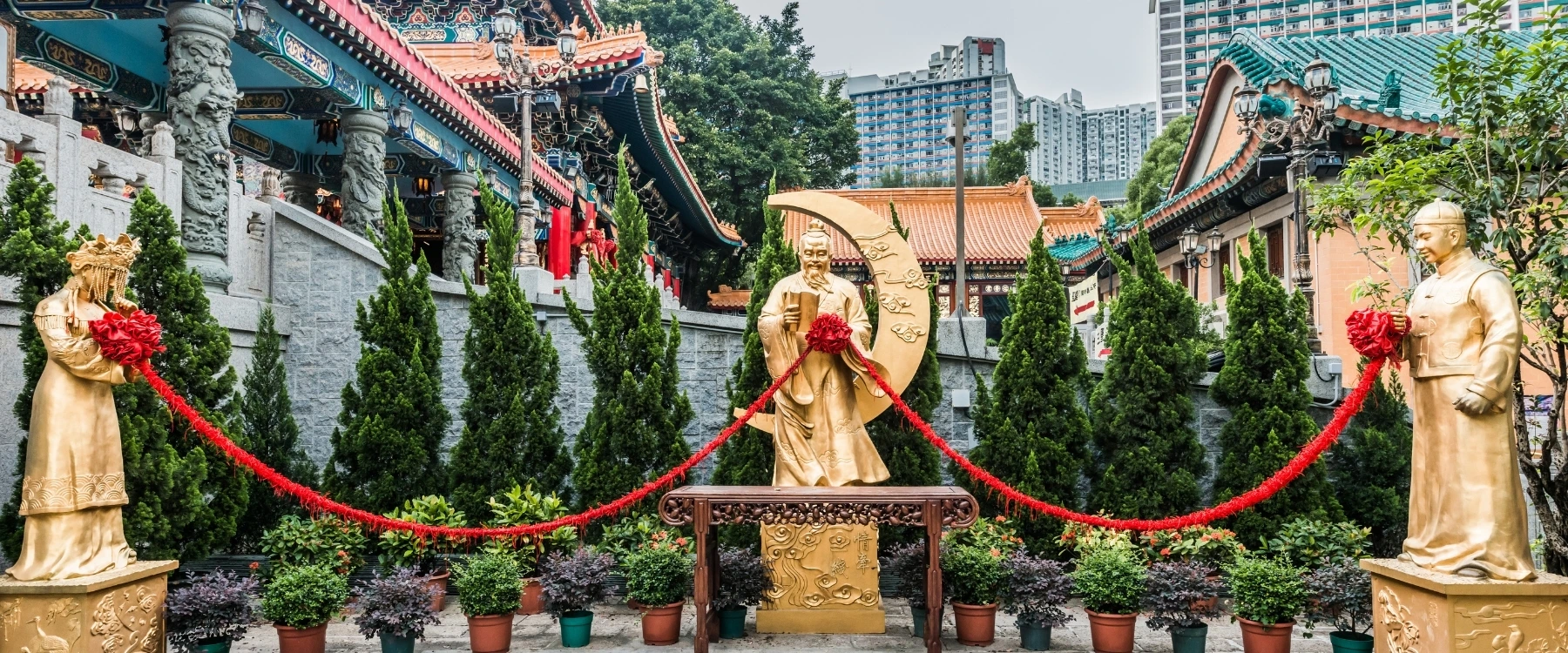
Beyond its modern facade, Kowloon preserves significant cultural sites. Visit Wong Tai Sin Temple to experience local religious practices and ornate architecture, or explore Chi Lin Nunnery and Nan Lian Garden to find serene lotus ponds and classical Tang-style pavilions. Historical pockets, including remnants of the Kowloon Walled City Park, reflect complex histories and resilience of communities. Guided or self-guided heritage walks reveal stories of colonial-era development, post-war transformations, and the evolution of local traditions. Booking Kowloon lets culture aficionados delve into Hong Kong’s layered history and spiritual practices in an urban environment.
Learn More
Kowloon is a gastronomic paradise that caters to every palate. Indulge in Michelin-recommended street food stalls, dai pai dong classics like stir-fried dishes, and upscale Cantonese fine dining featuring fresh seafood and innovative fusion. Local cafés offer comforting milk tea and egg tarts, while international eateries serve global cuisines. With prices converted to British pounds, travelers can budget effectively: a hearty street meal might cost around £5–£10, while a refined dinner could range from £30 upwards, depending on venue. Kowloon’s food scene is a core booking incentive for anyone who values authentic and diverse culinary exploration.
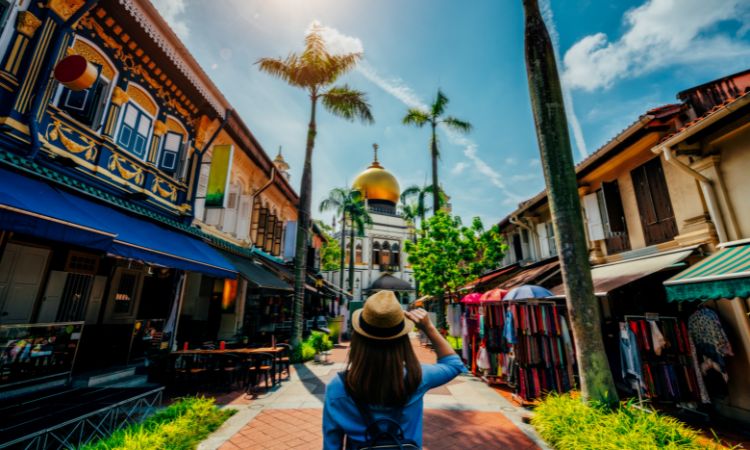
Kowloon benefits from Hong Kong’s world-class transport infrastructure. The MTR network links districts efficiently, while buses and minibuses cover areas beyond rail lines. Airport Express from HKG reaches Kowloon stations in under 30 minutes, making arrivals and departures seamless. Ferries connect to Hong Kong Island, offering scenic commutes. For travelers, this means less time in transit and more time experiencing the city’s offerings. Booking Kowloon ensures you can easily explore neighboring areas like Lantau Island, the New Territories, or day trips to Macau via high-speed ferry.
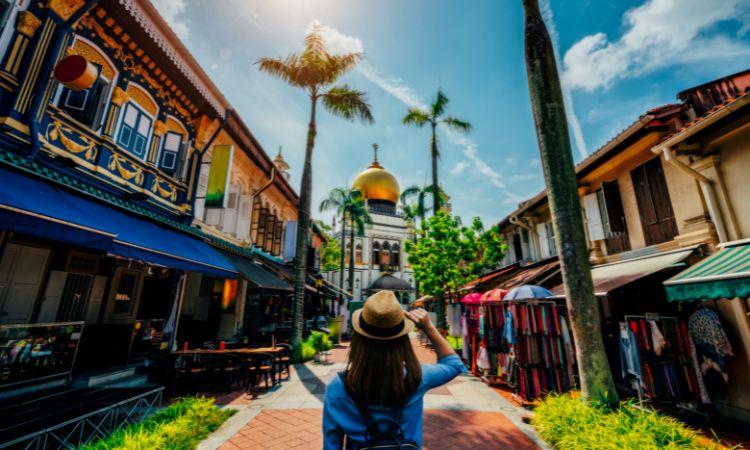
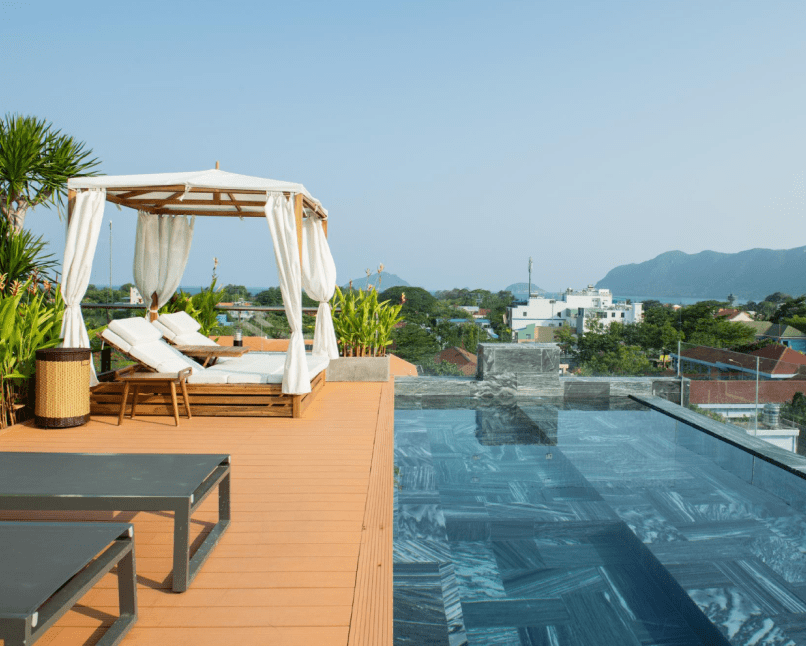
Kowloon’s accommodation spectrum ranges from budget guesthouses to luxury hotels with harbour views. Many properties offer modern amenities, fitness centres, and rooftop lounges overlooking the city. Location choices include staying in bustling markets zones for authentic immersion, or in quieter parts near parks for a balance of calm and convenience. Frequent promotions and deals mean travelers can secure good value, especially when booking in advance or during off-peak periods. This diversity caters to solo travelers, couples, families, and business visitors alike.
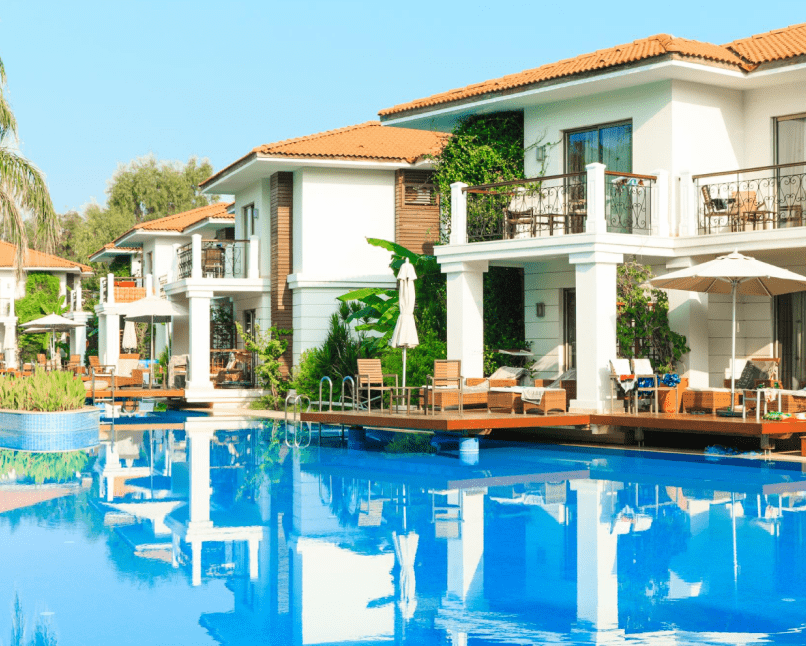
Lorem ipsum dolor, sit amet consectetur adipisicing elit. At illo adipisci iusto
From

Because more than 268 other customers have loved us too

Demonstrates commitment to user data security through encryption and secure payment practices
Learn More
Demonstrates commitment to user data security through encryption and secure payment practices
Learn More
Demonstrates commitment to user data security through encryption and secure payment practices
Learn More
Demonstrates commitment to user data security through encryption and secure payment practices
Learn More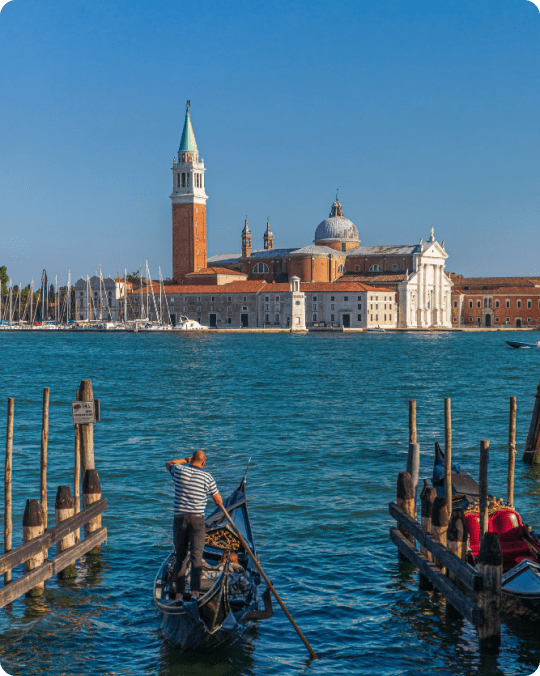
Quality as judged by customers. Book at the ideal price!


/ person
/ person
/ person
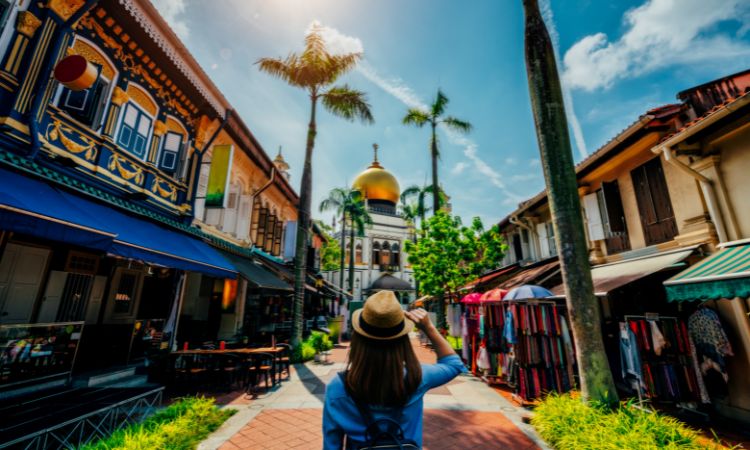
Kowloon’s heritage unfolds through its landmarks and walking trails. Begin at Wong Tai Sin Temple, renowned for its vibrant architecture and local worshippers seeking good fortune. Continue to Chi Lin Nunnery and the adjacent Nan Lian Garden, where Tang-style wooden structures and manicured landscapes offer a tranquil retreat amid urban density. Delve into Kowloon Walled City Park to learn about the former enclave’s storied past, now commemorated through landscaped gardens and exhibits explaining its unique history. Heritage trails in districts like Sham Shui Po reveal colonial-era buildings repurposed as art spaces or community centres, and street murals celebrate local culture. Explore markets that trace back decades: the Jade Market, where traditions of jade appreciation persist, and the Goldfish Market in Mong Kok, reflecting an age-old hobby. Guided or self-guided heritage walks provide context on Kowloon’s growth, revealing how fishing villages and fruit orchards gave way to towering residential blocks. Documenting these transitions helps travelers appreciate the layers beneath Kowloon’s modern façade. Kowloon’s past is woven into its urban fabric, inviting curious visitors to trace the evolution from fishing hamlets to a bustling metropolis. Historical narratives emerge at every corner: colonial-era shophouses nestle beside contemporary malls; temples stand serenely amid skyscrapers. Begin your heritage exploration at Wong Tai Sin Temple, one of Hong Kong’s most visited shrines, where ornate halls and incense-filled courtyards reveal Taoist, Buddhist, and Confucian practices coexisting harmoniously. Observe worship rituals and seek guidance via kau chim (fortune sticks) or admire the intricate architecture reflecting craftsmanship passed down through generations. A short journey leads to Chi Lin Nunnery and Nan Lian Garden in Diamond Hill, where Tang-dynasty design principles manifest in wooden pavilions, flowing water features, and lotus ponds. This serene enclave, meticulously reconstructed without nails, provides insight into classical Chinese garden aesthetics and monastic life, offering a peaceful counterpoint to the city’s bustle. For a more complex narrative, Kowloon Walled City Park occupies the former walled city site. Once a densely populated, largely ungoverned settlement, the Walled City was cleared in 1993. Today’s park incorporates preserved relics, winding pathways, and interpretive displays that chronicle the enclave’s extraordinary density and community resilience. Walking here invites reflection on urban development, governance, and human ingenuity under challenging conditions. Sham Shui Po’s heritage emerges through its streets and buildings. Explore old shophouses along Ki Lung Street or Tai Nan Street, where decades-old electronics stalls mingle with trendy cafés and art studios. Visit the Mao Dun Art Space or grassroots galleries repurposed from former warehouses, showcasing local creativity rooted in historical contexts. The Jade Market in Yau Ma Tei offers insight into traditional beliefs: browse intricately carved jade pieces, learn about the stone’s cultural significance, and engage with vendors who maintain longstanding family businesses. Nearby, the Goldfish Market on Tung Choi Street preserves an era when keeping ornamental fish was a widespread hobby; today’s visitors can observe aquarists selecting specimens, reflecting concerns for conservation and aesthetics passed through generations. Heritage trails in Tsim Sha Tsui and Yau Tsim Mong district highlight colonial-era architectural remnants, such as old police stations or historic buildings now repurposed as museums or boutique hotels. Interactive walking apps or local guides enrich the experience with anecdotes and little-known facts: where a particular street got its name, or how a community adapted to rapid post-war population growth. Engaging with Kowloon’s historical landmarks and heritage trails deepens understanding of Hong Kong’s identity. It underscores the coexistence of past and present: temples and modern shopping malls share neighbourhoods; traditional festivals animate the calendar alongside global events. Travelers who allocate time for heritage exploration leave Kowloon not only with snapshots of neon-lit streets but also with an appreciation for the cultural threads that have shaped this vibrant area.
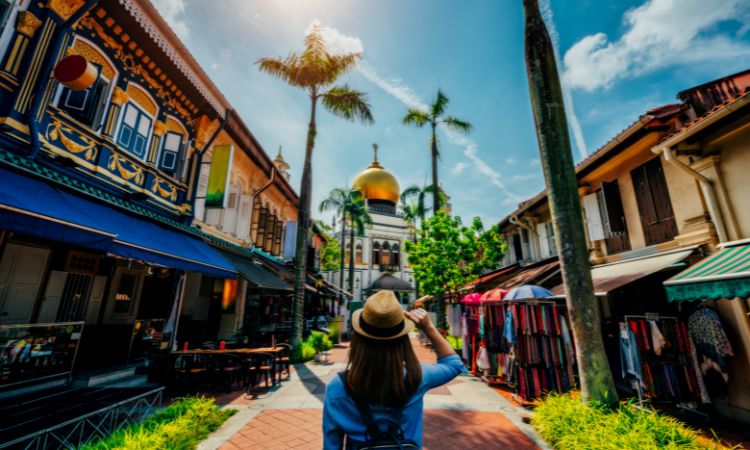
Kowloon’s cultural scene extends into museums and creative venues showcasing art, history, and local life. Visit the Hong Kong Museum of History in Tsim Sha Tsui to trace the city’s development from prehistoric times to the present, featuring immersive exhibits on traditional practices and colonial-era transformations. The Hong Kong Heritage Museum in Sha Tin (accessible via short MTR ride) offers deeper dives into Cantonese opera, local crafts, and art collections. Contemporary art thrives at venues like M+ Museum in West Kowloon Cultural District, presenting global modern art, design, and architecture exhibitions. Smaller galleries and pop-up spaces in Sham Shui Po and Kowloon East highlight emerging artists and multimedia installations. Cultural experiences include tea appreciation sessions, calligraphy workshops, and guided tours explaining traditional festivals celebrated in Kowloon, such as Lunar New Year and Mid-Autumn Festival. Culinary workshops teach dim sum making or local dessert preparation. Seasonal events in West Kowloon Cultural District, from outdoor performances to film screenings, offer free or ticketed experiences. This blend of museums and interactive experiences caters to travelers keen on understanding both Hong Kong’s heritage and contemporary creative pulse. Kowloon’s cultural tapestry is vividly represented through its museums, art institutions, and experiential offerings. The Hong Kong Museum of History in Tsim Sha Tsui stands as a cornerstone for understanding the city’s multifaceted narrative. Its well-curated galleries guide visitors through early settlements, maritime traditions, and the seismic shifts following British colonial administration and post-war urbanization. Interactive displays, replica artefacts, and multimedia narratives engage audiences of all ages, making history tangible and relatable. Walking through these halls illuminates how Kowloon evolved from agricultural and fishing communities to a sprawling high-density urban area, underscoring resilience and adaptability. For enthusiasts of performing arts and tangible heritage, the Hong Kong Heritage Museum in Sha Tin (a short MTR journey away) delves into Cantonese opera’s rich artistry—costumes, props, and archival recordings—and showcases local crafts such as lacquerware and ceramics. Exhibitions often rotate, highlighting thematic explorations of intangible cultural heritage. Workshops here allow participants to try traditional crafts under the guidance of skilled artisans, fostering appreciation for techniques passed down through generations. Modern art invigorates Kowloon’s West Kowloon Cultural District. The M+ Museum, a landmark institution, presents cutting-edge exhibitions spanning visual art, design, architecture, and moving images. Its architecture itself is a statement—bold, contemporary, and reflective of Hong Kong’s role as a global metropolis. Surrounding plazas host large-scale installations and performance art, accessible to all. Nearby, the Freespace performance venue and outdoor theatres stage world music, dance, and theatre events, often integrating local talent with international artists. Beyond major institutions, Kowloon’s neighbourhoods nurture grassroots creativity. Sham Shui Po, long known for electronics and textiles wholesale, has seen former industrial spaces transformed into galleries and co-working art studios. Pop-up exhibitions showcase emerging local artists, while street art trails reveal colourful murals narrating community stories. These venues often host artist talks, interactive sessions, and collaborative projects that bridge tradition and innovation. Cultural immersion extends to everyday life through experiential offerings. Tea appreciation sessions teach the nuances of brewing Chinese teas, from oolong to pu’er, emphasizing ceremony and mindfulness. Calligraphy workshops reveal the beauty of Chinese characters as an art form, allowing travelers to practice brush strokes under expert guidance. Culinary experiences deepen understanding of Cantonese culture: hands-on dim sum-making classes teach dough preparation, filling selection, and folding techniques; dessert workshops reveal secrets behind mango sago and egg tarts. Seasonal festivals animate the streets: during Lunar New Year, lantern displays and lion dance performances appear; at Mid-Autumn Festival, families gather for lantern parades and mooncake tastings. Guided festival tours explain symbolic meanings and community customs, making participation more enriching. For those seeking digital or film experiences, West Kowloon’s outdoor screening events or Hong Kong Film Archive exhibitions spotlight local and regional cinema. Interactive VR or AR installations occasionally feature in cultural festivals, reflecting Hong Kong’s embrace of technology in storytelling. Kowloon’s museums and cultural experiences offer layered engagement: they preserve heritage, celebrate contemporary creativity, and invite active participation. Travelers who allocate time for these pursuits gain a deeper appreciation of Hong Kong’s identity—rooted in history yet ever-evolving. Whether you’re exploring a grand exhibition hall or crafting your own calligraphy piece, Kowloon delivers a spectrum of cultural encounters that resonate long after departure.
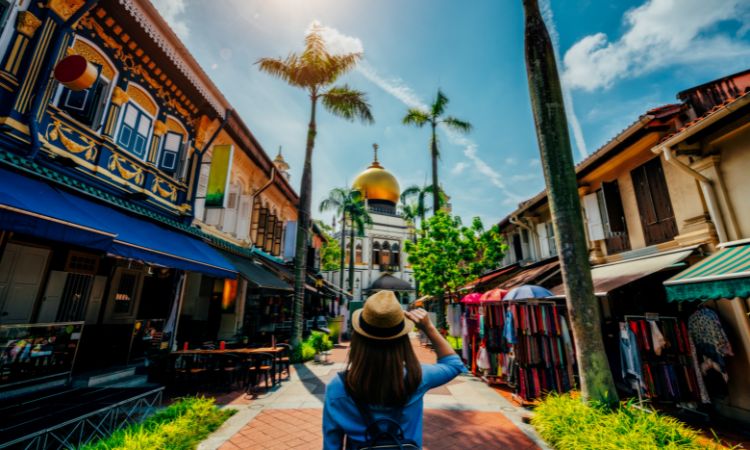
Kowloon’s street food culture epitomizes Hong Kong’s culinary spirit: dynamic, diverse, and steeped in tradition. Begin your gastronomic exploration in Sham Shui Po, where alleys hum with sizzling grills and steaming pots. At dai pai dong-style stalls, savor classic dishes: fishball skewers dipped in spiced curry sauce, their springy texture complemented by spicy undertones; cheung fun (rice noodle rolls) filled with shrimp or barbecued pork, drizzled with sweet soy sauce; and turnip cakes pan-fried to golden perfection, offering a delicate balance of softness and crispiness. Each bite narrates a story of generations perfecting recipes in bustling markets. In Mong Kok, street vendors line up offerings: egg waffles shaped like clusters of spheres, delightfully crisp exterior giving way to a tender interior; egg tarts with buttery, flaky shells encasing silky custard—a testament to colonial-era influences fused with Cantonese tastes. Seek out stinky tofu if you dare: its pungent aroma gives way to a surprisingly crispy exterior and soft interior, often served with chili or pickled vegetables for contrast. Temple Street Night Market in Yau Ma Tei transforms into a culinary adventure after dusk. Squeeze through crowds drawn by neon signs and aromas. Sample claypot rice cooked over charcoal, delivering smoky fragrance and rice crust prized by locals. Warm your palate with sweet red bean soup or mango sago dessert, refreshing after savoury indulgences. Street-side seafood stalls offer fresh shellfish prepared on the spot; order a dish of salted egg yolk prawns or steamed scallops with garlic, paying in HKD but mindful of approximate GBP equivalents. Beyond fixed markets, keep an eye out for mobile carts selling traditional snacks such as pineapple buns (bo lo bao) with a slab of butter, and cheung fun variations featuring innovative fillings like squid ink or taro. Beverage carts offer sugarcane juice or herbal teas—cooling remedies in subtropical heat. While ordering, practice simple Cantonese phrases or rely on English menus, as many vendors accommodate tourists. For those interested in the craft behind the snacks, join a guided food tour in Kowloon that navigates hidden alleys and family-run stalls passed down through generations. Learn about ingredient selection: how fishballs achieve their bouncy texture, or why certain sauces are blended in-house. Compare variations of similar dishes from different stalls to understand personal touches and regional influences. Street food in Kowloon is not merely sustenance; it’s an immersive cultural exchange. Observing vendors deftly handling woks, grills, and steamers offers insight into the rhythm of local life. Sharing tables with residents and fellow travelers fosters conviviality, turning each bite into a story. As night deepens and lights flicker, Kowloon’s street food scene remains a beacon for those seeking authentic flavors, budget-friendly feasts, and an unfiltered taste of Hong Kong’s culinary heritage.
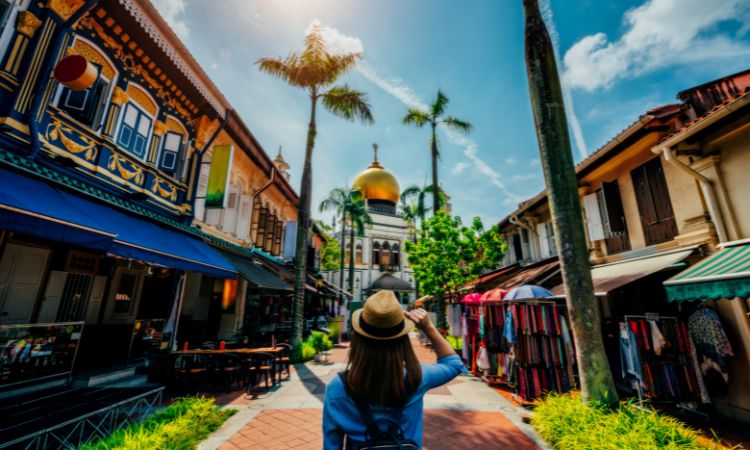
Kowloon also boasts an impressive fine dining scene. Renowned chefs and establishments fuse Cantonese traditions with global influences, presenting tasting menus that highlight fresh seafood, premium barbecued meats, and inventive presentations. Many fine dining venues occupy high-rise floors or rooftop terraces, offering stunning harbour or city views alongside elegant ambiance. Expect tasting menus ranging from £80–£150 per person, depending on the restaurant and courses, with wine pairings available at additional cost. Reservations are often recommended, especially for award-winning establishments. Beyond Cantonese, explore fusion concepts blending Japanese, Southeast Asian, and Western techniques. Some chef-led kitchens emphasize sustainable sourcing, seasonal ingredients, and artistic plating. For a memorable occasion or a refined exploration of Hong Kong’s culinary evolution, Kowloon’s fine dining delivers excellence and creativity in a cosmopolitan setting. While street food defines Kowloon’s casual culinary heartbeat, its fine dining scene exemplifies Hong Kong’s status as a global gastronomic hub. Distinguished restaurants across Tsim Sha Tsui, Kowloon East, and West Kowloon Cultural District present refined interpretations of Cantonese classics and imaginative fusion creations. Many venues occupy spots with panoramic views of Victoria Harbour or the dazzling city skyline, turning each meal into a multisensory experience. Cantonese fine dining remains a highlight: expect succulent lobster stir-fried with superior soy sauce, delicate steamed grouper flavoured with ginger and spring onions, and premium dim sum presented with artistic flair. Signature barbecue dishes—such as char siu pork glazed to a perfect balance of sweet and savory, or roasted Peking duck with crispy skin—are reimagined through contemporary plating and sometimes unexpected accompaniments like microgreens or truffle-infused sauces. Chefs often emphasize pristine ingredients sourced locally or from trusted suppliers, showcasing the natural flavors elevated by subtle seasonings. Fusion and innovative cuisine flourish in Kowloon. Some chefs draw inspiration from Japanese minimalism, blending it with Cantonese techniques: sashimi-grade seafood paired with regional condiments; sushi rolls featuring local ingredients like XO sauce or preserved vegetables. Southeast Asian influences manifest in dishes that balance spicy, sour, and sweet notes, reinterpreted with Hong Kong sensibilities. Western fine dining manifests through tasting menus highlighting seasonal produce and molecular gastronomy elements, often incorporating Asian ingredients such as miso, yuzu, or lotus root in novel contexts. Many fine dining establishments offer degustation menus in the £80–£150 range per person (excluding beverages), providing multi-course journeys that narrate a chef’s personal story and culinary philosophy. Wine pairings or sake pairings complement courses, with sommeliers guiding selections. For a truly memorable evening, choose a restaurant with a harbour view terrace or floor-to-ceiling windows, where the city lights enhance the ambiance. Service standards in these venues are impeccable: attentive yet unobtrusive staff guide you through each course, explaining ingredients and preparation methods. Sustainability and seasonality trend in Kowloon’s high-end kitchens. Some chefs collaborate with local farms and fisheries to source the freshest produce and seafood, reducing environmental impact and supporting regional partners. Vegetarian fine dining has also emerged, offering plant-based tasting menus that rival meat-centric counterparts in creativity and flavor depth. Reservations are essential, particularly for award-winning or Michelin-starred establishments. Dress codes may apply, so check guidelines in advance. While prices in HKD may vary with exchange rates, planning with British pound conversions ensures clarity in budgeting. For special occasions—celebrations, anniversaries, or simply a desire to explore gastronomy at its finest—Kowloon’s fine dining scene offers a sophisticated complement to its vibrant street food culture.
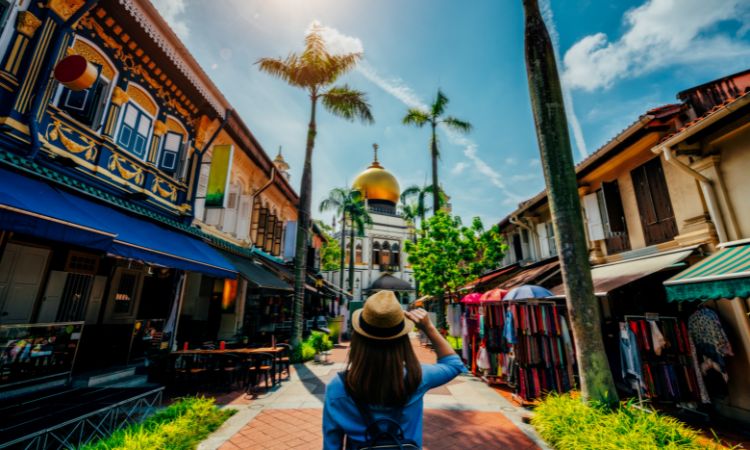
Kowloon is famed for its shopping diversity. For bargain hunters, explore open-air markets: Ladies’ Market for fashion and accessories, Temple Street Night Market for souvenirs and electronics, and Fa Yuen Street Market for sportswear. Sham Shui Po caters to tech enthusiasts with wholesale electronics and accessories, while MSD Electronics stores sell components for DIY projects. Jade Market offers semi-precious stones and crafts. For air-conditioned comfort or luxury shopping, head to Harbour City in Tsim Sha Tsui—the largest shopping mall in Hong Kong—featuring international brands, department stores, and dining options with harbour views. Elements in Kowloon East and K11 Musea in West Kowloon present curated art-and-retail experiences blending creativity with commerce. Prices vary widely: street finds may cost under £20, while designer pieces in malls align with global price levels. Tax-free shopping on many items makes Kowloon attractive for savvy shoppers. Kowloon’s shopping landscape caters to every preference and budget, from labyrinthine street markets to gleaming luxury malls. For those seeking authentic local experiences and bargain hunting, Kowloon’s open-air markets are unmissable. In Mong Kok, Ladies’ Market stretches along Tung Choi Street, offering clothing, accessories, and souvenirs at negotiable prices. Explore stalls for trendy garments, novelty items, and local crafts; haggling is part of the fun, with polite bargaining often leading to satisfying deals. Nearby, Fa Yuen Street Market caters to sportswear enthusiasts, featuring sneakers, athletic apparel, and accessories, often at lower prices than mainstream retail outlets. Electronics aficionados head to Sham Shui Po, a district renowned for wholesale stalls and shops selling components, gadgets, and DIY electronics supplies. Golden Computer Arcade and nearby streets teem with vendors offering competitively priced items: from phone accessories and computer parts to repair services. This tech hub attracts hobbyists and professionals alike, fostering a community passionate about innovation and hands-on projects. The Jade Market in Yau Ma Tei preserves a long-standing tradition: browse stalls displaying carved jade pendants, bracelets, and ornaments. Vendors often share stories about jade’s cultural significance and gemstone quality, making purchases more meaningful. For unique home décor or local artworks, wander through small galleries and craft shops tucked into side streets, where independent artisans sell handmade ceramics, textiles, and prints reflecting Hong Kong’s creative scene. When seeking modern retail experiences, Kowloon delivers grand shopping centres. Harbour City in Tsim Sha Tsui stands out as one of the largest malls in the region, featuring a vast array of international fashion brands, electronics retailers, and beauty outlets. Its waterfront promenade invites shoppers to pause for harbour views between purchases. K11 Musea in West Kowloon combines art galleries with retail spaces, offering an experiential environment where installations and interactive exhibits complement designer boutiques. Elements and other Kowloon East malls provide contemporary options for both local and global brands, often hosting seasonal sales and promotions. For luxury shopping, Kowloon does not disappoint. High-end watch boutiques, jewellery shops, and flagship stores of fashion houses are plentiful in prime areas. Duty-free allowances and favorable currency exchange rates can render purchases more attractive for UK travelers. Be mindful of budget planning by converting HKD prices into British pounds in advance. Entertainment intertwines with shopping: many malls house cinemas, VR gaming zones, and themed attractions. After a shopping spree, unwind at a café overlooking the harbour or catch a live performance at a nearby theatre. Seasonal events—festivals, pop-up markets, and outdoor screenings—often take place in mall plazas or public squares, enriching the shopping outing with cultural flair. Kowloon’s shopping diversity—from street stalls where bargaining is an art, to luxury boutiques offering global labels—ensures every traveler finds something to buy or experience. Budget travelers can hunt for unique souvenirs and electronics bargains, while those seeking high-end items can enjoy premium services and panoramic views. Whatever your style, Kowloon’s retail landscape is a compelling reason to book a trip.
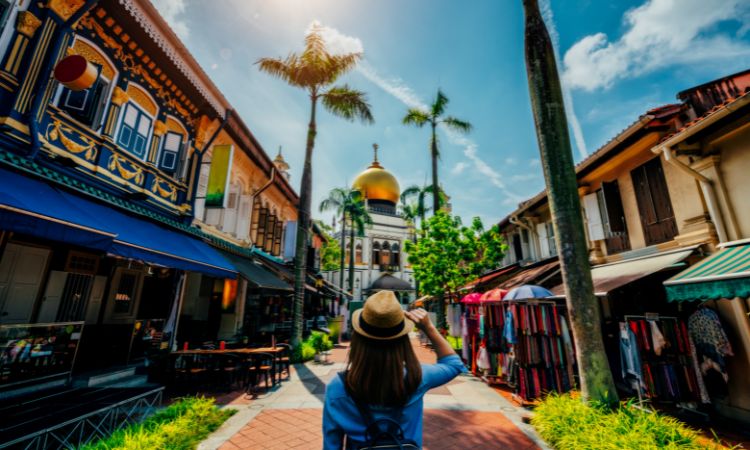
Kowloon’s entertainment options range from lively nightlife to family-friendly attractions. Bars and rooftop lounges in Tsim Sha Tsui and West Kowloon offer creative cocktails and harbour vistas, ideal for evening relaxation. Live music venues and karaoke spots in neighbourhoods like Jordan and Mong Kok provide local entertainment experiences. Families can visit attractions such as the Hong Kong Space Museum, Science Museum, or take the Star Ferry to Hong Kong Island. West Kowloon Cultural District hosts outdoor performances and interactive art installations that appeal to all ages. For thrill-seekers, indoor amusement centres and VR gaming arcades offer immersive fun. Seasonal festivals and events—including light shows, cultural celebrations, and markets—create communal experiences. Whether seeking nightlife thrills or wholesome family outings, Kowloon delivers diverse entertainment under neon lights and beyond. As dusk falls, Kowloon transforms into an entertainment playground catering to diverse tastes: from energetic nightlife to engaging family activities. Tsim Sha Tsui’s skyline-lit waterfront beckons couples and friends to rooftop bars and lounges, where handcrafted cocktails accompany sweeping views of Victoria Harbour. Venues often feature live DJs or acoustic performances, merging urban sophistication with relaxed ambience. In neighbourhood enclaves like Jordan and Mong Kok, casual bars and karaoke lounges offer local flavour: belt out favourite tunes in private rooms or enjoy live band sessions in intimate venues. Craft beer bars have also emerged, showcasing local and imported brews in a convivial setting. For families and culture seekers, daytime and early evening activities abound. The Hong Kong Science Museum and Space Museum in Tsim Sha Tsui engage curious minds with interactive exhibits and planetarium shows, suitable for children and adults. Aquaria in nearby museums reveal marine biodiversity, highlighting conservation themes relevant to Hong Kong’s coastal context. The Star Ferry ride to Hong Kong Island is a classic experience: brief, scenic, and affordable, providing unique perspectives of Kowloon’s skyline. West Kowloon Cultural District enriches entertainment offerings: outdoor plazas host free concerts, dance performances, and community workshops. Interactive art installations encourage participation, while seasonal events—such as open-air film screenings or cultural festivals—invite families to gather under the city lights. Art gardens and landscaped spaces provide areas for relaxation and play. For thrill-seekers and tech enthusiasts, indoor amusement parks and VR arcades in shopping centres deliver adrenaline-fueled fun. Simulators for racing or flight experiences cater to those seeking high-octane entertainment. Escape rooms themed around local stories or global adventures challenge groups to collaborate and solve puzzles. Food-and-drink experiences blend with entertainment: night markets double as culinary tours, where families can sample snacks together. Some markets feature street performers, fortune-tellers, or games that engage young and old alike. Seasonal celebrations—Chinese New Year parades, Lantern Festivals, and Dragon Boat Festival events—bring communities together, offering travelers immersive cultural participation. Kowloon’s nightlife and entertainment spectrum ensures no one is left out. Whether you prefer sipping a cocktail with harbour panoramas, belting out tunes in a karaoke room, exploring museums with children, or testing VR limits in a gaming zone, Kowloon’s offerings cater to varied interests. Booking Kowloon means embracing a city that thrives day and night, providing endless opportunities for fun, learning, and connecting with local life..

Kowloon’s waterfront areas seamlessly blend bustling urban vistas with tranquil open spaces, providing oasis-like settings for scenic enjoyment. The Tsim Sha Tsui Promenade stretches along Victoria Harbour, featuring the iconic Avenue of Stars with handprints and statues honouring Hong Kong’s film industry. As day transitions to evening, the skyline across the water transforms: office towers light up, neon signs reflect on gentle waves, and the nightly “Symphony of Lights” show synchronizes building illumination into a choreographed spectacle. Photographers and sightseers gather early to capture sunset hues, then linger as the cityscape glows against twilight. For quieter moments, West Kowloon Waterfront Park offers spacious lawns, landscaped gardens, and viewing platforms. Families picnic under open skies, joggers circle paths with harbour breezes, and artists sketch modern architecture from comfortable benches. Public art installations pepper the area, inviting contemplation and photo opportunities that juxtapose sculptures with the skyline backdrop. Early mornings see practitioners of tai chi greeting the day, their slow movements harmonizing with calm waters and distant ferry hums. Sunrise photography in Kowloon demands an early start: ascend to viewing points like Kowloon Peak or Lion Rock for panoramic dawn vistas, then descend to the waterfront to capture morning light illuminating city structures. During golden hour, skyscraper glass facades catch soft hues, while water reflects pastel skies. Seek vantage points near the Clock Tower in Tsim Sha Tsui for compositions combining heritage elements with modern high-rises. A harbour cruise offers a different perspective: drifting on Victoria Harbour allows uninterrupted skyline panoramas, revealing architectural details unseen from land. Choose a short evening cruise to experience the light show from mid-water, or a daytime sail to observe harbour traffic and adjacent island landscapes. For relaxation, waterfront cafés and bars provide seating where you can sip a drink in British pounds equivalent while gazing across the harbour. Seasonal events along the promenades—from outdoor film screenings to cultural festivals—enhance scenic enjoyment with communal atmosphere. During Mid-Autumn Festival, lantern displays add warm lights to evening walks; Chinese New Year fireworks burst over the harbour, drawing crowds to vantage points. These occasions underscore Kowloon’s ability to merge natural and urban elements into memorable experiences. Kowloon’s harbourfront promenades exemplify how a dense metropolis can integrate inviting open spaces. Whether you aim to capture the perfect skyline photograph, practice yoga at dawn, or simply unwind by the water, these scenic areas offer respite and inspiration. Booking Kowloon ensures access to these waterfront gems, where the ever-changing interplay of light, architecture, and water crafts lasting travel memories.
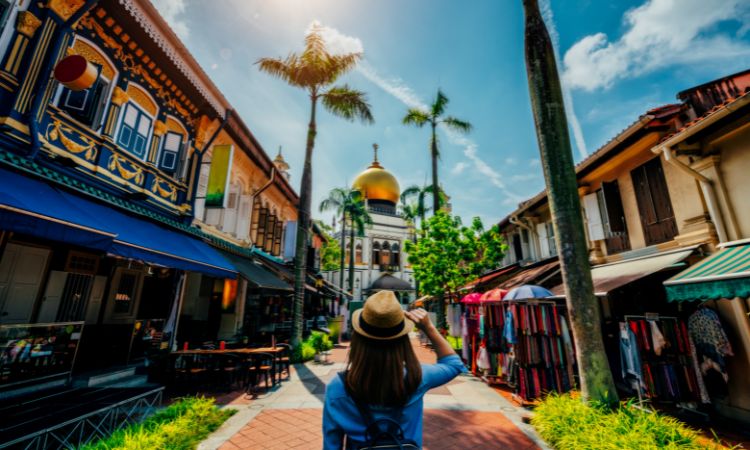
Kowloon’s reputation as a concrete jungle belies its pockets of greenery and accessible nature trails offering refreshing escapes. For hiking enthusiasts, Lion Rock stands as an iconic landmark. The trail begins in Kowloon Tong or Wong Tai Sin area, gradually ascending through lush vegetation. Along the way, glimpses of Hong Kong’s hinterland appear between trees, culminating at the summit with unobstructed vistas of Kowloon Peninsula and Victoria Harbour, evoking a sense of achievement and perspective on urban density below. Early starts are recommended to avoid mid-day heat and enjoy cooler air. Nearby, Kowloon Peak (also known as Fei Ngo Shan) provides another rewarding hike. The trailhead near Lam Tin leads through forested slopes to ridgeline views, showcasing how Kowloon nestles between mountains and sea. At dawn, the sunrise over the harbour seen from Kowloon Peak is particularly striking, with city lights fading as daylight emerges. For longer treks, the Wilson Trail East Section traverses eastern Kowloon slopes, linking vantage points like Tate’s Cairn and Temple Hill. Though more challenging, this route immerses hikers in subtropical forest, offering tranquility away from urban bustle. Birdwatchers may spot migratory and native species in quieter sections. Carry water and snacks, and plan according to weather forecasts. Closer to the city, Kowloon Park in Tsim Sha Tsui provides a landscaped oasis. Sprawling gardens include a Chinese Garden section with pagodas, a bird lake housing flamingos and other species, and open lawns where locals practice tai chi or relax. The park’s pools reflect surrounding buildings, blending nature with urban scenery. Cultural facilities like the Hong Kong Heritage Discovery Centre and sports grounds add variety, making it suitable for families and leisure strolls. Further inland, the area around Kowloon Reservoir and Beacon Hill features quieter walking paths near Wong Tai Sin Temple. Here, temple visits can be combined with nature walks: ascend gentle slopes past shrines, reaching viewpoints that frame temple architecture against forest backdrops. Seasonal changes bring cherry blossoms in spring in certain gardens, and autumn foliage hues in cooler months, offering varied scenic experiences throughout the year. For those seeking structured guidance, local hiking groups or guided nature tours provide insights into flora, fauna, and geology of Kowloon’s hills. Photographers join sunrise hikes to capture city and nature contrasts. During hot months, early morning or late afternoon hikes are preferable; in cooler seasons, midday outings are comfortable. These urban parks and trails illustrate Kowloon’s capacity to integrate natural escapes within a dense metropolis. Whether you crave panoramic cityscapes from mountain peaks or peaceful moments among gardens and birds, Kowloon’s nature offerings enrich travel itineraries. Booking Kowloon ensures you can balance city exploration with outdoor adventures, experiencing the multifaceted character of this remarkable area.
No ads. No trails. No commitments


Alice Roses
London, England
51 ST MATTHIAS ROAD
NOTTINGHAM, NOTTINGHAMSHIRE
NG3 2HF
Hours: 8:00 - 17:00, Mon - Sat
support@johnsonholidays.com