 Kota Kinabalu Travel
Guide
Kota Kinabalu Travel
Guide
Paris is known around the world as the “capital of love,” and even if you don't understand the history of Paris at all

17–20 Hours
£2.50
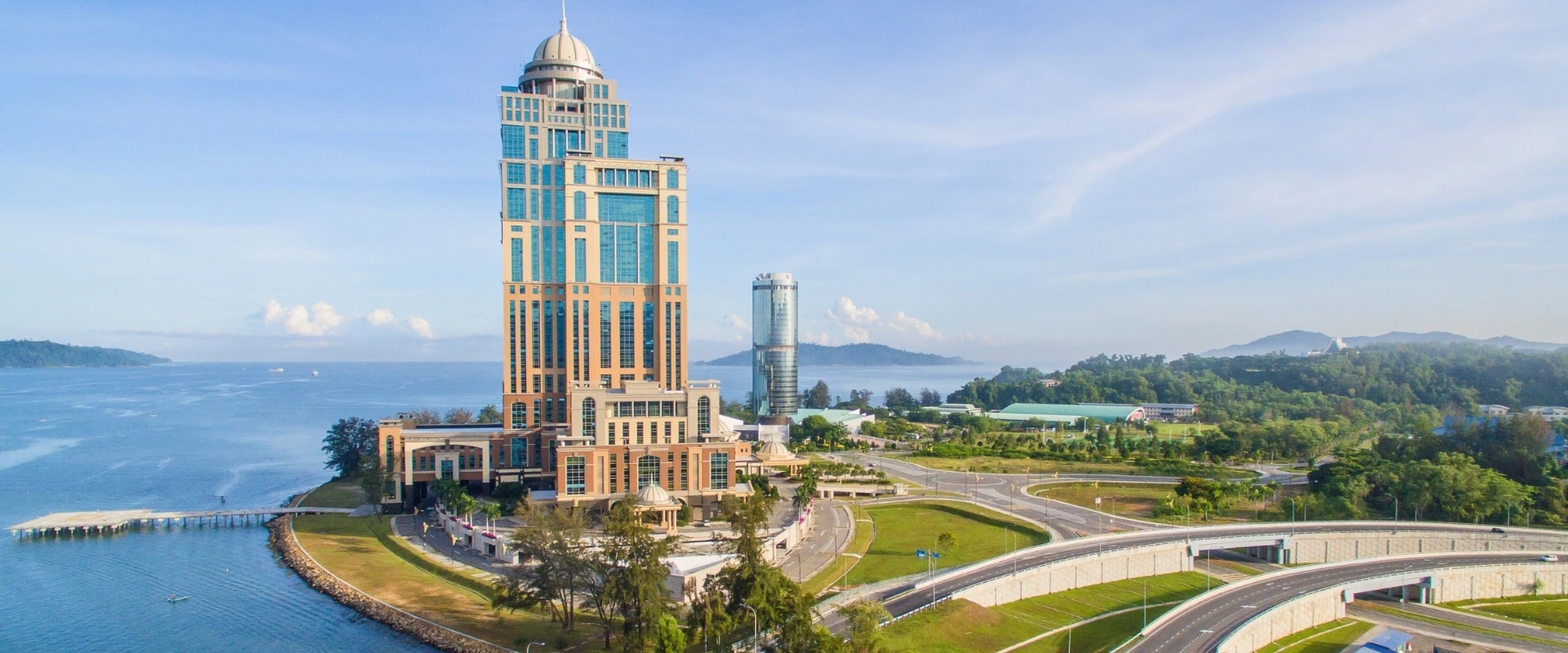
Kota Kinabalu is the starting point for exploring Sabah’s unparalleled biodiversity. From Kinabalu Park’s UNESCO-listed ecosystems to marine adventures in Tunku Abdul Rahman National Park, the city offers immediate access to nature’s marvels. Travellers can embark on guided rainforest treks to spot rare orchids and birds, or snorkel among vibrant coral reefs just a short boat ride away. This proximity means less transit time and more time immersed in natural beauty. Whether seeking sunrise atop Mount Kinabalu or kayaking through mangrove forests, booking Kota Kinabalu as your base ensures convenience and variety in nature-based experiences.
Learn More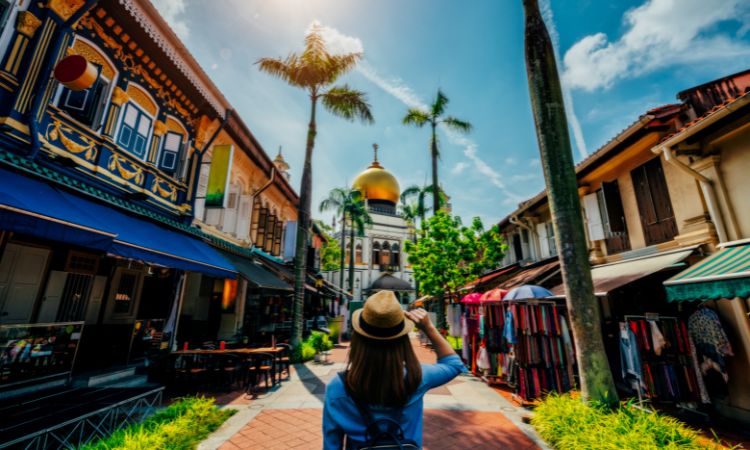
Sabah’s capital pulsates with a multicultural atmosphere reflecting Malay, Chinese, indigenous Kadazan-Dusun, and Filipino influences. Visitors can explore cultural villages to learn traditional crafts, music, and dances, or roam bustling markets showcasing local produce and handicrafts. Festivals such as Kaamatan (Harvest Festival) offer insight into age-old traditions, with vibrant performances and communal feasts. Culinary diversity abounds: sample fresh seafood, street food delights, and fusion dishes unique to the region. Booking Kota Kinabalu means engaging deeply with authentic local life, bridging natural exploration with enriching cultural interactions.
Learn More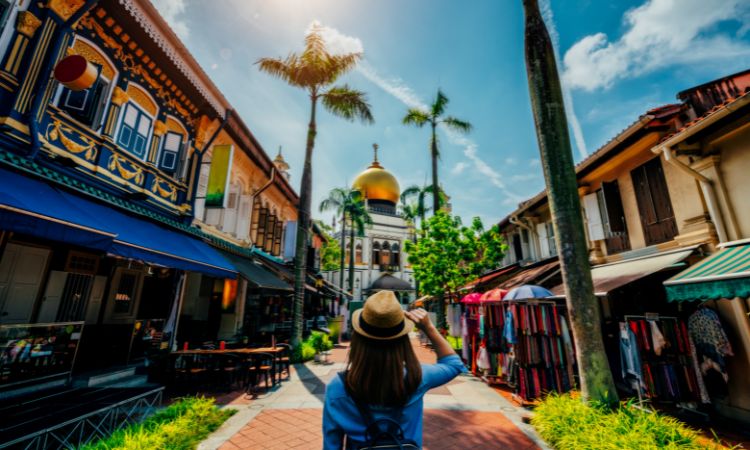
For adventure seekers, Kota Kinabalu presents a spectrum of thrilling pursuits. Climbing Mount Kinabalu ranks among Asia’s bucket-list treks, rewarding climbers with breathtaking sunrise views. White-water rafting, river safaris to see proboscis monkeys, canopy walks at Poring, and paragliding off coastal cliffs add adrenaline to any itinerary. Even beginner-level activities like guided jungle hikes and island snorkelling cater to varying fitness levels. Booking here provides access to reputable operators and knowledgeable guides who prioritize safety, making outdoor adventures both exhilarating and well-supported.
Learn More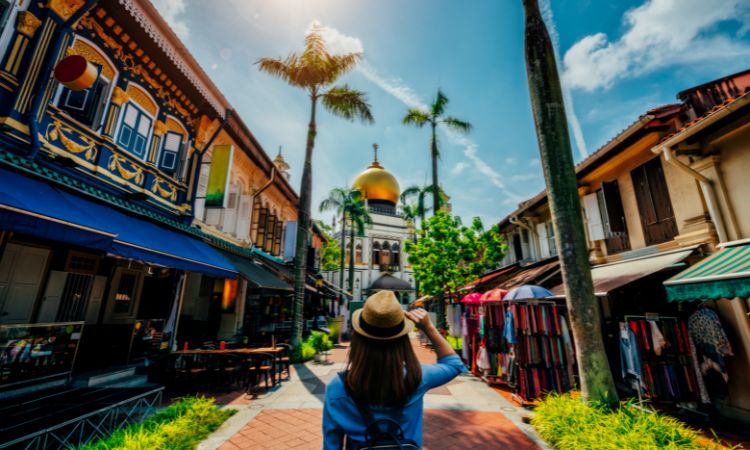
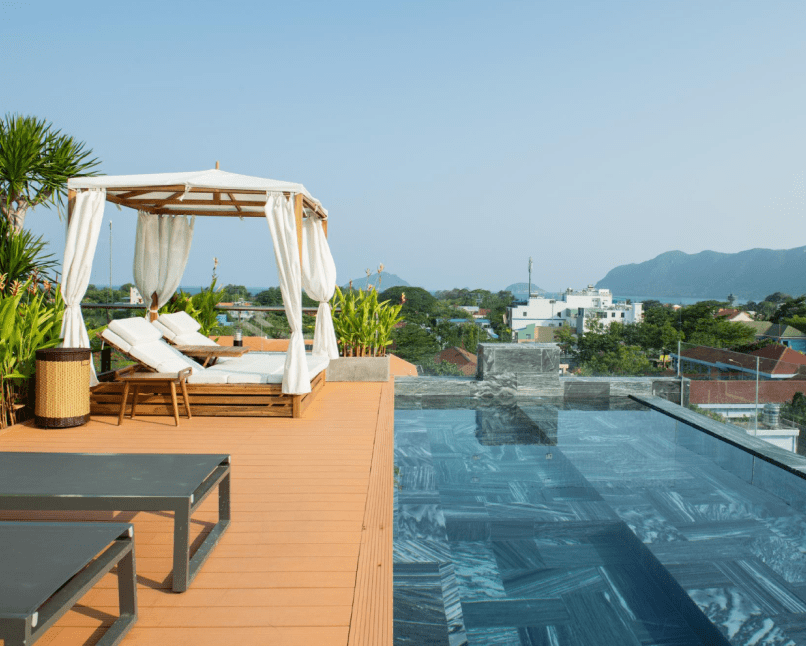
A short boat ride from the city takes travellers to Tunku Abdul Rahman Marine Park’s islands, where powdery sands and clear waters await. Island-hopping days offer snorkelling with tropical fish, sunbathing on white beaches, and beachside barbecues. For those seeking luxury, beachfront resorts on nearby islands provide spa treatments and fine dining overlooking the sea. The city’s waterfront also features sunset cruises and dining cruises, blending relaxation with scenic views. Booking Kota Kinabalu ensures you can seamlessly switch between urban comforts and idyllic island escapes.
Learn More
Compared to many international destinations, Kota Kinabalu offers competitive pricing for accommodations, dining, and activities without compromising quality. Mid-range hotels often feature modern amenities and scenic locations at rates typically from around £40–£70 per night, while street food and local eateries provide flavorful meals for the equivalent of £2–£5. Tours to Kinabalu Park or island excursions also tend to be more affordable than similar experiences elsewhere. Budget-conscious travellers can thus maximise their itinerary, while those seeking luxury still find excellent value in high-end resorts and bespoke experiences.
Learn More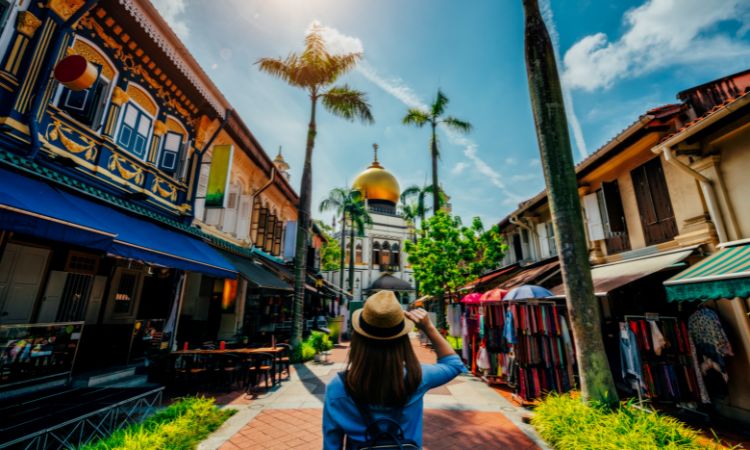
Sabah and Kota Kinabalu maintain good safety standards for tourists, with reliable healthcare facilities in the city and regulated tour operations for outdoor activities. English is widely spoken, making navigation and communication straightforward. Locals are known for their hospitality, ensuring travellers feel welcome. Many operators offer guided experiences with clear safety protocols, especially for treks and water-based activities. By booking through reputable providers based in Kota Kinabalu, visitors can explore both urban and wild areas confidently, focusing on enjoyment and discovery rather than logistics concerns.
Learn More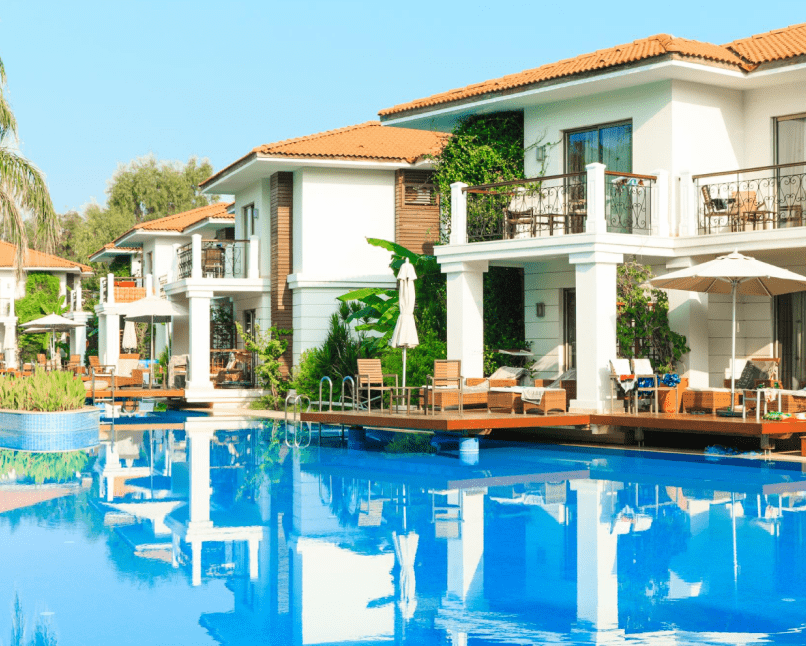
Lorem ipsum dolor, sit amet consectetur adipisicing elit. At illo adipisci iusto
From

Because more than 268 other customers have loved us too

Demonstrates commitment to user data security through encryption and secure payment practices
Learn More
Demonstrates commitment to user data security through encryption and secure payment practices
Learn More
Demonstrates commitment to user data security through encryption and secure payment practices
Learn More
Demonstrates commitment to user data security through encryption and secure payment practices
Learn More
Quality as judged by customers. Book at the ideal price!


/ person
/ person
/ person

Kinabalu Park, a UNESCO World Heritage Site nestled at the base of Mount Kinabalu, showcases one of Southeast Asia’s most extraordinary biodiversity hotspots. From the park headquarters (approximately 1,500 m elevation), the environment gradually transforms as you ascend: dense lowland dipterocarp forests give way to cool montane oak and rhododendron woodlands, and ultimately to subalpine meadows near the summit. This steep ecological gradient supports over 5,000 plant species—nearly 20% of Borneo’s total—including more than 1,000 orchids, dozens of nepenthes pitcher-plant varieties, and rare ferns draping moss-laden trunks.Guided nature walks along the Paka and Layang-Layang trails introduce travellers to this botanical kaleidoscope. Knowledgeable local guides point out endemic treasures such as Nepenthes rajah—the world’s largest pitcher plant—and explain how Mount Kinabalu’s unique soil and rainfall patterns foster these specialized species. Birdwatchers often glimpse the brilliant plumage of the Mountain Serpent-Eagle or hear the high-pitched calls of the Bornean Treepie. Mammal sightings include the elusive Bornean tarsier and, with luck, the Sunda flying lemur gliding between canopy gaps at dusk.Photography opportunities abound: dawn’s mist weaves through stilt roots, while sunbeams highlight dew-kissed cobwebs and delicate liverworts. At night, the park’s minimal light pollution reveals a tapestry of stars above the neon glow of Kinabalu Park’s ranger station. For astronomy enthusiasts, occasional guided stargazing sessions interpret constellations and explain how local indigenous legend connects celestial patterns to mountain lore.Beyond daytime exploration, Kinabalu Park encourages hands‑on conservation involvement. Through community‑based programmes, visitors can plant native tree saplings in reforestation plots or participate in citizen‑science projects monitoring orchid blooms and insect populations. These initiatives not only deepen understanding of ecological interdependence but also channel tourism revenue directly into local communities.Accommodations range from the rustic dormitories at park headquarters to upscale eco‑lodges in nearby Kundasang, offering hot showers, hearty meals of Sabah specialties (tamarind fish, locally grown vegetables), and early‑morning breakfast options timed for trail departures. Guided forest‑bathing sessions—silence, mindfulness, and immersion in the forest’s sounds—highlight the park’s therapeutic benefits, while bird‑call meditation walks help travelers tune into subtle forest rhythms.Whether you aim to conquer Mount Kinabalu’s summit or simply immerse yourself in one of the world’s richest ecosystems, Kinabalu Park delivers an educational, adventurous, and restorative experience—an essential chapter in any Sabah itinerary.

Just a 45‑minute drive from Kinabalu Park lies Poring, a tropical oasis celebrated for its geothermal hot springs and iconic canopy walk. Tucked within the Crocker Range foothills, Poring’s natural hot springs bubble up at around 42 °C, their mineral-rich waters reputedly therapeutic for skin ailments and muscle soreness. The main public pools—tiered concrete basins built amid verdant forest—provide a communal atmosphere where visitors soak against a backdrop of towering dipterocarp trees and chirping cicadas.Nearby, boutique spa operators elevate wellness experiences with botanical treatments: frangipani-scented body scrubs, bamboo massage, and flower petals infused in hot spring water. Many packages combine a soak with a short rainforest trail to a secluded waterfall, enhancing the restorative ambience with sounds of cascading water.The Poring Canopy Walkway—a network of five suspension bridges strung between seven towering rainforest giants—climbs to heights of 30 m above the forest floor. Traversing this 350‑m walkway offers unparalleled vantage points: orchids and ferns cling to mossy trunks, while sunbeams filter through interlocking leaves. Birdwatchers may spot Great Hornbills wheeling overhead or pied malkohas perched on branches. Expert guides share insights into canopy ecology—how epiphytes trap moisture, and how wildlife uses branches as wildlife highways far above ground.Adventure seekers can further delight in river tubing down Poring’s gentle rapids, wearing life vests and helmets as they drift through forest-shaded channels. Jungle trails lead to the secluded Koroyanitu Waterfall, where small rock pools invite a refreshing dip amid sensational photo prospects. After dark, guided night walks explore the rainforest’s nocturnal realm: glowworms twinkle on tree ferns, and shy creatures like the common palm civet emerge, their eyes reflecting torchlight.Educational signage along the Rafflesia Trail informs visitors about the world’s largest flower, which blooms only briefly and depends on complex fungal relationships—a highlight for botany enthusiasts hoping for a seasonal sighting of Rafflesia keithii. Interpretive panels also detail the traditional medicinal uses of forest plants by Dusun communities, underscoring the cultural as well as ecological significance of these landscapes.Poring’s conservation ethos shines through rehabilitation projects restoring logged slopes and community‑led initiatives training local guides in sustainable tourism. Nearby villages host cultural demonstrations, where residents weave ikat fabrics, carve wooden toys, and perform Murut bamboo dances—immersive glimpses into Sabah’s indigenous heritage.Accommodation options—ranging from basic wooden cabins at Poring Outdoor Resort to eco‑luxe chalets at nearby nature lodges—cater to diverse budgets, while resort restaurants spotlight farm‑fresh produce and traditional sabah dishes like bambangan pickle and hinava fish salad. A visit to Poring Hot Springs and Canopy Walk blends relaxation, education, and adrenaline, forming a balanced complement to Kinabalu Park’s high‑altitude adventures and making it an indispensable Sabah highlight.
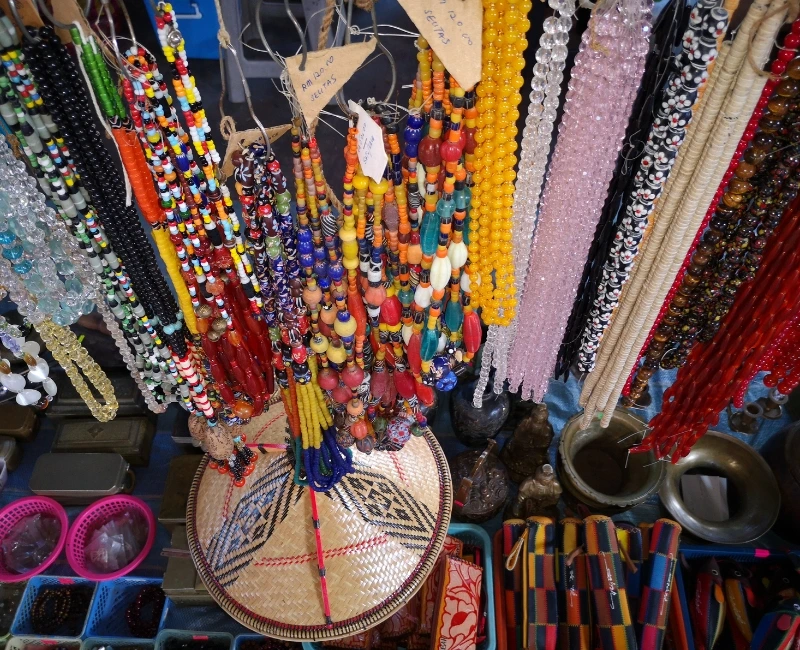
Perched against forested ridges overlooking the South China Sea, the Sabah Cultural Village operates as a living museum celebrating the state’s rich mosaic of indigenous cultures. Visitors embark on a guided circuit that weaves through authentic reconstructions of traditional dwellings—stilt‑built Kadazan-Dusun longhouses, Murut tallhouses with intricate bark carvings, Rungus fortified homesteads, and Bajau stilted sailboats converted into floating houses. Each structure is staffed by community members in traditional attire who demonstrate daily practices: pounding rice using bamboo mortars, weaving colourful backstraps, and carving intricate motifs into bamboo and wood.Central to the village experience are cultural performances. On a raised stage, Kadazan-Dusun dancers execute the Sumazau eagle dance—arms outstretched, feet tapping to the rhythmic gongbeat—symbolising gratitude for harvests. Meanwhile, the Murut perform the Siguligul dance around a ceremonial platform, using spear‑like sticks to illustrate ancestral hunting rituals. Performers pause between sets to explain the cultural significance of costumes—hand‑woven ikat skirts, bead‑studded sashes, and feathered headgear—linking artistic expression to identity and ecology.Culinary immersion deepens cultural understanding. Village hosts conduct cooking demonstrations using traditional earthen ovens: “tangadak” wild-caught fish grilled in banana leaves, “hinava” diced fish marinated in lime and ginger, and rice cooked in bamboo tubes. Visitors sample these dishes while storytellers recount legends—such as the origin of Mount Kinabalu, born from the union of two gods, and tales of semangat (spirits) dwelling in forest groves.Seasonal events like Pesta Kaamatan (Harvest Festival) and Tadau Kaingaran (Gawai Harvest Festival) transform the village into a carnival of music, gong‑orchestra parades, and wine‑tapping ceremonies with “tapai” rice wine. Guests join in the unduk ngadau beauty pageant and communal feasting, gaining firsthand experience of traditions previously reserved for local communities.Interactive craft workshops invite hands‑on participation: learn bead‑stringing to create traditional necklaces, try bamboo pipe‑drumming, or participate in communal weaving of mats and baskets. Proceeds from workshop fees support village artisans directly, funding cultural preservation and community welfare projects.All operations prioritize sustainability: structures use locally sourced timber, solar‑powered lighting minimizes environmental impact, and waste is composted or recycled in collaboration with indigenous stewardship programs.A visit to the Sabah Cultural Village goes beyond passive observation: it is an active cultural exchange that celebrates the resilience, creativity, and ecological wisdom of Sabah’s indigenous peoples. By connecting human heritage to Borneo’s natural wonders, the village experience enriches any Kota Kinabalu itinerary with profound insights into the living cultures that make Sabah unique.
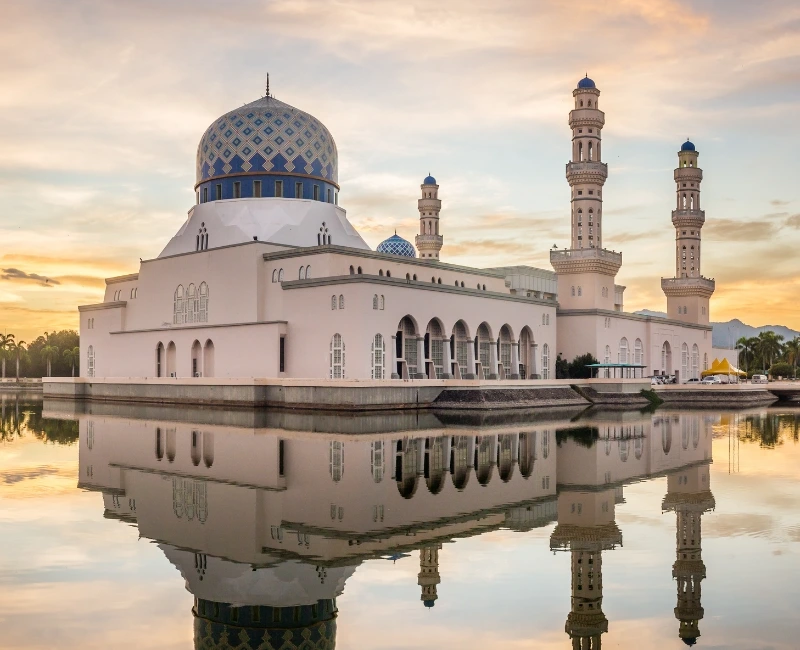
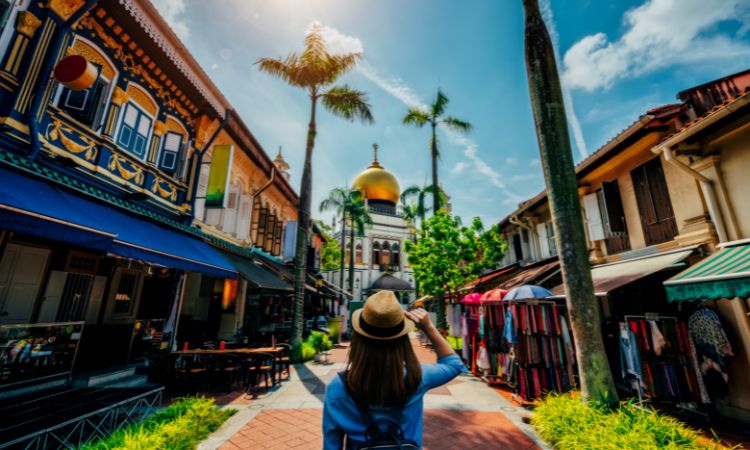
Kota Kinabalu’s urban core is a tapestry of Islamic heritage, vibrant marketplaces, and modern Malaysian narratives. A well‑designed heritage walk links these elements, beginning at the Kota Kinabalu City Mosque, often called the “Floating Mosque” for its waterfront setting. Its golden onion domes and graceful minarets reflect on an adjacent lagoon, offering breathtaking sunrise or sunset photo opportunities. Worshippers enter through a covered causeway; non‑Muslim visitors may observe prayers from designated galleries, gaining insight into Islamic architecture’s geometric artistry, Quranic inscriptions, and ablution practices.From the mosque, a short walk leads to the bustling Filipino Market along the waterfront. Stalls brim with fresh seafood—abalone, scallops, slipper lobsters—and produce like rambutans and mangosteens. Vendors call out prices, and visitors sample grilled squid skewers brushed with local sambal, or sip chilled coconut water from a husked fruit. Nearby, the Handicraft Market offers woven baskets, batik fabrics, and carved wooden souvenirs. Here, artisans demonstrate mallet work on “tukut” drums or guitar‑like sape instruments, inviting guests to try a beat or strum.Continuing inland, cross Jalan Gaya to the Sabah State Museum complex, set in a tranquil garden dotted with traditional longhouses from various districts. The main museum building features dioramas of Sabah’s ecosystems—from lowland mangroves to montane forests—alongside exhibits on wildlife conservation, geological evolution, and early trade with China and the Arab world. The ethnography wing displays ornate headhunting trophies, colourful beadwork, and elaborately carved blowpipes, tracing how material culture intertwines with social identity. A separate gallery recounts British colonial history and the Japanese occupation, using photographs, documents, and personal testimonies to illuminate tumultuous periods.Audio guides and knowledgeable museum staff enrich the experience, explaining how Bruneian sultanates influenced Sabah’s coastal settlements, or how WWII battles shaped the city’s development. Interspersed murals along the walk—depicting sea gypsy Bajau stilt villages or ethnic Kadazan-Dusun rice-planting scenes—remind visitors of Sabah’s cultural mosaic.Pause mid‑morning at a nearby kopi tiam (coffee shop) for kopi o (black coffee) brewed with palm sugar, and try kuih pinjaram, sweet coconut fritters. A visit to a local bakery may yield top hats of flaky roti canai served with dhal curry, illustrating the city’s multiethnic culinary influences.The walk concludes at the Tanjung Aru boardwalk, where palm‑fringed paths overlook the South China Sea. As waves lap against the jetty, reflections of the state mosque’s silhouette shimmer in the water—an evocative backdrop for reflection on Kota Kinabalu’s blend of tradition and modernity. This heritage walk, lasting around three hours, seamlessly integrates religious architecture, living markets, and museum narratives, offering a comprehensive portrait of Sabah’s past and present in one accessible urban circuit.
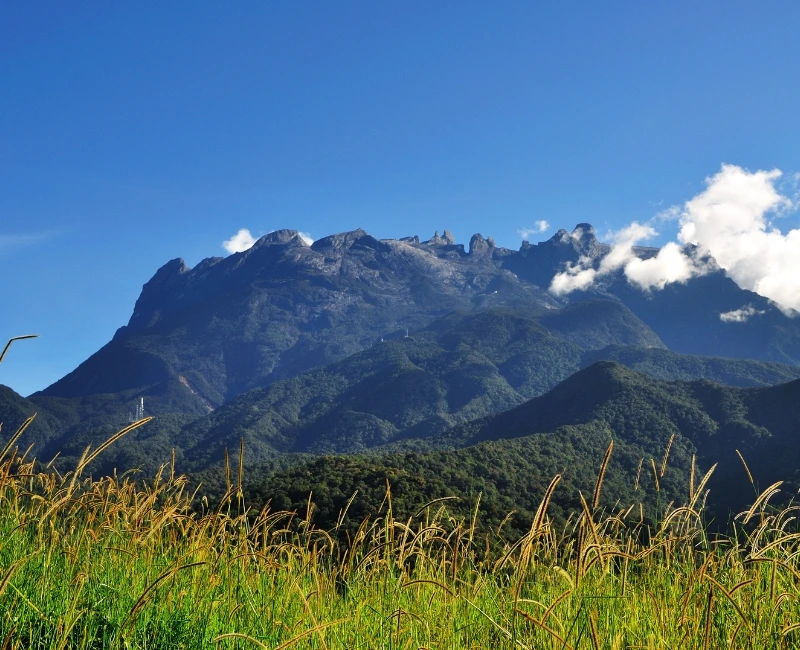
Standing at 4,095 m, Mount Kinabalu reigns as Borneo’s highest peak and draws thousands of trekkers eager to challenge its slopes and witness its famed sunrise from Low’s Peak. The climb begins at Kinabalu Park headquarters (1,563 m), where climbers register, attend a safety briefing, and meet certified mountain guides. Permits and guide bookings are required weeks in advance, particularly during peak season (March–September).The standard itinerary spans two days. Day 1: After an early breakfast, trekkers follow a winding path through lush montane forest. The first segment—steep stone steps of the Timpohon Trail—rises through oak and rhododendron groves, where occasional orchids and pitcher plants dot mossy banks. Midway, rest at Pondok Sayat-Sayat, then continue to the Laban Rata resthouse (3,272 m) by late afternoon. Here, communal dormitories or private rooms await, offering basic comforts: hot showers (with token-operated heaters), hearty buffet dinners featuring rice, noodles, and local vegetable dishes, and stunning balcony views of the valley below.Acclimatization is crucial. After dinner, guides present altitude safety talks, advising on hydration and pacing. Lights out by 8:00 PM ensures sufficient rest.Day 2: A 2:00 AM wake‑up call precedes a pre‑dawn trek to Low’s Peak (4,095 m), the final 800 m of ascent marked by rugged granite slabs and narrow ridges. Under headlamps, climbers scramble over boulders to reach the summit platform by sunrise. As dawn breaks, cloud seas roll below, revealing distant island silhouettes and the first pink light kissing Kinabalu’s jagged summit. Triumph and exhaustion yield to exhilaration.Descent retraces the route back to Laban Rata for breakfast, then all the way to park headquarters by early afternoon. Along the way, trekkers appreciate lower‑elevation ecosystems they may have missed on initial ascent: pitcher-plant gardens, endemic moths, and swiftlets darting overhead.For non-summiteers, base camp experiences around the park entrance deliver equally enriching encounters. Interpretive trails lead to a Montane Garden where high‑altitude flora—including Nepenthes lowii and rare rhododendrons—are cultivated for study. The Poring Orchid Garden displays hybrid and endemic species, while birdwatching hides near the park café increase chances of spotting Fruithunter and Trogon species. Evening forest-bathing sessions emphasize mindfulness, breathing techniques, and silent immersion in the mountain’s nocturnal rhythms.Whether you aim for the summit or a gentler immersion, Mount Kinabalu’s ascent and base camp offerings connect travelers intimately with Borneo’s geological majesty and unparalleled biodiversity—an unforgettable facet of any Sabah adventure.

A short 15‑minute boat ride from Kota Kinabalu City Jetty transports travelers to the turquoise waters of Tunku Abdul Rahman Marine Park, a cluster of five protected islands—Gaya, Sapi, Manukan, Mamutik, and Sulug. Each island offers distinct activities and ecosystems, forming an archipelago playground for swimmers, snorkelers, hikers, and nature lovers.Manukan Island, the largest resort island, features white‑sand beaches backed by pandanus groves. A well‑maintained 2.5‑km rainforest trail leads to elevated viewpoints showing panoramic vistas of the adjacent islands. Beachside chalets and day‑use gazebos provide shade, while water‑sports kiosks rent kayaks, paddleboards, and jet skis.Sapi Island is a snorkeler’s dream: shallow reefs teem with clownfish, parrotfish, and occasional green turtles. Rental centers supply masks, fins, and life jackets; safety briefings emphasize no‑touch policies to protect coral. Eco‑guides lead interpretive snorkel tours, pointing out marine sponges, staghorn coral, and the role of seagrass beds as fish nurseries.Gaya Island, home to the Gaya Island Resort, presents luxury escapes amid dipterocarp forest. Guided forest treks explore mangrove swamps and glens where the endemic ridge‑nosed hornbill may be spotted. Night‑time amphibian walks reveal glowing fireflies and chorus frogs, while bat‑watching cruises at dusk observe fruit bats emerging above the canopy.Mamutik and Sulug offer tranquil retreats. Mamutik’s picnic areas and shallow snorkeling lagoons are ideal for families with children. Sulug, uninhabited, invites off‑the‑beaten‑path snorkel expeditions and quiet sunbathing on unspoiled shores.Day‑trip operators provide all‑inclusive packages: return boat transfers, park entrance fees, buffet lunches of grilled seafood and tropical fruits, and snorkeling gear. Many include optional activities—sea walking with helmeted scuba gear, semi‑submersible glass‑bottom boat tours, or introductory scuba‑diving courses under PADI‑certified instructors.Conservation education is integral. Park rangers lead beach‑cleaning initiatives and coral‑planting sessions where visitors learn to attach coral fragments to artificial reefs, fostering regeneration. Interpretive signage explains the park’s history since its 1974 establishment and the importance of sustainable tourism for local livelihoods, including Bajau fishermen.Overnight stays on Gaya Island’s eco‑resort extend the experience: sunrise yoga overlooking the sea, sunset cocktails on treetop decks, and firefly‑lit dinner by torchlight. Kayaking through mangroves at dawn reveals kingfishers and monitor lizards.Island hopping in Tunku Abdul Rahman Marine Park seamlessly blends sun, sea, adventure, and conservation—offering both quick escapes from the city and immersive marine explorations, all within easy reach of Kota Kinabalu..
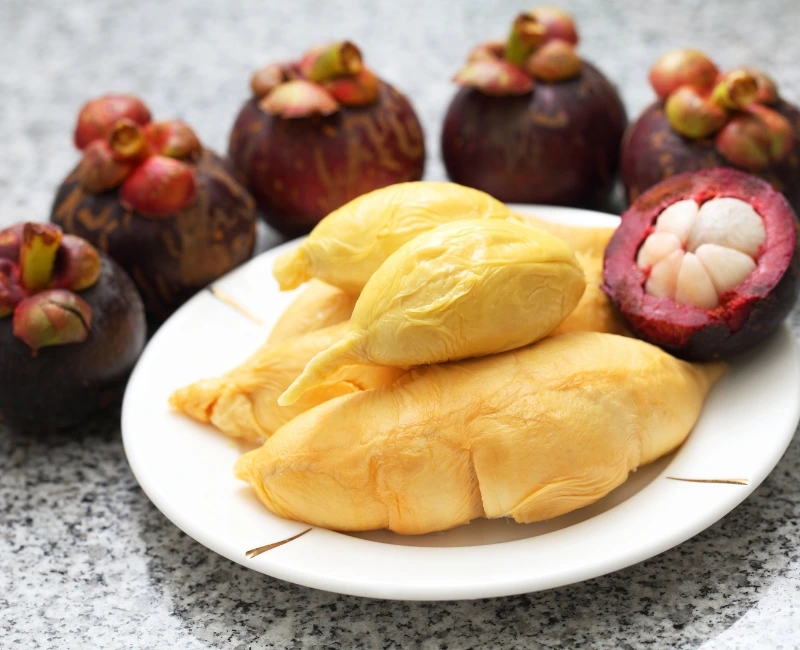
Kota Kinabalu’s culinary landscape is a vibrant crossroads of Malay, Chinese, indigenous Kadazan-Dusun, and Filipino influences. The best way to discover its flavors is through street food trails and bustling local markets—where daily life unfolds amid sizzling woks, fragrant spices, and friendly vendor banter.Begin at the Kota Kinabalu Filipino Market, especially lively at dawn when fishermen unload fresh catch. Stalls groan with red snapper, slipper lobsters, and mantis prawns still shimmering. Nearby vegetable vendors offer leafy greens, root crops, and local fruits—rambutan, mangosteen, and seasonal durian. Squeeze fresh coconut water or try kudat (wild ferns) stir-fried with garlic and chillies.By mid-morning, head to the Gaya Street Sunday Market, a sprawling bazaar that transforms the city center. Over 500 stalls sell everything from handwoven rattan baskets and seaweed snacks to traditional kuih (cakes) and dried squid. Sample roti canai slathered in dhal curry or murtabak stuffed with spiced meat. Sweet-tooth visitors delight in kuih lapis (layered rice cake) and pulut panggang (grilled glutinous rice parcels).As evening falls, the Night Food Market near Jalan Pantai Dua comes alive. Grills sizzle with ikan bakar (barbecued fish wrapped in banana leaf) and satay—marinated chicken or beef skewers served with rich peanut sauce. Char kuey teow, slippery rice noodles stir-fried with egg, bean sprouts, and prawns, off ers hearty comfort. Don’t miss hinava, a Kadazan-Dusun raw fish salad cured with lime juice, ginger, and chili for a citrusy punch.To understand the spices behind these dishes, join a spice‑market tour at the Ossiomo Market, where stallholders explain the roles of turmeric, galangal, belacan (shrimp paste), and bunga kantan (torch ginger flower) in Sabah cooking. A hands‑on workshop may follow, teaching you to grind spices in stone mortars and prepare sambal blends.Secret street‑food alleys—known only to locals—host late‑night gems like **mee sup” (noodle soup) simmered with pork bones, or bak kut teh (herb‑infused pork rib soup) reflecting Chinese heritage. Wash it down with a glass of freshly pressed soursop or durian cendol—shaved ice with coconut milk, palm sugar, and durian chunks.Purchasing ingredients at markets supports small-scale fishermen and farmers, sustaining local livelihoods. Tip vendors a ringgit or two to show appreciation for their hospitality—many will respond with a warm smile or a free sample.A Kota Kinabalu street‑food trail unfolds as an edible narrative of Sabah’s multicultural heritage—each stall a chapter, every bite a taste of centuries‑old traditions seamlessly blended into contemporary city life.
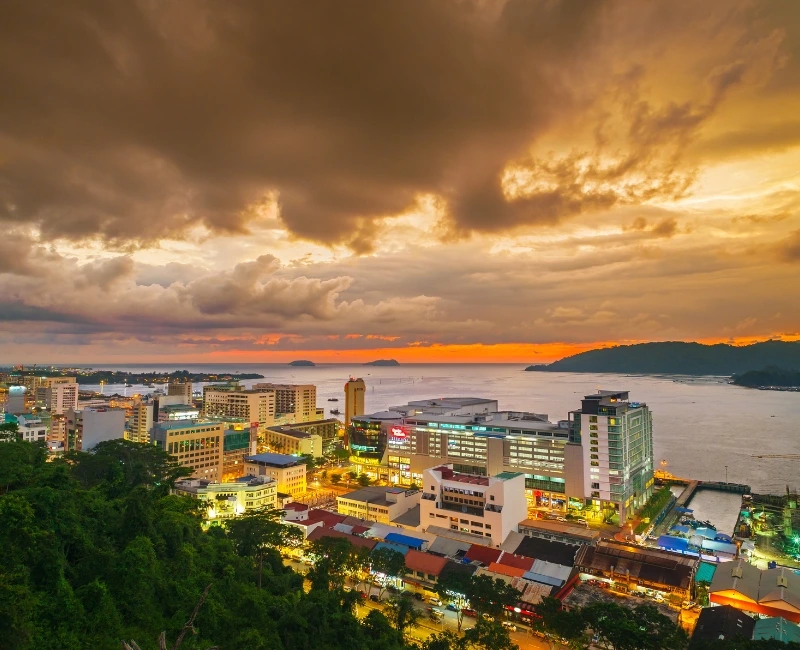
As the sun dips below the horizon, Kota Kinabalu’s coastal skyline transforms into a canvas of pink and gold—an ideal prelude to the city’s vibrant sunset dining and nightlife scene. The waterfront promenade hosts an array of seafood restaurants where long communal tables offer panoramic sea views. Begin with a platter of freshly steamed mud crabs, prawns, and mussels, paired with tangy sambal and lime wedges. Many establishments feature live seafood tanks, so you can select your catch moments before it reaches your plate.Nearby, Zhu Jia Seafood Restaurant specializes in Sabah’s famed Kam Heong crab—stir‑fried with curry leaves, chilies, and dried shrimp for explosive flavor. For a more intimate setting, rooftop bars like SKYWINE Lounge atop luxury hotels serve fusion tapas—mango salsa with grilled scallops or calamansi‑glazed pork belly—crafted to complement sweeping views of the Tunku Abdul Rahman islands.Cocktail lounges spring to life as darkness falls. At Carbon Bar, mixologists blend pandan‑infused gin with local citrus bitters, garnishing drinks with pandan leaves or edible flowers. Wine aficionados retreat to Wine Vault subterranean cellars stocked with global labels and select bottles from emerging Southeast Asian vineyards. Live acoustic sets lend a mellow soundtrack as patrons sample aged cheeses, charcuterie, and truffle‑oil popcorn.For high‑energy nights, nightclubs such as Hyve and Playground host themed parties—EDM from international DJs, 80s retro nights, or Latin beats—drawing both expats and homegrown talent. Dress codes are casually smart: linen shirts or sundresses suffice for most venues, though some upscale spots ask for collared shirts and closed shoes.Alternative scenes flourish at The Loft, a hidden speakeasy accessible via a nondescript door in a back alley. Inside, dim lanterns, tufted leather sofas, and vintage jazz records evoke old‑world charm. Bartenders craft bespoke cocktails based on your flavor preferences—smoky bourbon with grilled pineapple reduction or spicy tequila with tamarind foam.For a romantic finale, hop aboard a sunset dinner cruise from Jesselton Point. While gliding past silhouetted islands, savor a four‑course meal—fresh sashimi, lobster thermidor, citrus‑crusted barramundi—interspersed with local storytelling and cultural performances woven into the night. Post‑dinner, dance under the stars on the deck or retire early to admire the Milky Way arching over the equatorial skies.Nocturnal street stalls outside nightclubs keep snackers satisfied with skewers of satay, deep‑fried Pisang Goreng, and milo ais suam (warm Milo malt drinks). Hawkers mingle with revelers, offering late‑night bites that fuse comfort and novelty.Whether you seek refined gastronomy, mixology artistry, or boisterous dance floors, Kota Kinabalu’s sunset dining and nightlife deliver a kaleidoscope of experiences—each illuminated by the tropical night and framed by the gentle lull of ocean waves.
No ads. No trails. No commitments


Alice Roses
London, England
51 ST MATTHIAS ROAD
NOTTINGHAM, NOTTINGHAMSHIRE
NG3 2HF
Hours: 8:00 - 17:00, Mon - Sat
support@johnsonholidays.com