 Hawaii Travel
Guide
Hawaii Travel
Guide
Paris is known around the world as the “capital of love,” and even if you don't understand the history of Paris at all

18 Hours
£5
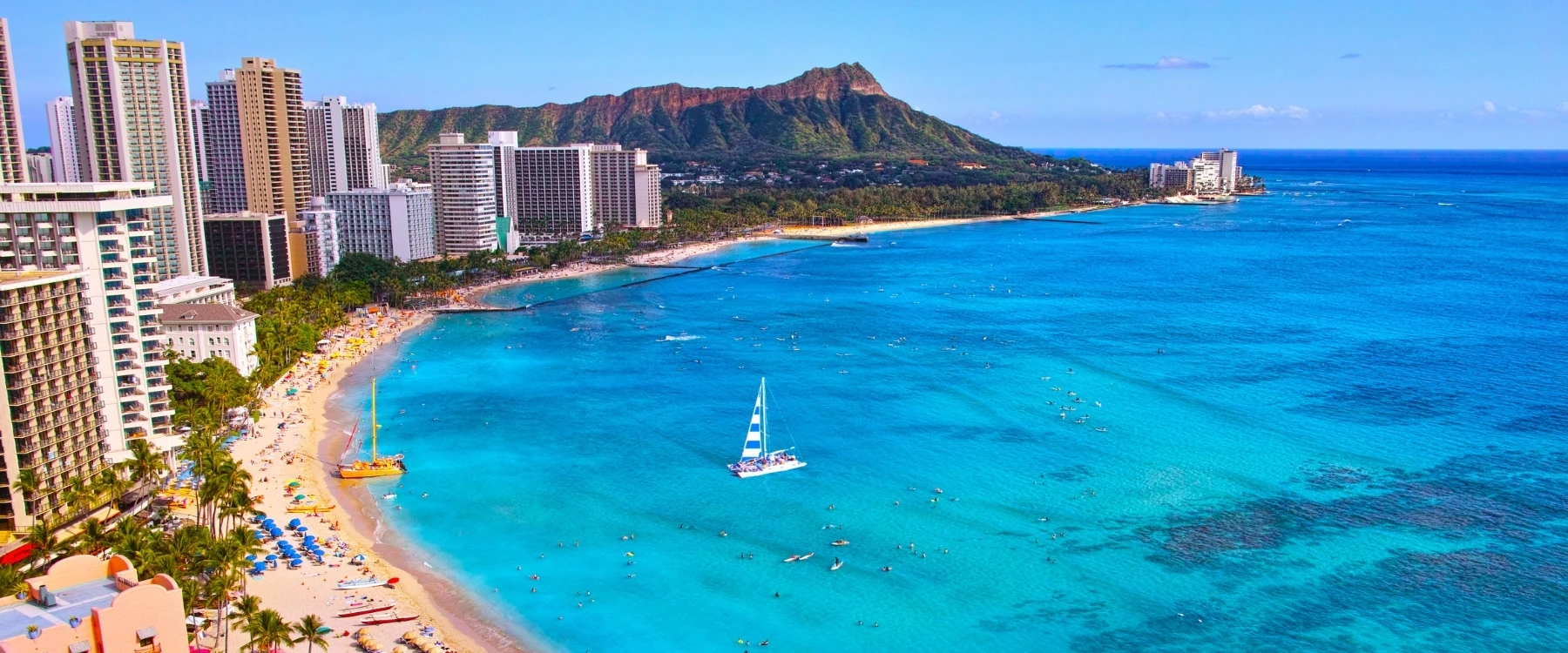
Hawaii’s natural diversity is unparalleled: from volcanic peaks and lava fields to verdant valleys and coral-fringed lagoons. Travelers witness active geological processes at Hawaii Volcanoes National Park, hike rainforest trails to cascading waterfalls, and relax on world-renowned beaches with powdery sands. The islands’ ecosystems support unique flora and fauna found nowhere else on Earth. Our curated itineraries highlight the best vantage points for sunrise atop dormant volcanoes, snorkeling with vibrant marine life, and scenic drives along dramatic coastlines. By booking with us, you gain access to local insights ensuring you experience these landscapes responsibly and memorably, making every moment authentically Hawaiian.
Learn More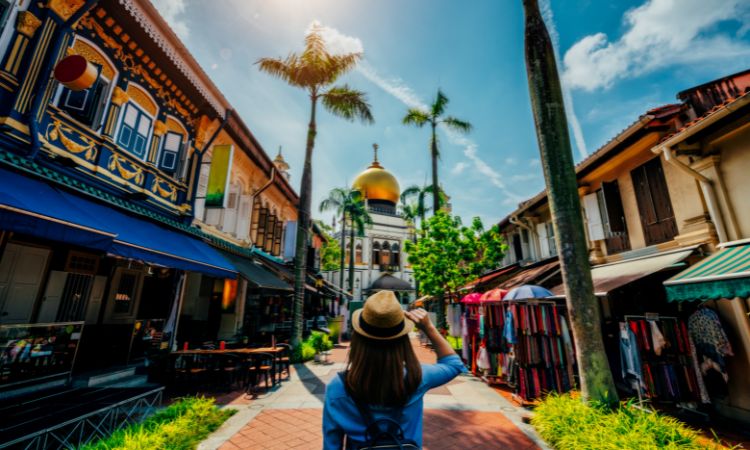
Immerse yourself in Hawaii’s living culture, where ancestral traditions and contemporary influences intertwine. Participate in guided experiences such as hula workshops, lei-making demonstrations, and visits to community-led cultural centers. Learn about Polynesian navigation, hear ancient chants, and attend local festivals celebrating music, dance, and culinary heritage. Our partnerships with cultural practitioners ensure respectful, informative encounters that honor Hawaiian values. By choosing our services, you support sustainable tourism initiatives and contribute directly to the preservation of traditions. This deep cultural engagement transforms a vacation into a meaningful journey, fostering connections that linger long after you depart.
Learn More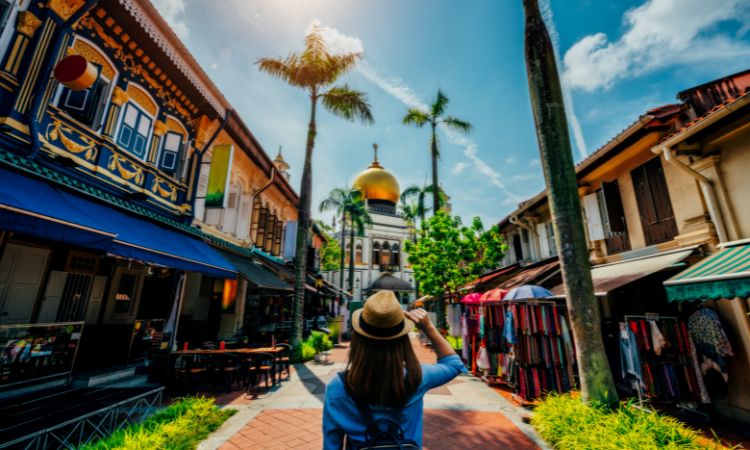
Whether you seek adrenaline-fueled activities or gentle explorations, our expert guides design experiences tailored to your interests. Trek volcanic terrains under safe guidance, kayak along coastlines to spot sea turtles, or take helicopter tours for aerial views of island wonders. For beginners, we arrange surf lessons with patient instructors; for seasoned adventurers, exclusive backcountry routes await. Safety and authenticity drive our approach: we vet providers committed to environmental best practices and local welfare. Booking through us ensures seamless logistics, insider tips, and priority access to popular attractions, so you maximize enjoyment without the stress of planning.
Learn More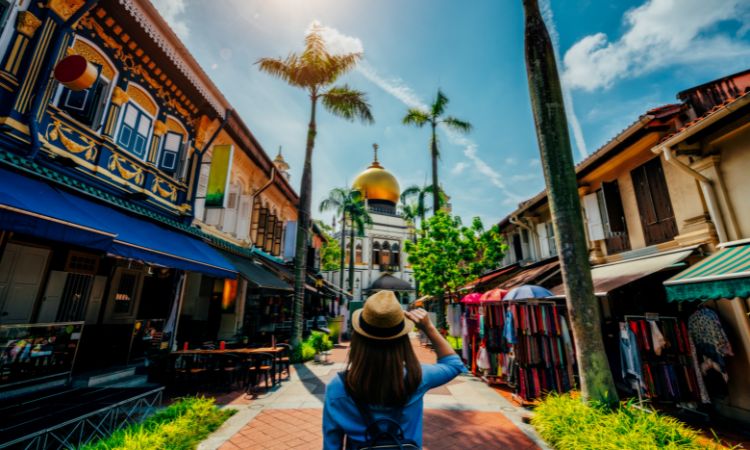
From boutique beachfront resorts to eco-friendly lodges tucked into lush landscapes, our accommodations balance comfort with authenticity. We handpick properties that showcase Hawaiian hospitality—embracing local design elements, farm-to-table dining, and community engagement. Many partner hotels integrate sustainable practices: solar energy, water conservation, and support for local artisans. Whether you prefer a luxury suite overlooking the Pacific or a cozy cottage near rainforest trails, our recommendations ensure quality, value, and meaningful connection to place. Personalized service guarantees that your stay aligns with expectations, making every morning’s view a memorable start to your Hawaiian adventure.
Learn More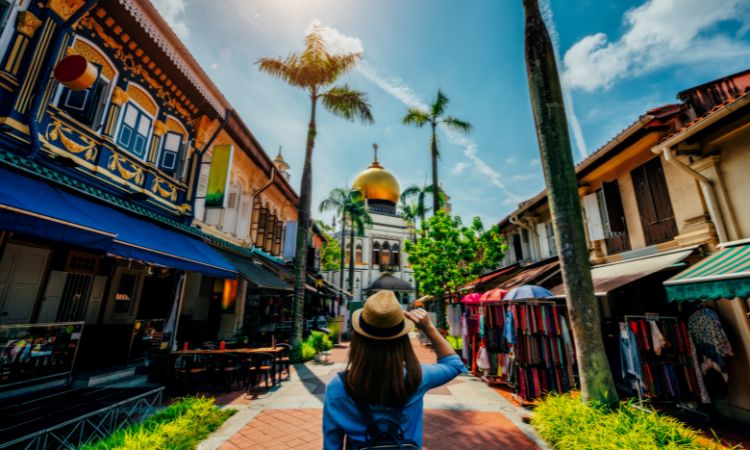
We understand that each traveler’s vision of Hawaii is unique. Our planning process accommodates varying interests, budgets, and travel styles: family-friendly schedules with relaxed pacing, couples’ retreats focused on romance and wellness, or solo expeditions emphasizing self-discovery. We build flexibility into daily plans, allowing spontaneous detours to hidden beaches or local events discovered en route. By collaborating closely with you, we craft an itinerary that balances structured highlights with free time, ensuring you see must-visit spots while savoring unplanned moments. The result is a personalized journey that resonates with your priorities and pace.
Learn More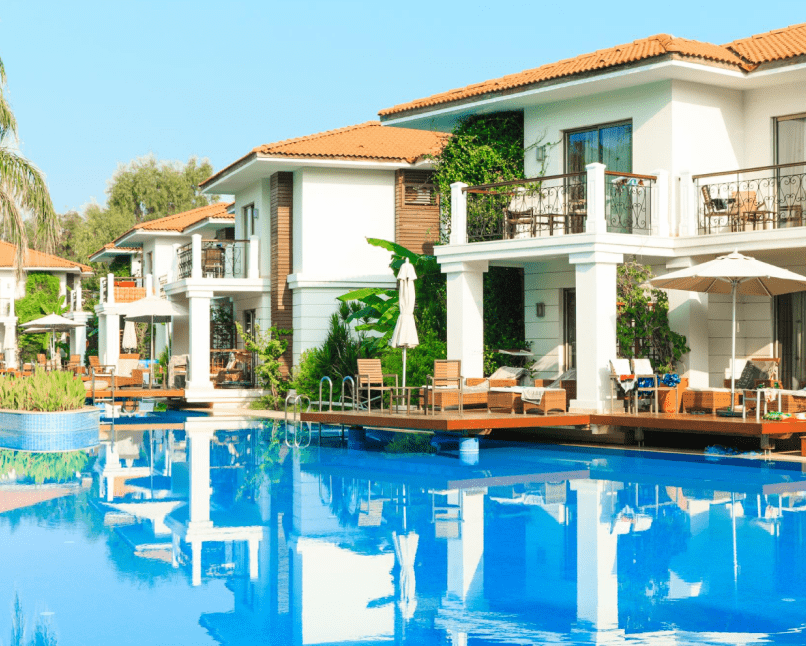
Lorem ipsum dolor, sit amet consectetur adipisicing elit. At illo adipisci iusto
From

Because more than 268 other customers have loved us too

Demonstrates commitment to user data security through encryption and secure payment practices
Learn More
Demonstrates commitment to user data security through encryption and secure payment practices
Learn More
Demonstrates commitment to user data security through encryption and secure payment practices
Learn More
Demonstrates commitment to user data security through encryption and secure payment practices
Learn More
Quality as judged by customers. Book at the ideal price!


/ person
/ person
/ person

Hawaii’s North Shore on Oahu epitomizes surf culture, natural beauty, and laid‑back island life. During winter months (November–February), legendary waves at Banzai Pipeline, Sunset Beach, and Waimea Bay draw professional surfers from around the globe, turning the coastline into a living amphitheater. Spectators gather on golden sands to witness towering rollers cresting over shallow reefs, while skilled lifeguards stand watch to ensure safety. In summer, the same shores calm into gentle bays where families and casual snorkelers explore tide pools brimming with colorful fish, sea urchins, and the occasional sea turtle.Begin your day before dawn at Sunset Beach, where vibrant sunrise hues paint the sky and the first light dances off the ocean’s surface. As the sun climbs, head to Waimea Bay’s iconic rock ledges, where thrill‑seekers time their leaps into deep, crystalline water. Nearby, Sharks Cove and Three Tables offer protected reef gardens ideal for snorkeling; pack a sturdy mask and fins, and apply reef‑safe sunscreen to help preserve the delicate coral.Fuel up at local gems like Giovanni’s Shrimp Truck or Fumi’s Kahuku Shrimp, sampling garlic‑butter shrimp platters served with rice and slaw. For a sweet treat, stop by Matsumoto Shave Ice in Haleiwa—flavor combinations range from fresh mango to li hing mui (salty plum). Wander Haleiwa’s charming streets, popping into galleries showcasing ocean‑inspired art and locally made surfboards.Cultural immersion deepens the North Shore experience. Join guided ‘Ohana cultural tours led by kama‘āina (local residents) who share Hawaiian traditions—from ancient fishpond restoration to sacred chant performances. Conservation programs invite volunteers to participate in reef‑restoration workshops or beach cleanups organized by the Malama Learning Center.As daylight wanes, claim a quiet stretch of sand for sunset reflection. The sky explodes in crimson and gold above stately palm silhouettes, and the once‑vibrant crowds thin to reveal the North Shore’s tranquil side. Spend the night at beachfront cabins or eco‑lodges, where the only alarm is the melodic crash of waves. Rising early the next morning, you’ll have the coastline’s beauty all to yourself before another day of adventure unfolds.Whether you chase winter swells, snorkel vibrant reefs, or simply savor the North Shore’s storied sunsets and Aloha spirit, these beaches deliver an immersive blend of adrenaline, relaxation, and cultural resonance—an essential chapter in any Hawaiian journey.

Hawaii Volcanoes National Park on the Big Island offers a front‑row seat to the dynamic forces that shaped these islands, where geology is still very much alive. Anchored by the world’s most active volcano, Kīlauea, and the massive shield volcano Mauna Loa, the park spans nearly 340,000 acres of stark lava fields, steam vents, and lush rainforest fringes. Each hike reveals new facets of volcanic power—from obsidian‑black pahoehoe flows to jagged ‘a‘ā landscapes.Your journey begins at the Kīlauea Visitor Center, where interactive exhibits on plate tectonics and volcanic processes set the stage. Rangers share real‑time updates on eruption activity and trail conditions. For a gentle introduction, walk the Devastation Trail, a paved half‑mile path that bisects a 1959 lava flow, illustrating how life slowly reclaims barren rock. Nearby, discover the Nāhuku (Thurston Lava Tube), a massive underground tunnel formed by flowing lava; traverse the cool, dim corridor beneath a canopy of native trees.For seasoned hikers, the Kīlauea Iki Crater Trail descends 400 feet into the crater’s floor, crossing hardened lava lake surfaces scarred by fumaroles. Here, dawn hikes reward you with ethereal fog drifting over steaming vents as the sun’s rays illuminate viridescent ferns and scarlet āhi‘a blossoms. Night‑owl adventurers can join ranger‑led Lava Glow hikes to witness incandescent vents in Halema‘uma‘u Crater—safety briefings and headlamps provided, as sulfur dioxide emissions demand caution and respect.Explore the park’s eastern flank rainforest, where guided tours highlight endemic species like the ‘Ōhi‘a Lehua tree and native honeycreeper birds. Seasonal waterfall hikes—such as the Alaea Falls Trail—wind through bamboo groves and lush undergrowth, culminating in crystal‑clear pools perfect for a refreshing dip.Photographers capture dramatic vistas at Sunrise Point and Fishlake, where shallow ponds mirror crimson crater rims. Pack layers and sturdy boots; temperatures vary from near‑sea‑level humidity to chilling winds at 4,000‑foot elevations. Always carry two liters of water per person, and heed park warnings on unsafe edges and unstable terrain.Nestled just outside the park, Volcano Village offers lava‑view cabins, farm‑to‑table cafés, and coffee roasteries featuring Kona beans. Opt for camping in designated backcountry sites under star‑streaked skies, listening to the faint rumble of geological activity—a hum reminding you of Earth’s ceaseless metamorphosis.Whether you’re a geology buff, nature photographer, or simply seeking the thrill of standing at nature’s forge, Volcanoes National Park delivers an unrivaled adventure. By combining scientific curiosity, cultural reverence for Pele (the volcano goddess), and respect for fragile ecosystems, visitors connect deeply with Hawaii’s fiery soul.
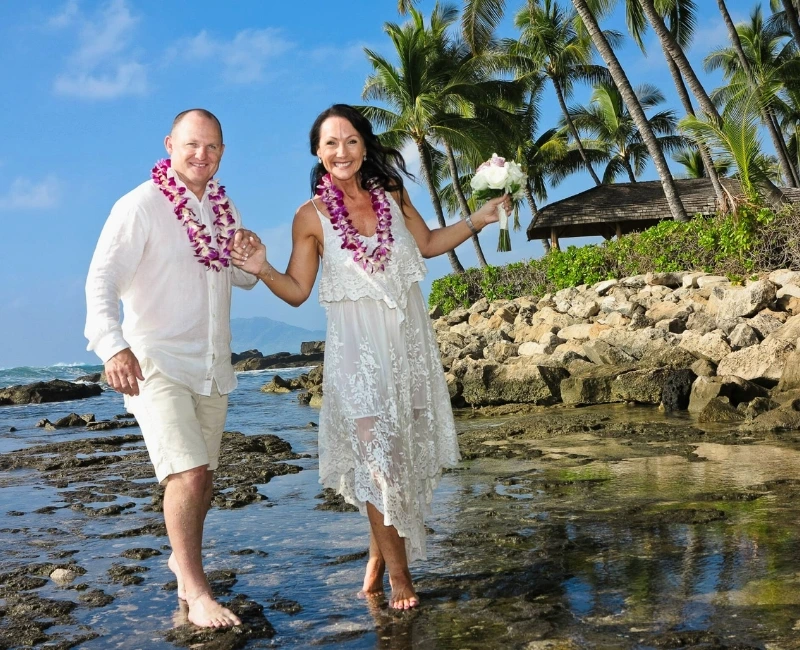
Hawaii’s living culture is rooted in centuries‑old Polynesian traditions enriched by waves of global influences. To truly engage, begin at the Polynesian Cultural Center on Oahu’s windward coast, where canoe rides, living villages, and nightly luaus reconstruct ancient village life and celebrate the art of storytelling. Alternatively, visit smaller cultural hubs—Ho‘omaluhia Botanical Garden for cultural workshops or Hawai‘i State Art Museum for contemporary Native Hawaiian works.Hands‑on learning deepens your connection. At Queen Lili‘uokalani Gardens in Hilo or Lyman Museum in Hilo, experienced kumu hula (hula teachers) demonstrate traditional chants and dance steps; classes often include explanations of the mele (chants) that honor deities and genealogies. Lei‑making workshops use native plants—ōlena (turmeric), mokihana berries, and fragrant plumeria—teaching each flower’s cultural significance.Culinary traditions bring heritage to the palate. Attend a luau—preferably by local community invitation rather than large resort—and savor kalua pig slow‑cooked in the imu (earth oven), poi pounded from taro roots, and poke seasoned with limu (seaweed) and inamona (roasted kukui nut). Farm tours at Mānoa Heritage Center or Huli Huli Chicken farms demonstrate traditional lo‘i kalo (taro terraces) and sustainable loko i‘a (fishpond) systems, spotlighting methods passed down through generations.Cultural festivals anchor the calendar: Merrie Monarch Festival in spring showcases hula mastery; Aloha Festivals in autumn parade honorees through streets and host block‑party style celebrations. Respect sacred protocols at heiau (temple) sites like Pu‘uhonua o Hōnaunau—observe signs, remain on designated paths, and seek permission for ceremonies.Artistic expression thrives in galleries—from Bishop Museum exhibits on Hawaiian governance and navigation to boutique studios in Kaka‘ako where local artists craft wood carvings and kapa cloth. Interactive storytelling sessions by kupuna (elders) convey myths of Maui’s canoe voyages and Pele’s fiery passion.For impactful engagement, volunteer with organizations like Malama Maunalua for reef stewardship or Kupu on restoration projects. These reciprocal efforts reinforce cultural values of mālama ‘āina (care for the land) and strengthen community ties.By weaving together dance, cuisine, craft, and ecological conservation, your cultural immersion becomes a two‑way exchange—honoring Native Hawaiian resilience and discovering pathways to carry aloha spirit home.
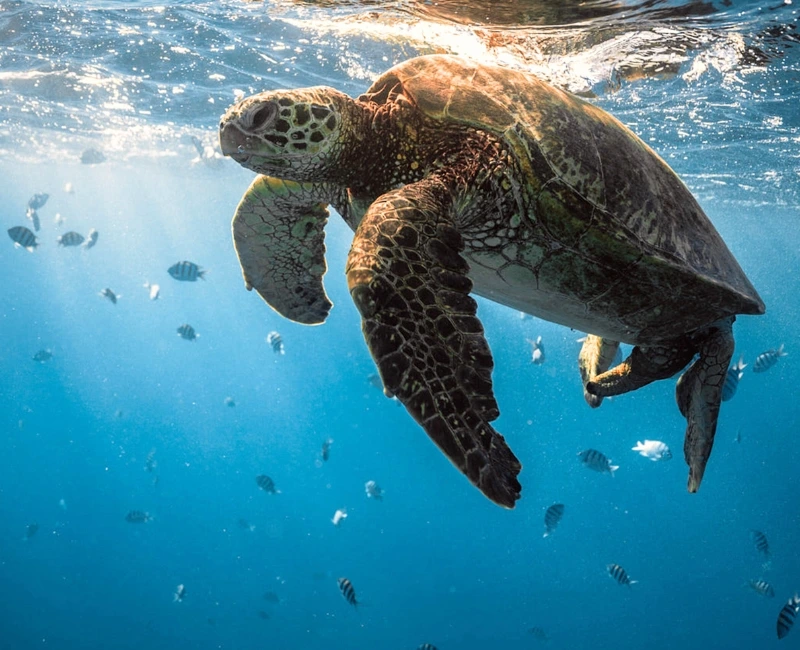
Hawaii’s surrounding Pacific waters host some of the world’s richest marine ecosystems, beckoning underwater enthusiasts of all levels. Snorkelers and novice swimmers flock to Hanauma Bay (Oahu) for shallow reef flats brimming with parrotfish, butterflyfish, and the occasional honu (green sea turtle). Arrive early to beat crowds, complete the mandatory marine‑life education video, and glide through translucent waters populated by coral bommies and sand channels.For an even more pristine experience, hop on a morning snorkel charter to Molokini Crater off Maui’s coast, where a partially submerged volcanic caldera shelters vibrant coral gardens. Drift among schools of snapper, Moorish idols, and graceful rays under perfect visibility exceeding 150 feet. Guided tours emphasize reef etiquette—maintaining horizontal buoyancy, avoiding contact with fragile corals, and using reef‑safe sunscreen to mitigate bleaching.Certified SCUBA divers can explore deeper realms: Lava tube formations near the Kona Coast on the Big Island reveal geologic history, while the Night Manta Ray Dive at Kona Honu Diving offers surreal encounters beneath searchlights as massive manta rays glide overhead, filter-feeding on plankton. Cameras equipped with bright strobes capture these gentle giants in elegant silhouette.Seasonal migration brings humpback whales (December–April) into Hawaiian waters. Whale‑watching cruises departing from various harbors include onboard naturalists who narrate breaching displays and tail‑slapping behaviors, enriching your understanding of these marine mammals.If you prefer a dry‑bottom vantage, submarine tours from Waikiki and Hilo descend to 100 feet, offering large-viewport panoramas of reef walls alive with sponges, moray eels, and colorful anthias. Glass‑bottom boat tours likewise provide accessible reef views without requiring water entry.For ocean conservation advocates, volunteer with Hawai‘i Marine Animal Response or Reef Teach programs, participating in reef‑health monitoring and invasive‑species removal. Educational exhibits at Maui Ocean Center and Hawaii Institute of Marine Biology on Coconut Island offer deeper dives into marine ecology and research.Whether snorkeling alongside turtles, diving night‑time manta‑ray ballets, or whale‑watching under azure skies, Hawaii’s underwater adventures forge a profound appreciation for ocean stewardship, leaving indelible memories of its hidden, underwater realms.
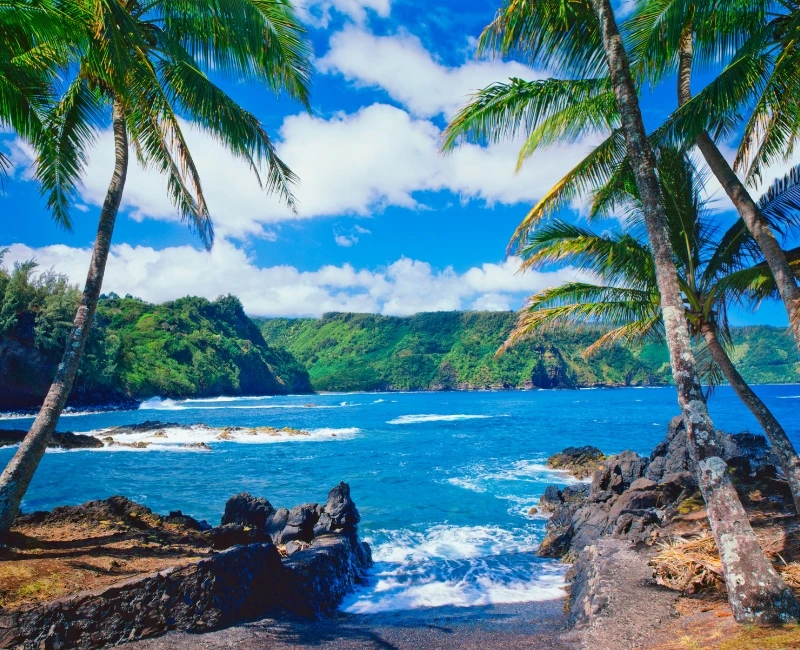
Hawaii’s archipelago rewards travelers willing to explore more than one island. Craft an island‑hopping itinerary based on diverse interests: begin your journey on Oahu, where Honolulu’s urban energy and historic sites like Pearl Harbor provide context, along with world‑famous Waikiki Beach. Catch a short inter‑island flight (30–45 minutes) to Maui, where Haleakalā National Park offers sunrise treks above the clouds and the Road to Hana unfolds through lush rainforests and waterfall‑sprinkled gorges.Next, venture to Kauai, the “Garden Isle,” via a 30‑minute flight from Maui. Here, Waimea Canyon—the “Grand Canyon of the Pacific”—and coastal Nā Pali boat tours reveal emerald cliffs dropping into cerulean seas. Activities range from kayaking the Wailua River to helicopter flights showcasing hidden valleys.Finally, arrive on the Big Island for a study in contrasts: the rolling green slopes of Hamakua Coast give way to stark lava deserts at Hawaii Volcanoes National Park. Tour Kona coffee farms in the morning, then chase lava flows in the afternoon. For stargazing, ascend to Mauna Kea’s summit at 13,800 feet—arrange a guided tour to acclimate safely.Logistics hinge on efficient planning: book inter‑island flights early, coordinate luggage transfers, and secure rental cars at each destination. Pack versatile clothing—swimwear and reef shoes for beaches, layers for higher elevations—and consolidate essentials in a carry‑on for quick flights. Accommodations range from seaside villas to mountain lodges; mix multi‑night stays with one‑night stops for rapid island surveying.Island‑specific dining enriches the palate: sample Shave Ice in Oahu, Honomu banana bread on the Big Island, fish tacos at Maui’s food trucks, and fresh poi in Kauai’s Hanalei. Cultural immersion deepens with local guides—learn limitations and permissions required for filming or hiking sacred sites, and respect each island’s unique ecosystem by limiting single‑use plastics, supporting eco‑friendly operators, and following trail regulations.By thoughtfully combining islands—each with its own microclimate, cultural nuances, and topographies—you craft a panoramic Hawaiian narrative: verdant valleys, volcanic fires, pristine reefs, and community traditions. Island‑hopping becomes not just travel, but a voyage of discovery across Pacific diversity.

Hawaii’s serene landscapes and deep reverence for holistic well‑being make it an ideal setting for wellness and relaxation retreats. Many luxury resorts, boutique hotels, and eco‑lodges integrate traditional Hawaiian practices—such as lomilomi massage using warmed kukui nut oil and rhythmic forearm strokes inspired by ocean waves—alongside modern spa therapies. Daily schedules often begin with sunrise yoga on beachside platforms or atop volcanic craters, where mindful breathing aligns with gentle surf sounds.Retreat options vary in intensity: structured multi‑day programs incorporate guided meditation, hula movement sessions, and nutritional workshops focusing on fresh produce—tropical fruit bowls, green papaya salads, and sustainably caught fish. For those seeking flexibility, wellness villas provide on‑demand spa treatments, private meditation nooks, and holistic consultations.Nature‑based activities blend seamlessly with mindfulness. Guided forest bathing in Kauai’s rainforests or mala walks along Oahu’s scenic cliffs invite participants to ground themselves in the present. Paddleboarding at dawn on Waikiki’s calm waters or stand‑up paddle yoga sessions on Kauai’s Wailua River further connect body and mind. For thermal therapy, visit the Puna Hot Springs on the Big Island—soak in steamy geothermal pools beneath banana groves.Nutrition is integral: farm‑to‑table dining features local staples—taro, sweet potato, and fresh catch—crafted into balanced meals rich in antioxidants. Cooking classes teach participants how to prepare poi, poke, and tropical salads, reinforcing healthy habits for home. Smoothie‑bar stations stocked with local fruit puree and coconut water keep energy levels high throughout active retreat days.Retreat accommodations often emphasize sustainable design—solar panels, rain‑catchment systems, and organic gardens—mirroring the islands’ ethos of mālama ‘āina (care for the land). Shared communal spaces foster connection among guests through evening bonfires, storytelling circles, and star‑gazing under minimal light pollution.Seasonal retreat themes align with lunar or Hawaiian calendar events: makahiki (harvest) celebrations focusing on gratitude and renewal; dedicated workshops for Ho‘oponopono, a reconciliation practice promoting forgiveness; and earth‑connection ceremonies honoring Pele, the volcano goddess.By integrating traditional Hawaiian wellness, nature immersion, and mindful practices, these retreats offer travelers a path to physical rejuvenation and spiritual renewal—embodying the true spirit of Aloha..
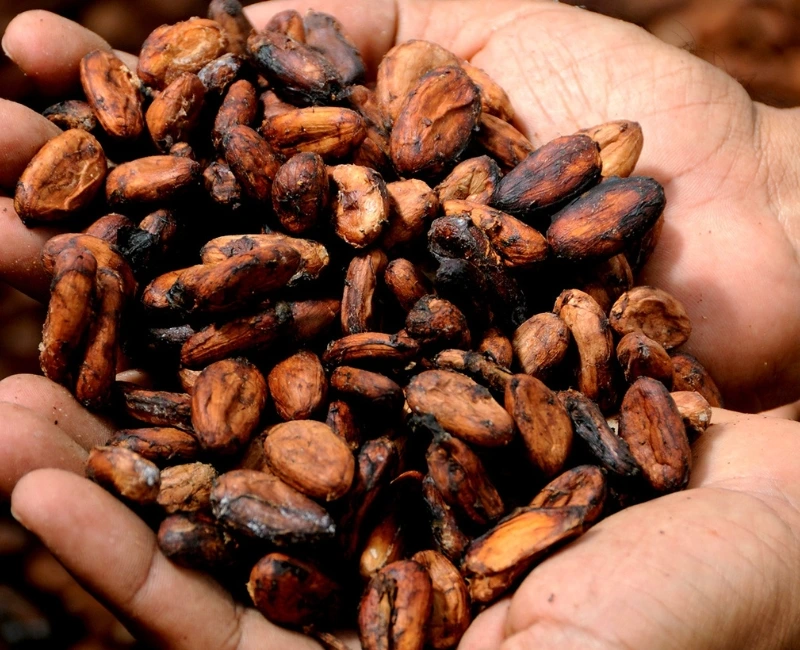
Hawaii’s vibrant culinary scene is a mosaic of Indigenous traditions, plantation‑era influences, and global innovations—all united by a commitment to fresh, local ingredients. To taste this diversity, embark on farm‑to‑table experiences that begin with visits to local farms cultivating taro, coffee, cacao, and tropical fruit. In Kona, single‑estate coffee tours guide you through roasting and cupping sessions of prized Kona beans, while Maui’s Upcountry orchards introduce lychee, avocado, and papaya harvests under the guidance of passionate growers.Food tours in Honolulu’s Chinatown and Lahaina’s historic streets spotlight immigrant flavors: Filipino lumpia, Japanese‑style tempura plate lunches, and Portuguese malasadas. Sample poke at shorelineside shacks—try ahi poke seasoned with limu and inamona—and devour loco moco (rice covered with hamburger patties, gravy, and eggs) at family‑run diners. Specialty gelaterias and shave‑ice stands add sweet relief with tropical fruit toppings and umbrella plant‑root syrups.Cooking classes led by local chefs or kupuna (elders) begin with visits to open‑air markets—Kauai’s Waimea Fish Auction or Oahu’s KCC Farmers’ Market—selecting fresh catch, greens, and island‑grown eggs. Back in seaside kitchens, learn to prepare lau lau (taro leaf–wrapped pork), haupia (coconut pudding), and kokoleka (fermented coconut) while uncovering stories of plantation communities and shared meals.Farm-to-table restaurants such as Merriman’s on Maui or Hualalai’s Ulu Ocean Grill on the Big Island craft menus that shift daily according to seasonal harvests—heirloom tomatoes one week, sugar‑loaf cabbage the next. Chefs integrate foraged opihi (limpets) and ʻulu (breadfruit) into tasting menus that tell stories of each island’s terroir.For beverage enthusiasts, Hawaii’s artisanal scene extends to craft breweries like Kona Brewing and distilleries producing rum from Molokai sugarcane. Wine bars curate local sparkling wines from Franciacorta‑style producers on Oahu’s North Shore, while mead and cider makers experiment with local honing and fruit blends.Engage in community-supported agriculture (CSA) projects on Kauai, receiving weekly boxes of organic produce and joining farm workdays. Participate in Maui’s ag-tourism events—orchard U-picks, cacao harvest ceremonies, and honey‑bee pollination demos—gaining hands‑on insights into Hawaii’s fragile ecosystems.By tracing farm‑to‑table journeys, travelers not only indulge their palates but also support sustainable food systems that honor Indigenous stewardship. This culinary pilgrimage weaves flavor with culture, forging connections between plate and place.
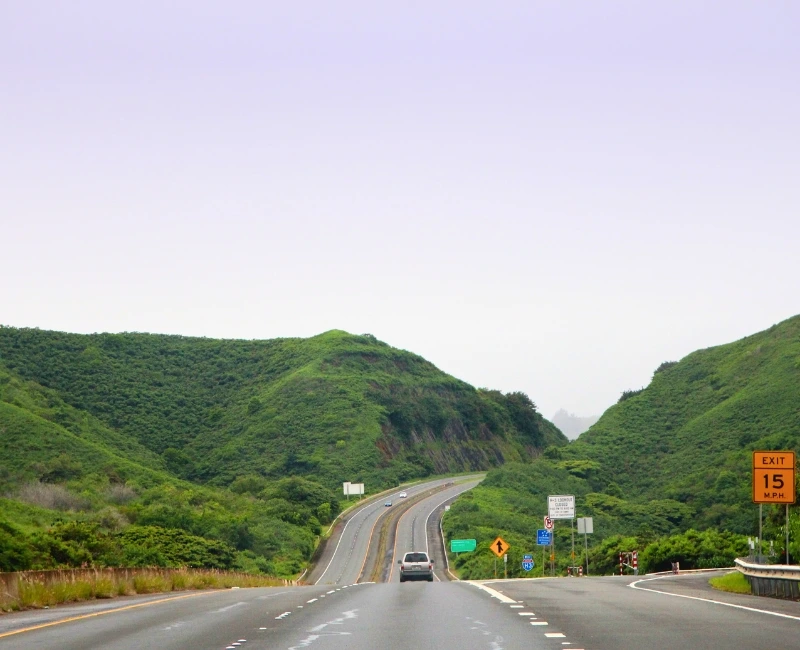
Hawaii’s dramatic landscapes unfold at every turn, and the best way to absorb them is by hitting the open road. On Maui, the Road to Hana stretches over 50 miles of hairpin turns, rainforest tunnels, and cascading waterfalls—plan to depart at dawn to avoid traffic and maximize light. Stops include the misty Twin Falls, the black‑sand beach at Waianapanapa State Park, and the bamboo forest at Pipiwai Trail. Each overlook yields frame‑worthy vistas—and roadside banana bread stands offer energy‑boosting snacks.On the Big Island, the Saddle Road (HI‑200) connects Hilo to Kona through the island’s volcanic heart. Watch the terrain shift from verdant rainforest to alien lava fields beneath Mauna Kea. Continue along the Mamalahoa Highway for cliffside panoramas and historic Hawi Town, where art galleries and local coffee stands invite exploration.Kauai boasts the Waimea Canyon Drive: carve half a day out to relish panoramic views of the “Grand Canyon of the Pacific,” then head north on Kuhio Highway past lush taro fields, seaside lookouts, and the historic Lumahai Beach. Pull‑off points such as the Kalalau Lookout on the Nā Pali Coast Road (mile marker 16) offer dramatic photos of emerald cliffs plunging into the Pacific.On Oahu, embrace the Circle Island drive. Photograph the reflective lagoon at Lanikai Beach at sunrise, then cruise through historic Shangri La and Kualoa Ranch landscapes, stopping for lunch at the Kahuku shrimp trucks. Afternoon light illumines the craggy Turtle Bay cliffs and the pillbox bunkers above Lanikai Pillbox Hike.Essential tips: rent a reliable car with good brakes, arrive early to beat crowds, and pack water, snacks, and a full camera kit (wide‑angle lens, polarizer for water shots, ND filter for waterfall long exposures). Respect private‑property signage and stay on designated pull‑outs to preserve fragile landscapes. For optimal lighting, target golden hour—the hour after sunrise and before sunset—when colors intensify and shadows add depth.Whether capturing Maui’s coastal waterfalls, Big Island’s volcanic deserts, Kauai’s emerald canyons, or Oahu’s panoramic shorelines, these scenic drives transform highway miles into a living photography portfolio—each stop a postcard moment in Hawaii’s endlessly varied natural gallery.
No ads. No trails. No commitments


Alice Roses
London, England
51 ST MATTHIAS ROAD
NOTTINGHAM, NOTTINGHAMSHIRE
NG3 2HF
Hours: 8:00 - 17:00, Mon - Sat
support@johnsonholidays.com