 Azores Travel
Guide
Azores Travel
Guide
Paris is known around the world as the “capital of love,” and even if you don't understand the history of Paris at all

4–4.5 Hours
£2.50
The Azores’ volcanic origins shape an otherworldly terrain that appeals to explorers and photographers alike. From the twin lakes of Sete Cidades on São Miguel, set within a vast volcanic crater, to the rugged lava fields and vineyards on Pico, the archipelago offers landscapes unlike anywhere else. Travellers can hike to volcanic summits and peer into calderas, discover hidden caves, and stroll along coastal cliffs formed by ancient eruptions. This dramatic scenery not only provides spectacular views but also tells a geological story millions of years in the making. Guided or self-guided hikes allow visitors to experience the interplay of earth, water, and sky, and to witness nature’s resilience as flora reclaims volcanic rock. For those seeking immersive experiences, staying near crater lakes or volcano bases transforms everyday mornings into scenes of mist-shrouded ridges and sunlit panoramas.
Learn More
The Azores lies along key migration routes for whales and dolphins, making it one of Europe’s premier whale-watching destinations. Sperm whales, common dolphins, pilot whales, and bottlenose dolphins frequent these waters, offering exhilarating encounters that balance excitement with conservation-minded practices. Boat tours depart from multiple islands, often with knowledgeable guides explaining marine ecology and the importance of responsible observation. Beyond whale watching, snorkelling and diving reveal vibrant marine habitats, including underwater volcanic formations, reefs, and abundant fish species. Kayaking and stand-up paddleboarding along sheltered bays add another perspective on coastal biodiversity. The commitment to sustainable tourism ensures that marine excursions prioritise animal welfare and ecosystem protection. For travellers passionate about wildlife, the Azores provides both the thrill of sighting majestic creatures and the reassurance of eco-friendly operations.
Learn More
he Azores’ geothermal activity gives rise to natural hot springs and thermal baths that offer soothing relaxation after active days. Furnas on São Miguel features iconic thermal pools where visitors can bathe in mineral-rich waters known for rejuvenating properties. Spa facilities incorporate local volcanic mud and spring water into therapies ranging from facials to full-body treatments. Beyond Furnas, hidden spring-fed pools and thermal waterfalls invite self-guided exploration in serene forested settings. Wellness retreats blend yoga, meditation, and healthy local cuisine, allowing travellers to unwind in tranquility. Many accommodations overlooking crater lakes or coastal cliffs incorporate spa facilities or recommend nearby springs. The combination of fresh Atlantic air, gentle geothermal steam, and picturesque surroundings creates an ideal environment for rest, recovery, and holistic wellbeing.
Learn More
Azorean cuisine highlights fresh, locally sourced produce and traditional cooking techniques passed down through generations. Seafood features prominently: grilled limpets, octopus stews, and blue tuna dishes showcase the archipelago’s maritime heritage. Meat lovers can savour Cozido das Furnas, a rich stew slow-cooked underground using natural geothermal heat. Dairy products, especially cheese from São Jorge, are renowned for their distinctive flavours. Tea plantations on São Miguel and vineyards on Pico offer tastings of local tea and wine, each reflecting volcanic terroir. Farm visits and food tours provide insight into how Azoreans cultivate and prepare ingredients. Dining out remains affordable: a mid-range restaurant meal typically costs around £20-£30 per person, with local snacks and pastries priced at a few pounds. Food-focused travellers will appreciate cooking workshops, farmers’ markets, and the chance to dine with locals who embody the archipelago’s warm hospitality.
Learn More
Adventurers will find endless possibilities: hiking volcanic trails through lush laurel forests, canyoning down waterfalls, mountain biking along coastal roads, and paragliding above crater lakes. Each island presents distinct routes, from moderate walks to challenging summit ascents. Guided tours ensure safety and local knowledge of weather and terrain. Water sports include surfing on western shores, paddleboarding in sheltered bays, and diving amid underwater lava formations. For anglers, deep-sea fishing excursions bring the opportunity to catch tuna and other game fish. Seasonal events, such as maritime races or trail-running competitions, allow participation or spectatorship. Outdoor enthusiasts benefit from the archipelago’s mild climate and varied terrain: even in shoulder seasons, many activities remain accessible. For those seeking adrenaline or simply immersion in nature’s wonders, the Azores delivers an abundance of active pursuits.
Learn More
Despite growing popularity, the Azores retains a sense of remoteness and authenticity. Small villages, quiet beaches, and off-the-beaten-path viewpoints reward travellers seeking solitude. Rural homestays and boutique guesthouses nestled in nature provide peaceful retreats away from busy resorts. Sunrise and sunset spots on cliff edges or beside crater lakes often feel private, offering moments of reflection. Cultural interactions occur at local markets, traditional festivals, and family-run farms, where visitors experience genuine Azorean life. Even in peak months, crowds are modest compared to major European destinations, allowing for unhurried exploration. For travellers craving calm and connection with nature, the Azores delivers restorative escapes framed by striking landscapes and heartfelt local hospitality.
Learn More
Lorem ipsum dolor, sit amet consectetur adipisicing elit. At illo adipisci iusto
From

Because more than 268 other customers have loved us too

Demonstrates commitment to user data security through encryption and secure payment practices
Learn More
Demonstrates commitment to user data security through encryption and secure payment practices
Learn More
Demonstrates commitment to user data security through encryption and secure payment practices
Learn More
Demonstrates commitment to user data security through encryption and secure payment practices
Learn More
Quality as judged by customers. Book at the ideal price!


/ person
/ person
/ person
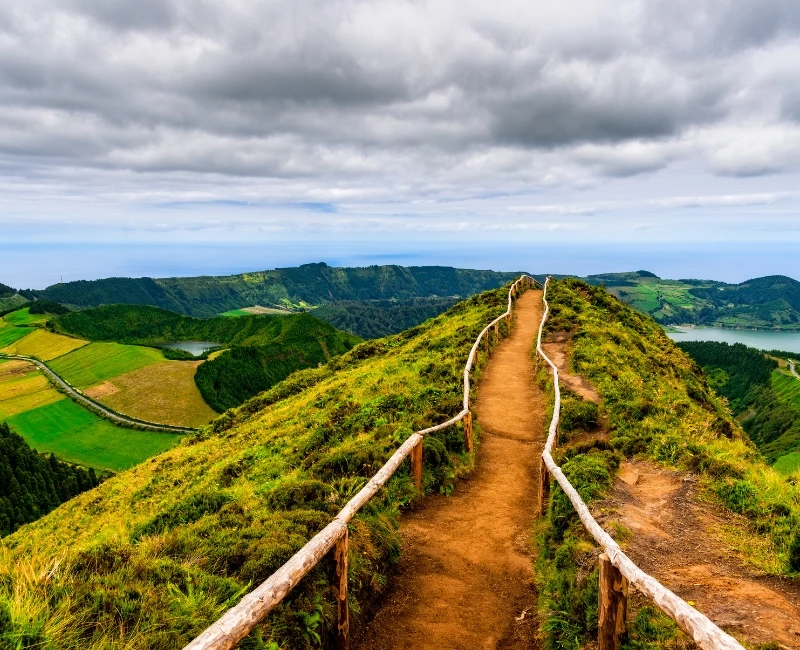
São Miguel’s volcanic landscape offers an immersive hiking experience that balances challenge and reward. One signature route circumnavigates the Sete Cidades crater: beginning in verdant forest, the trail ascends gradually, opening onto sweeping panoramas of twin lakes nestled within a volcanic caldera. Hikers can adjust distance—shorter loops focus on viewpoints, while longer treks traverse ridgelines and descend toward lake shores. Along the way, endemic flora such as hydrangeas (in bloom from late spring) and ferns carpet the ground, while pine stands punctuate the skyline. Early starts maximize clear conditions before coastal mist rolls in. Another remarkable hike leads to Lagoa do Fogo: a steeper ascent rewarded by a pristine crater lake framed by emerald hills. The path requires sturdy footwear and layered clothing, as weather can shift from sun to drizzle within hours. Guides often provide local snacks—bolo lêvedo muffins, regional cheese—and insights into volcanic geology, explaining how centuries of eruptions sculpted these terrains. More experienced trekkers may combine trails with canyoning excursions: descending waterfall gullies and natural pools, requiring proper equipment and guides for safety. In shoulder seasons (spring and autumn), fewer fellow hikers enhance solitude, and lighting yields dramatic photos. Winter hikes remain possible with caution: cooler temperatures and wetter ground demand extra preparation. For multi-island adventures, seasonal ferries connect São Miguel to neighboring islands for extended trekking itineraries. Beyond physical challenge, these hikes foster deep connection with island nature: mist-shrouded ridges at dawn, the silence of crater rims, and the sense of standing atop ancient volcanic forces. Whether seeking moderate day-hikes or more demanding routes, São Miguel’s volcanic trails deliver sensory immersion, geological intrigue, and memories of landscapes both dramatic and serene.
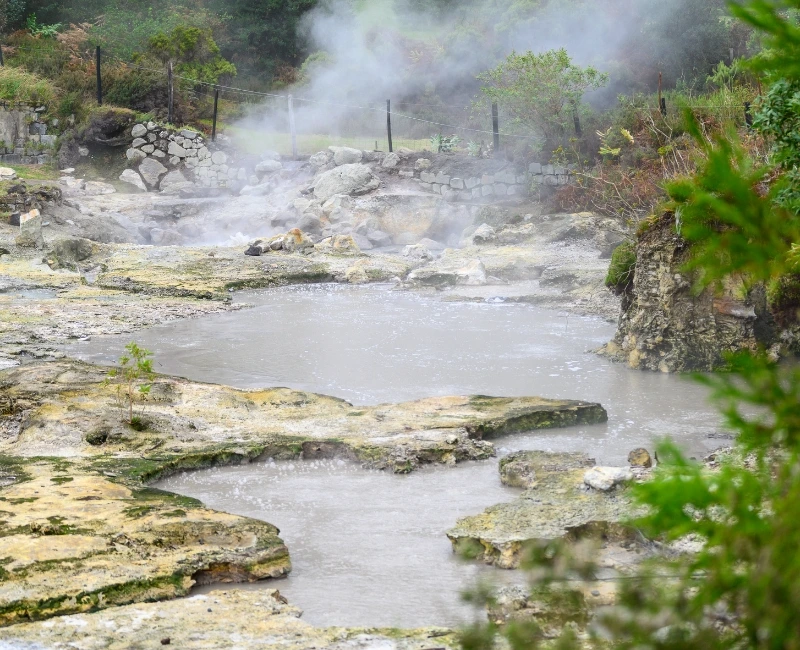
Furnas, often called the geothermal heart of São Miguel, invites travellers to witness Earth’s warmth at close range. The valley floor hosts fumaroles, boiling ponds, and steam vents, visible along marked walking paths. Guided tours explain subterranean activity: how groundwater meets hot rock, rising as mineral-rich steam. The highlight is soaking in thermal pools: options range from rustic public baths to spa complexes with changing facilities. Bathing in naturally heated water—around 36–40°C—amid lush greenery delivers soothing relief after active exploration. Surrounding gardens, notably in Terra Nostra Park, combine botanical diversity with a large thermal pool; spending ample time drifting in warm waters under a canopy of trees becomes restorative. Beyond main sites, hidden nature pools and hot waterfalls lie off beaten tracks; local guides reveal these secluded spots where geothermal streams feed freshwater pools. Furnas is also famed for “Cozido das Furnas”: a hearty stew slow-cooked underground using geothermal heat. Sampling this tradition in a local restaurant connects travellers to centuries-old culinary heritage. Wellness retreats in the area blend thermal baths with yoga sessions overlooking crater lakes, massages incorporating volcanic mud, and meals focusing on nourishing local produce. Photographers capture steam rising against verdant hills at sunrise; wellness seekers linger in pools as mist drifts overhead. Safety considerations include checking water temperature and following posted guidance. Seasonal variations affect water flow and pool availability: spring brings blooming surroundings; autumn offers quieter visits; winter may close some facilities but still allows geothermal observation. The combination of geology, culture, cuisine, and wellness makes Furnas a multifaceted highlight. Exploring Furnas means more than passive observation: it engages senses through warmth, scent of mineral-rich waters, tastes of geothermal-cooked dishes, and the calming rhythm of natural steam. For travellers seeking both adventure and relaxation, Furnas’ geothermal wonders deliver an unforgettable, holistic Azorean experience.
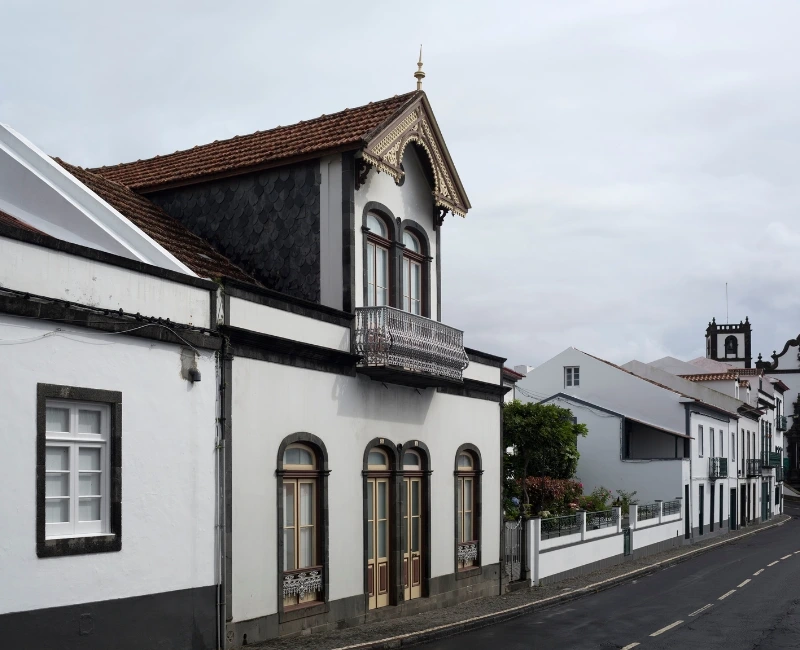
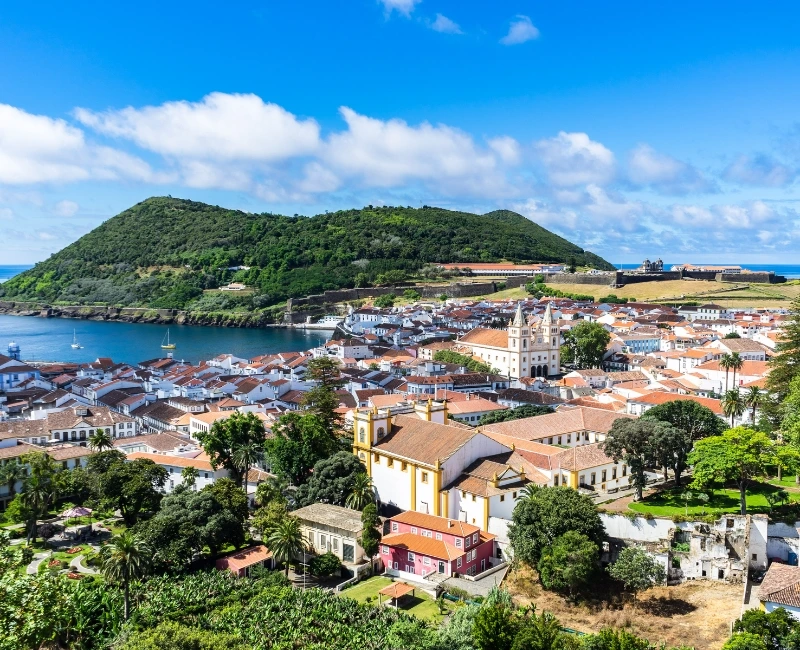
Historic towns across the Azores present layers of maritime heritage, colonial architecture, and living traditions. On São Miguel, Vila Franca do Campo—once regional capital—welcomes visitors with narrow streets, whitewashed houses trimmed in color, and ornate churches reflecting 16th–18th-century influences. A natural islet offshore forms a sheltered swimming pool; reaching it by boat yields a blend of leisure and local storytelling about shipwrecks and past capitals. In Angra do Heroísmo on Terceira, a UNESCO World Heritage site, winding cobblestone lanes open onto plazas ringed by historic buildings. Fortress remnants and churches reveal strategic Atlantic importance in Age of Discovery. Guided walks uncover tales of pirate raids, explorers’ departures, and volcanic eruptions that reshaped settlements. Artisan workshops in smaller towns across islands produce ceramics, textiles, and woodcraft: visitors see traditional techniques in action and can acquire unique keepsakes. Festivals tied to religious calendars infuse towns with vibrant processions, music, and communal feasts: participating respectfully offers insight into island identity. Weekly markets display cheeses, fresh produce, and baked goods; practising basic Portuguese phrases enhances connections. Small museums document whaling history, agricultural practices, and folklore; understanding how islanders adapted to isolation and harnessed volcanic soils deepens appreciation. Even lesser-known villages bear traces of resilience: rebuilt after eruptions, with architecture suited to Atlantic climate. Engaging with locals—whether over coffee and pastry or at a family-run farm—reveals hospitality central to Azorean life. Photography opportunities abound: color contrasts of facades against lush hills, church interiors adorned with gilded woodwork, and port scenes with fishing boats. Exploring these towns goes beyond sightseeing: it fosters respect for traditions, connects travellers to stories spanning centuries, and highlights the Azores’ role as a crossroads of Atlantic navigation and local ingenuity. Through historic towns, visitors gain cultural depth alongside scenic beauty.
Azorean festivals blend religious devotion, communal spirit, music, dance, and gastronomy—offering authentic immersion in island culture. Festas do Espírito Santo (Holy Spirit festivals) occur throughout the archipelago, often between late spring and early summer. Ceremonies involve symbolic crowns, processions through town streets, and communal tables where dishes—such as soup with bread, meat, and fish—are shared freely, symbolising charity and solidarity. Attending these events means joining locals at long tables, practising simple Portuguese phrases, and observing rituals passed through generations. Summer festivals celebrate patron saints with colourful processions, traditional music performances (tunas and local bands), folk dances, and fireworks in evening skies. Open-air gatherings in plazas become lively scenes: artisan stalls showcase crafts and regional products, while communal feasts serve specialties like seafood stews or meat dishes cooked in local styles. Smaller community festivals honour harvests: tea-picking ceremonies on São Miguel’s plantations, wine harvest celebrations on Pico’s vineyards, and cheese festivals on São Jorge. Participating respectfully—dressing modestly for religious components, following local etiquette, and showing gratitude—enhances the experience. Guides or local contacts can clarify customs: the significance of “império” chapels in Holy Spirit festivities, and the meaning behind offerings and songs. Beyond scheduled events, spontaneous traditions may arise: fishermen’s blessings at small ports, local dances in village squares, or neighbourhood gatherings around a bonfire. Festivals offer insight into islanders’ values: community solidarity, reverence for nature’s cycles, and celebration of heritage. For travellers, these moments create lasting memories: sharing food with strangers-turned-friends, feeling rhythms of traditional music, and witnessing how small communities maintain vibrant customs. Planning should consider festival dates, which vary by island and year; flexibility yields chance encounters with unexpected celebrations. Embracing Azorean festivals invites deeper cultural connection and understanding of island life beyond scenic vistas.
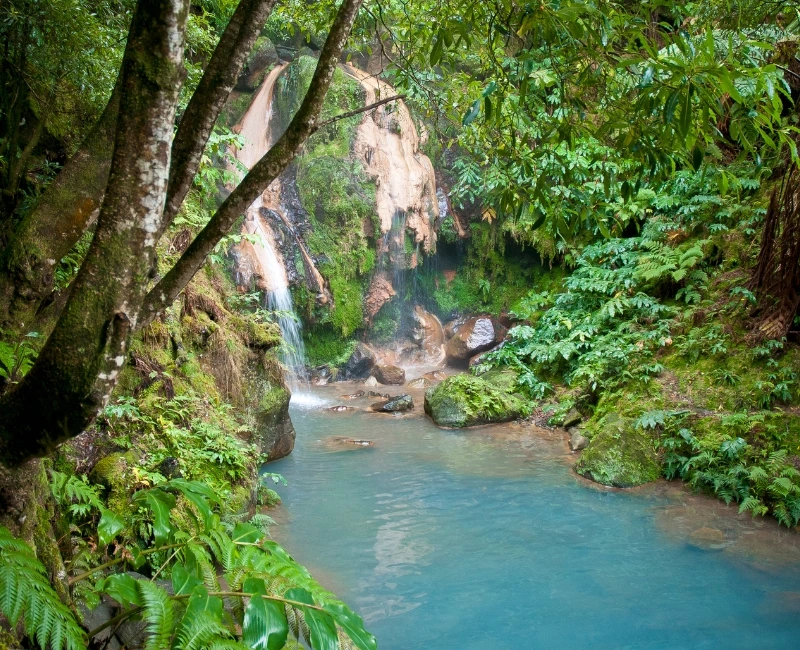
Wellness in the Azores extends beyond Furnas, encompassing diverse thermal spas and nature baths across islands. On São Miguel, Caldeira Velha features a waterfall-fed warm pool nestled in a fern-filled ravine; reaching it involves a gentle walk through verdant forest, culminating in relaxing immersion under cascading water. Other islands host smaller geothermal spots: pools on São Jorge or Faial warmed by volcanic heat or seawater heated by underground currents. Boutique hotels and resorts integrate spa treatments using volcanic mud and endemic herbal infusions: massages focus on muscle relief after hikes, while facials employ mineral-rich clays. Retreat packages often combine morning yoga overlooking crater lakes or ocean vistas, guided meditation in tranquil gardens, and nutritious meals highlighting local produce—fresh seafood, vegetables grown in volcanic soil, and herbal teas. Evenings may include stargazing far from light pollution, sipping chamomile or green tea. Seasonal adaptation ensures cooling hydrotherapy in summer and warming baths in cooler months. Many nature baths lie off beaten paths: a brief hike or guided excursion reveals secluded pools where freshwater and geothermal flows merge, creating serene soaking spots. Safety guidance—checking water temperatures and following posted advice—is essential. Wellness seekers benefit from the Azores’ clean air, gentle sea breeze, and calming landscapes: time in thermal waters relieves fatigue, while surrounding greenery promotes mental restoration. Booking in advance is advisable for popular spa facilities in peak season; off-peak visits often yield greater privacy and cost savings. Whether indulging in a multi-day spa retreat or discovering hidden nature pools after a hike, travellers find the Azores’ wellness offerings uniquely integrated with the islands’ volcanic character and tranquil ambiance. The result is holistic rejuvenation: body eased by warm waters, mind soothed by natural beauty, and spirit uplifted by connection to elemental forces.
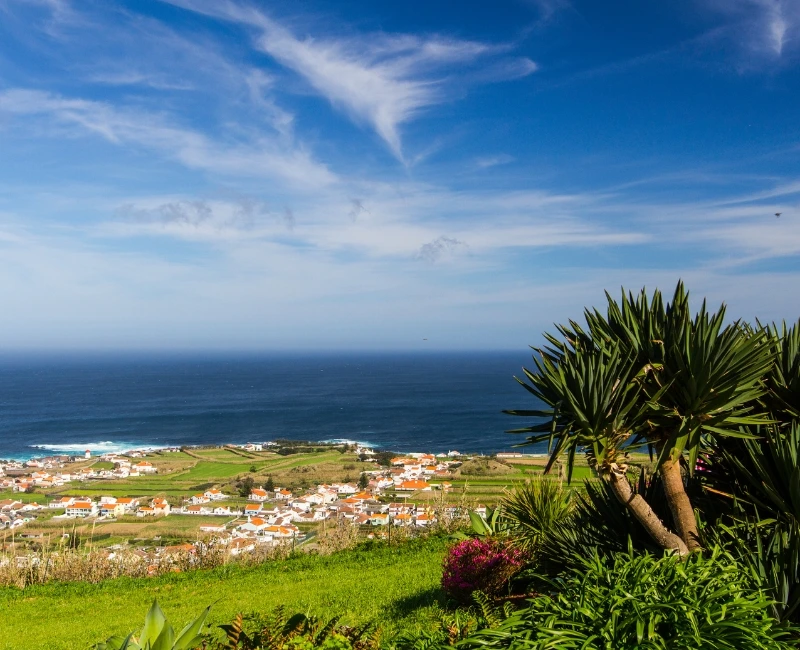
The Azores’ coastlines present myriad tranquil settings for relaxation and contemplation. Beaches range from black volcanic sand to pebble shores sheltered by cliffs or pine forests. Praia dos Mosteiros on São Miguel offers dramatic rock formations framing gentle waves; arriving in late afternoon rewards visitors with calm waters for a quiet swim or paddleboarding, followed by watching the sun dip behind rocky silhouettes. Arrifes Beach provides safe swimming in a protected cove, ideal for families or wellness seekers wanting a gentle water experience. On Pico, natural lava-formed swimming pools allow floating in clear water warmed by sun, with the volcano rising in the backdrop. Even when swimming is too cool, coastal walks yield fresh sea air and peaceful solitude: bringing a hot beverage in a reusable flask (cost around £2–£4) enhances comfort. Sunset viewpoints at elevated spots—Vista do Rei on São Miguel or Miradouro da Criação Velha on Pico—present breathtaking panoramas: the sky painted in hues above crater lakes or ocean expanses. Photographers and romantics find these moments especially memorable. Many accommodations feature terraces overlooking the Atlantic, where sunrise and sunset can be enjoyed privately with a cup of tea or coffee. Combining short coastal hikes with picnics—local cheese, bread, and fruit—creates an unhurried experience. Coastal villages often have small cafés where a light snack or pastry costs around £5–£10, allowing lingering near the shore. Regardless of season, the rhythmic sound of waves and the changing light foster relaxation. For those seeking digital detox, mobile signal may wane in remote coves, encouraging presence in the moment. Coastal relaxation in the Azores is not merely passive: it invites mindful observation of nature’s patterns, whether the ebb of tides, flight of seabirds, or glow of twilight. These serene coastal settings provide restorative escapes that balance the archipelago’s adventurous side with moments of calm and reflection..
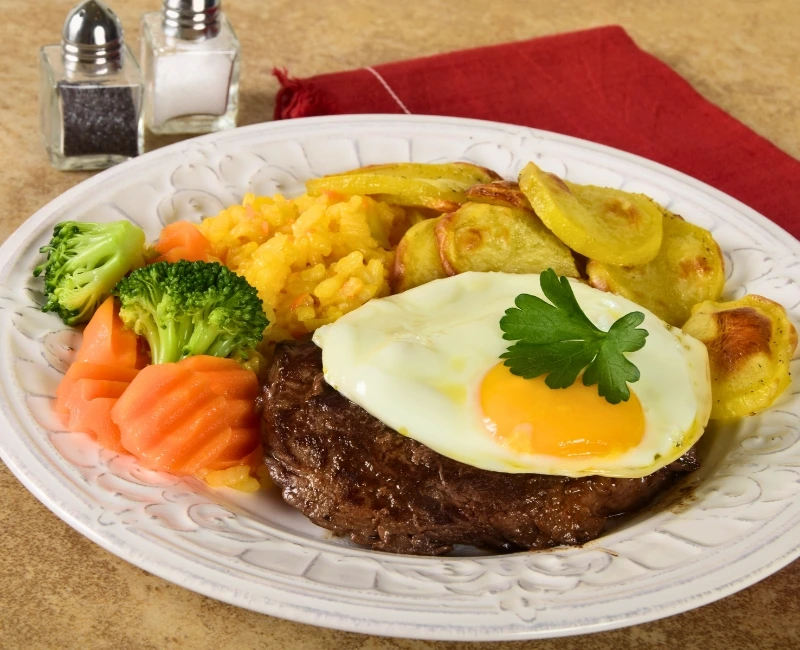
Azorean cuisine reflects volcanic soils, Atlantic bounty, and island traditions—an exploration that delights food-focused travellers. On São Miguel, guided food tours take you through markets and family-run eateries sampling Cozido das Furnas, a stew slow-cooked underground by geothermal heat. Tasting this hearty dish connects diners to local customs. Fresh fish grilled simply with herbs, limpets seasoned with garlic and butter, and octopus stews highlight maritime heritage. Cheese from São Jorge offers distinctive flavours aged in sea-influenced cellars; tastings at dairy farms reveal traditional production methods. Tea plantations in Gorreana and Porto Formoso invite strolling among tea bushes and sampling black and green teas: tastings often paired with local honey or sweet pastries (around £2–£4 per item). On Pico, vineyards planted in volcanic crevices produce wines with crisp acidity and mineral notes; winery tours explain challenging cultivation, and tasting sessions cost about £10–£20, often accompanied by bread and cheese. Cooking workshops demonstrate seafood preparation, use of endemic herbs, and bread-making traditions, allowing hands-on engagement. Artisan producers showcase honey, jams, and herbal liqueurs—sampling reveals creative uses of passion fruit or local herbs. Dining options range from casual tavernas with affordable set menus (£20–£30 per person) to refined restaurants reinterpreting Azorean ingredients in modern styles. Booking ahead ensures a table in peak season. Sampling local spirits such as passion fruit liqueur or herbal infusions rounds out the culinary journey. Food-focused travellers gain insight into how islanders source and prepare ingredients: visits to farms, fisheries, and kitchens illustrate sustainable practices and respect for nature’s cycles. Culinary experiences in the Azores combine taste, culture, and storytelling: each bite or sip carries a sense of place shaped by volcanic earth and ocean. The result is memorable flavours and deeper appreciation for the archipelago’s heritage.
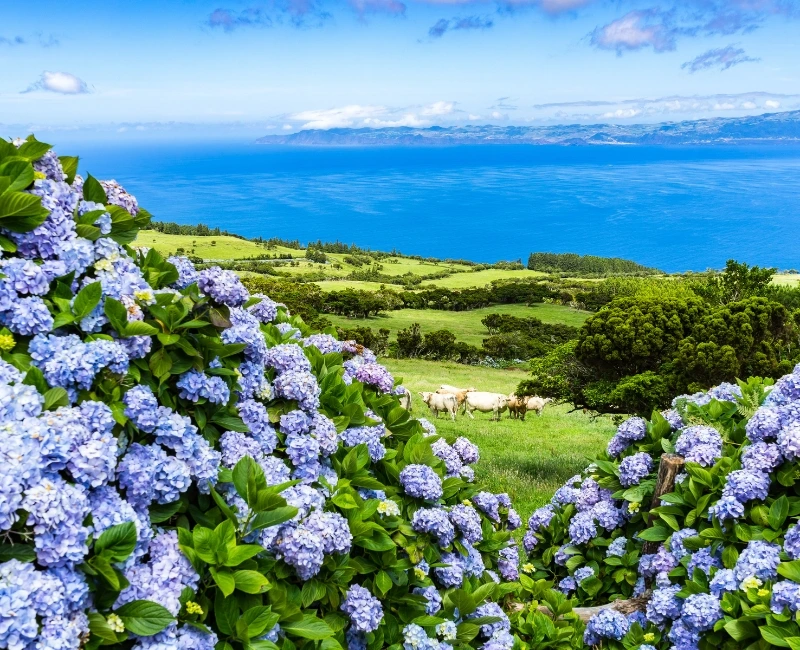
The Azores’ unique climate and volcanic terrain have fostered distinctive wine and tea production, offering travellers sensory journeys through agricultural ingenuity. On Pico Island, UNESCO-listed vineyard landscapes stretch along rocky coasts, where vines grow in basaltic enclosures built to shield grapes from wind and salt spray. Guided tours explain generational farming in challenging conditions: selecting varietals suited to volcanic soils and crafting wines noted for crisp acidity and mineral depth. Tastings at family-run wineries typically cost £10–£20 per person and include sampling multiple vintages paired with local cheese or bread. Wine cellars often occupy historic structures, adding cultural context. On São Miguel, Gorreana and Porto Formoso tea plantations—Europe’s only commercial tea estates—invite visitors to wander manicured terraces of tea bushes. Tours cover harvest seasons, processing methods, and how oceanic climate influences flavour profiles. Tea tastings include black and green varieties, sometimes accompanied by sweet treats (£2–£4). Estate shops sell packaged teas (£5–£10 per box) suitable as souvenirs. Workshops may demonstrate tea blending or culinary uses of tea leaves in desserts or savoury dishes. Combining wine and tea visits showcases how Azoreans harness volcanic microclimates for diverse crops. Beyond tasting, these experiences immerse travellers in scenic landscapes: volcanic rock walls against rolling greenery, ocean vistas beyond plantations, and birdsong in quiet fields. Photographers capture contrast of emerald rows against dark basalt. Seasonal timing matters: spring growth yields vibrant greens; autumn harvest may involve participating in picking or pressing. Logistics: plantations and vineyards are reachable by rental car; guided packages often include transport. Costs remain moderate compared to mainland experiences. Connecting with local growers reveals stories of resilience: how islanders adapted centuries-old practices to remote settings. Whether sipping volcanic wine at sunset or enjoying a warm cup of tea overlooking gentle hills, visitors gain both flavourful memories and appreciation for the Azores’ agricultural heritage and the creativity required to cultivate in volcanic environments.
No ads. No trails. No commitments


Alice Roses
London, England
51 ST MATTHIAS ROAD
NOTTINGHAM, NOTTINGHAMSHIRE
NG3 2HF
Hours: 8:00 - 17:00, Mon - Sat
support@johnsonholidays.com