
 Coba Travel
Guide
Coba Travel
Guide
Paris is known around the world as the “capital of love,” and even if you don't understand the history of Paris at all

11 Hours
£1.50
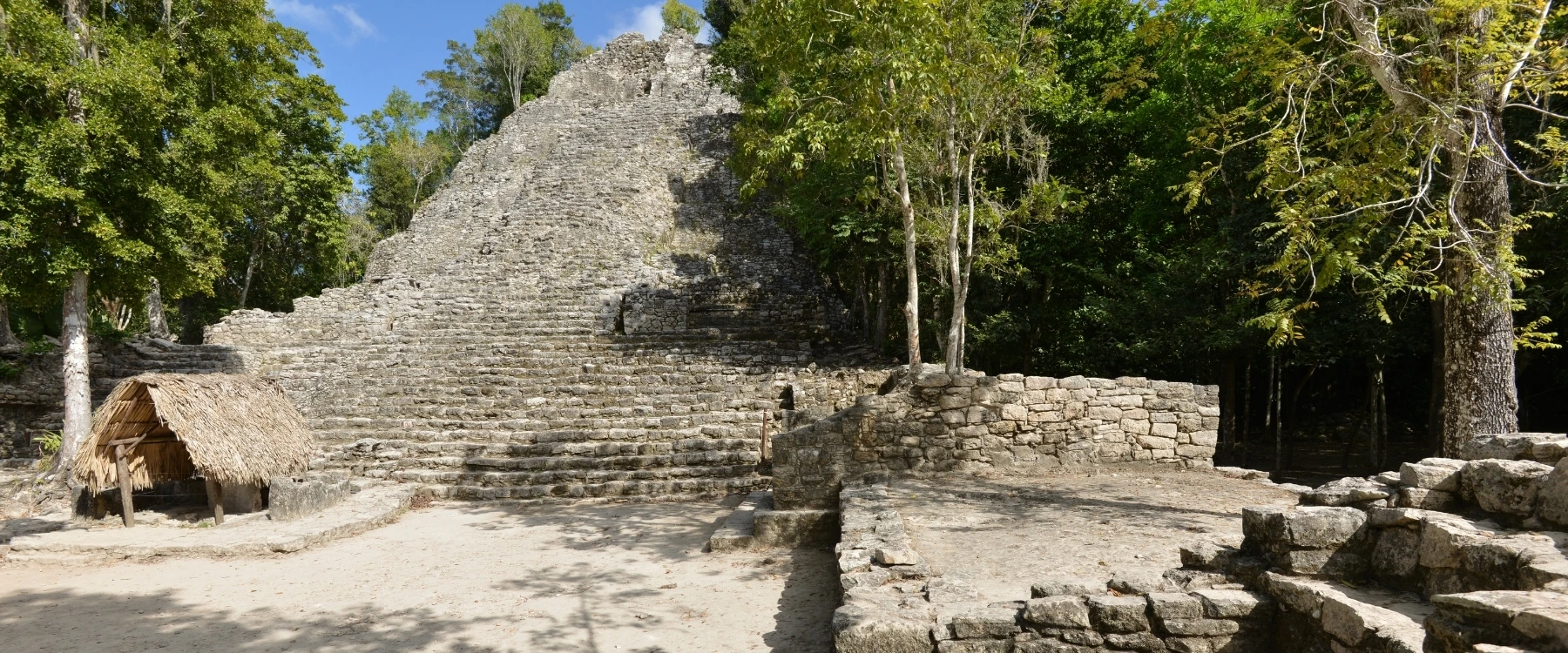
Coba offers a more intimate encounter with Maya history than many other sites. The ruins are interwoven with jungle, retaining a sense of mystery and discovery. Unlike destinations that feel over-restored, Coba’s causeways and structures stand amid lush vegetation, inviting exploration on foot or by bicycle. Climbing the Nohoch Mul pyramid is a rare opportunity: its summit delivers panoramic views above the treetops, evoking the perspective ancient Maya may have had. This authenticity resonates with travellers who value genuine, less-commercialized experiences. Exploring Coba is not just sightseeing—it’s engaging with living history in its natural context.
Learn More
Surrounded by tropical forest, Coba immerses visitors in rich biodiversity. Birdwatchers may spot toucans, parrots, and motmots among the canopy, while subtle signs of howler monkeys and coatis emerge along shaded trails. Lake Coba offers serene water-based activities: canoeing or kayaking provides a tranquil perspective of the ecosystem, with chances to observe aquatic life and diverse bird species at the water’s edge. The juxtaposition of ancient stone structures and vibrant jungle life creates a sense of harmony between human achievement and nature. Travellers passionate about eco-experiences will find Coba’s environment both stimulating and restorative.
Learn More
Visiting Coba extends beyond ruins—it includes interactions with local Maya-descendant communities who share traditional practices and stories. Guided by certified local guides, travellers learn about ancestral techniques in agriculture, weaving, or artisan crafts. Sampling home-cooked dishes in family-run eateries reveals recipes passed down through generations, often at budget-friendly prices (around £5–£10). Such exchanges foster mutual respect and support local livelihoods. The authenticity of these encounters distinguishes Coba: tourism revenue directly benefits communities committed to preserving cultural heritage. Engaging respectfully enriches the journey, creating lasting connections beyond the archaeological site.
Learn More
Coba encourages active participation: renting a bicycle to traverse sacbeob (ancient causeways) between dispersed ruins adds an element of adventure. Climbing steep pyramid steps demands physical effort, rewarding climbers with unmatched vistas. Trekking through trails reveals hidden cenotes and wildlife, enhancing the sense of expedition. Guided night tours (where available) spotlight nocturnal creatures and reveal how the jungle transforms after dark. Adventure seekers benefit from tailored excursions that combine archaeology, nature, and fitness. This active dimension ensures that a visit to Coba is as invigorating physically as it is enriching intellectually.
Learn More
Coba provides excellent value: entrance fees convert to roughly £3, while local meals typically cost £5–£10. Bicycle rentals, guided tours, and accommodation in eco-lodges or guesthouses often range between £50–£100 per night for comfortable stays. Compared to pricier resort destinations, Coba allows travellers to allocate budget toward enriching experiences—private guides, authentic dining, and sustainable lodging—all without overspending. Even transport from Cancún or Cozumel airports remains affordable when organized in advance. For travellers mindful of costs yet seeking high-quality, meaningful experiences, Coba presents an ideal balance of affordability and depth.
Learn More
Many operators in Coba prioritize sustainable practices: eco-lodges incorporate solar power, water conservation, and minimal-impact design. Guided tours emphasize “leave no trace” principles when exploring ruins and cenotes. Local businesses often reinvest tourism revenue into community projects, ensuring cultural preservation and environmental protection. Visitors can volunteer for brief community initiatives or support artisanal cooperatives, reinforcing positive impacts. For travellers attentive to responsible tourism, Coba exemplifies how travel can benefit both visitors and residents. By choosing Coba, guests contribute to preserving an ecological and cultural treasure for future generations.
Learn More
Lorem ipsum dolor, sit amet consectetur adipisicing elit. At illo adipisci iusto
From

Because more than 268 other customers have loved us too

Demonstrates commitment to user data security through encryption and secure payment practices
Learn More
Demonstrates commitment to user data security through encryption and secure payment practices
Learn More
Demonstrates commitment to user data security through encryption and secure payment practices
Learn More
Demonstrates commitment to user data security through encryption and secure payment practices
Learn More
Quality as judged by customers. Book at the ideal price!


/ person
/ person
/ person
Coba’s archaeological complex speaks volumes about a thriving Maya city that once connected multiple settlements via an extensive network of sacbeob—raised limestone causeways stretching for miles across dense jungle. Unlike other Maya sites that center around a single plaza, Coba spans a broad area, with clusters of architectural groups separated by lush vegetation. This layout suggests a decentralized urban model, emphasizing regional connectivity and mobility. The sacbeob functioned not only as travel routes but also as conduits for cultural exchange, trade, and ceremonial processions. Exploring these ancient thoroughfares today, visitors sense the ingenuity required to build raised causeways through swampy terrain, reflecting advanced engineering and environmental adaptation.The core of Coba includes platforms, stelae, and several pyramids, with the Nohoch Mul pyramid dominating the skyline. Archaeological studies indicate Coba’s heyday spanned from the Late Preclassic through the Terminal Classic periods (roughly 100 BCE to 900 CE), when it served as a regional hub. The site’s name, meaning “waters stirred by wind” or “misty waters” in Maya, likely references nearby lagoons that provided resources and transport routes. Understanding Maya cosmology enhances appreciation: temple alignments align with celestial events, reflecting deep astronomical knowledge. Interpreting glyphs on stelae and remnants of carved iconography illuminates aspects of political power, ritual practice, and social organization. Guided tours led by knowledgeable locals contextualize these features, explaining how Coba’s rulers forged alliances, managed resources, and orchestrated ceremonies to reinforce societal cohesion.Examining building techniques reveals adaptability: stones cut from limestone quarries were arranged without mortar in some structures, relying on precise shaping and weight distribution. The preservation of certain structures owes much to the protective canopy, which lessens weathering compared to fully exposed sites. However, conservation efforts remain crucial; travellers observing preservation work gain insight into modern archaeological methods blending technology—LiDAR scanning, remote sensing—with traditional excavation. Engaging with this ongoing research fosters respect for efforts to safeguard heritage.Visiting Coba at sunrise or late afternoon avoids peak heat and yields atmospheric light for photography; golden hues filtering through foliage accentuate stone textures. The climb up Nohoch Mul, though steep, grants an unparalleled vista: the endless expanse of jungle dotted with smaller ruins hints at further discoveries, inviting reflection on the Maya’s integration with their environment. This perspective fosters understanding of how geography, ecology, and cosmology intertwined in Maya urban planning. Ultimately, the historical and cultural depth of Coba makes it indispensable for travellers interested in the Maya civilization’s complexity and legacy.
Astronomy was foundational to Maya society, informing calendars, agricultural cycles, and ritual timings. At Coba, architectural alignments indicate intentional orientation toward solar events, equinoxes, and solstices. For example, certain structures align to sunrise or sunset on key dates, reflecting cosmological beliefs linking celestial movements to seasonal changes. Visitors guided by experts learn to observe subtle markers—windows, doorways, or platform edges—designed to capture light at precise moments. This interplay of light and shadow illustrates Maya intellect and spiritual worldview: they perceived time as cyclical, and celestial observations guided communal ceremonies reinforcing social cohesion.Stelae and carvings depict deities associated with sun, moon, Venus, and other celestial bodies. Understanding glyphic inscriptions requires careful explanation from guides versed in epigraphy; these narratives recount mythological events, royal lineages, and ritual practices timed to astronomical phenomena. Participating in a dawn visit to a key platform, travellers witness how light may fall on specific carvings or altar spaces, evoking the ancient ritual ambiance when priests and elites gathered for ceremonies. Though modern visitors do not partake in original rites, this experiential insight fosters empathy with Maya perspectives on time, nature, and divine interaction.Coba’s network of nearby cenotes—natural sinkholes filled with water—also held ritual significance, often considered portals to the underworld. While some cenotes near Coba are open for safe swimming today, guides recount their ceremonial use in offerings and rites. Learning about these traditions underscores the Maya’s reverence for water sources and the delicate balance they maintained with the natural world. Visitors gain appreciation not only for architectural ingenuity but also for how spiritual beliefs permeated daily life: agricultural timing, communal gatherings, and even long-distance travel along sacbeob were embedded in a cosmological framework.Modern stargazing experiences arranged near Coba can rekindle an ancient sense of wonder. Far from urban light pollution, nights in the jungle reveal vivid Milky Way vistas. Guided sessions connect these observations with Maya star lore, highlighting constellations and their mythological significance. This celestial engagement enriches daytime explorations, linking ground-level ruins to the heavens above. For travellers eager to delve deeper, workshops on Maya calendar systems—such as the Tzolk’in and Haab’—provide intellectual context. This layered understanding transforms a visit from simple sightseeing into a holistic encounter with Maya cosmology, reinforcing why Coba remains a profound destination for cultural and intellectual discovery.
Coba’s setting within dense tropical forest invites exploration beyond stone ruins. Trails meander through verdant growth where the air carries humidity, earthy aromas, and the sounds of wildlife. Rent a bicycle near the site entrance to traverse sacbeob linking distant groups; pedalling along raised limestone paths beneath towering trees offers an exhilarating sense of adventure. The gentle undulations of the terrain and occasional wildlife glimpses—toucans swooping between branches or howler monkeys announcing presence—heighten immersion in a living ecosystem. Guides can point out medicinal plants traditionally used by Maya healers, enriching ecological appreciation.Lake Coba, adjacent to the archaeological zone, provides a complementary water-based adventure. Canoeing or kayaking on calm waters allows travellers to observe aquatic birds—egrets, herons—and freshwater fish visible beneath clear surfaces. The lake’s perimeter is fringed by palms and mangroves, creating pockets of sheltered wildlife habitat. Paddling at sunrise or late afternoon often yields the most sightings, as wildlife activity peaks during cooler hours. These excursions foster a meditative connection with nature, contrasting with the physical exertion of jungle cycling or pyramid climbing.For nature enthusiasts, guided birdwatching tours highlight endemic and migratory species. Armed with binoculars and expert knowledge, travellers can identify species such as trogons or motmots, learning about their ecological roles. Night walks along designated paths reveal nocturnal creatures: insects shimmering in headlamp beams, tree frogs vocalizing in chorus, and occasionally kinkajous or owls. These guided experiences stress minimal disturbance and adhere to “leave no trace” ethics. Observing the jungle’s rhythms deepens understanding of conservation challenges and the importance of protecting biodiversity amid tourism.Seasonal factors influence trail conditions: during rainy months (May–October), trails may be muddier, but the forest’s vitality is at its peak. Travellers should wear sturdy footwear and lightweight, quick-dry clothing. Guides often provide tips on insect-repellent practices that respect local ecology. Photographers find Coba’s jungle especially rewarding: filtered light through leaves creates dramatic contrasts on ruins and foliage; reflections on Lake Coba’s surface capture mirror-like images of palms and clouds.Combining archaeological visits with nature excursions maximizes time: after exploring platforms and pyramids, travellers can cycle to lakefront for a refreshing paddle—balancing culture and adventure. Eco-lodges nearby sometimes arrange combo packages including guided jungle hikes, lake activities, and night safaris. These immersive itineraries encourage travellers to appreciate Coba not only as a historical site but also as a biodiverse habitat requiring mindful tourism. Such holistic adventures align with growing demand for destinations that integrate culture, nature, and active exploration.
Coba’s jungle teems with wildlife adapted to tropical conditions. Travellers keen on wildlife encounters can join guided eco-experiences that emphasize respect for habitats. Early-morning hikes reveal awakening fauna: birds singing, insects stirring, and mammals like coatis foraging along forest floor. Guides trained in local ecology point out tracks, nests, or feeding signs, sharing knowledge of species behaviour and conservation status. Understanding ecosystem interdependencies—how certain tree species support insect populations that feed birds—enriches appreciation of the intricate web sustaining life around Coba.Lake-based wildlife observation complements forest hikes. Birdlife around Lake Coba includes herons, kingfishers, and migratory species depending on season. Canoeing quietly increases chances of close sightings without disturbance. Floating near reedy edges, travellers may spot turtles basking on logs or fish darting beneath surface. These encounters are enhanced by guides who explain local myths and ecological roles of species, connecting natural history with cultural narratives.Eco-lodges in the area often support conservation initiatives: reforestation projects, wildlife monitoring, or community education. Overnight stays at such lodges allow visitors to participate in simple volunteer activities—planting native saplings, assisting with data collection for bird surveys, or helping maintain trails. These hands-on experiences foster connection with environment and awareness of challenges such as habitat loss or invasive species. Travellers depart not only with memories of wildlife sightings but also a sense of contribution to preservation efforts.Nighttime eco-experiences reveal a different side of biodiversity. Guided night walks highlight nocturnal insects with bioluminescent qualities, tree frogs whose calls echo through darkness, and occasionally elusive mammals. Using red-light headlamps minimizes disturbance, allowing observation of natural behaviours. Such experiences underscore the importance of preserving dark-sky conditions—Coba’s relative remoteness from urban centres yields clear night skies ideal for stargazing and nocturnal wildlife discovery.Educational workshops offered by local conservation groups delve into topics like butterfly life cycles, migratory bird patterns, or freshwater ecology of Lake Coba. These sessions cater to families and solo travellers alike, fostering curiosity and responsible attitudes. For photography enthusiasts, dawn and dusk excursions capture wildlife in dramatic light. Overall, Coba’s eco-experiences integrate seamlessly with archaeological visits: travellers gain a multi-dimensional perspective on how Maya ancestors sustained their society in balance with nature, inspiring modern efforts to honour that legacy through sustainable tourism.

Coba’s tranquil setting offers ideal backdrop for wellness retreats blending nature immersion with holistic practices. Eco-lodges and boutique wellness centers organize yoga sessions at sunrise, often held on platforms overlooking jungle canopy or near Lake Coba’s shores. Practicing mindful movement to bird calls and gentle breezes deepens relaxation and connection to environment. Guided meditation or breathing exercises incorporate natural sounds, helping travellers unwind from travel stress and cultivate presence.Holistic activities may include traditional Maya healing sessions led by local practitioners using medicinal plants endemic to the region. Under guidance, participants learn about herbal remedies historically used for digestive health, skin care, or stress relief. Workshops on making herbal infusions or topical salves create tangible links to ancestral knowledge. Such experiences emphasize respect for intellectual property and sustainable harvesting, as practitioners explain how communities protect plant resources and ensure regeneration.Spa offerings at select eco-lodges incorporate natural ingredients—avocado, cacao, local flowers—into facials, massages, or body treatments. Therapies often draw inspiration from Maya wellness concepts, focusing on harmony between body, mind, and environment. After a day exploring ruins or jungle trails, indulging in gentle massage or herbal steam session replenishes energy and aids recovery, preparing travellers for further adventures.Nutrition-focused workshops highlight regional cuisine’s healthful aspects: exploring fresh tropical fruits, balanced use of maize and legumes, and preparing lighter dishes suited to wellness goals. Cooking demonstrations teach how to assemble nutrient-rich meals using local produce, with cost considerations expressed in British pounds (e.g., market-fresh produce for an at-home style meal might cost around £5–£8 per person). Such culinary experiences promote sustainable eating habits and appreciation for local agriculture.Evening sound healing sessions—using drums, rattles, or chanting—may be arranged outdoors under starlit skies, deepening connection to natural rhythms. Participants learn about Maya cosmology’s influence on wellness, where alignment with celestial cycles and seasonal changes supports overall health. Retreats often integrate gentle hikes or paddling activities, balancing physical movement with restorative practices. For travellers seeking rejuvenation, Coba’s combination of jungle serenity, cultural insights, and holistic offerings fosters transformative experiences, encouraging return to daily life with refreshed perspectives and well-being strategies.
Authentic cultural immersion in Coba extends beyond ruins: it involves engaging with communities preserving Maya traditions while adapting to modern realities. Small villages around Coba host workshops where artisans demonstrate weaving techniques using backstrap looms, creating vibrant textiles rooted in ancestral motifs. Visitors may participate in weaving sessions, understanding symbolism behind patterns and the labour-intensive process. Purchasing handcrafted items directly supports families and sustains traditional crafts.Culinary experiences deepen cultural connections: joining a local family for a home-cooked meal reveals everyday life rhythms. Guests learn to prepare staples like handmade tortillas, slow-cooked stews, and fruit-based desserts. Sharing food stories—how recipes evolved, significance of ingredients in rituals—immerses travellers in living heritage. Meal costs remain modest when converted (around £5–£10), reflecting accessible cultural exchange. Respectful participation fosters genuine bonds and meaningful souvenirs beyond material purchases.Community-led tours often include visits to family-run farms, demonstrating sustainable agriculture practices: milpa systems combining maize, beans, and squash; organic techniques avoiding synthetic inputs; water management suited to regional climate. Observing these practices offers insight into traditional ecological knowledge that sustained Maya societies for centuries. Travellers learn about challenges modern farmers face—market access, climate variability—and how responsible tourism can support equitable development.Festivals or ceremonies (when open to respectful visitors) provide unique glimpses of living traditions: music, dance, and rituals marking seasonal events or community milestones. Guides explain protocols—appropriate behavior, photography etiquette—ensuring visitors honor customs. Participating respectfully in such events fosters cross-cultural understanding and enriches travel beyond sightseeing. Language exchange likewise enhances immersion: practising basic Spanish or local Maya phrases with residents demonstrates respect and facilitates deeper conversations.Educational initiatives in some communities welcome travellers to assist briefly in local schools or environmental projects. Such voluntary engagement must be coordinated in advance, aligning with community needs. Even small contributions—helping organize a cultural activity, participating in tree planting—leave positive impact. Through these immersive experiences, travellers appreciate the resilience and adaptability of Maya-descendant communities, recognizing how cultural heritage persists amid change..
Effective planning ensures a smooth trip to Coba. First, arrange flights to Cancún (CUN) or Cozumel (CZM) airports. From Cancún, a road transfer of approximately 2 hours by shared shuttle or private transfer brings travellers to Coba; costs vary but budgeting around £40–£60 for round-trip transfer (depending on group size) offers guidance. Hiring a rental car provides flexibility but factor in fuel and insurance; local roads are generally well-maintained, though GPS or offline maps help in areas with limited signal. Shared shuttles or colectivos present budget-friendly alternatives.Accommodation options range from eco-lodges near the site entrance to guesthouses in nearby towns such as Tulum or smaller villages. Booking in advance for peak months (November–April) secures preferred lodging; many mid-range stays cost between £50–£100 per night. Consider proximity: staying closer reduces transfer time but may offer fewer amenities; staying in Tulum provides broader dining and nightlife but increases daily travel. Balance preferences: some travellers choose a split stay—few nights near Coba for immersion, then time in coastal areas.On-site logistics: arrive early to avoid midday heat and crowds. Site opens around 8am; aim to be among first entrants to enjoy cooler temperatures and better wildlife observations. Bicycle rentals at entrance cost roughly £3–£5. Hiring a certified local guide (~£20–£30 per group) enhances understanding and supports local economy. Carry water and snacks: bottled water around £1 per litre; packing reusable bottle reduces plastic waste. Wear breathable clothing, a hat, and sturdy shoes for cycling and climbing Nohoch Mul. Use reef-safe sunscreen and insect repellent recommended by guides.Budgeting for meals: local eateries and food stalls near Coba serve filling dishes (£5–£10 each). For breakfasts and snacks, consider purchasing supplies in larger towns before arrival. Factor small extras: tips for guides (£5–£10), souvenirs from artisan stalls (prices vary). Allocate funds for optional excursions: cenote visits (£10–£15 per person), additional guided tours focusing on birdwatching or night walks (£20–£40). Many costs remain modest when expressed in British pounds, facilitating transparent budgeting.Safety and health: Coba is generally safe for travellers, though standard precautions apply—avoid isolated areas after dark unless with a trusted guide, secure belongings in accommodations, and follow local advice on road conditions. Travel insurance covering medical evacuation is advisable. Health considerations include staying hydrated in tropical heat and monitoring for insect bites. Pharmacies in nearby towns stock essentials; carrying a basic first-aid kit is prudent.Sustainable travel: choose operators committed to environmental responsibility—eco-lodges with green practices, guides adhering to leave-no-trace principles, and community tours that fairly compensate local participants. Pack lightweight reusable items (water bottle, shopping bag) to minimize waste. Respect site rules—stay on designated paths, avoid touching fragile structures, and follow guidance on photography. Advance research: review weather patterns for travel dates; consider travel advisories or entry requirements. With thoughtful planning and budgeting, travellers can maximize enjoyment of Coba’s offerings while supporting responsible tourism.
Sustainable travel principles are vital when visiting Coba, where ecological sensitivity and cultural integrity intersect. Begin by selecting accommodations with clear environmental policies: eco-lodges using solar energy, water-saving measures, and waste reduction programs. Confirm whether lodges source food locally, support community enterprises, and limit single-use plastics. By choosing such stays, travellers reduce their ecological footprint and foster positive community relations.On-site behaviour: adhere to the “leave no trace” ethic when exploring ruins and jungle trails. Avoid littering; carry out any trash. Stay on marked paths to prevent trampling fragile vegetation. When cycling on sacbeob, follow guidance on preserving stone surfaces: avoid sudden braking or dragging luggage. In Lake Coba excursions, use non-motorized vessels—canoes or kayaks—to minimize noise and water pollution, protecting aquatic habitats. Engage with certified guides trained in environmental best practices; their expertise ensures minimal disturbance to wildlife and sites.Supporting local economy: book tours and services directly with community cooperatives or locally owned operators rather than large external companies. Hiring local guides ensures income remains within the community and enriches visitor experience with authentic insights. Purchase handcrafted souvenirs from artisans at fair prices; inquire respectfully about production methods and cultural significance. When dining, choose family-run eateries serving regional dishes, thereby contributing to local livelihoods. Through these choices, travellers help sustain cultural heritage and economic resilience.Transportation impacts: consider shared transfers or group shuttles to reduce carbon emissions compared to solo vehicle hire. If renting cars, choose fuel-efficient options and plan itineraries to minimize unnecessary driving. Offsetting carbon footprints—for flights or transfers—via reputable schemes is an optional step; researching credible offset programs ensures contributions support genuine environmental projects. For longer stays, explore opportunities to volunteer briefly in conservation or community initiatives, aligning travel with positive impact.Engaging responsibly: before participating in community activities (craft workshops, farm visits), confirm that activities are organized in collaboration with local stakeholders. Avoid volunteering that may inadvertently disrupt local routines; seek initiatives that address genuine community needs. In archaeological contexts, follow site rules: do not remove artifacts or vegetation, respect restricted areas, and avoid photographing individuals without permission. Understanding cultural norms—dressing modestly when engaging with communities, using basic local language phrases—demonstrates respect.Awareness and advocacy: travellers can share sustainable travel stories and recommendations responsibly, encouraging others to adopt similar practices. Providing feedback to operators on environmental and social aspects can support continuous improvement. Post-visit, travellers may stay informed about conservation efforts in Quintana Roo and consider supporting organizations safeguarding jungle ecosystems. By embedding sustainability into every travel decision—from accommodation and transport to activities and purchases—visitors to Coba contribute to preserving this unique archaeological and natural heritage for future generations.
No ads. No trails. No commitments


Alice Roses
London, England
51 ST MATTHIAS ROAD
NOTTINGHAM, NOTTINGHAMSHIRE
NG3 2HF
Hours: 8:00 - 17:00, Mon - Sat
support@johnsonholidays.com