 Bijela Travel
Guide
Bijela Travel
Guide
Paris is known around the world as the “capital of love,” and even if you don't understand the history of Paris at all

3 Hours
£2.15
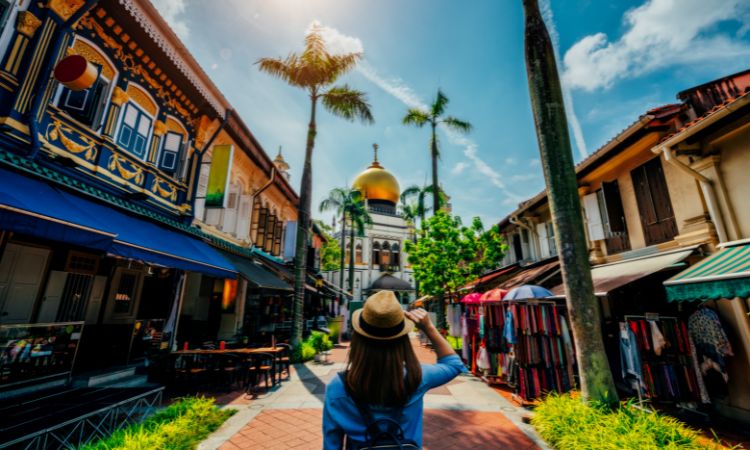
Bijela retains a genuine, uncommercialised coastal atmosphere. Unlike larger resort towns, it preserves traditional fishing-village charm. Early mornings see fishermen unloading fresh catches, transformed into seafood dishes at family-run konobas. The absence of mass tourism ensures tranquil beaches and promenades perfect for contemplative strolls, sunrise coffees, or sunset reflections. Rustic lanes and waterfront views provide immersive experiences of Montenegrin coastal life. Affordable pricing—meals and refreshments shown in British pounds—allows repeated indulgence in local fare without budget strain. This authenticity rewards travellers seeking cultural immersion over commercial spectacles .
Learn More
Situated on the Bay of Kotor’s fringe, Bijela offers easy access to UNESCO-listed towns like Kotor and Perast. Day trips by boat reveal fjord-like landscapes, medieval architecture, and hidden coves ideal for swimming or snorkelling. Road journeys connect to Herceg Novi’s historic sites and markets. Returning to Bijela’s calm shores after busy excursions strikes a harmonious balance between exploration and relaxation. The village’s quieter setting compared to central Bay destinations means you can experience iconic sites while retreating to peace at day’s end. This strategic location maximises sightseeing potential without sacrificing tranquillity.
Learn More
Bijela exemplifies Montenegro’s value-driven dining scene. Fresh seafood—grilled fish, octopus salad—and regional specialties like ćevapi are served in seaside taverns at modest costs. A pint of domestic beer costs about £2.15 (approx. €2.50), and meals at casual eateries typically range £6–£15 per person, offering multiple-course options or local wine tasting without overspending. Sampling local olive oils, cheeses, and homemade pastries enriches culinary experiences. The combination of freshness, simplicity, and affordability makes dining here a highlight for budget-conscious travellers seeking authentic flavours.
Learn More
Coastal paths and inland trails around Bijela cater to varied fitness levels. Gentle hikes through olive groves and woodlands reveal panoramic sea views, while coastal walks reward with pebble beach stops and swimming opportunities. Kayaking and paddleboarding along the shoreline uncover secluded bays, and birdwatching in nearby wetlands highlights migratory species. Cycling routes link to neighbouring villages and beaches. The natural setting fosters both active days and restful moments amid Mediterranean flora and Adriatic vistas, suiting travellers who appreciate light adventure in unspoiled surroundings.
Learn More
Shipbuilding defines Bijela’s heritage. Observing vessel construction in local shipyards offers insight into modern and traditional maritime crafts passed through generations. Small workshops produce wooden souvenirs reflecting seafaring culture, and interacting with artisans reveals community narratives tied to the Adriatic. Fishing remains central: joining fishermen at dawn or exploring local fish markets deepens understanding of daily life. Culinary ties to the sea further illustrate this bond. Such heritage engagements transform a visit into a cultural journey, connecting travellers to authentic local identity and history.
Learn More
Bijela offers seclusion without isolation. Tivat Airport (TIV) lies ~13 km away, with transfers taking about 30 minutes; Dubrovnik Airport (DBV) is ~39 km distant. Well-connected roads and local buses link to Herceg Novi and other Montenegrin destinations. After arrival, calm beaches and quaint streets await, free from tourist crowds. This harmony of accessibility and tranquility suits travellers desiring easy arrival/departure yet unhurried stays. Clear pricing in British pounds aids budgeting for transfers, accommodation, and activities, ensuring convenience and peace of mind throughout the journey.
Learn More
Lorem ipsum dolor, sit amet consectetur adipisicing elit. At illo adipisci iusto
From

Because more than 268 other customers have loved us too

Demonstrates commitment to user data security through encryption and secure payment practices
Learn More
Demonstrates commitment to user data security through encryption and secure payment practices
Learn More
Demonstrates commitment to user data security through encryption and secure payment practices
Learn More
Demonstrates commitment to user data security through encryption and secure payment practices
Learn More
Quality as judged by customers. Book at the ideal price!


/ person
/ person
/ person
Bijela’s coastline unfolds as a sequence of serene pebble beaches and tucked‑away coves, all framed by aromatic pine forests that slope gently toward the Adriatic. The main pebble beach, located just steps from village cafés, features calm, crystalline waters that are perfect for swimming and snorkelling. Underwater visibility often exceeds 10 meters, revealing darting wrasse, starfish nestled in crevices, and the occasional shy octopus.For adventurers, kayak and paddleboard rentals (from around £10–£15 for two hours) open up a private world of hidden alcoves accessible only by water. Set out at dawn when glass‑flat seas reflect pastel skies, and drift into secluded bays where you may have the shoreline to yourself. Families appreciate the gently sloping entry points and lifeguard‑patrolled zones on the western end, ensuring safe conditions for children.Mid‑morning, settle beneath a palapa umbrella at a beachfront café for a chilled glass of local white wine (£4–£6) or a fresh fruit salad (£5). Watch as fishermen bring in their morning catch—an ambiance that inspires both photographers and writers. Boat excursions depart daily from Bijela’s harbour, ranging from shared half‑day sails (£30–£40 pp) to private charters (from £60/hr). Typical routes include the narrow inlets of the Bay of Kotor, with anchor stops at hidden grottoes for cliff‑jumping or cliff‑side picnics.As afternoon light softens, explore the southern pebble coves on foot via a coastal path—a 20‑minute stroll yields panoramic views of mountain silhouettes mirrored in turquoise bays. Alternatively, join a guided stand‑up paddleboard yoga class for gentle exercise atop quiet water (£20 per session).For dining, seaside tavernas serve grilled calamari, mixed seafood platters, and seasonal salads—main courses typically £8–£12—with outdoor terraces perched above the waves. Sunset transforms the coast into a golden amphitheater: sip a cerveza (€2.50) as the sun dips behind pine‑clad hills, then linger for the afterglow, when lanterns flicker along the promenade.Whether you prefer active exploration—snorkelling, paddling, cliff‑hopping—or leisurely sunbathing and seaside dining, Bijela’s beaches and bays combine authenticity with Mediterranean charm, delivering an Adriatic retreat that rejuvenates body and soul.
Bijela’s heartbeat resonates with the thrum of hammers and hum of welding torches—signs of a centuries‑old shipbuilding tradition that still defines this Adriatic village. Stroll along the waterfront to observe expansive shipyards where modern hulls take shape beside vessels built using time‑honored wooden techniques. Carpenters plane teak decks by hand, welders trace seams under arc lights, and finishers coat metal frames with protective marine paint. Appointments for guided yard tours (often free or a small donation) offer an insider’s glimpse into each stage of construction, complete with anecdotes from master craftsmen whose families have worked these docks for generations.Nearby, intimate workshops handcraft wooden keepsakes—miniature boat models, sculpted figureheads, and maritime‑themed décor. Prices start around £10 for simple key‑chains and rise to £50–£70 for intricately detailed display pieces. Artisans welcome visitors to try basic techniques—dowel joinery, steam bending, and hand‑painting—transforming souvenir shopping into a hands‑on cultural exchange.Fishing remains woven into daily life. Early‑morning fishing trips aboard traditional pirogues (£20 per person) let you learn net‑preparation methods and bait‑selection strategies from veteran fishers. Back onshore, the fish market opens by 7 AM, displaying the morning’s haul—sea bream, gilt‑head bream, and octopus—alongside stalls selling grilled squid tacos for around £5. This is the cycle from sea to table in action.Every summer, the broader Herceg Novi region celebrates this maritime legacy through festivals: boat parades adorned with twinkling lights, regattas pitting local crews in historic vessels, and klapa singing evenings echoing against fortress walls. Align your visit with events like the Perast “Fašinada,” where couples cast flowers into the bay to bless the waters.For deeper context, day trips to the Maritime Museum in Herceg Novi (£3 entry) or the Naval Museum in Perast (£4) trace the evolution of shipbuilding under Venetian, Ottoman, and Austro‑Hungarian rule. Exhibits of navigational instruments, vintage photographs, and scale models bring history to life.Even casual moments—sipping espresso with shipwrights as they tune planes and chisels—reveal stories of ingenuity and perseverance. By immersing yourself in Bijela’s shipyards and workshops, you connect with a living tradition that underscores this village’s enduring bond with the Adriatic sea.
In Bijela, the kitchen extends to the sea, olive groves, and family farms—resulting in a cuisine that elevates simple, locally sourced ingredients into unforgettable meals. Seafood dominates menus: grilled sea bream or sea bass seasoned with Montenegrin olive oil, garlic, and sun‑dried lemon is the region’s signature. Octopus salad—tender tentacles tossed with red onion, parsley, and a light vinegar dressing—provides a refreshing starter.Konobas (traditional taverns) feature daily catch specials; request “ulovi dana” (catch of the day) to guarantee peak freshness. For the meat‑inclined, ćevapi (grilled minced meat rolls) and pljeskavica (spiced meat patties) are served with kajmak (clotted cream), fresh flatbread, and rustic salads—dishes that cost between £6–£12 per person.Mornings begin with a hearty spread: slices of burek (savory pastry filled with cheese or spinach), creamy yoghurt, locally grown figs or grapes, and strong Montenegrin coffee (£1–£2). Café culture thrives along the waterfront, where granite tables overlook olive‑dotted hills.Wine enthusiasts delight in local vintages—Vranac and Krstač—produced in vineyards mere miles away. Many bars offer tasting flights (£6 for three samples), paired with cheese platters featuring Njeguški sir and honey from nearby hives. For dessert, priganice (fried dough drizzled in honey) or fresh fruit sorbet capture the sweet simplicity of Mediterranean life.Hands‑on cooking classes in Herceg Novi (£35–£45 pp) begin with market tours: you’ll select cherry tomatoes, peppers, and olives before returning to a family kitchen. Under expert guidance, learn to marinate seafood, press dough for burek, and garnish plates with home‑grown herbs. Classes conclude with a communal meal washed down by local rakija (fruit brandy) or craft beer (£2 per pint).Evening social life centers around small bars where locals gather for chilled rakija or beer, exchanging stories as lanterns glow overhead. Transparent pricing in British pounds (meals £6–£15; drinks £2–£3) ensures budget‑minded travelers can indulge freely.Dining in Bijela is more than sustenance—it’s an unhurried celebration of land, sea, and community that nourishes both body and spirit.
Bijela’s harbour serves as your gateway to the magnificent Bay of Kotor—a UNESCO‑designated fjord whose emerald inlets and centuries‑old towns await exploration. Local operators run half‑day trips (£30–£40 per person) and full‑day charters (£60–£80 pp) aboard comfortable motorboats. Standard itineraries first hug the rugged coastline back toward Herceg Novi, where you’ll pause to admire ancient fortresses perched atop hills and stroll shaded promenades.Next, the boat glides south to Perast, a picture‑perfect waterfront village of ochre villas and baroque churches. A short skiff ride deposits you at the artificial islet of Our Lady of the Rocks: centuries of legend surround its shrine and museum (£2 entry). Nearby, tiny Sveti Đorđe (St. George) Island offers haunting monastery ruins visible from the deck.Swimming breaks punctuate the journey. Anchor in calm coves where snorkel gear (often included) reveals sponges, gobies, and octopus tucked among underwater rock walls. Onboard picnics—fresh bread, cheese, cured ham, and local fruit—ensure you refuel before a guided climb up switchback paths to panoramic viewpoints overlooking terracotta roofs and swirling blue channels.Private sunset charters (from £70/hr) let couples or families bask in golden hour without crowds. Complimentary sparkling wine and light canapés accompany the fading light, creating an intimate Adriatic ritual.For independent travelers, kayak rentals (£15–£20 per day) launch from Bijela’s pebble beach. Paddle along sea‑carved cliffs to discover grottoes accessible only by slender craft. Experienced guides offer half‑day sea‑cave tours (£35 pp) that combine paddling with local folklore.Shoulder‑season visitors (May or September) benefit from quieter waters, milder rates, and flexible bookings. All tour prices are quoted in British pounds for clarity: group excursions £30–£40, private charters £60–£80 per person for full‑day trips, kayak rentals £15–£20 per day.Whether tracing historic shorelines, snorkelling in emerald pools, or simply drifting beneath medieval ramparts, bay excursions from Bijela deliver a rich blend of nature, culture, and relaxation.
Just beyond Bijela’s shoreline, gentle foothills blanket the landscape in olive groves, wild herbs, and terraced vineyards. A network of well‑marked trails and informal paths beckons hikers of all levels. Early morning, set out along the olive‑lined “Heritage Trail”—a 5‑kilometer loop that ascends to a hilltop chapel. Cool air carries the scent of rosemary and thyme as you gain views over the Bay of Kotor. At sunrise, golden light illuminates both sea and slope, rewarding the climb.For a more immersive experience, rent a mountain bike (£10–£15 per day) and pedal along rural lanes to Herceg Novi or neighbouring villages. Stops at family farms offer tastings of cold‑pressed olive oil (£5 for 100 ml) and honey (£6 for 250 g), and hosts demonstrate traditional olive‑pressing or beekeeping methods.Birdwatchers should pause at wetland patches near the shore, where herons, egrets, and migratory ducks feed on shallow flats. Binoculars can be rented locally for around £5 per day. Photography enthusiasts will appreciate rustic scenes—stone cottages draped in vines, shepherds guiding their flocks, and mountain backdrops dusted in wildflowers during spring.Seasonal festivals in nearby hamlets celebrate harvests and saints’ days: grape‑stomping events in early autumn, olive‑picking harvest lunches in December, and patron‑saint processions complete with brass bands. Consult local calendars to coincide visits with these communal feasts.Guided tours (£25 per person) led by local naturalists delve into medicinal plants—nettles, chamomile, and saffron crocus—and their uses in traditional remedies. These walks often end at natural springs where you can refill water bottles with pristine mountain water.For solitude seekers, self‑guided hikes along backroads reveal hidden chapels, abandoned stone mills, and panoramic vantage points overlooking both coast and highlands. Purchase a local trail map (£2) to navigate safely.Combining active exploration, cultural immersion, and scenic beauty, Bijela’s inland adventures offer an enriching complement to its coastal charms—refreshing body and mind in Montenegro’s verdant hinterland.
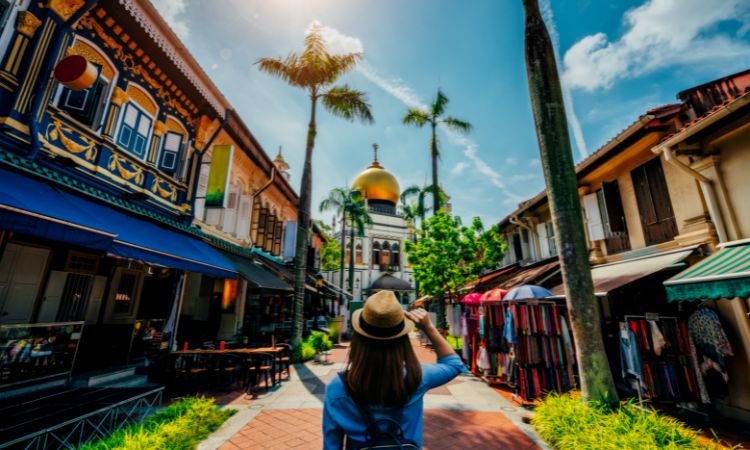
Though Bijela itself remains a quiet village, the wider Herceg Novi region pulses with cultural vibrancy, layered history, and warm hospitality. In summer months, Herceg Novi’s Summer Festival transforms fortress courtyards into open‑air stages hosting classical concerts, jazz ensembles, and regional folk dancers (tickets £5–£15). Art exhibitions pop up in renovated Ottoman‑era hammams, showcasing Montenegrin painters and sculptors whose works explore coastal life and mountain lore.Religious heritage is visible in small chapels scattered around Bijela—simple stone buildings dedicated to local patron saints—and in larger Baroque churches in neighbouring towns. Visitors are welcome, though modest dress (shoulders and knees covered) is requested. At Christmas and Easter, midnight services and processions illuminate cobbled streets with flickering candles.Architectural enthusiasts will note Austro‑Hungarian façades lining Herceg Novi’s promenades and Kotor’s alleyways, reflecting centuries of Venetian, Ottoman, and Habsburg rule. Guided walking tours (£10 pp) trace these influences, stopping at Kotor’s UNESCO‑listed Old Town gates, Byzantine‑rooted cathedrals, and Venetian loggias.Handicraft markets in Herceg Novi’s main square feature artisanal textiles embroidered with regional motifs, jars of chestnut honey, and small‑batch olive oils. Prices—displayed in British pounds for visitor ease—range from £5 for linen handkerchiefs to £20 for silk scarves.For personal connections, consider a homestay in a family‑run guesthouse (£30–£40 per night). Hosts often invite guests to communal dinners, sharing home‑cooked specialties and stories of generational ties to the sea and soil. Language lessons (£15 per hour) or cooking workshops (£25 pp) further bridge cultural gaps: learn to pronounce local greetings—“dobro jutro” (good morning), “hvala” (thank you)—or roll burek dough under a grandmother’s guidance.Seasonal events—seafood feasts in Risan, grape harvest celebrations in Njeguši, and shepherd gatherings on Lovćen’s slopes—offer authentic glimpses into Montenegrin identity. Entry fees and workshop charges remain modest (£5–£20), making cultural immersion accessible and budget‑friendly.By engaging with festivals, heritage sites, and local families, visitors transform a simple trip into a tapestry of meaningful exchanges—discovering Montenegro’s soul through its people, traditions, and storied landscapes..
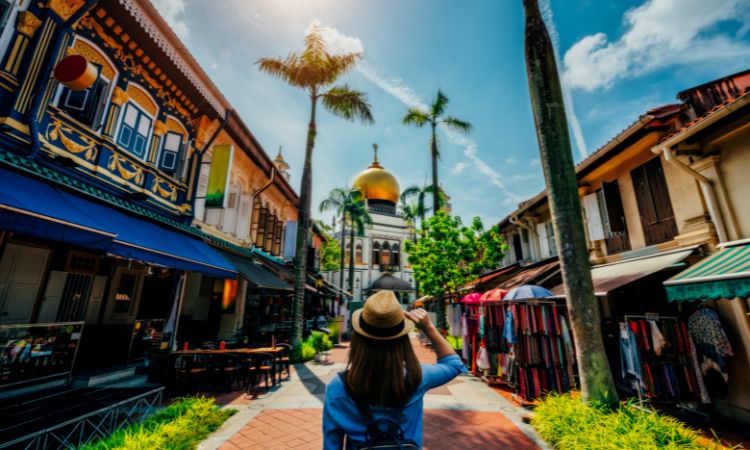
Against the backdrop of pine‑clad hills and Adriatic waves, Bijela offers an idyllic setting for rest, renewal, and mindful retreat. Begin each day with a sunrise yoga session on the pebble beach or a wooden platform above the water (£10 per class). Guided by local instructors, you’ll flow through gentle asanas as seabirds wheel overhead and the horizon blushes with dawn light.Boutique guesthouses and small hotels provide in‑room massage services using locally produced olive oil and herbal infusions (£25 for 60 minutes). Treatments often incorporate rosemary, lavender, and sage grown in nearby hills, harmonizing bodywork with the region’s natural scents.For thermal spa experiences, a short drive (10 km) brings you to wellness centres in Herceg Novi offering sauna circuits, mineral pools, and Nordic‑inspired cold plunges—day passes from £15 include towel service and herbal tea.Mindful eating complements physical therapies: breakfast platters of Greek yoghurt topped with honey and walnuts, fresh fruit smoothies, and herbal infusions set the tone for healthy days. Lunch at a seaside taverna might feature grilled fish with quinoa salad and a glass of local rosé (£12 total).Digital detox comes easily in Bijela’s tranquil atmosphere—minimal nightlife and few distractions encourage unplugging. Swap screen time for journaling by the water’s edge, mindful breathing exercises beneath pine canopies, or meditative swims in saltwater that buoy and soothe.Light activities—hiking olive groves at dawn, paddleboarding along quiet coves—blend gentle exercise with nature immersion. Evening rituals might include sound‑healing sessions using singing bowls in garden courtyards (£20 pp) or guided stargazing walks showing constellations in the clear Adriatic sky.Wellness packages (from £50 per day) can combine yoga, massage, healthy dining, and spa access for a fully curated retreat. For budget‑minded travelers, pay‑as‑you‑go options—single yoga classes, massage treatments, and spa day passes—allow tailored self‑care journeys that leave body and mind refreshed.
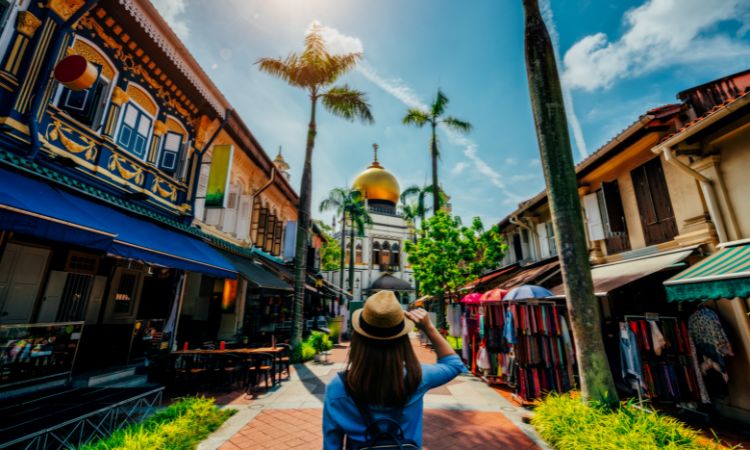
Bijela serves as a springboard to Montenegro’s most captivating day‑trip destinations, each a contrasting jewel within easy reach. A 20‑minute drive takes you to Herceg Novi, where medieval fortresses (Kanli Kula, Forte Mare) crown limestone promontories. Wander its shaded promenades, sample seafood at harbour‑front cafés (£8–£12), and browse open‑air art markets.Continue south to Kotor (30 km), a UNESCO‑listed Old Town encircled by imposing walls. Guided walking tours (£10–£12) lead through winding alleys to St. Tryphon Cathedral and hidden squares trimmed with cafés. For panoramic views, tackle the 1,350 steps to the Castle of San Giovanni—entry £2 yields unforgettable vistas of emerald fjords.A short boat ride (shared or private, £15–£40) brings you to Perast, whose elegant Baroque palaces reflect in placid waters. Visit Our Lady of the Rocks and its tiny museum (£2), then sample local priganice at a waterfront stall.Experience coastal glamour in Budva (60 km south), where sandy beaches, buzzing nightlife, and medieval walls coexist. A full‑day car rental or private transfer (£50–£70) lets you divide time between Riviera sands and Old Town lanes.Inland, Lovćen National Park entices with winding roads to the colossal Njegoš Mausoleum (entry £6 includes a scenic train ride). At 1,657 m, sweeping panoramas stretch from the Adriatic to Montenegro’s highlands.Skadar Lake National Park (40 km northeast) invites birdwatchers and nature lovers on guided boat tours (£20) through freshwater wetlands. Look for pelicans, herons, and rare orchids along drifting reed beds.Wine enthusiasts can book vineyard tours (£30–£40) near Cetinje, sampling Vranac and Krstač varietals in rustic wine cellars.Each excursion—whether by rented car, guided coach, or water taxi—offers clearly quoted costs in British pounds: transportation (£10–£70), entry fees (£2–£6), and guided‑tour rates (£10–£40). By balancing tranquil days in Bijela with these diverse adventures, travellers gain a panoramic portrait of Montenegro’s rich landscapes, history, and culture—all within a comfortable day’s reach.
No ads. No trails. No commitments


Alice Roses
London, England
51 ST MATTHIAS ROAD
NOTTINGHAM, NOTTINGHAMSHIRE
NG3 2HF
Hours: 8:00 - 17:00, Mon - Sat
support@johnsonholidays.com