 Waikkal Travel
Guide
Waikkal Travel
Guide
Paris is known around the world as the “capital of love,” and even if you don't understand the history of Paris at all

10.5 Hours
£2.00
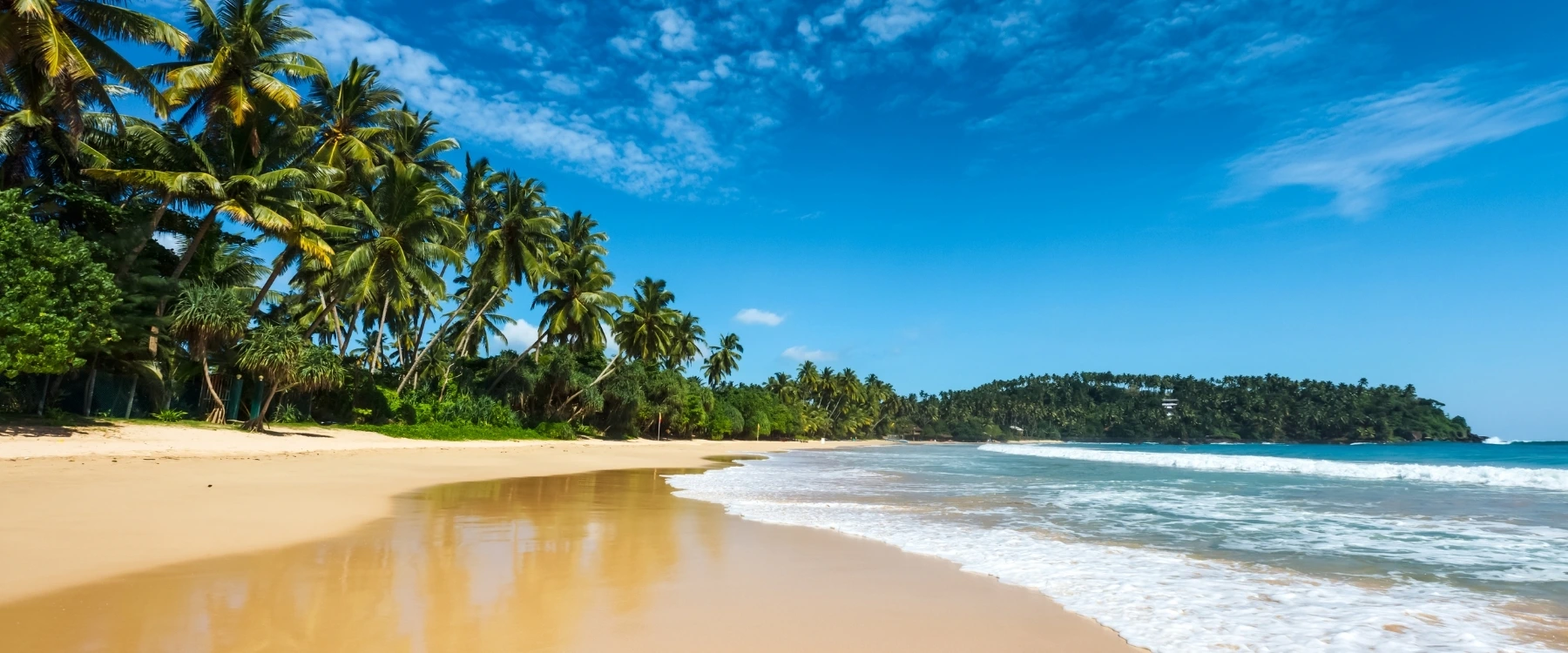
Waikkal boasts an unspoiled shoreline where soft golden sands meet calm, clear waters. Unlike busier resort towns, its beaches remain relatively uncrowded, offering an intimate setting for sunbathing, swimming, and romantic walks at sunrise or sunset. The gentle surf makes it ideal for families and novice surfers alike. Guests can lounge in beachfront cabanas, listen to the rhythmic ocean breeze, and experience true coastal tranquility. This serene ambiance fosters relaxation and rejuvenation, far from the hustle of larger tourist hubs.
Learn More
Just inland from the coast, Waikkal’s lagoon and mangrove ecosystems invite exploration. Guided boat rides reveal diverse birdlife—herons, kingfishers, and migratory species frequent the waterways. Kayak or traditional canoe trips through narrow channels present glimpses of rural life: fishermen casting nets, coconut groves rustling in the breeze, and village scenes along the banks. The lagoon’s calm waters suit all ages and fitness levels, making it a memorable eco-adventure. These nature encounters enrich the holiday, blending relaxation with discovery.
Learn More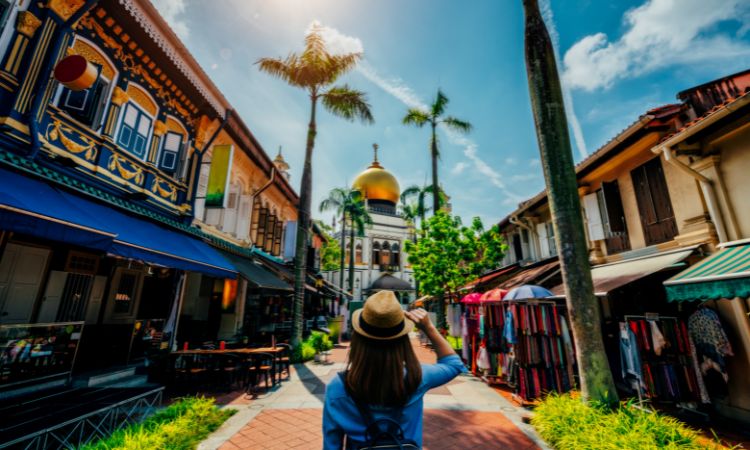
Waikkal’s hinterland hosts traditional tile-making and ironwork industries, reflecting local craftsmanship. Visitors may tour small workshops to observe artisans at work, learn about techniques passed through generations, and purchase unique souvenirs. Ethnic and religious festivals in nearby villages offer insights into Sri Lankan customs and community life. Culinary experiences further cultural immersion: cooking classes teach preparation of Sri Lankan rice-and-curry dishes, hoppers, and sambols using local ingredients. These authentic interactions foster meaningful connections with the region’s heritage.
Learn More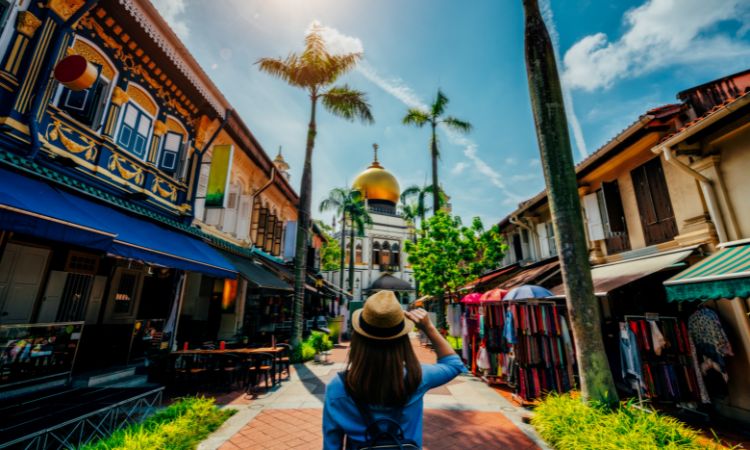
Numerous resorts in Waikkal specialize in Ayurvedic therapies, yoga retreats, and holistic wellness programs. Guests can indulge in herbal massages, body scrubs with indigenous ingredients, and detox diets tailored by local practitioners. Sunrise yoga overlooking the ocean or meditation sessions by the lagoon cultivate balance and calm. The tranquil environment supports mental and physical well-being, making Waikkal an ideal destination for those seeking relaxation, stress relief, and holistic health benefits rooted in Sri Lankan traditions.
Learn More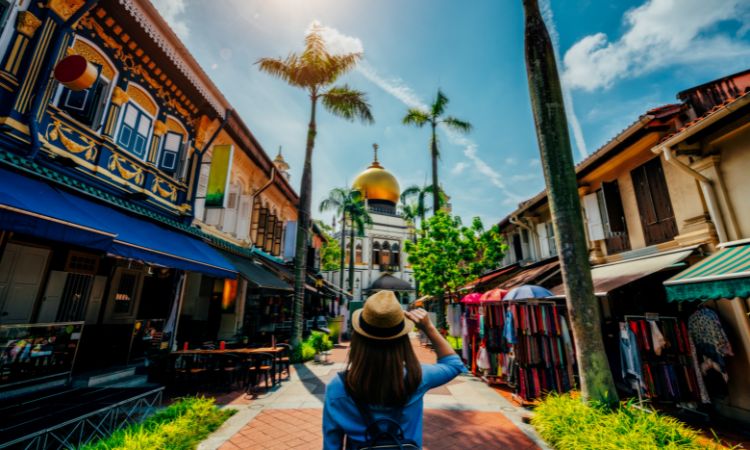
Waikkal serves as a gateway to nearby wildlife reserves such as Wilpattu National Park. Early-morning safaris may reveal elephants, leopards, sloth bears, and abundant birdlife. Coastal turtle nesting sites can be observed (seasonal), with guided night visits to witness hatchlings making their way to the sea. Mangrove conservation efforts allow travelers to learn about local ecosystems and participate in eco-friendly activities. These immersive nature experiences add adventure to a beach-centered vacation.
Learn More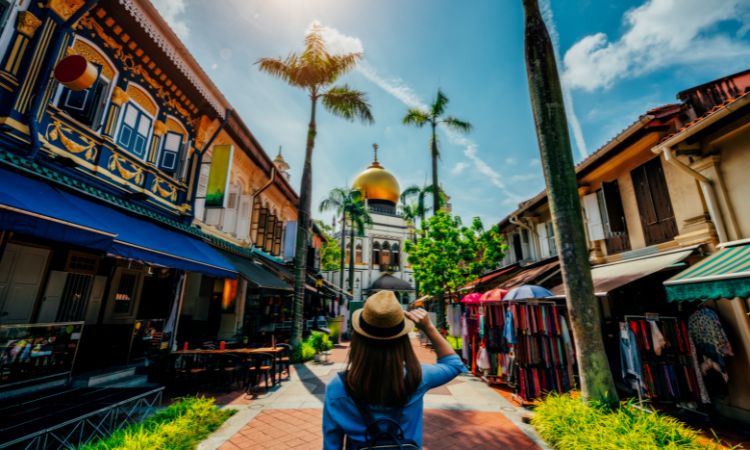
Although just under an hour from Colombo and 20 km from the main international airport (CMB), Waikkal retains a secluded charm. A short drive or scenic train ride brings travelers to its peaceful shores, avoiding bustling city traffic once on-site. This convenient accessibility paired with a low-key atmosphere makes Waikkal perfect for both short getaways and extended stays. Guests enjoy necessary amenities without sacrificing the sense of discovery found in lesser-known destinations.
Learn More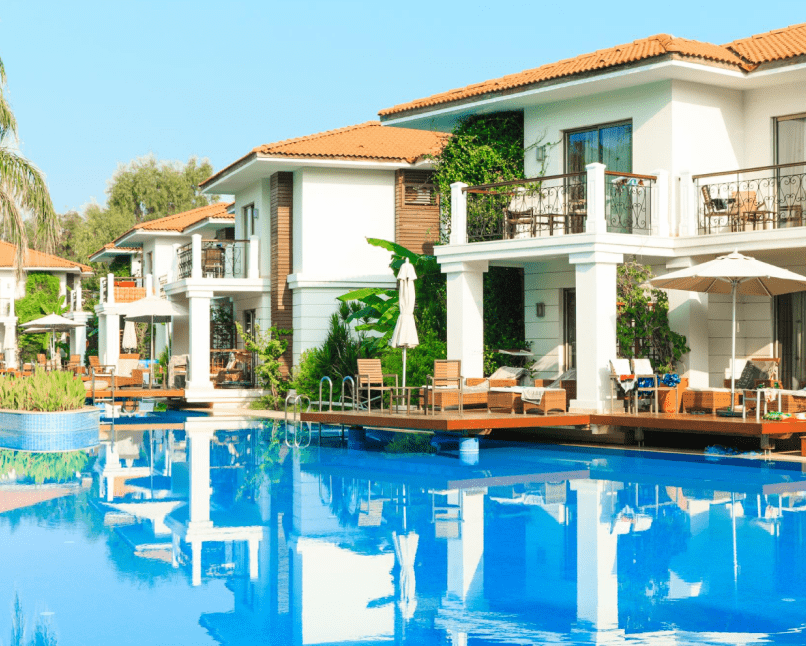
Lorem ipsum dolor, sit amet consectetur adipisicing elit. At illo adipisci iusto
From

Because more than 268 other customers have loved us too

Demonstrates commitment to user data security through encryption and secure payment practices
Learn More
Demonstrates commitment to user data security through encryption and secure payment practices
Learn More
Demonstrates commitment to user data security through encryption and secure payment practices
Learn More
Demonstrates commitment to user data security through encryption and secure payment practices
Learn More
Quality as judged by customers. Book at the ideal price!


/ person
/ person
/ person
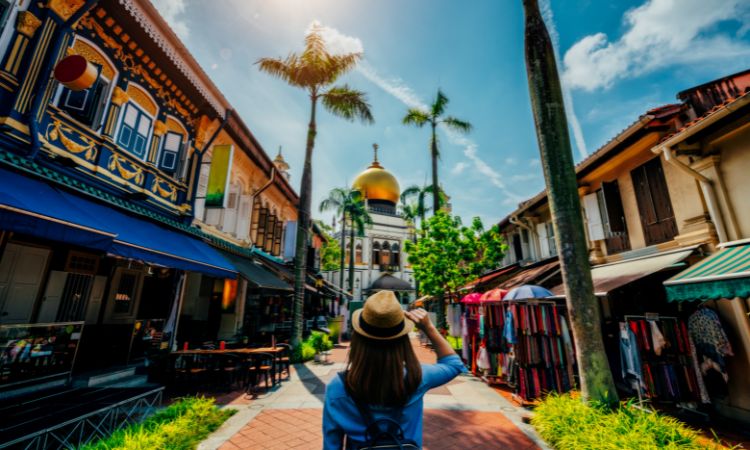
Waikkal Beach stretches over several kilometers of golden sand, its gentle slopes and mellow surf making it a perfect destination for beach lovers of all stripes. As dawn breaks, early risers can watch pastel pinks and oranges unfurl across the eastern horizon. A stroll along the wet sand unveils delicate seashells and small crabs scuttling back to hidden burrows. Beachfront cafés open by 6:30 AM, serving chilled fresh coconut water, ginger–lime kombucha, and light Sri Lankan snacks like sweet wadi (deep-fried balls of lentil dough).For those seeking activity, local surf schools welcome novices to try their hand at beginner‑friendly waves. Certified instructors provide boards and wetsuits (if desired), guiding students through paddle techniques and safety lessons. By mid‑morning, families gather near sheltered estuaries—where the lagoon backflows create shallow, protected pools—perfect for toddlers to splash and build sandcastles. Kite‑flying enthusiasts often arrive with colorful diamond kites that swoop and dive in the sea breeze, delighting onlookers.From 11 AM to 2 PM, the sun climbs high and the beach buzzes. Vendors weave between sunbeds, offering spicy fish cutlets, fresh pineapple slices drizzled in honey, and cups of king coconut juice. Umbrella and chair rentals allow for lazy lounging—read beneath wide‑brimmed sunshades or nap to the rhythm of rolling surf. Those craving a bit of exploration can join guided stand‑up paddleboarding tours, gliding along the shoreline while spotting colorful reef fish in translucent shallows.As the afternoon light softens, beachside massage pavilions open their palapa‑roofed treatment areas. Skilled therapists perform Ayurvedic herbal scrubs followed by coconut‑oil massages, their rhythmic strokes accompanied by the gentle hiss of the waves. Nearby, yoga mats are laid out for sunset beach yoga, where instructors lead gentle flows that end in deep Savasana as the sky bursts into fiery reds and purples.When dusk falls, fairy‑lit wooden benches and lantern‑hung tables appear along the sand. Seafood grills sizzle with fresh prawns, crabs, and snapper—marinated in turmeric, chilies, and curry leaves—served with fragrant coconut rice. Vegetarian curries of jackfruit and banana blossoms tempt plant‑based palates. Live acoustic Guitars or soft classical sitar set the mood, and the occasional drum circle invites spontaneous dancing.Responsible visitors observe turtle‑nesting signage and avoid lights near nesting season (November–February), ensuring hatchlings make their way to the sea. Keep the beach clean by using designated bins and supporting eco‑friendly vendors. Whether you seek adventure, relaxation, or simply a stunning coastal vista, Exploring Waikkal Beach delivers a full‑day itinerary of sun, sea, and Sri Lankan hospitality.
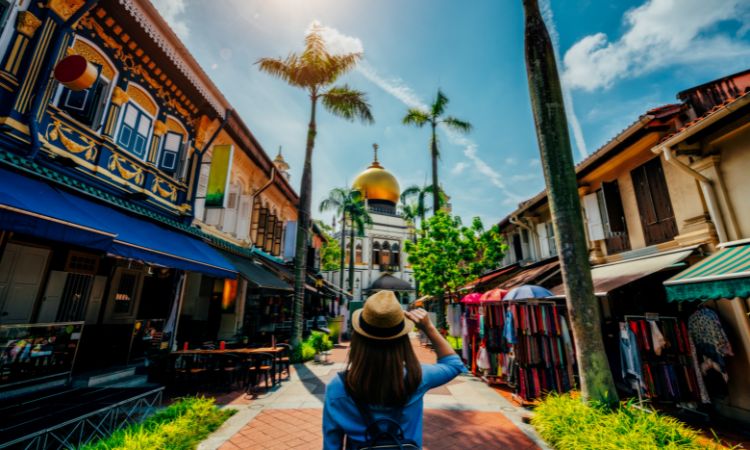
Just inland from the beach lies Waikkal’s intricate lagoon and mangrove network, a biodiverse ecosystem where waterway adventures await. Before sunrise, seasoned guides meet you at rustic wooden jetties. Stepping into snug traditional oru boats, you drift silently into winding channels fringed by dense mangrove roots. At first light, shafts of golden sun pierce the foliage, illuminating sleepy kingfishers perched on branches. These electric‑blue birds stand statue‑still before plunging for small fish, an effortless ballet of nature.Along the canals, grey herons and white egrets stalk shallow pools, their long legs and sharp bills adapted for patient fishing. Occasional monitor lizards—some over a meter in length—lounge on sunlit banks, their forked tongues sampling the air. Guides explain the vital ecological roles of Rhizophora and Avicennia mangroves: stabilizing shorelines, sequestering carbon, and providing nurseries for juvenile reef fish.For a hands‑on twist, opt for a kayaking expedition. Paddling your way, you thread through narrower side‑arms inaccessible to larger boats. Each gentle stroke reveals hidden alcoves with clear water where schools of silver mullet shimmer beneath you. Guides pause at designated “observation platforms”—simple raised boardwalks built on stilts—where you disembark to inspect mollusk‑encrusted roots and delicate marine sponges.As midday heat climbs, some eco‑tours include a mangrove planting initiative. Armed with young seedlings and trowels, participants plant baby mangroves in areas affected by erosion. These hands‑on conservation efforts not only restore vital habitats but also foster a deeper appreciation for long‑term environmental stewardship.By late afternoon, sunset lagoon cruises transform the experience. The low sun turns the water into molten gold, and silhouettes of palms line the horizon. Photographers capture panoramic vistas from elevated boat decks, using longer lenses to isolate herons in flight or reflections of arching branches. Soft jazz or ambient flute music on deck can elevate the ambience, though many still prefer the orchestra of birdsong and gentle lapping water.Families find mangrove adventures safe and fascinating: shallow inlets allow children to observe fiddler crabs and small mudskippers. Guides narrate age‑appropriate stories of village life—how fishermen harvest crabs, collect honey from wild hives, and navigate the channels for centuries.No matter which excursion you choose, environmental ethics remain central: maintain respectful distances, avoid disturbing nesting sites, and use only biodegradable repellents. Supporting operators who commit a portion of fees to local conservation ensures your trip leaves a positive impact. Lagoon & Mangrove Adventures in Waikkal deliver an unforgettable fusion of wildlife spectacle, local culture, and active exploration—truly an eco‑adventure gem.
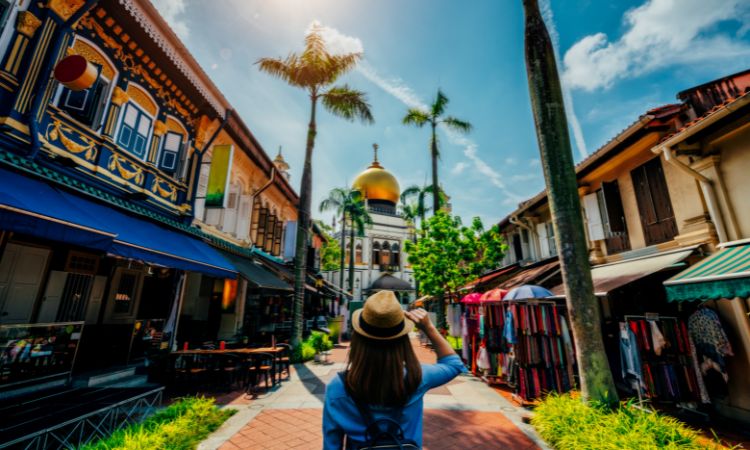
Waikkal’s cultural backbone extends beyond its shorelines into the traditional crafts and local industries that sustain rural livelihoods. Among these, tile‑making and iron forging stand out as artisanal legacies handed down through generations.Begin at a family‑run tile workshop on the lagoon’s edge. Under a shaded open‑shed, artisans mix local red clay—rich in iron oxide—with sand in precise proportions. A master craftsman demonstrates how to press the clay into wooden molds, producing uniform roof tiles. Each tile bears slight fingerprint impressions, marking it as handcrafted. These raw pieces are left to sun‑dry for 2–3 days before stacking them in conical heaps within wood‑fired kilns reaching over 900 °C. Black smoke curls from chimney vents as you learn how artisans monitor temperature and rotation schedules, ensuring tiles emerge durable and water‑resistant.Nearby, an ironwork forge crackles with orange heat. Beneath a thatch canopy, a blacksmith hammers glowing metal on an anvil, shaping traditional agricultural tools—paddy‑field sickles, hoe blades, and rice flails. Sparks fly as aged hammers shape raw iron bars into sturdy implements. Guides explain how iron ingots were historically traded via the lagoon and Hamilton Canal, linking Waikkal’s workshops to Colombo’s markets. Safety protocols—woolen gloves, eye protection—are explained, and small fences keep visitors at a respectful distance.To fully appreciate the craft, join a hands‑on segment: under careful supervision, press your own mini‑tile or use a scaled forging hammer to stamp decorative patterns into thin iron sheets. These homemade mementos, once fired or cooled, can be taken home as authentic souvenirs.Between demonstrations, sample a home‑cooked lunch at the workshop’s communal hut. Hosts serve fragrant rice with ala miris (spicy potato curry), tempered dhal, and gotu kola sambol (herb salad), paired with fresh coconut water. Conversation flows—artisans share stories of apprenticeships, the workshop’s role in village life, and efforts to modernize traditional methods for market demands.Purchasing directly from these workshops ensures fair compensation for skilled labor. Tiles may adorn your home, iron tools connect you to centuries of agrarian history, and handcrafted keepsakes support community resilience.Traditional Crafts and Local Industries in Waikkal invites you behind the scenes of rural Sri Lanka’s artisanal heartbeat—combining education, cultural exchange, and meaningful commerce to preserve these living traditions.
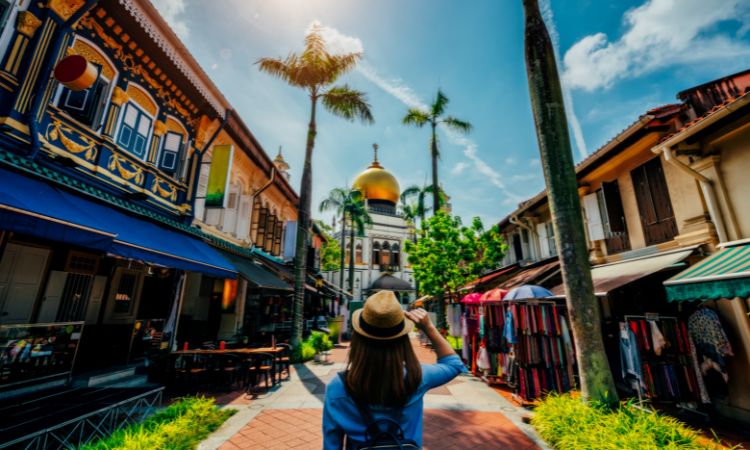
Nestled between lagoon and paddy fields, the villages surrounding Waikkal reveal the rhythms of everyday Sri Lankan rural life and the vibrancy of seasonal festivals.A typical dawn tour begins at first light, accompanying local fishermen as they navigate shallow channels in outrigger canoes. With simple woven net traps, they cast lines for mullet and tilapia, sharing age‑old techniques for tide‑timed fishing. Next, follow farmers to verdant rice paddies, where the reflective fields mirror pink dawn skies. During planting season (August–September), families work together—men plow with water buffalo, women plant seedlings knee‑deep in mud—illustrating communal labor.After a light breakfast of idiyappam (string hoppers) with coconut sambol at a villager’s home, the real highlight emerges: festival season. If your visit coincides with Poson Poya (June), neighbors gather in the village temple courtyard to drape multi‑colored lantern strings and lotus garlands. A monk-led procession carries the Bodhi sapling—descended from the original Sri Maha Bodhi tree—while devotees chant Pali verses. The air buzzes with temple bells and the soft rustle of silk sarongs.Throughout the year, smaller temple events—Vesak (May), Esala Perahera (July–August)—feature ornate drumming troupes, Kandyan dancing, and alms‑giving rituals. Even if you’re not Buddhist, respectful observation (covering shoulders and knees, removing shoes) offers a poignant glimpse of faith in action. Vendors sell sweet kokis and kevum (oil cakes) from stall‑fronts, inviting tastes of festival specialties.Between celebrations, village life unfolds at a gentle pace. Wander down earthen lanes flanked by coconut palms, greeting friendly children on their way to school. Sip tea with families on shaded verandas, swapping stories of daily routines—from toddy tapping to coir rope weaving. Learn how the agricultural calendar dictates communal events like harvest blessing ceremonies, where freshly threshed rice is offered to Shiva statues in small roadside shrines.Electricity in these villages is spotty; life revolves around natural light. Dinners feature communal clay‑oven breads and vegetable curries made from garden produce—eggplant, chilis, drumstick leaves. Conversation turns to hopes for rainy seasons and youth aspirations beyond the lagoon.Village Life & Festivals offers an immersive tapestry: join in planting seedlings at dawn, share humble meals under mango trees, and marvel at centuries‑old rituals that anchor community identity. By engaging mindfully—using local guides, following photography etiquette, and purchasing handcrafted offerings—you help sustain these vibrant rural traditions for generations to come.
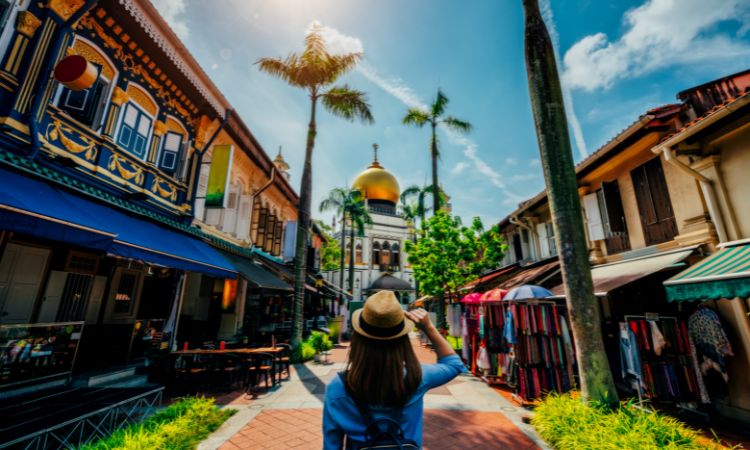
A day trip to Wilpattu National Park, Sri Lanka’s largest protected area, delivers a frontline wildlife spectacle just a couple of hours from Waikkal. Depart before dawn in a sturdy 4×4 safari jeep with an experienced naturalist guide. As first light breaks across the horizon, you enter a mosaic of dry‑zone forests, sand‑dune grasslands, and shimmering villus (seasonal lakes).Your guide explains the park’s unique ecology: corridors of tall lagoons attract elephants, sambar deer, and the occasional sloth bear at dawn. Keep binoculars ready—the early morning reveals painted storks feeding in shallow waters, while purple‑necked jacanas tiptoe across lily pads. Watch for peacocks fanning brilliant teal and navy tailfeathers by the roadside.Mid‑morning, follow elephant tracks—wide, rounded indentations in sandy tracks—toward waterholes where herds may gather to drink and bathe. Cameras click as matriarchs lead calves through knee‑high grass. The naturalist deciphers dung piles to estimate group size and diet, deepening your wildlife literacy.A midday picnic under a massive baobab tree offers a chance to stretch legs. Enjoy boxed lunches of chicken curry, dhal, fresh roti, and mango slices. Amid fittingly wild surroundings, the meal tastes all the more satisfying.After lunch, delve deeper into the park’s interior. Wilpattu’s reputation for leopards draws hopeful eyes—though sightings are rare, patient observation pays off. Your guide scans shaded tree bases and rocky outcrops where these elusive cats sometimes rest. A sudden roar may signal a leopard’s claim to territory. If you’re fortunate, you’ll catch a fleeting glimpse of a tawny coat in dappled light.Birdwatchers relish late‑afternoon sightings of raptors—crested hawk‑eagles and black‑necked storks—soaring above the mixed canopy. On humid days, butterflies the size of hands flit among wildflowers, and lizards dart across sun‑baked stones.As the sun dips low, your jeep retraces a scenic loop, passing rustic villages where buffalo graze in coconut plantations. The journey back to Waikkal includes a quiet sunset over paddy fields, a meditative end to a day of wildlife immersion.Responsible safari practices—maintaining safe distances, avoiding loud noises, and adhering to park speed limits—ensure minimal disturbance. Park fees and guide tips directly contribute to ongoing conservation. Whether you spot the “king of the jungle” or simply absorb the rhythmic pulse of the wilderness, a Wilpattu Safari Day Trip from Waikkal offers adrenaline, discovery, and profound respect for Sri Lanka’s natural heritage.
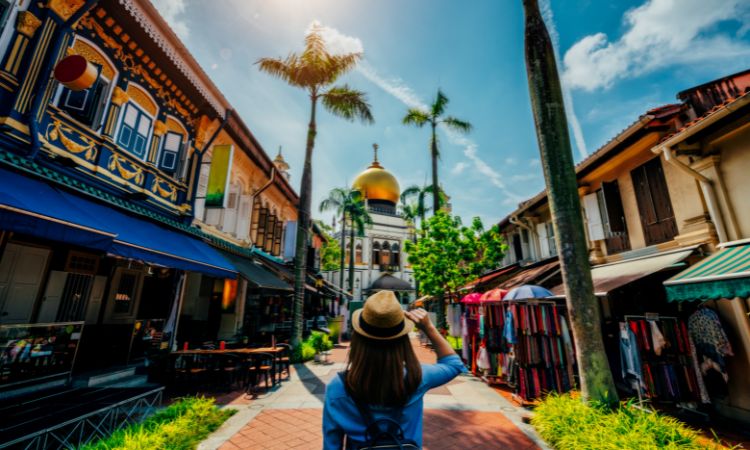
Along the coastline near Waikkal, sea turtles come ashore to nest under cover of darkness during nesting seasons—primarily November to February for green and olive ridley turtles, and March to July for leatherbacks. Ethical, guided experiences let you witness these ancient rituals while supporting vital conservation efforts.Begin your night excursion after sunset, meeting at a designated conservation center led by trained volunteers. You’ll don a red‑filtered headlamp—red light doesn’t disorient turtles—and gather quietly on the sand. Guides explain nesting biology: females emerge every 2–3 years, excavating egg chambers with powerful flippers. When a turtle surfaces, your group watches respectfully at a distance, avoiding flash photography and sudden movements.As the mother turtle fills her nest—depositing up to 100 ping‑pong‑ball‑sized eggs—volunteers measure the carapace width and record nest coordinates for monitoring. Once she has covered the nest with sand and returned to the sea, you’ll leave her in peace and note observational data vital for research.Hatchling releases occur about 6–8 weeks later, timed with new moons to minimize light interference. Arriving at first light, you descend to the beach and locate protected nest sites. Under watchful eyes, baby turtles emerge naturally or are gently dug out once they break through the shell. Each hatchling is counted and their health assessed before being placed on the sand near the water’s edge. At the signal, you guide these tiny mariners toward the surf—barefoot, young and old marvel as they scurry unerringly to their ocean home.Between nesting and release events, the conservation center offers educational briefings: presentations on threats like plastic pollution, coastal development, and poaching. You can volunteer to assist with nest protection—erecting predator‑proof cages or clearing debris from nesting zones.For a broader marine view, optional dawn boat rides transport you offshore to look for spinner dolphins, small reef sharks, and jumping fish schools. Guides explain marine food webs—from plankton blooms feeding juvenile turtles to sea grasses sustaining adult green turtles.Ethical participation remains paramount: follow strict guidelines, maintain quiet respect, and choose reputable organizations that reinvest fees into community education and beach patrols. The Turtle Nesting & Hatchling Release experience not only fosters lifelong memories but also empowers you to be part of meaningful conservation—ensuring these gentle giants continue their ancient migrations along Sri Lanka’s shores..
Waikkal’s tranquil coastal setting provides an ideal backdrop for Ayurvedic spa retreats, blending centuries‑old healing traditions with modern comforts. Most resorts feature dedicated Ayurveda centers staffed by certified practitioners trained in Kerala or at Sri Lanka’s leading institutes.Your journey begins with a comprehensive consultation—an Ayurvedic doctor (Vaidya) assesses your dosha (mind–body constitution) via pulse diagnosis and a detailed health questionnaire. They then prescribe a personalized treatment plan and tailored diet, targeting balance and holistic rejuvenation.Daily programs often include:Abhyanga (Full‑Body Oil Massage):Follows ancient stroke sequences to stimulate lymphatic flow, boost circulation, and nourish tissues. Warm herbal oils—infused with neem, turmeric, or sesame—are gently pounded into skin and muscle.Shirodhara (Forehead Oil Stream):A continuous stream of medicated oil is poured onto the forehead’s “third eye” region, calming the nervous system and aiding mental clarity. Rhythmic oils mixed with sandalwood or Brahmi promote deep relaxation.Pizhichil (Oil Bath):Warm medicated oil is rhythmically poured over the entire body in a 15‑minute group of slow, deliberate strokes, ideal for relieving muscle tension and joint stiffness.Navarakizhi (Herbal Rice Pouches):Heated rice cooked in herbal decoctions is wrapped in muslin and massaged over muscles, combining gentle heat and herbal aromas to reduce inflammation.Complementary activities enhance the experience:Sunrise Yoga: Gentle Hatha or Vinyasa flows on the beach or in lagoon‑edge pavilions, aligning the breath with ocean breezes.Pranayama Workshops: Guided breathwork sessions deepen oxygenation and support detoxification.Meditation Circles: Silent morning or sunset meditations introduce mindfulness techniques for stress reduction.Meals follow an Ayurvedic diet—easily digestible, warming foods like kitchari (mung beans and rice porridge), steamed seasonal vegetables, herbal teas (ginger‑lemon, tulsi), and fresh fruit. Portion sizes and spice levels cater to digestive fire (agni). Chefs explain the therapeutic properties of ingredients, empowering you to replicate healing recipes at home.Programs range from one‑day spa packages—ideal for travelers seeking immediate relaxation—to week‑long retreats focusing on Panchakarma detoxification. Longer stays allow for deeper rejuvenation, improved sleep patterns, and clearer mental focus.Luxury resorts complement treatment suites with panoramic ocean views, private plunge pools, and gazebos set within coconut groves. Every detail—from the sound of distant waves to the scent of frangipani in the air—reinforces the retreat’s holistic ethos.By merging ancient Ayurvedic wisdom with Waikkal’s serene environment, an Ayurvedic Spa Retreat promises profound stress relief, renewed vitality, and a roadmap to lifelong wellness that extends well beyond your coastal getaway.
For those seeking mental clarity and bodily harmony, Yoga & Mindfulness by the Sea in Waikkal offers a restorative journey set against the soothing cadence of the Indian Ocean.Morning Beach Sessions: At first light, practitioners gather on soft sands as the horizon glows. A certified instructor leads a gentle Hatha yoga class—sun salutations (Surya Namaskar) to warm muscles, followed by standing postures (Virabhadrasana, Trikonasana) that open shoulders and hips. The gentle lapping waves underscore guided Ujjayi breathing, fostering calm focus. Class concludes with Savasana under coconut palms, a meditative pause synchronized with each ocean swell.Flow & Vinyasa Workshops: Midday or afternoon sessions shift to Vinyasa flow, connecting breath and movement in seamless transitions. Practitioners move through Chaturanga and Upward Dog sequences on teakwood decks overlooking the lagoon. Soft percussion or ambient world‑fusion music supports a deeper internal rhythm.Mindfulness & Meditation: On silent mornings, mindfulness workshops teach present‑moment awareness. Instructors guide subtle body scans—acknowledging sensations from fingertips to toes—and loving‑kindness (Metta) meditations that cultivate compassion for self and others. Sessions take place in elevated pavilions set among mangrove stands, where only birdcalls and wind‑rustled leaves accompany introspection.Sound Healing & Breathwork: Evenings bring sound‑bath meditations. Himalayan singing bowls, gongs, and crystal bowls produce resonant overtones while participants recline on mats dotted with soft blankets. The waves beyond the pavilion merge with harmonic frequencies, inducing deep relaxation. Breathwork (Pranayama) clinics teach Nadi Shodhana (alternate nostril breathing) and Kapalabhati (skull‑shining breath) to clear mental fog and energize the mind.Specialized Retreats: Multi‑day retreats blend these practices with group workshops on yoga philosophy—exploring the Yoga Sutras and Ayurveda’s Tri‑dosha concept. Lectures on mindful eating highlight Sri Lanka’s local produce: jackfruit, ambarella, and king coconut water. Guests learn to prepare nourishing snacks—kitchari bowls and herbal teas—to support body–mind balance.Private Sessions & Customization: For personalized growth, private one‑on‑one mentoring addresses alignment, injury‑sensitive modifications, or advanced asana goals. Tailored mindfulness coaching helps integrate daily meditation routines back home.Candlelit Beach Meditations: Each week culminates in a candlelit beach gathering. Participants sit in a semicircle on dusk‑lit sand, sharing reflections and intentions before the ocean’s lullaby. This communal ritual binds group energy and reaffirms insights gained.By merging heart‑centered practice, coastal serenity, and conscious community, Yoga & Mindfulness by the Sea transforms Waikkal into a sanctuary for holistic growth—where every breath and asana resonates with the timeless whisper of sea and sky.
No ads. No trails. No commitments


Alice Roses
London, England
51 ST MATTHIAS ROAD
NOTTINGHAM, NOTTINGHAMSHIRE
NG3 2HF
Hours: 8:00 - 17:00, Mon - Sat
support@johnsonholidays.com