
 Asturias Travel
Guide
Asturias Travel
Guide
Paris is known around the world as the “capital of love,” and even if you don't understand the history of Paris at all

2 Hours
£3.70

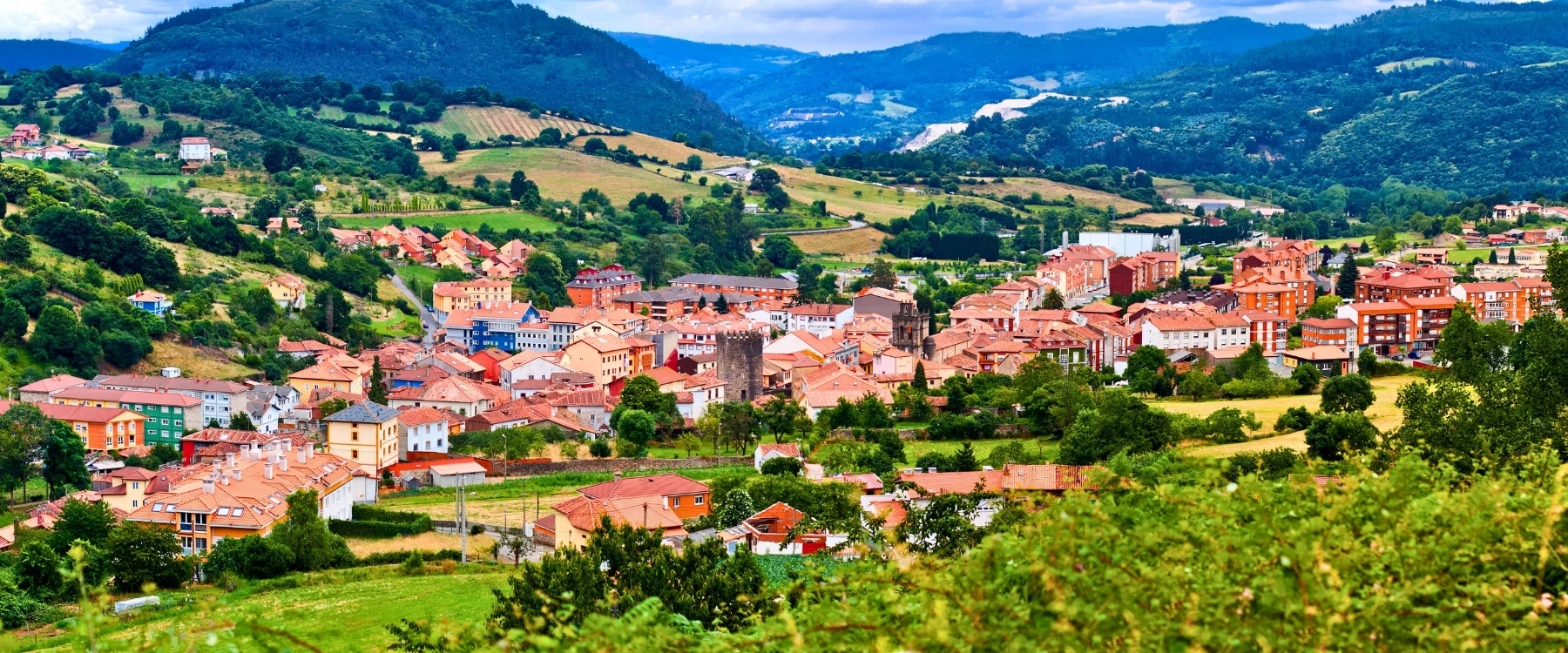
Asturias offers dramatic contrasts within a compact region: verdant river valleys give way to the rugged peaks of Picos de Europa and then to a wild Atlantic coastline. Hikers traverse world-renowned routes like the Ruta del Cares gorge, while coastal explorers discover secluded beaches such as Playa del Silencio by descending steep trails. Wildlife enthusiasts may spot chamois, golden eagles, or marine life on boat excursions. Whether seeking adrenaline-packed adventures—canyoning, surfing, mountain biking—or tranquil nature walks amid lush forests and alpine meadows, Asturias’s geographic variety ensures every traveller finds their ideal landscape.
Learn More
Steeped in history, Asturias showcases pre-Romanesque treasures like Santa María del Naranco and San Miguel de Lillo in Oviedo, reflecting early medieval architecture recognised by UNESCO . Medieval old towns, Celtic-influenced folk traditions, and maritime heritage in coastal cities like Gijón reveal a vibrant cultural tapestry. Festivals feature Asturian bagpipes, traditional dances, and community rituals; museums present archaeology and fine arts. Engaging with artisans, attending local fairs, and exploring historic sites immerse travellers in regional identity far beyond surface tourism.
Learn More
Asturian cuisine celebrates hearty flavours and local produce: fabada asturiana, cachopo, and fresh seafood highlight land-sea synergy. Artisanal cheeses like Cabrales matured in mountain caves offer unique tasting experiences. Sidrerías invite visitors to learn “escanciar” cider from height, pairing it with tapas and communal dining . Farm visits and cooking workshops connect travellers to sustainable, small-batch production. Seasonal food festivals celebrate mushrooms, chestnuts, and seafood harvests, offering immersive culinary adventures that reveal Asturias’s terroir and convivial spirit.
Learn More
Adventure opportunities abound: mountain trails in Picos de Europa range from gentle valley walks to challenging multi-day treks; canyoning and via ferrata routes deliver adrenaline; coastal sports like surfing at Salinas and kayaking through sea caves engage water enthusiasts. Guided wildlife tours focus on spotting Cantabrian brown bears or birds in protected reserves. Winter snowshoeing and light ski touring open up high-altitude exploration. Expert-led excursions and equipment rentals cater to all levels, ensuring safe, memorable outdoor experiences amid Asturias’s unspoiled nature.
Learn More
Staying in renovated farmhouses (casas rurales) lets travellers live alongside locals, participating in cheese-making, apple harvesting for cider, or traditional crafts. Fishing excursions with coastal fishermen, foraging tours for wild mushrooms, and visits to family-run cider orchards reveal daily life rhythms. Seasonal events—harvest festivals, pilgrimages—offer genuine cultural immersion. These authentic experiences foster meaningful connections with communities, creating lasting memories beyond typical tourist activities.
Learn More
Asturias prioritizes sustainability, with eco-friendly accommodations and managed visitor flows in sensitive natural areas. Many trails and beaches remain less crowded, allowing discovery of quiet coves or remote mountain refuges. Eco-tours minimize environmental impact and support local economies. Travelling responsibly here means enjoying pristine landscapes while contributing to conservation efforts, making each holiday both rewarding and ethically sound.
Learn More
Lorem ipsum dolor, sit amet consectetur adipisicing elit. At illo adipisci iusto
From

Because more than 268 other customers have loved us too

Demonstrates commitment to user data security through encryption and secure payment practices
Learn More
Demonstrates commitment to user data security through encryption and secure payment practices
Learn More
Demonstrates commitment to user data security through encryption and secure payment practices
Learn More
Demonstrates commitment to user data security through encryption and secure payment practices
Learn More
Quality as judged by customers. Book at the ideal price!


/ person
/ person
/ person

The Picos de Europa form the heart of Asturias’s mountainous allure, offering a range of experiences for nature lovers and adventure seekers alike. Rising dramatically with limestone peaks over 2,500 meters, the park’s terrain includes deep gorges, high-altitude pastures, glacial lakes, and verdant forests. A signature route is the Ruta del Cares, a roughly 12 km trail carved into sheer canyon walls. Hikers navigate narrow ledges above the emerald Cares River, framed by towering cliffs on either side. Though moderately challenging, the path provides consistent way-markers, rest points, and breathtaking vistas that reward effort with immersive mountain panoramas.Multi-day treks connect remote refuges—rustic stone huts where travellers rest amid alpine scenery and often share meals with fellow hikers. These refuges serve as bases to explore surrounding peaks or to witness sunrise and sunset painting the mountains in changing hues. Seasonal variation enriches the experience: spring unveils carpets of wildflowers and flowing waterfalls from snowmelt; summer brings stable weather for longer expeditions; autumn displays fiery foliage in valleys; winter transforms the landscape with snow, enabling snowshoeing or introductory ski touring for those prepared. Guided tours led by local experts provide insight into geology, flora, fauna (including chamois and birds of prey), and shepherding traditions, as local shepherds still graze livestock on high pastures during summer months.Lower-altitude trails in adjacent valleys accommodate families or casual trekkers, winding through lush meadows and ancient oak or beech forests. These paths often pass traditional mountain villages where visitors can sample fresh cheese produced in nearby dairies. The lakes of Covadonga—Lagos de Enol and La Ercina—offer shorter walks with reflective waters set against rugged peaks, ideal for photography and gentle exploration. Accessible by scenic roads that trace river valleys, these areas balance remoteness with hospitality: small inns and rural guesthouses provide hearty Asturian meals and local guidance.Safety and sustainability are emphasized: clear signposting, well-maintained paths, and seasonal advisories inform hikers of conditions. Visitor numbers are managed in sensitive zones to protect fragile ecosystems. Whether seeking strenuous alpine challenges, tranquil nature immersion, or cultural exchanges in mountain communities, Picos de Europa Exploration delivers an unforgettable window into Asturias’s wild heart, blending dramatic landscapes with authentic local experiences.

Asturias’s coastline unfolds in a tapestry of rugged cliffs, hidden coves, and sandy beaches shaped by the Cantabrian Sea’s relentless energy. Each stretch offers distinct character: some sections plunge from grassy cliffs to secluded coves accessible only via steep trails, while others feature broad sands and gentle surf. Playa del Silencio, renowned for its dramatic cliffs and serene atmosphere, rewards visitors willing to descend narrow paths for a tranquil beach framed by rocky outcrops. Playa de Torimbia, with golden sands and clear waters, becomes a haven on sunny days, and neighbouring vistas capture panoramic sea views.Headlands like Cabo Peñas present panoramic viewpoints: a lighthouse perched atop windswept cliffs overlooks seabird colonies and foamy waves below. Coastal walking routes trace these headlands, offering birdwatching opportunities for species like gulls and cormorants. Fishing villages such as Cudillero charm with colourful houses clinging to slopes around a sheltered harbour. Exploring narrow alleys reveals local fisheries and authentic seafood taverns where the day’s catch is prepared simply to highlight freshness. Luarca, another coastal gem, blends picturesque harbour scenes with botanical gardens and cultural heritage linked to notable figures like Severo Ochoa.Beaches like Salinas attract surfers year-round, with consistent Atlantic swells and surf schools providing lessons and equipment rental. Stand-up paddleboarding and kayaking unveil hidden sea caves and remote inlets; guided boat trips depart from small ports offering dolphin-watching or sport fishing excursions, introducing travellers to marine ecosystems. For adrenaline seekers, coasteering—scrambling along rocky shorelines, swimming across inlets, and cliff-jumping under supervision—combines thrill with intimate coastal exploration. Estuarine areas, where rivers meet the sea, become hotspots for birdwatchers tracking migratory species in tidal flats.Coastal towns such as Llanes balance beach leisure with cultural heritage: medieval quarters open onto lively promenades, and local markets showcase seafood, cheeses, and artisanal products. Accommodations range from beachfront guesthouses to cliffside rural cottages offering sunrise views over the ocean. Coastal routes connect villages, beaches, and natural parks, allowing itinerary flexibility by car or guided tours. Environmental stewardship ensures many coastal areas remain unspoiled: visitor paths avoid sensitive dunes or nesting sites, and local operators promote responsible practices. Coastal Escapes in Asturias deliver a multifaceted maritime experience—where adventure, relaxation, and authentic encounters with fishing traditions converge against a backdrop of dramatic Atlantic scenery.

Asturias’s urban centres blend medieval heritage, maritime legacy, and contemporary vitality. Oviedo, the capital, showcases a well-preserved historic quarter. Wandering cobblestone streets leads to the Cathedral of San Salvador, a Gothic landmark housing relics and intricate carvings. Ascend to Monte Naranco to visit pre-Romanesque monuments—Santa María del Naranco and San Miguel de Lillo—remarkable 9th-century structures illustrating early Asturian architecture recognised by UNESCO. Oviedo’s Plaza del Fontán hosts traditional markets where stalls brim with local cheeses, cider, and crafts. Quaint cafés serve churros and café con leche amid local conversations, while museums—archaeology, Fine Arts, and contemporary centres—chart Asturias’s evolution. Dining ranges from family-run sidrerías to innovative restaurants reimagining regional cuisine.Gijón, Asturias’s principal coastal city, balances maritime heritage with urban beach life. The Cimavilla quarter, built on an ancient fishing village hill, reveals Roman Baths remains and panoramic views over the port. Seaside promenades invite evening strolls, and the Maritime Museum narrates centuries of seafaring traditions. Beaches within city limits offer swimming and water sports, while cultural venues host concerts and exhibitions. Festivals—summer music events on the beach, film screenings, and gastronomy fairs—enliven the city year-round.Smaller historic towns enrich the tapestry: Avilés features a medieval centre with winding lanes and notable modern architecture, while Cudillero’s hillside harbour offers postcard-perfect vistas. Llanes presents medieval walls, historic churches, and a coastline dotted with coves. Each town preserves unique traditions: local festivals honour patron saints with processions, music, and communal feasts. Engaging with guided walking tours or audio guides reveals hidden stories—legendary figures, historical trade routes, and artisanal crafts passed through generations. Culinary tours in towns unveil specialities: cider tastings in sidrerías in Oviedo, seafood tastings by the harbour in Gijón or Cudillero, and cheese sampling in mountain villages reachable by day trips.Connectivity via regional trains and scenic roads makes these cities and towns accessible, serving as bases for rural or coastal excursions. Accommodations vary from boutique hotels in historic buildings to modern lodgings with local design touches. This exploration of historic Asturias immerses travellers in layers of heritage: medieval architecture, maritime legacy, and living traditions all converging in vibrant urban and small-town settings.

Asturias’s culinary identity centres on natural cider (“sidra”) and hearty regional dishes reflecting land and sea. Cider-making remains a family-run craft: apple orchards harvested in autumn yield juices fermented in traditional barrels. Visiting sidrerías across the region, travellers learn to “escanciar,” pouring cider from height to aerate and enhance flavour, then tasting alongside local fare. Many cider producers welcome guests for orchard tours and cellar visits, where small-batch, sustainable practices underscore a connection to terroir.Signature dishes include fabada asturiana, a rich bean stew with local fabes, chorizo, morcilla, and pancetta, embodying the region’s rustic comfort cuisine. Cachopo—breaded veal stuffed with ham and cheese—illustrates hearty mountain-inspired fare. Coastal influences appear in dishes like grilled hake, shellfish platters, and marmitako (tuna and potato stew). Market visits in Oviedo or coastal towns reveal seasonal produce: wild mushrooms, chestnuts, berries in autumn; fresh vegetables and herbs in summer. Artisan cheeses—Cabrales matured in natural caves produce pungent blue veins balanced by creamy texture—are often tasted with crusty bread and cider. Cooking workshops with local chefs guide travellers through recipe preparation, from sofrito base to proper seasoning, deepening understanding of ingredients and techniques.Gastronomic festivals punctuate the calendar: cider celebrations in Nava, seafood fairs in coastal towns, mushroom and chestnut festivals in mountain villages. These events combine tastings, workshops, competitions, and live folk music, offering immersive experiences. Farm-to-table restaurants reinterpret traditions, using foraged ingredients and sustainable sourcing. Olive oils, local honey, and cider vinegar further reflect Asturias’s produce diversity. Pairing courses with cider or regional wines enhances appreciation of complementary flavours.Evenings in sidrerías often become communal gatherings: locals and visitors share long wooden tables, pouring cider, sampling dishes, and engaging in conversation. Live folk performances sometimes accompany meals, and the convivial atmosphere invites participation. This guide encourages travellers to move beyond tasting: engage in cider production, attend harvest activities, join communal “espicha” gatherings, and learn from producers. Culinary exploration in Asturias thus transcends dining—it becomes a journey into cultural heritage and social ritual, where each flavour tells a story of land, sea, and the people sustaining these traditions.

While Picos de Europa dominate Asturias’s mountainous reputation, a network of lesser-known trails and outdoor pursuits awaits beyond these peaks. The Senda del Oso (“Bear Trail”), a converted former mining railway corridor, provides an accessible route for walking or cycling through lush valleys, past waterfalls and wildlife enclosures focused on the Cantabrian brown bear. Gentle gradients and scenic viewpoints make it suitable for families and casual explorers.Forest paths weave through oak, beech, and chestnut woodlands in areas like Somiedo Natural Park, where guided tours offer insight into conservation efforts and the possibility of spotting wildlife. Canyoning excursions in clear mountain streams challenge adventurous travellers: local guides ensure safety while navigating waterfalls, natural slides, and pools. Via ferrata routes affixed to rock faces deliver adrenaline, with safety equipment and instruction provided by expert operators. Mountain biking routes link rural villages, descending scenic tracks with panoramic vistas, while trail running opportunities abound for fit travellers seeking dynamic terrain.In winter, higher-altitude zones receive light snowfall, enabling snowshoeing or introductory ski touring when conditions permit. Small-scale ski areas or snowshoeing trails open for brief seasonal periods, offering solitude and crisp mountain air. Birdwatchers explore wetlands and estuaries—where rivers meet the sea—observing migratory species and waders in tidal flats. Guided wildlife tours focus on endemic species, with local naturalists explaining ecosystems and conservation challenges.Adventure centres in mountain villages and coastal towns provide equipment rental—bikes, climbing gear, wetsuits—and professional guidance. Safety briefings, route planning, and weather advisories ensure prepared excursions. Emphasis on responsible tourism includes minimizing environmental impact, following marked trails, and supporting local guides and businesses. Seasonal variation shapes opportunities: spring brings wildflower displays; summer offers stable conditions; autumn showcases foliage; winter provides quieter landscapes.By exploring these trails and activities beyond the most famous peaks, travellers discover hidden gems: secluded waterfalls, quiet forest glades, and remote mountain pastures. Whether seeking leisurely nature walks, family-friendly cycling, or high-adrenaline canyoning, Asturias’s diverse terrain accommodates varied interests. This guide frames hiking and outdoor adventures as gateways to deeper connection with Asturias’s landscapes and communities, where each path reveals new facets of the region’s natural beauty.

Asturias’s Atlantic coastline offers a playground for water sports and coastal adventures suited to different skill levels. Surfing at beaches like Salinas draws enthusiasts year-round; consistent waves and surf schools provide lessons and board rental for beginners and intermediates alike. Stand-up paddleboarding and sea kayaking reveal hidden sea caves and secluded coves reachable only by water, with guided tours highlighting marine geology and coastal ecology. Boat excursions depart from fishing ports—dolphin watching and sport fishing introduce travellers to marine life and local seafaring traditions.Snorkeling and scuba diving unveil underwater rock formations, kelp forests, and marine species around rocky shorelines. Diving centres offer equipment and guide certified dives for experienced divers; novice snorkelers can explore shallow reefs near shore. Sailing trips explore coastal waters, teaching basic seamanship or offering leisure cruises at sunset, combining ocean breezes with scenic views. Coasteering adventures—scrambling along cliffs, swimming across inlets, and supervised cliff-jumping—appeal to adrenaline seekers, with safety gear and expert guidance ensuring secure exploration of rugged shores.Estuaries and calmer bays encourage kite surfing and windsurfing when wind conditions permit; local providers monitor weather patterns to schedule sessions safely. Seasonal variations create different conditions: summer’s warmer waters suit extended paddles and snorkeling; autumn and spring offer dynamic surf and fewer crowds; winter surfing challenges experienced riders in cooler conditions with appropriate wetsuits. Evening kayak tours under sunset skies or full-moon paddles offer memorable perspectives of the coastline.Environmental education features in many offerings: guides explain marine ecosystems, highlight the importance of preserving coastal habitats, and promote responsible practices like avoiding disturbance of nesting birds or marine mammals. Local operators often collaborate with conservation projects, contributing a portion of revenues to habitat protection. Safety and sustainability combine as priorities: up-to-date equipment, professional briefings, and adherence to environmental guidelines ensure that water adventures respect Asturias’s fragile coastal environments.Whether seeking high-energy activities or tranquil paddling amid rugged scenery, Asturias’s coastal sports deliver immersive experiences that blend excitement with appreciation of maritime heritage and natural beauty. Travellers return with memories of salt-scented air, ocean vistas, and the satisfaction of exploring Asturias’s coastline from the water’s perspective..

Asturias’s calendar brims with festivals that illuminate regional identity, drawing travellers into communal celebrations rooted in history, nature, and gastronomy. In autumn, cider festivals celebrate the apple harvest: towns such as Nava host sidra tastings, competitions, live folk music, and dances, where visitors learn “escanciar” and sample new ciders straight from barrels. Chestnut and mushroom festivals in mountain villages mark seasonal foraging yields; stalls offer tastings of roasted chestnuts, mushroom stews, and local cheeses, while guided foraging tours teach identification and sustainable harvesting.Winter carnival traditions in coastal and inland towns feature colourful costumes, masks, and parades blending Christian and pre-Christian elements, fostering playful communal spirit. Spring pilgrimages to mountain sanctuaries or seaside hermitages revive centuries-old rituals: processions, traditional music, and shared meals reinforce community bonds. Summer brings coastal fiestas: open-air concerts on beaches, film screenings under the stars, and seafood fairs showcasing freshly caught delicacies. Oviedo and Gijón host cultural events like classical concerts in historic churches or contemporary music festivals on the shore, appealing to diverse tastes.Medieval fairs staged in historic towns transport visitors to past eras: artisans demonstrate crafts—pottery, weaving, blacksmithing—alongside reenactments of medieval life, period cuisine stands, and performances of traditional music and dance. Village patron saint days often involve processions through cobblestone streets, communal lunches featuring regional dishes, and evening gatherings in plazas with live music. Gastronomic fairs throughout the year highlight singular products: artisanal cheeses, honey, cider, and seafood, accompanied by workshops and tastings led by producers.These festivals occur in scenic settings—mountain villages surrounded by peaks, seaside plazas overlooking the Cantabrian Sea, or medieval courtyards within historic town walls—enhancing the atmosphere. Many events encourage visitor participation: travellers pour cider alongside locals, join folk dances, or assist in harvest tasks. Scheduling a visit to coincide with key festivals amplifies cultural immersion, offering firsthand insight into Asturian traditions and values of community, hospitality, and harmony with nature. Even outside festival dates, local calendars offer smaller-scale events and weekly markets where travellers encounter regional customs. Festivals & Celebrations in Asturias thus weave a vibrant tapestry of experiences, where each event deepens understanding of the region’s rich heritage and communal spirit.

Asturias’s culinary landscape ranges from humble market stalls to Michelin-starred restaurants, all connected by a deep respect for ingredients and tradition. Beginning at local markets—Oviedo’s Plaza del Fontán or Gijón’s Mercado del Sur—travellers encounter stalls piled with fresh vegetables, local cheeses, cured meats, and seasonal produce like wild mushrooms and chestnuts in autumn. Engaging with vendors reveals stories behind products: artisan cheesemakers explain how Cabrales matures in mountain caves, while producers of local honey and cider discuss sustainable practices .Cooking workshops allow hands-on creation of signature dishes: preparing fabada asturiana involves selecting quality fabes, chorizo, morcilla, and learning slow-simmer techniques; making cachopo teaches breading and stuffing methods. Chefs often incorporate foraged ingredients—wild herbs or mushrooms—demonstrating the synergy between kitchens and surrounding landscapes. Farm visits showcase dairy processes: from milking to ripening cheeses in natural cellars, connecting travellers to mountain pastoral life.Coastal excursions focus on seafood: early-morning visits to fishing ports witness landings of hake, sea bass, shellfish; cooking sessions or tasting menus in seaside taverns emphasize simple preparations—grilled or stewed—to highlight freshness. Seafood festivals in coastal towns offer platters of clams, mussels, octopus, and more, often accompanied by regional sidra or local wines.Dining evolves from rustic sidrerías to refined establishments: natural cider poured at the table complements dishes, while some restaurants reinterpret Asturian classics with modern techniques and presentations, earning accolades at national and international levels. Wine pairings feature local and nearby region offerings, enhancing flavour dialogues. Dessert options include arroz con leche (rice pudding) or frixuelos (thin pancakes), prepared traditionally or with inventive twists.Gastronomic routes guide travellers through thematic experiences—cheese trails, cider routes, seafood paths—connecting producers, restaurants, and cultural sites. These itineraries may include participatory activities: apple picking during harvest, cheese maturation tours, or communal “espicha” gatherings where locals and visitors share food, drink, and stories. Environmental stewardship underpins many operations: restaurants source locally, reduce waste, and support sustainable agriculture and fisheries.This Culinary Journey reveals how Asturias’s food culture embodies regional identity: flavours shaped by mountains and sea, traditions passed through generations, and innovation that honours heritage. Every bite tells a story of landscape, community, and conviviality, offering travellers a multisensory immersion that lingers beyond the meal.
No ads. No trails. No commitments


Alice Roses
London, England
51 ST MATTHIAS ROAD
NOTTINGHAM, NOTTINGHAMSHIRE
NG3 2HF
Hours: 8:00 - 17:00, Mon - Sat
support@johnsonholidays.com