 Tulum Travel
Guide
Tulum Travel
Guide
Paris is known around the world as the “capital of love,” and even if you don't understand the history of Paris at all

11 Hours
£3
Perched dramatically on limestone cliffs overlooking the Caribbean Sea, the Tulum Ruins offer a captivating glimpse into Mayan coastal life. Unlike many inland sites, this archaeological site uniquely combines history with breathtaking ocean views. Wander through the well-preserved structures—such as El Castillo and the Temple of the Frescoes—while imagining the rituals and maritime trade that flourished here centuries ago. Knowledgeable guides share insights into Mayan architecture, cosmology, and the importance of Tulum as a fortified port. The experience is enriched by proximity to the sea: after exploring, descend to a nearby beach once used by the Maya, where you can swim in clear waters. This blend of culture and scenery makes the ruins a must-visit icon of Tulum, appealing to history enthusiasts and casual travellers alike, all while providing excellent photo opportunities and a sense of connection to ancient heritage.
Learn More
Tulum’s beaches are famed for their powdery white sand and vibrant turquoise sea, rivaling postcards of the Caribbean. Stretch out under swaying palms, listen to gentle waves, and relish the unspoiled ambiance. Swimming here is inviting year-round, with water temperatures warm enough even in winter—ideal for British travellers seeking sun. Many beach clubs and open-air eateries offer comfortable loungers, fresh seafood dishes, and refreshing drinks priced in British pounds for easy reference. Whether you prefer a quiet cove or a lively stretch with beachfront service, Tulum delivers. Sunsets here are magical: watch the sky turn pastel hues over the sea while sipping a local cerveza. The beaches form the heart of Tulum’s appeal, blending relaxation, natural beauty, and a laid-back Caribbean vibe that rejuvenates mind and body.
Learn More
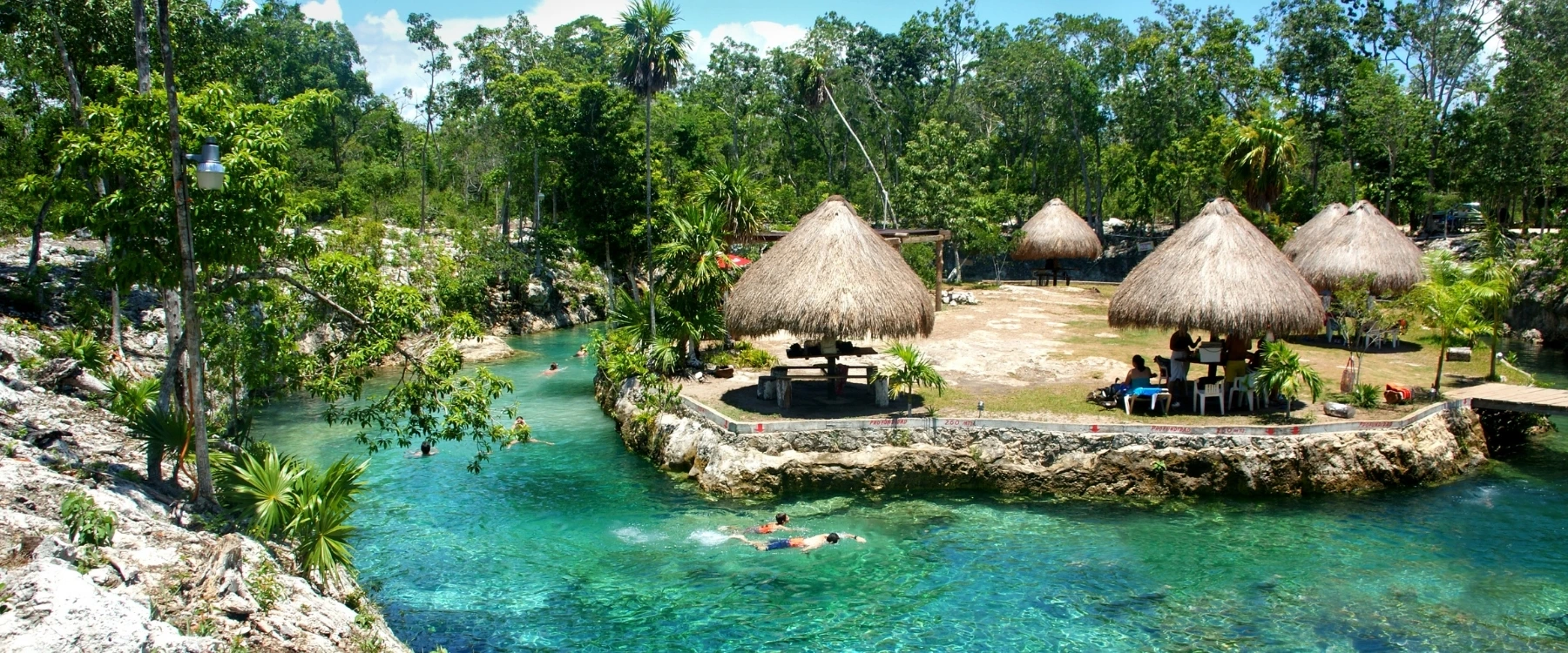
Cenotes—natural sinkholes filled with crystalline freshwater—surround Tulum and present unforgettable experiences. Swim, snorkel, or dive into subterranean caverns where shafts of sunlight pierce still waters, illuminating rock formations and aquatic life. Popular cenotes near Tulum include Gran Cenote, Cenote Calavera, and Cenote Dos Ojos, each offering distinct settings: open-air pools fringed by jungle, mysterious cave passages, or multi-chamber labyrinths. Guided tours provide gear and local knowledge about safety and preservation, ensuring minimal environmental impact. These freshwater oases offer relief from coastal heat and a sense of wonder at the Yucatán’s geological legacy. Exploring cenotes links adventure with nature’s beauty, appealing to families, couples, and solo travellers. Descriptions of approximate entry fees and transfer costs are shown in pounds for straightforward planning.
Learn More
Tulum’s accommodation scene emphasizes eco-friendly design and responsible tourism. Boutique hotels and eco-resorts often feature solar power, reclaimed materials, and minimal-waste practices. Many venues integrate seamlessly into the jungle or beachfront environment, offering rustic-luxe cabanas, open-air common areas, and organic gardens. Guests support local communities by choosing properties that hire locally and source ingredients from nearby producers. Wellness offerings—yoga shalas, spa treatments using natural products, and plant-based menus—further align with conscious travel. Prices for stays vary by season and property star rating; approximate nightly rates are indicated in British pounds for easier budgeting. Staying in eco-chic lodgings allows travellers to minimize environmental footprint while enjoying comfort and design flair, making Tulum an exemplary destination for mindful holidaymakers.
Learn More
Tulum’s dining landscape blends authentic Mexican fare with global influences. Beachfront cafés serve freshly caught seafood—ceviche, fish tacos, grilled lobster—alongside vegetarian and vegan options reflecting health-conscious trends. Breakfast spots often feature acai bowls, local fruit platters, and specialty coffee. Mezcal bars invite sampling of artisanal spirits, and craft beer venues offer local brews. Wellness travellers enjoy juice cleanses, smoothie bars, and workshops on traditional Mayan healing practices. Yoga sessions by the sea or in jungle studios cater to all levels, while spa retreats provide massages and holistic treatments inspired by ancient rituals. Prices for meals and wellness sessions are converted to GBP estimates for British visitors. This vibrant culinary and wellness focus enriches the Tulum experience, balancing indulgence with health and cultural immersion.
Learn More
Just south of Tulum lies the UNESCO-listed Sian Ka’an Biosphere Reserve, a sprawling natural sanctuary of mangroves, lagoons, coral reefs, and tropical forests. Day trips offer boat tours through mangrove channels, wildlife spotting (manatees, turtles, birds), and snorkeling on the Mesoamerican Reef. Guided eco-tours emphasize conservation, local community involvement, and respect for habitats. Travellers gain insight into the region’s biodiversity and the importance of protecting delicate ecosystems. Combining a Tulum stay with a Sian Ka’an excursion adds depth to the holiday: beyond beaches and ruins, visitors experience untouched wilderness. Approximate tour costs, shown in British pounds, help with budgeting. This proximity to a major biosphere reserve reinforces Tulum’s allure for nature-lovers and eco-conscious travellers seeking meaningful encounters with wildlife and pristine environments.
Learn More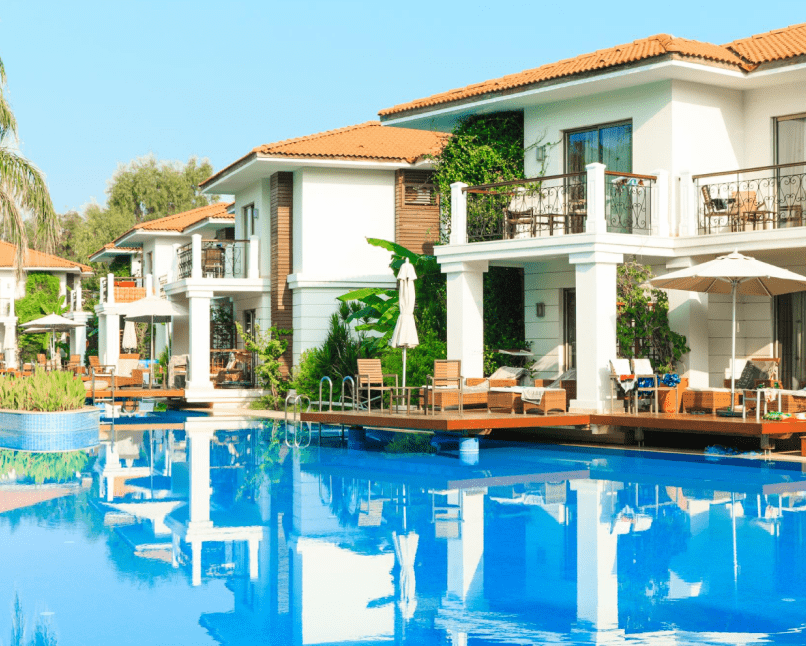
Lorem ipsum dolor, sit amet consectetur adipisicing elit. At illo adipisci iusto
From

Because more than 268 other customers have loved us too

Demonstrates commitment to user data security through encryption and secure payment practices
Learn More
Demonstrates commitment to user data security through encryption and secure payment practices
Learn More
Demonstrates commitment to user data security through encryption and secure payment practices
Learn More
Demonstrates commitment to user data security through encryption and secure payment practices
Learn More
Quality as judged by customers. Book at the ideal price!


/ person
/ person
/ person
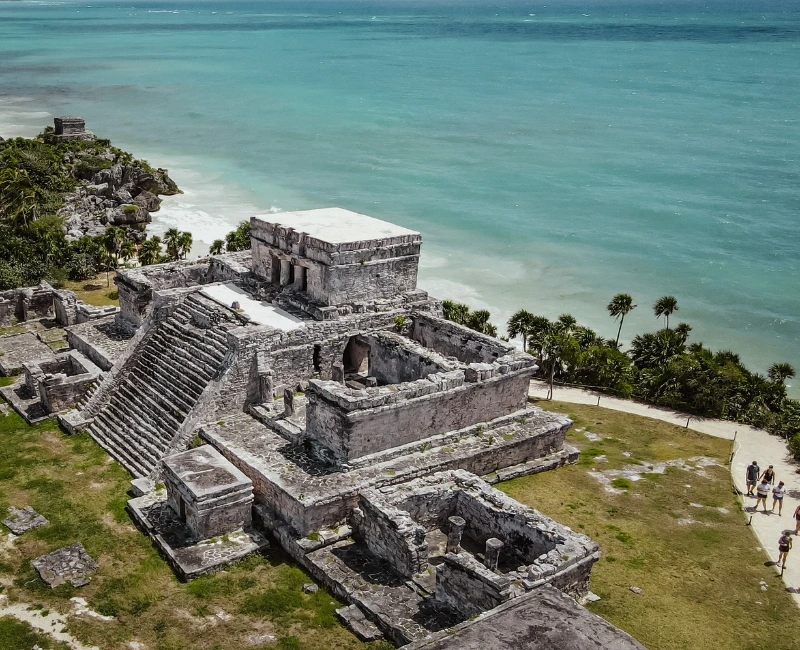
Tulum’s archaeological site stands as one of the most unique Mayan ruins, distinguished by its coastal cliffside setting overlooking the Caribbean Sea. The walled city, once known as Zama (“City of Dawn”), served as a vital port for maritime trade, linking inland Maya to the wider Caribbean world. Today, visitors enter through a reconstructed entrance gate, passing the imposing city walls that once protected inhabitants from invaders. The centerpiece is El Castillo, a temple whose commanding position atop a 12-meter cliff provided both strategic advantage and ceremonial significance. Below, a small beach—likely used by the Maya—is accessible via steps, inviting a refreshing swim after historical exploration.Guided tours enrich understanding: knowledgeable guides explain architectural features such as the Temple of the Frescoes, where intricate stucco designs once adorned walls, depicting deities and cosmological motifs. Insights into Mayan calendar systems, astronomical alignments, and the role of Tulum within regional politics illuminate the site’s importance around the 13th–15th centuries CE. Visitors learn about trade goods—jade, obsidian, textiles—that passed through this port, and how Tulum balanced religious functions with commerce.Timing a visit early morning or late afternoon offers cooler temperatures and softer light for photography, plus fewer crowds. Interpretive signage and small onsite museum exhibits display artifacts and context. After exploring, many choose to relax on the beach beneath the cliff, enjoying turquoise waters framed by ancient stone. Snacks and refreshments from nearby vendors—water, fresh fruit, light snacks priced in GBP estimates—help refuel. The combination of history, dramatic seascape vistas, and opportunity for a seaside dip makes the Tulum Ruins an essential guide highlight for culture enthusiasts and casual travellers alike, providing a tangible link to Maya heritage set against a stunning Caribbean panorama.
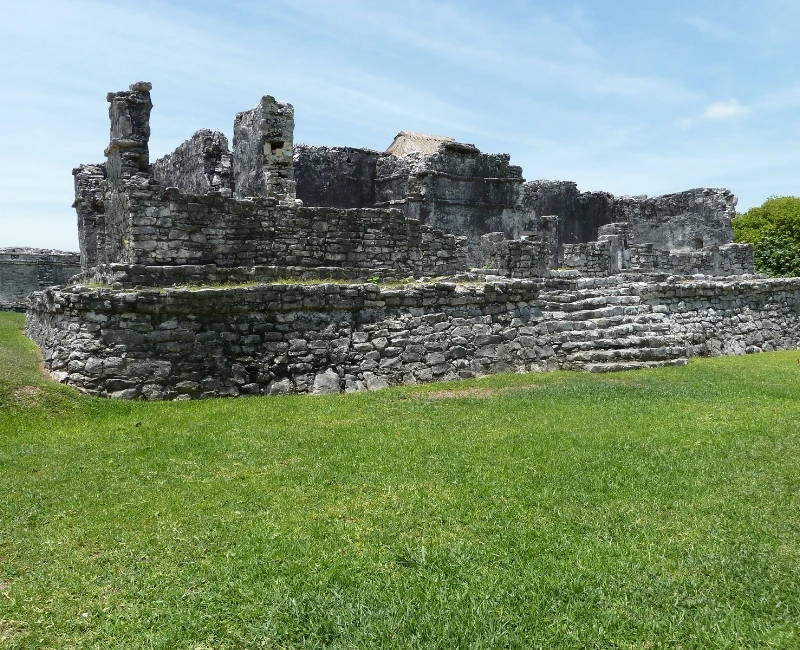
While the cliffside ruins are Tulum’s signature, the wider region offers deeper immersion into Mayan heritage. A short journey inland leads to cenote sites that held ritual significance—freshwater sources considered sacred portals to the underworld. Visiting cenotes such as Gran Cenote and Cenote Calavera not only offers adventure but also connects travellers to ancient beliefs: these crystalline pools were once used for ceremonial offerings. Knowledgeable guides discuss the spiritual importance of cenotes for the Maya, fostering respect and awareness.Further exploration can include day trips to nearby archaeological sites like Coba or Muyil. Coba, nestled within the jungle, was once a major Mayan city connected via sacbé (white roads). Climbing Nohoch Mul pyramid—the tallest in the Yucatán—rewards visitors with panoramic views over the canopy, evoking the scale of once-thriving urban centers. Guides recount tales of how these sites linked communities through trade routes, sharing insights on colonial impacts and ongoing preservation efforts. Muyil, nearer to Sian Ka’an, features stelae and structures partially reclaimed by nature, offering a quieter, intimate encounter with history.Cultural immersion extends to engaging with local communities: workshops on traditional crafts, such as weaving or pottery, highlight living Mayan traditions. Culinary experiences may include tasting traditional dishes cooked in underground ovens (pib), sampling hand-made tortillas, or learning about native ingredients like achiote, maize, and cacao. Evening events sometimes feature storytelling performances that recount ancient legends and folklore. These encounters deepen appreciation for the Maya legacy that persists in language, art, and daily life across the region.Transportation for these excursions can be arranged via guided tour operators or private hire, often packaged as day-trips with fees indicated in pounds. Early bookings are recommended in high season, while off-season travellers may find more intimate group sizes. Combining the iconic Tulum Ruins with lesser-known sites and cultural activities yields a holistic understanding of Mayan civilization and its enduring influence, enriching the holiday experience with meaningful connections to the past and local communities.
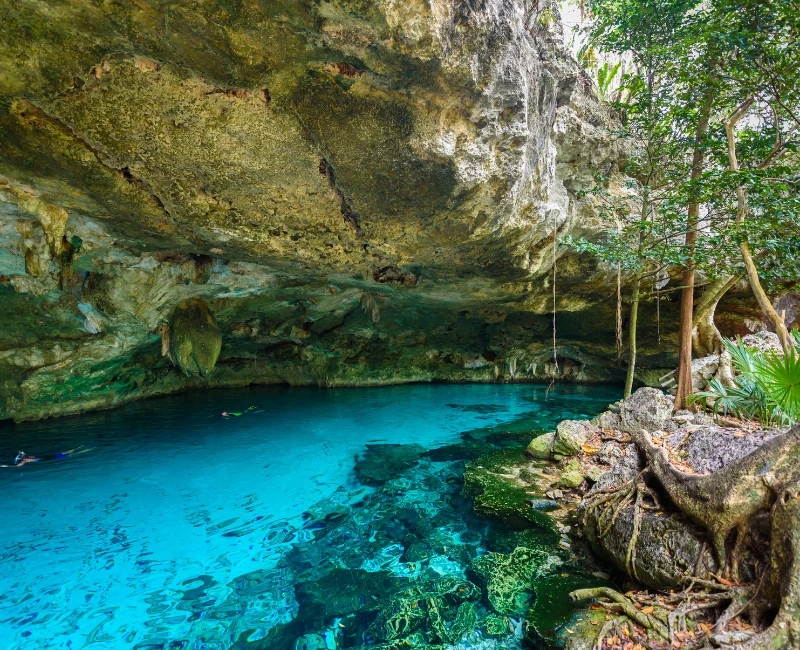
The Yucatán Peninsula’s hallmark cenotes are extraordinary natural formations—collapsed limestone creating sinkholes filled with clear freshwater, sometimes connected by subterranean passages. Around Tulum, a variety of cenote experiences await: open-air pools surrounded by lush jungle, cavernous interiors illuminated by shafts of sunlight, and labyrinthine systems for certified divers. Gran Cenote, named for its spacious setting, offers easy swimming access with wooden platforms and life jackets; families often favour its shallow edges and turtle sightings. Cenote Calavera (“Temple of Doom”) intrigues adventurers: multiple small entrances lead down steps or jumps into cool waters within a semi-open cave.For snorkelers, cenotes reveal underwater stalactites, stalagmites, and unique rock formations sculpted over millennia. Guided tours emphasize safety and conservation: wearing biodegradable sunscreen, avoiding disturbance of sediment, and respecting wildlife. Experienced dive operators cater to certified scuba divers seeking deeper passages in systems like Dos Ojos, where visibility can exceed 50 meters. Diving here provides a surreal experience: gliding through caverns, illuminated by diver lights bouncing off crystalline walls, evoking otherworldly landscapes.Land-based amenities vary: some cenotes have simple facilities (restrooms, lockers), while others include eco-friendly cafés serving snacks and drinks (prices converted to GBP estimates). Early arrival is recommended to beat crowds and enjoy calm waters. Combining multiple cenotes into a day itinerary maximizes variety: start with an open cenote for a gentle swim, proceed to a semi-cavern cenote for snorkeling, and finish at a deeper site for diving or cliff-platform jumps. Guides often share local legends—stories of ancient offerings left in cenotes—and geological explanations of how the Yucatán’s underground river network formed.Beyond swimming, adjacent jungle trails offer birdwatching and nature walks before or after cenote visits. Many travellers pair cenote exploration with visits to nearby ecological reserves or small community projects that protect these freshwater treasures. This blend of adventure, geology, and respect for nature makes cenote experiences a cornerstone of the Tulum itinerary, appealing to all ages and interests, from families seeking memorable swims to serious divers chasing subterranean thrills.
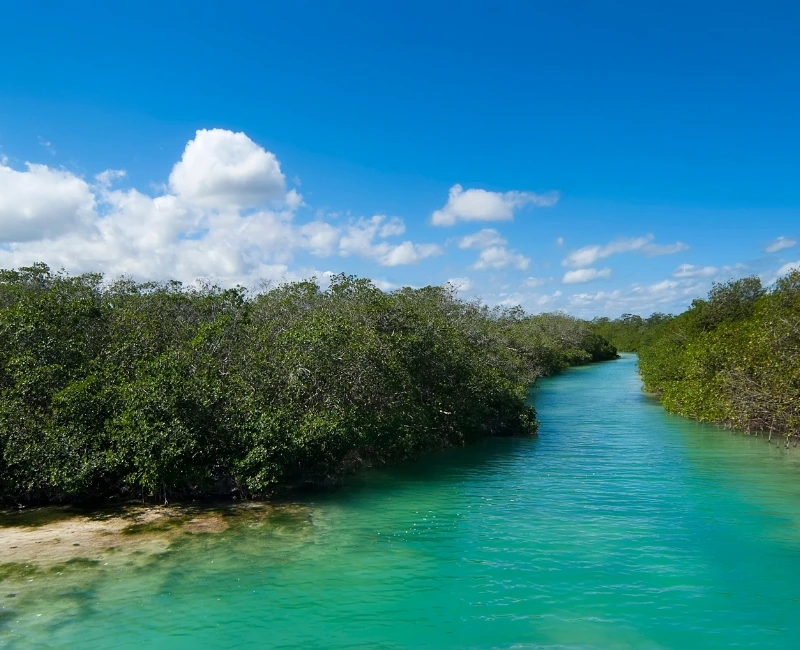
Sian Ka’an Biosphere Reserve, a UNESCO World Heritage Site just south of Tulum, spans diverse ecosystems—mangroves, marshes, tropical forests, and a portion of the Mesoamerican Barrier Reef. Visiting Sian Ka’an offers a profound encounter with biodiversity: boat tours navigate mangrove channels where manatees may surface, and flamingos or herons wade in shallow lagoons. Snorkeling along protected reef sections reveals colorful coral formations, sea turtles, and tropical fish species. Expert guides, often from local communities, emphasize conservation: they explain how the reserve balances tourism with ecosystem protection and how travellers can minimize impact.Excursions typically begin with a boat ride through mangroves, where guides point out medicinal plants used by Mayan communities and describe the reserve’s role in carbon sequestration and coastal protection. Wildlife sightings can include crocodiles sunning on banks, dolphins offshore, and migratory birds, depending on season. Snorkeling gear is provided, and tour operators ensure adherence to reef-friendly practices. Lunch often features local dishes—fresh fish, rice, tropical fruits—served in simple waterfront settings; approximate costs are given in British pounds for budgeting.For those seeking deeper immersion, multi-day eco-camps offer accommodations within the reserve, providing guided night walks to observe nocturnal species and birdwatching at dawn. Kayaking through tranquil lagoons or paddleboarding along coastline delivers a peaceful perspective on the region’s vastness. Photographers find endless inspiration: reflections in still waters, play of light through mangrove roots, and wildlife moments.Booking Sian Ka’an tours in advance is advisable, especially in peak months, since group sizes are deliberately limited to protect habitats. Off-season visits may offer quieter experiences but monitor weather—occasional rains can affect boat schedules. Whether as a day-trip from Tulum or an overnight eco-adventure, exploring Sian Ka’an reveals the Yucatán’s natural heritage beyond beaches and ruins, making it an essential guide component for travellers seeking profound connections with nature and support for local conservation efforts.
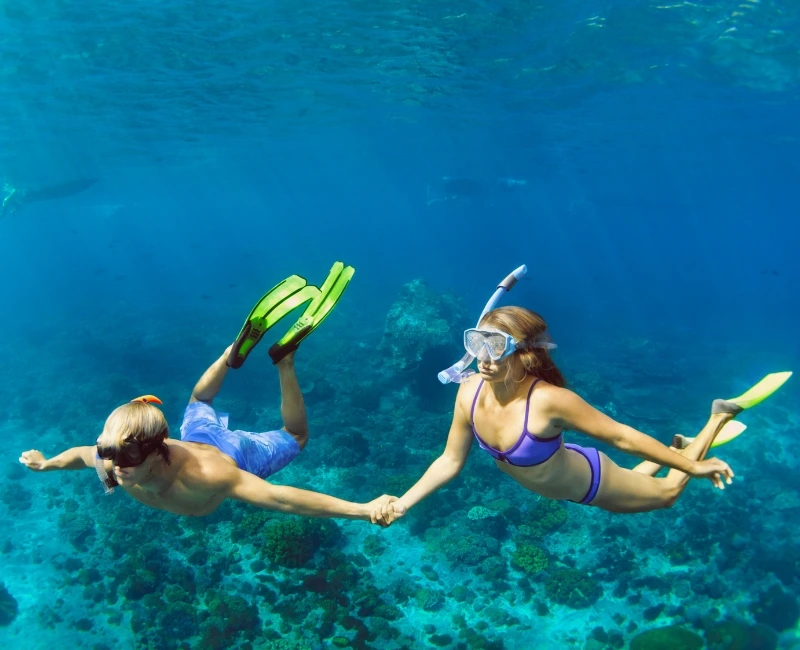
Tulum’s proximity to the Mesoamerican Barrier Reef—the second-largest coral reef system in the world—makes it a premier spot for snorkeling and diving. Numerous operators offer day trips to reef sites where the clear Caribbean waters teem with vibrant coral gardens and marine life: parrotfish, angelfish, rays, and occasionally turtles or nurse sharks. For beginners, guided snorkeling tours include instruction, safety briefings, and transfers; gear hire is often included, with cost estimates provided in GBP for easy planning. Experienced snorkelers may opt for self-guided excursions to closer reef sections or cenote-surfaced sites.Scuba diving around Tulum and nearby Cozumel Island caters to all levels. Open-water certification courses are available locally for those wishing to gain credentials. Dive sites vary from shallow reef walls to deeper drop-offs, featuring impressive coral formations and abundant biodiversity. Underwater photographers will find vivid scenes to capture. Night dives—arranged by certified dive centers—offer a different perspective: nocturnal creatures emerge, and luminescent plankton can create magical glows under torchlight.Beyond reef activities, snorkeling with sea turtles at designated beach spots or guided tours to swim with whale sharks (seasonal, near Isla Holbox—though longer transfers are needed) can be arranged. Kayaking or stand-up paddleboarding along the coastline provides quiet, shallow-water exploration; some operators combine paddle tours with snorkeling stops.Safety and environmental responsibility are emphasized: guides instruct on reef-friendly sunscreen, buoyancy control to avoid coral contact, and proper waste disposal. Equipment quality and maintenance are priorities; travellers are encouraged to choose reputable operators with sustainability commitments. Approximate tour durations range from half-day snorkeling trips to full-day dive excursions; costs, shown in GBP, help travellers compare options.Booking in advance during peak season ensures availability, while off-season can offer more flexible scheduling. Whether snorkelling among coral gardens, earning a diving certification, or paddling near secluded beaches, water-based adventures in Tulum deliver unforgettable experiences against a backdrop of Caribbean brilliance.
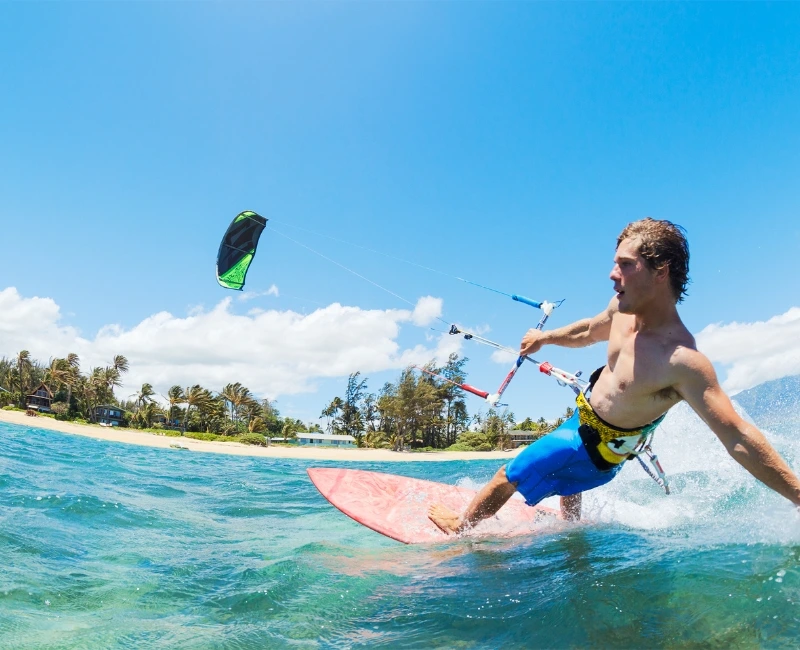
Tulum’s breezy coastline and calm lagoon areas lend themselves to a variety of water sports beyond snorkeling and diving. Kiteboarding schools operate along certain beaches where wind conditions are favorable seasonally, offering lessons for beginners through advanced riders. Certified instructors provide equipment and guided sessions, ensuring safe progression in a supportive environment. Paddleboarding and kayaking are popular on calmer days: glide over clear waters near beaches or navigate mangrove inlets for a tranquil adventure. Rental costs and lesson fees are converted to GBP estimates for straightforward budgeting.For thrill-seekers, jet-ski tours along the coastline or river mouth offer speed and adrenaline; operators typically include safety gear and briefing, with group sizes kept small. Stand-up paddle yoga sessions combine fitness and balance on water, led by experienced instructors at sunrise or sunset. Surfing is less common directly in Tulum due to reef-protected coastline, but occasional waves suitable for beginners may appear, and lessons can be arranged during certain seasons. Fishing excursions—catch-and-release or local culinary focus—allow insight into regional marine life, often combined with a cultural component on sustainable fishing practices.Safety guidelines stress wearing life jackets, adhering to local regulations, and respecting wildlife areas (especially near Sian Ka’an boundaries). Eco-friendly practices apply: operators avoid single-use plastics, and travellers are briefed on avoiding disturbance to marine ecosystems. Many water-sport packages can be customized: half-day or full-day, combined with beach relaxation or cenote visits. Packages often include transfers, equipment, and refreshments; presenting costs in British pounds helps UK travellers plan accurately.Whether catching wind on a kiteboard, balancing on a paddleboard at dawn, or enjoying a guided jet-ski exploration, Tulum’s water-sport offerings cater to varied adventure levels. These activities complement the cultural and relaxation aspects of the holiday, adding dynamic experiences that make Tulum an ideal destination for active travellers seeking both excitement and scenic beauty..

Tulum’s serene beachfront and lush jungle clearings set the stage for transformative wellness experiences. Yoga studios and retreat centers offer daily sessions on the sand at sunrise, where the soundtrack of gentle waves and bird calls enhances mind-body connection. Classes range from vinyasa flows to restorative and yin practices, often incorporating breathwork and meditation amid nature. Many retreats package accommodation, meals focusing on plant-based, organic ingredients, and workshops on holistic living. Costs for multi-day retreats, workshops, and drop-in classes are shown in GBP to aid planning for UK visitors.Spa treatments in Tulum often draw on ancient Mayan healing traditions: temazcal ceremonies (traditional sweat lodges) purify the body and mind in guided rituals led by local practitioners. Massages use locally sourced oils and techniques inspired by indigenous knowledge. Sound healing sessions, crystal therapy, and reiki may be available in certain wellness centers, offering diverse approaches to relaxation. Retreats emphasize sustainable design: open-air treatment areas, natural materials, and minimal waste. Many wellness venues also host nutrition workshops, teaching how to prepare healthy local dishes and use native herbs and superfoods.Wellness activities extend beyond yoga and spa: guided forest bathing in jungle trails, breathwork sessions overlooking cenotes, and silent meditation in eco-lodges deepen the sense of calm. Some retreats include community-focused elements—volunteering in ecological or cultural preservation projects, such as beach clean-ups or assisting in local conservation efforts—ensuring travellers contribute positively to Tulum’s environment and communities.Daily schedules balance structured sessions with free time to explore Tulum’s beaches, ruins, or cenotes at leisure. Sunrise yoga followed by a fresh fruit breakfast, midday relaxation by the sea, afternoon workshop or massage, and sunset meditation create a rhythm aligned with natural cycles. Wellness travellers leave Tulum refreshed, with practical tools for ongoing self-care. The integration of holistic practices with Tulum’s natural beauty and cultural roots makes this guide section essential for those seeking renewal and mindful travel experiences.
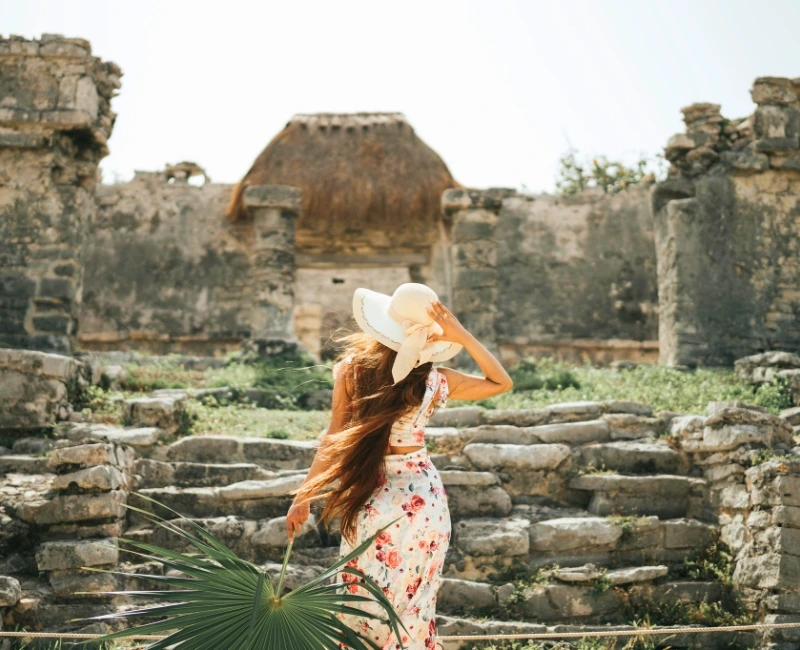
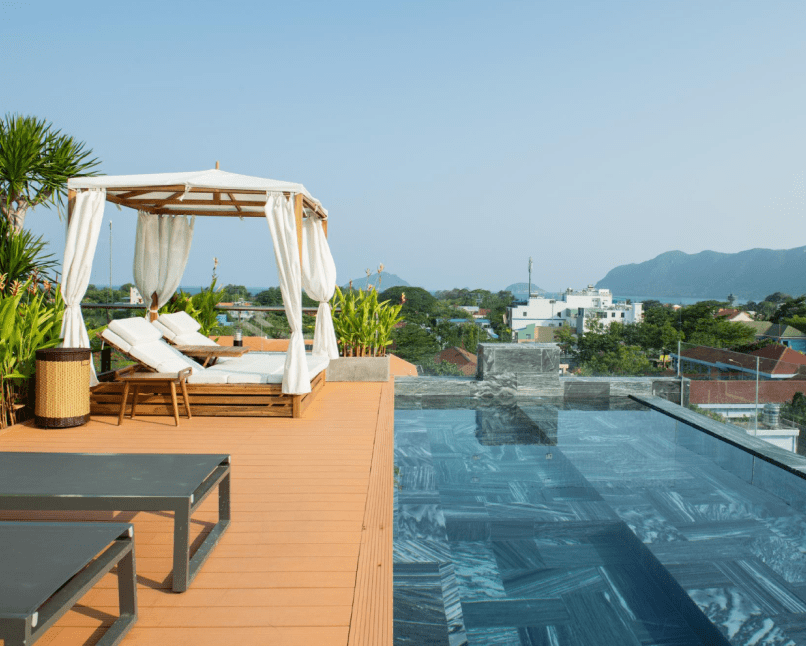
Accommodation in Tulum often merges luxury with sustainability: eco-chic retreats feature minimalist design, natural materials, and low-impact operations. Boutique hotels may offer private plunge pools fed by solar-heated water, rooftop lounges overlooking jungle canopy, and in-house organic gardens supplying fresh produce for on-site restaurants. Guests can choose between rustic cabanas or upscale suites, often priced per night in GBP estimates to simplify budgeting. Many properties include spa facilities focusing on natural therapies: massages using Mayan botanical blends, body scrubs with local ingredients like salt or clay, and holistic treatments influenced by indigenous traditions.Retreat packages may bundle accommodation with curated experiences: daily yoga classes, meditation sessions, sound baths, and nutritional consultations. Some eco-resorts partner with local wellness practitioners for workshops on herbal medicine, Mayan astrology, or ancestral healing arts. Designs often incorporate open-air treatment rooms, allowing guests to feel connected to the environment during spa sessions. Emphasis on responsible practices—composting, water recycling, solar power—aligns with travellers’ desire to minimize ecological footprint while indulging in comfort.Local chefs craft menus highlighting regional ingredients: tropical fruits, sustainably caught seafood, ancient grains like amaranth, and plant-based dishes. Cooking classes may teach travellers how to recreate healthy Mexican recipes at home. Evening events like beach bonfires or acoustic music sessions foster community among guests, blending relaxation with social connection. Retreats may also organize eco-tours: guided visits to nearby mangroves, cenotes, or community conservation projects, offering holistic integration of wellness and nature exploration.For those seeking escape from busier tourism hubs, eco-chic retreats in Tulum provide peaceful sanctuaries where every detail—from architecture to cuisine—supports well-being. Transparent pricing in GBP for stays, treatments, and packages empowers UK travellers to choose options matching their preferences. By combining sustainable design, indigenous-inspired therapies, and natural surroundings, these retreats elevate Tulum stays into restorative journeys, reinforcing why Tulum is celebrated as a premier wellness destination.
No ads. No trails. No commitments


Alice Roses
London, England
51 ST MATTHIAS ROAD
NOTTINGHAM, NOTTINGHAMSHIRE
NG3 2HF
Hours: 8:00 - 17:00, Mon - Sat
support@johnsonholidays.com