
 Peloponnese Travel
Guide
Peloponnese Travel
Guide
Paris is known around the world as the “capital of love,” and even if you don't understand the history of Paris at all

4.5 Hours
£3.50
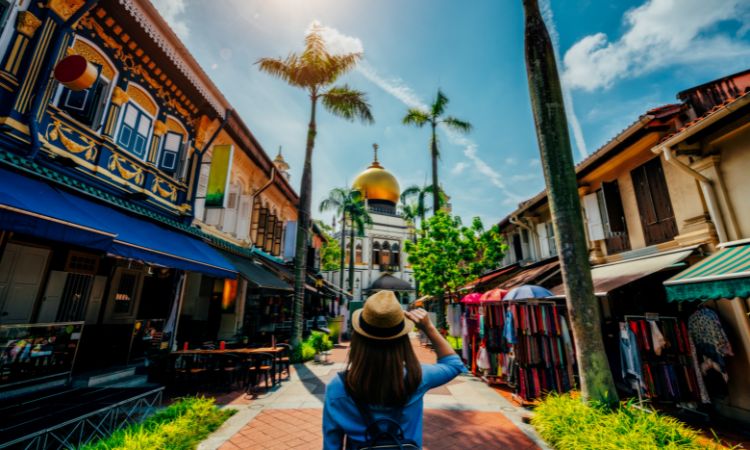
Peloponnese is synonymous with the cradle of Western civilisation. From Mycenae’s Cyclopean walls and the Lion Gate to the sanctuary of Olympia where the ancient Greek games began, each site evokes layers of myth and history. Visitors stroll among ruins that shaped democracy, philosophy, and sport, guided by knowledgeable local experts. Epidaurus’s theatre, famed for its acoustics, still stages performances linking past and present. Exploring medieval castles, Byzantine churches, and Venetian fortresses reveals successive epochs and cultural influences. For history enthusiasts, Peloponnese offers more than isolated monuments: it is a living museum where archaeological parks and UNESCO sites connect seamlessly with countryside views, making every journey a voyage through time.
Learn More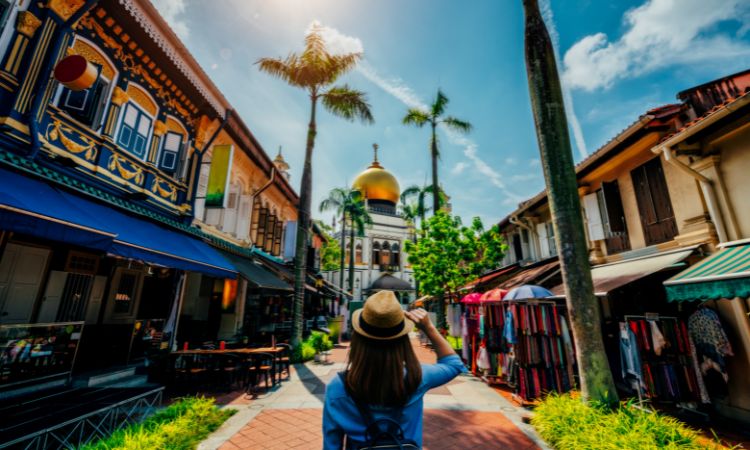
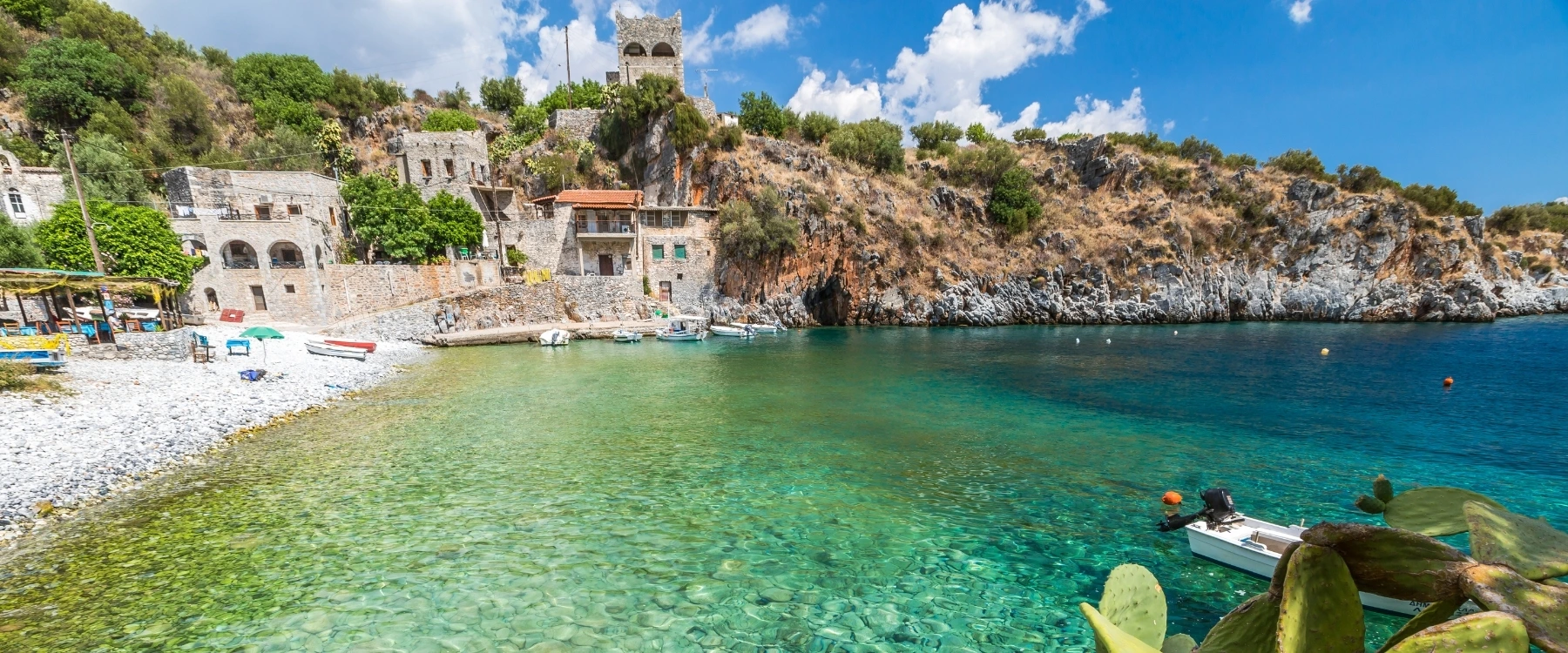
The peninsula’s coastline stretches hundreds of kilometres, unveiling sheltered bays, pebble shores, and sandy stretches framed by crystalline waters. West coast beaches near Kefalovriso and Kalogria appeal to sun-seekers seeking less crowded spots, while east coast coves around Monemvasia and Elafonisos boast turquoise shallows ideal for families. Coastal villages maintain a tranquil pace: days begin with seaside strolls, afternoons with swimming and snorkelling, and evenings savouring seafood at waterfront tavernas. Boat excursions explore hidden caves and nearby islets. Whether travellers seek organised beach clubs or remote corners accessible by hiking trails, Peloponnese’s diversity ensures memorable seaside moments against a backdrop of rugged hills and evergreen landscapes.
Learn More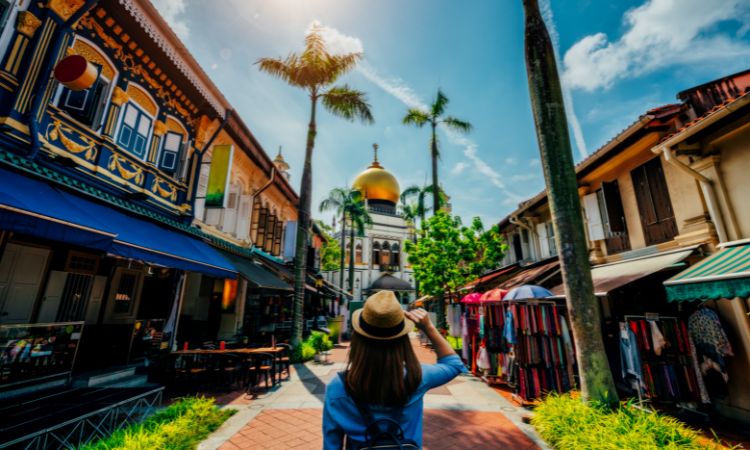
Away from main roads lie hillside villages where stone houses, narrow alleys, and local cafés evoke timeless Greece. In villages like Vytina or Kardamyli, guesthouses often run by families provide personal insights into traditions: olive harvests, local crafts, and folklore. Travellers may join olive-picking in autumn, learn cheese-making at a farm, or attend celebrations honouring village patron saints with music, dance, and communal feasts. Hosts share heirloom recipes and regional stories, fostering connections rarely found in larger resorts. This authenticity enriches stays: mornings might start with home-baked pies and coffee on a terrace; evenings with stargazing and the gentle hum of cicadas, offering a genuine immersion in daily rhythms.
Learn More
Peloponnese boasts dramatic mountains such as Taygetus and Parnon, carving gorges and trails for hikers of varied levels. The Menalon Trail weaves through dense forests, riverside hamlets, and panoramic viewpoints. Adventure seekers can kayak along river courses, raft in mountain streams, or cycle through olive lanes. Birdwatchers and nature lovers explore wetlands near Messolonghi or wetlands around Voidokilia. National parks protect wildlife and endemic flora. Photographers capture mist rising over valleys or golden light illuminating ancient ruins perched on hills. Outdoor activities suit solo travellers, groups, or families: guided excursions ensure safety, while self-guided routes provide freedom to explore at one’s own pace.
Learn More
Peloponnese cuisine reflects its fertile land and bountiful seas. Olive oil produced here is among Greece’s finest, starring in salads, dips, and cooking. Cheeses like mizithra and feta appear in traditional pies; fresh vegetables and legumes feature in seasonal dishes. Coastal tavernas serve grilled fish, octopus, and seafood monsters captured daily. Inland, vineyards cultivate indigenous grape varieties producing robust reds and crisp whites; wine routes offer tastings in family-run cellars, complemented by olive oil pairings and local honey. Cooking workshops let travellers master recipes such as stuffed vegetables or regional pastries. Culinary journeys here delight foodies and cultural explorers alike, combining taste with stories of land, climate, and heritage.
Learn More
Compared to many European destinations, Peloponnese offers high-quality experiences at competitive prices. British pounds stretch further on accommodation, dining, and activities. Family-run guesthouses often include breakfast featuring local produce, while seaside tavernas serve generous portions at moderate costs. Entrance fees to archaeological sites remain affordable, and guided tours deliver rich context without premium rates typical in busier hubs. Rental cars and ferries connecting coastal points also present value. Travellers benefit from lower-season rates in shoulder months (spring and autumn) while still enjoying pleasant weather. The region’s combination of quality, authenticity, and budget-friendly options makes it an attractive choice for a range of travellers seeking memorable holidays without overspending.
Learn More
Lorem ipsum dolor, sit amet consectetur adipisicing elit. At illo adipisci iusto
From

Because more than 268 other customers have loved us too

Demonstrates commitment to user data security through encryption and secure payment practices
Learn More
Demonstrates commitment to user data security through encryption and secure payment practices
Learn More
Demonstrates commitment to user data security through encryption and secure payment practices
Learn More
Demonstrates commitment to user data security through encryption and secure payment practices
Learn More
Quality as judged by customers. Book at the ideal price!


/ person
/ person
/ person
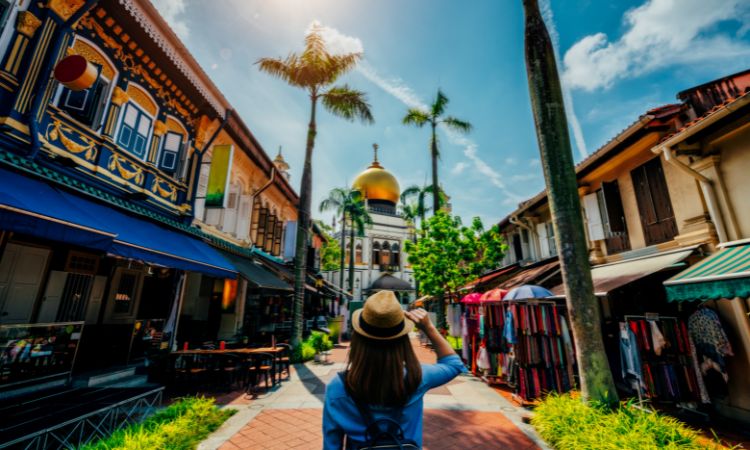
Peloponnese stands as a living chronicle of ancient civilisations, where each ruin and site conveys stories reaching into myth and early history. Begin your exploration at Mycenae: approach the Lion Gate’s mighty stones and imagine the world of Agamemnon, then step into the Treasury of Atreus’s beehive tomb, marveling at Bronze Age engineering. Move onward to Tiryns, where massive Cyclopean walls hint at strategic importance and human ingenuity. In Olympia, the birthplace of the ancient Olympic Games, wander the sprawling Altis: the remains of the Temple of Zeus and the stadium invite reflections on athletic tradition. The Archaeological Museum of Olympia deepens insights through sculptures and artefacts. Epidaurus’s theatre remains a masterpiece: its near-perfect acoustics draw visitors into classical drama under open sky; attending a performance here forges a link between past spectators and modern audiences.Corinth’s Acrocorinth fortress commands vistas across the Gulf; its layered structures—from Greek to Byzantine to Ottoman—reveal shifting control of this strategic point. Ancient Messene, often less crowded, surprises with extensive walls, a restored theatre, stadium, and sanctuaries, offering immersive exploration at a leisurely pace. Nemea combines archaeological remains with a vineyard nearby: after examining the ancient sanctuary and stadion, sample local wine grown on soils treading ancient footsteps. Throughout these sites, walking paths often wind through olive groves and gentle hills, merging natural beauty with heritage. Knowledgeable guides illuminate myths, daily life of past inhabitants, and symbolism carved into stone. Photography opportunities abound: dawn light striking columns, midday shadows accentuating reliefs, and sunset hues framing ruins against the sky. Respect site guidelines and preservation efforts by staying on marked routes and minimizing impact.Self-drive itineraries allow flexibility: plan sequential visits while accounting for travel time on scenic roads lined with cypress and olive trees. In shoulder seasons (spring or autumn), cooler temperatures and fewer crowds enhance enjoyment. Pack water, sun protection, and comfortable footwear for uneven terrain. Reading up on local legends beforehand—such as the myths surrounding Tiryns or Olympia—enriches the visit. Many sites offer small cafés or shaded rest areas; pause to reflect on the centuries these stones have witnessed. Through this journey across Peloponnese’s archaeological treasures, travellers connect deeply with the roots of Western civilisation, experiencing history not merely as facts but as tangible remnants woven into the landscape.
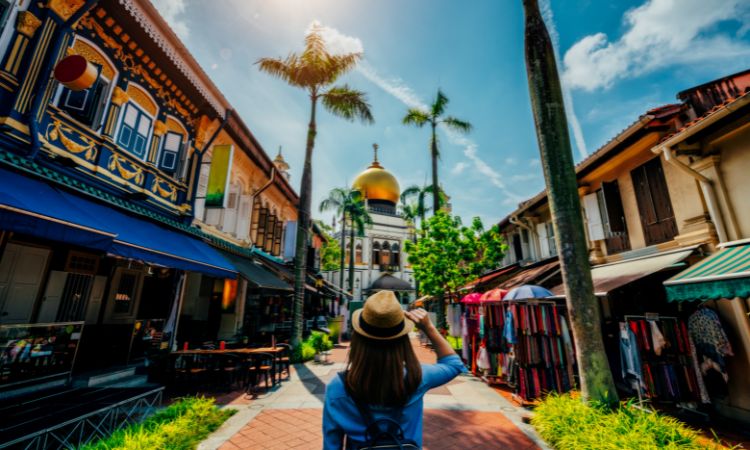
Beyond ancient ruins, Peloponnese reveals layers of Byzantine, Frankish, Venetian, and Ottoman influence evident in hilltop towns, monasteries, and fortresses. Mystras, near Sparta, is a highlight: perched on slopes with vine terraces and olive groves below, its medieval Byzantine city unfolds through palace ruins, monastic complexes, and churches adorned with frescoes. Walking narrow stone-paved alleys, pause at Pantanassa Church whose frescoes evoke devotional art of the 14th century. Overlook the Laconian plain from viewpoints where sunlight illuminates distant mountains.In Mani, the southern peninsula known for rugged terrain, visit villages such as Vathia: clusters of stone tower-houses testify to centuries of clan-based defence. Wander among whitewashed dwellings and imagine the resilience of inhabitants who resisted outside powers. Coastal Mani offers dramatic sea vistas: walking trails connect hill villages to secluded coves. Monemvasia, a “rock fortress” town, stands on a sea-linked islet: crossing a narrow causeway brings you into medieval lanes lined with restored Byzantine churches and stone houses. Climb to viewpoints for sunset over the sea, then descend to tavernas within historic walls for traditional fare.Venetian castles in Nafplio, Methoni, and Koroni showcase maritime architecture: ramparts descend to the water, evoking stories of trade, war, and cultural exchange. Nafplio’s Palamidi fortress crowns a rocky hill: ascending its many steps rewards with panoramas of the Argolic Gulf and old town below. Inland, explore fortified monasteries and Ottoman-era town centres where mosques may stand adjacent to Greek Orthodox sites, reflecting centuries of co-existence. Festivals in medieval towns enliven history: candlelit processions through ancient lanes on saints’ days, folk music performances echoing traditions, and local crafts markets in stone courtyards.Accommodation in restored Byzantine mansions or tower-houses enhances immersion: staying within historic fabric, waking to views of ancient walls or terracotta roofs. Workshops in icon painting or traditional weaving connect visitors to artistic practices preserved through generations. Self-guided tours work well but consider local guides for deeper insight into architectural styles, fresco symbolism, and historical context. Shoulder seasons offer milder weather and quieter exploration; winter visits reveal introspective charm though some sites may have limited hours. Through Byzantine and medieval heritage, Peloponnese offers a tapestry of eras beyond antiquity, inviting travellers to trace the peninsula’s evolving identity across centuries.
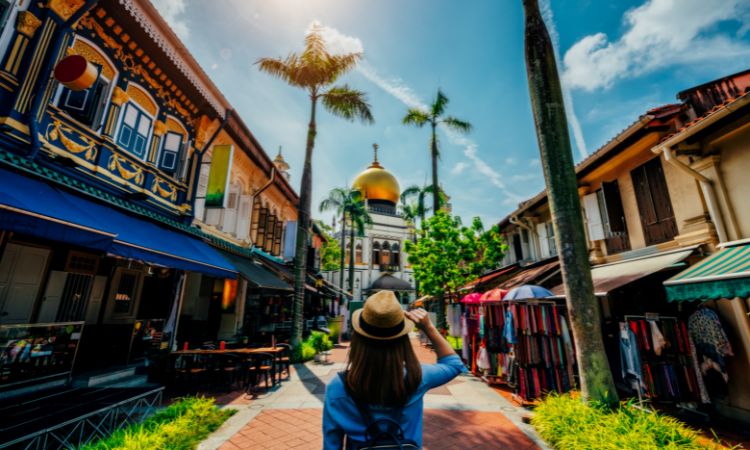
Peloponnese’s coastline stretches with remarkable variety: sandy expanses backed by dunes and pine forests, pebble bays tucked beneath rugged cliffs, and family-friendly shores with shallow waters. On the west coast, Kalogria Beach near the Gulf of Patras features fine sand and facilities for sunbeds and water sports; seasonal breezes attract windsurfers and kitesurfers. Continue south to Pylos area: Voidokilia Beach, shaped like the Greek letter omega, offers shallow turquoise waters ideal for children and snorkelers; nearby dunes and lagoon attract birdwatchers. West-coast towns often combine beach amenities with historic charm: Pylos’s waterfront cafes overlook Navarino Bay, site of historic naval battles.On the eastern side, beaches near Ancient Epidaurus include small coves with pebbles and clear water; fewer crowds allow tranquil swims. Elafonisos island off the southeastern tip boasts Simos Beach: fine sand and emerald shallows suited to families. Boat trips from Neapoli or Pounta reach this jewel, especially rewarding in shoulder months when visitor numbers ease. Along the southern Mani coast, hidden coves nestle beneath cliffside villages; kayak or boat excursions uncover sea caves and quiet anchorages. Many require moderate hiking or local boat hire—embrace adventure and plan with local operators. Facilities vary: some beaches have tavernas and umbrellas; others are remote, so pack water, snacks, and sun protection.Sunrise and sunset moments at beaches yield photographic magic: golden light on calm water, silhouettes of rocky promontories. Swimming seasons extend from late spring into October; outside peak months, some beaches feel nearly deserted for serene reflection. Families find safe swimming spots at shallow beaches; always check local signage about currents. For active travellers, paddleboarding, kayaking, and snorkelling rentals appear at key beaches. After beach time, visit nearby villages for fresh seafood plates and chilled local wine in British pounds terms to gauge value—expect generous portions at moderate cost. Accommodation ranges from beachfront guesthouses to inland villas a short drive away. Plan beach-hopping itineraries by region: grouping west or east coast visits per day to minimize driving. Road quality is generally good but allow extra time for winding coastal roads. Embrace the Mediterranean pace: leisurely swims, reading under umbrella, seaside lunches, and sunset strolls encapsulate Peloponnese’s coastal charm.
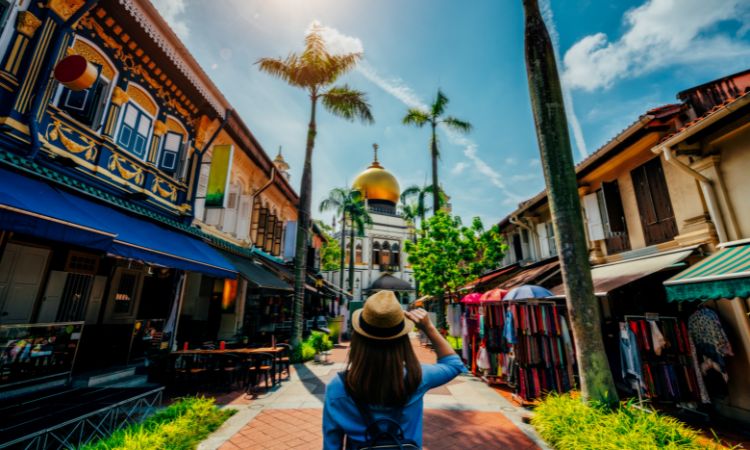
Although part of mainland Greece, Peloponnese opens to numerous small islands and islets, each offering pristine beaches and subtle seclusion. Elafonisos, off Cape Malea’s coast, feels almost tropical: shallow, crystal-clear waters lap its fine sands. Boat or ferry crossings from mainland ports allow half-day or full-day trips; during shoulder seasons, fewer crowds enhance tranquillity. Renting a small boat or joining a guided tour reveals hidden bays accessible only by sea; snorkelling around rocky outcrops reveals marine life.In the Messenian Gulf lie Sapientza and Schiza islands within a marine protected area. Day trips from Pylos or Methoni explore unspoiled shores, looking out for dolphins or sea turtles in clear waters. These islets lack large facilities, so plan provisions and respect conservation rules. Guided excursions often combine historical commentary—e.g., coastal fortress views—with swimming stops in secluded coves.Monemvasia’s rock island fortress town itself sits on an islet; after exploring medieval lanes, join local boat tours to swim in nearby hidden beaches reachable only by sea. Kayak rentals from coastal villages let travellers paddle around small peninsulas and caves at own pace, guided by tides and weather. Photography enthusiasts capture dramatic contrasts: turquoise waters against dark rocky shores, seabirds arcing overhead, and reflections at dawn.Fishing charters offer immersive experiences: accompany local captains, learn traditional techniques, and enjoy catch-and-cook meals onboard or at a taverna. In summer evenings, sailing trips from ports like Nafplio or Pylos provide sunset views of coastal fortifications and islands bathed in warm light. Safety: always check weather forecasts; local operators ensure equipment and guidance. Boat availability peaks in summer; book ahead if possible, though shoulder seasons may offer more flexible options and lower prices in British pounds terms.For families, select shorter, sheltered excursions; for adventurous travellers, multi-day sailing charters combine island hopping with overnight stays on board. Conservation-minded travellers respect protected areas: avoid disturbing wildlife, take all rubbish ashore, and use reef-safe sunscreen. Through island and hidden cove excursions, Peloponnese reveals a maritime dimension: solitude, natural beauty, and connection to Aegean rhythms beyond mainland exploration.
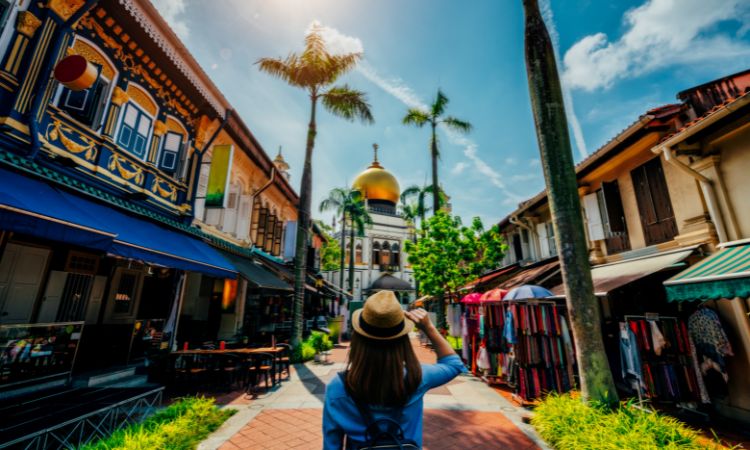
Peloponnese’s interior unfolds into mountain ranges and trails weaving through forests, gorges, and traditional villages. The Menalon Trail in Arcadia is a flagship route: segmented into stages linking Stemnitsa, Dimitsana, and more, each stage guides hikers through chestnut and fir forests, alongside rivers crossed by historic stone bridges. Well-marked paths lead to panoramic viewpoints revealing olive-clad valleys below. Guesthouses in villages along the trail welcome trekkers with local hospitality and hearty meals, offering rest before next segment.For experienced hikers, Taygetus massif near Sparta poses challenging ascents: trails climb steep slopes to Profitis Ilias peak; the reward is sweeping vistas over the Laconian plain and sparkling sea in the distance. Routes traverse pine-clad slopes and rocky ridges; weather can shift quickly, so pack layers, water, and navigation aids. Guided hikes add safety and share knowledge of endemic flora and fauna. In spring, wildflowers carpet higher meadows; autumn brings crisp air and changing colours.The Parnon range in eastern Peloponnese offers varied trails: river gorges, forested valleys, and villages such as Kosmas, where traditional architecture complements hikes. Birdwatchers spot raptors overhead; nature enthusiasts study medicinal herbs along paths. Northern foothills near Mount Helicon provide gentler walks among olive terraces and small chapels.Beyond trekking, adventurous options include canyoning in suitable rivers during wetter months or mountain biking on defined routes. Families can enjoy shorter nature loops near lakes or gentle ridge walks with local guides introducing children to hiking basics. After exertion, village tavernas serve cooling local wine and dishes flavored with mountain herbs, rewarding efforts.Plan hikes considering seasons: summer high temperatures may limit mid-day activity; spring and autumn ideal for weather and scenery. Winter hikes require caution due to possible snow at higher elevations. Always inform someone of your route, carry a basic first-aid kit, and consult local advice. Through mountain adventures, travellers experience Peloponnese’s rugged heart, connecting deeply with landscapes that shaped local culture and offering memorable challenges and insights into traditional village life.
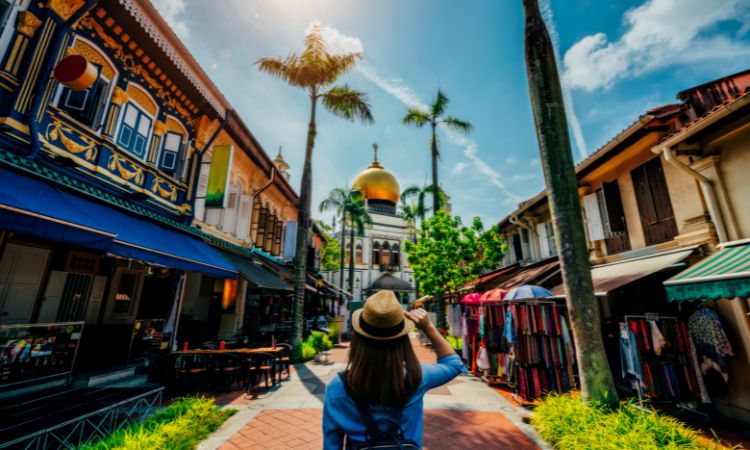
The maritime character of Peloponnese invites a spectrum of water-based activities, from adrenaline-fuelled sports to leisurely sailing. On west-coast beaches like Kalogria, afternoon breezes create ideal conditions for windsurfing and kitesurfing; equipment rental and lessons cater to beginners and intermediate riders. Snorkelling sites near rocky outcrops reveal underwater life: bring or rent snorkel gear and water shoes for rocky seabeds. Diving centres operate at selected spots: certified divers explore underwater caves and reefs teeming with fish; novices can take introductory dives under professional supervision.Kayaking excursions allow paddling along dramatic cliffs and into sea caves accessible only by small crafts; guided tours ensure safety and point out geological features. Stand-up paddleboarding appears on calmer bays, providing gentle exercise and unique vantage points over clear waters. Sailing charters from ports such as Nafplio or Pylos offer day cruises or multi-day itineraries: glide past coastal fortresses, anchor at secluded coves, and enjoy sunset vistas over open sea. These trips often include swimming stops and onboard meals or provisions for self-catering.Fishing charters introduce travellers to traditional techniques: accompany local skippers, learn to set lines or nets, and later enjoy catch prepared fresh at port-side tavernas. For thrill-seekers, some beaches offer jet-ski rentals or wakeboarding where conditions permit. Family-friendly water activities include short boat trips around bay areas, supervised snorkelling in shallow waters, or glass-bottom boat tours where available. Seasonal considerations: summer yields calm seas for smooth sailing; spring and autumn bring moderate winds suited for wind sports; always verify weather forecasts and sea conditions before heading out.Local operators emphasize safety: certified instructors, quality equipment, and clear briefings. Costs in British pounds remain moderate compared to many European coastal destinations, providing value for water-sport enthusiasts. Capture memories: underwater photography of marine life, panoramic shots from deck at sunrise or sunset, action shots while kitesurfing. Water activities can be combined with cultural visits: depart early to catch calm morning waters, then head inland to explore archaeological sites in afternoon. Through water sports and sailing, travellers experience Peloponnese’s vibrant connection to the sea, balancing excitement, relaxation, and scenic immersion..
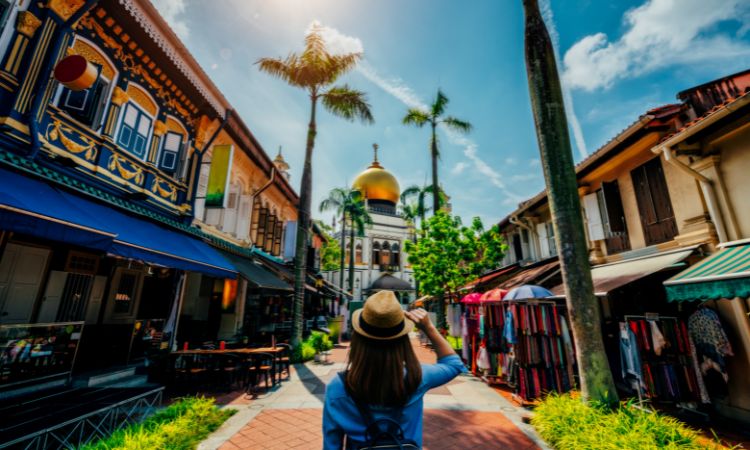
Peloponnese’s gastronomy reflects millennia of agricultural tradition and seafood bounty. Start with olive oil: visit family-run olive mills during harvest season to observe pressing methods, taste freshly pressed oil, and understand its central role in regional cuisine. Cheese-making workshops in rural settings demonstrate crafting of mizithra, anthotyro, and feta variants; sampling these with fresh bread and aromatic herbs reveals subtle differences tied to terroir. Market visits in towns such as Kalamata unveil seasonal produce—figs, citrus fruits, tomatoes, wild greens—and local vendors offering homemade preserves and spoon sweets.Wine tours form a highlight: Nemea’s vineyards cultivate the Agiorgitiko grape, producing robust reds with fruity notes; Mantinia’s Moschofilero yields crisp whites with floral aromas. Visiting cellars involves guided tastings paired with regional specialties: cured meats, olives, cheese, and honey. Learn about viticulture in ancient soils, where archaeological remains sometimes neighbour modern vines. Many estates offer lunch or picnic options amid vineyards, framing meals with scenic views.Cooking classes hosted by guesthouses or agritourism farms teach traditional recipes: moussaka layered with local eggplants, lamb stews flavored with mountain herbs, stuffed vegetables (dolmades) carefully rolled, and sweets such as baklava or sesame-coated treats. Classes often begin with visits to herb gardens or local markets to source ingredients, enriching understanding of freshness and seasonality. Street food and casual bites—loukoumades (honey-drenched doughnuts), koulouri (sesame bread rings), grilled souvlaki—offer quick taste of everyday flavours. Coastal tavernas serve grilled fish and seafood, served simply to highlight freshness; pair with chilled local white wine or a light rosé.Festivals centred on food—olive or wine festivals—invite participation: olive-picking events culminating in oil tasting, or grape harvest celebrations with communal feasts, music, and dancing. Engaging with producers fosters appreciation of labour behind products. For vegetarian travellers, many legume stews and vegetable pies highlight plant-based tradition. Costs remain value-driven: tasting experiences and meals priced moderately in British pounds, often accompanied by generous hospitality. Through culinary and wine tours, travellers connect to Peloponnese’s culture at the table, savoring flavours that embody land, sea, and heritage.
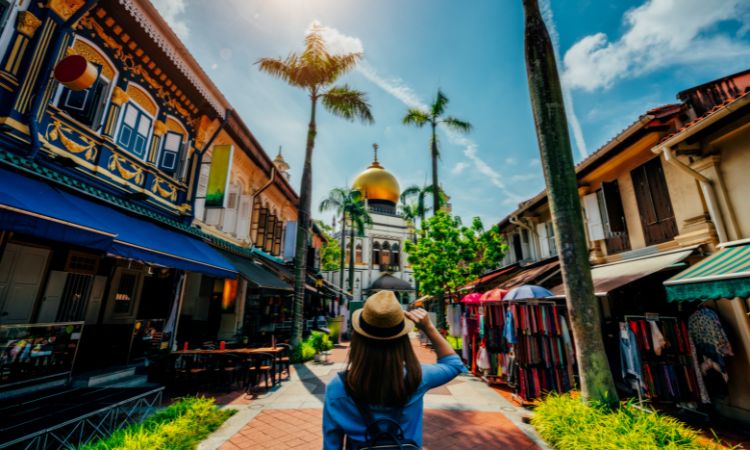
Peloponnese’s cultural calendar brims with festivals celebrating religious, agricultural, and historical traditions, offering travellers immersive experiences beyond sightseeing. In spring, Easter ceremonies in villages create deeply atmospheric moments: midnight services in stone churches, processions flickering with candlelight, and communal feasts featuring magiritsa soup and lamb, inviting respectful participation. Witnessing these rituals reveals the depth of local faith and community bonds.Summer festivals span music, dance, and food. In Nemea, wine festivals celebrate the new vintage: locals and visitors gather among vineyard rows or village squares to taste wines, enjoy live folk music, and dance traditional dances under stars. Kalamata hosts dance and cultural events, showcasing regional and international performances in ancient theatres or open-air venues. Coastal towns hold celebrations honoring patron saints: processions wend through narrow lanes, decorated with flowers and lights, culminating in outdoor feasts serving seafood, grilled meats, and pastries. Join locals in dancing syrtos or kalamatianos, guided by musicians playing bouzouki and lyra, forging connections across language barriers.Autumn brings olive harvest festivals: villages invite visitors to partake in picking olives, then gather for olive oil tasting paired with bread, cheese, and wine. Storytelling sessions recount folklore tied to groves and past seasons. Harvest events often coincide with craft fairs displaying weaving, pottery, woodcarving, and traditional textiles. Historical reenactments may dramatize local legends or battles, offering educational entertainment. In mountainous villages, chestnut festivals celebrate autumn produce, featuring roasted chestnuts, honey-based sweets, and folk music.Winter festivals exist too: Epiphany celebrations with blessing of waters at coastal towns involve boat processions and communal gatherings. Carnival events before Lent feature masks, parades, and local delicacies. Throughout the year, small-scale gatherings—village fairs, farmers’ markets, religious observances—offer authentic glimpses of everyday life. Travellers should check local calendars in advance: dates vary by village and region. Participation requires cultural sensitivity: modest attire for religious ceremonies, respectful behavior in processions, and willingness to follow local customs.Through festivals and traditions, travellers experience Peloponnese’s communal spirit: sharing food, music, stories, and hospitality. These events knit past and present, inviting visitors to be part of living heritage and creating lasting memories beyond monuments and landscapes.
No ads. No trails. No commitments


Alice Roses
London, England
51 ST MATTHIAS ROAD
NOTTINGHAM, NOTTINGHAMSHIRE
NG3 2HF
Hours: 8:00 - 17:00, Mon - Sat
support@johnsonholidays.com