
 Phang Nga Travel
Guide
Phang Nga Travel
Guide
Paris is known around the world as the “capital of love,” and even if you don't understand the history of Paris at all

13 Hours
£1.82
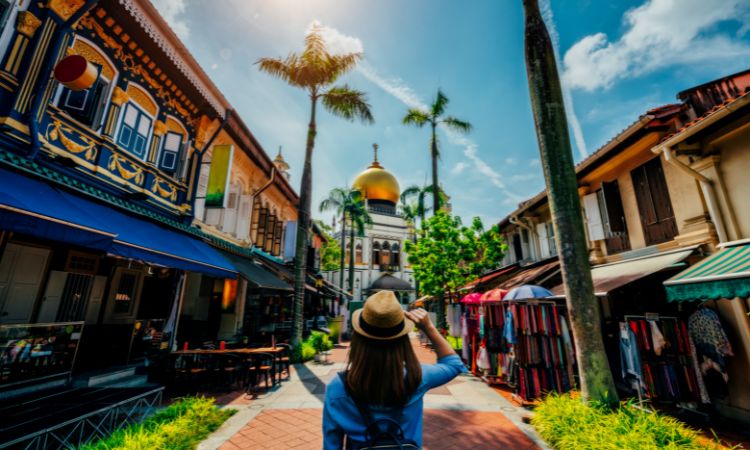
Phang Nga Bay’s towering limestone karsts emerging from emerald waters create some of Southeast Asia’s most iconic scenery. Visitors can kayak through hidden lagoons, photograph the famous Khao Phing Kan (“James Bond Island”), and marvel at dramatic cliffs sculpted by centuries of erosion. These landscapes are accessible via day tours from Phang Nga town or Phuket, offering sunrise or sunset cruises that illuminate the karsts in golden light. Experiences include sea canoeing in Ao Phang Nga National Park, where small caves and mangrove channels reveal tranquil microcosms for exploration. Such unique topography provides unforgettable memories and exceptional photo opportunities, distinguishing Phang Nga from typical beach destinations.
Learn More
Phang Nga province encompasses marine national parks such as Similan and Surin Islands, celebrated for crystal-clear waters and vibrant coral reefs. Diving and snorkeling trips reveal schools of tropical fish, colorful corals, and occasional encounters with manta rays or whale sharks (in season). Day-trip prices for snorkeling typically range from 1,500–2,500 THB (~£34–£57) including boat transfers and equipment, offering exceptional value for world-class marine experiences. Conservation efforts maintain biodiversity, and travelers are guided by regulations to minimize impact. Whether a beginner snorkeler or certified diver, Phang Nga’s underwater realm presents rewarding wildlife encounters in protected marine environments.
Learn More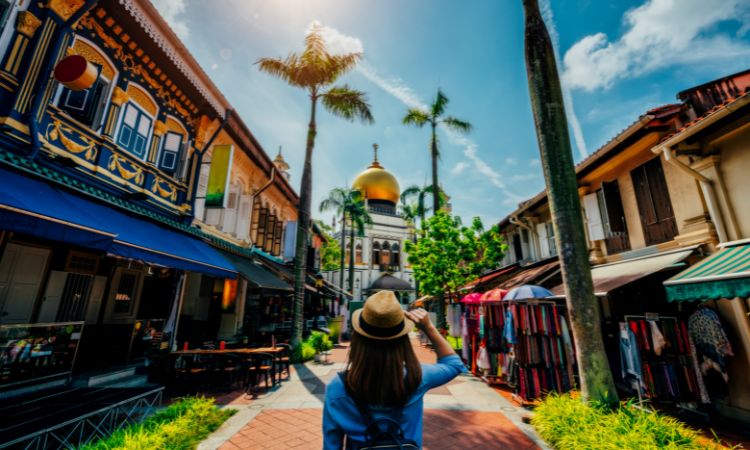
Beyond natural beauty, Phang Nga invites cultural immersion. Visitors can explore seaside stilt villages such as Koh Panyi, witnessing traditional fishing lifestyles and sampling fresh seafood at community-run eateries. Temple visits reveal local religious practices blended with Southern Thai and Malay influences. Participating in Buddhist festivals, cooking classes, or village homestays fosters respectful engagement with local communities. Cultural tours may include visits to rubber or fruit plantations, where seasonal harvests like mangosteen or rambutan connect travelers to rural livelihoods. These authentic experiences, often priced modestly (~500–1,000 THB/£11–£23 for guided visits), cultivate deeper appreciation for Phang Nga’s heritage and daily life.
Learn More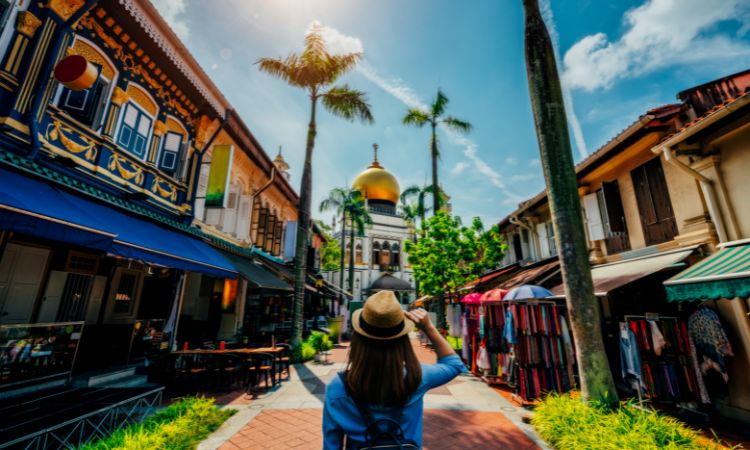
Phang Nga’s interiors are dominated by evergreen forests and national parks offering hiking trails, waterfall visits, and wildlife spotting opportunities. Areas like Khao Lak–Lam Ru National Park feature trails leading to viewpoints over Andaman coastlines, while Ton Pariwat Wildlife Sanctuary harbors rare flora and fauna. Guided treks illuminate ecosystem complexity, from limestone cave systems to rainforest canopies. Day-trip jungle safaris include moderate hikes, waterfall swims, and birdwatching; typical guided excursion costs range around 1,000–1,500 THB (~£23–£34). These adventures cater to nature enthusiasts seeking off-the-beaten-path exploration, with emphasis on responsible practices to safeguard ecosystems.
Learn More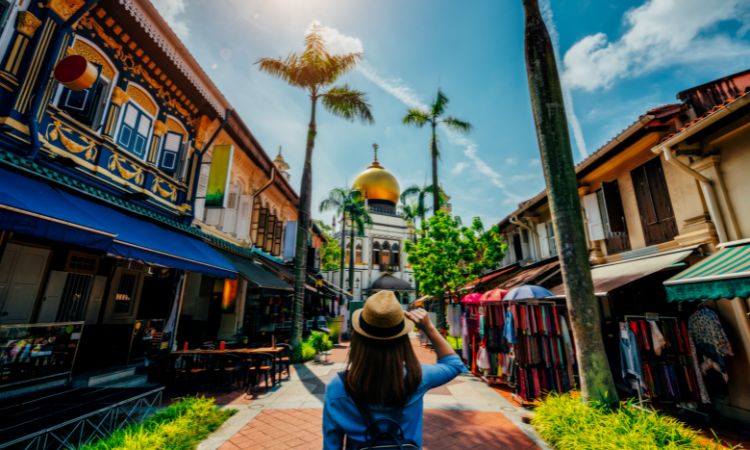
Phang Nga province includes serene islands such as Koh Yao Yai and Koh Yao Noi, where tranquil fishing villages, quiet beaches, and simple resorts offer escape from crowded tourist hubs. Island stays often feature beachfront bungalows, yoga retreats, or spa treatments using local ingredients like coconut oil. Costs for island accommodation and services remain competitive: beachfront bungalows from £25 per night, spa massages around 500 THB (~£11). Slow-paced island life invites guests to unwind, cycle through villages, and enjoy sunsets over calm waters, enriching relaxation-focused itineraries.
Learn More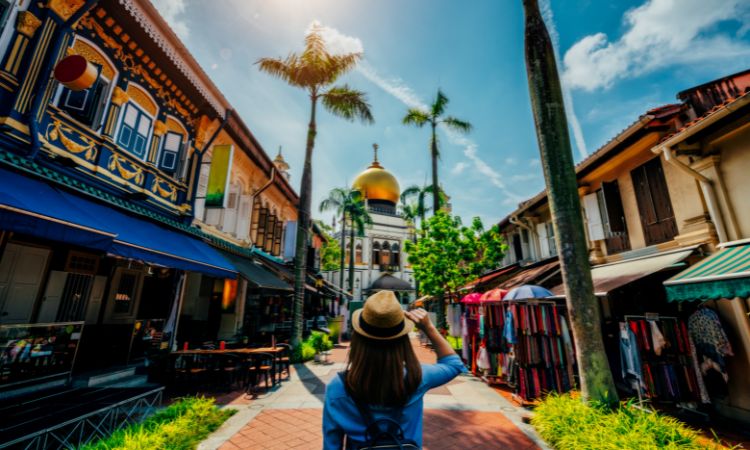
Phang Nga offers high-quality experiences at comparatively low costs when expressed in British pounds. Affordable accommodation options range from budget guesthouses (£20 per night) to mid-range resorts (£50–£100). Food and activities such as boat tours, cultural visits, and wellness treatments are priced modestly (e.g., local meals ~100–200 THB/£2–£5; tours ~1,000–2,500 THB/£23–£57). This value enables longer stays, diverse activities, and meaningful interactions within a defined budget, making Phang Nga accessible for solo travelers, couples, or families seeking both adventure and comfort without premium pricing.
Learn More
Lorem ipsum dolor, sit amet consectetur adipisicing elit. At illo adipisci iusto
From

Because more than 268 other customers have loved us too

Demonstrates commitment to user data security through encryption and secure payment practices
Learn More
Demonstrates commitment to user data security through encryption and secure payment practices
Learn More
Demonstrates commitment to user data security through encryption and secure payment practices
Learn More
Demonstrates commitment to user data security through encryption and secure payment practices
Learn More
Quality as judged by customers. Book at the ideal price!


/ person
/ person
/ person
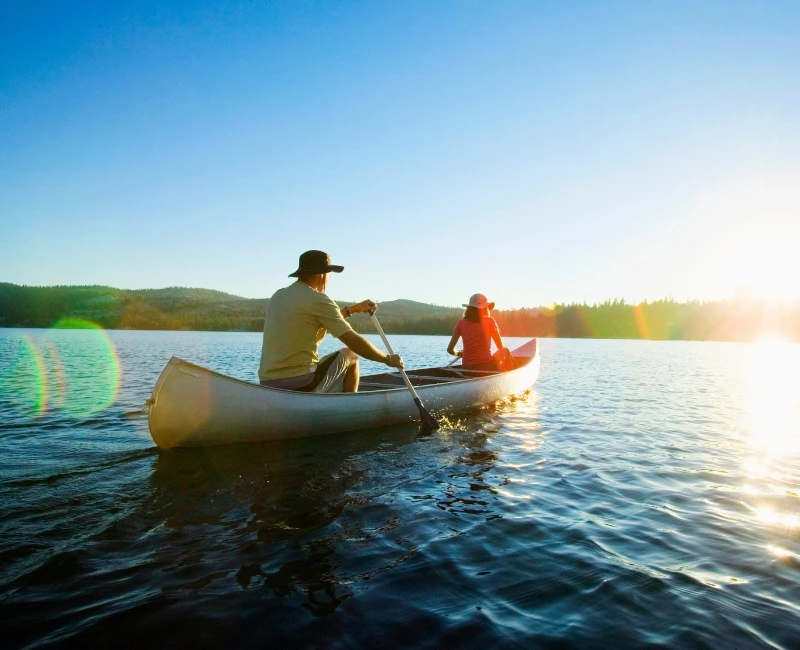
Phang Nga Bay Sea Canoeing invites travelers to navigate through labyrinthine limestone karsts and hidden lagoons by traditional kayak or sea canoe, providing immersive access to the region’s most iconic natural formations. Departures typically occur from Khao Lak or coastal piers near Phang Nga town, with guided tours lasting half or full day. Paddlers float silently through mangrove channels framed by towering cliffs, spotting birdlife and occasionally small cave openings leading to secluded pools.Experienced guides lead small groups, ensuring safety and sharing geological insights: the karsts formed over millions of years through marine limestone deposition and erosion. Sea-level fluctuations have created caves accessible only by canoe at certain tides; guides schedule tours to match tidal conditions, enhancing exploration opportunities. Equipment (sit-on-top kayaks or inflatable canoes) and safety gear are provided; novices receive instruction before departure.Typical itineraries include visits to iconic formations such as Ko Tapu (“James Bond Island”), Koh Panyee’s floating village, and lesser-known inner lagoons where paddlers can disembark to brief nature walks on small islets. Snacks or simple Thai lunch may be included. Costs range around 1,500–2,000 THB per person (~£34–£45), covering boat transfers, guide fees, equipment, and entrance fees to Ao Phang Nga National Park . Small group sizes (6–10 kayaks) preserve tranquility and minimize environmental impact.Sea canoeing experiences often schedule sunrise departures for calm waters and golden light photography, or midday tours to combine paddling with beach relaxation. Wildlife sightings may include herons, kingfishers, macaques near mangroves, and occasionally sea eagles. Tours emphasize environmental stewardship: visitors are briefed on minimal-impact paddling, waste management, and respect for fragile ecosystems.For multi-day enthusiasts, combining sea canoeing with overnight stays on nearby eco-lodges or floating camps deepens connection to the natural setting. Paddling in early morning mist or at sunset creates memorable encounters with Phang Nga’s geological wonders. Booking in advance during peak season (December–February) secures preferred dates. This activity suits active travelers seeking close-up views of sculpted karsts, serene paddling experiences, and insights into coastal geology and ecology.
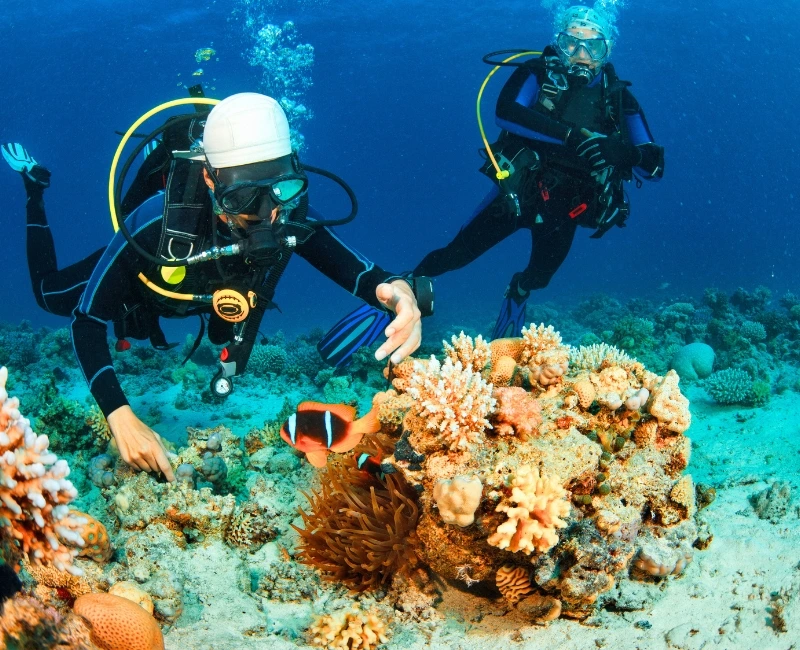
The Similan Islands, part of Mu Ko Similan National Park, offer world-class snorkeling and diving opportunities recognized among Southeast Asia’s top marine sites. Tours depart from Khao Lak or Thap Lamu pier early morning, with full-day and liveaboard options. Clear waters reveal vibrant coral gardens, schools of tropical fish, and macro life such as nudibranchs; deeper dives may encounter manta rays or whale sharks in season.Snorkelers experience shallow reefs abundant with parrotfish, butterflyfish, and colorful anemones, while certified divers explore dive sites like Elephant Head Rock and Christmas Point. Day-trip snorkeling packages include boat transfers, snorkeling equipment, park fees, lunch, and guided sessions, priced around 3,000–4,000 THB (£68–£91) per person. Dive packages (two-tank dives) average 4,500–6,000 THB (£102–£136), inclusive of equipment, dive master, and park fees. Liveaboard trips spanning 2–3 nights provide multiple dives, comfortable accommodations on board, and meals, with prices from 12,000 THB (~£273) upward depending on vessel class.Timing visits from mid-October to mid-May aligns with park open season and optimal sea conditions; visibility often exceeds 20 m during dry season. Park visitor limits enforce sustainable tourism; booking through reputable operators ensures adherence to quotas and environmental guidelines. Onboard briefings cover reef etiquette, highlighting avoidance of contact with corals and marine life to protect fragile ecosystems.Safety protocols include checking diver certifications, providing refresher courses for beginners, and ensuring experienced dive masters accompany groups. Non-divers can still enjoy snorkeling in protected zones under marine park supervision. Photography enthusiasts benefit from underwater visibility, capturing images of coral formations and marine species.Beyond marine activities, operators sometimes include short beach stops on uninhabited islands for relaxation and exploration; basic hikes reveal viewpoint panoramas. These multi-faceted tours balance underwater adventure with beach leisure. Preparation includes bringing sunscreen, swimwear, lightweight clothing, and seasickness remedies if needed. Environmental responsibility remains central: operators and travelers minimize plastic use, comply with “take only photos, leave only bubbles” principles, and respect park conservation regulations.By experiencing Similan Islands snorkeling and diving, travelers gain firsthand appreciation for Phang Nga’s underwater treasures, contributing to local eco-tourism economies while creating lasting memories beneath crystalline Andaman waters.
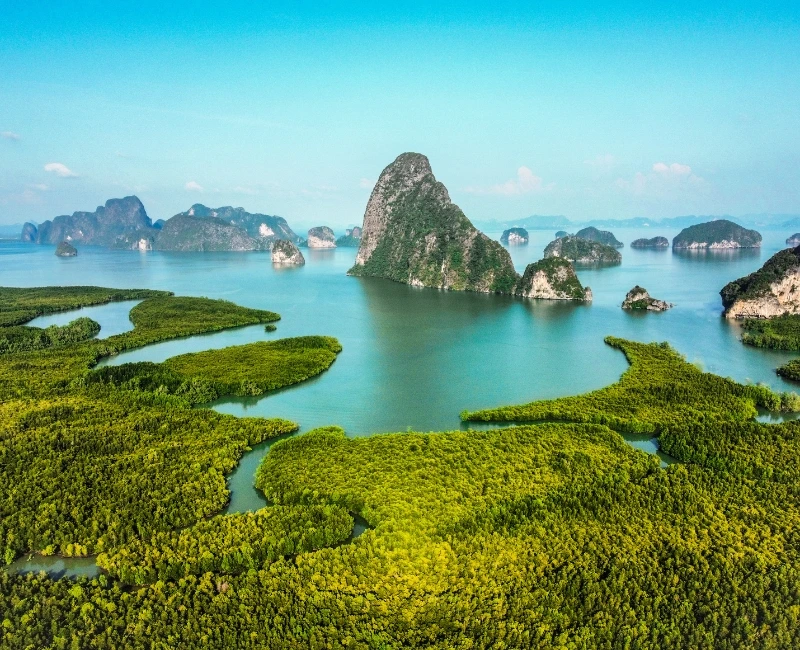
Koh Panyi, a fishing village built entirely on stilts over Phang Nga Bay, offers unique cultural encounters illustrating adaptability and community resilience. Boat transfers from Phang Nga town or coastal piers deliver visitors to wooden walkways connecting houses, schools, and markets all elevated above water. Residents, descended from Malay sea gypsies, maintain traditional fishing livelihoods, and hospitality extends through community-run eateries serving fresh seafood dishes like grilled fish, curry, and stir-fried specialties.Village visits often include brief tours with local guides sharing history: Koh Panyi was established by refugees seeking safe shelter from sea storms, evolving into a close-knit community reliant on fishing and ecotourism. Interactive experiences may involve learning basic fishing techniques or observing fish drying and processing methods. Community-based tourism initiatives ensure revenues support local families, with modest fees or meal spends (300–500 THB/£7–£11 per meal) directly benefiting villagers. Tour packages including Koh Panyi visits and sea canoeing or island-hopping typically cost 1,500–2,500 THB (£34–£57), balancing cultural immersion with scenic exploration.Beyond Koh Panyi, cultural tours in Phang Nga encompass visits to local temples perched atop limestone hills, featuring panoramic views and traditional Buddhist architecture. Guided temple visits explain regional religious practices, merit-making rituals, and symbolism in temple art. Visits to rubber or fruit plantations showcase agricultural aspects of Phang Nga’s economy, with opportunities to taste seasonal fruits like mangosteen and rambutan or witness rubber tapping processes. Such experiences often involve small-group tours priced 800–1,200 THB (~£18–£27).Cooking classes conducted in village settings let travelers prepare Southern Thai dishes using local ingredients, fostering hands-on understanding of flavor profiles and cooking techniques. Classes range from 1,200–2,000 THB (~£27–£45) including ingredient costs and instruction, offering take-home recipes and memories of communal cooking. Seasonal festival participation, if timed appropriately, offers deeper cultural immersion—observing Songkran’s water rituals or Loy Krathong’s lantern-floating ceremonies connects travelers to Thai traditions.Responsible cultural engagement emphasizes respect: appropriate dress codes at temples, mindfulness of local customs, and supporting community initiatives that prioritize resident welfare over exploitative tourism. Through village visits and interactive activities, travelers gain meaningful insights into Phang Nga’s cultural tapestry beyond its natural allure, enriching overall holiday experiences.
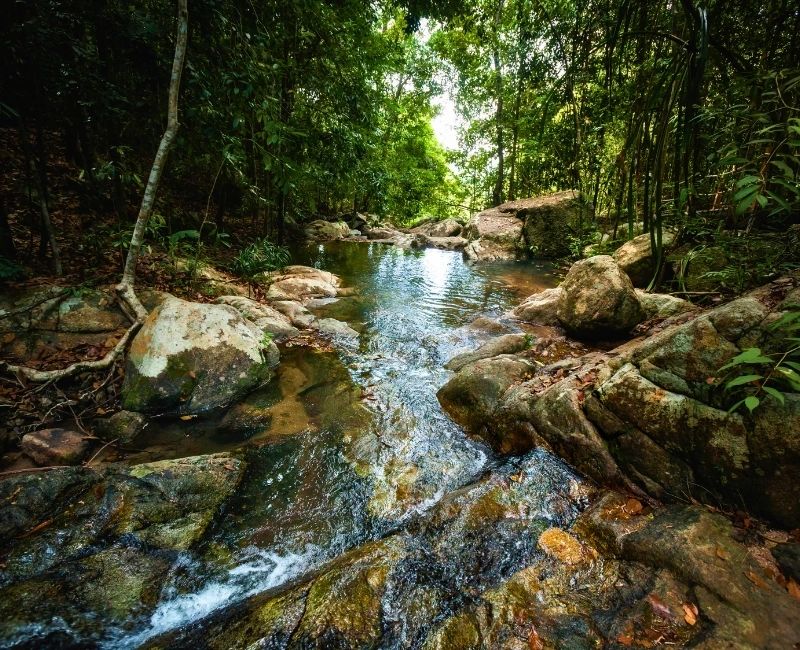
Phang Nga’s interior rainforest and waterfall trails reveal another facet of the province’s natural appeal. Guided jungle treks in areas such as Khao Lak–Lam Ru National Park or Ton Pariwat Wildlife Sanctuary lead hikers through dense vegetation, past streams, and to cascading waterfalls ideal for cooling dips. Knowledgeable guides point out native flora—orchids, giant ferns, and towering dipterocarp trees—and fauna such as gibbons, hornbills, and monitor lizards if encountered.Trail difficulty varies from easy forest walks to moderate hikes with elevation gain leading to elevated viewpoints overlooking Andaman Sea coastlines. Typical half-day jungle tours cost 1,000–1,500 THB (~£23–£34), including ranger fees, guide services, and sometimes simple packed lunches. Some itineraries combine trek with canoe rides along jungle rivers or visits to cave systems housing stalactites and stalagmites illuminated by natural light. Guides emphasize safety—wearing appropriate footwear, insect repellent, and carrying sufficient water—and environmental protection through leave-no-trace principles.Waterfall explorations often target sites like Ton Chong Fa or Sai Rung Waterfall, where natural pools provide refreshing swimming opportunities. Seasonal variations affect waterfall flow; dry-season visits may reveal rock formations for sunbathing, while rainy-season treks offer more spectacular cascades but require caution due to slippery terrain. Guides assess conditions and adapt routes accordingly. The sensory experience—birdsong, rustling leaves, freshwater sounds—provides respite from coastal humidity and invites deeper connection to Phang Nga’s biodiversity.Accommodation options for overnight jungle stays include eco-lodges or simple campsites enabling multi-day exploration. Such experiences may involve nocturnal wildlife spotting or early-morning birdwatching, appealing to dedicated nature enthusiasts. Costs depend on lodging choices and duration, with rustic camps starting around 800 THB (£18) per night, and eco-lodges around 1,500–2,500 THB (£34–£57).Jungle and waterfall adventures complement coastal activities, offering balanced itineraries that showcase Phang Nga’s terrestrial ecosystems. These tours appeal to travelers seeking active immersion in rainforest environments, combining fitness, natural beauty, and educational insights about conservation and local ecology.
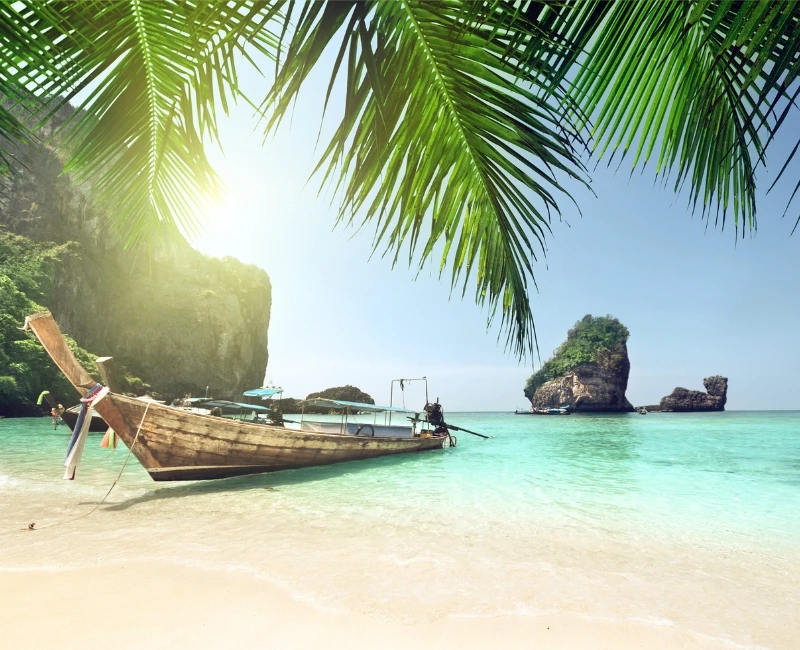
Liveaboard dive trips to the Similan Islands provide multi-day immersion into one of Thailand’s premier diving destinations. Departures from Khao Lak’s Thap Lamu pier set out on comfortable vessels equipped with cabins, dive platforms, and professional dive teams. Over 2–3 nights, guests undertake multiple dives at prime sites such as Richelieu Rock (near Surin Islands), Christmas Point, and Elephant Head Rock, witnessing diverse marine life from reef sharks to manta rays.Liveaboard pricing varies by vessel standard: basic boats start around 12,000 THB (£273) for two nights and multiple dives; higher-end liveaboards with air-conditioned cabins and gourmet meals may cost 20,000 THB (£455) or more. Packages include dive gear, park fees, meals, and transfers, offering convenience for serious divers aiming to maximize underwater time without daily boat returns. Schedules align with park open seasons (mid-October to mid-May) when waters are calm and visibility excellent. Strict visitor quotas enforce sustainable diving; operators secure slots in advance.Beyond diving, liveaboard itineraries include snorkeling sessions for non-diving companions, beach visits on uninhabited islands, and onboard relaxation at sunset over open sea. Crew-led briefings cover dive safety, local marine conservation practices, and emergency procedures. Travelers benefit from camaraderie among fellow divers and expert guidance identifying marine species and behaviors. Underwater photography opportunities abound; many liveaboards offer camera rental or charging stations.Responsible practices include avoiding touching corals, using reef-safe sunscreen, and supporting operators with clear conservation policies. Liveaboard trips often partner with local conservation bodies to monitor reef health and contribute via citizen science. This marine-focused adventure caters to experienced divers seeking quality dive experiences in protected waters and fosters appreciation for Phang Nga’s underwater ecosystems beyond surface-level tourism.
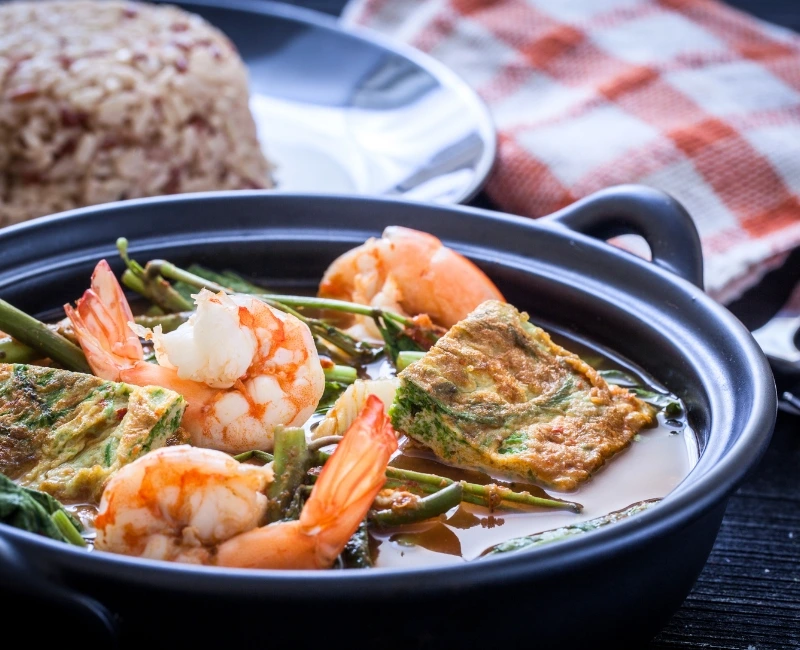
Thai cooking classes paired with local market tours offer flavorful insights into Southern Thai cuisine. Classes typically begin with a guided visit to markets in Phang Nga town or Khao Lak, where participants learn to select fresh produce, seafood, herbs, and spices essential to local dishes. Guides explain ingredient uses, seasonal variations, and sustainable sourcing practices. Market tour costs range around 500 THB (~£11) including tasting samples and expert commentary.In subsequent cooking sessions—held in village kitchens or eco-resorts—small groups prepare dishes such as gaeng som pla (sour fish curry), khua kling (spicy stir-fry), and coconut-based desserts. Classes include step-by-step instruction on balancing flavors: sour tamarind, spicy chilies, sweet palm sugar, and salty fish sauce. Hands-on cooking fosters understanding of traditional techniques like grinding curry paste by mortar and pestle or grilling seafood over charcoal. Ingredient costs and instruction fees typically total 1,200–2,000 THB (~£27–£45), including printed recipes to recreate dishes at home.Cultural context enriches classes: stories behind dish origins, regional culinary influences from Malay and Chinese trade routes, and etiquette around Thai dining. Participants share communal meals they prepared, fostering social interaction and cross-cultural exchange. For families, children may engage in simple tasks, making classes suitable for varied age groups. Vegetarian and specialist dietary accommodations can be arranged with advance notice.Beyond cooking, optional add-ons include farm visits to learn about local agriculture (e.g., coconut, rubber, fruit plantations), connecting food origins to broader environmental and economic contexts. These tours support community-based tourism, with proceeds benefiting local families. Such immersive culinary experiences complement outdoor activities, offering restful yet engaging half-day or full-day options, ideal for travelers seeking deeper cultural understanding and lasting skills beyond souvenir shopping..
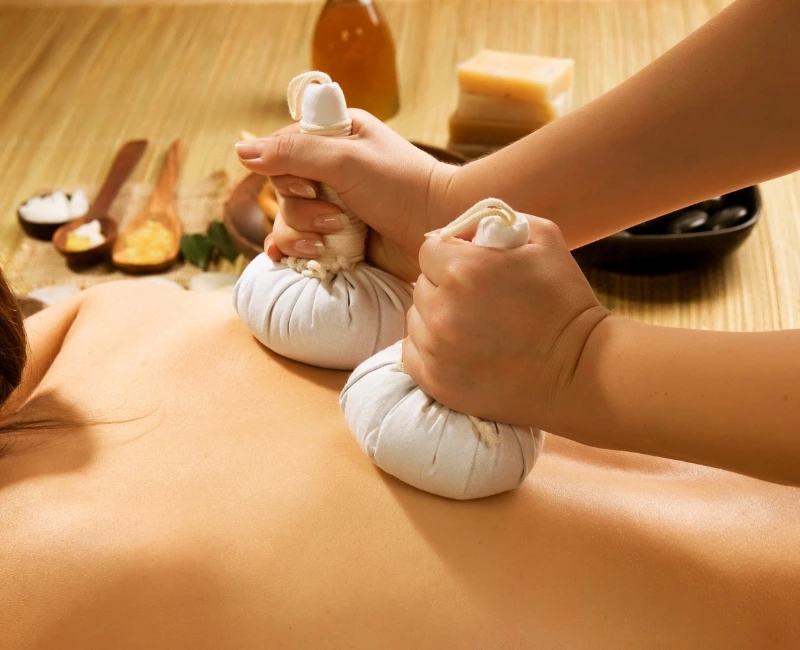
Phang Nga’s serene settings make it an ideal location for wellness retreats combining Thai spa traditions, yoga, and holistic treatments. Resorts and boutique wellness centers nestled in forested hills or beachfront settings offer packages including daily yoga classes, meditation sessions overlooking the sea, and massage therapies using local herbs and essential oils. Typical spa treatments (Thai massage, aromatherapy) cost around 500–1,200 THB (£11–£27) per session, providing excellent value compared to Western spa rates. Accommodation packages with wellness inclusions range from 2,500 THB (£57) per night for simple retreats to higher-end villas with private pools and personalized spa plans.Wellness itineraries often integrate nature: guided forest bathing walks, breathing exercises by rivers or seas, and healthy cooking classes focusing on plant-based Southern Thai dishes. Some centers collaborate with local healers to introduce traditional herbal compress therapies or coconut-based skin treatments. Retreat durations vary from single-day spa escapes to week-long programs emphasizing detoxification, stress reduction, and mindfulness. Pricing for multi-day wellness retreats typically starts around 10,000 THB (~£227) including accommodation, meals, and treatments.Yoga and meditation sessions take advantage of tranquil island backdrops or jungle clearings, with experienced instructors guiding sessions suitable for all levels. Morning sunrise yoga overlooking Phang Nga Bay or evening meditation under starlit skies fosters deep relaxation. Wellness centers emphasize sustainability: organic ingredients, eco-friendly facilities, and support for local communities through sourcing produce from nearby farms.These wellness experiences appeal to travelers seeking balance after active adventures, offering restorative breaks that complement kayaking, diving, or trekking excursions. Booking in advance during peak season ensures availability, while off-peak visits may secure discounted wellness packages. Whether travelers seek a full wellness vacation or occasional spa treatments, Phang Nga provides rejuvenating options set within its natural and cultural richness.
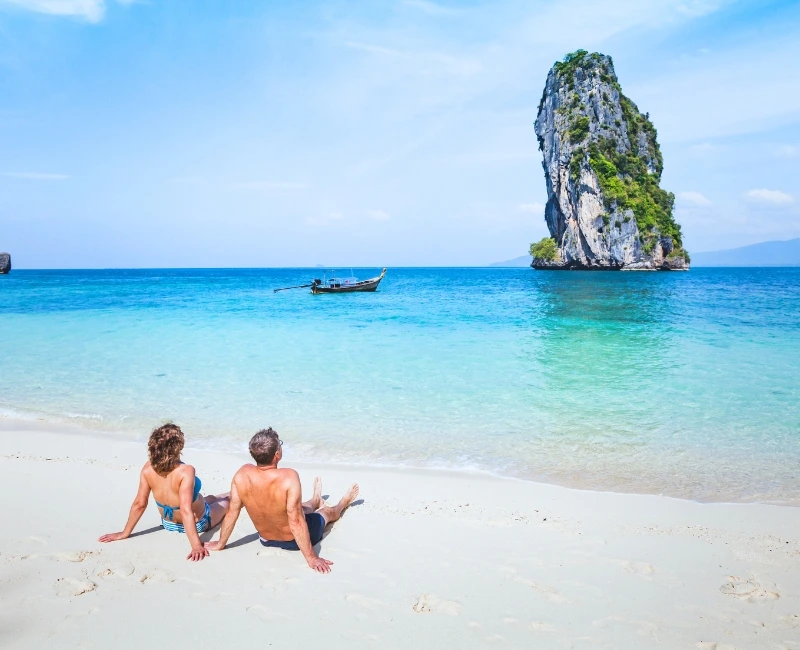
Sunset cruises along Phang Nga Bay or coastal areas near Khao Lak offer romantic and serene ways to end active days. Small-group boat tours depart late afternoon, navigating among limestone karsts as the sun casts warm hues across water surfaces. Refreshments such as local fruit platters and chilled beverages accompany the voyage; some operators include light Thai snacks. Cruise costs range around 1,200–1,800 THB (~£27–£41) per person, covering boat, guide, and snacks.These experiences often incorporate short stops for sunset photography at vantage points or floating platforms. Guides may share local legends about islands and rock formations, enriching the ambiance. For private charters, couples or small families can arrange personalized cruises, selecting music playlists or special arrangements like champagne to celebrate occasions. Private sunset cruise pricing starts around 5,000 THB (~£113) depending on boat type and duration.Following the cruise, evenings can be spent at beachfront bars or seaside restaurants in Khao Lak or Thai Mueang, enjoying fresh seafood grilled to order, accompanied by local beers (70–80 THB/~£1.60–£1.82 per pint). Live acoustic music venues and fire performances occasionally feature as night-time entertainment. For a more relaxed vibe, beach bonfires or moonlit stargazing sessions can be arranged with resort staff or local guides.Sunset cruises also appeal to photography enthusiasts aiming to capture silhouette shots of karsts or reflection plays in calm waters. For wildlife lovers, dusk may reveal birds returning to roost or bioluminescent plankton in certain areas. Responsible operators ensure minimal light pollution and environmental care. These low-intensity experiences suit those preferring gentle activities after daytime excursions, blending natural beauty with leisurely social moments.
No ads. No trails. No commitments


Alice Roses
London, England
51 ST MATTHIAS ROAD
NOTTINGHAM, NOTTINGHAMSHIRE
NG3 2HF
Hours: 8:00 - 17:00, Mon - Sat
support@johnsonholidays.com