 Nouvelle Aquitaine Travel
Guide
Nouvelle Aquitaine Travel
Guide
Paris is known around the world as the “capital of love,” and even if you don't understand the history of Paris at all

2 Hours
£5.10
Nouvelle-Aquitaine encompasses Bordeaux—synonymous with fine wines—and numerous appellations extending through Médoc, Saint-Émilion, Pomerol, Sauternes, Bergerac, Cahors, and beyond. Wine lovers can tour historic châteaux, participate in tastings, attend seasonal harvest festivals, and discover smaller, family-run domaines off the beaten path. Beyond Bordeaux, regions like Bergerac and Cahors offer distinct varietals (Malbec, etc.), while Jurançon and Irouléguy in the Pyrenean foothills present lesser-known mountain wines. The breadth of terroirs—from gravelly Médoc soils to clay-limestone hillsides—ensures diversity in every glass. Many estates welcome visitors for personalized tours and pairings, guided by vintners eager to share centuries-old traditions. For aficionados and novices alike, the immersive wine experiences—vineyard walks, cellar visits, and regional food pairings—justify a trip dedicated to Nouvelle-Aquitaine’s oenological heritage.
Learn More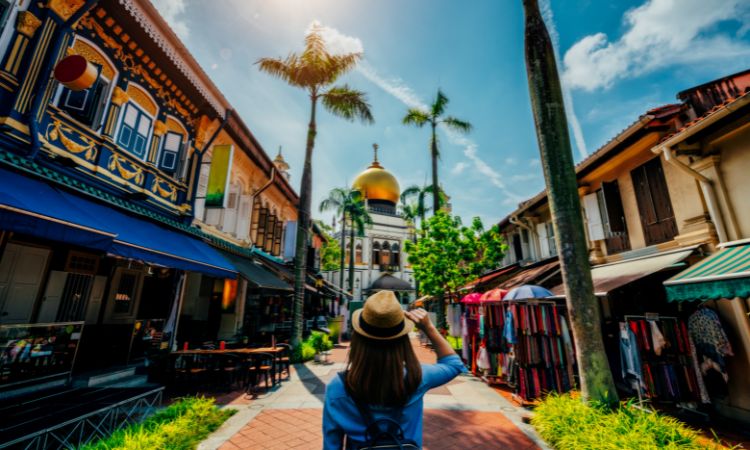
The Atlantic coastline of Nouvelle-Aquitaine stretches over 700 km, featuring sandy beaches ideal for surfing (e.g., Lacanau, Hossegor), family-friendly seaside resorts (Arcachon Bay, Île de Ré, Île d’Oléron), and tranquil fishing villages. Winter surfers chase consistent swells; summer travellers bask under sunny skies. Arcachon Bay’s Dune du Pilat (Europe’s tallest sand dune) offers panoramic vistas. Charente-Maritime’s islands deliver cycle paths, oyster farms, and salt marshes. The Basque coast around Biarritz and St-Jean-de-Luz blends cultural flair with beach life, while Landes’ pine forests back pristine sands. Whether seeking adrenaline on waves, peaceful nature walks among dunes and pines, or gourmet seafood platters overlooking the sea, the region’s coastline caters to varied tastes. Beach seasons peak June–September, but spring and autumn offer milder crowds and pleasant weather.
Learn More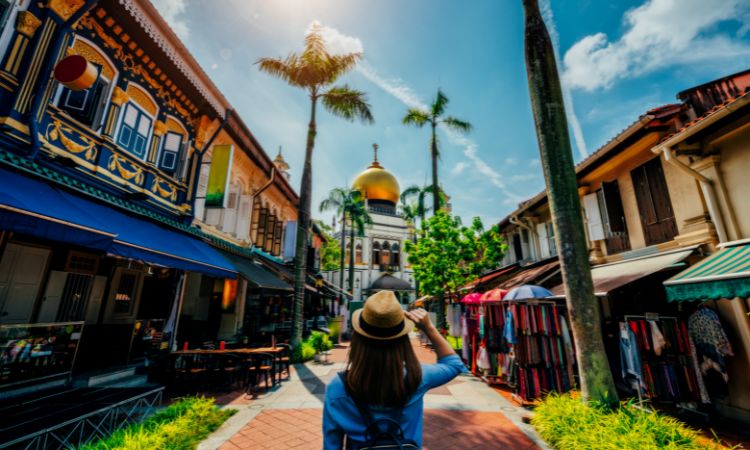
From Roman amphitheaters in Saintes to medieval bastides like Pujols and Monpazier, from Gothic cathedrals in Poitiers and Angoulême to Renaissance châteaux in Dordogne, Nouvelle-Aquitaine brims with history. Bordeaux’s elegant 18th-century architecture and UNESCO-listed Port of the Moon reflect its mercantile past. Poitiers showcases Romanesque churches; La Rochelle evokes maritime legacy. Basque culture thrives in Pau and Bayonne, with unique traditions, festivals, and cuisine. Limousin’s porcelain heritage and rural crafts offer artisanal insights. Archaeological sites (e.g., Lascaux caves nearby) and prehistoric heritage in Dordogne draw inquisitive travellers. Museums and cultural events—from music festivals to art biennales—animate the calendar year. For travelers craving immersion in centuries of European history and vibrant contemporary culture, Nouvelle-Aquitaine presents myriad opportunities to explore heritage sites and living traditions.
Learn More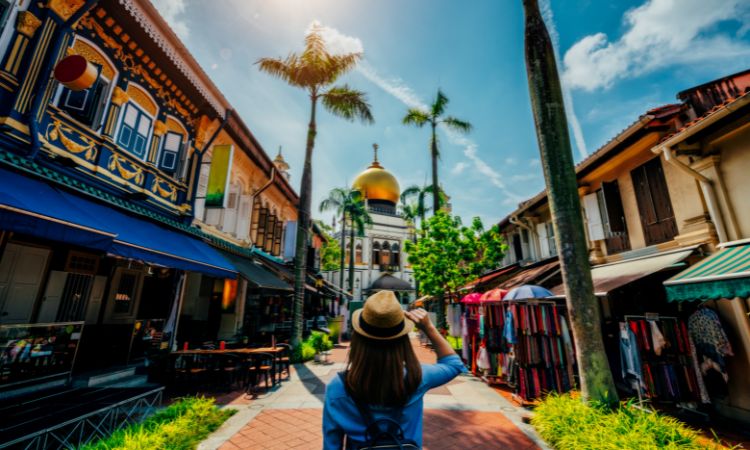
The region’s geographic diversity nurtures outdoor pursuits: hike or ski in the Pyrenees foothills; cycle vineyard trails or forest tracks; kayak or canoe on the Dordogne, Vézère, or Charente rivers; horseback ride through pine forests; paraglide above Basque valleys; or explore limestone caves. Birdwatchers frequent wetlands around Marais Poitevin or Gironde estuary; natural parks preserve biodiversity in Landes and Massif Central fringes. Adventure companies offer guided activities—from canyoning to rock climbing. Rural Limousin’s lakes invite paddle sports and fishing; coastal wetlands host protected wildlife. Outdoor enthusiasts find year-round activities: winter ski in higher elevations; spring blossom hikes; summer water sports; autumn foliage trails. The combination of mild climate and varied terrain makes Nouvelle-Aquitaine an outdoor playground catering to families, solo travelers, and adrenaline seekers alike.
Learn More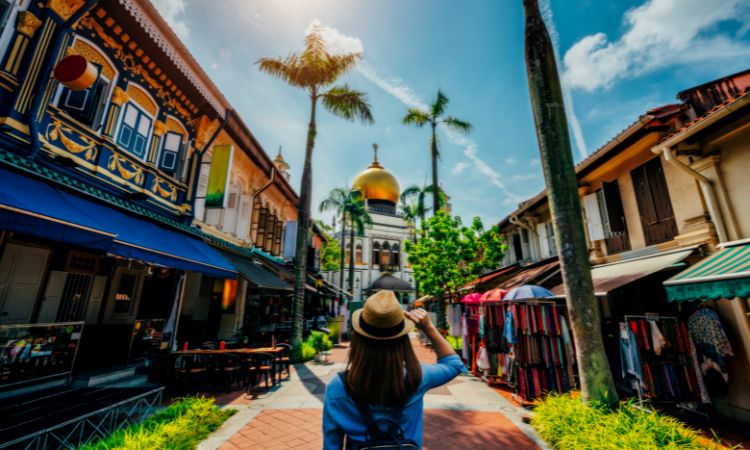
Nouvelle-Aquitaine’s culinary scene celebrates local produce: from foie gras and confits in Landes and Dordogne, to oysters of Arcachon Bay and Charente-Maritime, to Basque pintxos, to truffle hunting in Périgord. Markets overflow with fresh fruits, vegetables, cheeses (e.g., Ossau-Iraty), and artisanal breads. Coastal eateries serve seafood platters; countryside auberges offer hearty rural fare. Cooking classes and food tours allow hands-on experiences: learn to shuck oysters, prepare confit, or pair local cheeses with wines. Seasonal festivals—truffle markets in winter, wine harvest celebrations in autumn—invite participation. Dining ranges from village bistros offering Plat du Jour at reasonable British-pound-equivalent prices to Michelin-starred restaurants showcasing Nouvelle-Aquitaine’s finest ingredients. For food lovers, every meal becomes a discovery of regional identity through taste.
Learn More
Nouvelle-Aquitaine’s cultural calendar is lively: Bordeaux Wine Festival (even years), Bayonne Fêtes de Bayonne (summer), Festival de la BD in Angoulême, jazz festivals in La Rochelle and Marciac, Pyrenean folk events, Christmas markets, and more. Seasonal events spotlight local traditions: Basque pelota tournaments, ploughing festivals in Limousin, sunflower festivals in Landes. Outdoor concerts and theatrical performances take advantage of mild seasons. Gastronomic fairs celebrate regional produce (oysters, truffles, chestnuts). Art and heritage days open historic sites. Whether you plan around a specific festival or discover spontaneous village fêtes, the region’s event diversity ensures cultural immersion and festive experiences throughout the year.
Learn More
Lorem ipsum dolor, sit amet consectetur adipisicing elit. At illo adipisci iusto
From

Because more than 268 other customers have loved us too

Demonstrates commitment to user data security through encryption and secure payment practices
Learn More
Demonstrates commitment to user data security through encryption and secure payment practices
Learn More
Demonstrates commitment to user data security through encryption and secure payment practices
Learn More
Demonstrates commitment to user data security through encryption and secure payment practices
Learn More
Quality as judged by customers. Book at the ideal price!


/ person
/ person
/ person
Bordeaux, the jewel of Nouvelle-Aquitaine’s viticultural heritage, lies surrounded by world-class wine regions within easy reach of the city. Begin in the Médoc, on the left bank of the Gironde estuary, where gravelly soils yield powerful Cabernet Sauvignon–dominated blends. Follow the Route des Châteaux northward to legendary estates—Château Margaux, Château Latour, Château Mouton Rothschild—and smaller appellations like Pauillac and Saint-Estèphe. Guided tours unveil vineyard practices: trellis management, grape sorting, fermentation in stainless steel or oak, and barrel-aging in historic cellars. Tastings typically progress from second (“secondé”) wines to grand vin premiers, allowing comparison of fruit profiles, tannin structure, and oak influence.Cross to the Right Bank—Saint-Émilion and Pomerol—where Merlot and Cabernet Franc thrive on limestone-rich plateaus. In Saint-Émilion, wander its medieval village: cobbled lanes, monolithic church carved into rock, and panoramic lookout over adjacent vines. Here, family-run estates often welcome guests for intimate tastings paired with artisanal breads and local cheeses. Pomerol’s smaller châteaux, such as Château Pétrus neighbors, specialize in velvety blends—appointments or club memberships may be required, lending an air of exclusivity.For sweet-wine aficionados, head southeast to Sauternes. Noble rot (Botrytis cinerea) concentrates sugars in Semillon and Sauvignon Blanc grapes, producing decadent liquoreux wines. Visit Château d’Yquem for a masterclass in harvest selection and cellar ageing, or explore smaller estates in Barsac for distinctive minerality. Pair these golden nectars with foie gras, blue cheeses, or fruit tarts during cellar-side lunches.Off-peak visits in spring or autumn let you witness vine budburst or harvest bustle (September–October). Some estates invite volunteers to join grape-picking, followed by convivial communal meals of duck confit, truffle-scented omelettes, and regional mushrooms. Culinary tie-ins abound: top chefs collaborate with winemakers to craft menus highlighting seasonal produce—black truffles in winter, young asparagus in spring—each paired with a fitting vintage.Beyond polished château visits, consider cycling between villages such as Margaux and Pauillac, stopping at roadside cafés for charcuterie boards and impromptu tastings of less-famous appellations like Fronsac or Entre-Deux-Mers. These boutique venues offer warm hospitality and insights into biodynamic or organic methods.Whether you’re a novice seeking a beginner’s comparative tasting or a connoisseur exploring vertical flights of classified growths, Bordeaux’s wine estates immerse you in centuries of tradition, evolving terroirs, and an enduring passion for viticulture.
Nouvelle-Aquitaine’s culinary tapestry weaves together inland forests, fertile valleys, and Atlantic shores. In winter, head to Dordogne’s oak-dotted woodlands for black Périgord truffle hunts. Guided by experienced truffle dogs and local experts, you’ll learn how to identify and extract Tuber melanosporum without harming mycelial networks. Post-hunt, chefs demonstrate quick preparations—scrambled eggs crowned with shaved truffle, risotto enriched by truffle butter, or simple carpaccio drizzled with olive oil and sea salt—so you savor that earthy aroma at its peak.On the coast—Charente-Maritime, Arcachon Bay, and Île d’Oléron—oyster farming is a centuries-old tradition. Visit working claires where oysters mature in salt-water basins, then don an apron at an oyster farm’s shucking station. Learn techniques to open oysters swiftly and taste them freshly plucked, enhanced only by a spray of lemon juice or a dash of shallot-infused vinaigrette. Pair with local Muscadet or crisp Graves blanc and relish views of flat-bottomed boats docked in oyster ports.In Landes and inland Dordogne, duck and goose farming underpin foie gras and confit production. Artisanal farms showcase free-range methods and safe fat-rendering practices. Participate in cooking workshops crafting confit, torchon-style foie gras, and magret de canard seared to perfection. Sample farmhouse terrines alongside wood-fired country breads and Sarladaise potatoes.Village markets—Sarlat’s Saturday morning market or Périgueux’s midday stalls—overflow with seasonal treasures: summer cherries, autumn cep mushrooms, winter chestnuts. Join a chef-led market tour, sampling tapenade, olive oils, local honey, and charcuterie, then transfer your picks to a farmhouse kitchen for a hands-on cooking class. Prepare ratatouille draped with basil oil, aioli-dressed shellfish, or classic bouillabaisse brimming with rockfish and saffron.Travel southwest into Basque Country—Bayonne, Saint-Jean-de-Luz—for pintxo crawls. Savor thin slices of Bayonne ham, rounds of annual Ossau-Iraty cheese, and Espelette-pepper-spiced pintxos. Round out the evening with Basque cider at a traditional txalaparta-lined cider house, learning about artisanal press methods from local aficionados.Culinary experiences culminate in communal meals beneath chestnut-wood beams or aboard vineyard terraces, forging connections with fellow travelers and regional producers. Whether you seek Michelin-star refinement in Bordeaux’s city restaurants or rustic auberge suppers by charcoal hearths, Nouvelle-Aquitaine’s food odyssey reveals the soul of its land and the generosity of its people.
Stretching over 700 km, Nouvelle-Aquitaine’s Atlantic coastline caters to surf devotees, sun-seekers, and nature lovers. The Landes region, with its straight, sandy shores and consistent swell, is a global surf mecca. Lacanau, Hossegor, and Capbreton host world-class competitions and offer surf schools for all levels. Seasoned instructors guide beginners through safety protocols and wave-reading techniques; intermediate surfers find challenging peaks at Pointe de la Gravière. After catching waves, cycle or stroll through maritime pine forests lining dune trails, pausing at beachfront cafés to sample a chilled pint or plate of grilled sardines.Further north in Médoc, beaches at Soulac-sur-Mer and Montalivet combine gentle breakers with family-friendly settings. Dunes backed by forested parklands invite kite flying and nature walks. Nearby vineyards—famous for red blends—offer wine-and-cheese pairings just kilometers from the shore.Arcachon Bay, a sheltered inlet, contrasts Atlantic surf with calm waters ideal for swimming and paddleboarding. Board the ferry to Cap Ferret: cycle along oyster-laden docks, tasting local oysters freshly shucked by pearl-necklace-clad ôstréiculteurs. Hike or climb Europe’s tallest sand dune—the Dune du Pilat—for panoramic bay vistas; sunrise or sunset here paints the landscape in golden light.Offshore, Île de Ré and Île d’Oléron provide tranquil escapes. Cross the Ré bridge or catch a short ferry to Ré’s thatched-roof villages, cycle salt-marsh paths, and sample fleur de sel at historic salines. On Oléron, explore pine-fringed beaches, surf breaks at Saint-Trojan-les-Bains, and the bustling port of La Cotinière—home to fishermen’s markets and seafood restaurants.South toward the Basque coast, Biarritz’s Grand Plage combines elegant resort atmosphere with beginner surf spots, while nearby Guéthary and Anglet cater to advanced surfers. Saint-Jean-de-Luz’s gentle bay waters are perfect for families, beach volleyball, and beachside crêperies.Nature reserves—Marais d’Hourtin and Banc d’Arguin—protect dunes and migratory birds; guided walks spotlight local ecology. Whether chasing waves, cycling coastal trails, or indulging in oyster-tasting, Nouvelle-Aquitaine’s Atlantic shorelines deliver ever-changing experiences across seasons, inviting return visits to explore hidden coves and vibrant beach towns alike.
Just off the Charente-Maritime coast, Île de Ré and Île d’Oléron offer contrasting island joys within easy reach of La Rochelle. Connected to the mainland by an 8 km bridge, Île de Ré’s eight villages showcase whitewashed houses with green shutters, narrow lanes lined with artisan shops, and thatched cottages close to salt marshes. Rent a bicycle to follow 100 km of flat cycle paths: glide past fleur de sel salines where ancient clay salt pans glimmer in the sun, learn traditional harvesting techniques at the Ars-en-Ré salt museum, then pause at coastal hamlets like Saint-Martin-de-Ré. Here, stroll ramparts built by Vauban or savor freshly shucked oysters at waterside cabanes—paired with a crisp Muscadet or local cider.Île d’Oléron, larger and wilder, beckons explorers with pine-fringed dunes, sheltered beaches, and maritime forests. Arrive by ferry from Marennes, then cycle to “La Brée-les-Bains” for family-friendly sands and sheltered lagoons. Surfworthy beaches at Saint-Trojan-les-Bains draw beginners, while advanced riders head to Boyardville. La Cotinière, Oléron’s principal fishing port, offers bustling fish markets where you can purchase monkfish, mackerel, and razor clams to cook later or taste at harbor-side restaurants. Inland, vineyards such as Domaine de la Gravette cultivate Chardonnay and Sauvignon Blanc on limestone soils—tasting rooms welcome drop-in visits paired with locally produced honey and goat cheese.Don’t miss Fort Louvois, a 17th-century sea fort reachable on foot at low tide or by boat at high tide; its ramparts provide breathtaking vessel-navigation views. Explore the Château d’Oléron ruins on a promontory overlooking the Atlantic, imagining its strategic past. For tranquility, wander the island’s network of hidden coves, watching migratory birds in reed beds or amber sunsets over quiet gulf waters. Seasonal festivals—seafood fetes in summer, music concerts in village squares—animate island life. Accommodation options range from beachfront campsites and chic guesthouses to luxury villas with sea views. Whether cycling salt flats at dawn, tasting oysters at dusk, or simply reclining on sun-warmed sands, Île de Ré and Île d’Oléron epitomize Nouvelle-Aquitaine’s coastal charm in a 360° island symphony.
At Nouvelle-Aquitaine’s southern edge, the western Pyrenees rise dramatically above verdant valleys of Béarn and the French Basque Country. Pau, Béarn’s historic capital, sits beneath panoramic mountain vistas along the Boulevard des Pyrénées. From here, day trips lead to Laruns and Oloron-Sainte-Marie—gateways to alpine passes. Hiking trails range from gentle riverside promenades to multi-day mountain treks with shepherd huts. In spring, wildflowers carpet slopes; come autumn, hardwood forests blaze in red and gold.Guided nature walks introduce local flora—edelweiss, gentians—and fauna—chamois, griffon vultures—while sharing Basque and Béarnais folklore. Adrenaline seekers can canyon in clear mountain streams, paraglide over valleys, or tackle downhill trails by mountain bike. In winter, family-run ski resorts like Gourette and La Pierre-Saint-Martin offer downhill and cross-country skiing, complete with cozy refuges serving garbure (hearty soup), bayonne ham platters, and local cheeses.Basque Country villages—Espelette, Ainhoa, Sare—line routes festooned with red-dried Espelette peppers. Participate in pepper festivals each autumn, where farmers share harvesting methods and cooks demonstrate piperade (pepper jam) over eggs. In Sare, visit the Larressore weaving cooperative, learning about centuries-old Basque textile traditions.Cultural immersion extends to local wineries and cider houses. In Béarn’s Jurançon region, sweet and dry white wines flourish; domaine tours detail winemaking from vendange to barrel. Basque cider makers open their chais for tastings of pétillant and still ciders, often accompanied by toasted comice pears and sheep’s milk cheeses.Thermal springs near Dax and Salies-de-Béarn offer post-hike relaxation: mineral-rich baths, spa treatments, and wellness programs set against mountain backdrops. Architectural highlights include Romanesque churches—Saint-Girons in Oloron—and fortified towns like Navarrenx.Travelling through Pyrenean foothills blends active pursuits with cultural traditions: lively markets, folk music, and hearty cuisine. Whether you seek summit sunrises, village fêtes, or pastoral serenity, Béarn and Basque Country unveil a Nouvelle-Aquitaine shaped by mountains, myth, and modern mountain-town hospitality.
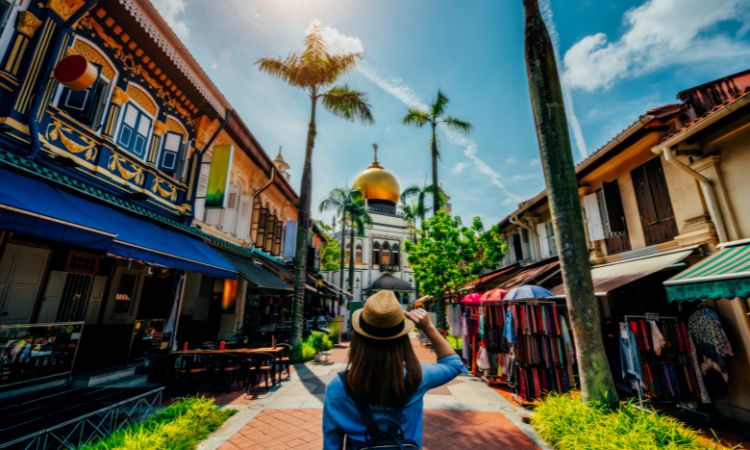
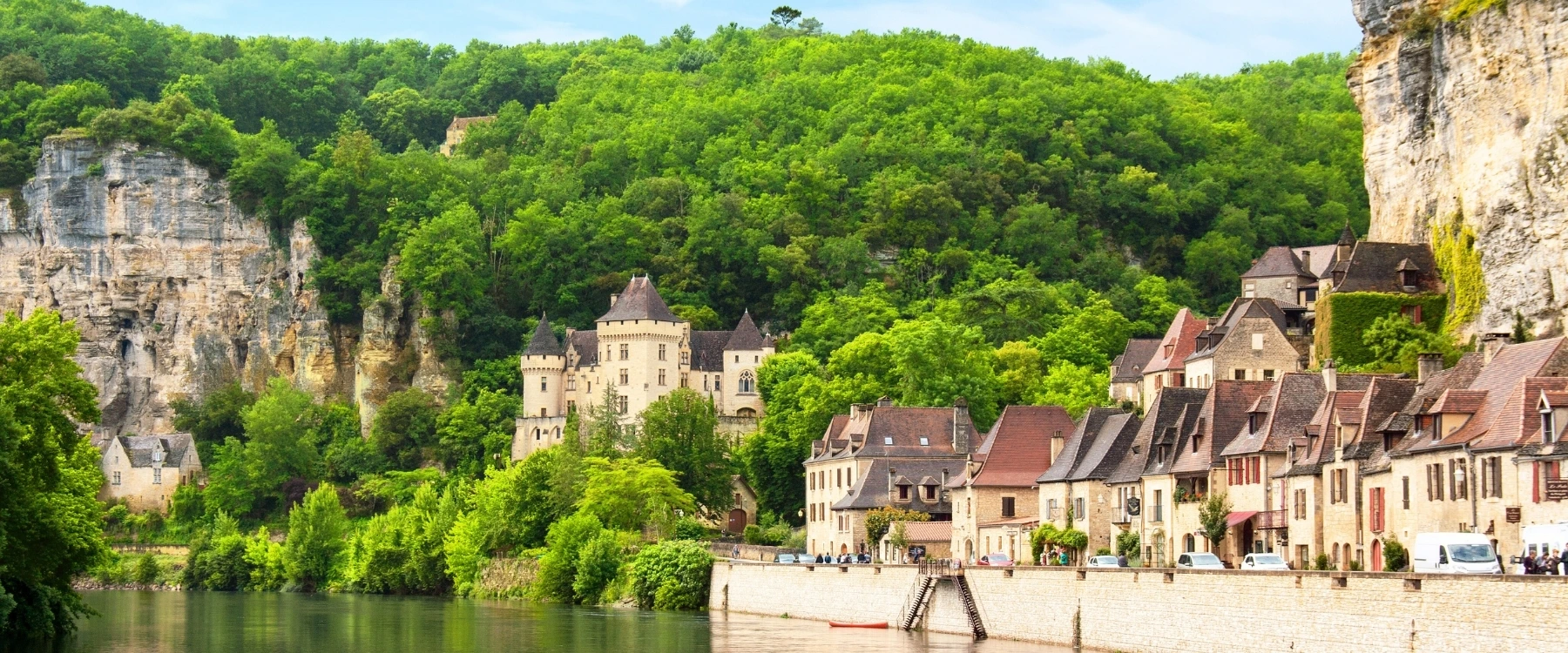
Inland Nouvelle-Aquitaine, the Dordogne and Limousin regions enchant with rolling hills, dense forests, and storied waterways. Dordogne’s “Valley of a Thousand Castles” lines both banks of the meandering Dordogne River. Launch a canoe or kayak in La Roque-Gageac and paddle beneath imposing fortresses—Beynac, Castelnaud, and Marqueyssac’s hanging gardens. Shoreline villages like Domme perch atop cliffs, offering panoramic views and medieval charm.Prehistoric wonders lie beneath limestone: the Lascaux II cave replica at Montignac and Pech Merle murals in Lot introduce you to Paleolithic artistry. Guided tours explain ochre-pigment preparation and Upper Paleolithic life.Sarlat-la-Canéda’s cobbled streets host weekly markets overflowing with walnuts, sweet chestnuts, mushrooms, and foie gras. Join a truffle-detecting workshop in winter, tracking black Périgord truffles with trained dogs, then savor truffle omelettes paired with Cahors malbec.Cycling along quiet backroads, you pass sunflower fields, plum orchards, and hamlets with Romanesque churches. Accommodation ranges from restored troglodyte dwellings carved into hillsides to manor-style chambres d’hôtes overlooking river bends.Limousin—comprising Haute-Vienne and Corrèze—features Lac de Vassivière, where paddleboarding, sailing, and lakeside beaches attract families and water-sport enthusiasts. Forest-canopied trails reveal wildlife—deer, boar, golden orioles. Limoges, the porcelain capital, invites you into ateliers and museums where artists demonstrate intricate painting and firing techniques.Countryside drives reveal hidden gems: hilltop villages like Collonges-la-Rouge with its blood-red sandstone buildings, and serene fishing lakes surrounded by chestnut groves. Seasonal festivals celebrate chestnuts (fête de la châtaigne) or sheep lambing, inviting you to taste fresh cheese and cider.At night, remote farm-stay gîtes present star-filled skies, unmarred by urban light, ideal for amateur astronomers. Wellness seekers find yoga and meditation retreats in rural lodges. Whether tracing river currents by kayak, exploring medieval strongholds, or relaxing in porcelain-lined salons, Dordogne and Limousin embody a tranquil, pastoral side of Nouvelle-Aquitaine where history, nature, and slow-living converge..
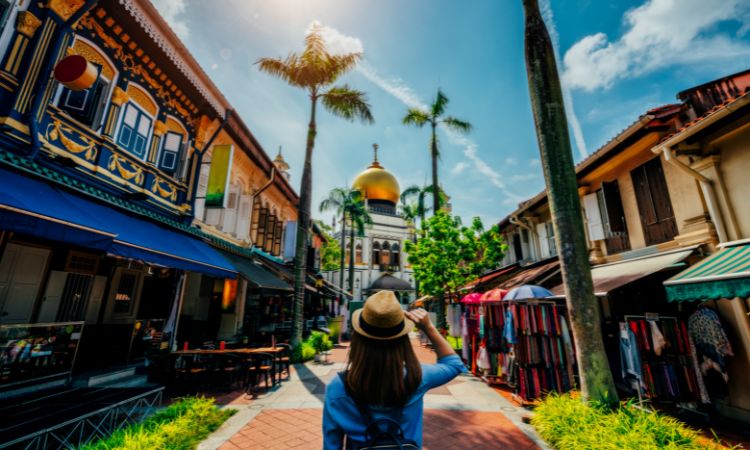
Bordeaux’s UNESCO-listed cityscape extends far beyond vineyards. Its 18th-century limestone façades line the Garonne River, mirrored daily by the Miroir d’eau, the world’s largest reflecting pool. Start at Place de la Bourse, then wander to the Grand Théâtre’s neoclassical portico. Nearby, Galerie Bordelaise hides Belle Époque arcades brimming with patisseries and boutique shops.Art lovers flock to CAPC Musée d’Art Contemporain—industrial warehouses repurposed into galleries showcasing avant-garde installations—and the Cité du Vin, an immersive wine museum with interactive exhibits and tastings from around the globe. Meanwhile, Musée d’Aquitaine chronicles regional history from Roman antiquity through Atlantic trade eras.Chartrons, once Bordeaux’s wine merchants’ quarter, now hosts antique shops, art galleries, and Sunday markets where you can sample canelés and artisan bread. Cross to Bassins à Flot, where Darwin Ecosystème transforms former military barracks into a creative village: street-art galleries, co-working spaces, zero-waste cafés, and pop-up markets thrive here.Gastronomic exploration blends tradition with innovation. Brasseries serve entrecôte Bordelaise and canard à l’orange, while Michelin-starred restaurants reinterpret local produce—oysters from Arcachon Bay, Périgord truffles, Landes ducks—in striking tasting menus. Don’t miss Bordeaux’s lively wine bars tucked into medieval alleys, pouring boutique Côtes de Bourg and Fronsac alongside natural wines.Cycling along the river’s quays on the “La Vélodyssée” route provides both exercise and viewpoints spanning the Pont de Pierre to modern tramway bridges. Evening river cruises offer dinner beneath illuminated façades, sharing stories of Bordeaux’s evolution as a maritime power.Seasonal festivals—Rock en Seine, Bordeaux Fête le Vin—activate the city with music, fireworks, and floating platforms on the river. For families, Cité du Vin’s child-friendly workshops and riverboat tours engage younger guests.Accessible by high-speed train from Paris in under three hours, Bordeaux combines urban sophistication, architectural grandeur, and a spirit of reinvention—an essential cultural hub before venturing back into Nouvelle-Aquitaine’s surrounding wine regions and coastlines.
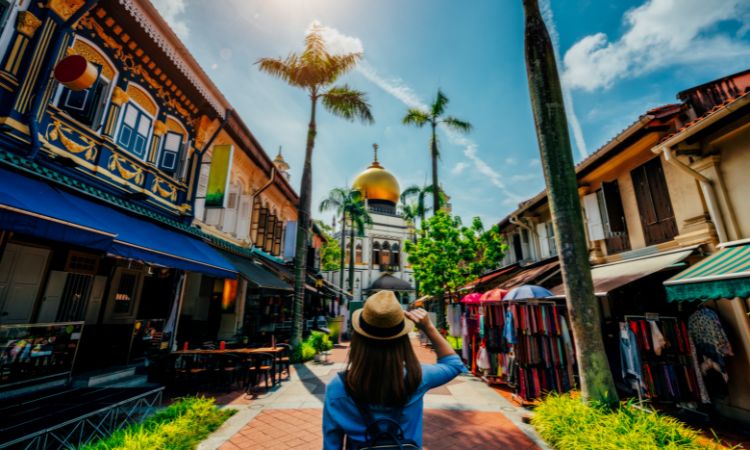
Beyond Bordeaux, Nouvelle-Aquitaine’s other cities each sparkle with unique heritage and charm. On the Atlantic coast, La Rochelle’s medieval port is guarded by twin towers—the Tour Saint-Nicolas and Tour de la Chaîne—standing sentinel at the harbor entrance. Stroll cobblestone quays to the bustling Vieux-Port fish market, then explore Île de Ré via frequent ferries. The city’s acclaimed Aquarium La Rochelle captivates with immersive marine habitats. Culinary delights include freshly shucked oysters from Marennes-Oléron and platters of mouclade (mussels in creamy curry sauce).Inland, Poitiers marries Romanesque architecture with youthful energy. Its historic center showcases the impressive Église Notre-Dame la Grande façade mural, date-store and shop-lined lanes, and the whimsical Parc de Blossac gardens. Nearby Futuroscope theme park merges science and multimedia for family fun. Cultural life thrives year-round with jazz and street-arts festivals.Bayonne, the gateway to the French Basque Country, blends Gallic and Euskara heritage. Sample Bayonne ham in its birthplace—hams hang to cure in centuries-old cellars. Chocolate artisans carry on 17th-century traditions, and local markets brim with Ossau-Iraty cheese, Basque piments, and charcoal-grilled chorizo. Folkloric festivals—Fêtes de Bayonne each July—unite thousands in red-and-white attire for music, dance, and pelota matches. Architecture features half-timbered houses with green or red shutters.Each city provides efficient rail or highway links: La Rochelle’s TGV connects to Paris, Poitiers lies on the high-speed line between Paris and Toulouse, and Bayonne anchors the southwestern SNCF network. Accommodation ranges from waterfront boutique hotels to historic guesthouses overlooking market squares.Culinary workshops—from oyster-shucking in La Rochelle to Basque cake (gâteau Basque) baking in Bayonne—immerse you in regional flavors. Guided walking tours reveal medieval secrets in Poitiers’ cloisters and university town squares. Whether you seek maritime history, medieval streets, or Basque vivacity, these urban gems extend Nouvelle-Aquitaine’s mosaic, offering diverse cultural experiences that complement vineyards, beaches, and mountains alike.
No ads. No trails. No commitments


Alice Roses
London, England
51 ST MATTHIAS ROAD
NOTTINGHAM, NOTTINGHAMSHIRE
NG3 2HF
Hours: 8:00 - 17:00, Mon - Sat
support@johnsonholidays.com