 Cozumel Travel
Guide
Cozumel Travel
Guide
Paris is known around the world as the “capital of love,” and even if you don't understand the history of Paris at all

10.5 Hours
£1.45
Cozumel lies adjacent to the Mesoamerican Barrier Reef, offering world-class snorkelling and scuba diving. With underwater visibility often exceeding 30 metres, novices and experienced divers alike can explore vibrant coral formations, walls, and swim-throughs teeming with tropical fish, turtles, rays, and occasional nurse sharks. Dive operators emphasize reef preservation, ensuring visits align with sustainable practices. Even snorkellers can experience a kaleidoscope of marine life by exploring shallow reefs accessible from beaches or short boat rides. Whether participating in guided dives at famed sites like Palancar Reef or snorkelling in protected lagoons within eco-parks, Cozumel’s underwater world provides unforgettable encounters beneath crystal-clear Caribbean waters.
Learn More
Unlike busier mainland destinations, Cozumel exudes a laid-back vibe where time moves more slowly. San Miguel’s colourful streets invite leisurely strolls past local markets, artisan shops, and beachfront cafés. Evenings often feature live music in open-air plazas, offering a taste of authentic island life. The island’s manageable size means travellers can easily explore beaches, jungles, and reefs without long transfers. Many resorts emphasize tranquillity, with spas, yoga sessions overlooking the sea, and secluded beach spots for reading or sunbathing. This relaxed pace appeals to couples seeking romance, families wanting low-stress fun, or solo travellers desiring rejuvenation away from crowds.
Learn More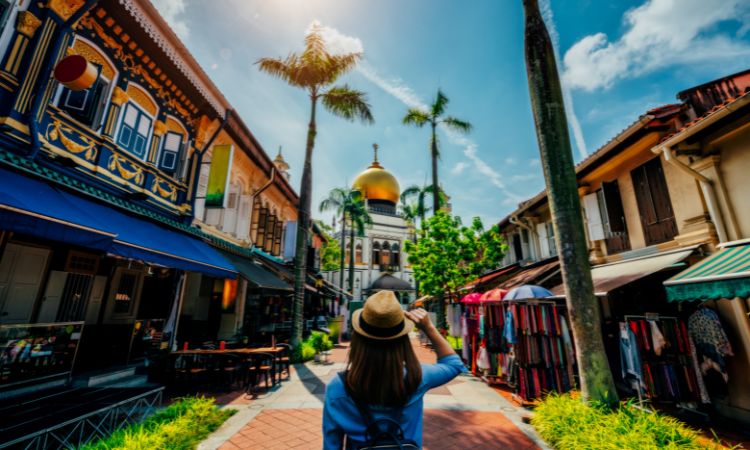
Cozumel’s history dates to Mayan times, serving as a sacred pilgrimage site to the goddess Ixchel. Visitors can explore the San Gervasio ruins to glimpse ancient ceremonial structures amid jungle foliage. The island’s Carnival, one of Mexico’s oldest festivals, showcases vibrant traditions passed down through generations. Local artisans craft jewellery and textiles inspired by Mayan motifs, while cuisine blends Caribbean, Mexican, and Yucatecan influences. Cultural tours can include visits to family-run cooperatives, where guests learn about traditional cooking or handicraft techniques. Seasonal events, such as cultural fairs and music performances, provide deeper insight into Cozumel’s living heritage.
Learn More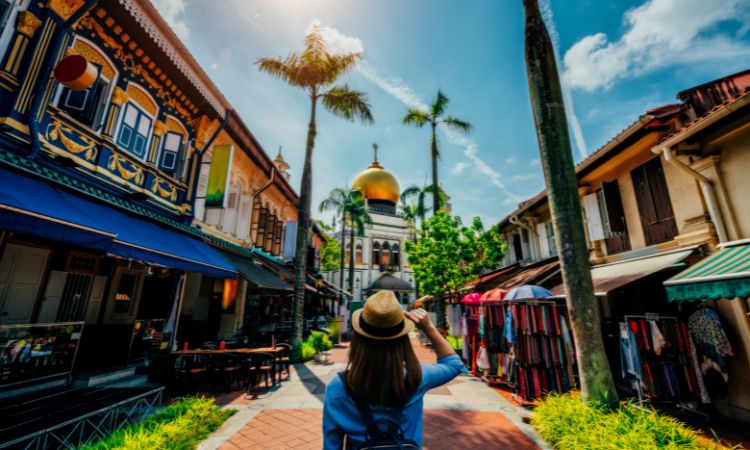
Beyond the reefs, Cozumel’s interior invites exploration on ATV safaris through lush jungle trails, zip-lining above the canopy, or guided nature hikes in wildlife reserves. Eco-parks like Punta Sur and Chankanaab combine eco-friendly amenities with opportunities to kayak in lagoons, visit botanical gardens, or snorkel in inland reefs. Fishing charters target sportfish like sailfish or wahoo, following catch-and-release practices. Bike tours circumnavigate parts of the island, offering scenic coastal views. Birdwatchers can spot tropical species in protected areas. These varied activities cater to thrill-seekers and nature lovers alike, ensuring memorable land-based adventures.
Learn More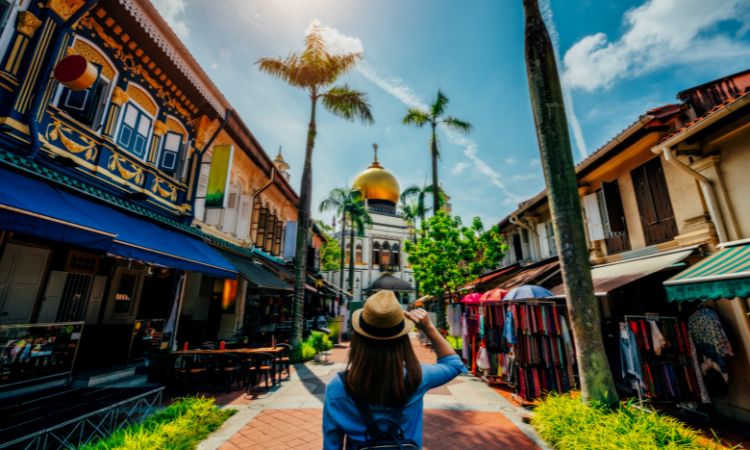
Cozumel International Airport (CZM) receives flights from regional hubs, and nearby Cancún Airport (CUN) provides extensive international connections, with frequent ferries linking Playa del Carmen to Cozumel. Cruise ships dock directly in San Miguel, allowing easy shore excursions. Island transport includes rental cars, scooters, taxis, and guided tours, making it straightforward to navigate between beaches, dive sites, and cultural attractions. Many resorts offer shuttle services from the ferry terminal or airport. The island’s infrastructure supports both independent travellers and organised groups, streamlining planning and reducing transit stress.
Learn More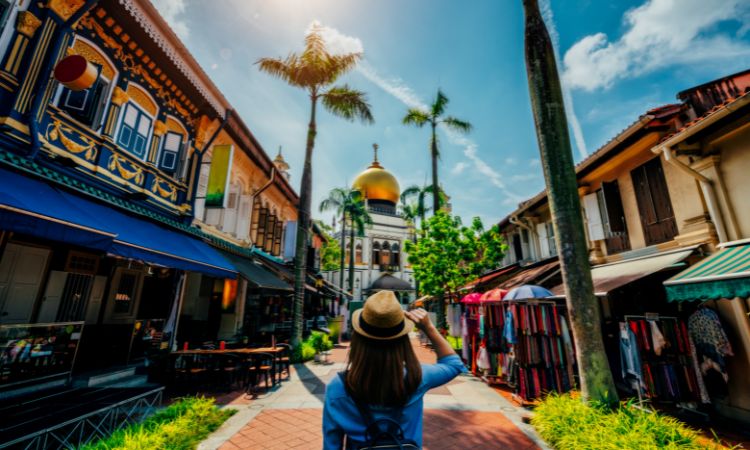
Cozumel is increasingly focused on preserving its natural assets. Dive shops follow strict reef-friendly guidelines, and many operators engage in coral restoration efforts. Eco-parks prioritise minimal environmental impact, using solar power and sustainable facilities. Community initiatives promote responsible tourism, from reducing single-use plastics to supporting local conservation projects. By choosing certified eco-friendly tours and accommodations, travellers contribute to safeguarding Cozumel’s ecosystems. This responsible approach ensures that future visitors can continue enjoying the island’s marine wonders and lush landscapes.
Learn More
Lorem ipsum dolor, sit amet consectetur adipisicing elit. At illo adipisci iusto
From

Because more than 268 other customers have loved us too

Demonstrates commitment to user data security through encryption and secure payment practices
Learn More
Demonstrates commitment to user data security through encryption and secure payment practices
Learn More
Demonstrates commitment to user data security through encryption and secure payment practices
Learn More
Demonstrates commitment to user data security through encryption and secure payment practices
Learn More
Quality as judged by customers. Book at the ideal price!


/ person
/ person
/ person
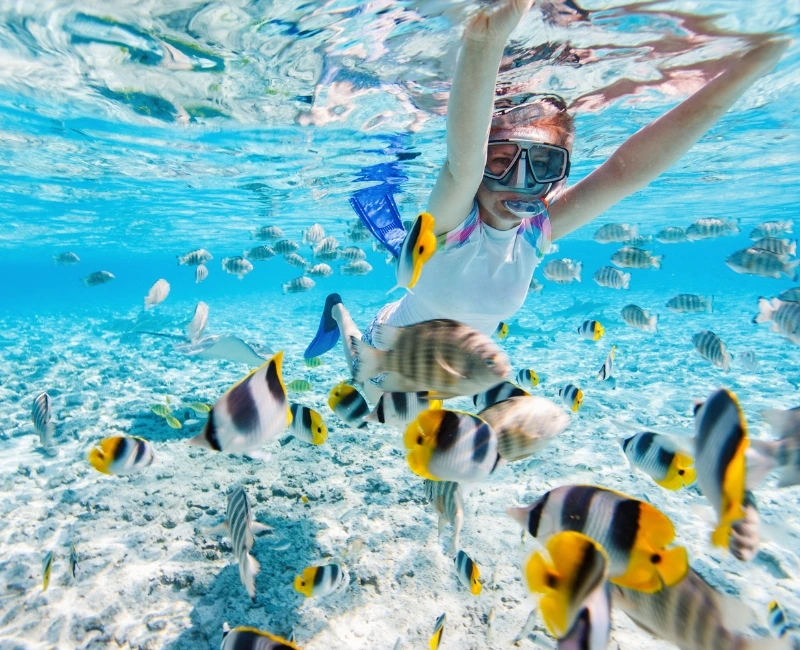
Cozumel’s reputation as a snorkelling paradise is well earned, thanks to its crystalline Caribbean waters, diverse reef ecosystems, and easily accessible shallow sites. One of the premier locations is Chankanaab Eco Park, where protected lagoons shelter vibrant coral gardens brimming with parrotfish, angelfish, and the occasional sea turtle. The park’s calm, waist‑deep waters make it ideal for families and beginners, while underwater walkways and observation areas allow non‑swimmers to enjoy the marine spectacle.Just offshore, Palancar Gardens and Colombia Shallows beckon with gently sloping reefs, reachable by quick boat rides from San Miguel. Palancar’s coral outcrops rise dramatically from the sandy bottom, hosting groups of snapper, barracuda, and feather‐duster worms. Colombia Shallows delivers broad, shallow channels dotted with star corals and brain corals, perfect for leisurely drift snorkel tours. Local operators provide full gear packages—mask, snorkel, fins, and life vest—alongside certified guides who emphasize reef etiquette: observe without touching, and maintain neutral buoyancy to protect delicate corals.For thrill‑seekers, the Devil’s Throat snorkel excursion offers a unique vantage over a deep submarine cavern. From the surface, snorkellers peer into an otherworldly chasm where sunlight filters down walls encrusted with sponges and soft corals. These tours typically depart early—between 8 AM and 9 AM—when winds are low and water clarity can exceed 30 m, ensuring optimal visibility.Night snorkelling is increasingly popular at select eco‑resorts and specialist operators. Guided by headlamps and accompanied by bioluminescent plankton displays, snorkellers encounter nocturnal predators such as squid and octopus, as well as sleeping parrotfish nestled in crescent‑shaped mucus “sleeping bags.” This immersive after‑dark experience transforms the reef into a mysterious, glowing realm.Underwater photography enthusiasts should bring compact waterproof cameras or GoPro housings; many operators rent camera gear and offer basic photo tutorials. On every excursion, guides include brief ecology talks: discussing coral bleaching threats, local conservation initiatives, and citizen science programs where visitors can report reef health observations. By participating with reputable, sustainability‑focused operators, snorkellers not only enjoy extraordinary underwater vistas but also contribute to preserving Cozumel’s reef ecosystems for future generations.
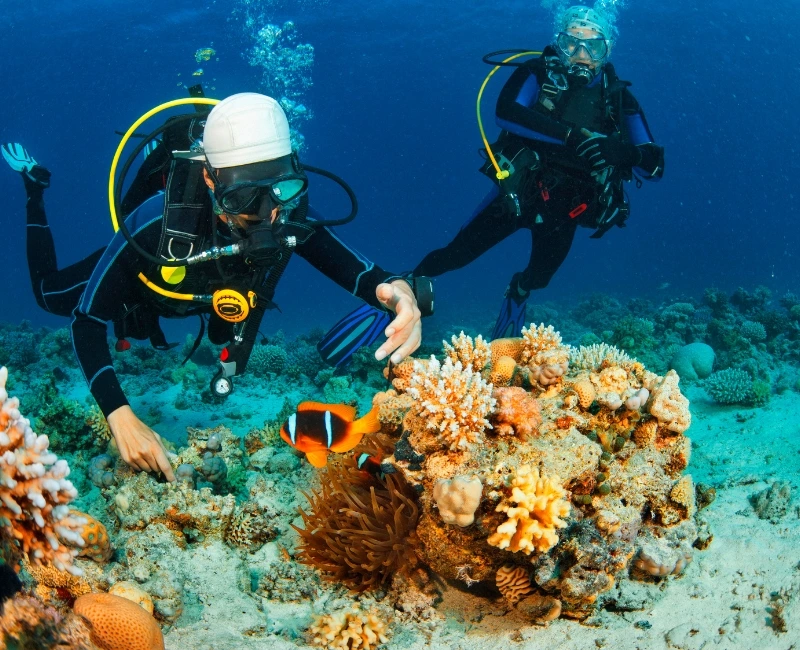
For certified divers, Cozumel is a bucket‑list destination, anchored by the Mesoamerican Barrier Reef’s dramatic topography and rich biodiversity. Signature dive sites include Palancar Reef, with its towering coral pinnacles and swim‑through tunnels; Santa Rosa Wall, where sheer drop‑offs descend into azure depths; and Punta Sur, featuring diverse soft corals and potential encounters with eagle rays and nurse sharks. Visibility regularly exceeds 30 m, creating an immersive “flying” sensation along vibrant coral terraces.Most dive centres on the island operate under strict environmental protocols. Before each dive, instructors conduct thorough briefings on buoyancy control, ensuring minimal contact with corals. They emphasize “no‑take” policies and catch‑and‑release principles for any fishing trips. Many outfits hold certifications from PADI, SSI, or NAUI, offering guided dives tailored to skill levels—from shallow, sheltered reef explorations for beginners to adrenaline‑charged drift dives in the strong currents south of the island.Drift diving is a hallmark of Cozumel: divers enter at one point and effortlessly glide with steady currents alongside coral walls, observing schools of snapper, parrotfish, and occasional larger pelagics like barracuda. Drift dives, often lasting 40–60 minutes, demand intermediate certification and cost around £50–£70 per dive, inclusive of tanks, weights, and guide services.For those seeking nocturnal thrills, night dives reveal a hidden reef world. Under red and green dive lamps, bioluminescent plankton flare, lobsters emerge from crevices, and octopuses dart in search of prey. Night dives require advanced training—typically £60–£80 per excursion—but reward divers with encounters impossible during daylight.Multi‑day dive safaris aboard liveaboard‑style boats allow access to remote, less‑visited sites on Cozumel’s southern reef. These itineraries blend consecutive morning and afternoon dives with onboard meals and presentations on reef ecology and conservation efforts. Dive shops also host specialty courses—such as underwater photography, deep diving, and wreck exploration—empowering divers to deepen skills and stewardship.During surface intervals, participants relax on dive boats or shore up at beach clubs. Responsible divers support marine conservation by choosing operators that contribute to local reef‑restoration funds and practicing reef‑safe sun protection. By diving conscientiously, visitors help safeguard Cozumel’s underwater treasures while experiencing some of the Caribbean’s most spectacular marine environments.
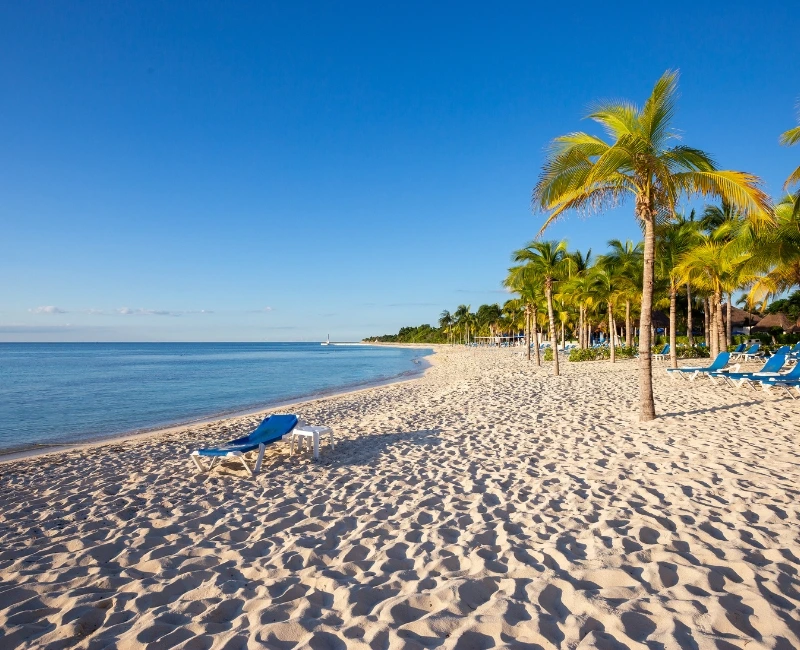
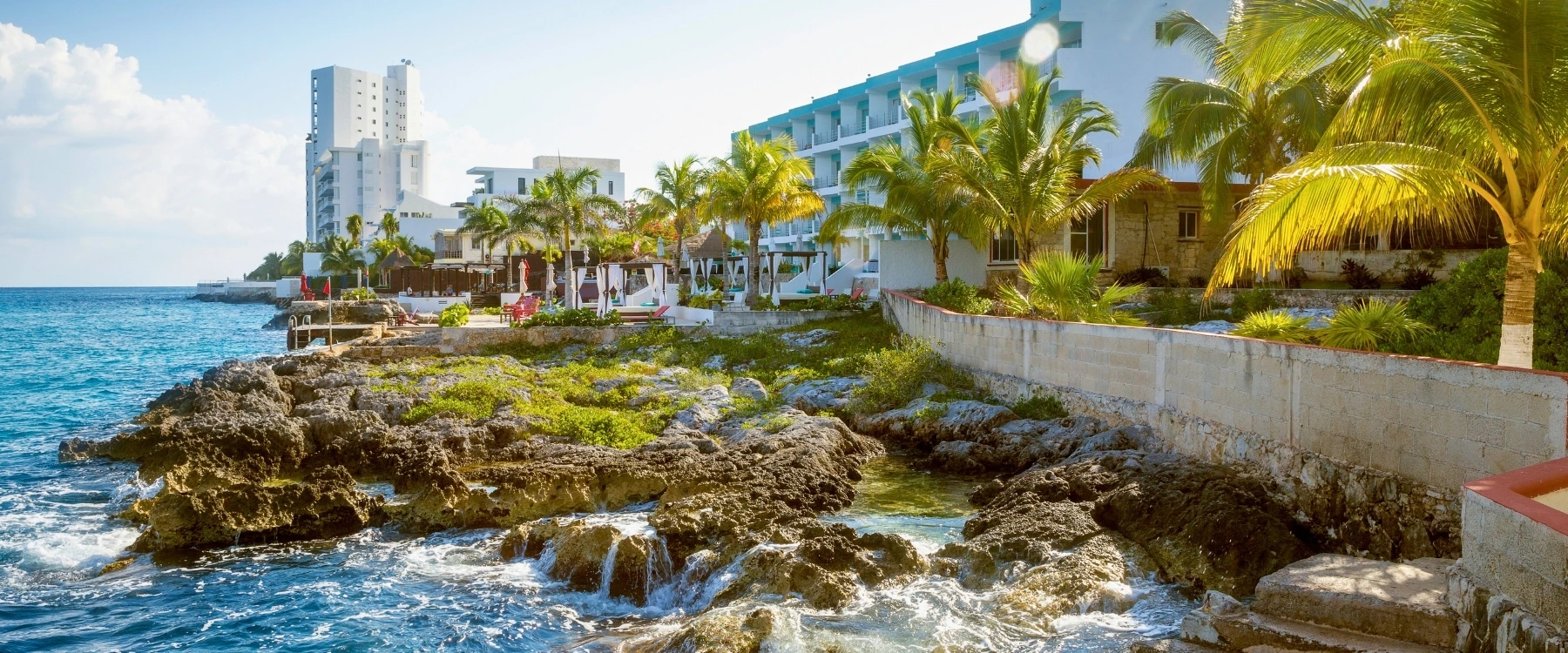
Cozumel’s coastline caters to every beachgoer, from serene natural coves to vibrant resort stretches. On the eastern shore, beaches like Playa Chen Rio and Punta Sur face the open Caribbean Sea, where rolling waves crash against rugged limestone outcrops. These locations are perfect for visitors seeking dramatic seascapes and photo opportunities—rock pools behind natural breakwaters teem with small fish and crabs at low tide. Limited amenities and stronger surf mean eastern beaches are best for experienced swimmers or simply soaking in untouched beauty.Conversely, the western coast—along San Miguel and resort areas—enjoys calmer waters protected by the reef. Playa Palancar and Playa San Francisco feature powder‑white sands, gentle waves, and convenient beach clubs offering lounge chairs, umbrellas, and restaurant service. Families appreciate shallow entry points for safe swimming, while couples and solo travellers can snorkel directly from shore, exploring patch reefs within easy reach.Many all‑inclusive and luxury resorts maintain private beach sections, granting guests exclusive access to pristine sands, beachfront pools, and spa cabanas. Day‑pass options allow non‑guests to enjoy these amenities—prices start around £30–£50 per person and typically include food and drink credits. Beachfront yoga classes at dawn or guided meditation sessions provide wellness enthusiasts with peaceful oceanfront settings.Public beaches offer economic alternatives: for a modest fee (often £5–£10), visitors can rent sunbeds and umbrellas at communal beach clubs, with access to showers and restrooms. Watersport rentals—kayaks, paddleboards, and windsurfing gear—are widely available, enabling light adventure alongside sunbathing.For a tranquil morning, stroll along eastern shorelines at sunrise, when soft coral and gold light reflect off gentle waves. At sunset, western coast beaches become prime vantage points for flaming skies, often accompanied by beachfront bar music and craft‑beer specials. Beachcombing yields colorful shells and bits of sea glass, while behind rocky points, tidepools reveal starfish and tiny hermit crabs.To preserve Cozumel’s coastal health, visitors should follow local guidelines: carry reusable water bottles, pack out all trash, and apply biodegradable sunscreen. Whether you seek world‑class beach club scenes with full service or untouched natural shores for solitude, Cozumel’s beaches deliver diverse, memorable sun‑and‑sand experiences.
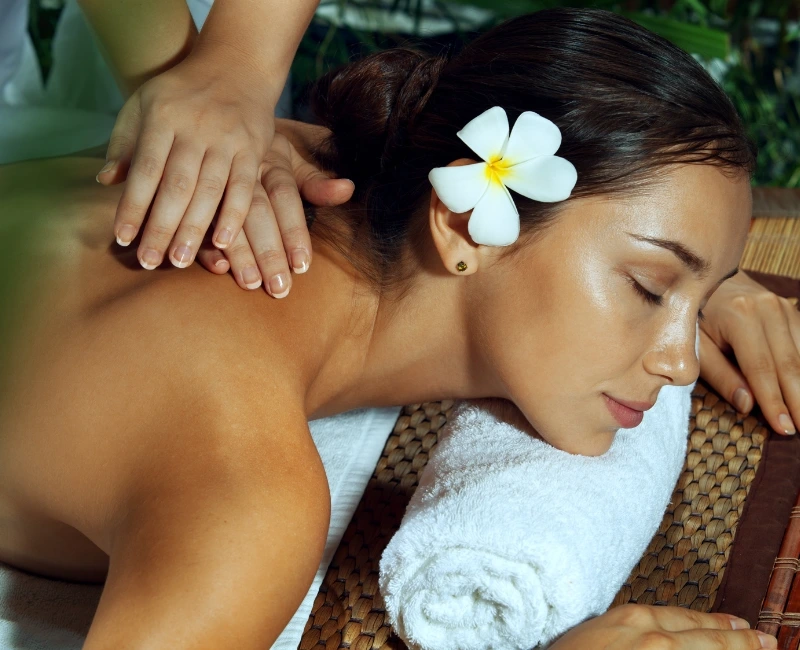
After days immersed in water sports or archaeological exploration, Cozumel beckons with spa and wellness offerings that blend local traditions with global best practices. Many beachfront and jungle‑set resorts feature open‑air cabana spas, where therapists incorporate indigenous ingredients—sea salt scrubs, tropical fruit wraps, and Mayan herbal poultices—into signature treatments. Deep‑tissue and Swedish massages, reflexology, and hot‑stone therapies often include views of palm‑fringed gardens or the sea, enhancing relaxation with natural soundscapes.Wellness packages frequently bundle activities such as sunrise yoga on the sand, guided meditation under swaying palms, and breathwork workshops led by visiting instructors. Drop‑in yoga sessions cost around £10–£15, while half‑day spa retreats—comprising one or two treatments plus healthy lunches—start at approximately £70 per person. For deeper immersion, multi‑day retreats combine daily fitness classes (pilates, beach boot‑camps), nutritional consultations featuring Caribbean superfoods, and eco‑nature walks showcasing mangrove ecosystems and medicinal plant identification. These programmes, ranging from £300–£600 for three days, are curated to rejuvenate both body and mind.Holistic offerings extend to sound‑healing ceremonies, such as drumming circles and crystal bowl meditations, which leverage ancient Mayan rhythms and modern vibrational therapy. Some wellness centres host temazcal sweat‑lodge rituals, where volcanic stones and herbal infusions recreate pre‑Hispanic purification ceremonies—typically £40–£60 per session—and conclude with herbal teas and reflective journaling.Nutrition is integral to the experience. Spa menus highlight fresh, local produce—ceviche, tropical fruit salads, and grilled seafood—prepared with healthful fats and spices. Custom meal plans accommodate dietary restrictions, from plant‑based cleanses to pescatarian menus. Sustainable practices—cruelty‑free products, plastic‑free packaging, and composting—underscore many spas’ commitment to environmental stewardship.For digital detox seekers, select retreats enforce phone‑free hours, encouraging guests to connect with nature’s rhythms and practice mindfulness. Soundscapes of gentle waves and birdcalls replace notification pings, facilitating deeper presence.Whether indulging in a single beachside massage or committing to a week‑long wellness immersion, Cozumel’s spa and retreat scene offers restorative escapes tailored to diverse needs: stress relief, fitness enhancement, or spiritual renewal—all set against the backdrop of Caribbean breezes and lush tropical gardens.
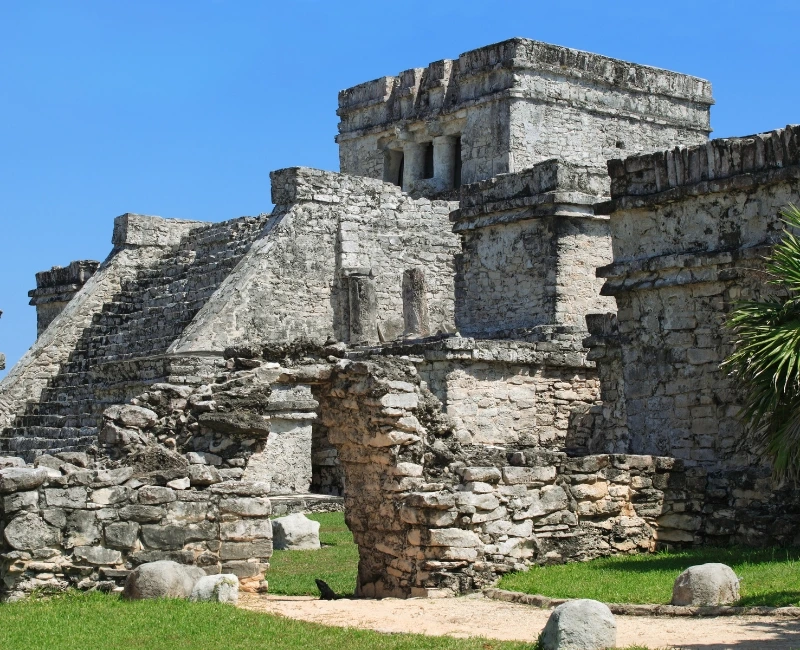
Cozumel’s cultural fabric is woven from its storied Mayan past, when the island served as a sacred sanctuary to Ixchel, the goddess of fertility and the moon. The principal archaeological site, San Gervasio, spans temple platforms and plazas nestled within a semi‑tropical forest. Well‑marked trails guide visitors past temple foundations where pilgrims once left offerings of jade, shells, and incense. Interpretive panels and audio guides explain how ceremonies unfolded under moonlight, with chants echoing through the trees.Guided tours—lasting 1.5 to 2 hours and costing around £15–£20 per person—delve into Mayan cosmology and religious customs. Knowledgeable guides highlight how Cozumel’s geography shaped its spiritual role: its offshore position made it a pilgrimage destination linked by sea routes to mainland cities like Chetumal and Muyil. Seasonal festivals reenact ancient rituals, offering travellers immersive glimpses into ceremonial life.Beyond the ruins, San Miguel’s colonial‑era streets showcase Spanish and Caribbean influences. Colourful facades, wrought‑iron balconies, and the central Parque Benito Juárez create an atmospheric backdrop for artisanal markets. Local workshops produce jewellery crafted from conch shells and larimar stones, embroidered textiles in Maya patterns, and wood carvings depicting mythological creatures. Purchasing directly from craftspeople ensures authentic souvenirs and supports community livelihoods.Culinary heritage tours bring history to the table. In family‑run kitchens, chefs demonstrate the art of making panuchos (fried tortillas stuffed with black beans), salbutes (puffed tortillas topped with meat and pickled onions), and cochinita pibil (slow‑roasted pork marinated in achiote). Sampling these dishes—priced around £8–£12 per meal—reveals how centuries‑old recipes persist in modern cuisine.Seasonal celebrations like Carnival and Día de los Muertos infuse the island with pageantry. Parades feature elaborate costumes and dance troupes, while altars adorned with marigolds and sugar skulls honour ancestral spirits. Museums such as the Museo de la Isla de Cozumel house exhibits on island ecology, maritime trade, and Mayan innovations in agriculture and astronomy. Entrance fees are modest—around £5—and local cooperative tours can include hands‑on craft workshops or homestays, deepening cultural understanding.For anthropology enthusiasts, Cozumel’s compact heritage offerings provide a meaningful window into Mayan civilization’s spiritual and maritime legacy, balanced by vibrant living traditions that continue to shape island life today.

Cozumel’s event calendar reflects the island’s vibrant community spirit and cultural pride. Each February, the multi‑week Carnival erupts in colour and music. Beginning with pre‑carnival galas—featuring dance performances and costume competitions—the festivities crescendo into street parades where elaborate floats, marching bands, and dazzling costumes wind through San Miguel. Free and open to all, Carnival showcases Cozumel’s creative energy and draws both residents and visitors into shared celebration.Throughout the year, patron‑saint fiestas enliven coastal villages. Each community honours its namesake saint with processions, folk‑dance performances, and communal meals served from outdoor kitchens. These events foster intimate interactions with locals and offer authentic glimpses of regional cuisine—tasting sopes, tamales, and pozole at open-air food stalls for around £3–£5 per dish.In early November, Día de los Muertos transforms the island into a tapestry of altars, marigold petals, and candlelit vigils. Families decorate public and private ofrendas, while evening parades feature catrina‑costumed dancers and marimba music echoing through the streets. Community‑led tours explain the spiritual significance of offerings and invite respectful participation.Music festivals bridge tradition and innovation. The Festival de Música de Cozumel, held in spring, brings classical, jazz, and world‑music ensembles to open‑air venues, often complemented by artisan markets selling ceramics, textiles, and jewelry. In summer, rock and fusion festivals draw younger crowds to beachfront stages, with local food vendors offering seafood tacos and craft beers.Gastronomic events spotlight Cozumel’s culinary bounty. The Seafood & Ceviche Festival in October invites visitors to sample preparations from competing chefs, attend cooking demonstrations, and learn about sustainable fishing practices. Entry is typically £10–£15, with tastings priced per bite.Environmental festivals, such as Coral Conservation Day, merge beach clean‑ups with lecture series by marine biologists. Participants collect debris, plant mangrove saplings, and learn about reef restoration efforts. These events underscore Cozumel’s commitment to balancing tourism with ecological stewardship.Cruise ship arrivals are often timed with festival schedules, offering an accessible way for day‑visitors to experience local traditions. Whether dancing in Carnival parades, exploring marble‑lined altars on Día de los Muertos, or attending coral‑planting workshops, travellers gain a rich, communal connection to Cozumel’s living heritage..
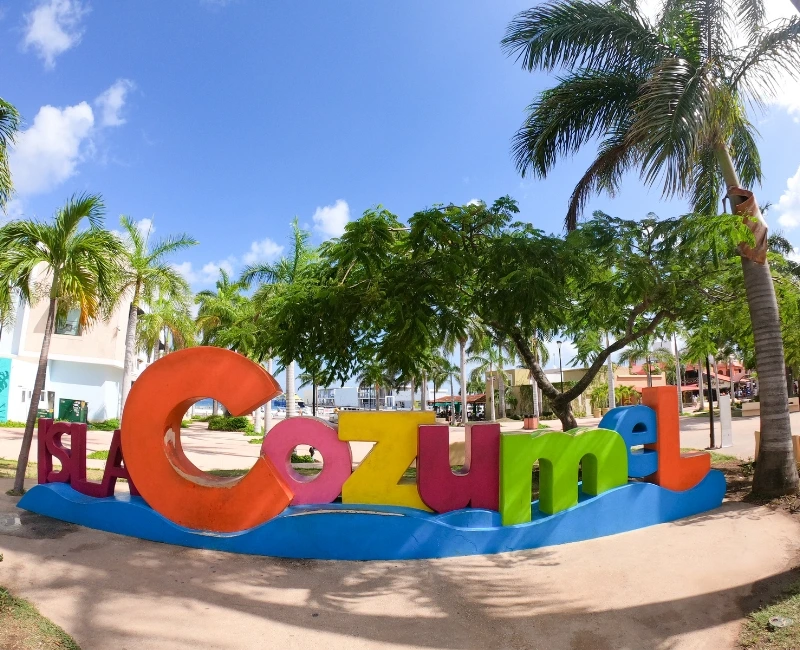
Cozumel’s eco‑parks provide an ideal fusion of conservation education and outdoor adventure, tailored to families and eco‑minded travellers. Punta Sur Eco Beach Park, located at the island’s southern tip, spans over 2,000 ha of coastal dunes, mangroves, sandy beaches, and lagoons. Visitors can climb the historic Celarain Lighthouse—a 27 m tower offering 360° island panoramas—and then explore mangrove channels by kayak, spotting herons, frigatebirds, and juvenile crocodiles lurking in shaded inlets. Admission (≈£20) includes kayak rental, guided nature walks, and access to Punta Sur’s pristine beach for sunbathing or snorkelling shallow reef patches just offshore.Chankanaab Nature Park, closer to San Miguel, blends botanical gardens, archaeological replicas, and marine exhibits. The park’s namesake lagoon is ringed by a protective breakwater that shelters an inner reef, teeming with fish species such as tangs, groupers, and parrotfish. Snorkel gear is included in admission (≈£25), and trained guides lead educational tours highlighting the park’s coral‑nursery program and the importance of mangrove ecosystems in coastal protection. Families delight in the sea lion show, which doubles as a demonstration of wildlife training and rehabilitation.For a hands‑on conservation experience, some parks offer volunteer days, where guests assist with coral‑fragment planting, invasive species removal, or beach clean‑ups. These programmes often waive admission fees and culminate in guided reflections on marine ecology.On-site restaurants serve regional fare—ceviche tostadas, grilled fish tacos, and tropical fruit bowls—made with ingredients sourced from local fisheries and farms. Eco‑parks emphasize minimal environmental impact: recycling stations, refillable water fountains, and solar‑powered facilities. Gift shops stock ethically produced crafts and reef‑safe sunscreen.Whether your priority is panoramic viewpoints, up‑close marine encounters, or participatory conservation, Cozumel’s eco‑parks deliver engaging, educational experiences that celebrate and protect the island’s natural heritage.
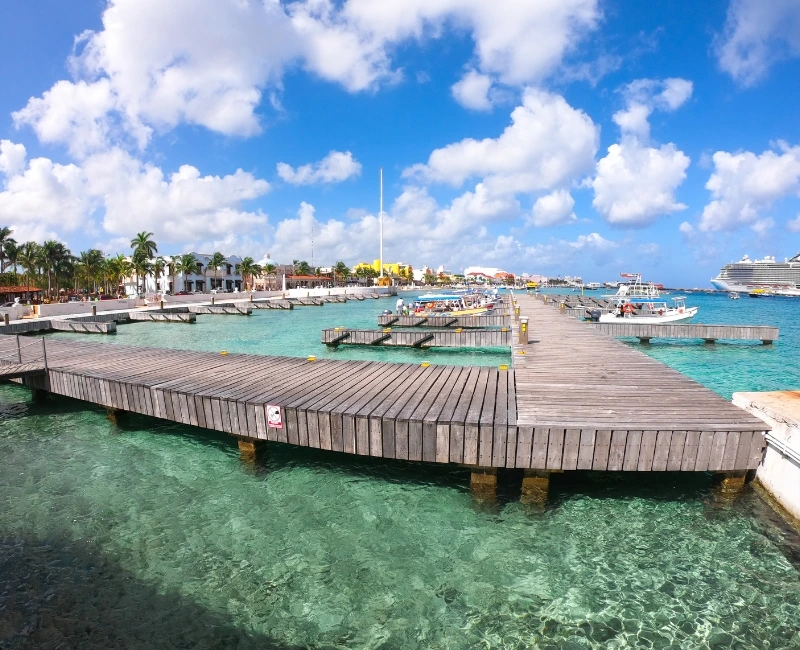
Cozumel’s strategic location off Mexico’s Riviera Maya makes it an excellent base for day‑trip adventures beyond its shores. A popular itinerary begins with a ferry to Playa del Carmen (≈45 min, £10–£15), followed by inland excursions to cenotes—natural sinkholes connected by subterranean rivers. Guided tours pair visits to multiple cenotes such as Chaak Tun and Dos Ojos, where guests snorkel through crystal caverns or experience surreal diving conditions in clear freshwater grottos. These tours often include local lunch stops in rural villages, priced around £30–£40 for a full‑day small‑group experience.Longer mainland trips venture to the archaeological sites of Tulum and Coba. Tulum’s coastal ruins atop cliffs afford iconic beach‑and‑temple vistas; combined Tulum–Coba routes last 10–12 hours and blend guided history tours with hands‑on activities like climbing Nohoch Mul or cycling along shaded sacbeob in Coba. Transportation via air‑conditioned van ensures comfort, with pricing from £60–£80 per person.Cultural stops at Mayan villages en route introduce travellers to traditional crafts—basket weaving, pottery, and tortilla making—often culminating in homestyle meals enjoyed with local families. Alternately, gastronomy‑focused excursions include cooking classes or mezcal tastings in rustic haciendas.For marine conservation insights, specialized tours partner with research stations on the mainland to witness sea turtle rescue efforts or participate in reef monitoring workshops. These educational experiences offer deeper understanding of regional biodiversity and conservation challenges.Furthermore, boat charters from Cozumel can lead to nearby islets such as Isla Mujeres, where snorkelling opportunities extend to artificial reefs and sunken sculptures. Sunset sailing cruises along the Riviera Maya coast combine scenic views with onboard refreshments.Whether you seek subterranean cave swims, archaeological discovery, community immersion, or multi‑stop island‑hopping, Cozumel’s day‑trip network unlocks the Yucatán Peninsula’s diverse landscapes and cultural treasures—all accessible within a comfortable day’s journey.
No ads. No trails. No commitments


Alice Roses
London, England
51 ST MATTHIAS ROAD
NOTTINGHAM, NOTTINGHAMSHIRE
NG3 2HF
Hours: 8:00 - 17:00, Mon - Sat
support@johnsonholidays.com