 Thessaloniki Travel
Guide
Thessaloniki Travel
Guide
Paris is known around the world as the “capital of love,” and even if you don't understand the history of Paris at all

3.4 Hours
£3.60
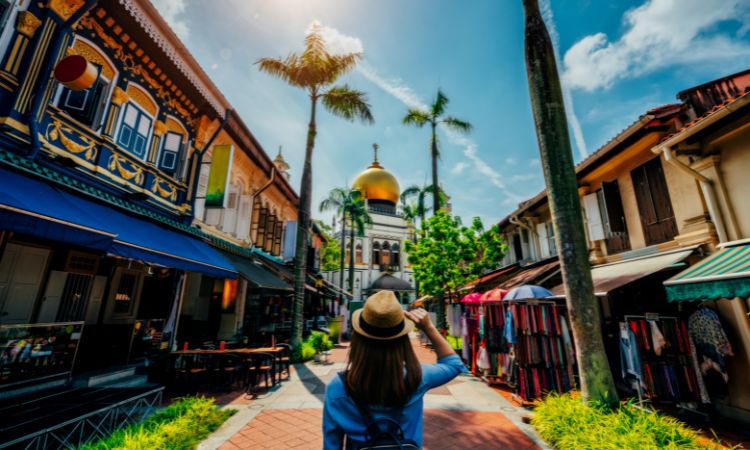
Thessaloniki’s heritage spans millennia, offering tangible encounters with history at every turn. From the iconic White Tower on the waterfront—once part of city fortifications—to the Rotunda (initially a Roman mausoleum, later a church and mosque), and the Byzantine walls guarding Ano Poli, each monument tells a story of empires and cultures. Visiting the Archaeological Museum and the Museum of Byzantine Culture deepens understanding of Macedonia’s ancient kings and Byzantium’s religious art. The Jewish Museum and remnants of synagogues commemorate a once-thriving community tragically decimated during WWII. Even street names and building facades reflect layered influences: Ottoman-era balconies, neoclassical townhouses, and modern architecture. For history buffs and culturally curious travelers alike, Thessaloniki presents a living timeline to explore and appreciate.
Learn More
Thessaloniki is a gastronomic hub renowned for its markets, tavernas, and cafés. At Modiano and Kapani markets, visitors sample fresh olives, cheeses, honey, and spices, engaging senses and offering insight into regional produce. Savour local specialties: bougatsa (cream or cheese-filled pastry), soutzoukakia (Macedonian spiced meatballs), and hearty pies served in family-run eateries. The city’s café culture, with traditional Greek coffee and sweet treats, is ideal for unhurried breaks. Evenings bring meze spreads paired with raki or ouzo, enjoyed in lively tavernas or modern bistros. Wine bars showcase Greek varietals from nearby vineyards, while street-food stalls offer quick bites. Whether seeking fine dining or authentic local fare, Thessaloniki delivers memorable culinary experiences reflecting northern Greece’s flavors.
Learn More
By night, Thessaloniki transforms into one of Greece’s liveliest scenes. The Ladadika district hums with bars nestled in restored warehouses and pedestrian alleys, offering cocktails, local beers, and live music. Waterfront venues host open-air gatherings in summer, with DJs spinning until sunrise. For jazz and classical enthusiasts, concert halls and theaters present performances year-round. Clubs catering to diverse tastes—from electronic to rock—ensure there’s something for everyone. Cultural festivals, including the Thessaloniki International Film Festival, draw global talent, enriching the calendar. Even quieter options, such as rooftop lounges overlooking the Thermaic Gulf, provide relaxed evenings. Thessaloniki’s blend of youthful energy and cultural depth makes evenings memorable.
Learn More
The long waterfront promenade, stretching kilometers along the Thermaic Gulf, invites scenic walks, cycling, and relaxation overlooking the sea. Iconic monuments like the White Tower mark photo-worthy spots, while cafés and benches encourage pauses to enjoy sunsets. From here, day trips unfold: Halkidiki’s beaches lie within an hour’s drive, offering crystal waters and seaside villages; Mount Olympus and national parks beckon nature lovers; historic towns like Vergina (tomb of Philip II) lie reachable via guided tours; monasteries in Meteora, though farther, can be organized from Thessaloniki as a base. Whether seeking coastal relaxation or inland exploration, Thessaloniki’s location provides a gateway to northern Greece’s diverse landscapes.
Learn More
Thessaloniki’s event calendar pulses year-round. The Thessaloniki International Film Festival each November attracts filmmakers and cinephiles globally. Summer music festivals, film screenings, and art exhibitions enliven public spaces. The Dimitria Cultural Festival offers theater performances, concerts, and exhibitions across autumn and winter. Gastronomy fairs celebrate regional produce, olive oil, and wines. Religious and folk festivals in surrounding villages showcase traditions and hospitality. University events and student-driven activities add youthful vigour in autumn and spring. For travelers timed right, participation in local festivals provides authentic engagement with contemporary Greek culture and regional traditions, making trips especially memorable.
Learn More
Thessaloniki International Airport (SKG) connects directly with many European cities, facilitating straightforward arrival. The city’s compact center is walkable, with efficient bus networks linking neighbourhoods. Car rentals and taxis enable regional excursions. Train and bus stations offer routes to other parts of Greece and neighboring countries, ideal for overland exploration. Well-developed infrastructure ensures comfortable stays: a range of accommodations from boutique heritage hotels to modern chains; reliable services; and multilingual signage in tourist areas. For travelers seeking a gateway to northern Greece, the Balkans, or simply a rich urban experience, Thessaloniki’s accessibility is a major draw.
Learn More
Lorem ipsum dolor, sit amet consectetur adipisicing elit. At illo adipisci iusto
From

Because more than 268 other customers have loved us too

Demonstrates commitment to user data security through encryption and secure payment practices
Learn More
Demonstrates commitment to user data security through encryption and secure payment practices
Learn More
Demonstrates commitment to user data security through encryption and secure payment practices
Learn More
Demonstrates commitment to user data security through encryption and secure payment practices
Learn More
Quality as judged by customers. Book at the ideal price!


/ person
/ person
/ person
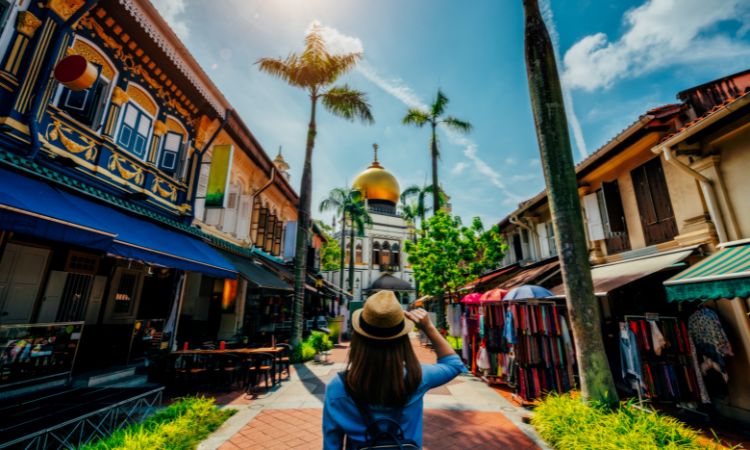
The White Tower stands as Thessaloniki’s signature landmark, marking centuries of layered history on the waterfront. Originally part of the city’s Ottoman fortifications, today it houses a museum that narrates Thessaloniki’s evolution from ancient Macedonian roots through Roman, Byzantine, Ottoman, and modern periods. Approaching the tower from the promenade, visitors encounter a broad pedestrian and cycling path along the Thermaic Gulf. Early morning light or dusk hues transform the tower’s silhouette into a perfect photo subject. Alongside the White Tower, sculptures and monuments—including a statue of Alexander the Great—signal Macedonia’s enduring heritage.Continuing along the seafront, the Rotunda appears: a massive cylindrical Roman structure commissioned by Emperor Galerius, later consecrated as a church and used as a mosque. Inside, remnants of early Christian mosaics reveal sacred artistry. Nearby, the Arch of Galerius (Kamara) once served as a triumphal gateway, anchoring ancient imperial processions. Interpretive panels and optional audio guides provide context on architectural features and historical significance. This concentrated cluster of landmarks makes the waterfront an open-air museum of Thessaloniki’s past.Beyond monuments, the promenade itself offers sensory pleasures: sea breezes, views toward Mount Olympus on clear days, and the gentle rhythm of passing boats. Benches and waterfront cafés invite pauses for Greek coffee, fresh juices, or light snacks, enabling visitors to savor the ambiance. In summer, open-air events or street performances occasionally enliven the evening. Cycling along dedicated lanes offers a dynamic way to experience the stretch from the White Tower toward Nea Paralia and other waterfront zones.This guide emphasizes allocating time for both landmark visits and leisurely strolling. Start at sunrise for a serene tableau, explore the White Tower museum and Rotunda in mid-morning, then relax at a nearby café. In late afternoon, cycle or walk toward sunset viewpoints, observing changing light on water and monuments. The juxtaposition of historic structures with modern urban life underscores Thessaloniki’s continuity: a city rooted in history yet alive and contemporary. This box introduces travelers to Thessaloniki’s archetypal spirit—a blend of heritage, sea views, and laid-back promenading.
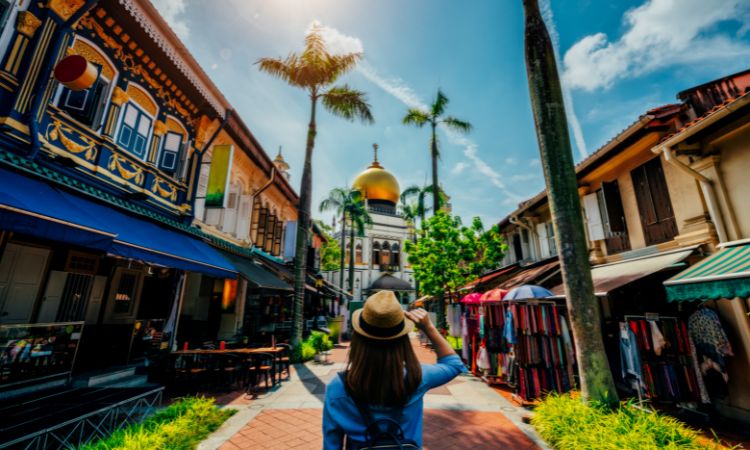
Ano Poli, the “Upper Town,” is Thessaloniki’s historic quarter perched on hills north of the modern center. Access typically involves a short uphill walk or a brief taxi ride; once inside, narrow cobbled lanes wind between Ottoman-era houses painted in warm earth tones. Unlike the bustling lower city, Ano Poli retains an authentic residential character: locals inhabit these centuries-old homes, and small cafés offer traditional refreshments amidst historic ambiance.The Byzantine walls, built and modified from Late Antiquity through the Byzantine era, encircle the area. Walking sections of these fortifications provides panoramic vistas over the city and the Thermaic Gulf, especially striking at sunset when city lights begin to glow. Key points include the Heptapyrgion fortress at the highest elevation, where remnants of towers and gates reveal medieval defensive architecture. Along the way, small chapels and churches, such as Agios Nikolaos Orfanos, display surviving frescoes that hint at the area’s spiritual history.Ano Poli’s charm lies in its interplay of heritage and everyday life. Artisan workshops may offer handcrafted souvenirs; local bakeries produce fresh breads and pastries, inviting stopovers with coffee or herbal tea. Occasional cultural events take place in restored Ottoman houses or small galleries, reflecting community engagement. Photographers find endless subjects: narrow alleys framed by bougainvillea, stone walls bathed in golden light, and sweeping city panoramas.A recommended approach is to dedicate a half-day: begin mid-morning when light illuminates façades, explore churches and viewpoints, pause at a café for a light snack, then descend via scenic paths toward the lower city. En route, note hidden viewpoints revealing glimpses of landmarks like the White Tower in the distance. This descent offers perspective on how the historic core transitions into modern Thessaloniki. For those interested in local folklore, modest exhibitions in small museums highlight traditional costumes and customs.Ano Poli offers a tranquil contrast to the lively center, inviting reflective exploration of Thessaloniki’s Byzantine and Ottoman chapters. Its layered atmosphere—historic walls, residential life, panoramic views—provides a deeper sense of place and continuity. This guide box encourages visitors to slow down, engage senses, and appreciate the tangible threads connecting Thessaloniki’s past to its present.
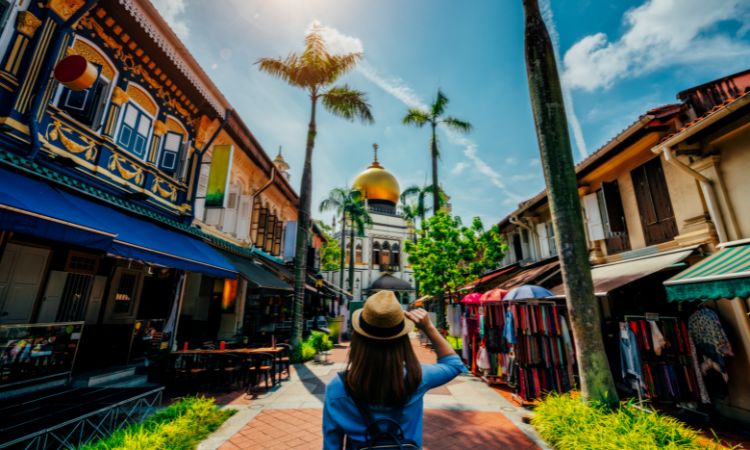
Thessaloniki’s reputation as a Greek food capital stems from its vibrant markets, traditional tavernas, and innovative eateries. A culinary journey often begins at Modiano and Kapani markets, where stalls overflow with seasonal produce: plump olives preserved in oil, aromatic herbs harvested from nearby hills, local cheeses such as graviera and feta, honey from Mount Olympus regions, and fresh seafood from the Thermaic Gulf. Engaging with vendors, sampling olives or cheese, offers insight into regional flavors and traditions.Nearby bakeries beckon with bougatsa—a flaky phyllo pastry filled with sweet custard or cheese. Enjoying bougatsa warm, often dusted with cinnamon or sugar, is a Thessaloniki breakfast ritual. For mid-morning, pair it with Greek coffee at a local café. As lunchtime approaches, head to family-run tavernas tucked in side streets or residential neighborhoods. Order soutzoukakia (spiced meatballs in tomato sauce), moussaka, or vegetable pies, served with side salads dressed in olive oil. These establishments emphasize home-style cooking, with recipes handed down through generations.Afternoon indulgences might include loukoumades (honey-drenched doughnuts) or spoon sweets served alongside strong Greek coffee. For wine enthusiasts, wine bars showcase Macedonian varietals: crisp whites like Assyrtiko and fragrant reds such as Xinomavro, often paired with cheese platters or charcuterie. Evening dining can be leisurely: choose a seafood taverna near the harbor, ordering grilled octopus, fried calamari, or fresh fish, accompanied by a chilled white wine or ouzo. Modern bistros reinterpret traditional recipes, using seasonal produce in creative presentations.Street-food stalls and small kiosks offer quick bites: gyros or souvlaki, often enjoyed on the go or at casual outdoor seating. Participating in a guided food tour reveals hidden gems—neighbourhood eateries favored by locals, artisanal producers, or specialty shops selling gourmet olive oil or regional delicacies to take home. Markets also host stalls selling spices, teas, and packaged treats, ideal for culinary souvenirs.This guide emphasizes immersive tasting: begin with market exploration and bougatsa breakfast, move to taverna lunches, sample sweet treats and coffee afternoons, then enjoy relaxed dinners at seafood spots or contemporary restaurants. Wine bars and meze experiences deepen appreciation of local drink culture. Through food, travelers connect with Thessaloniki’s heritage and creativity, making culinary exploration an essential part of the visit.
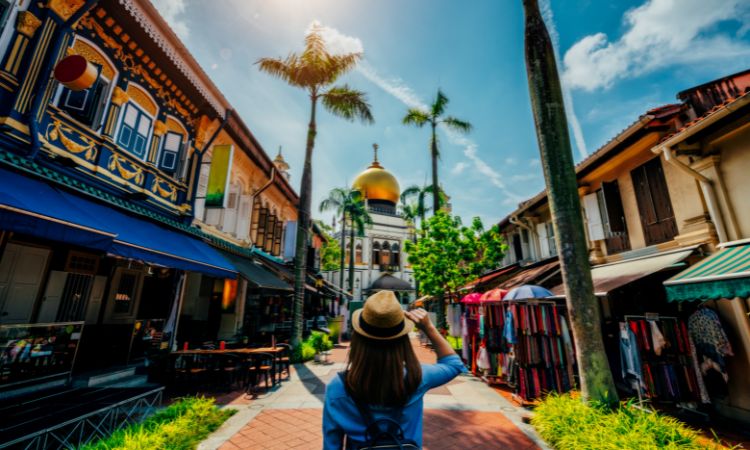
Thessaloniki’s location makes it an excellent base for diverse day trips. Halkidiki’s three peninsulas lie just over an hour’s drive to the southeast. Kassandra offers developed beach resorts, water sports, and lively seaside villages; Sithonia features quieter coves fringed by pine forests and turquoise bays; and although Mount Athos peninsula is off-limits to most travelers, boat excursions provide distant views of its monasteries. Car rental or organized tours departing from Thessaloniki facilitate morning departures and evening returns.Beyond beaches, the foothills of Mount Olympus beckon nature lovers. Within roughly 1.5–2 hours by car, one can reach mountain villages where hiking paths start, offering trails through forests, streams, and vistas of the legendary peak. Pozar Thermal Baths, located northwest, present a relaxing spa experience amid mountainous scenery; warm pools fed by natural springs invite rest after exploring nearby waterfalls and trails.Historical and archaeological sites also lie within reach. Vergina, the site of Philip II’s tomb, and Pella, Alexander the Great’s birthplace, can be visited via guided tours or self-drive trips. These locations illuminate ancient Macedonian history, complementing Thessaloniki’s urban museums. Lake Kerkini, a bit farther, attracts birdwatchers; organized birdwatching excursions depart early from Thessaloniki, returning by evening.Agritourism experiences include olive-press visits and winery tours in autumn, when harvest activities occur in villages near Thessaloniki. Sampling freshly pressed olive oil or local wines adds sensory depth to cultural understanding. In winter or spring, rural festivals in nearby villages showcase traditional customs, food fairs, and communal gatherings.Practical planning involves selecting interests—beach leisure, hiking, history, nature, or agritourism—and arranging transport accordingly. Organized day-tour operators provide itineraries combining highlights, while independent travelers can rent cars for flexibility. Regardless, these excursions expand a Thessaloniki itinerary beyond the city, revealing northern Greece’s coastal beauty, mountainous landscapes, and historical richness, all achievable within a day’s journey and enriching the overall visit.
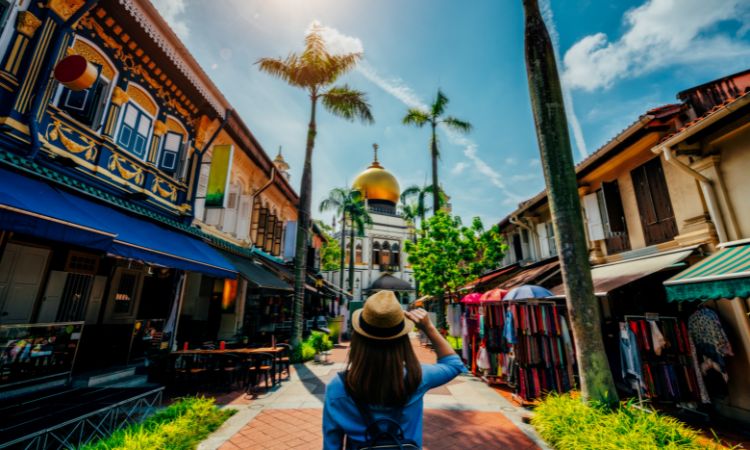
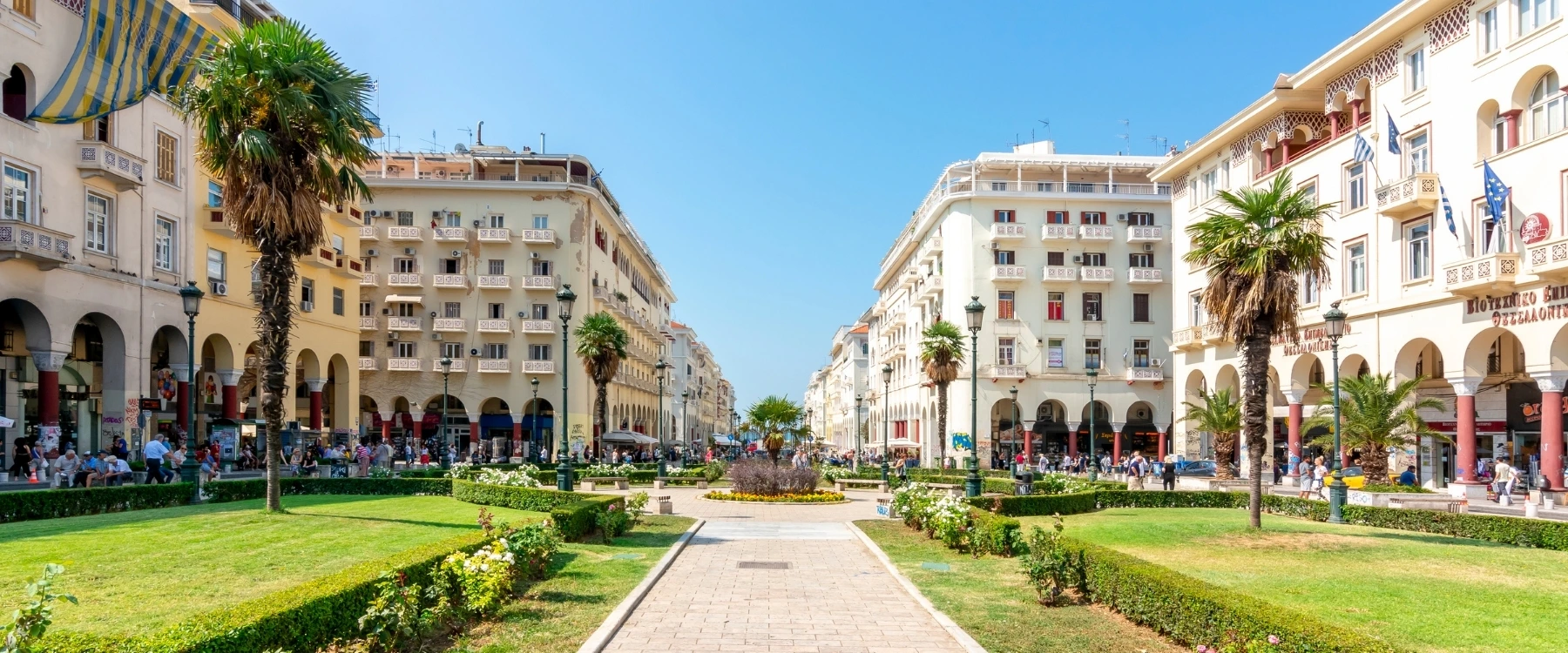
Thessaloniki’s waterfront promenade, extending several kilometers along the Thermaic Gulf, is a central artery for leisure, exercise, and social life. Early mornings witness joggers and cyclists sharing the path with walkers enjoying sea breezes. Bicycle rentals near Aristotelous Square or along the seafront enable visitors to traverse from the White Tower area through Nea Paralia and beyond. Dedicated bike lanes and pedestrian-friendly design ensure safety and ease.Along the promenade, green spaces and parks offer spots for picnics, reading, or simply gazing at the water. Informational plaques highlight local history, maritime heritage, and ecological aspects of the Thermaic Gulf. Benches face the sea for peaceful contemplation, especially at sunrise or sunset when the sky’s colors reflect on the water. Seasonal cafés and kiosks serve refreshments—coffee, fresh juices, ice cream—ideal for breaks during walking or cycling.Public art installations and sculptures punctuate the route, creating visual interest. Families appreciate playgrounds and interactive features; fitness stations cater to health-conscious visitors. In summer, occasional open-air concerts or pop-up events animate the waterfront, blending culture with outdoor ambience. The route leads past landmarks such as the Waterfront Park and cultural venues like the Thessaloniki Concert Hall, whose architecture complements the coastal backdrop.For a balanced day, start with an early cycle along the water, pause at a café for breakfast, then explore adjacent neighborhoods or museums before returning for a midday stroll in shaded parks. Late afternoon visits capture golden light on the sea, while evening promenades reveal illuminated sculptures and distant city lights. This guide box underscores the promenade as a flexible experience: exercise, relaxation, cultural engagement, and scenic enjoyment, reflecting Thessaloniki’s harmonious relationship with its coastal setting.
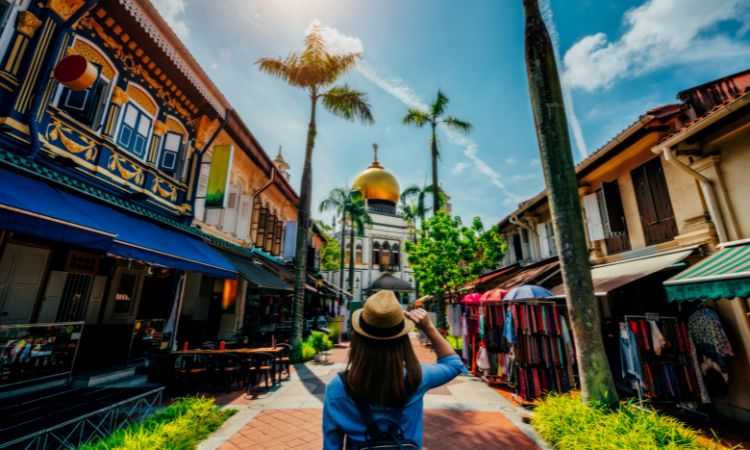
Thessaloniki’s museum landscape is diverse, reflecting its rich past and vibrant present. The Archaeological Museum presents artifacts from ancient Macedonia: sculptures, jewelry, and tomb relics that contextualize the region’s significance. Nearby, the Museum of Byzantine Culture uses modern exhibition techniques to explore Byzantine art, architecture, and daily life through icons, frescoes, liturgical objects, and multimedia displays. These two institutions, located close to each other, can be combined into a comprehensive half-day visit.For contemporary art, the Macedonian Museum of Contemporary Art and associated MOMus venues showcase rotating exhibitions by Greek and international artists, often exploring current themes and experimental approaches. The Thessaloniki Photography Museum appeals to lens-based art enthusiasts, while the Jewish Museum preserves memories of the city’s Sephardic community through personal artifacts, documents, and oral histories. Smaller specialized museums—such as the Museum of the Macedonian Struggle—provide focused insights into 19th- and early 20th-century history.Planning visits efficiently involves grouping museums by proximity: start with city-center institutions, take breaks at nearby cafés, then proceed to waterfront galleries or alternative spaces in converted industrial buildings. Many museums offer free or reduced entry days; checking schedules in advance can yield savings. Audioguides or guided tours add depth, especially for complex historical narratives.Beyond permanent collections, temporary exhibitions and cultural events—film screenings at MOMus Cinematheque, lectures, workshops—enrich the experience. Visiting a museum on a quieter weekday morning enhances focus, while weekend visits may coincide with family-friendly programs. This guide box encourages curating a personalized museum itinerary: combining ancient, Byzantine, and contemporary art encounters to appreciate Thessaloniki’s evolving identity. Through these institutions, travelers engage intellectually and emotionally with the region’s heritage and creative pulse..
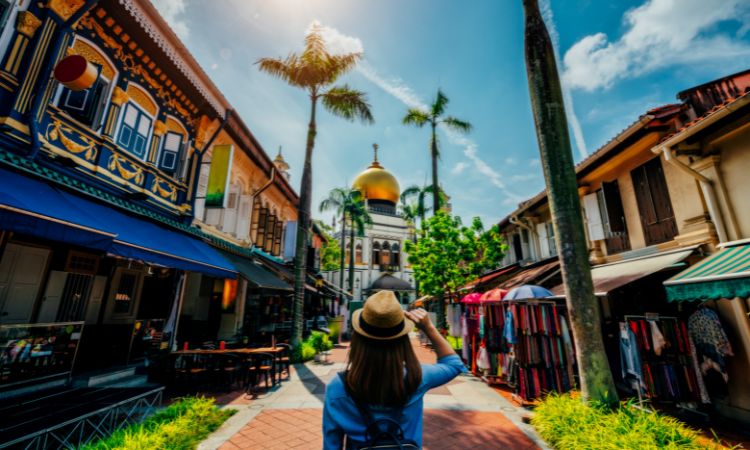
Thessaloniki’s nightlife appeals to a broad audience, from students to seasoned travelers. The historic Ladadika district serves as a hub: restored warehouses house bars offering local beers, cocktails, and live music ranging from rebetiko and jazz to world music. Evenings often begin with meze plates and drinks in atmospheric venues, fostering socializing and local interaction. Waterfront bars provide relaxed settings in warmer months, where sea breezes accompany music and conversation.Clubs in the city center and outskirts cater to electronic, hip-hop, and mainstream tastes; many operate until dawn. Checking event listings reveals themed nights or guest DJs. For live-music aficionados, smaller venues showcase local bands or singer-songwriters, offering authentic glimpses into Greece’s contemporary music scene. Seasonal open-air concerts and festivals, sometimes set against historic backdrops or by the sea, add special experiences.For cultural evenings, the Thessaloniki Concert Hall presents classical concerts, ballet, and opera, reflecting the city’s artistic commitment. Alternative theaters host experimental performances and spoken-word events, often in intimate settings. Café-bars occasionally host poetry readings, film screenings, or informal gatherings, appealing to creative communities.Practical tips include starting the night with a relaxed drink and meze in Ladadika, then moving to a live-music spot or club based on mood and schedule. Taxis and ride-hailing services operate late; walking between nearby venues is common in the center. Safety is generally good, and locals welcome visitors warmly. This guide highlights the mosaic of nightlife: traditional music cafés, modern clubs, waterfront lounges, and cultural performances—ensuring memorable evenings that blend tradition, innovation, and social vibrancy.
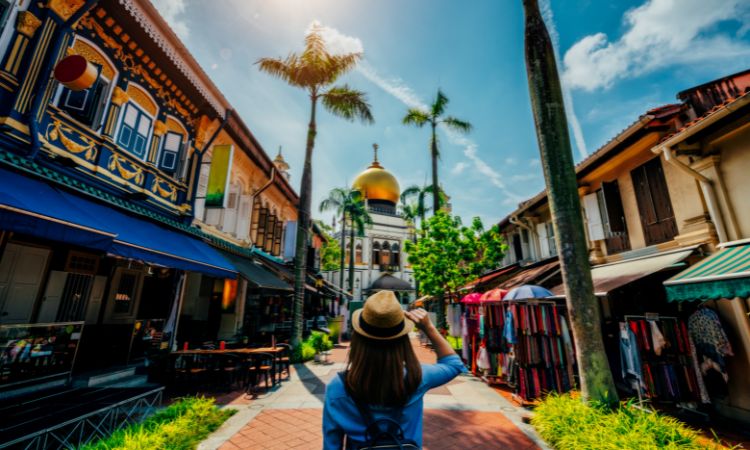
Thessaloniki’s festival calendar showcases its role as a cultural capital. The Thessaloniki International Film Festival in November attracts filmmakers, critics, and cinephiles for screenings, panels, and networking events. In summer, open-air music festivals—jazz, rock, electronic—occur at waterfront venues or historic sites, blending scenic settings with live performances. The Dimitria Cultural Festival spans autumn and winter, presenting theater productions, dance performances, art exhibitions, and concerts in venues ranging from historic theaters to modern galleries.Gastronomy festivals celebrate regional produce: olive oil fairs, wine tastings in nearby vineyards, and street-food events introduce visitors to local flavors. Religious and folk festivals—such as the Feast of Saint Demetrius on October 26—feature processions, church services, and communal gatherings reflecting Thessaloniki’s traditions. Winter holiday markets and fairs bring craft stalls, local delicacies, and festive decorations to city squares, offering a cozy atmosphere and seasonal treats.Spring and Easter celebrations involve local customs: church services, communal feasts, and family gatherings. Art biennales and photography festivals occur periodically, showcasing contemporary creativity. Planning around festival dates enhances visits: early booking of accommodation is advisable during major events. Many festivals include free or low-cost public events—outdoor film screenings, concerts, exhibitions—encouraging spontaneous participation.This guide emphasizes aligning travel dates with Thessaloniki’s cultural calendar to experience communal spirit. Whether attending film premieres, dancing under summer skies by the sea, sampling local products at fairs, or witnessing traditional ceremonies, each festival reveals facets of the city’s identity. Engaging in these celebrations connects travelers with local life, fostering memorable encounters beyond typical sightseeing.
No ads. No trails. No commitments


Alice Roses
London, England
51 ST MATTHIAS ROAD
NOTTINGHAM, NOTTINGHAMSHIRE
NG3 2HF
Hours: 8:00 - 17:00, Mon - Sat
support@johnsonholidays.com