 Zakopane Travel
Guide
Zakopane Travel
Guide
Paris is known around the world as the “capital of love,” and even if you don't understand the history of Paris at all

2.5 Hours
£2.50
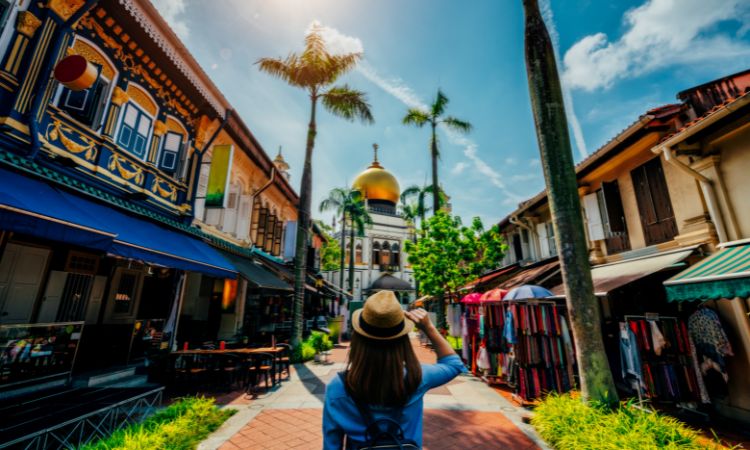
Zakopane sits at the foot of the Tatra Mountains, offering jaw-dropping panoramas in every season. In winter, snow-capped peaks and frosted forests create a pristine alpine landscape ideal for photography and adventure sports. Spring and summer unveil lush valleys dotted with wildflowers and sparkling glacial lakes, inviting hikers and nature enthusiasts to explore trails suited to various fitness levels. Autumn paints the mountains in vibrant hues of gold and crimson, enhancing the visual appeal for photographers and peaceful walkers alike. Whether viewed from a cable car, a mountain summit, or a cozy chalet balcony, the mountain scenery is a constant reminder of nature’s grandeur, making Zakopane an irresistible destination for anyone seeking to immerse themselves in dramatic landscapes.
Learn More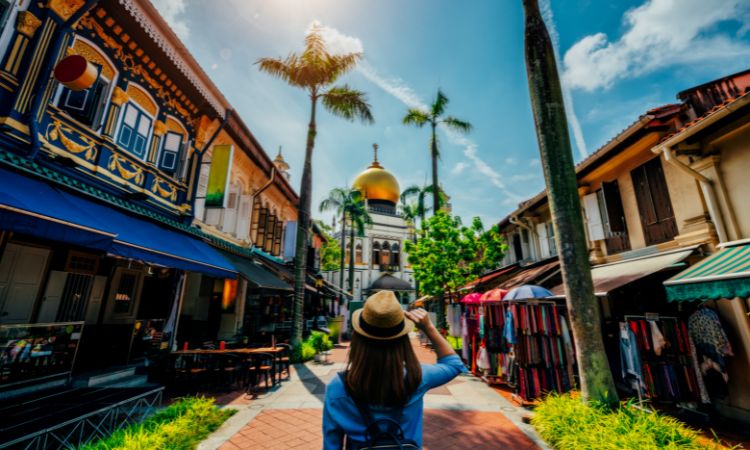
Zakopane is synonymous with outdoor pursuits throughout the year. In winter, ski resorts like Kasprowy Wierch and Nosal offer slopes for beginners and experts, along with snowshoeing and cross-country trails. Summer transitions to hiking, mountain biking, and climbing routes that traverse valleys and peaks of the Tatra National Park. Wildlife spotting, photography workshops, and guided nature tours enrich the experience. Autumn trekking reveals colorful forests, while spring brings melting snow and emerging flora. Even in off-peak months, scenic cable cars and guided excursions allow visitors to enjoy the outdoors safely. The variety of activities ensures visitors of all ages and interests can find their preferred level of adventure in Zakopane.
Learn More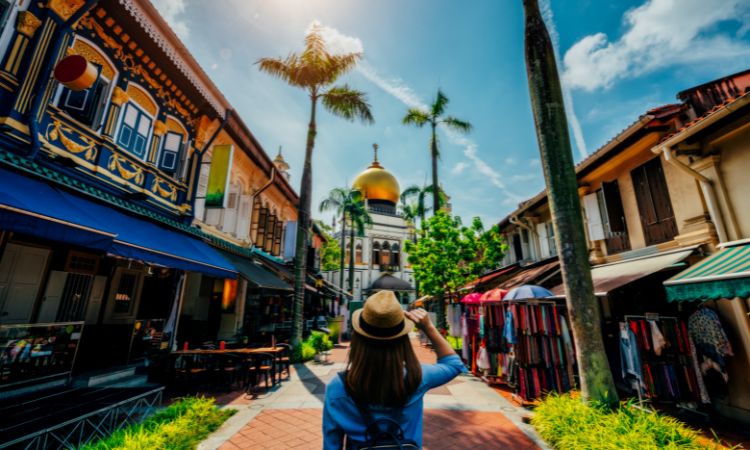
Zakopane’s unique Górale heritage permeates local life. Traditional wooden architecture, folk music, dance performances, and artisanal crafts like wood carving and wool weaving provide cultural immersion. Markets along Krupówki Street showcase handcrafted souvenirs and local delicacies such as oscypek (smoked sheep cheese) and kwaśnica (sauerkraut soup). Seasonal festivals celebrate highlander traditions, offering live music, dance, and storytelling sessions in rustic taverns. Visitors can tour workshops where artisans demonstrate carving or weaving techniques and learn about pastoral life in mountain villages. Engaging with local culture adds depth to the journey, fostering connections beyond typical tourist experiences and supporting regional communities.
Learn More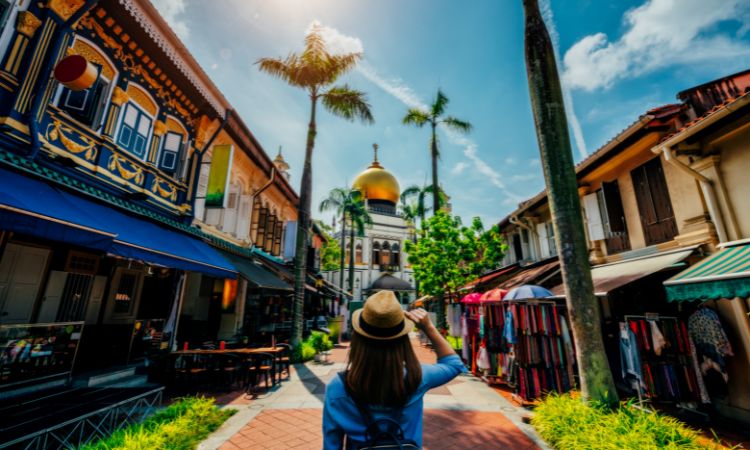
After active mountain days, Zakopane’s wellness centers and thermal spas provide soothing relief. Mineral-rich waters and saunas help relax muscles and rejuvenate the body. Many hotels offer on-site spa treatments, massages, and wellness packages incorporating local herbal therapies. Bathing in warm pools overlooking mountain vistas offers both physical and mental relaxation. Wellness retreats often include yoga classes, mindfulness sessions, and nutritional guidance featuring regional products. Whether recovering from a skiing expedition or simply seeking relaxation amid alpine tranquility, Zakopane’s spa offerings blend natural resources and expert therapies to restore energy and well-being.
Learn More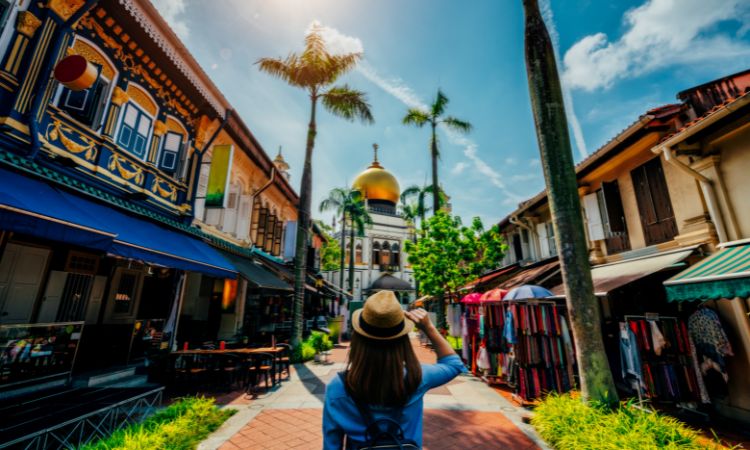
Zakopane’s culinary scene celebrates highlander flavors and modern interpretations. Traditional dishes such as oscypek served with cranberry jam, hearty soups like kwaśnica, and regional smoked meats showcase local ingredients and age-old techniques. Mountain shepherd farms offer insights into cheese production and pastoral life. Contemporary eateries fuse Polish highlander staples with international influences, creating inventive menus that please diverse palates. Markets and food festivals highlight seasonal produce, artisanal products, and beverages. Sampling local craft beers or vodkas infused with herbs provides authentic taste experiences. Culinary tours and cooking workshops allow visitors to learn recipes and techniques, deepening appreciation for Poland’s mountain gastronomy.
Learn More
Despite its mountain setting, Zakopane remains accessible. Regular transport links connect to Kraków John Paul II International Airport (KRK) and Poprad–Tatry Airport (TAT), with shuttle services, private transfers, and car rentals ensuring smooth arrival. Well-maintained roads and seasonal transport options facilitate travel even in winter conditions. Once in Zakopane, local minibuses and walking routes allow easy exploration of town and nearby trailheads. Tourist information centers and online resources provide updated schedules and guidance. Accessibility fosters confidence for solo travelers, families, and groups, allowing focus on experiences rather than logistics. Zakopane’s connectivity ensures that even remote mountain adventures begin and end conveniently.
Learn More
Lorem ipsum dolor, sit amet consectetur adipisicing elit. At illo adipisci iusto
From

Because more than 268 other customers have loved us too

Demonstrates commitment to user data security through encryption and secure payment practices
Learn More
Demonstrates commitment to user data security through encryption and secure payment practices
Learn More
Demonstrates commitment to user data security through encryption and secure payment practices
Learn More
Demonstrates commitment to user data security through encryption and secure payment practices
Learn More
Quality as judged by customers. Book at the ideal price!


/ person
/ person
/ person
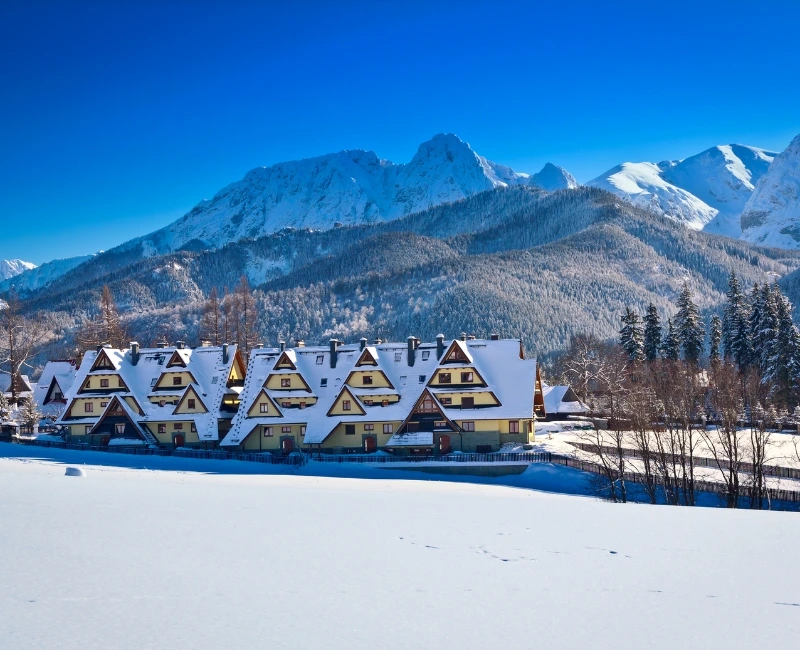
Zakopane’s proximity to the Tatra Mountains positions it as the gateway to Poland’s most dramatic alpine terrain, where outdoor enthusiasts find a network of trails and routes catering to all levels. Beginning from easily accessible trailheads just outside town, hikers can ascend into valleys carved by glacial activity, encountering cascading streams, rocky ridges, and endemic flora. One renowned route leads to Morskie Oko, a glacial lake framed by towering peaks; the trail, though moderate in difficulty, rewards with emerald waters and opportunities for photography, picnicking, and spotting mountain wildlife such as marmots or chamois. For more seasoned trekkers, paths extend beyond Morskie Oko to Czarny Staw pod Rysami and onward, approaching Rysy, the highest peak in Poland. These longer treks require planning, early starts, and proper gear, but deliver unparalleled vistas and a profound sense of achievement.In summer months, guided mountain tours ensure safety while sharing naturalist insights on local ecosystems, geology, and wildlife. Birdwatchers may spot eagles or alpine species; botanists admire rare high-altitude plants. Mountain photography workshops capitalize on golden hour light, capturing mist-laden valleys or sunrise hues reflecting off rocky outcrops. For less strenuous options, cable cars to Kasprowy Wierch offer panoramic views and short walking loops above the treeline, granting access to alpine meadows without extensive hiking.Winter transforms these routes: snowshoeing and guided ski tours navigate snowy terrain, but avalanche awareness and certified guides become essential. Cross-country skiing trails weave through forests and valleys, offering a quieter way to discover the landscape. Ski mountaineering for experienced adventurers involves specialized equipment and training, but opens remote high-altitude zones. Regardless of season, respecting conservation rules within Tatra National Park is vital: sticking to marked trails, minimizing disturbance, and carrying out waste preserves the fragile environment.Safety considerations include checking weather forecasts—mountain weather can shift rapidly—and carrying essentials: layered clothing, waterproof gear, navigation tools, sufficient water, and snacks. Hiring local guides enhances safety, especially for complex routes or off-season treks. Emergency services operate within the park, but self-reliance and caution reduce risks.Zakopane itself serves as a logistical base: numerous outfitters rent gear—hiking boots, trekking poles, snowshoes, ski equipment—while local transport brings adventurers to trailheads. Accommodation options range from mountain chalets near trails to town-center hotels allowing early starts. After full days in the mountains, visitors return to Zakopane for restorative meals featuring regional dishes and spa treatments to soothe tired muscles.By combining preparation, respect for nature, and engagement with local knowledge, exploring the Tatra Mountains from Zakopane becomes an unforgettable experience. The varied terrain—from serene lake basins to rugged summits—offers both physical challenge and aesthetic reward. Outdoor Adventures in Zakopane bridge the gap between accessible nature experiences for casual visitors and demanding expeditions for seasoned mountaineers, making the region a versatile destination for mountain lovers.
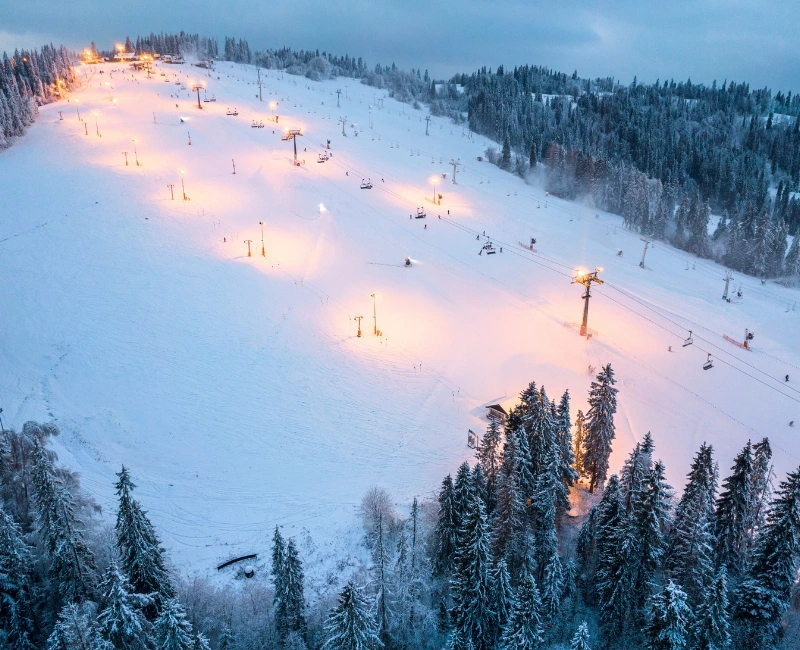
Zakopane’s reputation as Poland’s winter sports hub is anchored by its network of ski resorts and slopes catering to diverse skill levels. Major ski areas include Kasprowy Wierch, Nosal, Gubałówka, and Harenda, each offering unique terrain profiles, lift infrastructure, and complementary amenities. Kasprowy Wierch, accessible by cable car from Kuznice, features high-altitude runs with reliable snow conditions; its varied slopes appeal to intermediate and advanced skiers seeking longer descents and panoramic vistas. Nosal, closer to town, suits beginners and families with gentler slopes and ski schools providing instruction. Gubałówka offers scenic night skiing under floodlights, allowing enthusiasts to extend their day beyond daylight hours. Harenda and lesser-known local hills provide quieter options for learners or those seeking off-peak experiences.Ski pass systems often cover multiple areas or operate per-resort; planning depends on itinerary length and skill focus. Equipment rental shops in Zakopane supply modern skis, snowboards, boots, and protective gear; reserving in advance during peak season ensures availability. Certified instructors offer group and private lessons, ideal for newcomers to build confidence or experienced skiers refining technique. Snowboarding enthusiasts find terrain parks and freeride zones, while cross-country skiing tracks weave through nearby valleys for endurance-focused activity.Weather and snow conditions vary; high-altitude slopes typically retain snow longer, but lower runs require careful monitoring, especially late season. Local operators provide daily snow reports and guidance on best slopes given current conditions. Avalanche risk is managed in overseen areas, but backcountry enthusiasts must engage professional guides and safety equipment when venturing off-piste. Guided ski tours combine on-piste runs with introductory off-piste sections, blending thrill with security.Après-ski culture in Zakopane enriches the experience. After a day on slopes, visitors gather in mountain huts or town cafés for hot drinks, regional snacks, and socializing. Wellness options—thermal pools, saunas, and massage therapies—help relax muscles fatigued from skiing. Evening entertainment may include live music or folklore performances, connecting participants with local highlander traditions.For non-skiers or those seeking variety, snowshoeing routes parallel ski areas, offering silent exploration of winter forests. Sleigh rides through snowy landscapes provide romantic or family-friendly alternatives. Photography in winter landscapes—frost-covered trees, icy cascades, and sunrise over peaks—attracts enthusiasts. Workshops guide camera settings and composition for snowy scenes.Zakopane’s infrastructure handles peak winter demand, but planning remains key: booking accommodation early, checking transport for potential weather delays, and scheduling lessons or guided tours in advance. For multi-day stays, varying activities (skiing, spa, cultural visits) balances exertion and relaxation. Families benefit from child-friendly slopes and childcare services offered by some resorts. Safety gear—helmets, avalanche transceivers for off-piste—should be used as recommended.Ultimately, Zakopane’s ski resorts and slopes offer a comprehensive winter sports experience, combining well-maintained runs, quality instruction, diverse terrain, and cultural immersion. From first-time skiers to adrenaline-seeking experts, the region accommodates all, while post-ski relaxation in thermal spas and engaging local traditions complete the quintessential mountain holiday.
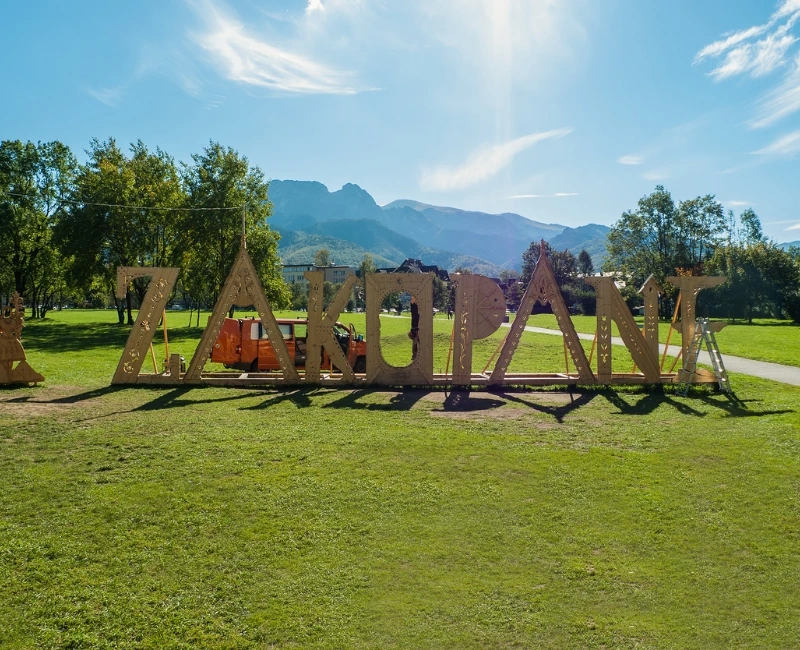
Zakopane’s cultural identity is deeply rooted in the highlander (Górale) traditions of the Tatra region, offering visitors an authentic glimpse into mountain life shaped by centuries of pastoralism, folklore, and craftsmanship. The Górale people have preserved distinctive music, dance, dress, and artisanal skills that both locals and travelers celebrate through events, workshops, and daily life. The architectural style—characterized by wooden villas with ornate carved details, steep roofs to shed snow, and decorative motifs—originated in the late 19th century as part of the Zakopane Style pioneered by Stanisław Witkiewicz. Exploring these buildings, many converted into museums or guesthouses, reveals how local builders adapted to mountainous conditions while expressing artistic identity.Folk music and dance performances occur in venues ranging from traditional inns to open-air stages at festivals. Local ensembles play instruments like the shepherd’s flute and fiddle, accompanied by dancers in embroidered costumes performing energetic routines. Attending a performance immerses visitors in the rhythms and stories passed through generations. Many restaurants and taverns host live music evenings, where guests can sample highlander songs and possibly join singing or dancing in convivial settings.Artisan workshops scattered throughout town highlight wood carving, wool weaving, leatherworking, and pottery. Visitors can observe master craftsmen shaping intricate sculptures, carving decorative patterns on furniture or household items, and creating embroidered textiles. Participating in hands-on workshops enables travelers to learn basic techniques and produce souvenirs imbued with personal meaning. Markets along Krupówki Street and specialized artisan centers offer opportunities to purchase genuine handcrafted products, supporting local economies and preserving traditions.Culinary traditions form a central part of heritage exploration. Mountain shepherds historically produced oscypek, a smoked sheep cheese, using methods passed down through families. Visiting local farms during production season provides insight into pastoral life: shepherds guide flocks through mountain pastures, follow seasonal migration patterns, and demonstrate cheese-making processes. Tasting freshly smoked oscypek with cranberry jam exemplifies the blend of simplicity and flavor central to highlander cuisine. Hearty soups like kwaśnica and stews reflect adaptation to alpine climates, incorporating preserved ingredients during colder months. Food-focused tours and cooking classes reveal recipes and techniques, enabling visitors to prepare regional dishes after returning home.Festivals throughout the year celebrate highlander culture, such as folklore fairs in summer featuring music, dance, craft demonstrations, and traditional dress parades. Winter events may include shepherds’ carol singing or mountain-themed film festivals. Aligning travel dates with these festivals enhances cultural immersion. Even outside festival periods, daily life offers glimpses: locals wearing elements of traditional attire on special occasions, artisanal shops displaying handcrafted goods, and restaurants preserving authentic recipes.Museums and cultural centers document Górale history, ethnography, and artistic developments. Exhibits may include traditional costumes, tools, photographs of past generations, and accounts of mountain life challenges. Visiting these institutions deepens understanding of how geography, economy, and external influences shaped the region. Interpretive signage and guided tours help contextualize traditions, emphasizing the importance of preserving intangible heritage in the face of modernization.Engaging respectfully with highlander culture involves recognizing its significance to local identity. Asking permissions before photographing individuals in traditional dress, purchasing authentic products rather than mass-produced imitations, and following guidelines at heritage sites demonstrate responsible tourism. Interactions with local guides and artisans foster mutual respect: travelers learn from residents’ expertise, and communities benefit from interest and economic support.Discovering highlander traditions in Zakopane transcends passive observation; it encourages active participation. Whether joining a folk dance workshop, tasting homemade cheese on a mountain farm, or carving a small wooden souvenir under a master’s guidance, visitors become part of a living cultural tapestry. This engagement enriches the travel experience, creating lasting memories and fostering appreciation for the resilience and creativity of mountain communities.
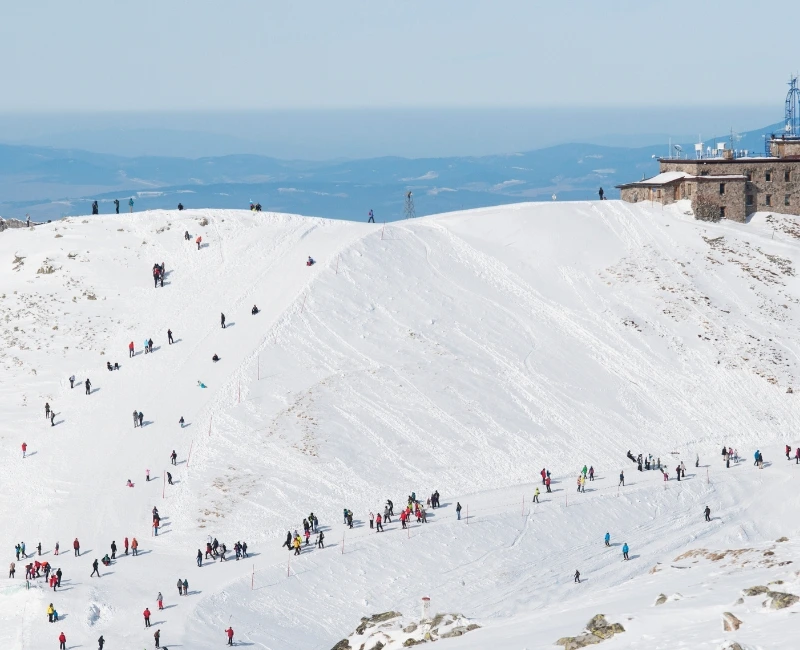
Zakopane’s event calendar is vibrant, reflecting both seasonal rhythms and highlander heritage, offering travelers diverse experiences that highlight culture, sport, and nature. Major festivals draw visitors to celebrate mountain life, film, music, and seasonal transitions. In winter, the Zakopane Ski Jumping World Cup attracts international athletes and fans, creating an electrifying atmosphere as spectators gather in freezing air to witness daring aerial feats. Snow festivals showcase ice sculptures, winter sports competitions, and local performances, while traditional shepherds’ carol singing (Hejnał) and candlelit processions add spiritual depth during festive periods. These events combine adrenaline with cultural authenticity, inviting audiences to witness high-level sports alongside age-old traditions.As spring awakens the mountains, Zakopane hosts mountain film festivals where filmmakers and enthusiasts gather to share stories of adventures, ecology, and human connections to extreme environments. Screenings accompanied by discussions and workshops foster dialogue on mountaineering ethics, environmental conservation, and personal narratives. Concurrently, photography contests and exhibitions display images capturing the beauty and challenges of mountain life, inspiring both professionals and amateurs.Summer brings folklore fairs and cultural gatherings celebrating Górale heritage. Folk ensembles perform music and dance in open-air venues; artisans display crafts; and food stalls serve regional dishes such as oscypek and honey-based treats. These festivals often include costume parades, competitions in traditional sports like stone throwing or log sawing, and demonstrations of shepherding practices. The lively ambiance encourages visitor participation: learning dance steps, trying on costumes, or tasting freshly made cheese. Festival schedules are typically published in advance, enabling travelers to plan visits to coincide with these immersive cultural experiences.Autumn harvest festivals celebrate the end of the growing season in mountain valleys. Local producers showcase preserved fruits, honey, jams, and cured meats, while visitors sample seasonal specialties and learn preservation methods that sustained highlander communities through harsh winters. Music and dance performances accompany the festivities, creating a communal atmosphere that honors both nature’s bounty and historical resilience.Event participation often requires advance booking, especially for guided workshops or popular festival activities. Travelers should monitor official Zakopane tourism channels or local event listings (without external links in content; this is an instruction for internal planning). Aligning travel dates with desired events enhances immersion, but even outside major festivals, Zakopane’s vibrant community life ensures there are regular performances, markets, and informal gatherings. Checking weather forecasts helps plan outdoor attendance, especially for mountain film screenings or folklore fairs held in open-air venues.Engaging with local events supports sustainable tourism: festival fees contribute to community projects, while purchasing from artisans sustains traditional crafts. Respecting event etiquette—arriving on time, following guidelines for photography, and appreciating performers—fosters positive interactions. For families, many festivals offer children’s workshops in crafts or music, introducing younger travelers to highlander culture in accessible ways.Local events also extend beyond Zakopane: neighboring villages host complementary festivals, and day trips can incorporate smaller-scale celebrations. For example, mountain hut gatherings may feature evening music or storytelling around fireplaces. These intimate events offer deeper insight into daily mountain life and community bonds. Visitors interested in niche experiences—such as guided star-gazing nights in clear mountain skies or seasonal foraging tours—can inquire locally for specialized events or small-group excursions.Overall, Zakopane’s festivals and events animate the destination year-round, weaving cultural heritage, sports, wellness, and nature into memorable experiences. By planning around these gatherings, travelers deepen their connection to the region, participate in living traditions, and create lasting memories set against the backdrop of Poland’s majestic mountains.
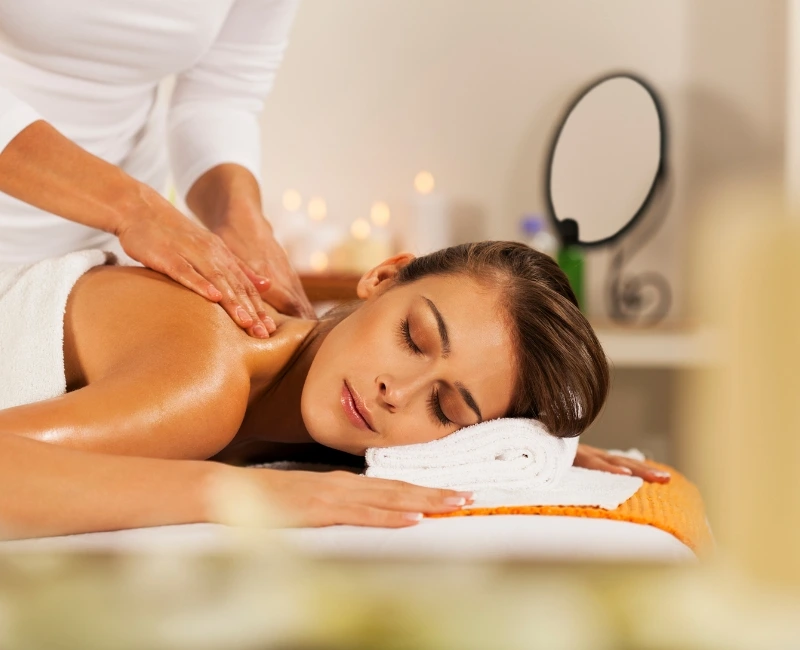
After invigorating mountain adventures, Zakopane’s thermal spas and wellness centers provide essential relaxation, harnessing natural mineral waters and expert therapies to restore body and mind. While Zakopane itself lacks large thermal springs, nearby regions in southern Poland feature geothermal facilities; many Zakopane hotels incorporate spa offerings using mineral-rich treatments inspired by local resources. Wellness centers often include heated pools, saunas, steam rooms, and hot tubs, styled with wood and stone elements that echo mountain aesthetics, enhancing the sense of immersion in alpine tranquility.Treatments may feature massages incorporating herbal infusions derived from mountain flora known for anti-inflammatory or calming properties. Therapists often integrate highlander wellness traditions, such as wraps using locally sourced herbs or aromatherapy with pine and spruce extracts reminiscent of surrounding forests. Packages can combine hydrotherapy sessions with guided relaxation techniques, yoga classes overlooking mountain views, or meditation sessions focusing on breathing and mindfulness to alleviate stress and fatigue accumulated during active days.Some hotels arrange outdoor hot tubs or heated plunge pools where guests can enjoy warm waters while gazing at Tatra peaks, creating a unique blend of thermal comfort and natural scenery. In colder months, contrast therapies—alternating between hot saunas and cool mountain air—stimulate circulation and invigorate the senses. Spa facilities may offer beauty treatments, facials using local products like honey or herbal extracts, and wellness consultations advising on nutrition and lifestyle adjustments tailored to mountain conditions.Wellness packages often cater to couples seeking romantic retreats, families seeking rest after outdoor activities, or solo travelers needing downtime. Booking in advance ensures availability, especially in peak seasons. Many wellness centers emphasize sustainability: using eco-friendly products, energy-efficient heating methods, and waste reduction practices. Guests contribute to responsible tourism by choosing establishments that support local communities and minimize environmental impact.For a comprehensive wellness experience, visitors can combine spa treatments with gentle outdoor activities: morning yoga sessions on terraces with mountain vistas, forest bathing walks guided by wellness practitioners, or sunrise meditation hikes to nearby clearings. These integrated approaches blend physical activity, mental relaxation, and connection with nature. Evening rituals may include herbal teas featuring regional ingredients, consumed in cozy lounge areas adorned with wood carvings and warm lighting.Transportation to nearby thermal bath complexes outside Zakopane may be arranged via shuttle or private transfers. Combining a day trip to geothermal pools with a stay in Zakopane allows visitors to experience both mountain adventures and deep relaxation in thermal waters. Clear communication with accommodation providers ensures seamless planning of spa excursions.Ultimately, thermal spas and wellness centers complement Zakopane’s adventure offerings by providing restorative spaces that honor the healing potential of mineral waters and mountain environments. By integrating spa treatments, mindful practices, and nature immersion, visitors achieve balanced experiences—energized by outdoor activities and rejuvenated by wellness rituals—making Zakopane an ideal destination for holistic mountain retreats.
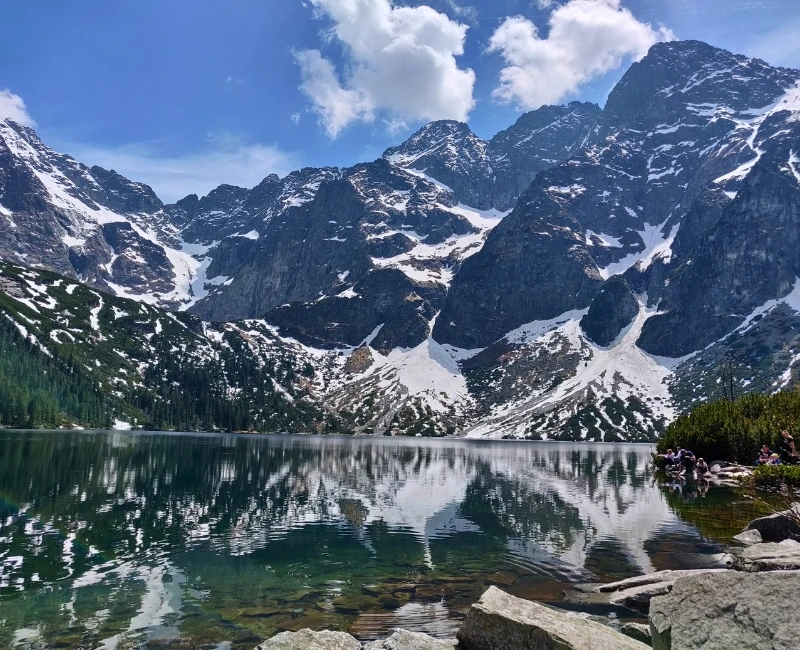
For travelers seeking tranquility, Zakopane’s mountain chalets and boutique lodgings deliver restful retreats that blend rustic charm with modern comforts. Scattered along valley edges or perched on hillside terraces, chalets offer privacy, scenic views, and an intimate connection with nature. Many are constructed in traditional Zakopane Style wood architecture, featuring spacious interiors with exposed beams, carved furnishings, and large windows framing mountain panoramas. Staying in a chalet allows guests to wake to sunrise over peaks, sip morning tea on a private balcony, and unwind by a fireplace after active exploration.Chalet accommodations vary: some offer self-catering facilities ideal for families or groups preferring flexibility, while others include breakfast or full-board options featuring regional dishes. Kitchens equipped with local produce markets in mind allow guests to prepare simple meals, enhancing immersion in daily rhythms of mountain life. Hosts often provide recommendations for local suppliers of cheese, bread, and artisanal products to craft meals reflecting highlander flavors. For those preferring minimal planning, chalet stays can include chef-prepared meals delivered to the door or dining experiences arranged in nearby inns.Wellness amenities within chalets increasingly incorporate private hot tubs, sauna cabins, or small spa rooms where guests can enjoy treatments in seclusion. Imagine soaking in a wooden hot tub under a starlit sky after a day of hiking or skiing—this experience fuses relaxation with the raw beauty of the Tatra environment. Hosts may arrange in-chalet massage sessions using local herbal oils, offering personalized care without leaving the retreat. The combination of nature views, cozy interiors, and bespoke services fosters deep relaxation.Chalets also serve as social hubs: groups of friends or families gather around dining tables for board games, storytelling, or planning the next day’s activities. The absence of crowded hotel common areas creates a sense of exclusivity and bonding. For solo travelers seeking solitude, chalets on quieter slopes or forest edges provide peaceful settings for reading, writing, or meditative walks in nearby woodlands. Observing sunrise or sunset from a secluded vantage point enhances mindfulness and reflection.Accessibility considerations include arranging transfers from Zakopane town center; many chalets offer pick-up services or guidance on parking if self-driving. In winter, hosts advise on vehicle requirements for snowy roads or recommend shuttle services. During shoulder seasons, guests benefit from fewer crowds and may access trailheads directly from chalet locations. Safety remains important: chalets near mountain trails should provide guidelines on local wildlife encounters, weather changes, and emergency contacts.Booking chalets in advance is crucial during peak seasons, as popular properties fill quickly. Reviews often highlight hosts’ attentiveness, cleanliness, and authenticity in preserving traditional design. Sustainable practices—such as using locally sourced wood for construction, energy-efficient heating, and eco-friendly amenities—enhance the appeal for environmentally conscious travelers. Engaging with hosts to learn about local customs, stories, and recommended hidden gems enriches the stay beyond mere accommodation.Relaxing in mountain chalets around Zakopane combines solitude, comfort, and nature immersion. Whether waking to birdsong in summer or enjoying the hush of snowfall in winter, guests experience a restorative retreat that complements Zakopane’s active offerings. By choosing chalets that reflect local architecture and values, travelers enjoy an authentic, rejuvenating escape that lingers as a highlight of their mountain journey..
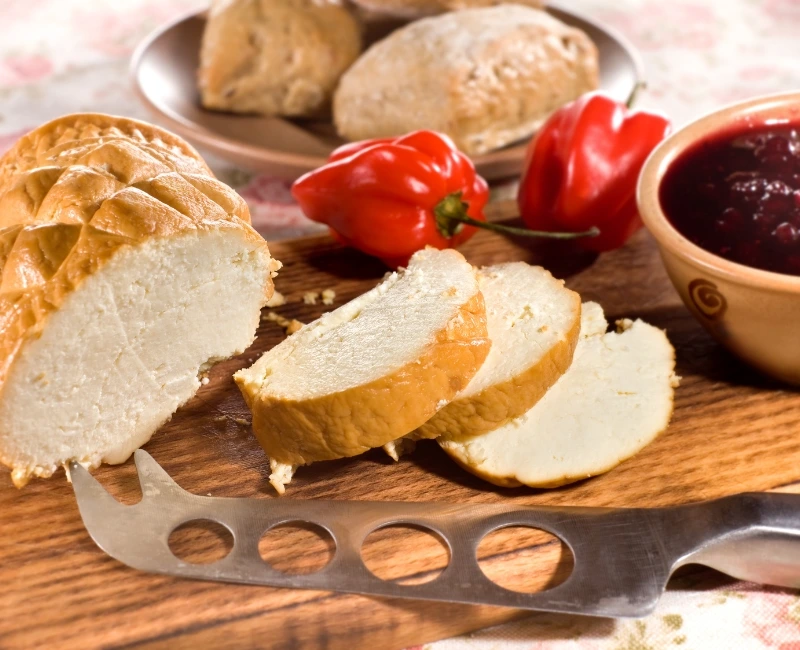
Zakopane’s culinary landscape is deeply influenced by highlander (Górale) traditions and mountain environment, offering hearty dishes designed for sustenance and warmth in alpine climates. Central to this cuisine is oscypek, a smoked sheep cheese produced from late spring to early autumn on mountain pastures. Visiting a shepherd’s farm (bacówka) offers an authentic glimpse into cheese-making: shepherds guide flocks to highland grazing areas, milk sheep, shape cheese by hand, and smoke it over wood fires, imparting a distinctive flavor. Sampling fresh oscypek—often served with cranberry or lingonberry preserves—combines smoky, salty, and sweet notes, embodying mountain flavors.Keepsake soups like kwaśnica (sauerkraut soup) and żurek (sour rye soup) provide warming comfort, especially in cooler seasons. Kwaśnica uses fermented cabbage, smoked meats, and potatoes, reflecting preservation methods vital in high-altitude regions. Bread accompanies these soups, often homemade using local grains. Dumplings and pierogi filled with cheese, mushrooms, or wild berries showcase the region’s produce and foraging traditions. Mushrooms collected from nearby forests—porcini, chanterelles, and boletus—feature prominently in sauces, soups, and side dishes, offering earthy flavors unique to the Tatra region.Main courses may include hearty stews with local game or smoked meats, often served with seasonal vegetables. Highlander-style spit-roasted meats impart smoky aromas reminiscent of open-fire cooking traditions. Dessert options highlight foraged ingredients: wild berries incorporated in pastries, cakes, or compotes showcase summer bounty. Honey, produced in mountain apiaries, sweetens desserts and sauces, connecting meals to floral landscapes of alpine meadows.Zakopane’s restaurants range from rustic mountain huts serving traditional fare to contemporary eateries that reinterpret classics with modern techniques. Dining at a bacówka or village inn can involve communal seating, fostering social interactions and storytelling among guests. Local guides may arrange multi-course tasting menus highlighting seasonal specialties, paired with regional beverages such as herbal teas brewed from mountain herbs or craft beers brewed with local ingredients.Cooking classes and culinary tours enable visitors to engage directly with highlander cuisine. Under guidance of local chefs or home cooks, participants learn to prepare dishes like oscypek-based recipes, sauerkraut soup, or mushroom pierogi, understanding ingredient sourcing, preparation methods, and cultural significance. These experiences deepen appreciation for the region’s food heritage and allow travelers to recreate flavors at home.Markets in Zakopane’s center offer fresh produce, artisanal cheeses, cured meats, and baked goods. Engaging with vendors reveals stories behind products, such as small-scale shepherd families producing cheese or beekeepers harvesting honey from mountain flowers. Purchasing locally made preserves or spice blends supports community enterprises and provides souvenirs of taste.Seasonal variations influence cuisine: summer menus incorporate fresh herbs, wild berries, and seasonal vegetables, while autumn and winter emphasize preserved foods—pickled vegetables, dried fruits, cured meats—that sustained highlander communities through cold months. Understanding this seasonality enriches dining: travelers who plan visits around harvest seasons may attend foraging excursions, while winter visitors appreciate warming dishes developed for alpine conditions.Food safety and hygiene adhere to local standards; choosing reputable establishments or guided experiences ensures both authenticity and health. For those with dietary preferences or restrictions, many restaurants can adapt dishes—e.g., vegetarian versions of traditional soups using mushroom stocks or cheese-based dishes with local cheeses. Communicating needs in advance helps hosts prepare suitable meals.In summary, traditional Polish highlander cuisine in Zakopane offers robust flavors rooted in mountain life, blending rustic preparation with modern presentation. Experiencing this cuisine through tastings, cooking classes, and farm visits deepens understanding of local culture and environment. For travelers, sampling oscypek at sunrise on a mountain pasture or enjoying sauerkraut soup after a day of hiking creates sensory memories tied to Zakopane’s landscapes and traditions.
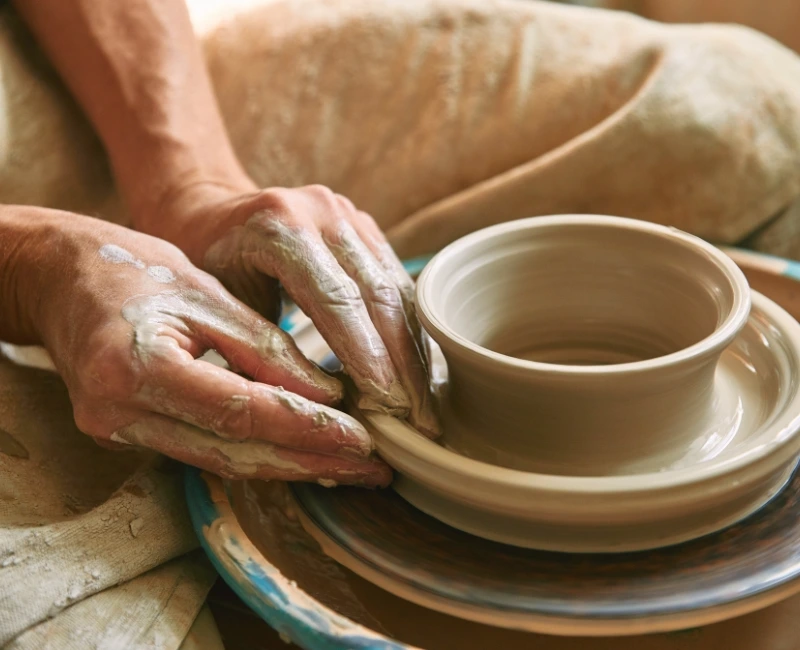
Zakopane’s markets and artisan shops form vibrant centers where travelers discover regional crafts, foods, and traditions that define the highlander identity. Krupówki Street, the town’s main pedestrian thoroughfare, hosts daily stalls and permanent shops offering handcrafted items and local produce. However, beyond the main drag, hidden artisan workshops and seasonal markets reveal deeper layers of creativity and community. Exploring these markets provides both shopping opportunities and cultural insights.Wood carving is a hallmark of Zakopane craftsmanship. Artisans sculpt decorative figurines, religious icons, and functional items like wooden bowls or utensils from local timber species such as larch and spruce. Visiting workshops allows observation of carving techniques passed down through generations. Some studios offer short courses where visitors carve simple pieces under guidance, gaining appreciation for the time and skill required. Purchasing carved souvenirs—personalized if requested—supports local livelihoods and ensures genuine items rather than mass-produced imitations.Textile crafts include wool weaving and embroidery. Local artisans create blankets, scarves, and garments featuring traditional highlander patterns and motifs. These textiles combine practicality for cold mountain climates with aesthetic designs reflecting local symbolism. Markets display hand-knitted socks, mittens, and vests, often dyed with natural pigments. Engaging with textile makers reveals processes from shearing sheep to spinning and weaving wool, demonstrating connections between environment, livestock, and craft.Ceramics and pottery inspired by mountain life appear in markets: mugs, bowls, and decorative items glazed in earthy tones or adorned with motifs inspired by alpine flora and fauna. Visiting pottery studios may include demonstrations of wheel-throwing or hand-building techniques, and opportunities to glaze or personalize small pieces before firing. These crafts serve both functional and decorative purposes, allowing travelers to bring home tangible memories of Zakopane.Food markets and specialty stalls offer local produce: oscypek cheese, honey from mountain flowers, jams made from wild berries, and artisanal preserves. Engaging vendors in conversation reveals stories behind products: seasonal cycles that dictate cheese production, floral varieties influencing honey flavor, and traditional preservation methods. Sampling small portions helps travelers select items to purchase. Many markets allow tasting before buying, ensuring informed choices without pressure.Seasonal craft fairs, often tied to festivals or holidays, expand offerings to include festive decorations, handmade gifts, and limited-edition items. These events typically feature live demonstrations—glassblowing, candle-making, basket weaving—allowing immersive experiences. Scheduling visits around these fairs yields unique finds and deeper engagement with artisan communities. For travelers seeking sustainable souvenirs, selecting items made from local materials and purchased directly from makers ensures environmental and social responsibility.Zakopane’s markets also feature stalls selling regional herbal products: teas, tinctures, and cosmetics derived from mountain herbs. Local apothecaries may demonstrate blending herbal teas or crafting balms used in wellness treatments. These products align with Zakopane’s wellness offerings, extending the experience beyond spa visits into personal care at home.Payment in Polish złoty is standard; many vendors accept cards, though small stalls may prefer cash. When budgeting in British pounds, travelers should factor currency exchange considerations; however, local prices often remain competitive compared to other European alpine destinations.For lasting memories, travelers can commission custom crafts: personalized wood carvings with names or dates, embroidered items reflecting personal motifs, or tailored jewelry incorporating regional designs. Communicating with artisans ahead—when possible—ensures that custom orders align with travel timelines. Many artisans ship items internationally, though travelers must account for shipping costs and customs.Interacting respectfully with artisans involves understanding cultural significance of designs, asking permission before photographing workshops or creators, and acknowledging craftsmanship by offering fair compensation. Supporting local markets sustains traditional crafts and fosters vibrant cultural heritage.In essence, Zakopane’s markets and craft products open windows into the region’s identity, connecting visitors with landscape, tradition, and creativity. Whether purchasing a hand-carved wooden bowl, sampling mountain honey, or learning to weave a woolen scarf, travelers carry home more than souvenirs—they bring stories and skills shaped by the highlander spirit and Tatra Mountains.
No ads. No trails. No commitments


Alice Roses
London, England
51 ST MATTHIAS ROAD
NOTTINGHAM, NOTTINGHAMSHIRE
NG3 2HF
Hours: 8:00 - 17:00, Mon - Sat
support@johnsonholidays.com