 Tokyo Travel
Guide
Tokyo Travel
Guide
Paris is known around the world as the “capital of love,” and even if you don't understand the history of Paris at all

12 Hours
£3
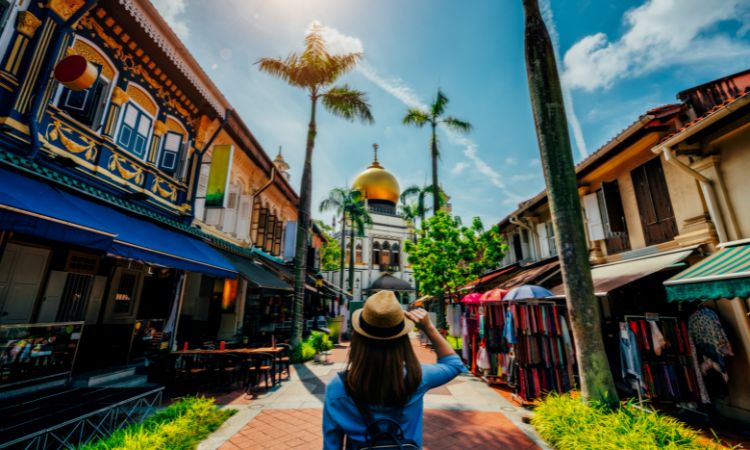
Tokyo’s cultural tapestry spans from centuries-old temples and shrines to cutting-edge contemporary art. Start at Asakusa’s Senso-ji Temple for a glimpse of traditional architecture and rituals, then transition to the Meiji Shrine’s tranquil forested grounds in Harajuku. Museums like the Tokyo National Museum and Edo-Tokyo Museum chronicle history and art, while modern galleries showcase avant-garde works. Participating in a tea ceremony or visiting artisan workshops reveals craftsmanship passed down through generations. Seasonal events—cherry blossom festivals in spring and vibrant autumn foliage—offer natural backdrops for cultural immersion. Whether exploring historic neighborhoods, attending a kabuki performance, or strolling through carefully curated gardens, Tokyo provides authentic encounters that connect you with Japan’s enduring traditions and evolving creative spirit.
Learn More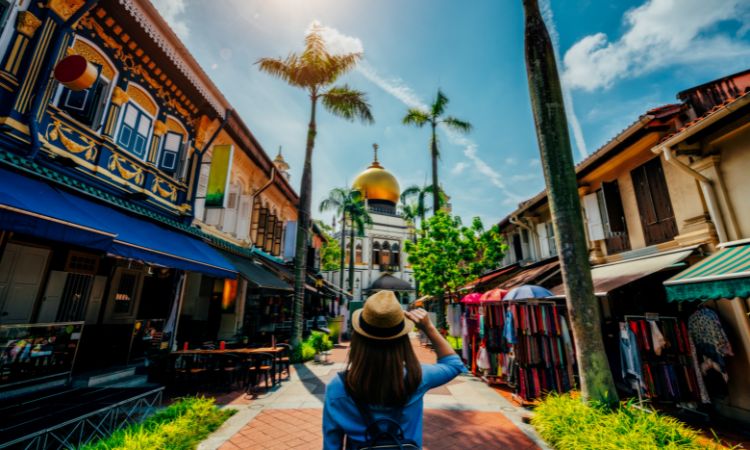
Tokyo’s food scene is legendary, from humble street stalls to world-class restaurants. Sample steaming bowls of ramen at local shops, savor fresh sushi at conveyor-belt eateries or high-end omakase counters, and delight in izakaya small plates paired with sake or local beer. Department-store food halls present a spectrum of Japanese and international delicacies under one roof. Seasonal ingredients shine in kaiseki meals, highlighting meticulous preparation and presentation. Unique dining experiences—from themed cafés to rooftop bars overlooking city lights—add novelty to your visit. With prices displayed in British pounds for budgeting, expect to pay around £8–£15 for ramen, £20–£50 for sushi sets, and £40–£80 for a refined kaiseki dinner. Tokyo caters to all budgets while maintaining exceptional quality and innovation in every bite.
Learn More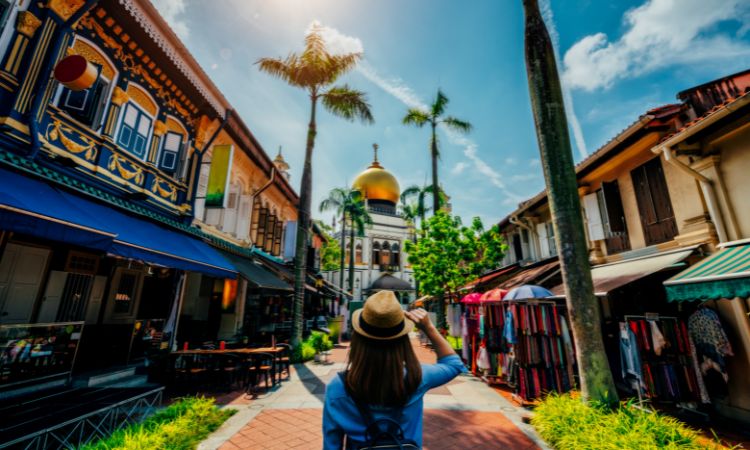
Tokyo boasts one of the world’s most efficient public transport networks. Extensive subway and train lines connect central wards and suburban areas with punctuality and clarity. Purchase a prepaid IC card for seamless travel across trains, buses, and metro. Major hubs like Tokyo Station and Shinjuku Station serve as gateways to day trips: reach Hakone, Nikko, Kamakura, or Mount Fuji promptly. Clear signage in English and station staff assistance make navigation accessible. Connectivity extends to Narita and Haneda airports, ensuring smooth arrival and departure. The transport system’s reliability reduces travel stress, allowing you to focus on experiences rather than logistics. Whether exploring neon-lit districts or remote temples, Tokyo’s network ensures you arrive efficiently and comfortably.
Learn More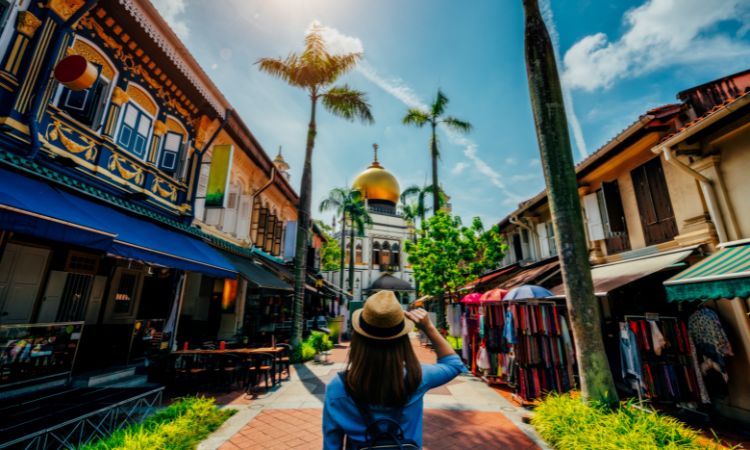
Each Tokyo district offers a unique atmosphere. Shibuya buzzes with youthful energy around the famous crossing; Shinjuku dazzles with skyscraper views and nightlife; Ginza epitomizes luxury shopping; Akihabara captures tech and pop-culture enthusiasts; Harajuku thrills with avant-garde fashion; Roppongi presents art galleries and cosmopolitan dining. Odaiba’s waterfront leisure and teamLab Borderless digital art museum add futuristic flair. Tranquil districts like Yanaka retain old-town charm, with narrow lanes and traditional shops. Cycle or walk between contrasting neighborhoods to appreciate Tokyo’s scope. This diversity ensures travelers can tailor their itinerary: family-friendly attractions, romantic outings, solo adventures, or themed explorations. Tokyo’s multifaceted character means every traveller discovers personal highlights.
Learn More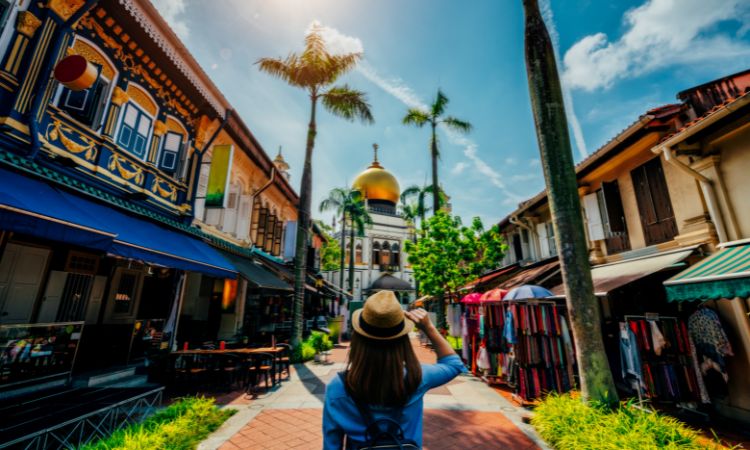
Tokyo’s appeal evolves with seasons. Spring’s cherry blossoms transform parks like Ueno and Yoyogi into pastel spectacles. Summer matsuri feature lively parades, taiko drumming, and fireworks over Tokyo Bay. Autumn brings vivid foliage to parks and temple grounds, ideal for scenic walks. Winter illuminations light up districts such as Marunouchi and Shinjuku, creating magical evening strolls. Seasonal food stalls, limited-edition menus, and cultural festivals enrich each visit. Planning around these periods ensures you witness Tokyo’s dynamic rhythms and participate in time-sensitive events. Even outside peak seasons, indoor attractions—from museums to shopping complexes—provide compelling experiences. Tokyo’s calendar guarantees a fresh perspective on each return trip.
Learn More
Tokyo consistently ranks among the world’s safest major cities. Low crime rates, clean streets, and polite public behaviour foster a comfortable atmosphere for solo travellers, families, and groups. English signage in transport hubs and many public facilities aids navigation, and locals are courteous when assisting visitors. Public spaces maintain high standards of cleanliness, while cultural norms encourage respect for shared environments. Accessible facilities cater to diverse needs, including families with children and travellers with mobility considerations. Reliable healthcare services and clear emergency protocols add peace of mind. This reassuring environment allows you to focus fully on exploring Tokyo’s offerings, from bustling markets to serene gardens, knowing safety and cleanliness underpin each experience.
Learn More
Lorem ipsum dolor, sit amet consectetur adipisicing elit. At illo adipisci iusto
From

Because more than 268 other customers have loved us too

Demonstrates commitment to user data security through encryption and secure payment practices
Learn More
Demonstrates commitment to user data security through encryption and secure payment practices
Learn More
Demonstrates commitment to user data security through encryption and secure payment practices
Learn More
Demonstrates commitment to user data security through encryption and secure payment practices
Learn More
Quality as judged by customers. Book at the ideal price!


/ person
/ person
/ person
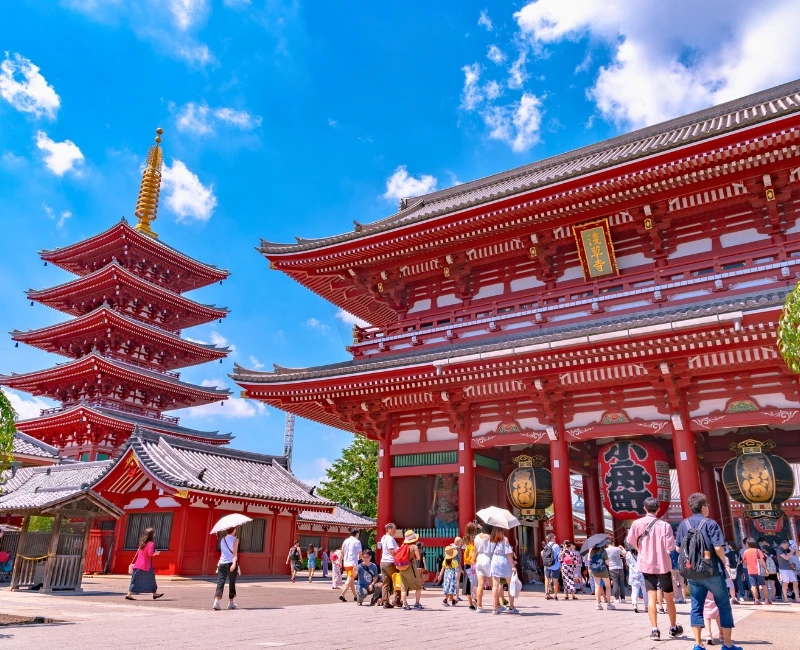
Tokyo’s spiritual landmarks reflect centuries of tradition, inviting both contemplation and discovery. Start at Asakusa’s Senso-ji Temple early in the morning to avoid larger crowds. Passing through the grand Kaminarimon gate, you’ll witness visitors purifying hands at the chozuya basin and offering prayers at the main hall. The surrounding Nakamise street, though touristy, still offers glimpses of artisans crafting snacks and souvenirs—a living link to Edo-era commerce. Mindful pacing here allows absorption of architectural details: the layered roofs, ornate carvings, and lantern motifs.Next, journey to Meiji Shrine near Harajuku, accessible via a tree-lined avenue that feels a world apart from the neon bustle. Here, Shinto rituals resume daily: you can write wishes on ema plaques or observe visitors in subdued reverence. The expansive grounds encourage reflection on nature’s role in Japanese spirituality. En route back, pause at Yoyogi Park for a gentle contrast—local life unfolds with joggers, picnickers, and occasional street performances.In central Tokyo, Zojo-ji adjacent to Tokyo Tower juxtaposes historic pagodas against a modern skyline. The presence of Tokugawa family mausoleums underscores Japan’s Edo heritage. Observe how sacred architecture coexists with urban development. Later, visit Nezu Shrine in Bunkyo: its vermilion torii tunnel and seasonal azalea displays offer quieter photographic and meditative moments away from busier sites.For deeper engagement, seek small temples offering cultural workshops: calligraphy, incense appreciation, or introductory meditation sessions. Some temples host tea ceremonies in adjacent tearooms—participation yields insight into ritual precision and aesthetics. Respectful attire, removal of shoes where required, and quiet demeanour enhance these experiences. When photographing, follow onsite guidelines: avoid using flash or obstructing worshippers.Consider guided walking tours focusing on religious heritage. Such tours often include lesser-known neighborhood shrines, where local festivals (matsuri) occur seasonally. Observe preparatory activities—lantern hanging, portable shrine (mikoshi) maintenance—and, if timing aligns, attend a local matsuri procession for authentic immersion.Overall, exploring Tokyo’s temples and shrines is not merely sightseeing but understanding cultural continuity. Each site reveals facets of Japanese belief systems, craftsmanship, and reverence for nature. By moving mindfully—from Senso-ji’s bustling precinct to Meiji’s serene forest and hidden shrine enclaves—you appreciate how ancient traditions endure within a metropolis of constant change.
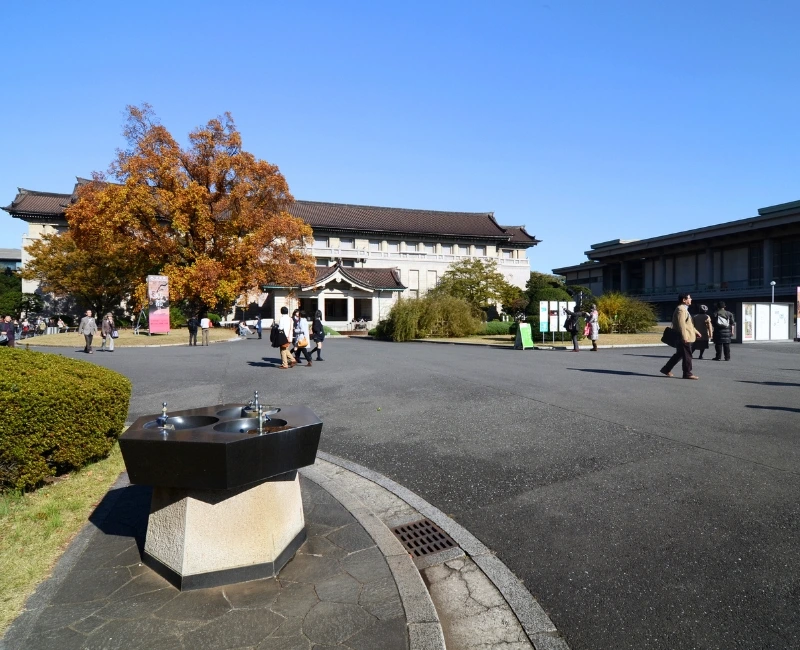
Tokyo’s museums and historic quarters weave a narrative connecting past and present. Begin in Ueno Park, home to the Tokyo National Museum. Here, galleries showcase archaeology, Buddhist art, samurai armour, and classical crafts. Spend time understanding context through explanatory placards; audio guides in English clarify details. Afterward, stroll through Ueno Park grounds—seasonal cherry blossoms often frame museum façades, blending culture and nature.Next, visit the Edo-Tokyo Museum in Ryogoku: its scale models reconstruct Edo-era streets, dwellings, and city walls, offering a tactile sense of historic Tokyo life. Interactive displays explain urban planning, social hierarchies, and daily routines of that period. Nearby Kokugikan (sumo stadium) sometimes offers morning practice viewing—combining historic sport heritage with cultural insight.In Roppongi Hills, the Mori Art Museum presents contemporary international and Japanese art. Panoramic observation decks offer city vistas that contextualize the artworks within Tokyo’s evolving skyline. Farther afield in Odaiba, teamLab Borderless (digital art museum) immerses visitors in interactive light installations; while not “historic,” it reflects Japan’s artistic innovation trajectory. Visiting these in sequence—from traditional collections to avant-garde exhibitions—illustrates cultural evolution.Historic neighborhoods like Yanaka, Nezu, and Sendagi (collectively “Yanesen”) preserve old-town atmospheres: narrow lanes lined with wooden houses, small temples, and local shops selling snacks or handcrafted goods. Walking here feels like stepping back in time: low-rise architecture, modest storefronts, and occasional street shrines evoke pre-war Tokyo. Observe artisans at work—woodworkers, confectioners—and perhaps sample regional street treats. In Kagurazaka, remnants of geisha quarters persist amid French-influenced cafés, reflecting cultural layering over decades.For literature and pop-culture enthusiasts, Jimbocho’s second-hand bookstores offer extensive selections, from classical Japanese literature to manga archives. Browsing here connects with Tokyo’s intellectual currents. The Tokyo Metropolitan Library provides insights into local history resources.Combine museum visits with neighborhood walks: after exploring exhibits, wander nearby streets to see how contemporary Tokyo lives alongside heritage sites. Photography is generally permitted in public areas but check each museum’s policy. Schedule weekday or morning visits to reduce crowding. Plan visits according to seasonal events: cherry blossom season amplifies park-based museums, while autumn foliage enhances temple-adjacent exhibitions.By interweaving museum itineraries and historic district exploration, you gain a multilayered understanding of Tokyo’s cultural fabric—from Edo traditions through modern artistic expressions to everyday local life.
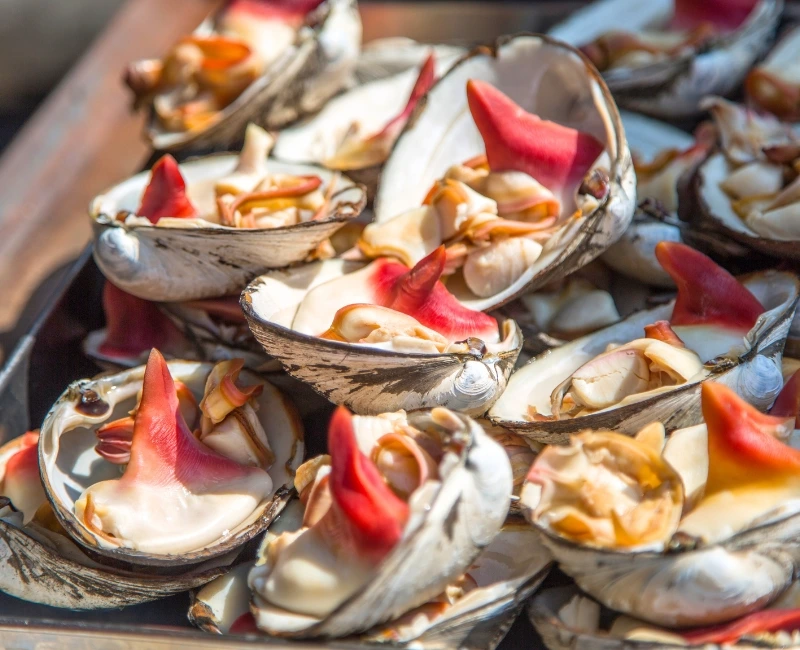
Tokyo’s street food and markets offer intimate windows into daily life and culinary traditions. Begin at Tsukiji Outer Market early in the day: alleys bustle with vendors selling fresh seafood, grilled skewers, tamagoyaki shops, and seasonal produce stalls. Sample grilled scallops, takoyaki, or freshly made sushi hand rolls; observe vendors’ skillful preparation rhythms. Although the inner wholesale market has relocated, the outer market preserves its vibrant ambience. Take care in crowded aisles, moving respectfully among locals and tourists alike.Next, head to Ameya-Yokocho (Ameyoko) near Ueno: this lively open-air market features dried seafood merchants, snack stalls, and small eateries. Try karaage (fried chicken), melon pan, or sweet dango as you navigate bustling lanes. The sensory variety—aromas of grilled seafood, bright stall signage, animated haggling—immerses you in urban market culture. In Asakusa’s Nakamise approach to Senso-ji, sample rice crackers, senbei, and sweet rice cakes; although tourist-oriented, many stalls maintain long-standing recipes.Venture into depachika (department-store food halls) in major department stores such as those near Tokyo Station or Ginza. These subterranean floors showcase neatly arranged counters offering sushi boxes, bento sets, desserts, and imported delicacies. Sample miniature portions to taste a range of items: seasonal wagashi (Japanese sweets), artisanal chocolates, and gourmet bentos. Budget travellers find quality bentos around £10–£15; food enthusiasts discover premium ingredients or regional specialties rotating seasonally. Observe presentation standards: items displayed like artworks in refrigerated cases.For a hands-on experience, join a market-based cooking class: shop alongside a local instructor at a neighbourhood market, selecting fresh ingredients for dishes like sushi rolls, tempura, or Japanese curry. Learn knife skills and ingredient selection principles, discovering how seasonal produce shapes menus. Classes often include tasting and recipe notes; expect costs around £40–£70 per person. Such interactive sessions deepen understanding of ingredient origins and preparation philosophies.Tea markets in Kappabashi (Kitchen Town) showcase elegant teaware; attend a tasting session to appreciate nuances of Japanese green teas—matcha, sencha, hojicha. Pair tea with wagashi to experience harmonious flavour contrasts. Coffee aficionados can explore specialty cafés roasting beans in-house, ordering pour-over brews highlighting subtle notes.Throughout, keep British pound references: street snacks around £3–£6, market meals £10–£20, cooking classes £40–£70. By sampling Tokyo’s street food and markets, you connect with local rhythms, savour fresh flavours, and gain appreciation for craftsmanship integral to Japanese cuisine culture.
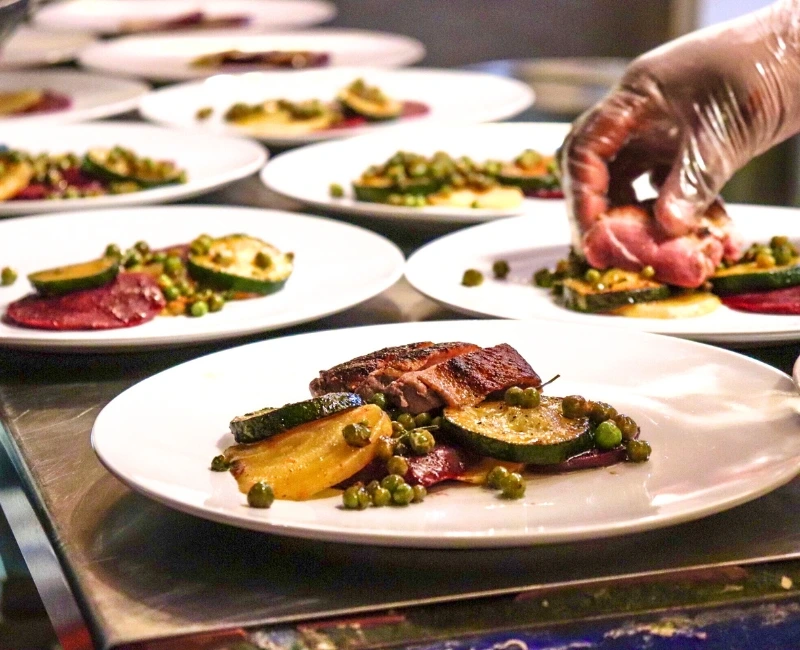
Tokyo’s culinary prestige extends from Michelin-starred temples of gastronomy to whimsical themed cafés. For fine dining, secure advance reservations for omakase sushi counters: chefs present seasonal fish with precision, often imported or locally sourced. Prices typically range from £80–£200 per person, reflecting quality and exclusivity. Kaiseki restaurants offer multi-course seasonal tasting menus: each dish artfully plated to highlight ingredient textures and flavours—expect costs around £100–£250 per person. Dress codes may apply; confirm before arrival.Beyond traditional Japanese haute cuisine, Tokyo’s chefs innovate by fusing local techniques with global influences. Tasting menus paired with sake, Japanese wines, or curated international selections reveal new dimensions of flavour. Some establishments specialize in plant-forward kaiseki or reinterpret classic dishes with modern twists. Many fine-dining venues occupy intimate spaces where interaction with the chef enriches the experience; etiquette such as punctual arrival and respectful behaviour enhances enjoyment.Unique cafés contribute to Tokyo’s playful food scene. Animal cafés (e.g., cat cafés) allow relaxation with friendly animals—note entry fees or minimum orders, approximately £5–£10 extra. Themed cafés range from retro gaming to art-inspired interiors; ambience complements beverages and light bites. Specialty coffee shops roast beans in-house, offering pour-over methods prized for precision: a cup often costs £5–£8. For dessert lovers, patisseries craft pastries blending Japanese ingredients—matcha, yuzu, seasonal fruits—into elegant creations priced around £4–£7 each. Afternoon tea services at upscale hotels offer refined settings; prices vary from £25–£40 per person.Budget-conscious travellers can still enjoy refined flavours by visiting mid-range restaurants in quieter neighbourhoods. Local izakayas frequented by residents serve small plates—yakitori, sashimi, tempura—paired with sake or beer at moderate prices (£5–£10 per dish). Seek recommendations from hotel staff or local apps for hidden gems; many venues lack English websites but welcome walk-ins if you arrive early.Plan: research and book fine-dining several weeks ahead; explore themed cafés spontaneously or via reservation when required. Always confirm opening hours, as some cafés close early or have reservation-only policies. Payment methods often accept cards, but carrying cash is advisable in smaller eateries. Regardless of budget, Tokyo’s dining landscape offers memorable experiences—the artistry, hospitality, and creativity defining Japanese food culture.
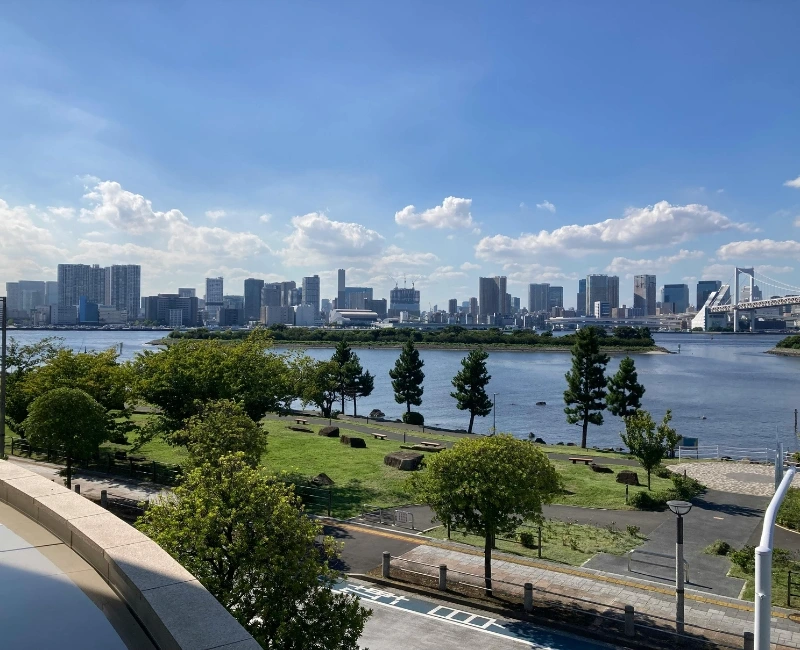
Tokyo’s skyline is a testament to its innovation and scale. Begin at Tokyo Skytree: one of the world’s tallest towers, its observation decks offer expansive panoramas. On clear days, distant Mount Fuji may appear beyond sprawling city blocks. Interactive displays detail landmarks below; glass-floor sections provide thrilling perspectives. Ticket prices approximate £15–£25. Timing your visit around sunset lets you witness daylight fading into a tapestry of urban lights.Next, Tokyo Tower’s classic red-and-white silhouette evokes retro charm. From its main deck, you see midtown districts and, at night, illuminated cityscapes. Nearby Zojo-ji juxtaposition adds cultural dimension. Consider combining with evening meal at a trattoria or izakaya in the area to sample local flavours after viewing.For alternative vantage points, visit rooftop bars or observation floors in Roppongi Hills or Shibuya Sky (Shibuya Scramble Square). These venues pair panoramic views with drinks or light bites; expect cocktail prices around £8–£15. Arrive early at Shibuya Sky to secure a good spot before crowds arrive, especially at dusk. The scene of Shibuya Crossing from above creates an iconic viewpoint.Odaiba’s waterfront promenade provides a scenic approach to views: Rainbow Bridge lit at night, futuristic buildings reflecting on water. Consider a Tokyo Bay cruise: sunset cruises cost around £20–£40 and often include refreshments. The gentle motion of a boat enhances the viewing experience, framing Tokyo’s skyline in changing light.Technology-enhanced observatories—featuring augmented reality maps—enrich understanding of what you see. Some venues host light shows or seasonal decorations, such as illumination events in winter. Check seasonal schedules to align visits. Photography enthusiasts appreciate golden-hour lighting; bring a lightweight tripod or stable support for low-light shots.Combine skyline visits with nearby attractions: shopping complexes, art installations, or short walks. For example, after Tokyo Skytree, explore Solamachi shopping mall for souvenirs or local snacks. After rooftop viewing, descend to street level and experience the district’s nightlife.Plan visits according to weather forecasts: clear skies maximize visibility. Weekday mornings or late evenings may be less crowded. Allocate time to soak in views without rushing. Tokyo’s viewpoints reveal its vastness, blending modern architecture with occasional green pockets and distant mountains—a compelling introduction to the city’s dynamic character.
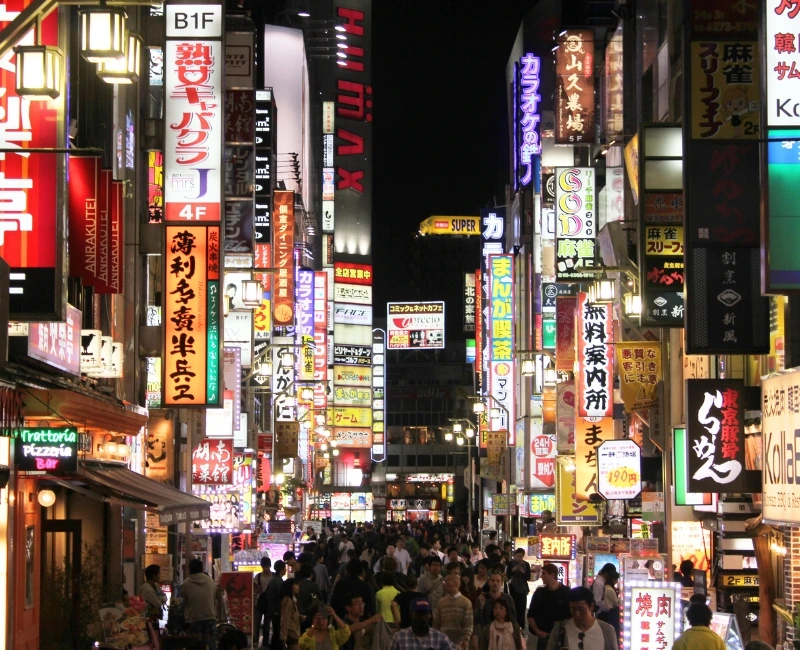
Tokyo thrives on pop-culture energy and diverse entertainment options. In Akihabara, neon-lit arcades and specialized stores immerse visitors in gaming, anime, and electronics scenes. Explore retro game shops, try arcade classics, and browse collectibles. The atmosphere pulses with excitement, and many arcades are multi-floor, offering experiences from rhythm games to VR. Nearby themed cafés celebrate popular franchises; entry fees or minimum orders range around £5–£10, but fans find immersive décor and novelty menu items rewarding.Harajuku’s Takeshita Street showcases youth fashion trends: bold clothing, accessories, and street snacks such as crepes and bubble tea. A short walk to Omotesando reveals designer boutiques and architecturally striking shops, highlighting Tokyo’s fashion duality. For nightlife, Shibuya and Shinjuku districts come alive after dark: karaoke venues allow groups to sing until late—prices often around £10–£20 per hour depending on room size and time. Izakayas serve as social hubs: order multiple small plates (yakitori, sashimi, fried items), sharing drinks with colleagues or friends; budget around £5–£10 per dish, £4–£6 per drink.Live performances range from J-pop concerts in mid-size venues to underground music events in Shibuya. Check schedules in advance, as popular acts sell out quickly. For traditional arts, book kabuki or noh theatre shows: English subtitles or guides are often available, providing cultural perspective. Jazz and live music bars in Roppongi or Shibuya offer intimate settings; cover charges may apply (~£5–£10).Digital art exhibitions (teamLab Planets/Borderless) require advance booking; these interactive installations blend light, sound, and movement into immersive experiences. Plan for around £20–£30 entry. VR centers and amusement arcades present cutting-edge gaming; fees vary by attraction. Families or theme-park enthusiasts can visit Tokyo Disneyland or DisneySea: day passes approximately £55–£70; plan full-day visits and book tickets early.Nighttime river cruises on Sumida River or Tokyo Bay reveal illuminated cityscapes; prices around £20–£40 may include drinks. Late-night eateries and 24-hour ramen shops support nocturnal explorers. Note public transport schedules: some lines end around 1:00 AM, so taxis or planning return trips are necessary if staying late. Safety is high, but check timings.Tokyo’s entertainment landscape caters to varied interests—tech aficionados, music fans, families, culture seekers—ensuring each night unfolds fresh experiences. Embrace spontaneity yet plan key bookings in advance to secure participation in popular events or venues..
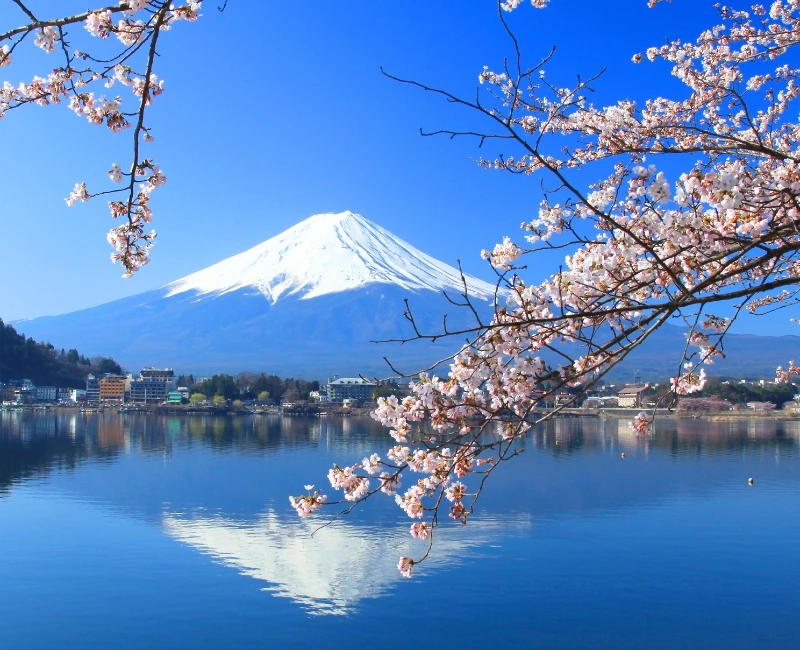
Tokyo’s transport efficiency enables seamless day trips revealing Japan’s diverse landscapes and heritage. Hakone lies about two hours away by train: renowned for hot springs (onsen), open-air museum exhibits, and Lake Ashi cruises offering views of Mount Fuji when weather permits. Ride the Hakone Ropeway above volcanic valleys, tasting black eggs from Owakudani’s sulphur vents—local legend says eating one adds years to your life. Plan early departures and return by evening; regional passes (Hakone Free Pass) cost around £35–£50 depending on departure point.Nikko, accessible within 2–2.5 hours, boasts UNESCO World Heritage shrines set amidst cedar forests. Toshogu Shrine’s ornate carvings and lavish decorations contrast with tranquil natural surroundings. Walk around Lake Chuzenji and Kegon Falls in autumn for spectacular foliage. Expect round-trip transport costs around £40–£60; consider an early start for full-day exploration.Kamakura, under an hour from Tokyo, offers the Great Buddha statue, coastal temples, and beaches. Rent a bicycle to navigate charming streets and visit Hasedera Temple’s gardens. Seasonal hydrangea displays or autumn leaves add interest depending on timing. Enjoy fresh seafood at local eateries—lunch around £15–£25. Return to Tokyo by evening train easily.Mount Takao is a one-hour train journey: hiking trails of varying difficulty lead to summit viewpoints overlooking Tokyo and, on clear days, distant mountains. Facilities at the summit include simple eateries serving local snacks. Trail fees are minimal; cable car options reduce walking. Ideal for nature breaks within city proximity.Coastal escapes: Enoshima Island combines shrine visits, caves, and seaside promenades. Fresh seafood lunches (shirasu bowls) cost around £10–£20. For more remote Izu Peninsula, morning departures yield scenic coastlines and onsen towns; journeys may require around 2.5–3 hours each way. Consider an overnight stay if time allows.Transport passes (Japan Rail Pass or regional passes) can optimize costs if planning multiple trips. For guided tours or private transfers, prices vary—booking ahead, especially in peak seasons, ensures availability. Check weather forecasts: Mt. Fuji views require clear conditions. Carry snacks and water, wear comfortable shoes, and prepare for variable temperatures in mountainous areas. These excursions expand your Tokyo itinerary, revealing Japan’s natural beauty and cultural heritage beyond urban boundaries.
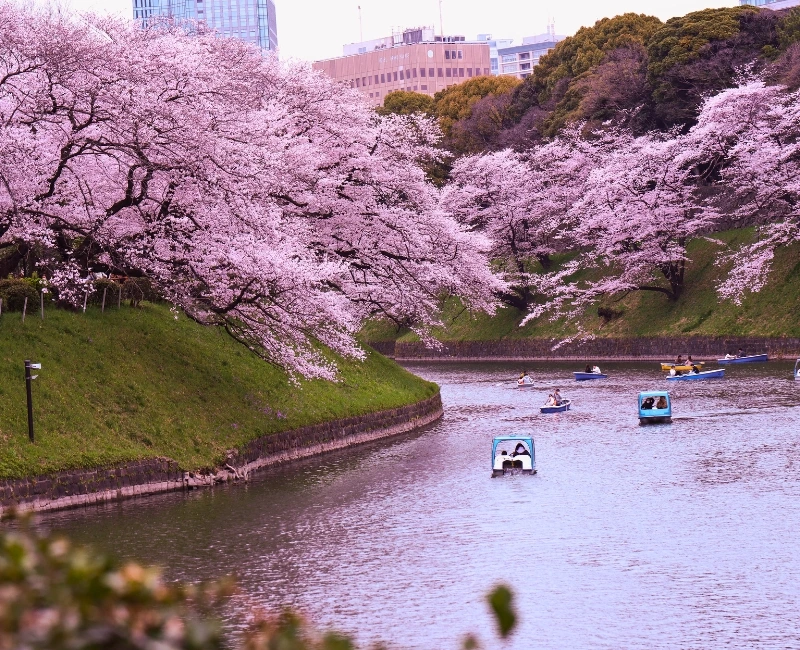
Tokyo and its vicinity host vibrant seasonal events and outdoor pursuits that deepen cultural connection. In spring, cherry blossom (sakura) viewing extends beyond central parks: Chidorigafuchi Moat near the Imperial Palace offers illuminated evening viewing; Ueno Park and Meguro River present famous blossom tunnels. Arrive early for picnic spots; bring a lightweight picnic mat and snacks purchased from local convenience stores or depachika. Hanami gatherings blend appreciation of fleeting beauty with communal enjoyment—keep British pound budgeting in mind (simple picnic snacks around £5–£10).Summer brings matsuri in Tokyo suburbs and neighboring towns: lantern festivals, taiko drumming, and fireworks displays over rivers or bays. Check local event schedules; attending a fireworks festival entails arriving early, securing viewing spots, and perhaps bringing foldable chairs. Street food stalls (yakitori, kakigori) accompany festivities. Daytime hikes, such as on Mount Takao or Okutama region, provide respite from city heat; wear breathable clothing and carry water. Coastal beach trips near Kamakura or Chiba offer swimming and watersports; train journeys around 1–1.5 hours. Beach equipment rental and beachside snacks cost around £10–£20.Autumn foliage peaks from mid-October to November. Rikugien Garden and Koishikawa Korakuen in Tokyo showcase vibrant reds and golds. For more dramatic scenery, day trips to Nikko or Mount Takao reveal extensive colour displays. Photography enthusiasts should plan for golden hours and slightly cooler temperatures—layered clothing recommended. Local seasonal food fairs in suburbs feature chestnuts, sweet potatoes, and mushrooms; tasting portions cost around £5–£10.Winter illuminations transform Tokyo and nearby cities: Marunouchi, Roppongi, and Yokohama’s Minato Mirai light displays create magical nightscapes. Evening strolls under LED-lit trees are free or low-cost. For onsen retreats, consider overnight trips to Kusatsu or Hakone; winter landscapes enhance hot-spring experiences. Onsen day passes cost around £15–£25; overnight stays vary widely.Outdoor activities include cycling along rivers like Tama River, paddleboarding in Tokyo Bay, or guided nature walks in Okutama. Birdwatching excursions in wetlands near Tokyo reveal migratory species. Organized fishing trips or forest therapy (shinrin-yoku) sessions offer unique perspectives on Japanese engagement with nature. Seasonal markets in suburbs showcase local produce and crafts—ideal for souvenirs and sampling regional flavours.Plan activities considering seasonal weather: check forecasts, pack appropriate gear (raincoat in early summer, layers in autumn), and verify transport schedules. Many seasonal events run on weekends; book accommodations or tours in advance. Engaging in festivals and outdoor pursuits aligns your visit with Japan’s natural rhythms, creating memorable experiences beyond city sightseeing.
No ads. No trails. No commitments


Alice Roses
London, England
51 ST MATTHIAS ROAD
NOTTINGHAM, NOTTINGHAMSHIRE
NG3 2HF
Hours: 8:00 - 17:00, Mon - Sat
support@johnsonholidays.com