 Sarajevo Travel
Guide
Sarajevo Travel
Guide
Paris is known around the world as the “capital of love,” and even if you don't understand the history of Paris at all

3 Hours
£1
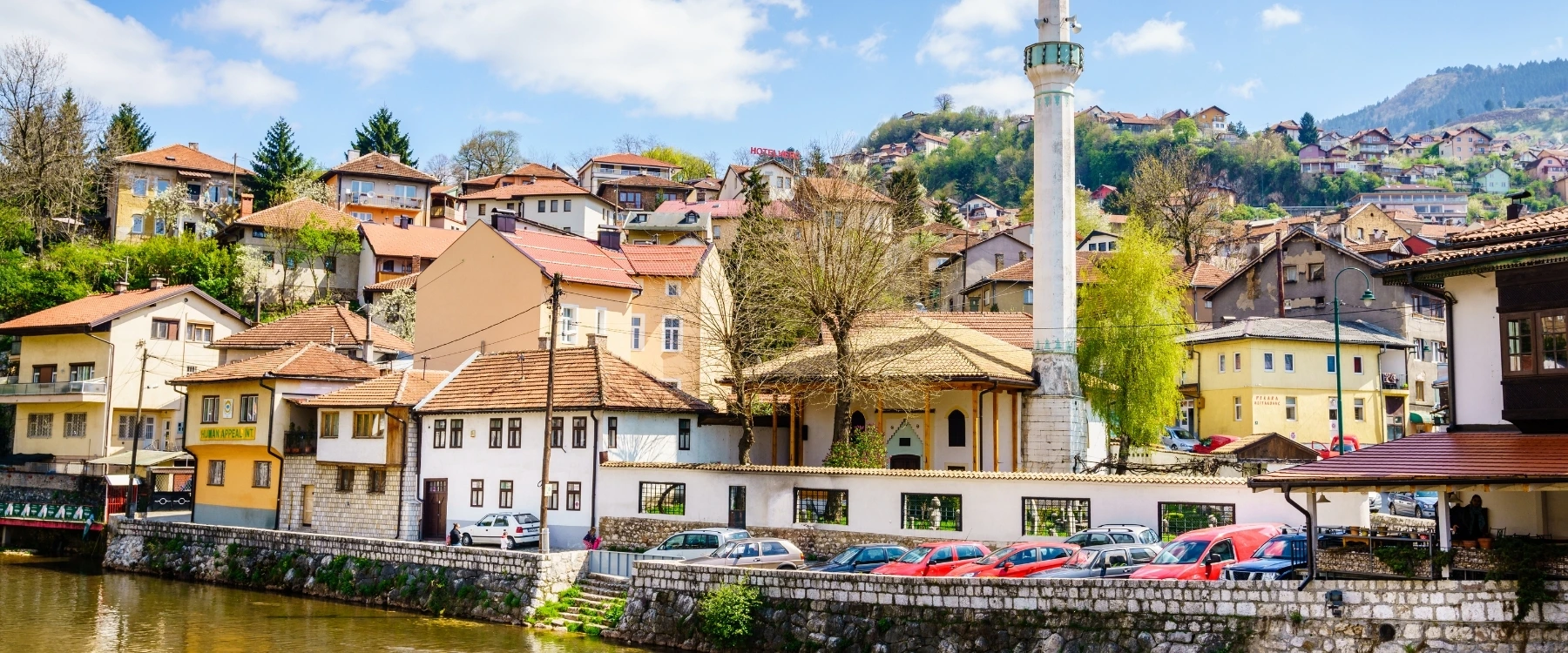
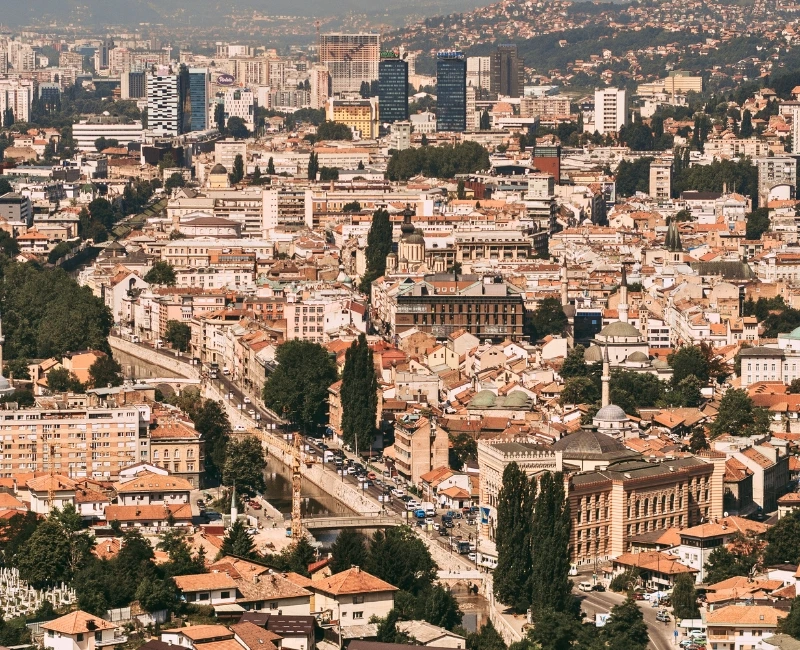
Sarajevo’s unique position at the crossroads of East and West has cultivated a multi-layered cultural tapestry. From Ottoman bazaars to Austro-Hungarian architecture and surviving vestiges of Yugoslav modernism, every street tells a story. Visitors can explore mosques dating back centuries, Orthodox and Catholic churches within walking distance, and a synagogue that speaks to a once-thriving Jewish community. Walking tours reveal layers of history, including the Latin Bridge where a pivotal event in world history occurred, and museums that document the city’s resilience. This depth of heritage, often experienced without overwhelming tourist crowds, appeals to cultural explorers seeking authenticity.
Learn More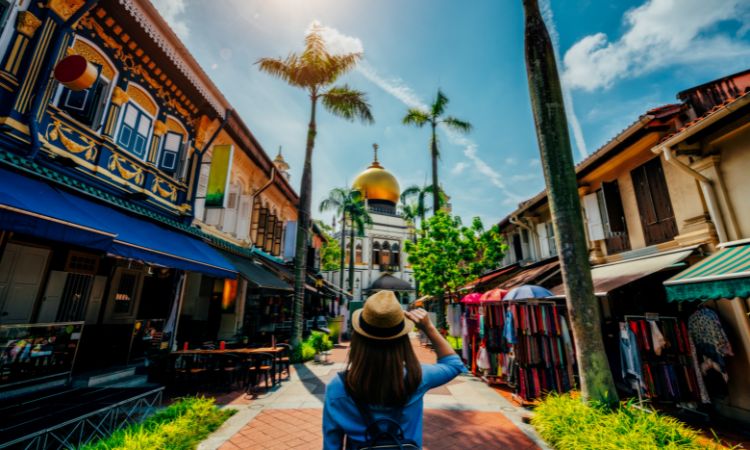
Encircled by peaks like Trebević, Jahorina, and Bjelašnica, Sarajevo invites travellers to step into nature minutes from the urban core. Hiking trails provide panoramic views over the red-tiled rooftops and the Miljacka valley. In winter, nearby ski resorts host pistes once used in international competitions, all reachable via short drives or cable car rides. In warmer months, riverside rafting and canopy tours awaken the adventurous spirit. Day trips to cascading waterfalls, lush forests, and national parks expand the experience. For those combining city breaks with nature, Sarajevo delivers unparalleled convenience and diversity of outdoor pursuits.
Learn More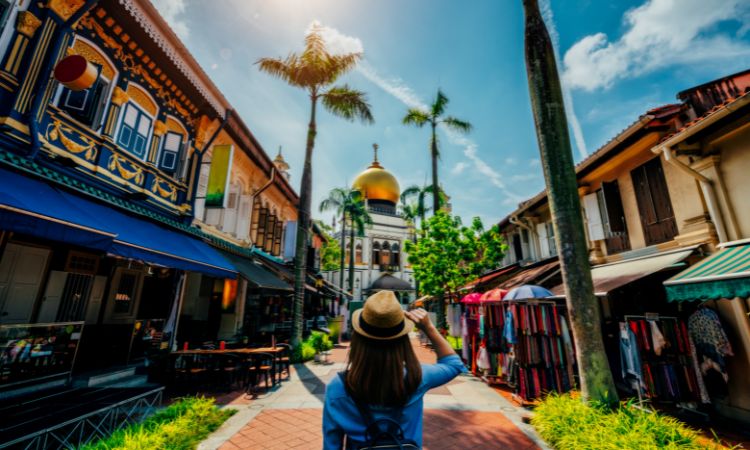
The city’s 20th-century history, marked by the 1992–1995 siege, is conveyed through moving memorials, war-era tunnels now accessible as museums, and exhibitions detailing daily life under siege. While these narratives can be sobering, they provide profound insights into human resilience and post-conflict recovery. Guided visits ensure respectful engagement with this history. Combined with medieval and imperial-era sites, these experiences offer a comprehensive understanding of Sarajevo’s journey through time, making it a meaningful destination for travellers drawn to history and human stories.
Learn More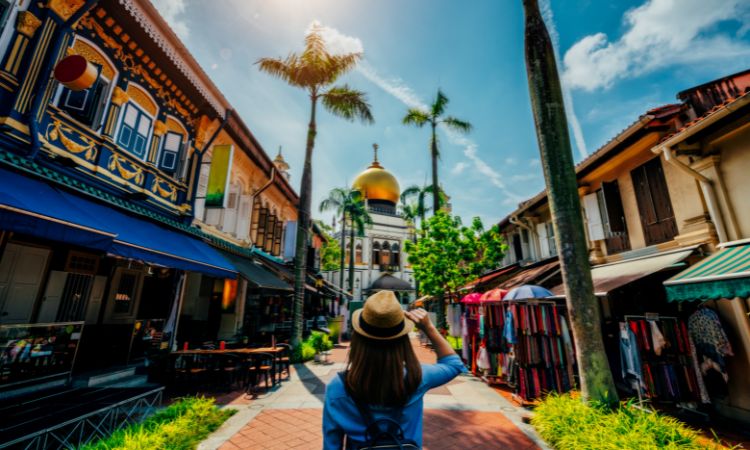
Bosnian cuisine is hearty and diverse, featuring grilled meats like ćevapi, savoury pastries such as burek, and stews like begova čorba. Vegetarian options include stuffed peppers and seasonal vegetable dishes. Desserts like baklava and local honey pair with Bosnian coffee served in traditional česnica-style sets. Dining remains affordable when viewed in British pounds, with quality meals often under £10 at casual restaurants. Sarajevo’s café culture is central to social life: art cafés, pastry shops, and riverside terraces invite leisurely afternoons. Food-focused walking tours and cooking classes deepen appreciation of local flavours.
Learn More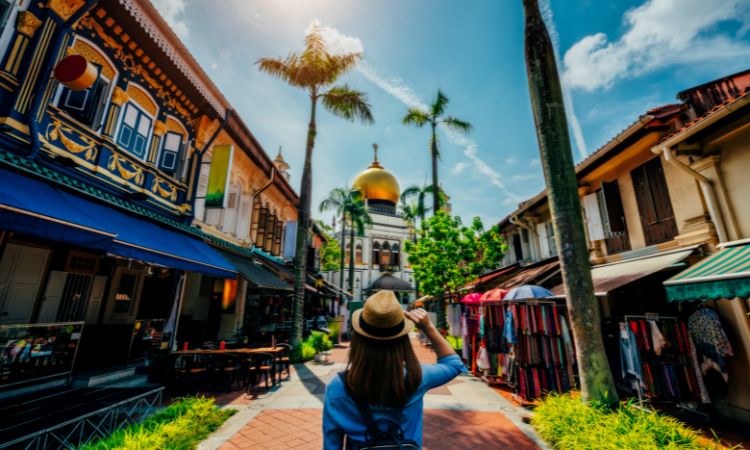
Sarajevo hosts a vibrant calendar: the internationally acclaimed Sarajevo Film Festival attracts global audiences, while Sarajevo Winter Festival, Jazz Fest, and various theatre and music events showcase local and international talent. Seasonal street fairs celebrate crafts, local produce, and traditions. Engaging with these events offers insight into the city’s creative revitalization and community spirit. Travellers timed to coincide with key festivals benefit from lively atmospheres and networking with fellow culture enthusiasts.
Learn More
Compared to many European capitals, Sarajevo offers exceptional value. Accommodation, dining, transport, and activities cost relatively modest sums when converted to British pounds. Flights from major UK hubs average around three hours and, when booked in advance, can be competitively priced. Within the city, trams and buses are low-cost, and many attractions carry minimal entrance fees. This affordability allows travellers to extend stays, upgrade experiences, or combine Sarajevo with nearby Balkan destinations without exceeding budgets.
Learn More
Lorem ipsum dolor, sit amet consectetur adipisicing elit. At illo adipisci iusto
From

Because more than 268 other customers have loved us too

Demonstrates commitment to user data security through encryption and secure payment practices
Learn More
Demonstrates commitment to user data security through encryption and secure payment practices
Learn More
Demonstrates commitment to user data security through encryption and secure payment practices
Learn More
Demonstrates commitment to user data security through encryption and secure payment practices
Learn More
Quality as judged by customers. Book at the ideal price!


/ person
/ person
/ person
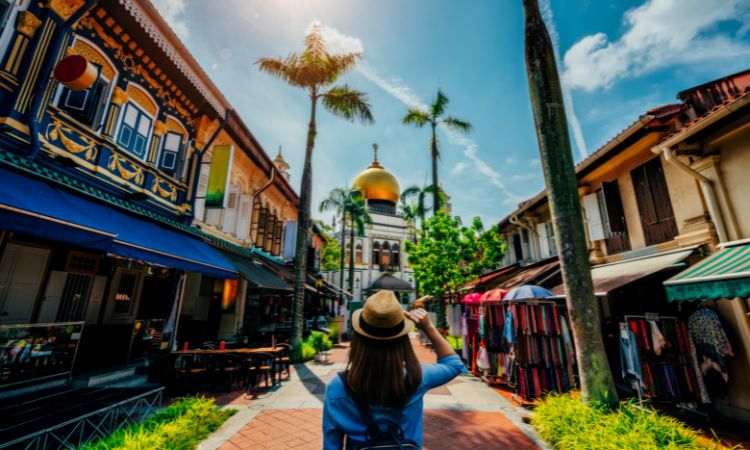
Baščaršija, Sarajevo’s storied old town, serves as a living museum of Ottoman influence, its narrow, cobblestone lanes lined with centuries-old artisan workshops, mosques, and market stalls. Enter through the arched entrance of the Sedrenik Gate and immediately feel the transformation: the air carries the rich aroma of freshly roasted Bosnian coffee, slow-dripped in traditional brass roasters, mingling with the metallic ring of hammers shaping copper trays and ewers in nearby coppersmith stalls. Artisans—often third- or fourth-generation—demonstrate their craft in open-fronted workshops, inviting onlookers to admire the intricate floral and geometric motifs hammered into gleaming brass and copper.At the heart of Baščaršija stands the Sebilj, a wooden kiosk fountain built in 1753, whose ornate grillwork and cascading water symbolize Ottoman hospitality. Local legend holds that drinking from the fountain brings good luck; today, visitors toss coins and pause for photographs, though those who venture beyond the square discover hidden courtyards where quiet alcoves reveal tranquil gardens tucked behind high walls.A short walk leads to the Gazi Husrev-beg Mosque, completed in 1531 and widely regarded as the finest example of Ottoman sacred architecture in the Balkans. Its elegant stone minaret, spacious prayer hall with Arabic calligraphy-inscribed stone arches, and serene inner courtyard lined with fountains invite reflective pauses. Adjacent, the Gazi Husrev-beg Library preserves rare manuscripts and illumined Qur’ans on loan from Istanbul, while the Imaret—formerly a charity kitchen—now hosts cultural events and exhibitions, demonstrating the mosque complex’s role as both spiritual and social hub.Cultural continuity finds expression in Baščaršija’s small galleries and cultural centers: contemporary Bosnian artists capture Ottoman-inspired motifs in modern media—paintings, textiles, even digital installations—bridging past aesthetics with present-day narratives. Culinary stalls and cafés dot the district: you’ll find flaky börek stuffed with cheese or spinach, sweet halva, and delicate baklava, all washed down with steaming tea served in small glass tumblers.Guided walking tours—often led by knowledgeable local historians—unpack Sarajevo’s role as a provincial capital under Ottoman rule, detailing how trade, religion, and architecture fused to create a uniquely Bosnian cultural synthesis. Independent travelers can also seek out artisans who welcome curious visitors, offering hands-on demonstrations in copper engraving or carpet weaving.As afternoon light softens, foot traffic slows and Baščaršija’s hidden charms emerge: street musicians play traditional sevdalinka songs in courtyards, and café terraces overlooking narrow lanes beckon with Bosnian coffee and conversation. Between ancient stone walls and bustling souks, Baščaršija preserves an Ottoman heritage that continues to shape Sarajevo’s identity—where every alley, minaret, and merchant’s stall tells a story of centuries-old traditions kept vividly alive.
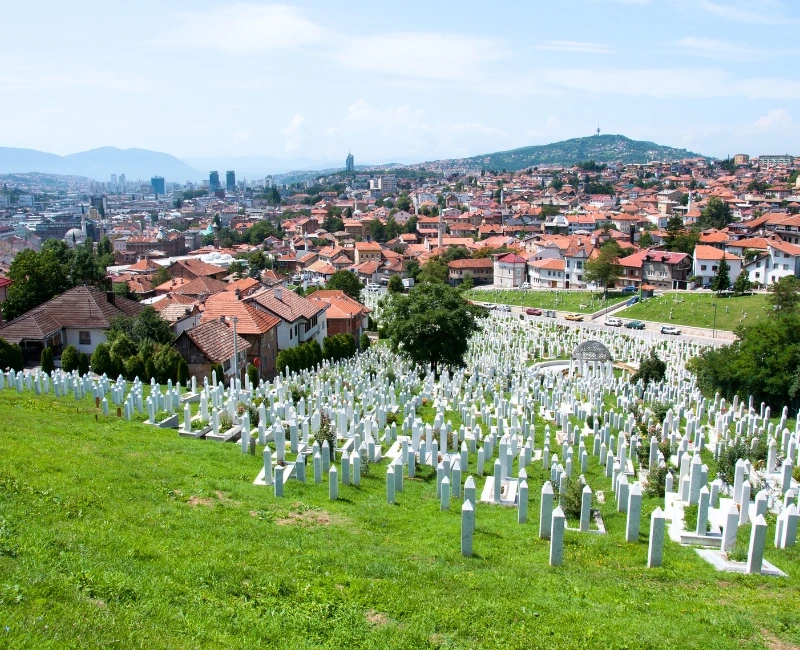
Sarajevo’s modern history is indelibly marked by the siege of 1992–1996, a harrowing chapter that visitors confront through thoughtful, respectful memorial tours. Many journeys begin at the Tunnel of Hope, once a clandestine lifeline beneath the airport runway that sustained the city during its darkest hours. The on-site museum preserves a reconstructed tunnel segment, complete with overhead rails and wooden support beams. As you crouch to walk through this narrow passage—fitted just wide enough for a single person—the ambient sound design immerses you in the tension of wartime Sarajevo, from whispered accounts of supply smuggling to photographs documenting daily life under siege.From there, guided walking routes lead to the Sarajevo Roses—faint, flower-shaped indentations in concrete filled with red resin at shell-impact sites. Each “rose” honors lives lost to sniper fire and shelling. Touring these sites, your guide shares personal stories: a child walking to school, families huddling in basements. Reflective pauses at each rose allow visitors to absorb individual tragedies, transforming abstract casualty figures into deeply human narratives.The Kovači Memorial Cemetery, where the last Yugoslav president, Alija Izetbegović, is interred alongside other war heroes, adds a solemn dimension. Marble headstones line manicured lawns, each inscription a testament to lives cut short. Nearby museums—such as the War Childhood Museum—delve into civilian experiences, gathering objects donated by survivors: a child’s shoe, a torn school notebook, a family photograph. These personal artifacts spotlight resilience amid adversity.Beyond the city core, day trips venture along the infamous Sniper Alley—once a perilous stretch where innocent pedestrians risked sniper fire. Modern mixed-use buildings now stand at these intersections, but plaques and guided explanations ensure visitors comprehend how ordinary streets became battlegrounds. Tours often conclude at community centers and art initiatives—mosaics of healing—where locals organize workshops for reconciliation, cultural projects that underscore Sarajevo’s ongoing recovery and hope for unity.By engaging empathetically, travelers gain profound insight into human endurance. Tour operators emphasize respect: no sensationalism, no morbid attraction—only remembrance and learning. You emerge with a deeper appreciation for Sarajevo’s journey from tragedy to revitalization and the unbreakable spirit that defines this city on the Miljacka.
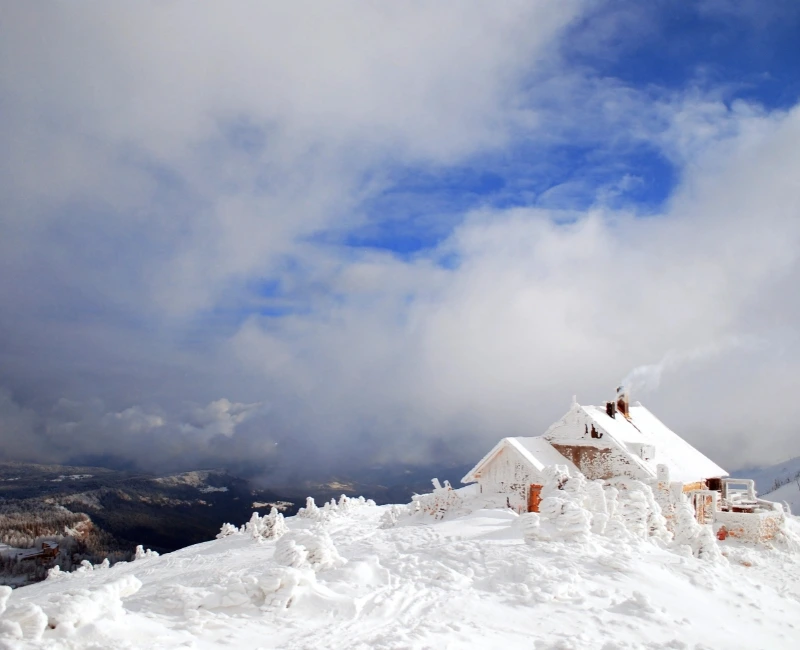
Rising like guardians above Sarajevo, Trebević and Jahorina mountains beckon adventurers year-round. Trebević—once home to 1984 Winter Olympic bob and luge tracks—now reconnects with nature via a modern cable car that whisks visitors from Belgrade Street station to a lush 1,500-meter peak in under ten minutes. At the summit, panoramic terraces frame Sarajevo’s red-roofed skyline below, flanked by the Dinaric Alps in the distance. From here, a network of hiking trails traverses undergrowth of wild strawberries and fragrant juniper, leading to hidden ravines and abandoned Olympic structures reclaimed by forest.In spring and summer, moderate hikes—such as the Širokac Trail—wind through meadows splashed with marigolds and gentians, culminating at Sicovi stream’s crystal pools perfect for picnics. Local guides offer foraging walks, showcasing edible mushrooms and herbs used in Bosnian cooking. Mountain bikers tackle technical singletrack routes, while paragliding operators launch tandem flights from the summit, sending you drifting above Sarajevo valley—a bird’s-eye view that marries adrenaline with unparalleled vistas.Winter transforms Trebević into a local ski hill: three groomed pistes cater to beginners and intermediates, and floodlit slope sections allow for night skiing under twinkling city lights. Ski rental shops at the base provide modern gear, and mountain chalets serve warmed burek and steaming cocoa to stave off the cold.A half-hour drive southeast lies Jahorina, site of the 1984 Olympic women’s alpine skiing. Its expansive 30-kilometer piste network ranges from gentle beginner runs—ideal for families—to challenging black-diamond descents. Snowmaking infrastructure ensures reliable conditions well into spring. Ski schools offer group and private instruction, while spa lodges at the foot of the slopes pamper sore muscles with saunas and massage.In warmer months, Jahorina’s ski lifts double as scenic gondolas carrying hikers and bikers uphill. The Jahorina Mountain Bike Park features gravity-fed trails, jumps and technical drops for thrill seekers. Multi-day trekking routes link mountain huts serving hearty Bosnian stews and freshwater trout, allowing immersive backcountry experiences.Whether sampling local cuisine at a rustic mountain hut, hurtling down a piste under blue sky, or simply breathing crisp alpine air atop Trebević’s summit, these mountains weave adventure into Sarajevo itineraries—just minutes from urban life, yet worlds apart in pace and panorama.
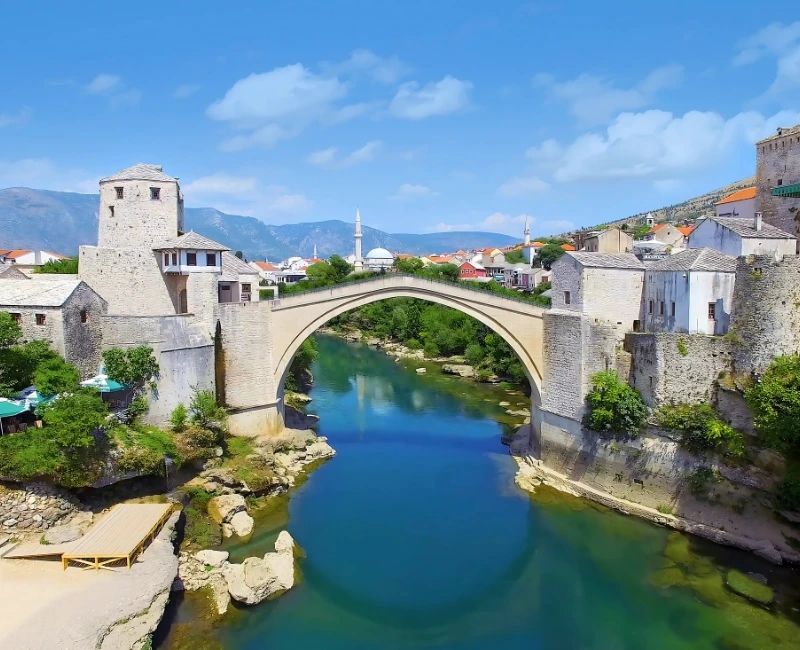
Sarajevo’s central location makes it an ideal springboard for a variety of day trips that reveal the wider region’s historical, cultural and natural wonders. A must-visit is Mostar, approximately two hours by car or train. Here, the iconic Stari Most (Old Bridge), originally built in 1566, soars 21 meters above the emerald Neretva River. Although destroyed in 1993, it was meticulously reconstructed in 2004 using original techniques and materials. Visiting early in the morning lets you avoid crowds and watch the local tradition of cliff divers plunging into the river below. Meander the cobbled streets of the Koski Mehmed-Pasha Mosque courtyard for panoramic views, then wander bazaar stalls offering handmade copperware and woven textiles reflective of the Ottoman era.Closer to Sarajevo lies Visoko, nicknamed the “Bosnian Valley of the Pyramids.” While the site’s archaeological claims remain controversial, guided tours to the Bosnian Pyramid of the Sun present an intriguing blend of legend, local lore and glimpses into early Bronze Age settlements. Surrounding rural paths promise tranquil walks amid rolling hills, interspersed with visits to small family-run farms.Nature enthusiasts can venture to Vrelo Bosne park in Ilidža—just 10 kilometers west of the city center. Here, the Bosna River springs from a karstic source, bubbling up into several crystal-clear pools. Tree-lined promenades and wooden gazebos invite picnics, while horse-drawn carriages offer romantic rides along the riverbanks. Birdwatchers often spot herons and kingfishers among reeds.The historic town of Jajce, about two hours northwest, enthralls with its unique waterfall plunging directly through the town center. Climb to the medieval fortress that watches over the confluence of the Pliva and Vrbas rivers, then explore watermills dating back to Ottoman times. Nearby, the charming village of Lukomir—the highest and most remote in Bosnia—retains traditional stone houses and cultural practices, accessible via guided off-road excursions that traverse winding mountain roads and reveal breathtaking alpine scenery.Adventure-seekers can book river rafting trips on the Neretva or Tara rivers. While the Tara Gorge requires an overnight stay en route, the Neretva offers half-day excursions closer to Sarajevo, featuring rapids of grades II–III perfect for both novices and experienced paddlers. Local outfitters supply gear and safety briefings, ensuring memorable waterborne thrills.By combining historical towns, mystery-laden hills, pristine springs and adrenaline-fueling waterways, these day trips extend Sarajevo’s tapestry of experiences—each journey deepening understanding of Bosnia’s diverse landscapes, layered pasts and resilient people.
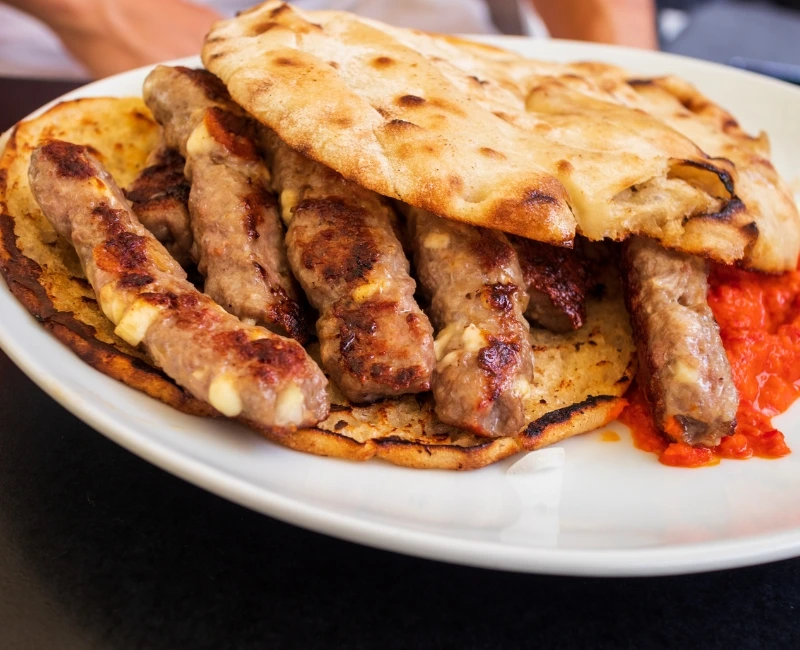
Bosnian cuisine is a vibrant fusion of Ottoman heritage, Central European influences and local produce, and Sarajevo offers myriad ways to taste this flavorful mosaic. In Baščaršija—the old bazaar quarter—begin your culinary odyssey at Ćevabdžinica Željo, where rows of perfectly spiced ćevapi (grilled minced-meat sausages) are nestled in warm somun bread, topped with diced onions and a dollop of silky kajmak cheese. Nearby, traditional buregdžinice craft flaky burek pastries filled with seasoned meat, cheese or spinach: a perfect savory breakfast on the go.To dive deeper, join a food walking tour that weaves through the Markale markets, where vendors display baskets of sun-ripened tomatoes, crisp cucumbers, plump plums and jars of golden honey. Sampling local cheeses—creamy Livanjski or tangy Travnički—alongside dried prosciutto, you gain insight into farmers’ seasonal rhythms. Workshops in local homes or communal kitchens teach the art of Balkan coffee preparation in a brass džezva: roasting beans, grinding to coarse powder and ceremonially pouring boiling water to produce a thick, unfiltered cup sipped slowly while sharing stories.Lunch might involve a steaming bowl of begova čorba, a creamy hen and okra soup spiced with paprika, or layering vine leaves stuffed with herbed rice and ground lamb in sogan-dolma. For quieter neighborhoods, family-run konobas offer tasting menus that change daily according to market arrivals: game meats in autumn stews, fresh trout in spring, and light bean salads in summer.No culinary journey is complete without Bosnian baklava and tufahija, poached apples filled with walnuts and drizzled with syrup, accompanied by strong Bosnian tea. Behind the city center, hidden poster cafes host evening dessert tastings paired with local plum brandy (sljivovica) or artisanal rakija.In the evening, Sarajevo’s konzum cafés and lounge bars provide laid-back atmospheres to unwind with microbrewed lagers or fruit-infused sour ales from upstart breweries like Hopaholic. For live-music venues—jazz, rock or sevdah—you’ll find local talent performing in intimate cellars.Seasonal events—harvest festivals in fall, street-food gatherings in spring—spotlight regional specialties and artisanal producers. By engaging in market tours, cooking classes and family dinners, travelers not only taste Bosnian cuisine but also partake in a centuries-old social ritual that cements hospitality as a cornerstone of Sarajevo’s cultural identity.
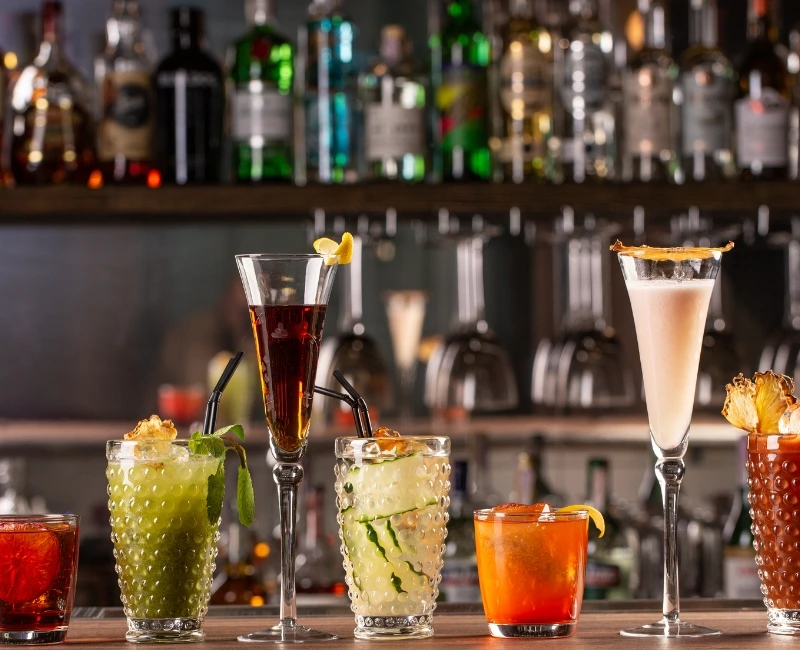
Sarajevo’s café culture is woven into the city’s everyday rhythms, offering welcoming havens for morning coffees, afternoon gatherings and late-night conversations. In Baščaršija, step into historical cafés—some dating back to Ottoman times—where brass samovars and wooden tables evoke bygone eras. Here, regulars linger over Bosnian coffee, prepared in an intricately decorated džezva and served with a cube of sugar and a glass of water. The unfiltered brew’s grounds settle in the cup’s bottom, inviting rituals of fortune-telling for the curious.Younger crowds and digital nomads gravitate toward specialty coffee shops in Marijin Dvor and Bistrik, where baristas showcase single-origin beans on V60 drippers and siphon brewers. Modern interiors, with exposed brick and minimalist décor, contrast with traditional motifs, reflecting Sarajevo’s blend of old and new. Wi-Fi and reusable cups accommodate eco-conscious patrons, while weekend “coffee cupping” workshops teach aroma profiling and roast-level nuances.As dusk falls, the city’s pace shifts to its vibrant nightlife. Quaint cocktail bars hidden in pedestrian lanes blend Bosnian spirits (sljivovica, medica) with contemporary artistry—think rakija-infused sour cocktails garnished with local herbs. Live music venues—jazz clubs in cellar-like bars or folk ensembles performing sevdalinka ballads—add soulful ambiance. For dancing, select underground clubs feature Balkan beats or international electronic DJs, attracting a cosmopolitan crowd.Despite Sarajevo’s compact size, the availability of late-night ćevapi stands ensures culinary continuity: these grills, open until 2–3 a.m., sell quick plates of ćevapi that fuel nightlife revelers. Small burek shops nearby offer savory pastries for those seeking a final snack before heading home.Safety is generally high in Sarajevo’s nightlife districts, with friendly staff and well-lit streets. Taxi stands and ride-hailing apps help ensure secure returns after midnight. Socializing here is as much about cultural exchange as it is about revelry—outsiders often find themselves in spirited conversations with locals eager to share stories, political debates or football allegiances.Seasonal cultural gatherings—open-air cinema nights, poetry readings—often spill into café-bar spaces, fostering interdisciplinary creativity. Sarajevo’s nightlife thus offers a richly layered experience, where hospitality, heritage and modern energy coalesce over coffee by day and cocktails by night..
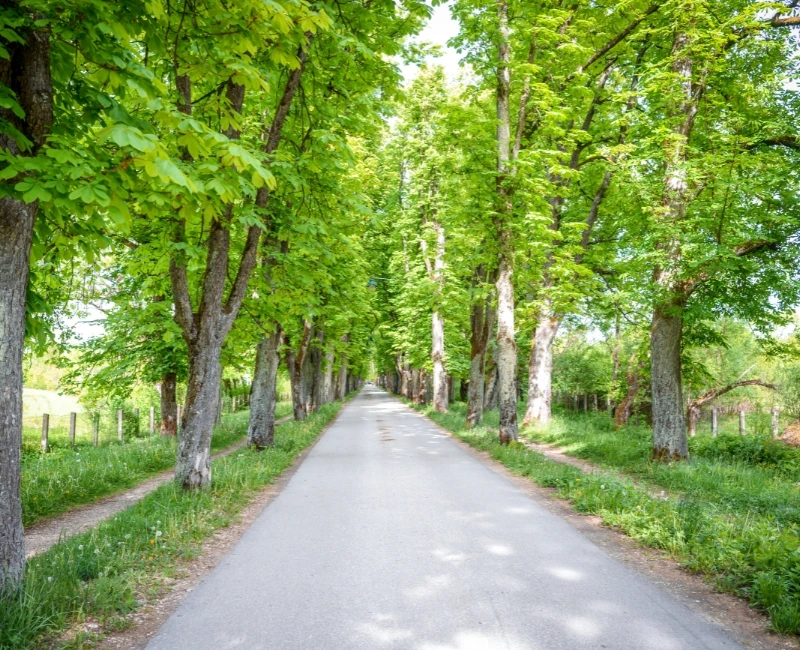
Each summer, Sarajevo transforms into a vibrant cinematic hub as the Sarajevo Film Festival (SFF) takes over multiple venues throughout the city—cinemas, courtyards, even outdoor screens in the Park Hrastova Aleja. Established during the siege in 1995, the SFF has grown into Southeast Europe’s largest film gathering, showcasing over 200 features and shorts from around the globe. Festival passes grant access to premier screenings—including Balkan, European and international competition categories—often followed by Q&A sessions with directors and actors. Beyond the red carpet, masterclasses, panel discussions and networking events bring together emerging filmmakers and seasoned professionals.While the festival is the marquee attraction, Sarajevo’s performing arts scene flourishes year-round. The historic National Theatre stages opera, ballet and dramatic productions in its opulent, auditorium-style venue. Contemporary dance performances at the Sarajevo Youth Theatre and avant-garde works at East West Centre highlight Bosnia’s evolving performing arts. Jazz Fest Sarajevo, held in November, fills clubs and squares with improvisational music, showcasing local and international talents, from swing trios to experimental ensembles.In winter, the Sarajevo Winter Festival brightens the season with Christmas markets at Park Vaso Pelagić, evening concerts in centuries-old churches, and open-air figure-skating shows under holiday lights. For folk and traditional arts, Baščaršija Nights in July feature sevdalinka performances, national dance troupes and handicraft fairs in Baščaršija’s twisting alleyways. Sarajevo’s multicultural communities also organize Diwali celebrations, African Cultural Days and Ramadan Nights, underscoring the city’s diverse heritage.Smaller-scale events—book launches at Buybook and Buybook Centar Skenderija, experimental theater at Underground Theatre—offer offbeat cultural discoveries. Art biennales, photography festivals and design fairs pop up in industrial-chic spaces like Bruss, inviting cross-disciplinary dialogue. Planning visits around these events enhances engagement: advance booking for festival screenings and theater tickets is advised, while public transport extends late at night to accommodate enthusiastic crowds.Whether you’re drawn by big-screen premieres under Sarajevo’s starry sky or the intimate energy of a contemporary dance piece in a repurposed warehouse, the city’s film and performing arts offerings illuminate its resilience and creativity—transforming Sarajevo into a cultural crossroads that merges history, innovation and the universal power of storytelling.
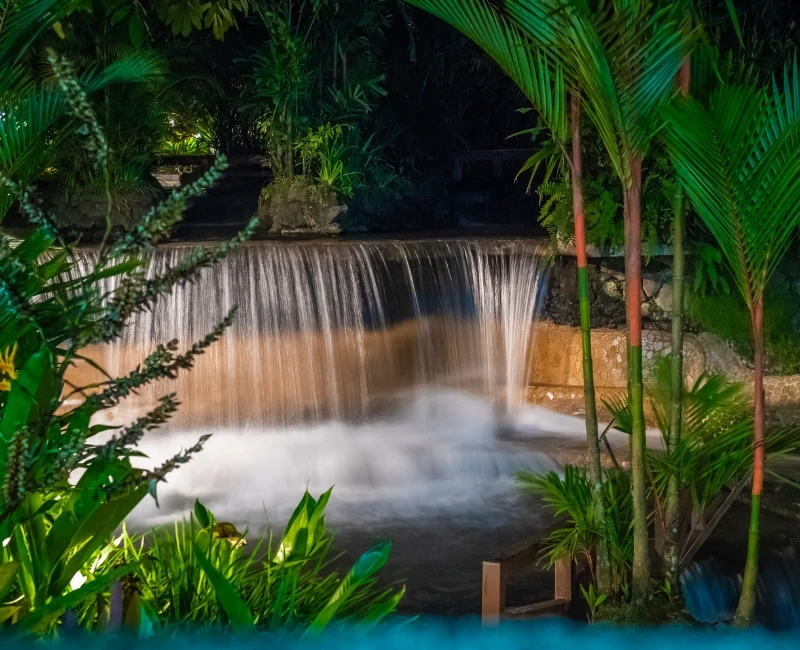
Just a short drive or tram ride from Sarajevo’s center lies Ilidža, famed for its natural mineral springs and wellness complexes—an oasis of calm amidst the city’s historical and cultural intensity. Thermal spa resorts here harness iron-rich, hot spring waters traditionally believed to relieve rheumatic ailments and skin conditions. At Terme Ilidža, you can soak in indoor and outdoor pools kept at a soothing 34–37 °C, while adjacent saunas and steam rooms infused with Bosnian pine oils detoxify and relax muscles.Many Ilidža spas offer holistic wellness packages combining hydrotherapy sessions, aromatherapy massages and targeted physiotherapy, ideal for travelers seeking both leisure and therapeutic benefits. Wellness centers often feature relaxation lounges overlooking wooded slopes—where you can sip mint tea sourced from local gardens—and fitness studios with yoga and Pilates classes scheduled in the morning, timed to catch soft sunlight filtering through deciduous trees.Complement your spa day with a stroll through the nearby Vrelo Bosne park, where the Bosna River springs from multiple underground fissures. Stone pathways lead past glassy pools, under arched chestnut canopies, and toward shaded picnic glades. Traditional horse-drawn karreta carriages offer guided tours of the park’s ponds, while nature trails beckon bird watchers to spot species like white wagtails and kingfishers. A riverside café serves homemade Bosnian pies, fruit tarts and herbal infusions, letting you savor local flavors amid serene waterside vistas.In the hills above Ilidža, several boutique eco-lodges and mountain retreats provide immersion in nature with minimal environmental footprint. Rustic wooden cabins—often powered by solar energy—host guests seeking digital detox. Daily guided forest bathing excursions, drawn from Japanese shinrin-yoku, encourage mindful walks beneath towering beech and oak, promoting stress reduction and improved well-being. Local herbalists may join these tours to identify medicinal plants—wild oregano, nettle, chamomile—and teach guests how to craft infusions and poultices.For a balanced itinerary, consider a combined urban-wellness stay: morning spa appointments or forest therapies, followed by afternoons exploring Sarajevo’s museums or historical quarters. Wellness retreats frequently arrange private transfers, healthy Balkan-inspired meals—grilled trout, mountain-herb salads—and evening sound-healing sessions featuring traditional sevdah music or Tibetan singing bowls.By integrating thermal bathing, mindful nature walks, and holistic therapies with Sarajevo’s cultural offerings, Ilidža and its surrounding retreats deliver a restorative counterpoint—ensuring you depart refreshed in body, mind and spirit after experiencing the warm hospitality and natural beauty of Bosnia’s capital region.
No ads. No trails. No commitments


Alice Roses
London, England
51 ST MATTHIAS ROAD
NOTTINGHAM, NOTTINGHAMSHIRE
NG3 2HF
Hours: 8:00 - 17:00, Mon - Sat
support@johnsonholidays.com