 Tel Aviv Travel
Guide
Tel Aviv Travel
Guide
Paris is known around the world as the “capital of love,” and even if you don't understand the history of Paris at all

5 Hours
£6.80
Tel Aviv’s coastline spans over 14 km of sandy beaches with a relaxed yet active vibe. From the popular Gordon Beach to the quieter fringes near Jaffa, beachgoers can sunbathe, swim, surf, or join a game of beach volleyball against the backdrop of azure waters. Lifeguards, rental facilities for umbrellas and loungers, and beachfront cafés serving fresh juices and local snacks ensure comfort and convenience. Even when the sun sets, the promenade remains lively with joggers, cyclists, and people strolling under string lights. Whether seeking relaxation or active water sports, Tel Aviv’s beaches deliver an inviting Mediterranean experience that suits all ages and interests.
Learn More
Beyond its modern skyline, Tel Aviv shares a deep history intertwined with ancient Jaffa, where port lanes echo millennia of trade and myth. Visitors can explore archaeological sites, art galleries in restored Ottoman-era buildings, and museums like the Eretz Israel Museum, which delves into archaeology, folklore, and design. The White City area showcases over 4,000 Bauhaus and International Style buildings, offering a unique open-air architectural museum. Festivals and gallery nights reflect an active arts scene, from street art tours to contemporary exhibitions, illustrating Tel Aviv’s layered narrative bridging past and present.
Learn More
Tel Aviv’s food scene is a magnet for gourmands: bustling markets like Carmel Market brim with fresh produce, spices, and street-food stalls offering falafel, sabich, and local sweets. Trendsetting restaurants reinterpret traditional Middle Eastern dishes with modern techniques and international influences, highlighting seasonal, locally-sourced ingredients—olive oil, fresh seafood, and creative vegetarian/vegan fare. Café culture is vibrant, with specialty coffee shops and dessert spots. Wine bars showcase Israel’s burgeoning wine industry. Food tours and cooking classes enable immersive experiences for tasting and learning local culinary arts, making Tel Aviv a destination for every palate.
Learn More
When the sun dips below the horizon, Tel Aviv transforms into an energetic nightlife hub. Rooftop bars with sea views, cocktail lounges, live music venues, and nightclubs cater to varied tastes. The city is famed for its LGBTQ+ friendly atmosphere, with Pride events and inclusive venues attracting an international crowd. Late-night cafés and food stalls offer post-party sustenance. Cultural performances—open-air concerts, theater, and dance events—complement the club scene. With a reputation as “the city that never sleeps,” Tel Aviv ensures evening and nocturnal entertainment options for every style.
Learn More
Tel Aviv is at the heart of Israel’s “Startup Nation,” with technology parks, co-working spaces, and innovation labs fostering a dynamic entrepreneurial culture. Tech conferences, meetups, and networking events occur year-round, attracting professionals eager to connect and learn. Even if you’re not in tech, a visit to innovation centers or guided tours of startup ecosystems offers insight into global technology trends and Israel’s outsized role in high-tech. This forward-looking spirit permeates cafés and public spaces, infusing the city’s ambiance with creativity and ambition that can inspire any visitor.
Learn More
Tel Aviv’s central location and transport links make it an ideal base for day trips to historic and natural wonders: Jerusalem’s Old City and holy sites; the Dead Sea’s unique salt-laden waters and therapeutic mud; Masada’s ancient fortress atop desert cliffs; the Galilee’s green landscapes; and Negev Desert excursions. Organized tours, private drivers, or rental cars enable seamless exploration. Returning to Tel Aviv in the evening offers the best of both worlds: day-long cultural immersion followed by the city’s coastal relaxation and nightlife. This accessibility enriches any Tel Aviv itinerary with diversified experiences.
Learn More
Lorem ipsum dolor, sit amet consectetur adipisicing elit. At illo adipisci iusto
From

Because more than 268 other customers have loved us too

Demonstrates commitment to user data security through encryption and secure payment practices
Learn More
Demonstrates commitment to user data security through encryption and secure payment practices
Learn More
Demonstrates commitment to user data security through encryption and secure payment practices
Learn More
Demonstrates commitment to user data security through encryption and secure payment practices
Learn More
Quality as judged by customers. Book at the ideal price!


/ person
/ person
/ person
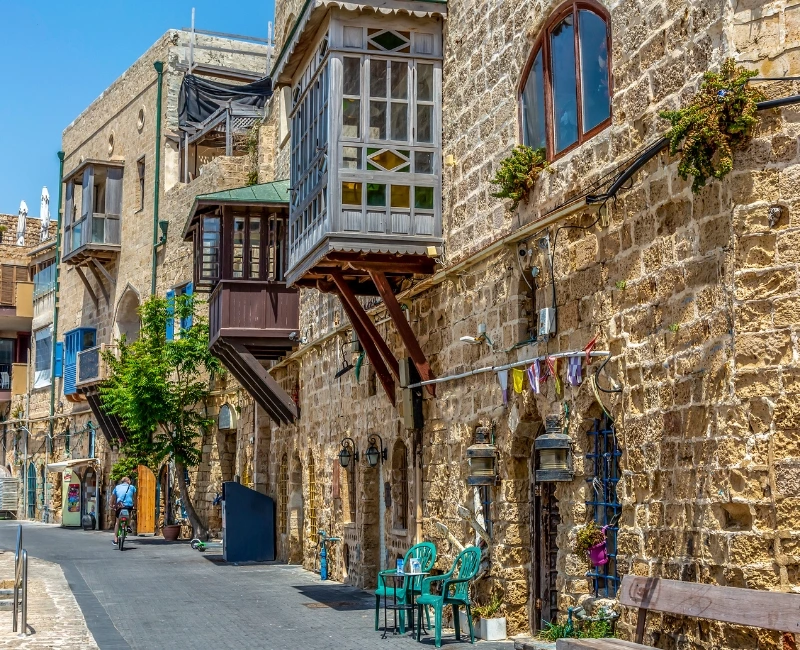
The ancient port of Jaffa, now seamlessly integrated into the metropolis of Tel Aviv, stands as a palpable testament to millennia of human civilization. Archaeological evidence suggests maritime activity here dating back to the Bronze Age, when Canaanite and later Phoenician traders moored their vessels along its rocky shores. Today, this storied enclave unfolds through narrow, winding alleys paved with sun-warmed stones, each turn revealing layers of history and vibrant contemporary life.Begin your pilgrimage at the Old Port, where the first light of dawn casts golden hues on weathered quays once trodden by Crusaders and Ottoman sailors. Fishermen still haul in their daily catch, offering a living link to Jaffa’s seafaring legacy. Stroll along the promenade to admire the juxtaposition of ancient ramparts and modern yachts, pausing at cafés perched atop cliffs for a fresh orange-ginger juice or an aromatic Turkish coffee.Next, lose yourself in the labyrinthine Jaffa Flea Market (Shuk HaPishpeshim), where narrow lanes hum with haggling merchants and artisans. Here, vintage cameras, brass lanterns etched with Arabic calligraphy, and reclaimed wood furniture sit alongside handcrafted jewelry and designer echo-wear. Don’t miss the small galleries tucked into restored Ottoman-era buildings—spaces where emerging Israeli artists exhibit thought-provoking installations and multimedia projects that dialogue with Jaffa’s layered past.Ascend the hill to St. Peter’s Church, an 18th-century Franciscan landmark built over the site where, according to tradition, Saint Peter healed a paralytic. The church’s bell tower offers sweeping panoramic views: the turquoise expanse of the Mediterranean to the west, and Tel Aviv’s sleek skyline glittering to the north. Adjacent is the Ilana Goor Museum, housed in a lovingly restored 18th-century townhouse. Designer Ilana Goor’s eclectic personal collection—ranging from whimsical sculptures to African tribal artifacts—feels both intimate and expansive, set against whitewashed rooms overlooking the sea.Historical touchpoints dot the district: the Clock Tower, erected in 1903 to commemorate the Ottoman sultan’s silver jubilee, and fragments of Jaffa’s ancient city walls, wherein you can trace layers of fortification spanning centuries. Culinary interludes abound: savor Musakhan—sumac-scented chicken over flatbread—or feast on grilled sea bream at hidden courtyard restaurants. Mezze displays burst with hummus drizzled in olive oil, labneh crowned with za’atar, and stuffed grape leaves brightened by lemon.Immersion in Jaffa’s past is best achieved on foot. Guided walking tours, often led by local historians, weave mythology (Jonah and the whale), biblical episodes, and Ottoman trade networks into one cohesive narrative. As you descend to Kedem Square, the lively beachfront plaza marks your reentry into Tel Aviv’s contemporary beach culture, where surfers catch late-day waves and seaside bars glow under string lights. Whether tracing millennia-old stones or sampling street-side falafel, Jaffa delivers a profound testament to history’s enduring presence on Israel’s coast.
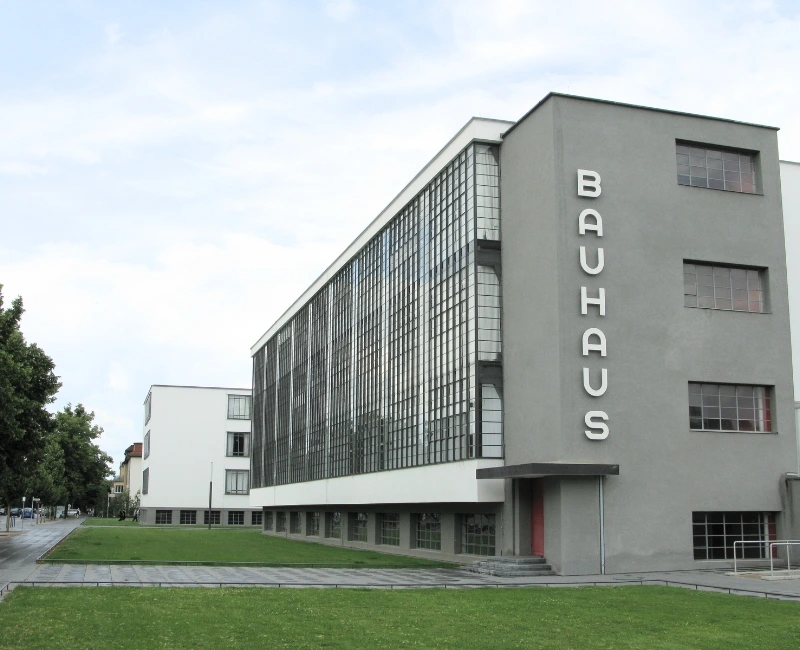
Tel Aviv’s White City district, a UNESCO World Heritage Site, represents an extraordinary transplantation of European modernism to the shores of the Eastern Mediterranean. During the 1930s, some 4,000 Jewish architects fleeing fascism in Central and Eastern Europe found a new canvas in the fledgling city of Tel Aviv. They brought with them the principles of the Bauhaus and International Style, designing buildings that prioritized function, efficiency, and social cohesion—all adapted ingeniously to the region’s sunny, humid climate.Embark on an architectural walking tour along Rothschild Boulevard, where elegant white façades shimmer in the sunshine. Look for ribbon windows that stretch across—but never beyond—their walls, allowing cross-ventilation. Pilotis (slender columns) lift ground floors, creating shaded arcades that invite community interaction. Notice the recessed “roof terraces” once envisioned as common spaces for urban dwellers to garden, socialize, and retreat from sweltering summers.A visit to the Bauhaus Center on Dizengoff Street deepens this exploration. The center’s exhibitions map the evolution of Tel Aviv’s modernist experiment, contextualizing each structure within its social, political, and environmental milieu. You can join a guided tour or browse the architecture bookstore, filled with blueprints, monographs, and contemporary research on preservation efforts.Beyond Rothschild, neighborhoods such as Neve Tzedek and Lev HaIr introduce architectural contrasts: Ottoman-style low-rise homes replete with wooden shutters, ornate balconies, and narrow lanes now housing boutique galleries and avant-garde design studios. Here, creative entrepreneurs repurpose century-old structures, blending heritage with minimalistic interiors.Tel Aviv’s post-war expansions extended Bauhaus ideals into mass housing projects—Konstruktivist housing blocks with straightforward geometries and modular layouts intended to address rapid population growth. While some have been lost to development, preservation campaigns and civil-society initiatives continue to safeguard dozens of key buildings.Culture pulses through the White City district. The Tel Aviv Museum of Art—a sleek modernist complex—houses a vast trove of Israeli and international masterpieces. Nearby, the Helena Rubinstein Pavilion for Contemporary Art stages cutting-edge exhibitions that challenge and redefine architectural narratives. Outdoor architecture talks and photo walks invite engagement with the built environment, connecting enthusiasts and professionals in vibrant dialogue.Tree-lined promenades along classic boulevards provide ample seating for cafe culture. Early mornings see residents sipping espresso and reading the paper, while evenings transform the sidewalks into pedestrian zones alive with light displays and al fresco dining.In a city known as “the city that never sleeps,” the White City stands as both a monument to modernist optimism and a living laboratory where adaptive reuse, sustainability, and cultural innovation continue to unfold. For architecture aficionados, historians, and curious travelers alike, Tel Aviv’s Bauhaus heritage offers a vivid portrait of resilience, adaptation, and the power of design to shape urban life.
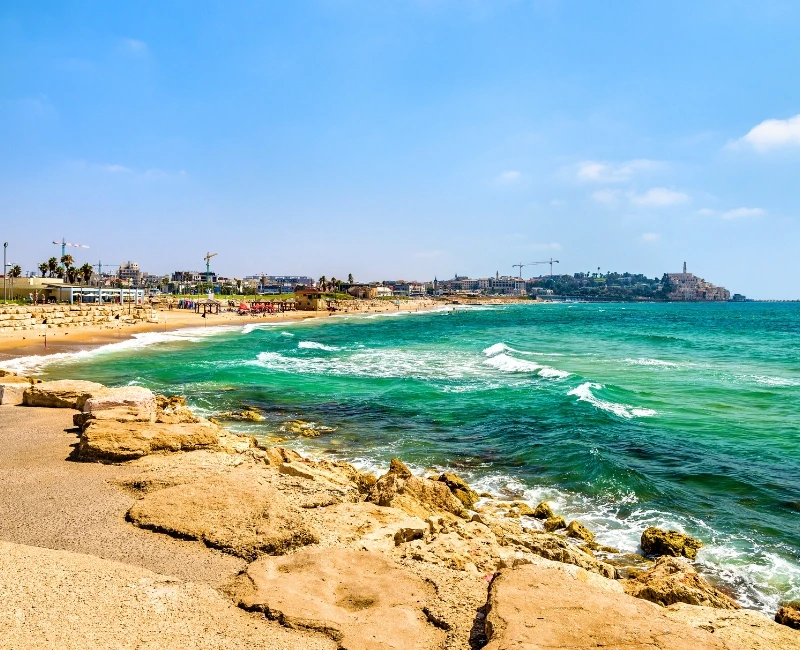
Tel Aviv’s Mediterranean coastline defines the city’s pulse, where every hour brings a new blend of leisure, sport, and social ritual against the backdrop of azure waters. Begin your beach odyssey at Hilton Beach, where a designated LGBTQ+ section fosters an atmosphere of inclusivity. Arrive early to catch surfers carving gentle rollers beneath dawn’s pastel skies, or join a group lesson in stand‑up paddleboarding as the harbor awakens.Heading south, Gordon Beach and Frishman Beach unfold into bustling hubs. Golden sands stretch in wide arcs, dotted with sunbed and umbrella rentals. Lifeguard towers stand sentinel, ensuring safety. By mid-morning, a full spectrum of water sports comes alive: surf schools cater to beginners with foam board lessons, while seasoned riders chase larger waves at Metzitzim Beach, further south. Kayak and paddleboard rentals line the promenade, and windsurfing schools harness consistent sea breezes for exhilarating sessions.Between aquatic pursuits, explore the Tayelet (promenade)—a 14 km stretch linking Jaffa to Tel Aviv’s northern reaches. Joggers and fitness aficionados share the broad path with rollerbladers and cyclists, while beachfront gyms offer pull-up bars, parallel bars, and open-air yoga classes. At Charles Clore Park, families picnic on lawns overlooking the sea, children scamper between palm trees, and artists sketch passing scenes.Culinary intermissions come courtesy of snack bars and cafés peppered along the shoreline. Savor freshly squeezed pomegranate juice or indulge in local specialties—Sabich sandwiches packed with eggplant and egg, and Malabi (rosewater‑infused milk pudding) at beachside kiosks. As afternoon yields to evening, the beach transforms into an amphitheater for sunset gatherings: DJs spin deep‑house beats, impromptu drum circles form, and beach bars glow with string lights. Order a craft cocktail infused with local herbs—tzimmes and sumac—or a cold Israeli white wine as the sky ignites in coral hues.Beyond sunbathing and surfing, venture into Yarkon Park, Tel Aviv’s sprawling green sanctuary along the Yarkon River. Kayak rentals and pedal boats await by the riverbank; meandering trails invite cycling amid shaded groves. Freshwater springs feed small ponds where birdwatchers spot herons and kingfishers. Botanical gardens within the park showcase Mediterranean olive trees, towering date palms, and themed gardens such as the biblical plant collection.Weekends bring open-air markets like Nachalat Binyamin—an art-and-craft fair set against tree-lined streets—while pop‑up festivals activate city squares with live music and local artisans. The synergy between coastal vigor and urban greenery encapsulates Tel Aviv’s commitment to outdoor living.Whether you seek adrenaline on surfboards, mindful sunrise runs, or sunset soirees beneath swaying palms, Mediterranean beach life in Tel Aviv offers a dynamic fusion of recreation, community, and natural beauty—year‑round.
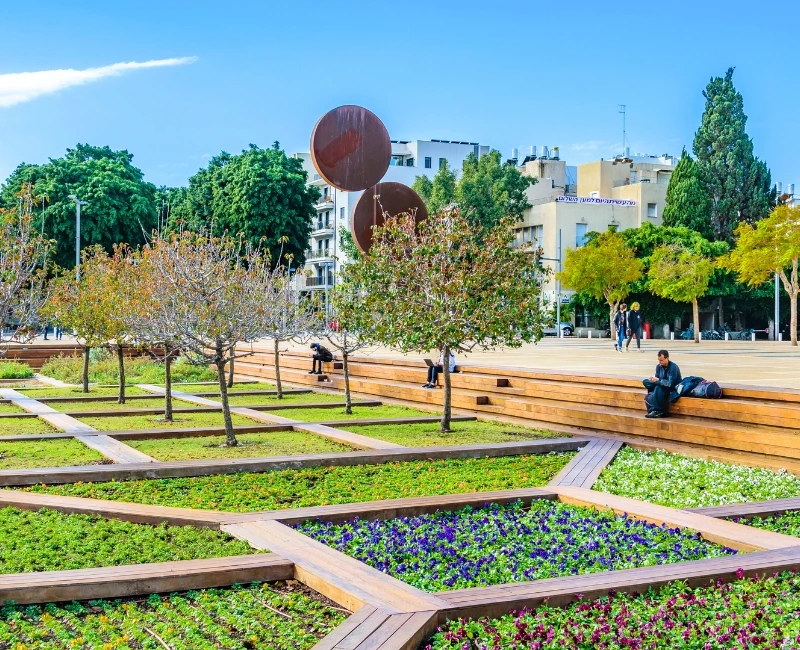
Often referred to as Tel Aviv’s “Central Park,” Yarkon Park extends along the banks of the Yarkon River, offering a verdant refuge within the urban tapestry. Spanning over 3 km from east to west, the park’s network of walking and cycling trails meanders beneath plane trees, eucalyptus clusters, and date‑palm groves. Rent one of the bright green bicycles available at kiosks throughout the park to explore at your own pace, pausing at scenic overlooks to watch rowboats drift beneath arched footbridges.Botanical enthusiasts discover the Rock Garden—a carefully curated display of native succulents—and the Water Garden, where aquatic plants flourish in shaded ponds. Migratory birds, including herons and egrets, find shelter along quieter riverbanks, making the park a prime spot for amateur and seasoned birdwatchers alike. Interpretive signs highlight local flora and fauna, deepening appreciation for the region’s biodiversity.For active visitors, outdoor gyms equipped with calisthenics stations and pull‑up bars invite strength training against the backdrop of flowing water. Seasonal fitness classes—from sunrise yoga to boot‑camp circuits—gather groups beneath fig trees, melding exercise with fresh air. Numerous sports facilities within Yarkon Park include tennis courts, football pitches, and table‑tennis tables, catering to local leagues and casual pick-up games.Families gravitate toward the Playgrounds and Adventure Zones, where climbing frames, swings, and interactive water features occupy younger visitors. Adjacent cafés and kiosks serve refreshing juices, ice cream, and light snacks—perfect fuel for children and parents alike. Weekends often bring open‑air concerts in the park’s Amphitheater, ranging from classical ensembles to contemporary bands, enriching the park’s cultural offerings.Beyond Yarkon Park, smaller green pockets enhance Tel Aviv’s walkability. Meir Garden and the Dizengoff Square area boast flowering shrubbery, public art sculptures, and shaded benches. The Eretz Israel Museum’s grounds feature outdoor archaeology displays beneath oak trees. Along Hayarkon Boulevard, community allotments and vertical gardens showcase urban agriculture initiatives, where volunteers tend vegetables and herbs that feed local food‑banks.Linking beach and park, the Tayelet Promenade offers a continuous open space—ideal for beginners to practice rollerblading or families to cycle side by side. Seasonal events amplify these green lungs: flower festivals in spring shower lawns with petals, Arts in the Park summer fairs animate lawns with installations, and Holiday Light Displays in winter transform trees into glowing canopies.Whether you’re paddling along the river, practicing tai chi in a quiet grove, or attending a sunset concert, Tel Aviv’s green spaces—including the expansive Yarkon Park and interwoven gardens—underscore the city’s dedication to outdoor wellness, ecological restoration, and vibrant community life.

Tel Aviv’s culinary landscape is a tapestry woven from Middle Eastern tradition, global influences, and pioneering innovation. Start your journey at the Carmel Market (Shuk HaCarmel), the city’s largest open-air marketplace, where vendors stack pyramids of pomegranates, plump Persian cucumbers, and bags of fragrant za’atar. Side streets reveal spice shops brimming with Aleppo pepper, sumac, and turmeric, alongside butchers offering succulent cuts of lamb and chicken.A short walk away, hidden corners of the Shuk HaNamal (Port Market) present artisanal cheeses, house-made sausages, and craft brews. Here, stainless-steel counters serve small breakfast plates—labneh drizzled in olive oil, silky jalebi-inspired pastries, and eshashok (smoked fish) on fresh baguettes.Street‑food stalls across the city specialize in iconic Israeli dishes. Falafel—crisp chickpea balls fried golden, stuffed into pita with pickles, tahini, and Amba relish—is a staple. Equally revered is Sabich: a stuffed pita layered with fried eggplant, hard-boiled egg, hummus, and salad, all brightened by a drizzle of amba.Beyond the shtreimel of street eats, Tel Aviv’s fine‑dining scene shines. Award‑winning chefs helm intimate bistros where tasting menus extol seasonality: wild sea bass with preserved lemon; beetroot carpaccio under a cloud of sour-sweet sumac foam; and sheep’s‑milk labneh parfait licked clean with roasted pistachio crumble. These establishments often collaborate with local fishermen, farmers, and foragers to create menus steeped in terroir.Vegan and vegetarian dining here is world‑class. Plant‑based innovators have turned cauliflower steaks, jackfruit pulled “pork,” and avocado hummus into local legends. Restaurants such as Anastasia and Meshek Barzilay draw crowds for creative, wholly plant-forward experiences.The evenings come alive at Mahane Yehuda Market (the Shuk). Friday mornings see a bustling produce bazaar; by night, the same streets transform into a labyrinth of bars and restaurants. Head to Cook’s Magnet for craft cocktails infused with local ingredients—moroccan mint, rose petals, bougainvillea purees—while live DJs spin deep house on the mezzanine.Tel Aviv’s wine bars showcase Israeli vineyards from the Negev desert to Golan Heights. Sample robust Syrahs, crisp Sauvignon Blancs, and rare indigenous varietals like Marawi. For beer enthusiasts, microbreweries such as Dancing Camel and Porter & Sons offer flights of IPAs, sours, and rich stouts accented with date syrup or Medjool dates.Hands‑on encounters include cooking workshops led by home chefs in renovated Jaffa courtyards: shopping for produce at local souks, learning to knead dough for pitas, and mastering the art of tahini-based sauces.Throughout the year, street-food festivals and food truck rallies congregate around Charles Clore Park and Hayarkon Street, inviting guests to sample global street fare—Korean tacos, Venezuelan arepas, and Scandinavian seafood sliders—alongside Israeli staples.From lively morning markets to evening culinary adventures, Tel Aviv’s food culture celebrates diversity, sustainability, and a shared table ethos, where every bite tells a story of history, innovation, and community.
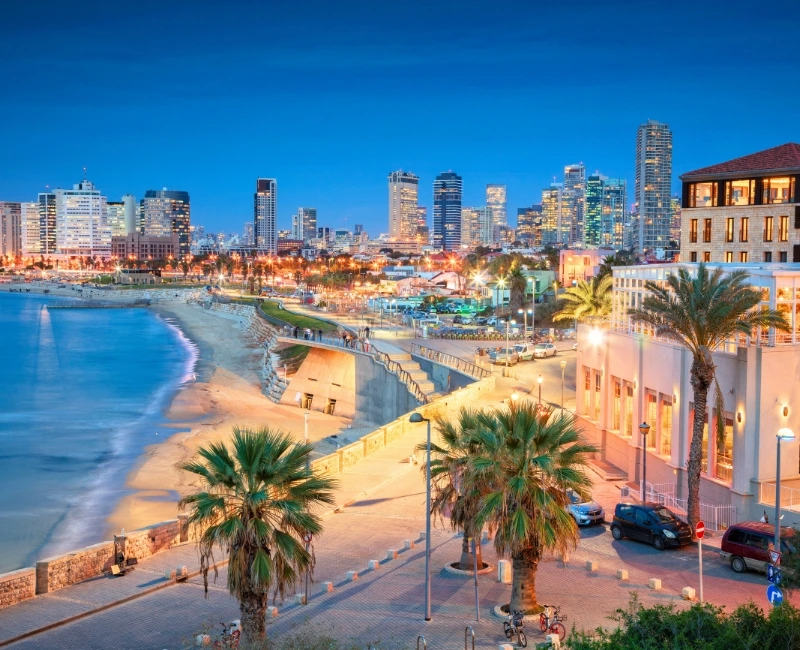
When the sun dips below the Mediterranean horizon, Tel Aviv transforms into a nightlife capital renowned for its variety, energy, and inclusivity. Rooftop bars, such as Speakeasy and Imperial Craft Cocktail Bar, offer stunning vistas of the skyline and sea, alongside meticulously crafted cocktails—think citrus‑kissed arak spritzes or cardamom‑infused Old Fashioneds. Lounge in velvet seats as live DJs spin downtempo electronica to set a sophisticated mood.For intimate live music, the legendary Beit HaAmudim (House of Bars) hosts jazz trios, folk ensembles, and world‑music nights in cozy subterranean rooms. Meanwhile, The Block stands as Tel Aviv’s premier nightclub, drawing top-tier international techno and house DJs to pulsating lights and immersive sound systems that keep dancers moving until dawn.Tel Aviv’s famously open‑minded LGBTQ+ community finds expression in venues like Shpagat and Barby, where drag shows, karaoke nights, and themed parties unfold weekly. Pride celebrations in June amplify this spirit across the entire city, crowning Tel Aviv with a rainbow of parades, beach parties, and rooftop raves.The Florentin neighborhood exudes hipster charm after dark, with microbreweries, basement speakeasies, and hidden courtyards alive with acoustic sets and art performances. Wander down Gordon Street to discover Mazing, a small craft-beer haven where staff brew experimental batches and locals debate hops profiles over bar stools.Cultural evenings abound: Habima Theatre stages cutting‑edge plays, musicals, and dance productions; the Israeli Opera delivers grand classical and contemporary works at the Tel Aviv Performing Arts Center; and the Cinematheque screens indie films and hosts international film festivals. For alternative gigs, repurposed industrial spaces—like Teder.fm and Hangar—transform into art-and-music collectives, merging gallery openings with DJ sets and spoken-word poetry.Late-night eateries remain open until 3 am or later. After hitting dance floors, dive into Shawarma Re’em for hefty meat wraps or grab artisan pizzas at Benedict, where the menu runs 24/7. Street-food stalls proliferate along Allenby Street, ensuring sustenance for insatiable partygoers.Safety is a priority: public buses and trains run late on key routes; taxis and ride‑hail apps fill service gaps. Well-lit promenades and patrolled nightlife districts foster a secure atmosphere. Dress codes are flexible—casual to chic depending on venue—and most places welcome diverse crowds without formality.From sophisticated cocktail lounges and world-class nightclubs to avant-garde theater and community-driven events, Tel Aviv’s nightlife pulses with unbridled creativity and communal warmth. Each evening invites discovery, connection, and the promise of a memorable night in the city that never sleeps..
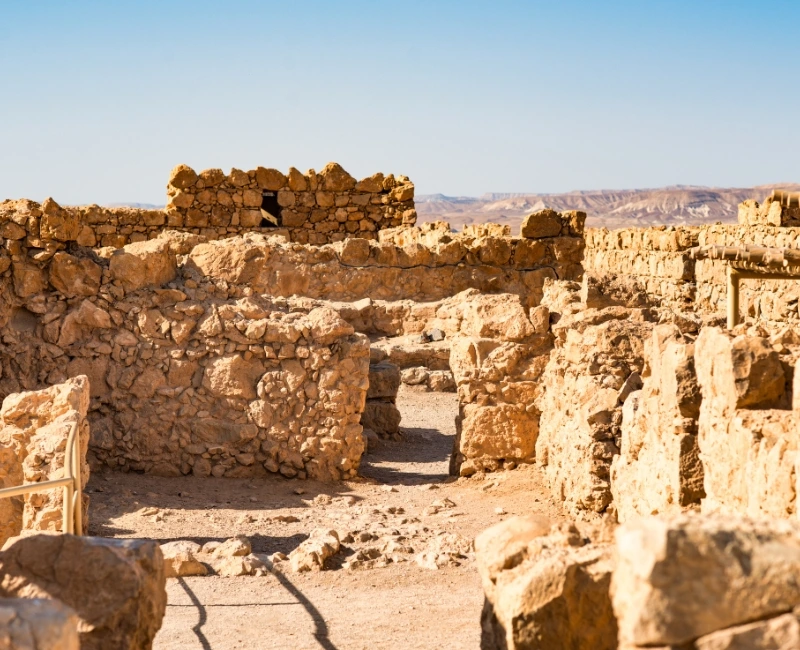
A day trip from Tel Aviv to the Dead Sea and Masada marries awe‑inspiring natural landscapes with ancient historical drama. Depart early—around 7–8 am—to avoid midday heat and maximize time at both sites. The drive covers roughly 150 km, typically completed in two hours via Highway 1 and Route 90.Your first stop is Masada, Herod the Great’s desert fortress perched atop an isolated plateau overlooking the Dead Sea. Choose between the challenging Snake Path—a 2‑kilometer ascent in total heat—or a more leisurely cable-car ride to the summit. Once atop, you’ll encounter well‑preserved ruins: the bathhouse area with its intricately tiled mosaic floors, remnants of the northern palace’s multi-level terraces, and the ancient cisterns that once collected precious rainwater. Informative signage and audio guides (available in multiple languages) detail the 73–74 CE siege by Roman legions and the fortress’s symbolic significance in Jewish history. Panoramic vistas stretch across the Judean Desert to the tranquil, otherworldly expanse of the salty Dead Sea below.After descending, proceed to the Dead Sea beach resort area. This unique salt lake—sitting 430 meters below sea level—offers an unforgettable floating experience. The water’s high salinity (over 30%) negates traditional swimming; instead, drift effortlessly on the surface and allow its mineral-rich mud to slather your skin with natural exfoliants. Public beaches such as Ein Bokek and Ein Gedi provide changing rooms, showers, and shaded seating. Remember to rinse thoroughly with freshwater to ward off salt irritation. Bring water shoes or sandals to navigate rocky entry points comfortably.Many visitors combine this itinerary with a stop at Ein Gedi Nature Reserve, nestled between Masada and the Dead Sea. Here, you can hike the well‑marked David Waterfall Trail, spotting ibex and hyrax along shaded chasms, where cool springs cascade over mossy ledges. Interpretive panels explain local flora—date palms, acacia, and desert xerophytes that survived millennia of adaptation.Alternatively, some tours include a visit to Qumran, the archaeological site where the Dead Sea Scrolls were discovered. A small museum displays fascinating artifacts and contextualizes Second Temple–era Jewish communities.Logistics tip: organized full‑day tours from Tel Aviv handle transport, entrance fees, and lunch, often including hotel pick‑up. Self‑drive enthusiasts should rent a reliable vehicle, ensure sufficient fuel (gas stations are sparse en route), and carry snacks, water, and sun protection. Roadside viewpoints along the descent from Masada offer excellent photo stops.Return to Tel Aviv by early evening—around 7–8 pm—to catch dinner at a beachfront restaurant, reflecting on a day that navigated epic tales of conquest and survival, and indulged in one of the world’s most distinctive natural spas.
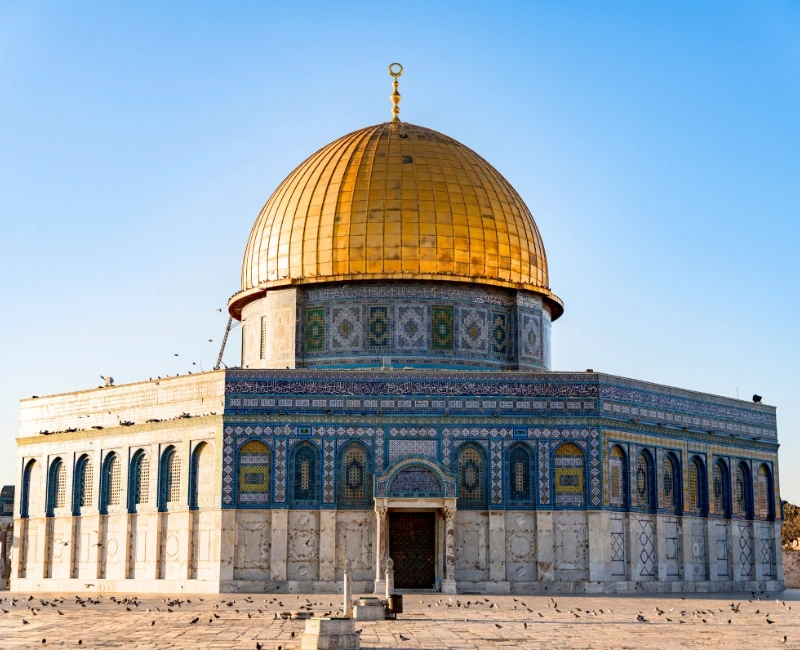
A day trip from Tel Aviv to Jerusalem transports you from Mediterranean modernity to a city layered with three millennia of spiritual and historical significance. Depart early (around 7 am) via Route 1, ensuring arrival in time for first‑light exploration and to maximize your day.Begin in the Old City, entering through the Jaffa Gate into a labyrinth of quartered neighborhoods. In the Jewish Quarter, ascend to the Western Wall Plaza, where devout pilgrims pray at the holiest remnant of the Second Temple. Feel the site’s profound resonance as you observe genders separated by the mechitza partition, and consider placing a written prayer into the wall’s crevices.From there, follow the Via Dolorosa, retracing Christ’s final footsteps—14 stations marked along narrow lanes that lead to the Church of the Holy Sepulchre in the Christian Quarter. Inside this ornate basilica, you can visit Calvary’s traditional site and see the immaculately draped Aedicule, said to enclose Christ’s tomb.Cross into the Muslim Quarter to glimpse the golden Dome of the Rock, an exquisite example of Umayyad architecture, and the Al‑Aqsa Mosque, one of Islam’s holiest sanctuaries. While non‑Muslim access to the Temple Mount platform follows strict hours and sometimes restrictions, the exterior courtyards offer breathtaking views and historical context.After exiting the Old City, pause for lunch in the winding market stalls of Mahane Yehuda. Here, color‑dripping displays of spices, nuts, and fruit meet vibrant eateries serving bureka, knafeh, and piping‑hot bowls of jerusalem mixed grill (mezze of chicken offal and spices). A quick stroll reveals street art and graffiti reflecting Jerusalem’s contemporary voices.In the afternoon, visit the Israel Museum in the upscale Givat Ram district. The Shrine of the Book houses the Dead Sea Scrolls in a futuristic white dome, while sculpture gardens display monumental works by Henry Moore and Auguste Rodin. Explore the Billy Rose Art Garden, where landscape architect Dani Karavan melded art with native flora.For a reflective counterpoint, journey to Yad Vashem, the World Holocaust Remembrance Center perched on Mount Herzl. Its poignant exhibitions and the Valley of the Communities—a memorial forest and wall engraved with destroyed Jewish communities—offer a solemn, educational experience.Return to Tel Aviv in the evening (arriving around 8–9 pm), perhaps pausing at a roadside lookout to photograph the city’s illuminated silhouette. Back in Tel Aviv, unwind at a rooftop bar or secluded café, savoring a final taste of the city’s famed hospitality after a day traversing the layered soul of Jerusalem. Whether by guided tour or self‑drive, this journey encapsulates the spiritual, historical, and cultural facets that define one of the world’s most complex and compelling cities.
No ads. No trails. No commitments


Alice Roses
London, England
51 ST MATTHIAS ROAD
NOTTINGHAM, NOTTINGHAMSHIRE
NG3 2HF
Hours: 8:00 - 17:00, Mon - Sat
support@johnsonholidays.com