 Geneva Travel
Guide
Geneva Travel
Guide
Paris is known around the world as the “capital of love,” and even if you don't understand the history of Paris at all

2 Hours
£6
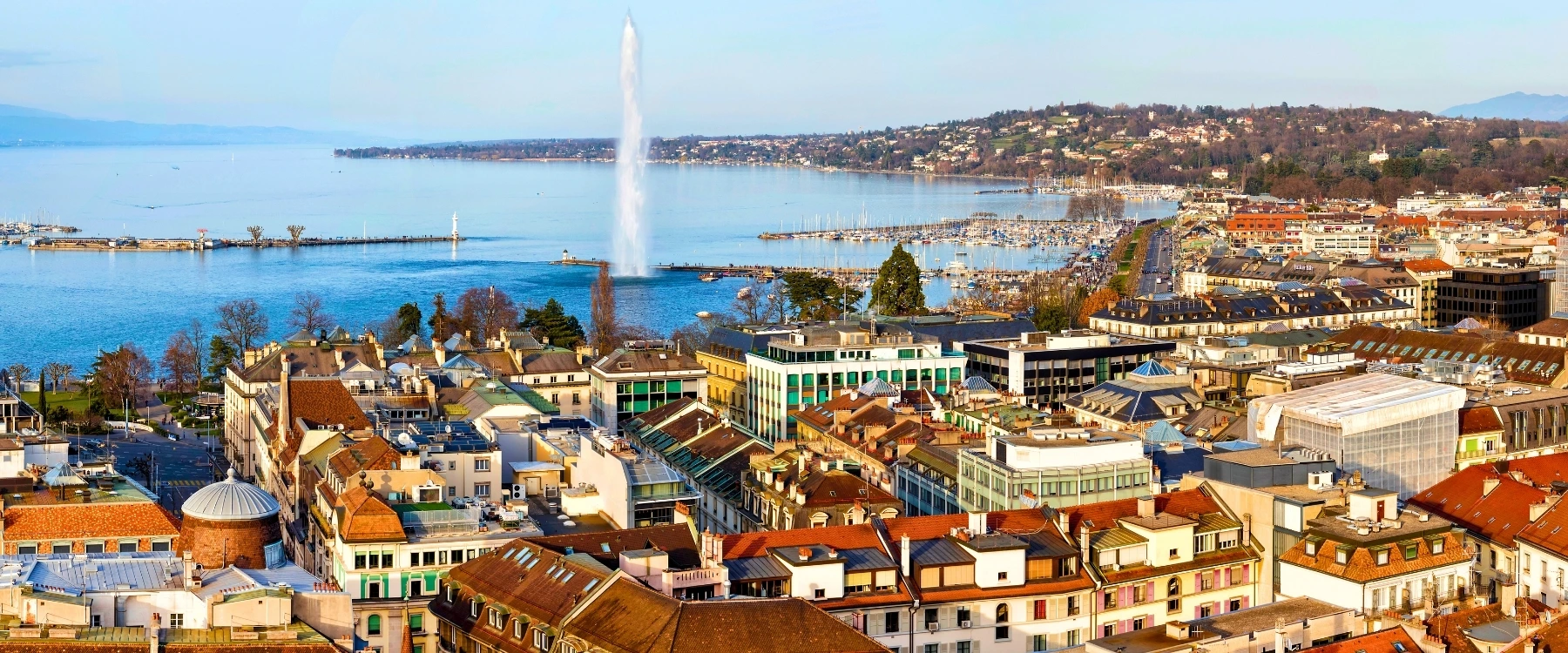
Geneva is home to numerous international organizations, UN agencies, and NGOs, making it a vibrant crossroads of cultures and ideas. This cosmopolitan atmosphere enhances the city’s culinary, artistic, and social offerings: you can sample cuisines from around the world, attend events featuring global themes, and meet people with diverse backgrounds. For leisure travellers, this multicultural vibe translates into an eclectic restaurant scene, multilingual signage and services, and a sense of worldly sophistication. Booking Geneva means immersing yourself in a place where international dialogue and local Swiss traditions coexist, creating a unique environment that appeals to curious explorers seeking both refinement and variety.
Learn More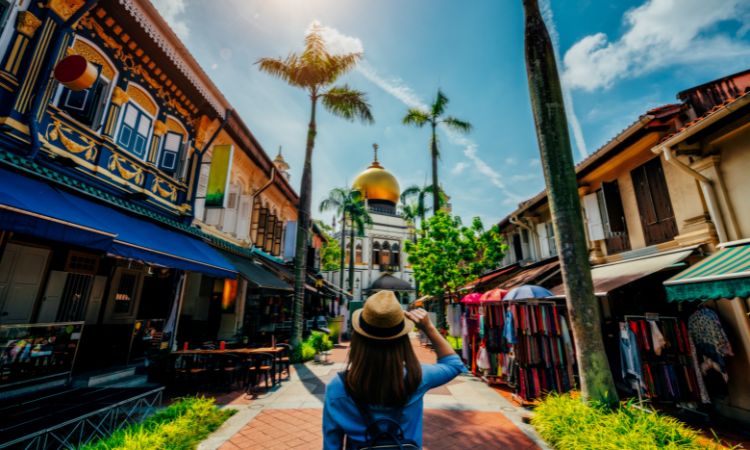
Situated at the southwest end of Lake Geneva, with the Alps rising nearby, Geneva offers remarkable scenery within easy reach. Lakeside promenades, boat cruises, and paddleboard or kayak rentals let you experience the water’s beauty. Short trips lead you into alpine foothills for hiking in summer or skiing in winter. This proximity means you can enjoy both city comforts and outdoor adventures in one trip: spend the morning exploring museums in the Old Town and the afternoon hiking a gentle lakeside trail or taking a scenic cogwheel train toward higher elevations. Booking Geneva ensures you benefit from Switzerland’s renowned natural landscapes while staying in a cosmopolitan urban centre.
Learn More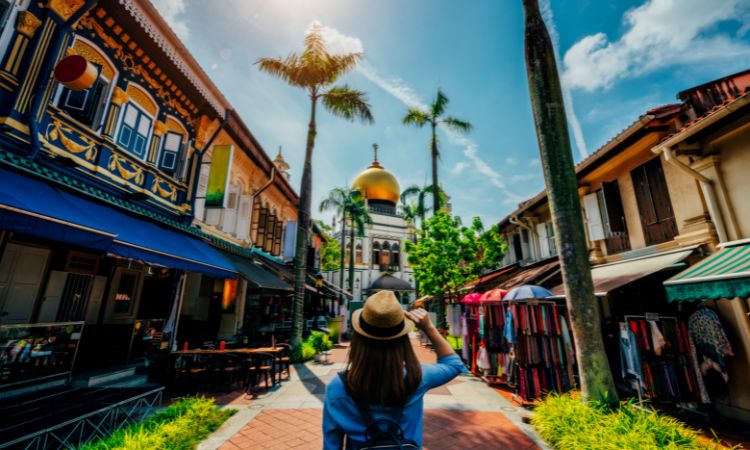
Geneva’s heritage spans centuries: from Reformation history in Old Town churches to scientific advances at the Patek Philippe Museum or Natural History Museum. The city boasts art galleries showcasing Swiss and international talent, performance venues hosting theater, dance, and music festivals, and historic sites that narrate Geneva’s role in shaping ideas. Many museums offer discounted or free entry on select days, allowing budget-conscious travellers to delve into culture without overspending. Booking Geneva gives access to this cultural tapestry—combining scholarship, creativity, and history—in a compact city where walking between attractions is often possible.
Learn More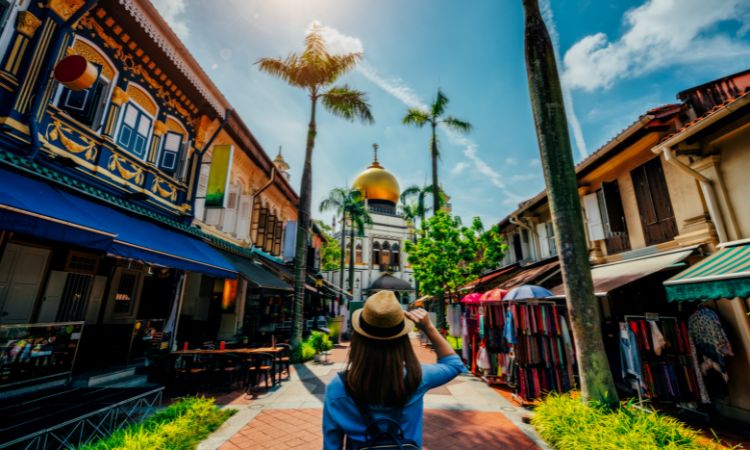
Swiss cuisine is known for excellence in cheese, chocolate, wine, and refined preparation. Geneva’s food scene includes traditional fondue and raclette restaurants, artisanal chocolatiers offering tasting experiences, farmers’ markets with local produce, and innovative chefs blending Swiss ingredients with global influences. Even with Switzerland’s premium pricing, you can manage costs by choosing lunchtime menus, street-food-style markets, or casual cafés. In British pounds terms, a hearty meal might range from £15–£30 per person at mid-range spots, while fine dining experiences can be £60+ per person. Booking Geneva means indulging in high-quality gastronomy that balances local authenticity and international flair.
Learn More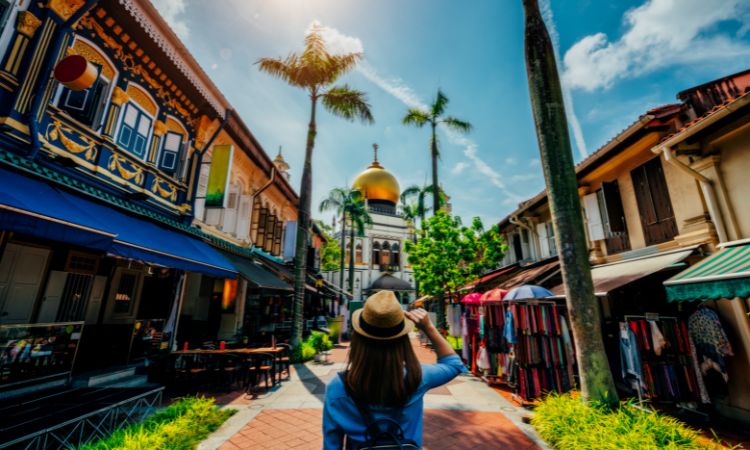
Switzerland ranks among the safest countries globally, and Geneva maintains high standards of cleanliness, public order, and efficient services. Hotels across 3 to 5 stars offer exceptional comfort, attentive staff, and amenities such as spas, fitness centres, and business facilities. Even mid-range accommodations deliver reliability and modern conveniences. Public transport is punctual and comprehensive, while multilingual assistance eases navigation for international visitors. Booking Geneva allows travellers to relax knowing that logistics—from hotel stays to transport—are handled professionally. This peace of mind is invaluable for families, solo travellers, and business guests alike.
Learn More
Geneva attracts visitors in all seasons: summer brings lake activities, outdoor festivals, and hiking; autumn showcases colourful landscapes; winter invites ski trips in nearby resorts and festive markets; spring offers blooming parks and fewer crowds. The city calendar features events such as music festivals, film screenings, art exhibitions, and international conferences. Whether you prefer a summer city break or a winter alpine adventure, Geneva’s infrastructure and variety of attractions ensure an engaging visit. Booking Geneva grants flexibility to plan around seasonal highlights and enjoy a destination that feels fresh on each return trip.
Learn More
Lorem ipsum dolor, sit amet consectetur adipisicing elit. At illo adipisci iusto
From

Because more than 268 other customers have loved us too

Demonstrates commitment to user data security through encryption and secure payment practices
Learn More
Demonstrates commitment to user data security through encryption and secure payment practices
Learn More
Demonstrates commitment to user data security through encryption and secure payment practices
Learn More
Demonstrates commitment to user data security through encryption and secure payment practices
Learn More
Quality as judged by customers. Book at the ideal price!


/ person
/ person
/ person
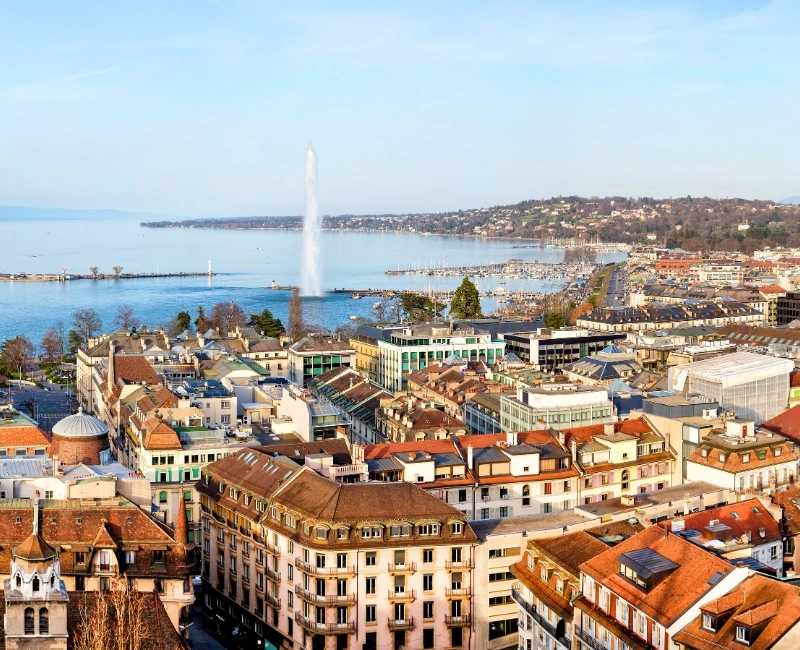
Geneva’s Old Town (Vieille Ville) is the historic heart, a maze of narrow, cobbled streets, charming squares, and centuries-old buildings. Begin at the Cathedral of St. Pierre: climb its towers for panoramic views across rooftops, lake, and mountains. Inside, archaeological remains beneath the floor reveal Roman and medieval foundations. Wander toward Place du Bourg-de-Four, the oldest square, lined with cafés and shops, where locals gather over coffee or a light meal. The architecture blends Gothic, Renaissance, and Baroque influences; look for carved doorways, wrought-iron balconies, and hidden courtyards.Visit Maison Tavel, Geneva’s oldest house converted into a museum that narrates the city’s development with models and interactive displays. Nearby, the Reformation Wall in Parc des Bastions commemorates figures like Calvin and Farel; this green space also houses the renowned painted mural and giant chessboards. Meander along Rue de l’Hôtel-de-Ville to discover artisan boutiques, antique shops, and galleries. Stop at small chocolatiers to sample handcrafted pralines or at patisseries for Swiss pastries.Historic fountains dot the Old Town: each has its own tale, reflecting the importance of water in the city’s development. Seek out hidden treasures such as tiny chapels and public art installations tucked into alleys. Literary enthusiasts may follow trails highlighting sites linked to famous writers and thinkers who lived in Geneva. For a break, settle in a café terrace overlooking a square and enjoy a coffee or Swiss tea.Old Town also hosts cultural venues: check schedules for classical concerts, lectures, or exhibitions held in historic halls or churches. Guided walking tours—self-guided with maps or small-group guided experiences—provide deeper context on Reformation history, medieval guilds, and legendary local characters. Evening visits bring a different ambiance: softly lit streets, warm glows from windows, and quieter crowds.Essential tips: wear comfortable shoes for uneven pavements; visit early or late in the day to avoid peak crowds; carry a small umbrella in case of summer showers. Photography enthusiasts will find striking compositions in contrasts of light and shadow, architectural details, and views over the city from vantage points like the cathedral towers. Exploring Geneva’s Old Town immerses you in layers of history, blending learning with leisurely discovery—an essential part of any trip to Geneva.
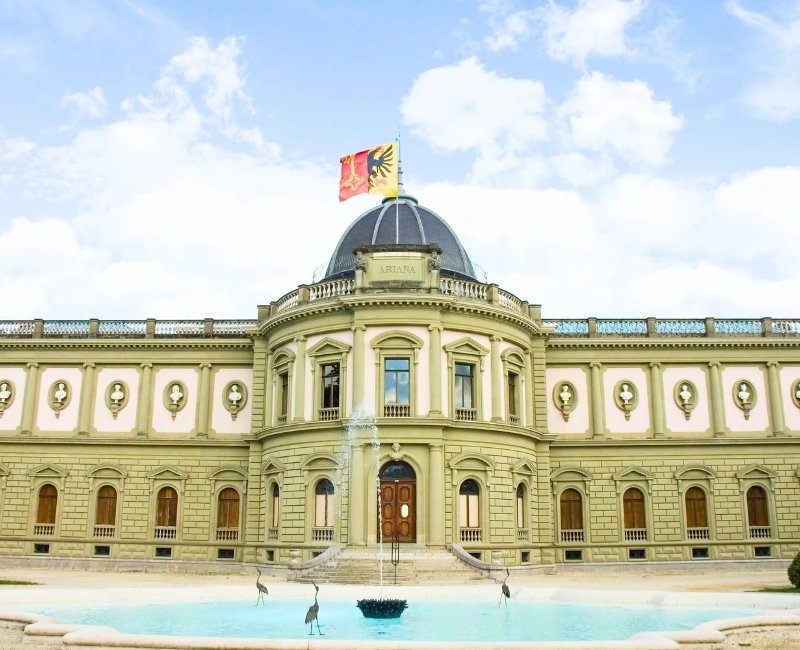
Geneva’s cultural scene extends beyond its Old Town: a concentration of museums and galleries caters to diverse interests. Start at the Patek Philippe Museum to admire exquisite watchmaking history through intricate timepieces; even if watches are not your main interest, the craftsmanship and design evolution fascinate many visitors. Nearby, the International Red Cross and Red Crescent Museum offers moving exhibitions on humanitarian themes—multilingual and interactive, it provides insight into global relief work and ethics.Art enthusiasts will appreciate the Musée d’Art et d’Histoire, housing fine arts, archaeology, and applied arts collections. Paintings span centuries, while archaeological finds from regional excavations reveal Geneva’s ancient past. The Museum of Natural History showcases local flora and fauna, geological specimens, and family-friendly exhibits. For modern and contemporary art, visit Centre d’Art Contemporain or smaller independent galleries in trendy quarters like Quartier des Bains. Exhibitions rotate frequently, featuring Swiss and international artists.Plan museum visits by checking opening hours and discounted entry days (often once a month or evening openings). Many offer audio guides or free guided tours; prioritize based on your interests to make the most of time. Geneva also hosts art fairs and seasonal festivals showcasing installations in public spaces, temporary exhibitions in repurposed warehouses, or pop-up galleries spotlighting emerging talents. Public art trails lead you through sculptures, murals, and interactive installations around the city.Beyond formal institutions, explore design shops and ateliers where local artisans craft jewelry, textiles, or handcrafted goods. Workshops may offer short demonstrations or allow you to meet creators, enriching understanding of Swiss craftsmanship. Attend cultural events if they coincide with your visit: film festivals, book fairs, or music concerts often take place year-round. Many venues are centrally located or accessible via efficient tram and bus networks.Tips: purchase a “Geneva Pass” if planning multiple paid entries; check schedules online in advance; allow leisure time between visits to rest in cafés or parks; combine museum visits with nearby attractions or lunch spots to optimize your day. This guide to art, museums, and galleries ensures you experience Geneva’s intellectual and creative spirit, revealing how history, humanitarian values, and contemporary expression shape this dynamic city.
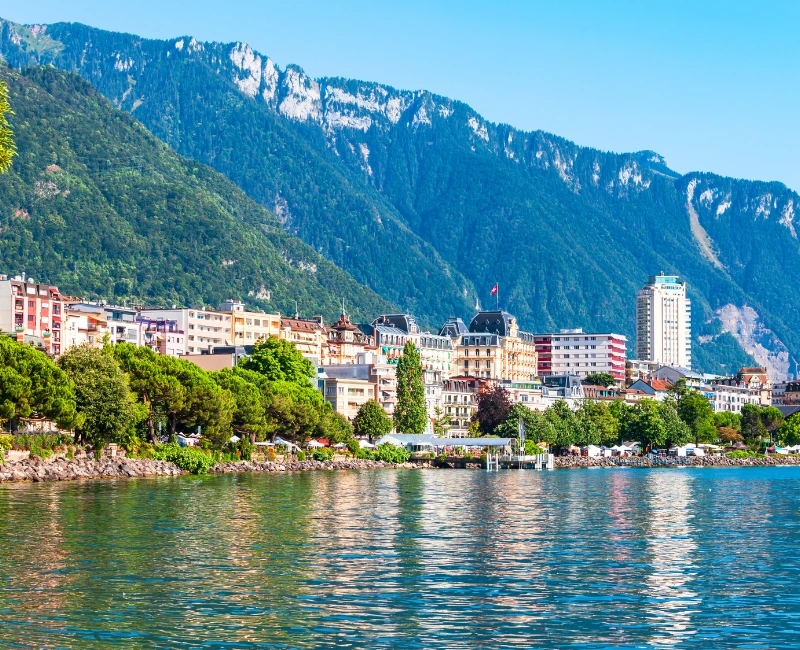
Lake Geneva (Lac Léman) is the city’s defining natural feature, offering activities year-round. In summer, take a scenic boat cruise: options include short hops to nearby towns or full-lake cruises with panoramic views of vineyards, chateau-fringed landscapes, and snow-capped peaks in the distance. For a flexible experience, rent a paddleboard, kayak, or pedal boat to explore the shoreline at your own pace. Several rental points exist near the English Garden (Jardin Anglais) or Quai du Mont-Blanc.Lakeside promenades invite walking, jogging, or cycling along well-maintained paths. Pack a picnic from a local market and relax on grassy spots by the water. Swim beaches (public or semi-public) allow refreshing dips in warmer months; entry fees may apply but are modest when converted to British pounds (around £5–£10 per person). Sunset cruises or dinner boats provide romantic evening experiences.In cooler months, a lakeside stroll remains appealing: crisp air, fewer crowds, and clear winter light reflecting off the water create a serene ambiance. Boat services run year-round, though schedules may reduce in winter—always check timetables in advance. Photography opportunities abound: reflections of mountains on still water, misty mornings, or urban lights shimmering at dusk.For an active approach, cycle around parts of the lake: well-marked routes connect Geneva to neighbouring towns like Nyon or Montreux (longer distances for cycling enthusiasts). Public bike-sharing services in the city can start short rides, while longer-distance rentals or guided cycling tours are available. Birdwatchers may spot waterfowl near wetlands along the shore.Safety and logistics: life jackets included with rentals; boat tours often have English commentary; bring sun protection in summer or warm layers in cooler months. Many lakeside cafés and restaurants offer lakeside seating—enjoy a Swiss dish or light snack with lake views (mid-range meal ~£20–£30 per person). This guide ensures you make the most of Lake Geneva’s offerings, blending relaxation, adventure, and scenic beauty in an accessible manner.
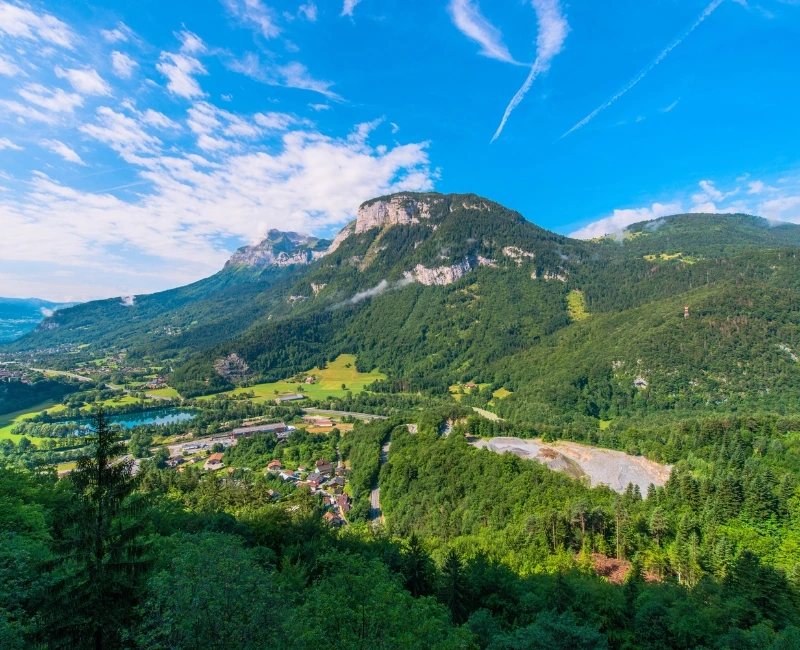
Geneva’s proximity to the Alps makes it a gateway for day trips into mountain landscapes. Popular excursions include Mont Salève just across the French border: accessible by cable car and short hikes, it offers sweeping views over Geneva and the lake. From the summit, take trails for varying fitness levels; pack water and snacks. In winter, some slopes cater to gentle snow activities; in summer, paragliding operators launch from Salève for those seeking thrills.Longer day trips lead to Chamonix and Mont Blanc region: train or bus connections take you to this legendary mountain town in 1.5–2 hours. Once there, consider the Aiguille du Midi cable car for high-altitude views (ticket prices can be around £60–£80 depending on season when converted). Hiking trails in Chamonix Valley range from easy walks to challenging alpine routes; guides are available for technical hikes. Even if you do not ascend high, strolling around Chamonix village, sampling Savoyard cuisine, and enjoying mountain vistas are rewarding.Swiss Alps destinations such as Verbier or Zermatt require longer transfers but can be considered for overnight or multi-day trips. For closer Swiss spots, take trains into the Vaud Alps near Montreux or Léman region hiking trails in the Jura mountains. Public transport in Switzerland is efficient: plan journeys with Swiss rail apps or timetables, and consider Swiss Travel Pass for flexibility if you plan multiple rail or bus trips.Hiking tips: wear sturdy footwear, check weather forecasts (mountain weather can change quickly), bring layers, sunscreen, and enough water. Many trails have mountain huts or refuges where you can rest and grab refreshments (prices in GBP vary: simple snack or drink around £5–£10). Guided group hikes or self-guided options both work: local guides add insight into flora, fauna, and geology. For winter sports, check ski resort opening times and book transfers in advance.Whether seeking panoramic vistas, alpine meadows, or adrenaline activities (paragliding, via ferrata), you can arrange day trips from Geneva that fit different interests and fitness levels. This guide ensures you understand logistics, cost considerations in British pounds, and how to choose appropriate gear and services, so you enjoy safe and memorable alpine adventures.
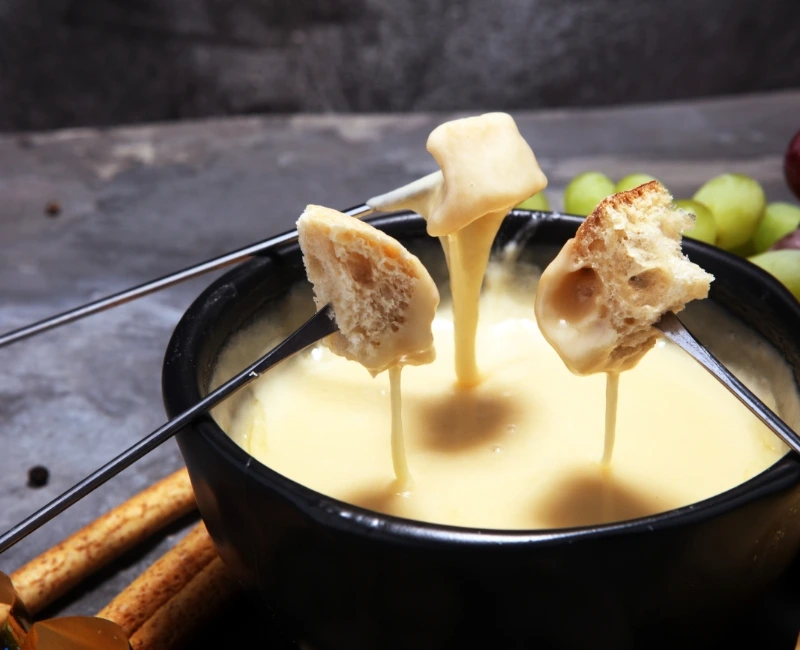
Swiss gastronomy around Geneva balances traditional Alpine fare and global influences. Start with local markets: Plainpalais market and Carouge market feature fresh produce, cheeses, charcuterie, and baked goods. Sampling local cheeses (e.g., Gruyère, Tomme) with a baguette and a glass of Swiss white wine or cider gives insight into regional flavors. In British pounds terms, a market lunch might cost £10–£15 if you combine purchases sensibly.Fondue and raclette are Swiss classics: many restaurants in Geneva offer authentic versions. A fondue meal for two could be around £40–£60 depending on location; consider sharing to balance budget. For chocolate lovers, visit artisanal chocolatiers to taste pralines and truffles; small boxes cost around £10–£20. Participate in chocolate workshops or tastings if available (prices vary but expect around £30–£50).Geneva’s dining scene includes mid-range bistros where set menus (prix fixe lunches) allow tasting seasonal dishes at moderate cost (around £20–£30 per person). Fine dining establishments highlight innovative cuisine, using local produce and international techniques; tasting menus start from approximately £70–£100+ per person. Book ahead for popular venues.International influences reflect Geneva’s diversity: you can find Middle Eastern mezzes, Asian fusion, and European specialties alongside Swiss staples. Casual cafés offer light meals, salads, and pastries for under £15. Don’t miss sampling street-food-style offerings at events or food trucks, often featuring creative twists on local ingredients.Beverages: Swiss wines from surrounding vineyards (e.g., near Lausanne or Vaud) are often available; a glass may cost around £5–£8. Craft beer scene is growing—tasting local brews (pint priced around £6) offers a different perspective. Coffee culture is robust: specialty coffee shops serve quality espresso drinks (around £3–£4).Dining tips: check midday vs evening menus for cost differences; share dishes when possible; look for restaurant weeks or festival promotions; consider picnic-style meals by the lake on fine days. Many establishments allow reservations online or by phone; mention dietary requirements early. This guide ensures you navigate Geneva’s culinary landscape, balancing indulgence and budget, and experiencing the city through its flavors.
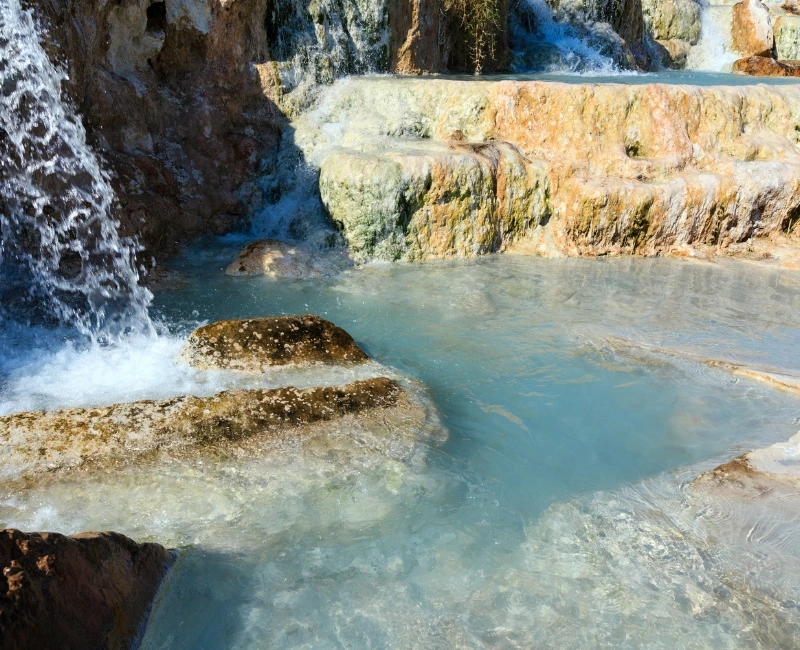
After exploring the city and outdoors, Geneva offers wellness experiences for rest and rejuvenation. Several spa hotels provide day-pass options: enjoy pools, saunas, steam rooms, and massage treatments. Prices for day access vary but expect around £30–£60 for basic facilities; treatments (massage, facial) may range from £60–£120+ depending on duration. Book in advance, especially during peak periods.For thermal experiences, consider venturing outside the city: nearby thermal baths in neighbouring France or Swiss regions provide mineral-rich waters and scenic settings. Organized day trips or private transfers can be arranged; budget approximately £50–£80 including entry and transport. Many wellness centres combine water therapies with panoramic views of mountains or lakes.Yoga studios and fitness centres in Geneva offer drop-in classes (around £15 per session). Look for yoga by the lake in summer or mindfulness workshops in parks. Cycling routes and jogging paths along the lake also serve as wellness activities in nature. Local running groups often meet early morning—join for a communal experience with lake vistas.Holistic treatments: various centres offer acupuncture, reflexology, or alternative therapies; costs vary widely (around £50–£100 per session). Botanical gardens and parks provide calm spaces for meditation or reading. For a simple relaxation day: pick up fresh produce and snacks, head to a lakeside bench or quiet garden, and enjoy restorative moments while watching swans or distant mountains.Wellness shopping: health food stores offer local products (tea blends, herbal remedies); budgets for souvenirs around £10–£20. Pharmacies in Switzerland maintain high standards and can advise on travel health essentials. Ensure you have comfortable attire and footwear for any spa or outdoor sessions.This guide highlights how Geneva caters to travellers seeking balance between activity and relaxation. By combining spa visits, thermal outings, mindful exercise, and natural settings, you can recharge mentally and physically while enjoying Swiss hospitality standards..
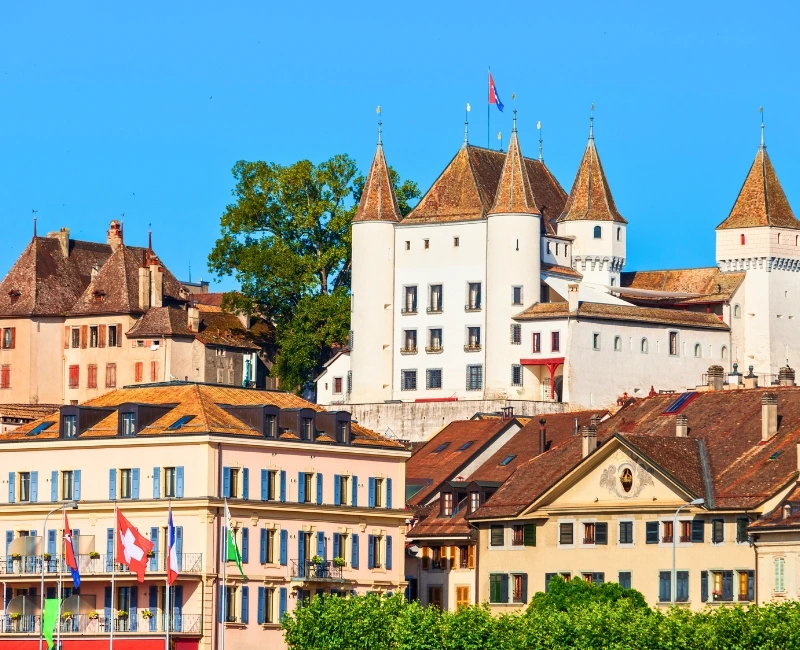
Geneva’s central location on Lake Geneva and excellent transport links make day trips to nearby towns effortless. Head northeast to Lausanne: a short train ride (around 30–40 minutes) takes you to this lively city with Olympic Museum, steep old quarters, and lakeside promenades. Trains run frequently; single tickets cost around £15–£20 return. Explore vineyard terraces of Lavaux (UNESCO-listed) by train or boat, sampling regional wines at wineries offering tastings (~£10–£20 per tasting).Westward, visit Nyon: a medieval lakeside town with a castle museum overlooking the water. Frequent trains or boats connect Geneva and Nyon; plan for a relaxed morning exploring cobbled streets and local markets. Montreux lies further along the lake: reachable by train in about 1.5 hours, famed for its lakeside promenade, jazz festival (in season), and Chillon Castle. Entry to Chillon Castle is around £12–£15; combine with a boat ride for scenic views (boat fare around £20–£30).Cross into France for Annecy: known as the “Venice of the Alps,” reachable by bus or train plus bus; journey takes around 1.5–2 hours. Explore canals, pastel façades, and mountain-fringed lake. Entry to attractions is often free or low-cost; local eateries offer Savoyard dishes around £15–£25 per person. Check visa requirements if non-Schengen nationals.Venture to Gruyères: combination of train and bus (around 2.5–3 hours) leads to this picturesque village famed for cheese. Visit cheese factories and medieval castle; cheese-tasting experiences cost around £10–£15. Plan an early start and return in the evening or stay overnight if preferred.Logistics: use Swiss public transport passes or point-to-point tickets; schedule trains in advance for best fares; consider Swiss Travel Pass if visiting multiple Swiss towns in short period. Border crossings into France are straightforward for Schengen travellers; carry ID or passport. Day trips maximize your time in Geneva by offering varied landscapes, cultural experiences, and culinary discoveries within easy reach.
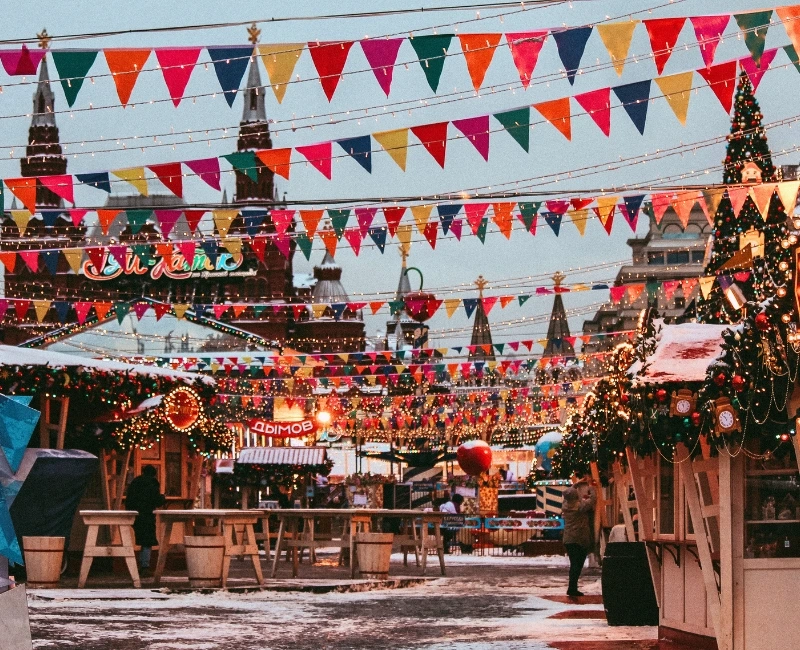
Geneva offers a refined shopping experience balancing luxury goods and local specialties. The Rue du Rhône and surrounding streets host high-end boutiques and watch stores; window-shopping here is an experience in itself. For purchases, compare prices carefully and be mindful of customs allowances when returning home. A luxury watch or jewellery item often represents a significant investment (prices vary widely, from several hundred to thousands of pounds).For more affordable souvenirs, explore artisanal shops in Old Town and Carouge district: handcrafted chocolates, small Swiss timepieces or accessories, local cheese packaged for travel, and postcards or prints by local artists. Chocolate boxes cost around £10–£20, cheese packages around £8–£15. Carouge’s bohemian atmosphere features art galleries, craft stores, and vintage boutiques—ideal for unique finds.Local markets (e.g., Plainpalais) are excellent for tasting local produce and picking up edible gifts: jams, honey, dried fruits, and regional wines. Budget around £10–£25 for a selection of food souvenirs. Apothecaries or specialty stores offer Swiss skincare or herbal products; small items cost around £10–£30. Swiss watches at entry-level (smaller quartz models) begin at a few hundred pounds—ideal if you seek a Swiss-made memento.For fashion and design, check out pop-up stores or local designers’ ateliers in arts districts. Geneva hosts seasonal craft fairs where you can meet creators directly and negotiate prices. Duty-free shopping at the airport can offer savings on perfumes, liquor, and chocolates if you have onward flights. Keep in mind baggage allowances and customs regulations when buying larger or heavier items.Shopping tips: plan a shopping budget in GBP, allocate luggage space wisely, compare quality over quantity, and seek authentic Swiss-made products. Even if you prefer window-shopping, Geneva’s boutiques and markets reflect the city’s refined taste and craftsmanship, making souvenir hunting an enjoyable part of your trip.
No ads. No trails. No commitments


Alice Roses
London, England
51 ST MATTHIAS ROAD
NOTTINGHAM, NOTTINGHAMSHIRE
NG3 2HF
Hours: 8:00 - 17:00, Mon - Sat
support@johnsonholidays.com