
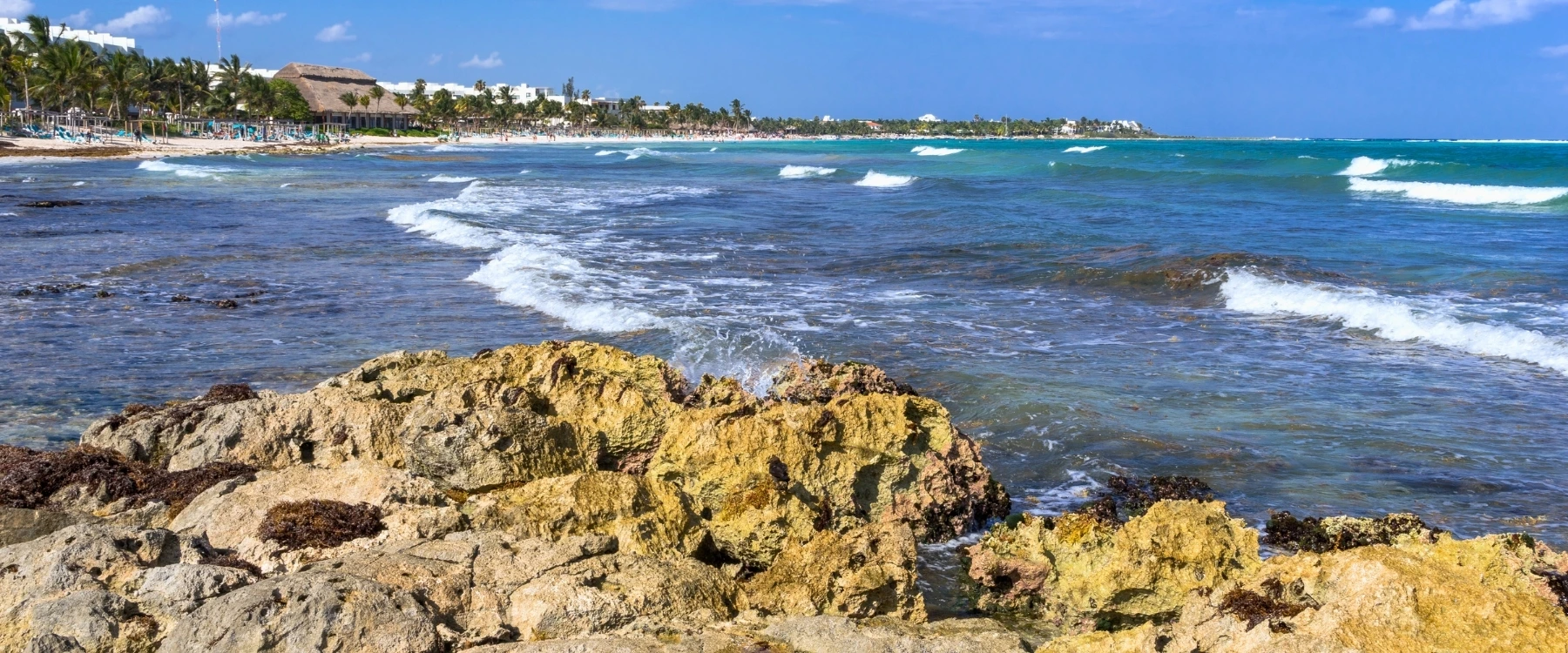
 Akumal Travel
Guide
Akumal Travel
Guide
Paris is known around the world as the “capital of love,” and even if you don't understand the history of Paris at all

10–11 Hours
£2.50
Akumal’s reputation as “Place of Turtles” is well-earned. Each year, green sea turtles and loggerheads frequent the bay’s coral reefs and sandy shores. Snorkelling tours guided by local experts allow you to observe these magnificent creatures in their natural habitat, following strict guidelines to ensure minimal disturbance and maximum respect. Witnessing turtles gracefully glide through translucent waters is a highlight that fosters appreciation for marine conservation. The presence of turtles elevates any beach day into a meaningful encounter with wildlife, making Akumal a standout destination for eco-minded travellers and nature enthusiasts.
Learn More
Akumal’s marine environment features vibrant coral reefs teeming with tropical fish, rays, and occasionally nurse sharks. Beginners and experienced snorkelers alike can explore shallow reefs directly from the beach, while dive centres offer guided dives to deeper sites nearby. Clear, calm waters and reliable visibility create ideal conditions for underwater photography and exploration. Many operators emphasise responsible diving practices, including reef-safe sunscreen usage and careful buoyancy control. For those yearning to immerse themselves in the underwater realm, Akumal presents accessible, memorable snorkelling and diving adventures.
Learn More
Surrounded by dense jungle, cenotes near Akumal reveal hidden freshwater sanctuaries formed by ancient limestone collapses. Each cenote has its own character: open-air pools bathed in sunlight, cavernous caverns with dramatic light beams, or semi-open grottoes adorned with stalactites. Swimming, snorkelling, or diving in these pristine waters offers a refreshing contrast to the ocean and a window into geological and cultural history. Cenote tours often include educational insights on the Mayan significance of these sacred sites. For travellers seeking both adventure and cultural enrichment, cenote exploration is a must-book activity.
Learn More
While Akumal retains a relaxed village vibe, its culinary scene celebrates Yucatán flavours and fresh seafood. Beachfront cafés serve ceviche, fish tacos, and grilled shrimp, often accompanied by fresh fruit juices or Mexican cervezas. Local markets and artisanal shops showcase handmade crafts and garments. Engaging with friendly residents and participating in community-run initiatives—such as beach clean-ups or turtle conservation programs—provides deeper insight into Akumal’s way of life. Travelling here supports small businesses and sustainable practices, enabling authentic cultural exchanges beyond typical tourist experiences.
Learn More
From boutique eco-lodges immersed in jungle greenery to upscale beachfront resorts with spa facilities, Akumal caters to varied traveller preferences. Three-star guesthouses offer budget-friendly stays with essential comforts, while four- and five-star properties deliver luxury amenities, infinity pools, and curated excursions. Many establishments prioritise eco-friendly measures, such as solar energy, water conservation, and waste reduction. Whether you seek simplicity and immersion in nature or indulgent pampering, Akumal’s accommodation spectrum ensures a tailored holiday experience aligned with values and budget.
Learn More
Akumal is conveniently situated between major Riviera Maya attractions. Short drives connect you to Tulum’s iconic clifftop ruins, the extensive Coba archaeological site, and Sian Ka’an Biosphere Reserve’s biodiverse wetlands. Day trips to nearby cenotes, theme parks, and cultural centres enrich your itinerary. Despite its central location, Akumal maintains tranquillity, offering respite from more crowded hubs. This balance of accessibility and serenity makes Akumal an ideal base for exploring the Yucatán Peninsula while preserving moments of peaceful beach relaxation.
Learn More
Lorem ipsum dolor, sit amet consectetur adipisicing elit. At illo adipisci iusto
From

Because more than 268 other customers have loved us too

Demonstrates commitment to user data security through encryption and secure payment practices
Learn More
Demonstrates commitment to user data security through encryption and secure payment practices
Learn More
Demonstrates commitment to user data security through encryption and secure payment practices
Learn More
Demonstrates commitment to user data security through encryption and secure payment practices
Learn More
Quality as judged by customers. Book at the ideal price!


/ person
/ person
/ person
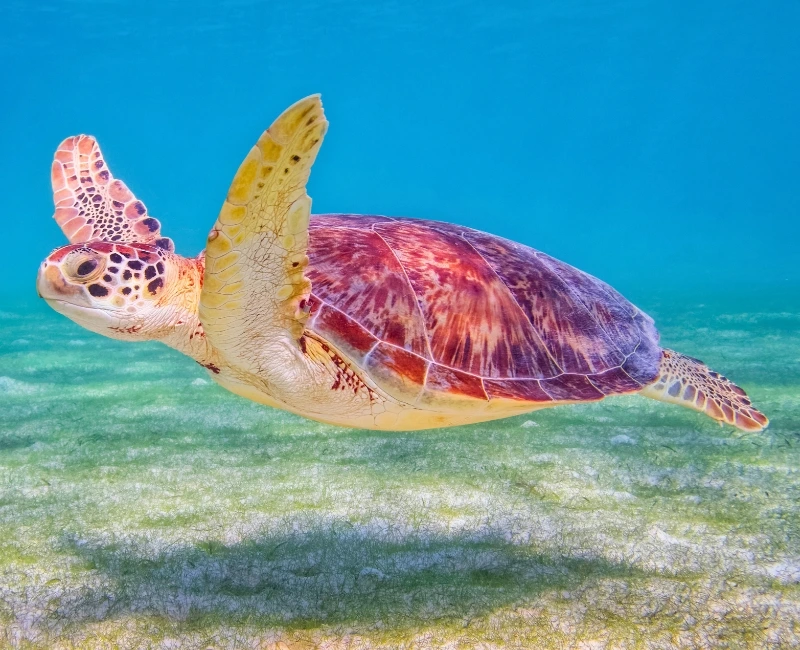
Akumal’s Turtle Bay stands out as one of the world’s most celebrated snorkelling locations due to its seasonal abundance of sea turtles. Each year, green sea turtles and occasional loggerheads arrive to feed on sea grass beds or to nest along nearby shores. Visiting early in the morning—when the sea is calm and light is ideal for underwater visibility—maximises the chance of serene encounters. Local guides provide snorkelling gear, safety instructions, and eco-friendly tips: avoid touching coral, maintain gentle buoyancy, and never chase or harass turtles. These practices protect marine ecosystems while ensuring a respectful distance is maintained, allowing turtles to go about their natural behaviours undisturbed.Guided tours often start with a briefing on sea turtle biology and conservation efforts led by community organisations. Guides explain how turtle populations have recovered through protection programmes that monitor nesting sites and educate the public. As you enter the turquoise waters, fins gently propel you toward coral formations where turtles graze. The sight of graceful creatures moving slowly through clear water is both humbling and exhilarating. Colourful reef fish swirl around, and rays may glide by in deeper channels. Underwater photography enthusiasts appreciate the clarity of Akumal Bay, but they are reminded to avoid flash photography near turtles.Timing matters: during peak nesting months (typically May to October), you may also witness turtles emerging from the water to lay eggs at night. Some eco-tours offer twilight walks with experts observing nesting activities at a respectful distance, combining nocturnal wildlife observation with safety protocols. During other months, juvenile turtles frequent shallow waters, offering opportunities to observe various life stages. Educational materials shared by guides highlight ongoing research, inviting travellers to participate in citizen-science initiatives by reporting sightings.Beyond individual snorkelling trips, some operators collaborate with conservation groups for beach clean-up events. Participating travellers gain firsthand insight into local stewardship efforts and contribute directly to safeguarding marine habitats. This reinforces a sense of connection: you’re not merely a visitor but an active participant in Akumal’s ecological wellbeing. Many snorkelling operators also invest in reef restoration by supporting coral nurseries.For those new to snorkelling or less confident swimmers, shallow entry points and calm bay waters facilitate a comfortable introduction. Life jackets or buoyancy vests are often provided. Small-group sizes ensure personalised attention, with guides attentive to safety and environmental guidelines. Experienced snorkelers may arrange boat trips to slightly deeper reefs for more varied marine life, always within responsible tourism frameworks.Akumal’s Turtle Bay snorkelling is more than a recreational activity; it embodies a harmonious blend of adventure, education, and conservation. By choosing local, environmentally conscious operators, travellers help sustain turtle populations and coral reefs. The memories of gliding beside ancient mariners of the sea underscore Akumal’s reputation as an eco-friendly paradise. Whether you’re a seasoned snorkeler or first-time explorer, the Turtle Bay experience remains a highlight of any Akumal itinerary, instilling respect for the ocean’s wonders and local efforts to preserve them.
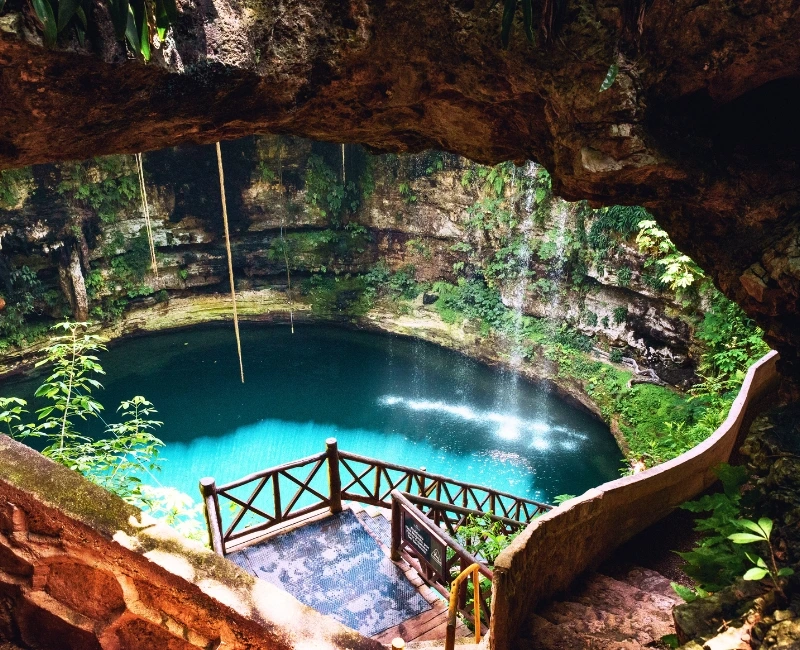
The Yucatán Peninsula’s cenotes are legendary, and those near Akumal present enchanting subterranean worlds. Cenotes—natural sinkholes formed by collapsed limestone—reveal freshwater pools often connected to extensive underground river systems. Each cenote has its unique features: some are open-air, with direct sunlight illuminating emerald waters; others are cavernous, with stalactites and stalagmites draped in dramatic light beams. Exploring these cenotes near Akumal offers a refreshing break from the coastal heat and a dive into geological and cultural history.Popular cenotes within easy reach include those with easily accessible entry points for swimming, snorkelling, or diving. Entry fees typically cover life jackets, basic safety briefings, and sometimes lockers or changing facilities. Before entering the water, guides provide orientation: how to swim safely in deeper areas, avoid disturbing sediment, and respect fragile rock formations. For snorkellers, masks and snorkels reveal underwater landscapes where fish dart among submerged roots and rock formations. For certified divers, guided dives explore cavern sections, but always within regulated zones to protect both divers and delicate ecosystems.Cenote tours often begin with travel through jungle-shaded roads, accompanied by local narratives about Mayan beliefs. Historically, cenotes were sacred gateways for the ancient Maya, linked to deities and rituals. Many cenotes near Akumal hold archaeological significance; while some have restricted areas to protect heritage, guides explain visible geological features and any discovered artefacts. Learning about Mayan reverence for cenotes enriches the experience, connecting natural wonder with deep-rooted cultural heritage.Safety and conservation are paramount. Water in cenotes is remarkably clear due to natural filtration through limestone, but swimmers must use biodegradable reef-safe sunscreen or avoid lotions that can pollute the freshwater. Some cenotes enforce “no-touch” policies for cave walls or formations. Guides emphasise minimal-impact principles: avoid thrashing limbs that stir sediment, and never remove stones or coral fragments. Participating in guided tours helps ensure adherence to these guidelines and supports local conservation efforts.Beyond swimming and snorkelling, some cenote experiences include optional activities such as zip-lining into cenote openings, rappelling down vertical walls, or cliff jumping from designated platforms. These adrenaline-fuelled options suit adventurous travellers but are always managed by trained staff with proper safety equipment. Such activities add variety to a cenote day trip, blending exhilaration with awe-inspiring natural settings.Cultural immersion extends beyond water: nearby small villages may offer traditional Yucatán snacks or artisanal crafts to support local communities. Some tour operators partner with community cooperatives, ensuring that tourism revenue benefits residents and fosters sustainable livelihoods. Travellers can savour fresh fruit juices or local tamales after a refreshing swim, enlivening the experience with authentic flavours.Cenote exploration near Akumal is suitable for families, couples, and solo travellers. Children often delight in the novelty of underwater caverns, while nature lovers appreciate the unique ecosystems—sometimes home to blind fish or distinctive algae. Photographers capture surreal images of light rays piercing dark caverns and reflections across still waters. For those seeking tranquillity, secluded cenotes provide meditative spaces where silence is broken only by the gentle drip of water.Whether combining a half-day cenote visit with beach time or dedicating a full day to multiple cenotes and cultural stops, planning ahead ensures a seamless adventure. Many travellers choose early visits to avoid crowds and enjoy calm waters. Packing essentials—waterproof bags for valuables, towels, sturdy water shoes, and reusable water bottles—enhances comfort. Booking through reputable, eco-conscious operators supports long-term preservation of these natural treasures.Cenote exploration near Akumal transcends typical sightseeing; it immerses travellers in geological marvels, Mayan heritage, and conservation-minded practices. The blend of adventure, education, and cultural connection makes cenotes an indispensable part of any Akumal itinerary. Whether gliding through underwater chambers or perched on a cliff edge before a daring jump, the cenote experience leaves a lasting impression of wonder and respect for nature’s hidden realms.
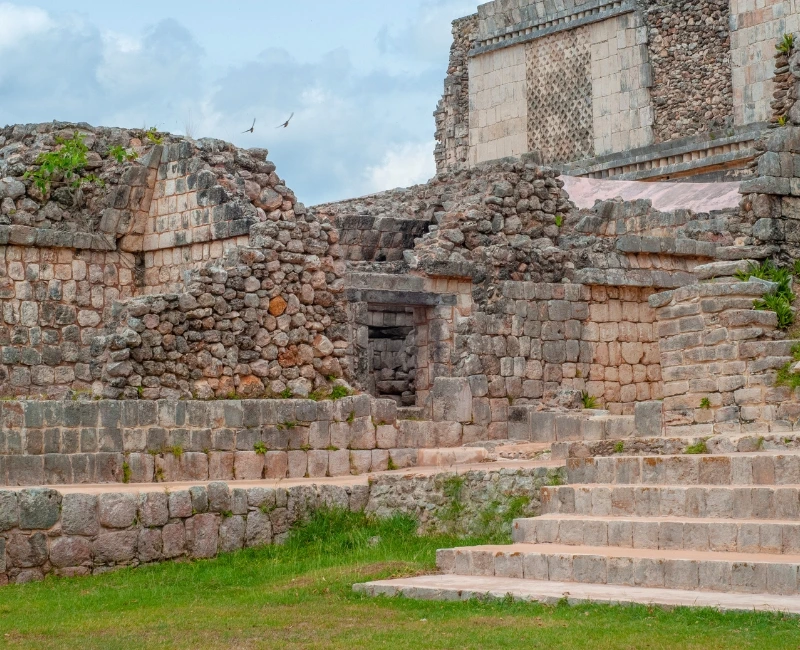
Akumal’s coastal tranquillity belies its proximity to some of the Yucatán Peninsula’s most iconic Mayan archaeological sites. Embarking on day trips to these ruins enriches any beach-oriented itinerary with deep cultural and historical perspectives. Among the most accessible is Tulum, perched dramatically atop limestone cliffs overlooking the Caribbean Sea. The Tulum ruins feature a walled city with temples, including the famed El Castillo, against a backdrop of turquoise waters. Early morning visits reduce crowds and offer soft light for photography, enhancing the sense of stepping back into ancient times.A short drive inland leads to Coba, a sprawling site enveloped by dense jungle. Coba’s central pyramid, Nohoch Mul, once one of the tallest Mayan structures, affords panoramic rainforest views for those who climb its steps (subject to current regulations). The site’s network of ancient sacbeob (white roads) links various structures; renting a bicycle or hiring a local pedicab adds adventure and local interaction. Guides share insights on Mayan cosmology, social structures, and architectural ingenuity, illuminating how these communities thrived in challenging environments.Slightly farther afield lies Muyil within the Sian Ka’an Biosphere Reserve. This lesser-known site features ruins adjacent to mangrove channels leading into lagoons. Combined tours often include boat rides through mangroves, highlighting how the Maya integrated natural waterways into transport and trade networks. Observing birds and marine life along the way underscores the region’s ecological richness that sustained ancient populations.Guided visits to ruins emphasise respectful tourism: visitors are advised not to climb fragile structures beyond permitted areas, avoid littering, and follow all posted guidelines. Many tour operators partner with archaeologists or certified guides who explain restoration efforts and ongoing research. Learning about efforts to preserve these fragile sites fosters appreciation of local heritage and encourages support for conservation initiatives.Cultural immersion extends beyond ruins. Some tours incorporate visits to nearby villages or cultural centres where artisans demonstrate traditional crafts, such as hammock weaving or pottery. Sampling regional dishes—like cochinita pibil or panuchos—introduces travellers to Yucatán flavours that evolved alongside Mayan traditions. Participating in cooking workshops or visiting local markets deepens understanding of how contemporary culture draws from ancient roots.Timing and planning matter: combining multiple sites in a single day requires early departures and efficient routing. Many travellers choose guided full-day excursions covering Tulum and Coba or Tulum and a cenote visit, balancing historical exploration with refreshing swims. Private tour options allow customization: for photography enthusiasts, extra time at sunrise; for families, shorter visits with interactive storytelling for children; for history buffs, extended discussions with expert guides.Visitors should pack essentials: comfortable walking shoes, sun protection, reusable water bottles, and lightweight clothing. Visiting ruins in cooler morning hours optimises comfort, while afternoon excursions to cenotes or beach relaxation offset the midday heat. Accommodations in Akumal often arrange such multi-part excursions, coordinating transport and bookings to streamline the experience.Exploring Mayan ruins near Akumal bridges leisure and learning, revealing layers of human ingenuity, spirituality, and adaptation. The contrast between ancient stone structures and modern beach life highlights the region’s enduring appeal—where travellers savour sunlit shores by day and connect with millennia-old heritage in hours that follow. Responsible engagement—honouring preservation guidelines and supporting local communities—ensures these wonders remain intact for future generations. By weaving archaeological exploration into an Akumal stay, travellers gain a richer, more meaningful encounter with the Riviera Maya’s profound past.

Akumal’s seaside charm is matched by a vibrant culinary scene that celebrates fresh seafood, Yucatán traditions, and innovative fusions. Dining here goes beyond mere sustenance; it’s an expression of local identity shaped by Mayan heritage, Caribbean influences, and contemporary creativity. Exploring Akumal’s eateries—from casual beachfront shacks to refined restaurants—reveals flavours that delight the palate and tell stories of region and community.Begin with seafood specialties: daily catches feature mahi-mahi, snapper, grouper, and shrimp prepared in diverse styles. Ceviche, a staple, showcases raw fish or shellfish cured in lime juice with hints of chilli, cilantro, and tropical fruits; served with crisp tortilla chips, it offers a refreshing start to any meal. Tacos de pescado (fish tacos) and tacos de camarón (shrimp tacos) often come with tangy slaws and house-made salsas, delivering a satisfying balance of textures and flavours. Beachfront stalls sometimes grill fish over open flames, imparting smoky aromas complemented by fresh garnishes.Yucatán classics weave into menus: cochinita pibil—slow-roasted pork marinated in achiote paste and sour orange—is often available at lunchtime. Traditionally cooked in underground pits, modern kitchens replicate this method or adapt with ovens, preserving tender, flavourful results. Panuchos and salbutes—fried tortillas stuffed or topped with beans, shredded chicken or turkey, lettuce, pickled onions, and avocado—offer a crunchy, savoury snack or light meal. Regional condiments like habanero-based salsas add heat, while citrus notes brighten dishes.Beyond savoury, sweet treats beckon: marquesitas (crispy crepes filled with cheese and sweet fillings like chocolate or jam) are popular street-food indulgences. Fresh tropical fruits—mango, papaya, pineapple—appear in salads, smoothies, and desserts. Chaya, a leafy green native to Yucatán, features in juices or light dishes, prized for its nutritional benefits. Local cafés often showcase artisanal coffees and aguas frescas—juices infused with fruits, flowers (jamaica hibiscus), or seeds (chia)—providing refreshing hydration in warm weather.Dining experiences in Akumal range from casual to upscale. Beachfront venues let you dine with toes in the sand, listening to waves; some upscale properties host themed nights spotlighting regional produce and chefs’ creations. Farm-to-table initiatives collaborate with local growers and fishermen to source ingredients responsibly. Vegetarian and vegan options are increasingly available, blending local produce with global culinary trends. Many restaurants display menus in Mexican pesos, but British travellers can estimate costs in pounds: a main dish may range from £7 to £20, depending on venue and dish complexity.Cooking workshops offer immersive experiences: join local cooks to learn Yucatán recipes, understand ingredient origins, and master techniques like marinating meats or preparing salsas from scratch. Market visits accompany these sessions, highlighting how to select fresh produce and spices. Such activities deepen appreciation for local culture and leave travellers with skills to recreate flavours at home.Responsible dining also involves environmental awareness. Many establishments avoid single-use plastics, serve water in refillable containers, and emphasise waste reduction. When choosing dining venues that prioritise sustainability, travellers support practices that protect coastal ecosystems and local communities.Nightlife in Akumal remains laid-back: beachfront bars serve cocktails featuring local spirits like tequila or mezcal, mixed with tropical fruits; live music evenings blend soft acoustic or Latin rhythms. A pint of local beer or a refreshing cocktail at sundown, with calm bay views, encapsulates Akumal’s relaxed evening vibe. Always drink responsibly, respecting local regulations.Overall, indulging in Akumal’s cuisine is an integral part of the travel experience. The interplay of fresh seafood, Mayan traditions, and contemporary innovations creates memorable meals that reflect the region’s character. Whether sampling street-food bites or savouring gourmet dishes at a resort, food in Akumal delights travellers while fostering connections to local culture and sustainable practices.
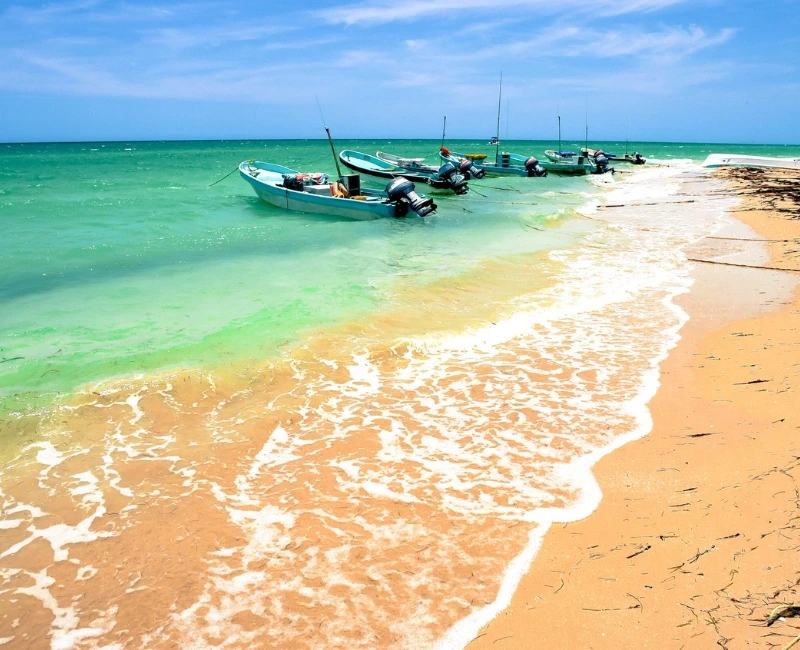
Akumal’s pristine beaches provide an idyllic setting for relaxation and wellness-focused retreats. Soft sands stretch along calm bays, inviting sunbathing, gentle swims, and mindful moments listening to the rhythmic waves. Many resorts and boutique properties capitalise on this serene environment by offering spa treatments, yoga sessions, and wellness programmes that integrate natural surroundings and local traditions.Start the day with a beachfront yoga class as dawn light emerges over the Caribbean Sea. Instructors often guide practices emphasising gentle stretches, breathwork, and mindfulness, fostering a deep connection between body and environment. Practicing yoga on a platform overlooking the ocean enhances tranquility, with sea breezes and birdcalls enriching the experience. For those new to yoga, beginner-friendly sessions introduce foundational poses and breathing techniques; experienced practitioners find advanced variations and meditation guidance.Spa offerings in Akumal combine modern therapies with indigenous ingredients. Treatments may include massages using locally sourced oils infused with citrus or tropical herbs, body scrubs featuring sea salt or local botanicals, and facials using natural extracts. Many spas incorporate Mayan healing traditions through rituals or ingredient choices, offering a sense of authenticity. Wellness centres often design holistic packages: massage therapies followed by yoga or meditation sessions, nutritional consultations highlighting local superfoods like chaya or tropical fruits, and guided relaxation techniques to manage stress.Mindful beach lounging forms another pillar of wellness. Hammocks strung between palm trees, shaded cabanas, and private beach lounges create cosy spaces for reading, napping, or simply gazing at the horizon. Some retreats offer sound healing sessions on the beach or guided breathing exercises timed with waves, deepening relaxation. Sunset rituals—such as group meditations or herbal tea ceremonies—cap off days with reflective ambience and community spirit.Healthy dining complements wellness activities. Retreat menus feature fresh seafood prepared with light seasonings, salads with local produce, smoothie bowls with tropical fruits, and hydrating aguas frescas. Nutritional workshops may teach travellers how to prepare balanced meals inspired by Yucatán ingredients. Emphasis on hydration is crucial in warm climates: reusable water bottles and refill stations support eco-friendly habits and well-being.For deeper immersion, some travellers choose multi-day wellness retreats incorporating daily yoga, spa treatments, guided nature walks, and nutrition sessions. Jungle trails near Akumal offer gentle hikes through tropical flora, linking physical activity with nature immersion. Guided birdwatching or botanical tours highlight local biodiversity and encourage mindful observation. Such retreats foster holistic wellness by combining movement, relaxation, nourishing food, and environmental connection.Sustainability threads through many wellness programmes. Retreat operators often prioritise eco-friendly practices: solar energy, waste reduction, organic gardens supplying ingredients, and community engagement initiatives. Travellers contributing to local conservation or social projects during their stay gain a sense of purpose and connection beyond personal wellness.Solo travellers find solace in individually tailored wellness offerings, while couples and small groups enjoy shared activities that strengthen bonds. Family-friendly wellness options—gentle family yoga or beach mindfulness exercises—encourage healthy habits across generations. Regardless of demographic, the focus remains on aligning with natural rhythms, fostering balance, and departing refreshed in body and mind.Akumal’s blend of natural beauty, tranquil beaches, and culturally rooted wellness practices makes it an ideal destination for those seeking both relaxation and rejuvenation. Whether indulging in a massage overlooking the ocean, practising sunrise yoga, or savouring nourishing local cuisine, travellers leave Akumal with renewed vitality and lasting memories of harmony between self and environment.

Building on Akumal’s reputation for tranquil surroundings, dedicated spa and yoga experiences cater to travellers seeking restorative escapes. Local wellness centres and resorts craft programmes that harmonise ancient traditions with modern techniques, leveraging the natural environment to enhance physical and mental well-being.Yoga sessions in Akumal extend beyond typical beach classes. Some retreats offer sunrise and sunset practices at unique locations—on elevated platforms in the jungle canopy or by secluded cenote edges—immersing participants in nature’s rhythms. Instructors often integrate mindfulness exercises, guided meditations, and pranayama (breathwork), emphasising inner awareness. Specialized workshops may explore yoga philosophies, alignment techniques, or therapeutic poses tailored for stress relief and flexibility. Many venues welcome practitioners of all levels, providing modifications and personalised guidance.Spa treatments in Akumal often feature ingredients sourced from local ecosystems. Botanical oils infused with indigenous herbs, exfoliating scrubs incorporating sea salt or volcanic clay, and hydrotherapy sessions using cenote or spring water illustrate a fusion of local resources with relaxation techniques. Mayan-inspired rituals may include ceremonial elements—such as flower baths or temazcal-inspired steam sessions—offered in respectful, adapted formats suitable for modern wellness. These rituals connect travellers to ancient healing traditions, enriching the spa experience.Wellness centres frequently design multi-day packages combining daily yoga, spa treatments, nutritional consultations, and guided nature experiences. A typical package might begin with morning meditation overlooking the bay, followed by a healthy breakfast featuring tropical fruits and chaya smoothies. Midday spa treatments may include deep-tissue massages or reflexology to relieve tension accumulated during travel. Afternoon workshops explore cooking with local ingredients or mindful walking through jungle trails. Evening restorative yoga sessions help integrate the day’s experiences and prepare for restful sleep.Nutrition plays a crucial role. Wellness programmes often include expert-led discussions on balancing traditional Yucatán ingredients with travellers’ dietary needs. Dishes emphasise fresh fish, vegetables, legumes, and superfoods like chaya, avocado, and tropical fruits. Hydration strategies account for local climate, encouraging regular water intake and consumption of hydrating drinks like coconut water or infused herbal teas. Some retreats support participants in preparing simple, healthy meals, fostering skills to maintain wellness routines post-trip.Community and sustainability underpin spa and yoga operations. Many venues partner with local suppliers for organic produce, herbal ingredients, and artisanal crafts. Waste reduction practices—such as reusable linens, biodegradable products, and minimal plastic usage—align with eco-conscious travellers’ values. Some retreats invite guests to partake in community projects, such as planting native species or assisting in local conservation efforts, deepening connections beyond personal well-being.Specialised offerings may include sound healing sessions with local instruments, guided breathwork workshops addressing stress management, or holistic consultations combining massage, energy work, and mindfulness guidance. For travellers seeking targeted benefits—such as improved sleep, stress reduction, or rehabilitation from physical strain—tailored sessions are available, often led by certified practitioners with international and local expertise.Families and couples can share spa and yoga experiences. Partner massages, family-friendly yoga classes, or wellness activities designed for children foster healthy habits in a supportive environment. Group retreats create opportunities for social connection, while solo travellers enjoy introspective schedules. Regardless of choice, the emphasis remains on nurturing balance, tapping into Akumal’s natural tranquillity, and honouring local cultural heritage through respectful wellness practices.Spa and yoga experiences in Akumal transcend standard relaxation; they invite travellers into a holistic journey where ancient wisdom, natural beauty, and modern techniques converge. Departing from these retreats, guests often report renewed energy, mental clarity, and a deeper appreciation for integrating wellness into everyday life, making Akumal not only a beach destination but a sanctuary for the mind, body, and spirit..

Akumal’s calm bays and shallow beaches make it an excellent destination for families seeking water-based fun and learning. The gentle waters allow children to snorkel safely under supervision, spotting colourful fish and, with guidance, turtles in designated zones. Many snorkel operators provide child-sized life jackets and introductory lessons to build confidence. Educational aspects—such as briefings on reef ecosystems—transform simple activities into enriching experiences, fostering environmental stewardship from a young age.Beach days in Akumal cater to family enjoyment. Soft sands are perfect for building sandcastles or playing beach games. Shaded areas beneath palm trees offer relief for toddlers and areas to rest. Parents can relax nearby while keeping children within sight. Beachfront cafés often welcome families, offering kid-friendly menu items and shaded seating. Local snack vendors sell fresh fruit or light treats, appealing to children’s tastes and providing healthy energy between activities.Boat excursions designed for families include glass-bottom boat tours that allow children to observe marine life without entering the water. These tours often include educational commentary about local species and habitats. Some operators offer shallow-water kayaking or paddleboarding experiences for older children and teenagers, combining gentle exercise with scenic exploration. Safety briefings and life jackets ensure a secure environment, and instructors tailor instructions to varying skill levels.Interactive conservation experiences appeal to families keen on teaching children about marine protection. Participating in supervised beach clean-ups or turtle nest monitoring (where regulations allow) instils values of responsibility and care for the environment. Many local organisations welcome families, providing age-appropriate explanations of conservation efforts and demonstrating how small actions contribute to preserving marine ecosystems.Day trips to nearby cenotes can be family-friendly when selecting cenotes with shallow entry points and lifeguard supervision. Children experience the novelty of freshwater pools amidst jungle settings, with guided snorkelling or swimming sessions. Some cenotes offer rope swings or gentle cliff-jumping options suitable for older kids under strict supervision. Guides ensure safe practices and often share stories of Mayan reverence for these water-filled sinkholes.Families may combine water activities with cultural visits. A morning snorkel followed by a visit to a Mayan ruins site may be balanced with breaks for rest and snacks. Interactive elements—such as storytelling about Mayan myths or demonstrations of traditional crafts—engage children’s curiosity. Meal breaks featuring child-friendly versions of local dishes help introduce new flavours gradually. Many restaurants accommodate younger guests with milder seasoning and familiar sides.Accommodation choices for families include larger villas or suites with kitchenettes, enabling easy meal preparation and flexible schedules. Some resorts offer children’s clubs or supervised activities such as arts and crafts inspired by marine life. Pools with shallow sections and splash areas provide alternative water fun when a beach day is not planned. Babysitting services may be arranged through selected properties, allowing parents occasional respite.Safety considerations are paramount: always choose certified operators for snorkelling or boat activities, ensure life jackets fit properly, and supervise children closely near water. Health precautions include applying reef-safe sunscreen, staying hydrated, and avoiding midday sun exposure. Packing essentials—sun hats, swimwear, rash guards, reusable water bottles, and snacks—ensures comfortable family outings.Akumal’s family-friendly water activities blend fun, education, and safety. Whether snorkelling alongside small fish, paddling on calm bays, exploring cenotes, or engaging in conservation projects, families create lasting memories while nurturing environmental awareness. The combination of shallow, protected waters, knowledgeable guides, and a supportive community atmosphere makes Akumal an ideal destination for multi-generational travel where children and adults alike discover the wonders of the Riviera Maya together.
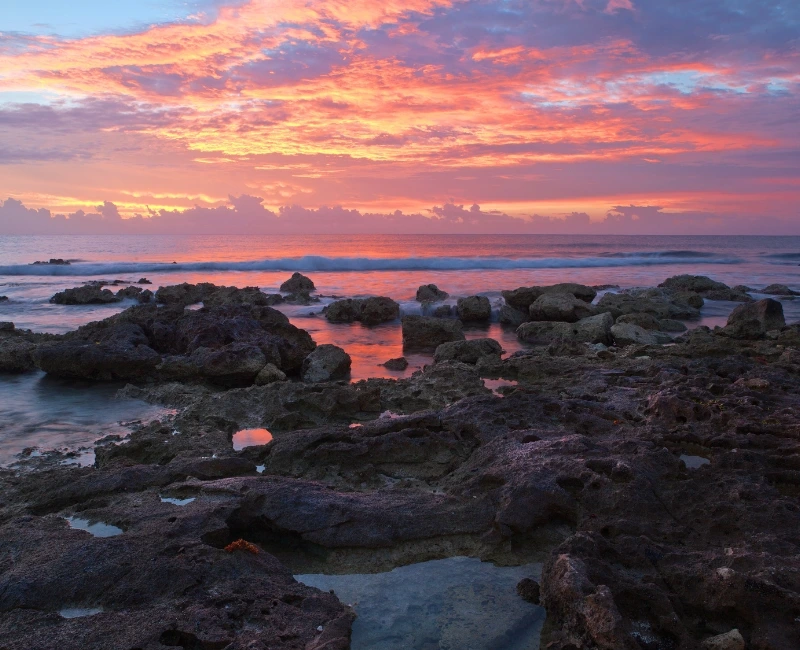
Akumal’s identity as an eco-tourism leader is underscored by a variety of eco-tours and conservation projects that invite travellers to actively contribute to preserving marine and terrestrial ecosystems. These experiences suit individuals, families, and groups seeking meaningful travel that benefits both environment and local communities. By participating, visitors gain deeper understanding of ecological challenges and the satisfaction of tangible contributions.Central to Akumal’s conservation ethos are turtle protection programmes. During nesting season, regulated tours allow observers to witness or assist (where permitted) with monitoring turtle nests under expert supervision. Guides explain life cycles of sea turtles, threats they face—such as habitat loss, pollution, and climate change—and steps taken to mitigate risks. Participating travellers may help collect data on nesting patterns or assist in relocating nests to safer sites when necessary. Such involvement fosters empathy and informs travellers about ongoing research efforts.Beyond turtles, coral reef restoration initiatives provide hands-on opportunities. Some organisations manage coral nurseries where fragments of healthy coral are grown on underwater structures until mature enough for transplantation. Travellers undergo brief training on handling coral fragments and dive or snorkel to plant them on degraded reef sections. This restoration work directly supports reef resilience, enhances biodiversity, and offers unique insights into marine ecology. Safety guidelines and eco-friendly practices ensure minimal impact while maximising conservation benefits.Mangrove restoration and mangrove monitoring tours highlight the importance of coastal wetlands in buffering storm surges, filtering water, and serving as nurseries for fish. Guided kayak or boat tours through mangrove channels combine wildlife observation—spotting birds, crabs, and juvenile fish—with discussions on mangrove ecology and threats such as development pressures. Some programmes involve planting mangrove seedlings in designated areas, teaching participants about species selection and planting techniques vital for restoration success.Birdwatching excursions in Sian Ka’an Biosphere Reserve and nearby wetlands appeal to nature enthusiasts. Expert guides lead small groups in searching for endemic and migratory species, explaining bird behaviours and habitat requirements. Travellers learn about broader conservation challenges—such as preserving migratory corridors—and how local initiatives integrate community engagement to protect bird populations. These tours often emphasise “leave no trace” principles and support reserve management through fees and donations.Community-led eco-tours showcase sustainable livelihoods. Visits to local organic farms or cooperative workshops demonstrate how residents produce food, crafts, or products in eco-friendly ways. Travellers may participate in harvesting produce, preparing traditional dishes with farm-fresh ingredients, or crafting artisanal souvenirs, all while understanding economic and environmental interconnections. Supporting these enterprises helps sustain local culture and reduces tourism’s ecological footprint.Educational workshops and citizen-science initiatives deepen involvement. Travellers can attend talks on marine biology, climate resilience, or sustainable tourism practices led by researchers or community leaders. Data collection activities—such as water quality sampling, species counts, or beach plastic surveys—enable visitors to contribute to long-term monitoring projects. These participatory experiences foster a sense of stewardship and often inspire ongoing engagement after returning home.Eco-tour operators emphasise responsible practices: small group sizes to minimise disturbance, strict waste management protocols, use of non-motorised transport where possible, and collaboration with conservation authorities. Travellers are briefed on guidelines—such as avoiding single-use plastics, respecting wildlife distances, and following designated trails—to ensure minimal ecological impact. Many operators allocate portions of tour fees directly to conservation funds or community initiatives, making each booking a contribution to Akumal’s sustainability.Whether snorkelling for turtle conservation, planting corals, restoring mangroves, or engaging in citizen-science, eco-tours in Akumal blend adventure, education, and altruism. Travellers leave with enriched understanding of ecosystem dynamics and a tangible sense of contribution. Such experiences transform holidays into purposeful journeys, aligning relaxation with responsibility. For those seeking travel that makes a positive difference, Akumal’s conservation projects offer an inspiring platform to learn, participate, and help safeguard the natural treasures that define this remarkable destination.
No ads. No trails. No commitments


Alice Roses
London, England
51 ST MATTHIAS ROAD
NOTTINGHAM, NOTTINGHAMSHIRE
NG3 2HF
Hours: 8:00 - 17:00, Mon - Sat
support@johnsonholidays.com