 Riga Travel
Guide
Riga Travel
Guide
Paris is known around the world as the “capital of love,” and even if you don't understand the history of Paris at all

2.6 Hours
£3.50–£4.25
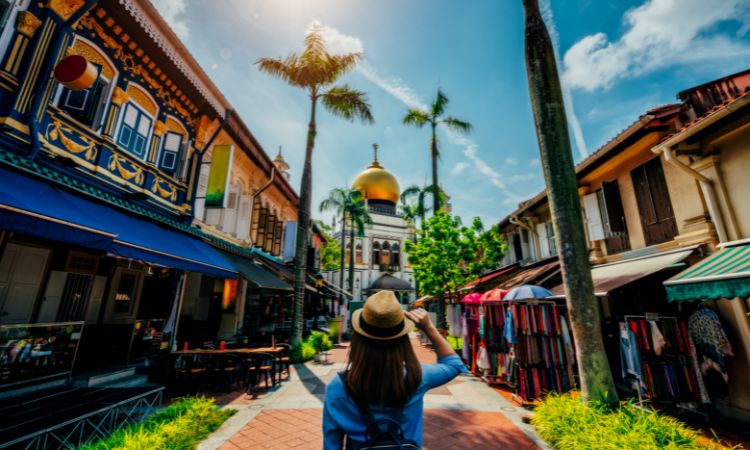
Riga’s Old Town (Vecrīga) is a UNESCO World Heritage Site defined by winding cobbled lanes, medieval guild houses, and imposing churches. Visitors can wander through picturesque squares, admire the ornate facades of the House of the Blackheads, and ascend church towers for panoramic city views. Each building tells a story of Riga’s Hanseatic past, with architecture reflecting Gothic, Baroque, and Renaissance influences. Stroll along the Doma laukums (Cathedral Square) to see the Riga Cathedral and explore hidden courtyards and artisan workshops. Evening light transforms the Old Town into a fairy-tale setting, perfect for leisurely walks. The area is compact and pedestrian-friendly, allowing travelers to absorb centuries of history in a few hours while discovering atmospheric cafés, galleries, and boutiques tucked away from the main thoroughfares.
Learn More
Riga boasts one of the largest and finest collections of Art Nouveau architecture in Europe, centered around Alberta iela and Elizabetes iela. These streets feature facades richly decorated with floral motifs, masks, and sculptural details. Architecture enthusiasts can join guided walking tours or self-guided explorations, marveling at buildings designed by renowned architects such as Mikhail Eisenstein. Inside, many apartments and buildings have been meticulously restored, offering glimpses of early 20th-century elegance with modern comforts. Walking this district reveals how Riga embraced innovation and design at the turn of the century. The neighborhood’s cafés and small galleries provide ideal spots to pause and reflect on the intricate craftsmanship. Even casual visitors will appreciate the visual feast of sinuous lines, ornate balconies, and pastel colors that characterize Riga’s Art Nouveau legacy.
Learn More
Compared to many Western European capitals, Riga offers excellent value across accommodations, dining, attractions, and transportation. A pint of local beer generally costs around £3.50–£4.25, significantly less than in London or other major cities. Mid-range restaurant meals often fall below £15 per person, and public transport tickets or taxi fares are budget-friendly. Despite rising popularity, the city has retained its affordability, attracting travelers seeking quality experiences at lower costs. Boutique hotels in historic buildings, modern design hostels, and self-catering apartments cater to diverse budgets. Tour operators, cultural venues, and excursion providers also offer competitive pricing. This combination of high quality and lower prices makes Riga an attractive choice for budget-conscious travelers without compromising on memorable experiences.
Learn More
Riga’s cultural scene thrives year-round with festivals, concerts, exhibitions, and folk celebrations. Summer solstice (Jāņi) festivities in late June feature traditional songs, dances, and bonfires, offering insight into Latvian heritage . In winter, the iconic Christmas markets transform the Old Town into a festive wonderland. Throughout the year, theaters, concert halls, and galleries host performances ranging from classical concerts to avant-garde art installations. Film and music festivals draw international audiences, and local craft fairs showcase artisanal products. Whether seeking classical music, contemporary art, or folk traditions, travelers will find events aligned with their interests. The dynamic calendar ensures that every visit can coincide with unique cultural offerings, enriching the overall holiday experience.
Learn More
While Riga itself is a bustling city, it is also a gateway to Latvia’s natural beauty. Jurmala’s sandy beaches lie a short train ride away, offering seaside relaxation in summer. Gauja National Park, with medieval castles and hiking trails, is easily reached by day trips. Birdwatching at nearby wetlands, canoeing on serene rivers, and exploring forested landscapes allow travelers to balance urban discovery with outdoor adventures. During winter, snow-covered landscapes offer opportunities for cross-country skiing and winter hikes. Tour operators and local transport provide organized excursions or flexible independent day trips. This proximity to both sea and forest ensures that Riga-based holidays can combine cultural immersion with rejuvenating encounters with nature.
Learn More
Riga’s culinary landscape has evolved to blend traditional Latvian flavors with modern innovation. Visitors can sample hearty dishes like grey peas with speck, smoked fish, and seasonal foraged mushrooms at local eateries, then contrast these with contemporary tasting menus at innovative restaurants. Farmers’ markets such as Riga Central Market offer fresh produce, regional specialties, and artisanal products. Cafés serve excellent coffee and pastries, while craft breweries highlight local beer-making traditions. Dining out remains affordable, with many establishments offering set menus or daily specials. Food tours guide travelers through hidden gems and street food stalls, showcasing the diversity of Riga’s gastronomy. For those keen to cook, cooking classes focus on Latvian recipes using local ingredients. This dynamic food scene appeals to both traditionalists and culinary adventurers.
Learn More
Lorem ipsum dolor, sit amet consectetur adipisicing elit. At illo adipisci iusto
From

Because more than 268 other customers have loved us too

Demonstrates commitment to user data security through encryption and secure payment practices
Learn More
Demonstrates commitment to user data security through encryption and secure payment practices
Learn More
Demonstrates commitment to user data security through encryption and secure payment practices
Learn More
Demonstrates commitment to user data security through encryption and secure payment practices
Learn More
Quality as judged by customers. Book at the ideal price!


/ person
/ person
/ person

Riga’s Old Town—Vecrīga in Latvian—stands as the city’s historic heart and a UNESCO World Heritage Site renowned for its rich architectural tapestry and vibrant street life. As you enter through the ancient medieval walls, cobblestone lanes unfurl between colorful merchant houses, Gothic spires, and ornate squares that recall Riga’s heyday as a Hanseatic League port. A perfect starting point is Town Hall Square, where the reconstructed House of the Blackheads gleams with sculpted reliefs, heraldic emblems, and vibrant frescoes that celebrate the city’s mercantile past. Pause to imagine the medieval guild gatherings that took place beneath its steep gables.A short stroll leads you to the imposing Riga Cathedral, founded in 1211. Its blend of Romanesque stoutness and Gothic verticality conceals a remarkably serene interior: stained‑glass windows filter soft light onto the famed 240‑stop pipe organ, whose sonorous tones still fill the nave during regular recitals. From here, duck into side lanes to uncover tucked‑away courtyards where wrought‑iron gates open onto hidden cafés and artisan workshops. Here, you might discover a master potter at work or a boutique selling hand‑embroidered linens inspired by Latvian folk patterns.For a bird’s‑eye panorama, ascend the narrow stairs of St. Peter’s Church tower. At over 123 meters, it offers unmatched views across red‑tiled rooftops, church spires, and the modern skyscrapers beyond. Architectural details—Baroque gables, Renaissance doorways, and Art Nouveau flourishes—dot the landscape, reflecting Riga’s evolution over eight centuries.Summer evenings transform the Old Town into a stage for open‑air concerts and folk‑dance performances. Lantern‑lit terraces spill onto the squares, where live bands and toast‑filled laughter mingle under fairy‑light canopies. In cooler months, seasonal markets animate Dome Square with stalls selling hot spiced wine, gingerbread, and handcrafted ornaments, evoking a cozy, festive spirit.Though exceedingly walkable, Vecrīga also offers guided walking tours that delve into intriguing legends—were once pirates buried beneath the cobbles?—and unveil hidden gems like the Three Brothers, a trio of medieval houses demonstrating stylistic shifts across the 15th and 17th centuries. Independent travelers equally relish serendipity: a lone busker serenading passersby, a courtyard gallery showcasing contemporary Latvian art, or a quiet bench overlooking the Daugava where the river’s wide sweep offers a refreshing counterpoint to narrow streets.As night falls, the Old Town’s energy shifts to craft‑beer pubs, speakeasy‑style cocktail bars, and intimate live‑music venues. Whether you prefer to linger over a pint brewed with local honey or dance to jazz under vaulted beams, Vecrīga’s blend of ancient stones and modern comforts ensures that exploring Riga’s Old Town remains an unforgettable journey through time and culture.

Riga’s Art Nouveau district boasts one of the world’s most remarkable concentrations of early 20th‑century Jugendstil architecture. Centered on Alberta iela, Elizabetes iela, and Stacijas iela, this neighborhood sparkles with intricate façades that blend sculpture, wrought iron, and colored glass into organic, flowing compositions. Begin your walk at the corner of Alberta and Strelnieku streets, where the Mikhail Eisenstein mansion stands as the district’s crown jewel: four lavish levels of bas‑relief masks, stylized plant motifs, and balcony railings that evoke the movement of waves and tendrils.As you stroll south on Alberta iela, note how each building tells its own story. Look for the “Three Queens” ensemble—three neighboring apartment blocks differentiated by subtle shifts in ornamentation, yet unified by pastel hues and harmonious proportions. At number 4, spot the delicate ironwork balconies, each shaped like open petals ready to unfurl under the Baltic sun. At number 10, overhead arches connect twin towers, framing glimpses of sky like baroque picture frames.Guided tours are available for deeper insight into the social and artistic forces that shaped this area. Learn about how Riga’s thriving merchant class commissioned these bold expressions of modernity to showcase wealth and progressive taste. Guides point out cleverly coded symbolism: owl‑eyes guarding entrances, sinuous female figures symbolizing abundance, and caryatids whose drapery seems to billow in an imagined breeze.Independent walkers can download maps highlighting signature details—stylized door handles carved in the shape of sea shells, corbels bearing mythological creatures, and friezes depicting local flora. Pause at the Art Nouveau Museum located in a fully restored 1903 apartment to see original period furnishings and learn about daily life in turn-of-the-century Riga.Interspersed among the architectural marvels are leafy parks and pocket squares where cafés beckon. Stop for a mid‑morning espresso at a terrace on Elizabetes iela, savoring how the soft pastel façades glow in the light. Local galleries tucked between residential blocks showcase contemporary artists whose work resonates with Jugendstil’s emphasis on craftsmanship and detail.Seasonal events—such as the Art Nouveau Festival in July—permit rare entry into private mansions. On those open‑house days, you may step across threshold rugs original to 1910 and ascend marble staircases to ballrooms artfully restored by skilled artisans.Completing the walk, reflect on how this district epitomizes the era’s optimism. Riga, then a burgeoning port city, embraced Art Nouveau as a means to articulate civic pride and modern identity. Today, the interplay between restored heritage and thriving creative enterprises revives that spirit, making your Art Nouveau walk both a feast for the eyes and a journey through a pivotal chapter of the Baltic capital’s cultural evolution.
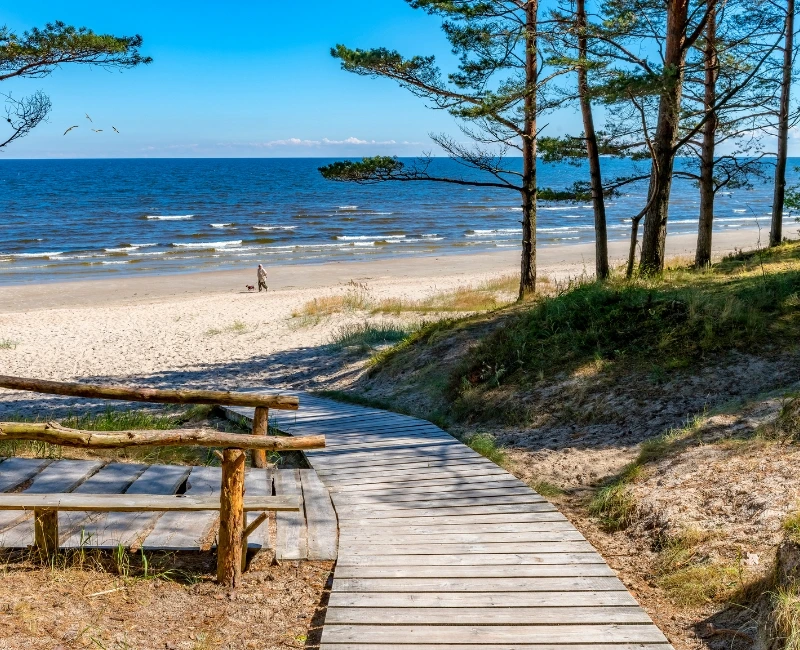
Just 25 kilometers west of Riga lies Jūrmala, Latvia’s premier seaside resort, where white‑sand beaches stretch for nearly 20 kilometers along the Gulf of Riga. A swift, comfortable train from Riga Central Station—departing every 15–30 minutes—delivers you to Majori, the resort’s bustling heart, in under an hour. From there, a network of local buses, taxis, and seasonal bike‑share stations makes traversing the town effortless.In summer, the sun‑drenched shores beckon beach lovers and wellness seekers alike. The sand’s fine quartz grains absorb heat during the day, warming natural spa muds beneath shallow waters. Many spa resorts and wellness centers capitalise on this heritage, offering treatments that incorporate mineral‑rich mud packs and mineral water baths imported from nearby springs. Yoga sessions on the beach at sunrise or sunset add a tranquil dimension; enquire at your hotel for drop‑in classes hosted on wooden decks overlooking the sea.Adventure enthusiasts can rent bicycles from kiosks near the station and follow dedicated cycling paths through pine forests and dunes. The Mežaparks–Jūrmala greenway connects you to lesser‑traveled beaches like Sloka and Bulduri, where solitude reigns. Kayak and stand‑up paddleboard rentals dot Majori’s promenade, while sailing excursions depart daily from Lielupe marina, letting you skim across the Gulf’s gentle waves.Cultural heritage infuses Jūrmala’s architecture. Stroll the promenade to admire wooden villas painted in pastel hues, each sporting carved balustrades and stained‑glass windows harking back to the town’s 19th‑century heyday as a royal vacation spot. Guided walking tours reveal hidden gems like the Dzintari Concert Hall, whose lattice‑work design frames both natural light and musical performances. During summer months, open‑air concerts and ballet performances occur on the outdoor stage nestled in pine groves.Gastronomy in Jūrmala reflects coastal freshness. Sample smoked fish platters at terrace cafés, slurp on sukaraks (cold borscht) under striped umbrellas, and sip craft beers brewed with local seaweed extracts for a hint of brine. Ice‑cream parlors tempt families with sorbets made from locally foraged berries.Autumn reveals a different allure: with crowds dispersed, the pine forests glow in shades of amber and gold. Spa packages focus on immune‑boosting therapies—sauna sessions followed by brisk sea dips. Winter transforms Jurmala into a meditative retreat; bundled‑up visitors tread the frosty sand, leaving footprints toward the horizon. Spa hotels stay open year‑round, offering cozy fireplaces and thermal pools overlooking the Baltic’s gray expanse.Whether you seek energetic outings or restorative calm, Jurmala’s seamless blend of nature, heritage, and wellness makes it an indispensable complement to Riga’s urban delights, a coastal gem that brings the best of Baltic seaside culture within easy reach.
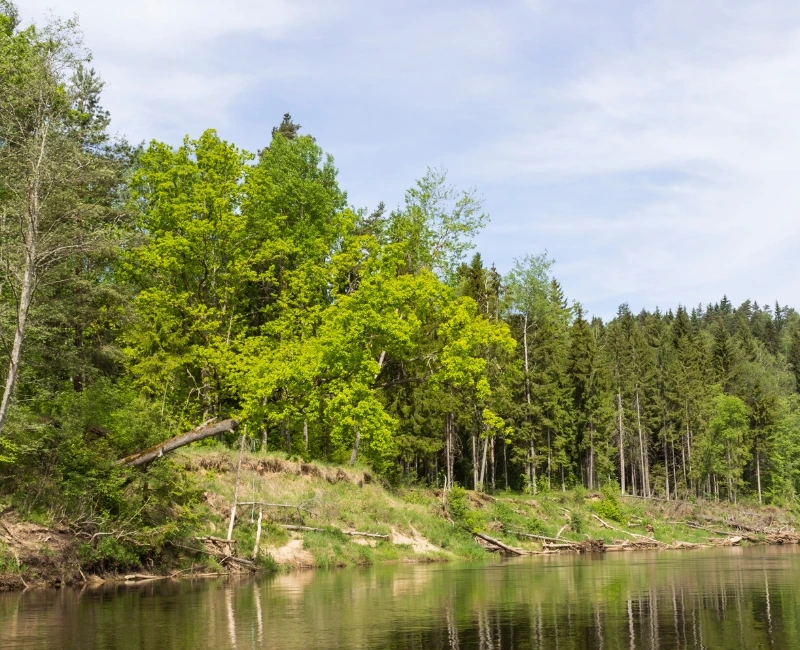
Just 50 kilometers northeast of Riga lies Gauja National Park, Latvia’s largest protected area, often dubbed the “Switzerland of Vidzeme.” Accessible via a direct train to Sigulda (about 1 hour) or through organized minibus tours, this landscape of winding river valleys, forested hills, and medieval strongholds invites travelers to escape the city for a full day of exploration.Begin your journey at Sigulda Castle ruins, perched above the Gauja River. Walk along wooden catwalks that hover above the cliffs, pausing at viewing platforms to photograph the river’s meanders and the ruins’ red‑brick silhouette against the greenery. From there, transfer to Turaida Castle, a beautifully restored 13th‑century fortress set amid verdant parkland. Climb its reconstructed watchtower for sweeping panoramas of fields, forests, and the meandering river below. Nearby, visit the Turaida Museum Reserve, where reconstructed village cottages display traditional Latvian crafts and folk costumes, and interpretive panels recount local legends, such as the tragic tale of the Rose of Turaida.Outdoor enthusiasts will find an extensive trail network that threads through the park’s varied ecosystems. The Gūtmaņala Cave, with its impressive sandstone walls and ancient inscriptions, makes for a short, family‑friendly hike. For a more vigorous outing, tackle the Ķeizarkrēsli Cliffs trail, which scales narrow stone steps carved into the rock face. Bird‑watchers should bring binoculars to spot hawks, woodpeckers, and, in spring, returning cranes along the riverbanks.In summer, the Gauja River invites canoe and kayak excursions, with local outfitters offering half‑day rentals complete with life jackets and route maps. Paddle through quiet stretches where only the dip of a paddle and the call of waterfowl break the silence. Thrill‑seekers can ride the Kārlis Ulmanis Bobsleigh and Luge Track, where wheeled sleds hurtle down a 1.5 km course at speeds up to 80 km/h—an adrenaline rush against a backdrop of towering pine trees.Autumn brings a riot of color as deciduous forests flare in orange, red, and gold. The Cēsis–Sigulda scenic route is renowned for leaf‑peeping, with roadside lookouts and hilltop chapels offering restful pauses. Winter transforms the park into a cross‑country skiing wonderland; groomed trails wind past snow‑capped castles and frozen river vistas, while ski-hire shops in Sigulda stock gear and offer instruction.Dining in the park centers on hearty Latvian fare. Rustic taverns near Sigulda station serve wild game stews, mushroom soups, and freshly baked rye bread. For a sweet finish, sample forest‑berry preserves and locally distilled herbal liqueurs.Whether you prefer history and myth, high‑octane adventure, or meditative communion with nature, Gauja National Park’s compact yet diverse offerings deliver an unforgettable contrast to Riga’s urban pulse—making it an essential day‑trip destination for nature lovers and culture seekers alike.
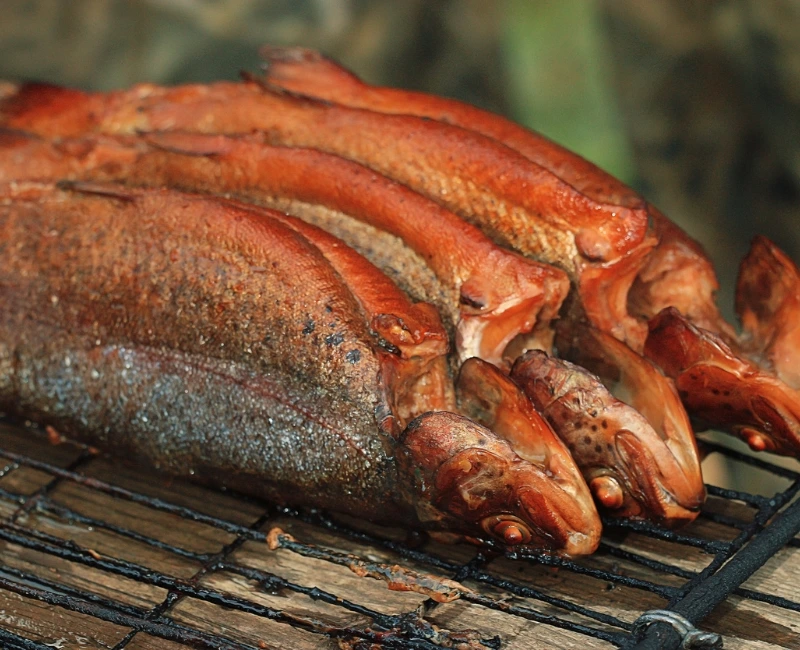
Riga’s gastronomic tapestry weaves together centuries‑old traditions, bounty from sea and forest, and a burgeoning movement toward farm‑to‑table innovation. Embark on this culinary odyssey beginning at Riga Central Market, one of Europe’s largest covered markets housed in repurposed Zeppelin hangars. Here, labyrinthine stalls overflow with seasonal berries, root vegetables, Baltic herring and sprats, artisan cheeses, and jars of honey sourced from Latvia’s vast pine forests. Engage vendors in conversation: they’ll gladly share tips for selecting the firmest grey peas or the creamiest curd.Motivated by market finds, many travelers book interactive cooking classes just steps away, where chefs guide participants in preparing iconic dishes. Learn to transform yellow peas and diced bacon into pelēkie zirņi ar speķi (grey peas with speck), or whip up a tangy bowl of aukstā zupa (cold beetroot soup) garnished with sour cream and fresh dill. Classes often include a walking tour to nearby specialty shops—opera‑hat‑shaped bread from a century‑old bakery, smoked mushrooms cured in salt from Kurzeme, and hand‑rolled rye crispbreads.Riga’s restaurant scene ranges from cozy family‑run taverns to Michelin‑inspired establishments. At a rustic restorāns, warm yourself with smoky skālenieks (sour turnip soup), shepherd’s cabbage rolls, or a creamy wild mushroom risotto crowned with pine‑needle oil. Meanwhile, avant-garde tasting menus in the Old Town interpret Latvian terroir: foraged chanterelles sing alongside sustainably caught pike, while black garlic aioli nods to the city’s openness to global flavors.No culinary journey is complete without sampling the craft beer revolution. Microbreweries like Labietis and Bauskas specialize in small‑batch brews—ones infused with spruce tips, nettles, or sea buckthorn—that echo Latvia’s woodland and coastal environments. Brewery tours include behind‑the‑scenes glimpses into copper fermenters and barrel-aging rooms, capped by tasting flights paired with smoked cheeses.For wine aficionados, boutique wine bars spotlight Baltic-grown grapes and natural wines from Eastern Europe, alongside classic varietals. Educated sommeliers curate flights illustrating how cold‑climate viticulture yields crisp whites and delicate reds.Street-food stalls at Riga’s weekend festivals showcase karbonāde (breaded pork cutlets), sklandrausis (carrot‑and-potato sweet pies), and rupjmaize sandwiches topped with smoked fish or pickled mushrooms. Seasonal events such as the Cēsis Strawberry Festival or the Mushroom Days in October celebrate local harvests, pairing live music with samplings of jam, kvass, and foraged fungi dishes.Finally, indulge your sweet tooth with Riga Black Balsam‑infused chocolates or sip this herbal bitter neat or in cocktails. Finish with cinnamon roll‑style riebiņi served warm with vanilla cream.This Latvian culinary journey, rooted in raw, local ingredients and elevated by creative chefs, invites travelers to taste the essence of Latvia—from market stalls and rustic kitchens to refined dining rooms—each bite a testament to cultural resilience and innovation.

Beyond its medieval walls, Riga pulses with contemporary creativity showcased in a vibrant museum landscape. Start at the Latvian National Museum of Art, an imposing neo‑Renaissance edifice housing over 52,000 works spanning the 18th century to the present. Wander permanent galleries featuring 19th‑century romantic landscapes, Latvian modernists of the interwar period, and Soviet‑era dissident art. Rotating exhibitions bring global perspectives, from German Expressionism to Japanese printmaking, ensuring repeat visits always yield fresh insights.For a poignant dive into 20th‑century history, visit the Museum of the Occupation of Latvia. Housed in a converted residential block, it narrates the Soviet and Nazi occupations through eyewitness testimonies, archival photographs, and personal artifacts—diaries, household items, letters—injecting a human dimension into geopolitical upheavals. Interactive displays offer multiple language tracks and encourage reflection on resilience and national identity.Contemporary art thrives at kim? Contemporary Art Centre, located in a post-industrial warehouse near the Daugava. kim?’s fluid program spans experimental installations, performance art, and site‑specific projects that challenge conventions. Open‑studio nights invite visitors to meet emerging artists and engage directly in multimedia workshops.Photographic art aficionados should stop by the Riga Photography Biennial venues, which rotate among galleries city‑wide every two years. In intervening seasons, the Mākslas Kamera showcases Eastern European photography, from Soviet photojournalism archives to avant‑garde digital narratives.Design and applied arts find a home at the Museum of Decorative Arts and Design, where exhibitions trace furniture evolution, textile traditions, and industrial design innovations. Its permanent collection includes fine examples of 1930s functionalist pieces and contemporary student prototypes, illustrating Latvia’s design lineage.Riga’s scientific curiosity sparkles at the Zinoo Centre, a hands‑on science museum for families. Interactive stations cover physics, robotics, and environmental science, making it a dynamic complement to more traditional venues.Throughout the year, Riga’s Art Night (March) and Staro Rīga light festival (November) activate museums and urban spaces—museums open late free of charge, streets glow with projections, and public installations encourage communal exploration after dark.Performance art and theater flourish at Dirty Deal Teatro, an avant‑garde theater space supporting new Latvian playwrights and immersive productions, while classical concerts at the Great Guild Concert Hall echo the city’s musical heritage.Whether drawn to fine art, cutting‑edge installations, or participatory science, Riga’s modern museums and cultural centers bridge heritage and innovation. With accessible ticket prices, English‑language guides, and centrally located venues, these institutions offer enriching opportunities for travelers to engage with Latvia’s creative pulse and evolving identity..
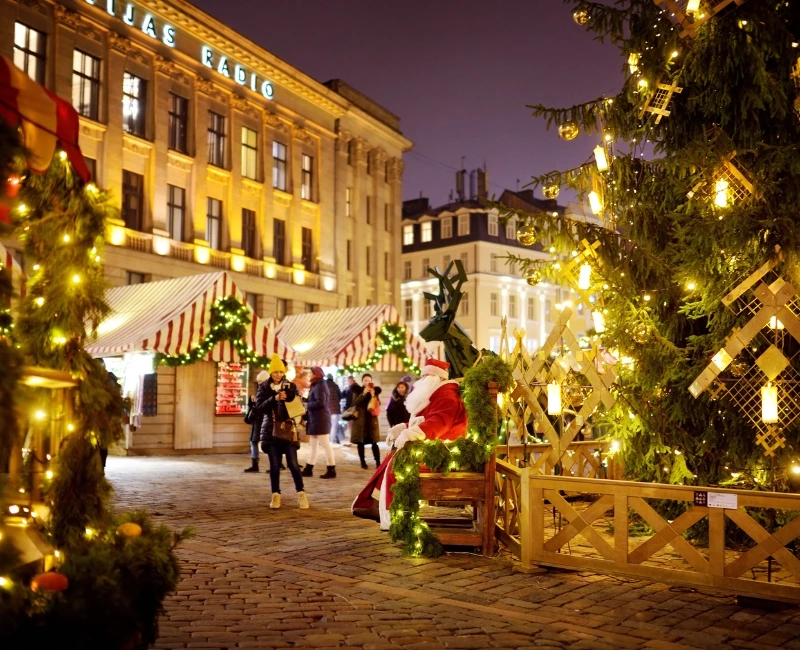
Riga’s calendar brims with festivals and a multifaceted nightlife that pulsates year‑round. As spring warms the city, the Riga Opera Festival invites audiences into the grand Riga Latvian National Opera House, offering world‑class productions of classical and contemporary operas. Concurrently, Riga Jurmala Music Festival brings symphony orchestras and chamber ensembles to historic venues, from baroque churches to open‑air stages.With midsummer’s Jāņi (St. John’s Eve), Riga erupts in bonfires, folk singing, and dance. Locals and visitors gather in parks like Mežaparks to weave flower crowns, feast on Jāņu cheese and beer, and honor ancient solstice traditions passed down through generations. The city’s Summer Stage series transforms outdoor amphitheaters into hubs of free concerts, featuring jazz, world music, and electronic sets as daylight lingers into the night.In August, the Riga City Festival takes over the Old Town with street parades, medieval reenactments, street-food markets, and craft stalls. At sunset, rooftop parties on buildings like the National Library sky terraces offer cocktails over panoramic vistas, while boat parties on the Daugava host DJs spinning techno and house for dancing under the stars.Autumn’s Staro Rīga Light Festival bathes streets, squares, and facades in dazzling projections and installations, guiding visitors on illuminated walking tours after dark. Simultaneously, the Riga International Film Festival screens regional and global films across cinemas and historic rooms, often accompanied by director Q&As and panel discussions.As temperatures drop, Riga’s nightlife shifts from open‑air to snug indoor venues. Trendy craft beer bars like Labietis Alus Bode showcase rotating taps of locally brewed ales infused with Latvian foraged ingredients. Wine aficionados gather at Vīna Studija, sampling natural Eastern European vintages. Cocktail lounges such as Barons Restorāns experiment with house‑made bitters and Baltic herb infusions.Music venues cater to every taste. Piens and One One book emerging indie bands and electronic acts; Kaņepes Kultūras Centrs, in a repurposed hemp storage hall, hosts underground experimental performances and immersive art shows. Classical concerts and chamber recitals return in intimate settings like St. Peter’s Church, where acoustics elevate choral works.Late-night café culture persists with bakeries like Mārtiņa Rītiņa Pekdārzs open until early hours, serving coffee and sweet pastries for after‑party crowds. For travelers seeking local insight, curated pub crawls and festival tours led by knowledgeable guides unveil hidden speakeasies and underground event spaces, ensuring authentic, non‑touristy experiences.Riga’s festival and nightlife scene weaves tradition with innovation: from ancient solstice rites to contemporary beats, each season brings fresh rhythms. Whether dancing under bonfire sparks or sipping craft cocktails in vaulted cellars, visitors discover a city that celebrates life, culture, and community long after the sun sets.
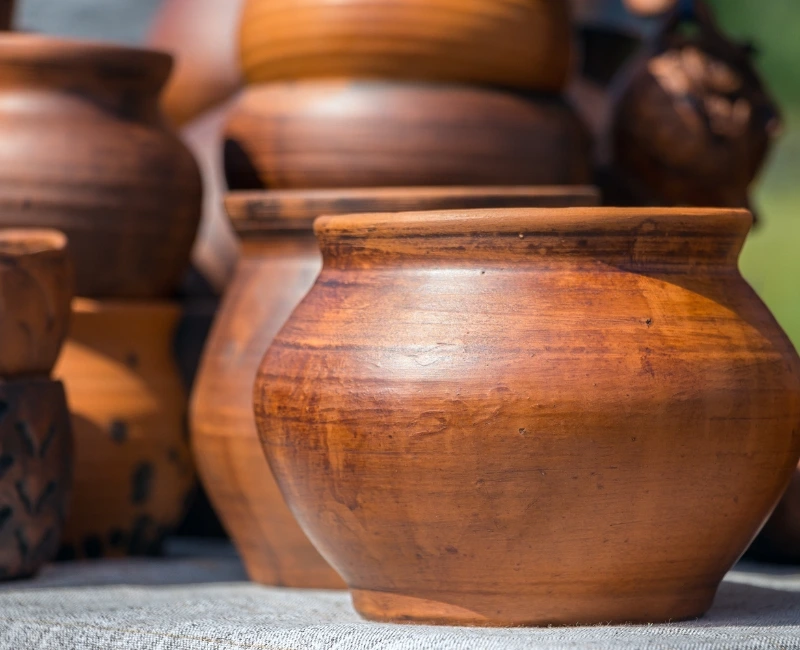
Riga’s retail landscape merges modern boutiques, sprawling malls, and markets teeming with Latvian craftsmanship, offering an immersive shopping experience that goes beyond souvenirs. Start your day at the Central Market, Europe’s largest covered market, housed in five former Zeppelin hangars. Navigate the bustling stalls to sample smoked fish, jars of wild‑berry preserves, wheels of rye and kumoss bread, and trays of fresh forest mushrooms. Vendors are often eager to share serving suggestions—try salting your own jar of lingonberries or pairing dark rye with local cheese.For handcrafted treasures, explore the Kalnciema Quarter every Saturday from May to October. This collection of historic wooden buildings hosts an open‑air market showcasing knitted sweaters in traditional patterns, hand‑woven woolen blankets, amber jewelry polished by local artisans, and ceramics glazed in Baltic sea hues. Family‑run workshops demonstrate weaving, wood carving, and leatherworking: you can try your hand at spinning wool or carving a small wooden spoon under expert guidance.In the historic center, Pink Panther Concept Store and MIIT Studio stock avant‑garde Latvian fashion labels, blending minimalist design with folk‑inspired embroidery. Home décor aficionados should visit Home & Cook Gallery, which features handcrafted glassware and tableware from Vidzeme glassblowers, alongside kitchen tools carved from Latvian oak.For a comprehensive browse of Latvian design, head to Galerija Centrs, a multi‑story shopping center anchored in 19th‑century arcades on Kaļķu iela. Here, local jewelry designers share space with Scandinavian and Japanese brands, allowing side‑by‑side comparison of minimalist and ethnic‑inspired aesthetics. On the top floor, a café overlooks Dome Square—a perfect spot to rest, reflect on purchases, and plan afternoon explorations.Don’t miss Riga Galleria and Stockmann for a blend of international labels and curated local lines. Both malls offer tourism‑friendly perks such as tax‑free shopping desks and multilingual staff.For interactive experiences, book a glass‑blowing workshop at Vetrova Studio, where you shape molten glass into ornaments under the tutelage of a master. Alternatively, a textile studio invites participants to weave decorative bands or knit traditional mittens—unique keepsakes imbued with personal effort.Seasonal fairs expand your options. At Ziemassvētku tirdziņš (Christmas market) in December, wooden chalets brim with gingerbread, pot‑belly stoves wafting cinnamon, and artisans selling woolen hats and handmade candles. Midsummer markets offer fresh greenery wreaths and handcrafted birch‑bark baskets.By weaving together market stalls, concept stores, and hands‑on studios, Riga’s shopping scene becomes a cultural immersion. Each purchase—be it a polished amber pendant, a hand‑woven scarf, or a glass ornament—carries the essence of Latvian tradition and creativity, ensuring you leave with both memories and meaningful artifacts of your Baltic journey.
No ads. No trails. No commitments


Alice Roses
London, England
51 ST MATTHIAS ROAD
NOTTINGHAM, NOTTINGHAMSHIRE
NG3 2HF
Hours: 8:00 - 17:00, Mon - Sat
support@johnsonholidays.com