 Brescia Travel
Guide
Brescia Travel
Guide
Paris is known around the world as the “capital of love,” and even if you don't understand the history of Paris at all

2.5 Hours
£4
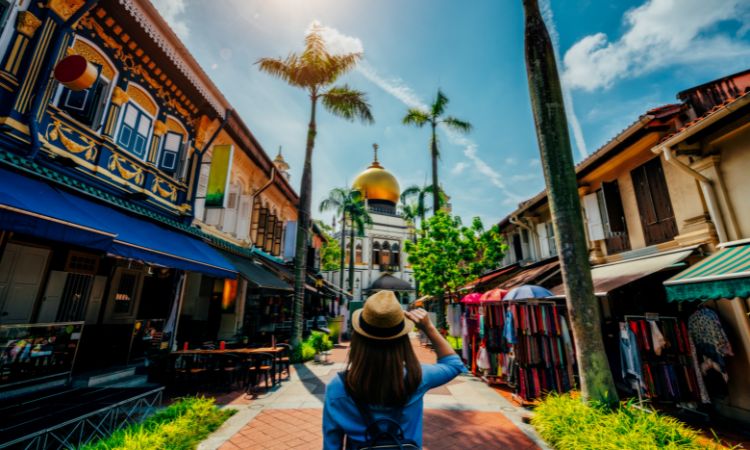
Brescia’s history spans millennia, from prehistoric settlements to Roman rule, medieval power struggles, and Renaissance flourishings. Booking a stay here means immersing yourself in a living timeline: explore Roman forums and theaters, wander through the UNESCO-listed Santa Giulia complex with its monastic architecture and museum collections, and ascend Cidneo Hill to tour the medieval castle’s ramparts. Each corner reveals another chapter, inviting history enthusiasts and curious travelers to connect deeply with Lombardy’s past. By choosing Brescia, you opt for a destination where layers of heritage are tangible, offering educational and memorable experiences beyond typical tourist itineraries.
Learn More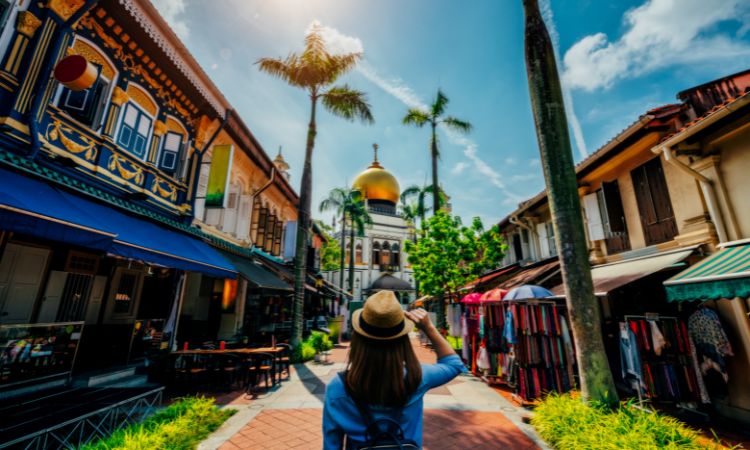
Positioned near southern Lake Garda and the rolling hills of Franciacorta, Brescia serves as an ideal base for nature lovers and outdoor adventurers. A short drive or train ride delivers you to lakeside villages with opportunities for boating, sunbathing, or lakeside walks. Wine aficionados can explore vineyards producing prestigious Franciacorta sparkling wines, pairing cellar visits with tastings of local cheeses and cured meats. Hikers and cyclists find trails weaving through olive groves and vineyards, offering panoramic vistas of the Lombardy landscape. Booking in Brescia means combining urban exploration with effortless access to scenic day trips, allowing you to balance cultural immersion with invigorating natural adventures.
Learn More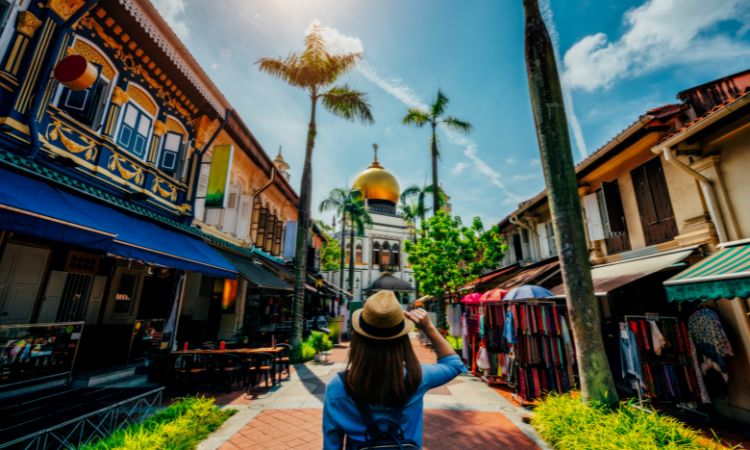
Brescia’s culinary scene reflects Lombardy’s hearty and refined traditions. Delight in casoncelli—handmade stuffed pasta—drizzled with butter and sage; savor polenta taragna alongside tender meats; or enjoy risotto prepared with local cheeses. Local bakeries tempt with spongarda and other regional pastries, while cafés invite you to linger over espresso or aperitivo. Markets brim with seasonal produce—fresh fruits, vegetables, cheeses like Bagòss, and cured meats—enabling self-curated tasting experiences. By booking in Brescia, food lovers engage with authentic flavors, family-run trattorias, and enogastronomic tours in Franciacorta, ensuring every meal tells a story of place and tradition.
Learn More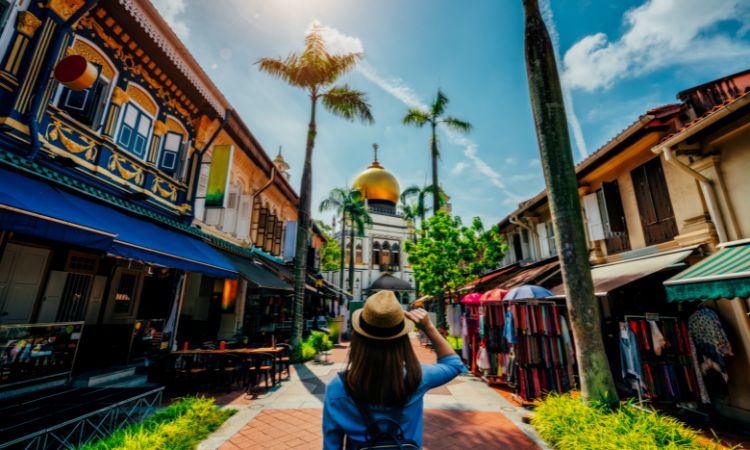
Despite being less frequented by mass tourism, Brescia boasts a lively cultural calendar. Theaters host opera, concerts, and drama; galleries exhibit both classic and cutting-edge art; and open-air events enliven squares in warmer months. Festivals range from music series to historical reenactments, offering opportunities to join local celebrations. Street art appears in surprising alleys, reflecting contemporary voices. Booking here places you at the center of evolving cultural expression, letting you experience genuine local life rather than staged performances. Engaging with Brescia’s creative community yields rewarding encounters and fresh perspectives on Lombardy’s artistic heartbeat.
Learn More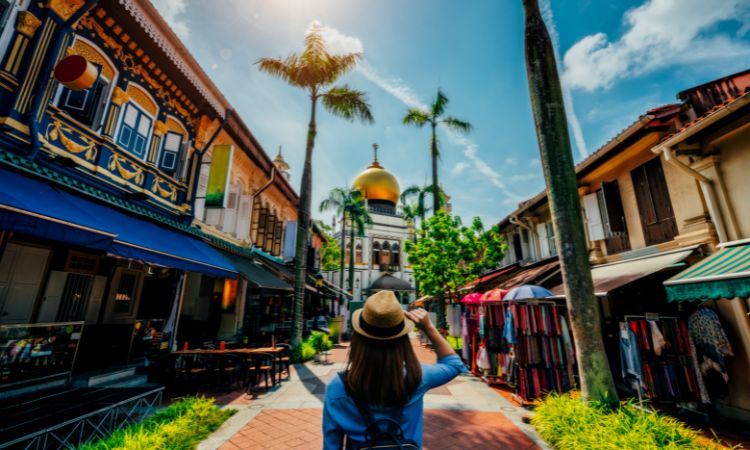
Compared to major Italian hubs, Brescia offers competitive accommodation rates without compromising quality. A variety of options—from boutique hotels housed in restored palazzi to modern properties with spa facilities—caters to diverse budgets. Dining and activities also tend to be more affordable, enabling longer stays or splurges on unique experiences like vineyard tours or guided historical walks. Booking in Brescia ensures you can enjoy Italian hospitality comfortably, allocate more budget to personalized experiences, and avoid crowds prevalent in busier destinations. The balance of cost-effectiveness and quality makes Brescia a savvy choice for discerning travelers.
Learn More
Brescia benefits from efficient transport connections. The central train station links to Milan, Verona, Venice, and beyond, facilitating regional exploration. Nearby airports—Bergamo (BGY), Verona (VRN), Milan Linate (LIN), Milan Malpensa (MXP)—are accessible by shuttle or train, making international travel straightforward. Within the city, buses and trams serve key neighborhoods and attractions. Car rentals and guided tours offer flexibility for countryside excursions. By booking in Brescia, you position yourself at a crossroads of Lombardy, enabling seamless travel logistics and maximizing time spent discovering the region rather than navigating complex routes.
Learn More
Lorem ipsum dolor, sit amet consectetur adipisicing elit. At illo adipisci iusto
From

Because more than 268 other customers have loved us too

Demonstrates commitment to user data security through encryption and secure payment practices
Learn More
Demonstrates commitment to user data security through encryption and secure payment practices
Learn More
Demonstrates commitment to user data security through encryption and secure payment practices
Learn More
Demonstrates commitment to user data security through encryption and secure payment practices
Learn More
Quality as judged by customers. Book at the ideal price!


/ person
/ person
/ person
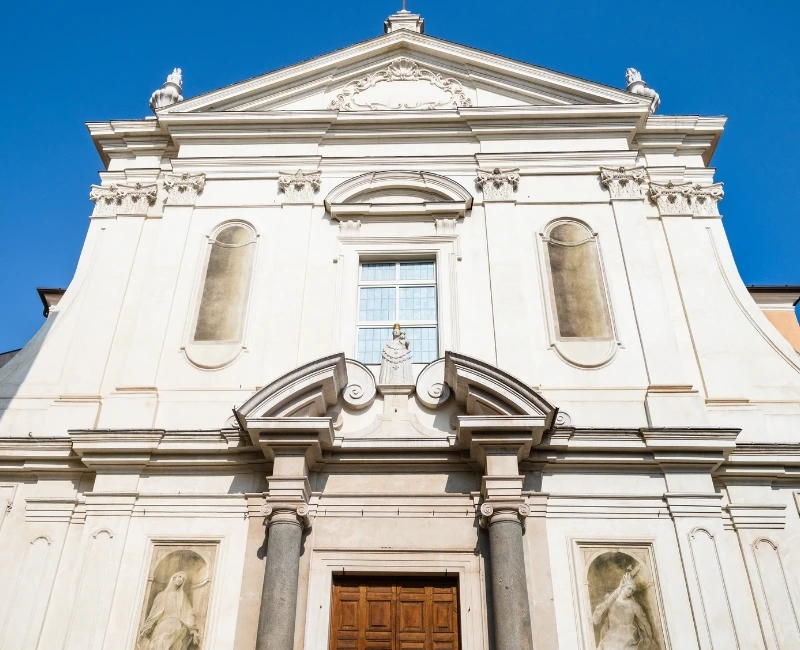
Brescia’s past unfolds in layers beneath its modern façade, inviting history enthusiasts to journey through time. Begin your exploration at the Santa Giulia complex, a UNESCO World Heritage site and former Benedictine monastery whose cloisters and chapels preserve architectural elements from Lombard, Romanesque, and Renaissance periods. As you wander through its museum halls, intricate mosaics, sculptural fragments, and everyday artifacts illuminate life in northern Italy from antiquity through the medieval era. Just a short walk away lies the Roman Capitolium and theater, where weathered columns and foundations evoke the city’s significance as a thriving provincial hub during the Roman Republic and Empire. Interpretive panels guide you through the evolution of urban planning, local commerce, and civic life among its ancient inhabitants.For a shift in vantage point, ascend to Brescia Castle atop Cidneo Hill, where medieval stone walls once witnessed dynastic power struggles. Today, its atmospheric chambers host exhibitions on arms and armor, while the battlements afford sweeping panoramas of terracotta rooftops and the distant Alps. Hidden courtyards and former prison cells recall dramatic episodes of siege and rebellion, and guided tours bring to life the strategic importance of Brescia within Lombardy’s political tapestry.Back in the historic center, the juxtaposition of Duomo Vecchio and Duomo Nuovo side by side embodies architectural evolution: the former’s austere Romanesque form gives way to the Baroque exuberance of its neighbor. Nearby, Piazza della Loggia—with its elegant clock tower and arcaded porticoes—serves as a testament to Renaissance civic pride. Inside these sacred and civic spaces, frescoed ceilings, marble altarpieces, and sculpted tombs speak of patronage and devotion across centuries.For deeper insight, join a specialized walking tour led by local historians, who share colorful anecdotes of medieval guilds, Renaissance nobility, and pivotal events such as the Venetian siege. Discover hidden passages linking palazzi, ancient wells tucked behind discreet doorways, and roadside plaques marking bygone market stalls. The Brescia City Museum offers thematic exhibitions—from illuminated medieval manuscripts to weaponry of the Lombard period—contextualizing daily life across epochs.Evenings in Brescia often bring cultural events in historic settings: medieval festivals revive period costumes and crafts, while concerts in castle courtyards blend ancient acoustics with modern artistry. Interactive archaeology workshops engage younger visitors in hands‑on learning, and panoramic views from early‑morning strolls or after‑dusk illuminations frame the city’s enduring spirit. Throughout your journey, local guides illuminate preservation efforts balancing contemporary development with heritage stewardship, ensuring that each stone, each artifact, and each legend resonates with the living tapestry of Lombardy’s history.
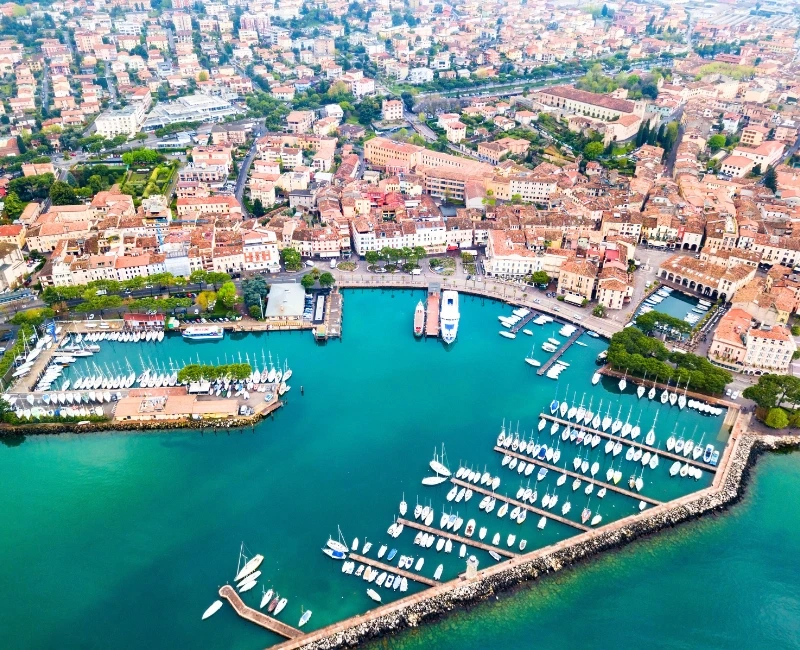
A short journey from Brescia leads to the tranquil shores of southern Lake Garda, where sapphire waters lap against charming lakeside towns nestled beneath gentle hills. Begin in Desenzano del Garda, a vibrant hub featuring a historic center, bustling marina, and animated promenades. Early risers can watch fishermen haul in their catch while savoring cappuccinos overlooking the pier. The town’s Roman villa ruins and adjacent archaeological museum reveal glimpses of lakeside life during antiquity, while waterfront cafés beckon with lakeside aperitifs and gelato.From Desenzano, catch a ferry to Sirmione, a slender peninsula crowned by its medieval Scaliger castle, whose crenellated towers emerge directly from the water. Within its walls, narrow lanes wind past artisan shops and gelaterias, inviting leisurely exploration. The Roman Grottoes of Catullus nearby present the ruins of an extensive villa overlooking the lake; interpretive panels and guided tours illuminate the site’s rich history. After wandering the sun-soaked piazzas, indulge in Sirmione’s famed thermal springs—spa complexes where mineral-rich waters have soothed visitors since Roman times.Further along the shore, the fortified town of Peschiera del Garda enchants with its star‑shaped walls and harbor dotted with fishing boats. Lazise, with its pastel façades and lively waterfront cafes, offers photogenic vistas and gentle swimming beaches. Active travelers can rent bikes to follow the lakeside cycle path, which threads through olive groves and vineyards before veering into woodland. Kayaking and paddleboarding are popular ways to experience the mirrored surface of the lake, framed by distant mountain silhouettes.Nature reserves along the southern shore, such as the protected wetlands near Lonato, provide habitat for migratory birds; guided birdwatching tours reveal herons, kingfishers, and reed warblers amid tranquil reed beds. A picnic lunch on grassy banks—featuring local cheeses, crusty bread, and Franciacorta sparkling wine—offers a restful interlude. Families appreciate lakeside parks with gentle beaches and playgrounds, while windsurfing and sailing schools cater to thrill‑seekers of all ages.As dusk falls, a sunset boat cruise paints the water in hues of copper and rose, offering a romantic conclusion before you return to Brescia’s lively dining scene. Combining urban charm with natural serenity, this day trip to southern Lake Garda showcases Lombardy’s diverse appeal—each lakeside village reflecting centuries of maritime tradition, architectural splendor, and pastoral beauty.
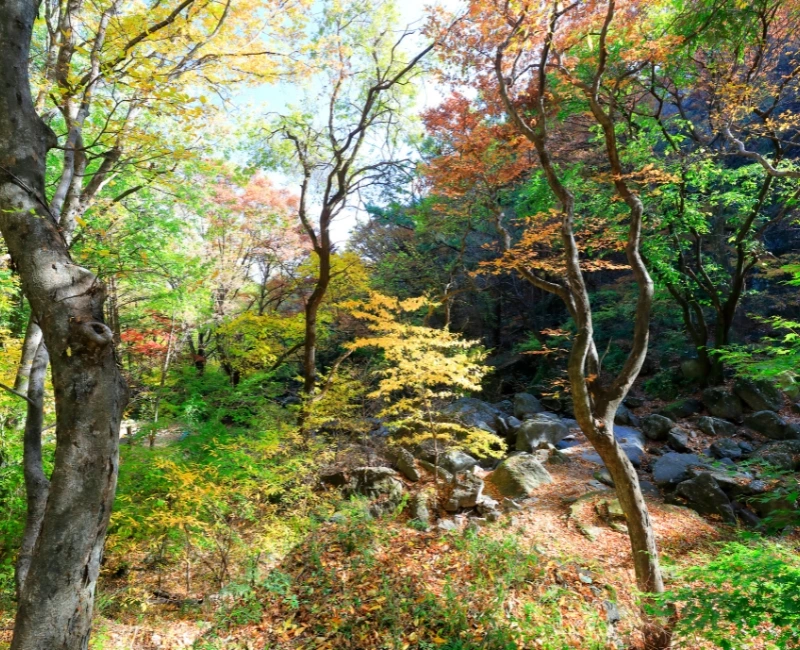
Franciacorta, globally celebrated for its sparkling wines, also unveils lush hills crisscrossed with trails perfect for hiking and cycling. From Brescia, rolling country roads lead past vineyards, olive groves, and rustic farmhouses. Cyclists can choose routes tailored to their abilities: gentle loops winding between wineries for casual riders, or more challenging ascents ascending to hilltop vistas offering panoramic views of Lake Iseo and the distant Alps. Local bike‑rental shops in Brescia and nearby villages provide high‑quality equipment, GPS‑enabled route maps, and suggestions for lesser‑known backroads. Guided cycling tours combine physical exertion with enogastronomic stops, pausing at family‑run cantinas to sample Franciacorta bubbles alongside artisan cheeses.Hikers discover a mosaic of marked trails snaking through shaded woodlands, past open fields blanketed in wildflowers, and up to medieval hermitages perched on ridgelines. Dawn treks deliver ethereal mist drifting across vineyards; autumn hikes glow with golden foliage. Along the way, small chapels and centuries‑old stone walls proclaim the region’s spiritual and agrarian heritage. Guided nature walks led by local naturalists shed light on endemic flora, from fragrant rosemary shrubs to rare orchids, and on fauna such as kestrels, songbirds, and the occasional roe deer.After exertion comes reward in the form of cellar visits. Many wineries in Franciacorta invite post‑hike tastings in elegant tasting rooms. Here, expert sommeliers guide guests through a flight of traditional-method sparkling wines—Franciacorta Brut, Satèn, or rosé—highlighting nuanced aromas of brioche, citrus, and mineral notes. Pair these with freshly made focaccia, locally cured salumi, and aged Bagòss cheese while seated on vine‑lined terraces overlooking endless rows of grapevines.For immersive seasonal experiences, visit during harvest season (August–September) to participate in grape‑picking alongside vineyard crews, learning time‑honored techniques for determining ripeness. Post‑harvest months offer insight into winemaking processes shaping the next vintage, from pressing grapes to the art of blending cuvées.Photography enthusiasts find endless inspiration: early‑morning light filtering through vine leaves, geometric vineyard patterns captured from drone altitudes (where permitted), and sunset backdrops casting long shadows across undulating terrain. Agriturismi—farm stays—offer rustic accommodations and farm‑to‑table breakfasts featuring homemade jams, fresh breads, and local honey, setting the tone for multi‑day exploration.Safety and comfort are paramount: sturdy footwear for footpaths, helmets for cyclists, adequate water and snacks, and weather‑appropriate layers. With moderated exertion and gastronomic interludes, hiking and cycling in Franciacorta blend scenic beauty, physical activity, and culinary delight—an unforgettable ode to Lombardy’s countryside.
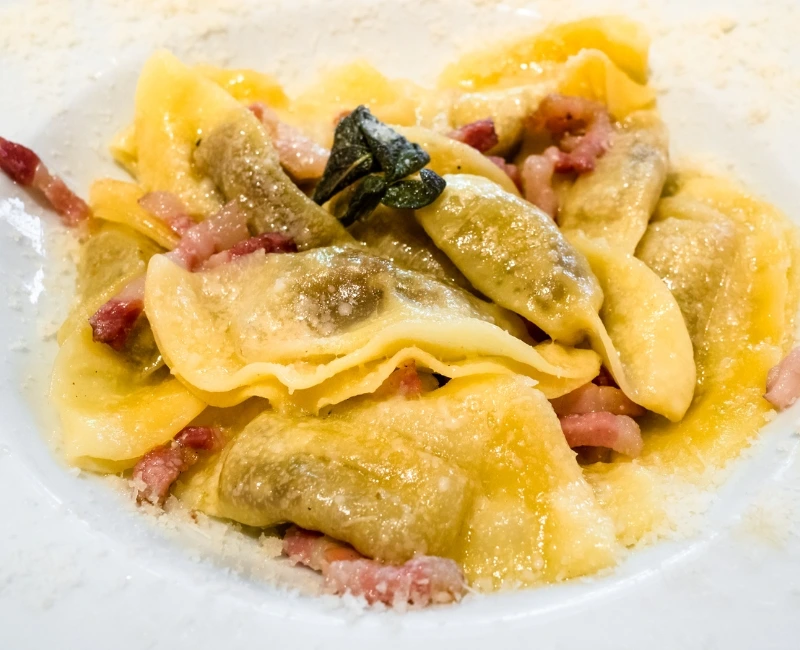
Brescia’s culinary landscape marries Lombardy’s hearty heritage with refined modern sensibilities, offering unforgettable gastronomic journeys. Begin at the Mercato di Brescia, where colorful stalls overflow with seasonal fruits, pungent cheeses like Bagòss, artisan salumi, and loaves of freshly baked pane casereccio. Chat with stallholders to learn the nuances of olive-oil varieties, the ideal ripeness for cherry tomatoes, or the subtle flavor differences between local mushrooms. Fill a basket with picnic staples or join a cooking class that begins with market visits and culminates in hands‑on preparation of regional favorites.No visit is complete without tasting casoncelli alla bresciana, delicate pasta pockets filled with a savory blend of meats, breadcrumbs, and herbs, finished tableside with melted butter, sage, and crunchy pancetta bits. Equally comforting is polenta taragna, a creamy porridge of buckwheat and cornmeal, traditionally served with melted local cheeses or a rich ragù of game. Seasonal risottos—spring asparagus, autumn porcini—showcase locally grown rice at its finest.For meat aficionados, trattorias specialize in slow‑braised beef in red wine, tender pork cuts marinated in garlic and rosemary, and regional venison or wild boar dishes during fall. Vegetarian and vegan options abound, with chefs crafting risottos enriched by foraged greens, stuffed zucchini flowers, and rustic farro stews.Sweet endings might include spongarda, a spiced honey cake dating back to medieval times, or fresh pastries from pasticcerie carrying on centuries‑old recipes. Pair desserts with an espresso or a glass of dessert wine from nearby winegrowers.Wine pairing is integral: Franciacorta sparkling wines—blanc de blancs or rosé—offer elegant acidity that complements rich dishes, while still whites and robust reds express the region’s terroir. Enotecas and wine bars in Brescia curate flights from leading and boutique producers, often alongside curated cheese and charcuterie boards.Contemporary chefs reinterpret tradition through tasting menus that spotlight hyper‑local ingredients—wild herbs, orchard fruits, and river fish—presented with minimalist plating. Reservations at these innovative venues are recommended well in advance.Casual street‑food culture thrives at neighborhood panini shops and gelaterias, where fragrant brioche meets creamy gelato infused with local honey or seasonal berries. Seasonal food festivals—olive-oil fairs in autumn, cheese markets in late spring—invite communal feasts under open skies, featuring cooking demos and tastings.Hands‑on cooking workshops let you roll your own pasta, fold the perfect tortelli, and master the art of polenta consistency, all guided by local experts. Take home recipes, culinary techniques, and a deeper appreciation for Brescia’s gastronomic soul.Whether indulging in multi‑course feasts or discovering hidden gems at bustling markets, savoring Brescia’s culinary traditions immerses you in Lombardy’s rich flavors and warm hospitality—each meal a celebration of place, history, and innovation.
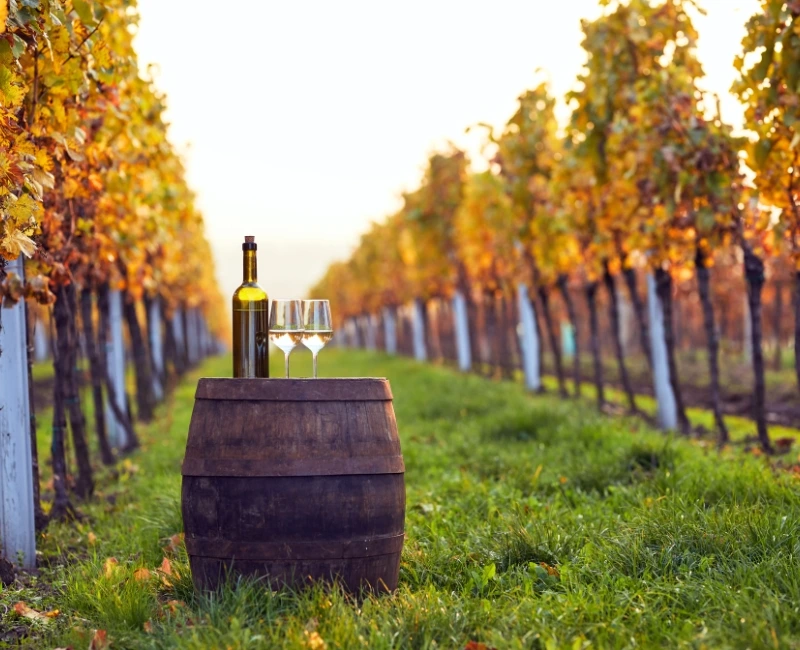
The rolling hills of Franciacorta, just a short drive from Brescia, are home to Italy’s premier méthode traditionnelle sparkling wines—Franciacorta. Here, vineyards sweep over gently sloping terraces where Chardonnay, Pinot Nero, and Pinot Bianco vines thrive in glacial moraine soils. Your tasting journey begins in radiant sunshine among vine rows, guided by vintners who explain sustainable vineyard practices, grape physiology, and the art of selecting fruit at peak ripeness.Descending into cool, historic cellars, you witness riddling racks lined with bottles aging on lees, and learn how yeast contact imparts complexity and fine mousse to each cuvée. Expert sommeliers walk you through disgorgement and dosage methods, revealing how subtle adjustments yield classic brut, elegant Satèn, or expressive rosé. In tasting rooms opening onto panoramic terraces, sample signature bubbles punctuated by aromas of green apple, toasted brioche, and gentle minerality. Each glass is accompanied by carefully chosen pairings—locally aged Bagòss cheese, cured speck, and olive‑oil‑drizzled focaccia—demonstrating how acidity and effervescence harmonize with savory flavors.Beyond the famed bubbly, explore still Franciacorta wines: crisp, aromatic whites that capture the terroir’s freshness, and structured reds expressing grape character and regional identity. Smaller boutique producers may offer limited‑edition single‑vineyard releases or experimental barrel‑fermented cuvées. Some estates embrace biodynamic viticulture, enhancing soil health and biodiversity, which you observe firsthand during vineyard walks.To maximize your experience, book a Franciacorta wine tour departing from Brescia. These full‑day excursions include transportation, cellar visits at multiple estates, and a gourmet lunch at an agriturismo, where farm‑to‑table menus showcase seasonal vegetables, homemade pastas, and locally raised meats. Seasonal timing enriches the visit: harvest in late summer invites participation in grape picking, while autumn’s post‑harvest period reveals vinification and blending in action.Photography enthusiasts capture vine patterns glowing in early morning light, and drone shots (where permitted) reveal mosaic‑like vineyard layouts. For deeper immersion, stay overnight in a vineyard guesthouse, waking to breakfast buffets of homemade jams, artisanal breads, and fresh eggs—fuel for a sunrise stroll through dew-kissed vines.Advance reservations are essential during high season (May–September) to secure coveted tasting slots. Many wineries offer shipping services for international travelers, ensuring your Franciacorta discoveries arrive home ready for celebration. Whether you savor bubbles by the glass or partake in hands‑on harvest activities, Franciacorta’s wine tasting experiences blend scenic beauty, oenological education, and gastronomic delight—memorable toasts to Lombardy’s sparkling crown.
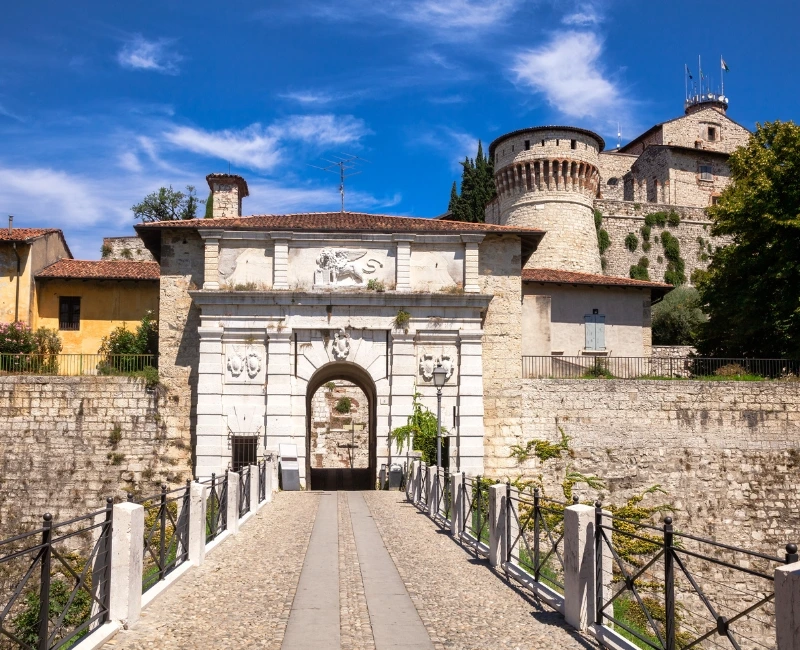
Brescia’s event calendar pulses with community spirit, marrying centuries‑old traditions to contemporary cultural innovation. As spring unfurls, flower festivals in the botanical gardens celebrate blossoming magnolias and tulips with guided walks and floral art workshops. Easter brings processions through historic piazzas, while Piace di Primavera transforms castle courtyards into open‑air stages for classical concerts under starry skies.Summer intensifies the cultural beat: the towering walls of Brescia Castle host jazz ensembles and chamber‑music recitals, where candlelit performances evoke medieval ambiance. Festival delle Luci bathes Duomo Vecchio and Piazza Paolo VI in dynamic light projections, turning ancient stones into living canvases. Medieval festivals revive chivalric tournaments and artisan markets: costumed participants demonstrate blacksmithing, weaving, and falconry, while travelers roam alongside knights and troubadours.In late spring and early autumn, gastronomic celebrations highlight local bounty. The Fiera dell’Olio offers olive-oil tastings from around the province, and chestnut festivals in foothill villages lure families with roasted nuts, polenta tastings, and folk music. Cheese fairs in rural towns present aging cellars and farm‑stead dairy tours. These food events are lively communal tables where strangers become friends over shared plates.Art and design take center stage during Brescia Arte, a biennial showcase of contemporary artists in galleries and public spaces; adjacent craft markets feature jewelry, ceramics, and textiles. Interactive workshops—pottery, printmaking, mosaic art—allow visitors to create keepsakes under expert guidance. Street art festivals enliven city blocks as graffiti artists paint vibrant murals reflecting social themes, environmental messages, and local legends.Winter ushers in the Christmas Market, where wooden chalets cluster in piazzas, selling handcrafted ornaments, seasonal sweets, and warm vin brulé. Nativity scenes in basilicas add to the festive spirit, while choirs perform carols beneath medieval arcades. Valentine’s Day sees romantic lantern tours at the castle, and Carnival parades color the streets with masquerade and music.Sports and wellness events—fun runs, cycling marathons through Franciacorta vineyards, and yoga in Roman amphitheaters—encourage active engagement. Film festivals, theater seasons, and literary weeks round out the calendar, drawing international guests to intimate cinemas and historic theaters.To make the most of Brescia’s festival season, check municipal event listings and book accommodations early. Whether you dance at a summer soirée in castle grounds, sip olive-oil tastings under autumn trees, or witness ancient rituals revived in costumed pageantry, Brescia’s festivals and cultural events offer deeply immersive experiences that weave past and present into unforgettable moments..
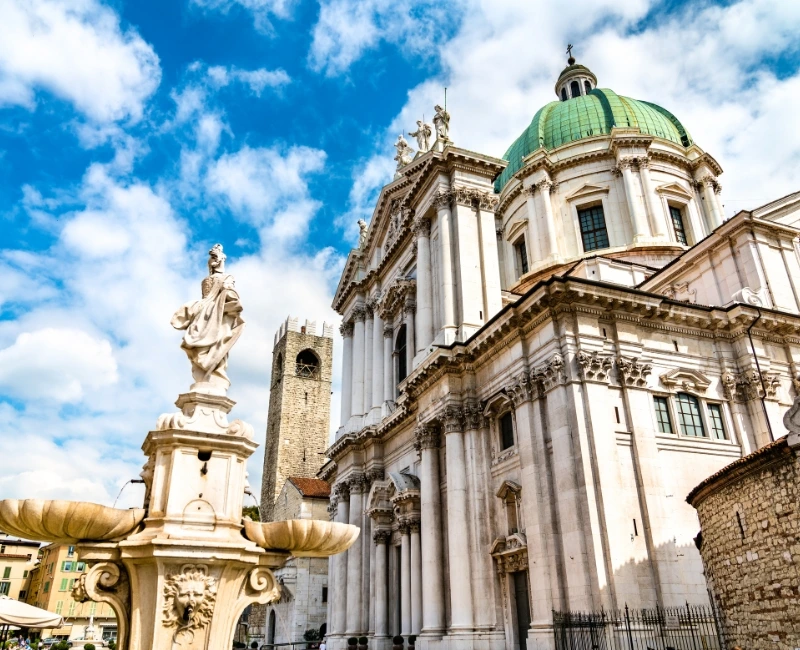
Brescia’s strategic location in Lombardy makes it an excellent hub for captivating day trips across northern Italy’s varied landscapes. To the east, Verona—just a 40‑minute train ride away—welcomes visitors with its grand Roman Arena, where summer opera performances echo through the ancient amphitheater, and Juliet’s balcony attracts literary romantics to its narrow cobbled streets. Return to Brescia by evening, balancing Verona’s bustle with your home base’s tranquil charm.Westward, high‑speed trains whisk you to Milan in under an hour. From the Gothic spires of the Duomo to the fashion boutiques of the Galleria Vittorio Emanuele II, Italy’s economic capital delivers world‑class art at Santa Maria delle Grazie (The Last Supper) and trendy aperitivo scenes. Despite the metropolis’s frenetic pace, an evening return to Brescia feels like a homecoming.Closer to home, Iseo on Lake Iseo offers serene waters and Monte Isola, Europe’s largest lake island. A short ferry ride transports you to villages where every street is framed by vineyard-clad slopes. Rent a bike to circumnavigate the island’s perimeter, pausing at panoramic overlooks for views of mirror-like waters.Along the southern shores of Lake Garda, Sirmione’s medieval fortress and thermal spas provide relaxation, while Desenzano del Garda and Lazise enchant with pastel façades and lively marinas. In Franciacorta, villages such as Erbusco and Corte Franca beckon with winery tours and wine-tasting lunches, pairing sparkling bubbles with gourmet farm-to-table fare.Medieval castles dot the countryside: Rocca di Sirmione stands sentinel above the lake, while Castello di Moniga offers vineyard views and cultural exhibits. For nature lovers, guided hikes in Parco Adamello Brenta reveal alpine peaks, wildflower meadows, and wildlife such as chamois and golden eagles. Closer to Brescia, Parco delle Colline Bresciane features rolling hills, cycling paths, and agriturismi serving hearty local dishes.Cultural gems await in inland cities: Mantua charms with Renaissance palaces surrounding three lakes; Cremona is the heart of Italian violin-making, where master luthiers still craft Stradivarius-quality instruments; Bergamo Alta reveals Venetian walls, medieval towers, and a hilltop panorama best enjoyed at sunset.Transport options include regional trains, intercity buses, and organized small-group tours offering guided commentary and hassle‑free logistics. For maximum flexibility, rent a car to navigate rural roads at your own pace—ideal for reaching secluded wineries, hidden chapels, and artisanal workshops. Whether indulging in cultural richness, natural splendor, or gastronomic delights, these day trips from Brescia weave a tapestry of Lombardy’s diversity, returning you each evening to the city’s authentic warmth.
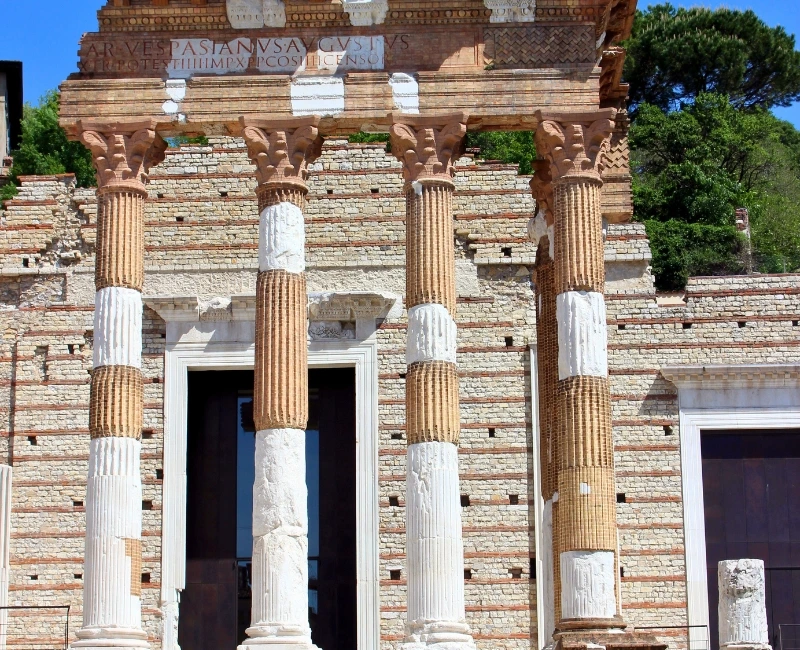
Brescia’s shopping scene is a delightful fusion of vibrant markets, artisan ateliers, and curated boutiques—all reflecting Lombardy’s rich traditions. Start early at the Mercato del Carmine, where fresh produce, cheeses, and charcuterie are piled high under colorful canopies. Engage friendly vendors in the time‑honored art of haggling, selecting sun‑ripened fruits, wheels of Bagòss cheese, and locally cured salumi to sample or take home.Stroll historic streets to discover independent shops showcasing handcrafted ceramics adorned with regional motifs, finely tooled leather goods, and textiles woven with patterns passed through generations. Many workshops welcome visitors to observe artisans at work—potters shaping clay on a wheel, leatherworkers embossing belts, or weavers at ancient looms—and even offer short hands‑on sessions for a personalized souvenir.Art galleries and design emporia highlight works by emerging Lombardy artists—from abstract paintings to contemporary sculptures—allowing you to invest in one‑of‑a‑kind pieces while supporting the local creative community. Seasonal craft fairs populate piazzas throughout the year: in December, Christmas markets brim with wooden ornaments and handmade decorations; summer fairs feature jewelry, leather accessories, and glassware displayed under vine‑draped trellises.Antique hunters will find gems in stores housing restored furniture, vintage ceramics, and decorative objets d’art. Knowledgeable dealers provide provenance insights, enriching each find with historical context. Weekly flea markets occasionally surface, offering an adventurous treasure hunt through stalls of secondhand curios and retro collectibles.When shopping, note that many artisan shops close midday for riposo. Plan morning or late‑afternoon visits and confirm weekend market schedules, which often operate on specific days (e.g., Thursday or Saturday markets). While credit cards are widely accepted, carrying cash ensures smooth purchases at smaller stalls.For fragile items like ceramics, shops often provide professional wrapping or shipping services. Wine purchases can be securely packaged in custom wooden crates for airport transport. Finally, don’t overlook concept stores blending retail and hospitality—a café‑boutique where you can sample house‑made pastries while browsing curated homewares.Exploring Brescia’s markets and artisan scene connects you to the heartbeat of local culture. Whether selecting gourmet delicacies, acquiring handcrafted souvenirs, or discovering emerging art, each purchase tells a story of tradition, craftsmanship, and the enduring spirit of Lombardy’s creative communities.
No ads. No trails. No commitments


Alice Roses
London, England
51 ST MATTHIAS ROAD
NOTTINGHAM, NOTTINGHAMSHIRE
NG3 2HF
Hours: 8:00 - 17:00, Mon - Sat
support@johnsonholidays.com