 Killarney Travel
Guide
Killarney Travel
Guide
Paris is known around the world as the “capital of love,” and even if you don't understand the history of Paris at all

1.5 Hours
£4.94

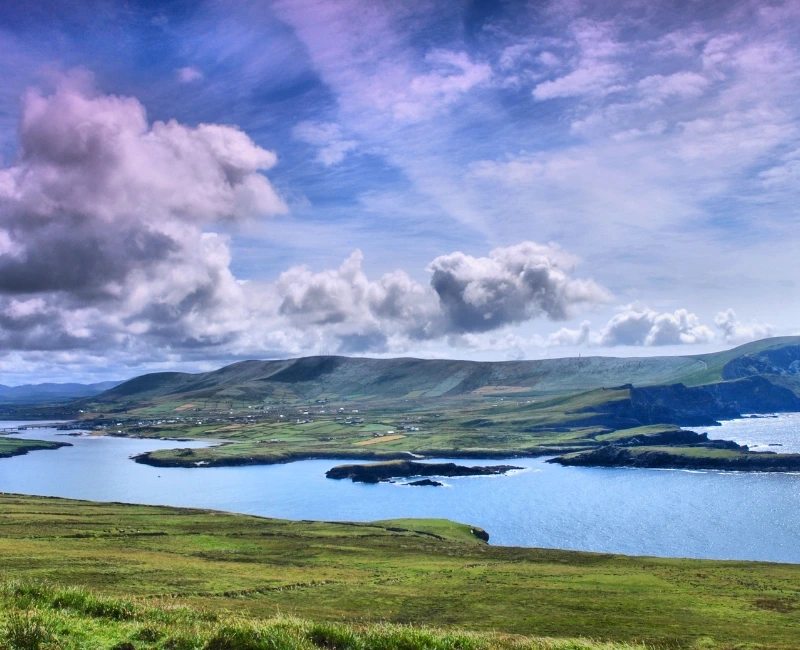
Killarney offers unparalleled access to lakes, mountains, and woodlands within Killarney National Park. From serene boat trips on Lough Leane to panoramic viewpoints like Ladies View, visitors can immerse themselves in landscapes shaped by glacial history. The chance to explore ancient forests, spot red deer, and wander through mountain passes like the Gap of Dunloe makes Killarney a must-visit for nature enthusiasts seeking both adventure and tranquility in one destination.
Learn More
The town’s historic sites—Ross Castle, Muckross House, and Innisfallen Island—offer insights into centuries of Irish history, from monastic life to Victorian country estates. Walking tours reveal traditional architecture and stories, while local festivals and music sessions bring heritage to life. Engaging with skilled craftspeople, sampling regional cuisine, and attending cultural events allows visitors to connect deeply with Kerry’s traditions and community spirit.
Learn More
Whether hiking trails through mountainous terrain, cycling scenic routes, kayaking on the lakes, or guided jaunting car tours, Killarney caters to a wide range of adventure preferences. Guided hikes up Torc Mountain or along MacGillycuddy’s Reeks challenge seasoned hikers, while gentler walks around Muckross Gardens suit families. Equipment rentals and expert guides ensure safety and enjoyment for all activity levels, making Killarney ideal for active travellers.
Learn More
Direct flights from the UK to Kerry Airport (KIR) simplify travel logistics for British tourists, with average flight time around 1 hour 26 minutes. Well-connected roads and rail services link Killarney to Cork, Limerick, and Dublin, enabling multi-stop trips across Ireland. Local transport options—buses, taxis, bike rentals—make getting around town and to surrounding attractions straightforward, allowing visitors to maximize their time exploring without logistical hassles.
Learn More
Killarney’s hospitable locals welcome visitors into cozy guesthouses, family-run B&Bs, and traditional pubs hosting live music. Dining experiences emphasize fresh, local produce—seafood from the nearby coast, artisanal cheeses, and farm-to-table fare. The friendly atmosphere and personal touches, such as storytelling sessions in pubs or guided nature walks led by local experts, create memorable stays that reflect genuine Irish warmth.
Learn More
While summer brings long daylight hours and lively festivals, shoulder seasons offer quieter discovery, and winter provides serene, misty landscapes ideal for photography and contemplation. Seasonal events—from autumn nature walks to winter cultural gatherings—ensure Killarney remains engaging throughout the year. Visitors can tailor their trip to suit weather preferences and crowd levels, enjoying the destination’s charm in any season.
Learn More
Lorem ipsum dolor, sit amet consectetur adipisicing elit. At illo adipisci iusto
From

Because more than 268 other customers have loved us too

Demonstrates commitment to user data security through encryption and secure payment practices
Learn More
Demonstrates commitment to user data security through encryption and secure payment practices
Learn More
Demonstrates commitment to user data security through encryption and secure payment practices
Learn More
Demonstrates commitment to user data security through encryption and secure payment practices
Learn More
Quality as judged by customers. Book at the ideal price!


/ person
/ person
/ person
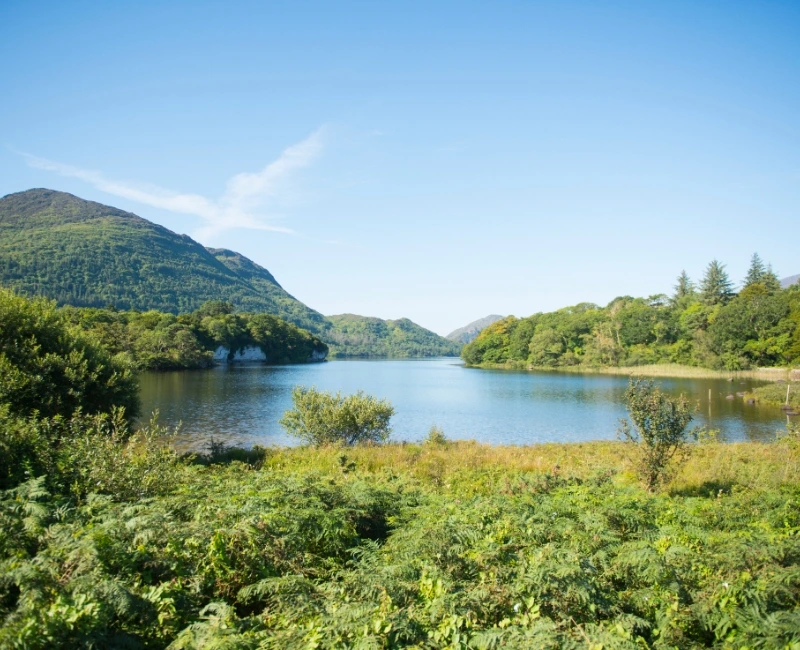
Nestled in the heart of Killarney National Park are three interconnected freshwater lakes—Lough Leane, Muckross Lake, and Upper Lake—each offering a unique window into Ireland’s glacial past and vibrant ecosystem. Your journey begins at Ross Castle, where guided boat cruises depart from the stone pier. As you glide across Lough Leane’s placid surface, interpretive guides recount how glacial meltwaters carved drumlins and moraines that now support ancient oak and yew woodlands. Disembark at historic islands like Innisfallen, where 7th-century monastic ruins still stand amid wildflowers in spring.For the more adventurous, kayak and canoe rentals at Muckross Pier let you chart your own course through narrow inlets surrounded by granite peaks. Early-morning paddles reward you with mist-shrouded panoramas, as osprey wheel overhead and shy otters slip beneath lily-covered shallows. To protect sensitive habitat, operators require biodegradable watercraft equipment and life jackets; boat-based eco-tours include brief stops for shoreline litter picks, helping preserve water clarity.On land, well-marked trails follow the lake edges through native woodlands. The 5-kilometre Muckross Lake loop winds beneath canopy arches, revealing hidden bays where kingfishers dart and long-tailed tits flit among brambles. Birdwatchers should carry binoculars—species such as sedge warblers, teal, and even rare Greenland white-fronted geese may appear at dawn. Guided “Wildlife & Wetlands” walks teach you to identify aquatic plants like water lilies and pondweed, and to understand the impact of invasive species such as Japanese knotweed, empowering you to support local conservation efforts.Summer brings vibrant biodiversity: buttercups and bluebells dot lakeshores; swathes of bog-cotton sway on peat edges. Autumn transforms the scene—maple leaves glow amber, and reflected peaks wear rust-red crowns. Photographers find golden-hour light perfect for capturing mirrored silhouettes of Purple Mountain and Carrauntoohil. For families, picnic benches beneath hawthorn trees provide restful vantage points; children delight in spotting terns and dabbling in shallow coves.Seasonally, specialized experiences run: in spring, join a botanist-led flora survey to learn about rare orchids in damp hollows; in late summer, attend open-air classical concerts on floating platforms moored near the castle. Practical tips: pack waterproof layers and quick-dry clothing; weather can shift rapidly, even in summer. Carry reusable water bottles to reduce plastic waste and follow Leave No Trace by avoiding trampling moss mats. Always check local forecasts and lake service schedules—some tours operate only mid-April through October.Whether you cruise, paddle, or hike, the Lakes of Killarney deliver an immersive tapestry of geological wonder, wildlife abundance, and centuries-old history, making them the crown jewel of any Killarney itinerary.
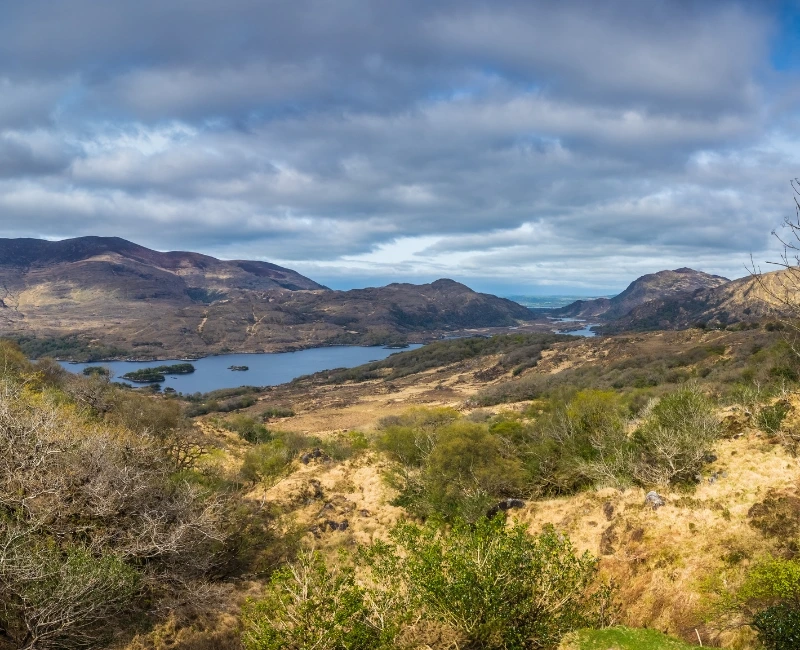
Beyond the lakes lie the rugged mountain landscapes that define Killarney’s wild character. Foremost among these is the Gap of Dunloe, a 11-kilometre glacial valley carved by moving ice over millennia. Starting at Kate Kearney’s Cottage, the narrow pass threads between the purple-tinted slopes of Tomies Mountain and the craggy heights of the MacGillycuddy’s Reeks. While traditional jaunting cars offer a leisurely ride pulled by Connemara ponies, walking the route reveals intimate details: thyme-scented heath, pockets of bilberry, and glistening corrie lakes—Black Lake, Black Lough, and Cushnavellen Lough—nestled like jewels in the valley floor.For hikers seeking a moderate challenge, the 7-kilometre ascent of Torc Mountain begins with the Torc Waterfall trail: a series of cascades dropping 18 metres through moss-draped woodland. The path steepens above the tree line, where handrails guide you past scree fields and resilient alpine plants such as woolly willow and mountain avens. At the summit plateau, a panoramic tapestry unfolds: Muckross Lake to the north, Lough Leane beyond, and undulating hills stretching to the Dingle Peninsula on clear days. Because weather can turn swiftly above 500 metres, hikers should carry waterproof outer layers, thermal mid-layers, and consult local rangers or visitor-centre advisories before departure.Experienced mountaineers often press on along the ridge toward Mangerton or the Reeks’ other peaks. These high-level expeditions demand robust gear—sturdy boots, navigation tools, and emergency provisions—and benefit from guided company. Local licensed guides offer full-day treks, combining safety oversight with insights into glacial geomorphology and mountain folklore, such as legends of “The Hag of Beara” tracing her steps across the ridgeline.Photo-enthusiasts and artists grace these trails at dawn or dusk to capture the golden-hour glow painting the rugged contours. Birdwatching opportunities abound: peregrine falcons swoop in the thermals, raven croaks echo from crater walls, and meadow pipits flit among wild grasses. In winter, deep snow can cloak higher sections—guides then provide crampons and poles for secure footing, opening access to crystalline vistas.To preserve fragile montane vegetation and avoid soil erosion, visitors should stay strictly on marked trails and carry out all waste. Campsites are prohibited in the national park’s high zones, so multi-day treks require prearranged overnight stays in mountain huts outside park boundaries. Ample water can be refilled at seasonal springs near Torc waterfall, but boil or treat before drinking.Traversing Killarney’s mountain passes is both a physical and spiritual journey—each step reveals geological layers shaped in the Ice Age, each viewpoint rewards with sweeping perspectives of Ireland’s southwest. Whether you seek gentle panoramas or alpine rigor, these highlands deliver a profound connection to land, history, and the elemental forces that sculpted them.
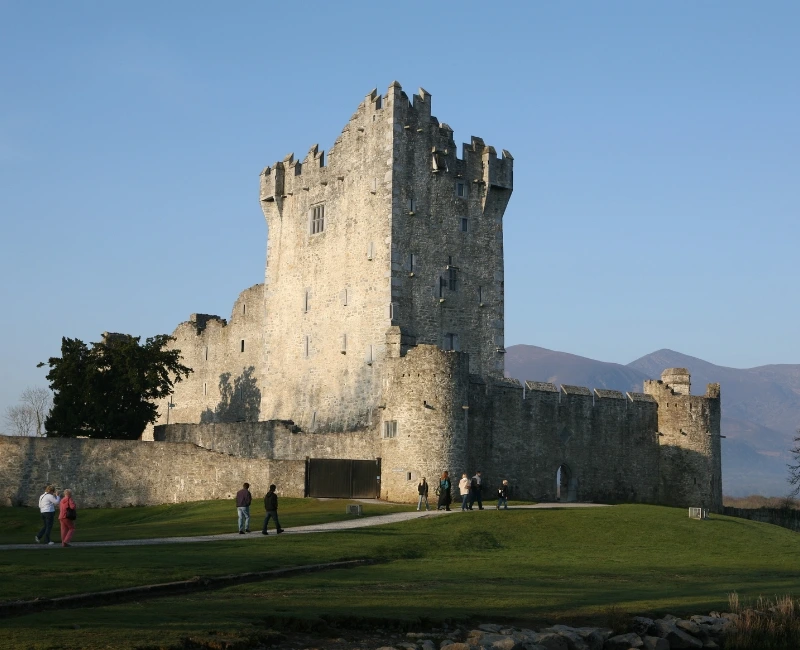
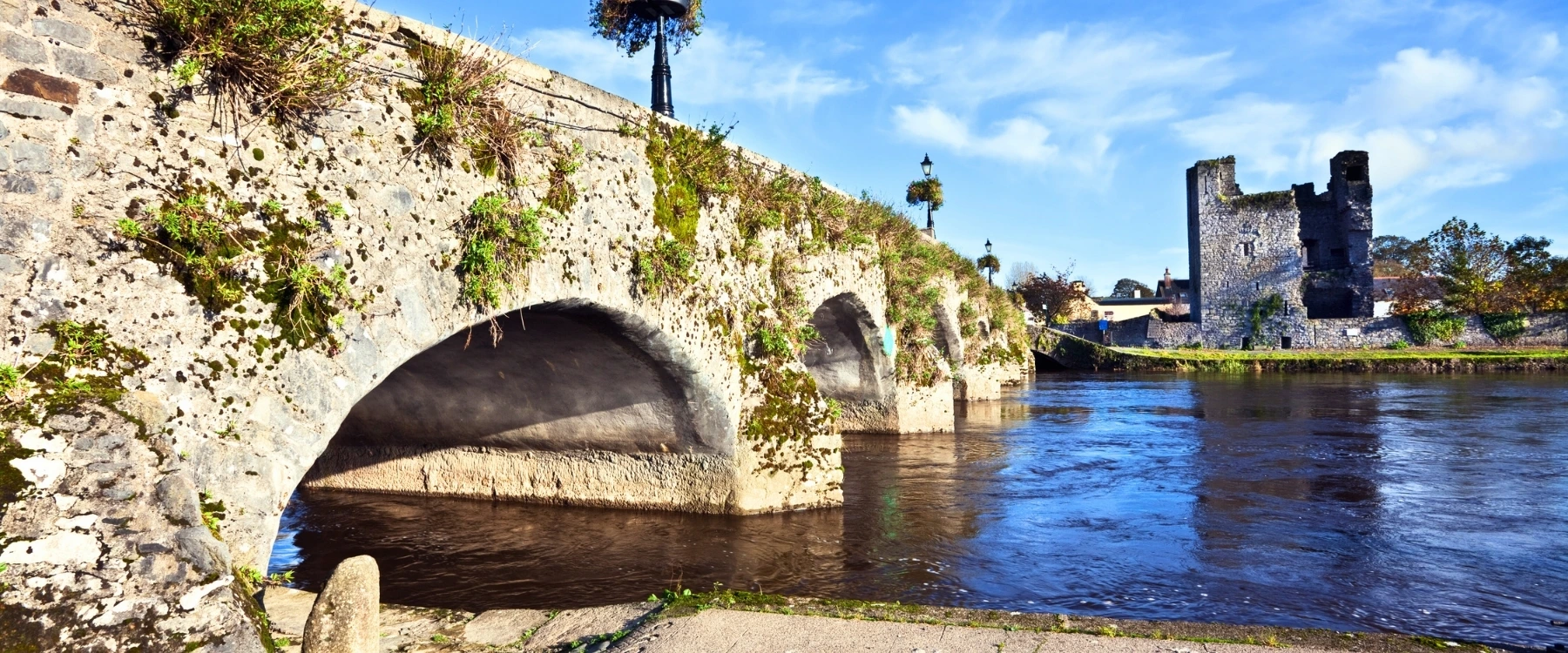
Killarney’s rich tapestry of history is woven through its majestic castles, stately homes, and monastic ruins. Ross Castle stands first among these—a 15th-century tower house built by the O’Donoghue clan on the northeastern shore of Lough Leane. As you approach its battlements, guides reveal tales of clan rivalries, failed sieges during the Cromwellian conquest, and local legends of hidden treasure beneath its stone floors. Inside, furnished chambers recreate 16th-century life, from great halls warmed by peat fires to narrow spiral staircases designed for defense.A short traditional boat ride across the lake brings you to Innisfallen Island, where the ruins of a 7th-century monastery rest amid wildflower meadows. Imagine early Christian monks laboring over illuminated manuscripts, their scriptoria echoing with chants. Interpretive panels explain how the island’s isolation fostered scholarship, yet also exposed it to Viking raids in the 9th century. Each fragment of carved stone and weathered column tells a story of devotion, learning, and resilience.On the mainland, Muckross House provides a late-Victorian counterpoint. Constructed in 1843 for Henry Herbert, 4th Earl of Pembroke, this Tudor-style mansion showcases period furnishings imported from London and Paris. Audio guides trace the influence of the Pembroke family on local society, and explain how the estate transitioned through the Great Famine—when staff numbers dwindled, and tenant farmers struggled to make rents. Stroll through opulent dining rooms, richly carved libraries, and the basement service corridors where kitchen staff labored over coal-fired ranges.The surrounding gardens are equally magnificent: formal rose beds, a sunken garden inspired by Italian Renaissance design, and a terraced rose walk overlook Muckross Lake. Seasonal plantings ensure color year-round—from tulips in spring to dahlias in late summer. Adjacent Muckross Traditional Farms reconstruct 1930s rural life: costumed guides demonstrate turf cutting, thatching, and cottage weaving. Children can churn butter or feed Kerry Bog pony foals, forging tactile connections with Ireland’s agricultural heritage.Nearby, Muckross Abbey (1448) offers atmospheric stone cloisters encircled by ancient yew trees. Gothic arches frame quiet courtyards where monks once gathered for prayer. Stone carvings hint at the abbey’s wealth before its dissolution under Henry VIII. Grave slabs etched with Gaelic script mark later burials, binding medieval ecclesiastical history to modern community memory.For a deeper cultural immersion, join walking tours through Killarney town. Georgian townhouses line wide streets, interspersed with craft workshops where jewelers shape Celtic designs in silver and gold. In the evenings, intimate storytelling events in historic pubs recount folklore of the Lakes—stories of spectral púcás and heroic Fenian warriors—bringing the landscape’s myths to life.Preservation of these monuments relies on responsible tourism: respect signage prohibiting off-path exploration, contribute to entrance fees supporting conservation, and avoid touching fragile stonework. By engaging with guides and interactive exhibits, visitors not only witness Killarney’s past but become part of its living heritage, ensuring these storied walls endure for generations.
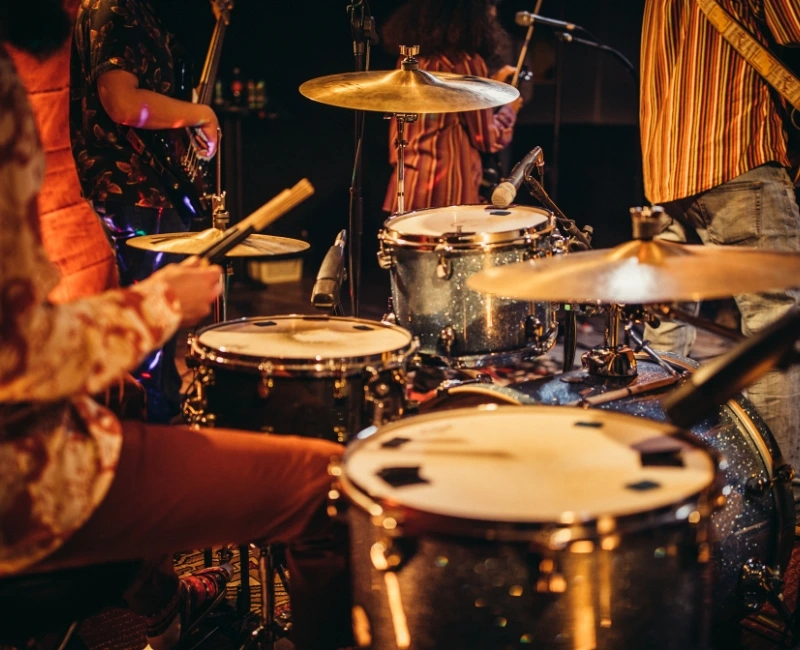
While Killarney’s landscapes are its primary draw, its living traditions infuse the town with vibrant cultural energy. Evenings in Killarney often begin in cosy pubs, where traditional Irish music sessions unfold nightly. Local musicians—fiddlers, flute players, guitarists, and bodhrán drummers—gather in circle formations, weaving reels and jigs that have echoed through generations. These informal céilís welcome impromptu performers, and tourists are often invited to join in or simply soak in the communal spirit.Pubs such as The Laurels and Murphy’s Bar are renowned for their regular nightly sessions. Arrive early to secure a seat by the hearth, order a pint of stout (around £4.50), and watch the interplay between seasoned session leaders and visiting artists. For those who wish to learn, some venues host “music nights” where locals teach basic bodhrán rhythms or whistle tunes to novices—an unforgettable way to carry a piece of Killarney home.Beyond music, Killarney preserves artisanal crafts integral to Irish identity. Workshops at the Killarney traditional craft centre allow you to try your hand at wool weaving, pottery, or jewelry-making. Under the guidance of master artisans, you can weave a small tartan swatch on a loom or fashion a Claddagh ring in silver, learning about historical symbolism—hands for friendship, heart for love, crown for loyalty—as you craft. These sessions run year-round and make perfect family-friendly experiences.Seasonal festivals punctuate the calendar. In spring, the Killarney Garden Festival showcases horticultural excellence in Muckross House gardens. Summer brings the Féile na Bealtaine May festival of arts and heritage, featuring street theatre, open-air drama, and craft markets offering locally produced foods—Kerry cheeses, soda bread, and wild seafood. Autumn’s Celtic Roots festival weaves music, dance, and poetry into town plazas, while winter’s Christmas Market lights up main street with artisan stalls and carol singers.Folklore evenings, often held in smaller pubs or community halls, feature seanchaí (storytellers) narrating myths of the Lakes—tales of Kate Kearney, mythical lake maidens, and hidden fairy mounds. These sessions blend history, mythology, and local humor, and are especially atmospheric by candlelight. They invite listeners to imagine how landscape and lore intertwine.Cultural immersion extends to culinary traditions. Some cooking schools in Killarney run half-day courses teaching classic Irish recipes—coddle, colcannon, and brown bread—using regionally sourced ingredients. A market tour with a chef introduces you to seasonal produce before moving to the kitchen, where hands-on instruction yields both a meal and mastery of age-old techniques.When participating in these traditions, practice courtesy: arrive punctually, follow hosts’ guidelines, respect closed-door workshop areas, and tip session musicians in coordinated baskets. By engaging directly—be it through music, craft, dance, or food—visitors connect with the enduring heartbeat of Killarney’s community, ensuring these customs thrive in harmony with the town’s natural wonders.
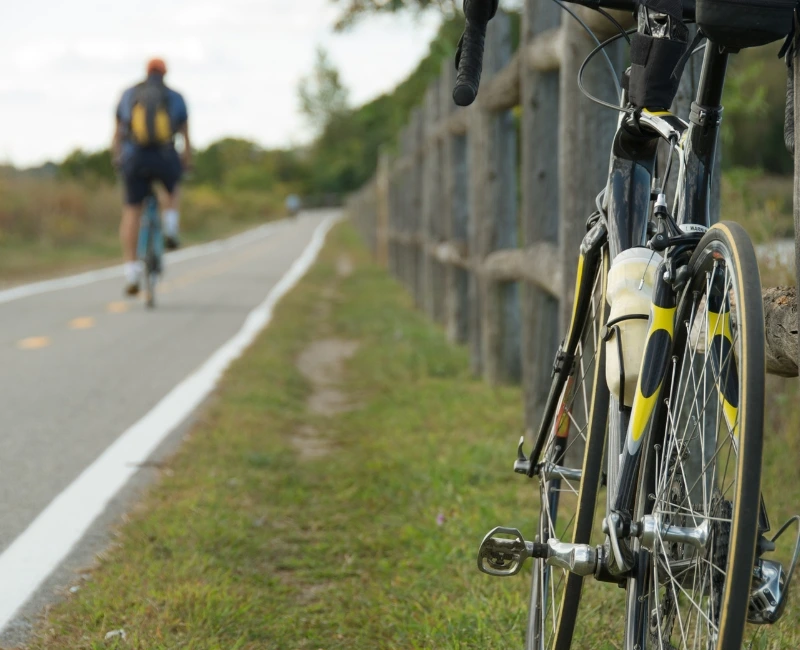
Killarney National Park’s network of trails caters to every preference—from gentle family loops to challenging multi-day treks. For easy exploration, begin at Muckross Demesne. The 13-kilometre loop follows hard-packed gravel paths through manicured gardens, past Muckross House, and along the shores of Muckross Lake. Bike rentals in town provide child-size seats and helmets; guided family tours include interactive nature hunts for younger explorers.Cyclists seeking more mileage can tackle the Killarney to Kenmare Greenway—a 26-kilometre off-road route laid on a former railway track. Wide gravel pathways ascend gradually, opening to panoramic views of the Lakes and mountains. Historic railway station cafés at Cronin’s Yard and Kenmare serve refreshments, and informative panels tell of steam engines that once linked Kerry communities.For hikers, the Gap of Dunloe on foot is a 5-hour adventure. Departing from Kate Kearney’s Cottage, follow a rocky track squeezed between steep corrie walls. Trail markers guide you past the Upper Lake’s reflective stillness and into the remote Inagh Valley. The ascent to Lord Brandon’s Cottage offers warm tea and storytelling, then descends past Purple Mountain’s flanks into wider valleys. Full-day guided treks include packed lunches and transport back to Killarney.The Torc Waterfall and Torc Mountain trails offer graded options: a 2-kilometre return walk to the 18-metre cascade is suitable for all levels; the 7-kilometre Torc Mountain hike demands moderate fitness and sturdy footwear. Above the falls, forest gives way to heathland, and waymarkers navigate peat bog edges. Summiting reveals sweeping lake vistas; on clear days, you can spot Dingle Bay in the distance. Guides advise leaving by early afternoon to avoid afternoon rain showers common at altitude.For serious hikers, sections of the Kerry Way loop extend over 200 kilometres around the Iveragh Peninsula; day-trip segments from Killarney let experienced walkers sample remote beaches, high passes, and silent boglands. B&Bs in Glengarriff and Caherdaniel accommodate overnight stays. Always carry OSI maps, compass or GPS, and emergency rations.Trail etiquette is paramount: stick to waymarked routes to protect rare alpine flora, avoid disturbing wildlife—red deer rut in autumn and pine martens den beneath fallen logs—and carry out all litter. Water can be filtered from springs at Torc waterfall, but it’s wise to carry at least 1.5 litres in summer. A small first-aid kit, phone, and waterproof cover for electronics round out essentials.Whether by pedal or on foot, Killarney’s trails weave you into a living tapestry of woodlands, wetlands, and mountains—offering healthful exercise, wildlife encounters, and vistas that linger long after the journey ends.
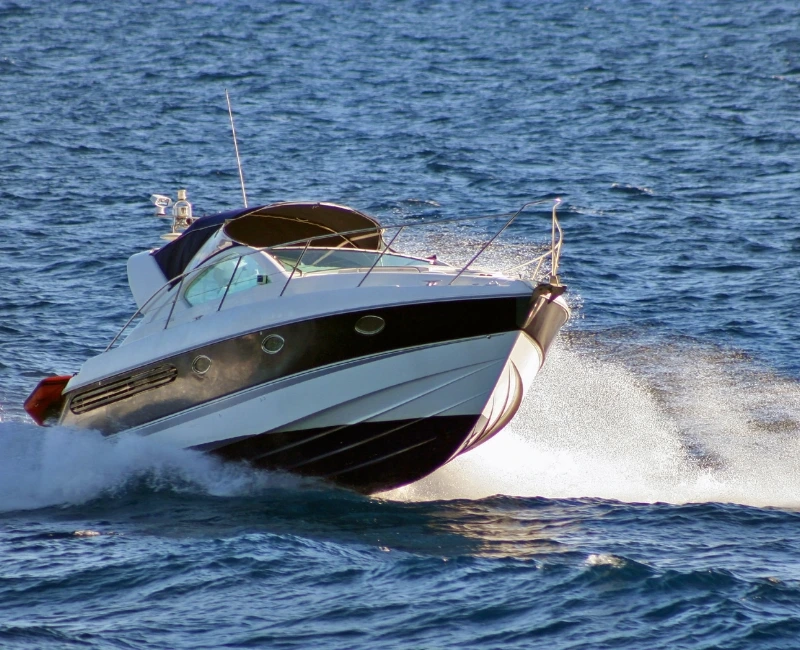
Water is central to Killarney’s charm. From serene lake cruises to adrenaline-fueled kayak expeditions, a spectrum of aquatic experiences awaits. The most popular is the guided boat tour departing Ross Castle. Modern, low-emission vessels glide across Lough Leane, pausing at Innisfallen Island to explore monastic ruins. Captains provide historical narratives, pointing out geological formations and naming island flora, while offering tea and locally baked scones on deck.For active adventurers, kayaks and canoes are available at Muckross Pier and Ross Castle. After a brief training session—covering paddling strokes, safety protocols, and local wildlife guidelines—you set off under your own steam. Routes follow sheltered bays where otters play and herons fish; advanced paddlers can cross to Upper Lake, navigating narrow channels flanked by steep banks cloaked in ferns and birch.Stand-up paddleboarding (SUP) has surged in popularity. SUP rentals include balance lessons on calm mornings. As you glide over reflective waters, you can observe trout slipping beneath, and glimpse occasional sunfish near the surface. As with all water activities, life jackets are compulsory; biodegradable paddle wear minimizes environmental impact.Fishing enthusiasts may arrange licensed angling trips. Trout and salmon populate designated zones; local guides rig rods, prepare bait, and teach casting techniques. Early morning sessions yield best results when fish feed near inlets. Conservation measures—catch-and-release practices and biodegradable line—ensure healthy fish populations.In summer, specialized “eco-dives” introduce certified divers to freshwater ecosystems. Under expert supervision, you explore sub-surface archaeological relics at Ross Castle’s shoals and examine aquatic plant communities, learning about invasive zebra mussels and underwater conservation.Group boat charters for photographers and birdwatchers operate at dawn, when low light and quiet conditions bring eagles, osprey, and migratory waterfowl into view. Guides furnish telescopes and share bird-identification tips, enhancing wildlife encounters. Evening “sunset sails” combine chilled local sparkling wine with live traditional harp music, offering a magical perspective as daylight fades over the Upper Lake’s glassy expanse.Practical advice: check weather forecasts—strong winds can make lake crossings challenging, and rental providers may suspend services in high winds. Always wear layered clothing and UV-protective apparel; lake reflections intensify sunlight. Secure waterproof bags for cameras and phones. Reusable water bottles and snacks in sealed containers keep you fueled and reduce litter.From leisurely cruises to self-guided paddles, Killarney’s water activities immerse you in landscapes both tranquil and thrilling—each journey revealing fresh angles on Ireland’s storied lakes..
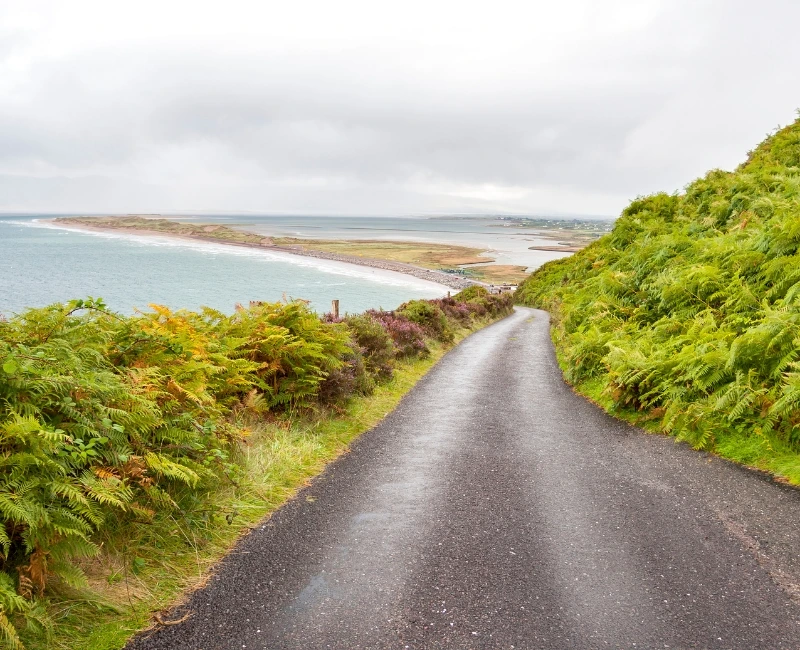
Killarney stands at the doorstep of the Ring of Kerry, a 179-kilometre circular route celebrated for its dramatic coastal cliffs, verdant valleys, and vibrant villages. Make your own itinerary by car—or opt for guided coach tours that combine expert commentary with hassle-free travel. Depart Killarney early to avoid peak traffic; a clockwise loop takes you through Molls Gap, where panoramic lookouts reward you with winding roads flanked by crimson heather and distant peaks.Proceed to Sneem, a picturesque village of pastel cottages and artisan shops. Stroll the promenade, sample locally smoked salmon, and browse tartan stores offering Kerry woollens. Continuing west, cross the Bridge of Bogah—an 18th-century stone bridge—into Kenmare, a gastronomic hub boasting Michelin-recommended restaurants. Pause for lunch in a family-run bistro, perhaps savoring a seafood chowder or Kerry lamb stew, paired with regional craft ale.Beyond Kenmare, drive through Kells to the Keel viewpoint overlooking the Atlantic’s sweeping curve. For a rare detour, catch the ferry to Valentia Island, exploring Slate Quarry trails or the UNESCO-designated Skellig Landscape. Return to the mainland at Portmagee, then ascend the narrow roads to Cahersiveen, where the 12th-century Caherconree ring fort perches on a hillside, accessible via a short but steep hike.As you loop back, pause at Waterville—where Charlie Chaplin famously holidayed—to visit the Chaplin Museum and fish the coastal pier for mackerel. The final leg leads you through Caherdaniel, past Derrynane House, ancestral home of Daniel O’Connell. Guided tours illuminate his role in Irish emancipation, while gardens offer sea views and Sunday concerts in summer.Throughout the route, independent viewpoints beckon: ladies View overlooks three lakes shimmering in mountain light; Staigue Fort, a prehistoric stone ring fort outside Sneem, invites exploration. Photographers find golden-hour light transforms coastal headlands into alabaster cliffs and azure coves.To fully appreciate the Ring, consider an overnight stay in Cahersiveen or Kenmare. B&Bs offer cozy rooms and hearty breakfasts—traditional colcannon or soda bread with local honey—energizing you for the next day’s drive. Ensure your rental car is compact for narrow roads, and carry printed maps or offline GPS to navigate areas with spotty mobile coverage.For an eco-friendly option, join a small-group cycling tour spanning two days, camping at designated sites and guided by locals who share hidden tracks away from traffic. These tours blend exercise with cultural stops—tea in farm kitchens, history at ancient ruins, and sunset views from remote headlands.Whether by car, coach, or bike, the Ring of Kerry reveals County Kerry’s diversity—from glacial valleys and mountain passes to sandy beaches and historic villages—making it an essential extension of any Killarney visit.
As daylight fades, Killarney’s natural wonders shift upward to reveal an equally enchanting nocturnal realm. The nearby Kerry International Dark-Sky Reserve spans over 700 square kilometres, earning Gold-Tier status for exceptionally low light pollution. Just a 20-minute drive from Killarney town, Derrynane or Kenmare offer accessible observation points where the Milky Way arcs overhead in breathtaking clarity.Guided stargazing tours run year-round. Begin with a twilight introduction in a sheltered field—astronomers set up high-powered telescopes, guiding your gaze to Saturn’s rings, Jupiter’s cloud bands, and the craters of the moon. On crisp, clear nights, binoculars suffice to spot nebulae such as Orion and the Andromeda Galaxy. Expert guides narrate myths and folklore, recounting how ancient Celts interpreted constellations, weaving tales of the Pleiades and the “donkey’s ears” of the Aries cluster.For photographers, astrophotography workshops combine practical instruction with fieldwork. Instructors demonstrate long-exposure techniques—balancing ISO, aperture, and shutter speed—to capture star trails looping above mountain silhouettes. Bring a sturdy tripod, manual-focus lens, and a remote shutter release. Dressing warmly is essential: even mild summer nights in Kerry can feel chilly under open skies. Thermal layers, wind-proof jackets, and thick socks ensure comfort during hours of stationary observation.Meteor showers—such as the Perseids in August and the Geminids in December—draw enthusiasts. Special overnight camping experiences include guided observation, hot drinks, and storytelling around campfires. Local lore brings meteor legends to life: shooting stars were considered fairy messengers, and witnessing a “falling star” was auspicious.Beyond naked-eye astronomy, the reserve hosts occasional scientific events: radio telescope sessions decoding pulsar signals, and led “aurora hunts” when northern lights drift unusually far south under strong solar winds. Notifications via social media groups—managed by reserve rangers—alert visitors to rare celestial events.Dark-Sky Reserve guidelines help protect nocturnal environments: visitors are asked to avoid using white lights—red-filter headlamps come standard on tours—and to minimize noise to respect local wildlife. Bats, owls, and moths thrive in these conditions; respectful stargazing supports biodiversity by reducing light scatter.Combine daytime exploration of Killarney’s lakes and mountains with this nocturnal adventure for a full-spectrum appreciation of Ireland’s natural beauty. Under the canopy of stars, you’ll gain perspective on your place within the landscape—connecting ancient human traditions of sky-watching to modern conservation efforts that keep Kerry’s night skies among the darkest in Europe.
No ads. No trails. No commitments


Alice Roses
London, England
51 ST MATTHIAS ROAD
NOTTINGHAM, NOTTINGHAMSHIRE
NG3 2HF
Hours: 8:00 - 17:00, Mon - Sat
support@johnsonholidays.com