
 Hammamet Travel
Guide
Hammamet Travel
Guide
Paris is known around the world as the “capital of love,” and even if you don't understand the history of Paris at all

3 Hours
£1.26
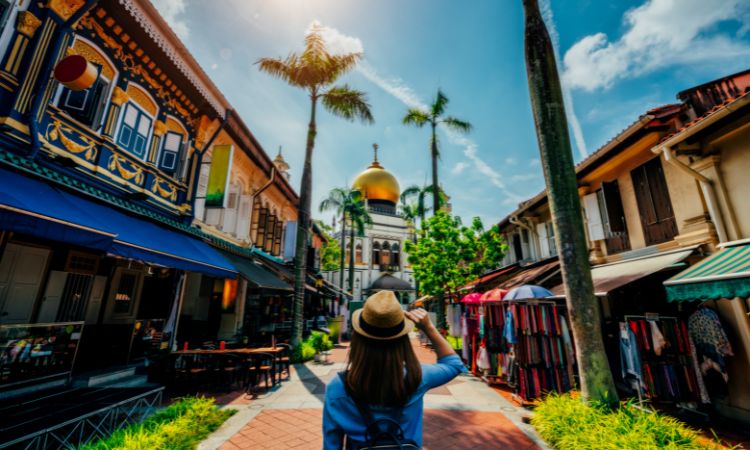
Hammamet’s beaches stretch for kilometers of soft, golden sand meeting calm Mediterranean waters. Resorts and public beaches alike offer loungers, umbrellas, and water-sport rentals—from paddleboarding to jet-skiing—ensuring both relaxation and activity. The shoreline’s gentle slope makes it suitable for families with children and those seeking safe swimming conditions. Early mornings bring serene vistas ideal for wellness walks or yoga, while sunsets draw visitors to beach bars for chilled refreshments. The variety of beachfront accommodation—ranging from large resorts with multiple pools to intimate boutique properties—means travellers can choose settings that match their style and budget.
Learn More
Beyond sunbathing, Hammamet reveals its history through the medina’s winding alleys, ancient ramparts, and traditional architecture. The old town’s fortress walls house artisan workshops where pottery, leather goods, and textiles are crafted. Guided walks illuminate the city’s evolution from a fishing village to a prominent Mediterranean port. Nearby, historic sites—like Roman ruins at Kerkouane or Carthage within easy reach—offer deeper context to Tunisia’s past civilizations. Seasonal festivals, such as the Hammamet International Festival, showcase music, dance, and theater, blending local traditions with global performances. This cultural immersion complements beach downtime, enriching travellers’ understanding and appreciation of the region.
Learn More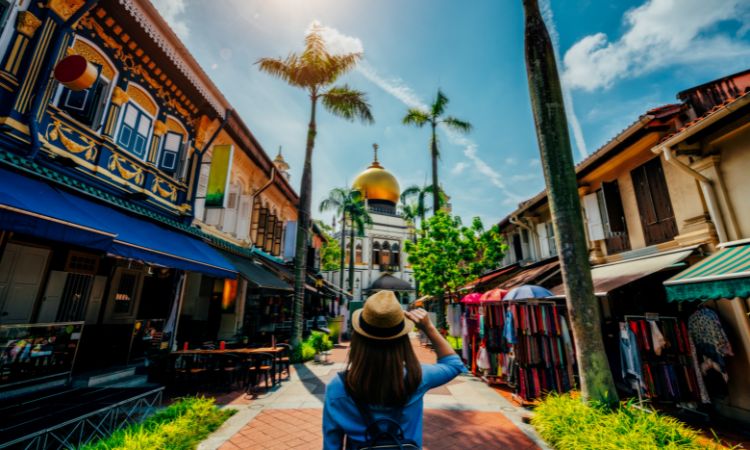
Hammamet is renowned for thalassotherapy spas that harness seawater and marine-based treatments to rejuvenate body and mind. Many luxury resorts integrate wellness centers offering massages, hydrotherapy pools, and beauty treatments using local ingredients such as olive oil and sea salt. The soothing Mediterranean climate enhances open-air spa options, where one can bask in gentle sea breezes during treatments. For those seeking stress relief or therapeutic benefits—such as improved circulation or skin rejuvenation—Hammamet’s spa packages provide structured programs, often combined with healthy Mediterranean cuisine. Wellness retreats here cater to beginners and experienced spa-goers alike, ensuring personalized experiences.
Learn More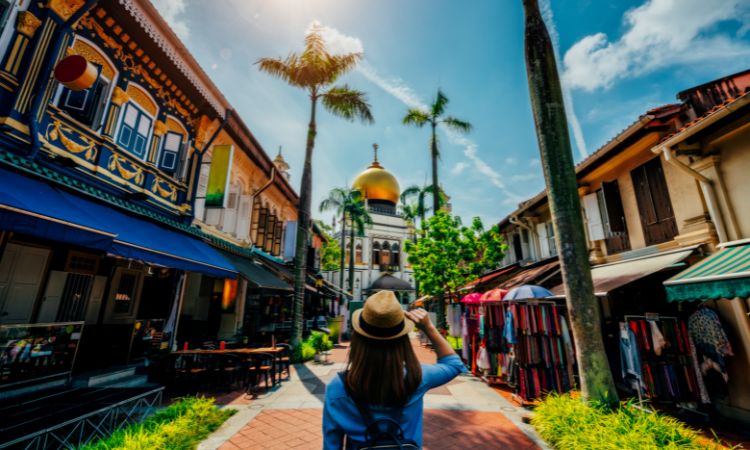
For adventure seekers, Hammamet’s surroundings present diverse options: windsurfing and kiteboarding when conditions suit, diving excursions exploring underwater landscapes and marine life, and boat trips along the coast. Inland excursions might include camel trekking, quad biking through olive groves, or guided hikes in nearby hills revealing panoramic views of the Gulf. Day trips to cultural sites or natural parks allow exploration beyond the shoreline. Organized tours often combine adventure with cultural stops—visiting local markets or traditional villages—providing a multifaceted experience. These outdoor offerings complement the laid-back beach vibe, appealing to travellers seeking dynamic itineraries.
Learn More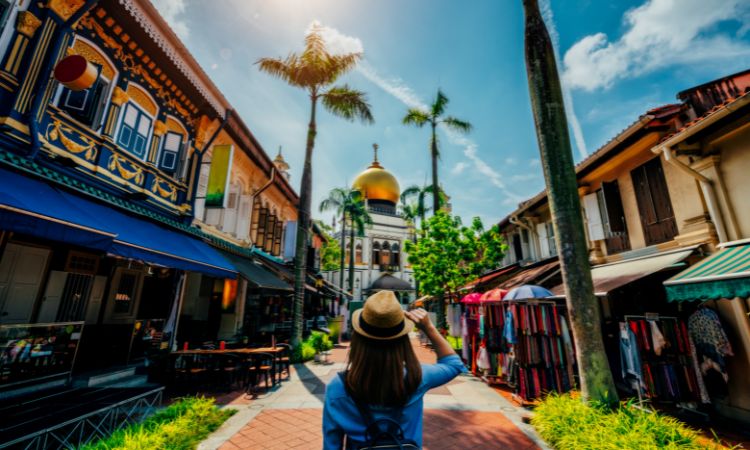
Tunisian cuisine in Hammamet blends Mediterranean flavors with North African spices. Seafood is central: freshly caught fish grilled or served in flavorful tagines. Mezze plates feature olives, harissa-spiced dips, and locally produced cheeses. Street food stalls and cafés offer snacks like brik (fried pastry with egg and tuna) and pastries with date or almond fillings. Local olive oil and citrus produce enrich dishes, while mint tea and coffee conclude meals. Cooking classes and market tours introduce travellers to ingredient selection and traditional recipes, enabling a hands-on culinary journey. Dining options suit various budgets, from seaside family-run restaurants to refined hotel eateries.
Learn More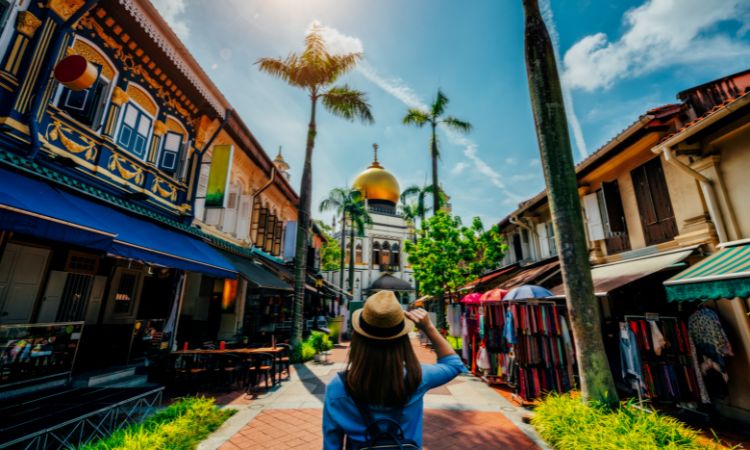
Hammamet’s nightlife balances laid-back lounges with livelier venues hosting live music or themed events. Beach bars often transition into evening spots with DJ sets or acoustic performances. Resorts may organize cultural evenings showcasing folk dances or musical ensembles. During festival seasons, outdoor amphitheaters present concerts under the stars. For travellers preferring quieter nights, seaside promenades and cafés offer ambient settings to enjoy mint tea or cocktails while overlooking the sea. This flexibility ensures both early-evening socializing and late-night entertainment, accommodating diverse preferences and energy levels.
Learn More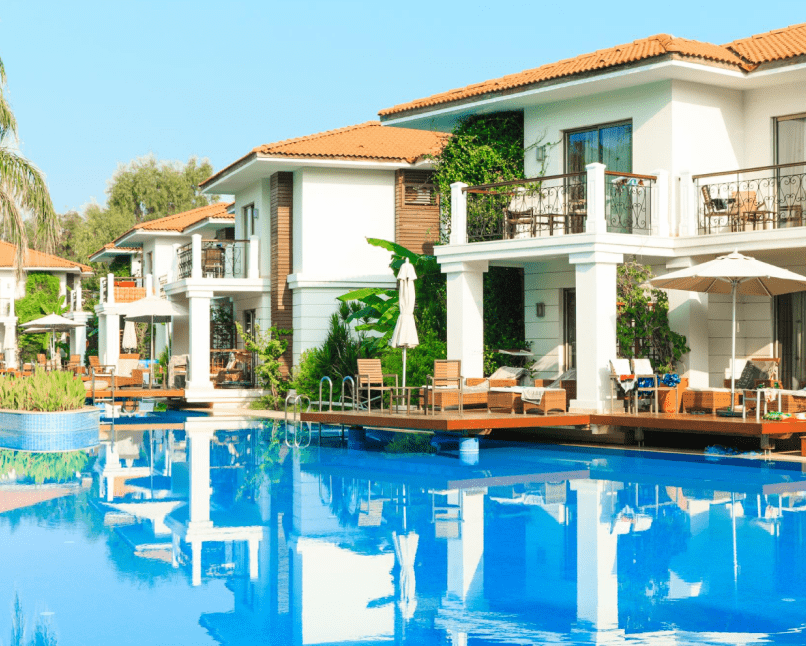
Lorem ipsum dolor, sit amet consectetur adipisicing elit. At illo adipisci iusto
From

Because more than 268 other customers have loved us too

Demonstrates commitment to user data security through encryption and secure payment practices
Learn More
Demonstrates commitment to user data security through encryption and secure payment practices
Learn More
Demonstrates commitment to user data security through encryption and secure payment practices
Learn More
Demonstrates commitment to user data security through encryption and secure payment practices
Learn More
Quality as judged by customers. Book at the ideal price!


/ person
/ person
/ person
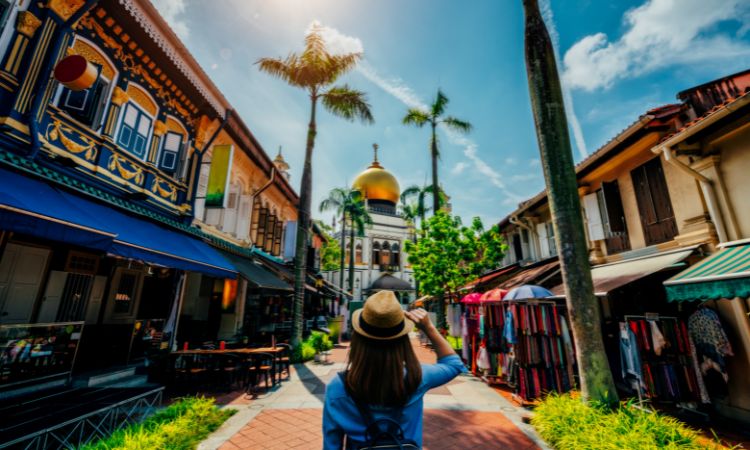
Hammamet’s shoreline stretches in a graceful crescent of powdery golden sand, cradling the tranquil Mediterranean Sea. At dawn, the beach is a quiet canvas painted in soft pastel hues as early risers unfurl yoga mats on the cool sand, greeting the sunrise with gentle stretches. The steadily rising sun warms the shore just enough for families and leisurely swimmers to wade in safe, shallow waters. Along the waterfront, upscale resorts and beach clubs maintain neat rows of cushioned loungers and umbrellas, where attentive staff deliver cool fruit‑infused mocktails and fresh‑squeezed juices. Salt‑laced breezes carry the scent of tamarisk trees overhead, while gentle waves provide a rhythmic lullaby.By mid‑morning, rental kiosks hum with activity as visitors choose from paddleboards, kayaks, and sit‑on‑top boats, gliding over cerulean waters to explore hidden coves. Snorkeling excursions depart regularly, guiding swimmers over seagrass meadows and small reefs teeming with colorful fish and starfish. For more adrenaline‑pumping fun, certified instructors lead jet‑ski and flyboard sessions, offering a bird’s‑eye view of the bay.As the sun reaches its zenith, shaded cabanas and elegantly draped tents invite guests to experience aromatic oil massages, reflexology, or quick foot treatments, all performed to the gentle soundtrack of lapping waves. Nearby beachside cafés serve light mezze plates—briny olives, fresh goat‑cheese spreads, and crisp flatbreads—alongside steaming cups of mint and verbena tea. Local pastry stands tempt with tiny honey‑drizzled pastries filled with almonds or dates.Late afternoon brings a softer light and a mellow mood. Beach lounges host live acoustic guitar sets or low‑key DJ mixes, prompting couples to sway barefoot in the shallows. Sunset cruises depart from the pier, offering glass‑bottom decks and glasses of Tunisian rosé to toast the fiery orb dipping into the azure horizon. As twilight settles, tiki torches and string lights dot the sand, transforming the beach into a flickering wonderland. Fire‑dancers, impromptu drumming circles, and communal bonfires add to the convivial atmosphere.Long after the last sunbeam fades, the shoreline remains gently alive—with the murmur of conversation, the glow of lanterns, and the perpetual hush of the Mediterranean. Whether you crave energizing watersports at first light or languid beachside indulgence as night falls, Hammamet’s beaches promise a restorative and endlessly enchanting escape.
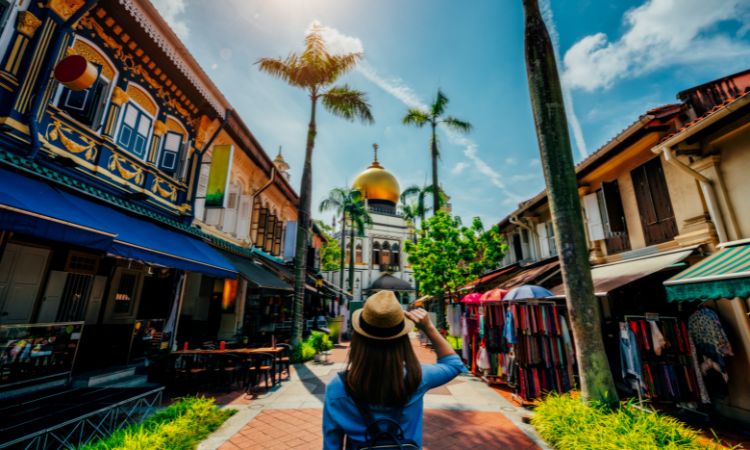
Drawing on centuries‑old traditions and the restorative power of the sea, Hammamet has become synonymous with thalassotherapy—a therapeutic discipline that harnesses mineral‑rich seawater, marine algae, and sea salts to rejuvenate body and mind. Today’s leading wellness resorts have seamlessly blended these time‑honored practices with modern spa technology, creating sanctuaries of relaxation and renewal.Guests enter serene reception areas scented with sea lavender and citrus, then don lightweight robes to begin their journey. Warm seawater baths infused with marine extracts open the pores, while hydrotherapy jets target tense muscles in slow‑flow circuits. Specialized mud wraps, enriched with volcanic clay and algae, deeply cleanse the skin, drawing out toxins and improving circulation. Between treatments, flotation pools provide weightless respite, allowing stress and fatigue to literally float away.At the heart of these retreats, professional therapists adapt each session to individual needs, whether your focus is muscle recovery, skin revitalization, or stress reduction. Massage techniques range from gentle lymphatic drainage to invigorating deep‑tissue work, often enhanced with locally sourced olive‑leaf oils or lavender essences. Facial treatments incorporate marine collagen masks and vitamin‑rich serums, leaving skin luminous.Holistic packages typically span several days, layering spa sessions with balanced Mediterranean menus, yoga or Pilates classes on sea‑view terraces, and guided breathwork or meditation workshops. Healthy breakfasts feature seasonal fruits, whole‑grain flatbreads, and herbal infusions. Light lunches might include grilled sea bream with citrus‑fennel salad, while dinners showcase vegetable‑forward tagines and whole‑grain couscous.Open‑air pavilions—often perched on cliffs or set among palm groves—host sunrise meditation and sunset sound‑healing ceremonies. Traditional hammam rituals, alternating between hot steam chambers and cool marble benches, punctuate the itinerary, accompanied by exfoliating kese mitt scrubs and restorative rinses.Post‑treatment relaxation lounges offer herbal infusions—sage, rosemary, or rosehip—alongside small plates of dried figs, almonds, and date bars. Inhale the briny breeze drifting through open windows as you recline on cushioned daybeds, absorbing the sense of calm.Whether you’re recovering from a strenuous season, seeking relief from sedentary routines, or simply craving a digital‑detox, Hammamet’s spa and wellness retreats provide a holistic sanctuary. Here, the synergy of sea and science delivers personalized journeys to restore balance, leaving you refreshed, invigorated, and deeply connected to the healing rhythms of the Mediterranean.
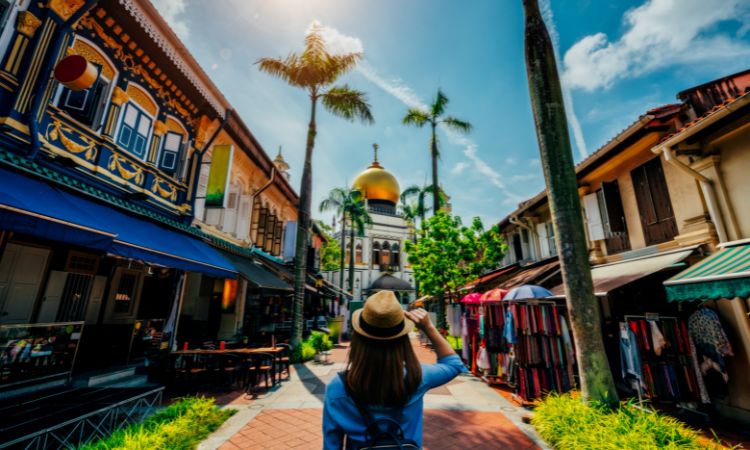
Beyond Hammamet’s sun‑drenched beaches lies a labyrinthine medina whose whitewashed walls and narrow alleys evoke centuries of history, culture, and craftsmanship. Passing through one of the ancient stone gates, visitors step into a world of shaded courtyards, carved wooden doorways, and the heady aroma of spices and leather.Artisan workshops line the winding streets, where master potters shape earthenware on wheel‑thrown looms, embroiderers stitch vibrant silk textiles, and tanners treat hides using age‑old vegetable dyes. Brightly colored ceramics—glazed in cobalt blue, emerald green, and sunlit yellow—adorn shop fronts, while stacks of traditional rugs and kilims spill into passageways. On wooden carts, vendors sell olive‑oil soaps pressed with rosemary or jasmine, their scent mingling with the warmth of sun‑baked stone.Guided walking tours illuminate the medina’s layered past. Your guide may point out vestiges of ancient ramparts, remnants of a Byzantine watchtower, or the subtle Andalusian arches that hint at migrations centuries ago. Mosque minarets punctuate the skyline, their call to prayer lending a resonant soundtrack to daily life.Amid the commerce, small cafés offer welcome respite: low tables heaped with plump dates, almond‑honey pastries, and steaming samovars of mint tea. Local shopkeepers, seated on woven mats, recount family histories or explain artisanal techniques, enriching your understanding of contemporary Hammamet through personal anecdotes.Adventure extends beyond the medina walls: day trips whisk you to the remarkably intact Punic town of Kerkouane, where coastal ruins reflect sophisticated pre‑Roman urban planning, or to the grand Roman amphitheater at El Jem, whose stone tiers once reverberated with the roar of 30,000 spectators. The atmospheric Bardo Museum in Tunis houses exquisite mosaics unearthed from nearby sites, offering context to the region’s complex tapestry.As dusk falls, the medina transforms under lantern glow. Courtyard concerts host ensembles playing oud and qanun, while theatrical troupes stage performances of folk tales in open‑air spaces. Poets recite verses, their words drifting through archways and inviting passersby to pause and listen.Exploring Hammamet’s historic core is more than sightseeing—it’s an intimate immersion in the rhythms of daily life across centuries. Every weathered stone, carved lintel, and vibrant tile tells a chapter in the town’s ongoing narrative, inviting you to become part of its storied tapestry.
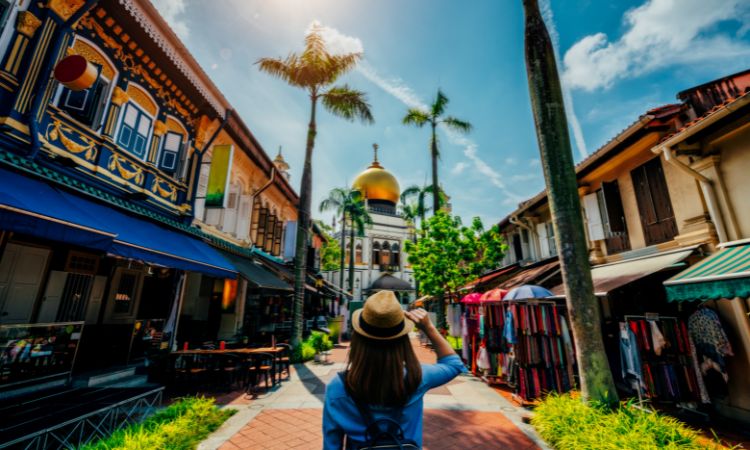
Hammamet’s cultural heartbeat resonates year‑round, but its festival calendar truly animates the town with color, music, and tradition. Each summer, the world‑renowned Hammamet International Festival transforms an open‑air amphitheater overlooking the Gulf into a dazzling stage. Local and international artists—from classical pianists to contemporary dance troupes—perform under the stars, bridging Mediterranean ambiance with global artistry.In spring, the Orange Blossom Festival celebrates the region’s flourishing citrus groves. Parades of flower‑laden floats wind through town, while folk dancers in embroidered costumes perform to live ensembles playing traditional tunes. Craft markets pop up alongside orchards, showcasing pottery painted with floral motifs, hand‑woven baskets, and artisanal scented soaps. Culinary stalls offer orange‑infused pastries, sorbets, and refreshing orange blossom water.Religious holidays such as Eid al‑Fitr and Eid al‑Adha bring communal gatherings and joyful street fairs. Families share special sweets—makroudh date cookies or kaak spiral biscuits—while children delight in brightly decorated carousel rides. Colorful parades feature costumed performers, drummers, and large papier‑mâché animals, reflecting centuries‑old customs.Throughout the year, art galleries and cultural centers present rotating exhibitions of contemporary Tunisian painters, sculptors, and photographers. Workshops in traditional mosaic, pottery glazing, or calligraphy allow visitors hands‑on immersion. Seafood festivals in the fall spotlight the latest catch: grilled sardines, octopus salads, and locally harvested shellfish served on long communal tables by the beach. Olive‑oil fairs in winter invite tastings of new‑press oils, paired with artisanal bread and local cheeses.Outside major events, intimate performances bring culture closer to the everyday. Sufi music circles convene in hidden courtyards at dusk, while storytellers weave ancient myths beside flickering lanterns. Independent filmmakers screen shorts on open‑air walls, and pop‑up poetry readings animate cafés with spoken‑word passion.To experience Hammamet’s vibrant traditions, align your stay with festival dates—but even off‑peak, the town’s creative spirit endures in galleries, workshops, and seasonal markets. Each event offers a window into Tunisia’s rich heritage, forging memorable connections between visitors and local communities.
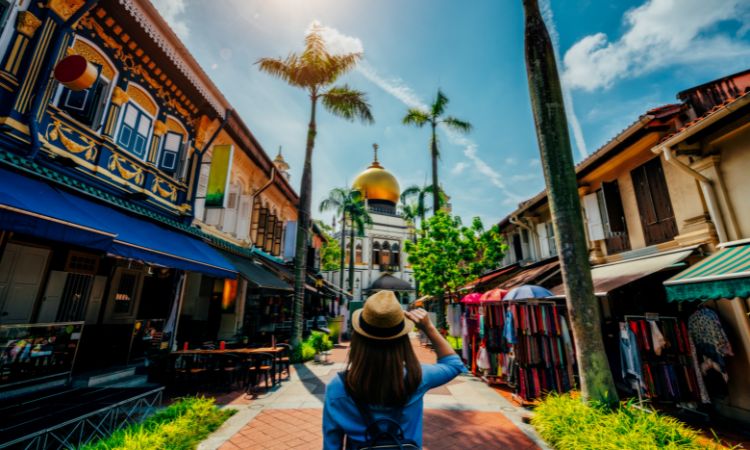
Hammamet’s sheltered bays and gentle sea breezes make its coastal waters an exhilarating playground for adventurers and nature enthusiasts alike. From dawn, windsurfing and kiteboarding schools line the shore, offering both beginner lessons and expert equipment hire. Certified instructors guide newcomers through safety drills, then release them into steady offshore breezes that accelerate confidence as much as windspeed.For those seeking a closer look at the underwater world, diving centers organize daily excursions to nearby wreck sites and coral‑encrusted reefs. Experienced guides lead small groups of certified divers on two‑tank dives, ensuring safety while unlocking spectacular views of parrotfish, groupers, and hidden moray eels. Snorkelers embark on glass‑bottom boat tours that traverse shallow seagrass meadows rich with starfish, sea urchins, and pediatric‑sized octopuses.If speed calls your name, jet‑ski rentals carve dramatic white‑water trails across the bay, and flyboard experiences launch thrill‑seekers skyward on pressurized water jets. Paddlers favor stand‑up paddleboards at sunrise, tracing the coastline’s contours in the hush of dawn, while sea‑kayak expeditions explore secluded inlets and limestone caves, their entrances half‑submerged at high tide.Fishing charters depart mid‑morning, lines cast for mackerel, dorade, and occasional tuna. Local captains share techniques passed down through generations, revealing the best currents and drop‑off points. For romantic leisure, sunset sails set sail from nearby marinas—couples sip Tunisian rosé as sails billow against an orange sky, dolphins occasionally frolicking in the vessel’s bow wake.Operators often curate combined‑activity packages: a morning of kayaking, a midday snorkeling stop with picnic lunch on a secluded beach, and an afternoon windsurfing lesson. Safety is paramount—reputable providers supply full safety briefings, life vests, and radio‑equipped guides. Seasonal weather patterns suggest peak conditions from May to September, with calmer waters in early mornings and late afternoons.Whether you crave the adrenaline of high‑speed jets, the quiet communion of a kayak at dawn, or the colorful realm beneath the waves, Hammamet’s marine offerings deliver unforgettable aquatic adventures framed by Mediterranean brilliance.
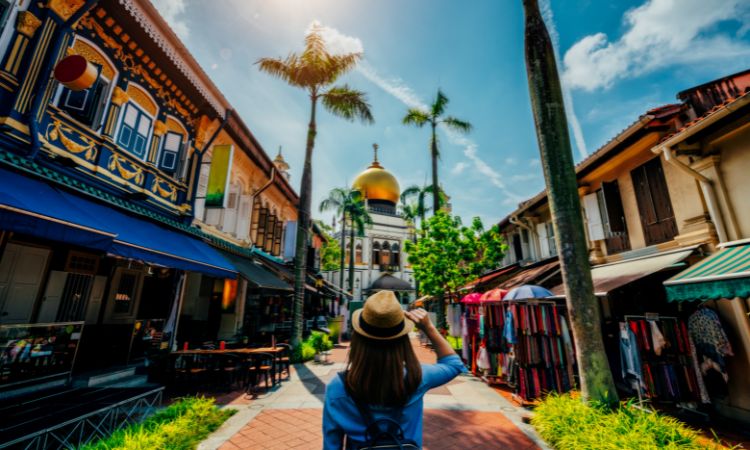
Situated at the crossroads of empires and ecosystems, Hammamet provides easy access to Tunisia’s most compelling cultural and natural treasures. A two‑hour drive north brings you to Carthage, where UNESCO‑protected Roman baths, villas, and a necropolis perch above the sea—an archaeological wonderland that reveals millennia of Mediterranean trade and conquest. Nearby, the Bardo Museum in Tunis houses the world’s finest collection of Roman mosaics, each tile narrating scenes of daily life, mythology, and nature.Heading southeast, the amphitheater at El Jem stands as one of antiquity’s most intact arenas. Here, 35,000 spectators once roared for gladiatorial contests; today, guided tours linger in vaulted corridors and ascend steep stone tiers for panoramic views across olive groves.Inland excursions venture into rolling hills dotted with olive groves and family‑run vineyards. Guests sample new‑press olive oil—green, grassy, and pepper‑tinged—paired with crispy flatbreads and heirloom olives. Vineyard tours often culminate in lunches at rustic farmhouses, where lamb tagines simmer alongside seasonal stews and salads of fresh heirloom tomatoes and cucumbers.For a stark contrast, desert‑bound expeditions head south to troglodyte dwellings near Matmata, where cave homes carved into mountainsides remain inhabited by Berber families. Overnight stays in desert camps under the Saharan sky feature traditional music around campfires and dawn‑to‑dusk camel treks across undulating dunes.Nature aficionados find solace in north‑Tunisian wetlands—Lake Ichkeul’s reeds and shallow marshes attract tens of thousands of migratory birds each winter, including flamingos, herons, and egrets. The Atlas Mountains foothills, just beyond, unveil hiking trails threaded through cedar forests, hidden waterfalls, and villages where Berber hospitality shines.Each excursion is facilitated by knowledgeable guides and comfortable transport. Early departures at dawn maximize daylight; picnic lunches or roadside stops at local cafés highlight regional cuisine—brik, oiled flatbreads, and refreshing mint teas. Whether your curiosity draws you to Punic ruins, lush countryside, or the shimmering expanse of the desert, Hammamet’s day‑trip offerings immerse you in Tunisia’s vast tapestry of history and landscape..
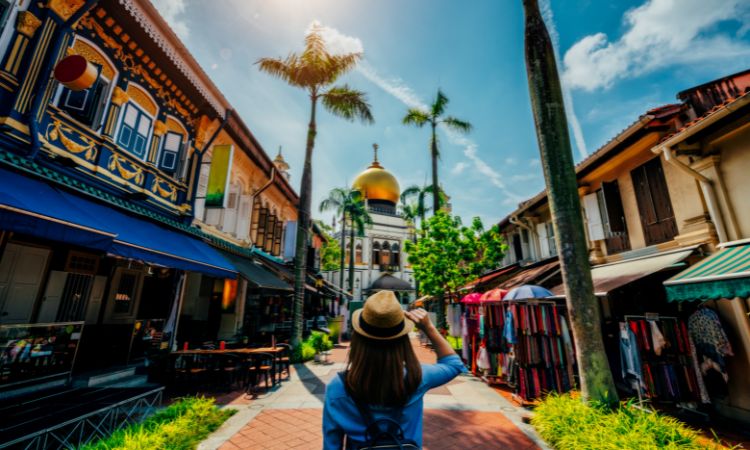
Culinary exploration in Hammamet is a journey of vivid flavors, fresh ingredients, and centuries‑old traditions. Seaside markets greet the dawn with seafood so fresh it was swimming hours earlier—octopus, red mullet, sea bream—ready to be grilled over charcoal and served with drizzles of lemon‑olive oil and sprinkles of wild herbs.In the medina’s bustling lanes, street‑food stalls tempt passersby with brik—thin pastry envelopes fried to a crisp, cradling fillings of egg, tuna, or spiced lamb. Nearby, vendors flip merguez sausage sandwiches on open grills, the aroma of cumin and harissa drawing crowds. For a hands‑on deep dive, join a market‑to‑table cooking workshop: gather ripe tomatoes, peppers, and fresh seafood under the guidance of a local chef, then learn to prepare couscous royale, vegetable tagines, and brik mouloukhia, each step illuminated by stories of family recipes passed through generations.Sweet‑tooth travelers find paradise in a patisserie’s window, where makroud date cookies—semolina cakes soaked in honey—sit next to baklava spirals filled with nuts and drenched in orange blossom syrup. Mint tea, poured from tall silver teapots, balances sweetness with a refreshing herbal note.Boutique wineries north of Tunis have emerged in recent years, their vineyards yielding crisp whites, rosés, and light reds that pair beautifully with seafood‑based mezze. Half‑day wine tours introduce you to climate‑adapted cultivars and culminate in tastings paired with olives, local cheeses, and freshly baked khobz.Beachfront fine‑dining restaurants elevate Tunisian ingredients with modern presentation: grilled grouper arrives on a bed of chickpea purée, flecked with harissa oil and microgreens; lamb tagine is slow‑braised with preserved lemons and prunes, served alongside pearl couscous infused with saffron.Throughout, the ethos remains anchored in seasonality, sustainability, and social connection. Every bite tells a story of land and sea, of Berber, Arab, and Mediterranean influences converging on a plate. Exploring Hammamet through its food is more than nourishment—it’s an immersive cultural feast that lingers long after the last morsel is savored.
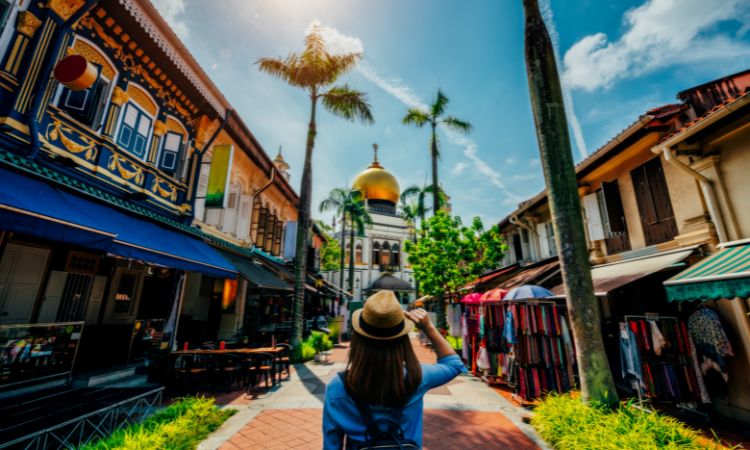
As day yields to dusk, Hammamet’s evening persona emerges in relaxed elegance rather than frenetic nightlife. Along the beach, tiki lanterns illuminate sand‑laid pathways leading to low‑seated lounges where live acoustic duos play mellow renditions of Tunisian folk songs and international classics. Resorts host weekly themed nights—Andalusian dance performances, Sufi trance music under palm fronds, or modern DJ sets that blend electronic beats with North African rhythms.In the medina’s quieter corners, open‑air cafés set up small stages for storytellers and poets, their narratives echoing off ancient stone walls. Lantern‑lit corners display local art, from contemporary canvases to intricate mosaics, as visitors sip carafes of rosé or cool glasses of mint lime‑ade.Shisha lounges line seaside promenades, their billowing smoke drifting above plush seating areas where friends and couples share flavored tobaccos—apple, mint, and pomegranate—while sampling mezze platters of hummus, zaalouk, and grilled halloumi. Cocktail bars specialize in local twists: gin infused with carob pods, sparkling wines topped with orange blossom foam, and spiced rum mixed with date syrup.Outdoor film nights project Tunisian classics or global arthouse films onto fortress walls, complete with popcorn stalls and woven blanket rentals. For more upbeat evenings, select poolside clubs host international DJs for late‑night dancing under floodlights, drawing an energetic but tasteful crowd.Late‑night beach bonfires occasionally spring up among friends, with impromptu drumming circles and communal guitar jams. Waterfront restaurants extend dinner service into the wee hours, offering light dishes—grilled calamari, mezze—and mint tea paired with almond‑drizzled pastries.Taxis and organized hotel shuttles run until the early morning, ensuring guests return safely. Whether you favor the gentle strum of an oud by the sea, the contemplative hush of an open‑air cinema, or a chic lounge buzzing with lounge music, Hammamet’s after‑dark offerings blend cultural authenticity with modern comfort, crafting evenings as varied and inviting as its sunlit days.
No ads. No trails. No commitments


Alice Roses
London, England
51 ST MATTHIAS ROAD
NOTTINGHAM, NOTTINGHAMSHIRE
NG3 2HF
Hours: 8:00 - 17:00, Mon - Sat
support@johnsonholidays.com