
 Rawai Travel
Guide
Rawai Travel
Guide
Paris is known around the world as the “capital of love,” and even if you don't understand the history of Paris at all

12 Hours
£1.56
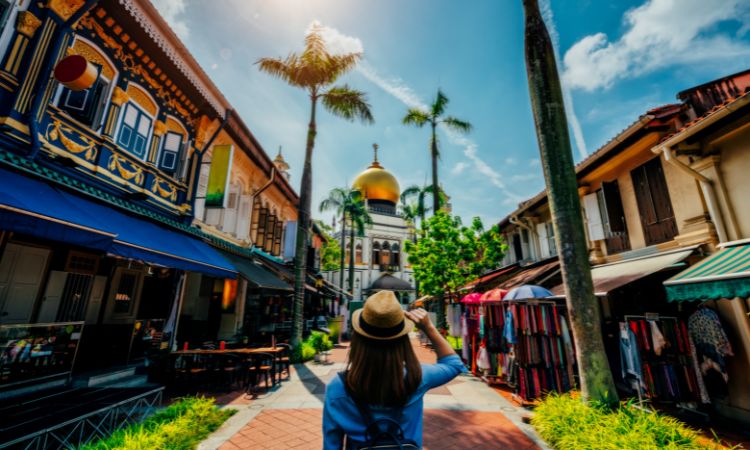
Rawai’s coastline is lined with fishing boats bringing in fresh catch daily. At Rawai Seafood Village and local beachfront restaurants, you can choose from an array of seafood—lobster, fish, squid, prawns—prepared in traditional Thai styles (grilled, steamed with lime and chili, or in spicy soups) or fusion dishes. Dining by the water at sunset, with gentle waves lapping nearby, creates memorable meals. Beyond restaurants, small street stalls and markets offer seafood snacks and local specialties at budget-friendly prices. Food lovers will relish exploring Rawai’s seafood offerings, where freshness and authenticity define each dish.
Learn More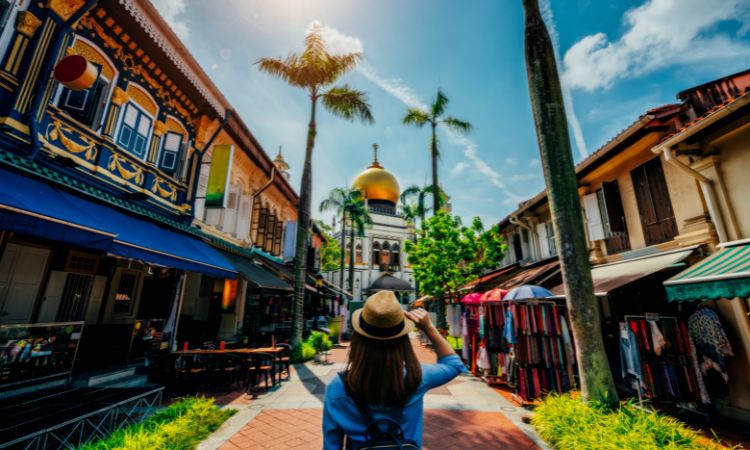
Rawai is a launch point for boat trips to nearby islands. Speedboats and long-tail boats depart daily for Coral Island (Koh Hae), Racha Islands, Phi Phi, Shark Point, and other dive/snorkel sites. Dive centers in Rawai cater to beginners through advanced divers, offering PADI courses and guided dives. Snorkelers can explore vibrant reefs just offshore. Boat trips are shorter from Rawai than from some western Phuket beaches, maximizing time on islands. Whether you seek clear lagoons, coral gardens, or underwater photography opportunities, Rawai’s dive and island-hop services provide convenience, safety, and expertise for marine adventures.
Learn More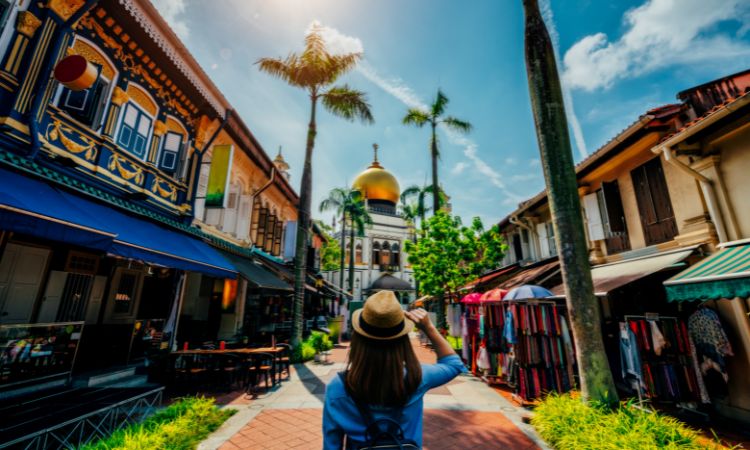
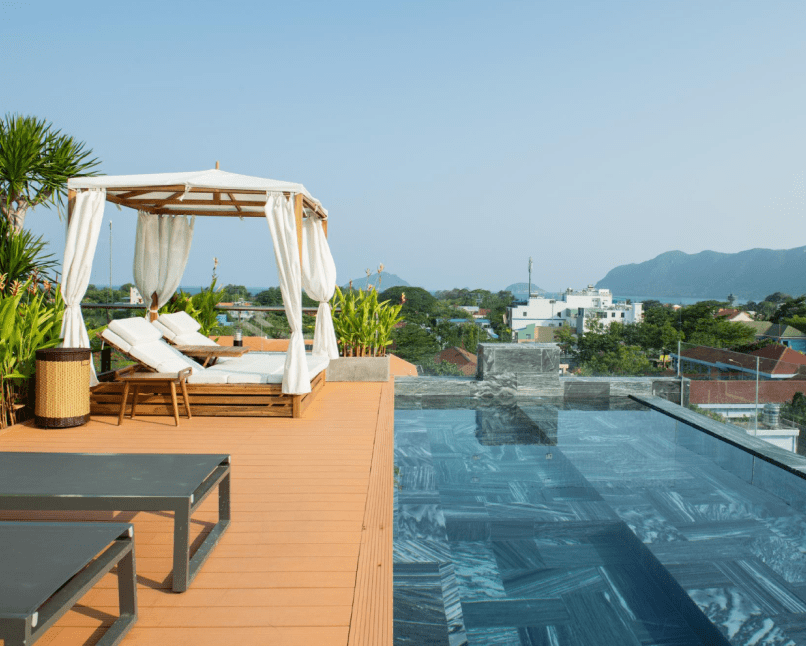
Unlike busier Phuket beaches, Rawai offers serene beachfront settings ideal for relaxation. Stroll along the bay lined with palm trees and watch local boats. Sunrise and sunset views are unhurried and picturesque. Nearby Nai Harn Beach and Ya Nui Beach offer calm waters for swimming and sunbathing. Boutique resorts and villas often feature infinity pools overlooking the sea, open-air lobbies, and natural landscaping. For those seeking peace, Rawai’s ambiance—away from large crowds—allows reading, meditating, or enjoying spa treatments without distractions, yet still provides easy access to amenities and activities.
Learn More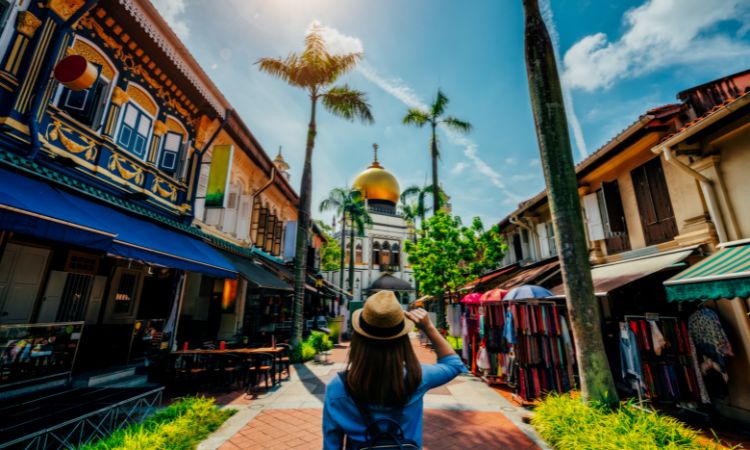
Wellness seekers find Rawai inviting: yoga studios overlooking the bay, holistic spa treatments using Thai herbs, and wellness retreats offering detox programs. Local massage therapists specialize in traditional Thai massage, aromatherapy, and foot reflexology, often in open-air pavilions with ocean breezes. Some resorts integrate wellness packages—yoga plus healthy meals, meditation sessions, and nature walks. The calm atmosphere and natural surroundings support relaxation and rejuvenation, making Rawai a destination for self-care and stress relief.
Learn More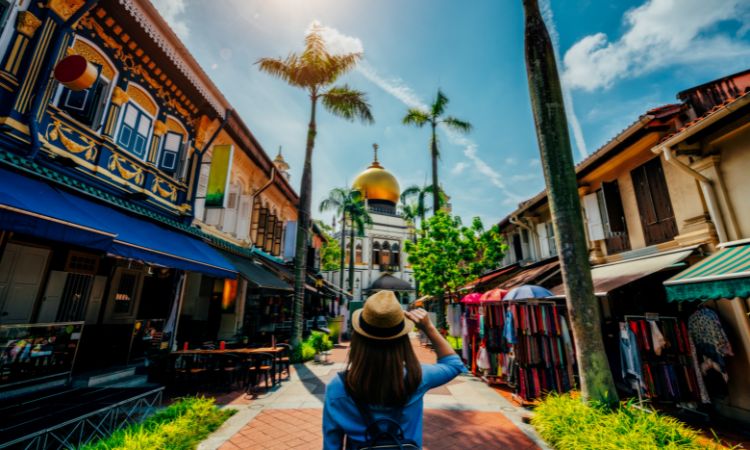
Rawai retains local charm: fish markets, community temples, and occasional festivals showcase Phuket’s culture. Visitors can observe fishermen at work, join local cooking classes, or explore small temples and shrines in the area. Nearby inland areas feature rubber and cashew plantations, where agri-tours explain local livelihoods. Cultural tours include visits to the Sea Gypsy communities, learning about their traditions and way of life. Exploring Rawai village areas provides authentic insights into Phuket’s heritage beyond the tourist facade.
Learn More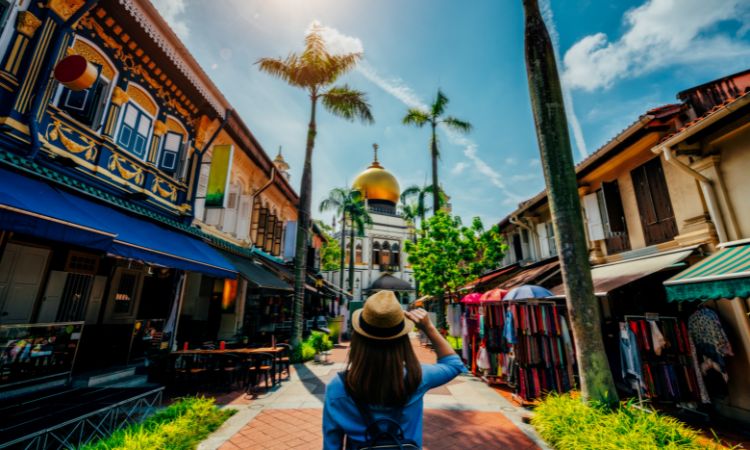
Families appreciate Rawai’s safe, calm waters at nearby beaches like Nai Harn, with shallow entry points and lifeguards in peak season. Many resorts provide family rooms, children’s pools, and kid-friendly activities (e.g., cooking classes, nature walks). Day trips—such as visiting Phuket Aquarium, elephant sanctuaries, and water parks—are easily arranged from Rawai. The relaxed atmosphere and moderate traffic compared to busier Phuket areas create a comfortable environment for families with children or multi-generational travelers seeking both relaxation and exploration.
Learn More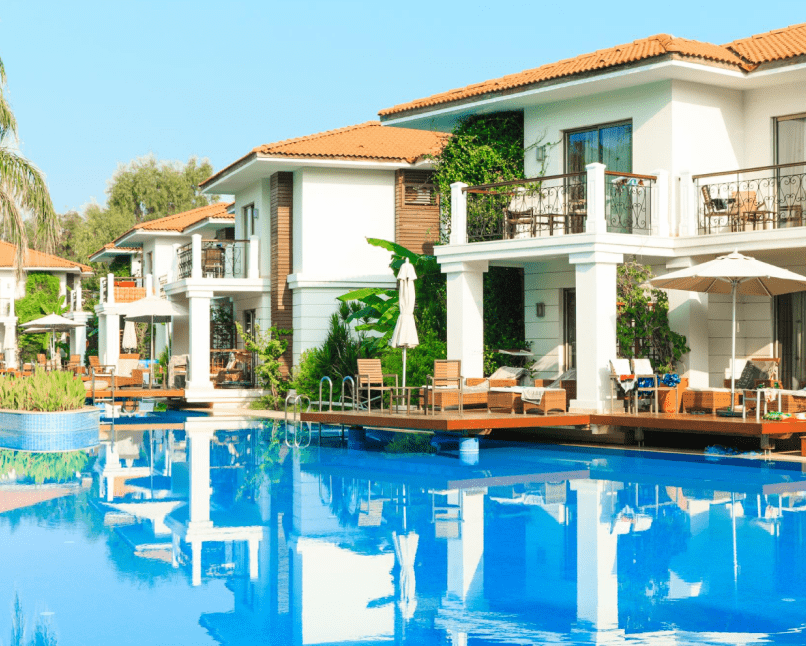
Lorem ipsum dolor, sit amet consectetur adipisicing elit. At illo adipisci iusto
From

Because more than 268 other customers have loved us too

Demonstrates commitment to user data security through encryption and secure payment practices
Learn More
Demonstrates commitment to user data security through encryption and secure payment practices
Learn More
Demonstrates commitment to user data security through encryption and secure payment practices
Learn More
Demonstrates commitment to user data security through encryption and secure payment practices
Learn More
Quality as judged by customers. Book at the ideal price!


/ person
/ person
/ person
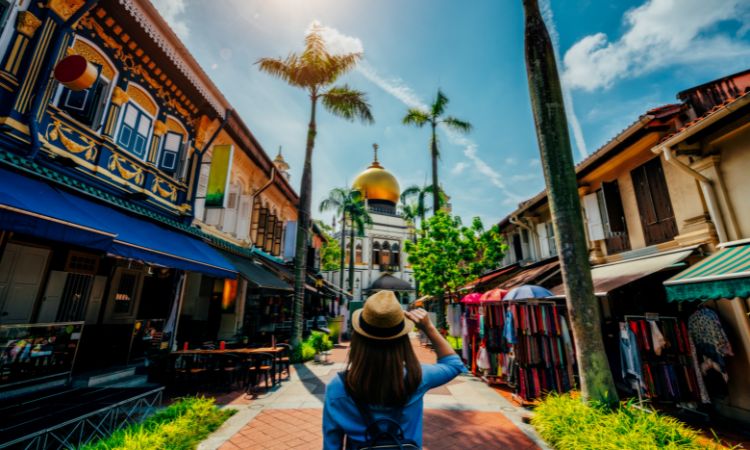
Rawai’s coastline features a series of tranquil beaches, each offering unique scenery and activities. The bay at Rawai itself is more of a working beach, lined with long-tail boats and fishing vessels, providing a glimpse into local maritime life. For genuine relaxation by clear waters, head to nearby Nai Harn Beach, just a short drive away. This horseshoe-shaped beach has soft white sand, calm turquoise waters ideal for swimming, and lush hills framing either side. Nai Harn often ranks among Phuket’s top beaches for its clean environment and safe swimming conditions. Early mornings here offer peaceful sunrises framed by gentle waves, while late afternoons provide spectacular sunset views.Another gem is Ya Nui Beach, a small sheltered cove tucked between rocky outcrops. It is ideal for snorkeling: beneath the surface, colorful corals and tropical fish thrive in shallow reefs. The beach is compact—meaning fewer crowds—but facilities such as small cafés and sun loungers ensure comfort. Adventurous visitors can explore hidden rock pools and climb to viewpoints overlooking the Andaman Sea. During high tide, Ya Nui’s calm waters invite kayaking and paddleboarding; at low tide, shallow pools reveal marine life for curious explorers.For photographers and those seeking solitude, observe the dramatic rock formations at Rawai Beach itself, especially at sunrise when fishermen’s boats dot the horizon. The interplay of soft morning light, wooden boats, and sea creates picture-postcard scenes. Although swimming directly at Rawai Beach is less common due to boat traffic, adjacent spots like Friendship Beach (Chalong Bay area) can be reached by a short boat ride for quiet swims.Beach-hopping around Rawai reveals varied settings: from busy fishing piers to hidden coves with lush backdrops. Each beach visit unveils different moods—serene early-morning calm, midday snorkeling adventures, and romantic sunset dinners on the sand. Pack sunscreen, swimwear, and a waterproof camera to capture underwater beauty. Facilities are modest but adequate: small restaurants, sunbeds, umbrellas, and local vendors offering snacks and fresh coconuts. For an authentic experience, join a beach picnic arranged by local operators, enjoying freshly grilled seafood with sea breeze.Conservation-minded travelers will appreciate Rawai’s efforts to maintain cleanliness: some beaches implement plastic-reduction initiatives, and local operators encourage eco-friendly practices. Respect marine environments by avoiding single-use plastics and following guidelines when snorkeling or diving. Engaging with local beach clean-up activities can add meaning to your stay.Overall, Rawai’s beaches and nearby bays provide a blend of nature, calm waters, and local culture. Whether you seek sunbathing, snorkeling, photography, or reflective moments by the sea, Rawai’s beach experiences deliver authentic Phuket charm without the crowds of more famous beaches.
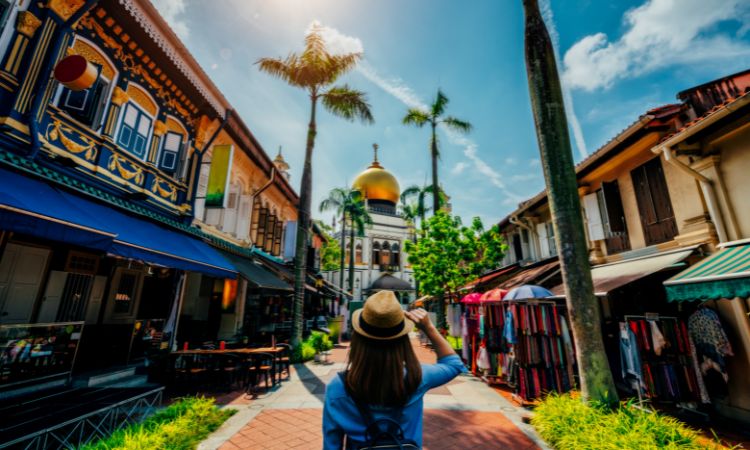
Rawai serves as a convenient gateway for island-hopping excursions across southern Phuket’s archipelagos. Boat operators line the shore offering day trips to Coral Island (Koh Hae), Racha Yai (Raya Island), and further destinations like Phi Phi and beyond for diving enthusiasts. These island trips vary in duration, from half-day snorkeling around Coral Island to full-day journeys exploring multiple sites.Coral Island is closest: a 15–20-minute speedboat ride yields white-sand beaches with shallow reefs perfect for snorkeling. Tour operators provide snorkeling gear; marine life includes parrotfish, clownfish, and soft corals. Beach clubs on Coral Island offer sunbeds and refreshments. For a budget experience, bring your own snacks and water. Timing early departures avoids larger crowds, ensuring clearer waters and more wildlife sightings.Racha Yai Island (Raya Island) lies about 45 minutes away. Known for crystal-clear waters, it’s a destination for beach relaxation and snorkeling/swimming. The beachfront restaurants serve fresh seafood, and the island’s laid-back vibe complements Rawai’s tranquil ethos. Boat rides include safety briefings; sea conditions are generally calm in dry season (November–April). Underwater visibility can exceed 20 meters. On Racha, explore coral gardens by snorkeling or try beginner diving courses offered by dive shops launching from Rawai.For certified divers, day trips to sites like Shark Point, Anemone Reef, and Phi Phi Islands depart Rawai via speedboat. Dive operators arrange equipment, dive guides, and schedule multiple dives per day. Shark Point reveals leopard sharks in sandy patches; Anemone Reef exhibits colorful anemones and clownfish. For more remote dive sites, liveaboards may be organized from Rawai’s marinas. Safety standards and professional guides ensure comfortable dive experiences.Sunset cruises from Rawai present another perspective: board a private long-tail or luxury yacht for an evening sail, accompanied by dinner on board. Witness the sun dipping into the Andaman Sea, with silhouettes of islands on the horizon. These cruises often include snorkeling stops at twilight reefs where nocturnal marine life begins to stir. Photographers and romantics will relish the golden-hour ambiance.Sustainable island-hopping is encouraged: choose operators practicing eco-friendly measures (avoiding damage to coral, not feeding wildlife, using biodegradable sunscreen). Some operators contribute part of ticket proceeds to marine conservation. Ask about small-group tours to minimize environmental impact. Respect local regulations on protected marine areas.Booking tip: pre-book during peak months (November–April) to secure preferred departure times. In shoulder/off-peak seasons (May–October), check weather conditions; monsoon periods may limit certain island trips. Always verify safety equipment, travel insurance inclusion, and cancellation policies. Many tours include hotel transfers from Rawai accommodations, simplifying logistics.In sum, island-hopping from Rawai unlocks Phuket’s marine wonders: from easy snorkeling at Coral Island to advanced diving around Phi Phi, complemented by sunset sails and eco-conscious practices. Rawai’s proximity and variety of operators make it an ideal base for discovering Thailand’s famed islands, combining adventure and relaxation in one trip.
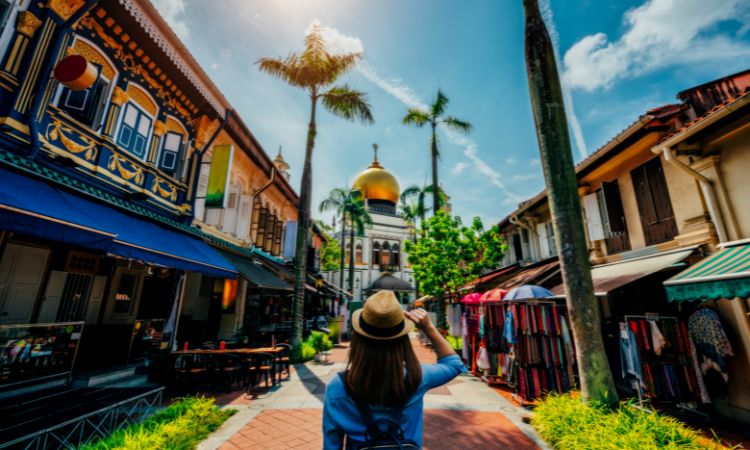
Rawai’s charm extends beyond its beaches: its markets and cultural pockets offer authentic Phuket experiences. Early mornings see local vendors at fresh markets near the coast unloading vegetables, fruits, seafood, and prepared foods. Visiting a morning market provides insight into daily life: observe locals haggling for produce, sample seasonal fruits like mango and dragon fruit, and try breakfast staples (rice porridge, noodle soups) at stalls favored by residents.A must-visit is Rawai Seafood Market: select live seafood—crabs, prawns, fish—and have vendors arrange cooking at nearby eateries. This interactive meal experience immerses travelers in local culinary culture. Small temples and shrines around Rawai host occasional community events and merit-making ceremonies; participating respectfully offers understanding of Buddhist practices. Check with local guides for festival timings (e.g., Sea Gypsy Boat Floating Festival).Cooking classes in Rawai teach Thai dishes using local ingredients from markets. Participants learn to prepare curries, stir-fries, and desserts under guidance of Thai chefs or home cooks. These classes often include market tours to select freshest produce, enhancing appreciation of ingredients and cooking methods. For families and couples, this hands-on cultural immersion is rewarding and tasty.Artisans in Rawai craft souvenirs and practical items: batik textiles, handmade jewelry, and wood carvings. Visit small workshops or galleries showcasing Phuket’s creative talent. Some studios offer short workshops (e.g., batik painting), enabling visitors to create personalized keepsakes. Purchasing from local artisans supports community livelihoods.Inland excursions reveal Phuket’s rural side: rubber and cashew plantations where guide-led tours explain harvest processes. Visit a pepper farm to understand spice cultivation. These agri-tours often include tastings of local products (dried cashews, pepper). Knowledge of local agriculture deepens respect for the island’s heritage.Spa treatments in Rawai integrate cultural elements: Thai massage techniques passed through generations, herbal compresses using local plants, and wellness rituals inspired by traditional beliefs. Many spas source ingredients from nearby gardens. Booking a spa day includes cultural context: understand the significance of various massage strokes and herbal remedies in Thai wellness philosophy.Community-based tours to Sea Gypsy villages (Moken people) near Rawai introduce visitors to maritime traditions. Learn about their history, crafts, and livelihoods. Ensure tours are ethical and respectful, with benefits flowing back to the community. Choose certified operators who engage in responsible tourism.Cultural workshops may include Thai boxing (Muay Thai) sessions for beginners, with local trainers teaching basic techniques and cultural background. Even short sessions convey discipline and respect inherent in the sport. For deeper engagement, attend a local temple for morning alms-giving, experiencing Buddhist daily rituals.Throughout Rawai, signage and conversations may be less English-centric than in busier Phuket zones; this fosters genuine exchanges. Learning basic Thai phrases is appreciated by locals and enhances interactions. Sampling street snacks—khanom (Thai sweets), grilled skewers, fresh coconut juice—connects travelers to everyday life.In summary, Rawai’s markets and cultural offerings provide layered experiences: from seafood market visits and cooking classes to agri-tours and wellness rooted in local traditions. Engaging respectfully and sustainably ensures meaningful encounters, leaving visitors with deeper appreciation of Phuket’s heritage and way of life.
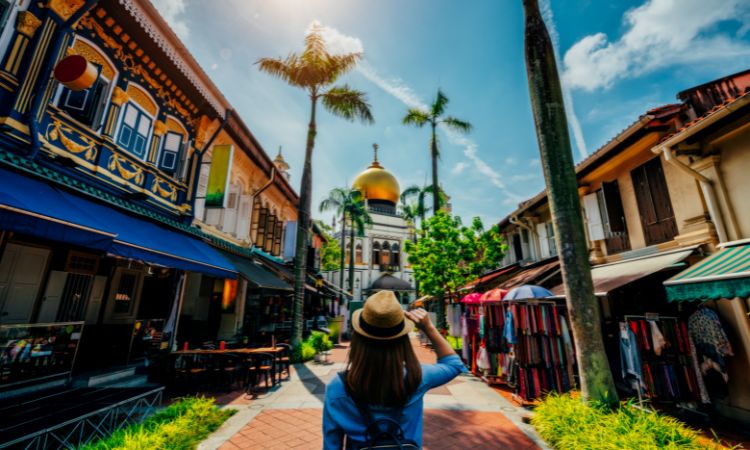
Rawai’s tranquil atmosphere makes it a wellness haven. Nestled between sea and hills, wellness centers and spas harness natural surroundings and Thai healing traditions. Yoga studios offer sunrise and sunset sessions overlooking the bay; gentle ocean breezes and bird songs create conducive settings for mindfulness and rejuvenation. Classes cater to all levels, from beginners exploring yoga basics to advanced practitioners deepening practices like vinyasa or yin yoga. Retreats often include meditation workshops, breathing exercises, and nature walks in nearby forests or coastal trails.Spa treatments in Rawai emphasize traditional Thai massage, aromatherapy, and herbal therapies. Many spas use locally sourced herbs and oils: lemongrass, tamarind, turmeric, and native plants known for healing properties. Treatments range from Thai herbal compress massage, which soothes muscles and improves circulation, to foot reflexology targeting energy lines. Advanced wellness centers integrate Eastern and Western therapies: detox programs combining dietary guidance (healthy Thai vegetarian menus), herbal teas, and body scrubs using coconut and sea salt.Holistic retreats in Rawai may span from a day to a week, offering structured schedules: morning yoga, healthy breakfasts, spa treatments, cultural activities (cooking classes focusing on nutritious Thai dishes), and evening meditation. These programs are designed to reset mind and body rhythms, ideal for travelers seeking break from urban stress. Accommodation often includes open-plan villas or eco-friendly bungalows surrounded by gardens, encouraging quiet reflection and immersion in nature.Wellness experiences extend to water-based therapies: sea salt baths, floating yoga sessions, and spa packages featuring marine ingredients (seaweed wraps). Rawai’s coastal setting enhances these therapies: fresh sea air contributes to respiratory benefits. Some resorts offer detox pools or vitalizing plunge pools overlooking the Andaman Sea. Wellness packages frequently bundle excursions to natural hot springs elsewhere in Phuket province, combining hydrotherapy with scenic exploration.Local practitioners sometimes offer alternative therapies: Thai herbal medicine consultations, energy healing sessions, and traditional foot soaks with aromatic herbs. Visitors intrigued by Thai healing philosophies can attend workshops on herbal remedies, learning how local communities have used plants for generations. Purchasing herbal products from ethical local producers supports community and wellness traditions.Nutrition-focused travelers can join cooking workshops emphasizing healthy Thai cuisine: plant-based curries, fresh salads with local fruits, and light seafood preparations. Workshops include market tours to select organic or locally grown produce. Understanding Thai food’s balance of flavors (sweet, sour, salty, spicy) helps participants apply healthy cooking techniques at home.Wellness seekers can also explore nearby nature trails: short treks through Phuket’s interior hills, bird watching, or guided forest bathing experiences. These activities reconnect visitors with nature, complementing spa and yoga routines. Early-morning hikes to viewpoints reward with panoramic vistas of Rawai bay and surrounding islands, reinforcing sense of peace and perspective.Booking tips: Reserve in advance during peak months; off-peak travelers may find lower rates and smaller group sizes. Confirm whether packages include airport transfers, vegetarian/vegan meal options, and any necessary equipment (e.g., yoga mats). Check reviews to ensure qualified practitioners and hygienic facilities. Many properties integrate sustainable practices—organic gardens, solar energy, water conservation—aligning with eco-conscious travelers.In essence, Rawai’s wellness offerings blend Thai healing traditions, coastal serenity, and nature immersion. Whether seeking a short spa day or extended retreat, travelers find balanced programs to revitalize body and mind, framed by Rawai’s peaceful landscapes and authentic culture.
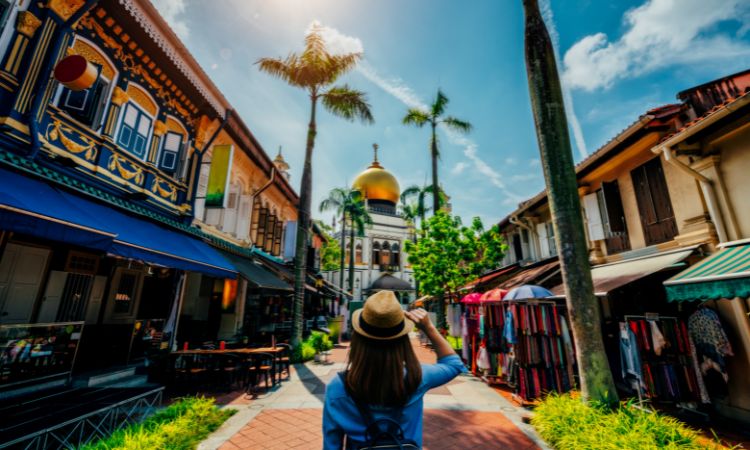
Rawai is a hub for diving and snorkeling adventures in southern Phuket. Dive centers operate from Rawai, offering day trips to renowned dive sites like Shark Point, Anemone Reef, King Cruiser Wreck, and Phi Phi archipelago. Open-water courses begin here: beginners learn skills in pool or shallow reefs before venturing to deeper sites. Experienced divers can access advanced sites via liveaboard or full-day boat trips. Guides emphasize safety, local marine conservation, and respectful underwater practices.Shark Point, about 40 minutes by boat, features leopard sharks resting on sandy bottoms at depths around 18–25 meters. Dive guides lead divers to encounter these harmless creatures, as well as vibrant anemones with clownfish. Anemone Reef offers shallow dive opportunities for snorkelers and divers alike, with colorful soft corals and schools of tropical fish. King Cruiser Wreck, at around 30 meters depth, is suitable for advanced divers exploring a sunken ferry teeming with marine life. Dive shops in Rawai provide equipment rental, PADI certifications, and guided night dives for nocturnal species.Snorkeling trips depart Rawai to Coral Island for family-friendly shallow reef experiences. Boat operators supply snorkel gear; children and novice snorkelers enjoy calm waters and easy access to reefs. Longer snorkel excursions to Koh Mai Thon or Koh Bon offer opportunities to swim with reef sharks (in season) and spot rays gliding over sandy sea floors. Marine biologists occasionally lead eco-snorkeling tours, explaining reef ecosystems and raising awareness of coral conservation.Underwater photography enthusiasts find Rawai dive operators accommodating: some provide camera rental or assistance with camera settings. Photographers capture colorful nudibranchs, reef fish, and macro life on shallow dives. Many dive shops collaborate with coral restoration projects; divers can volunteer in reef-planting initiatives to support local ecosystems. Choose operators with eco-certifications and responsible dive practices to minimize environmental impact.Seasonality: Dry season (November–April) yields calm seas and optimal visibility (20–30 meters). Monsoon months may limit some dive sites but still allow sheltered-area diving. Always check weather conditions and operator updates. Advance booking recommended in peak season to secure dive slots. Multi-day dive packages often include accommodation in Rawai, meals, and round-trip transfers.Safety: Operators include safety briefings, emergency protocols, and equipment checks. Always dive within certification level; consider refresher courses if returning after a break. Snorkelers should use reef-safe sunscreen and avoid touching corals. Guides emphasize low-impact diving: no stirring up sediment, no touching marine life. Respect local regulations in marine national parks; fees for protected areas contribute to conservation.Beyond diving, Rawai’s aquatic adventure options include snorkeling night tours with underwater lights, kayaking to hidden bays, and paddleboarding at calm beaches. Some operators offer combined activities: morning dive, afternoon kayak. These hybrid itineraries suit groups with mixed interests.In summary, Rawai’s diving and snorkeling offerings cater to all skill levels, from families snorkeling shallow reefs to advanced divers exploring wrecks and deeper sites. With professional operators, eco-conscious practices, and scenic boat trips, Rawai stands out as a gateway to Phuket’s marine wonders, balancing adventure with sustainability.
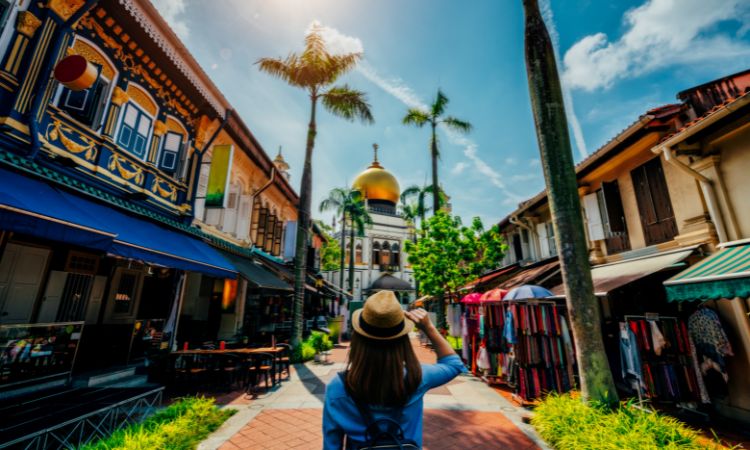
Rawai’s coastal setting supports diverse watersports and outdoor adventures. For adrenaline seekers, options include kayaking around coastal bays, stand-up paddleboarding in calm waters, and jet-ski excursions to nearby islands. Local operators provide equipment rental, basic instruction, and guided tours, ensuring safety and enjoyment.Kayaking from Rawai Beach leads to exploration of hidden coves, mangrove-lined inlets, and small islands off the coast. Guided kayak tours include commentary on local ecology, mangrove ecosystems, and wildlife sightings (birds, small marine creatures). Sunset kayak tours highlight changing colors over the sea, often accompanied by light snacks or drinks. Paddleboarding is popular for fitness and balance; calm mornings yield smooth water ideal for beginners. Instructors offer sessions for novices, teaching basic posture and paddling techniques.Jet-ski and flyboard rentals operate from nearby beaches; while louder activities are more limited in Rawai itself, excursions begin here for small-group adrenaline tours. Riders follow safety briefings and explore designated zones, observing speed and environmental regulations. Parasailing from nearby beaches offers aerial views of Rawai bay and surrounding islands; operators manage safety harnesses and boat support.On land, Rawai connects to adventure tours: ATV rides along jungle trails and rubber plantations; zipline courses in Phuket’s inland hills; and mountain biking routes with varied difficulty. Booking through Rawai-based operators includes transport to trailheads. ATV tours traverse rural landscapes, revealing local farm areas and viewpoints over the sea; guides explain local agriculture and ecology. Zipline parks offer canopy tours, combining thrills with nature immersion; participants learn about rainforest flora and fauna while gliding above treetops.Hiking enthusiasts can take guided treks to viewpoints near Rawai: early morning hikes reward with panoramic views of Rawai bay, Nai Harn Beach, and outlying islands. Guides share cultural and natural history en route, pointing out local plant species and explaining conservation efforts. Birdwatching tours in nearby forested areas attract enthusiasts; Phuket’s diverse avian species include hornbills, kingfishers, and endemic birds. Equip yourself with binoculars and a local guide for optimal sightings.Fishing charters depart from Rawai for deep-sea fishing experiences: anglers target tuna, barracuda, and other species. Charters include equipment, bait, and crew guidance. Catch-and-release or catch-and-cook options available: some charters return with fresh catch for local chefs to prepare. Sustainable fishing practices are promoted by responsible operators.For group travelers, combined adventure days may include morning snorkeling, afternoon ATV ride, and evening cultural dinner. Operators customize itineraries to preferences and fitness levels. Safety protocols and equipment checks are standard. Travelers should wear appropriate attire, bring sunscreen, insect repellent, and adequate hydration.Overall, Rawai’s watersports and outdoor activities accommodate varied interests: from tranquil paddleboarding to high-energy ATV rides and fishing expeditions. With professional guides, good safety standards, and emphasis on environmental respect, Rawai delivers memorable adventure experiences set against Phuket’s natural beauty..
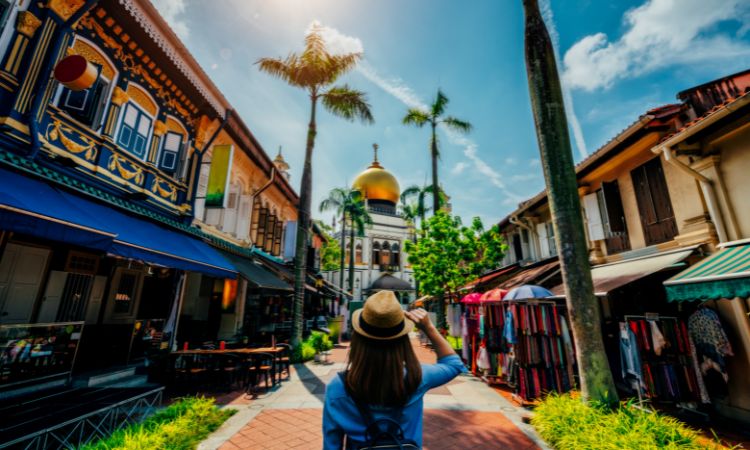
Rawai’s culinary scene blends fresh seafood, traditional Thai fare, and evolving fusion offerings. At Rawai Seafood Village, choose live seafood from tanks—crabs, prawns, fish—and have it cooked to order in local styles: steamed with lime and chili, grilled with tamarind sauce, or stir-fried in garlic and pepper. Dining by the water enhances flavors: sea breeze, gentle waves, and open-air settings create relaxed ambiance. Prices remain reasonable compared to trendier Phuket spots.Street food stalls line roads near Rawai markets: morning noodle soups (kuay tiew), rice porridge (jok), and grilled meats on skewers. Snack on khanom (Thai sweets), fresh tropical fruits like mango, pineapple, and coconut water straight from the shell. Sample local southern Thai specialties: massaman curry with tender meat and peanuts, spicy tom yum soup with fragrant herbs, and stir-fried dishes highlighting chili and coconut milk balance. Local eateries serve plate meals (khao rat) with rice, a main dish, and side of vegetables—ideal for budget travelers seeking authentic tastes.Cafés and bakeries in Rawai cater to western tastes: coffee shops with espresso-based drinks, smoothie bowls featuring local fruits, and pastries. Many cafés overlook the bay or tropical gardens, offering a relaxed environment for remote work or reading. Healthy options like salads with grilled seafood or vegetarian Thai dishes meet wellness-focused visitors’ needs. Rawai’s café culture is growing, blending Thai hospitality with modern coffee trends.For cooking enthusiasts, Rawai cooking classes pair market tours with hands-on lessons. Learn to prepare signature dishes like green curry, pad Thai, and mango sticky rice. Instructors share tips on ingredient selection and flavor balancing. Classes often include recipes and small take-home packs of spices or sauces.Evenings in Rawai unfold slowly: sunset drinks at beachfront bars serve cocktails with local ingredients—tropical fruit juices, Thai-infused spirits. Many venues offer fire shows or acoustic music, yet maintain relaxed vibes rather than loud club scenes. This suits travelers seeking mellow nightlife: sipping cocktails while watching the sun dip behind islands. Fresh seafood BBQ nights may feature live music. Dress codes are casual; barefoot or flip-flops are common.For those craving livelier scenes, short taxi rides connect to nearby areas like Kata or Patong, but Rawai itself remains low-key. Late-night cafés and small bars provide chilled environments, often featuring open-air seating. Seafood grills may stay open late for night owls. Street vendors sell snacks after dark, such as grilled seafood skewers or sweet crepes.Rawai’s culinary offerings emphasize freshness and local produce: visit early-morning markets to see catch and harvest, then taste those ingredients at meals. Sustainability-minded diners will find initiatives: some restaurants source organic produce and practice waste reduction. Engaging with chefs about seasonal specials yields unique dining experiences.Food festivals occasionally occur in Phuket’s calendar; Rawai-based venues may participate with seafood-themed events or Thai culinary showcases. Check local listings for pop-up markets or tasting nights. For special occasions—honeymoon dinners, anniversaries—private beachside meals can be arranged by resorts or caterers, featuring set menus highlighting local seafood and Thai desserts under starlit skies.In summary, Rawai’s dining scene caters to diverse tastes: authentic street food, fresh seafood feasts, casual cafés, and relaxed beachfront bars. Culinary experiences connect travelers to local culture and flavors, with an emphasis on freshness, affordability, and laid-back atmosphere.
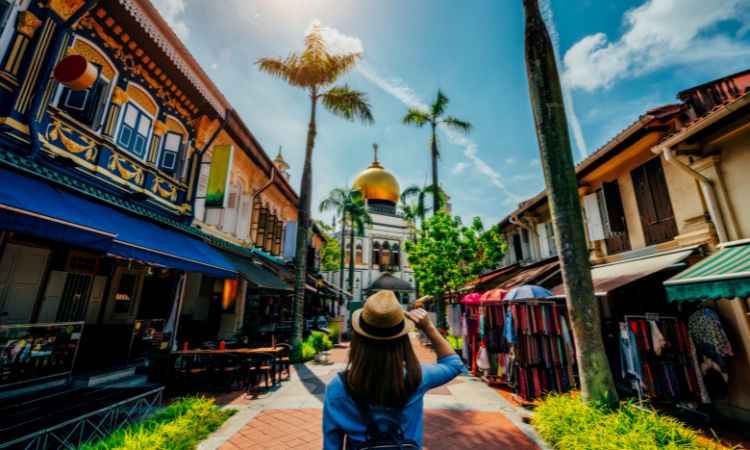
Rawai’s nightlife is relaxed, focusing on sunset views, chilled beachfront bars, and local gatherings rather than high-energy clubs. Evenings begin with watching the sky turn golden from vantage points along Rawai Bay or nearby viewpoints. Beachfront bars and restaurants set up sunset seating: wicker chairs, beanbags, or sun loungers on sand or wooden decks, offering panoramic sea views. Order a refreshing drink—tropical fruit cocktails, Thai-inspired mocktails, or a pint of local beer (~£1.56)—and savor seafood platters as the sun dips below the horizon.After sunset, Rawai’s open-air bars light up with soft lanterns or fairy lights, creating cozy atmospheres. Live acoustic music—guitarists or small bands—often accompany dinners, blending Thai and Western songs. Venues are casual: shorts, flip-flops acceptable. Some places host fire shows on the sand, especially on weekends, offering visual excitement without loud crowds. Beach bonfire gatherings occasionally organize by tour operators or resorts: enjoy marshmallows or local snacks, storytelling, and stargazing by the sea.For craft cocktail enthusiasts, bartenders experiment with local ingredients: lemongrass-infused spirits, Thai basil syrups, and exotic fruit juices. Sip signature cocktails while feeling sea breeze. Wine lovers can choose from small wine lists featuring regional and imported wines; some venues offer wine-pairing dinners with Thai fusion cuisine. A few intimate rooftop bars in Rawai area provide elevated views of bay and twinkling lights of boats at night.Late-night cafés and dessert spots serve sweet treats: Thai-style shaved ice, coconut milk desserts, or western pastries paired with coffee or tea. For a nightcap, enjoy herbal teas or chilled coconut water at beachfront cafés. 24-hour convenience stores offer snacks and drinks for those who prefer private beach picnics under stars.Rawai’s nightlife also includes night markets: occasional weekend or monthly markets feature food stalls, handicrafts, and live performances. Exploring these markets reveals local talent and street-food variations after dark. Vendors sell grilled seafood skewers, fried snacks, and sweets; shoppers browse handmade souvenirs and clothing. Night markets foster community vibes and safe, family-friendly outings.For groups seeking more vibrant scenes, short rides to Kata or Patong bring access to bars and clubs, but many choose to retreat to Rawai’s calm environment after sampling busier locales. Tuk-tuks or taxis can be arranged, but plan return transport in advance. Some accommodations offer shuttle services to nightlife hubs.Safety is generally good: keep an eye on belongings, use licensed taxis or ride-hailing apps, and avoid unlit isolated areas. Drink responsibly, especially when arranging boat rides after dark. Check local guidelines for any evening curfews or regulations.In summary, Rawai’s nightlife emphasizes relaxed beachfront experiences: sunset views, acoustic music, craft drinks, and occasional local events. It suits travelers seeking peaceful evenings by the sea, authentic local interactions, and gentle rhythms rather than high-octane party scenes. Rawai invites lingering over dinner, enjoying live tunes, and ending nights under starlit skies.
No ads. No trails. No commitments


Alice Roses
London, England
51 ST MATTHIAS ROAD
NOTTINGHAM, NOTTINGHAMSHIRE
NG3 2HF
Hours: 8:00 - 17:00, Mon - Sat
support@johnsonholidays.com