 Porto Travel
Guide
Porto Travel
Guide
Paris is known around the world as the “capital of love,” and even if you don't understand the history of Paris at all

3 Hours
£3.45
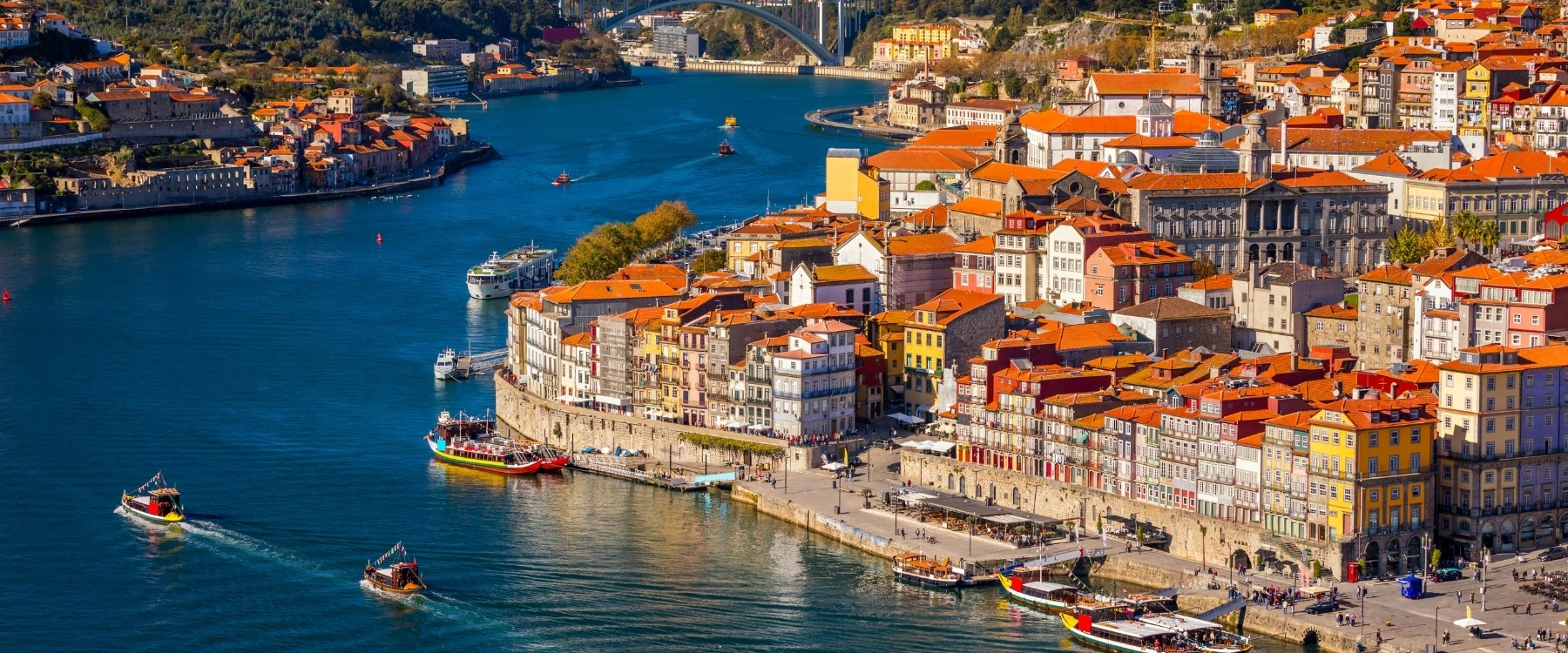
Porto’s riverside district, Ribeira, is a UNESCO World Heritage Site characterized by colourful façades, winding alleys, and waterfront promenades. Visitors can wander past medieval buildings, discover hidden courtyards, and enjoy the ambiance of riverside cafés. The iconic Dom Luís I Bridge connects Porto and Vila Nova de Gaia, offering panoramic views at sunrise or sunset. Exploring this heritage area immerses travelers in centuries of history, from medieval trade to modern revitalization projects that have preserved authenticity while fostering creativity. Porto’s historic charm provides endless photo opportunities and a sense of stepping back in time, balanced by a lively atmosphere fueled by restaurants, bars, and local artisans.
Learn More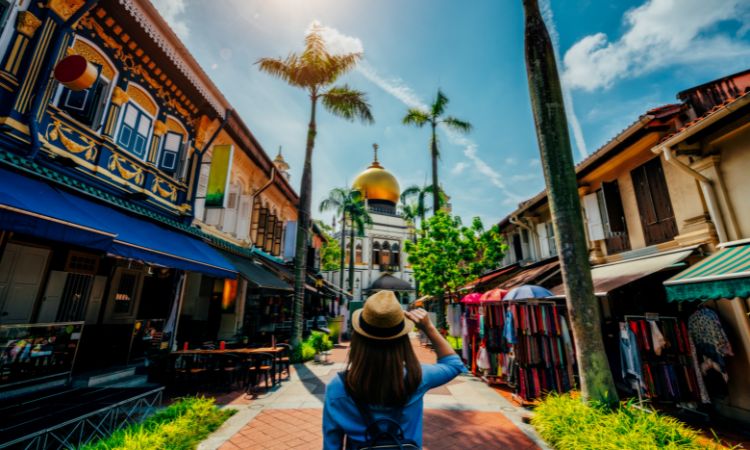
Porto is synonymous with port wine. Across the river in Gaia, centuries-old cellars open their doors for guided tastings and cellar tours. Visitors learn about the traditional process of fortifying, ageing, and blending port wine, while sampling a spectrum from ruby to tawny varieties. Tasting sessions often come with insights into pairing port with cheese or chocolate. The port wine heritage extends to festivals and events, where locals and travelers celebrate this distinctive product. Engaging with Porto’s wine culture offers both sensory delight and historical context, making it an essential experience for oenophiles and casual enthusiasts alike.
Learn More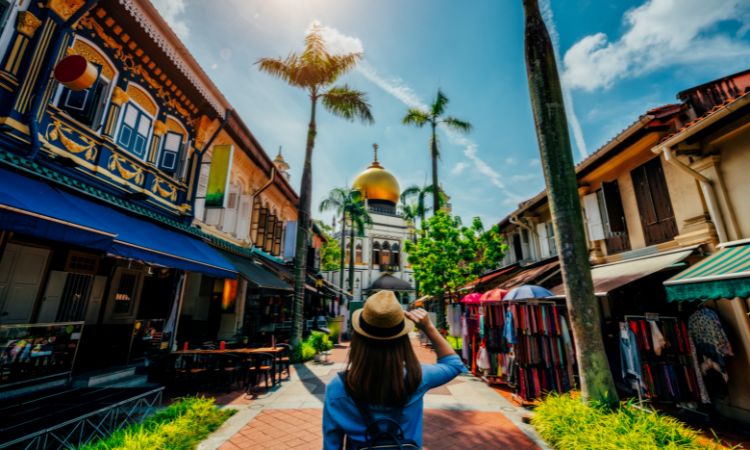
Porto’s culinary landscape blends hearty northern Portuguese traditions with contemporary innovation. Classic dishes such as francesinha (a sandwich layered with meats, cheese, and rich sauce) and fresh seafood platters showcase local flavors, while pastel de nata and baked goods delight sweet-toothed visitors. From bustling markets like Mercado Bolhão to neighbourhood tasquinhas (taverns), there’s a range of dining experiences. Innovative chefs reinterpret regional ingredients, offering tasting menus in intimate settings. Wine bars pour local Douro reds and artisanal cocktails. Whether indulging in casual street food or fine dining, Porto’s cuisine reflects both authenticity and creativity, catering to diverse preferences and budgets.
Learn More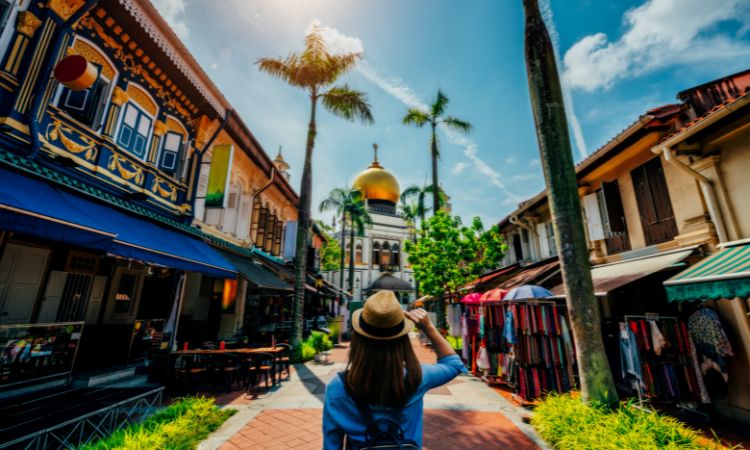
Porto’s architectural tapestry spans Romanesque cathedrals, Baroque churches, neoclassical facades, and contemporary landmarks. The Clérigos Tower soars above the city, rewarding climbers with sweeping views. The ornate Livraria Lello bookstore inspires literary pilgrims, while Casa da Música’s avant-garde design hosts concerts across genres. Art lovers visit the Serralves Foundation for contemporary exhibitions amid landscaped gardens. Street art animates neighbourhoods, and cultural festivals—film, music, art—bring vibrancy year-round. This architectural and cultural diversity allows travelers to curate experiences aligned with their interests, whether exploring heritage sites or engaging with Porto’s modern creative pulse.
Learn More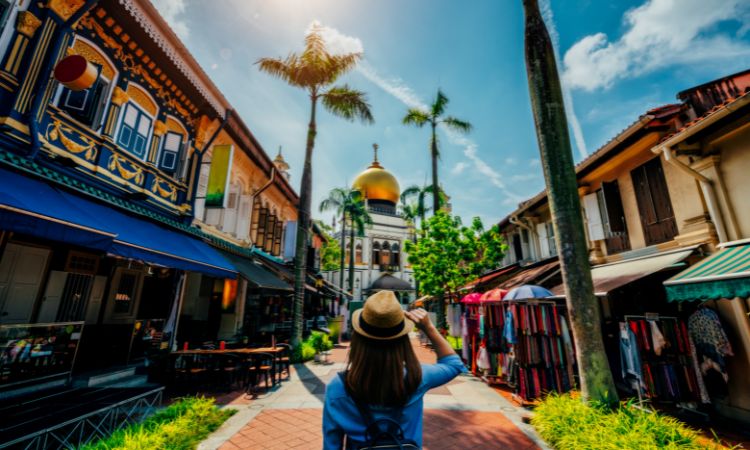
Porto’s location enables easy escapes to the Douro Valley’s terraced vineyards, where river cruises and wine estates await. Scenic train rides follow winding riverbanks. Coastal towns like Matosinhos offer seafood dining and beaches for surfing or relaxation. Peneda-Gerês National Park lies a few hours away for hiking amid rugged landscapes. Within Porto, green spaces and riverside promenades invite leisurely strolls or cycling. Guided tours and self-guided options cater to varied adventurers. The proximity of natural and rural attractions complements the city experience, appealing to those seeking balanced itineraries combining cultural immersion with outdoor exploration.
Learn More
Compared to many Western European cities, Porto offers strong value for accommodation, dining, and activities. Boutique guesthouses in heritage buildings can be budget-friendly, while quality mid-range and luxury hotels cater to varied tastes. Dining at casual local eateries often costs less than in major capitals, without compromising authenticity. Public transport—efficient metro, buses, and trams—connect neighbourhoods and nearby destinations. Francisco Sá Carneiro Airport links Porto to major European hubs with direct flights, making it accessible from the UK and beyond. This combination of affordability and connectivity makes Porto an attractive choice for travelers seeking rich experiences without excessive costs.
Learn More
Lorem ipsum dolor, sit amet consectetur adipisicing elit. At illo adipisci iusto
From

Because more than 268 other customers have loved us too

Demonstrates commitment to user data security through encryption and secure payment practices
Learn More
Demonstrates commitment to user data security through encryption and secure payment practices
Learn More
Demonstrates commitment to user data security through encryption and secure payment practices
Learn More
Demonstrates commitment to user data security through encryption and secure payment practices
Learn More
Quality as judged by customers. Book at the ideal price!


/ person
/ person
/ person
Porto’s historic centre invites exploration through narrow, winding alleys, centuries-old squares, and architectural marvels. Begin in Ribeira, where colourful façades overlook the Douro River, and the rhythmic motion of traditional rabelo boats evokes the city’s trading past. Wander through labyrinthine lanes to find hidden chapels and local workshops. Visit Porto Cathedral (Sé do Porto) and admire its Romanesque origins blended with later Gothic and Baroque additions. Climb the Clérigos Tower for panoramic vistas, noting the tiled rooftops and river meanders below. Seek the ornate São Francisco Church, where gilded woodwork interiors contrast with austere exteriors, conveying the wealth once channeled through Porto’s merchants.The iconic Livraria Lello, with its sweeping staircase and stained-glass ceiling, offers both literary heritage and design inspiration; early 20th-century ambiance lingers in its shelves. Nearby, the University of Porto area features historic façades and student cafés, blending youthful energy with tradition. Cross Dom Luís I Bridge on foot to Vila Nova de Gaia, where port wine lodges line the riverbank; guided cellar tours reveal port’s fortified winemaking heritage. The terrace viewpoints along Gaia’s waterfront provide picturesque scenes of Porto’s patchwork skyline, best enjoyed at sunset with a glass of tawny or ruby port.Amid this exploration, pause in local cafés for pastel de nata or bica (espresso), absorbing street life. Attend cultural performances at Casa da Música or smaller music venues showcasing fado or contemporary acts. In the evenings, Ribeira’s lighting transforms the riverside into a magical corridor for leisurely dinners by lantern-lit tables. This historic centre exploration balances landmark visits with spontaneous discoveries—artisan shops, street art murals reflecting modern narratives, and impromptu performances that capture Porto’s dynamic spirit.Overall, heritage discovery in Porto is layered: each street corner reveals traces of Roman outposts, medieval trade routes, and maritime prosperity, interwoven with contemporary cultural revival, making every visit both educational and emotionally resonant.
Porto’s cultural offerings span from contemporary art to traditional crafts. Start at the Serralves Foundation, where a striking modern art museum sits amid lush gardens and art deco villa. Exhibitions feature Portuguese and international artists, while the landscaped park encourages reflective walks among sculptures and native flora. Next, visit the Soares dos Reis National Museum to explore Portuguese art history, including ceramics, sculpture, and paintings that chart regional aesthetics. For contemporary photography and design, check out the Rua das Flores galleries and independent spaces dotted across Cedofeita, showcasing emerging artists.Music enthusiasts should not miss Casa da Música’s architecture and events, where guided tours explain its innovative acoustic design, and concerts range from classical to jazz and world music. For literary culture, besides Livraria Lello, explore Porto’s public libraries and café-lined bookshops highlighting Portuguese literature. The World of Wine complex in Gaia merges wine heritage with cultural exhibitions, including interactive experiences on the Douro’s wine history. For craft traditions, visit workshops specializing in azulejos (tiles), pottery, and cork products, discovering artisanal techniques passed through generations.Street art is another dimension: neighbourhoods like Bonfim and Massarelos feature murals reflecting social narratives and artistic dialogues. Guided street art tours reveal backstories behind pieces, connecting visitors with local creative communities. Seasonal cultural festivals—film festivals in autumn, music festivals in summer—offer immersive experiences, often blending traditional Portuguese themes with global influences.Interactive experiences include tile-painting workshops, wine blending sessions, and cooking classes emphasizing northern Portuguese recipes. Many cultural institutions offer bilingual tours or English-language materials, ensuring accessibility. The city’s enthusiasm for art and creativity fosters collaborations between designers, musicians, and gastronomes, visible in pop-up events and cross-disciplinary showcases. Embarking on a museums and arts trail in Porto reveals a city that values its heritage while embracing innovation, inviting travelers to engage intellectually and creatively with its evolving cultural landscape.
Porto’s culinary scene is rooted in hearty northern Portuguese traditions and elevated by inventive chefs. Begin with market visits: Mercado do Bolhão offers fresh produce, local cheeses, cured meats, and regional specialties, allowing travelers to sample ingredients and interact with vendors. For a quick bite, taste bifana sandwiches at traditional cafés, pairing the spiced pork with local mustard. Seek out family-run tascas serving francesinha, a decadent sandwich layered with cured meats, melted cheese, and savoury sauce; savor its comforting richness.Seafood is central: Matosinhos, a short metro ride away, is famous for grilled fish and seafood platters—freshly caught sea bass, octopus, and shellfish accompanied by local vinho verde. Back in the city, trendy restaurants reinterpret traditional dishes: chefs infuse local ingredients—cornbread (broa), smoked sardines, chestnuts—into tasting menus that highlight seasonal produce. Vegetarian and vegan options have grown, with cafés offering plant-based takes on Portuguese staples.Sweet indulgences include pastel de nata and bolo de arroz (rice cake), best savored with a bica or galão (latte). Porto’s café culture melds casual coffee shops and patisseries; some establishments roast beans locally, reflecting artisanal coffee trends. Wine bars pour Douro reds and port variants; guided tastings reveal regional grape varieties from Douro and nearby Vinho Verde regions. For a social evening, join a wine-and-tapas pairing event, blending local cheeses, charcuterie, and olives with specialty wines.Craft beer breweries have emerged, offering tastings of Portuguese microbrews, sometimes incorporating local ingredients like chestnuts or citrus. Cocktail bars reinterpret Portuguese spirits such as ginjinha (cherry liqueur) into modern mixes. Culinary workshops allow travelers to learn to prepare dishes like caldo verde soup or octopus rice, deepening appreciation for regional cooking methods.Dining in Porto can suit varied budgets: from street food stalls and casual tascas to mid-range bistros and fine-dining restaurants with tasting menus. Reservations are recommended for popular venues, especially during peak season. Embrace leisurely meals—Portuguese culture values long lunches and convivial dinners—allowing time to savor flavors and enjoy convivial company. Porto’s gastronomic delights combine tradition, innovation, and social warmth, ensuring memorable experiences for food lovers at every level.
No visit to Porto is complete without delving into port wine culture. Cross Dom Luís I Bridge to Vila Nova de Gaia, where historic cellars line the riverbank, each offering guided tours detailing port’s origins, fortification process, and ageing methods. Taste varieties from youthful ruby to aged tawny and vintage ports, learning to differentiate aromas, textures, and sweetness levels. Many lodges pair tastings with cheese, chocolate, or nuts, illustrating ideal food pairings. For deeper immersion, join blending workshops to create a personal port blend, understanding how grape varieties and ageing influence profile.Beyond port, explore Douro Valley wines: day trips to vineyards reveal terraced landscapes and wine estates producing robust reds, crisp whites, and aromatic rosés. River cruises along the Douro provide scenic contexts for wine appreciation, with onboard tastings showcasing estate selections. Wine-focused tours often include meals at quintas (wine estates), highlighting traditional dishes paired with estate wines. For vinho verde enthusiasts, northern vineyards near Porto produce light, slightly effervescent whites—perfect as aperitifs.Back in Porto, wine bars and restaurants highlight Portuguese wine regions beyond Douro: Alentejo, Dão, Bairrada, and more. Sommeliers guide selections based on preferences, introducing lesser-known varietals. Wine festivals and fairs offer opportunities to sample dozens of producers in one setting, often accompanied by live music and local produce stalls. For a more casual experience, attend wine-themed events in cultural centres or pop-up tastings organized by local associations.Educational experiences include lectures on terroir, ageing techniques, and sustainable viticulture. Some cellars host seasonal events like harvest visits (September/October), allowing participation in grape picking and fermenting processes. These immersive activities deepen understanding of Portugal’s viticultural heritage. Porto’s wine and port tasting experiences span from structured cellar tours to relaxed evenings at cosy wine bars, catering to novices and seasoned oenophiles alike. This oenophile journey blends scenic beauty, history, and sensory pleasure.
The Douro Valley, a UNESCO World Heritage landscape east of Porto, offers breathtaking scenery of terraced vineyards overlooking the winding river. Day trips from Porto begin with scenic train rides following the Douro River’s curves, passing quaint villages and vineyard-clad hills. Alternatively, depart via river cruise—boats range from traditional rabelo replicas to modern vessels—providing unique vantage points of steep terraces and ancient quintas. Vineyard tours include guided walks among vines, cellar visits, and tastings of award-winning wines. Seasonal harvest activities (late summer/early autumn) allow participation in grape picking, offering hands-on insight into winemaking rhythms.Gastronomic components enhance the experience: lunch at a quinta features regional dishes like roasted lamb or bacalhau, paired with estate wines and port. Photography opportunities abound: sunrise or sunset over the valley’s curves creates postcard-perfect scenes. Some tours combine river and road segments, including visits to viewpoints accessible only by car or foot, such as São Salvador do Mundo viewpoint. For more active travelers, hiking and biking routes weave through vineyards and riverside paths, revealing hidden viewpoints and local flora.Cultural insights emerge in small villages where traditional pottery, olive oil production, and rural crafts continue. Engaging with local communities provides context on Douro’s historical role in trade and agriculture. Many operators offer sustainable tourism options, emphasizing eco-friendly practices and supporting local producers. For overnight stays, vineyard accommodations or boutique hotels in the valley allow extended immersion. Returning to Porto by evening, travelers bring home not only wine purchases but vivid memories of a landscape where human ingenuity sculpted nature into a living tapestry of vines and river.
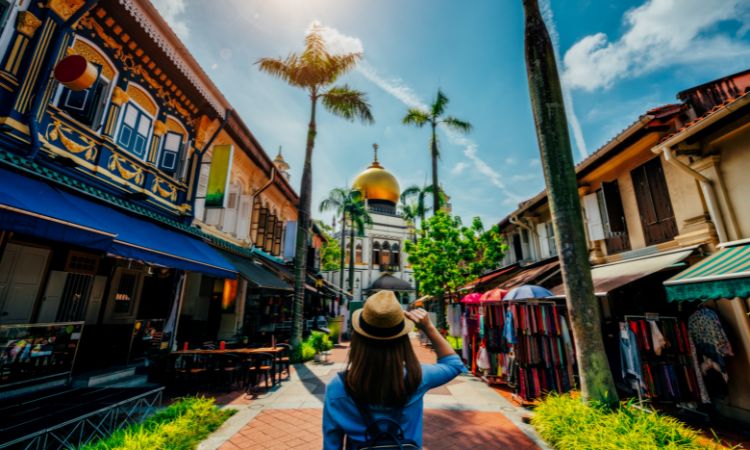
Porto’s proximity to the Atlantic enables coastal getaways mixing relaxation and activity. Head to Matosinhos, a short metro ride away, for golden beaches, surf schools, and a thriving seafood scene. Fish markets and beachfront restaurants serve freshly grilled catches—sardines, sea bass, octopus—paired with vinho verde. Surf riders of all levels find waves and surf schools; beginners can book lessons, while experienced surfers seek consistent breaks further along the coast.For nature lovers, Guincho Beach’s windswept dunes and dramatic cliffs lie a bit farther, suitable for day trips combining coastal hikes with panoramic views. Birdwatching in Ria de Aveiro or marshlands near Porto reveals migratory species. Coastal cycling routes follow the shoreline, passing fishing villages and lighthouses, offering refreshing sea breezes. Sunset walks along the Foz do Douro promenade highlight where Douro meets the Atlantic, with oceanfront cafés serving light bites and drinks; watching the sun dip into the sea is a quintessential Porto moment.Boat tours from Porto’s marina explore the estuary and Atlantic coast, sometimes including dolphin-watching excursions. Kayaking or stand-up paddleboarding on calmer stretches provide alternative water perspectives. Coastal wellness retreats leverage the sea’s restorative qualities: spa treatments using marine products, yoga sessions on the beach at dawn, and healthy cuisine emphasizing seafood and local produce. Seasonal festivals on coastal towns celebrate maritime traditions, from seafood fairs to music events. These seaside relaxation and adventure options complement Porto’s urban attractions, offering refreshing contrasts and opportunities to experience Portugal’s Atlantic character..
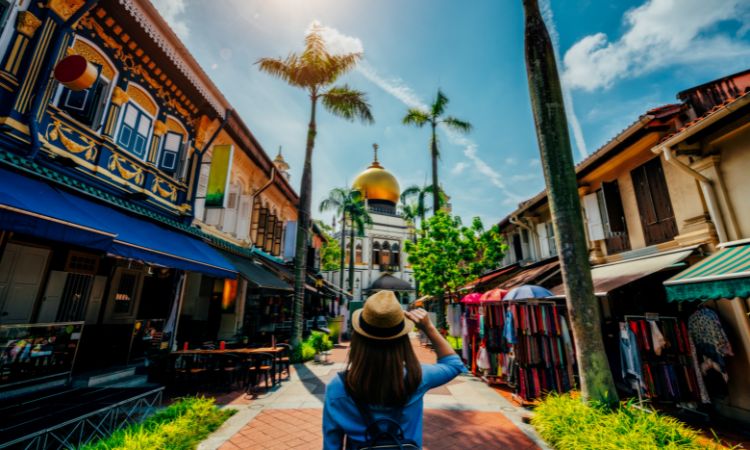
Beyond historic quarters, Porto’s modern architecture and design scene offers striking contrasts. Casa da Música, designed by Rem Koolhaas, stands as a concert hall and cultural hub with avant-garde geometry. Guided tours reveal its acoustic innovations. In recent years, contemporary buildings pepper the city: the Museum of Contemporary Art at Serralves, the revamped Porto Cruise Terminal, and revitalized docks turned creative clusters. Architecture enthusiasts can join guided walks highlighting Brutalist landmarks from the mid-20th century alongside sleek new developments integrating sustainability.Design shops in Cedofeita and Rua das Flores showcase Portuguese fashion, ceramics, jewelry, and homeware crafted by local designers. Pop-up markets and design fairs bring together artisans and innovators, reflecting Porto’s entrepreneurial spirit. Tech and startup communities have adopted coworking spaces in repurposed warehouses, where networking events and workshops occur. Street art tours reveal how artists transform facades, making creative expression an open-air gallery. For immersive experiences, visit digital art installations or attend multimedia performances blending technology and tradition.Urban regeneration projects along the riverside illustrate sustainable redevelopment: old warehouses repurposed into cultural centres, eco-friendly housing initiatives, and public spaces integrating green infrastructure. Bicycle-sharing schemes and pedestrian-friendly zones reflect the city’s commitment to mobility and environmental concerns. Coffee shops and restaurants in modern settings blend industrial-chic interiors with local touches, creating environments where innovation and heritage dialogue. This urban innovation guide highlights Porto’s capacity to honor its past while embracing future-oriented design and creative economies.
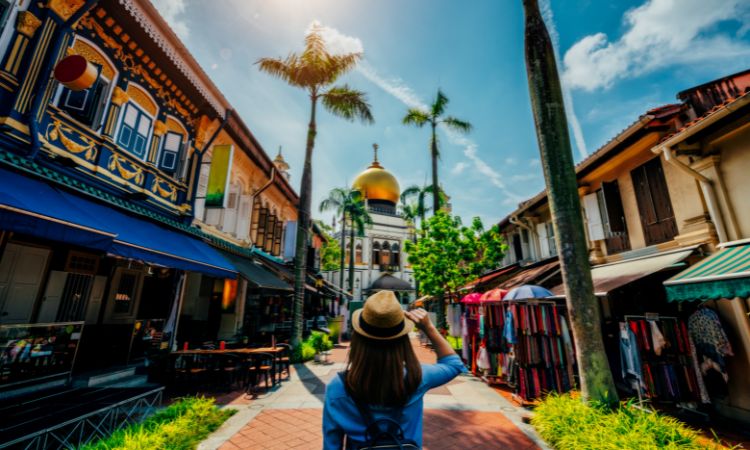
Porto’s nightlife pulses with energy, from traditional fado performances to contemporary club scenes. During summer, festivals like São João transform streets into vibrant party zones with music, dancing, and communal celebrations. Film festivals, music concerts, and cultural events occur year-round, often in historic venues repurposed for modern entertainment. For jazz or indie music, intimate venues host local and international acts; larger concert halls stage popular performers.Bar hopping in Ribeira and Galerias de Paris reveals a spectrum of atmospheres: cozy wine bars for tasting local wines or port, craft beer pubs celebrating Portuguese microbreweries, cocktail lounges reinterpreting regional spirits, and lively clubs playing electronic, funk, or pop. Culinary nightlife extends to late-night eats: francesinha sandwiches or petiscos (tapas-style snacks) satisfy post-concert hunger. Rooftop bars offer panoramic city views, ideal for sundowners. Cultural evenings include theatre performances, contemporary dance, and art openings, often accompanied by discussions with artists.Seasonal events such as Festa de São João in June see residents and visitors releasing illuminated lanterns, dancing in the streets, and enjoying grilled sardines on the riverbank. Christmas markets and New Year celebrations bring festive lights and ice-skating rinks. Outdoor cinema screenings in summer parks combine film with al fresco socializing. Night-time river cruises illuminate the cityscape, offering romantic perspectives. Safety is generally good, with neighborhoods remaining welcoming late into the evening. Porto’s festivals and nightlife cater to diverse tastes, ensuring memorable evenings that showcase the city’s dynamic cultural heartbeat.
No ads. No trails. No commitments


Alice Roses
London, England
51 ST MATTHIAS ROAD
NOTTINGHAM, NOTTINGHAMSHIRE
NG3 2HF
Hours: 8:00 - 17:00, Mon - Sat
support@johnsonholidays.com