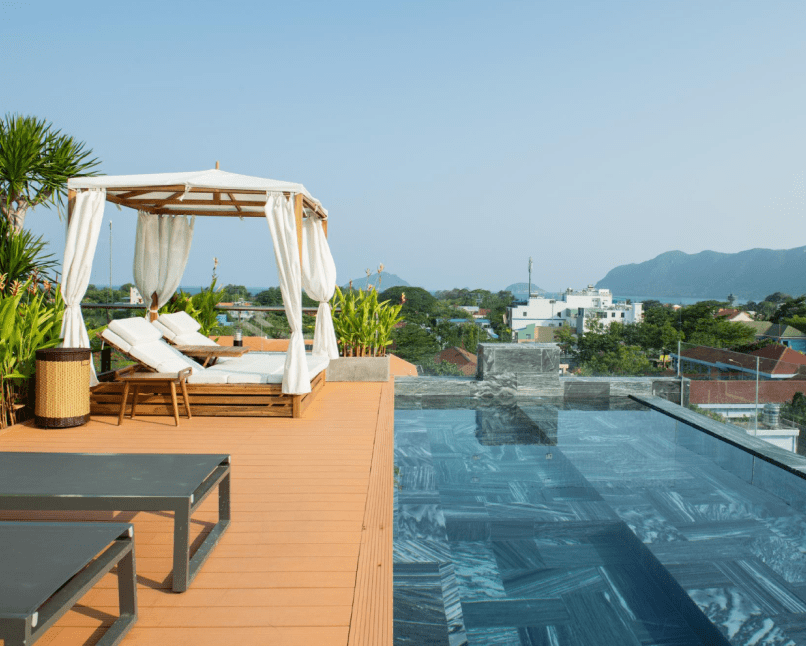

 Cha Am Travel
Guide
Cha Am Travel
Guide
Paris is known around the world as the “capital of love,” and even if you don't understand the history of Paris at all

12 Hours
£1.50
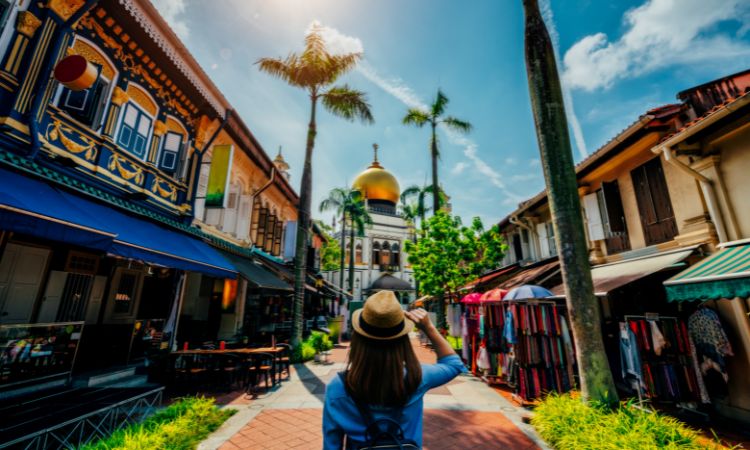
Cha Am’s gentle shoreline and calm waters create a serene, unhurried beach ambience ideal for travellers seeking restful seaside days. Unlike busier coastal resorts, Cha Am maintains a relaxed vibe: morning walks along the long sandy stretch reward you with quiet sunrises, while afternoons can be spent lounging under umbrellas or reading in a hammock as gentle waves lap the shore. The broad beach offers space for families to build sandcastles, couples to stroll at sunset, and wellness enthusiasts to practise yoga on the sand. This tranquil beachfront setting provides an authentic coastal Thai atmosphere—no overcrowded sunbeds or loud nightlife—just a soothing environment where the rhythm of the sea sets the pace of your stay.
Learn More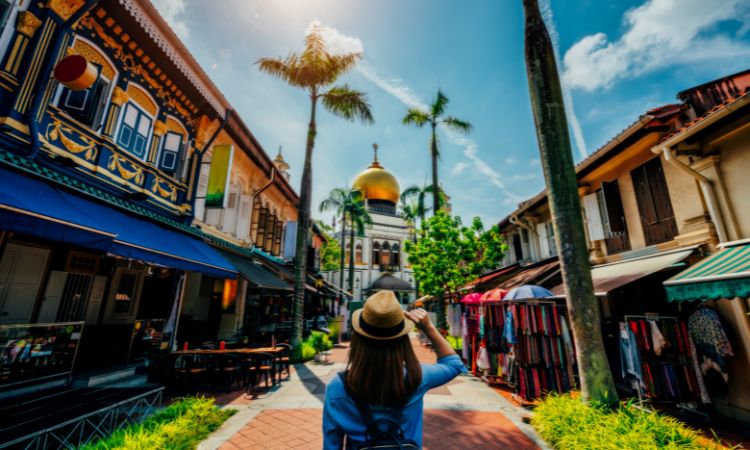
Cha Am retains an authentic provincial charm that appeals to those wishing to experience genuine Thai coastal life. The town’s modest size means markets brim with fresh local produce: tropical fruits, seafood, and regional snacks. Visitors can savour khao tom for breakfast at dawn markets or browse handicraft stalls featuring woven products and souvenirs made by local artisans. Temples in and around Cha Am invite participation in merit-making rituals, while occasional local festivals—such as Songkran water celebrations or Loy Krathong lantern ceremonies—offer insight into Thai traditions. Friendly locals, uncomplicated pace, and unpretentious dining venues allow travellers to immerse themselves in everyday life rather than a tourist-centric bubble, fostering meaningful cultural connections.
Learn More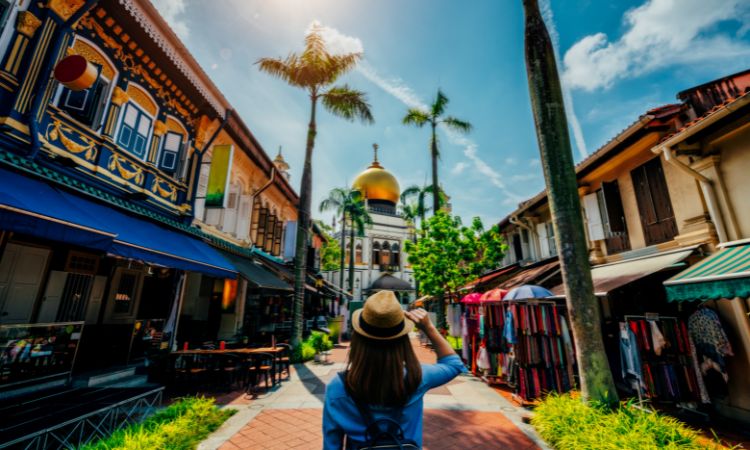
With shallow coastal waters and wide beach expanses, Cha Am is well-suited for family holidays. Young children can paddle safely close to shore while parents relax nearby. Resorts frequently offer family rooms, children’s pools, and sometimes kids’ activity programmes. Nearby attractions—such as small water parks and wildlife centres—provide fun day outings for families. Local eateries serve child-friendly Thai favourites like mild fried rice and satay skewers. Accommodation options often include suites or interconnected rooms, ensuring comfort for families of various sizes. The unhurried pace reduces stress: mealtimes and bedtimes can follow your own rhythm rather than being dictated by busy resort schedules. Overall, Cha Am’s welcoming environment and gentle seaside make it an excellent choice for parents seeking a hassle-free beach break with children.
Learn More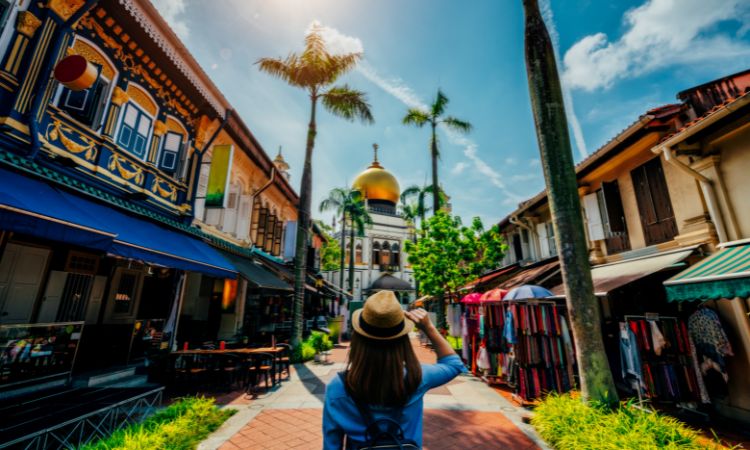
Cha Am combines affordability with a touch of luxury: beachfront resorts offering spa treatments, infinity pools, and elegantly designed rooms are often priced lower than comparable properties in more famous Thai beach destinations. In shoulder seasons, travellers can secure sea-view suites from around £30–£45 per night. Dining at local restaurants and street stalls keeps daily expenses modest, allowing travellers to indulge in massage sessions, boat excursions, or cooking classes without overspending. Even during peak months (November–February), pricing remains more accessible than larger resorts, delivering excellent value for money. Affordable transfers from Bangkok and low-cost in-town transport further enhance the budget-friendly appeal, enabling travellers to allocate more of their budget to experiences and personal indulgences.
Learn More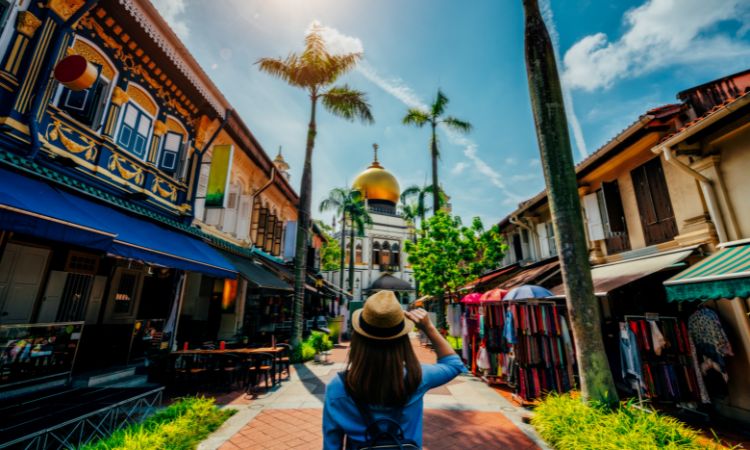
Cha Am’s tranquil setting makes it a haven for wellness seekers. Beachfront yoga sessions at dawn or sunset, Thai massage centres offering traditional treatments, and spa packages in boutique resorts create opportunities to unwind fully. The soothing sea breeze and gentle waves set the stage for meditation or breathwork on the sand. Many resorts feature wellness facilities—saunas, herbal steam rooms, and massage pavilions overlooking gardens or the sea. Healthy Thai cuisine emphasising fresh seafood and local produce can be enjoyed in wellness-focused restaurants. The unhurried pace of life in Cha Am encourages digital detox: mornings can begin without alarm clocks, afternoons spent reading under palm trees, evenings watching stars emerge over the Gulf of Thailand.
Learn More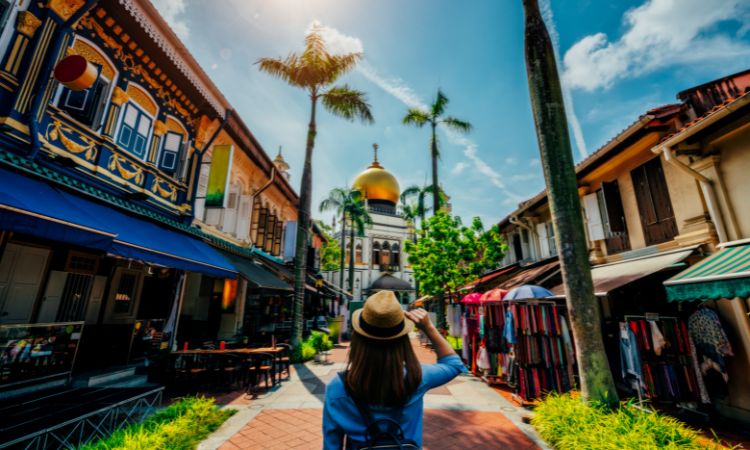
While Cha Am itself is pleasantly relaxed, its location makes it an excellent base for varied excursions. A short drive leads to Kaeng Krachan National Park, where jungle treks, waterfalls, and birdwatching await. Maruekhathaiyawan Palace, an elegant teakwood summer residence of past Thai royalty, is nearby for history enthusiasts. Hua Hin’s markets, temples, and nightlife are within easy reach for an evening outing. Inland, coconut plantations and hillside viewpoints offer scenic exploration. Day tours to nearby countryside villages provide insight into agricultural life. These accessible excursions allow travellers to combine tranquil beach days with enriching explorations, ensuring a balanced holiday of relaxation and discovery.
Learn More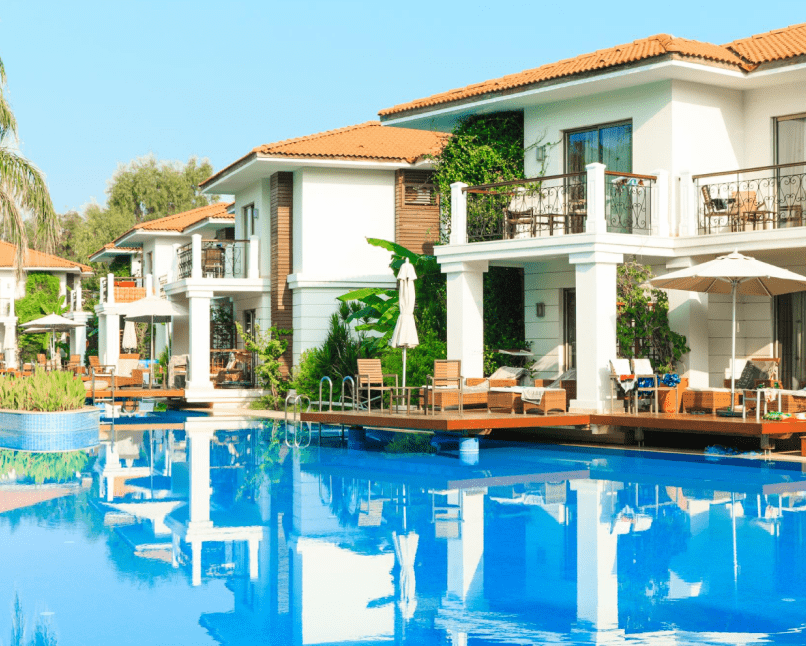
Lorem ipsum dolor, sit amet consectetur adipisicing elit. At illo adipisci iusto
From

Because more than 268 other customers have loved us too

Demonstrates commitment to user data security through encryption and secure payment practices
Learn More
Demonstrates commitment to user data security through encryption and secure payment practices
Learn More
Demonstrates commitment to user data security through encryption and secure payment practices
Learn More
Demonstrates commitment to user data security through encryption and secure payment practices
Learn More
Quality as judged by customers. Book at the ideal price!


/ person
/ person
/ person
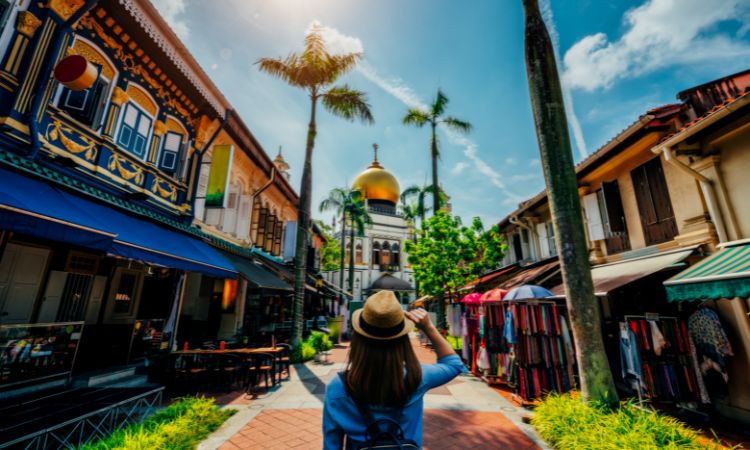
Cha Am’s gently sloping shoreline and serene ambience make beach strolls and sunrise yoga signature experiences here. Before dawn, the eastern horizon begins to lighten, and the cool sea breeze carries the promise of a calm day. Many boutique resorts and local instructors offer sunrise yoga sessions on the sand; mats are unrolled on quiet stretches of beach as the sun’s first rays appear above the horizon. Practising asanas in this tranquil setting—accompanied by the rhythmic sound of gentle waves—invigorates both body and mind. For independent travellers, bringing a travel yoga mat or using towels provided by the hotel allows personal practice: simple stretches, sun salutations, and breathing exercises align perfectly with the natural cadence of the sea.After yoga, a barefoot stroll along the shoreline reveals small crabs scuttling across wet sand and fishermen guiding long-tail boats to safe positions. The broad expanse of sand in Cha Am means less crowding: early morning walkers can enjoy unobstructed views, collecting seashells or pausing at point where the water laps at their ankles. As daylight strengthens, beach vendors begin arranging chairs and umbrellas for sunbathers; at this point, those seeking sun can settle in, while others may continue a relaxed wander. Photography enthusiasts find opportunities for capturing pastel skies, silhouettes of fishing boats, and reflections in tide pools.The beach environment also offers simple watersports: paddleboarding on calm waters, kayaking close to shore, or shallow snorkeling near rocky outcrops just a short drive away. Many operators provide equipment rental at reasonable rates (often quoted in THB but easily converted to around £10–£15 per session). Even if more adventurous water activities like jet skiing are available, Cha Am’s character leans toward low-key enjoyment—ideal for travellers preferring minimal adrenaline and maximum relaxation.Mid-morning, beach cafés and local stalls open for light refreshments: fresh coconut water, fruit smoothies, or khao tom (rice soup) served at small boats pulled onto the sand. This meal complements post-yoga appetite, providing gentle nourishment before a day of exploration. The beach stroll and sunrise yoga combination sets a balanced tone: physical activity, mindful presence, and connection with nature. Whether staying in a beachfront resort that organises group classes or self-guiding your practice, Cha Am’s peaceful shore cultivates a sense of calm that permeates the entire holiday.
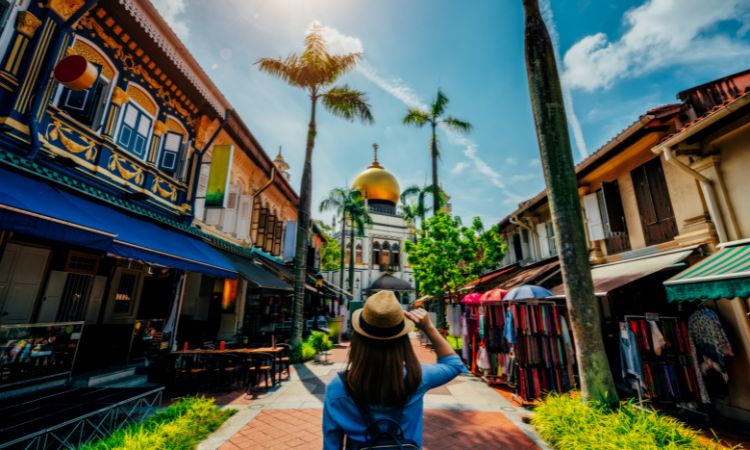
For travellers seeking gentle watersport adventures, Cha Am’s calm Gulf waters create ideal conditions for stand-up paddleboarding (SUP) and kayaking. Unlike more turbulent seas elsewhere, the mild waves in Cha Am allow beginners to steady themselves easily. Local operators rent paddleboards and kayaks by the hour or half-day, often from beachside outlets—prices remain affordable (around £10–£20 per session, depending on duration). Early morning or late afternoon sessions are especially pleasant, with softer light and cooler temperatures.Stand-up paddleboarding invites a full-body workout balanced with serene exploration: standing on the board, travellers paddle along the shoreline, observing coastal scenery from a new vantage point. Paddlers glide past sandbars, occasionally spotting small fish beneath clear water, and can venture slightly farther to explore quiet coves or rocky headlands if available. Instructors, when arranged in advance through resorts, provide basic technique guidance: proper stance, balance tips, and paddle strokes. For those more experienced, SUP yoga sessions add an extra challenge—practising balancing postures on the board intensifies core engagement and cultivates focus, though these classes remain optional.Kayaking in Cha Am typically uses sit-on-top kayaks suited for one or two paddlers. Couples or parent-child pairs can share a kayak, paddling slowly to discover nearby fishing boats, observe coastal birdlife resting on small islets, or glide past mangrove-lined inlets. Guided kayak tours sometimes include visits to hidden spots where local fishermen dock or small seafood vendors set up on floating platforms. These tours offer insight into fishing life: watching nets being hauled or learning about local catch varieties.Safety is paramount: life jackets are provided, and operators advise on tidal patterns and weather. Cha Am’s sheltered bay reduces risk, but paddlers should still remain within designated areas, especially when alone. The equipment quality is generally good, but checking condition before renting is prudent. Many resorts can arrange equipment delivery to a quieter beach stretch for private sessions, adding exclusivity to the experience.After water activity, paddleboarders and kayakers often feel ready for a relaxed beach brunch: fresh fruit platters, iced Thai coffee, or local dishes like pad Thai or grilled seafood at nearby eateries. The combination of gentle exercise, scenic exploration, and local flavours enlivens the holiday in Cha Am. Even if watersport is not the primary focus, trying SUP or kayaking for a few hours creates memorable moments—gliding on clear water under blue skies, connecting with nature at a leisurely pace, and discovering coastal vistas that remain hidden from shore-bound views.
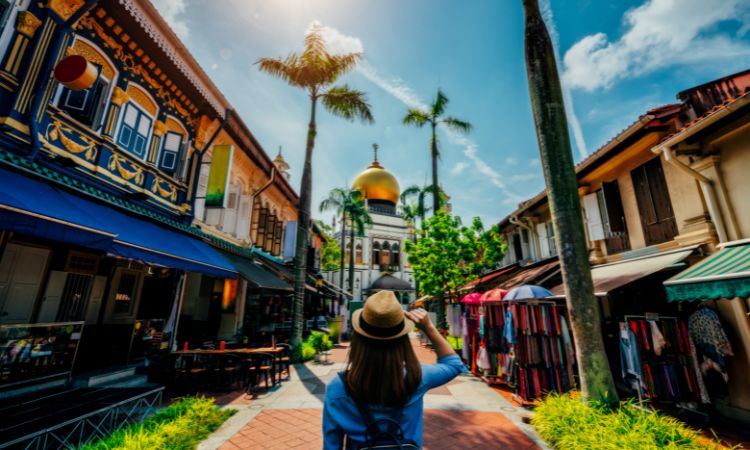
Cha Am and its surroundings offer cultural and historic attractions that provide insight into Thailand’s royal past and religious traditions. A highlight is Maruekhathaiyawan Palace, approximately 15 minutes’ drive from Cha Am centre. Known as the “Palace of Love and Hope,” this beautiful teakwood summer residence was built in the 1920s for King Rama VI. Visitors wander through airy pavilions connected by elevated walkways, admiring intricate wooden craftsmanship, classical Thai architectural elements, and serene gardens overlooking the sea. The palace’s elegant design and historical significance create a tranquil cultural excursion: guided tours explain royal customs and architectural details, deepening appreciation of Thailand’s heritage.In town, local temples (wats) showcase community life and Buddhist practices. Wat Cha Am, a modest temple near the beach, welcomes visitors for merit-making: offering alms to monks, lighting incense, or simply observing serene Buddha images. Smaller shrines along the coastline mark sites where fishermen historically prayed for safe voyages. Timing a visit around morning alms-giving ceremonies allows travellers to witness traditional rituals: locals offering rice and essentials to monks in saffron robes, an intimate glimpse of Thai Buddhism in daily life.Further inland, hilltop temples can be reached by short excursions: these offer panoramic views across the Gulf of Thailand and surrounding countryside. The journey through rural roads lined with coconut palms and rice paddies adds to the cultural immersion. At these temple sites, visitors encounter Buddha statues of various styles, smaller shrines dedicated to local spirits, and resident monks engaged in meditation or study. Respectful attire (shoulders and knees covered) and quiet behaviour ensure harmonious visits.Local museums or cultural centres, though modest, sometimes host exhibitions on provincial history: fishing traditions, agricultural life, and old photographs depicting Cha Am’s transformation from fishing village to beach town. Occasionally, local festivals involve temple fairs with food stalls, traditional performances, and craft displays. If visiting during Songkran (mid-April), beachside water celebrations blend fun with local customs; during Loy Krathong (usually November), floating lanterns and flower offerings light up canals and rivers near Cha Am, creating a memorable, atmospheric evening.Combining visits to Maruekhathaiyawan Palace, local wats, hilltop viewpoints, and community festivals yields a well-rounded cultural itinerary: each site reveals layers of history and tradition. Guided tours or local guides can enrich the experience with anecdotes about royal life, temple legends, and community practices. For travellers interested in photography, the teak architecture, temple murals, and coastal vistas provide striking subjects. This cultural exploration complements beach relaxation, offering balance between leisure and meaningful discovery of the heritage that shapes Cha Am’s identity.
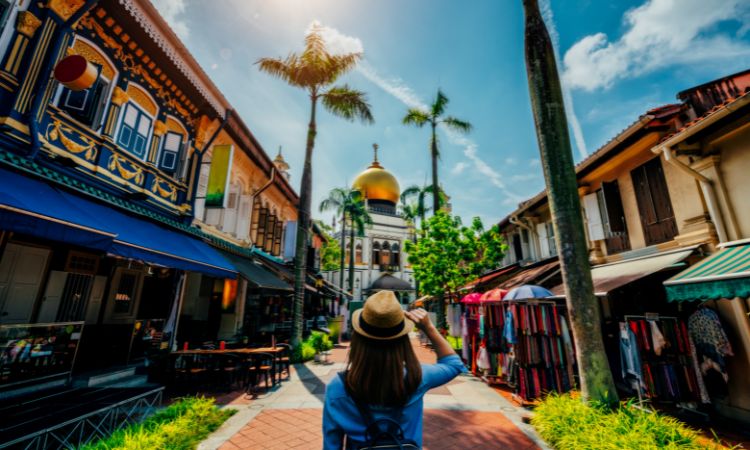
Exploring Cha Am’s rural surroundings reveals the agricultural roots of the region, notably extensive coconut plantations and rice fields. Cycling through these landscapes offers an immersive way to experience local life away from the beachfront. Many guesthouses and small tour operators provide bicycles or e-bikes for hire; guided cycling tours may include visits to family-run coconut farms where travellers learn about coconut cultivation, harvesting methods, and products like coconut oil, milk, and sweets. Sampling freshly harvested coconut water on-site is refreshing and highlights the importance of this crop to the local economy.Routes typically wind along quiet country roads flanked by rows of coconut palms, interspersed with small villages where traditional wooden houses stand on stilts. Cyclists may pause at roadside stalls selling banana fritters or grilled corn, enjoying snacks while observing everyday rhythms: farmers tending fields, water buffalo grazing, and locals engaged in handicrafts. The pace is leisurely: frequent stops enable conversation with friendly residents curious about visitors, often leading to invitations to sample homemade treats or watch demonstrations of weaving palm leaves into handicrafts.Some tours include visits to local markets in nearby towns: here, travellers see fresh produce displays—tropical fruits, vegetables, and handmade goods—gaining insight into regional gastronomy and artisan skills. Interacting with vendors deepens cultural understanding and provides opportunities to purchase unique souvenirs like coconut shell bowls or handmade mats. For safety, cycling in early morning or late afternoon avoids midday heat; guided tours supply water, helmets, and route guidance.Beyond coconut plantations, routes may pass small temples tucked among trees, offering chance to pause for quiet reflection. Cycling groups can photograph scenic vistas: mist rising over fields at sunrise, golden light filtering through palm fronds, and glimpses of distant hills. These experiences foster appreciation for Cha Am’s quieter side: an agricultural landscape that sustains communities and shapes local identity. The combination of gentle exercise, natural scenery, and cultural encounters makes countryside cycling a rewarding complement to beach days and heritage-site visits.After cycling, returning to Cha Am’s coastline feels like re-emerging from a different world: swapping rural calm for seaside breeze. Many resorts accommodate cyclists by providing secure bike storage and refreshing showers. Some properties offer spa treatments perfectly timed after a morning ride: Thai massage focusing on leg muscles or herbal compress therapy. Dining at local family-run restaurants yields healthy options featuring local ingredients encountered on the ride—fresh vegetables, coconut-based curries, and fruit desserts. By weaving together cycling through plantations and countryside, cultural interactions, and coastal relaxation, travellers enjoy a holistic Cha Am experience that balances activity, authenticity, and rejuvenation.
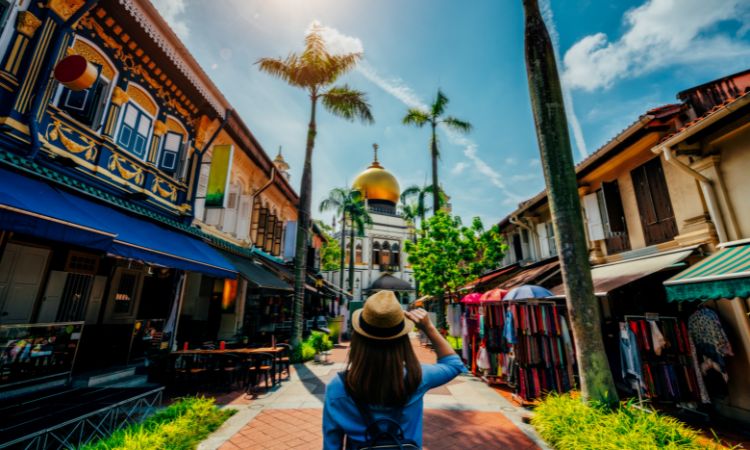
Cha Am’s gentle shores and nearby attractions make it a family-friendly destination suited for parents travelling with children of various ages. Shallow, calm waters near the shore provide safe paddling for toddlers under parental supervision, while older children can enjoy beach games like frisbee or sandcastle building on wide open stretches of sand. Many beachfront resorts offer family rooms and dedicated children’s pools with slides and shallow play areas. Some resorts organise supervised kids’ activities—craft workshops, treasure hunts, or traditional Thai dance classes—allowing parents to relax knowing children are engaged in safe, supervised fun.A short drive from Cha Am, small water parks cater to families seeking splashing adventures. Slides of varying thrill levels, wave pools, and lazy rivers entertain children and adults alike. Entry fees remain modest (around £10–£20 per person), and many parks have shaded rest areas and cafes serving snacks. Combining a morning at the water park with an afternoon beach visit provides a balanced day: excitement followed by restful sunbathing and seaside relaxation.Wellness for families extends beyond beach and water parks. Some resorts offer parent-child yoga sessions on the sand, fostering bonding and healthy habits. Family spa treatments—such as gentle foot massages or herbal compresses—allow parents to unwind while supervising children in nearby play spaces. Healthy meal options in resort restaurants cater to picky eaters: mild-flavoured Thai dishes, grilled chicken skewers, and fresh fruit platters. Local markets provide fresh snacks: mango sticky rice or fruit smoothies served in coconut shells delight children and introduce them to local flavours.Safety considerations: lifeguards may not always be present, so parents should maintain close supervision of children in the sea. Resorts often provide beach safety guidance and life jackets for young swimmers. Transportation for family outings—private vans or songthaew share—should be arranged in advance to ensure reliable schedules. For evening family time, beachfront dinner venues in Cha Am are generally relaxed and early: many open-air seafood restaurants welcome families with children, offering kid-friendly seating and menus. Watching the sunset while sharing grilled fish or noodle dishes creates memorable family moments.Educational aspects: visits to nearby aquariums or marine education centres (if available) introduce children to local marine life. Short boat trips to observe fishing techniques or catch-and-release programmes can engage older children interested in nature. Cultural experiences such as visiting temples with quiet etiquette lessons teach respect and curiosity. Overall, Cha Am balances family fun and wellness: safe beaches, water parks, cultural learning, and relaxation combine to form a varied itinerary. Families leave with sun-kissed memories, refreshed spirits, and a deeper appreciation for Thailand’s coastal lifestyle.
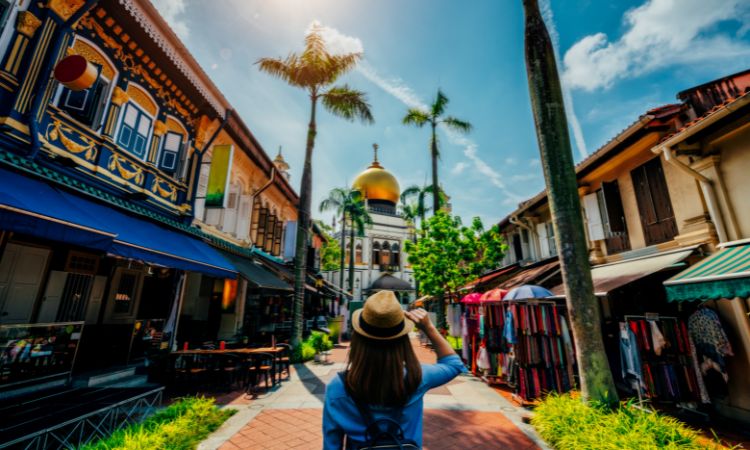
For travellers prioritising wellness and mindful relaxation, Cha Am offers a range of spa retreats and holistic experiences set against a backdrop of gentle sea breezes and lush tropical gardens. Many boutique resorts feature spa pavilions overlooking the ocean or nestled within tranquil courtyards, offering traditional Thai massage, aromatherapy treatments, and herbal compress sessions. Therapists often use locally sourced ingredients—coconut oil, lemongrass, and herbal blends—providing a sensory connection to the region. Treatment durations range from short foot massages (£10–£15 for 30 minutes) to full-day wellness programmes combining massages, herbal steam sessions, and yoga classes.Mindfulness practices extend beyond massage: several resorts host guided meditation sessions at sunrise or sunset on the beach. The natural rhythm of waves enhances focus, allowing participants to cultivate presence and reduce stress. Some retreats incorporate breathing exercises, gentle stretching, and reflective journaling in serene garden settings. Healthy cuisine complements the wellness ethos: resorts may offer detox-friendly menus featuring fresh seafood, vegetables, coconut-based dishes, and herbal infusions. Cooking classes focused on lighter Thai fare provide practical skills for maintaining wellness habits at home.For families or couples seeking shared wellness experiences, parent-child or partner spa packages are available: side-by-side massages or joint yoga sessions strengthen bonds while promoting relaxation. Group wellness retreats occasionally run multi-day programmes combining spa treatments, yoga, meditation, and light excursions to nature spots like nearby waterfalls. Booking a multi-day retreat allows deeper immersion: days begin with morning stretches on the sand, progress through nourishing meals, and include late-afternoon massage sessions to unwind before evening restful sleep.Wellness also extends to simple daily rituals: sampling fresh coconut water after morning yoga, enjoying herbal teas in garden lounges, or reading by the infinity pool overlooking the sea. Resorts may provide wellness-themed activities: guided nature walks in nearby forests, bicycle rides through coconut groves, or visits to local markets to select ingredients for healthy cooking. These experiences integrate physical activity, nutrition education, and cultural insight, enriching the wellbeing journey.Practical tips: schedule spa treatments in advance, especially during peak season (November–February). Verify that therapists are certified and that spa facilities maintain hygiene standards. For meditation and yoga, bring lightweight comfortable clothing; resorts often supply mats and cushions. Balance wellness days with light exploration: combine a morning meditation with an afternoon heritage visit or beach stroll, ensuring variety prevents monotony.Cha Am’s wellness offerings resonate with travellers seeking to recharge in a peaceful environment: the combination of personalized spa treatments, mindful practices on the beach, healthy cuisine, and connection with nature fosters holistic rejuvenation. Whether planning a dedicated wellness retreat or interspersing relaxation days within a broader itinerary, visitors leave Cha Am feeling restored, centered, and inspired to integrate Thai-inspired wellness habits into everyday life..
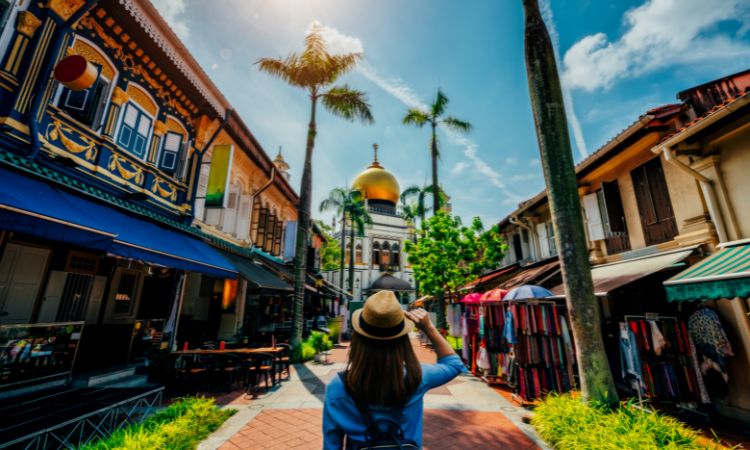
Cha Am’s gastronomic scene highlights fresh seafood and regional Thai flavours in unpretentious settings. Beachfront eateries specialise in grilled fish, prawns, squid, and shellfish, often displayed on ice for selection. Dining typically involves choosing seafood by weight, which is then grilled or stir-fried with local sauces—flavours range from mild garlic-and-pepper to tangy tamarind. Prices remain affordable: a seafood feast for two might cost around £15–£25, depending on selection. As instructed, prices expressed in British pounds help UK-based travellers budget effectively.Street-food stalls and local markets offer snacks and light meals throughout the day. At dawn markets, khao tom (rice soup) provides a hearty breakfast; mid-morning, try Thai-style pancakes (roti) with various fillings like banana or condensed milk. For lunch, noodle soups with seafood or chicken, along with spicy salads (som tam), showcase authentic flavours. Dessert options include mango sticky rice, coconut ice cream served in coconut shells, or sweet sticky rice with taro.Evenings in Cha Am are generally low-key but enjoyable. Beachside restaurants light low-lantern chandeliers or decorative lights, creating a relaxed atmosphere for sunset dinners. The menu may include Thai curries, stir-fries, and international options—many chefs adapt dishes to moderate spice levels for varied palates. Accompany meals with fresh fruit juices or locally brewed beers; a pint typically costs around £1.50. For a special occasion, some boutique resorts arrange private beachfront dinners: tables set on the sand with torchlight and personalized menus focusing on fresh catch and seasonal produce.Night markets in nearby Hua Hin can be reached for those seeking more variety: stalls selling local snacks, grilled meats, and sweets. However, Cha Am’s own late-evening food stalls remain sufficient for casual exploration. Seating is often basic—plastic chairs under canopies—but ambience lies in the gentle sea breeze and murmured conversations among locals and travellers. Respectful behaviour—keeping noise moderate and cleaning up after oneself—honours local customs and ensures continued access to these communal dining spaces.Cooking classes provide hands-on insight into Thai cuisine. Some small cooking schools in Cha Am welcome travellers to learn to prepare signature dishes: tom yum soup, pad Thai, green curry, or mango sticky rice. These classes typically cost around £20–£30 per person, including market visits to source ingredients. Beyond acquiring recipes, cooking lessons deepen appreciation for balancing flavours—sweet, sour, salty, and spicy—and understanding local ingredients like galangal, kaffir lime, and fresh herbs.While Cha Am is not known for bustling nightlife, laid-back evenings suit travellers seeking relaxed socialising: small bars serving cocktails or local beers, live acoustic music at some venues, and occasional beach events organised by resorts (e.g., bonfires, themed nights). The ambience remains tranquil: no thumping nightclubs, but cosy spots where travellers can chat, enjoy a drink, and gaze at starlit skies. For a livelier scene, a short trip to Hua Hin provides more extensive nightlife options.Overall, Cha Am’s culinary offerings focus on authenticity and fresh ingredients. Whether savouring grilled seafood by the sea, sampling street-food delicacies at local markets, learning to cook Thai dishes, or enjoying a private beach dinner under lanterns, food experiences in Cha Am enrich the holiday, leaving taste memories that complement the destination’s relaxed charm.
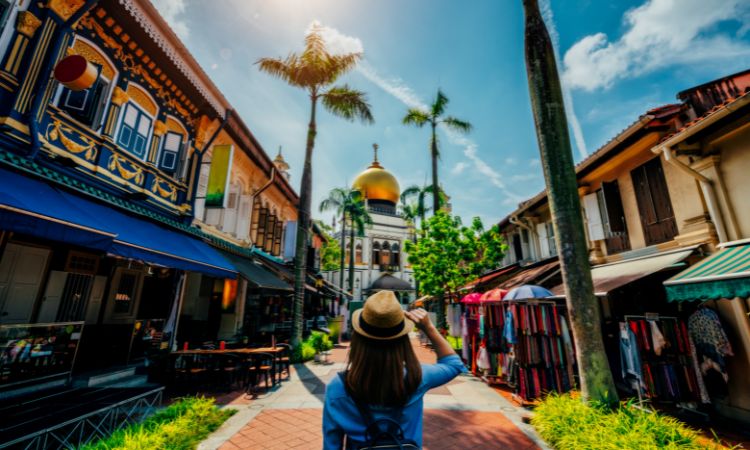
As daylight wanes in Cha Am, sunset evenings unfold in a tranquil, picturesque manner. The sun dips toward the horizon, casting golden hues across the Gulf of Thailand. Beachfront promenades and seating areas provide prime vantage points: travellers gather with light snacks or drinks to witness the spectacle. Some resorts offer sunset cocktails or mocktails accompanied by small plates of local appetizers—think shrimp cakes or grilled corn—allowing guests to relax and socialise in a serene atmosphere.Following sunset, Cha Am’s evening rhythm transitions to laid-back dining and casual entertainment. Beachside restaurants illuminate their terraces with soft lighting: lanterns, fairy lights, or candles set on low tables. The gentle sound of waves pairs with live acoustic music at certain venues—often local musicians playing Thai and international tunes—creating a mellow backdrop. Couples may stroll along the shore under the emerging stars, while families dine al fresco, children playing quietly in sight.Night markets near Cha Am open around early evening: stalls offer an array of street-food favourites. Travellers can sample grilled seafood skewers, spicy salads, sweet desserts, and refreshing beverages like iced teas or fruit shakes. Bargain for handcrafted souvenirs, clothing, and accessories—prices are modest, and haggling is part of the experience but should be done respectfully. The market atmosphere is friendly: locals chatting with vendors, children sampling snacks, and occasional live performances showcasing traditional dances or music.For cultural immersion, timing visits during local festivals adds vibrancy: during Loy Krathong, floating offerings and lantern displays light waterways and paths; during Songkran, water play may extend into early evening in parts of town. Participating respectfully—joining locals in floating lanterns or light water splashes—creates memorable connections and photos.After market exploration, some travellers head to small bars or lounges within resorts or town centre. These venues typically serve cocktails, local beers, and light bar snacks. Live music nights or themed events (e.g., open-mic) offer low-key entertainment without overwhelming crowds. Seating arrangements often include open-air patios overlooking the sea or garden courtyards. Dress codes remain casual; barefoot or flip-flops are acceptable in many beachfront settings.Transportation late at night: songthaews or motorbike taxis operate until around 22:00–23:00; beyond that, arranging private transfer or hotel shuttle is prudent. Safety is generally good, but travellers should note personal belongings and avoid isolated areas after dark. For those seeking a livelier scene, a short trip to Hua Hin can be scheduled earlier in the evening, returning to Cha Am for restful accommodation.Early risers can also enjoy pre-dawn markets offering fresh produce and snacks—for travellers wanting to combine sunrise beach visits with sampling local breakfast dishes such as rice porridge or noodle soups. This cycle of sunset enjoyment and early-morning exploration encapsulates Cha Am’s rhythm: peaceful, authentic, and paced by natural light.By embracing sunset evenings and night markets, travellers experience Cha Am’s local flavour: genuine Thai seaside ambiance, communal dining, mellow socialising, and cultural festivities. These nighttime experiences complement daytime beach and excursion activities, rounding out an immersive stay in this tranquil coastal town.
No ads. No trails. No commitments


Alice Roses
London, England
51 ST MATTHIAS ROAD
NOTTINGHAM, NOTTINGHAMSHIRE
NG3 2HF
Hours: 8:00 - 17:00, Mon - Sat
support@johnsonholidays.com