 Trieste Travel
Guide
Trieste Travel
Guide
Paris is known around the world as the “capital of love,” and even if you don't understand the history of Paris at all

2 Hours
£4.71
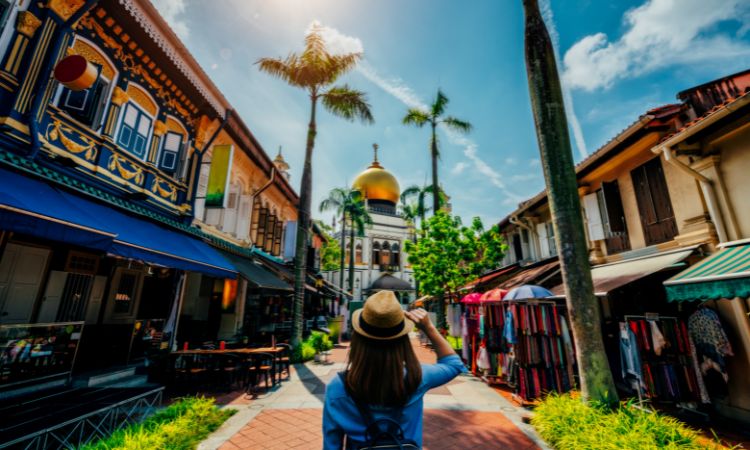
Trieste’s multicultural tapestry emerges in everyday life: historic cafés echo Viennese coffeehouse culture, while seafood dishes recall Adriatic traditions and Alpine flavors appear in hearty stews. Landmarks like Piazza Unità d’Italia, Castello San Giusto, and Roman ruins showcase architectural echoes from different eras. Literary ties to figures such as James Joyce enrich the cultural scene. Festivals celebrate Italian, Slovenian, and Central European customs, illustrating how borderland dynamics foster creativity. By visiting Trieste, travellers gain a nuanced appreciation for regions where cultures converge, making each experience—from wandering winding alleys to attending a concert in a historic venue—both educational and inspiring.
Learn More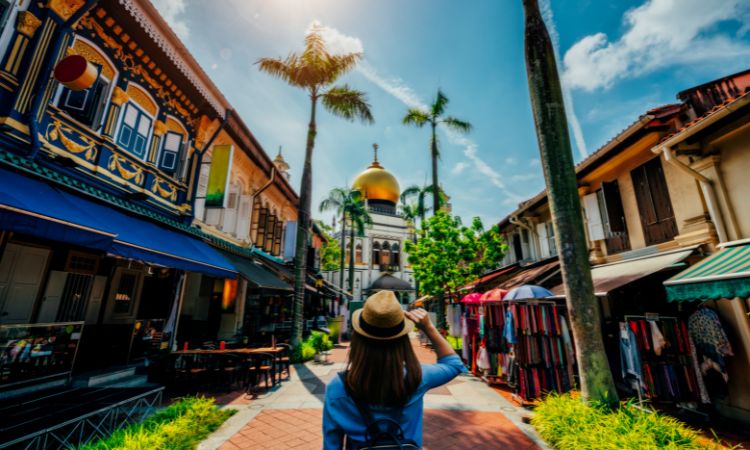
The Gulf of Trieste’s clear waters and small pebbly beaches invite leisurely afternoons by the sea. Meanwhile, the Carso plateau provides trails winding through limestone ridges, revealing hidden caves and viewpoints overlooking the city and coast. Birdwatchers and hikers relish the unexpected biodiversity on these karst slopes. Coastal promenades lined with historic coffeehouses offer sunset views across the Adriatic. The ease of transitioning from urban exploration to nature excursions in a single day underscores Trieste’s appeal for travellers seeking varied outdoor experiences without long transfers.
Learn More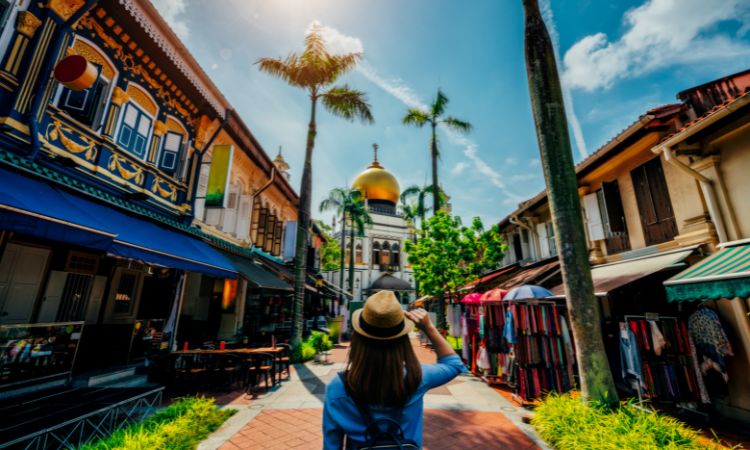
Historic cafés such as Caffè San Marco invite travellers to savour meticulously brewed coffee amid elegant interiors echoing Austro-Hungarian elegance. Local roasteries showcase Trieste’s coffee legacy, delivering rich blends to complement pastries and light bites. Dining options range from trattorias serving fresh Adriatic fish dishes to wine bars featuring Friulian whites and reds. Street-food offerings include local focaccia and snacks inspired by Central European flavors. Culinary tours reveal how Trieste’s port status invited spices and ingredients from afar, shaping a dynamic food culture. For gourmands, each meal becomes an exploration of history and terroir.
Learn More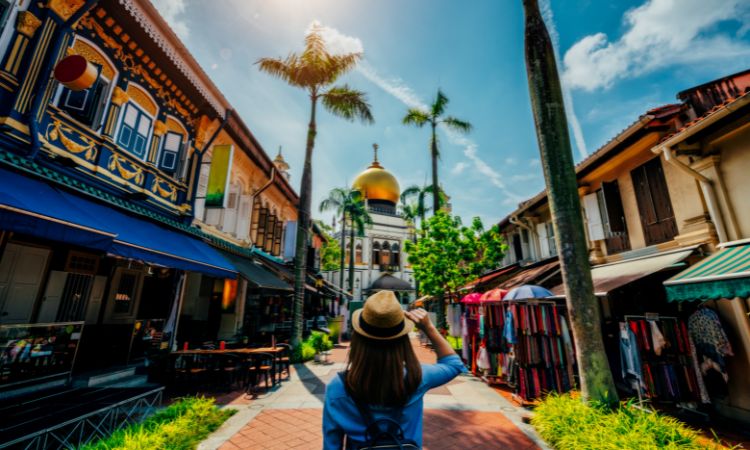
Summer months see classical concerts in atmospheric settings such as Miramare Castle grounds, while literary events celebrate Trieste’s connection to writers like Joyce and Italo Svevo. Film festivals and art exhibitions spotlight regional and international talent. Traditional food fairs highlight regional specialties, and craft markets showcase local artisans. Seasonal events such as Christmas markets reflect Alpine influences. Engaging with these festivities allows travellers to connect deeply with local life, participate in community celebrations, and return home with firsthand memories of Trieste’s dynamic cultural calendar.
Learn More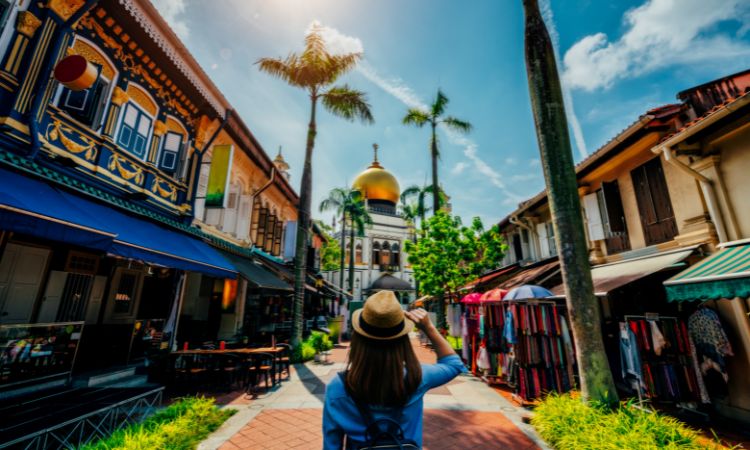
Short journeys from Trieste include coastal drives into Slovenia’s seaside villages or inland excursions to Karst caves and vineyards. Day trips to picturesque Istrian towns reveal Roman ruins and seaside promenades. Cross-border rail routes connect travellers to Ljubljana and beyond, while local tours guide through olive groves and wine cellars in Friuli. This network of accessible destinations reduces packing hassles and accommodation changes, enabling deeper immersion. After a day exploring neighbouring regions, visitors appreciate returning to Trieste’s waterfront ambience and culinary offerings.
Learn More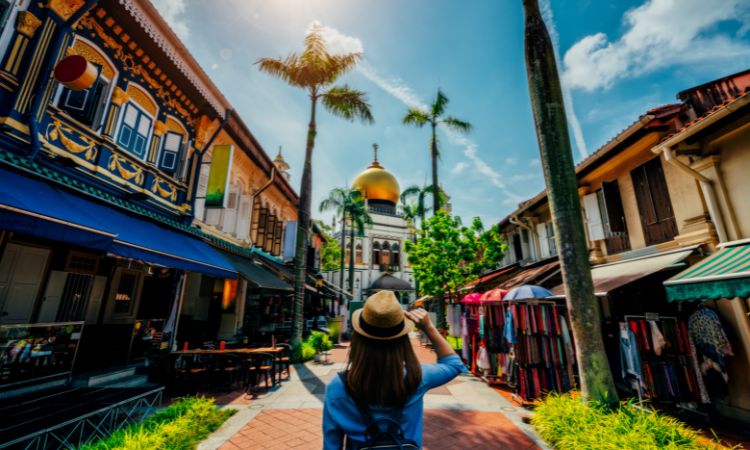
From sunrise walks along the waterfront to afternoon explorations of narrow lanes near Piazza Unità, Trieste encourages slow travel. Public buses and ferry services connect to coastal villages and seaside vantage points. Visitor information centres and guided walking tours assist first-time arrivals, while repeat visitors find new layers to uncover, from offbeat galleries to local wine bars. Safety, ease of navigation, and a friendly atmosphere appeal to solo travellers, couples, and families alike. Trieste’s human scale ensures each day is filled with discoveries without long commutes or crowded transit.
Learn More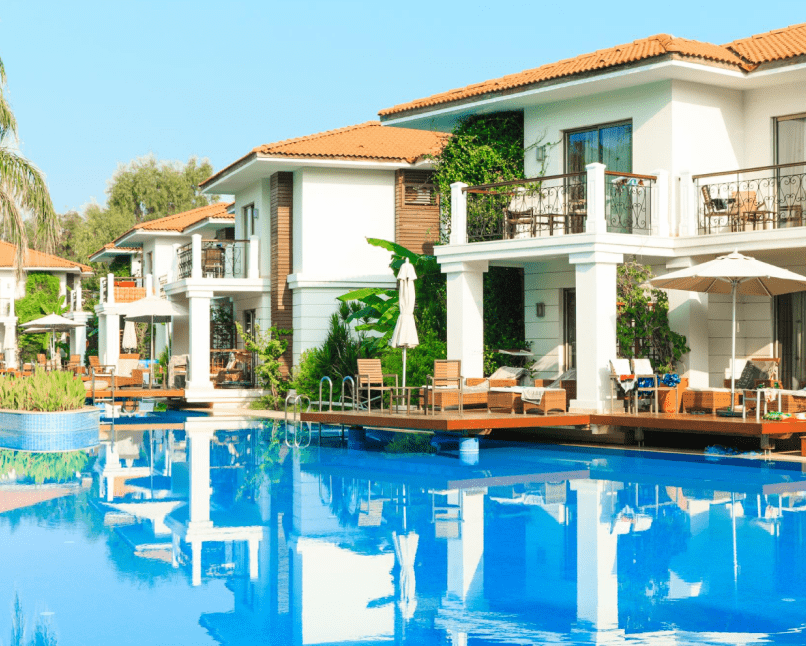
Lorem ipsum dolor, sit amet consectetur adipisicing elit. At illo adipisci iusto
From

Because more than 268 other customers have loved us too

Demonstrates commitment to user data security through encryption and secure payment practices
Learn More
Demonstrates commitment to user data security through encryption and secure payment practices
Learn More
Demonstrates commitment to user data security through encryption and secure payment practices
Learn More
Demonstrates commitment to user data security through encryption and secure payment practices
Learn More
Quality as judged by customers. Book at the ideal price!


/ person
/ person
/ person
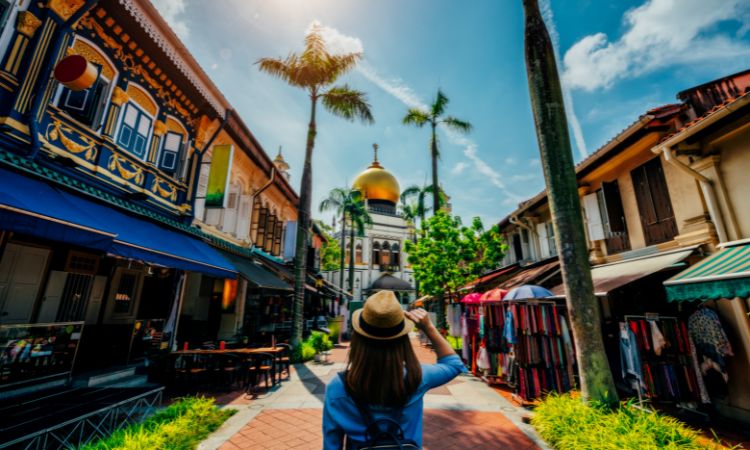
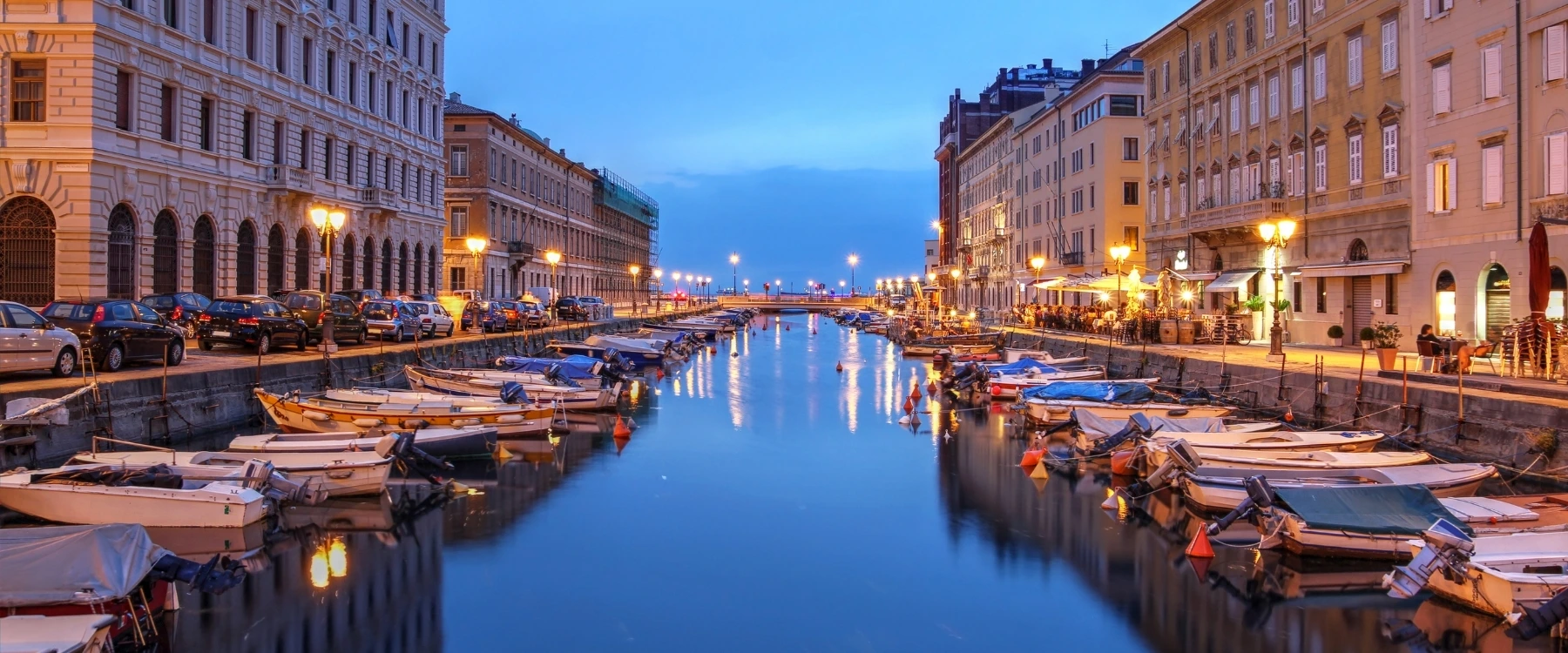
Trieste’s historic landmarks reflect its role as a crucial Adriatic port and cultural crossroads. Central to this is Piazza Unità d’Italia, Europe’s largest sea-facing square, flanked by neoclassical palazzi that recall Austro-Hungarian grandeur . Visitors can linger at the square’s cafés, absorbing the maritime vista. Nearby, the Castello San Giusto stands sentinel on a limestone hill: its medieval walls and museum offer insights into local history, while the panoramic terrace rewards visitors with sweeping views of rooftops, harbour, and distant Karst hills. Beneath the city, remnants of Roman and even earlier civilizations lie scattered; the Roman theatre, though partially buried, can be glimpsed through guided tours or archaeological displays, connecting travellers to Trieste’s ancient roots.Miramare Castle, a short tram ride from the city centre, exemplifies 19th-century aristocratic tastes. Commissioned by Archduke Maximilian of Habsburg, its white façade contrasts with lush gardens sloping toward the sea. Inside, period furnishings and curated exhibits evoke imperial life, while the castle grounds host seasonal events and quiet garden strolls. Complementing these grand sites, lesser-known gems include churches such as San Giusto Cathedral, with its mosaic-decorated interior reflecting Byzantine influences, and the Synagogue of Trieste, one of Europe’s largest, echoing the city’s once-thriving Jewish community.Museums further illuminate Trieste’s heritage: the Museo Revoltella showcases modern art, while the Civico Museo di Storia ed Arte Naturale documents regional natural history. The Museo del Mare explores maritime traditions, charting Trieste’s shipping legacy. Cultural itineraries often incorporate literary landmarks: cafés frequented by James Joyce and Italo Svevo, where travellers can imagine the creative ferment of early 20th-century expatriates.Walking tours tie these elements together: a heritage route might begin at the waterfront, proceed through grand boulevards reminiscent of Vienna, ascend to San Giusto hill, and return via hidden alleys revealing street art and local artisan workshops. Even evenings can be spent admiring illuminated monuments or attending performances in historic theatres. By engaging with Trieste’s historic landmarks, travellers gain a deep understanding of how geography and imperious ambitions shaped a city that remains at Europe’s cultural intersection.
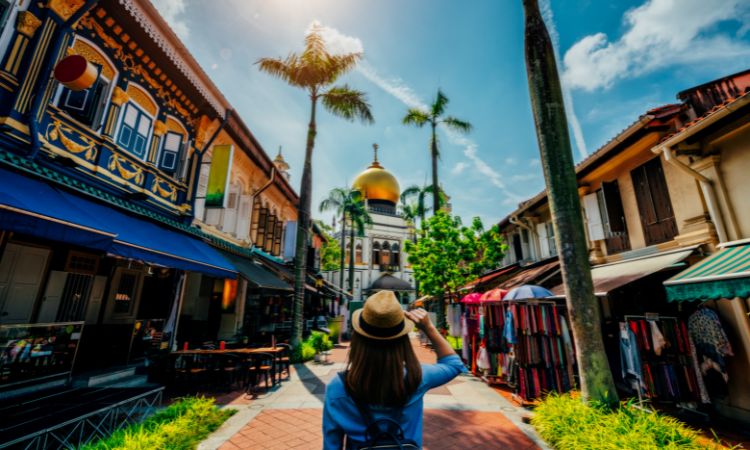
Trieste’s museums and galleries offer rich explorations of art, history, science, and maritime heritage within a compact urban area. Art enthusiasts begin at the Revoltella Museum, the city’s modern art institution housed in a neoclassical palace. It features 19th- and 20th-century Italian and international works, contextualizing Trieste’s artistic dialogues. Nearby, the Galleria d’Arte Moderna Curti displays rotating exhibitions, spotlighting local and emerging artists. For deeper historical context, the Civico Museo di Storia ed Arte offers archaeological collections, ethnographic artifacts, and natural history specimens revealing Friuli-Venezia Giulia’s geological and cultural evolution.Maritime heritage permeates Trieste’s identity; the Museo del Mare chronicles seafaring traditions, shipbuilding, and the city’s pivotal role in Adriatic trade. Interactive displays and archival photographs bring to life the era when majestic ocean liners departed from Trieste’s docks. The Museo Ferroviario Trieste Campo Marzio, though smaller, appeals to railway aficionados, tracing regional rail connections that bolstered commerce and mobility.Literary heritage is celebrated through specialized exhibits and guided walks: sites associated with James Joyce and Italo Svevo connect visitors to Trieste’s expatriate literature scene. Occasional exhibitions in public spaces and libraries delve into multilingual literary legacies. For those interested in science and natural landscapes, the Civico Museo di Storia Naturale showcases local flora, fauna, and geological specimens, illuminating the region’s karst environment and biodiversity.Temporary art exhibitions appear in venues such as the Molo Sartorio cultural hub and independent galleries scattered across the city. These spaces host contemporary installations, photography shows, and multimedia presentations, often engaging with Trieste’s borderland identity and maritime lore. Performance art and pop-up exhibitions animate public squares and waterfront areas, encouraging spontaneous cultural encounters.Visiting these institutions often involves interactive guided tours, workshops, and lectures. Many museums collaborate with universities and cultural associations, offering travellers insightful programming—film screenings, artist talks, and themed events aligned with local festivals. Even in quieter months, these venues maintain rotating exhibitions, ensuring fresh content for repeat visitors.The accessibility of museums, often within walking distance or a short tram ride from the centre, encourages a museum-hopping approach: beginning with morning visits to heritage sites, transitioning to modern art in the afternoon, and concluding with an evening performance in a historic theatre. By engaging with Trieste’s museums and galleries, travellers gain a layered understanding of its artistic innovation, scientific explorations, and maritime legacy—all integral to the city’s multifaceted identity.
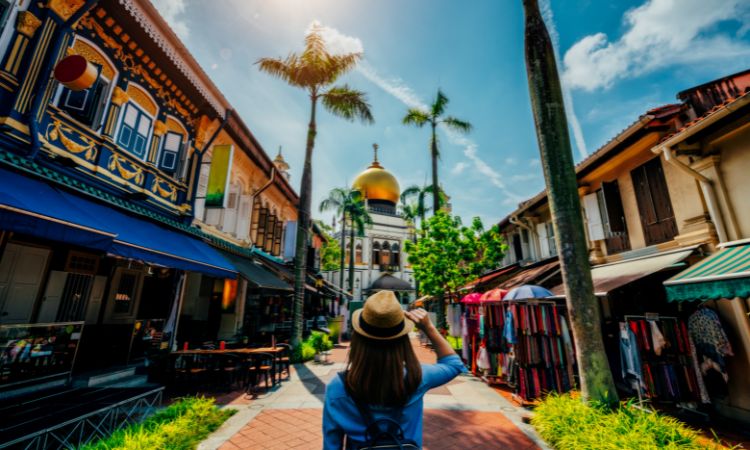
Trieste’s coastline, characterized by rocky coves and pebbly beaches, invites travellers to experience the Adriatic’s clear waters alongside historic promenades. The Barcola promenade, stretching several kilometres along the waterfront, is famed for its sunbathing spots on limestone slabs, where locals and visitors alike relax as boats drift by and the sun glints on the sea. Early mornings bring tranquil vistas—ideal for joggers or photographers seeking pastel-hued sunrises. Along this route, informal eateries serve espresso and gelato, offering refuelling points between seaside strolls.For swimmers, small beaches such as the Lido di Trieste feature pebbly shores and designated swim areas; the water remains refreshingly clear during summer months. Diving enthusiasts discover underwater rock formations and marine life just offshore, with local dive centres offering guided excursions. Sailing and kayaking excursions depart from the marina, allowing active travellers to explore hidden coves and experience Trieste’s maritime spirit firsthand.Beyond the immediate waterfront, excursions to nearby coastal villages—Muggia to the southeast or Duino with its cliffside castle—reveal quieter bays and panoramic viewpoints. Coastal routes can be navigated by bus or rented bicycle, providing a blend of gentle exercise and scenic discovery. Sunset walks along the waterfront culminate in spectacular views, as the sky shifts through shades of orange and pink while local cafés prepare aperitifs.Even off-season, coastal walks retain appeal: brisk sea breezes invigorate walkers, and the dramatic Bora wind sculpting waves adds spectacle. Birdwatchers observe migratory species along the shoreline, while photographers capture moody seascapes under shifting skies. Seasonal events such as coastal clean-ups and community swimming events in summer foster engagement with local life.Safety considerations—pebbly terrain underfoot and occasional strong currents—are mitigated by clear signage and local guidance. Lifeguard services operate on busier beaches during summer. Travellers should bring water shoes for rocky sections and sunscreen for extended exposure. With its blend of urban proximity and natural beauty, Trieste’s coastal walks and beaches offer relaxing and active experiences, connecting travellers to the Adriatic’s enduring allure.
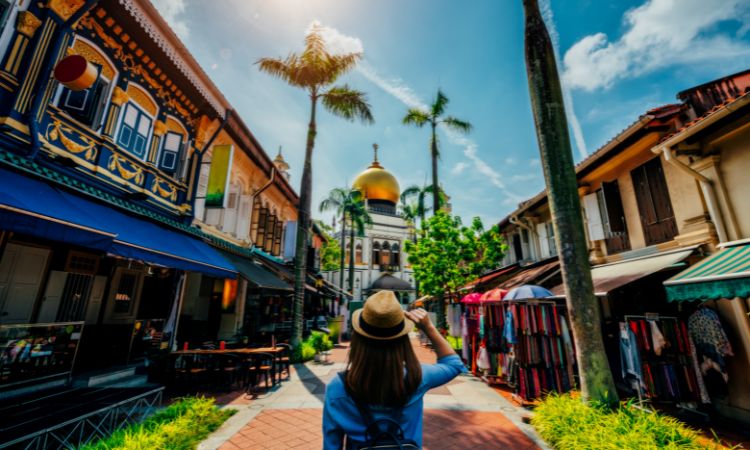
Rising abruptly behind Trieste, the Carso (Karst) plateau presents a rugged limestone landscape beckoning hikers, spelunkers, and nature lovers. Trails from the city ascend through Mediterranean shrublands, revealing panoramic views of the Gulf of Trieste and Slovenian hills. A popular route begins near the Barcola, winding uphill past WWII bunkers and local vineyards that cling to rocky terraces. Guided hikes uncover geological formations: sinkholes, caves, and rugged outcrops shaped by millennia of erosion.Speleology enthusiasts can explore show caves such as Grotta Gigante, one of the world’s largest tourist-accessible caves, a short drive from Trieste. Guided tours reveal immense chambers, stalactites, and stalagmites, offering insight into subterranean geology. For seasoned cavers, local clubs provide information on lesser-known caverns, though such explorations require experience and proper equipment.Botanical diversity thrives: spring brings wildflowers carpeting karst meadows, while hardy shrubs and grasses endure dry summers. Birdwatchers spot raptors riding thermal updrafts above cliffs. Autumn transforms the plateau with golden hues, ideal for photography and tranquil walks. Winter visits offer stark beauty: frost-dusted landscapes and clear skies can yield crisp vistas across the Adriatic.Cyclists may tackle challenging off-road trails, while picnic spots overlooking the sea reward effort. Educational signage along certain routes explains karst processes, regional flora, and local folklore. Local guides share legends of ancient inhabitants and unique natural phenomena, enriching the outdoor experience.Safety on the plateau requires sturdy footwear, ample water, and awareness of changing weather—Bora winds can intensify swiftly. Maps and local advice ensure navigation through sometimes unmarked paths. Returning to Trieste, travellers often unwind at cafés offering refreshments, reflecting on contrasting experiences from sea-level promenades to elevated karst heights.Karst Plateau adventures exemplify Trieste’s dual identity: a seaside city with immediate access to dramatic upland terrain. Whether seeking adrenaline-filled hikes, geological wonders, or peaceful nature immersion, visitors find the Carso plateau an essential complement to urban explorations, deepening appreciation for the interplay of land, sea, and cultural history in this borderland region.
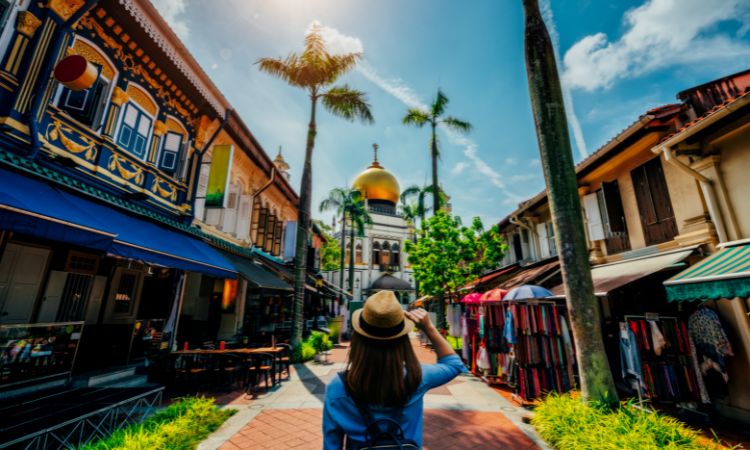
Trieste’s culinary tapestry reflects Adriatic freshness and Central European depth. Markets like Mercato Coperto buzz with vendors offering fresh produce: seafood, olive oils, seasonal vegetables, and regional cheeses. Guided food tours often begin here, introducing travellers to local ingredients and traditional preparations. A signature dish, jota (a cabbage and bean stew with pork rind), exemplifies Carso influences, warming diners on cooler days. Seafood risottos, featuring mussels and clams harvested nearby, showcase maritime bounty.Winelovers venture to nearby Friulian vineyards, renowned for crisp whites like Friulano and aromatic wines such as Malvasia and Ribolla Gialla. Wine bars in Trieste offer tasting sessions, pairing local varietals with antipasti platters featuring prosciutto, cheeses, and olives. Enotourism excursions guide visitors through cellar doors in the Collio and Carso zones, where winemakers share insights into terroir-driven practices and sustainable viticulture.Historic coffee culture is integral: Trieste, home to Illy, boasts cafés preserving Austro-Hungarian ambiance. Coffee aficionados sample blends at Caffè San Marco or smaller artisan roasters, learning about roasting processes and tasting profiles. Pastries such as strudel and kremšnita reflect Central European legacies, enjoyed alongside macchiatos.Seafood restaurants along the waterfront serve grilled fish, calamari, and octopus salad, often accompanied by a glass of local white wine. Trattorias tucked in medieval lanes offer pasta dishes influenced by Venetian and Carso traditions, while deli shops sell cured meats and artisanal preserves to take home. Food festivals celebrate seasonal harvests: olive oil tastings in autumn, wine festivals in spring, and seafood fairs in summer, fostering community engagement and authentic experiences.Cooking classes allow travellers to recreate Triestine dishes at home, guided by local chefs sharing family recipes passed through generations. Street-food stalls supply quick bites: panini filled with regional salumi, focaccia topped with local ingredients, and gelato showcasing Italian craftsmanship.Evening aperitifs at terrace bars overlook the Adriatic as lights shimmer on the water. The blend of flavours—seafood’s freshness, mountain herbs from the Carso, and Central European spices—encapsulates Trieste’s culinary identity. For travellers, immersive dining experiences are not merely meals but narratives of trade routes, cultural exchanges, and the land-sea continuum defining this Adriatic crossroads.
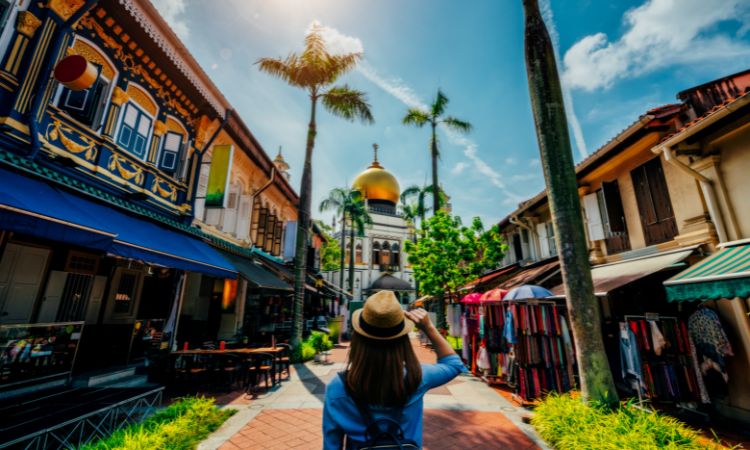
Trieste’s café culture is legendary: elegant interiors and outdoor terraces invite hours of sipping espresso, reading, or conversing. Historic cafés like Caffè degli Specchi in Piazza Unità blend opulent décor with seaside views, while intimate spots in back streets offer artisanal brews and homemade pastries. Coffee rituals here reflect a legacy connecting Mediterranean and Central European traditions. Some cafés host literary events or live music, enriching the cultural atmosphere.Street food in Trieste offers a quick immersion into local flavours. Panini shops fill crusty bread with prosciutto di San Daniele, locally smoked cheeses, or grilled vegetables seasoned with olive oil and herbs. Food trucks and kiosks near markets serve cheese-filled pastries and seasonal snacks—wild asparagus frittatas in spring or chestnut treats in autumn. Gelaterias produce creamy gelato using fresh regional fruits, ideal for cooling down after seaside strolls or walking tours.Cafés often showcase local coffee blends from Illy or smaller roasteries; baristas take pride in latte art and precise preparation. Breakfast might consist of a cappuccino paired with a croissant or local savory pastry. Midday espresso breaks punctuate explorations of museums or shopping in artisanal boutiques. After afternoon hikes on the Carso, a refreshing iced coffee or granita provides relief, reflecting local adaptations to summer heat.Evenings see aperitivo culture: bars set out small plates—olives, cheeses, cured meats—to accompany pre-dinner drinks, allowing travellers to sample multiple bites while socializing with locals. Neighborhood wine bars extend this tradition, pairing small plates with regional wines. Seasonal street markets and food fairs transform squares into open-air tasting venues, fostering conviviality and direct interaction with producers.Workshops and tastings at cafés introduce travellers to coffee roasting techniques, tasting notes, and the science behind extraction. Café owners share stories of Trieste’s coffee heritage, linking the city’s port history to global coffee trade. For those seeking novelty, specialty brew methods—cold brew, pour-over—coexist alongside classic espresso traditions.Trieste’s café culture and street food scene provide accessible, flavorful ways to experience its heritage: casual encounters over coffee or quick bites reveal daily life rhythms, while culinary events and tastings deepen understanding of local ingredients and customs. These offerings complement sit-down dining, ensuring travellers can engage with Trieste’s gastronomic identity at every hour..
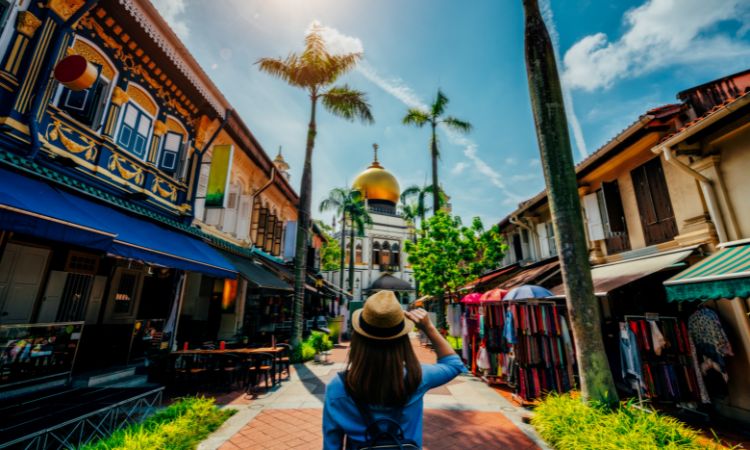
Trieste’s proximity to Slovenia makes day trips both convenient and rewarding. Border crossings are straightforward, with public buses and guided tours connecting to Slovenian coastal towns like Piran, known for its Venetian architecture and scenic seaside promenades. From Trieste, one can board a bus to Piran in about an hour; once there, narrow streets open onto Tartini Square, where cafés overlook the Adriatic. Exploring medieval walls, sampling Slovenian seafood specialties, and strolling along the marina offer a distinct yet complementary coastal experience.Ljubljana, Slovenia’s charming capital, lies around two hours by car or train; guided day tours often include highlights such as the castle overlooking the city, riverside cafés, and vibrant markets. The journey may include a scenic drive through Karst terrain, with stops at Postojna Cave—one of Europe’s largest show caves—and Predjama Castle, dramatically set within a cliff face. These natural and historical sites illuminate the shared karst landscape bridging Italy and Slovenia.Wine enthusiasts can venture into Slovenian wine regions like Brda, tasting wines similar yet distinct from Friulian varietals. Culinary tours showcase dishes blending Mediterranean and Central European influences, deepening appreciation for cross-border gastronomy. Day-trip itineraries often pair vineyard visits with cultural tours of small towns, offering immersive insights into Slovenian traditions.Transport options include rental cars, guided coach tours, and public bus lines; advance planning ensures smooth border transit. Multilingual guides facilitate navigation and cultural interpretation. Travellers should carry necessary identification and be aware of currency differences (though euros are used in Slovenia) and occasional language nuances.Returning to Trieste in the evening, visitors can reflect on the contrasting yet interconnected experiences: Venetian-influenced Slovenian coast, alpine-tinged Ljubljana, and subterranean wonders of Karst caves. This easy cross-border access enriches any Trieste itinerary, offering varied cultural and natural discoveries within a single day’s excursion.
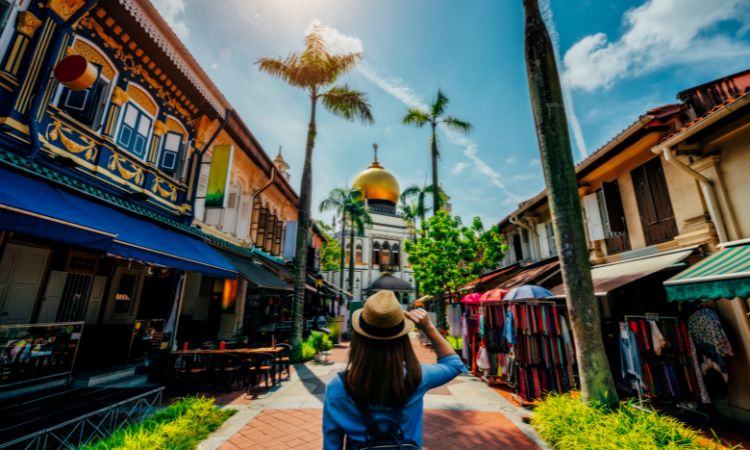
The Istrian peninsula, shared by Croatia, Slovenia, and Italy, beckons with medieval hilltop towns, coastal resorts, and gastronomic treasures. From Trieste, travellers can join day tours crossing into Croatian Istria, visiting towns like Rovinj and Pula. Rovinj’s harmonious pastel buildings cluster around a hill topped by a hilltop church; wandering its cobblestone lanes reveals artisan shops and seafood restaurants overlooking azure bays. Pula, famed for its remarkably preserved Roman amphitheatre, offers a blend of ancient history and modern Croatian culture.Along the route, olive groves and vineyards produce renowned Istrian olive oil and wines: tastings at family-run estates introduce guests to Malvasia and Teran varietals. Truffle-hunting excursions in Istrian forests (seasonal) allow participants to accompany trained dogs in search of prized white or black truffles, culminating in tasting sessions showcasing truffle-infused dishes.Coastal drives reveal hidden bays and pebble beaches where travellers can swim in crystalline waters. Boat excursions from coastal towns explore secluded coves and marine reserves. Historical sites include hilltop castles and forts overlooking the Adriatic, connecting visitors to the peninsula’s strategic past. Museums and galleries in key towns celebrate local art and heritage, while vibrant markets showcase fresh produce and handmade crafts.Logistics often involve guided coach tours or private transfers, with border-crossing formalities handled seamlessly. Euro currency use simplifies transactions. For those preferring independent travel, rental cars allow flexible exploration, though awareness of local driving regulations and parking options is essential. Seasonal considerations—crowds in high summer, cooler weather in shoulder seasons—inform planning.By returning to Trieste after a day exploring Istrian charms, travellers experience contrasting atmospheres: Trieste’s elegance and Carso landscapes followed by Istria’s Mediterranean villages and Roman heritage. These excursions enrich Adriatic itineraries, revealing the shared yet diverse cultural tapestry of this border region.
No ads. No trails. No commitments


Alice Roses
London, England
51 ST MATTHIAS ROAD
NOTTINGHAM, NOTTINGHAMSHIRE
NG3 2HF
Hours: 8:00 - 17:00, Mon - Sat
support@johnsonholidays.com