 Marseille Travel
Guide
Marseille Travel
Guide
Paris is known around the world as the “capital of love,” and even if you don't understand the history of Paris at all

2 Hours
£5.10
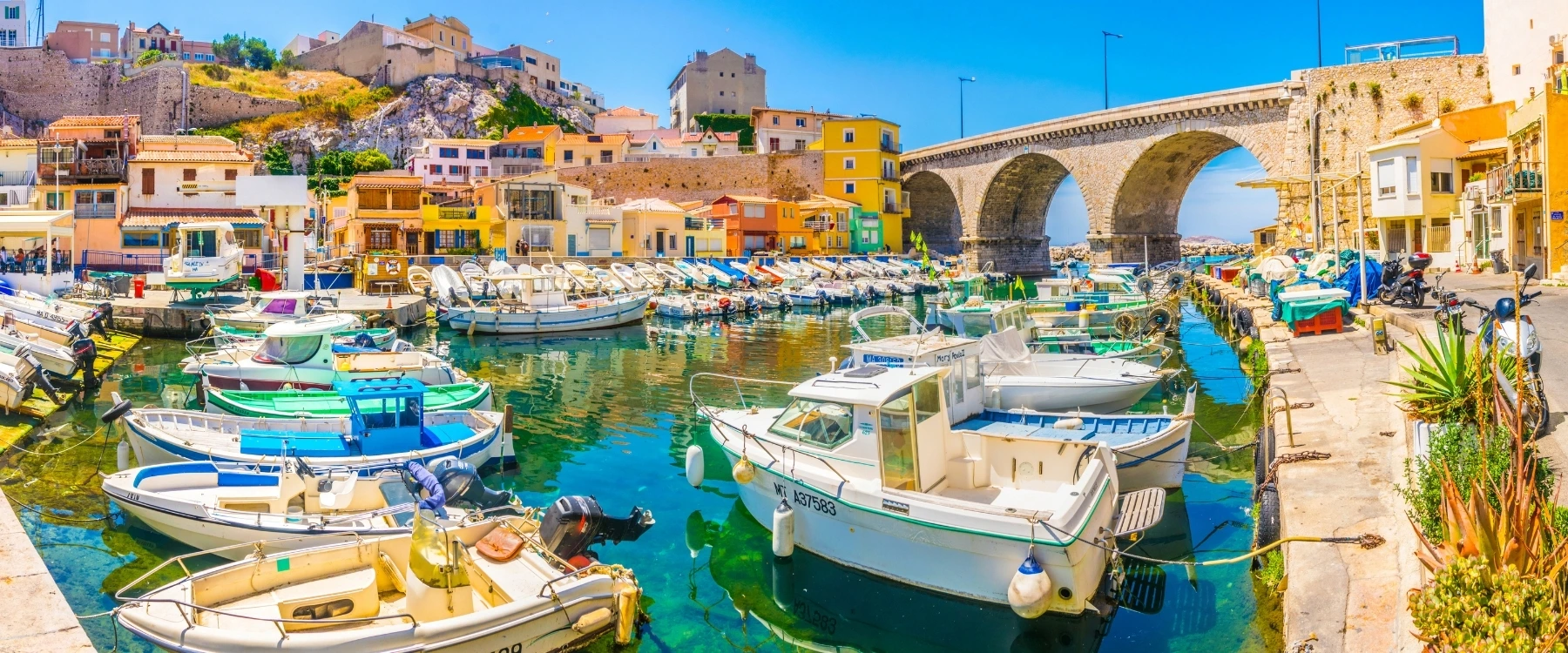
Marseille is France’s oldest city, founded by Greek settlers around 600 BC, and its maritime legacy shapes much of its character. Exploring the Old Port area, travelers can witness centuries of seafaring tradition, from fishing boats offloading the daily catch to modern yachts lining the quays. The city’s maritime museums and heritage sites—such as the Musée d’Histoire de Marseille—offer insights into ancient trading routes, naval history, and the cultural exchanges that have defined Marseille’s identity over millennia. Strolling along the port at sunrise presents a vivid scene of fishermen selling fresh seafood, continuing traditions that have persisted for generations. Beyond its historical significance, Marseille remains an active maritime hub, with ferries departing to the Frioul Islands and Château d’If, blending past and present seafaring life. This unique blend of ancient history and living tradition makes Marseille a compelling choice for travelers interested in maritime culture.
Learn More
Marseille enjoys a hot-summer Mediterranean climate, characterized by long, sunny summers and mild winters, making it attractive almost year-round. The city receives more sunlight than most French cities, allowing outdoor activities—such as boat trips along the Calanques, beach visits, and open-air dining—to thrive for much of the year. Nearby Calanques National Park features dramatic limestone cliffs plunging into turquoise waters, ideal for hiking, kayaking, or scenic boat excursions. Within the city, waterfront promenades and coastal paths offer panoramic sea views. The combination of clear skies, sea breezes, and mild winter temperatures invites travelers to explore historical sites and neighborhoods comfortably throughout the seasons. This scenic setting, coupled with reliable sunshine, enhances any Marseille holiday with memorable vistas and outdoor experiences.
Learn More
Marseille’s cuisine reflects its port-city heritage and Mediterranean influences. Signature dishes like bouillabaisse—an aromatic fish stew—are a must-try for food enthusiasts. Fresh seafood markets near the Old Port supply local restaurants, ensuring high-quality ingredients. Provençal markets brim with seasonal produce: olives, tomatoes, herbs (thyme, rosemary), and citrus, showcasing the region’s agricultural bounty. Street food and casual eateries offer panisses (chickpea fritters) and socca, while cafés serve coffee accompanied by local pastries. North African influences enrich Marseille’s food scene, visible in dishes like couscous and merguez sausages. Wine lovers can sample Provençal rosés and local wines during excursions to nearby vineyards. With a mix of traditional establishments, modern bistros, and multicultural eateries, Marseille offers a diverse gastronomic landscape that appeals to all palates.
Learn More
Marseille’s cultural landscape is dynamic, blending historic traditions with contemporary creativity. The city hosts festivals year-round—music events like Fête de la Musique each June, film festivals, and street art exhibitions that enliven public spaces. Museums such as the MuCEM (Museum of European and Mediterranean Civilisations) and the Marseille History Museum offer engaging displays on Mediterranean heritage. Le Panier district’s narrow lanes reveal vibrant street art, artisanal shops, and galleries. Marseille’s multicultural population contributes to a rich tapestry of cultural expressions, from music to dance to crafts. The city’s artistic energy extends to modern architecture projects and cultural initiatives that revitalize former industrial areas into creative hubs. For travelers seeking immersive cultural experiences, Marseille’s lively arts scene and annual events ensure an engaging visit.
Learn More
Marseille Provence Airport (MRS) offers frequent flights from major European cities, including direct flights from London with an average flight time of around 1 hour 58 minutes from London. Efficient transport links—regional trains, bus services, and motorways—connect Marseille to Provence destinations such as Aix-en-Provence, Avignon, and Nice. Ferries operate from the Old Port to the Calanques, Frioul Islands, and Château d’If. The city’s public transport network, including metro, tram, and buses, facilitates convenient exploration of urban neighborhoods and nearby attractions. This accessibility makes Marseille an excellent hub for combining city stays with Provence or Côte d’Azur escapes.
Learn More
Marseille offers a range of accommodation choices suitable for varied budgets and preferences. Boutique hotels in historic Le Panier or near the Old Port provide authentic ambiance, while modern hotels along the waterfront offer sea views and contemporary amenities. For those seeking seaside relaxation, resorts and guesthouses near coastal neighborhoods or on the outskirts of the Calanques region deliver tranquil stays amidst natural beauty. Budget travelers can find hostels and budget hotels in well-connected areas. Many accommodations feature flexible cancellation policies and competitive rates, especially in shoulder seasons (May-June, September-October) when hotel availability remains good and prices are more reasonable .
Learn More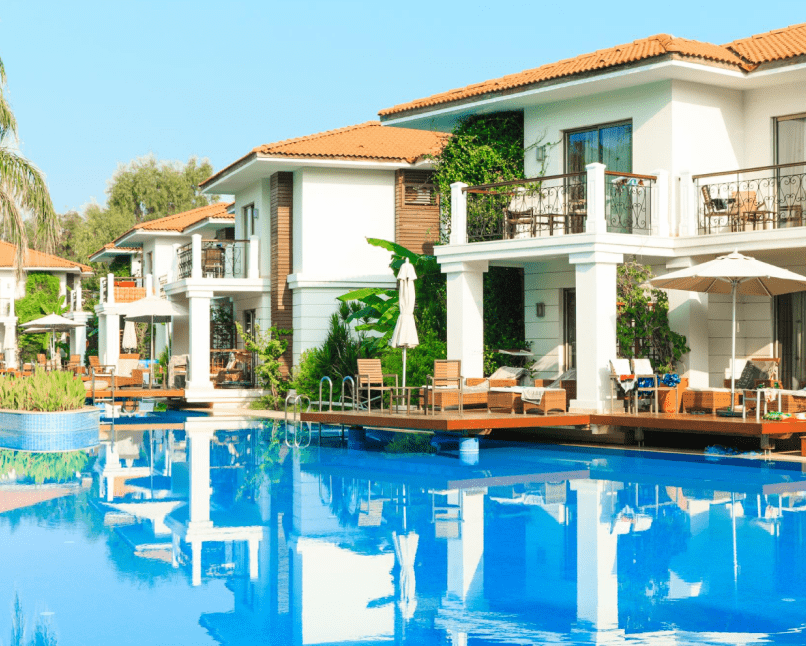
Lorem ipsum dolor, sit amet consectetur adipisicing elit. At illo adipisci iusto
From

Because more than 268 other customers have loved us too

Demonstrates commitment to user data security through encryption and secure payment practices
Learn More
Demonstrates commitment to user data security through encryption and secure payment practices
Learn More
Demonstrates commitment to user data security through encryption and secure payment practices
Learn More
Demonstrates commitment to user data security through encryption and secure payment practices
Learn More
Quality as judged by customers. Book at the ideal price!


/ person
/ person
/ person
Marseille’s Old Port (Vieux-Port) has anchored the city’s maritime life for over 2,600 years, evolving from a Greek trading outpost into today’s vibrant waterfront hub. At dawn, fishing boats dock alongside pleasure craft, and fishermen display the day’s catch in colorful stalls. By evening, cafés and bars lining the quays hum with conversation as locals and visitors gather over pastis or espresso. Strolling the harbor promenade, you’ll pass historic façades—from 17th-century warehouses to sleek contemporary projects—illustrating Marseille’s layered evolution.Adjacent lies Le Panier, the city’s oldest quarter. Its maze of narrow, sun-dappled streets is flanked by pastel-hued façades adorned with street art and dotted with artisan workshops. Hidden squares reveal local life: a pétanque game in progress here, a shuttered courtyard gallery there. Must-see landmarks include Vieille Charité, a former 17th-century almshouse now repurposed as an exhibition and performance space; and Cathédrale de la Major, whose imposing Romanesque-Byzantine architecture crowns the waterfront.Wander off the main paths to discover family-run boutiques offering handcrafted ceramics and Provençal textiles. Pop into local galleries showcasing contemporary artists from Marseille’s multicultural communities. History enthusiasts can visit the Musée d’Histoire de Marseille, which traces the city’s transformation from Greek colony to modern port metropolis through artifacts, models, and interactive displays.To fully appreciate the quarter’s hidden narratives, join a guided walking tour that highlights architectural details, maritime anecdotes, and immigrant-influenced street art. Even without a guide, pause at a café terrace to watch daily rhythms unfold—boats gliding in, seagulls wheeling overhead, and shopkeepers arranging bouquets of lavender. Both the Old Port and Le Panier encapsulate Marseille’s identity, where centuries of trade, migration, and creativity converge in every stone and storefront.
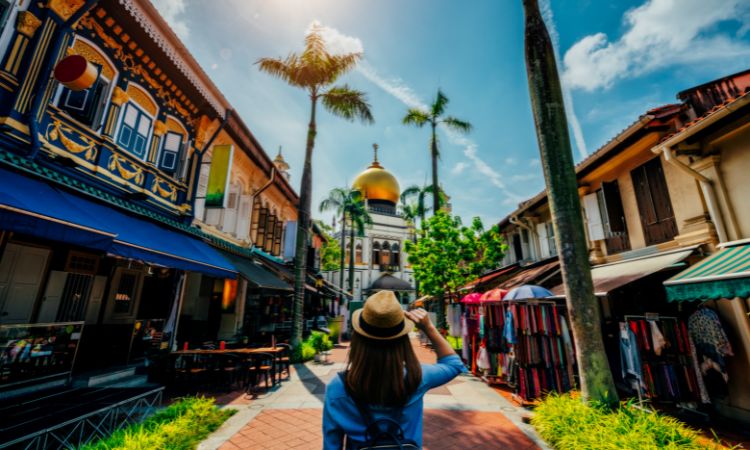
Dominating Marseille’s skyline from its highest natural hill, Basilique Notre-Dame de la Garde—affectionately “la Bonne Mère”—blends spiritual devotion with breathtaking panoramas. Built in the late 19th century atop earlier chapels, its neo-Byzantine domes and striped stonework are visible from nearly every quarter. Inside, gleaming mosaics and ex-voto offerings from generations of sailors and fishermen testify to the basilica’s role as guardian of seafarers.Reaching the summit by a 30-minute hill climb or a frequent Bus 60 shuttle rewards you with 360° views: the Old Port’s boats sparkle below, Marseille’s urban tapestry stretches inland, and the cobalt Mediterranean unfurls to the horizon. Photograph sunrise or sunset here—the shifting light sculpts rooftops, cathedral spires, and distant calanques in golden warmth.Surrounding “la Bonne Mère,” waymarked trails wind through scrub-pine groves and fragrant garrigue, leading to secondary viewpoints that frame the Calanques’ rugged silhouettes. Interpretive panels along the route explain the hill’s geology and the basilica’s maritime folklore—how generations of mariners invoked its protection before setting out to sea.Visiting on a festival day or for mass offers insight into Marseille’s communal spirit. Hilltop kiosks serve refreshments and local snacks, perfect for pausing between photo stops. To avoid crowds, plan an early-morning ascent or a late-afternoon visit. Whether drawn by religious heritage, landscape photography, or simply the desire for sweeping city-and-sea vistas, Notre-Dame de la Garde delivers an unforgettable synthesis of culture, history, and natural beauty.
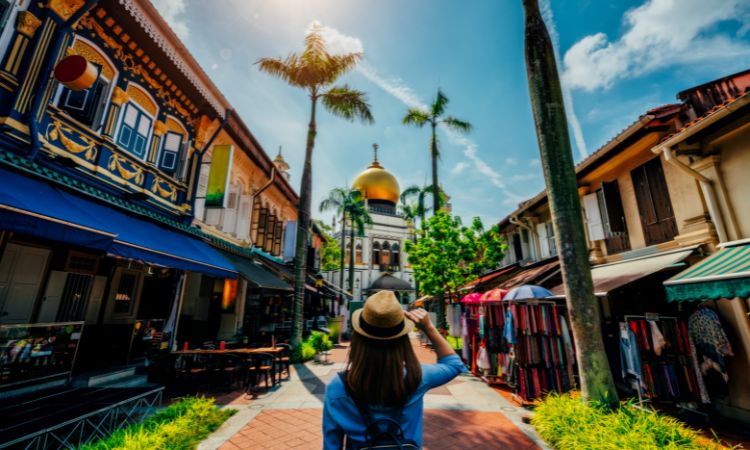
Just southeast of Marseille stretches Calanques National Park—a coastal wonderland of steep white limestone cliffs plunging into turquoise coves. Accessible by boat from the Old Port or on-foot hikes beginning at Marseille’s outskirts, the park’s most famous inlets—Sormiou, Morgiou, and En-Vau—offer secluded swimming spots, snorkeling among rock-pocked seafloors, and cliffside picnic perches.Hiking routes vary from easy coastal paths to more strenuous climbs requiring sturdy footwear and moderate fitness. Well-marked trails ascend through fragrant thyme and rosemary, rewarding you with panoramic ledges overlooking hidden bays. Alternatively, boat tours navigate sheltered waters, docking guests for swims before continuing past sea caves and under overhanging cliffs—ideal for those less inclined to trek.Seasonal timing is key. Visit in shoulder months (May–June or September–October) to balance mild temperatures (18–24 °C) with lighter foot traffic. In midsummer, blazing sun and crowded trails can dampen serenity; winter hikes, while cooler, offer dramatic skies and brisk sea breezes. Always check park advisories: fire-risk closures may restrict access to certain calanques.For deeper engagement, join an eco-guided excursion. Naturalists illuminate the area’s geology—how millennia of marine erosion sculpted the inlets—while pointing out endemic flora and seabirds. Kayak or paddleboard rentals in specific coves let you chart your own course, slipping between limestone fingers at your leisure.Pack sun protection, ample water, and snacks; wear layered clothing for temperature swings. Leave no trace and respect wildlife and vegetation to preserve this fragile ecosystem. Whether you arrive by land or sea, Calanques National Park showcases Provence’s raw coastal beauty—an essential day trip for adventurers and nature lovers alike.
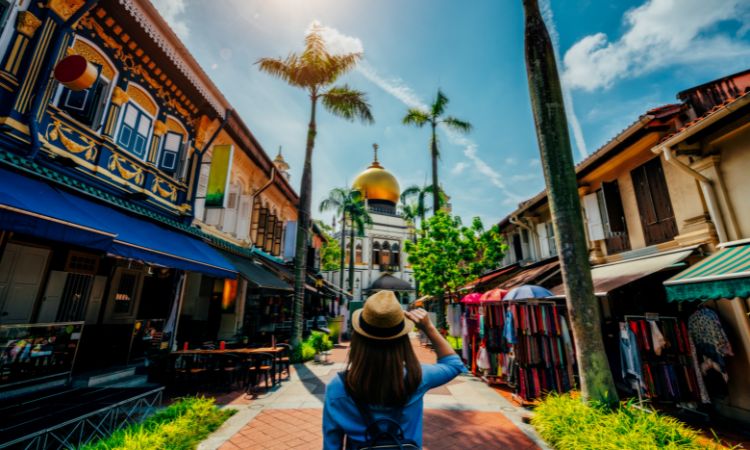
Marseille’s urban coastline caters to both active beachgoers and leisurely stroller alike. Close to city center, Plage des Catalans offers golden sands and gentle surf, ideal for families and beginner surfers. A short tram ride brings you to Plage du Prado—a broad stretch of sand interspersed with grassy dunes, playgrounds, and water-sports hubs for paddleboarding, windsurfing, or kayaking. Summer festivals and open-air yoga classes often animate the Prado esplanade.For a quieter setting, follow the Corniche Kennedy road to tucked-away coves framed by rocky outcrops. Coastal footpaths link small beaches where you can watch local fishermen or simply savor a sunset in peaceful solitude. The Corniche also serves as a scenic drive or walking route: stone balustrades overlook the sapphire sea, with cafés and viewpoints to pause for refreshments.Cyclists benefit from dedicated bike lanes along parts of the coastline, seamlessly weaving exercise with postcard vistas. Seasonal lifeguards patrol main beaches during high season; always heed flag warnings and water-condition advisories. Early arrival is recommended in July and August to secure prime sandy real estate.Beach clubs at Prado and Catalans rent umbrellas, loungers, and aquatic gear. Nearby markets in the morning—Cours Julien or Noailles—supply picnic essentials, from fresh fruit to regional cheeses. Later, local snack shacks serve crêpes, pan bagnat, and iced drinks.Whether you crave active watersports, family-friendly sands, or scenic promenades, Marseille’s beaches and coastal drives deliver flexible options. Urban convenience merges with Mediterranean allure, ensuring seaside enjoyment just minutes from the heart of the city.
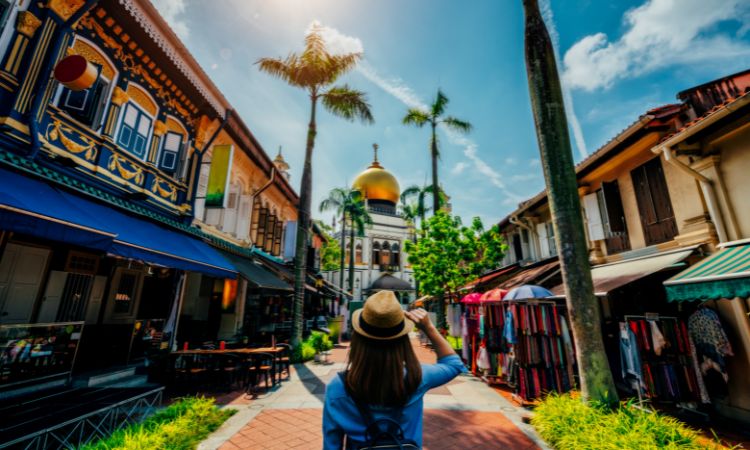
Immersing yourself in Marseille’s markets unveils Provence’s culinary soul. Start early at Marché de Noailles, where stalls brim with sun-ripened tomatoes, crisp lettuces, and mystic-spiced North African blends. Vendors proudly display glistening olives, fragrant lavender honey, and silky olive oils—ample for assembling picnic fare or gifting home.At the Old Port’s fish market, the sea’s bounty lines long tables: gilt-head bream, sardines ready for grilling, and shellfish perfect for steaming. Engage with fishermen eager to share catch-of-the-day tips and simple recipes. Nearby, Marché du Cours Julien showcases organic produce, artisanal cheeses, and local charcuterie amid a bohemian ambiance of street art and café terraces.Markets also reflect Marseille’s multicultural tapestry: Middle Eastern pastries gleam alongside Provençal tarte tropézienne, while spice merchants offer ras el hanout to pair with ratatouille. For a deeper dive, join a guided food tour—a local chef leads you through stalls, sampling tapenade, churros scented with orange flower water, and regional wines.Seasonal specialties mark the agricultural calendar: wild strawberries in spring, fennel-scented oranges in winter, and almonds glazed with honey year-round. Some cooking schools pair market visits with hands-on classes to craft aioli, pizzaiola, or classic bouillabaisse.To maximize your visit, bring reusable bags and small change. Market hours vary by day and location—Noailles opens as early as 6 AM, while Prado’s weekly market surges midday. Allow at least two hours to stroll, taste, and chat with artisans. Beyond shopping, Marseille’s markets are social theaters where aromas, colors, and conversations stitch together the region’s gastronomic heritage.
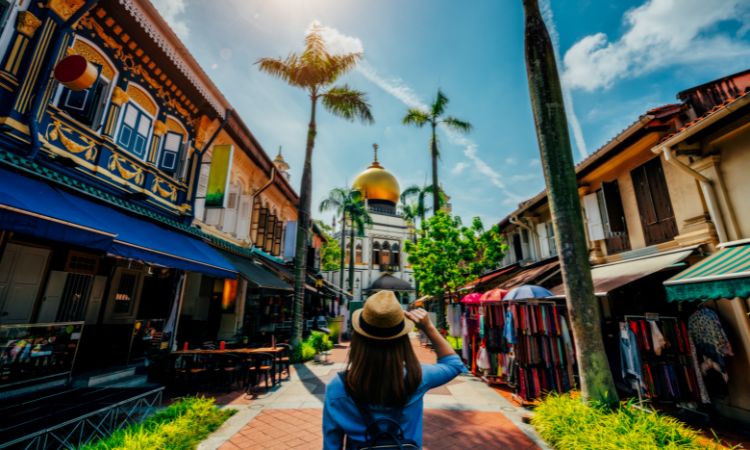
In Marseille, the sea shapes the menu. Bouillabaisse, the city’s flagship fish stew, blends local varieties—conger, sea robin, scorpionfish—with saffron and Provençal herbs. Reserve ahead at family-run bistros near the Old Port to sample this ritual dish, traditionally served with rouille-topped croutons. Expect to pay a premium: authenticity and fresh catch command a higher price.Beyond bouillabaisse, grill houses offer dorade, sea bass, and mussels, often paired with crisp rosés from Provence. For lighter fare, tapas-style plates—anchovy-stuffed olives, ratatouille drizzled with basil oil, and fried calamari—feature on casual menus in harbor-side cafés. Many eateries serve formule lunch specials: a starter of salade niçoise or provencal bruschetta, fresh-caught fish or vegetable tian for mains, and crème brûlée or fruit tart to finish.Marseille’s café culture thrives in every arrondissement. At sunrise, terraces fill with locals sipping espresso or café au lait alongside freshly baked croissants and navettes (orange-blossom biscuits). Pâtisseries tempt with canelé, tropezienne, and éclairs—perfect companions to a mid-morning coffee break. Throughout the day, bakeries offer baguettes and fougasse breads, while afternoon gatherings may revolve around iced drinks and regional pastries.Seek out unassuming side-street bistros favored by residents for the truest flavors. Many lack English menus but compensate with warmth and authenticity. Vegetarian or gluten-free guests will find Provençal vegetable dishes—stuffed zucchini flowers, chickpea socca—readily available.Evening dining often spills onto waterfront terraces. Listen for live accordion music or local chatter as you savor the salty breeze. Whether indulging in a ceremonial bouillabaisse or pausing at a café for people-watching, Marseille’s seafood and café offerings reveal the city’s convivial spirit and deep connection to the sea..
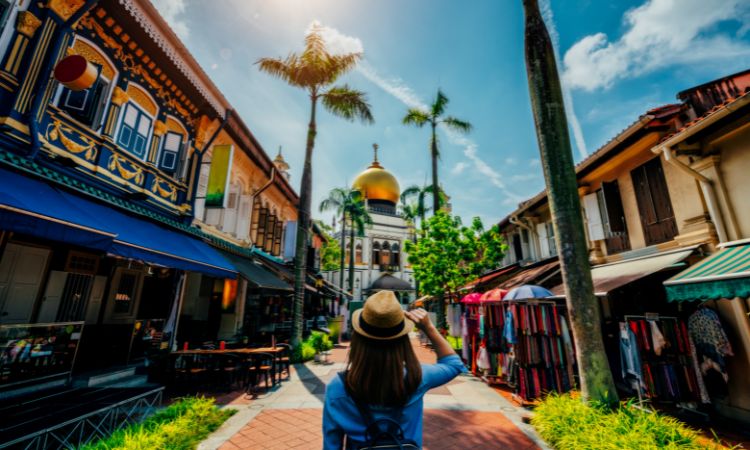
While hiking offers one view of Calanques National Park, exploring by sea unveils hidden grottos, secret coves, and the storied Frioul archipelago. Regular boat tours depart from the Old Port, guiding you past towering limestone cliffs into turquoise inlets inaccessible by land. Shared excursions provide snorkeling gear, onboard refreshments, and narrated commentary on coastal geology and ecology.For a literary detour, set course for Château d’If, the fortress-island immortalized in “The Count of Monte Cristo.” Guided visits trace its grim cells and ramparts, revealing prison lore against azure backdrops. On Frioul Islands, disembark at small harbors to wander tranquil villages, olive groves, and hiking paths with panoramic sea views. Birdwatchers may spot cormorants and Audouin’s gull among the cliffs.Tour durations range from two-hour cruises that skim a few calanques to full-day charters combining island stops with extended swims and picnic breaks. Private boat hires let you chart your own itinerary, anchoring where you choose for snorkeling or sunbathing. In shoulder seasons (May–June, September–October), cooler temperatures and quieter decks enhance the experience.Book tours in advance, especially in July and August, to secure premium spots. Bring sunhat, reef-safe sunscreen, swimwear, and a waterproof camera to capture sea-level perspectives. Select operators committed to environmental guidelines—avoiding marine-protected zones and minimizing wake—to safeguard this fragile shoreline.Whether aboard a lively group vessel or a private charter, boat-based Calanques excursions deliver a dynamic blend of adventure, history, and scenic wonder, framing Marseille’s coastline in unforgettable seascapes.
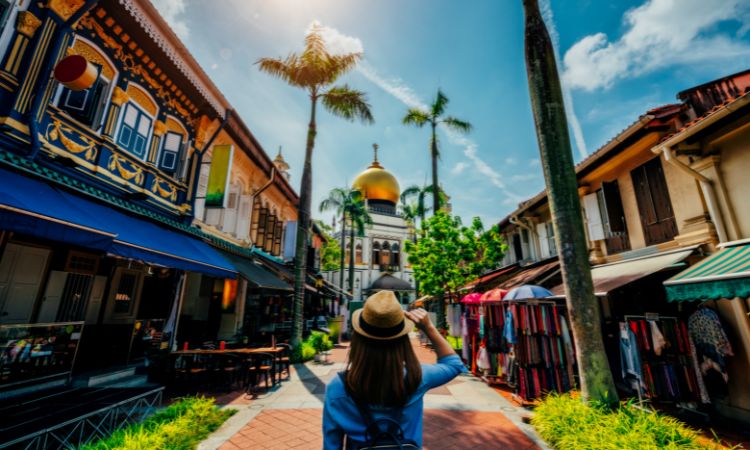
Marseille’s proximity to Provence’s hinterland makes day trips to hilltop villages and vine-strewn landscapes effortlessly rewarding. Northward, Aix-en-Provence beckons with elegant boulevards, pastel façades, and markets echoing Cézanne’s palette—reachable by train in under an hour. Lose yourself in its fountain-dotted squares, browse artisanal boutiques, and sample calissons (almond-candy specialties).Deeper into the Luberon, villages like Gordes, Roussillon, and Lourmarin perch on rocky outcrops amid ochre cliffs and lavender fields. Wandering their stone-paved lanes reveals charming cafés, art galleries, and craft shops. Regional markets—held weekly—offer seasonal fare from truffle-scented mushrooms in autumn to violet-tinged almonds in spring.Wine enthusiasts can venture to Côtes de Provence appellations: family-run domaines open their cellars for tastings of rosés, reds, and whites shaped by Mediterranean sunshine and limestone terroir. Many estates pair pours with olive-oil pairings, goat cheese, and tapenade workshops. For ease, join a small-group wine tour that handles transport and reservations, allowing you to savor vineyard vistas without driving.Seasonal festivals—lavender bloom celebrations in June or grape-harvest feasts in September—add local color. If traveling independently, rent a car and map a loop that balances two or three villages with vineyard stops and regional gastronomy (olive mills, goat-cheese farms). Comfortable walking shoes, sun protection, and a flexible schedule ensure a relaxed exploration of Provence’s timeless landscapes.Whether sipping rosé under plane trees or perched at a café terrace overlooking terraced vines, these Provençal excursions deepen your appreciation of the rhythms, flavors, and scenery that lie just beyond Marseille’s shores.
No ads. No trails. No commitments


Alice Roses
London, England
51 ST MATTHIAS ROAD
NOTTINGHAM, NOTTINGHAMSHIRE
NG3 2HF
Hours: 8:00 - 17:00, Mon - Sat
support@johnsonholidays.com