 Lake Garda Travel
Guide
Lake Garda Travel
Guide
Paris is known around the world as the “capital of love,” and even if you don't understand the history of Paris at all

2 Hours
£4

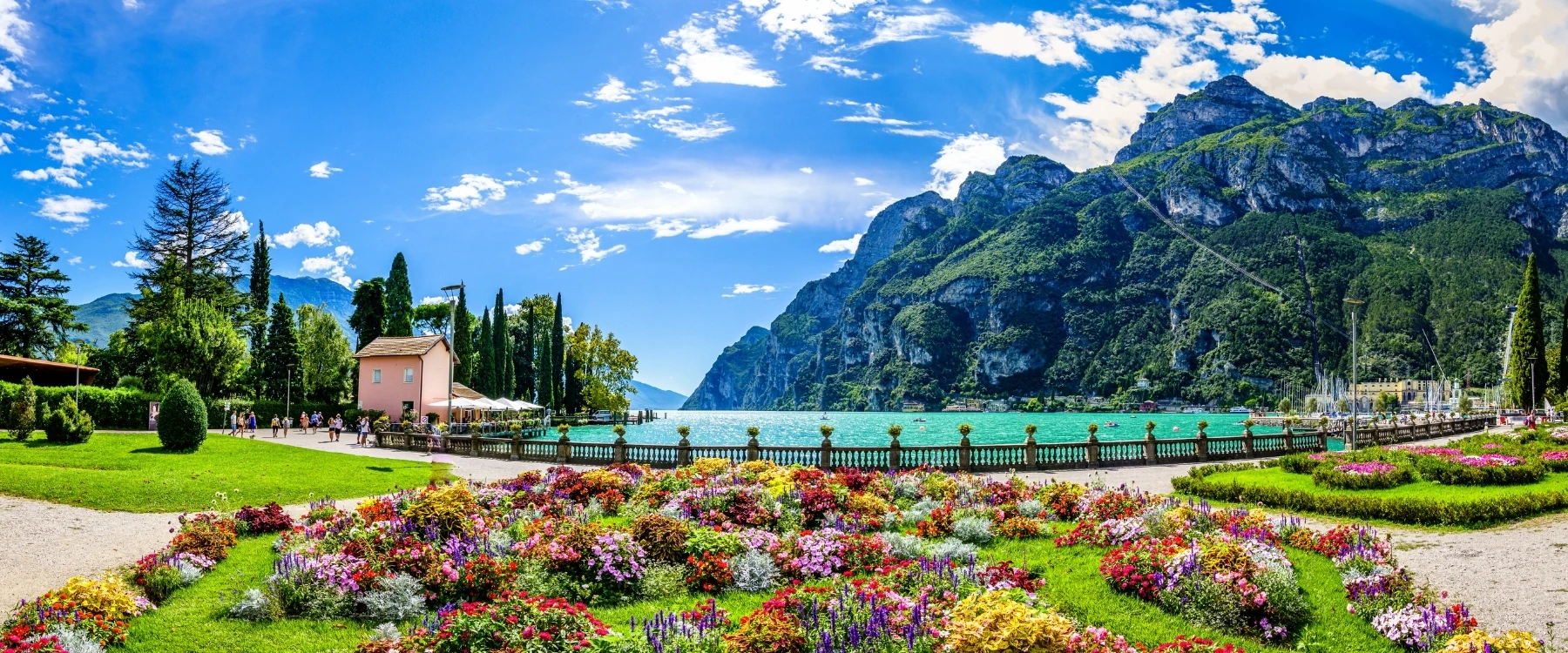
Lake Garda’s unique position at the foothills of the Alps meets Mediterranean influences, creating a landscape of unparalleled diversity. Majestic mountains frame the northern shores, offering dramatic vistas and opportunities for hiking or climbing. As you travel south, the terrain mellows into rolling olive groves, vineyards, and lemon terraces kissed by a mild climate. This striking juxtaposition yields postcard-worthy panoramas at every turn—sunrise illuminating misty peaks on one side, sunset reflecting golden hues on tranquil waters on the other. Whether witnessed from a lakeside café, a boat cruising through clear waters, or a hilltop viewpoint after a scenic hike, the scenery captivates travellers and invites return visits. The harmony of mountains, water, and Mediterranean vegetation makes Lake Garda an ideal backdrop for memorable photos and lasting impressions.
Learn More
Lake Garda’s shores bear traces of civilizations ranging from the Romans to medieval lords. In Sirmione, the Scaligero Castle emerges dramatically from the water, while the Grotte di Catullo reveal ruins of an ancient Roman villa with sweeping lake views. Charming towns—each with its own story—feature narrow cobblestone streets, historic churches, and artisan workshops that preserve age-old crafts. Venetian influence appears in architecture along eastern shores, and Alpine traditions persist in northern villages. Seasonal festivals celebrate local customs, music, and gastronomy, immersing visitors in authentic experiences. Museums and galleries display regional art and history, ensuring cultural enrichment beyond scenic exploration. Travellers drawn to history and heritage find Lake Garda a living museum where every town, villa, and ruin narrates chapters of Italy’s past.
Learn More
Active travellers delight in Lake Garda’s abundant outdoor options. The consistent winds of the northern basin make Riva del Garda and Torbole world-renowned for sailing, windsurfing, and kitesurfing. Well-marked hiking trails ascend Monte Baldo, offering panoramic bird’s-eye views of the lake and surrounding valleys. Cyclists can follow lakeside routes or challenge themselves on mountain passes. Rock climbers find crags suited to various skill levels, while paragliding adventures launch from elevated points. For families or beginners, gentle lakeside promenades and easy nature trails provide immersive outdoor experiences without strenuous effort. Winter months bring quieter landscapes ideal for brisk walks, birdwatching, and breath-taking vistas of snow-capped peaks reflected in the lake. Lake Garda’s versatility ensures travellers of any fitness level or interest discover rewarding adventures.
Learn More
Gastronomy around Lake Garda marries alpine heartiness with Mediterranean freshness. Local olive oil, produced on hillsides overlooking the lake, lends dishes a fruity aroma, while vineyard tours introduce wines such as Lugana and Bardolino, celebrated for their crispness and versatility. Lakeside restaurants serve freshly caught fish—trout, char, and perch—prepared simply to highlight delicate flavors. Seasonal produce markets showcase cheeses, cured meats, and fruits, inviting visitors to sample regional specialties. Cooking classes and agriturismo visits enable hands-on discovery of traditional recipes, from risotto flavored with lake fish to handmade pasta. Evenings can be spent sipping wine on a terrace as the sun dips behind mountains, enjoying local cheeses and bruschetta drizzled with extra virgin olive oil. For food and wine enthusiasts, Lake Garda offers an authentic journey into northern Italy’s culinary tapestry.
Learn More
Lake Garda’s serene environment fosters rejuvenation and well-being. Thermal spas in Sirmione provide therapeutic mineral-rich waters famed since Roman times, ideal for relaxation and health treatments. Lakeside wellness centers offer massages, yoga sessions, and meditation workshops against tranquil waterscapes. Olive grove retreats invite guests to unwind among fragrant trees, enjoying panoramic views and fresh air. Beach areas with shallow entry points allow gentle swims or floating sessions, relieving stress. Even simple pleasures—savoring a morning espresso by the water, strolling along pebbled beaches at sunset—contribute to a sense of calm. The mild climate year-round supports outdoor wellness activities such as tai chi or pilates on lakeside decks. Whether seeking spa therapies or peaceful reflection in nature, Lake Garda nurtures mind and body.
Learn More
Reaching Lake Garda is straightforward: multiple international airports—Verona, Bergamo, Milan, and Venice—provide flight options from major European hubs. Efficient train and bus services connect airports to lakeside towns, while scenic drives along well-maintained roads offer flexibility and viewpoints. On the lake, ferries and hydrofoils link towns, enabling exploration without a car. Cycling paths and hiking trails further facilitate independent discovery of hidden villages and natural spots. Well-developed infrastructure balances modern comforts—quality accommodation, reliable public transport—with preservation of the environment. For travellers seeking seamless logistics, Lake Garda’s connectivity ensures minimal time spent on transfers and maximum enjoyment of lakeside experiences.
Learn More
Lorem ipsum dolor, sit amet consectetur adipisicing elit. At illo adipisci iusto
From

Because more than 268 other customers have loved us too

Demonstrates commitment to user data security through encryption and secure payment practices
Learn More
Demonstrates commitment to user data security through encryption and secure payment practices
Learn More
Demonstrates commitment to user data security through encryption and secure payment practices
Learn More
Demonstrates commitment to user data security through encryption and secure payment practices
Learn More
Quality as judged by customers. Book at the ideal price!


/ person
/ person
/ person
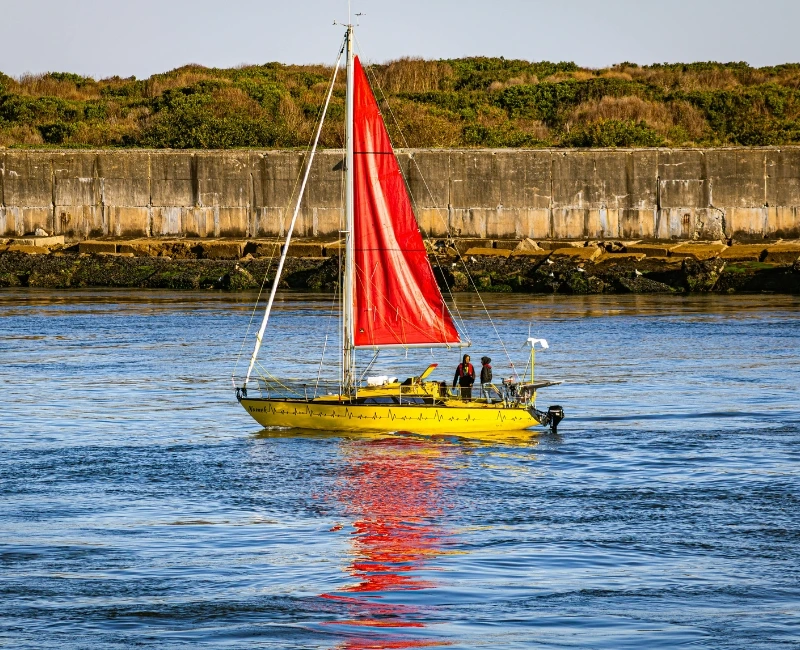
Lake Garda’s reputation as a premier sailing and windsurfing destination stems from its unique geographic setting, where mountain breezes interact with the lake’s surface to create reliable wind patterns. In the morning, the “Peler” wind flows from the north, offering calm to moderate breezes ideal for warming up or practicing maneuvers; in the afternoon, the “Ora” wind shifts from the south, often strengthening to steady gusts that challenge experienced sailors and windsurfers. The combination of predictable wind windows and expansive open water allows both novices and experts to plan sessions with confidence. Sailing schools and windsurf centers line the northern shores around Riva del Garda and Torbole, providing equipment rental, safety briefings, and instruction tailored to individual skill levels. Beginners benefit from guided lessons in sheltered bays, where instructors focus on fundamentals—rigging, sail control, and safety procedures—before venturing into more open conditions. Advanced sailors and competitive windsurfers find opportunities to refine techniques with coaching on trimming sails, reading wind shifts, and optimizing boat balance or board stance.Beyond structured lessons, Lake Garda hosts regattas and informal races throughout the season, fostering a lively community atmosphere. Spectators can watch colorful sails dot the horizon while enjoying lakeside cafés or panoramic terraces. Participating in a regatta, even as crew on a local boat, provides insight into racing tactics and camaraderie among enthusiasts. For windsurfers chasing performance, Torbole’s windsurf schools often organize guided outings to less crowded spots when conditions are favorable, ensuring safety and maximizing thrill. Equipment storage and maintenance facilities are available in main centers, allowing repeat visitors to bring personal gear or upgrade locally without hassle.However, the appeal extends beyond adrenaline: sailing on Lake Garda can be a serene, sensory experience. Early-morning excursions reveal mirror-like water reflecting mountain peaks, with soft light and minimal traffic on the lake. Guided boat tours showcase hidden coves and secluded beaches accessible only by water; swimmers can pause in crystal-clear bays for refreshing dips. Sunset sails create atmospheric evenings: as the sun dips behind the mountains, the lake’s surface shifts color, and gentle breezes guide vessels back to port under golden skies. Photographers and romantics cherish these moments, capturing silhouettes of sails and shimmering reflections.Safety remains paramount: weather forecasts and local advice inform daily planning. Windsurfers and sailors check updated wind maps and consult local centers before departure. Wearing appropriate gear—wetsuits in cooler months or flotation vests year-round—ensures confidence on the water. Emergency contacts and rescue services are well-established around Lake Garda, but self-awareness of skill limits and water conditions is essential. Many centers offer guided group outings, reducing risks for visitors unfamiliar with the lake’s microclimate.Logistics complement the experience: accommodation in Riva del Garda or Torbole provides quick access to launch sites; lakeside promenades facilitate gear transport from lodging to water. Ferries and public transport can assist if staying elsewhere around the lake. Seasonal timing affects crowds: high summer brings more activity but lively community events; shoulder seasons (May, September) often yield favorable winds with fewer visitors, ideal for focused training or quieter sailing. With predictable wind patterns, varied launch sites, and supportive infrastructure, Lake Garda’s sailing and windsurfing scene offers both challenge and tranquility in equal measure, making it a must-visit for water-sport enthusiasts and those seeking a memorable lakeside adventure.
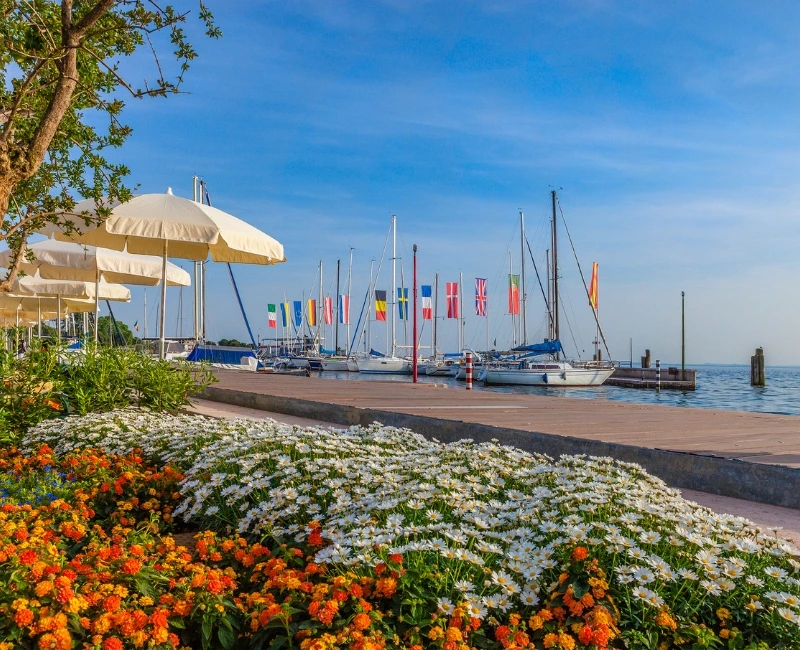
Lake Garda’s shoreline features a rich array of beaches, swimming spots, and lakeside retreats catering to families, couples, and solo travellers. Many public beaches combine pebbled and sandy areas with gradual water entry, creating safe zones for children and less confident swimmers. Popular spots—such as designated lidos near Riva del Garda and Malcesine—provide lifeguards during peak season, sunlounger rentals, and easy access to cafés offering refreshments. Beach infrastructure often includes changing rooms, restrooms, and picnic areas, ensuring comfortable day-long visits. For those seeking quieter settings, hidden coves accessible by boat or via short walks offer seclusion: arriving early in the morning rewards visitors with near-private stretches of shoreline, where one can swim in clear, cool water framed by rocky outcrops and pine-shaded overhangs.Swimming in Lake Garda combines health benefits and scenic pleasure. The water remains notably clean and transparent, allowing visibility of the lakebed in shallow areas; this clarity enhances the sensory experience when snorkeling near rocks or exploring gentle underwater scenery. Seasonal water temperatures range from pleasantly cool in early summer to warm by late summer, making midsummer ideal for extended swims and floating sessions. Off-season swimming, while colder, attracts adventurous swimmers who appreciate solitude and the invigorating freshness of the lake; some local groups practice monitored “winter swimming” under guidance, emphasizing safety and gradual adaptation.Lakeside retreats extend beyond beaches. Wellness resorts and spa hotels often feature private lakeside terraces where visitors practice yoga at sunrise, meditate to the sound of lapping waves, or enjoy lakeside massages. Olive grove retreats further inland provide rustic accommodations with views overlooking the lake; mornings might begin with a relaxing stroll through fragrant groves before descending to the water’s edge. Lakeside promenades connect villages, allowing gentle walks between cafés, gelaterias, and small parks. Many promenades include benches oriented toward the lake, inviting reflective pauses or reading sessions accompanied by panoramic vistas.Dining near beaches enhances the lakeside lifestyle. Casual eateries serve light dishes—fresh salads, grilled fish, seasonal fruit—ideal after swimming. Family-run cafés often feature outdoor seating shaded by parasols or trees, enabling hydration and snacks without leaving the beach area. Evening transitions bring sunset views: golden light reflecting off calm waters creates an enchanting atmosphere for aperitifs by the shore. Some retreats organize floating lounges or floating platforms anchored close to shore, where visitors can relax on sunbeds on the water, combining swimming with sunbathing.Accessibility to various beach types caters to diverse preferences: larger, amenity-rich lidos suit families and groups seeking convenience; hidden pebble coves appeal to couples seeking privacy or photographers capturing unspoiled natural settings. Public transport and ferries connect many beach towns, but reaching secluded spots may require boat rental or guided tours. Regardless of method, planning logistics—timing for transport or boat schedules—ensures maximum enjoyment. Throughout, Lake Garda’s clean water, varied shoreline, and infrastructure supporting lakeside relaxation create an environment where swimming, beach life, and retreats combine seamlessly, offering rejuvenation, fun, and memorable moments for every traveller.
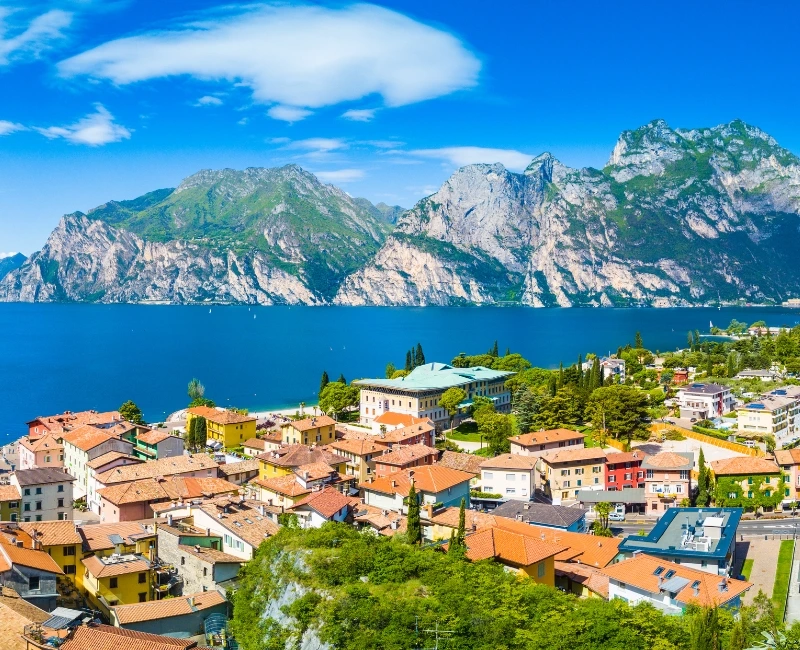
Lake Garda’s perimeter is a tapestry of historic towns and villages, each offering a distinct glimpse into regional heritage, architecture, and local traditions. Beginning in the north, Riva del Garda presents a lively historic centre where Venetian influence meets alpine charm: narrow streets open into riverside squares, and pastel façades conceal cafés and artisan workshops. Malcesine, further east, captivates with its medieval castle perched by the water and winding cobblestone alleys leading to lakeside viewpoints. A short cable car ride ascends Monte Baldo, but the town itself brims with history: visits to small museums reveal seafaring and mountain traditions. Limone sul Garda enchants with lemon houses—terraced lemon groves shielded by stone walls—a legacy of microclimate cultivation; strolling through narrow lanes, visitors discover local shops selling olive oil and handcrafted souvenirs, combined with lakeside seating for people-watching.Sirmione, on a peninsula jutting into the lake, merges ancient and medieval heritage: the Scaligero Castle’s fortified walls rise directly from the water, accessible via a drawbridge, offering panoramic views of the lake and the old town’s tiled roofs. Nearby, the Grotte di Catullo showcase Roman villa ruins overlooking the water—a place to imagine aristocratic life centuries ago. Thermal baths here draw on a legacy of wellness dating back to Roman times; spa facilities occupy modern buildings but rest atop ancient springs. Garda town blends lakeside promenades with historic churches and small plazas where locals gather; markets selling regional produce animate mornings, inviting tasting of cheeses, cured meats, and olives.Southward, Desenzano del Garda features a bustling harbour and remains of a Roman villa with intricate mosaics, testifying to the area’s long-standing appeal. Peschiera del Garda’s fortified walls and waterways reflect strategic importance through centuries; walking tours explain military architecture and evolving town planning. Bardolino and Lazise offer medieval towers and defensive walls alongside wine traditions: sampling local Bardolino wines in historic cellars deepens appreciation for how viticulture shaped village life. Gardone Riviera houses the Vittoriale estate, blending art, literature, and history in gardens overlooking the lake—exploring its terraces and amphitheatre reveals eclectic tastes of poet Gabriele D’Annunzio.In each town, cultural events—summer concerts in courtyards, artisan markets in squares, traditional festivals celebrating patron saints—infuse community spirit into visits. Museums and small galleries display regional art, traditional costumes, and lake ecology exhibits, educating visitors beyond superficial sightseeing. Engaging with local guides or participating in workshops—such as olive oil tasting sessions or craft demonstrations—connects travellers to living traditions.Transportation enhances exploration: regular ferries and hydrofoils link towns along the lake, offering scenic journeys where architecture appears progressively as one moves between shores. Coastal roads reveal hidden viewpoints and small hamlets accessible by car or bicycle. Walking through historic centres demands comfortable shoes, as cobblestones and narrow alleys invite slow, attentive exploration. Early morning or late afternoon visits often provide quieter experiences, avoiding peak crowds and offering soft light for photography.Overall, exploring Lake Garda’s towns and villages is a journey through time: Roman villas, medieval castles, Renaissance villas, and modern hospitality coexist around the shores. Each settlement contributes chapters to the lake’s story—whether through architectural landmarks, local culinary traditions, or seasonal festivities—inviting travellers to piece together a rich historical mosaic while enjoying authentic encounters and scenic beauty.
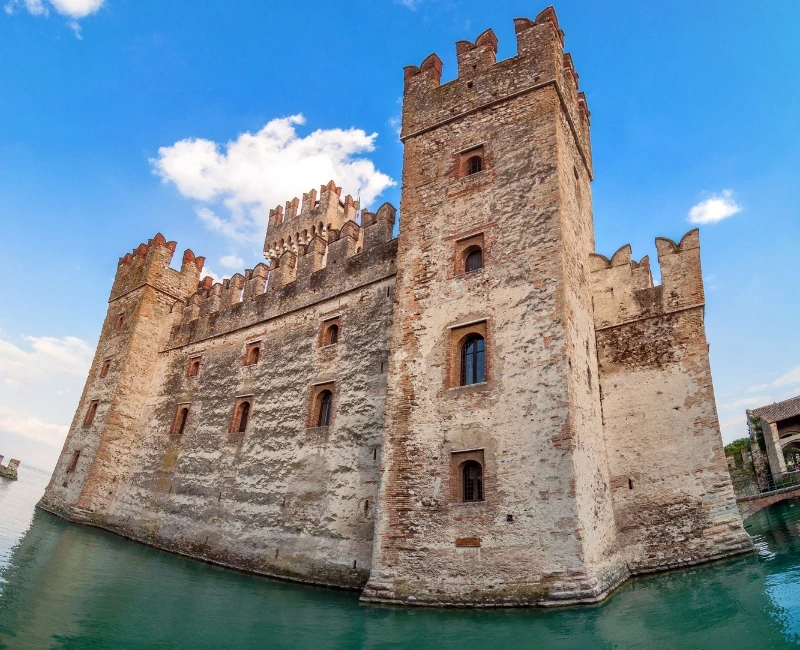
Lake Garda’s cultural landscape is enriched by a wealth of castles, grand villas, and meticulously designed gardens that reflect centuries of artistic, architectural, and horticultural heritage. Beginning with fortresses, the Scaligero Castle in Sirmione stands as an emblem of medieval defense: its imposing walls and towers emerge directly from the water, creating an iconic backdrop. Visitors cross a moat via a drawbridge to explore battlements offering elevated lake vistas. Inside, narrow passageways and archival displays reveal life during feudal times. In Malcesine, another castle—Castello Scaligero—perches above a small harbour; a climb up its ancient stone staircases rewards travellers with panoramic views of the lake and surrounding mountains. These castles not only illustrate military architecture but also function as venues for cultural events, such as evening concerts in atmospheric courtyards.Transitioning from fortresses to villas, Lake Garda’s shores host numerous aristocratic estates showcasing styles from Baroque to Art Nouveau. Villa Bettoni on the western shore epitomizes Baroque grandeur with its ornate façade, frescoed interiors, and terraced gardens descending toward the water. Guided tours often highlight decorative motifs, family histories, and the interplay between architecture and landscape design. In Bardolino, Villa dei Cedri features botanical gardens blending exotic and native plant species; winding paths reveal thematic sections—tropical greenhouses alongside Mediterranean orchards—set against lake panoramas. Vittoriale degli Italiani in Gardone Riviera transcends a conventional villa: this eclectic estate, once home to poet Gabriele D’Annunzio, comprises a house-museum filled with memorabilia, an open-air amphitheatre perched on a hillside, and curated gardens containing symbolic elements. Exploring its terraces and hidden corners offers insight into the artist’s vision and the region’s early 20th-century cultural milieu.Gardens around Lake Garda vary by style and season. Renaissance-inspired formal gardens feature geometric layouts, sculpted hedges, and water features reflecting symmetry and balance—often found adjacent to historic villas. Botanical gardens present seasonal blooms: magnolias and camellias in spring give way to roses and hydrangeas in early summer; autumn brings foliage color contrasts. Olive groves on sunlit slopes evoke a timeless Mediterranean aesthetic: walking among gnarled trunks under dappled light connects visitors to regional agricultural traditions. Lemon terraces in Limone sul Garda, protected by stone walls, showcase microclimate cultivation; tours explain ancient protective techniques and allow tasting of locally grown citrus products.Many estates host events: garden concerts amid flowering plants, art exhibitions within villa halls, or wine tastings in courtyard settings. Photography enthusiasts find abundant subjects—architectural details framed by blooms, reflections of villas in calm water, and panoramic vistas combining manicured gardens with natural landscapes. Seasonal timing influences experiences: spring visits emphasize blossoming diversity, while autumn highlights harvest themes and golden foliage. Guided tours deepen understanding of design principles, historical contexts, and ongoing conservation efforts ensuring these sites endure for future generations.Access logistics vary: some castles and villas have regular opening hours and ticketed entry; others require advance booking or join guided group visits. Ferry connections and lakeside roads facilitate reaching many sites, but remote gardens or lesser-known estates may involve short hikes or local transport. Planning time allocation helps balance visits across multiple attractions; combining a castle tour in the morning with a villa garden exploration in the afternoon creates a varied cultural day.In sum, Lake Garda’s castles, villas, and gardens form an interwoven tapestry of history, art, and nature. From medieval fortresses guarding the lake to elegant villas reflecting artistic patronage, and gardens showcasing botanical diversity, each site invites immersion in regional heritage against the backdrop of stunning lake vistas. These experiences enrich any Lake Garda itinerary, offering layers of discovery beyond scenic beauty.
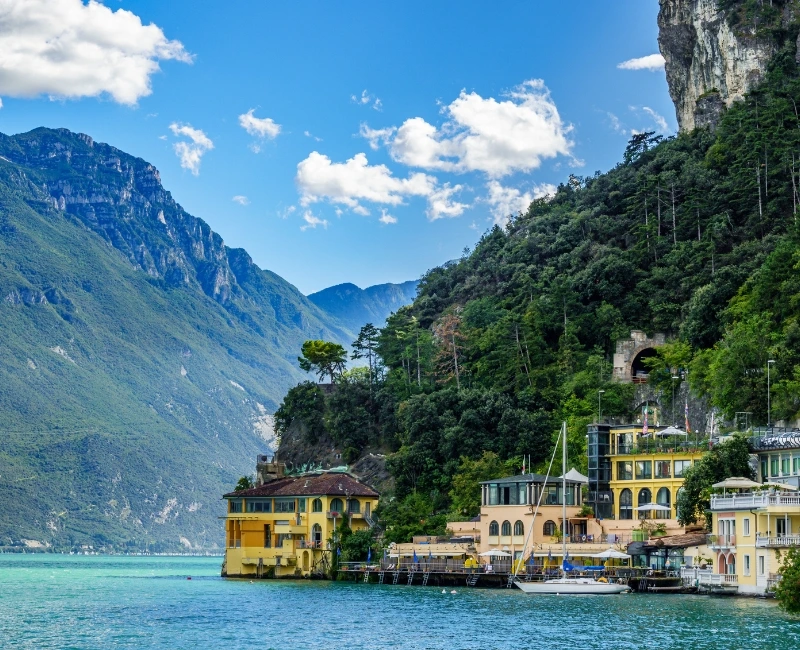
The region surrounding Lake Garda presents an extensive network of hiking trails and mountain routes that appeal to casual walkers and seasoned trekkers alike. The prominent Monte Baldo massif to the east offers accessible ascents via cable car from Malcesine, transporting visitors to mid-elevation alpine meadows. From this vantage, signposted trails traverse ridgelines, revealing panoramic views of the lake stretching below and distant peaks beyond. Summer months showcase vibrant wildflowers carpeting slopes, attracting nature lovers and photographers; autumn brings golden hues and crisp air ideal for longer treks without summer crowds. Mountain refuges and alpine huts located along key routes invite overnight stays or rest breaks, where visitors sample simple local fare—cheeses, cured meats, soups—while soaking in scenery.For beginners or families, lakeside and foothill paths provide gentle walks through olive groves and vineyards, often with interpretive signage explaining local flora, fauna, and agricultural practices. Tracks connecting small villages allow cultural immersion—stopping at rural chapels, encountering shepherds’ huts, and experiencing traditional life rhythms. Guided nature walks led by local experts deepen understanding of ecology: identifying native species, observing birds of prey gliding above cliffs, or tracking mountain wildlife footprints. Early-morning hikes reward with mist lifting from the lake as sunrise paints peaks in soft light, creating ethereal scenes before more strenuous routes draw crowds.Advanced hikers find challenging trails ascending steep slopes or following historic mule tracks once used for trade between valleys. Routes may involve rocky sections requiring surefootedness and proper equipment—sturdy boots, trekking poles, layered clothing to adapt to temperature shifts at altitude. Seasonal considerations matter: even in late spring, residual snow at higher elevations may necessitate caution or alternative lower routes. Winter hiking or snowshoeing transforms the landscape: silent, snow-blanketed trails offer solitude and unique vistas, but require appropriate gear and awareness of weather changes. Local guides can provide safety advice, route planning, and group outings for less experienced participants.Waterfall trails and canyon walks in northern sectors add variety: paths lead through shaded gorges where cascades tumble over limestone cliffs, offering refreshing stops and scenic photography opportunities. Some trails include via ferrata sections—protected climbing routes with cables and ladders—for thrill-seekers seeking a blend of hiking and climbing; these demand specialized equipment and guidance. Birdwatching trails around wetlands near the lake’s southern end provide quieter exploration, with opportunities to spot migratory species during autumn and spring.Trail logistics: maps and signage are generally clear, but carrying a physical map or GPS app ensures confidence in remote areas. Starting points accessible by ferry or local bus enable one-way hikes, combining mountain trails with scenic boat returns. Accommodation in mountain huts or village guesthouses supports multi-day trekking itineraries. Respecting trail etiquette—staying on marked paths, carrying out waste, and maintaining quiet in natural areas—preserves the environment for future visitors.Ultimately, hiking and mountain exploration around Lake Garda deliver a fusion of physical challenge, natural beauty, and cultural insights. Whether wandering through olive-scented foothills, ascending alpine ridges for awe-inspiring panoramas, or discovering hidden waterfalls, each trail offers a memorable journey into the region’s diverse landscapes.
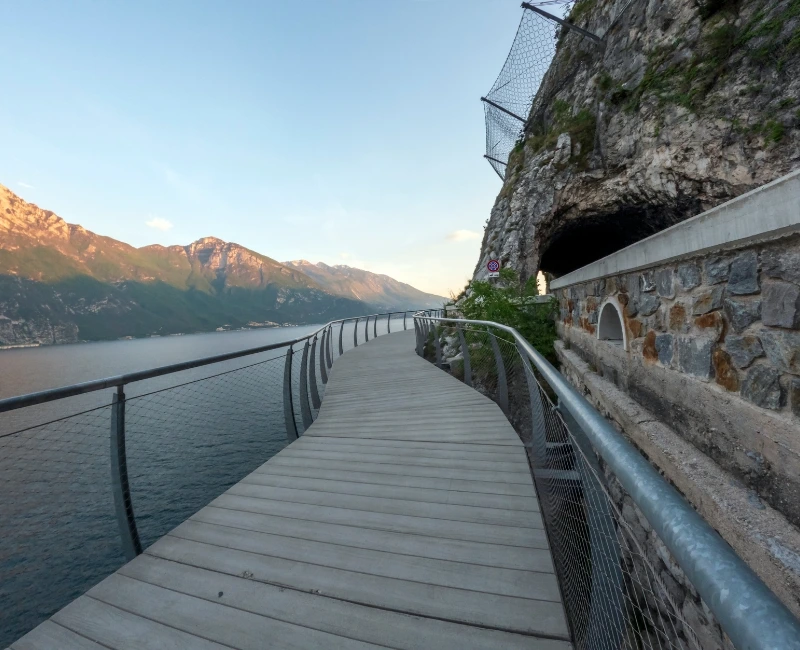
Lake Garda’s varied terrain accommodates cyclists of all abilities, offering flat lakeside paths, challenging mountain climbs, and scenic routes weaving through olive groves and vineyards. For leisure cyclists, traffic-free promenades along the western shore connect towns such as Riva del Garda, Torbole, and Malcesine. These well-paved paths run close to the water’s edge, providing minimal elevation change and uninterrupted lake vistas. E-bike rentals enable riders less accustomed to cycling to enjoy these routes without exerting excessive effort, ensuring that families and mixed-ability groups can travel together comfortably. Regular rest stops—cafés, picnic spots, and panoramic viewpoints—allow breaks for refreshments or photos.Road cyclists seeking a challenge tackle ascents such as the climb from Riva del Garda up to Tenno or the steep gradients leading to Monte Baldo’s trailheads. These routes demand fitness and careful pacing but reward riders with exhilarating descents through winding roads and expansive perspectives over the lake. Early-morning starts help avoid peak traffic and take advantage of cooler temperatures. Local cycling clubs sometimes organize group rides, offering companionship and route guidance. Guided cycling tours often combine active segments with culinary or cultural stops—visiting a winery for tasting or exploring a historic village for lunch—blending physical activity with regional immersion.Mountain bikers explore forested trails on surrounding hills and lower slopes of Monte Baldo. Singletrack paths navigate pine forests, rocky outcrops, and occasional technical sections; riders require appropriate equipment—mountain bikes with suspension, helmets, gloves—and some off-road experience. Downhill enthusiasts find dedicated trails with elevation drops, while cross-country routes span varied terrain. Bike parks or guided excursions can assist those new to mountain biking, ensuring safety and knowledge of local trail conditions. Seasonal timing matters: spring and early summer present firmer ground, while autumn may bring leaf-covered trails requiring caution. Local guide services offer equipment rental, guided rides, and shuttle services for downhill sections.Scenic drives offer another perspective: winding roads along southern and eastern shores pass through olive groves and vineyards, connecting small villages with panoramic pull-offs. Driving early or late in the day reduces traffic and bathes landscapes in warm light, ideal for photography. Rental cars provide flexibility to stop at hidden viewpoints, ancient chapels perched on hills, or family-run farms offering tastings. Some roads parallel cycling routes, giving drivers awareness of sharing the road; respectful driving ensures safety for cyclists. Combining driving with short walking detours reveals secluded spots inaccessible by boat or bus.Logistics include planning transport of bicycles: if staying in towns accessible by ferry, boats often accommodate bikes, enabling point-to-point cycling. Public buses sometimes allow bicycles during off-peak hours. Accommodation options frequently offer secure bike storage and charging stations for e-bikes. Carrying repair kits, spare tubes, and basic tools ensures preparedness for minor mechanical issues. Hydration and nutrition are vital: carrying water bottles, energy snacks, and planning stops at cafés or grocery stores prevents exhaustion.Overall, Lake Garda’s cycling and scenic driving options provide dynamic ways to explore the region’s landscapes. Whether pedaling gently along lakeside promenades, tackling mountainous climbs for adrenaline-fueled descents, or driving winding roads through olive-scented terrain, travellers experience the lake from fresh vantage points. Blending active adventure with cultural and culinary discoveries makes cycling and scenic drives integral to a memorable Lake Garda itinerary..
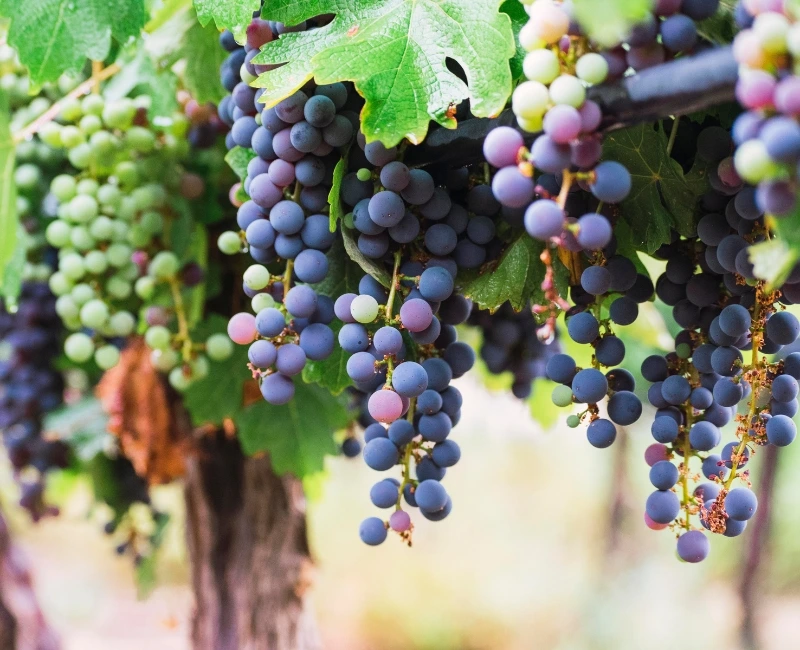
Exploring Lake Garda through its culinary traditions reveals a rich tapestry of flavors shaped by alpine influences and Mediterranean abundance. Central to this experience are wine tours: the Lugana region on the southern shore produces crisp white wines from Turbiana grapes, with family-run wineries offering guided visits through vineyards and cellars. Tasting sessions highlight variations in terroir expression—minerality from lakeside soils contrasted with fruit-forward profiles. In the eastern basin, Bardolino wineries produce light reds and rosés; vineyards perched on gentle slopes invite visitors to stroll among vines while learning about sustainable cultivation and local winemaking techniques. Seasonal harvest events—vendemmia in autumn—allow participants to join grape picking, fostering connection to regional rhythms and enabling hands-on insight into winemaking before enjoying freshly pressed grape must or young wines.Olive oil production is another highlight: olive groves on sunny terraces produce extra virgin olive oil with distinctive fruity and peppery notes. Many frantoi (olive mills) open for tours during harvest season, demonstrating traditional pressing methods alongside modern techniques ensuring quality. Tasting sessions pair oils with local bread, tomatoes, and cheeses, illustrating how oil elevates simple dishes. Visits often include insights into olive variety differences, tree care, and the cultural importance of olive cultivation in Lake Garda’s economy and landscape.Culinary workshops enrich understanding of local gastronomy. Hands-on classes teach preparation of iconic dishes—risotto flavored with freshly caught lake fish, handmade pasta with sauces featuring seasonal vegetables or olive oil, and desserts utilizing local fruits such as cherries or pears. Chefs guide participants through ingredient selection, preparation techniques, and plating, culminating in communal meals paired with regional wines. Markets in lakeside towns present fresh produce: early summer cherries and strawberries, mid-year figs and tomatoes, autumn grapes and chestnuts. Sampling at market stalls introduces informal tasting experiences, while conversations with producers reveal generational knowledge and seasonal variations.Cheese and charcuterie tours delve into dairy traditions of the surrounding hills. Artisanal producers craft cheeses from cow’s or goat’s milk; tasting sessions illustrate differences in texture and flavor shaped by pasture quality and aging practices. Cured meats such as salami and prosciutto reflect local methods of preservation; pairing with crisp white wines or robust reds highlights complementary contrasts. Farm visits often include lunch or picnic in scenic settings—vineyard terraces or olive groves—combining tasting with relaxation amidst nature.Dining experiences near the lake balance casual and refined options. Family-run trattorias serve freshly caught fish—trout, perch, or char—grilled or prepared in risotto, emphasizing simplicity that showcases ingredient quality. Lakeside restaurants might offer tasting menus pairing multiple small dishes with matching wines, offering a curated journey through local flavors. Agriturismi located inland provide rustic farm-to-table meals, often accompanied by estate-produced wine or oil. Seasonal food festivals—olive oil fairs in late autumn, chestnut celebrations in hillside villages, or harvest feasts—invite participation in communal meals and traditions.Logistics include scheduling winery and olive mill visits in advance, especially during peak seasons. Transportation between vineyards may involve guided tours by minivan or bicycle, combining activity with tasting. Dress comfortably for vineyard walks, and be mindful of responsible tasting—arranging transport or designated drivers ensures safety. Souvenir purchases of wine, olive oil, and artisanal products support local producers and allow travellers to extend culinary memories beyond the trip.In sum, Lake Garda’s culinary trails and wine tours offer immersive journeys that connect travellers to land, traditions, and seasonal cycles. Engaging all senses—tasting, smelling, seeing vineyards and groves—reveals the region’s identity through its flavors. Whether sampling fine wines overlooking the lake, pressing olives alongside locals, or cooking traditional dishes in a rustic kitchen, visitors gain appreciation for the craftsmanship behind every bottle, drizzle, and bite, making gastronomy an essential facet of the Lake Garda experience.
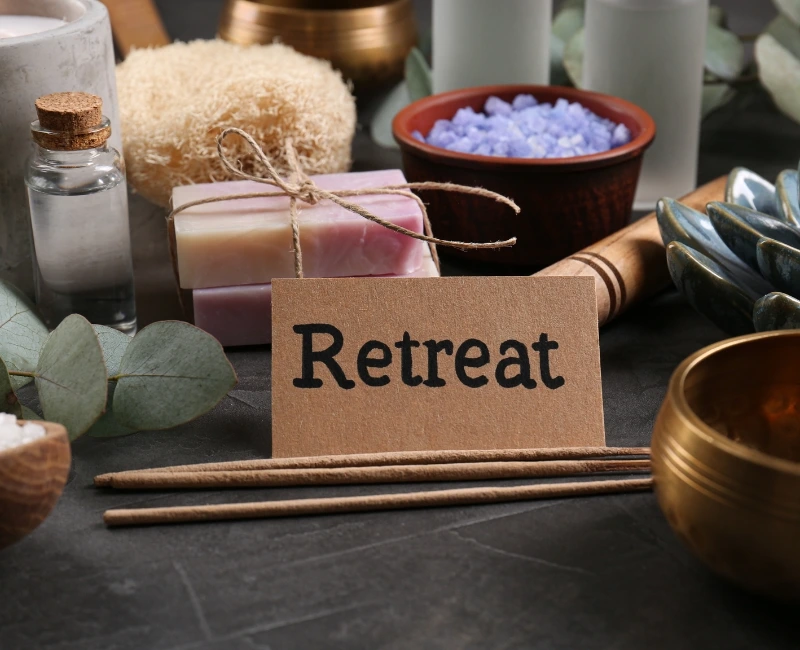
Lake Garda’s tranquil setting and mild climate create an inviting environment for wellness retreats and spa experiences that blend ancient traditions with modern therapies. Sirmione, renowned for its thermal springs since Roman times, remains a focal point: spa facilities utilize mineral-rich waters in indoor and outdoor pools, where guests immerse in warm, buoyant baths reputed for benefits to skin, circulation, and joint health. Mud therapies derived from lake sediments complement thermal baths, offering detoxifying and rejuvenating effects. Professional therapists guide guests through personalized treatment plans combining hydrotherapy, massages, and specialized body rituals tailored to individual needs. Spa complexes often include saunas, steam rooms, and relaxation lounges overlooking the lake, enabling gradual transition from active therapies to serene contemplation.Beyond thermal centres, lakeside resorts integrate wellness into broader retreat programs. Morning yoga or tai chi sessions on terraces by the water harness gentle breezes and natural sounds to deepen mindfulness practices. Guided meditation near the shore—perhaps seated on pebbles or on raised decks—facilitates mental clarity and stress relief. Holistic treatments often incorporate locally sourced ingredients: olive oil for nourishing massages, herbal infusions from regional botanicals for aromatherapy, or floral essences from nearby gardens for relaxation baths. Nutrition-focused retreats emphasize balanced meals featuring fresh produce, lean proteins such as lake fish, and healthy fats from olive oil, demonstrating how local cuisine aligns with well-being goals.Wellness packages may include fitness activities adapted to various levels: guided nature walks through olive groves, gentle hikes along lakeside paths at sunrise, or low-impact aquatic exercises in calm bays. Seasonal variations enrich programming: in spring, revitalizing outdoor sessions capitalize on blooming landscapes; in autumn, wellness events may coincide with harvest periods, incorporating grape-based treatments or seasonal dietary workshops. In cooler months, indoor spa facilities provide comforting warmth, while short outdoor excursions encourage fresh-air breaks between treatments. Customized retreats often combine multiple elements—fitness, nutrition, mindfulness, and spa therapies—crafted to address specific goals such as stress reduction, improved sleep, or enhanced physical vitality.Wellness centres also offer workshops on lifestyle practices: breathing techniques inspired by mountain air rhythms, nutritional seminars exploring Mediterranean diet principles, or creative sessions such as mindful cooking classes using local ingredients. Group retreats foster community among participants, sharing experiences during group yoga or communal meals in serene settings. For solo travellers seeking solitude, silent retreats or individual therapy sessions create space for introspection and renewal. Accommodation ranges from luxury spa hotels with comprehensive facilities to boutique guesthouses emphasizing personalized service, often with views of the lake to maintain connection with nature.Safety and comfort considerations include consulting medical advice before intensive treatments, especially thermal therapies for certain conditions. Professional staff conduct initial assessments to tailor programs appropriately. Booking in advance ensures availability, particularly during peak wellness seasons. Transport logistics benefit from proximity to ferry terminals or local roads, allowing easy access to multiple wellness sites around the lake.Ultimately, Lake Garda’s wellness retreats and spa experiences harness the therapeutic synergy of natural elements—thermal waters, olive-scented groves, lake breezes—and expert-driven treatments to nurture body and mind. Whether indulging in centuries-old thermal traditions, practicing yoga at dawn by the water, or savoring nutritious Mediterranean-inspired meals, visitors emerge refreshed and balanced, carrying the serene essence of Lake Garda beyond their stay.
No ads. No trails. No commitments


Alice Roses
London, England
51 ST MATTHIAS ROAD
NOTTINGHAM, NOTTINGHAMSHIRE
NG3 2HF
Hours: 8:00 - 17:00, Mon - Sat
support@johnsonholidays.com