 Bucharest Travel
Guide
Bucharest Travel
Guide
Paris is known around the world as the “capital of love,” and even if you don't understand the history of Paris at all

3 Hours
£1.94
Bucharest delivers remarkable affordability compared to many European capitals. Accommodation, dining, transport, and attractions typically cost significantly less when converted from Romanian Leu to British Pounds. Visitors can enjoy high-quality hotels, hearty meals in local restaurants, and guided tours at a fraction of Western European prices. This value extends to cultural experiences: concerts at historic venues, entrance fees to museums, and nightlife are all budget-friendly without compromising quality. For travellers seeking to stretch their holiday budget further, Bucharest is especially attractive, allowing more experiences—such as day trips to castles or spa visits—within the same budget that might cover only a few nights elsewhere.
Learn More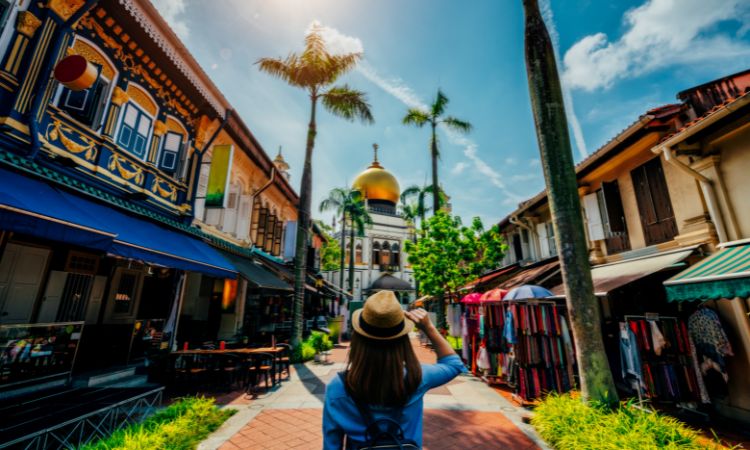
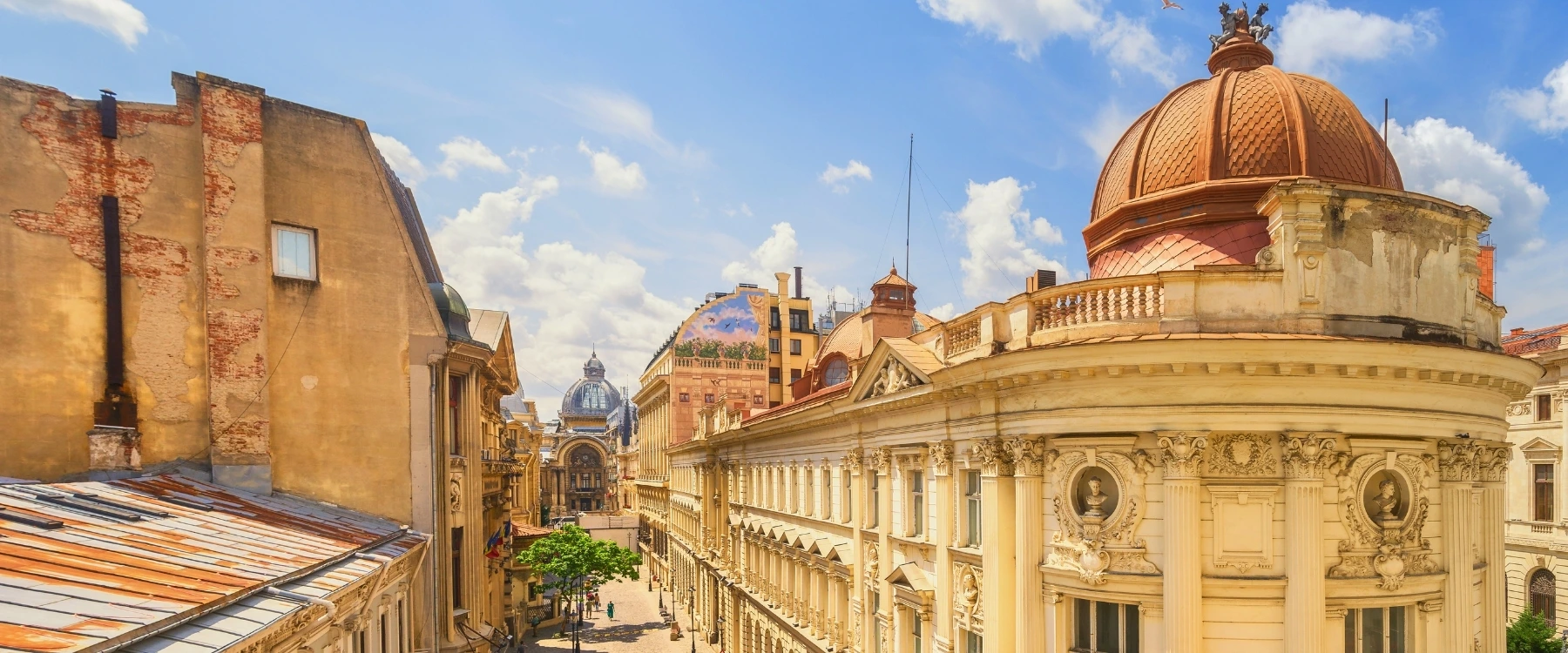
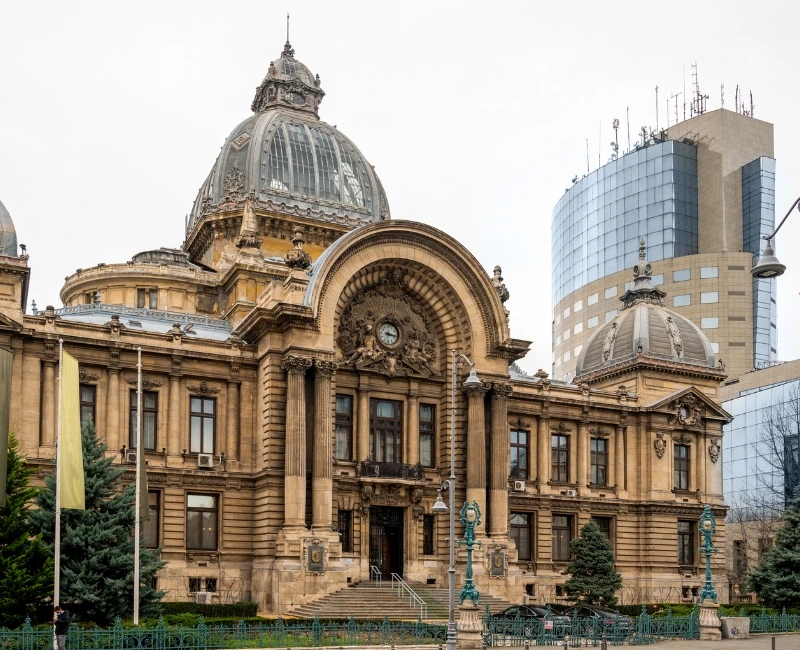
The city’s architecture reflects diverse eras: medieval churches tucked amid modern buildings, grand Belle Époque facades along Victory Avenue, and monumental communist-era structures like the Palace of the Parliament. Every corner reveals a chapter—from the Old Town’s winding streets and historic inns to Neoclassical villas and vibrant street art in emerging neighbourhoods. Museums and guided walking tours uncover Romania’s past, including royal intrigue, wartime history, and transformative communist years. Architectural enthusiasts and history buffs alike will find Bucharest’s layers endlessly fascinating, as each building and square tells a story of cultural evolution.
Learn More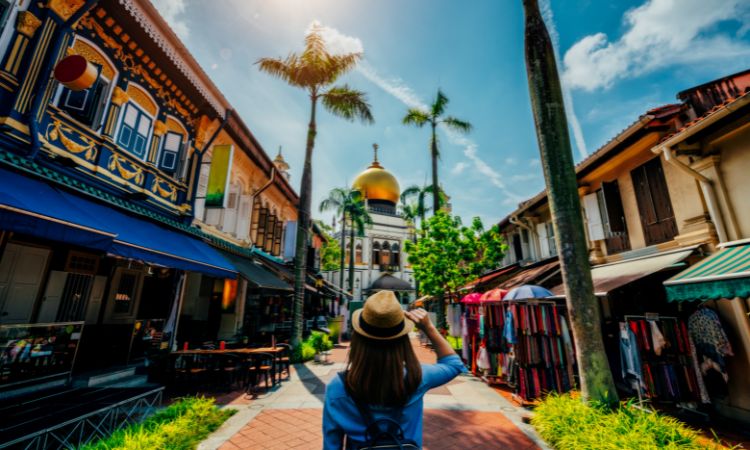
Bucharest pulses with creative energy: concert halls stage classical music and contemporary performances; art galleries highlight Romanian and international artists; theatres present everything from opera to experimental plays. The city’s festival calendar brims with film, music, and cultural events, especially in summer. When the sun sets, Lipscani’s streets come alive with rooftop bars, craft beer pubs, and clubs catering to diverse tastes. Live jazz venues, electronic music hotspots, and cosy cocktail lounges create memorable evenings. For travellers seeking both daytime cultural immersion and animated nightlife, Bucharest offers a dynamic, multifaceted scene.
Learn More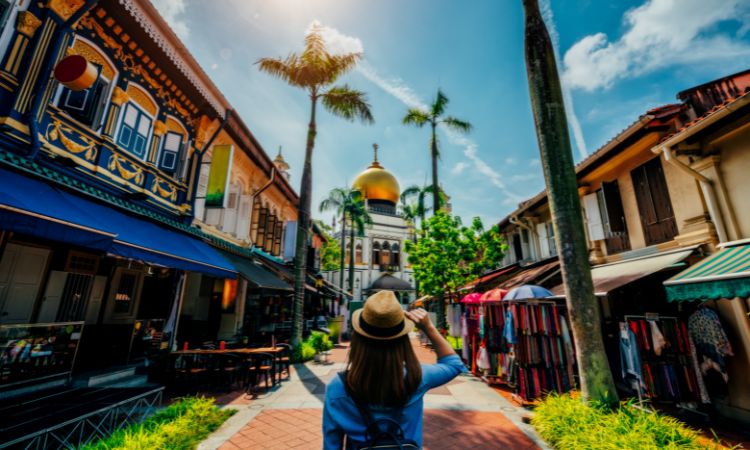
Strategically located as a launchpad to Romania’s wider attractions, Bucharest offers easy transport links for day trips and multi-day journeys. From the city centre, visitors can venture to medieval Transylvanian towns, such as Brasov or Sibiu, explore castles (including Bran Castle), or head to natural wonders like the Carpathian Mountains and the Danube Delta. Well-connected trains, buses, and organized tours facilitate exploration. Whether seeking mountain hiking, wine-region tours, or wildlife excursions, Bucharest is the ideal starting point, combining urban excitement with proximity to Romania’s rich landscapes and heritage sites.
Learn More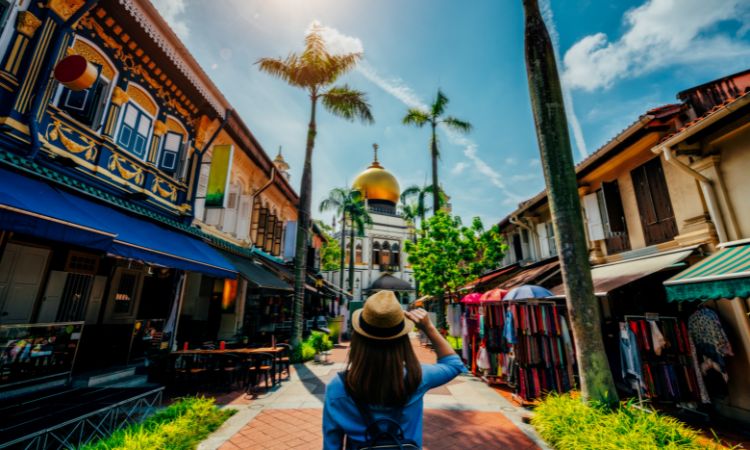
Romanian cuisine in Bucharest balances traditional comfort dishes—such as sarmale (cabbage rolls), mici (grilled minced meat rolls), and hearty soups—with an emerging modern dining scene. Local markets brim with fresh produce, and trendy cafés serve specialty coffee and international brunch. Craft breweries and gastropubs showcase Romanian craft beer and inventive fusion cuisine. Food tours introduce regional specialties and hidden gems in neighbourhood eateries. Whether savouring local flavours in cosy taverns or fine-dining interpretations of Romanian ingredients, visitors enjoy diverse culinary experiences at appealing price points.
Learn More
Locals are generally welcoming and helpful to tourists, and English is commonly spoken in hotels, restaurants, and tourist services. Signage in metro stations and many public areas often includes English translations. This ease of communication makes independent exploration straightforward. The city’s growing tourism infrastructure ensures clear information for travellers, from guided tours to transport apps. For British visitors, the familiar yet distinct Eastern European culture, combined with friendly hospitality, makes Bucharest both accessible and authentically enriching.
Learn More
Lorem ipsum dolor, sit amet consectetur adipisicing elit. At illo adipisci iusto
From

Because more than 268 other customers have loved us too

Demonstrates commitment to user data security through encryption and secure payment practices
Learn More
Demonstrates commitment to user data security through encryption and secure payment practices
Learn More
Demonstrates commitment to user data security through encryption and secure payment practices
Learn More
Demonstrates commitment to user data security through encryption and secure payment practices
Learn More
Quality as judged by customers. Book at the ideal price!


/ person
/ person
/ person
Bucharest’s Old Town, Lipscani, offers a sensory journey through centuries of commerce, culture, and transformation. Begin your exploration at the Old Princely Court site, where archaeological remains and interpretive signage hint at Wallachian rulers’ lives. Just steps away, the Stavropoleos Church stands as a jewel of Brâncovenesc architecture: admire its intricate stonework, carved wood doors, and serene courtyard gardens. As you meander through winding, often cobbled lanes, note the mix of restored merchant houses, colorful façades, and modern cafés repurposed from historic buildings. Many such structures encapsulate layers: 19th-century merchant homes adapted to 20th-century uses, then revitalized in the 21st century.Midday offers a chance to pause at a café in a hidden courtyard, sampling local pastries and observing daily life—street musicians, artisans selling handmade goods, and craft breweries tucked behind unassuming doors. Visit small museums or galleries focusing on Romanian art, design, or local crafts; while these may be modest in scale, they offer intimate encounters with contemporary creators. Take a guided walking tour focusing on Lipscani’s undercurrents: secret passages, tales of merchants and guilds, and stories from the communist-era rebuilding efforts. Understanding how the neighbourhood survived both decay and modernization enriches your appreciation of its present vibrancy.In the late afternoon, continue toward Union Square (Piața Unirii) via streets lined with eclectic architecture—from neoclassical façades to Art Nouveau details. Observe how modern street art appears alongside preserved historic walls, reflecting Bucharest’s evolving creative spirit. As evening falls, Lipscani truly comes alive: rooftop bars offer panoramic city views at sunset; taverns host live folk or jazz performances; and modern cocktail lounges contrast with traditional inns serving hearty Romanian dishes.For safety and comfort, follow well-trodden routes, keep belongings secure, and choose licensed or reputable venues when moving between spots at night. Many establishments in Lipscani cater to tourists but also attract locals, creating a dynamic atmosphere. Balance popular stops (e.g., a well-known rooftop bar) with lesser-known gems: a tiny art gallery tucked behind an inconspicuous door, a courtyard hosting pop-up events, or a traditional eatery cherished by Bucharest residents. This blend of exploration, meaningful context, and mindful pacing ensures approximately 400 words of immersive guidance, equipping you to experience both the historic and contemporary soul of Lipscani.
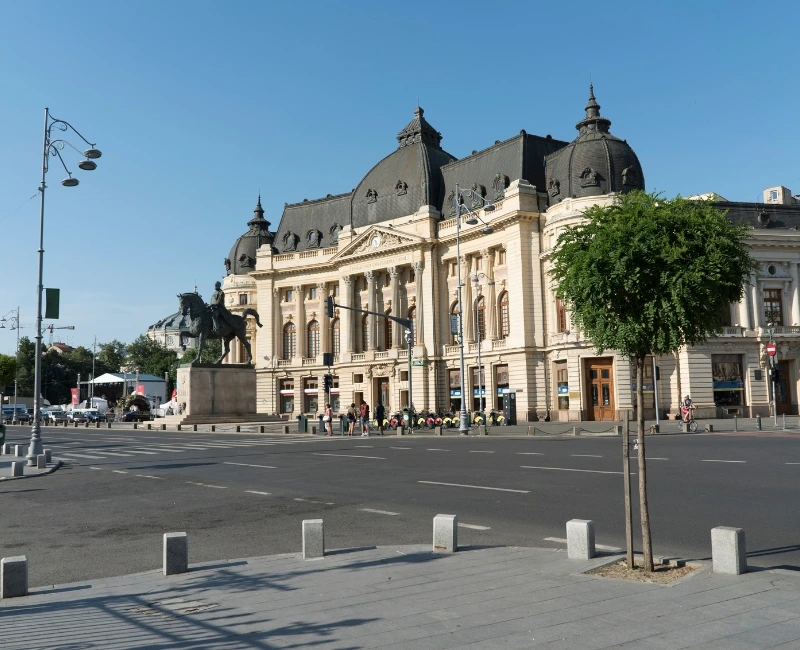
Bucharest’s larger-scale history is etched into its boulevards and monumental buildings. Start at Victory Avenue (Calea Victoriei), once the aristocratic spine of the city: admire Belle Époque palaces, ornate façades, and elegant villas that recall the cosmopolitan capital of the early 20th century. Stop at key landmarks like the Romanian Athenaeum (for exterior appreciation or booking a concert), reflecting neoclassical splendour. Continue toward Revolution Square (Piața Revoluției), where the former royal palace façade now houses the National Museum of Art; reflect on Romania’s monarchical past and view art collections spanning European and Romanian masters.Then shift focus to the dramatic urban reimagining under Nicolae Ceaușescu: head to Unirii Square, observing massive apartment blocks and wide avenues designed to emphasize state power. A guided tour of the Palace of the Parliament reveals one of the world’s largest administrative buildings: its sheer scale, ornate interiors, and controversial history (constructed at great human and financial cost) provide insight into Romania’s late communist era. Tours often last over an hour, covering vast halls, grand staircases, and colossal conference rooms. Listen to explanations about ideological motivations, the human toll during construction, and the building’s role today.Nearby, explore the Memorial of Rebirth monument and related sites commemorating Romania’s 1989 revolution. Pedestrian tours can weave through neighbourhoods showing architectural contrasts: interwar modernist buildings, post-war social housing blocks, and recent contemporary developments. The juxtaposition of styles tells stories of political shifts and social change. For deeper context, consider a museum visit dedicated to communist-era artifacts or personal testimonies of residents who lived through that time.Practical advice: use public transport or ride-hailing for longer distances; wear comfortable shoes for walking along broad avenues; bring water and plan visits to major sites with advance tickets where possible. This roughly 400-word guide balances admiration of architectural beauty with thoughtful reflection on complex history. By understanding both Belle Époque elegance and communist imprint, you gain a rounded picture of Bucharest’s identity, shaped by upheavals and resilience.
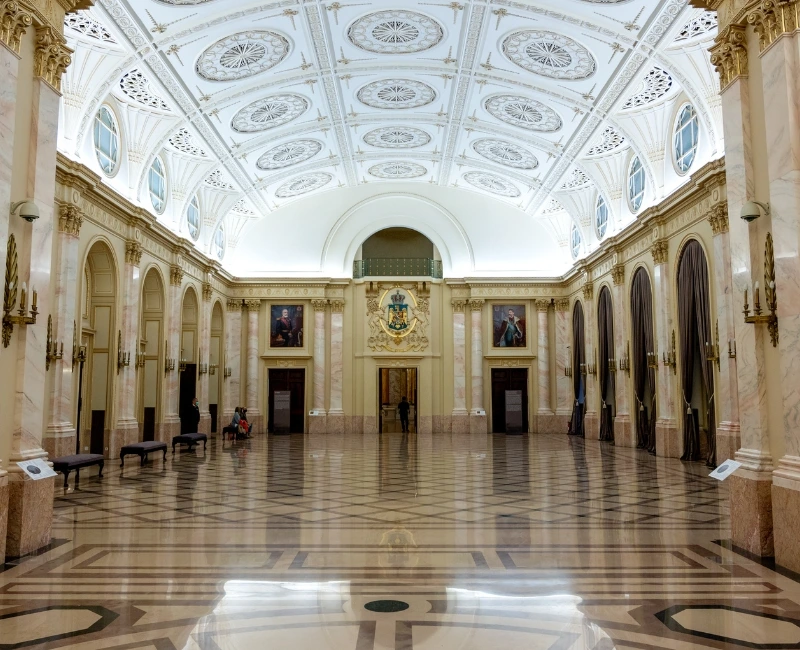
Bucharest’s cultural offerings extend well beyond its grand buildings into galleries, museums, and creative hubs highlighting both heritage and emerging talents. Begin at the National Museum of Art of Romania, housed in the former Royal Palace at Revolution Square: view Romanian medieval icons, classical European paintings, and modern Romanian works. From there, cross to the Museum of the Romanian Peasant: a thoughtfully curated collection of folk costumes, textiles, ceramics, and artifacts revealing rural life and traditions that inform national identity.Next, consider MNAC (National Museum of Contemporary Art), located within the Parliament building complex: its avant-garde exhibitions often challenge visitors to consider Romania’s past and future through modern art lenses. While inside the Parliament complex, reserve time for both the museum and insights into how a symbol of political power now hosts contemporary creativity. For independent spaces, research current exhibitions at private galleries in neighbourhoods like Floreasca or Cotroceni: these venues frequently showcase up-and-coming Romanian artists, photographers, and designers. Visiting artist studios, when open to the public, offers direct dialogue with creators.Street art in Bucharest has flourished: take a self-guided route through districts like Rahova or the area around the University, spotting large-scale murals, stencil art, and politically charged pieces. Some guided street-art tours connect you with local collectives, explaining context and techniques. Attend cultural centres that host rotating exhibitions, workshops, and talks—these spaces foster community engagement and often operate on modest admission fees.Timing tips: many major museums are closed one day a week (check schedules in advance). Allocate at least half a day to the National Museum of Art and another half day split between the Peasant Museum and MNAC. Reserve extra time for specialized exhibitions in smaller galleries; these may be open irregular hours, so confirm via social media or local listings. For immersive experiences, plan visits around temporary events: pop-up installations, art fairs, or open-studio weekends.
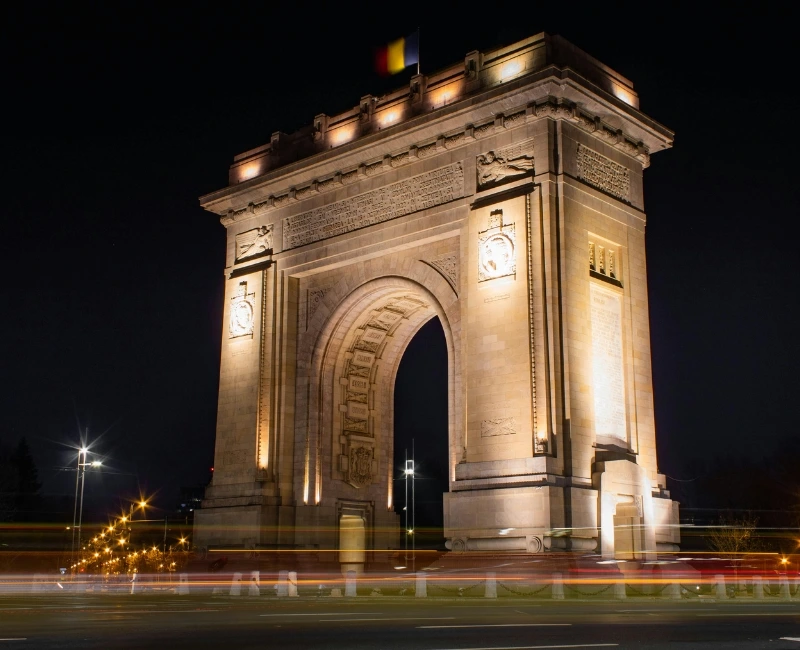
As daylight fades, Bucharest’s after-dark scene unfolds across lively districts. Begin with an early-evening drink at a rooftop bar—options in Lipscani or near Victory Avenue provide cityscape views as the sun sets. For jazz enthusiasts, seek out intimate clubs where local musicians and occasional international acts perform in cozy settings; these venues often open around 7–8 pm. If theatre or classical performance appeals, check the schedules at the Romanian Athenaeum, National Opera House, or the National Theatre: evening shows offer a taste of Romania’s performing arts heritage. Booking tickets in advance is wise for popular productions.Later, venture to craft beer pubs in neighbourhoods like Floreasca or Dorobanți: sample Romanian microbreweries’ offerings alongside international styles, paired with tapas-style snacks or local cheeses. Many pubs host live music or quiz nights midweek. For dancing, Bucharest offers a spectrum: trendy clubs featuring electronic music, hip-hop, or Balkan beats; some venues open only on weekends, while others host themed nights. Use local event listings or ask hotel staff for recommendations to find current hotspots.Safety and practical tips: use ride-hailing apps or licensed taxis for late-night travel; avoid unmarked cabs. Stay in well-lit, populated areas; Lipscani remains busy most nights, but exercise usual urban caution. Dress codes vary: some upscale lounges expect smart-casual attire; more casual pubs are relaxed. Cover basic language needs (a few Romanian phrases) but note English is widely understood in hospitality venues.If you prefer a themed evening, look for bar-hopping tours or guided pub crawls that connect travellers to curated venues, often including a mix of mainstream and hidden gems. For cultural nights, explore evening gallery openings or special events at cultural centres—these may include live performances, readings, or film screenings. Late-night eateries serve comfort dishes: mici, soups, or pizza-like options to satisfy post-dancing hunger.This ~400-word guide frames Bucharest nightlife as diverse and evolving, from refined performances to underground clubs. By balancing planned events (theatre, concerts) with spontaneous discoveries (street-side bars, pop-up events), travellers experience the energetic side of Romania’s capital while staying safe and informed.
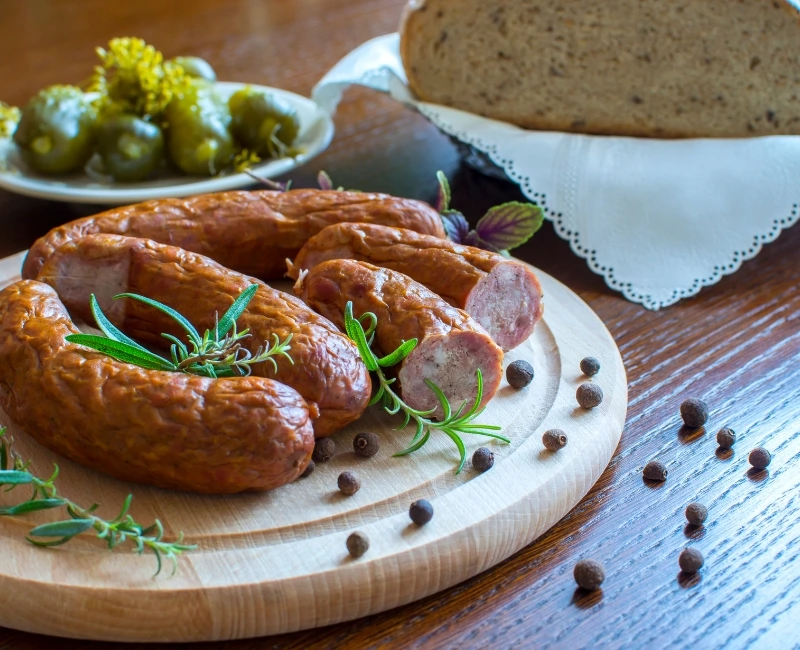
Bucharest’s culinary scene melds traditional Romanian comfort food with innovative modern cuisine. Begin your day at a local café: sample freshly baked pastries (e.g., covrigi or layered cakes) paired with specialty coffee—roasters have emerged serving single-origin beans. Mid-morning, head to Obor Market or local farmers’ markets: wander among stalls of seasonal produce, cheeses, cold cuts, honey, and baked goods. Taste regional specialties: for instance, telemea cheese, cured meats (slană, smoked sausages), or jars of plum jam. Engaging with vendors reveals stories behind products and offers insight into Romanian gastronomy.For lunch, indulge in classic dishes: sarmale (cabbage rolls stuffed with rice and meat), served often with polenta and sour cream; mici (grilled spiced meat rolls), usually accompanied by mustard and inexpensive beer (approx. £1.94 per pint); and ciorbă (sour soup), such as ciorbă de burtă (tripe soup) or vegetable-based varieties. Seek out family-run eateries (“berării”) where locals dine; these tend to offer authentic flavors at favourable prices when converted to GBP. For vegetarian or vegan options, Bucharest has growing plant-based restaurants adapting traditional flavors into meat-free dishes.Afternoon can be reserved for cooking workshops or food tours: learn to prepare a Romanian dish, visit artisanal producers outside the city, or join a guided tasting tour combining market stops with local eateries. Such experiences often include cost estimates in pounds, helping budget planning. Early evening, explore gastropubs and modern restaurants led by chefs reinterpreting Romanian ingredients—mushrooms from Carpathian forests, smoked meats, fermented vegetables—into creative plates. Pair dishes with Romanian wines from emerging vineyards (e.g., Fetească Neagră) or craft beers.For dessert, hunt for pastries like papanasi (fried or boiled doughnuts with cheese and jam) in cafés or dessert shops. Street-food stalls in markets sometimes offer quick bites: fried snacks or sweet treats. Note approximate costs: a lunch at a mid-range local restaurant may range £8–£12; tasting menus at modern eateries may be higher but still below many Western capitals. This ~400-word guide equips you to navigate Bucharest’s food landscape: from markets to fine dining, blending authentic traditions with contemporary innovations, all while understanding local price levels in British pounds.

Daily life in Bucharest often revolves around markets and cafés. Start early at Obor Market: one of the largest in the city, it buzzes with vendors selling fresh fruits, vegetables, dairy products, meats, baked goods, and traditional snacks. Wander aisles observing locals selecting ingredients; sample cheese or cured meats directly from producers. Street-food sections offer quick, inexpensive options—try fried dough or local pastries. Tips: carry small change in RON, though some stalls may accept card; plan visits mid-morning when stalls are fully stocked but before peak crowds.Beyond Obor, neighborhood farmers’ markets (e.g., Piața Amzei or Piața Matache) provide more intimate settings to meet local artisans. Purchase honey, homemade jams, herbal teas, and locally produced spirits, often packaged attractively for souvenirs. Vendors frequently share preparation tips or recipe suggestions, enriching your culinary knowledge. Approximate costs: small jars of honey or artisanal products convert to around £5–£10, making thoughtful yet affordable gifts.Café culture in Bucharest has expanded notably. Specialty coffee shops appear across central and residential areas, serving various brewing methods—espresso-based drinks, pour-over, AeroPress—and highlighting local roasters. Many cafés double as workspaces, offering free Wi-Fi and cozy seating. Prices: a specialty coffee typically costs £2–£3. For ambiance, seek cafés with quiet corners, artistic décor, or outdoor seating in warmer months. Weekend brunch options blend international dishes with Romanian twists, such as omelettes with telemea cheese or brunch boards featuring local cold cuts.Seasonal markets appear around holidays: Christmas markets in December offer mulled wine, gingerbread, and handmade crafts; spring markets showcase flowers, artisanal goods, and traditional snacks for Easter. Visiting these markets involves modest entry fees (often under £5) and provides cultural immersion. Timing tip: align market visits with neighborhood explorations—combine a morning market stroll with sightseeing in adjacent districts.This ~400-word guide helps integrate market and café visits into broader itineraries. By understanding opening hours (markets often open early, cafés open mid-morning), payment methods (cash preferred in markets), and price expectations in GBP, you can plan seamless culinary explorations. Embrace the convivial atmosphere: chatting with vendors, lingering over coffee, and discovering how food and drink shape Bucharesters’ daily rhythms..
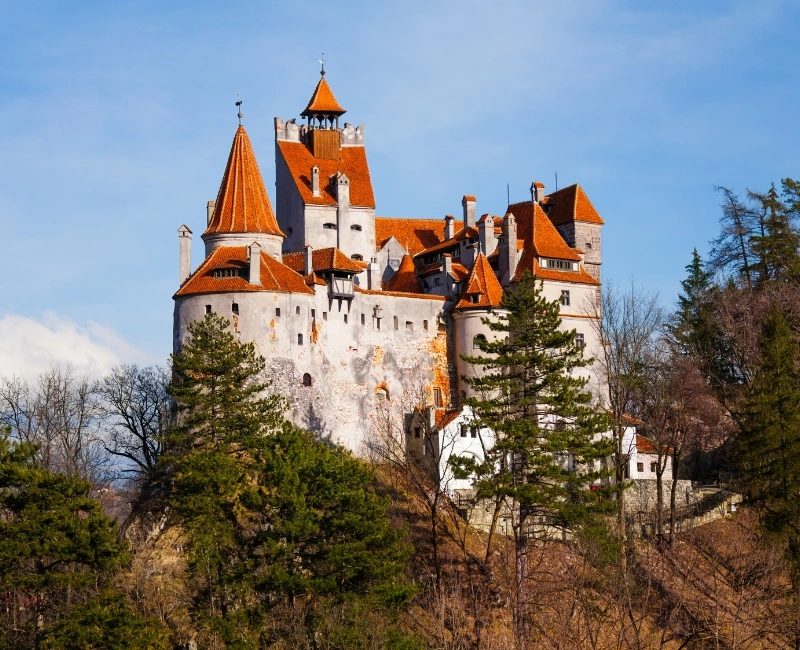
Bucharest’s strategic location makes it an excellent base for exploring Romania’s storied countryside and castles. For a full-day excursion, consider Peleș Castle in Sinaia: a 1.5–2-hour train ride or organized tour from Bucharest offers scenic rail journeys into the Carpathians. The neo-Renaissance palace, with ornate woodwork, stained glass, and art collections, reflects Romania’s royal heritage. Tour tickets vary; combined transport and entry packages can be budgeted in GBP (£30–£50 for transport plus entry). After the castle, stroll Sinaia town center or hike nearby forest trails for fresh mountain air.Bran Castle, often linked to Dracula legends, is about 3 hours from Bucharest by coach or tour. While its name attracts many visitors, this medieval fortress perched on a hill provides dramatic views and exhibitions on local history. Combine with a visit to Brașov: a charming medieval city with well-preserved council square, black church, and mountain backdrop. Organized day tours typically include transport, a guide, and sometimes lunch; cost estimates in GBP range around £50–£70 per person for full-day trips.Nature-focused trips include Bucegi Mountains hikes: from Sinaia or Bușteni, trails lead to viewpoints like Babele or Omu Peak (for experienced hikers). For a more relaxed nature day, head to Comana Nature Park (approx. 1 hour by car/bus): wetlands, lakes, and forests ideal for birdwatching, cycling, or boating. Entrance or equipment rental costs are modest (bike rental ~£5–£10). Thermal spa visits near Bucharest (e.g., Căciulata or Sovata further afield) offer relaxation after city exploration.Logistics: trains from Gara de Nord run to Sinaia and Brașov; buses and organized tours depart from central locations. Renting a car gives flexibility but consider local driving conditions and winter weather if applicable. For trips requiring multiple stops, plan efficient routes (e.g., Sinaia + Bușteni in one day). Shoulder seasons (May–June, September) provide moderate weather, fewer crowds, and lower prices. Pack layers for mountain weather variations, comfortable shoes, and essentials (water, snacks). This ~400-word guide equips you to choose, plan, and budget day trips from Bucharest, balancing history, culture, and nature.
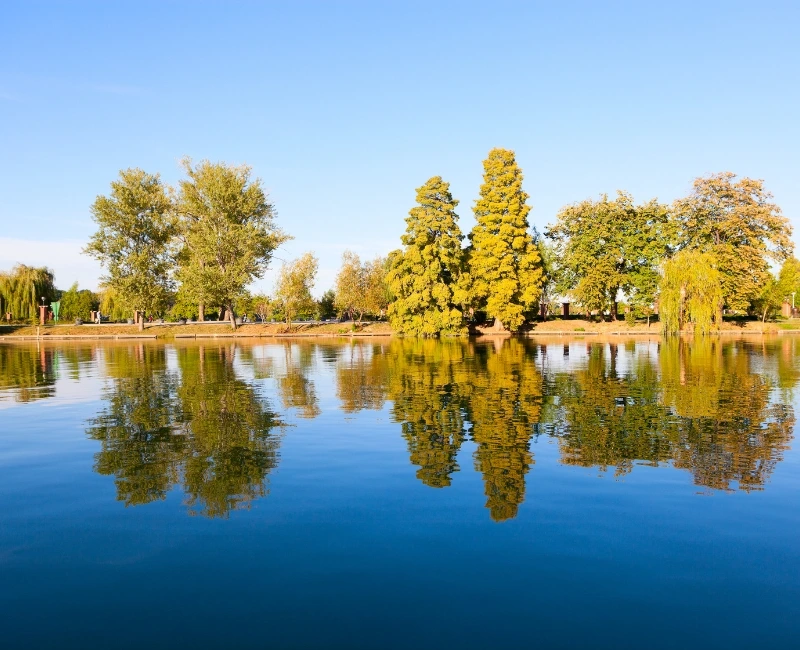
Within Bucharest, green spaces and nearby natural areas offer refreshing breaks from urban exploration. Herăstrău Park (King Michael I Park) surrounds Lake Herăstrău in northern Bucharest: rent a paddleboat for approx. £5–£10 per hour, stroll tree-lined paths, or visit the Village Museum (open-air ethnographic museum). Entry and activity fees convert favorably to GBP. Cafés by the lake serve refreshments for a light lunch or coffee break. In summer, outdoor events—concerts, fitness classes, or film screenings—take place; check local listings for schedules.Cişmigiu Gardens, in the heart of the city, is ideal for a peaceful morning walk: manicured lawns, ornamental ponds, and shaded benches create a serene atmosphere. Boat rentals on the small lake in warmer months allow a gentle outing. Nearby cafés and kiosks offer snacks and drinks at modest prices. Commuting via metro or tram is straightforward. For fitness enthusiasts, free outdoor gyms and running routes around the park are available; bring suitable workout gear.Comana Nature Park, roughly an hour’s drive south of Bucharest, provides wetlands and forest ecosystems for birdwatching and cycling. Rent a bike locally or join guided nature tours: equipment and guide fees are modest when converted (approx. £10–£20). Canoeing on the Neajlov River offers wildlife spotting opportunities. Seasonal considerations: spring brings migratory birds; autumn offers vivid foliage. Pack insect repellent and weather-appropriate clothing.For more active adventures, journey to the Carpathians for hiking trails: day tours to Bucegi or Piatra Craiului regions can be arranged from Bucharest. Hiking difficulty varies; choose trails matching fitness level. In winter, ski resorts near Brașov (Poiana Brașov) are accessible via bus or private transfer; day-trip ski passes and equipment rental costs can be budgeted in GBP (£20–£40 for lift pass plus rental). Plan ahead for transport and check seasonal schedules.This ~400-word guide outlines urban parks plus excursions to nearby nature: details on transport options (public transport, rental car, tours), activity costs in British pounds, seasonal tips, and packing suggestions. By integrating outdoor activities with cultural visits, travellers enjoy balanced Bucharest itineraries that rejuvenate and inspire.
No ads. No trails. No commitments


Alice Roses
London, England
51 ST MATTHIAS ROAD
NOTTINGHAM, NOTTINGHAMSHIRE
NG3 2HF
Hours: 8:00 - 17:00, Mon - Sat
support@johnsonholidays.com