 Split Travel
Guide
Split Travel
Guide
Paris is known around the world as the “capital of love,” and even if you don't understand the history of Paris at all

3 Hours
£3

Split’s crown jewel is Diocletian’s Palace, an exceptionally preserved 4th-century Roman emperor’s residence that remains integrated into city life. Rather than a static ruin, the palace houses cafés, shops, homes, and galleries within its stone walls. Exploring its labyrinthine corridors uncovers Peristyle Square—once an imperial reception area—now hosting impromptu performances; the Cathedral of Saint Domnius, originally Diocletian’s mausoleum, whose bell tower climb rewards with panoramic views; and hidden cellars where archaeological layers reveal centuries of adaptation. Guided or self-led walking tours illuminate architectural details, ancient inscriptions, and historical context, connecting visitors directly to nearly two millennia of continuous habitation. This fusion of living community and ancient monument makes Split’s heritage immersive and incomparable to typical museum experiences.
Learn More
Split offers a range of coastal escapes: pebble beaches like Bačvice close to the center with shallow waters ideal for families and the local game “picigin”; quieter pebble coves on Marjan Hill such as Bene and Kašjuni, shaded by pines and featuring small cafés; and easy ferry access to islands boasting sandy or unique pebble beaches—Zlatni Rat on Brač, hidden bays on Šolta, or secluded coves on Vis. Organized boat tours or independent ferry trips allow flexible itineraries: morning swim in Split, afternoon island exploration, evening return for sunset drinks on the Riva. Beach clubs offer loungers and music; rustic spots remain unspoiled. Detailed planning tips cover ferry schedules, best times to avoid crowds, necessary gear like water shoes for pebbles, and recommendations on facilities (showers, toilets, refreshments) to tailor both relaxation and active sea adventures.
Learn More
The Dalmatian culinary scene centers on fresh seafood, locally grown produce, olive oil, and traditional recipes passed through generations. Split’s konobas serve dishes such as octopus salad tossed with olive oil and herbs, black risotto infused with cuttlefish ink, grilled fish platters, and meat specialties like pašticada. Market visits reveal figs, olives, tomatoes, cheeses, and homemade pastries like fritule. Wine enthusiasts can sample indigenous varietals—white Pošip or red Plavac Mali—and olive oil tastings spotlight artisanal pressing methods. Price indications in British pounds: light lunch £8–£15; full seafood dinner £20–£35 per person; coffee and pastries £2–£4. Culinary tours or cooking classes allow hands-on experiences preparing Dalmatian specialties. Split’s food culture embodies Mediterranean flavors and local hospitality, offering memorable meals across budgets.
Learn More
Split pulses with cultural events year-round, reaching a peak in summer. Diocletian’s Palace courtyards transform into open-air venues for classical concerts, theatre performances, and dance shows. The Split Summer Festival features opera, ballet, chamber music, and folk events in historic settings. Galleries display local artists; museums chronicle the region’s heritage. Outdoor film screenings and art installations enliven evenings. Even off-season, live music bars, art workshops, and cultural walking tours sustain engagement. This lively cultural fabric provides depth beyond beaches, allowing visitors to connect with Croatian traditions and contemporary creativity amid atmospheric surroundings.
Learn More
Split caters to active travelers: Marjan Hill offers hiking and jogging trails through pine forests with lookout points over the city and sea; cycling routes along the coast or inland through olive groves provide varied terrain; kayaking and stand-up paddleboarding tours navigate hidden inlets; sailing excursions let visitors skipper or relax while island-hopping; scuba diving centers arrange dives to explore underwater caves, reefs, and shipwrecks off the Dalmatian coast; rock climbing opportunities exist in nearby cliffs, combining adrenaline with scenic views; paragliding flights launch from hills for aerial panoramas. Detailed advice covers recommended operators, booking timelines (advance reservations in peak season), safety considerations (weather checks, required experience levels), equipment rental options, and packing suggestions, ensuring secure and enjoyable outdoor pursuits.
Learn More
Split Airport (SPU) receives seasonal direct flights from the UK (flight time from London ~2h45m) and other European hubs. The ferry port connects to Dalmatian islands with frequent schedules in summer; booking in advance is advised for popular routes. Within Split, most attractions lie within walking distance of the palace; local buses serve farther beaches or suburbs. Taxi and ride-hailing services operate reliably; traffic congestion in peak season may impact journey times. Car or scooter rentals enable exploration of inland Dalmatia, from historic towns to national parks, but parking in the Old Town is limited. Cycling or e-bike rentals offer eco-friendly mobility. Organized tours often include transport, simplifying logistics for day trips. This connectivity ensures visitors can maximize time discovering Split and its surroundings with minimal hassle.
Learn More
Lorem ipsum dolor, sit amet consectetur adipisicing elit. At illo adipisci iusto
From

Because more than 268 other customers have loved us too

Demonstrates commitment to user data security through encryption and secure payment practices
Learn More
Demonstrates commitment to user data security through encryption and secure payment practices
Learn More
Demonstrates commitment to user data security through encryption and secure payment practices
Learn More
Demonstrates commitment to user data security through encryption and secure payment practices
Learn More
Quality as judged by customers. Book at the ideal price!


/ person
/ person
/ person
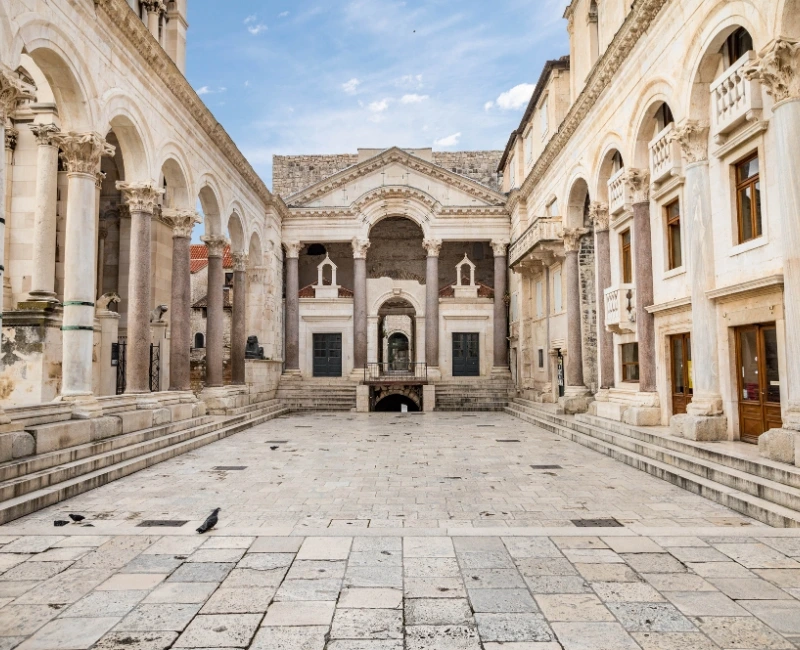
Diocletian’s Palace stands as Split’s living archaeological marvel, constructed around 305 AD for the retiring Roman emperor. Unlike isolated ruins, this sprawling complex remains integrated into the urban fabric: shops, cafés, residences, and galleries occupy ancient chambers and corridors. An immersive exploration begins at the Golden Gate entrance, where one can observe stone carvings and remnants of the original fortifications. Enter Peristyle Square, once the imperial reception courtyard, now hosting occasional musical or theatrical performances under the open sky. Surrounding the square are key monuments: the Vestibule, leading to hidden cellars where successive layers of Roman, medieval, and Renaissance architecture intersect; the Temple of Jupiter, later converted into a baptistery, with intricately carved marble detailing; and the Cathedral of Saint Domnius, originally Diocletian’s mausoleum, whose bell tower climb provides panoramic views over the city and sea.A thorough visit involves wandering narrow alleys branching from the palace: discover artisan workshops tucked behind ancient walls, family-run konobas offering local dishes, and boutique shops selling handcrafted souvenirs. Guided walking tours reveal historical narratives: how the palace’s layout facilitated imperial life, the transformation into a medieval city as populations settled within its walls, and conservation efforts preserving structural integrity. Audio guides or local historians provide context on inscriptions, reliefs, and restoration work. Allocate several hours to absorb the atmosphere: pause at a café in a quiet courtyard, savoring the sense that everyday life unfolds amid centuries-old stones. As sunlight filters through arches, notice how light and shadow bring out textures in columns and walls, connecting present-day Split to its imperial origins.Beyond daytime visits, evening tours of illuminated palace sections offer a different perspective: ambient lighting accentuates architectural details, while smaller crowds allow reflective exploration. Photography enthusiasts can capture evocative images of arches, doorways, and hidden staircases. For deeper insight, workshops on Roman engineering or heritage conservation—organized periodically—invite participants to learn about building techniques and materials used two millennia ago. Whether arriving early to avoid crowds or lingering into dusk for a magical ambiance, exploring Diocletian’s Palace provides an unparalleled journey through history that remains vividly alive in modern Split.
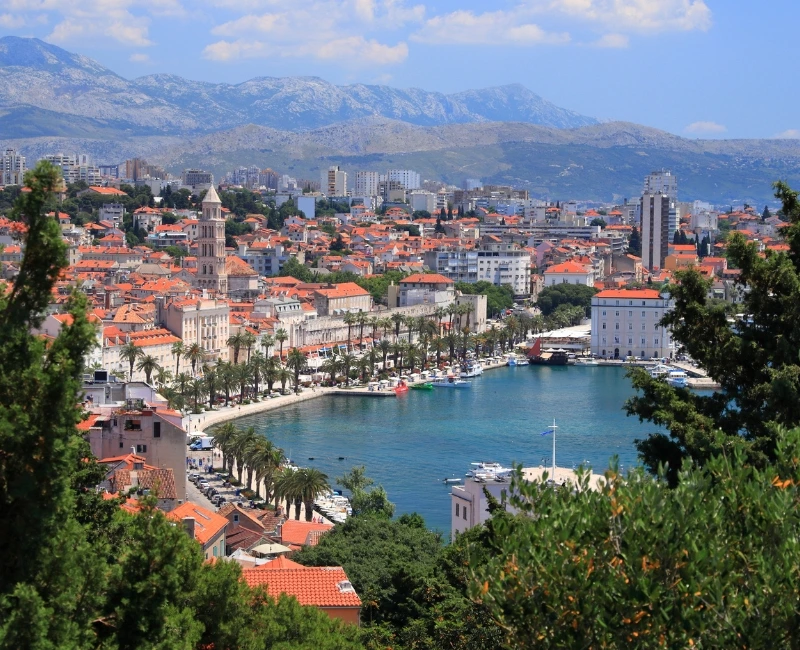
The Old Town of Split unfolds just beyond Diocletian’s Palace, inviting wanderers into a labyrinth of narrow lanes, hidden squares, and centuries-old structures. Start near the palace’s eastern exit at the Green Market (Pazar), where locals sell fresh produce—figs, olives, cheeses—and seasonal fruit; engaging with vendors offers authentic glimpses of daily life. From here, meander toward Republic Square (Prokurative), characterized by Venetian-inspired arcades and elegant facades, often hosting open-air concerts or events. Along the way, pause at the Temple of Jupiter, now serving as a baptistery: admire carved capitals, Roman sculptures, and the baptismal font where generations have been christened.Visit the City Museum, housed in Papalić Palace, showcasing archaeological finds from Split’s earliest eras: Roman artifacts, medieval tools, and insights into urban development. The Ethnographic Museum offers displays of Dalmatian heritage: traditional costumes, handcrafted tools, rural customs, and storytelling of family life in coastal villages. Smaller chapels, such as the Church of St. Francis, reveal baroque and Gothic elements tucked within narrow streets. Allow time for spontaneous discoveries: quaint courtyards where olive trees grow beside centuries-old walls, artisan workshops crafting ceramics or textiles, and local galleries featuring contemporary Croatian artists.As you explore, note signage often appears in Croatian and English; reading inscriptions on monuments enhances appreciation of layered histories. Stop at family-run bakeries to sample pastries—burek or sweet fritule—accompanied by coffee. Climb to viewpoints on Marjan Hill (covered separately) for a broader perspective on how the Old Town nestles between sea and hillside. Evening walking tours highlight atmospheric lighting in stone alleys, with fewer crowds allowing contemplative appreciation. For readers of literature or film enthusiasts, themed tours explore locations linked to local legends or recent productions filmed in Split.This guide emphasizes self-guided and guided options: self-guided walkers benefit from maps and mobile audio apps detailing points of interest; guided historians provide deeper narratives about architectural styles, historical figures, and socio-cultural evolution. Allocate half a day to full day depending on museum visits and leisurely breaks. Wear comfortable shoes for uneven stone pavements. Bring water and light snacks; many small cafés offer outdoor seating. This Old Town exploration weaves history, culture, daily life, and culinary delights into a cohesive experience, revealing Split’s character beyond its famed palace.
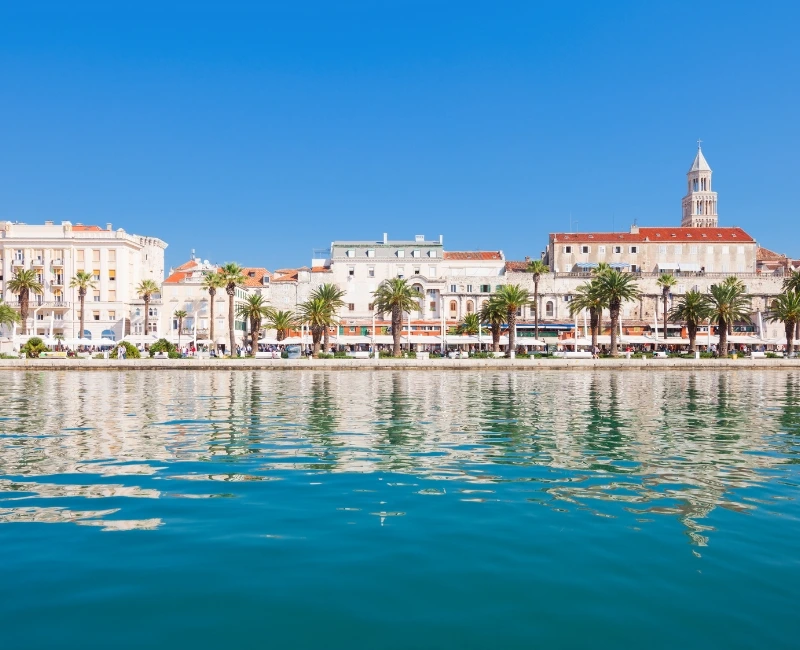
Split’s coastal position offers a spectrum of beach experiences within short distances, appealing to families, sun-seekers, and adventurers alike. Begin at Bačvice Beach, the city’s most accessible sandy-pebble shoreline, located just east of the Old Town. Known for its shallow waters and characteristic game “picigin,” Bačvice provides casual swimming and social atmosphere. Arrive early in summer to secure a spot, as it fills quickly; numerous cafés and snack stands near the promenade serve refreshments. Swim gear and a beach towel suffice; lifeguards may be present in peak months, offering extra safety for families.For quieter coastal retreats, head west toward Marjan Hill. Bene Beach features pebbles, pine-shaded areas, and clear waters less crowded than Bačvice. Kašjuni Beach, further along Marjan’s slopes, combines pebble shores with scenic backdrops of pine forests rising above; small beach bars provide cold drinks and light bites. Reaching these spots involves a short walk or local bus ride—wear comfortable footwear for uneven paths. Facilities may be basic: umbrella rentals, changing stalls, and occasional showers; plan accordingly.Island excursions expand beach options: regular ferries or catamarans depart from Split’s port to islands such as Brač, Hvar, Šolta, and Vis. On Brač, Bol is the gateway to Zlatni Rat, the iconic sandy spit extending into the sea; known for windsurfing conditions and striking shape, it’s best visited early or late in the day to avoid peak crowds. Bring water shoes for varying sand textures and wind protection essentials if windsurfing or sailing. Šolta’s beaches offer tranquil coves reachable via short boat trips; pack picnic supplies or plan for local konoba lunches. Hvar features beaches like Dubovica—pebble and shallow water with scenic cliffs—accessible by boat or coastal road; snorkelling gear reveals underwater life near rocky outcrops. Vis’s remote bays, such as Stiniva Cove with dramatic cliffs, reward longer ferry journeys; check seasonal ferry schedules and consider booking return tickets in advance.Organized boat tours—from speedboats to small-group catamarans—offer guided beach-hopping itineraries, including snorkeling stops and onboard refreshments. Costs vary: shared half-day boat tours approximately £30–£50 per person; private charters higher. For independent travellers, research ferry timetables as schedules change seasonally; purchase tickets early in peak season. Pack sun protection, reusable water bottles, swim shoes, and light snacks for islands with limited facilities. Keep an eye on weather forecasts: sudden changes can affect sea conditions. For evening beach visits, plan a sunset swim or return to Split’s Riva for sunset views. This detailed beach-hopping guide equips travellers with tips on transport logistics, timing to avoid crowds, facility expectations, must-pack items, and approximate costs, ensuring memorable and smooth seaside experiences around Split.
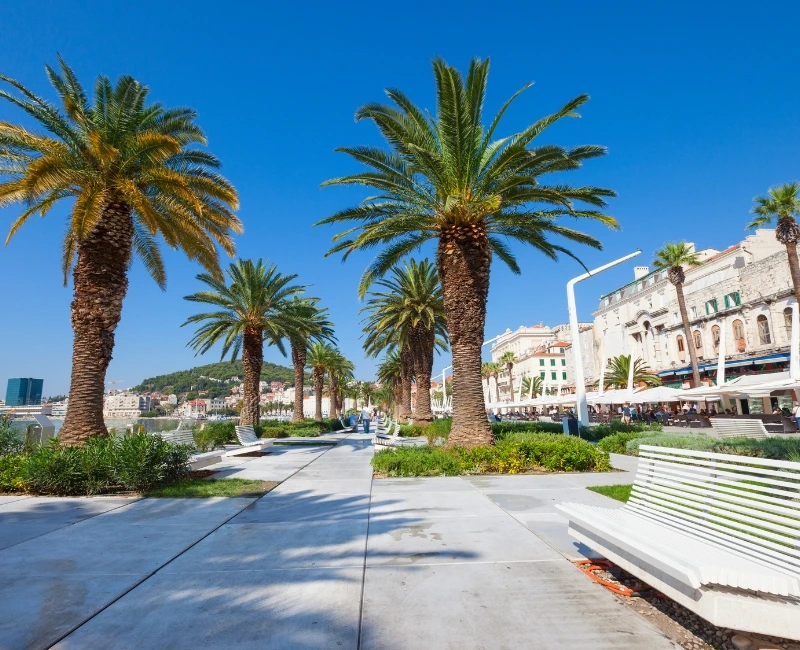
Split’s strategic harbor grants straightforward access to Dalmatian islands and myriad outdoor activities on land and sea. Plan day trips or multi-day excursions to Hvar, Brač, Vis, and Šolta, tailoring experiences for culture, nature, or adventure. Begin early: catch the morning ferry to Hvar Town, where cobblestone streets reveal historic Fortica Fortress views, lavender fields inland, and lively cafés. Combine cultural sightseeing with options to hike or bike across rural tracks dotted with olive groves and vineyards. Return by late afternoon or stay overnight for nightlife in Hvar’s port bars.On Brač, depart Split for Supetar, then take a bus or rental to Bol and the famed Zlatni Rat beach. Cyclists can rent bikes in Supetar to explore villages, olive groves, and coastal roads, capturing landscapes of terracotta-roofed hamlets against Adriatic vistas. Windsurfers frequent Zlatni Rat for consistent wind conditions; beginners can book lessons from local schools. For a quieter Brač experience, explore inland hamlets producing olive oil, with possible tasting visits to family estates.Vis requires a longer ferry (~2–3 hours), but rewards with remote beaches like Stiniva Cove, accessible via steep paths or boat; explore Blue Cave near Biševo on a guided boat tour, marveling at iridescent waters. Historical tours of wartime military tunnels add depth to island heritage. Šolta’s smaller ports—Stomorska or Maslinica—offer leisurely olive oil tastings, coastal hikes, and relaxed seaside lunches; private boat rentals or small-group tours facilitate visits to hidden bays.Back on the mainland, Marjan Hill’s network of trails suits hiking, jogging, or mountain biking through pine forests, offering shaded paths and lookout points over Split and islands. Kayak or stand-up paddleboard rentals depart from Split’s waterfront, guiding paddlers around peninsulas, caves, and secluded inlets; guided tours may include snorkeling stops to observe marine life. Diving centers near Split organize certification courses and leisure dives to underwater caves and reefs; recommended for certified divers with appropriate experience or beginners enrolling in introductory dives. Rock climbing day trips to coastal crags combine cliffside ascents with sea views; book with experienced guides who handle equipment and safety protocols. For adrenaline seekers, paragliding flights launch from nearby hills, providing aerial panoramas of Split and the archipelago; advanced booking is advised, especially in summer.Logistics: check ferry and tour operator schedules, which vary by season; reserve popular activities in advance during summer. Recommended operators typically require deposits; confirm cancellation policies. Pack appropriate gear: breathable activewear, sturdy shoes for hiking/climbing, swimwear, sun protection, light backpack with water and snacks. Consider group vs. private excursions: private tours offer personalized itineraries but at higher cost (e.g., private boat rental £200+ per half day), while group tours provide social atmosphere and shared expense (£30–£70 per person depending on activity). Understand skill-level requirements: some diving or climbing experiences demand prior certification or fitness levels. Always check weather forecasts: wind and sea conditions can affect boat trips. Safety considerations include following guide instructions, wearing life jackets for sea activities, and staying hydrated.This guide empowers travellers to craft outdoor adventures combining island exploration, active pursuits on land and sea, and cultural immersion. By planning transport, bookings, and packing comprehensively, visitors can seize the natural beauty and excitement around Split with confidence and enjoyment.

Dalmatian gastronomy in Split embodies Mediterranean simplicity elevated by fresh, local ingredients and centuries-old culinary traditions. Begin early at the Green Market to observe daily rhythms: fishermen offload catch, farmers display figs, olives, tomatoes, and cheeses, and locals select produce for home cooking. Engage with vendors to learn seasonal offerings and insight into traditional recipes. For breakfast or brunch, head to a family-run konoba or bakery to sample burek (flaky pastry with cheese or spinach), fritule (small sweet doughnuts dusted with sugar), or savory pies accompanied by strong Croatian coffee. Price in British pounds: pastries £1–£3; coffee £2–£3.Lunch highlights include black risotto (crni rižot) made with cuttlefish or squid ink, delivering rich flavor and striking appearance; fresh grilled Adriatic fish such as seabass or gilthead bream served simply with olive oil and lemon; octopus salad tossed with onions, olive oil, and herbs; and Dalmatian soup like manestra (bean soup) in cooler months. Expect main courses around £10–£20 per person. Local wines like crisp white Pošip or refreshing Debit, and reds such as Plavac Mali, complement dishes; wine by the glass typically £4–£6, bottle £15–£30.Afternoon offers coffee breaks on the Riva, pairing small pastries or gelato with waterfront views. For those interested in deeper culinary engagement, cooking classes teach preparing traditional dishes: learning to clean and cook seafood, bake peka (slow-cooked meat or seafood under a bell cover), or craft local desserts. Classes often include market visits to select ingredients, costing around £40–£60 per person for half-day sessions. For lighter snacks, try local cheese boards featuring Dalmatian cheese varieties, olives, and honey.Dinner in Split ranges from casual konobas to upscale restaurants overlooking the sea. Seafood platters with prawns, mussels, calamari, and fish range £20–£35 per person; meat dishes such as pašticada (beef stew) with gnocchi cost around £15–£25. Vegetarian options include grilled vegetables drizzled with olive oil, fresh salads, and pasta dishes featuring local produce. Finish with desserts such as rožata (custard pudding flavored with rose liqueur) or local gelato. Conclude with a small glass of rakija (fruit brandy) like peach or cherry, around £2–£4.For a guided tasting experience, book a food tour through Split’s Old Town: sample multiple konobas, bakeries, and hidden spots favored by locals, combining history and gastronomy. Tours cost around £30–£50 per person, covering several tastings and explanations. For olive oil aficionados, visit nearby estates for tastings: extra virgin olive oil drizzled on bread, paired with cheese or olives, typically £20–£40 for half-day visits including tasting and light snacks. Wine tours to island or mainland vineyards offer half-day experiences with tastings and vineyard walks, around £30–£60 per person.Tips: reserve tables for dinner during peak season; check menus for English descriptions but also ask staff about specialties to discover lesser-known dishes. Follow local customs: leisurely meals enjoyed over conversations; sharing dishes is common. Tipping around 10% is appreciated but not mandatory. This comprehensive guide equips travellers to savor Dalmatian flavors in Split, blending market visits, casual bites, cooking classes, tastings, and dining experiences across budgets.

The Dalmatian region surrounding Split produces renowned olive oils and distinctive wines that reflect Mediterranean terroir. Organize half-day or full-day tours to family-run estates and vineyards across nearby islands or mainland hinterland. Many tours begin with transport from Split: shared shuttles or private transfers for small groups. For olive oil discoveries, visit traditional mills where centuries-old olive trees yield extra virgin olive oil through cold pressing methods. Guides explain harvesting techniques, milling processes, and quality grading. Tastings combine freshly pressed olive oil drizzled on bread or paired with local cheeses and olives, illustrating flavor profiles—from grassy and peppery early-harvest oils to mellower late-harvest variants. Expect tasting sessions lasting 1–2 hours; costs around £20–£40 per person, including samples and light refreshments.Wine tours delve into indigenous varietals: whites like Pošip or Debit, reds such as Plavac Mali or local blends. Many vineyards inhabit island slopes (e.g., Brač or Hvar) or coastal hinterland near Split. Tours typically include guided vineyard walks, explanations of soil, climate, and cultivation practices influencing wine character, followed by structured tastings of several wines accompanied by cheese, charcuterie, or local bread. Learn about fermentation methods, oak aging, and modern sustainable practices adopted by producers. Tastings cost roughly £30–£60 per person for half-day experiences; full-day combined wine and olive oil tours may range £60–£100 per person. Some operators offer small-group experiences for deeper interaction with winemakers, including visiting barrel rooms and cellars.Seasonal opportunities enrich the experience: olive harvest season (autumn) allows hands-on participation in picking olives and witnessing pressing; grape harvest (late summer) invites involvement in picking grapes and observing fermentation initiation. Such immersive experiences require planning ahead and often limited group sizes, with costs adjusted based on activity involvement. Booking early for harvest seasons is crucial due to high demand.Logistics: confirm departure times from Split; some tours include ferry transfers for island estates, adding scenic boat rides. Consider renting a car if self-driving: ensure designated driver for wine tours or join organized tours to enjoy tastings responsibly. Bring comfortable shoes for vineyard walks, sun protection, water, and cash/card for purchasing bottles directly from producers. Purchasing wine and olive oil on-site often offers better prices and authenticity; plan luggage space if travelling onward.For culinary enthusiasts, combine wine and olive oil visits with cooking workshops: after tastings, learn preparing dishes highlighting local products—olive oil drizzled salads, pasta with fresh olive oil and seasonal vegetables, wine-paired meals. These combined experiences typically run longer (4–6 hours) and cost accordingly (£60–£100 per person). Smaller bespoke tours cater to private groups or special occasions (e.g., celebrations, anniversaries) with personalized menus and exclusive estate visits; budget varies widely.This guide details recommended timing (morning or afternoon departures), seasonal considerations, expected costs in British pounds, transport options (shared, private, or self-drive), packing tips, group vs. private tour pros and cons, and tasting etiquette. By immersing in Dalmatian wine and olive oil traditions, travellers deepen their appreciation of Split’s gastronomic heritage and bring home authentic flavours..
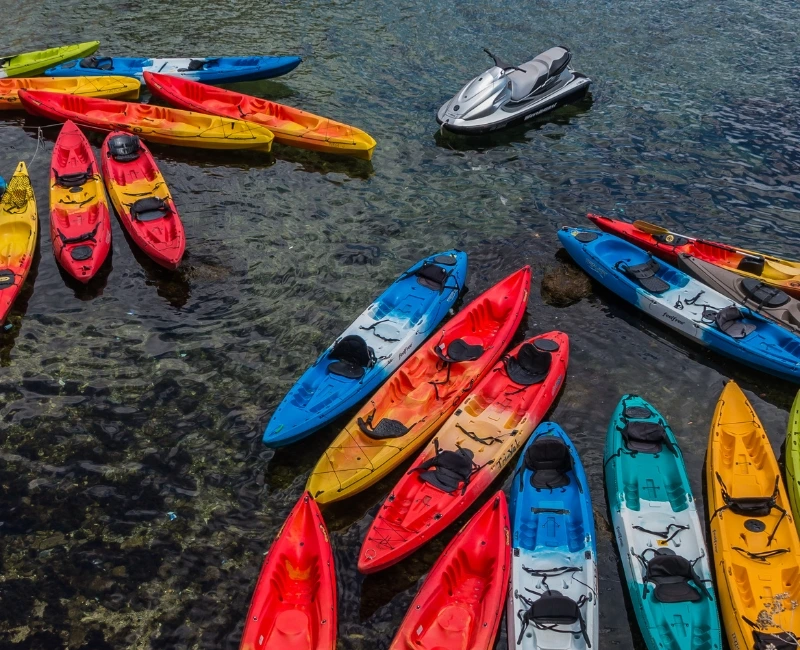
Split caters to travellers seeking active pursuits in scenic settings. Begin mornings on Marjan Hill: shaded trails accommodate jogging, brisk walks, or yoga sessions overlooking calm Adriatic waters at sunrise. Fitness groups often gather near the hill’s base; solo runners can follow marked paths winding through pine forests, with occasional benches for stretching or hydration breaks. Cycle enthusiasts can rent bicycles or e-bikes in Split’s center to explore coastal roads: gentle rides along the waterfront or more challenging inland routes through olive groves and small villages. Recommended rental shops provide helmets, safety briefings, and map suggestions.Sea-based activities include kayaking and stand-up paddleboarding: departures from Split’s harbor lead around peninsulas, sea caves, and hidden inlets. Guided tours (half-day ~£30–£50 per person) include instruction, equipment rental, and snorkeling stops where marine life thrives. Stand-up paddleboarding improves balance and core strength while offering unique coastal perspectives. Scuba diving centres arrange certification courses and leisure dives: for certified divers, day trips to underwater caves or reefs cost around £50–£80 per dive; beginner courses require additional sessions. Ensure prior certification or enroll in “discover scuba” experiences with professional instructors, typically costing £60–£100 including instruction and equipment.Rock climbing options exist in coastal cliffs near Split: guided day trips provide transport, equipment, and local knowledge of routes suited to varying skill levels. Climbers navigate limestone walls overlooking the sea, combining adrenaline with panoramic views. Paragliding flights launch from nearby hills: tandem experiences for beginners cost around £80–£120 per person, offering aerial vistas of Split and islands. Booking in advance is essential, particularly in summer.For water sports enthusiasts, windsurfing or kiteboarding lessons can be arranged on windy beaches like Zlatni Rat (requires ferry to Brač). Surf schools provide equipment and coaching; costs vary by duration and group size. Sailing experiences range from half-day charters (~£60–£120 per person in a small group) to private yacht rentals; travellers can crew themselves or hire a skipper. Sailing enhances navigation skills and offers secluded swimming spots accessible only by boat.On land, guided mountain biking tours traverse tracks around Split and surrounding hills; equipment rental and route guidance cost approximately £30–£60 per half-day. Trail difficulty varies; choose based on fitness and experience. For agro-tourism combined with activity, some tours include cycling between vineyards or olive groves, ending with tastings.Safety considerations: always check weather and sea conditions; heed guide advice; wear suitable gear (life jackets for sea sports, helmets for cycling/climbing); carry water, snacks, and sun protection. Book reputable operators with safety equipment and insurance. Plan activities according to season: peak summer may require early starts to avoid midday heat; spring and autumn offer milder conditions.This guide provides contacts for recommended operators, booking advice (reserve weeks ahead in high season), approximate costs in British pounds, equipment lists, fitness prerequisites, and safety tips. By engaging in outdoor fitness and adventure sports around Split, travellers combine health, thrill, and scenic beauty for memorable experiences.
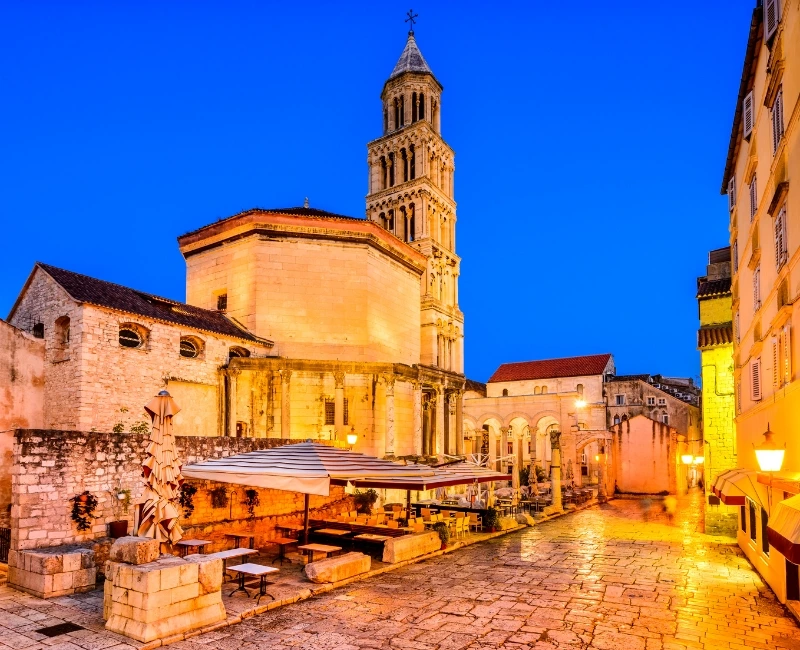
As daylight fades, Split’s social scene transforms into a dynamic mix of relaxed gatherings, cultural events, and lively nightlife. Early evening begins along the Riva promenade: terrace bars and cafés offer aperitifs—local wines, craft beers, or cocktails—while patrons enjoy sea breezes and sunset hues. This setting invites leisurely conversation before dinner. Dining often occurs in konobas or modern restaurants within the Old Town; booking ahead in summer ensures seating, especially for waterfront or palace-view venues. Dinner ranges from casual to fine dining: expect local dishes like grilled seafood, pasta with fresh ingredients, or contemporary Mediterranean cuisine, with prices from £15–£35 per person.Post-dinner, Split offers varied nightlife: wine bars in historic alleys present Croatian vintages by the glass (£4–£7) paired with small plates; cocktail lounges serve creative drinks incorporating local spirits and fruits; live music venues host jazz, acoustic sets, or local bands several nights weekly. For clubbing, beach clubs on Marjan Hill or nearby islands host DJs and themed parties, running late into the night; entrance fees range £5–£15, drinks £3–£6 each. During summer, organized boat parties depart from Split’s port for a unique floating nightclub experience; costs vary but typically around £30–£50 including some drinks.Cultural entertainment enriches evenings: the Split Summer Festival stages opera, ballet, classical concerts, and theatre performances in historic settings—Diocletian’s Palace courtyards, ancient squares—creating magical atmospheres under starlight. Film festivals and open-air screenings appear in select locations; art exhibitions occasionally host evening openings. Check event calendars in advance, as tickets for renowned performances may sell out. Many events offer tiered pricing: general admission around £10–£20, premium seating higher.For a laid-back night, join locals at outdoor gatherings in hidden squares or pop-up events: on warmer nights, residents may gather for casual music sessions or communal dinners. Outdoor cinemas in summer screen classic or local films; admission is modest (£3–£5). Traditional klapa singing (a cappella groups) may be heard in taverns or public spaces, offering authentic cultural experiences.Transportation for late nights: taxis and ride-hailing services operate until late hours; local buses may have limited schedules at night. Plan return journeys in advance or confirm taxi availability. Dress codes vary: smart casual for wine bars and fine-dining restaurants; beach clubs often allow more casual attire but check when booking. Respect local customs: moderate noise in residential areas and be mindful of closing times, especially in quieter seasons.Tips: Monitor festival schedules and ticket sales early; make dinner reservations during peak months; budget for entrance fees and drinks in British pounds; explore a mix of cultural events and social venues to experience Split’s multifaceted nightlife. Safety: stay with friends in busy areas, keep belongings secure, and follow guidance from venue staff. By combining cultural performances, beach or boat parties, relaxed wine bars, and live music, travellers immerse in Split’s vibrant after-dark scene, ensuring memorable evenings alongside daytime explorations.
No ads. No trails. No commitments


Alice Roses
London, England
51 ST MATTHIAS ROAD
NOTTINGHAM, NOTTINGHAMSHIRE
NG3 2HF
Hours: 8:00 - 17:00, Mon - Sat
support@johnsonholidays.com