 Sofia Travel
Guide
Sofia Travel
Guide
Paris is known around the world as the “capital of love,” and even if you don't understand the history of Paris at all

3 Hours
£1.90
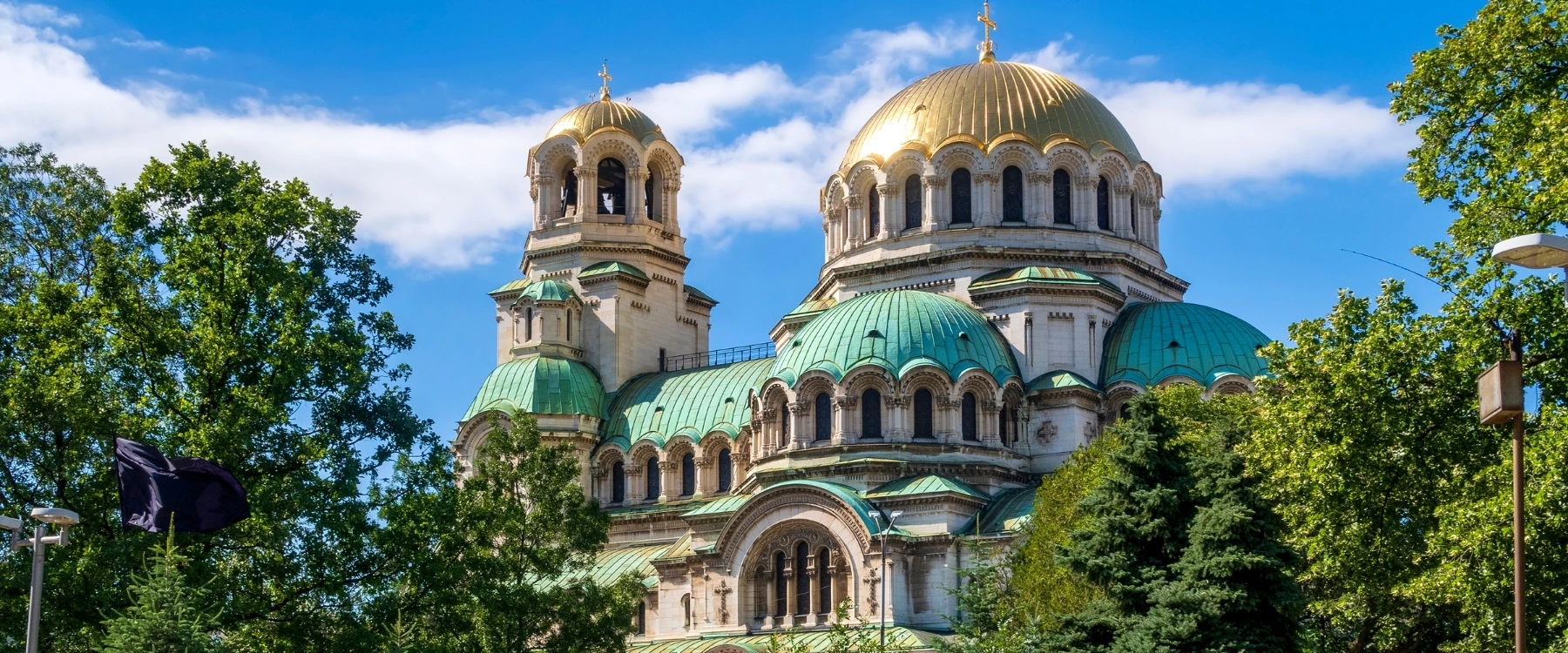
Sofia’s history spans ancient Thracian, Roman, Byzantine, Ottoman, and modern eras, offering a tapestry of architectural and archaeological sites. Visitors can explore the ruins of Serdica beneath modern streets, marvel at the grandeur of Saint Alexander Nevsky Cathedral, and discover Ottoman-era Banya Bashi Mosque alongside the medieval Boyana Church (a UNESCO World Heritage site). This layered heritage is accessible in a compact city center, making city exploration both convenient and rewarding. Whether you’re a history buff or simply curious, Sofia’s blend of past eras provides continuous surprises.
Learn More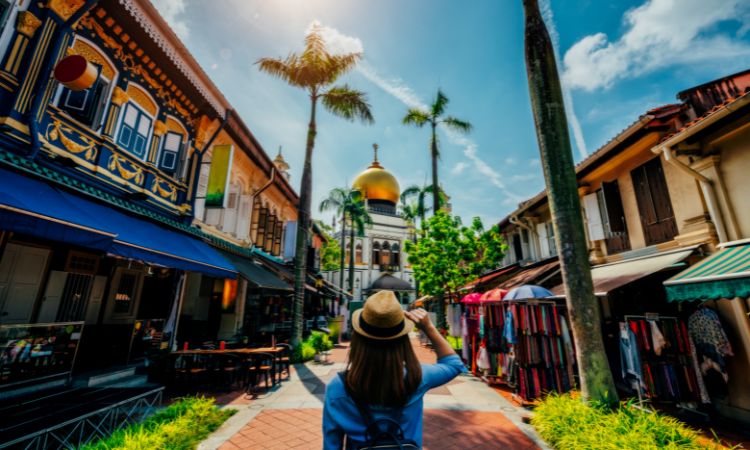
Vitosha Mountain looms over the city, offering year-round outdoor pursuits just a short journey from the center. In summer, hiking trails lead through forests and alpine meadows, while in winter, ski slopes cater to various skill levels. Within Sofia’s boundaries, parks such as Borisova Gradina invite leisurely strolls, jogging, or picnics. The proximity of natural landscapes to urban life provides an easy retreat for wellness and adventure alike, appealing to travelers seeking a city break with outdoor dimensions.
Learn More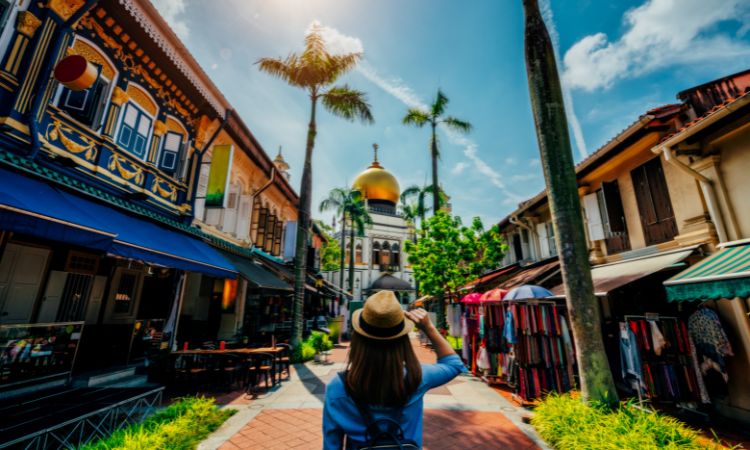
Sofia’s gastronomic landscape is rapidly evolving, blending traditional Bulgarian dishes—like banitsa, shopska salad, and grilled meats—with international and fusion influences. Quaint cafés and modern coffee shops dot pedestrian streets, offering quality brews alongside pastries. Craft beer pubs showcase local brewers, while wine bars celebrate Bulgaria’s viticulture. Dining in Sofia is often more affordable than in Western Europe, allowing visitors to sample a wide range of flavors without overspending. From street food markets to elegant restaurants, Sofia caters to diverse tastes and budgets.
Learn More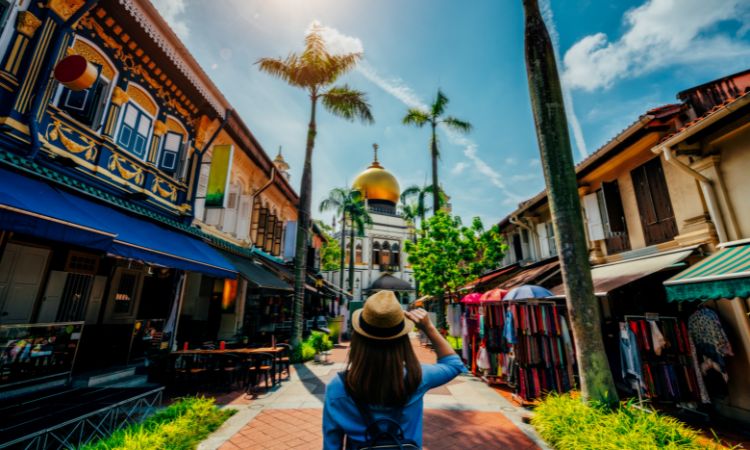
Compared to many Western European capitals, Sofia offers excellent value in accommodation, dining, and attractions. Quality hotels range from boutique to international brands at competitive rates, and meals in restaurants or street eateries provide generous portions at moderate prices. Public transport and attractions such as museums and galleries often charge lower fees, enabling travelers to stretch their budgets further. This affordability makes Sofia particularly attractive for solo travelers, couples, and families seeking a rich urban experience without premium costs.
Learn More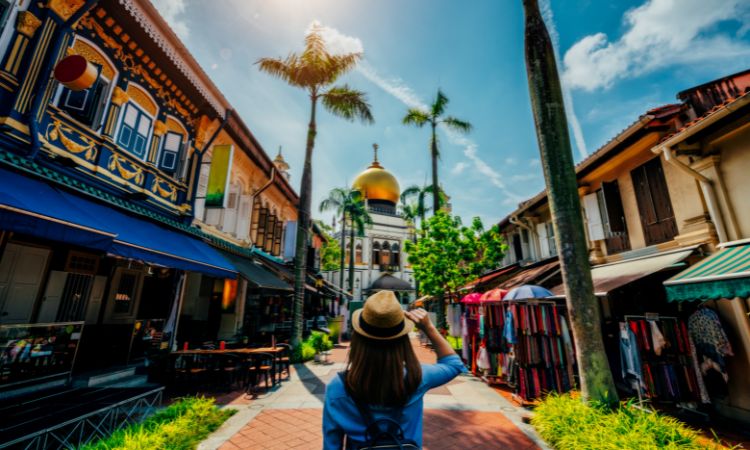
As Bulgaria’s political and cultural center, Sofia hosts a diverse array of events year-round: music festivals, theatre performances, film screenings, art exhibitions, and seasonal celebrations. The National Opera and Ballet, National Palace of Culture, and numerous galleries present both local and international talent. Traditional folk performances and contemporary shows reflect Bulgaria’s evolving creative identity. This vibrant cultural calendar ensures there’s always something engaging to attend, making repeat visits rewarding.
Learn More
Located at the crossroads of the Balkans, Sofia is a strategic base for exploring beyond the city. Efficient transport links allow day trips to Rila Monastery’s mountain cliffs, the historical town of Plovdiv, or the spas of Velingrad. Longer journeys can reach Black Sea resorts or remote mountain villages. Sofia Airport offers connections across Europe and beyond. By basing in Sofia, travelers can combine a rich urban break with broader Balkan exploration, all within manageable travel times.
Learn More
Lorem ipsum dolor, sit amet consectetur adipisicing elit. At illo adipisci iusto
From

Because more than 268 other customers have loved us too

Demonstrates commitment to user data security through encryption and secure payment practices
Learn More
Demonstrates commitment to user data security through encryption and secure payment practices
Learn More
Demonstrates commitment to user data security through encryption and secure payment practices
Learn More
Demonstrates commitment to user data security through encryption and secure payment practices
Learn More
Quality as judged by customers. Book at the ideal price!


/ person
/ person
/ person
Sofia’s historic landmarks weave a tapestry of civilizations, inviting travelers on a journey through time that begins at the majestic Saint Alexander Nevsky Cathedral. Rising on a broad plaza near the National Assembly, this Neo-Byzantine basilica dazzles with its five gilded domes glinting in the sun, its interior resplendent with hand-painted frescoes and polished marble columns. Wandering past the cathedral’s ornate iconostasis, you feel the weight of Bulgaria’s Orthodox tradition. A few minutes’ stroll brings you to the modest Saint Sofia Church, whose unassuming stone façade and low red-tile roof belie its status as one of the city’s oldest surviving sanctuaries. Here, the soft, filtered light through narrow windows illuminates centuries-worn murals, offering a quieter, more intimate glimpse of medieval devotion.Hidden beneath the modern cityscape lies another chapter of Sofia’s past: the Roman-era Serdica Amphitheatre. Entry to this subterranean site is through Serdica Metro Station, where glass walkways hover above the excavated stone tiers and defensive walls excavated since the 1970s. Standing at its center, you are literally walking where ancient Thracian and Roman citizens once gathered. From here, take a short tram ride to the outskirts for the Boyana Church, perched on a wooded hillside south of the city. Enshrined as a UNESCO World Heritage Site, its 10th- and 13th-century fresco cycles burst with color and detail that prefigure the Italian Renaissance. Returning to the city center, the Largo ensemble frames Independence Square with its grand Socialist Classicist structures—once the Communist Party’s nerve center—whose austere symmetry and imposing columns speak of an era of ideological ambition. Across the square, the Banya Bashi Mosque, designed by the Ottoman master Mimar Sinan in the 16th century, stands as a surprising emblem of religious tolerance, its single minaret and octagonal dome beckoning visitors to pause amid the traffic. Finally, the National Archaeological Museum, housed in the former mosque of Koca Mahmud Pasha, combines architectural beauty with scholarly rigor, showcasing Thracian goldwork, Roman sculptures, and medieval icons in climate-controlled galleries. The walkable cluster of these eight landmarks—spanning less than three kilometers—allows you to experience Sofia’s layered heritage in a single day. Exploring with an audio guide or joining a small-group tour adds historical context, while visiting early in the morning or late afternoon ensures softer light for photography and a respite from crowds, making each stone and fresco resonate with stories of empires and faiths that shaped Bulgaria’s capital.
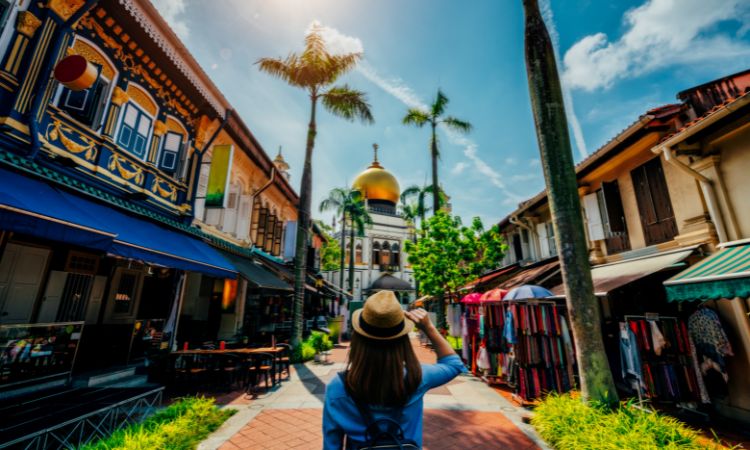
Sofia’s museum scene unfolds across repurposed Ottoman mosques, Soviet-era edifices, and sleek contemporary spaces, each offering its own window into the country’s artistic evolution. At the heart stands the National Archaeological Museum, housed within the pink-washed walls of the 16th-century Banya Bashi Mosque. Here, Thracian tomb artifacts—jewelry in shapes of lions, eagles, and deities—sit alongside Roman marble statues and medieval icons, their placement framed by soaring domes and arches that remind you of the building’s former sacred function. Adjacent lies the National Gallery for Foreign Art, similarly ensconced in another historic mosque; its vaulted halls host rotating exhibits of European masters from the Renaissance through modernism, making unexpected juxtapositions between East and West.A short tram ride transports you to the Museum of Socialist Art on the city’s outskirts, where massive bronze statues of Lenin and stoic workers loom amid sculpted commemorations of communist themes. Operating in a park setting, this museum challenges visitors to grapple with Bulgaria’s 1944–1989 history through multimedia installations, film screenings, and even occasional performance art that reinterprets propaganda artifacts. For contemporary creativity, venture into the Sofia City Art Gallery and the vibrant private galleries clustered around Lozenets and the arts district of Kapana. In converted warehouses and former industrial shops, young Bulgarian painters, sculptors, and digital artists exhibit fresh perspectives on identity, memory, and social change. The Ethnographic Museum, located in the city hall garden, offers a chance to see rural life immortalized in embroidered folk costumes, carved wooden chests, and handwoven rugs, while the Earth and Man National Museum delights with one of Europe’s largest mineral and gemstone collections—geodes sparkling with quartz and shelves lined with Balkan ore samples.As evening falls, culture shifts from static exhibits to live performance: the Ivan Vazov National Theatre and the National Opera and Ballet present classical drama, opera, and ballet in opulent 19th-century auditoriums. Meanwhile, the National Palace of Culture (NDK) operates as a dynamic events hub—design fairs, book expos, and international art festivals fill its cavernous halls. Practical visitor tips include checking each institution’s website for free admission days (often Mondays or the first Sunday of the month), reserving audio guides online to bypass queues, and pairing museum visits with nearby cafés and gift shops that sell artisan crafts, books on Bulgarian art history, and locally produced ceramics. Whether your interest lies in ancient relics, Soviet iconography, or cutting-edge installations, Sofia’s museums and galleries together chart a compelling narrative of how this city has housed, confronted, and created culture over millennia.
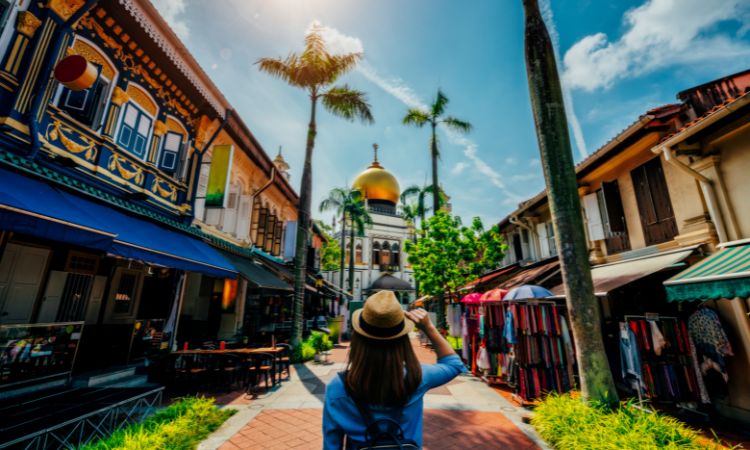
At the southern edge of Sofia rises Vitosha, a granite massif that serves as the city’s backyard playground and offers an array of year-round adventures just minutes from the urban core. In warm months, hikers set out from the Aleko Hut, ascending on well-marked trails through mixed beech and hornbeam forests toward Cherni Vrah’s rocky summit at 2,290 meters. The route, typically a moderate four-hour round trip, rewards climbers with panoramic vistas of Sofia sprawling below and the Rhodope and Balkan mountain ranges in the distance. Along the way, you pass grassy alpine meadows where wildflowers bloom in summer and patches of ancient stone formations—remnants of millennia-old geological forces. Families and less-seasoned trekkers often choose the shorter path to Boyana Waterfall, where the cool spray of water tumbling over mossy ledges provides a refreshing interlude. Mountain shelters dot the hillside, each serving local specialties—hearty soups, grilled meats marinated in mountain herbs, homemade cheeses, and teas steeped from wild thyme or mint. In autumn, the slopes transform into a blaze of gold, red, and amber, capturing photographers’ lenses and nature-lovers’ hearts.Winter brings a complete metamorphosis: snow blankets Vitosha’s broad plateaus and narrow gullies, turning the Aleko area into a popular ski center with slopes suited for beginners to intermediates, ski schools, and equipment rentals. Cross-country ski trails wind through silent forests, and snowshoeing routes offer a quieter communion with the alpine landscape. Sudden weather shifts—fog, gusty winds, and afternoon snow squalls—mean that visitors should layer up, carry extra water and snacks, and always consult the local mountain weather forecast. Transport to Vitosha is straightforward: bus 66 departs regularly from Serdika Metro Station, depositing you at the base in about 35 minutes; a private car or taxi ride takes roughly half an hour, with parking available near the lifts. Beyond self-guided hikes, book a guided nature walk to learn about endemic species—the Alpine newt or the Balkan chamois—or arrange a bird-watching tour to spot woodpeckers, nuthatches, and migratory raptors. For a more leisurely day, combine midday spa treatments in Sofia’s city center with an afternoon cable-car ride that ascends to the Kopitoto viewpoint, where glass-floor platforms extend over sheer drops. Whether your aim is summit triumph, tranquil forest strolls, or snowy play, Vitosha Mountain delivers a refreshing contrast to Sofia’s streets within a single, accessible outing.
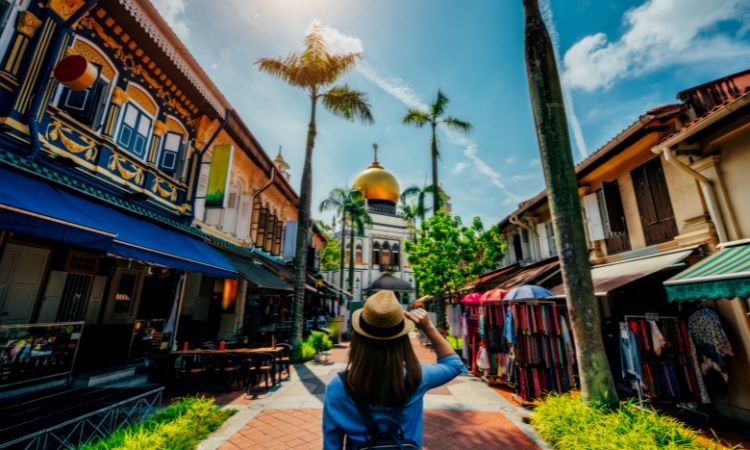
Amid Sofia’s urban bustle lie verdant sanctuaries that beckon locals and visitors alike to pause, breathe, and reconnect with nature. At the heart of this green network is Borisova Gradina, the city’s oldest public park. Established in the late 19th century, its broad alleys lined with plane trees lead to manicured rose gardens, ornate fountains, and serene boating lakes where paddleboats drift lazily. Here, sculptures honoring Bulgarian poets, statesmen, and athletes punctuate the shaded paths, while open-air stages host summer concerts and cultural events. Adjacent is Yuzhen Park, or South Park, whose sprawling lawns and playgrounds attract families on weekends, while fitness enthusiasts take advantage of outdoor gyms and jogging trails weaving through oak groves. In the park’s western corner, café terraces spill onto pathways, offering coffee, pastries, and cold banitsa to hungry cyclists and strollers.Closer to the city center, the Garden of the National Palace of Culture (NDK) provides a leafy oasis surrounded by modernist architecture. Seasonal flowerbeds and rotating art installations draw photographers and casual picnickers, while occasional evening film screenings transform the lawn into an alfresco cinema. For a more intimate atmosphere, slip into the City Garden nestled between the Ivan Vazov National Theatre and the Hlebna Piaka bakery; its antique benches and quiet fountains invite an impromptu break with a book or journal. Nature enthusiasts should not miss the Sofia University Botanical Garden, where winding paths traverse collections of native orchids, Himalayan rhododendrons, and tropical greenhouse specimens. Beneath the streets of the city lie mineral springs feeding public fountains—locals queue each morning to collect iron-rich water touted for its health benefits. Further out, the Perlovska River’s grassy embankments offer secluded picnic spots and bird-watching hides. Throughout spring, cherry blossoms and magnolia trees burst into bloom, painting the parks in pastel hues, while autumn crowns the canopy in fiery tones. Even in winter, frost-laced branches and the hush of snowfall turn these urban lungs into a peaceful retreat. Every green space is laced with paved and gravel trails, café kiosks, children’s play areas, and fitness stations, ensuring that whether you seek a vigorous run, a family day out, or a quiet bench under blooming magnolias, Sofia’s parks provide a welcoming haven just steps from the pavement.
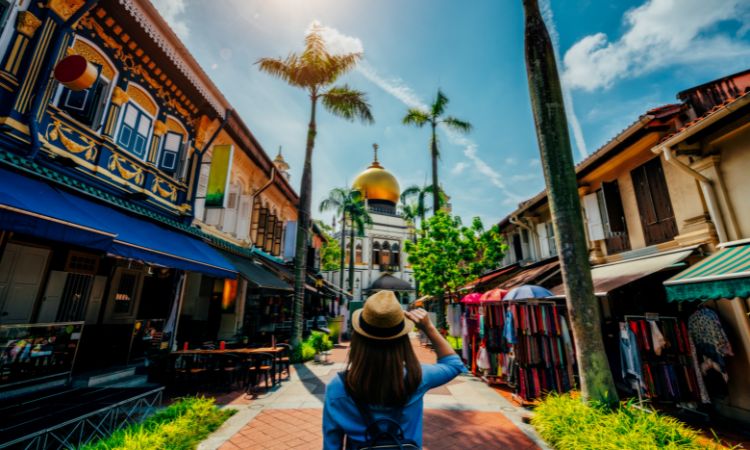
Exploring Sofia begins as much on the plate as along cobblestone streets, where local markets, rustic taverns, and modern eateries converge to showcase Bulgaria’s rich culinary heritage. Early mornings see residents streaming into Zhenskata Pazar, the Women’s Market, where stalls groan under the weight of fresh produce: sun-ripened tomatoes, crisp cucumbers, plump peppers, and glossy eggplants. Cheese vendors tempt passersby with sirene (white brine cheese) and kashkaval (yellow cheese), while bakers tray out warm banitsa—a layered pastry filled with cheese and egg that fluffs into golden perfection. Pair it with a glass of ayran, a savory yogurt drink, for an authentic Balkan breakfast.By midday, mehanas (traditional taverns) beckon with wood-paneled interiors, rustic tables, and hearty menus. Here, kavarma simmers in copper pots, melding pork, onions, mushrooms, and peppers into a rich, slow-cooked stew. Kebapche—grilled minced-meat sausages seasoned with cumin and black pepper—crackle over charcoal alongside lyutenitsa, a piquant red pepper and tomato relish. Vegetarians find equal delight in tarator, a chilled yogurt soup spiked with cucumber, garlic, and dill, and gyuvetch, a baked vegetable casserole layered with aubergine, zucchini, and beans. After lunch, the city’s burgeoning café culture takes center stage: specialty coffee shops like Chucky’s and Rainbow Factory roast beans in-house and pair espressos with honey-drenched baklava or Turkish lokum.As evening descends, Sofia’s dining scene transforms. Farm-to-table restaurants in Lozenets and Ivan Vazov neighborhood showcase seasonal produce and artisanal meats, elevating local flavors with modern techniques—think slow-roasted lamb shoulder on a bed of roasted root vegetables or beetroot carpaccio drizzled with walnut oil and topped with whipped sirene. Wine bars invite you to sample Bulgarian varietals—Mavrud’s deep ruby, Rubin’s smooth tannins, or Dimyat’s crisp floral notes—often accompanied by cheese boards featuring smoked kashkaval and truffle-infused sirene. Craft beer aficionados have a growing roster of microbreweries to explore, from amber ales at Dublin Pub to experimental saisons at Zara. For hands-on immersion, cooking classes led by local chefs guide you through dough for banitsa, rolling grape leaves for sarma (stuffed cabbage), and perfecting the seasoning balance in shopska salad. With generous portion sizes, moderate price points (a full meal with wine often under €20), and an average restaurant tip of 10%, dining in Sofia becomes both an adventurous and wallet-friendly journey through Bulgaria’s diverse culinary landscape.
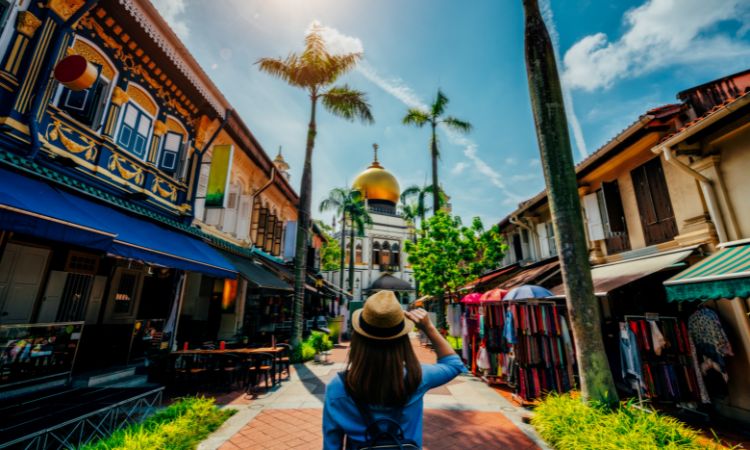
As dusk falls, Sofia’s streets pulse with a vibrant nightlife that caters to all moods—from relaxed evening coffees to late-night clubbing marathons. At the core lies Vitosha Boulevard, its pedestrianized stretch lined with outdoor cafés that spill soft light and live jazz into the evening air. Patrons linger over cups of single-origin espresso or inventive mocktails, while pastry cases display an array of baklava, filo twists filled with sweet cheese, and buttery lokum. Overhead, strings of fairy lights frame intimate conversations, and passersby pause to enjoy street musicians or impromptu poetry readings.For panoramic city views, ascend to one of Sofia’s rooftop bars—Sense Hotel’s high terrace offers signature cocktails with botanical infusions and unobstructed vistas of Mount Vitosha’s silhouette against the twilight sky. Cocktail lounges near the National Palace of Culture lean toward mixology artistry, blending Bulgarian spirits such as mastika or rakia with fresh herbs, local fruit purees, and house-made bitters. Craft beer enthusiasts find their haven in pubs like Dublin Pub and Zagorka Live, where nightly tap takeovers and curated beer flights showcase Bulgaria’s burgeoning microbrew scene. Events calendars often feature pairing dinners, where brewers collaborate with chefs to match IPAs or stouts with regional cheeses and charcuterie.Live music venues cover every genre. The Cocktail Bar & Stage hosts weekly jazz jams and blues nights, while Mixtape 5 comes alive with electronic DJs spinning Balkan beats and indie rock anthems. For folk aficionados, mehanas in the city center stage live accordion and tambura ensembles, inviting guests to join hands in circle dances over hearty meaty platters. Students and younger crowds converge on Studentski Grad, a complex of bars and open-air dancefloors where neon light shows and Balkan-electronica collages keep revelers moving until dawn. Meanwhile, those seeking a more subdued ambiance retreat to wine bars tucked down cobbled lanes, lingering over Bulgarian pinot noir and conversation until late.Reliable taxis and ride-hailing apps (Bolt, Uber) ensure safe returns anytime before the 3 AM curfew on private vehicles. Late-night bakeries remain open, offering encore helpings of banitsa and warm pastries to sustain night owls until morning. Throughout Sofia, café culture extends past midnight: specialty coffee shops like Chucky’s and Rainbow Factory host acoustic sets, poetry slams, and pop-up art exhibitions in their cozy interiors. Whether you prefer sipping a slow-drip cold brew under fairy lights or dancing in a pulsating club until sunrise, Sofia’s nightlife and café scene promise memorable evenings that blend hospitality, creativity, and the warm spirit of Bulgaria’s capital..
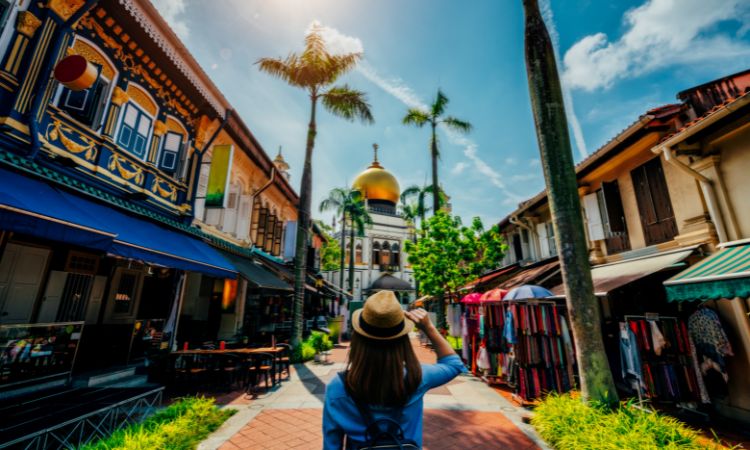
A two-hour drive or organized day-trip from Sofia carries you into the pristine forests and soaring peaks of the Rila Mountains, where the Rila Monastery stands as a testament to Bulgarian spiritual resilience and artistry. Founded by the hermit Saint Ivan of Rila in the 10th century, the monastery’s fortified walls protect a complex of vividly painted churches, monk cells, and cloisters clustered around a peaceful courtyard. The Nativity Church astonishes with its exterior murals depicting biblical scenes, its interior fresco cycles dating from the 19th century bursting with color that has endured centuries of weather and political upheaval. Inside, the intricately carved wooden iconostasis—crafted by master carver Alexi Atanasov—divides nave from altar with scenes of saints and floral motifs rendered in exquisite relief.Stepping outside, meandering trails fan out into Rila National Park. Hikers targeting the Skakavitsa Waterfall embark on a seven-kilometer round trip through fir forests, rewarded by a 70-meter cascade that thunders over granite ledges. More ambitious adventurers tackle the Seven Rila Lakes circuit, an alpine odyssey linking glacially carved lakes whose names—Blynoto (Tear), Okoto (Eye), and Ribnoto (Fish)—reflect their unique shapes. Spring hikes witness roaring snowmelt, while autumn displays a riot of red, gold, and orange foliage under crisp blue skies. In winter, these same paths invite snowshoe excursions through silent, snow-blanketed woods.Travel logistics are straightforward: private transfers and organized tours from Sofia depart by 7 AM, ensuring three to four hours on site; self-drivers navigate a scenic route through pine-fringed valleys and small highland villages. Modest on-site fees support monastery restoration; audio guides in English, German, and Russian elucidate fresco iconography and monastic rituals. Dress codes require shoulders and knees covered, and visitors may quietly observe monastic services in the main church. After exploring, sample monastery-made yogurt and herbal teas in the guesthouse café, or browse the gift shop for hand-painted icons and beeswax candles. For those extending their stay, nearby Stob Pyramids—a series of eroded rock towers—offer another short hike, and the spa town of Sapareva Banya tempts with thermal springs reputed for their healing properties. Whether you seek spiritual solace amid Byzantine frescoes or an adrenaline-filled trek among alpine peaks, the Rila Monastery region combines cultural depth with natural grandeur in one unforgettable escape from Sofia’s urban pace.
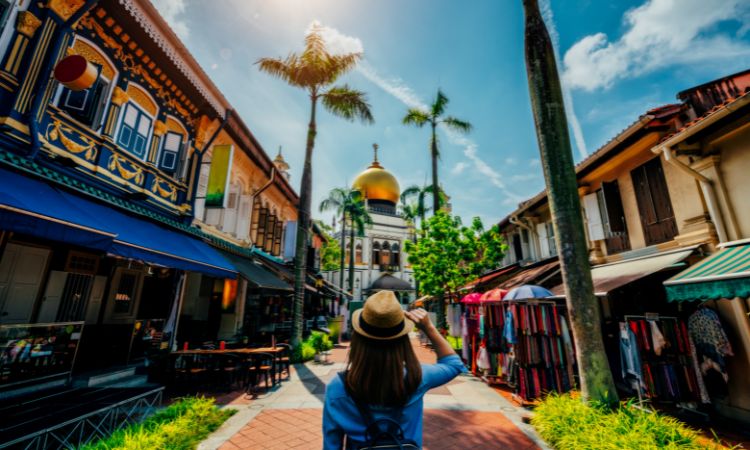
A journey of roughly two hours by train, bus, or car from Sofia brings you to Plovdiv, Bulgaria’s second-largest city and one of Europe’s oldest continuously inhabited settlements. At the heart of the Old Town, the Roman Theatre of Philippopolis rises from a gentle hillside, its limestone seats carved into tiers overlooking a semicircular orchestra. Imagine ancient audiences gathering here for performances under the open sky; today, the theatre is a living stage, hosting music festivals and theatrical productions that merge 2,000 years of history with modern artistry. Descending cobblestone streets, you pass Revival-era houses painted in cheerful pastel hues, now converted into small museums—the Balabanov House and Hindliyan House showcase 19th-century domestic life with period furniture, ornamental ceilings, and family portraits.Climbing further up Nebet Tepe, one of the city’s seven hills, you encounter the fragmented walls of a Thracian fortification and sweeping bird’s-eye views of the Maritsa River valley. Unlike the curated uniformity of Sofia’s city center, Plovdiv’s districts unfold organically: the Kapana Creative District pulses with avant-garde energy, loft galleries, craft cafés, boutique bookstores, and street-art murals turning backstreets into open-air galleries. Here, artisan workshops produce hand-crafted ceramics, leather goods, and prints; impromptu performances—live music, poetry readings, and popup exhibitions—invite you to mingle with local creatives.Day-trip logistics are simple: regional trains depart Sofia Central Station every two hours, tickets cost under €8, and the scenic route traverses sunflower fields and small mountain foothills. Buses run more frequently but share highway congestion; hiring a car offers greater flexibility for excursions to nearby Bachkovo Monastery—Bulgaria’s second-largest Orthodox monastery—just 11 kilometers south, or to Asen’s Fortress, perched on a ridge with commanding views and a restored medieval church. Enthusiasts can extend their itinerary to Koprivshtitsa, a 19th-century Revival town preserved in time, or to the Valley of the Roses around Kazanlak, where Thracian burial mounds and rose gardens perfume the summer air.Within Plovdiv itself, pace your day: begin at dawn with a coffee in the central pedestrian zone, explore the Roman Theatre before crowds arrive, wander the Old Town’s narrow lanes at midday, and pause for a late lunch of kavarma or grilled trout platter in a riverside mehana. Afternoon is ideal for Kapana’s art-centric strolls, and evening returns to the theatre for a classical music concert under the stars. By weaving together ancient amphitheaters, Revival-period architecture, and vibrant contemporary culture, your day in Plovdiv becomes more than a side trip—it becomes a living chronicle of Bulgaria’s enduring spirit.
No ads. No trails. No commitments


Alice Roses
London, England
51 ST MATTHIAS ROAD
NOTTINGHAM, NOTTINGHAMSHIRE
NG3 2HF
Hours: 8:00 - 17:00, Mon - Sat
support@johnsonholidays.com