 Neapolitan Riviera Travel
Guide
Neapolitan Riviera Travel
Guide
Paris is known around the world as the “capital of love,” and even if you don't understand the history of Paris at all

3 Hours
£4.25

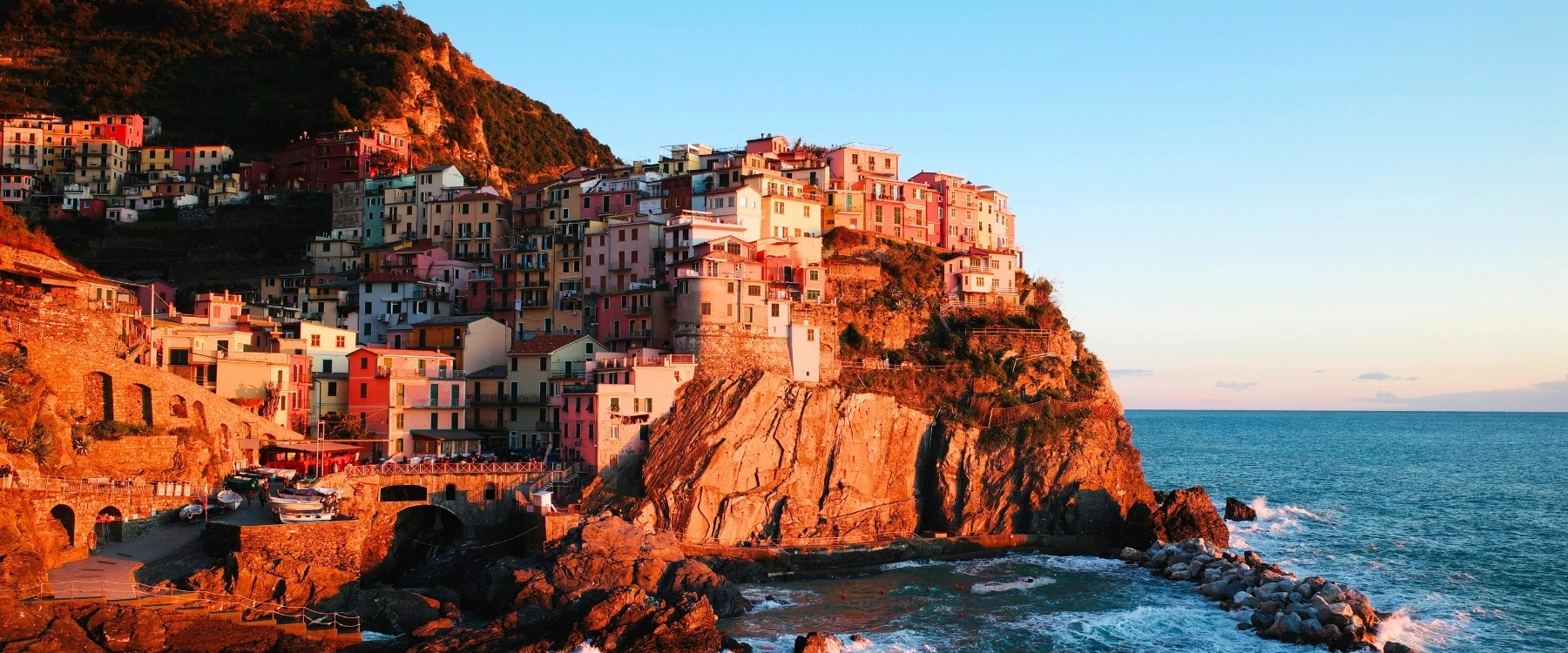
Cliffside villages such as Positano and Amalfi descend dramatically toward crystalline waters, offering iconic panoramas at every turn. Each sunrise reveals a palette of colours dancing on the sea, while sunsets bathe the coast in warm amber light. Terraced gardens of lemons and bougainvillea bloom against whitewashed façades. Photo opportunities abound: winding coastal roads, secluded coves, and panoramic viewpoints accessible via short hikes. This kaleidoscope of scenery makes the Riviera a dream for photographers, nature-lovers, and anyone seeking rejuvenation amid natural beauty.
Learn More
From ancient Roman ruins at Pompeii and Herculaneum to medieval cathedrals in Amalfi and Baroque palaces in Naples, history permeates every corner. Wander narrow alleys in Sorrento where cloisters and museums reveal centuries of art and architecture. Discover maritime republic legacies in Amalfi’s maritime museum or marvel at frescoes in historic churches. Each site tells a story of emperors, merchants, and artists who shaped Europe. Engaging guided tours bring these narratives to life, allowing travellers to connect deeply with the past while strolling atmospheric streets coated in centuries-old traditions.
Learn More
The region is the birthplace of Neapolitan pizza, crafted with blistered wood-fired crusts and premium ingredients. Fresh seafood, handmade pasta, and sun-ripened produce define the cuisine. Sample local delights: spaghetti alle vongole by the harbour, limoncello made from Amalfi lemons, and sfogliatella pastries in Naples. Wine enthusiasts savour Falanghina and Lacryma Christi grown on volcanic soils. Cooking classes and market tours offer immersive experiences, teaching authentic recipes passed down through generations. Even budget travellers can enjoy a satisfying meal for around £10–£15, turning every meal into a highlight of the journey.
Learn More
Naples International Airport (NAP) boasts frequent connections to major UK and European cities with average flight time around 2 hours 48 minutes from London. Once landed, efficient trains, buses, ferries, and private transfers link coastal towns. Ferries connect to Capri, Ischia, and Procida. Circumvesuviana railway serves inland heritage sites. Travelling along the Amalfi Drive offers scenic road journeys, while local SITA buses navigate cliffside routes. Well-developed tourism infrastructure ensures comfortable exploration, whether opting for guided tours or independent adventures.
Learn More
Traditional festivals and religious celebrations enliven villages throughout the year. Experience the Feast of San Gennaro in Naples or local patron saint processions in coastal towns. Live music, street markets, and artisan fairs showcase Campania’s cultural pulse. In summer, outdoor concerts and food festivals highlight regional specialties. This authentic atmosphere fosters connections with welcoming locals and provides insight into community traditions, making each visit memorable beyond typical sightseeing.
Learn More
Whether seeking active pursuits like hiking the Path of the Gods, sailing the Gulf of Naples, or unwinding on pebbled beaches, the Riviera caters to diverse tastes. Families enjoy safe coastal excursions and interactive museums; couples find romantic cliffside dinners and spa retreats; solo travellers relish immersive cooking classes and historic explorations. Seasonal variations allow for off-peak discovery in spring/autumn or lively summer beach life. This versatility ensures every traveller departs with a personalized and enriching experience.
Learn More
Lorem ipsum dolor, sit amet consectetur adipisicing elit. At illo adipisci iusto
From

Because more than 268 other customers have loved us too

Demonstrates commitment to user data security through encryption and secure payment practices
Learn More
Demonstrates commitment to user data security through encryption and secure payment practices
Learn More
Demonstrates commitment to user data security through encryption and secure payment practices
Learn More
Demonstrates commitment to user data security through encryption and secure payment practices
Learn More
Quality as judged by customers. Book at the ideal price!


/ person
/ person
/ person

The Neapolitan Riviera’s allure begins with its deep historical roots, visible in archaeological wonders and cultural landmarks scattered across the coastline. A short train ride inland brings travellers to Pompeii and Herculaneum—Roman cities frozen in time by Vesuvius’s eruption in 79 AD. Walking among streets, marketplaces, and villas reveals daily life two millennia ago. Knowledgeable guides illuminate the significance of frescoes, mosaics, and preserved artifacts, weaving narratives of Roman society, commerce, and tragedy. In Naples city, the National Archaeological Museum houses many finds from these sites, including ornate fresco fragments and everyday items now invaluable for understanding antiquity.Closer to the coast, Amalfi’s medieval cathedral reflects the maritime republic’s past power. Its cloisters and crypts offer serene spaces to contemplate centuries of devotion and artistry. Nearby, Ravello’s Villa Rufolo and Villa Cimbrone showcase Moorish-inspired architecture and Italianate gardens, where panoramic terraces overlook the entire coastline. These villas inspired figures like Wagner, whose operatic visions echoed the region’s dramatic beauty.Sorrento’s historic centre reveals layers of Greek, Roman, and medieval influences. Wander narrow lanes to discover ancient walls, churches with Baroque interiors, and museums preserving local crafts. In Positano, though famed for its scenic vistas, visitors can uncover evidence of early settlements and maritime traditions in small chapels and local history displays.Guided walking tours often include visits to lesser-known sites: Roman villas on Capri, ruins near Vico Equense, and museums in Naples preserving artifacts from maritime trade. Each stop enriches understanding of how successive civilizations molded the Riviera’s identity. Evening cultural events—concerts in historic courtyards or theatrical performances in ancient theatres—bridge past and present, allowing visitors to experience history in living form.This immersion fosters appreciation for the Riviera not merely as a scenic destination but as a place where history remains vibrantly alive. Travellers depart with a profound sense of continuity: ancient stones beneath their feet, stories echoing in coastal breezes, and an understanding that the Neapolitan Riviera’s modern charm is inseparable from its storied past.

Beyond major archaeological sites, the Neapolitan Riviera’s charm lies in its mosaic of historic towns and villages, each offering unique character steeped in tradition. Amalfi, once a powerful maritime republic, retains its medieval ambiance. The Duomo’s striking façade greets visitors in the central piazza, while winding alleys lead to artisan shops crafting paper and ceramics—a heritage passed down for generations. Small museums preserve maritime artifacts, reminding travellers of the town’s seafaring legacy. Strolling along the waterfront, the interplay of pastel buildings against rugged cliffs highlights the town’s harmonious blend of nature and history.Nearby Ravello perches high above the sea, its elevation granting sweeping coastal views. The town’s serene atmosphere contrasts with Amalfi’s bustle. Villa Rufolo and Villa Cimbrone gardens provide not only botanical treasures but also venues for world-class music festivals, such as the Ravello Festival, where classical concerts resonate amid historic architecture and floral courtyards.Sorrento, the gateway to the Riviera, balances lively piazzas and traditional quarters. Historic churches, remnants of ancient walls, and marinas dotted with fishing boats illustrate Sorrento’s enduring maritime culture. Gelaterias and limoncello shops line narrow streets, offering sensory immersion in local flavours. Evening passeggiata along the Marina Grande reveals scenes of daily life: fishermen mending nets, families dining al fresco, and sunset reflections dancing on the water.Positano’s steep lanes ascend from pebble beaches to cliffside houses. Though famous for its beauty, its history as a humble fishing village remains visible: small chapels huddle among residences, and family-run restaurants serve catch-of-the-day recipes handed down through generations. The church of Santa Maria Assunta, with its majolica-tiled dome, anchors the village spiritually and architecturally.Less-visited gems include Praiano, between Positano and Amalfi, offering quieter lanes and authentic village life. Atrani, one of Italy’s smallest towns, retains an intimate charm with a tiny central square where locals gather. Maiori and Minori boast ancient Roman villas and coastal promenades inviting leisurely exploration. Each village invites travellers to slow down, engage with residents, and witness traditions—from weekly markets to religious processions—upholding community bonds.Guided or self-directed walking itineraries reveal hidden corners: frescoed chapels, artisan workshops, and family-run olive oil mills. Local hosts often welcome visitors into homes or farms, demonstrating crafts or culinary practices. These personal encounters enrich understanding of how communities preserve heritage while adapting to modern tourism. Travellers leave with memories of narrow stairways opening onto secret terraces, conversations over coffee with village elders, and the satisfying discovery that every hamlet on the Riviera contributes a distinct thread to the region’s cultural tapestry.

The Neapolitan Riviera’s dramatic coastline invites exploration from vantage points offering sweeping views of the sea, cliffs, and islands. From Ravello’s Belvedere di Villa Cimbrone terrace, visitors gaze over Amalfi’s coastline, where turquoise waters lap at rugged shores. Photographers capture dawn’s golden light painting waves and villages, while sunset hues transform the horizon into fiery spectacle. In Positano, viewpoints along the Sentiero degli Dei trail present panoramic vistas of cascading houses and endless sea, rewarding hikers with vistas only accessible on foot.Boat excursions also reveal striking perspectives: sailing along the Amalfi Drive from sea level, travellers witness towering cliffs dotted with villages seemingly suspended above the water. Private boat tours at sunrise or sunset offer intimate scenery: silence broken only by gentle waves, light shifting across rocky promontories, and glimpses of hidden grottos carved by time. These moments foster connection to nature’s grandeur and the Riviera’s sculpted beauty.Clifftop roads, such as the Amalfi Drive (SS163), provide thrilling drives with roadside pull-offs for photo stops. Cyclists seeking adrenaline navigate winding routes, pausing to admire vistas of sea and sky merging at the horizon. For panoramic elevation, cable cars in Sorrento ascend from Marina Grande to hilltop viewpoints, revealing the Bay of Naples and Mount Vesuvius framed against the skyline.Sunrise yoga sessions on terraces overlooking the water or rooftop bars at sunset amplify sensory experiences: ocean breezes, distant church bells, and the scent of citrus trees. Even casual walks along coastal promenades reward with glimpses of daily life: fishing boats returning at dawn, locals strolling with dogs, and seaside cafés preparing for morning service. Each vantage point affirms why the Riviera has captivated artists, writers, and travellers for centuries.Ultimately, scenic experiences here are not just about photo-worthy shots but about immersion: feeling the breeze carry salt and lemon blossom, hearing waves echo against cliffs, and witnessing light transform ancient villages. These moments of awe and reflection create lasting connections to the Neapolitan Riviera’s essence—wild yet cultivated, historic yet timeless.

Encircled by islands of myth and luxury, the Neapolitan Riviera is a launchpad for boat adventures to Capri, Ischia, and Procida. Ferries and private charters depart from ports in Naples, Sorrento, and Amalfi, offering half-day or full-day excursions. Capri’s fame draws visitors to the Blue Grotto, where sunlight filtering through underwater cavities illuminates sea waters in ethereal blue. Island tours often include stops at hidden coves reachable only by small boats; snorkelling reveals marine life in clear waters.Ischia, with thermal springs and verdant landscapes, invites wellness-focused travellers. Boat tours circumnavigate the island, revealing volcanic rock formations and secluded beaches. Harbour-side thermal spas harness geothermal waters for rejuvenating dips. Agritourism on Ischia’s slopes offers vineyard visits and wine tastings, integrating island heritage with sensory pleasures.Procida, the smallest island and Italy’s 2022 Capital of Culture, charms with pastel-coloured houses and tranquil harbours. Boat tours around Procida showcase hidden bays and fishing traditions; on land, visitors wander narrow lanes, encountering local artists and authentic eateries. This quieter island offers respite from crowds—ideal for travellers seeking authenticity.For adventurous souls, private boat charters allow customised itineraries: sunrise departures for peaceful sea atmospheres, sunset cruises paired with aperitivi, or multi-day sailing around the Gulf of Naples. Some tours include visits to the Li Galli islets near Positano, steeped in myth of sirens and pirates. Professional skippers share local lore as guests relax on deck, snorkel, or fish.Safety and comfort are prioritised: modern boats, experienced crews, and flexible schedules. Peak season requires advance booking, especially for private charters. Group tours provide cost-effective options; solo travellers may join shared excursions. Environmental awareness encourages operators to follow responsible practices: limiting visits to sensitive marine areas and promoting eco-friendly behaviours.Island hopping from the Neapolitan Riviera transforms a coastal holiday into a marine odyssey, blending mythic allure, natural beauty, and local traditions. Each island contributes its own flavour—Capri’s glamour, Ischia’s wellness, Procida’s authenticity—while boat journeys themselves become highlights: salt-kissed air, panoramic sea vistas, and the freedom of open water.

Neapolitan cuisine is celebrated worldwide, yet tasting it in its birthplace transcends mere dining—it’s cultural immersion. Pizza Margherita, born in Naples, emerges from wood-fired ovens with blistered crusts, tangy tomato sauce, creamy mozzarella di bufala, and fragrant basil. Visiting historic pizzerias, diners witness traditional techniques preserved across generations. Alongside pizza, pasta dishes such as spaghetti alle vongole or paccheri with seafood showcase the proximity to the sea and the importance of fresh ingredients.Markets brim with seasonal produce: vibrant tomatoes, fragrant basil, and lemons from Amalfi terraces. Guided market tours unveil how locals select ingredients, sharing tips to identify peak ripeness. Cooking classes often follow, teaching recipes like ragù Napoletano, verdure alla parmigiana, and pastries such as sfogliatella. Hands-on experiences culminate in communal meals, fostering connections with fellow travellers and hosts.Seafood dominates coastal menus: grilled fish, fried calamari, and mussels prepared with garlic and white wine. Limoncello, distilled from local lemons, offers a refreshing digestif after a meal. Wine tastings on slopes around Vesuvius introduce volcanic wines—Falanghina and Lacryma Christi—whose minerality reflects fertile soils.Cafés serve Neapolitan espresso and pastries: cornetti filled with jam or local creams. Street-food culture tempts with arancini, fried pizza slices (pizza fritta), and sfogliatelle served piping hot. Budget travellers can savour these treats for a few pounds; even fine dining remains comparatively accessible, with tasting menus often under £60 per person.Dining by the sea enhances the experience: terraces overlooking the Bay of Naples, candlelit dinners under starry skies, and casual beachside trattorias serving catch-of-the-day specials. Seasonal festivals celebrate local specialties: seafood festivals, lemon fairs in Amalfi, and street parties where pizza and wine flow freely.Beyond eating, agritourism invites visitors to olive groves and lemon orchards. Harvest seasons (autumn for olives, summer for lemons) allow participation in picking and pressing, after which guests taste freshly pressed olive oil or homemade limoncello. Such immersive experiences deepen appreciation for ingredients and local lifeways, underscoring the region’s culinary heritage.Whether dining at a historic pizzeria, sampling street food in Naples, or savouring a multi-course meal on a cliffside terrace, Neapolitan cuisine embodies conviviality, simplicity, and respect for quality produce. Each bite tells a story of land, sea, and people whose traditions continue to thrive along the Neapolitan Riviera.

Vineyards cling to volcanic slopes around Vesuvius and along coastal terraces, producing distinctive Campanian wines. Wine tours introduce travellers to varietals such as Falanghina, Fiano, and Lacryma Christi, whose minerality and aromatic profiles reflect volcanic terroir. Visiting family-run wineries offers insight into traditional and modern winemaking techniques—from vine cultivation on steep gradients to cellar fermentation practices. Tastings often pair wines with local cheeses, cured meats, and breads, highlighting regional synergies.Agritourism experiences extend beyond vineyards: olive groves produce extra-virgin olive oil renowned for its peppery intensity. Guests may participate in olive harvests during autumn, learning pressing methods and quality assessments. Tasting sessions reveal nuances between cultivars and the role of microclimates.Lemon orchards on Amalfi’s terraces yield prized Amalfi lemons, essential for limoncello and desserts. Guided visits explain cultivation on steep terraces supported by dry-stone walls. Harvesting techniques ensure fruit integrity; post-harvest, visitors may join distillation workshops, crafting limoncello to take home. Seasonal festivals celebrate these products, offering market stalls where artisans sell preserves, oils, and crafts.Farm-to-table dinners on country estates or seaside agriturismi showcase produce from surrounding fields: garden vegetables, eggs, cheeses, and honey. Chefs demonstrate how simple ingredients achieve depth of flavour—tomatoes drizzled with freshly pressed olive oil, salads accented with aromatic herbs, and desserts featuring local citrus.Some agritourism stays allow overnight lodging in rustic accommodations—stone farmhouses with modern comforts—immersing travellers in rural rhythms. Mornings might begin with fresh bread baking or cheese-making demonstrations; afternoons include vineyard walks or olive grove explorations. Such stays foster relaxation and an intimate understanding of regional agriculture, reinforcing sustainable tourism by supporting small producers.Educational components often cover environmental practices: soil conservation on steep slopes, organic cultivation, and water management in Mediterranean climates. This ecological awareness enhances appreciation for challenges of farming in dramatic terrain, encouraging mindful consumption and support of local economies.For wine aficionados, guided tastings may include vertical tastings exploring vintages over years, while novices benefit from introductory sessions demystifying wine terminology and tasting techniques. Combined tours sometimes visit nearby islands like Ischia, where volcanic soils yield unique wines, comparing coastal and island expressions.These wine and agritourism experiences deepen connection to the Neapolitan Riviera’s landscape and culture, transforming travellers into informed appreciators of the land’s bounty. Whether sipping a volcanic white while gazing at the Bay of Naples or picking olives by sunset, visitors engage authentically with traditions that sustain communities and flavours alike..

For active travellers, the Neapolitan Riviera presents trails with breathtaking sea views and varied terrain. The Path of the Gods (Sentiero degli Dei) between Bomerano and Nocelle offers a moderate hike along high cliffs overlooking Positano and the Amalfi coastline. Early morning departures reward hikers with cooler temperatures, silence broken only by birdsong and panoramic vistas of sparkling sea. Guides can enrich the experience with insights into local flora, geology, and history of ancient mule routes linking villages.Coastal kayaking and paddleboarding reveal hidden caves and secluded beaches inaccessible by road. Excursions from Positano or Sorrento guide adventurers along limestone cliffs, where crystal-clear waters invite snorkeling among marine life. Providers supply equipment and safety briefings, ensuring accessible experiences for beginners.Cycling enthusiasts find scenic routes along coastal roads; while challenging inclines demand fitness, the reward is spectacular views and the sense of accomplishment. E-bike rentals offer an alternative for varied fitness levels. Mountain biking inland explores trails around Vesuvius or in Lattari Mountains, combining volcanic landscapes with Mediterranean vegetation.Boat-based activities include scuba diving around Capri’s reefs, encountering colourful fish and underwater rock formations. Sailing courses or charters allow travellers to learn or practice sailing in the Gulf of Naples, experiencing the freedom of open water.For a different perspective, paragliding from ridgetops above Sorrento or Amalfi provides aerial views of the coastline, though availability depends on weather conditions. Guided canyoning adventures in nearby gorges combine hiking, swimming, and rope descents, offering adrenaline-fueled exploration of hidden natural settings.After active days, restorative practices await: open-air yoga on terraces overlooking the sea, sunset meditation sessions on beaches, and spa treatments in thermal springs on Ischia. Many accommodations offer wellness facilities—saunas, massage services, and pools—complementing outdoor pursuits with relaxation.Safety and seasonal considerations are important: summer heat necessitates early starts and hydration; spring and autumn offer milder conditions ideal for longer hikes. Local guides ensure safe navigation and share local knowledge about trails, wildlife, and cultural points of interest. Equipment rental shops and tour operators provide gear and expertise, making adventures accessible for solo travellers, couples, and groups.These outdoor experiences allow travellers to engage intimately with the Riviera’s natural environment, creating memories of physical challenge, discovery, and serene connection to landscape. Whether hiking cliff trails, paddling beneath rocky arches, or exploring volcanic terrain, each adventure reveals new dimensions of the Neapolitan Riviera’s diverse outdoors.

The Neapolitan Riviera offers a spectrum of beach experiences, from lively pebble shores to secluded coves. Famous beaches in Positano and Amalfi attract sunseekers seeking iconic scenery; early arrival secures prime spots before crowds build. Beach clubs provide loungers, umbrellas, and seaside refreshments—ideal for leisurely days spent swimming in clear waters and savouring fresh seafood at beachfront cafés.For tranquillity, hidden coves accessible by boat or hiking trails reward with solitude. In Praiano or Marina di Praia, small pebble beaches nestled between cliffs offer peaceful retreats. Visitors often combine beach time with snorkeling among underwater rock formations, observing vibrant marine life in protected bays.Wellness is integral to the Riviera experience. Thermal springs on Ischia, reachable via boat, invite relaxation in mineral-rich waters renowned for therapeutic benefits. Spa resorts offer massages, aromatherapy, and hydrotherapy, leveraging natural thermal resources. Yoga retreats on terraces overlooking the sea combine movement with meditation, allowing travellers to rejuvenate amid inspirational surroundings.Sunrise and sunset sessions on beaches or hilltop terraces provide moments of reflection. Many accommodations arrange wellness packages: healthy breakfasts featuring local fruits and juices, guided beach yoga, and holistic treatments using regional ingredients such as olive oil and citrus extracts. Nutrition-focused cooking classes complement wellness stays, teaching recipes that nourish both body and soul.Coastal promenades in Sorrento and Amalfi invite gentle walks after swimming, offering panoramic views and opportunities to sample gelato or espresso. Beachside fitness classes (e.g., Pilates) may be available seasonally. For those seeking luxury, boutique resorts combine private beach access with spa facilities, fine dining, and personalised services, all set against dramatic coastal backdrops.Families find shallow bays suitable for children, with lifeguarded sections and water sports options. Couples enjoy romantic dinners on private terraces or moonlit beach walks. Solo travellers may join group wellness retreats or beachfront group classes, combining social connection with personal renewal.Seasonal considerations influence beach choices: spring and autumn offer mild temperatures and fewer crowds, while summer demands early planning for popular spots. Off-peak visits reveal a quieter coastal rhythm, allowing deeper immersion in surroundings without rush. Regardless of choice, beach escapes in the Neapolitan Riviera blend sun, sea, and wellness in a harmonious balance that sustains travellers’ spirits long after departure.
No ads. No trails. No commitments


Alice Roses
London, England
51 ST MATTHIAS ROAD
NOTTINGHAM, NOTTINGHAMSHIRE
NG3 2HF
Hours: 8:00 - 17:00, Mon - Sat
support@johnsonholidays.com