 Innsbruck Travel
Guide
Innsbruck Travel
Guide
Paris is known around the world as the “capital of love,” and even if you don't understand the history of Paris at all

2 Hours
£2.58
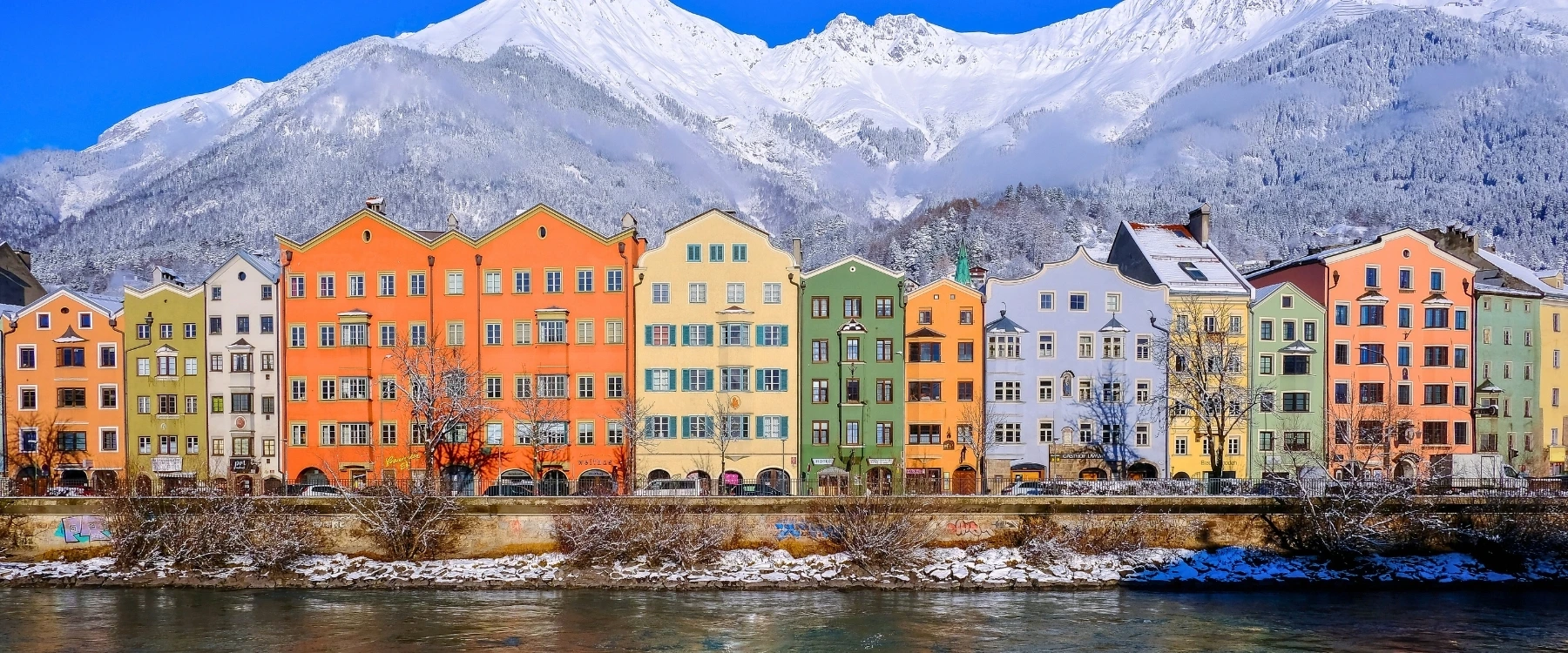
Innsbruck stands at the crossroads of world-class winter sports and exhilarating summer mountain activities. Skiers and snowboarders are drawn to the nearby slopes of Nordkette, Patscherkofel, and Axamer Lizum, offering varied terrain for all skill levels. In warmer months, the same mountains transform into playgrounds for hikers, mountain bikers, and paragliders. The city’s integrated lift-system and public transport facilitate seamless access to alpine adventures within minutes of the urban core. Choosing Innsbruck means embracing a destination where adrenaline-fueled activities and stunning alpine panoramas converge, making it ideal for both thrill-seekers and nature lovers seeking unforgettable experiences.
Learn More
Innsbruck’s historic old town reflects its imperial past with landmarks like the Golden Roof, Hofkirche, and Imperial Apartments. Museums and galleries narrate Tyrolean traditions and Habsburg influences, while charming medieval streets invite leisurely exploration. Seasonal festivals celebrate local music, dance, and folklore, offering authentic cultural immersion. Visitors can attend classical concerts in historic venues or browse artisan markets showcasing regional crafts. Innsbruck’s blend of historic architecture and lively cultural scene ensures a journey through time, connecting travelers with both centuries-old legacies and contemporary Tyrolean creativity.
Learn More
Surrounded by dramatic peaks, Innsbruck offers breathtaking vistas from multiple vantage points. A cable-car ride to Nordkette provides sweeping views of the Inn Valley and beyond, while the Bergisel Ski Jump hill offers panoramic cityscapes set against rugged mountains. Sunrise and sunset from mountain ridges paint the sky in vibrant hues, creating picture-perfect moments. The juxtaposition of a vibrant urban center with towering alpine backdrops ensures that every corner of Innsbruck frames inspiring scenery. For photographers and nature enthusiasts alike, Innsbruck’s visual grandeur epitomizes the allure of alpine landscapes.
Learn More
Innsbruck’s strategic location makes it accessible via direct flights to Innsbruck Airport (INN) and convenient transfers from Munich (MUC) and Salzburg (SZG). The compact city layout and efficient public transport enable travelers to move effortlessly between attractions, ski lifts, and accommodations. Well-connected rail and bus networks provide simple day-trip options to nearby alpine resorts and attractions such as Swarovski Crystal Worlds. For travelers from the UK and Europe, short flight times and integrated transport systems minimize transit stress, maximizing time spent exploring and enjoying Innsbruck’s offerings.
Learn More
Innsbruck delights food lovers with hearty Tyrolean dishes rooted in alpine traditions. Savor specialties like Tiroler Gröstl (pan-fried potatoes with meat), Kaspressknödel (cheese dumplings), and sweet Kaiserschmarrn topped with fruit compote. Local breweries and taverns serve regional beers and spirits, while modern restaurants reinterpret traditional flavors with contemporary flair. Seasonal markets showcase local produce and artisanal products, allowing visitors to sample fresh mountain cheeses, cured meats, and baked goods. Culinary experiences in Innsbruck intertwine comfort and innovation, offering memorable meals in settings ranging from cozy mountain huts to stylish city-center eateries.
Learn More
Whether seeking winter thrills on snowy slopes or summer escapades hiking alpine trails, Innsbruck caters to travelers year-round. Spring and autumn shoulder seasons provide quieter experiences, with pleasant weather for sightseeing and outdoor activities without peak crowds. Seasonal events—from vibrant Christmas markets to summer mountain festivals—offer varied cultural insights. Wellness seekers benefit from spa retreats nearby, and families enjoy attractions like the Alpine Zoo and interactive museums. Innsbruck’s diverse offerings ensure that each season reveals new facets, encouraging repeat visits and extended stays to fully appreciate the region’s evolving character.
Learn More
Lorem ipsum dolor, sit amet consectetur adipisicing elit. At illo adipisci iusto
From

Because more than 268 other customers have loved us too

Demonstrates commitment to user data security through encryption and secure payment practices
Learn More
Demonstrates commitment to user data security through encryption and secure payment practices
Learn More
Demonstrates commitment to user data security through encryption and secure payment practices
Learn More
Demonstrates commitment to user data security through encryption and secure payment practices
Learn More
Quality as judged by customers. Book at the ideal price!


/ person
/ person
/ person
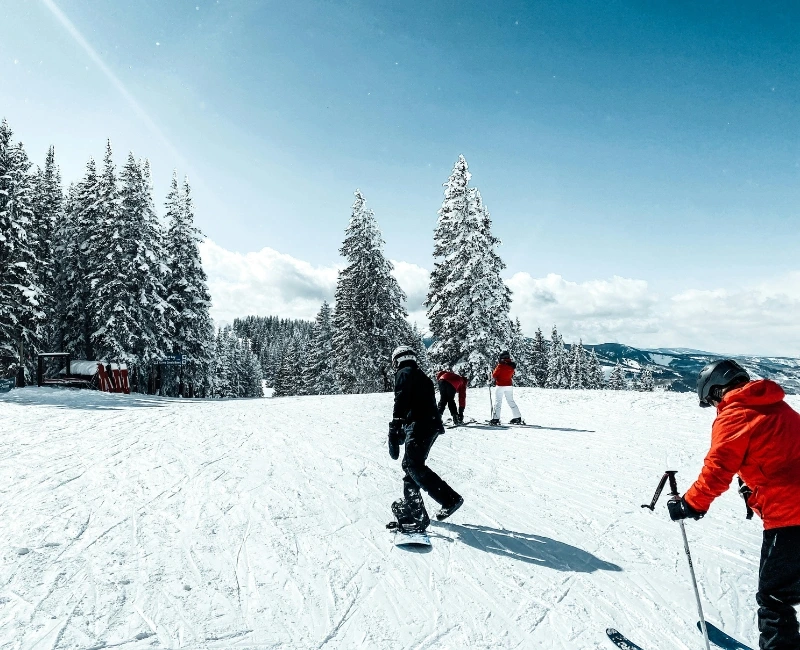
Innsbruck’s reputation as a premier winter destination stems from its proximity to a network of ski resorts nestled in the surrounding Alps. Beginners, intermediates, and experts alike find suitable terrain across areas such as Nordkette, Patscherkofel, Axamer Lizum, and the Stubai Glacier. Each resort offers unique characteristics: Nordkette provides steep runs with dramatic city-overlook views; Patscherkofel features varied pistes and family-friendly slopes; Axamer Lizum entices with high-altitude expanses and reliable snow; the Stubai Glacier ensures early- and late-season skiing due to its elevation.The integrated Innsbruck Snow Card grants access to multiple ski areas, simplifying logistics and encouraging exploration of different resorts during a single stay. Day trips can include sampling runs at several peaks, with transport connections via efficient shuttle buses and ski lifts. Equipment rental shops in the city center cater to all needs, from ski gear to helmets and boots. For newcomers, ski schools offer group lessons or private coaching, combining professional instruction with local mountain knowledge. Off-piste enthusiasts may join guided tours to explore backcountry terrain safely, accompanied by certified mountain guides who provide avalanche-awareness briefings and equipment (e.g., transceivers, shovels).Beyond alpine runs, Innsbruck’s winter landscape beckons cross-country skiing on scenic trails through forests and meadows. Snowshoe hikes reveal tranquil vistas away from crowded slopes, while toboggan runs add playful variety for families and groups. Après-ski culture thrives in mountain huts where visitors warm up with hearty meals—think cheese dumplings or hearty soups—and local drinks like mulled wine. Evenings in the city continue the convivial atmosphere with traditional taverns offering Tyrolean specialties.In summer, these same slopes transform into hiking and mountain biking meccas. Lift access remains available for alpine hikers aiming for high-altitude trails with panoramic viewpoints. Mountain biking routes range from gentle forest paths to adrenaline-pumping downhill tracks. Paragliding experiences allow visitors to soar above the Inn Valley, offering a bird’s-eye perspective of the alpine panorama. Seasonal festivals on the mountain ridges celebrate Tyrolean culture, featuring folk music, dance performances, and regional culinary specialties served in scenic settings.Safety and sustainability are paramount: resorts implement measures for environmental protection, such as energy-efficient lift operations and trail maintenance to minimize erosion. Seasonal guides and mountain rescue services ensure informed exploration. Innsbruck’s focus on responsible tourism means that mountain experiences balance adventure with respect for fragile alpine ecosystems.Whether carving fresh tracks on powder snow or summiting peaks on foot, Innsbruck’s alpine surroundings deliver unparalleled experiences. The seamless integration of city convenience with mountain access makes it possible to enjoy an early-morning slope session followed by an afternoon strolling through historic streets. This synergy between urban life and alpine adventure defines Innsbruck’s allure as a year-round destination for outdoor enthusiasts.
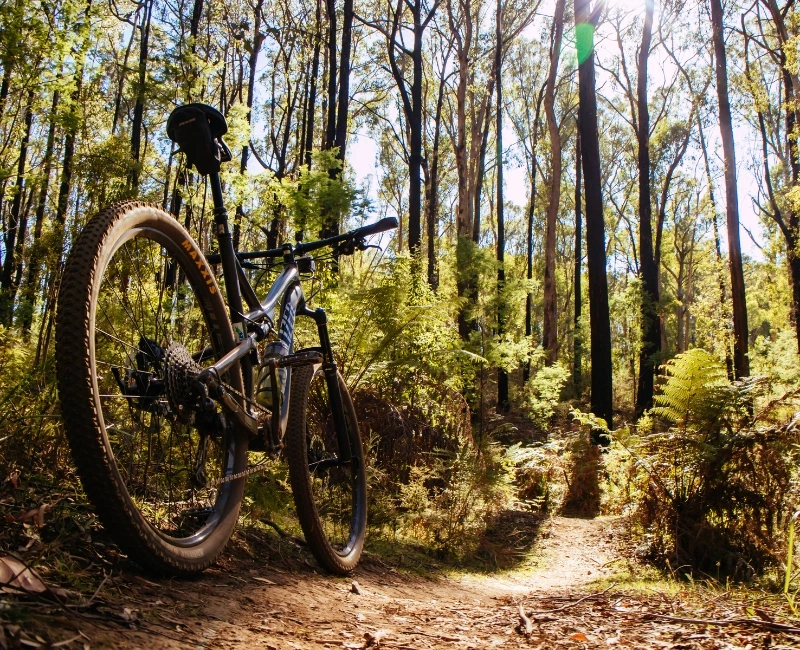
When the snow melts, Innsbruck’s mountains reveal an extensive network of hiking trails and mountain biking routes suitable for varied fitness levels and interests. From gentle valley walks to challenging high-altitude treks, hikers can explore lush alpine meadows, crystal-clear mountain lakes, and panoramic ridges. Popular day hikes depart from the city via cable cars—Nordkette cable lift whisks visitors to the Hafelekar ridge, where trails traverse high-altitude terrain with sweeping views of Innsbruck and beyond. Early morning ascents reward hikers with sunrise vistas over the Inn Valley.Family-friendly trails such as those around Muttereralm offer scenic forest paths and interactive elements like adventure playgrounds, alpine barns, and educational stations explaining local flora and fauna. Circular routes around picturesque lakes—like Lans Lake—provide tranquil escapes ideal for picnics. For seasoned trekkers, multi-day hut-to-hut hikes in the Stubai Alps or Karwendel range offer immersive alpine experiences, staying in mountain huts that serve hearty Tyrolean fare and provide rustic accommodations amidst remote settings.Mountain biking enthusiasts benefit from lift-accessed downhill trails at Nordkette and exclusive singletrack routes in the surrounding valleys. Guided tours introduce riders to hidden trails, technical features, and scenic viewpoints, accommodating both cross-country and enduro styles. Bike rental shops in Innsbruck supply e-bikes, enabling less-experienced riders to tackle steeper ascents with ease, expanding access to panoramic trails without compromising on adventure.Seasonal guided nature walks and wildlife-watching excursions bring visitors closer to alpine ecosystems—spot chamois grazing on slopes or alpine ibex navigating rocky terrain. Photographers find abundant opportunities: wildflower carpets in spring, vibrant autumn foliage, and dramatic cloudscapes around mountain summits. Local guides emphasize sustainable practices, such as staying on marked trails, respecting wildlife habitats, and minimizing waste.Wellness-oriented hikers can combine treks with spa treatments in nearby wellness resorts, where mineral-rich waters and sauna experiences soothe muscles after a day on the trail. Culinary highlights along the way include mountain hut stops offering regional dishes—Kaspressknödel, local cheeses, and freshly baked bread—paired with panoramic vistas, turning meals into memorable experiences.Innsbruck’s summer mountain offerings are complemented by festivals and events: mountain concerts on alpine stages, outdoor cinema screenings framed by mountain backdrops, and local markets showcasing artisan products. Engaging with local culture on the trail—meeting shepherds, learning about cheese-making traditions, or participating in alpine cattle drives—deepens understanding of Tyrolean life.Safety is ensured through well-marked trails, mountain rescue services, and up-to-date weather information accessible via local tourist offices. Innsbruck’s commitment to environmental stewardship means that trail maintenance and visitor guidance prioritize protection of fragile alpine landscapes. Whether seeking gentle nature walks or adrenaline-fuelled mountain biking, Innsbruck’s summer mountain realm delivers diverse experiences for all, making the city a gateway to unforgettable alpine exploration.
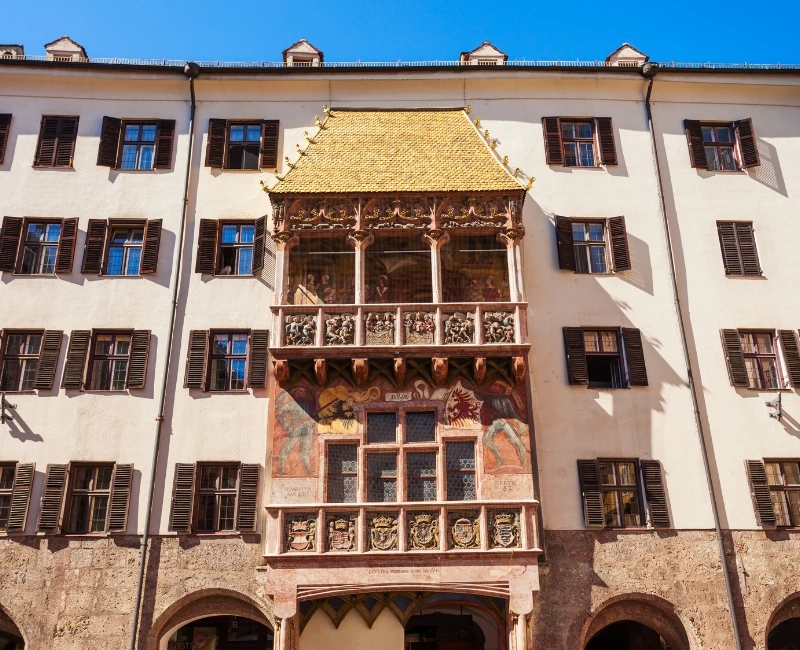
Innsbruck’s cultural heartbeat resonates within its historic old town, where medieval and Baroque architecture narrate centuries of Tyrolean and Habsburg heritage. The Golden Roof (“Goldenes Dachl”), a late Gothic landmark adorned with gleaming copper tiles, stands as an emblem of the city and a starting point for exploring nearby attractions. The Imperial Apartments and Hofkirche (Court Church) reveal royal narratives—visitors can imagine life in Habsburg courts and view tombs of Emperor Maximilian I. The Tyrolean Folk Art Museum showcases regional costumes, crafts, and folk traditions, providing insight into everyday life in alpine communities.Modern museums enhance the cultural tapestry: art galleries feature contemporary Alpine and European art; interactive exhibits delve into mountaineering history, showcasing equipment and stories of pioneering climbers. The Bergisel Ski Jump hill combines sport history with avant-garde architecture; an elevator ascends to an observation deck offering panoramic views and a café perched above the city.Walking tours guided by local historians weave through narrow lanes, revealing hidden courtyards, ornate facades, and stories of medieval trade routes. Seasonal exhibitions in historic venues highlight local artists and traditional crafts. Innsbruck’s academic institutions host lectures and events on Alpine research, architecture, and cultural preservation, often open to visitors interested in deeper engagement.Culinary cultural experiences include visits to traditional markets where local producers sell cheese, cured meats, and baked goods. Cooking workshops teach preparation of Tyrolean specialties, combining hands-on learning with cultural context. Evenings may feature classical concerts in baroque halls or folk music performances in rustic settings, marrying the city’s past with living traditions.Festivals punctuate the calendar: the Innsbruck Christmas market transforms the old town into a festive wonderland, with handcrafted gifts and seasonal treats; summer music festivals utilize outdoor stages framed by mountain vistas. Cultural events often integrate nature: alpine chamber concerts in mountain huts, guided heritage hikes culminating in folk performances, or art installations on scenic mountain trails. This synergy of culture and nature defines Innsbruck’s distinctive identity.Accessible public transport and pedestrian-friendly streets invite self-guided exploration. Informational signage and visitor centers offer multilingual resources. Innsbruck’s commitment to preserving heritage is evident in careful restoration projects that maintain authenticity while integrating modern amenities. For travelers seeking intellectual stimulation alongside scenic beauty, Innsbruck’s historical landmarks and museums deliver enriching experiences that resonate beyond the visit.
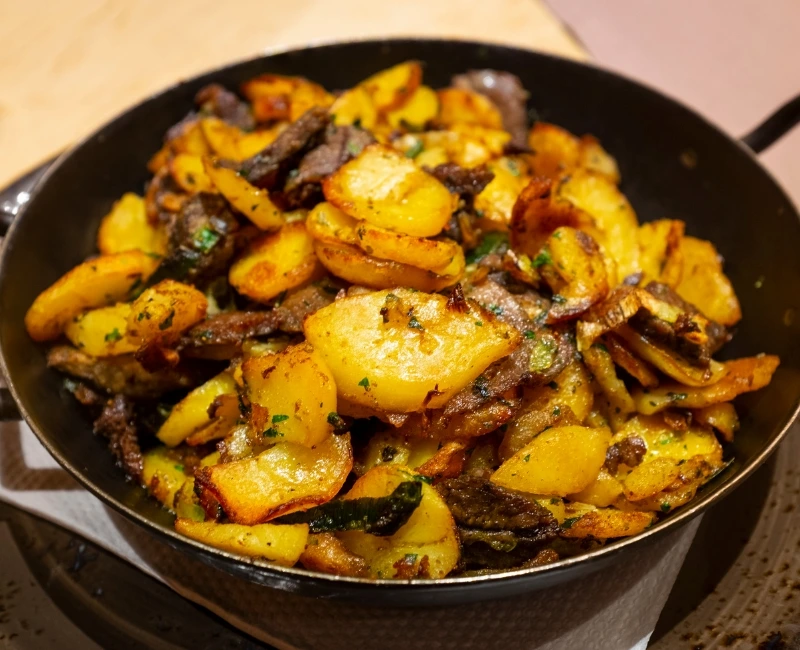
Culinary exploration in Innsbruck marries hearty alpine traditions with contemporary gastronomy. After a day on the slopes or trails, visitors can indulge in après-ski culture at mountain huts and city venues. Traditional taverns feature Tyrolean specialties: Tiroler Gröstl (pan-fried potatoes with meat and onions), Speckknödel (bacon dumplings), and Käsespätzle (cheese noodles), often accompanied by local craft beers or regional wines. Many mountain huts serve warm bowls of soup or stews, providing comfort and energy amid alpine settings.City restaurants range from cozy inns serving regional fare to modern establishments reinterpreting local ingredients. Farm-to-table experiences highlight seasonal produce: fresh mountain herbs, alpine cheeses, and organic meats. Visitors may attend chef-led tastings or food tours that guide them through culinary neighborhoods, sampling street snacks, artisanal chocolates, and traditional sweets like Apfelstrudel or Kaiserschmarrn. Markets such as the Innsbruck Markthalle offer a vibrant atmosphere, where shoppers discover local cheeses, cured meats, baked goods, and fresh produce sourced from nearby alpine farms.Après-ski scenes come alive in late afternoons when skiers unwind at mountain bars overlooking slopes. Hot toddies, mulled wine, and local schnapps warm guests, while live music may accompany social gatherings. Back in the city, lounges and pubs cater to diverse tastes, from craft beer aficionados to cocktail enthusiasts seeking alpine-inspired ingredients like spruce-tip syrups or herbal infusions.Culinary workshops and cooking classes immerse visitors in Tyrolean cuisine, teaching techniques for dumpling making, cheese preparation, or strudel baking. Paired with visits to local farms or dairies, these experiences deepen connections with regional food culture. Wine tasting events present Austrian wines from nearby regions, while beer enthusiasts sample local brews from Innsbruck microbreweries.Seasonal specialties mark festive periods: at Christmas markets, visitors savor roasted chestnuts, gingerbread, and spicy mulled wine amidst twinkling lights and alpine fragrances. Spring and summer bring opportunities to forage wild herbs and mushrooms under expert guidance, later incorporated into restaurant menus or home-cooked meals. This connection between nature and cuisine underscores Innsbruck’s gastronomic appeal.Wellness-focused travelers can combine spa treatments with healthy alpine-inspired menus featuring nutrient-rich ingredients. Some hotels offer wellness packages including guided healthy cooking sessions, yoga with mountain views, and spa rituals using local botanicals. Innsbruck’s culinary landscape thus caters to comfort-seekers, gourmands, and wellness enthusiasts alike, offering memorable taste experiences grounded in alpine tradition and modern innovation.
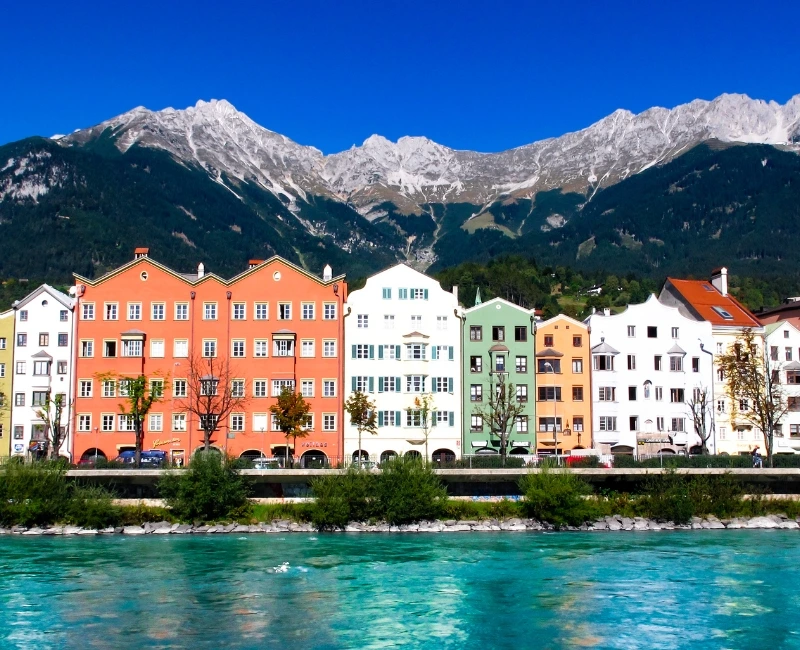
Innsbruck’s central location offers easy day trips that reveal the wider Tyrolean region’s charm. A short drive or train ride takes visitors to Wattens, home of Swarovski Crystal Worlds. This immersive attraction combines art installations, themed chambers, and a striking crystal fountain within landscaped gardens. Visitors explore dazzling exhibits that blend creativity with craftsmanship, followed by browsing the onsite “crystal boutique” featuring unique jewelry and home décor. The juxtaposition of sparkling artistry against alpine scenery creates a memorable experience for art lovers and families alike.Historic villages near Innsbruck showcase traditional architecture and local life. Hall in Tirol, a medieval town on the River Inn, features cobblestone streets, painted facades, and the Mint Tower—testament to its past as a significant minting center. Guided walking tours reveal guild houses, historic churches, and artisan workshops where visitors can observe traditional crafts like woodcarving or pottery. Seasonal events in Hall include medieval markets and folk festivals, immersing travelers in regional customs.Further afield, alpine valleys such as Stubaital and Zillertal offer scenic routes lined with waterfalls, alpine farms, and panoramic mountain vistas. Visitors may stop at family-run farms for cheese tasting or sample fruit brandies at traditional distilleries. The picturesque village of Seefeld, known for cross-country skiing and hiking trails, invites exploration of tranquil lakes and forest paths. Scenic mountain passes, like Brenner Pass, reveal dramatic landscapes and connect to neighboring Italy, making border-crossing excursions possible within a day’s itinerary.For nature enthusiasts, guided wildlife tours in protected reserves like Karwendel Nature Park introduce encounters with ibex, chamois, and diverse alpine flora. Photography tours highlight sunrise or sunset locations in secluded valleys, enabling unique snapshots of Tyrolean scenery. Culinary stops in mountain huts provide authentic meals with panoramic backdrops, while local guides share insights into sustainable alpine agriculture and conservation efforts.Cultural excursions may include visits to monasteries or pilgrimage sites nestled in the mountains, offering spiritual retreats and historical reflections. Innsbruck’s tourist offices provide integrated tickets combining transport and attraction entry, simplifying planning. Traveling by regional trains or post buses ensures scenic journeys through mountain tunnels and over bridges, enhancing the sense of discovery.Whether seeking sparkling creativity at Crystal Worlds, medieval ambiance in alpine villages, or immersive nature experiences, day trips from Innsbruck enrich any itinerary. The seamless integration of efficient transport, knowledgeable guides, and diverse attractions makes these excursions both accessible and rewarding, complementing the city’s own offerings with broader Tyrolean highlights.
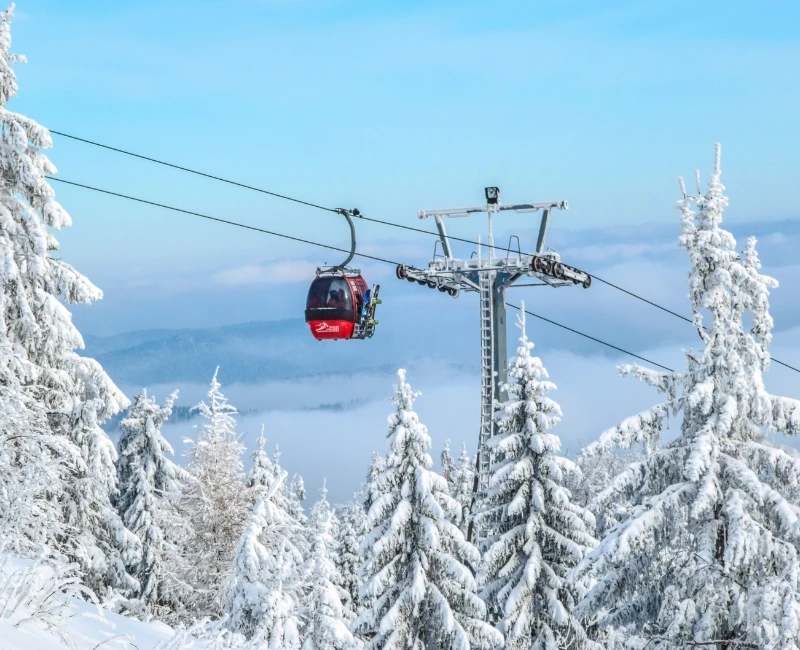
Innsbruck’s surrounding mountains provide iconic vantage points accessible via scenic cable cars and lifts. The Nordkette cable car departs directly from the city center, ascending sharply to the Seegrube and Hafelekar stations. From Seegrube, panoramic terraces offer vistas over the Inn Valley and city skyline. At Hafelekar, high-altitude trails begin among rocky ridges, rewarding hikers with sweeping alpine panoramas. Photographers relish early-morning rides to capture sunrise light illuminating the peaks and valleys.The Patscherkofel cable car transports visitors to slopes renowned for winter sports, but in summer, the same lifts lead to hiking trails through flower-filled meadows and to mountain huts serving regional dishes on sun-drenched terraces. With clear weather, views extend to distant peaks across Austria and neighboring countries. Mountain restaurants provide comfortable rest stops, offering local specialties accompanied by crisp alpine air and unobstructed views.Another highlight is the funicular to Hungerburg, designed with modern architecture blending into natural surroundings. From Hungerburg, visitors can connect to the Nordkette lift or explore forest trails. The Bergisel Ski Jump, although accessible by lift and tram, also features an observation deck reached via elevator, offering a different perspective above the city and mountains. The combination of avant-garde design and sweeping views makes this a must-visit.For families, short cable-car rides lead to accessible viewing platforms and gentle walking paths suitable for children and less-experienced hikers. Educational signage along trails explains geological features, alpine ecology, and historic mining activities in the region. Seasonal guided tours may accompany rides, offering commentary on mountain formation, local wildlife, and sustainable tourism practices.Wellness-oriented visitors can time cable-car trips to coincide with sunrise meditation sessions or sunset aperitifs at mountain lodges, blending relaxation with breathtaking scenery. Adventure seekers may combine cable-car access with paragliding takeoffs, launching from ridge tops into the Inn Valley below. Winter visitors experience idyllic mountain hush after snowfall, while summer travelers enjoy vibrant alpine blooms and the thrill of altitude without strenuous ascents.Safety information and weather updates are provided at valley stations, ensuring informed excursions. Lift passes sometimes integrate with city transport tickets, streamlining logistics. Innsbruck’s cable-car network embodies the ease of accessing alpine beauty, making panoramic experiences an integral part of any visit. The effortless transition from urban streets to high mountain vistas defines Innsbruck’s unique appeal, offering unforgettable views regardless of season..
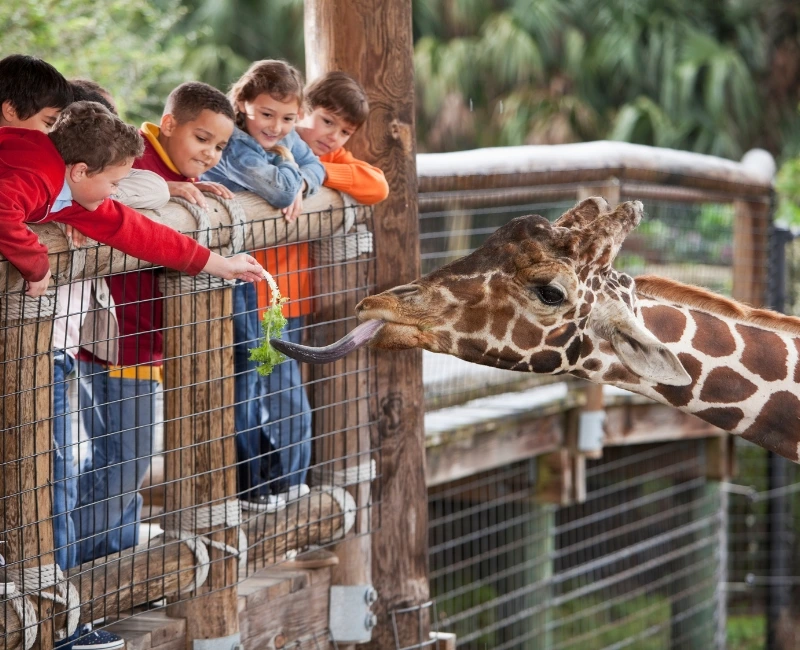
Innsbruck caters well to families seeking alpine adventure balanced with cultural enrichment. The Alpine Zoo, Europe’s highest-altitude zoo, introduces children to native wildlife such as marmots, ibex, and eagles, with engaging educational exhibits. Interactive guided tours explain animal habitats and conservation efforts, nurturing environmental awareness. Playgrounds and picnic areas nearby offer relaxation after animal encounters.In the old town, family-oriented walking tours incorporate treasure hunts or storytelling elements that bring historical landmarks to life for younger visitors. Innsbruck’s museums often feature hands-on exhibits: science centers demonstrate alpine geology, while folklore museums present regional traditions through costumes and crafts that children can touch and try on under supervision. Seasonal workshops teach crafts like wood carving or felt-making, connecting children to local culture through creative activities.Outdoor pursuits include easy hiking trails suitable for strollers, as well as more adventurous family hikes with manageable elevation gain. Mountain huts welcome families, providing child-friendly menus and safe play areas. Some lifts offer special tickets or discounts for children, making alpine access affordable. During winter, beginner ski slopes host children’s ski schools with playful learning approaches, ensuring safety and enjoyment. Toboggan runs add excitement, while indoor play centers in the city offer alternative entertainment during inclement weather.Cultural events often include family-friendly programs: puppet shows, outdoor concerts with children’s activities, and seasonal festivals with crafts stalls. Innsbruck’s libraries and community centers host storytelling sessions and family workshops that introduce Tyrolean folklore and dialect through engaging formats. Dining out is facilitated by family-friendly restaurants that provide high chairs and menu options catering to younger palates.Wellness for families can include thermal spa visits with dedicated children’s pools or gentle waters suitable for all ages. Combined packages with accommodation often include family wellness facilities, ensuring parents and children relax together. Cycling paths along the Inn River offer safe rides, with bike rentals providing child seats or trailers. Boat rides on nearby lakes present calm water experiences.Safety and convenience are prioritized: clear signposting, multilingual information, and reliable transport links simplify moving around with children. Innsbruck’s compact size means attractions are typically a short tram or bus ride away. The city’s welcoming atmosphere, coupled with diverse activities, ensures families create lasting memories, whether discovering alpine wildlife, learning cultural crafts, or sharing thrills on gentle slopes.

Amid alpine adventures, Innsbruck offers restorative wellness experiences that harness mountain air, thermal waters, and holistic practices. Nearby spa resorts feature mineral-rich thermal baths where visitors soak in warm waters while gazing at snow-capped peaks or verdant hillsides. Sauna and steam facilities often incorporate local herbs—such as pine or spruce extracts—enhancing relaxation and respiratory benefits associated with alpine air.Wellness hotels in Innsbruck provide packages combining spa treatments with active outdoor activities. Mornings may begin with guided yoga sessions overlooking the Inn Valley, followed by hiking or gentle cycling to stimulate circulation. Afternoon spa treatments might include massages using locally sourced essential oils, facials utilizing alpine botanical extracts, and body scrubs inspired by regional minerals. Nutrition programs emphasize fresh, wholesome ingredients—mountain herbs, local cheeses, lean meats, and seasonal produce—supporting energy for activities and recovery.Wellness retreats often integrate mindfulness and nature therapy. Forest bathing sessions guide participants through Tyrolean woodlands, encouraging sensory immersion in natural surroundings. Meditation workshops at mountain lodges combine quiet reflection with panoramic vistas. Breathwork classes leverage the purity of alpine air, aiming to enhance respiratory health and mental clarity.During winter, wellness seekers can balance skiing with spa intervals: a morning on snow followed by afternoon relaxation in thermal pools or saunas warms muscles and prevents fatigue. In summer, therapeutic treatments may include gentle mountain hikes culminating in outdoor yoga or stretching routines near alpine lakes. Some retreats offer guided foraging excursions, teaching identification of edible plants and herbs, which may feature in wellness cuisine or treatments.Holistic wellness centers collaborate with local practitioners to offer alternative therapies: acupuncture, herbal medicine consultations, and physiotherapy tailored to outdoor activity recovery. Personalized wellness plans can be crafted based on individual goals—stress reduction, fitness enhancement, or recuperation after physical exertion. Innsbruck’s network of wellness providers ensures options suit solo travelers, couples, and groups seeking restorative breaks amidst alpine beauty.Accessibility and sustainability are emphasized: many retreats use eco-friendly practices, such as using renewable energy, sourcing organic products, and designing facilities that blend with natural surroundings. Wellness experiences in Innsbruck thus align with responsible tourism values. After immersive treatments, visitors often feel rejuvenated, ready for further exploration of the city’s offerings or simply to savor tranquil moments overlooking the Alps.
No ads. No trails. No commitments


Alice Roses
London, England
51 ST MATTHIAS ROAD
NOTTINGHAM, NOTTINGHAMSHIRE
NG3 2HF
Hours: 8:00 - 17:00, Mon - Sat
support@johnsonholidays.com