 Wieliczka Travel
Guide
Wieliczka Travel
Guide
Paris is known around the world as the “capital of love,” and even if you don't understand the history of Paris at all

2.7 hours
£2.50
Descending into Wieliczka Salt Mine is unlike any other experience: you journey into an underground labyrinth carved over centuries, encountering vast chambers, chapels, sculptures, and salt formations illuminated in subtle light. As one of the world’s oldest salt mines open to tourists, it offers a tangible connection to medieval mining history and human ingenuity. Guided tours provide expert commentary on geology, mining techniques, and the spiritual heritage reflected in underground chapels. Whether you’re fascinated by industrial heritage, geology, or unique art carved in salt, this experience is arresting and memorable. A visit here means witnessing an underground world shaped by generations of miners—a compelling reason to book a Wieliczka holiday.
Learn More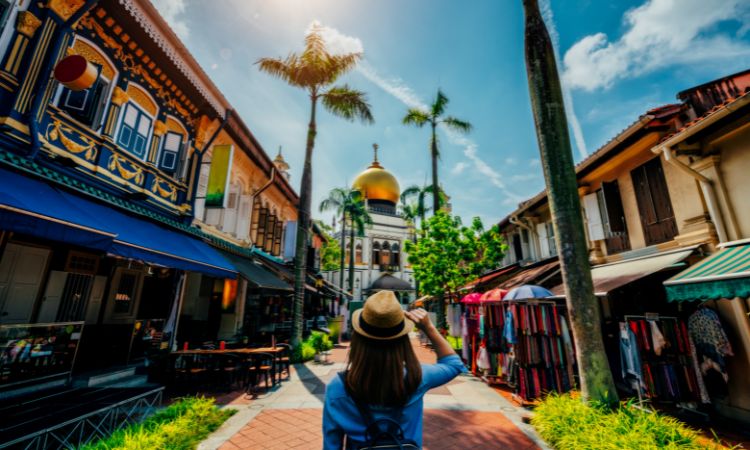
Wieliczka lies just a short distance from Kraków, making it exceptionally easy to incorporate into any itinerary. Regular trains and buses connect Kraków’s main hub to Wieliczka in under 30 minutes, allowing travelers to plan a half-day or full-day excursion with minimal hassle. This proximity means you can enjoy Kraków’s historic center, then head to Wieliczka for an immersive underground adventure, returning in time for evening dining or cultural events in Kraków. For independent travelers, this seamless access reduces logistics stress; for groups or families, it offers flexibility. The convenience makes Wieliczka an obvious choice when booking trips around southern Poland.
Learn More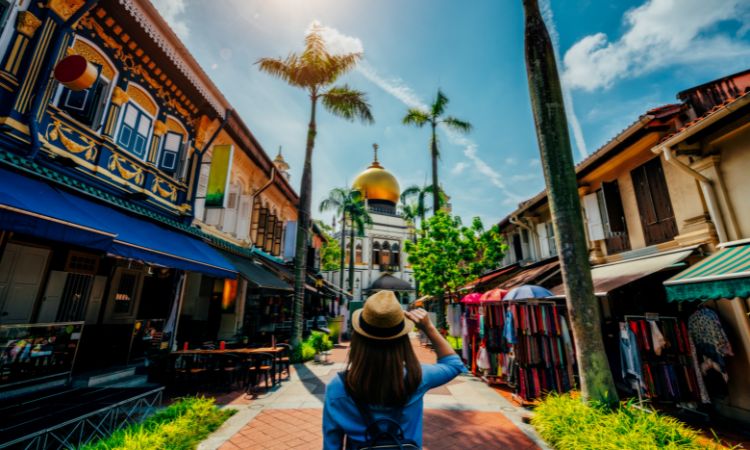
Beyond its subterranean marvels, Wieliczka embodies centuries of regional history. Salt was once “white gold,” central to economic and social development in Poland. Exploring exhibits and local museums adds depth: you learn about traditional mining tools, period costumes, and the geological formation of salt deposits. The chapels and shrines carved in salt reflect miners’ faith, blending industrial heritage with spirituality. Above ground, the town’s historic center and local traditions further enrich the visit. Travelers interested in cultural immersion will value how Wieliczka reveals facets of Polish history, mining heritage, and regional identity—an enriching rationale for booking.
Learn More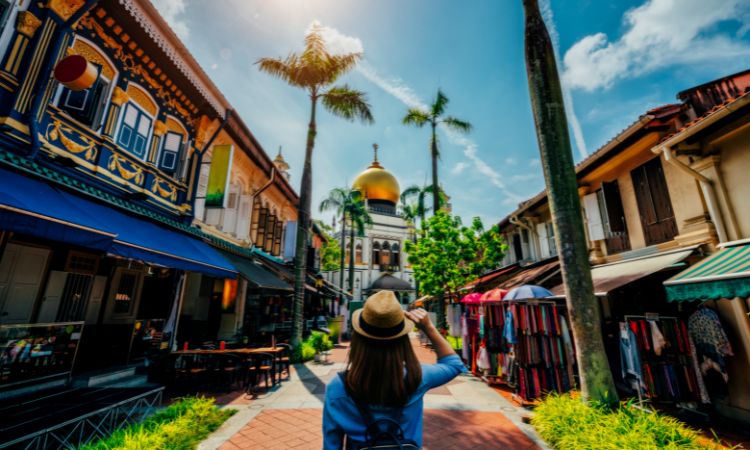
Wieliczka is well-suited for families: children and adults alike marvel at the vast underground chambers and salt sculptures that create a sense of an underground city. Guided tours often include storytelling elements about miners’ lives, geology, and legends associated with salt, making it educational and engaging. Audio guides or family-focused tours cater to younger visitors, helping them understand complex topics in accessible language. Safety measures and clear signage ensure a secure visit. Above ground, nearby parks and cafes provide spaces to relax afterward. For families seeking both fun and learning, Wieliczka offers an adventure that blends history, science, and culture in an immersive setting.
Learn More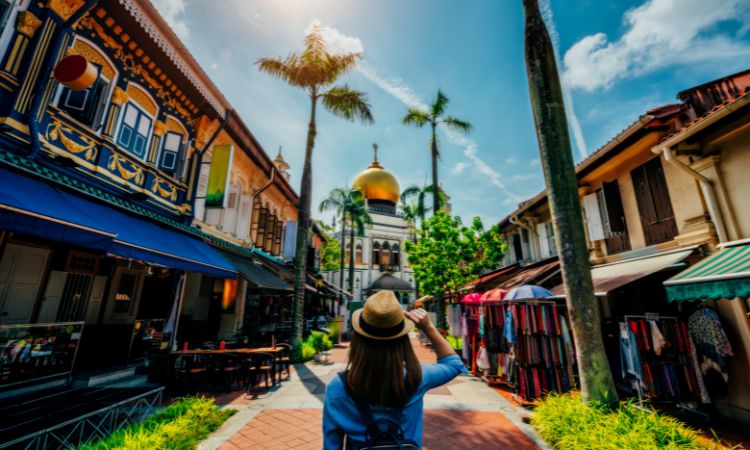
Compared to many Western European attractions, Wieliczka provides excellent value. Entry fees and guided tours, priced in Polish złoty, convert to modest sums in British pounds. Local transport from Kraków is inexpensive, and meals at local cafes offer hearty Polish dishes at reasonable rates. Accommodation options—whether in Kraków or smaller guesthouses in Wieliczka—span budgets, with competitive rates outside peak season. This affordability allows travelers to allocate budget toward longer stays or additional activities. For cost-conscious visitors seeking high-quality cultural and historical experiences, booking Wieliczka delivers a memorable visit without straining the wallet.
Learn More
While known primarily for the salt mine, Wieliczka also offers wellness and relaxation options linked to salt’s health associations. Nearby saltwater lakes and wellness centers leverage the mineral-rich environment for therapeutic experiences. After an underground tour, unwind in spas offering salt-based treatments or breathe in microclimate chambers designed to emulate salt mine conditions for respiratory benefits. Above-ground walking routes around lakes and through green areas provide gentle exercise in scenic surroundings. This combination of unique subterranean exploration with above-ground relaxation appeals to travelers seeking both adventure and restorative experiences, enhancing the value of booking Wieliczka into your itinerary.
Learn More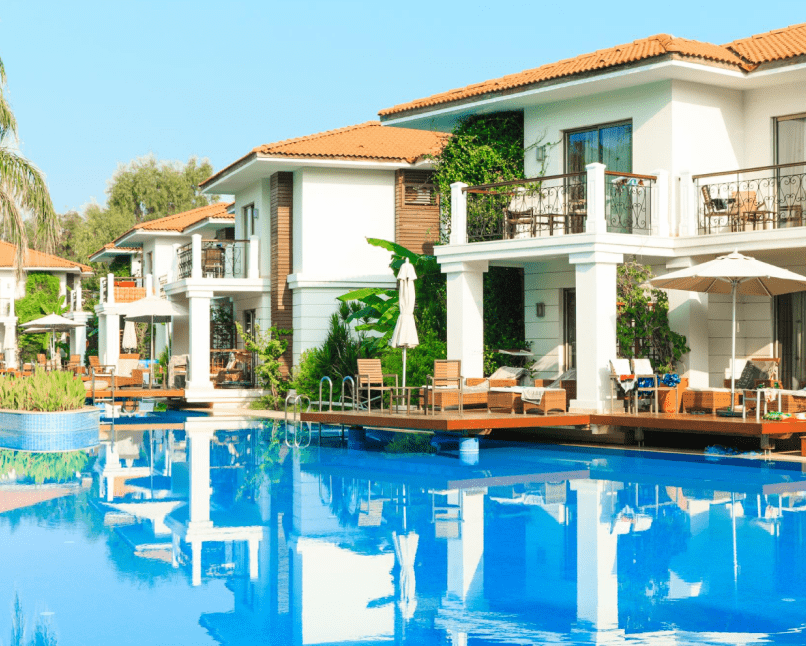
Lorem ipsum dolor, sit amet consectetur adipisicing elit. At illo adipisci iusto
From

Because more than 268 other customers have loved us too

Demonstrates commitment to user data security through encryption and secure payment practices
Learn More
Demonstrates commitment to user data security through encryption and secure payment practices
Learn More
Demonstrates commitment to user data security through encryption and secure payment practices
Learn More
Demonstrates commitment to user data security through encryption and secure payment practices
Learn More
Quality as judged by customers. Book at the ideal price!


/ person
/ person
/ person
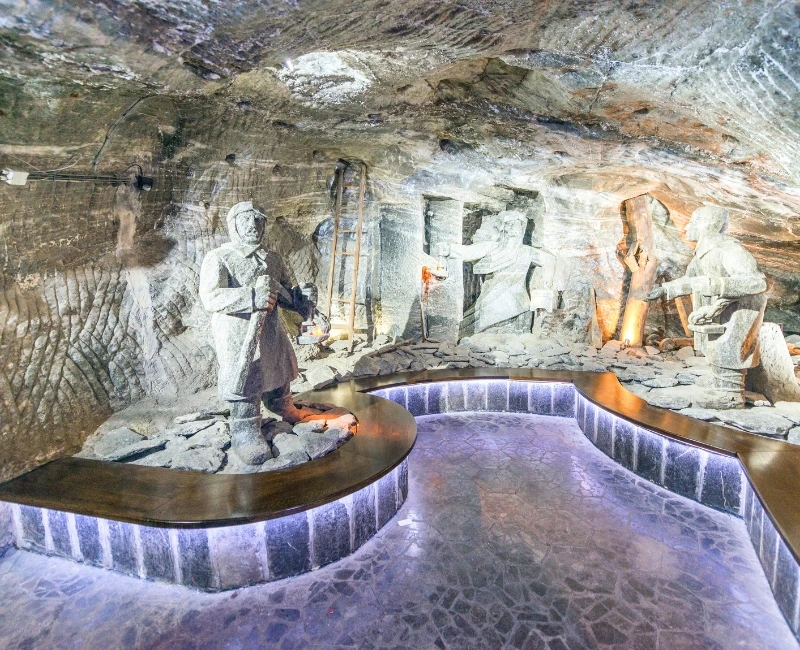
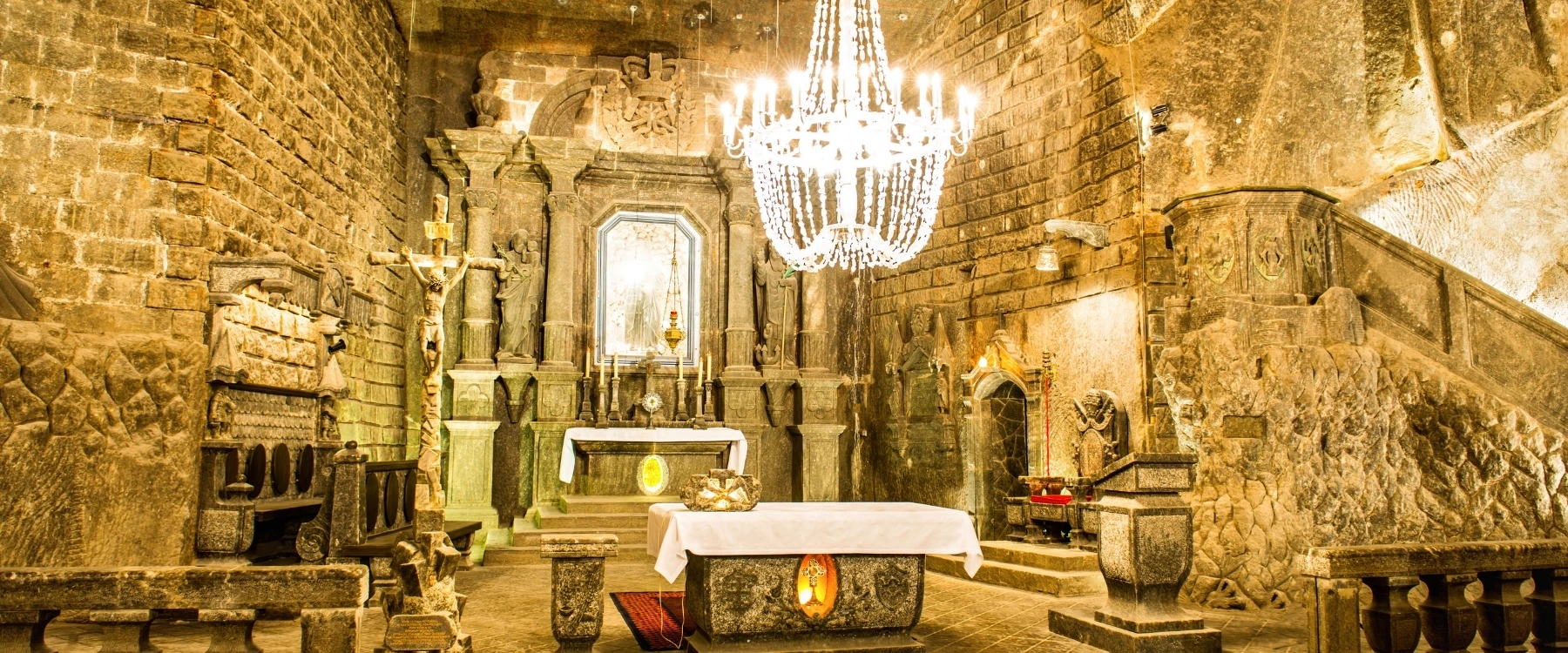
Wieliczka Salt Mine Exploration sits at the core of any visit, offering an immersive journey into a centuries-old underground world. Beginning at the mine entrance, visitors descend via staircases or mine lifts into galleries carved from rock salt. The descent signals a transition into a realm shaped by miners over eight centuries. As you walk through tunnels, you notice walls glistening with salt crystals, and occasional wooden support structures reminiscent of historic mining methods. Guided tours, led by knowledgeable local guides, explain how miners used simple tools—pickaxes, shovels—and later mechanized equipment, to extract salt, a valuable commodity that fueled economies and influenced trade routes.One of the highlights is the Chapel of St. Kinga, a vast underground chamber entirely hewn from salt, featuring ornate salt-carved altars, statues, and chandeliers. The artistry here is striking: miners expressed their faith and creativity by sculpting biblical scenes, saints, and decorative motifs directly in salt. The chapel’s acoustics also lend themselves to occasional concerts or music demonstrations arranged by the mine administration, adding a sensory layer to the visit. Beyond the chapel, you traverse multiple chambers—each with distinct characteristics. Some rooms display exhibits of mining tools and period costumes; others reveal geological formations showing how ancient seas left thick salt deposits.Interpretive signage and guide commentary cover the mine’s history: from its medieval origins when salt was so prized it served as currency in some contexts, to its role during various political periods in Polish history. Stories abound about miners’ daily lives, working conditions, and the camaraderie that developed underground. Guided tours often include anecdotes and folklore: legends of hidden treasures or tales of miners’ patron saints. You learn how water ingress threatened parts of the mine over centuries and how engineers developed drainage and ventilation systems to keep galleries safe.Walking distances underground can total several kilometers, though visitors cover a designated circuit focusing on the most impressive chambers. Temperature remains around 15°C year-round, and humidity is moderate, so comfortable layers and sturdy shoes are important. Photography opportunities abound: ambient lighting highlights salt textures and sculpted details, yet mindful adherence to photography guidelines ensures preservation of delicate carvings. The progression through decreasing light and enclosed spaces can feel surreal, so those with sensitivity to confined spaces should plan accordingly.After the main circuit, some tours include short visits to deeper levels for visitors seeking more adventurous experiences; special “adrenaline” or “for tech-savvy” tours may require extra preparation and reservation. There are also interactive exhibits where you can touch raw salt formations or compare historical mining tools. The exit involves a long staircase or lift return, culminating in a gift shop area offering salt-based souvenirs, local crafts, and wellness products derived from salt. These include bath salts and salt lamps, reflecting beliefs in salt’s therapeutic properties.Overall, Salt Mine Exploration in Wieliczka merges history, geology, art, and human stories. It’s an educational yet emotionally resonant journey, evoking respect for miners’ labor and fascination with underground aesthetics. Whether you’re a history buff, geology enthusiast, or simply curious traveler, this guide will help you prepare: wear comfortable clothing, reserve tickets in advance during peak season, allocate at least 2–3 hours for the tour including descent and exit, and budget time afterward for above-ground exploration of local cafés and museums. This foundational guide primes you for one of Poland’s most iconic experiences.
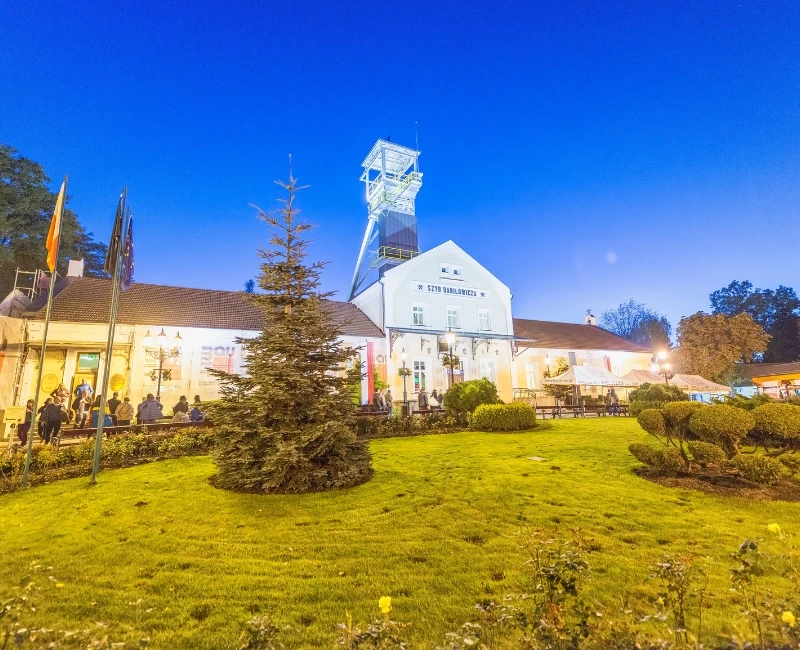
Beyond the main underground tour, Wieliczka offers above-ground cultural experiences that contextualize the mine within local history. The Mining Museum adjacent to the mine entrance houses exhibits on mining heritage, featuring artifacts such as antique tools, documents, photographs, and scale models of mine galleries. These exhibits chronicle technological evolution: from hand tools to mechanized drilling, from simple ventilation shafts to advanced safety measures. Panels describe how salt mining shaped the regional economy and social structures: in medieval times, the mine’s revenues funded local infrastructure and even royal endeavors.At the museum, interactive displays may allow you to handle replica tools or try simple demonstrations of drilling techniques on soft materials. Photographic archives illustrate miners’ lives: group photos in traditional uniforms, depictions of shift changes, and celebrations of patron saint days. You learn about mining guilds, organizational structures, and how mining knowledge passed across generations. Seasonal exhibitions sometimes focus on niche topics: the mine’s role during wartime, stories of miner resilience during floods, or artistic projects inspired by salt. Checking museum schedules before visiting can reveal temporary exhibitions adding fresh dimensions to the narrative.Strolling through Wieliczka town center, you encounter historical architecture: churches, traditional Polish houses, and small monuments commemorating mining heritage. Local guides or walking tours highlight points of interest: the parish church often contains artworks or inscriptions referencing miners’ patron saints. Town squares and community centers occasionally host cultural events—folk music performances, local craft fairs, or food festivals celebrating regional produce. Participating in these events offers insight into contemporary Wieliczka life and how mining heritage remains a point of local pride.For deeper immersion, consider visiting nearby villages or estates that historically supplied goods and services to miners—farms, smithies, or artisan workshops. While some of these may require private transport or guided excursions, they illustrate the interconnected economic web centered on the mine. Local storytellers or small tour operators sometimes organize themed excursions combining visits to historic sites, traditional meal experiences in rural settings, and artisan demonstrations (e.g., woodworking or pottery). These are often seasonal and may require advance booking.Additionally, local gastronomy ties into heritage: salt used in traditional recipes, preservation methods for meats and fish, and artisanal salt products. Some cooking classes or demonstrations may incorporate salt from the mine, teaching dishes that reflect Polish rural traditions. Sampling regional specialities in local eateries reinforces historical connections. For those keen on deeper historical research, small archives or local history societies can grant access to documents or host lectures on specific aspects of mining culture; contact local cultural centers ahead of time to arrange visits.Above-ground exploration complements the underground adventure by furnishing context: understanding how Wieliczka Salt Mine influenced the town’s growth, local customs, and regional economy over centuries. This guide encourages visitors to allocate additional time beyond the mine tour—perhaps half a day—to explore exhibits, join a walking tour, sample heritage cuisine, and engage with local narratives. Such immersion enriches appreciation of the mine’s significance and the resilience of the communities shaped by salt extraction. By weaving underground and above-ground experiences, travelers gain a holistic understanding of Wieliczka’s heritage and contemporary life.
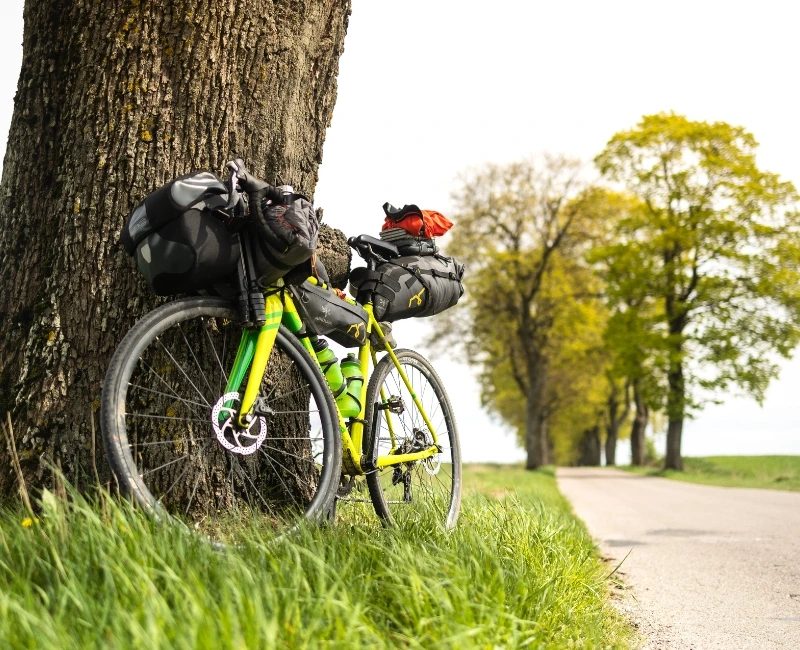
The area around Wieliczka offers pleasant outdoor experiences that complement the subterranean focus. After emerging from the salt mine’s cool environs, consider exploring nearby lakes and green spaces via walking or cycling. Several small lakes dot the region—often former salt extraction sites that have filled with water—creating serene settings for strolls. Well-marked trails wind around lake shores, offering gentle terrain suitable for most fitness levels. Along the way, you’ll encounter birdlife, local flora, and benches ideal for pausing to enjoy reflections on calm waters. These lakeside walks allow tranquil reflection after the mine’s bustling tour and are especially inviting in spring and summer when greenery flourishes.Cycling enthusiasts can rent bicycles in Wieliczka or Kraków and follow scenic routes linking villages, fields, and forest patches. Routes vary in length; some follow former rail lines or rural roads with light traffic. A popular itinerary loops from Wieliczka through neighboring villages, passing small churches, farmland, and woodland edges. The gentle hills offer moderate challenges and rewarding views of the region’s patchwork landscape. Along cycling routes, local farms or roadside stands may offer seasonal produce (e.g., berries in summer, apples in autumn) for a refreshing snack. For safety and comfort, wear a helmet, carry water, and check local weather forecasts. Spring and autumn routes may be muddy after rain, so appropriate footwear or tires help.During warmer months, lakes may also host simple water-based activities: canoeing or paddle-boat rentals where available, offering a different perspective of the landscape. Check local providers in advance for availability and safety guidelines. Fishing enthusiasts might find designated spots where local regulations permit angling; ensure you obtain any necessary permits and follow catch-and-release rules if applicable.Photography opportunities abound: sunrise or sunset over lake surfaces can yield stunning shots, particularly if you time visits to coincide with calm weather. Wildflowers in spring add color to walking paths; autumn foliage turns the horizon golden. Birdwatchers may spot waterfowl or woodland species along trails; carrying binoculars enhances observations. For families, these outdoor routes serve as gentle excursions after the mine visit: children can explore nature, spot insects or frogs near water margins, and enjoy packed lunches by scenic spots.If you prefer guided outdoor experiences, some local operators offer organized nature walks or cycling tours that include storytelling about local ecology and historical land use. These guided outings may incorporate visits to small farms or orchards, demonstrating traditional agricultural practices. For self-guided plans, obtain trail maps from tourist information centers in Wieliczka or Kraków, or use offline map apps. Weather can change quickly; layering clothing and carrying a light rain jacket is advisable, especially in shoulder seasons.In colder months, some paths remain accessible for brisk walks; if snowfall occurs, routes may be suitable for snowshoeing or cross-country skiing in lighter snow. Ensure safe conditions and check local advice on trail maintenance. Even in winter, lakes may appear frozen (though usually not safe for walking on ice), offering stark, minimalist landscapes worth photographing from safe distances.This guide to lakeside walks and cycling routes around Wieliczka highlights how outdoor exploration deepens appreciation of the region’s natural heritage and provides balance to the underground experience. Whether you seek gentle strolls around serene waters, moderate cycling challenges, or seasonal nature encounters, these outdoor activities enrich your Wieliczka visit and create lasting memories beyond the mine’s chambers.
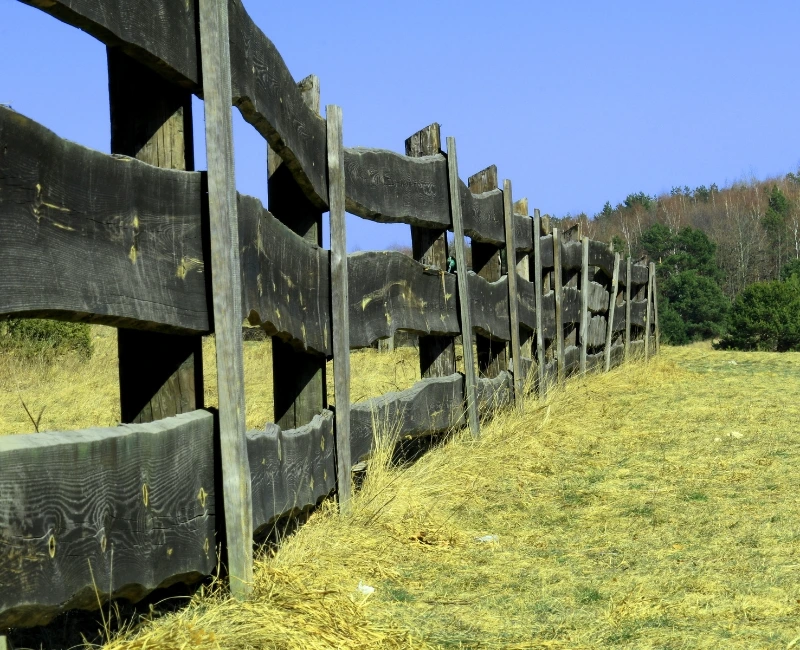
Wieliczka’s location near the Kraków-Częstochowa Upland and other protected areas opens opportunities for day hikes and visits to nature reserves. While Wieliczka itself is small, a short drive or cycle ride reaches rolling hills, limestone outcrops, and forested areas characteristic of southern Poland’s upland region. One can plan a full-day excursion combining history with nature: start with the salt mine tour, then head to a nearby trail network for a hiking adventure.Trail options range from gentle countryside walks to moderate routes through woodland and limestone landscapes. Look for marked trails in local reserves or parks; some paths lead past historic lookout points offering panoramic views of the region, including glimpses of Kraków’s skyline in the distance on clear days. These vantage points are rewarding after a day underground, offering fresh air and expansive scenery. Carry a small backpack with snacks, water, and a basic first-aid kit. Footwear with good traction is recommended, as some paths can be uneven or slippery after rain.Seasonal variations affect hiking conditions: spring brings blossoms and new greenery; summer provides full foliage but may also bring occasional thunderstorms—check forecasts and start early to avoid midday heat. Autumn’s colors transform forests into golden hues; crisp air and fewer crowds make hikes especially pleasant. Winter hikes require more preparation: snow and ice can render trails challenging; if venturing out, consider guided hikes or ensure you have appropriate gear (insulated boots, trekking poles).Nature reserves near Wieliczka often focus on preserving unique limestone flora and fauna. Some areas host rare orchids or plant species adapted to calcium-rich soils. Birdwatchers may spot raptors, woodpeckers, or forest songbirds. For those interested in geology, the limestone formations and karst features offer insight into the region’s ancient marine history, complementing geological learning from the salt mine. Guided eco-tours may be available via local nature centers or hiking associations; these provide expert knowledge on local ecosystems, wildlife tracking, and conservation efforts.Family-friendly hiking: select shorter loops with gentle elevation changes. Interpretive signposts may explain local flora and fauna, engaging children in outdoor learning. Pack a picnic to enjoy at scenic clearings or small shelters if available. Encourage young explorers to carry a basic nature journal or camera to document findings—leaves, insects, or bird sightings—enhancing educational value. Always follow “leave no trace” principles: carry out any litter and stay on marked trails.Photography: morning light in forests can create atmospheric scenes, while late afternoon sun casts warm tones on rock formations. Macro photography of plants or forest floor details can yield captivating images. For landscape shots, higher vantage points offer sweeping vistas; plan timing to capture sunrise or sunset when colors are most striking.Combine hiking with cultural stops: some trails pass historic chapels, roadside shrines, or small villages with traditional architecture. These offer pauses in the hike for reflection on local heritage. Check local event calendars: occasionally guided heritage hikes combine nature exploration with storytelling about local legends or historical events tied to the landscape.Overall, hiking and nature reserve visits near Wieliczka enrich the travel experience by connecting underground heritage with above-ground natural beauty. Whether seeking peaceful forest walks, moderate upland hikes with views, or educational eco-tours, this guide helps you plan safe, rewarding excursions that showcase southern Poland’s diverse landscapes alongside the iconic salt mine.
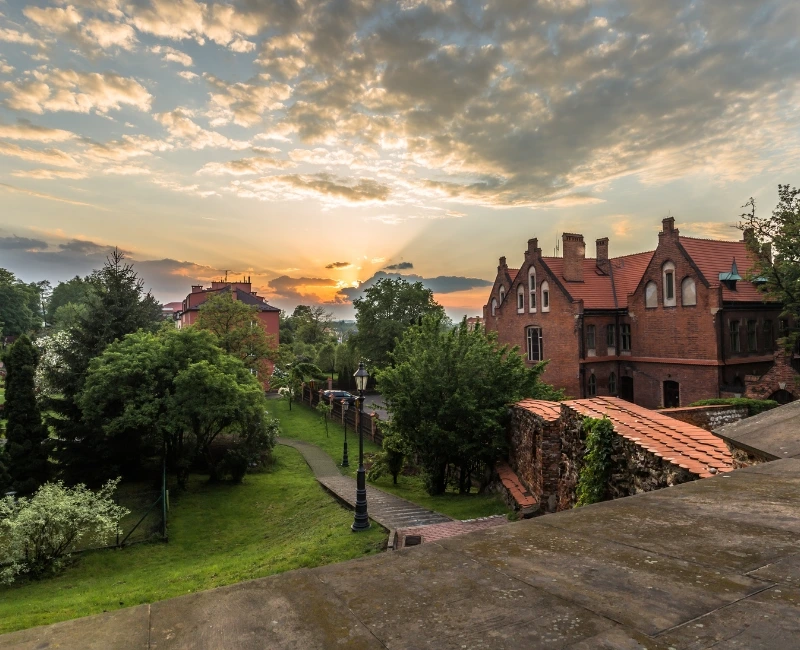
Wieliczka and the surrounding region host various cultural events—festivals, concerts, and seasonal celebrations—that provide immersive insight into local traditions. While the salt mine itself occasionally stages themed events (e.g., classical music concerts in underground chambers), the broader community organizes folk festivals, craft fairs, and holiday markets that showcase Polish culture. Timing your visit to coincide with such events enhances the travel experience, allowing you to witness traditional costumes, music, dance, and culinary specialties.In spring and summer, regional folk festivals may take place in nearby towns or open-air venues. These feature performances by folk ensembles, showcasing regional dances and music accompanied by traditional instruments. Visitors can often join in workshops to learn basic dance steps or instrument rhythms, fostering cultural exchange. Craft stalls display handmade items—embroidered textiles, ceramics, wood carvings—reflecting local artisanal heritage. Purchasing these goods supports local craftsmen and provides memorable souvenirs. Sampling regional foods—sausages, cheeses, pastries—at festival stalls introduces authentic flavors; prices remain reasonable when converted to British pounds.Special events in Kraków often extend to Wieliczka: concerts of classical music, jazz nights, or art exhibitions sometimes host satellite events in Wieliczka’s cultural centers or even inside sections of the mine (subject to mine administration programming). Check local event listings or tourist information in Kraków for schedules; booking in advance is advisable for popular performances. Winter holiday season brings Christmas markets in Kraków and sometimes smaller stalls in Wieliczka, offering festive ambiance with decorations, lights, and seasonal treats like mulled wine (serving size and price converted to ~£3–£5). These markets showcase handcrafted ornaments, traditional sweets, and warm clothing items like woolen scarves or mittens.Religious and community celebrations: Wieliczka’s parish churches hold events for major religious holidays, which can include processions, special masses, or choral performances. While primarily local in focus, visitors interested in cultural observation can attend services or observe processions with respect for local customs. Participation may require modest attire and etiquette awareness; ask courteously at visitor centers for guidance.Workshops and classes: Beyond festivals, year-round opportunities may exist to join workshops on traditional crafts—pottery, weaving, folk art painting—or cooking classes featuring Polish dishes using local ingredients, including salt from Wieliczka in recipes. These experiences provide hands-on understanding of regional culture and create tangible memories: crafting your own souvenir or preparing a dish guided by a local instructor. Schedules vary seasonally; check ahead and reserve spots, as group sizes may be limited.For art and photography enthusiasts, cultural events offer dynamic subjects: colorful costumes, lively performances, and atmospheric settings in historic venues. Capturing these moments requires respectful engagement: ask permission before photographing individuals up close. Event schedules can align with other itinerary elements: combine a morning underground tour with an afternoon festival visit, then return to Kraków for evening dining or further cultural exploration.Community volunteer opportunities: Some visitors seek deeper engagement through short volunteer experiences—helping with event setup, assisting local heritage projects, or supporting environmental initiatives around Wieliczka. While less common for brief visits, inquiry via local cultural centers or community organizations can reveal possibilities. Even attending a community meeting or informational session about heritage conservation can enrich understanding of local priorities and challenges.Overall, tapping into cultural festivals and local celebrations in Wieliczka integrates the salt mine experience with living traditions. Whether you attend a folk performance, sample seasonal foods at markets, join a craft workshop, or simply observe community rituals, these cultural encounters deepen your connection to the region and create a richer travel narrative.
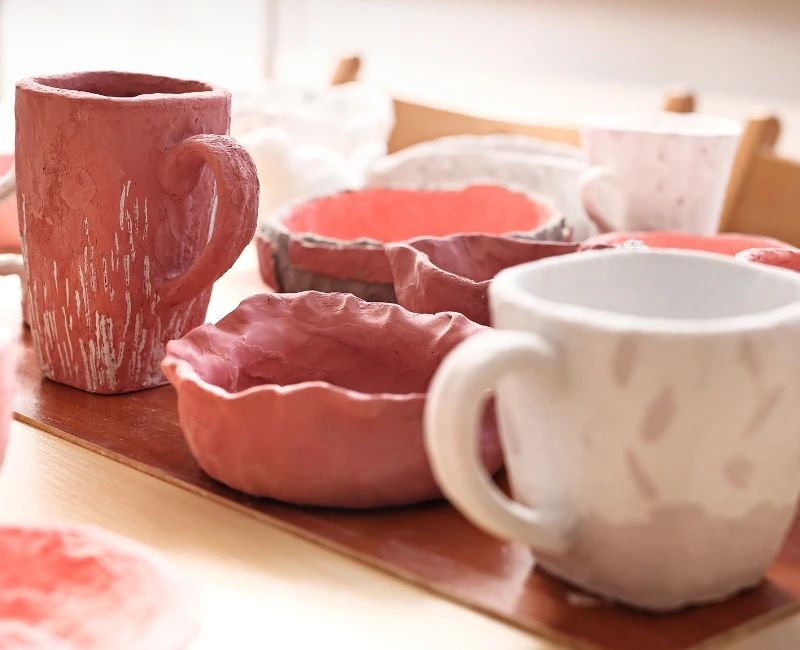
Wieliczka’s heritage extends beyond mining to include regional crafts passed down through generations. Engaging in workshops reveals the techniques and cultural significance behind these arts. One popular craft is salt-based artistry: small workshops demonstrate how artisans incorporate salt crystals into decorative items—salt lamps, ornamental salt carvings, or salt-infused spa products. In guided sessions, you might try simple salt carving using soft salt blocks, learning basic carving tools and safety precautions. Such experiences combine creative expression with appreciation for Wieliczka’s salt heritage.Textile crafts: Nearby communities may offer weaving or embroidery workshops showcasing traditional Polish patterns. Under an instructor’s guidance, you learn to weave a small sample or embroider motifs typical of the region. These sessions often include context on symbolism in patterns—flowers, geometric designs—and insights into how textiles played roles in local dress and rituals. Completing a small woven or embroidered piece gives a tangible souvenir reflecting local culture.Ceramics and pottery: Southern Poland has its own pottery traditions. In a ceramics workshop, you might shape clay on a potter’s wheel or hand-build items like mugs or bowls, then decorate with glazes or painted motifs inspired by Polish folk art. While final firing may occur after your visit and require shipping, some studios provide ready-made pottery for decoration classes. These sessions combine tactile creativity with understanding of materials and regional aesthetics.Culinary workshops: Cooking classes often integrate salt from Wieliczka mine. Learn to prepare classic dishes—pierogi filled with regional ingredients, żurek soup, or other specialties—using authentic techniques. Instructors explain ingredient sourcing, seasoning with Wieliczka salt, and plating traditions. After cooking, participants share the meal together, fostering social interaction and offering insight into Polish dining customs. Allergy or dietary restrictions can be accommodated with advance notice. Costs are moderate, with ingredients and instruction priced in złoty but converting favorably to British pounds.Artisan visits: Some workshops include visits to local artisans’ studios or small family-run enterprises. Observing craftsmen at work—woodworkers carving decorative items, blacksmiths forging traditional tools, or glassmakers shaping glassware—adds depth to the craft experience. Demonstrations often accompany narrative on how these crafts sustained local economies historically and how artisans adapt heritage styles to contemporary markets. Purchasing handcrafted products directly supports these small businesses.Booking and logistics: Workshops may operate seasonally or by appointment. Contact local tourist offices, cultural centers, or accommodation hosts to arrange participation. Group sizes tend to be small for hands-on guidance; reserve spots especially during peak travel months. Location can be in Wieliczka town center or in nearby villages; factor in transport time. Many workshops provide all necessary materials and tools, though wearing comfortable clothes that can get slightly messy (e.g., pottery clay) is advisable.Educational value: For those interested in cultural preservation, workshops illustrate challenges artisans face—balancing tradition with modern demands, sourcing materials responsibly, and marketing crafts to global visitors. Some sessions include discussions on ethical tourism: how to support local crafts sustainably, avoiding mass-produced souvenirs that undermine authentic artisans. Participants leave with both a handmade item and enriched understanding of cultural context.Overall, Traditional Crafts & Workshops in Wieliczka and its surroundings offer immersive, hands-on encounters with regional heritage. Whether you carve salt sculptures, weave textiles, shape ceramics, or cook traditional meals, these experiences connect you directly to local creativity and history. Incorporating such workshops into your itinerary transforms your visit from passive sightseeing to active cultural engagement, yielding memorable takeaways and deeper appreciation of Wieliczka’s living traditions..

Sampling Polish cuisine in Wieliczka offers a flavorful exploration of regional ingredients and traditions, often highlighting salt’s role. After the underground tour, seek out local eateries serving comfort dishes: pierogi with varied fillings (potato-cheese, meat, mushroom), hearty soups like żurek (sour rye soup) traditionally seasoned with salt from Wieliczka, and regional meat dishes accompanied by potatoes or seasonal vegetables. Local cafés may offer homemade cakes and pastries—sernik (cheesecake), makowiec (poppy seed roll)—ideal with coffee or tea. Prices, set in złoty, convert to modest British pounds amounts, making dining both delicious and budget-friendly.For a deeper culinary dive, consider a guided food tour or cooking workshop (see the crafts section). Food tours often lead you to several establishments, sampling dishes while learning historical and cultural context: how salt influenced preservation methods, or how festive dishes evolved. Tasting local cheeses, charcuterie, and pickled vegetables gives insight into Polish approaches to fermentation and storage. Pairings with local beers or regional spirits can be included, though always drink responsibly. For non-alcoholic options, sample kompot (fruit compote drink) or regional herbal infusions.Markets and specialty shops: If timing aligns with local market days, visit market stalls selling fresh produce, bread, cheeses, and preserves. Engaging with vendors allows you to inquire about seasonal specialties. Purchasing ingredients and preparing a picnic near lakes or parks offers memorable experiences—assembling fresh bread, cheese, cold meats, and fruit for an al fresco meal. Ensure proper packaging to respect wildlife and carry out any waste.Fine dining and modern interpretations: Some restaurants in Wieliczka or nearby Kraków adopt contemporary takes on Polish classics—elevated plating, fusion elements, or tasting menus emphasizing local produce. While these can be pricier, they provide insight into Poland’s evolving culinary scene. Reservations may be needed for popular venues. When booking, mention any dietary restrictions; many places accommodate vegetarian or gluten-free diets.Wellness and salt-based relaxation: After dining, unwind with salt therapy sessions, often offered in wellness centers utilizing microclimate chambers replicating underground salt mine conditions. Salt inhalation is believed to support respiratory health; guided sessions include time in salt rooms with comfortable seating, soft lighting, and calming sounds. Some spas offer salt scrubs or baths incorporating Wieliczka salt. Check schedules and pricing—convert to British pounds for budgeting. Combining culinary indulgence with salt-based relaxation complements the thematic connection to Wieliczka’s heritage.Seasonal specialties: In summer, look for dishes featuring fresh berries or mushrooms (foraged locally); autumn brings wild mushrooms central to Polish cooking. Winter menus may include warming stews or preserved vegetable dishes. Holiday seasons introduce festive treats: Easter babka cake, Christmas piernik (gingerbread), and seasonal drinks. If your visit aligns with holidays, sampling these specialties deepens cultural immersion.Tips for food travelers: Arrive with an appetite but pace tastings to avoid overindulgence; Polish portions can be generous. Share dishes or opt for smaller tasting menus where available. Ask locals or hosts for recommendations to avoid overly touristy spots; authentic family-run eateries often deliver best value and flavors. Use cash in złoty or card where accepted; tipping around 10% is customary but confirm by checking local etiquette.Overall, Wieliczka’s culinary scene blends tradition with modern influences, centered on hearty, comforting flavors enhanced by the region’s salt heritage. From casual pierogi lunches to refined tasting menus and restorative salt-based spa treatments, Polish Culinary Experiences in Wieliczka satisfy both taste buds and cultural curiosity, making this guide essential for food-oriented travelers.

Linking directly to Wieliczka’s salt heritage, spa and wellness retreats in and around the town leverage salt’s reputed therapeutic benefits. Many wellness centers offer “salt rooms” or microclimate chambers replicating the mine’s underground environment: walls lined with salt bricks, controlled humidity, and gentle lighting create a tranquil atmosphere. Sessions typically involve reclining in comfortable chairs or lying on salt beds, breathing in air enriched with microscopic salt particles. This halotherapy is believed to support respiratory health, relieve stress, and improve skin conditions. Duration varies—commonly 30–60 minutes—and centers may combine salt therapy with guided relaxation exercises, meditation, or light music.Beyond salt rooms, spas may offer salt-based treatments: exfoliating body scrubs using ground Wieliczka salt, salt-infused baths, or wraps designed to detoxify and revitalize skin. Therapists guide you through rituals combining salt’s mineral properties with massage or other modalities. Treatments are priced in złoty; when converted to British pounds, they often offer good value compared to Western Europe. Booking in advance ensures availability, especially during peak travel months.Some wellness facilities integrate wider offerings: thermal pools, saunas, or massages using locally sourced oils and herbs. After exploring the mine’s chambers and above-ground sights, indulging in a spa session provides restorative balance. For travelers on tight schedules, half-day wellness packages can be slotted after morning tours. Multi-day stays at wellness-focused accommodations near Wieliczka allow deeper relaxation, combining healthy meals, salt therapy, and gentle outdoor activities—yoga sessions in nearby parks or guided meditation overlooking scenic landscapes.Wellness retreats sometimes include educational components: seminars or talks on halotherapy benefits, demonstrations on preparing salt-infused products at home, or workshops on stress management and natural remedies. These sessions enrich the experience by linking local heritage with contemporary wellness trends. Participants leave not only relaxed but also informed on integrating elements (e.g., salt scrubs) into daily routines post-travel.Health considerations: While halotherapy is generally safe, those with certain medical conditions (e.g., severe respiratory issues, cardiovascular concerns) should consult healthcare providers before participating. Inform wellness center staff of any health issues. Pregnancy or mobility constraints may influence treatment choices; many centers adjust offerings accordingly. Comfortable attire and minimal jewelry facilitate spa treatments.Seasonal aspects: Salt therapy is indoor and unaffected by weather, making it suitable year-round. Outdoor wellness activities—such as yoga or meditation in parks—are best in mild weather seasons (spring, summer, early autumn). Combining outdoor sessions with salt therapy underscores connection between above-ground nature experiences and subterranean wellness traditions.Local integration: Some retreat packages include meals featuring light, healthy Polish cuisine—vegetable-based dishes, grain salads, herbal teas—often using Wieliczka salt in moderation. Nutritional guidance may accompany spa treatments, emphasizing balanced eating. Visiting local markets to source fresh fruits and vegetables complements this approach, enabling travelers to replicate simple wellness recipes at home.Overall, Spa & Wellness Retreats in Wieliczka present a distinctive opportunity to extend the salt mine theme into holistic well-being. Whether through halotherapy sessions, salt-based treatments, or integrated wellness programs combining nutrition and gentle outdoor activities, these retreats offer restorative experiences after active exploration. This guide helps travelers plan spa visits, understand benefits and precautions, and select options that align with schedules and interests, ensuring a rejuvenating complement to Wieliczka’s cultural and natural attractions.
No ads. No trails. No commitments


Alice Roses
London, England
51 ST MATTHIAS ROAD
NOTTINGHAM, NOTTINGHAMSHIRE
NG3 2HF
Hours: 8:00 - 17:00, Mon - Sat
support@johnsonholidays.com