 Illinois Travel
Guide
Illinois Travel
Guide
Paris is known around the world as the “capital of love,” and even if you don't understand the history of Paris at all

9 Hours
£4
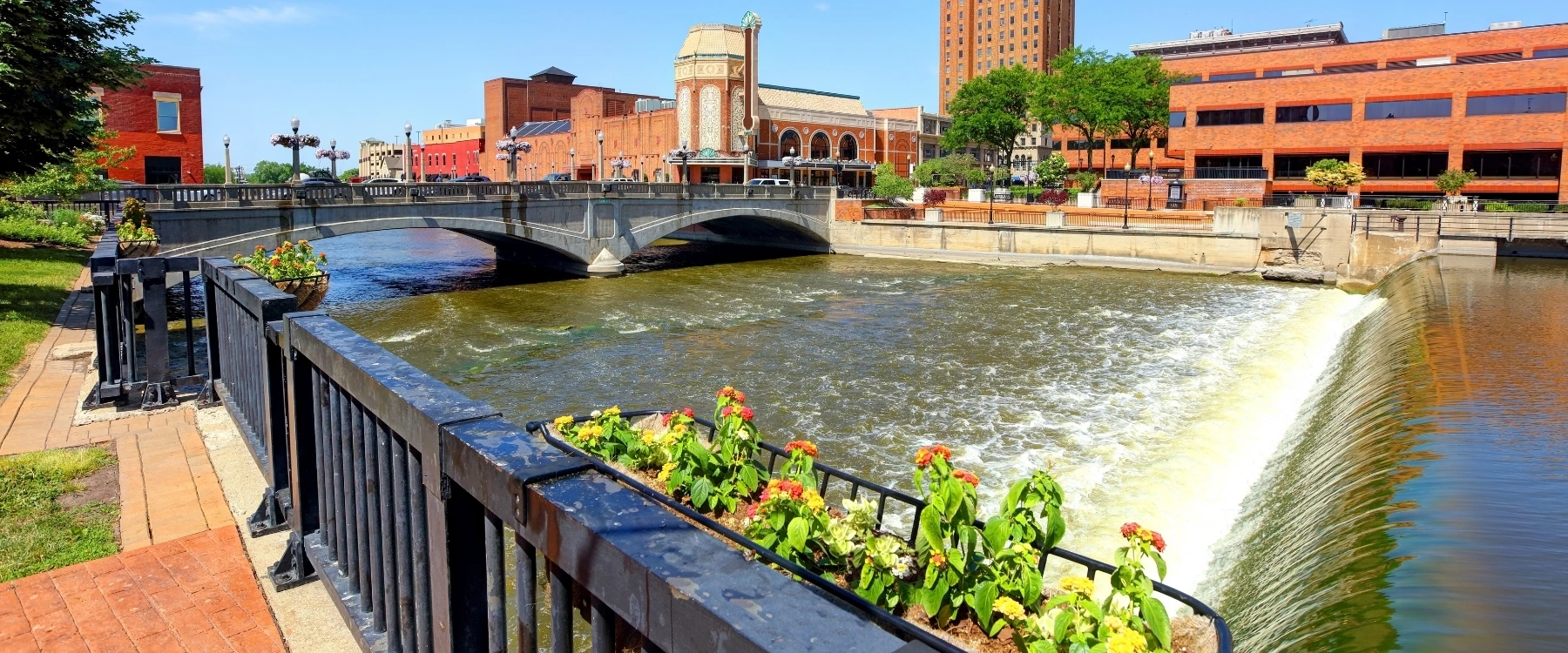
Illinois offers a spectrum of urban adventures, anchored by Chicago’s world-renowned skyline, museums, theatres, and dining scene. Visitors can explore architectural tours, sample innovative cuisine ranging from deep-dish pizza to Michelin-starred restaurants, and attend concerts, sports events, or festivals throughout the year. Beyond Chicago, midsize cities such as Springfield, Peoria, and Champaign-Urbana provide cultural attractions, local art galleries, and regional festivals showcasing Midwestern hospitality. These varied urban centres cater to different tastes: city-lovers can enjoy bustling nightlife and high-end shopping in Chicago, while travellers interested in history and local culture find authenticity in smaller towns. The accessibility of intercity transport and car hire makes it simple to combine multiple city stops in one itinerary.
Learn More
History buffs will find Illinois rich in American heritage, especially related to Abraham Lincoln. In Springfield, the Abraham Lincoln Presidential Library & Museum, Lincoln Home National Historic Site, and related landmarks immerse visitors in 19th-century life and presidential history. Along historic Route 66, travellers can visit preserved motels, diners, and museums that celebrate the “Mother Road.” Frontier-era towns along rivers reveal pioneer life, while industrial heritage sites in Peoria and Rockford reflect the state’s manufacturing past. Many small communities host living-history events or museums focusing on local traditions. Exploring Illinois’s historical trails and heritage sites offers context for America’s development and adds depth to any travel experience.
Learn More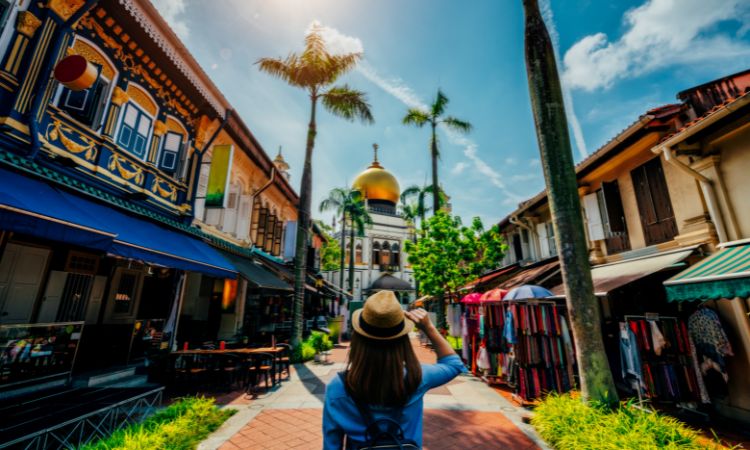
For nature enthusiasts, Illinois surprises with varied landscapes: canyons and waterfalls at Starved Rock State Park; rugged trails and sandstone bluffs in Shawnee National Forest; wetlands and birdwatching areas along the Mississippi River; and scenic drives past farmland and small towns. Outdoor activities include hiking, kayaking, fishing, and cycling scenic byways. In summer, Lake Michigan’s beaches near Chicago offer a lakeside retreat, while autumn brings vibrant foliage in state parks. Winter activities include cross-country skiing and snowshoeing in northern and central regions. The accessibility of these natural areas from major cities makes Illinois an ideal destination for travellers who want to balance cultural experiences with outdoor adventure.
Learn More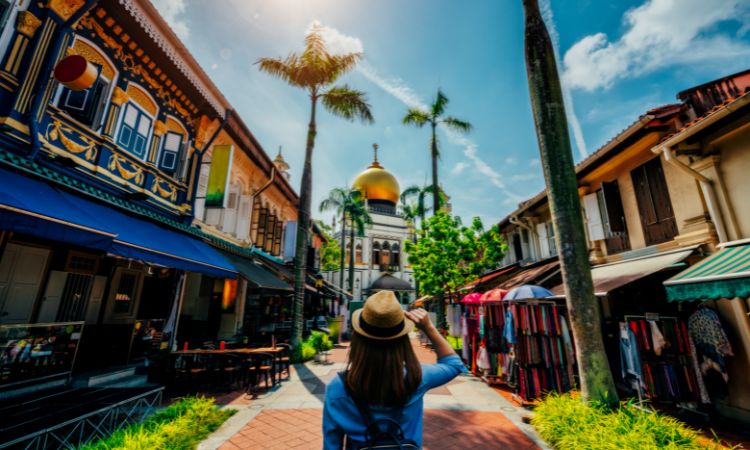
Illinois’s food culture extends far beyond deep-dish pizza. Chicago’s dining scene encompasses global cuisines, farm-to-table restaurants, and innovative chefs, while smaller towns serve up local specialities such as barbecue, comfort foods, and regional produce. The craft brewery movement thrives statewide, offering brewery tours and tastings from Chicago microbreweries to southern Illinois brewpubs. Wine lovers can explore vineyards in northern Illinois and along the Mississippi. Food festivals celebrating seasonal produce—corn, apples, and more—provide authentic culinary experiences. Costs remain reasonable: meals at mid-range restaurants often range from £15–£30 per person, and craft beer tastings may cost around £3–£5 per sample.
Learn More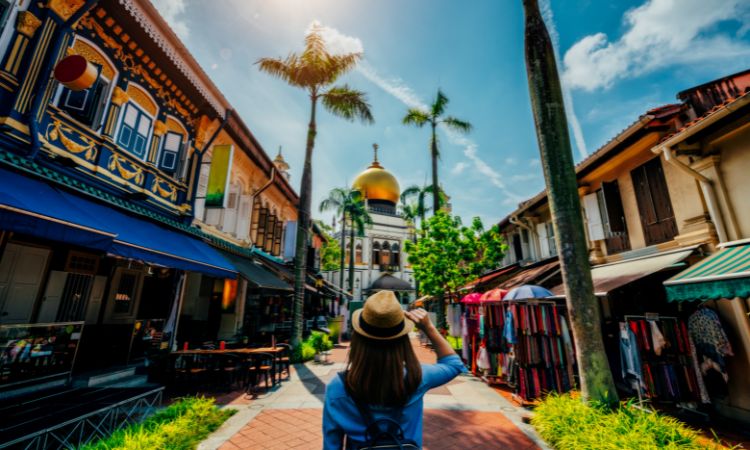
Illinois hosts a dynamic festival calendar: Chicago’s music festivals (blues, jazz, Lollapalooza), film and art events, and neighbourhood celebrations draw international crowds. Smaller communities celebrate county fairs, harvest festivals, and cultural gatherings showcasing local crafts, music, and food. Seasonal events such as winter holiday markets or autumn harvest fairs offer unique insights into Midwestern traditions. Festival-goers can experience live performances, parades, and communal gatherings that highlight Illinois’s cultural diversity. Planning visits around key events adds excitement and the chance to mingle with locals in lively settings.
Learn More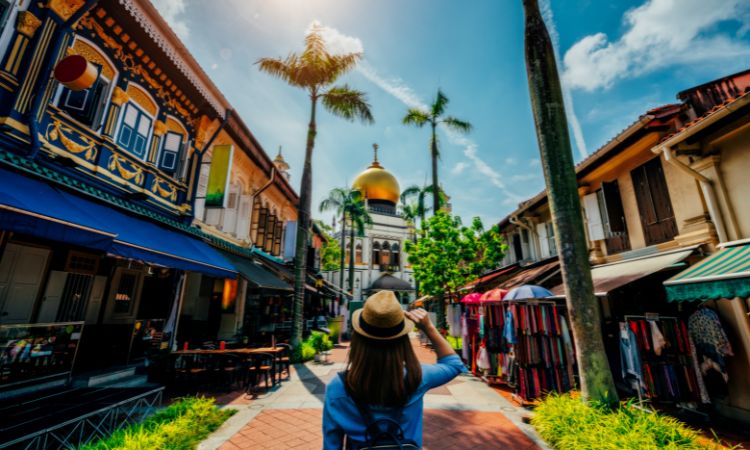
Compared with many U.S. destinations, Illinois offers relatively affordable travel options. Accommodation ranges from budget motels to mid-range hotels and premium lakeside properties in Chicago. Dining, attractions, and transport often cost less than on either coast. Flights from the UK to Chicago can be found in the £500–£700 range outside peak dates, and internal travel by car or rail is cost-effective. The state’s central location also makes it a convenient base to combine with neighbouring states or incorporate into longer itineraries. Well-maintained roads and reliable public transport in urban areas ensure ease of movement. This affordability opens opportunities for longer stays or additional experiences within a set budget.
Learn More
Lorem ipsum dolor, sit amet consectetur adipisicing elit. At illo adipisci iusto
From

Because more than 268 other customers have loved us too

Demonstrates commitment to user data security through encryption and secure payment practices
Learn More
Demonstrates commitment to user data security through encryption and secure payment practices
Learn More
Demonstrates commitment to user data security through encryption and secure payment practices
Learn More
Demonstrates commitment to user data security through encryption and secure payment practices
Learn More
Quality as judged by customers. Book at the ideal price!


/ person
/ person
/ person
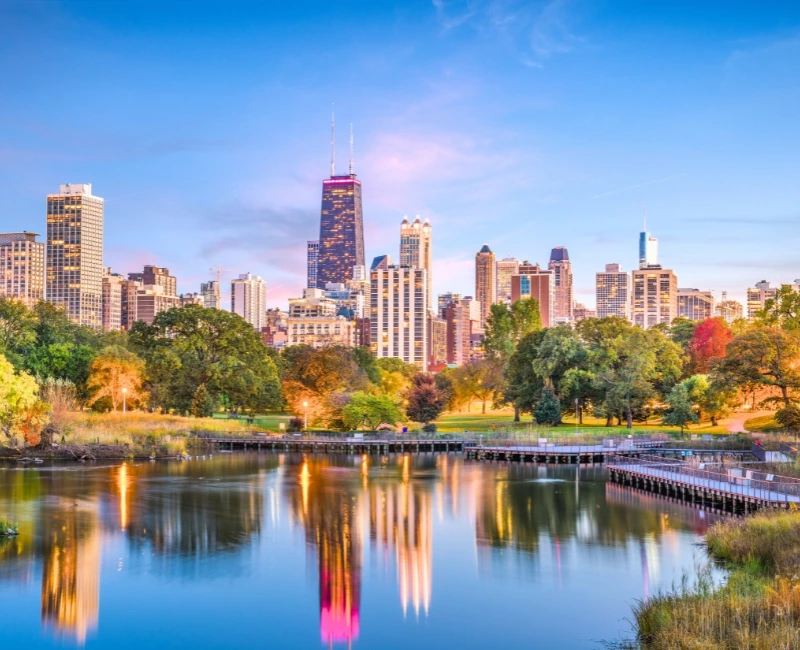
Chicago’s architectural landscape defines both the city and the broader realm of modern design, making it an essential highlight for travellers. From the soaring skyscrapers of the Loop to historic structures along the lakefront, architecture tours reveal insights into innovation, engineering, and cultural context. Begin with a boat tour on the Chicago River: guided cruises narrate the evolution of the skyline, pointing out icons like the Willis Tower (formerly Sears Tower), the neo-Gothic Tribune Tower, and the sleek lines of the Aqua Tower. These tours explain how Chicago’s rebuilding after the Great Fire of 1871 spurred advances in steel-frame construction and urban planning.On foot, explore the Loop’s concentrated cluster of landmarks: the Art Deco grandeur of the Chicago Board of Trade Building; the elegant façades of the Rookery Building with its Frank Lloyd Wright–designed interior lobby; and the Chicago Cultural Center, housed in a former central library with grand staircases and stained-glass domes. Nearby Millennium Park showcases contemporary public art—most famously “The Bean” (Cloud Gate)—and the Jay Pritzker Pavilion’s innovative bandshell. Walking tours often include anecdotes about architects such as Louis Sullivan and Mies van der Rohe, illustrating Chicago’s central role in the birth of the modern skyscraper.Venture to the lakefront to see residential and hospitality projects that blend design with views of Lake Michigan: from historic hotels to new high-rises with rooftop terraces. The Museum of Contemporary Art often hosts exhibitions on design and architecture. For deeper insight, visit the Chicago Architecture Center, where exhibits cover the city’s architectural evolution and host expert talks. Architecture enthusiasts may also travel to Hyde Park to see historic homes and university buildings reflecting different eras.Beyond downtown, neighbourhoods like Lincoln Park, Wicker Park, and the South Loop reveal distinct styles—Victorian rowhouses, renovated industrial spaces, and modern mixed-use developments—offering a sense of everyday urban life. Exploring these districts on foot or by bike highlights how Chicago balances preservation with innovation. Evening lighting transforms buildings, and rooftop bars provide perspectives on the skyline at dusk.Practical tips: many architecture tours operate year-round, though boat tours run only when waterways are ice-free (generally April–November). In peak season, book in advance. Dress for weather conditions; summers can be warm and humid, winters cold. Most tours depart from easily accessible locations near public transport. Budget travellers can join group tours, while private tours suit those seeking tailored experiences. Whether a design aficionado or curious traveller, Chicago’s architecture reveals layers of history, culture, and ambition, making this guide an indispensable part of any Illinois itinerary.
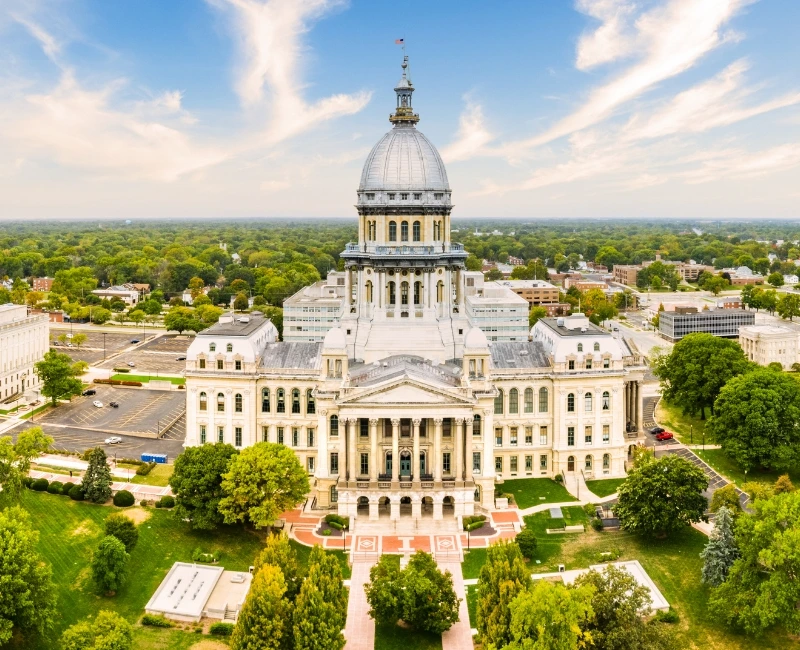
Springfield, the state capital of Illinois, offers a concentrated journey into 19th-century American history and the life of Abraham Lincoln. This guide leads travellers through key sites in a logical loop that can be covered in a day or extended over two days for deeper immersion. Begin at the Abraham Lincoln Presidential Library & Museum, where immersive exhibits and multimedia presentations chronicle Lincoln’s early years, legal career, presidency, and legacy. Interactive displays bring to life the social and political context of the era, including slavery, the Civil War, and Lincoln’s vision for the nation.From there, walk or drive a short distance to Lincoln Home National Historic Site. This preserved residence of Lincoln and his family provides tours of the modest 1840s cottage where he lived before the presidency. Knowledgeable guides describe daily life, family stories, and the neighbourhood’s 19th-century character. Nearby, the Old State Capitol building—restored to its 1850s appearance—is where Lincoln delivered his famed “House Divided” speech. Guided tours inside the building explore courtroom settings and legislative chambers, offering context on Illinois politics of the time.Continue to the Lincoln Tomb in Oak Ridge Cemetery, an impressive mausoleum featuring sculptures and inscriptions honouring Lincoln, his wife Mary Todd Lincoln, and their sons. The site provides reflective space and photo opportunities. For those interested in lesser-known locales, visit New Salem Historic Site about 15 minutes northwest: a reconstructed 1830s village where Lincoln lived as a young adult. Costumed interpreters demonstrate period crafts, blacksmithing, and daily activities, creating a vivid sense of frontier life and Lincoln’s formative years.Complement Lincoln-focused visits with stops at the Illinois State Museum, which covers regional archaeology, natural history, and art, giving broader context to Illinois heritage. Historic downtown Springfield has period buildings housing shops and restaurants serving Midwestern fare—ideal for lunch breaks. Consider sampling dishes with local ingredients at casual cafes or more upscale spots featuring seasonal menus; expect mid-range meal costs around £20–£30 per person excluding drinks.Seasonality: spring and autumn offer comfortable weather for walking tours; summer can be warm but pleasant for outdoor sites; winter visits are possible but dress warmly. Entrance fees to most Lincoln sites are modest or covered by federal passes; check opening times and book tours of Lincoln Home in advance. Accommodation options range from historic inns near downtown to modern hotels. Springfield’s small-city scale makes navigation straightforward; car hire or local taxis suffice. Public transport options are limited, so plan driving accordingly.This historical trail offers not only insight into Lincoln’s life but also broader understanding of Illinois’s role in national history. Travellers gain perspective on 19th-century American society and the evolution of civic leadership. For enthusiasts of U.S. history or visitors seeking a meaningful itinerary beyond major cities, Springfield’s historical trail is indispensable, providing a structured, enriching experience in the heart of Illinois.
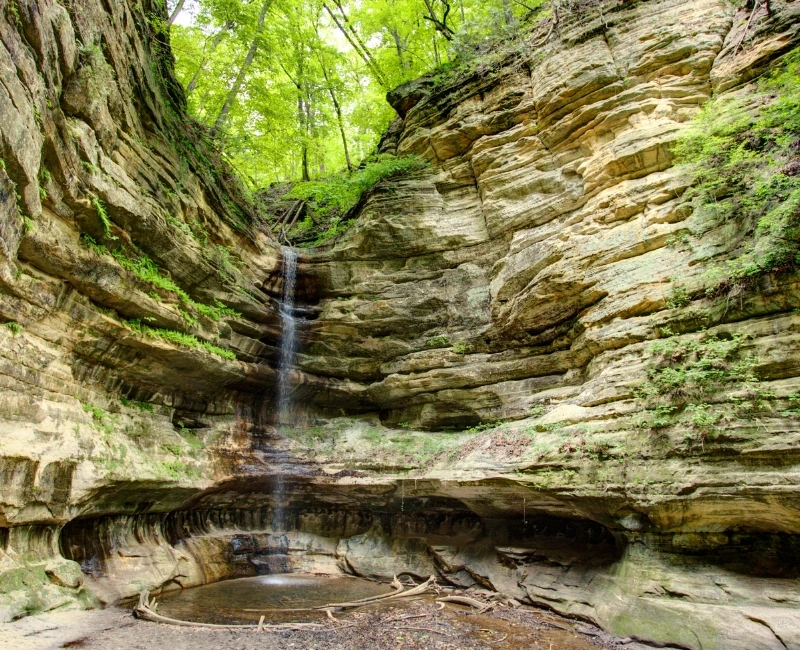
Starved Rock State Park, located along the Illinois River in central Illinois, is renowned for its dramatic sandstone canyons, waterfalls, and scenic overlooks, making it a must-visit for outdoor enthusiasts. This guide outlines how to make the most of a visit, whether for a day trip from Chicago or an overnight stay near the park lodges or nearby towns.Begin early in the morning to maximize daylight for hiking. The main visitor centre provides maps, trail recommendations, and information on current conditions. Popular hikes include trails leading into canyons such as French Canyon, Wildcat Canyon, and St. Louis Canyon. In cooler months or after rains, waterfalls cascade through these canyons, creating picturesque scenes. Most canyon trails are moderate difficulty: expect uneven terrain, rock steps, and occasional damp conditions. Proper footwear—sturdy hiking boots or trail shoes—is essential. Bring water, snacks, and dress in layers, as temperatures can vary between shaded canyons and exposed overlooks.The Starved Rock Overlook Trail offers panoramic views of the river and treetops, especially striking at sunrise or sunset. Birdwatchers will spot bald eagles and migratory species along the river in winter and spring. Guided ranger programs—if available—provide interpretive insights into geology, flora, fauna, and Native American history connected to the park. Photography enthusiasts find abundant opportunities: canyon walls framed by trees, river views from high bluffs, and seasonal changes from lush greenery to autumn colours or winter’s stark beauty.For lunch, pack a picnic to enjoy at designated areas overlooking the river, or dine at local cafés in nearby Utica or Oglesby, where prices are modest (around £10–£15 for light meals). If staying overnight, consider lodging at Starved Rock Lodge for proximity, or book hotels in nearby towns for a quieter setting. Early reservations are recommended during peak months (late spring to early autumn) and weekends, when local visitors flock to the park.Safety considerations: check weather forecasts, as rain can make trails slippery. In winter, trails may close or require traction devices; verify conditions at park offices. Carry a map or download offline maps, as signal may be intermittent in canyons. Respect park regulations: stay on trails, carry out rubbish, and follow wildlife guidelines.Beyond hiking, other activities include kayaking or canoeing on the Illinois River (seasonal rentals may be available), fishing with appropriate licences, and attending seasonal events such as guided nature walks or stargazing nights. Families can choose shorter, easier loops and educational programs at the visitor centre. For those travelling from Chicago, Starved Rock is about a 1.5–2-hour drive; combine with visits to nearby attractions like Matthiessen State Park for extended explorations.Starved Rock State Park’s combination of geological features, river landscapes, and biodiversity provides an immersive outdoor experience. Whether drawn by hiking challenges, photography, wildlife observation, or peaceful riverside vistas, travellers will find Starved Rock a highlight of any Illinois itinerary. Plan logistics in advance, dress suitably, and embrace the natural wonder that defines this celebrated state park.
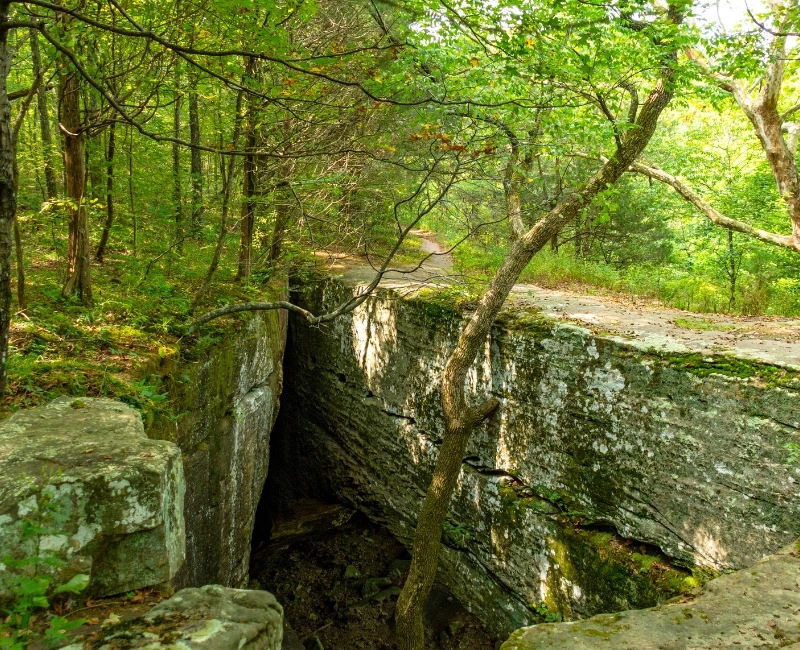
Shawnee National Forest in southern Illinois encompasses rugged terrain, sandstone bluffs, waterfalls, and dense woodlands, offering a distinct contrast from central Illinois’s prairies and Chicago’s urban areas. This guide helps travellers plan a multi-day or day-trip hiking itinerary to experience the forest’s highlights and nearby cultural sites.Begin by choosing a base: towns such as Harrisburg or Carbondale provide lodging options ranging from budget motels to cosy B&Bs. From there, plan visits to key areas like Garden of the Gods, Rim Rock Recreational Trail, Lusk Creek Canyon, and Burden Falls. Each area has its own character: Garden of the Gods features striking rock formations and panoramic overlooks, accessible via moderate hikes; Rim Rock Trail offers longer loops with river overlooks; Lusk Creek Canyon provides remote canyon experiences with modest trail markers; Burden Falls presents seasonal waterfalls in a forested setting.For Garden of the Gods, aim for early morning or late afternoon for optimal light and fewer crowds. The Observation Trail, though moderately strenuous, rewards with expansive views across rock pinnacles. Carry sufficient water, snacks, and navigation aids (maps or downloaded GPS tracks) as cell signal can be patchy. Dress in layers: southern Illinois can be warm in summer but cooler under canopy or at higher elevations. Sturdy hiking footwear is essential; bring trekking poles if preferred for stability on uneven terrain.Wildlife spotting includes deer, turkey, and various bird species; spring brings wildflowers, while autumn foliage transforms the forest into a tapestry of colours. Photography is rewarding at overlooks, canyons, and waterfalls; sunrise or sunset visits enhance the mood. For waterfall hikes like Burden Falls, check seasonal flow: spring and after rains yield stronger cascades. Swimming may be possible in some spots, though check local guidance and safety considerations.After hikes, explore cultural attractions nearby: southern Illinois has small-town festivals, local eateries serving Southern-influenced cuisine, and historic sites such as Cherokee heritage landmarks. Sample regional dishes—barbecue, corn-based comfort foods, local produce—at casual diners; expect mid-range meal costs around £15–£25 per person. Car rental is essential for flexibility; roads between trailheads and towns can be rural but generally well-maintained.Plan multi-day itineraries to cover different trail areas: for example, Day 1 at Garden of the Gods and Rim Rock; Day 2 at Lusk Creek Canyon and Burden Falls; Day 3 can include river activities or visits to nearby state parks or attractions like Shawnee Hills Wine Trail. Camping options exist in designated areas; book in advance if travelling during peak seasons. For guided experiences, local outfitters may offer guided hikes or interpretive tours focusing on geology and ecology.Safety: carry first-aid basics, inform someone of your route, and carry emergency supplies in remote areas. Check weather forecasts; thunderstorms can arise suddenly in summer. In winter, trails may be icy—use traction devices and verify trail status. Park regulations require staying on designated trails and respecting wildlife habitats.Shawnee National Forest’s blend of dramatic geology, biodiversity, and regional culture provides a wilderness experience distinct within Illinois. Whether seeking challenging hikes, scenic photography, or quiet forest immersion, travellers who venture to southern Illinois find this region a rewarding complement to urban and central state explorations. Thoughtful planning, appropriate gear, and respect for natural conditions ensure a safe and memorable adventure in Shawnee National Forest.

No visit to Illinois is complete without sampling Chicago’s legendary deep-dish pizza, a culinary icon characterised by thick crusts, generous cheese layers, and rich tomato sauce. However, Illinois’s dining scene extends far beyond this staple, offering a tapestry of flavours influenced by diverse immigrant communities, Midwestern produce, and innovative chefs. This guide outlines where and how to experience Chicago’s deep-dish heritage alongside other must-try dishes and local eateries across the state.Begin in Chicago with deep-dish classics: historic pizzerias that have served generations, where a single pizza can cost around £20–£25 for two people. While lines can form, many establishments accept reservations or early bookings. Compare variations: some offer stuffed crusts, others emphasise a buttery crust or unique toppings. For a comprehensive view, sample at two or three renowned spots to appreciate differences in texture and flavour. Complement pizza with local salads or appetizers, bearing in mind portion sizes are generous.Beyond deep-dish, explore neighbourhoods for authentic ethnic cuisine: Little Italy, Chinatown, Pilsen (Mexican), Ukrainian Village, and Indian and Middle Eastern enclaves. Street food stands and casual eateries often serve high-quality dishes at modest prices (£8–£15 per dish). For fine dining, Chicago boasts multiple Michelin-starred establishments where tasting menus can range from £80–£150 per person, showcasing seasonal Midwestern ingredients interpreted with global techniques.Outside Chicago, smaller cities and towns offer local specialities: Peoria’s riverside restaurants; Springfield’s Hoosier Auntie’s pies and comfort foods; southern Illinois diners serving barbecue and farm-fresh produce; Rockford’s farm-to-table cafés. Use local guides or ask residents for hidden gems. Many regional eateries emphasise locally sourced meat, vegetables, and dairy, providing insights into Illinois’s agricultural heritage.Illinois’s beverage scene complements its cuisine. Chicago’s craft breweries produce diverse beers—IPAs, stouts, lagers—available on tap or in tasting flight formats costing around £5–£8 for a flight. Brewery tours often include behind-the-scenes insights into brewing processes. Wine trails in northern Illinois and Shawnee Hills in the south offer vineyard visits and tastings (prices around £5–£10 per tasting). Distilleries producing spirits such as bourbon or vodka may offer tours and samples.Nightlife in Chicago includes rooftop bars overlooking Lake Michigan, jazz and blues clubs in historic neighbourhoods, theatre districts with late shows, and diverse live music venues. Cover charges vary; budget around £10–£20 for entry or live performances. In smaller cities, evenings feature local pubs, live music at community venues, and seasonal outdoor events. Transportation: in Chicago, use public transport or rideshares; outside, car hire is essential.For budget travellers, street food, food trucks, and casual diners allow sampling local flavours economically. Consider lunchtime specials at restaurants for better value. For those seeking immersive experiences, book food tours that guide through neighbourhoods, explain culinary histories, and include tastings; costs can range £30–£50 per person.Plan itineraries around mealtimes: start with brunch hotspots in Chicago offering inventive dishes; afternoon coffee shops in college towns; dinner at deep-dish pizzerias; late-night snacks at diners open late. Seasonal events like food festivals (e.g., pizza festivals, beer fests, farmers’ markets) provide concentrated tasting opportunities. Check event schedules when planning travel.By balancing iconic deep-dish pizza with exploration of broader culinary offerings across Illinois, travellers gain a deeper appreciation of local culture, agriculture, and innovation. From high-end dining in Chicago to comforting dishes in small towns, the food and drink experiences in Illinois complement urban and outdoor adventures, making gastronomy a key element of any travel itinerary.

Illinois’s craft brewery scene has blossomed over the past decade, offering beer enthusiasts opportunities to taste local brews that reflect regional ingredients and brewing creativity. This guide helps travellers discover notable breweries and bars in Chicago and beyond, plan brewery tours or self-guided tasting routes, and combine these visits with local attractions for well-rounded experiences.In Chicago, neighbourhoods like Logan Square, West Loop, and Bridgeport host prominent breweries producing a range of styles: IPAs, sours, stouts, lagers, and experimental small-batch releases. Many breweries offer taprooms with tasting flights (£5–£8 per flight) and tours explaining brewing processes, ingredient sourcing, and brewery histories. Popular stops include award-winning breweries known for signature beers, where visitors can often purchase bottles or cans to take home. Taprooms frequently host events—live music, trivia nights, food trucks—providing social ambience. Check brewery websites or social media for event schedules; booking may be required for tours.Outside Chicago, regions such as southern Illinois, central towns, and college towns like Champaign-Urbana have emerging breweries highlighting local grains, fruits, or honey. Shawnee Hills Wine Trail’s vicinity sometimes intersects with brewpubs creating joint tasting packages. Driving between breweries requires safe transportation planning: designate a sober driver, use rideshare services in urban areas, or join organised tours in certain regions. In rural areas, distances can be significant, so group travel or private tours work best.Bars in Illinois offer curated beer lists including local and international selections. In Chicago, craft-focused bars may rotate tap selections daily; budget travellers can enjoy happy-hour deals or brewery-sponsored events. In smaller cities, bars often support local breweries, offering a chance to taste region-specific brews not widely distributed. Engaging with bartenders may reveal limited releases or upcoming events.For a deeper dive, consider attending beer festivals in Illinois, which bring together dozens of breweries for tastings, often accompanied by food pairings and live entertainment. Festival tickets vary but often include a set number of tokens or tasting samples; budget around £20–£40 for entry depending on the event scale. Timing travel to coincide with major beer festivals in Chicago or regional events enhances the craft beer experience.Combine brewery visits with local sightseeing: brewery neighbourhoods in Chicago are often near cultural attractions, parks, or shopping districts. Plan a day exploring an area—morning museum visit or riverside walk—followed by afternoon brewery tour and evening at a nearby restaurant. Outside cities, combine brewery stops with nature activities: after hiking in Shawnee National Forest, relax at a nearby brewpub; after exploring Starved Rock, visit a local brewery in a neighbouring town.Respect responsible drinking: carry snacks, hydrate, and pace tastings. If self-driving, keep track of distances and allow time for rest. Many breweries and bars encourage safe transport options. For those seeking souvenir purchases, check local regulations on transporting alcohol back to the UK—consider buying sealed cans or bottles to pack in checked luggage.Illinois’s craft beverage landscape reflects both urban innovation and regional traditions. Travellers who explore breweries and bars across the state experience local culture through taste, meet creative communities, and enjoy convivial atmospheres. Whether a dedicated beer aficionado or curious traveller, planning visits with a balance of tasting, sightseeing, and responsible logistics will yield memorable experiences across Illinois’s evolving craft scene..
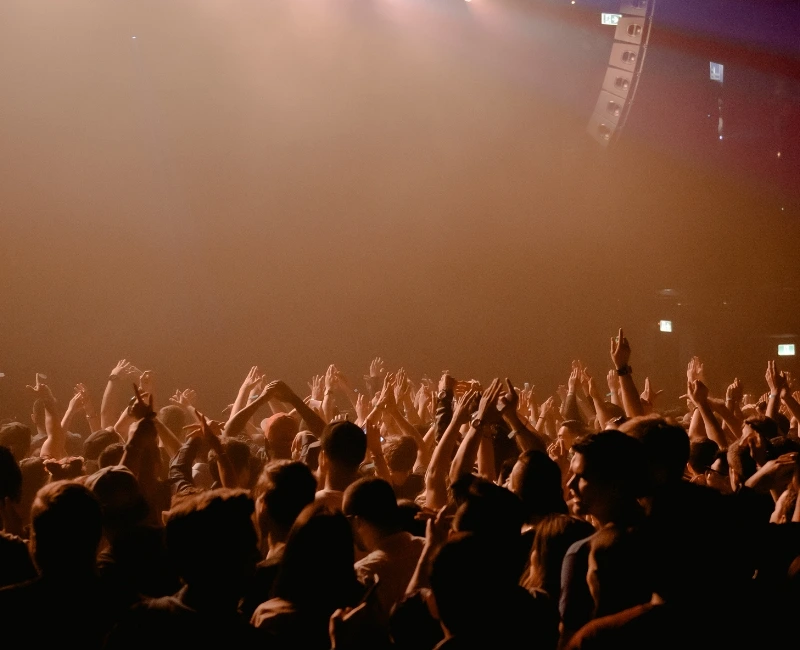
Chicago’s festival calendar is vibrant year-round, showcasing music, arts, film, food, and cultural celebrations that draw international visitors and highlight the city’s diversity. This guide outlines major events and practical tips for planning travel around festival dates to maximise enjoyment and manage costs.Summer is peak festival season in Chicago. Lollapalooza, a multi-genre music festival held in Grant Park, attracts global acts and tens of thousands of attendees. Tickets can cost around £200–£300 for multi-day passes; book early for better rates. For film enthusiasts, the Chicago International Film Festival in autumn screens diverse films at various venues, with ticket packages around £50–£100 depending on number of screenings. Jazz and blues lovers should not miss the Chicago Blues Festival and Chicago Jazz Festival, both free admission, showcasing top artists and local talent against scenic park backdrops.Food festivals—Taste of Chicago in summer—offer tasting portions from dozens of vendors, allowing sampling of local and international cuisines at affordable costs (tasting tickets or tokens priced around £1–£3 each). Craft beer festivals spotlight local breweries, with tasting flights included in ticket price (£25–£40). Art fairs and street festivals in neighbourhoods like Lincoln Square, Pilsen, and Wicker Park celebrate local artists, crafts, and community spirit; entry is usually free, but purchases and food/drink costs vary.Cultural events honour diverse communities: Chinese New Year celebrations in Chinatown; Mexican festivals in Pilsen; African heritage events in Bronzeville; Pride Fest in June. These free or low-cost events feature parades, performances, and authentic cuisine. Attending offers insight into Chicago’s multicultural identity. Plan accommodation well in advance for major events, as prices rise and availability decreases within city centre and nearby neighbourhoods.In off-peak seasons, winter brings Chicago Winterfest and holiday markets; indoor festivals include theatre festivals and museum events. Autumn colours along the lakefront and in city parks enhance outdoor event atmospheres. For travellers on a budget, free festivals (jazz, blues, neighbourhood fairs) provide cultural immersion without high ticket costs; bring snacks or plan affordable meals nearby.Travel logistics: use public transport (L-trains, buses) to reach festival venues; ride-sharing is an option late at night. Stay in centrally located neighbourhoods for easy access, but consider suburbs connected by public transport for lower accommodation costs. Buy festival tickets in advance to secure entry and possibly save money. Check festival websites for schedules, age restrictions, and any required registrations.Combine festival attendance with sightseeing: explore nearby attractions during the day—museums, architecture tours, lakefront walks—and enjoy festival programming in the evening. For multi-day events, balance high-energy days with relaxation: plan downtime in parks or spa visits. For music festivals, pack appropriately (comfortable shoes, weather-appropriate clothing) and stay hydrated. For food events, pace tastings and budget tokens or tickets.Chicago festivals reflect the city’s creative spirit and community vitality. Planning travel around key events enhances the Illinois experience, offering memorable moments amid world-class performances, culinary delights, and celebrations of heritage. With diverse options throughout the year, visitors can tailor their trip to interests and budgets, ensuring that festival participation becomes a highlight of any Illinois itinerary.
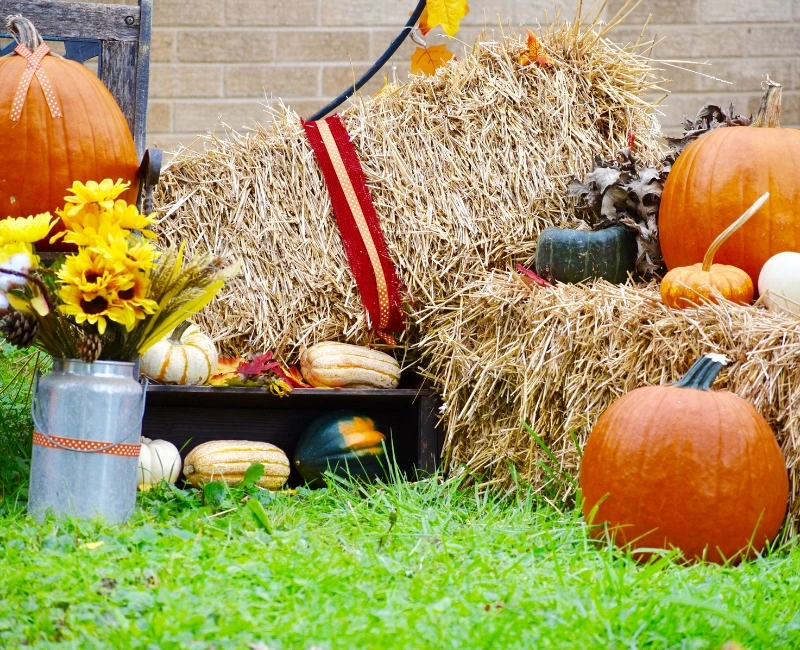
Beyond major city events, Illinois’s smaller communities host county fairs, harvest festivals, and seasonal celebrations that offer authentic Midwestern experiences. This guide helps travellers incorporate these local events into their itinerary, providing insights on timing, activities, and cultural significance.County fairs typically occur in summer and early autumn in towns across Illinois. Fairs feature agricultural exhibits (livestock, produce competitions), carnival rides, live music acts (often regional or national artists), craft and vendor stalls, and classic fair foods such as corn dogs, funnel cakes, and local specialities. Admission fees are modest (often around £5–£10), with additional costs for ride tickets and food. These events provide a window into rural life, community spirit, and local traditions. Check county fair schedules online or via state fair calendars to align travel dates; fairs generally run 3–5 days.Harvest festivals in autumn celebrate seasonal produce—apples, pumpkins, squash—and include activities like hayrides, corn mazes, pumpkin picking, and craft workshops. Many farms open to visitors for agritourism experiences, offering farm-to-table meals or pick-your-own produce for modest fees (£10–£20 per person for activities). Visiting harvest festivals combines scenic drives through countryside with hands-on experiences that appeal to families and travellers seeking slower-paced activities.Winter holiday markets in towns like Geneva or Naperville near Chicago provide charming settings with local artisans selling crafts, festive foods (mulled cider, roasted nuts), and seasonal performances. Costs are generally low; purchases are optional but support local communities. Dress warmly and plan transport, as rural winter weather can affect road conditions.Cultural heritage celebrations occur throughout the year: Polish festivals in towns with strong Polish heritage, German Oktoberfest events, Irish festivals in communities with Irish-American roots, and Indigenous heritage events highlighting Native American culture. These often include traditional music, dance, crafts, and cuisine. Admission may be free or low-cost; purchasing local food or crafts supports artisans and deepens cultural understanding.Music and arts events in smaller venues: barn dance gatherings, bluegrass or folk concerts at local halls, community theatre productions, and art studio tours in artist communities. Schedules vary seasonally; local tourism boards or community websites list events. These offer intimate experiences and opportunities to interact with residents.Planning tips: car hire is essential for accessing rural events; check opening hours and road conditions especially in shoulder seasons or winter. Accommodation can be in small-town inns, B&Bs, or nearby larger towns; book early for popular events. Combine a county fair visit with nearby state park day hikes or visits to historic sites for varied experiences in a region. Budget travellers can pack picnic lunches for day trips and allocate modest funds for tickets and purchases.Attending local fairs and seasonal celebrations offers insight into Illinois’s community life beyond urban centres. Travellers experience hospitality, culinary traditions, and cultural expressions rooted in regional heritage. These events complement city highlights and natural adventures; incorporating them adds authenticity and memorable encounters to any Illinois itinerary.
No ads. No trails. No commitments


Alice Roses
London, England
51 ST MATTHIAS ROAD
NOTTINGHAM, NOTTINGHAMSHIRE
NG3 2HF
Hours: 8:00 - 17:00, Mon - Sat
support@johnsonholidays.com