 Warsaw Travel
Guide
Warsaw Travel
Guide
Paris is known around the world as the “capital of love,” and even if you don't understand the history of Paris at all

2.5 Hours
£3.15
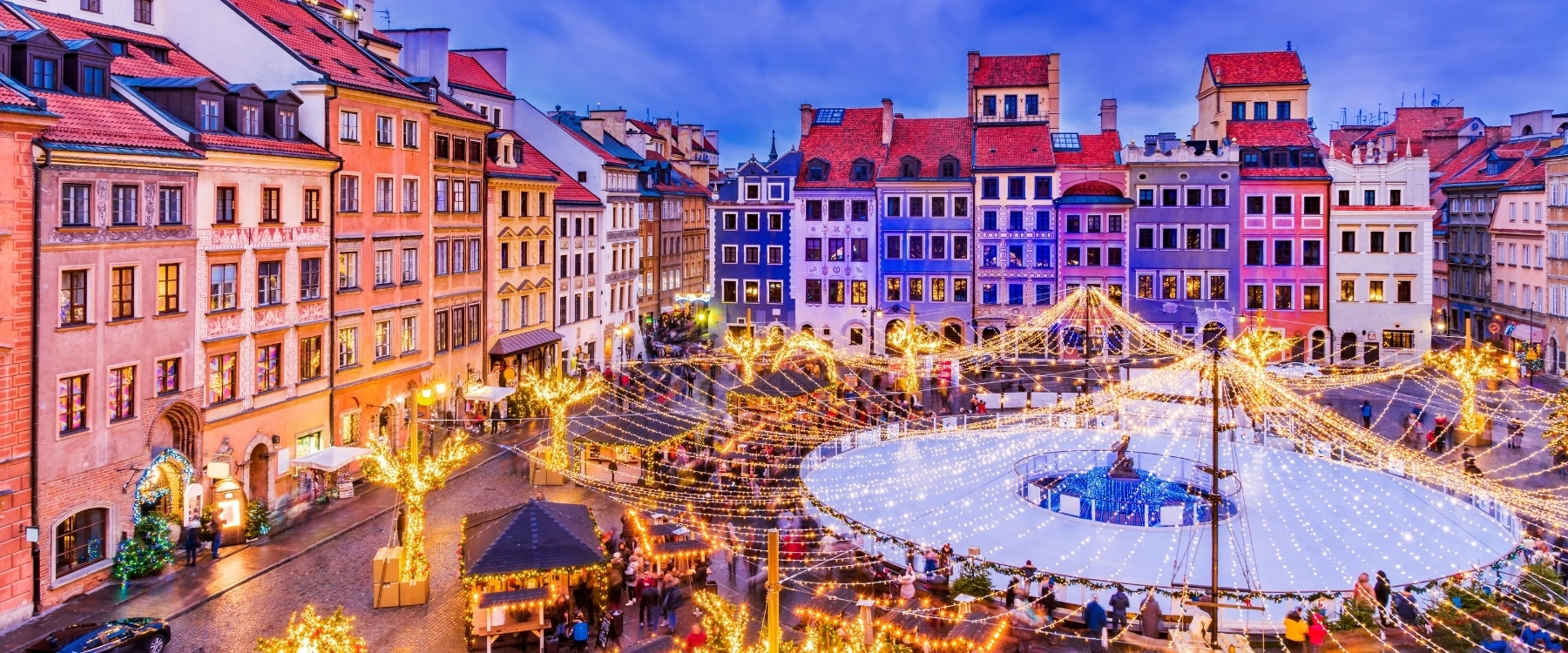
Warsaw’s history is etched into every corner, from the meticulously reconstructed Old Town—originally destroyed during World War II and rebuilt brick by brick—to poignant monuments commemorating the Warsaw Uprising of 1944. Visitors can explore the Royal Castle, stroll along the Royal Route past baroque and neoclassical landmarks, and delve into stories at the Warsaw Uprising Museum. This interplay of destruction and rebirth offers an emotionally resonant journey: you witness how Warsaw transformed itself through decades of turmoil into a vibrant capital. For history enthusiasts, the layers of architecture and museum narratives provide deep insight into European and Polish heritage, making Warsaw an unforgettable study in perseverance.
Learn More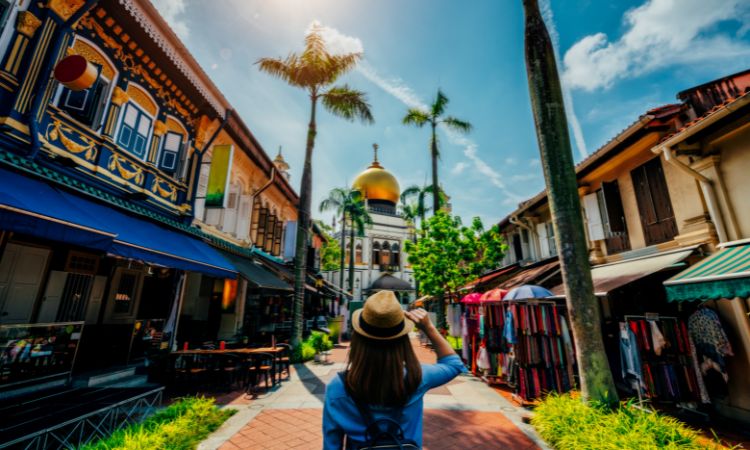
Warsaw’s cultural offerings span world-class museums, theaters, galleries, and live music venues. The POLIN Museum of the History of Polish Jews offers an immersive exploration of centuries-old heritage, while the National Museum displays Polish and international art. Outdoor Chopin concerts in Łazienki Park celebrate the composer’s legacy, and jazz bars in the Praga district showcase local talent. Contemporary art spaces and street art tours reflect Warsaw’s dynamic creativity. A packed calendar of film festivals, music events, and traditional celebrations ensures there’s always something happening. For travelers seeking inspiration and cultural depth, Warsaw delivers a multifaceted experience blending classical and avant-garde influences.
Learn More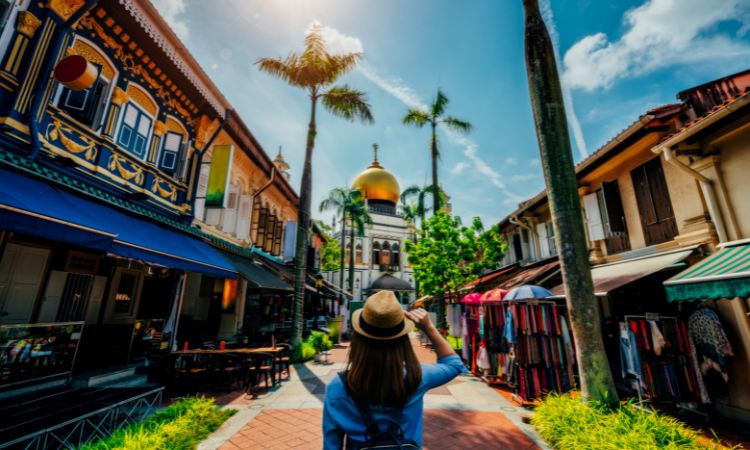
Compared to many Western European capitals, Warsaw offers excellent value for dining and entertainment. Traditional Polish cuisine—pierogi, żurek, bigos—can be enjoyed at cozy milk bars and local restaurants, while modern eateries and world-class chefs deliver inventive menus. Craft beer bars and cocktail lounges provide lively nightlife without steep price tags. Neighborhood pubs serve pints at approximately 16.5 zł (~£3.15), making evenings out affordable. Whether you prefer a casual drink in an atmospheric cellar bar or a sophisticated evening in a rooftop lounge overlooking the Vistula, Warsaw provides diverse options that cater to different budgets and tastes.
Learn More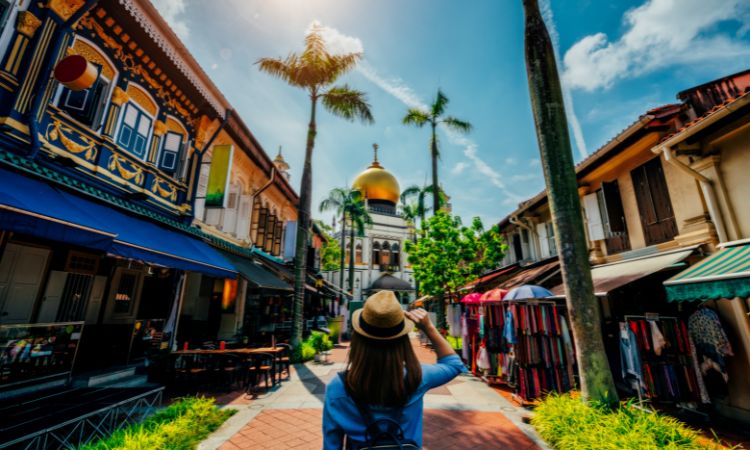
Despite its urban scale, Warsaw integrates abundant green areas. Łazienki Park, with its palace, Chopin monument, and roaming peacocks, invites leisurely strolls and open-air concerts. The Vistula River boulevards offer cycling, jogging paths, waterside bars, and boat cruises, ideal for active days or relaxed sunsets. Wilanów Palace gardens blend royal grandeur with landscaped tranquility. Within a short drive lies Kampinos National Park for hiking, birdwatching, and seasonal outdoor adventures. These natural retreats within and near Warsaw allow visitors to balance city exploration with restorative moments in nature.
Learn More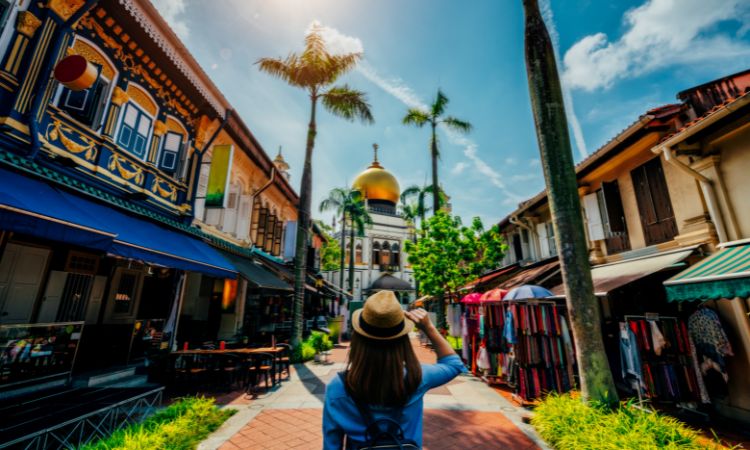
Warsaw’s central location and major airports (Chopin and Modlin) provide convenient connections across Europe and beyond . For multi-destination trips, Warsaw serves as a cost-effective hub with competitive flight options. Well-connected transport links—efficient trains and buses—facilitate onward journeys to other Polish cities like Kraków, Gdańsk, or Wrocław, and neighboring capitals such as Berlin or Prague. Business travelers benefit from modern conference facilities and co-working spaces, while leisure travelers can plan multi-leg adventures, combining Warsaw’s urban appeal with Poland’s scenic regions.
Learn More
Warsaw’s calendar brims with events: summer festivals at the riverbanks, film and music festivals in spring and autumn, Christmas markets and New Year celebrations in winter . Seasonal transitions bring unique charms: spring blooms in parks, long summer days with open-air events, autumn foliage along historic boulevards, and a cozy winter atmosphere with festive lights. No matter when you travel, Warsaw offers experiences tailored to the season. Travelers can plan visits to coincide with cultural happenings—such as the Warsaw Film Festival or the International Chopin Piano Competition—enhancing their trip with memorable, location-specific moments.
Learn More
Lorem ipsum dolor, sit amet consectetur adipisicing elit. At illo adipisci iusto
From

Because more than 268 other customers have loved us too

Demonstrates commitment to user data security through encryption and secure payment practices
Learn More
Demonstrates commitment to user data security through encryption and secure payment practices
Learn More
Demonstrates commitment to user data security through encryption and secure payment practices
Learn More
Demonstrates commitment to user data security through encryption and secure payment practices
Learn More
Quality as judged by customers. Book at the ideal price!


/ person
/ person
/ person
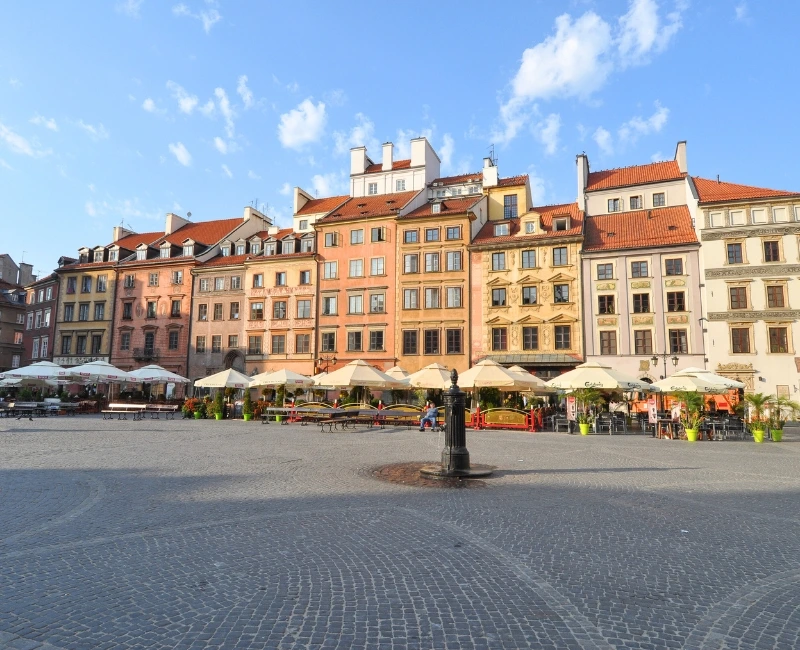
Warsaw’s Old Town is more than a UNESCO World Heritage site—it’s a living story of rebirth. After 1944’s near-total destruction, artisans, historians, and architects teamed up to rebuild every façade, plaza, and monument using archival documents, paintings, and even fragments of original ruins. Begin at Castle Square (Plac Zamkowy), where the Royal Castle’s scarlet-brick walls and crenellated towers have been restored to their 17th‑century grandeur. Inside, period‑style rooms display portraits of Polish monarchs, ornate tapestries, and curated wartime exhibits illustrating the Castle’s dual role as royal residence and symbol of national perseverance.From here, wander down Zapiecek and Piwna streets, whose uneven cobblestones lead past pastel‑hued merchant houses in Baroque and Neoclassical styles. Many host pocket museums—such as the Museum of Warsaw’s multimedia rooms—where interactive dioramas recount the painstaking post‑war reconstruction process. In the heart of the Quarter lies Market Square (Rynek Starego Miasta), anchored by the 1644 Sigismund’s Column, honoring the monarch who moved Poland’s capital here in 1596. Local cafés around the square serve seasonal pierogi (from mushroom and sauerkraut in autumn to berry‑filled in summer), piping-hot żurek in hollowed bread bowls, and amber‑toned meads.A short stroll brings you to the Barbican, a semi‑circular fortress turreted in red brick and limestone. Climbing its ramparts yields panoramic views over terracotta rooftops, while interpretive panels explain the city’s medieval fortifications. Next, step into St. John’s Archcathedral, whose soaring Gothic nave houses marble tombs of bishops and monarchs. Guided or self‑guided audio tours highlight its centuries‑old organ, 15th‑century stained glass, and memorial plaques commemorating wartime sacrifices.For deeper context, join a themed walking tour or pick up an audio guide at the Warsaw Uprising Monument nearby. Exhibits there combine personal letters, period uniforms, and scale models of the 1944 insurgency—an emotional counterpoint to the architectural splendor around you. As afternoon light softens historic façades, exit onto Krakowskie Przedmieście, the start of the Royal Route toward Łazienki Park.By dusk, lanterns flicker along the Old Town’s narrow lanes. Candlelit courtyards host live folk‑music nights or intimate classical recitals. Restaurants housed in reconstructed granaries and merchant houses offer multi‑course Polish tasting menus—think roasted pork knuckle with mustard sauerkraut or wild‑mushroom risotto with fresh dill. Over dessert, perhaps a creamy sernik or plum szarlotka, reflect on how Warsaw’s Old Town has transcended ruin to become a monument to human resilience.
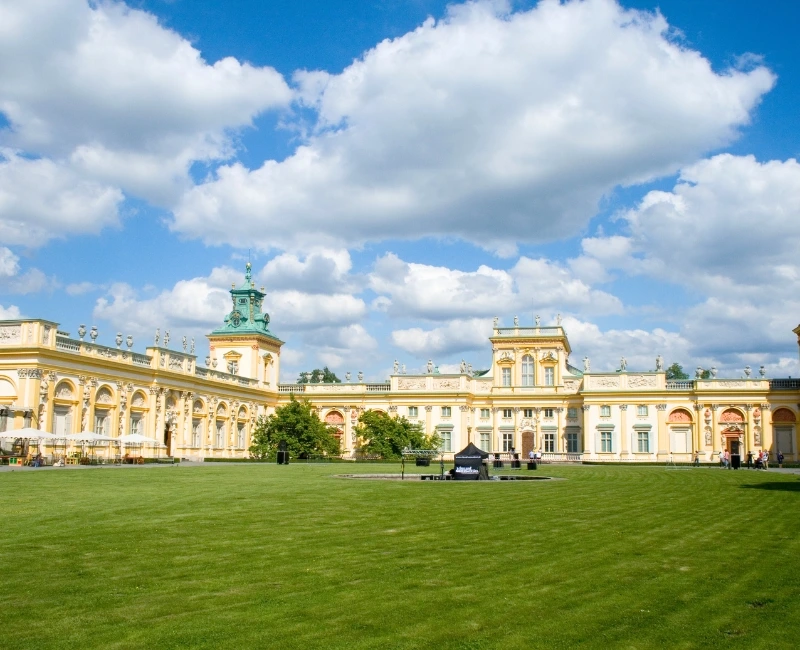
The Royal Route (Trakt Królewski) weaves a narrative from Warsaw’s medieval core to its 17th‑century Baroque flourish. Beginning at the Royal Castle in the reconstructed Old Town, head south along Krakowskie Przedmieście, once the stage for royal processions. On your right, the Presidential Palace stands in pale stone, its Ionic columns and rooftop balustrades framing portraits of Poland’s presidents. Across the street, the University of Warsaw’s historic campus blends cloistered courtyards with grand lecture halls.Pause at the Church of the Holy Cross, where thousands visit the silver‑capped urn holding Chopin’s heart—an intimate link to the country’s musical genius. Continue to St. Anne’s Church, its slender spire offering 360° panoramas for those who climb the narrow stairwell. Here, the acoustics are legendary; weekday organ recitals echo through the frescoed nave.Cross into Nowy Świat, a boulevard of neoclassical façades repurposed into artisan shops, upscale cafés, and patisseries. Sample a pączek glazed with rosehip jam or a slice of makowiec (poppy‑seed roll), paired with a cup of robust Polish coffee. Beyond, manicured chestnut‑lined avenues lead to the southern entrance of Łazienki Park, where the White Palace floats on a mirrored lake amid peacocks and whispering willows.Yet the crowning jewel lies a few kilometers further south: Wilanów Palace, the “Polish Versailles.” Commissioned by King Jan III Sobieski in 1681, its ochre walls, mansard roofs, and ornate wrought‑iron gates speak of Baroque opulence. Inside, glowing chandeliers dangle above gilded stucco, while portraits of European royalty hang beside ceramics and tapestries. The palace chapel, lavishly frescoed, reflects the union of faith and monarchy.Outside, formal gardens extend in geometric precision: parterres of lavender and roses flank gravel alleys, leading to neoclassical statues and reflecting pools. Beyond, English‑style groves offer shaded strolls beside peony borders. Seasonal highlights include summer evening “Garden Illuminations”—lantern‑lit paths accompanied by chamber‑music concerts—and the autumn Wilanów Garden Festival, which showcases folk‑art workshops and outdoor film screenings against the palace façade.Access is simple: tram line 15 or bus 116 whisk you from central stops near the University of Warsaw directly to Wilanów. Many visitors combine a walking segment of the Royal Route with public transport back, ensuring a balanced blend of pedestrian discovery and efficient transit. Whether you’re photographing the palace’s mirrored moat at sunrise or attending a classical recital in its restored concert hall, this journey along Poland’s most historic boulevard and its grand summer residence immerses you in royal tradition, architectural mastery, and the living legacy of Poland’s “Golden Age.”
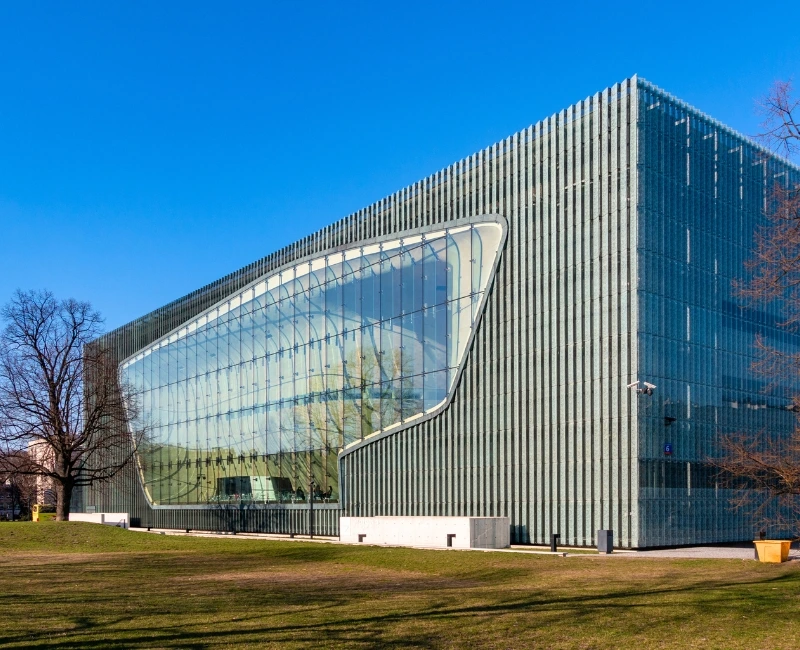
Warsaw’s museum circuit is a tapestry of remembrance, art, and innovative storytelling. Begin at the POLIN Museum of the History of Polish Jews, its undulating glass-and-steel façade inspired by Jewish scrolls. Inside, ten galleries trace a thousand years of Jewish life in Poland—from medieval trade networks to the zenith of the Polish–Lithuanian Commonwealth. Interactive tables let you explore synagogue architecture; video booths play survivor testimonies; and the solemn Hall of Remembrance memorializes the Warsaw Ghetto, ending with a moment of silent contemplation beneath ambient lighting.A short tram ride takes you to the Warsaw Uprising Museum, dedicated to the 1944 civilian insurrection against Nazi occupation. Life‑size street dioramas, complete with period‑handwritten letters lining cobblestones, immerse visitors in the home-front struggles. Multimedia stations project archival film clips, while personal kiosks allow you to hear first‑person recollections. The museum’s dynamic layout alternates between heart‑wrenching wartime scenes and stories of resilience—each exhibit accompanied by English captions and audio guides.For art connoisseurs, the National Museum offers a journey from medieval Polish altarpieces and Gothic sculpture to 19th‑century canvases by Jan Matejko and vibrant avant‑garde works. Its collection of European art includes El Greco and Rembrandt, while a dedicated wing highlights 20th‑century Polish poster design. Nearby, the Fryderyk Chopin Museum blends archival manuscripts with immersive soundscapes: reclining listening stations pipe Chopin’s nocturnes into personal headphones, and interactive touchscreens let you “play” annotated excerpts from the composer’s own handwriting.Contemporary art finds a home at the Centre for Contemporary Art Ujazdowski Castle, located in a Neo‑Renaissance fortress on the Vistula’s banks. Rotating exhibitions probe global social issues through painting, video, and installation art. Smaller niche venues offer off‑beat perspectives: the Neon Museum in Praga showcases rescued Cold War neon signs in a converted vodka distillery, while the Fotoplastikon revives 19th‑century stereoscopic images in a porthole‑like theater, transporting viewers to pre‑war Warsaw in three dimensions.Guided tours—often led by curators—provide insider context, while weekend family workshops animate artifacts through crafts and role‑playing. Whether you’re exploring POLIN’s layered narratives, tracing the arc of the Uprising, or marveling at contemporary installations, Warsaw’s museums blend scholarship with sensory engagement. Each stop deepens your understanding of identity, loss, and renewal, affirming the city’s role as both guardian of memory and incubator of creative dialogue.
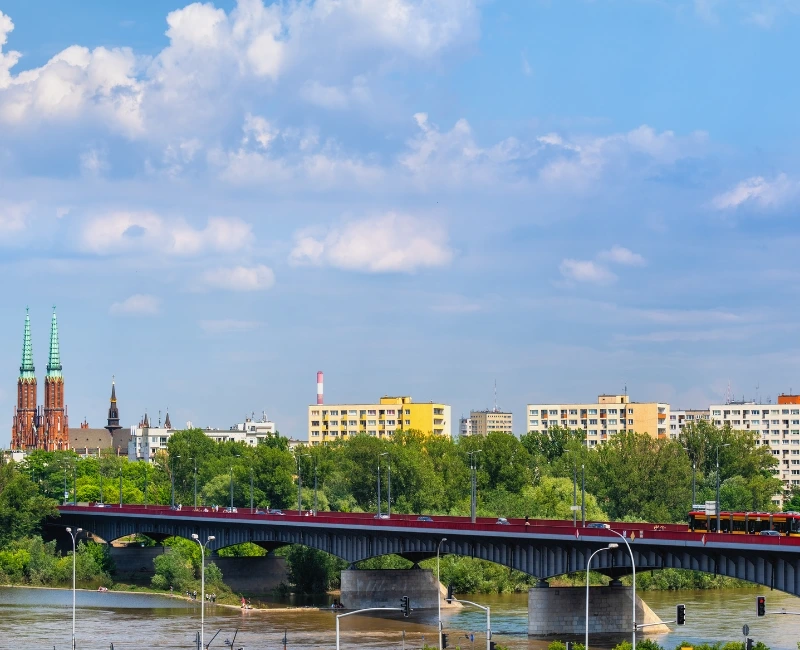
Beyond institutional walls, Warsaw’s creative spirit pulses through its streets, clubs, and theaters. Head east of the river to the Praga district, once an industrial backwater and now a canvas for urban expression. Giant murals—depicting everything from Solidarność heroes to cosmic abstractions—coat former factory façades in technicolor. Small collectives offer guided street‑art walks, unpacking the social commentary behind each spray‑painted scene.As dusk falls, dive into Warsaw’s jazz heritage at venues like Tygmont Jazz Club, where local trios and international stars light up intimate brick‑walled rooms. For electronic beats, hotspots in central Śródmieście and Praga host techno, house, and experimental nights; loyal locals stake out their favorite dancefloors long before doors open.Theatrical life thrives on multiple stages. At Teatr Wielki – Polish National Opera, grand productions of Verdi and local premieres unfold beneath gilded balconies and rococo ceilings. Meanwhile, Teatr Powszechny champions avant‑garde works—immersive site‑specific plays, spoken‑word performances, and innovative puppetry. English‑friendly shows pop up during the Warsaw Theater Meeting festival, often with subtitles or simultaneous translation.Open‑air summer venues animate the city’s green lungs. In Łazienki Park’s woodland amphitheater, pianists perform nocturnes beneath starlit skies; in Plac Grzybowski, the annual Filmowa Strefa screens cult classics on a giant inflatable screen. Pop‑up food trucks, vinyl DJ sets, and craft‑beer kiosks turn these events into block‑party spectacles.If you crave a more hands‑on vibe, check out mixed‑media workshops at offbeat spaces like SOHO Factory—printmaking, zine‑making, or PCB‑etching classes taught by local artists. Even casual café galleries around Nowy Świat host monthly micro‑exhibitions where you can meet emerging painters and photographers.Throughout, you’ll find culinary pop‑ups and experimental bars experimenting with multi‑sensory cocktails—inspired by Old Town herbs or Vistula‑river algae—often paired with live projection mapping or interactive installations. Whether you’re vibing to a saxophonist riffing over techno beats, laughing through a modern‑dance‑comedy mashup, or simply discovering a hidden mural at dawn, Warsaw’s creative scene invites you to participate, not just observe.

Warsaw’s food scene is a delicious dialogue between comforting tradition and bold innovation. Begin your culinary journey at a bar mleczny (milk bar), relics of the communist era that still serve homestyle fare at rock‑bottom prices. Order plates of pierogi stuffed with potato and cheese, meat, or seasonal mushrooms; ladle thick bowls of bigos (hunter’s stew) simmered with sauerkraut, wild boar, and a hint of juniper; and savor piping cups of żurek (sour rye soup) served in crusty bread bowls.For sweets, seek out pączki—Polish doughnuts—filled with rosehip or plum jam and dusted in vanilla sugar. A slice of creamy sernik (Polish cheesecake) or a wedge of makowiec (poppy‑seed roll) makes an excellent midday pick‑me‑up with coffee.By lunchtime, explore Hala Mirowska and Hala Koszyki market halls: labyrinthine corridors lined with stalls selling pierogi made to order, hand‑stretched oscypek (smoked sheep cheese) slides, and artisanal rye breads. Here you can taste regional specialties—Podlaskie potato pancakes, Kashubian fish pâté—while chatting with vendors about family recipes passed through generations.As the city evolves, chef‑driven restaurants are putting Polish terroir on a modern plate. At tasting‑menu spots, expect wild‑mushroom consommé in autumn, foraged nettles in spring, and Baltic cod fillets served with leek ash. Farm‑to‑table bistros partner directly with local growers, featuring heirloom carrots glazed in honey from Lublin’s apiaries or saffron‑tinged crème fraîche made by small dairy co‑ops.For a lighter interlude, café culture thrives around Nowy Świat and Powiśle: avocado‑topped toasts meet pickled herring sliders in hip interiors. Specialty coffee shops roast local beans and pour Turkish‑style unfiltered brews, creating strong contrasts to typical espresso drinks.An evening out might take you riverside to the Vistula Boulevards, where floating cafés and barge‑restaurants light up the water. Savor Baltic fish tacos drizzled in dill‑cream sauce, or grilled venison medallions paired with reindeer lichen chutney, all while watching kayakers glide past at sunset.Wash it down with Poland’s proud spirits: sample flavored vodkas—cherry, bison grass, or sea‑buckthorn—and toast with craft beers from microbreweries in Żoliborz and Praga. Cocktail bars experiment with infusions of local fruits and foraged herbs. Whether you’re tracing culinary history in milk bars or celebrating a modern‑ist tasting menu, Warsaw satisfies both nostalgic appetites and adventurous palates.
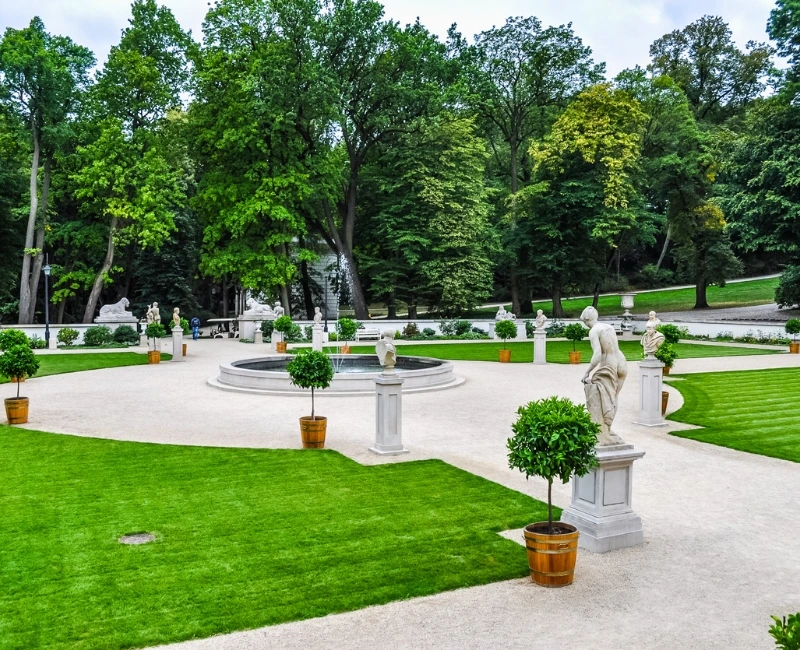
Amid Warsaw’s urban pulse lie sprawling green lungs and riverside retreats offering everything from serenity to adrenaline. Łazienki Park, the city’s largest, feels like a miniature Versailles: a white‑marble palace floats on a placid lake, peacocks roam gravel paths, and classical pavilions dot the tree‑lined avenues. Join locals for morning tai chi by the Chopin Monument, then picnic on manicured lawns beside rose beds, or rent a rowboat at the lakeside kiosk.Just to the north, the Saxon Garden—one of Europe’s oldest public parks—boasts symmetrical flowerbeds, a charming fountain, and shaded promenades. Cyclists and joggers circle its pathways year‑round. Further west, Pole Mokotowskie transforms into a festival ground in summer, hosting open‑air cinemas, music events, and pop‑up food stalls alongside sprawling lawns perfect for frisbee or yoga.The Vistula River Boulevards have been revitalized into a social spine: in summer, floating bars and beach‑style lounges line the banks, string lights crisscross above sand‑covered pop‑up volleyball courts, and pedal‑boat rentals offer a watery perspective on Warsaw’s skyline. Cyclists follow a continuous greenway, crossing sleek new footbridges that connect Praga with Śródmieście. As dusk approaches, live DJs spin on barge‑stage platforms, drawing crowds ready to dance under the stars.For wilderness just beyond city limits, head 30 minutes west to Kampinos National Park, a UNESCO biosphere reserve of pine forests, shifting sand dunes, and marshland. Guided nature walks reveal elk tracks and marsh orchids; mountain‑bike routes challenge all skill levels; and winter brings cross‑country skiing through silent birch groves.Within the city, active travelers can book kayaking tours under the Trojmostowy Bridge or join an urban trail‑running group exploring secret lanes. Tennis courts, climbing walls, and rooftop yoga studios cater to fitness buffs—many offering sunrise sessions atop high‑rise terraces. Spa hotels near Pole Mokotowskie provide post‑workout massages and thermal baths, ensuring deep recovery.Seasonal events—beach volleyball tournaments by the river, early‑morning paddleboard yoga, and lantern‑lit summer night hikes—keep Warsaw’s outdoor calendar buzzing. Whether you seek reflective strolls by palace lakes, high‑energy paddling adventures, or immersive forest escapes, Warsaw’s parks and riverbanks invite you to balance city life with fresh‑air pursuits..
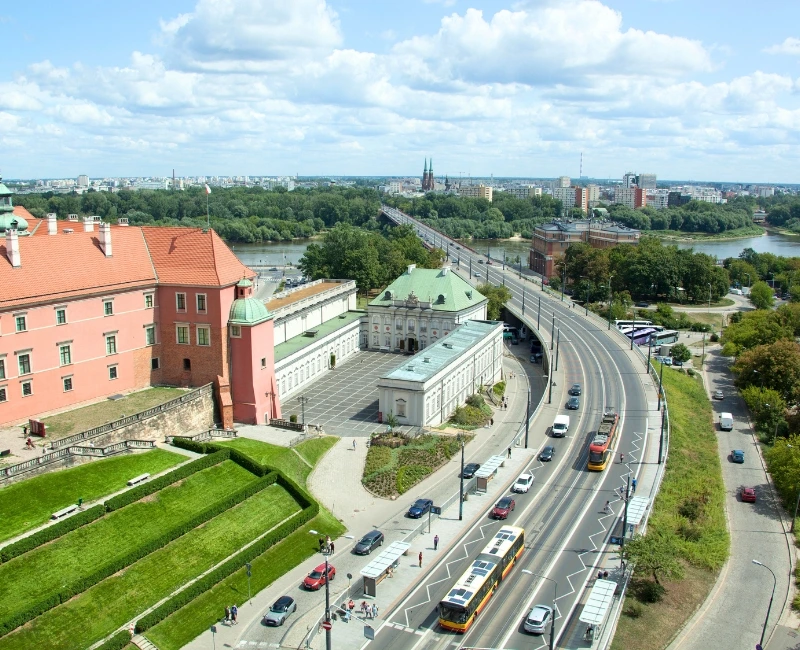
Cross the Vistula to discover Praga, Warsaw’s gritty‑chic district turned creative hotspot. Start at the Soho Factory, a refurbished vodka distillery housing galleries, independent design shops, and cafés serving single‑origin brews. Side streets reveal ever‑changing street‑art murals—from politically charged portraits to wildly abstract patterns—often mapped out on community apps. Pop into the Neon Museum, where salvaged Cold War signage glows beneath high ceilings, offering Instagram‑worthy moments and historical insights.A short walk south brings you to the Praga Koneser Center, another former distillery reborn as a mixed‑use hub. Sip craft beers distilled on‑site, browse vinyl records in retro shops, or dine in avant‑garde restaurants where chefs fuse Polish ingredients with global techniques. On weekends, artisan markets fill courtyards with handcrafted jewelry, pottery, and vinyl‑pressed artwork.Beyond Praga, Żoliborz offers leafy promenades and interwar modernist villas. Its quiet plazas—Osiedle Żoliborz Oficerski—feature pastel‑colored apartment blocks from the 1930s, now home to boutique cafés and bookshops. Pluck a bench by Park Żeromskiego to sample pastries from neighborhood bakeries, then stroll to Plac Wilson for a panoramic city view from the observation deck of the 19th‑century water tower.Further west, Powiśle straddles student‑friendly bars and upscale brunch spots. By day, riverside paths invite cyclists and joggers; by night, clusters of bars under the viaduct arches fill with live‑music sessions and beer‑pong tournaments. Don’t miss the riverside beach bar at Bulwary Wiślane, where hammocks and jeans‑friendly docks serve local craft cocktails alongside DJs spinning chillwave.Finally, Mokotów—once a quiet suburb—now blends residential calm with microbreweries and wine‑bars tucked into side streets. Explore hidden courtyards lined with bistros serving seasonal menus; then end your evening at a speakeasy‑style bar behind an unmarked door, where mixologists craft inventive infusions.Public transit and ride‑shares make hopping between these enclaves easy—and each neighborhood tells a different story of Warsaw’s evolving identity. Venture off main boulevards to discover community theaters staging English‑friendly plays, pop‑up film screenings in former factories, and underground poetry slams in café backrooms. Warsaw’s creative energy isn’t confined to landmark streets—it thrives in its forgotten corners.
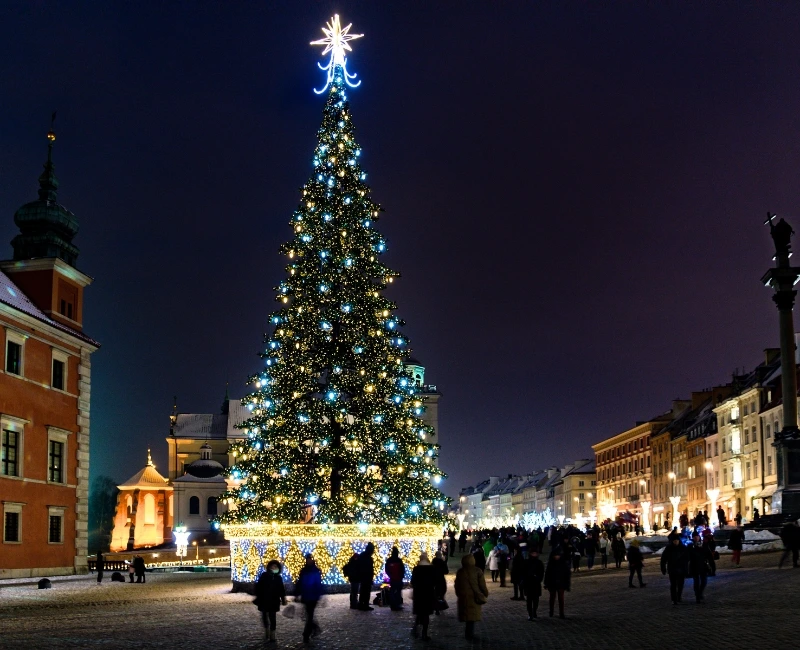
When the sun dips below the Vistula, Warsaw transforms into a nocturnal tapestry of cocktails, concerts, and cultural flair. Begin your evening in the Śródmieście district at a rooftop bar—such as Level 27—where craft cocktails infused with locally foraged herbs arrive alongside 360° views of illuminated landmarks. As you mingle, sip berry‑infused vodkas or signature gin‑and‑kielbasa‑bitters martinis.For a dose of high culture, catch a performance at the National Philharmonic or the Teatr Wielki – Polish National Opera. Both venues offer world‑class orchestral concerts and operas; check schedules in advance for English‑subtitled ballets or special gala nights. After the show, linger in ornate foyers for late‑night wine receptions, rubbing shoulders with polished patrons beneath crystal chandeliers.Jazz devotees should head to Palladium Jazz Club or Klub Harenda, where intimate stages host quintets and solo pianists riffing on standards and contemporary compositions. Tableside candlelight and low ceilings create confidant‑style settings where every note feels immediate. For an edgier beat, underground clubs in Praga and Powiśle—like Smolna or 600 Volts—blast techno and house until dawn; these venues trade in minimalist décor for top‑tier sound systems and international DJ lineups.Bar‑hopping is a Warsaw rite of passage. Craft‑beer pubs such as Cuda na Kiju and Piw Paw showcase rotating taps of Polish microbrews—from honey‑brown ales to pine‑needle IPAs. Many feature communal tables and snack pairings like kabanos sausage bites or smoked cheese platters. Quieter cocktail lounges—hidden behind bookcases or through unmarked doors—serve small‑batch bitters and barrel‑aged concoctions, often sharing behind‑the‑bar stories of ingredient foraging.Summer breathes new life into the Vistula Boulevards, where floating bars and moonlit beach pavilions stay open well past midnight. Grab a frozen piwo sorbet or a caipirinha‑style vodka cocktail and stroll along sand‑covered paths as the river reflects neon facades.Safety is generally high, but licensed taxis and ride‑shares are readily available; some clubs offer free shuttle services between major nightlife districts. Dress codes vary—smart‑casual works at most spots, while upscale theatres and high‑end lounges may request more formal attire.Whether you’re sipping craft beers under an industrial viaduct, dancing in a refurbished power plant, or immersing yourself in an experimental theatre production, Warsaw after dark delivers diverse, immersive evenings. This city’s nocturnal rhythm is as varied as its daytime charm—ready to surprise every night‑owl traveler.
No ads. No trails. No commitments


Alice Roses
London, England
51 ST MATTHIAS ROAD
NOTTINGHAM, NOTTINGHAMSHIRE
NG3 2HF
Hours: 8:00 - 17:00, Mon - Sat
support@johnsonholidays.com