 Brussels Travel
Guide
Brussels Travel
Guide
Paris is known around the world as the “capital of love,” and even if you don't understand the history of Paris at all

1 Hour
£4.00
Brussels serves as a cosmopolitan crossroads in Europe, blending influences from French, Dutch, and German cultures. It is home to major EU institutions and international organizations, lending the city a dynamic, multilingual atmosphere. Staying in Brussels places you within easy reach of other European capitals by train or plane, making it an ideal base for exploring the region. This connectivity extends to high-speed rail links connecting to Paris, Amsterdam, and beyond, as well as efficient metro and tram networks within the city. Book Brussels to experience this central positioning firsthand and enjoy convenient connections for multi-destination trips.
The city’s history spans from medieval guildhalls in the Grand Place to Art Nouveau masterpieces by Victor Horta. Landmarks like the Town Hall, Manneken Pis, and the Cathedral of St. Michael and St. Gudula reflect layers of heritage. Museums such as the Royal Museums of Fine Arts and the BELvue Museum narrate Belgium’s evolution from medieval duchy to modern state. Every corner reveals stories of past eras, making Brussels a treasure trove for history enthusiasts. Accommodation in well-preserved historic buildings offers immersive stays amid centuries-old ambiance.
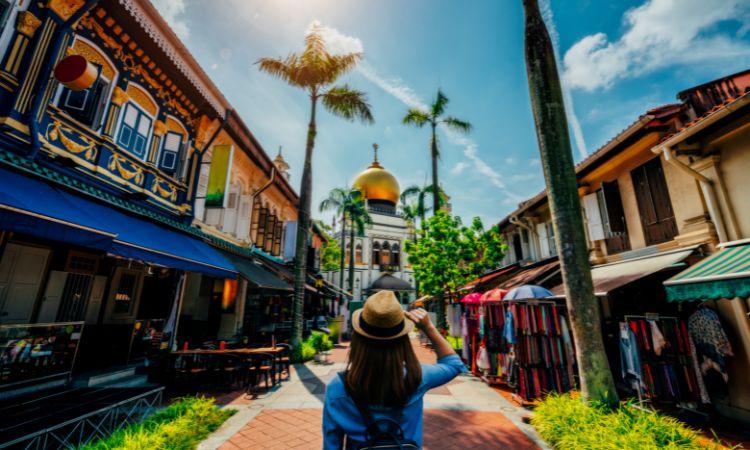
Belgian cuisine is celebrated worldwide, and Brussels stands at its forefront. From iconic dishes like moules-frites and carbonnade flamande (beef stew) to artisanal chocolates, waffles, and fries, food lovers will relish diverse flavors. The city boasts numerous Michelin-starred restaurants as well as cozy brasseries and street-food stalls. Beer aficionados can explore a vast selection of local brews, while chocolate workshops offer hands-on experiences crafting pralines. Booking Brussels ensures access to these culinary adventures and guided tasting tours, making it a gastronomic delight.
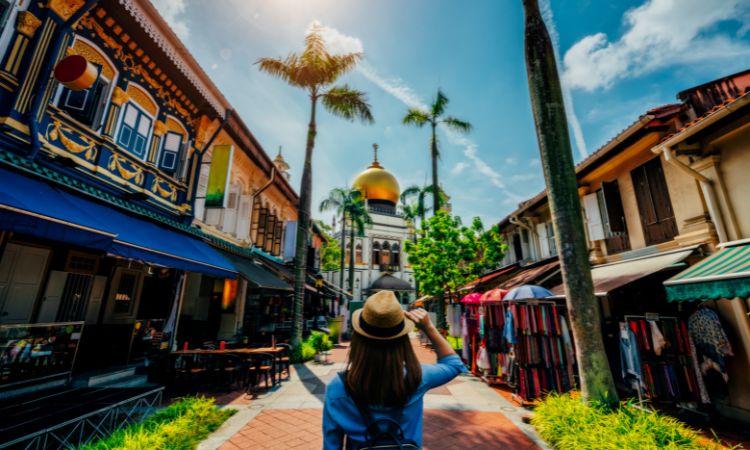
Brussels hosts a rich calendar of festivals, concerts, exhibitions, and events year-round. Highlights include the Flower Carpet at Grand Place, Brussels Summer Festival, and Christmas markets. The comic arts legacy—home to Tintin and many graphic artists—is celebrated in the Belgian Comic Strip Center. Theatre, dance, and music venues present both local and international acts. This cultural vibrancy ensures that every visit reveals new experiences, whether attending a live performance or exploring contemporary art galleries.
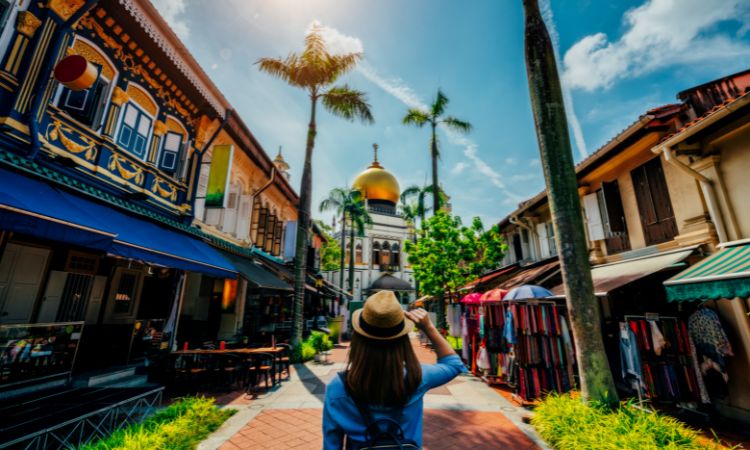
Despite its urban character, Brussels offers lush parks and gardens where travelers can unwind. Parc du Cinquantenaire, Bois de la Cambre, and Laeken Park provide scenic settings for leisurely strolls or picnics. Botanical gardens and serene lakes add to the tranquil side of the city. For those seeking wellness, spa facilities and cycling routes through green corridors are readily available. Booking Brussels allows you to balance city excursions with restorative nature breaks.
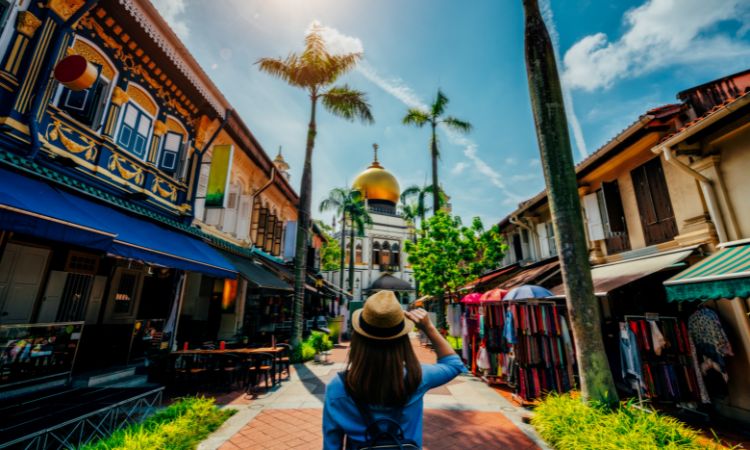
Surrounding Belgium’s capital are picturesque towns and landscapes within easy reach. Bruges’ medieval canals, Ghent’s historic center, and Leuven’s university charm can be visited on day trips. The Ardennes region invites nature adventures such as hiking and kayaking. Culinary tours to nearby breweries or chocolate factories enrich itineraries. Staying in Brussels positions you ideally to explore these varied destinations without lengthy travel, maximizing your holiday.
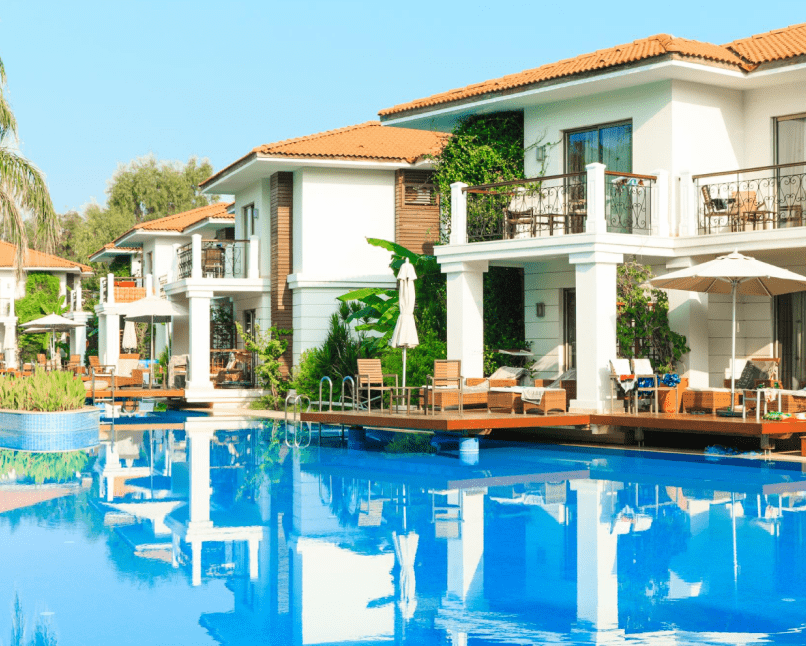
Lorem ipsum dolor, sit amet consectetur adipisicing elit. At illo adipisci iusto
From

Because more than 268 other customers have loved us too

Demonstrates commitment to user data security through encryption and secure payment practices
Learn More
Demonstrates commitment to user data security through encryption and secure payment practices
Learn More
Demonstrates commitment to user data security through encryption and secure payment practices
Learn More
Demonstrates commitment to user data security through encryption and secure payment practices
Learn More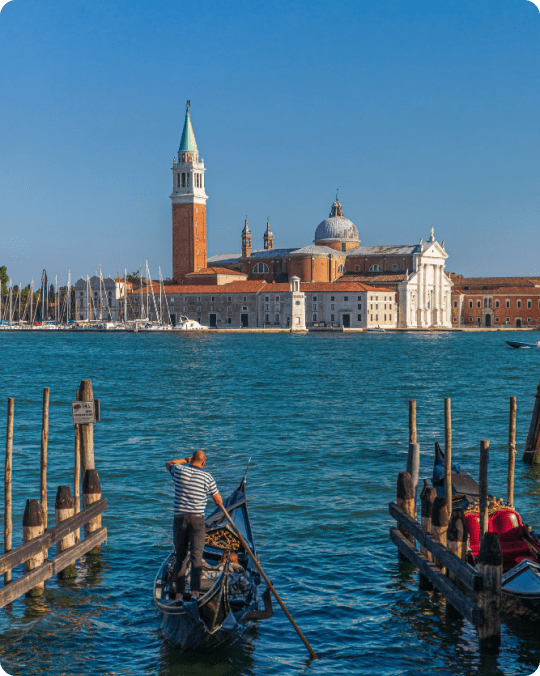
Quality as judged by customers. Book at the ideal price!


/ person
/ person
/ person
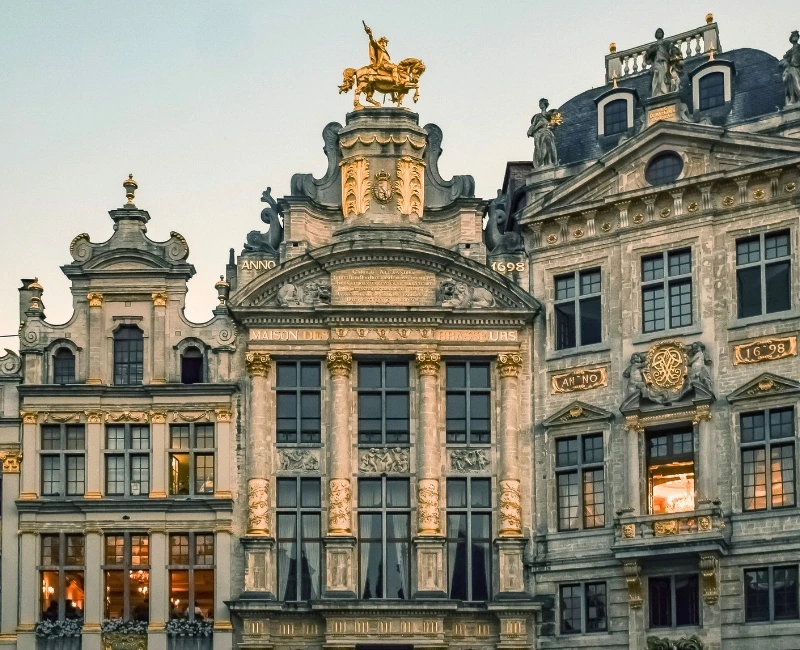
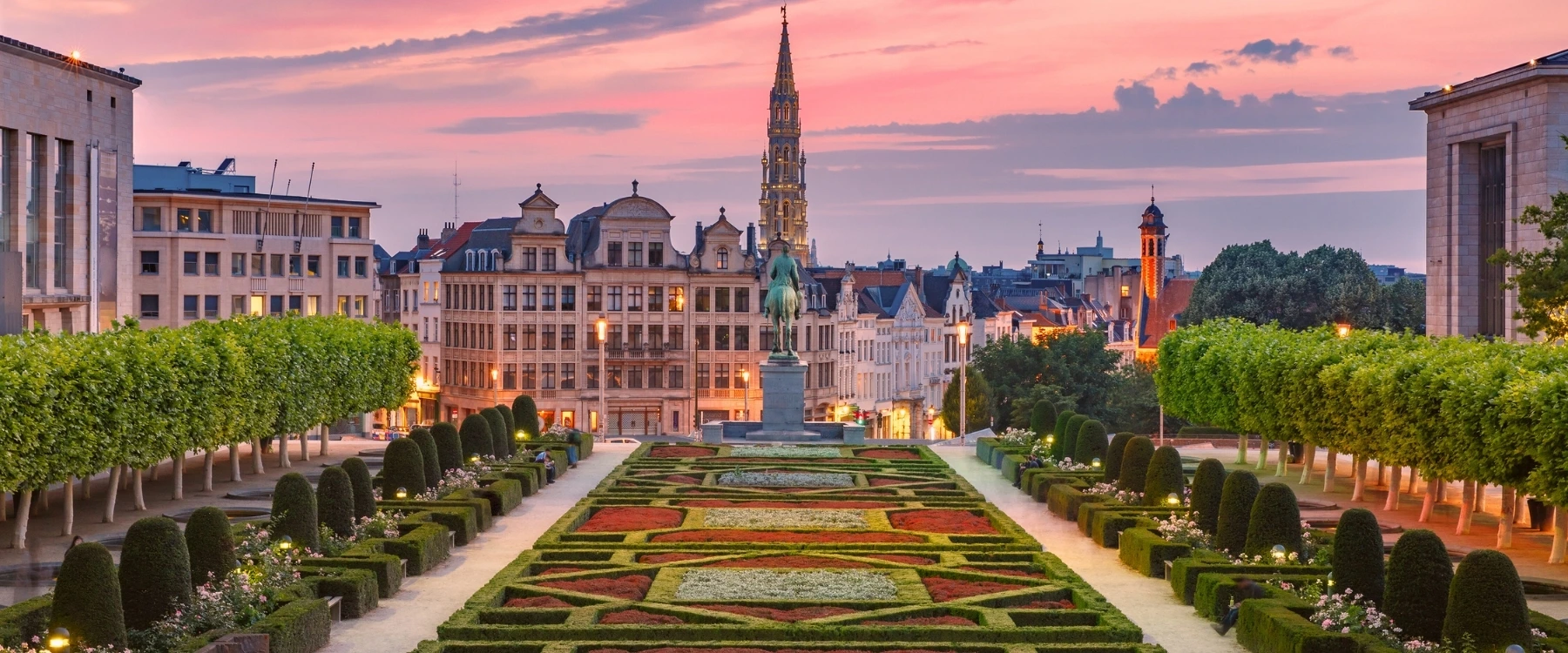
Brussels’ historic heart unfolds around the Grand Place, a UNESCO World Heritage site where gilded guildhalls, baroque façades and the soaring Gothic spire of the Town Hall converge in a breathtaking ensemble. Originally established in the late 12th century as a modest marketplace, this square grew in prestige as medieval guilds embellished their meeting houses with elaborate stonework, gilded reliefs and ornate statues. Today, visitors can admire floral displays or time their visit for the biennial Flower Carpet, when the cobbled square is blanketed in millions of begonias arranged into intricate motifs. Opposite the Town Hall, the Maison du Roi (King’s House) houses the Museum of the City of Brussels, presenting richly embroidered tapestries, ceremonial costumes and models that trace Brussels’ evolution from Roman camp to European capital.A short stroll from the Grand Place brings you to the Cathedral of St. Michael and St. Gudula, a masterwork of Brabantine Gothic architecture. Its stained-glass windows—donated by guilds and wealthy patrons—depict biblical scenes in vivid color, while the vaulted nave’s height inspires reverence. Beneath the nearby Mont des Arts, the Coudenberg Archaeological Site invites exploration of subterranean ruins, revealing remnants of a medieval palace where Burgundian and Habsburg rulers once held court. Guided tours through dimly lit vaults unveil fragments of Roman roads, ducal residences and an ancient chapel.For panoramic cityscapes, ascend the dome of the Basilica of the Sacred Heart (Koekelberg Basilica). From its lofty gallery, you can survey Brussels’ blend of medieval spires, Art Nouveau rooftops and modern glass towers stretching toward the Ardennes. Speaking of Art Nouveau, the Horta Museum—once architect Victor Horta’s home and studio—provides an intimate encounter with sinuous wrought-iron railings, stained glass panels and curved walls that revolutionized early 20th-century design.Beyond these marquee sites, churches like Notre-Dame du Sablon and St. Nicholas Church showcase Baroque altarpieces and Romanesque portals, while the monumental Cinquantenaire Arcades in the eastern park commemorate Belgian independence with triumphal arches flanked by museum wings. Whether wandering in daylight—when sunlight accentuates carved gargoyles—or returning after dusk to see façades illuminated against the night sky, Brussels’ historic landmarks deliver an evocative journey through centuries of European art, architecture and civic life.
Brussels’ museum landscape caters to every curiosity. Art devotees gravitate toward the Royal Museums of Fine Arts, a cluster of institutions housing over 20,000 works that span from Flemish primitives—Van Eyck, Bruegel—to Modern masters: Magritte, Delvaux and outliers such as René Magritte’s surreal dreamscapes. At the dedicated Magritte Museum, visitors traverse the artist’s home, viewing personal retrospectives alongside interactive installations that decode his playful subversions of reality.Comic art holds a special place in Belgian culture. The Belgian Comic Strip Center, housed in a Victor Horta–designed Art Nouveau gem, celebrates legends like Hergé’s Tintin, Peyo’s Smurfs and more contemporary graphic novels. Galleries brim with original strips, animated panels and behind-the-scenes displays illustrating the meticulous craft of cartooning.For general history, the BELvue Museum charts Belgium’s national narrative—from medieval duchies and industrial revolutions to modern-day EU politics—through archival documents, oral histories and multimedia exhibits. Meanwhile, the Museum of the City of Brussels (in the Maison du Roi) deepens local lore with ceremonial artifacts, medieval artifacts and scale models highlighting urban development.Architecture buffs should not miss the Horta Museum, where Victor Horta’s pioneering Art Nouveau principles—organic forms, steel-and-glass innovations and integrated décor—unfurl across nine meticulously restored rooms. Guided tours explain how Horta’s designs responded to technological advances and new materials at the turn of the century.Contemporary art finds a home at Wiels, a former brewery turned avant-garde space showcasing rotating exhibitions by Belgian and international artists. Its raw concrete galleries host immersive installations, film screenings and performances that redefine artistic boundaries. Similarly, La Patinoire Royale repurposes an old ice rink into a sprawling exhibition venue where large-scale video art and multimedia works resonate against the cavernous interior.Music lovers flock to the Musical Instruments Museum (MIM), where over 1,000 instruments—from Stradivari violins to traditional bagpipes—are displayed in lavish Art Nouveau chambers. Visitors can sample high-fidelity recordings of each instrument, merging auditory and visual exploration.Whether tracing comic strip panels, marveling at surreal paintings, or delving into design history, Brussels’ museums and galleries compose a dynamic cultural itinerary, bridging past legacies and contemporary creativity with engaging, multilingual displays and hands-on workshops.
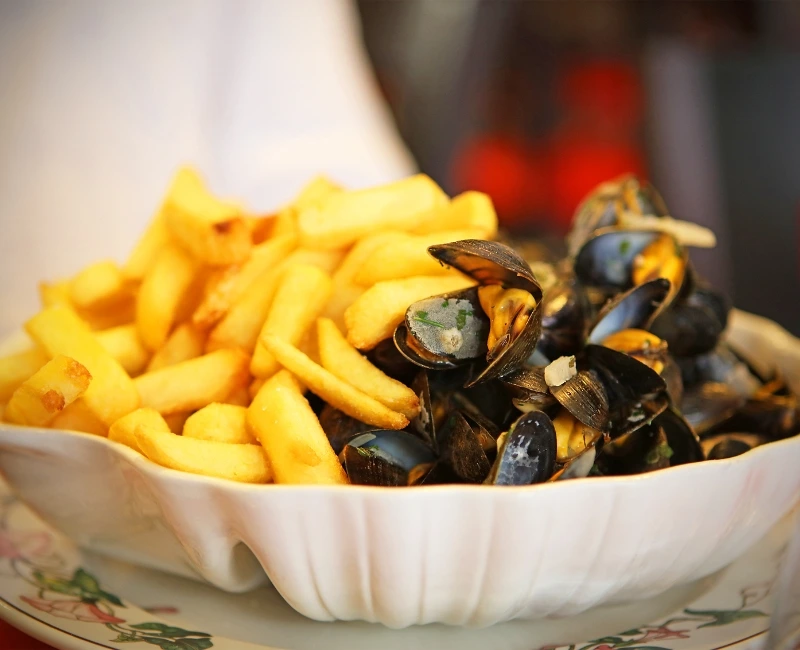
Belgian gastronomy weaves together rustic comfort and culinary sophistication, and Brussels stands at the heart of this delicious tapestry. Begin your epicurean journey with street-side treasures: Brussels-style waffles, light and crisp, emerge steaming hot from iron grids to be adorned with fresh strawberries, lashings of cream, or a drizzle of single-origin Belgian chocolate. Not far behind are the beloved friteries, where potatoes cut into thick batons undergo a double-fry ritual—first to cook through, then to achieve a golden, addictive crispness. Condiments range far beyond classic mayonnaise: sample the tangy Andalouse sauce, the piquant samouraï, or the subtly sweet curry ketchup, each reflecting the inventive side of Belgian palates.For a taste of hearty tradition, seek out a cozy brasserie serving stoofvlees (carbonade flamande). Here, succulent chunks of beef slow-braise in dark Trappist ale alongside caramelized onions and bay leaves, imparting a depth of flavor that lingers on the tongue. Served over buttered bread or alongside pommes purée, it’s a quintessential comfort dish on cooler days. Equally emblematic is moules-frites: mussels steamed in white wine, garlic, shallots and parsley, paired—of course—with a generous portion of fries. Sampling this iconic duo riverside or in a bustling square underscores Belgium’s maritime heritage fused with its land-based zest.No exploration of Belgian flavor is complete without chocolate. Brussels’ streets and arcades brim with chocolatiers—some global names, others artisanal newcomers—all competing on craftsmanship and creativity. Embark on a bean-to-bar workshop, where you’ll learn the tempering process, master ganache fillings, and shape your own pralines to take home. Along the way, discover single-origin bars that highlight the nuance of cacao from Madagascar, Ghana or Peru, a testament to Belgium’s discerning approach to this ancient ingredient.Belgian beer, too, is a living tradition. Venture into venerable beer cafés where oak casks still mellow saisons and sour lambics, or seek out cutting-edge microbreweries experimenting with fruit infusions—raspberries in a gueuze or cherries in a kriek. Guided beer-tasting tours illuminate the subtleties of aroma, mouthfeel and fermentation at venues such as Brussels Beer Project, pairing each glass with artisanal meats, cheeses or even chocolate for keen palate training.For the pinnacle of dining, reserve a table at one of Brussels’ Michelin-starred establishments. Here, chefs reimagine Belgian staples using molecular gastronomy or farm-to-table philosophies—imagine venison tartare with lingonberry gel or oyster foam accented by dill oil—each course designed to evoke the country’s terroir and traditions. Seasonal ingredients take center stage in tasting menus, complemented by carefully curated Belgian and international wine pairings.Complete your culinary odyssey at Marché du Midi, Europe’s largest Sunday market, where stalls overflow with regional produce: plump strawberries, field mushrooms, artisanal cheeses and freshly baked levain. Sample small bites—croquettes, charcuterie or fresh oysters—amid the vibrant local crowd. Whether indulging in street snacks, hands-on workshops or gastronomic feasts, Brussels offers an immersive epicurean adventure that celebrates Belgian heritage while pushing boundaries into modern creativity.
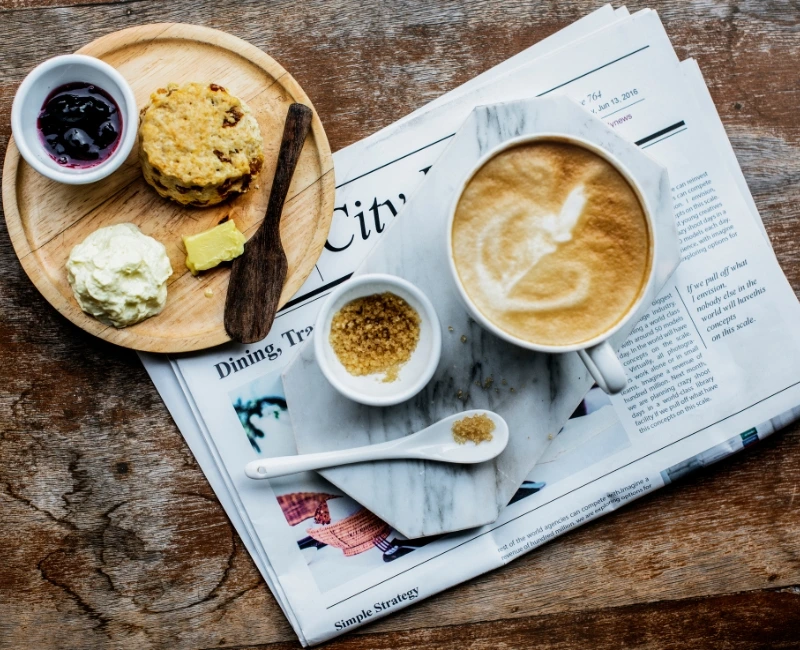
Brussels’ beverage culture epitomizes Belgium’s storied relationship with both beer and coffee, offering immersive experiences from centuries-old taverns to trendsetting microbreweries and specialty cafés. Start at a traditional brown café in the Marolles district, where wooden benches and amber lights set a convivial atmosphere. Here, locals and travelers alike gather over pints of gueuze, saison, and classic abbey ales. Board games line shelves, and chalkboard menus list rotating drafts—tasting flights enable sampling several styles in one sitting, guided by barkeepers who share tales of each brew’s origins.For an insider’s look at experimental beer-making, sign up for a tour at a microbrewery such as the Brussels Beer Project or En Stoemelings. Watch as malted barley and specialty grains transform into wort, then into fermented golden or amber liquids in shiny stainless-steel tanks. Brewmasters explain the art of balancing bitter hops with aromatic florals, and you’ll sample small-batch releases—perhaps a mango-infused IPA or barrel-aged sour that reflects Brussels’ innovative edge. These tours often include food pairings: cheese boards, charcuterie, or mini cones of freshly fried frites, ideal for contrasting textures and flavors.Coffee aficionados meanwhile can explore Brussels’ specialty coffee scene in neighborhoods like Ixelles and Saint-Gilles. Independent cafés import single-origin beans from Ethiopia, Colombia and beyond, then roast them in-house for maximum freshness. Baristas craft precise pour-overs, Aeropress cups and artisan espressos, each annotated with tasting notes—citrus zing, chocolate undertones or jasmine aromatics. Workshops demystify the extraction process: calibrating grind size, water temperature and brew time to unlock each bean’s character. Many cafés also double as art spaces, hosting local photography or poetry readings, and serve vegan and gluten-free pastries alongside local favorites like almond speculoos bites.No visit to Brussels is complete without sampling genever, Belgium’s juniper-flavored heritage spirit. Intimate genever bars in the Sablon area present flights of clear “jonge” genever and maltier “oude” varieties. Tastings are paired with dark chocolate squares or local cheeses, underscoring the spirit’s botanical complexity. Distillers share stories of century-old recipes and modern reinterpretations, such as barrel-aged genever with oak undertones.For a relaxed morning or leisurely afternoon, partake in a weekend brunch at a café like Café du Sablon, where airy interiors host brunch menus featuring eggs Benedict with foie gras, Belgian pancakes drizzled with speculoos syrup and refreshing Mimosa cocktails. Alternatively, find a peaceful corner in a tea salon to sample rare Darjeeling blends or herbal infusions, accompanied by delicate pastries or homemade jam tarts.Whether toasting in a historic tavern, crafting your own brews, honing coffee precision or sipping juniper-forward distillations, Brussels’ breweries and cafés fuse tradition with modernity—each venue a chapter in Belgium’s rich beverage narrative.
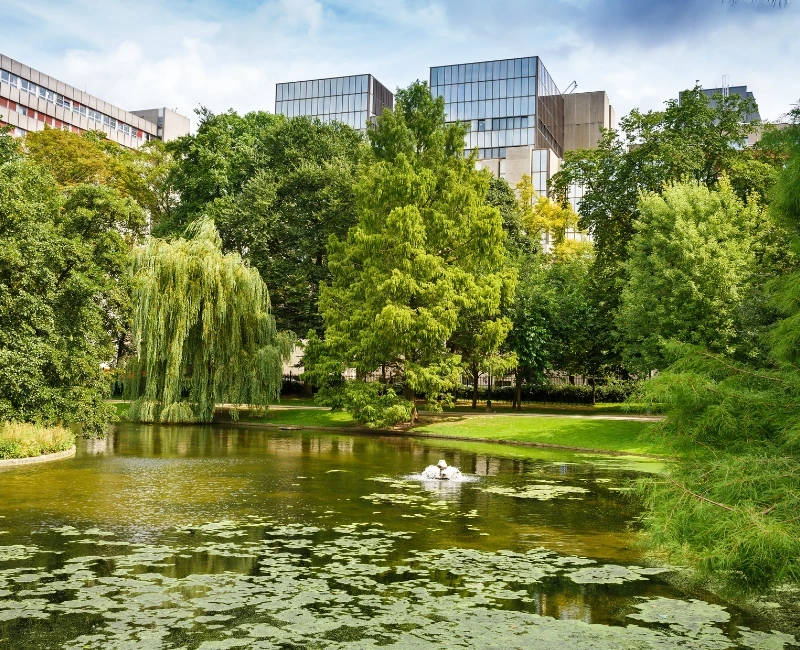
While Brussels is renowned for its architecture and urban vibrancy, the city also offers a surprising network of parks and green spaces that provide respite and recreation year-round. At the eastern edge of the city, Parc du Cinquantenaire sprawls across 30 hectares, centered around a grand triple arch erected for Belgium’s 50th anniversary in 1880. Manicured lawns invite picnickers beneath shaded avenues, and the surrounding colonnades house three major museums: the Royal Museum of the Armed Forces, the Art & History Museum and Autoworld. Cooler mornings are perfect for joggers weaving between fountains, while weekend families set up board games on the grass.To the south, Bois de la Cambre feels worlds away from urban bustle. Originally part of the Sonian Forest, this park surrounds a serene 1.2-kilometer lake dotted with pedal boats and rowers. Winding paths—paved and forest trails—thread through groves of horse chestnut and copper beech, offering stunning color displays in autumn. The Pavilion of the Alhambra hosts summer concerts, and the adjacent Chalet Robinson creates a fairytale island restaurant accessed by boat. Calm waters and open meadows make it a favorite for walks, picnics, yoga classes and outdoor theater performances.Closer to the center, Parc Royal (Royal Park) unfolds on a hill overlooking the Royal Palace. Sculpted flowerbeds, geometric hedges and stone fountains lend a formal elegance, while benches under mature trees offer peaceful vantage points for people-watching or reading. Just beyond its gates lies Leopold Park, part of the European Quarter, where cobblestone pathways meander by ornamental ponds, duck houses and modern art installations—ideal for lunchtime breaks among EU institutions.For naturalists, the Sonian Forest extends southeast beyond the city limits, encompassing nearly 4,000 hectares of ancient woodland. Hiking and cycling trails traverse roots and mossy clearings, guided by maps that highlight oak, hornbeam and chestnut species. The forest shelters wildlife—deer, foxes and myriad bird species—and hosts seasonal mushroom-foraging tours and educational programs on sustainable forestry.Community gardens such as Le Début des Haricots in Molenbeek and Bruxelles les Belles in Schaerbeek showcase urban agriculture, where volunteers cultivate vegetables, herbs and berries in reclaimed lots. Workshops teach beekeeping, composting and seed-saving, inviting travelers to engage directly with Brussels’ green initiatives.In spring, Parc Tenbosch in Ixelles bursts into bloom with rhododendrons and magnolias, while winter transforms some ponds into temporary ice-skating rinks. Cycling enthusiasts can link these green pockets via the Ravel (Réseau Autonome de Voies Lentes) network—designated car-free lanes suited to bikes and pedestrians.Whether seeking active outdoor pursuits, contemplative nature walks or seasonal events, Brussels’ parks and green spaces stitch a lush quilt across the city, offering urban dwellers and visitors alike the chance to connect with nature’s rhythms amid European city life.
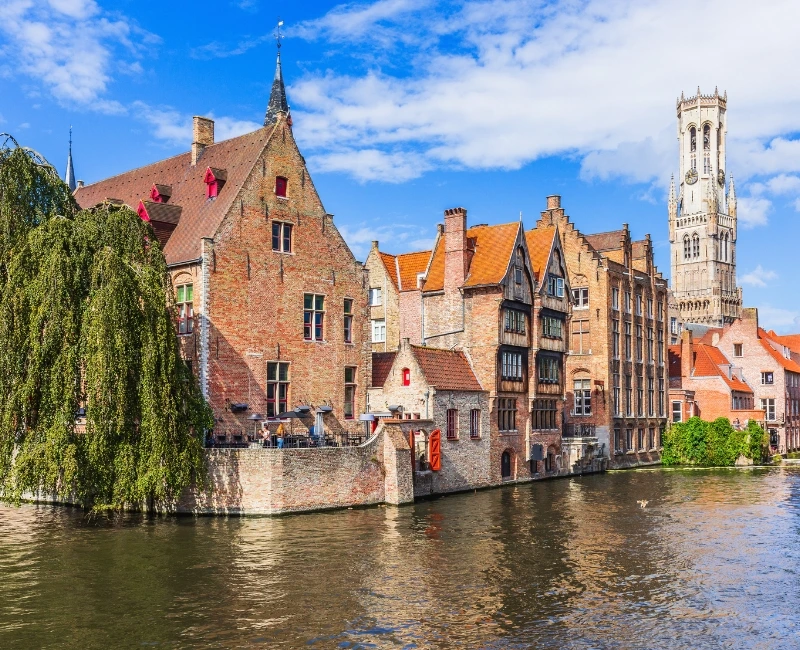
Brussels’ central location and extensive rail network make it an ideal base for day trips that reveal Belgium’s tapestry of medieval towns, serene landscapes and historical landmarks—all within easy reach. A one-hour train ride to the northwest brings you to Bruges, a fairytale town whose labyrinth of canals, cobbled streets and honey-hued brick façades evoke a bygone era. Begin at the Belfry, climbing 366 steps for sweeping views of red-tiled roofs and narrow waterways. Wander the Beguinage, a tranquil courtyard once home to semi-religious women, and sample local specialties like bruin café beer at historic pubs or cuberdons—cone-shaped raspberry candies—at street kiosks.Just under an hour’s eastbound journey takes you to Leuven, home to Europe’s oldest Catholic university. Its Ladeuzeplein bustles with students outside Gothic stone buildings, while the Town Hall dazzles with 236 spired statues. Beer lovers should visit Domus Brewery for cellared monks’ ales paired with cheese tastings. For history enthusiasts, the M Leuven museum chronicles regional art across centuries, and the Archaeological Museum provides insight into local excavations.A short train hop south lands you at Waterloo, where the rolling battlefield witnessed Napoleon’s final defeat in 1815. The Lion’s Mound—an artificial hill crowned with a gilded lion statue—offers panoramic views of the sweeping plain. Nearby, the Memorial 1815 museum and Hougoumont Farm bring battlefield narratives to life through dioramas, audio guides and reenactments.Nature seekers can catch a train to Dinant in southern Belgium, where the Meuse River snakes beneath towering cliffs topped by the Citadel of Dinant. Cliffside cable cars ascend to panoramic viewpoints, while river cruises reveal chalky rock formations and the haunting silhouette of Rocher Bayard. Adventurous travelers may kayak the Meuse or explore limestone caves nearby.For coastal air, hop on a two-hour train to Ostend, where the Vlaamse Kust beckons with sandy beaches, seaside promenades and seafood shacks serving freshly caught North Sea fish. The Atlantic Wall open-air museum displays WWII fortifications along the beachfront, melding military history with coastal vistas.Zwin Nature Park, on the Dutch border, offers birdwatching havens amid salt marshes. Winter sees thousands of migratory birds—wigeons, herons and avocets—while spring brings nesting grounds for terns. Elevated hides and walking trails enable immersive wildlife observation.With frequent trains departing Brussels’ Gare du Midi, these day trips require minimal planning. Advance booking through the Belgian Rail app secures reserved seats at discount fares, and many attractions offer combined train-ticket-plus-admission deals. By leveraging Brussels as a hub, you can traverse medieval, natural and historical landscapes across Belgium with ease, enriching your journey beyond the city limits..
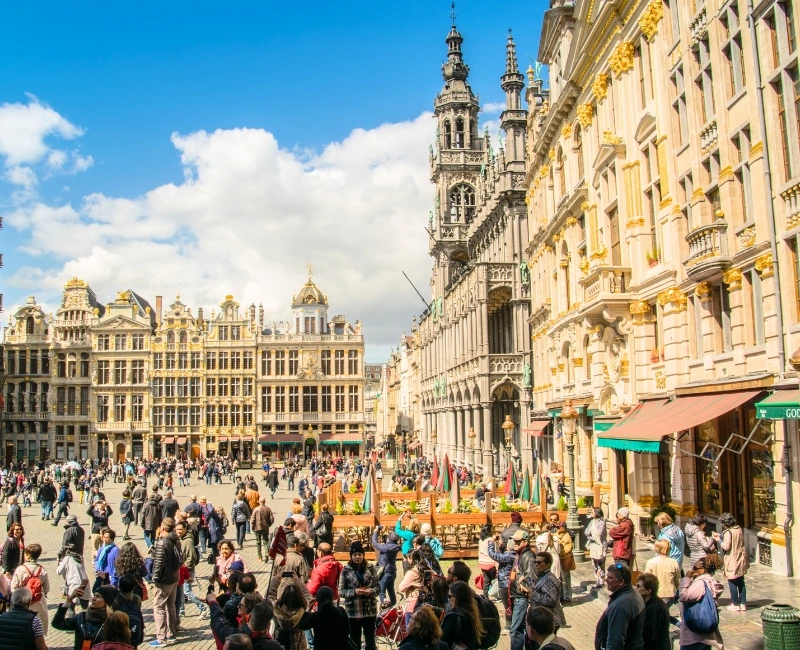
Brussels’ event calendar pulses with cultural vitality year-round, ensuring every visit coincides with compelling festivals, music gatherings and seasonal celebrations. As spring awakens, the Iris Festival on May 8th commemorates the Brussels-Capital Region’s emblematic fleur-de-lys, featuring military parades, open-air concerts and citywide neighborhood festivities. Over Easter weekend, the Brussels International Fantastic Film Festival (BIFFF) draws genre fans to screenings of horror, sci-fi and fantasy films in historic cinemas, accompanied by meet-and-greets with filmmakers.When summer arrives, the city transforms into an open-air stage. The Brussels Summer Festival in August presents an eclectic lineup of music—from rock and jazz to electronic—across venues lining the Mont des Arts and Village du Soir. Simultaneously, the Flower Carpet event every two years carpets the Grand Place in a 1,800-square-meter tapestry of begonias, drawing photographers and design enthusiasts from around the globe. The Couleur Café festival celebrates world and urban music in the historic Mont des Arts gardens, while Belgian Beer Weekend showcases over 300 breweries pouring hundreds of drafts amid cultural performances.Autumn ushers in European Heritage Days (Sept. 16–17), granting free access to palaces, embassies and civic buildings typically closed to the public—guided tours, lectures and workshops reveal hidden heritage troves. Food lovers flock to the Brussels Food Truck Festival, where innovative chefs transform public squares into gastronomic playgrounds. The Brussels Design September festival spotlights local and international design through gallery open houses, pop-up stores and interactive workshops across the Dansaert district.In winter, Winter Wonders turns the city center into a festive wonderland: wooden chalets on Place Sainte-Catherine sell mulled wine, artisanal chocolates and handcrafted gifts, while an ice-skating rink under the Town Hall’s illuminated façade invites skaters of all ages. New Year’s Eve fireworks blaze over the Grand Place, accompanied by open-air DJ sets and seasonal performances. Carnival celebrations—rooted in medieval traditions—bring masked parades and street theater to districts like the Marolles in February, with colorful floats and lively brass bands.Beyond these signature moments, Brussels hosts comic conventions, jazz marathons, chocolate fairs, and craft beer festivals such as Belgium Beer Weekend. Theater aficionados can catch opera performances at La Monnaie, while contemporary art lovers gravitate to pop-up exhibitions during Brussels Gallery Weekend. For sports fans, the Brussels Marathon and various cycling events showcase local enthusiasm for active pursuits.Navigating Brussels’ festival landscape benefits from the Brussels Card, which often provides discounted access to event venues, and the city’s excellent public transport—extended tram and bus hours during major events ensure smooth arrival and departure. Whether you’re drawn by floral spectacles, cinematic thrills or festive markets, Brussels’ dynamic events calendar offers a vibrant cultural itinerary for every traveler.
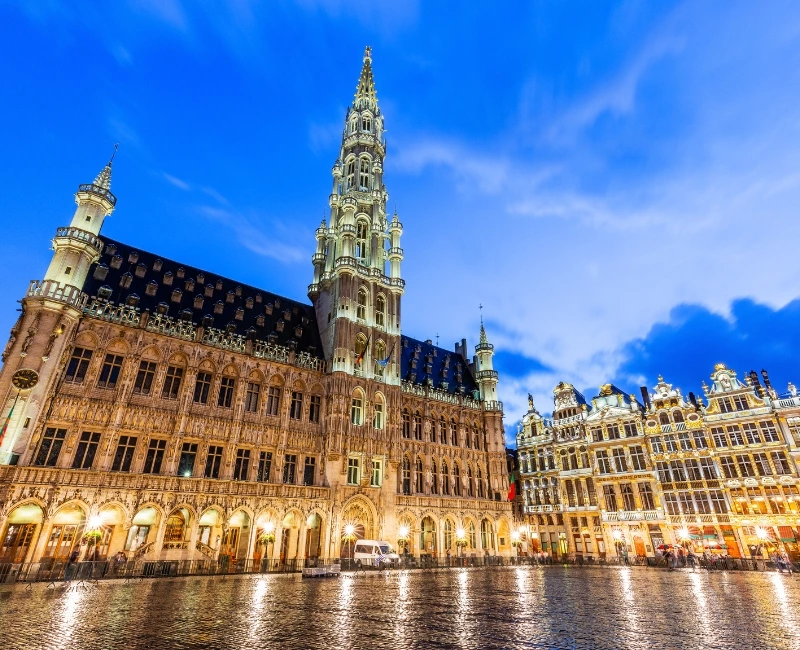
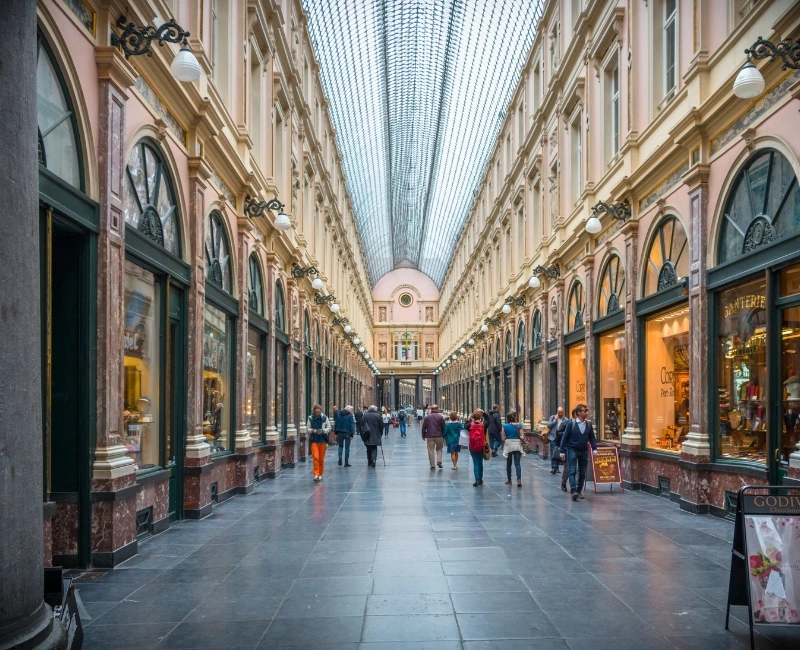
Brussels marries luxury retail and artisanal commerce with a vibrant tapestry of shopping districts and markets that cater to every taste. The historic Galeries Royales Saint-Hubert, among the oldest covered arcades in Europe, houses exquisite chocolatiers, high-end boutiques, and elegant cafés under soaring glass ceilings. Adjacent, Place du Grand Sablon becomes an epicenter for antique dealers and art galleries, particularly on weekends when the square brims with porcelain, silverware, and vintage jewelry.For designer fashion and international brands, Avenue Louise and Place Stéphanie form a chic boulevard where flagship stores of Louis Vuitton, Chanel and local Belgian labels mingle. In the Dansaert district, concept stores such as Stijl and Graanmarkt 13 showcase avant-garde fashion, home décor and emerging Belgian designers, making it a creative incubator for trendsetters.Vintage and second-hand treasures await in the Marolles district, especially at the Place du Jeu de Balle flea market, open daily from early morning. Hut stalls overflow with retro clothing, vinyl records, and bric-à-brac—haggling here is part of the fun, and you may unearth rare finds from 1950s era posters to antique pocket watches. Just off the square, narrow side streets host a cluster of boutique shops specializing in upcycled furniture and unique collectibles.Food markets form an essential part of Brussels’ daily life. The Marché du Midi, one of Europe’s largest weekly markets (Sunday), pulses with stalls selling produce, cheese, charcuterie, spices and international specialties, reflecting Brussels’ multicultural character. Visitors can sample Moroccan pastries, Eastern European dumplings or African delicacies alongside Belgian favorites. On Place du Châtelain (Wednesday evenings), the Châtelain Market gathers artisanal bakers, organic farmers and craft vendors in a more intimate setting, perfect for midweek browsing.Chocolate connoisseurs will pilgrimage to specialty shops—Pierre Marcolini, Mary, and Wittamer—where single-origin truffles, pralines and bar assortments are arranged like jewels in glass cases. Guided chocolate-tasting sessions delve into bean provenance, roasting techniques and pairing suggestions, enabling you to appreciate the nuanced craftsmanship.Beer aficionados can track down Belgian Beer Caves, retail outlets specializing in rare abbey ales, sour lambics and limited-edition releases. Staffed by passionate experts, these shops offer tasting flights and curated gift sets, often including glassware and tasting notes—an ideal souvenir for beer lovers.Anticipate seasonal pop-up markets: in late spring, the Flower Market at Sainte-Catherine overflows with tulips, orchids and hydrangeas; during the holidays, Christmas markets transform squares like Place Sainte-Catherine and Place de la Monnaie with festive gifts, decorations, mulled wine and artisanal crafts.Many shops participate in tax-free shopping for non-EU residents; simply request a Global Blue form at purchase and have it stamped when departing the EU. Payment is seamless with major credit cards, though smaller market stalls often prefer cash.By weaving together galleries, boutiques, chocolate houses, markets and vintage stalls, Brussels offers a multifaceted shopping adventure that combines heritage, innovation and international flair—ensuring every souvenir tells a story of Belgium’s capital.
No ads. No trails. No commitments


Alice Roses
London, England
51 ST MATTHIAS ROAD
NOTTINGHAM, NOTTINGHAMSHIRE
NG3 2HF
Hours: 8:00 - 17:00, Mon - Sat
support@johnsonholidays.com