 Sousse Travel
Guide
Sousse Travel
Guide
Paris is known around the world as the “capital of love,” and even if you don't understand the history of Paris at all

3 Hours
£0.95
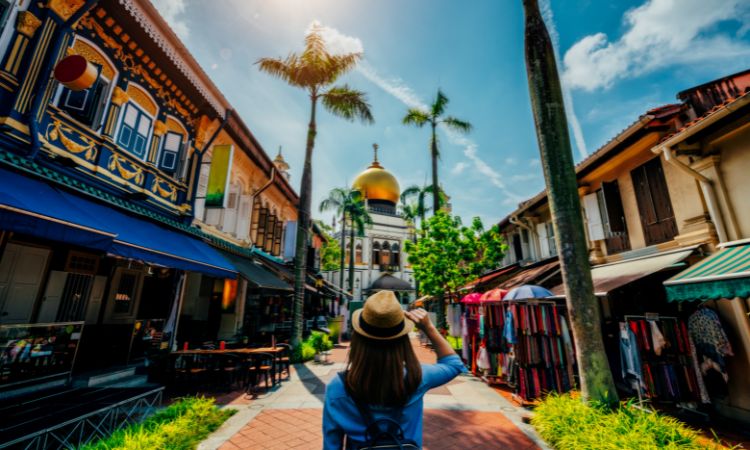
The heart of Sousse is its ancient Medina, a UNESCO World Heritage site with well-preserved 9th-century ramparts, ribat fortress, Kasbah, and Great Mosque. Wandering its maze-like streets, visitors discover authentic souks offering handcrafted ceramics, textiles, and spices, alongside hidden cafés serving mint tea. The Medina’s archaeological museum showcases exquisite Roman mosaics from the region. Staying near or exploring this UNESCO precinct provides a unique window into the city’s medieval past, where every corner tells a story of maritime trade, Islamic art, and centuries-old traditions. Its blend of history and living culture makes Sousse distinct from typical beach resorts.
Learn More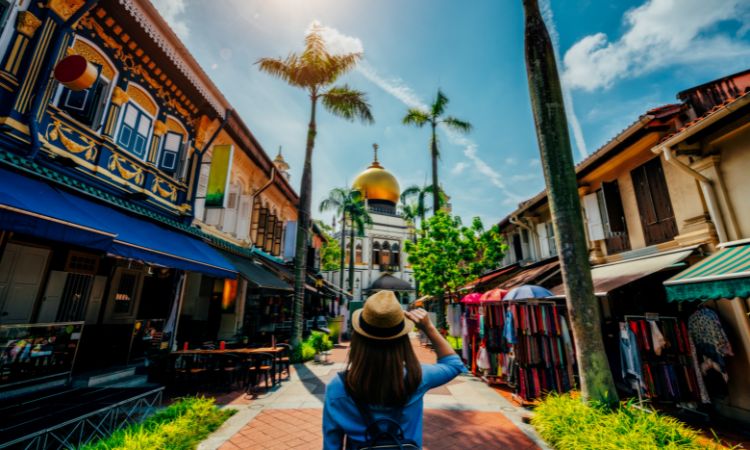
Sousse boasts expansive sandy beaches along the Gulf of Hammamet, with calm, warm Mediterranean waters ideal for swimming, snorkeling, and water sports. Beach clubs and resorts line the coastline, offering sun loungers, parasols, and beachfront dining. Families and couples alike can enjoy relaxed seaside days, while adventure seekers find opportunities for windsurfing, paddleboarding, and jet-skiing. The stretch from Sousse city center to Port El Kantaoui spans roughly 20 km of shoreline, ensuring plenty of space to unwind. Sunsets over the sea create picture-perfect moments, making beach life in Sousse a compelling reason to book.
Learn More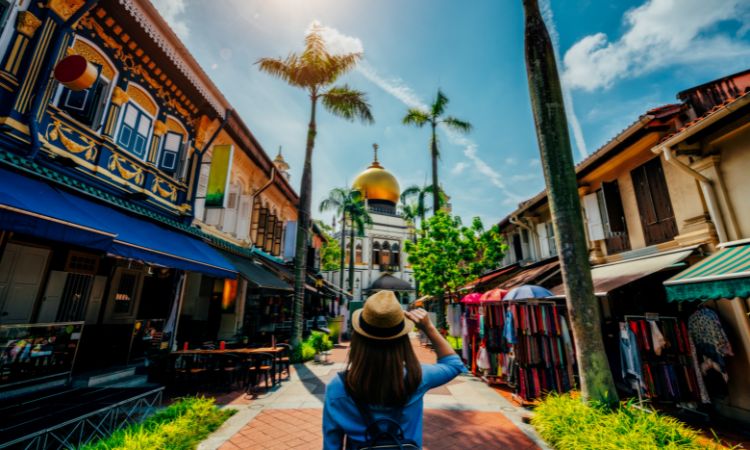
Cuisine in Sousse marries Mediterranean flavors with North African spices: fresh seafood grilled with olive oil and lemon, brik pastries filled with egg and tuna, and hearty couscous dishes. Street-side vendors and local cafés in the Medina offer authentic tastes, while modern restaurants present fusion menus catering to international palates. As dusk falls, Sousse comes alive with seaside lounges and bars serving cocktails under the stars. During summer months, beachfront clubs feature live DJs and themed parties, attracting both locals and tourists. The city’s nightlife rhythm ensures memorable evenings after days of cultural exploration or beach relaxation.
Learn More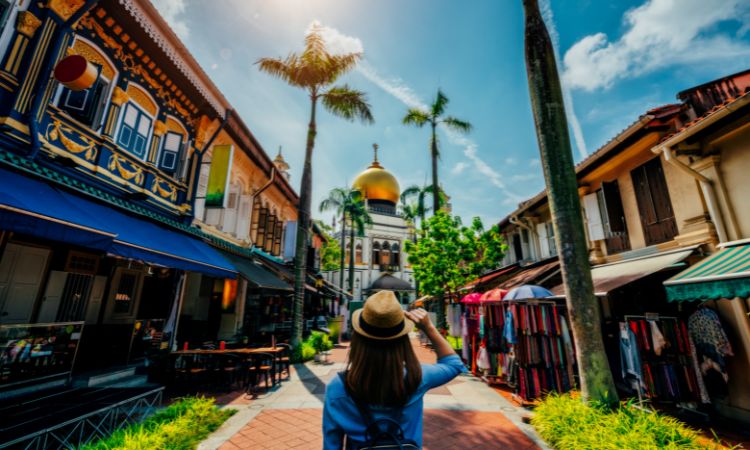
Tunisia’s affordability is a major draw: dining, accommodation, and activities cost significantly less than many European destinations. A pint of beer averages under £1, meals at local eateries often run between £3 and £10, and budget to luxury lodging caters to various preferences. All-inclusive resort packages frequently start at competitive prices, offering great value for families and couples. Transport within Sousse and to nearby sites is economical, enabling travelers to allocate budget toward experiences like guided tours of El Jem amphitheater, boat excursions, or spa treatments. For cost-conscious holidaymakers, Sousse delivers Mediterranean charm without the typical price tag.
Learn More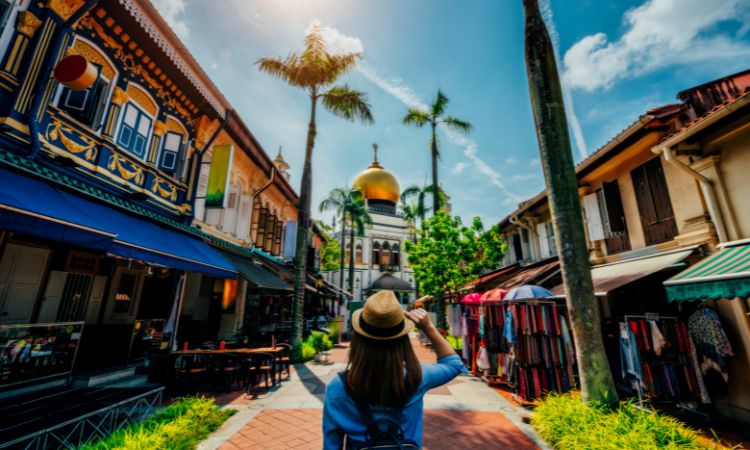
Sousse is well connected via Monastir Habib Bourguiba International Airport (MIR), just 20 km away, with frequent flights from major European cities. Enfidha–Hammamet International Airport (NBE), about 40 km north, also serves seasonal and charter flights. Ground transfers to Sousse resorts and hotels are convenient and affordable. The city’s location along Tunisia’s Sahel coast allows straightforward rail or road trips to neighboring destinations such as Monastir, Hammamet, and El Jem. Travel infrastructure ensures minimal transit times, so visitors spend more time enjoying the destination. This accessibility makes Sousse an appealing choice for short breaks and longer stays alike.
Learn More
Beyond Sousse’s Medina and beaches, numerous day-trip options await. The Roman amphitheater at El Jem, a UNESCO site, lies about 65 km away and offers one of the world’s best-preserved coliseums. Inland excursions reveal olive groves and vineyards, traditional villages, and local markets. Historical tours can include Kairouan’s holy mosque or the Sahara’s edge for desert experiences. For adventure, quad biking in desert landscapes or snorkeling excursions from Port El Kantaoui provide variety. Seasonal festivals—such as the Carnival of Awussu in July—immerse travelers in local traditions and celebrations. This diversity of experiences ensures each stay in Sousse is rich and multifaceted.
Learn More
Lorem ipsum dolor, sit amet consectetur adipisicing elit. At illo adipisci iusto
From

Because more than 268 other customers have loved us too

Demonstrates commitment to user data security through encryption and secure payment practices
Learn More
Demonstrates commitment to user data security through encryption and secure payment practices
Learn More
Demonstrates commitment to user data security through encryption and secure payment practices
Learn More
Demonstrates commitment to user data security through encryption and secure payment practices
Learn More
Quality as judged by customers. Book at the ideal price!


/ person
/ person
/ person
Sousse’s coastline stretches along the Gulf of Hammamet, offering expansive, golden-sand beaches and crystal-clear waters. From the tranquil sands near the old city corner to the organized beach clubs of Port El Kantaoui, there’s a spot for every beachgoer. Early mornings can be spent strolling the shore at dawn, when the sea breeze is gentle and local fishermen prepare their catch. Many beaches provide sun loungers and parasols, either free in quieter stretches or included with resort packages. Beach clubs often feature beachfront bars and light dining options—ideal for sipping freshly squeezed juices or light salads under shade.Water temperatures from late spring through early autumn remain inviting for swimming, with the Mediterranean warming to around 22–26°C from June to September. For those seeking active pursuits, equipment rentals for paddleboarding, kayaking, and pedal boats are widely available. Windsurfing and kitesurfing opportunities arise when coastal breezes intensify, typically in mid-summer afternoons. Snorkeling off rocky outcrops near Port El Kantaoui reveals colorful fish and submerged ruins in shallow bays. Boat excursions depart from marinas, offering half-day or sunset cruises, sometimes combining swimming stops at secluded coves.Families appreciate gentle slopes into the sea, supervised areas, and lifeguard services at popular beaches. Beach-themed playgrounds or inflatables in shallow waters keep children entertained. Many hotels include beach towels and water-sport credits in all-inclusive plans. For a change of pace, beachside yoga sessions at sunrise or sunset provide a serene way to connect with the environment, while beach volleyball nets invite friendly matches among visitors.Facilities often include beachside cafés serving local refreshments—mint tea, cold soft drinks, and light snacks like brik or grilled corn. Late afternoons bring a magical ambiance: as sun lowers, the sky shifts through pastel hues reflected on the water. Photographers capture silhouettes of palm trees against glowing horizons. As dusk settles, some beach lounges light torches or string lights, offering a relaxed atmosphere for cocktails with soft music, seamlessly transitioning into evening beach parties in peak season. For those seeking tranquility, quieter beaches farther from the city center remain uncrowded, ideal for reading, sunbathing, or reflective walks.Accessibility is straightforward: beach shuttles often connect hotels to key beach entrances. Amenities such as showers, restrooms, and shaded seating are generally available. Visitors should pack reef-safe sunscreen and stay hydrated, especially during mid-summer. Overall, Sousse’s beaches and watersports combine natural beauty with well-developed infrastructure, providing an unforgettable seaside experience that caters to both relaxation and adventure.
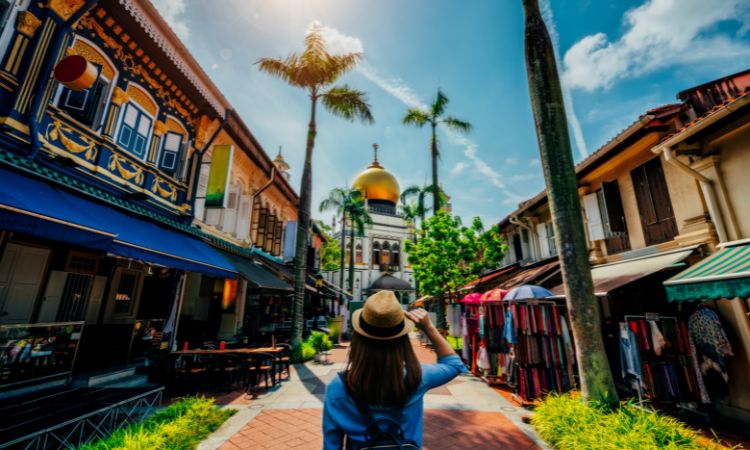
Beyond lounging, Sousse beckons water enthusiasts with a variety of aquatic adventures. Dive centers along the coast offer guided snorkeling tours to discover underwater life, including vibrant fish communities and occasional glimpses of small wrecks or submerged structures near rocky outcrops. For certified divers, introductory dives may be arranged, revealing moderate dive sites suitable for beginners, with clear visibility and gentle currents.Boat excursions depart daily from the marina at Port El Kantaoui and smaller docks near Sousse. Half-day cruises often include stops for swimming in open sea or sheltered bays, where the turquoise waters invite exploration. Sunset cruises provide a romantic backdrop as the sky turns amber, often accompanied by light refreshments like fresh fruit platters and local mint tea or coffee. For group activities, private yacht charters can be arranged, ideal for celebrations or honeymoons, complete with catered meals featuring local specialties: grilled fish, couscous salad, and Tunisian pastries.Fishing trips appeal to those wanting a taste of local maritime life; small fishing boats venture out early morning, offering opportunities to reel in Mediterranean species like sea bream or sea bass. Local captains guide guests on traditional and modern angling methods, followed by cleaning and cooking the catch upon return. For adrenaline seekers, jet-ski rentals and wakeboarding lessons are available in designated zones, ensuring safety and enjoyment.Kiteboarding and windsurfing flourish when seasonal winds pick up, typically in mid-summer afternoons; several watersport schools provide lessons and equipment rental. Beginners can start with basic paddleboarding or kayaking in calmer morning waters, while more experienced paddlers explore nearby coves and coastline vistas. Stand-up paddleboard yoga sessions combine balance training with scenic surroundings, often held at sunrise for serene, reflective experiences.For families, inflatable water parks anchored offshore offer slides, climbing structures, and splash zones, supervised by lifeguards. These parks entertain children and teens, giving parents time to relax nearby. Safety guidelines and life jackets ensure a secure environment. Many beach resorts include beach activity coordinators organizing group games—beach volleyball tournaments, treasure hunts, or paddle races—that foster socializing among guests.Seasonal boat trips may include themed outings: dolphin-watching excursions along the Sahel coast, where pods occasionally surface. Birdwatching cruises focus on migratory species along the Mediterranean flyway, often led by local naturalists. Sunset fishing cruises combine leisure with low-key fishing attempts, concluding with local music and refreshments on board.When planning aquatic adventures, travelers should book through reputable providers, ensure proper safety briefings, and confirm the environmental impact is minimized (e.g., reef-safe sunscreen, respecting marine life). Overall, Sousse’s waters invite exploration, offering something for every traveler: tranquil Mediterranean horizons for relaxation, lively watersport centers for thrill-seekers, and authentic maritime experiences that connect visitors to Tunisia’s coastal heritage.
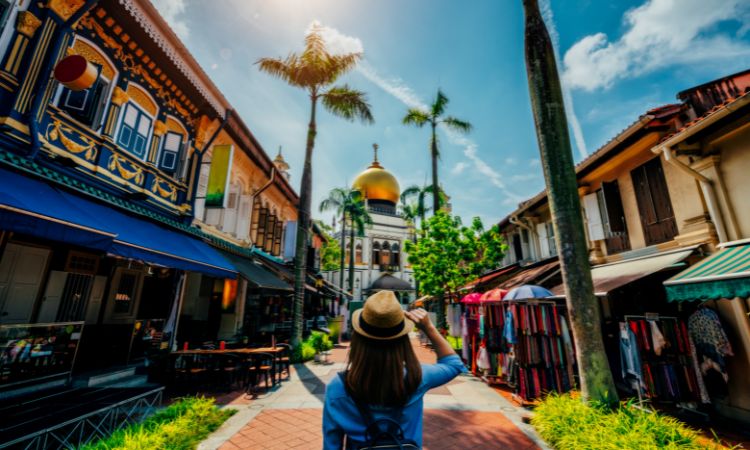
The Medina of Sousse is the cornerstone of the city’s historical allure. Enclosed by robust ramparts dating to the 9th century, this labyrinthine quarter reveals layers of Islamic and Mediterranean heritage. Begin at Bab el Jedid or Bab el Gharbi gates, stepping into narrow alleys lined with whitewashed houses and archways. The Ribat, a fortified monastery, offers panoramic views from its rooftop—an excellent vantage point for photographing the Medina’s rooftops against the sea. Nearby, the Great Mosque, with its simple yet imposing façade, reflects Aghlabid architectural principles. Inside, quiet courtyards and prayer halls invite contemplation.Wandering through souks, visitors encounter artisans crafting pottery, leather goods, and intricate silver jewelry. Many workshops open their doors to demonstrate traditional techniques, from hand-pressed olive oil soap making to mosaic tile artistry. Street stalls display local produce: olives, dates, figs, and spices like cumin and coriander. Sampling or purchasing these items deepens understanding of regional agricultural traditions.The Archaeological Museum, housed within the Kasbah, showcases a remarkable collection of Roman mosaics and artifacts discovered in surrounding sites. Each mosaic tile narrates stories of daily life, mythology, and fauna from antiquity. Knowledgeable guides often accompany museum visits, providing context on Roman Tunisia’s significance as a grain-producing province and trading hub.Beyond the Medina, the Kasbah Tower stands sentinel over the marina, historically serving as a lookout against seafaring threats. Today, it houses exhibits on Sousse’s defense history. Walking tours often include visits to the nearby Cathedral of Saint-Félix, reflecting Tunisia’s layered religious heritage. For a deeper dive, guided heritage walks explore hidden corners: ancient cisterns, medieval hammams (bathhouses), and ornately tiled courtyards tucked away from main thoroughfares.Annual cultural festivals animate heritage sites. The Sousse Spring Festival and Carnival of Awussu (July) feature music, folk performances, and processions along the seaside. These events blend historical traditions with contemporary celebrations, offering visitors a window into local customs and communal spirit. Evening performances under the stars in the Kasbah courtyard enrich the cultural itinerary.Photography enthusiasts find endless subjects: sunlit arches, textured walls, vibrant market scenes, and the interplay of light and shadow in narrow alleys. To respect local privacy and customs, one should ask permission before photographing individuals in the Medina. Dress modestly when entering religious sites, covering shoulders and knees.For contextual exploration, day trips to nearby El Jem’s amphitheater (about 65 km) underscore the region’s layered history, from Roman grandeur to Islamic rule. Visiting Kairouan (about 100 km inland) deepens insight into Islamic scholarship and architecture, with its Great Mosque regarded as one of Islam’s oldest. These excursions complement Sousse’s own heritage offerings, framing its place within North African history.Engaging with the local community enhances cultural appreciation. A visit to a family-run olive oil mill or a small village market illustrates daily life beyond tourist zones. Some tour operators arrange home visits or cooking demonstrations, where travelers learn to prepare traditional Tunisian dishes like brik or couscous. Such authentic interactions foster mutual understanding and memorable experiences.Whether tracing footsteps of medieval defenders on fortress walls, admiring centuries-old mosaics, or savoring aromatic local dishes in the Medina’s alleys, exploring Sousse’s history and culture forms an integral part of any visit. The city’s heritage tableau is both well-preserved and lived-in, offering a dynamic journey through time along Tunisia’s storied coast.
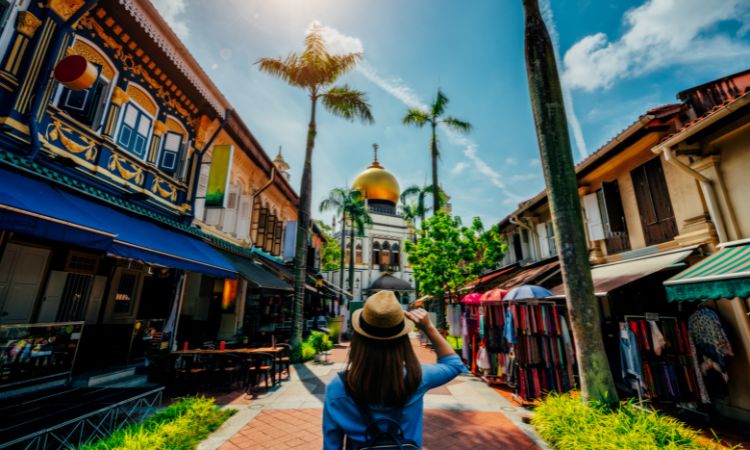
Sousse’s cultural scene extends into museums and galleries that highlight the region’s artistic and archaeological wealth. The Archaeological Museum of Sousse, located in the Kasbah fortress, is a must for history buffs. Its collection of Roman and early Islamic mosaics—one of the finest in Tunisia—depicts mythological scenes, geometric patterns, and natural motifs. The museum contextualizes Tunisia’s role as a Roman breadbasket and later as an influential center in Islamic Maghreb, offering audio guides or docent-led tours explaining artifact provenance.For contemporary art, small galleries in the city showcase Tunisian artists working in painting, sculpture, photography, and mixed media. Exhibitions often reflect themes of identity, Mediterranean life, and social commentary. Some galleries within the Medina host periodic showcases; others are located near the beachfront or within cultural centers. Visitors interested in crafts can visit cooperatives that support local artisans producing ceramics, textiles, and leather goods. Workshops sometimes offer short courses in pottery throwing or traditional Tunisian tile painting, enabling hands-on creative experiences.Cultural centers and performance venues present music, dance, and theatre, especially during festival seasons. The Sousse International Festival hosts concerts featuring classical and contemporary music, while open-air performances in the Kasbah courtyard offer atmospheric nighttime experiences. Traditional folklore ensembles perform indigenous music with percussion and string instruments, often inviting audience participation, creating a vibrant cultural exchange.Local culinary arts also form part of cultural exploration. Cooking classes in family-run settings teach preparation of signature dishes: brik with egg and tuna, flavorful couscous with seasonal vegetables and lamb, and sweets like baklava or makroud made with dates and semolina. These sessions often begin with a market visit to select fresh ingredients, fostering deeper understanding of local produce and shopping customs.Artisans in nearby villages produce traditional carpets and textiles, reflecting Berber influences with geometric designs and natural dyes. Visits to cooperatives demonstrate weaving techniques handed down through generations. Supporting these initiatives promotes sustainable tourism and preserves intangible cultural heritage.Seasonal events such as the Sousse Spring Festival showcase performing arts, crafts fairs, and local gastronomy. Engaging with these festivals provides insight into communal celebrations and contemporary interpretations of heritage. Photography workshops during festivals help capture vivid scenes of dancers, costumes, and architecture under Mediterranean light.For bibliophiles, local bookstores and cultural centers host book readings and small exhibitions on Tunisian literature and poetry. Engaging with these literary circles can offer nuanced perspectives on Tunisian society and its evolving narratives.Whether delving into ancient mosaics, discovering modern artistic expressions, or learning culinary and craft traditions firsthand, Sousse’s museums, galleries, and arts scene enrich travelers’ experiences. This cultural immersion complements beach and historic explorations, providing a fuller picture of life in this dynamic Mediterranean city.
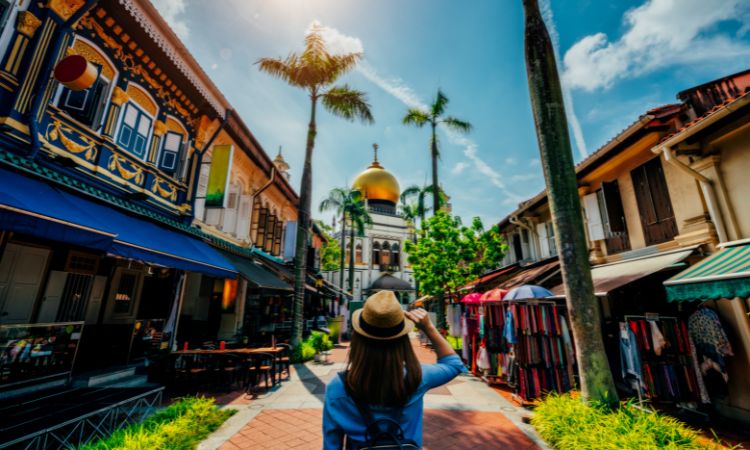
Sousse’s gastronomy reflects Tunisia’s location at the crossroads of Mediterranean and North African influences. A culinary trail begins in the Medina, where street vendors serve brik—a thin pastry wrapped around egg, tuna or meat, and parsley—crisply fried to golden perfection. Cafés offer strong coffee or mint tea paired with traditional sweets like makroud (date-filled semolina pastries). Exploring souk stalls reveals an array of olives, dates, and spices such as harissa, coriander, and cumin. Sampling fresh dates or local cheese provides insights into regional produce.Nearby eateries present seafood caught daily: grilled calamari, octopus salad dressed with olive oil and lemon, and whole fish baked with aromatic herbs. Many restaurants overlook the marina or beachfront, combining scenic views with quality ingredients. Couscous dishes, often prepared with lamb or fish, showcase slow-cooked stews enriched with seasonal vegetables. Shakshuka-style breakfasts feature eggs poached in tomato-pepper sauce, offering a hearty start to the day.Cooking classes arranged with local chefs or families begin with market tours: choosing fresh vegetables, aromatic herbs, and spices. Under guidance, travelers learn to prepare Tunisian staples: brik, tagines with chicken or lamb infused with preserved lemons and olives, and vegetable couscous. Sweet courses may include baklava or fruit-based pastries. These immersive sessions conclude with sharing the meal prepared together, fostering cultural exchange.For dining out, Sousse offers a spectrum: from casual cafés and street food stalls to upscale restaurants serving modern Mediterranean cuisine with creative twists. Beachfront venues often serve mezze platters of dips—brik bruschetta topped with harissa-infused tomato relish or labneh drizzled with olive oil and za’atar. Local wines and beers accompany meals; though Tunisia is not a major wine producer, boutique vineyards produce wines enjoyed by locals and visitors.Evening outings transition into lively nightlife. Beach bars host sunset gatherings with cocktails featuring local ingredients—citrus fruits, mint, and local spirits. As night deepens, clubs along the Corniche draw crowds with international DJs, live music events, and themed parties that last into early morning. Casinos in some hotels offer entertainment options for those seeking a different vibe. For a more relaxed evening, seaside lounges provide comfortable seating, soft lighting, and acoustic or jazz performances.For social dining, group reservations at family-run restaurants create convivial atmospheres, often accompanied by live traditional music. Tunisian hospitality shines in these settings, with hosts sharing stories about recipes and local customs. Street food evenings in market areas allow sampling small bites—grilled skewers, savory pastries, and sweet snacks—while mingling with locals and fellow travelers.When exploring nightlife, it’s advisable to check opening hours and dress codes, as they may vary by venue. Respect for local norms remains important: while resort areas are more liberal, modest attire outside these zones is appreciated. Overall, Sousse’s culinary trails and nightlife scene offer a balanced mix of tradition and modernity, ensuring delicious discoveries by day and vibrant evenings under Mediterranean skies.
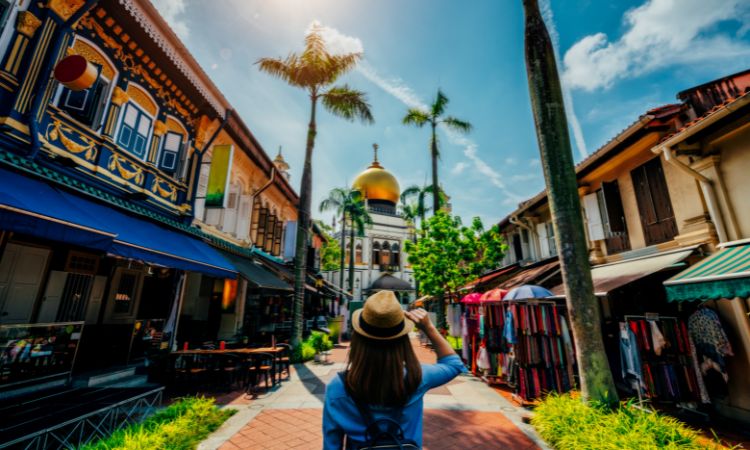
Cafés in Sousse present relaxed hubs for socializing, people-watching, and sampling local beverages. In the Medina, small tea houses serve mint tea in decorated glasses, sometimes accompanied by nuts or pastries. Coffee culture ranges from strong Turkish-style brews to modern espresso-based drinks; many cafés blend local beans with international blends. Outdoor seating under shaded awnings allows patrons to observe daily life: merchants setting up stalls, locals bargaining over spices, and the ambient call to prayer resonating through narrow alleys.As afternoon heat rises, indoor cafés with gentle breeze or air conditioning provide respite. Try local specialties like bissara (broad bean soup) or savory pastries. For a sweet treat, taste Tunisian halva or honey-drenched pastries paired with mint-infused coffee. Many cafés display traditional décor—intricate tilework, wood-carved furnishings, and vibrant fabrics—evoking a sense of place.Sunset lounges along the Corniche and in Port El Kantaoui offer stunning sea views as the sun dips below the horizon. Comfortable seating, soft lighting, and chilled beverages create an inviting ambiance. Signature cocktails often incorporate local ingredients: pomegranate, orange blossom water, or Tunisian gin. Mocktails with fresh fruit juices and sparkling water cater to non-alcoholic preferences while showcasing regional produce. Live acoustic performances or DJs playing chill beats enhance the mood without overpowering conversations.These lounges often transition into relaxed bars after dark, serving a curated selection of wines—some from Tunisian vineyards—and international beers. Light tapas-style dishes like mezze platters, grilled seafood bites, or cheese boards complement drinks. For groups, reserving a lounge table ensures space to unwind with friends or family, enjoying sea breezes and gentle waves lapping nearby.Wellness-oriented cafés integrate healthy options: fresh fruit bowls, smoothie blends, and salads featuring local olive oil and citrus. Some venues host yoga or meditation sessions early morning on beach terraces, allowing participants to greet sunrise with guided practice followed by healthy breakfasts and herbal teas. These experiences blend relaxation with well-being, appealing to health-conscious travelers.Artisan coffee shops in newer districts showcase global coffee culture trends—pour-over methods, latte art, and specialty beans—alongside Tunisian pastries reinvented in contemporary styles. Baristas may experiment with local spice infusions, like adding a hint of cinnamon or cardamom to coffee, offering unique flavor profiles. Patrons can pair these drinks with sweet treats that fuse local ingredients (e.g., date and walnut muffins).For digital nomads or remote workers, many cafés provide Wi-Fi and comfortable seating, enabling work with inspiring seaside views. Daytime hours offer productive atmospheres, while evenings transform into social scenes. When visiting, checking café hours is advisable, as some close during afternoon siesta and reopen in the evening.Overall, Sousse’s café culture and sunset lounges capture the city’s relaxed Mediterranean spirit. Whether sipping mint tea in a centuries-old Medina courtyard or enjoying a crafted cocktail as the sun sets over the Gulf of Hammamet, these venues offer memorable moments that blend local tradition with contemporary leisure..
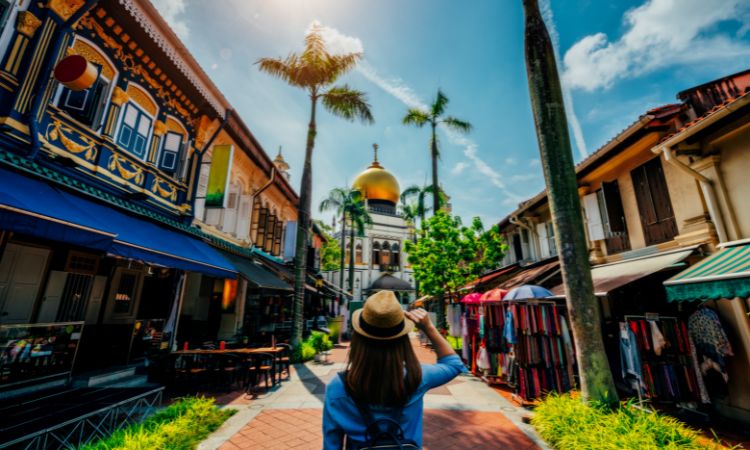
Sousse serves as a launchpad for compelling day trips that unveil Tunisia’s rich historical tapestry. El Jem, about 65 km south, hosts one of the world’s best-preserved Roman amphitheaters. This colossal structure, seating up to 35,000 in antiquity, allows visitors to walk the arena floor, imagine gladiatorial contests, and explore the museum showcasing mosaics and artifacts from the region .Guided tours enrich understanding of Roman Africa’s economic and cultural significance. Early morning departures avoid crowds and midday heat; return in late afternoon to enjoy Sousse’s beaches or a relaxing spa.Kairouan, approximately 100 km inland, is a UNESCO World Heritage site revered as Tunisia’s holy city. Its Great Mosque, one of the earliest in Islam, features grand courtyards and intricately carved minarets. Visitors should dress modestly and plan for guided visits explaining religious and architectural importance. The Medina of Kairouan offers traditional carpets, leather goods, and local produce in bustling markets. Combining El Jem and Kairouan in a full-day excursion gives insight into Tunisia’s layered heritage—from Roman legacies to Islamic scholarship and craft traditions.Logistics: day-trip operators provide air-conditioned coaches, English-speaking guides, and picnic or local lunch options in traditional settings. Private car hires offer flexibility, allowing stops in olive groves or roadside cafés. Timing is crucial: during hot months, aim for early starts, carrying sun protection and water. Returning by late afternoon ensures comfortable evening in Sousse.Beyond history, travelers may visit a local olive oil mill near Kairouan or El Jem, learning about traditional pressing methods and tasting fresh oil paired with bread. Seasonal fruit orchards or vineyards may open for visits, offering glimpses into rural life. Such excursions blend cultural immersion with authentic local interactions, enriching understanding beyond coastal leisure.
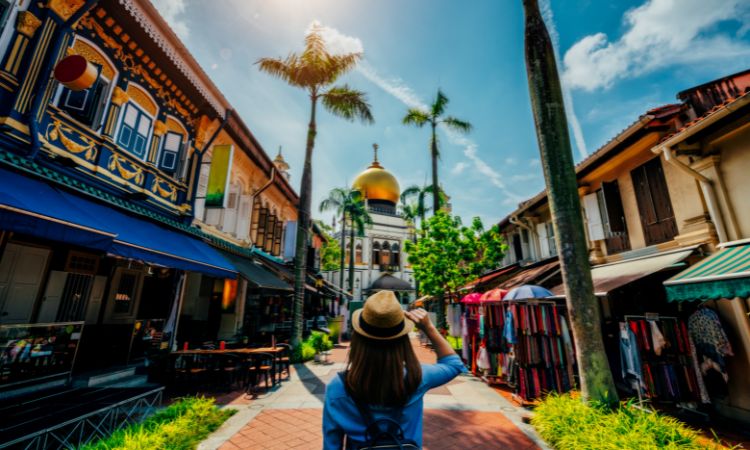
For travelers seeking adventure beyond beaches and history, Sousse provides gateways to diverse landscapes. Although deep Sahara excursions require longer trips, shorter adventures toward the desert’s edge can be arranged. Organized tours depart early, traveling south toward semi-arid zones where dunes emerge. Camel treks at sunrise or sunset offer poetic desert vistas, while 4x4 safaris traverse undulating dunes, revealing the stark beauty of North African landscapes. Overnight camping experiences under starlit skies may be possible for those with extended itineraries, featuring traditional Bedouin meals and storytelling around campfires.Closer to Sousse, nature trails weave through olive groves and coastal wetlands. Birdwatchers can explore migratory paths along the Gulf of Hammamet, spotting species such as flamingos, herons, and migratory songbirds during seasonal movements. Guided eco-tours highlight local flora—olive trees, caper shrubs, and endemic plants—while explaining conservation efforts and the region’s biodiversity. Photographic safaris capture wildlife and landscapes, often led by naturalists sharing local ecological knowledge.For active pursuits, quad biking or mountain biking in designated areas provides adrenaline-filled exploration of coastal hinterlands or semi-desert terrain. Safety equipment and experienced guides ensure secure, enjoyable experiences. Horseback riding along quieter beaches or through orchard-lined trails offers romantic and serene encounters with nature. Some stables near Sousse cater to various skill levels, with sunset rides along the shore creating unforgettable memories.Water-based adventures complement desert and land activities. Kayak or paddleboard excursions to coastal lagoons let travelers observe marine life and coastal birds in tranquil settings. Fishing trips on traditional boats connect participants to local maritime traditions, culminating in tasting freshly caught fish prepared seaside.Seasonal considerations: during mid-summer, desert excursions should be timed for early morning or late afternoon to avoid extreme heat. Spring and autumn offer more moderate conditions. Guides provide necessary equipment: sun protection, water, and briefing on local etiquette and environmental respect.Educational eco-tourism initiatives invite participation in olive harvests (in season), harvesting dates, or visiting beekeeping sites to learn about local honey production. These hands-on activities combine adventure with cultural exchange, benefiting rural communities. For travelers interested in geology, some tours explore nearby geological formations, fossil sites, or salt flats, offering insight into Tunisia’s ancient landscapes.Overall, day trips and adventure options from Sousse cater to varied interests: history enthusiasts exploring Roman and Islamic heritage, nature lovers discovering birdlife and coastal ecosystems, and thrill-seekers pursuing desert and motorized excursions. These experiences expand the Sousse itinerary beyond beaches, ensuring a multifaceted Tunisian journey.
No ads. No trails. No commitments


Alice Roses
London, England
51 ST MATTHIAS ROAD
NOTTINGHAM, NOTTINGHAMSHIRE
NG3 2HF
Hours: 8:00 - 17:00, Mon - Sat
support@johnsonholidays.com