 Fez Travel
Guide
Fez Travel
Guide
Paris is known around the world as the “capital of love,” and even if you don't understand the history of Paris at all

3 Hours
£1.50
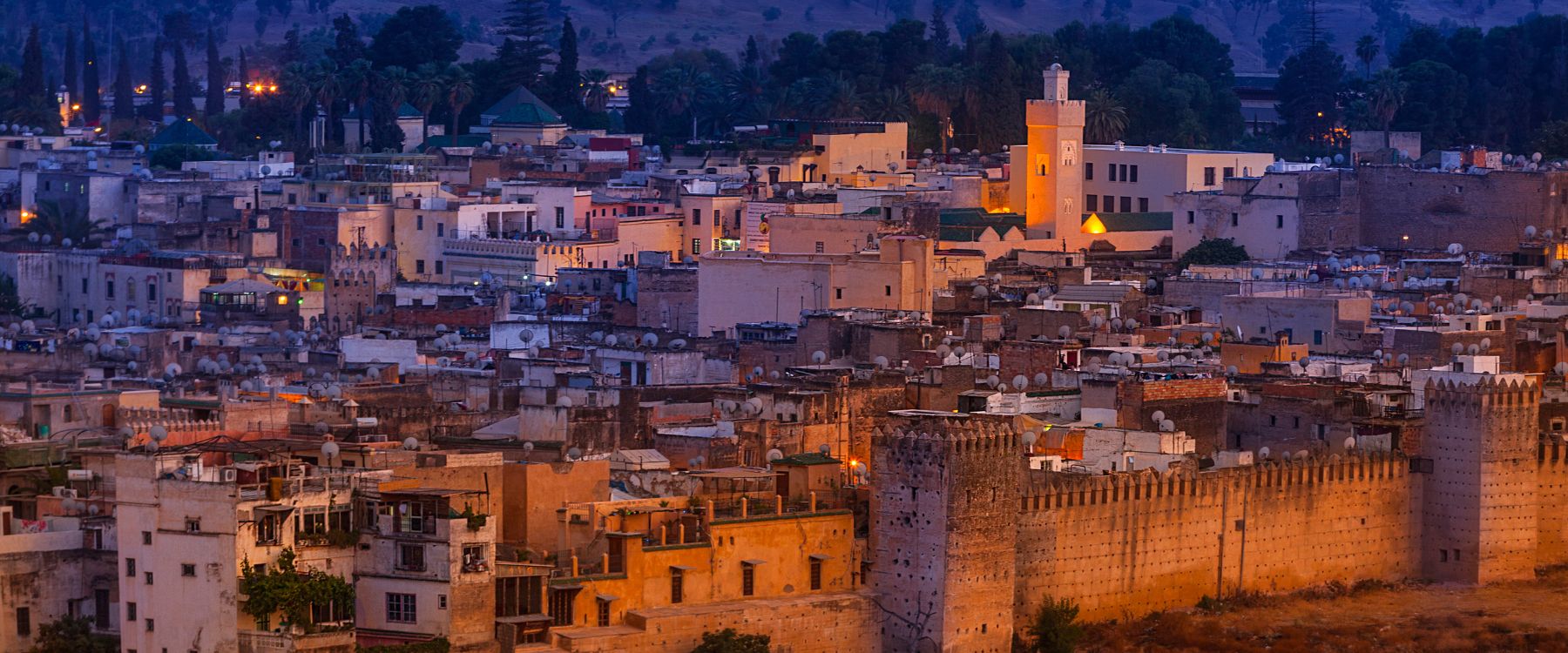
Fez offers one of the most authentic windows into Moroccan life, from traditional craftsmanship to centuries-old customs. With its preserved medina, you’re not just visiting history—you’re living it.
Learn More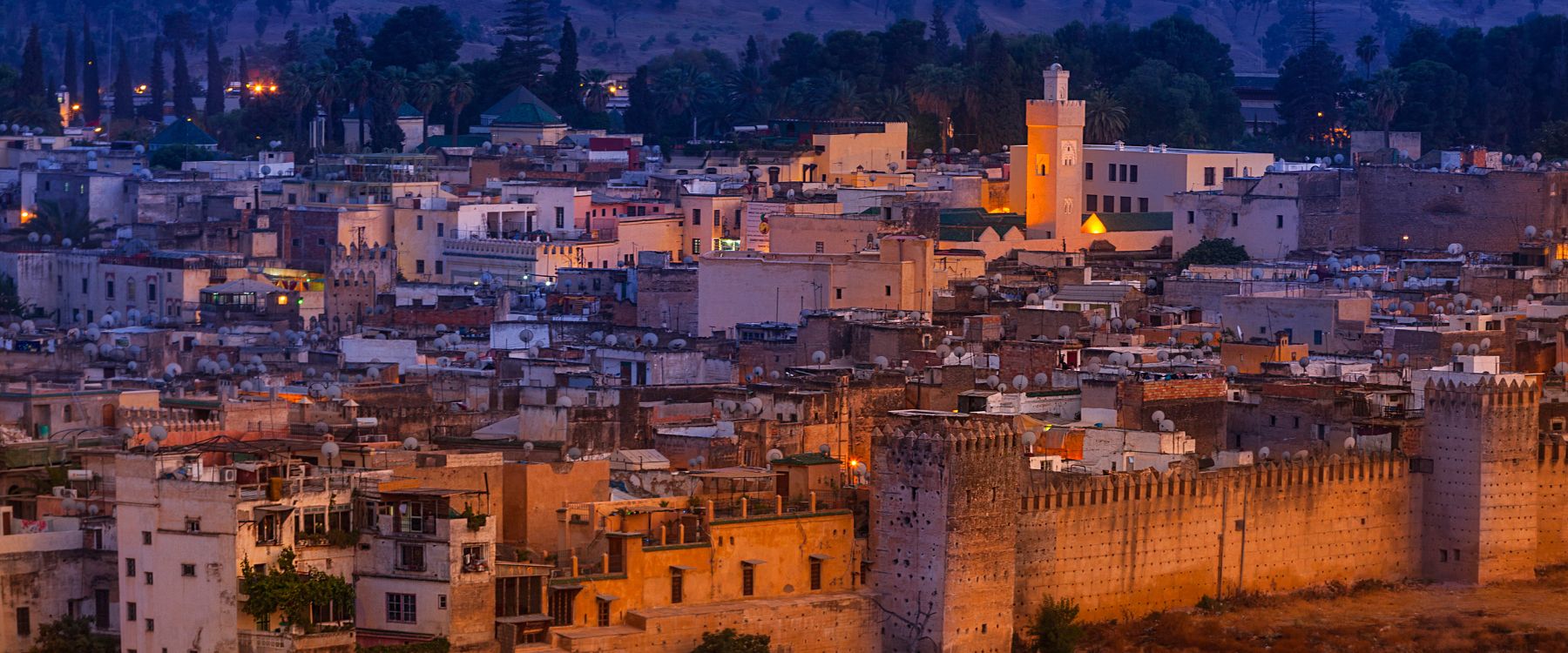
Discover awe-inspiring architecture in the form of madrasas, palaces, and mosques decorated with intricate zellige tilework and carved cedar. The city's built heritage is a living museum of Islamic art.
Learn More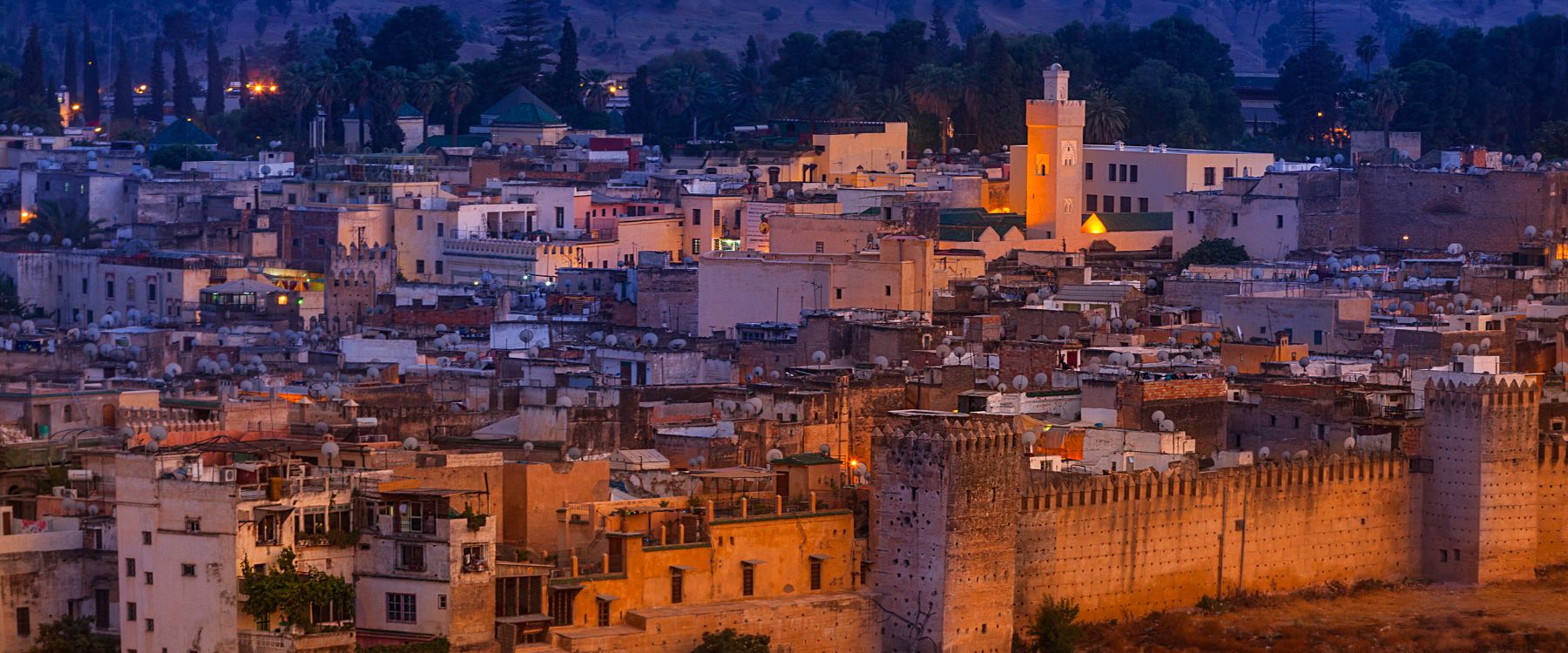
Foodies will find joy in Fez’s culinary landscape—rich tagines, hearty harira, and street food delicacies all served with Moroccan flair and hospitality.
Learn More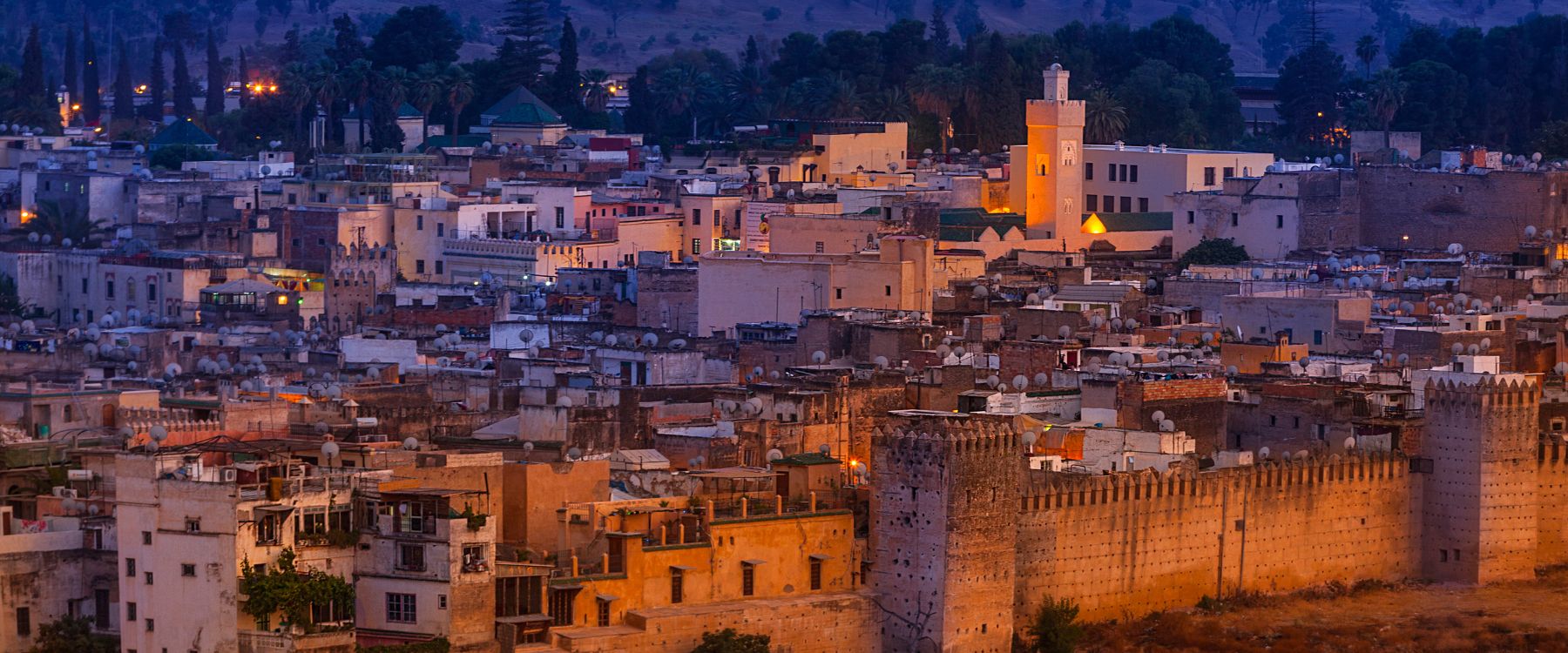
Fez offers great value, with affordable boutique riads and authentic hammams. Visitors can enjoy luxurious experiences without breaking the bank.
Learn More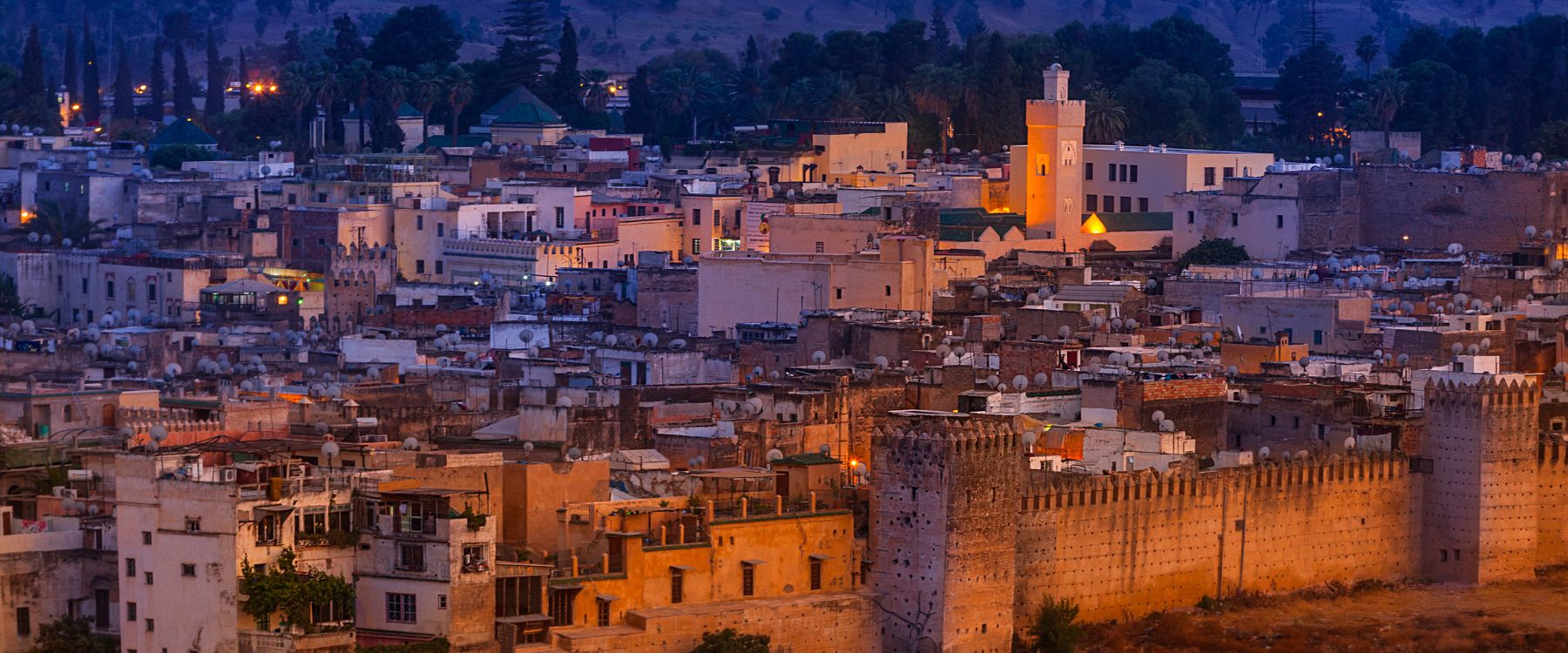
Venture beyond the city to nearby attractions like the Roman ruins of Volubilis, the imperial city of Meknes, or the scenic Middle Atlas Mountains.
Learn More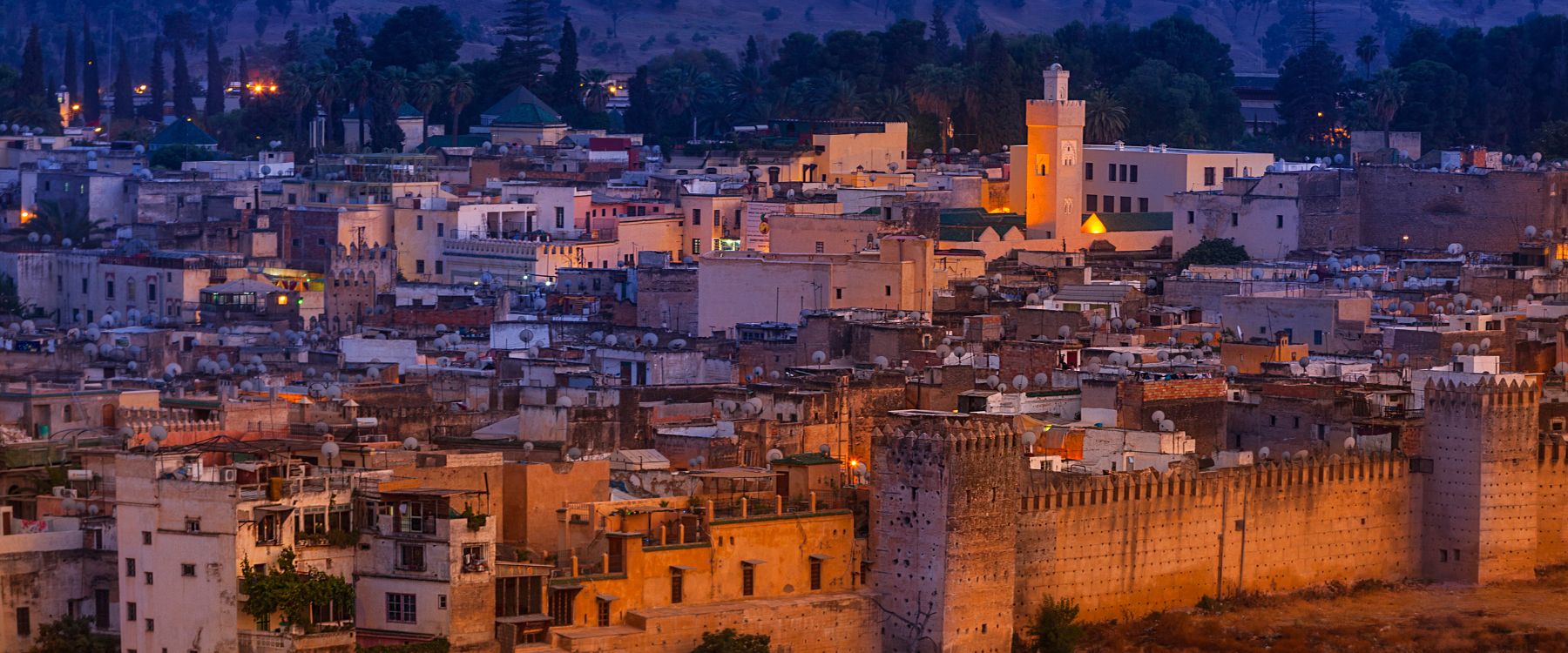
Compared to Marrakech, Fez sees fewer crowds, allowing a more relaxed, immersive exploration of Moroccan traditions and daily life.
Learn More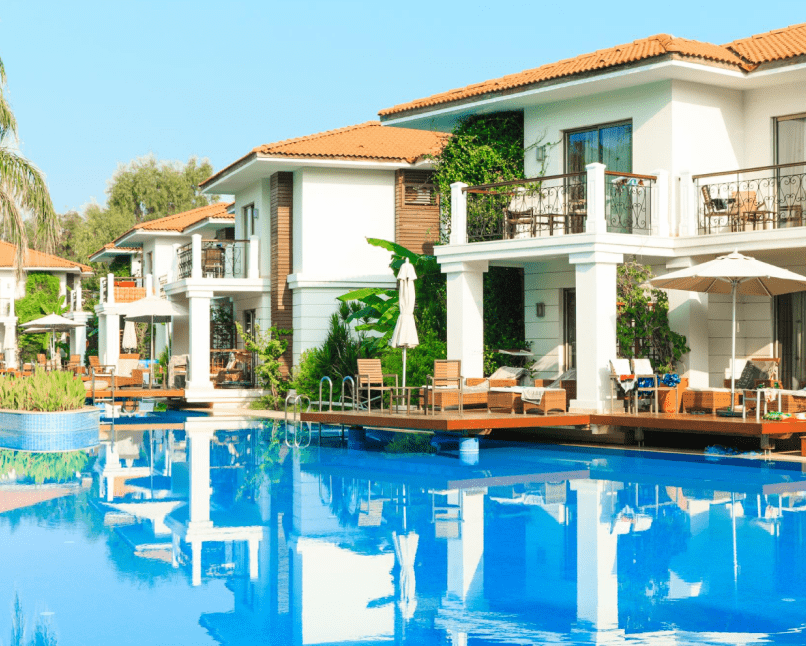
Lorem ipsum dolor, sit amet consectetur adipisicing elit. At illo adipisci iusto
From

Because more than 268 other customers have loved us too

Demonstrates commitment to user data security through encryption and secure payment practices
Learn More
Demonstrates commitment to user data security through encryption and secure payment practices
Learn More
Demonstrates commitment to user data security through encryption and secure payment practices
Learn More
Demonstrates commitment to user data security through encryption and secure payment practices
Learn More
Quality as judged by customers. Book at the ideal price!


/ person
/ person
/ person

Fez el-Bali, the oldest walled part of Fez, is a labyrinthine wonder unlike any other city on earth. This vast, UNESCO-protected medina is a densely packed network of narrow alleys and souks, completely free of cars and full of life. As you wander its 9,000-plus passageways, you’ll be transported into another era. Stone-paved streets echo with the rhythm of donkey hooves and merchant calls, while aromatic spices, freshly baked bread, and sizzling meat skewers infuse the air. Every corner of the medina holds a surprise—an intricately tiled fountain, a courtyard buzzing with artisans, or a peaceful riad hidden behind plain walls. Visit the Chouara Tannery to witness ancient leather dyeing techniques in vibrant color. Explore the Bou Inania and Al-Attarine madrasas, marvels of Islamic artistry adorned with elaborate zellige mosaics and carved cedar. The Nejjarine Museum showcases centuries of Moroccan woodworking in a beautifully restored inn. The medina is not just historical—it's alive. Locals live, work, and worship here, preserving customs that have endured for generations. Getting lost is part of the charm; each wrong turn leads to new discoveries, making every journey through the medina a true adventure through time.

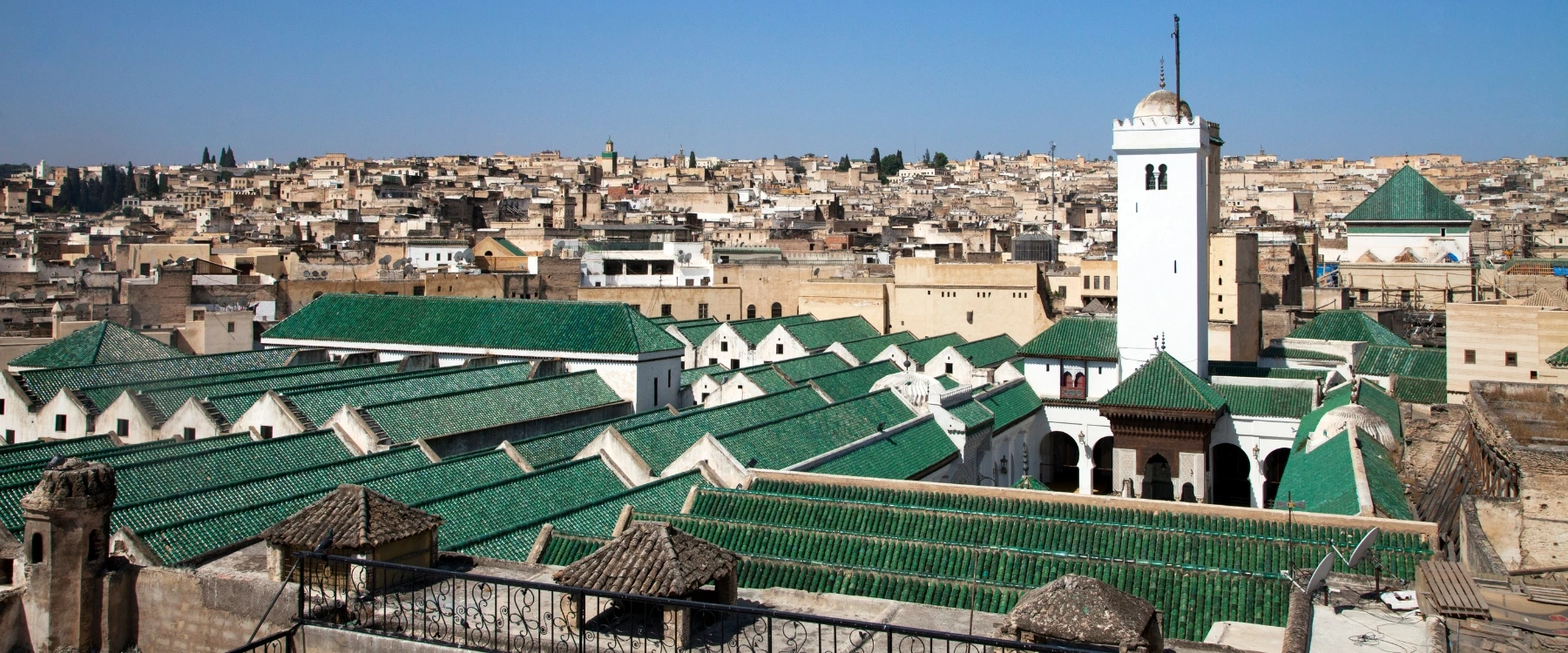
Fez stands as Morocco’s spiritual capital, where religion and education have walked hand in hand for centuries. Its sacred sites reflect the city’s rich Islamic heritage and the deep sense of community that flows through its streets. The University of Al Quaraouiyine, founded in 859 AD by Fatima al-Fihri, is both the world’s oldest existing university and a place of immense religious significance. Although non-Muslims can’t enter the prayer halls, the outer courtyards and nearby rooftops offer glimpses of its grandeur—green-tiled roofs, quiet courtyards, and sunlit libraries filled with ancient manuscripts. Another marvel is the Bou Inania Madrasa, a rare example of a religious building open to all. Its peaceful interior is filled with intricate mosaics, muqarnas, and an imposing minaret that marks its scholarly purpose. The Zawiya of Moulay Idriss II is the spiritual heart of Fez, drawing pilgrims year-round to honor the city’s founder. Spirituality is infused into daily life here—calls to prayer echo through the medina, religious processions mark special days, and residents show a profound respect for faith. Visiting these sacred places doesn’t just teach you about religion; it gives insight into how tradition shapes identity and belonging in Fez.
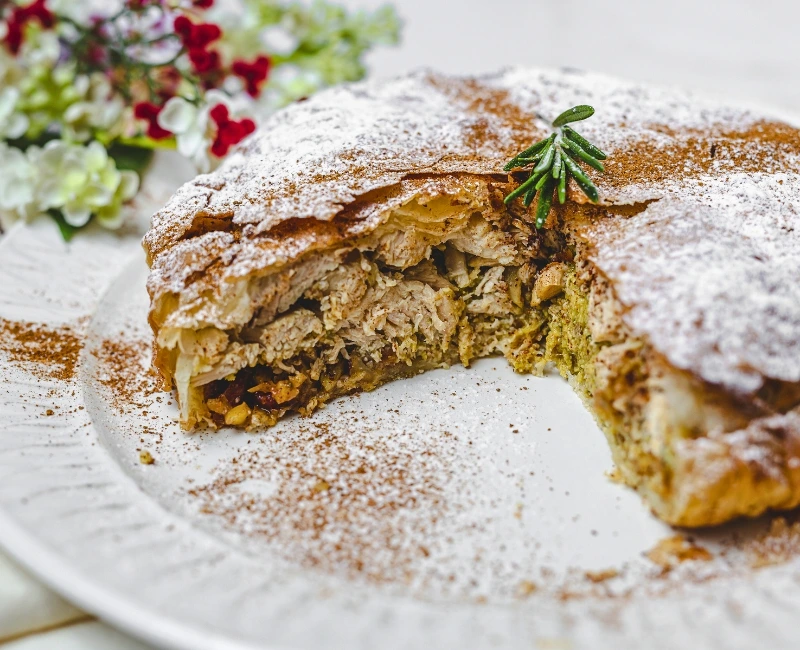
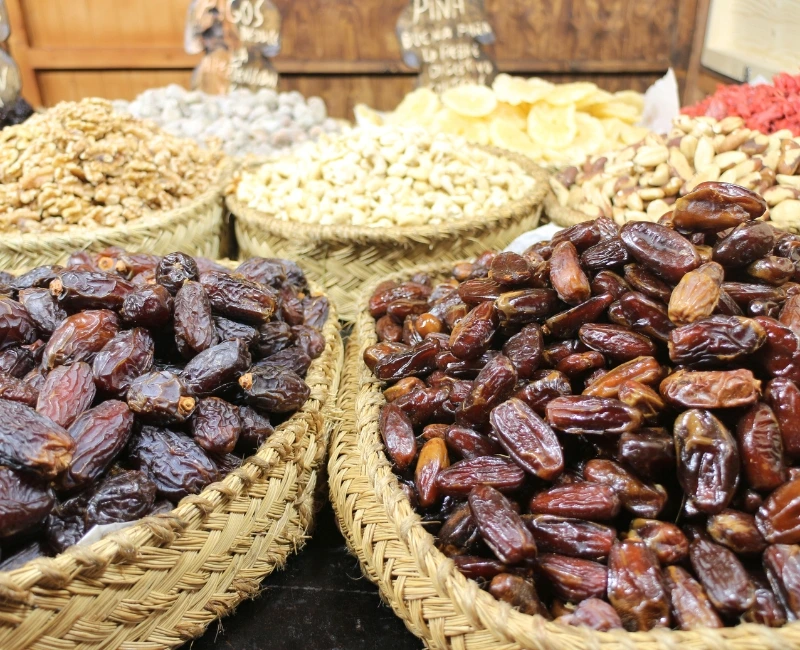
Fez is a treasure trove of Moroccan cuisine, where age-old recipes are served in homes, market stalls, and riad restaurants with love and tradition. Culinary adventures here begin with the senses: the clinking of tagine lids, the wafting scent of cinnamon and saffron, and the sight of sweet and savory dishes arranged like works of art. Start with breakfast—fresh msemen (Moroccan pancakes), olives, cheese, and mint tea. For lunch or dinner, dive into a slow-cooked lamb tagine with prunes and almonds, or sample the iconic pastilla, a flaky pastry filled with spiced meat and dusted with cinnamon and sugar. Street food is a must-try. Vendors sell harira soup, grilled kefta skewers, snail broth, and bissara (fava bean soup). Sweet lovers can enjoy chebakia, almond-stuffed pastries, and honey-drenched treats from age-old patisseries. Fez is also known for its markets—heaps of dates, preserved lemons, spices, and olive oils fill the souks. Cooking classes are available for visitors eager to recreate Moroccan flavors at home. The experience is deeply cultural, as recipes are often shared with stories and family pride. In Fez, every meal is a celebration of heritage and hospitality.
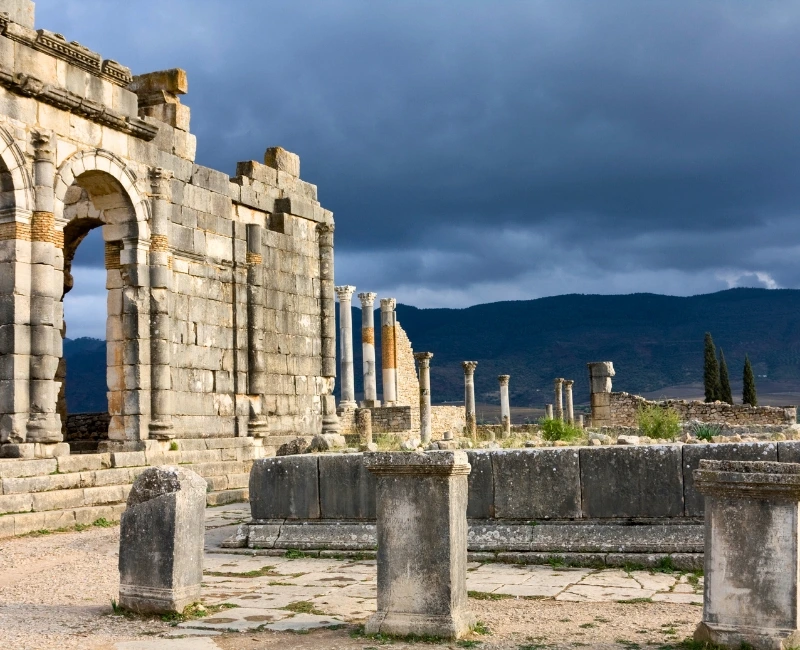
While Fez offers a wealth of experiences within its ancient walls, its location makes it ideal for enriching day trips to the surrounding region. Just an hour away lies Meknes, a former imperial city brimming with royal architecture, massive gates, and underground granaries. Pair that with a visit to the Roman ruins of Volubilis, where crumbling columns and preserved mosaics whisper stories from the 3rd century. Nature lovers will find solace in the Middle Atlas Mountains. Azrou, a cedar-forested town nestled in the hills, is home to Barbary macaques and offers a refreshing climate in summer. The alpine town of Ifrane, often referred to as “Little Switzerland,” surprises visitors with its European-style chalets, lakes, and clean streets—perfect for a mountain escape. Even within Fez’s outskirts, you can visit olive groves, rural farms, or take part in a traditional hammam (steam bath) experience. These nearby excursions add variety to your itinerary and show different sides of Moroccan life—imperial, Roman, Berber, and natural—all within a few hours’ drive. Fez may be the heart of your journey, but its surroundings complete the Moroccan experience.
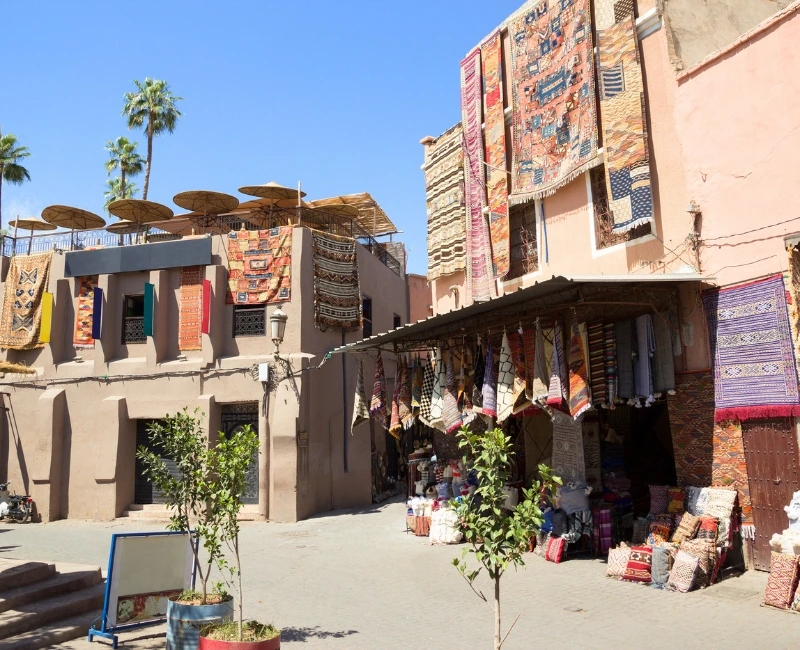
The souks of Fez are legendary—chaotic, colorful, and filled with treasures. For shoppers and culture lovers alike, this is paradise. Handcrafted goods made using centuries-old techniques line the stalls, offering not just products, but pieces of Moroccan heritage. Fez is world-renowned for its leather goods, especially those produced in the Chouara Tannery. From slippers (babouches) and belts to bags and jackets, the variety is unmatched. Ceramics are another staple—look for hand-painted bowls and plates with blue and white geometric patterns. Zellige tiles, brass lanterns, carved wooden boxes, and silk scarves tempt every traveler. Fez is also a center for traditional remedies and cosmetics. You’ll find argan oil, black soap, kohl, and rose water sold in ornate bottles. Shopping here involves haggling—an art form and social ritual in itself. Don’t be shy; vendors expect it. The key is to enjoy the interaction and walk away with something truly special. Whether it’s a decorative item, culinary spice, or wearable piece of art, the souks of Fez ensure that your suitcase comes home a little heavier and a lot richer in culture.

Staying in a traditional riad is a defining part of the Fez experience. These historic guesthouses, often hidden behind plain medina walls, open up into tranquil courtyards adorned with fountains, mosaics, and palm trees. A world away from the bustle outside, riads offer intimacy, charm, and authenticity. Many riads are restored 18th or 19th-century homes, with rooftop terraces overlooking the medina and intricately tiled interiors. Breakfasts here are a feast—fresh breads, fruit, eggs, mint tea—all served with Moroccan hospitality. Riads often provide more than just a bed; many offer home-cooked dinners, hammam access, and cooking classes. Hosts are eager to share local recommendations, book tours, or arrange transportation. Unlike hotels, riads are about connection—to the architecture, to the past, and to the culture. Whether you're sipping tea on a tiled balcony or watching the sunset from a rooftop, your stay becomes part of your cultural journey. The slower pace, the attention to detail, and the family-like atmosphere make riads in Fez more than just places to sleep—they’re homes with heart. .
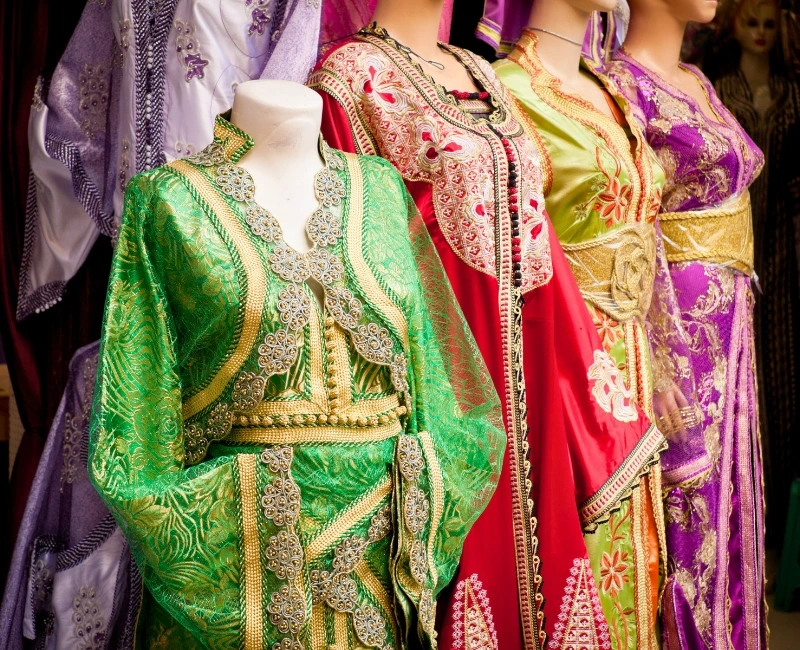
Fez is a living museum of Moroccan art and tradition. Every building, every market stall, every street corner tells a story of craftsmanship passed down through generations. From calligraphy to tilework, this city is alive with creativity. Visit artisan workshops to watch potters spin clay, metalworkers hammer out delicate patterns, or weavers create bold fabrics. Many of these crafts follow ancient methods, often with tools that haven't changed in centuries. The Art Naji complex offers guided insights into zellige tile production, while cooperative shops allow you to buy directly from the makers. Fez also fosters cultural expression through music and festivals. The annual Festival of Sacred Music attracts international performers and blends Sufi, Andalusian, and Berber sounds. Street musicians and dancers animate medina corners during celebrations. Art in Fez is not confined to galleries—it’s everywhere, embedded in daily life and surroundings. Observing a calligrapher inscribe Quranic verses, or a chef garnishing a plate with saffron, becomes part of a greater aesthetic journey. In Fez, art isn't just made—it's lived.
Fez is home to a rich calendar of festivals and cultural events that bring the city to life throughout the year. Chief among them is the Fez Festival of World Sacred Music, held every summer. This globally renowned event brings musicians from diverse faiths and nations to perform in stunning venues like the Bab Makina and historic gardens. During Ramadan, the city adopts a deeply spiritual tone—mosques fill, families gather for iftar, and the medina takes on a special glow at night. Eid al-Fitr and Eid al-Adha bring communal feasting and celebrations, often with public storytelling, drumming, and traditional games. Other local events include Sufi chanting nights, poetry readings, and artisan showcases. Many are held in restored palaces or madrasas, making the setting as memorable as the event itself. Even impromptu street performances during holidays and weddings can be lively and immersive. Whether you're watching a Gnawa band perform rhythmic spiritual music or enjoying an evening of Andalusian orchestral music, Fez celebrates life through its cultural heartbeat. For travelers, these moments offer unforgettable windows into Moroccan spirit and joy.
No ads. No trails. No commitments


Alice Roses
London, England
51 ST MATTHIAS ROAD
NOTTINGHAM, NOTTINGHAMSHIRE
NG3 2HF
Hours: 8:00 - 17:00, Mon - Sat
support@johnsonholidays.com