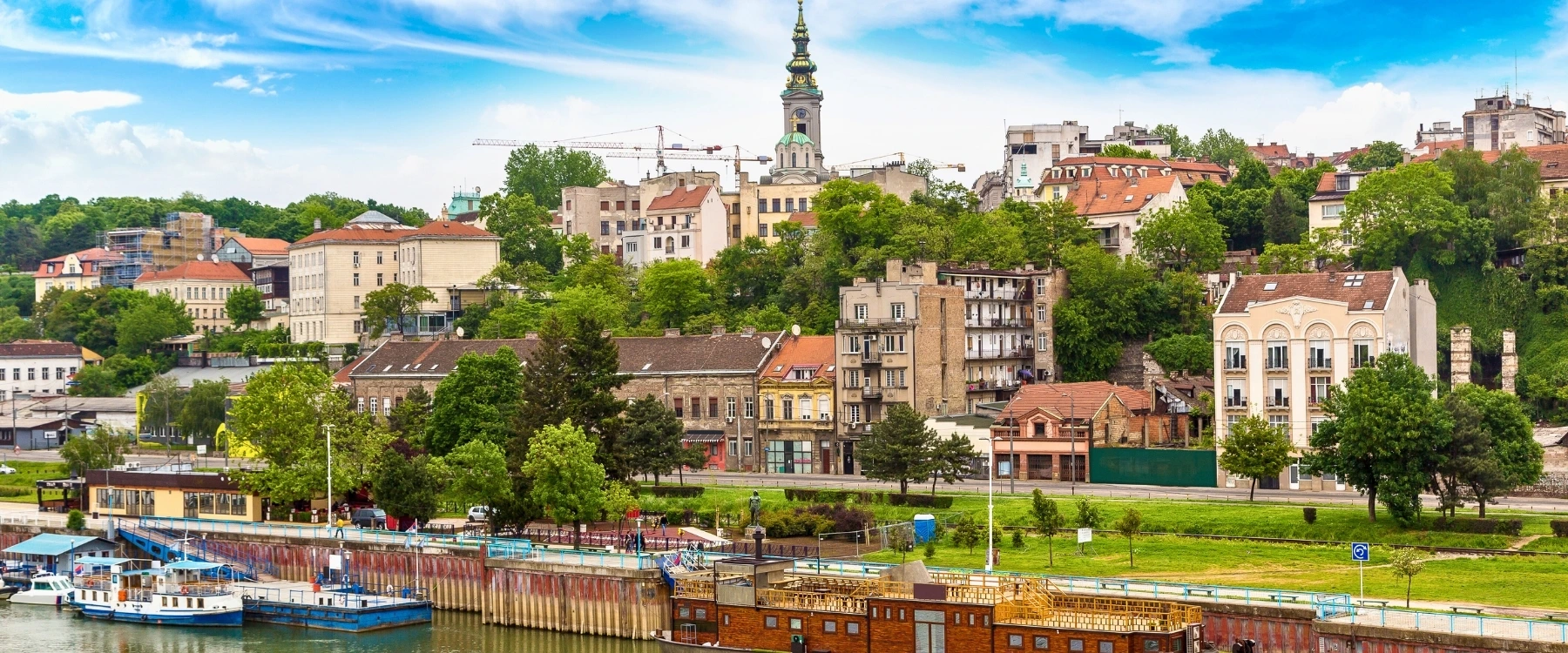
 Belgrade Travel
Guide
Belgrade Travel
Guide
Paris is known around the world as the “capital of love,” and even if you don't understand the history of Paris at all

3 Hours
£1.50
Belgrade’s history spans millennia, evident in landmarks like Kalemegdan Fortress overlooking the Danube, Byzantine-era ruins, Ottoman-era mosques turned museums, and Austro-Hungarian architecture in elegant pedestrian streets. Exploring museums and heritage sites reveals stories of conquests, resilience, and cultural fusion. History buffs can trace layers of past eras in every neighborhood—wandering through fortresses by day and uncovering hidden monuments around atmospheric squares. This deep-rooted heritage offers context for modern Belgrade’s identity and provides compelling experiences for culturally curious travellers.
Learn More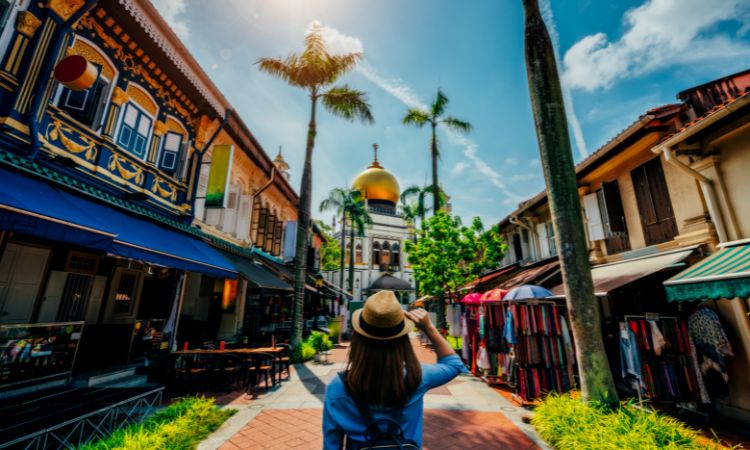
Compared to many European capitals, Belgrade offers excellent value: quality accommodation, meals, and entertainment at budget-friendly rates. Enjoy comfortable boutique hotels or charming guesthouses for less than in Western Europe. Dining on authentic Serbian dishes—hearty stews, grilled specialties, pastries, and coffee—costs significantly less, with a pint averaging around £1.50. Transport, sightseeing, and cultural events often come at modest prices, allowing travellers to extend stays or indulge in extra activities without overstretching budgets. This affordability makes Belgrade attractive for solo travellers, couples, and families alike.
Learn More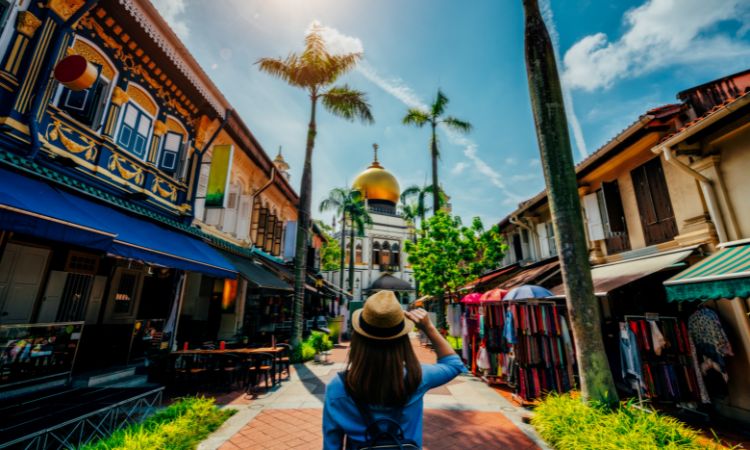
Belgrade is famed for its nightlife, with riverside clubs on refurbished barges, basement bars in historic buildings, and open-air summer gatherings by the water. Music ranges from electronic DJs to live jazz and traditional folk performances. Cafés transform into lively evening spots, while late-night eateries serve local comfort food. The city’s energy after dark appeals to night owls and social travellers seeking authentic, unpretentious experiences. Seasonal festivals—film, music, and cultural events—often extend into the night, offering unforgettable memories.
Learn More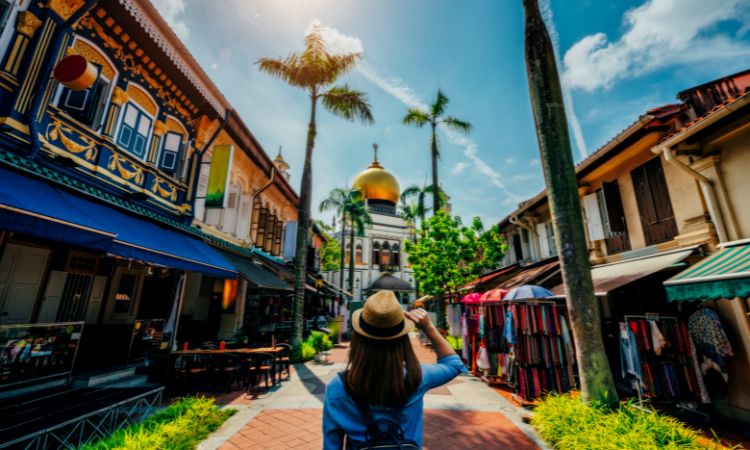
Serbian cuisine in Belgrade blends Balkan traditions with modern twists. Delight in street food like ćevapi and burek, dine in restaurants serving gourmet renditions of local dishes, and sample regional wines or rakija (fruit brandy). Belgrade’s café culture is strong—sprawling terraces, stylish coffee shops, and historic kafanas invite leisurely mornings or afternoon breaks. Food tours introduce travellers to hidden gems, artisanal producers, and markets bursting with fresh produce. This gastronomic variety satisfies casual eaters and dedicated foodies alike.
Learn More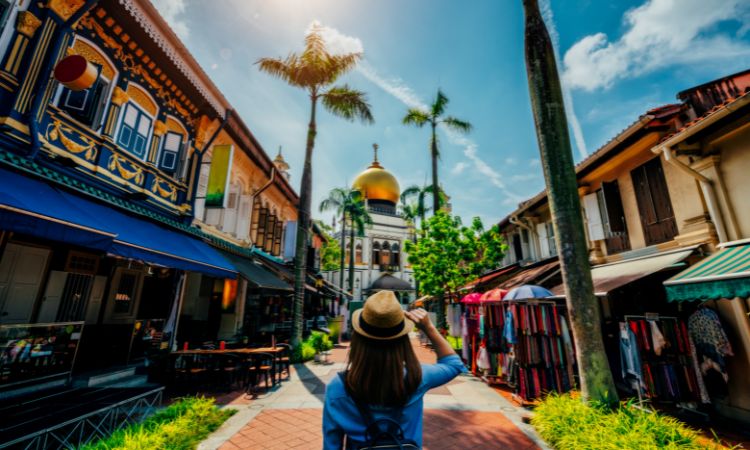
Belgrade’s creative industries thrive in repurposed warehouses and revitalized districts like Savamala. Street art murals, contemporary galleries, and design studios reflect a young, innovative spirit. Cultural centres host exhibitions, workshops, and performances highlighting both local talent and international collaborations. For travellers drawn to offbeat experiences, exploring these creative hubs offers insight into Serbia’s evolving artistic identity and opportunities to meet local creators.
Learn More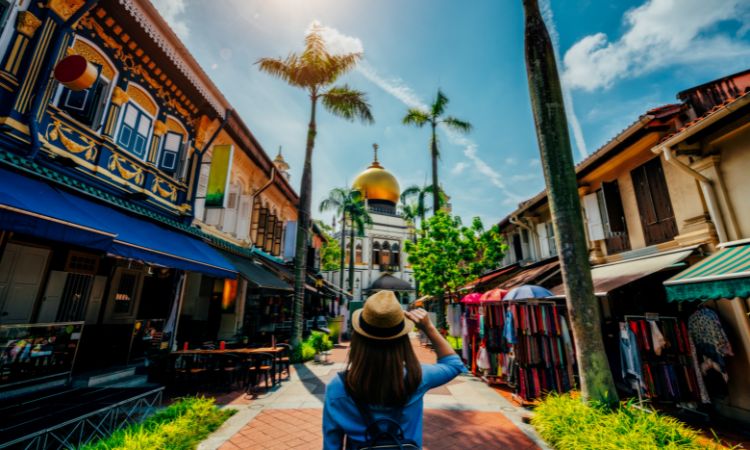
The confluence of the Sava and Danube rivers shapes Belgrade’s landscape, providing scenic promenades, parks, and river cruises. Early mornings by the water are perfect for jogging or cycling; afternoons invite relaxed picnics under leafy trees in Kalemegdan Park. Boat tours showcase the city skyline from the river, while nearby nature reserves and hiking trails allow quick escapes—ideal for travellers seeking balance between urban exploration and outdoor relaxation. Seasonal festivals along the riverfront further enliven the scene.
Learn More
Lorem ipsum dolor, sit amet consectetur adipisicing elit. At illo adipisci iusto
From

Because more than 268 other customers have loved us too

Demonstrates commitment to user data security through encryption and secure payment practices
Learn More
Demonstrates commitment to user data security through encryption and secure payment practices
Learn More
Demonstrates commitment to user data security through encryption and secure payment practices
Learn More
Demonstrates commitment to user data security through encryption and secure payment practices
Learn More
Quality as judged by customers. Book at the ideal price!


/ person
/ person
/ person
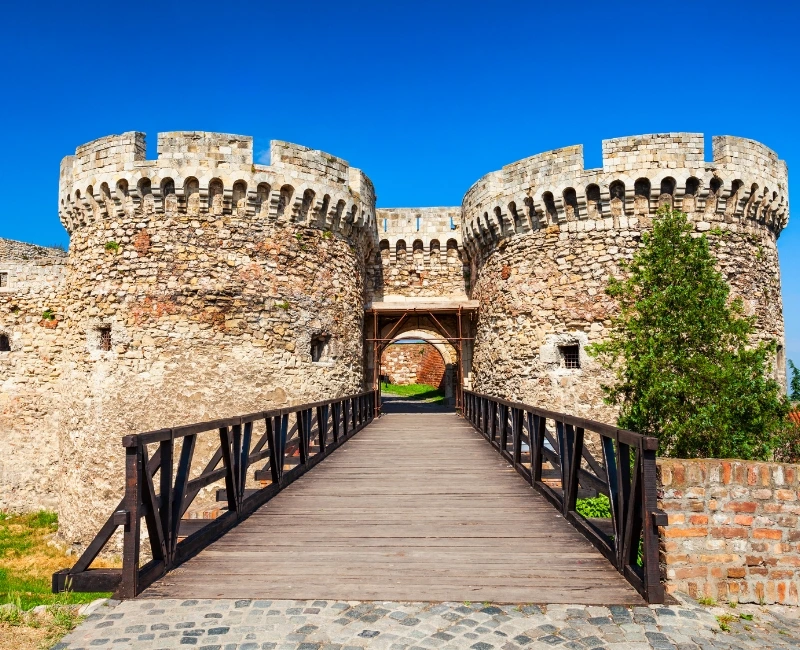
Perched atop the confluence of the Sava and Danube rivers, Kalemegdan Fortress serves as both the historical nucleus and a verdant urban retreat for Belgrade’s residents and visitors. Its strategic prominence dates back over two millennia: first fortified under Roman rule, then repeatedly expanded by Byzantine, medieval Serbian, Ottoman, and Austro-Hungarian powers. Today, the fortress complex and surrounding Kalemegdan Park span some 125 hectares, integrating ruins and ramparts with landscaped promenades, monuments, and panoramic overlooks.Begin at the southern entrance near the Clock Tower, whose 18th‑century baroque façade houses a small display of period weaponry. From there, wander northward along the outer walls to encounter the robust Nebojša Tower, now a museum chronicling the fortress’s medieval origins and its role in repelling multiple sieges. Nearby, the Victor Monument—a 14‑meter bronze statue atop a column—commemorates Serbia’s liberation in World War I, framing the eastern panorama with a defiant silhouette.Kalemegdan’s network of paths leads to hidden gems: the Ružičnjak rose garden, where hundreds of varieties bloom in spring; the historic Water Gate, once an Ottoman port; and the Military Museum nestled in former Austro-Hungarian barracks. Interpretive panels throughout the grounds recount stories of Battle of Vienna survivors, 19th‑century Austro-Ottoman skirmishes, and 20th‑century liberation efforts. For those seeking deeper insight, guided tours—available in multiple languages—trace the fortress’s layered past, pointing out masonry details that distinguish Byzantine brickwork from Ottoman stone.Beyond history, Kalemegdan is an ever‑evolving cultural venue. Summer evenings see open‑air concerts under the stars, from classical orchestra performances near the Roman Well to contemporary art installations in the Officers’ Pavilion. Sculpture exhibits pepper the park in autumn, and historical reenactments bring medieval life to vivid effect each May.Cafés and kiosks near the Pentagonal Tower invite visitors to linger over coffee or rakija, while photo‑worthy vistas extend from Art Pavilion terraces—watch sunrise break over misty riverbanks or stay for dusk, when city lights sparkle across New Belgrade. Families appreciate playgrounds nestled among the ancient ramparts, and quiet alcoves allow solo travellers to reflect amid centuries‑old stones.Exiting toward Knez Mihailova pedestrian street, visitors encounter galleries, bookshops, and eateries that further unfold Belgrade’s cultural tapestry. A Kalemegdan visit thus anchors your Belgrade experience—melding serenity and spectacle, past and present—revealing why this storied fortress remains the beating heart of Serbia’s capital.
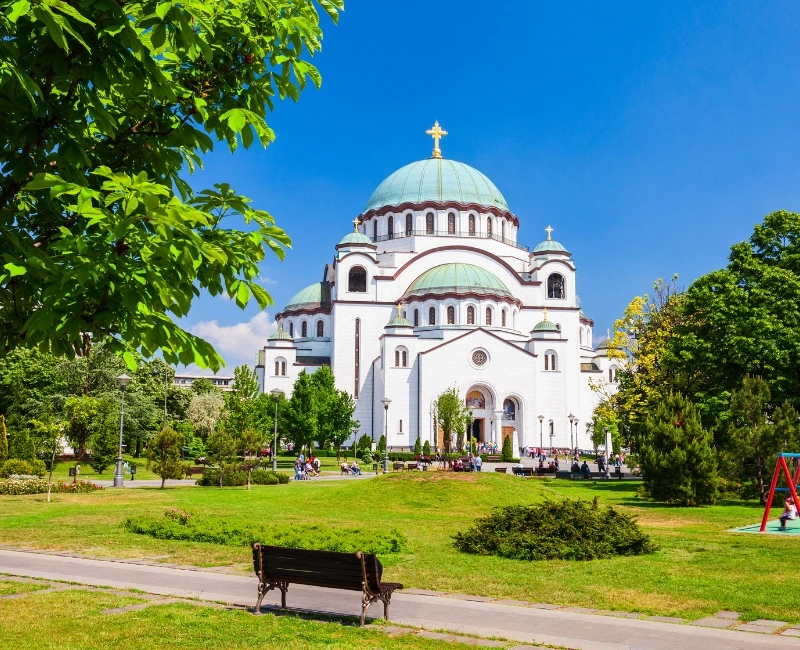
Rising majestically above Belgrade’s New Vračar district, the Temple of Saint Sava commands one of Europe’s most striking skylines. Dedicated to Saint Sava, founder of the autocephalous Serbian Orthodox Church, its gleaming white marble façade and gilded central dome—towering more than 70 meters high—symbolize both spiritual devotion and national resurgence. Construction began in 1935 but extended through decades of political upheaval; recent mosaic work inside continues even now, inviting repeated pilgrimages.Approach the temple via the spacious Square of Saint Sava, framed by rows of cypress trees and accented by fountains. As you near, note the detailed bas‑reliefs depicting Serbian bishops and monastic traditions. Inside, over 2,500 square meters of Byzantine‑style mosaics—from Italian artisans in Ravenna—cover the apses and vaults. Icons of Christ Pantocrator and Saint Sava watch silently over worshippers; underfoot, marble inlays form intricate geometric patterns. Though parts of the western nave remain unfinished, this sense of living history adds to the temple’s allure.Visitors can attend daily services—Divine Liturgy on Sundays or vespers during feast days—to witness centuries‑old rituals: the rhythmic chant of the choir, the fragrance of incense, and the flicker of candlelight on gold leaf. Outside services, small chapels along the perimeter provide quiet spaces for personal prayer or lighting memorial candles.Guided heritage walks link Saint Sava Temple with older Orthodox sites nearby: the 19th‑century Church of Saint Mark with its striking Rosenthal mosaics, and the charming Rakovica Monastery nestled within leafy grounds. These visits reveal layers of continuity—from medieval episcopal courts to modern ecclesiastical architecture.The temple grounds offer more than spirituality. Panoramic viewpoints along the north terrace frame sweeping vistas of New Belgrade across the river; at sunset, the dome reflects rose‑gold hues that photographers treasure. Cafés at the temple’s base serve monastic confections—honey baklava, walnut‑stuffed pastries—and small stalls sell hand‑painted icons and prayer ropes.Seasonally, the temple hosts sacred-music concerts that exploit its exceptional acoustics—Gregorian chant, Serbian chant, and modern choral works resonate within the stone vaults. Educational programs led by clergy or art historians explain Orthodox iconography, the significance of liturgical colors, and the architectural symbolism encoded in the cross‑shaped floor plan.Accessible via tram lines 5 and 7 or ride-share, Saint Sava Temple provides an essential counterpoint to Belgrade’s secular attractions. Its monumental scale, living traditions, and ongoing artistic achievements embody Serbia’s spiritual heart—offering travellers not just a landmark, but an immersive journey into Orthodox faith, national identity, and sacred artistry.
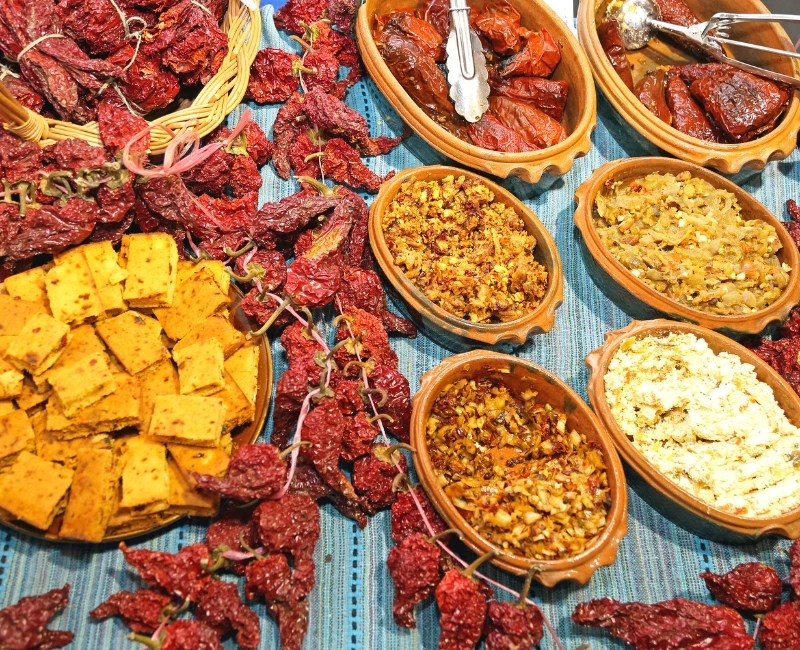
Belgrade’s culinary landscape marries centuries‑old Balkan traditions with a burgeoning farm‑to‑table movement, making every meal both a cultural discovery and a sensory delight. Begin in a classic kafana—rustic taverns with wood‑paneled interiors and communal tables—where stalwarts like ćevapi (skinless grilled minced‑meat sausages) arrive sizzling on oval platters. Accompany them with kajmak, a silky fermented cream, and fresh, warm lepinja (flatbread) perfect for scooping. Equally emblematic, pljeskavica (Serbian burger) offers a juicy patty of mixed meats—beef, pork, lamb—often garnished with ajvar (roasted‑pepper relish) and raw onions.Breakfast or mid‑morning treats feature burek, a layered pastry filled with cheese, meat, spinach, or potato, best enjoyed with rich, Turkish‑style coffee at sidewalk kiosks. For midday, venture into Zeleni Venac Market near the city center to browse stalls of ripe tomatoes, bell peppers, and zucchini—key ingredients in proja (cornbread) and sarma (cabbage rolls stuffed with minced meat and rice simmered in sauerkraut juice).Sea‑and‑mountain pairings shine in dishes like čorbast pasulj, a hearty bean soup enriched with smoked ribs, and rašnica, sheet‑pan grilled trout from mountain streams. In spring and autumn, local mushrooms—porcini, chanterelles—find their way into creamy stews and omelets. Regional cheeses such as kajmak (from Šumadija) and urski sir (mountain goat cheese) star on cheese boards alongside honey and walnuts.Beverages enhance every bite. Sample rakija, fruit brandies distilled from plums (šljivovica), quince, or apricot, served neat as a palate awakener. Less potent but equally traditional, komovica arrives in bulbous bottles with herbal infusions—mint, rosemary, wormwood. For wine lovers, Serbia’s Fruška Gora vineyards produce crisp whites (graševina) and approachable reds (prokupac), best enjoyed in wine bars specializing in local labels.For eclectic ambiance, seek out repurposed industrial spaces—former factories now housing upscale restaurants and open kitchens where chefs reinterpret classics: cevapi sliders with chimichurri, vegetarian sarma wrapped in vine leaves, or deconstructed baklava with pistachio foam. Vegan and gluten‑free adaptations are increasingly available.Evenings in Belgrade often unfold as multi‑course affairs. Begin with meze platters—prosciutto, smoked cheeses, pickled vegetables—and linger over hearty mains. End with palacinke, thin crepe‑style pancakes filled with Nutella, jam, or kajmak, rolled and dusted with powdered sugar.To dive deeper, join a guided food tour that navigates hidden alleyway konobas (wine cellars) and secretive pastry shops, culminating in a hands‑on cooking class crafting sarma or ajvar under a local nonna’s guidance. Belgrade’s culinary tapestry—woven from communal kafana culture, seasonal produce, and inventive modern kitchens—invites every traveller to taste the nation’s warmth, history, and hospitality with each delectable bite.
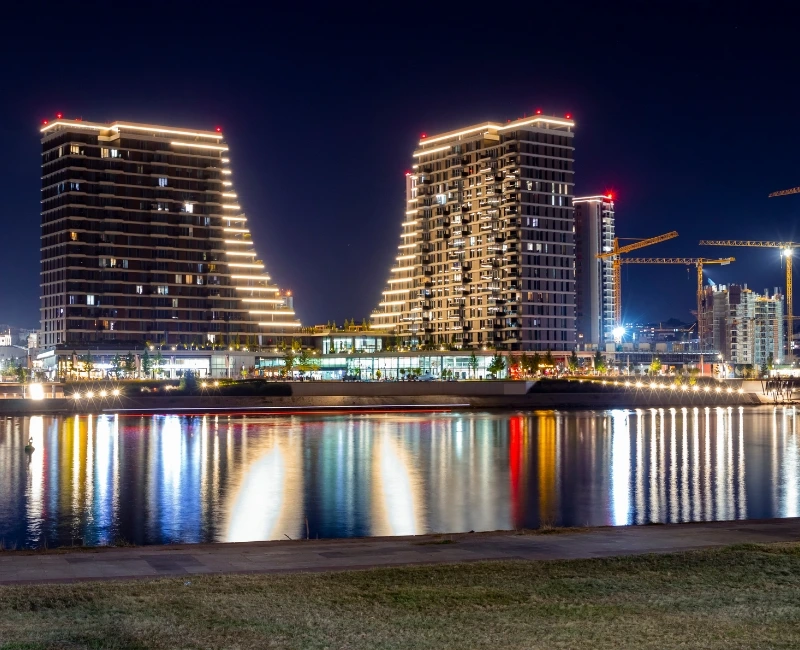
When the sun sets, Belgrade transforms into a dynamic nightlife capital that effortlessly blends riverside revelry with subterranean charm. At the forefront are the splavovi—floating clubs moored along the Danube and Sava rivers. In summer, these wooden barges boast open decks, neon lights, and thumping electronic, hip‑hop, or Balkan‑folk fusion beats. Clubs like Freestyler on the Great War Island and Lasta near the Old Sava Bridge attract locals and tourists alike, drawing crowds as late as dawn.For a more intimate, bohemian mood, head to Skadarlija, Belgrade’s historic artists’ quarter. Cobblestone streets lined with horse‑drawn carriages, horsehair cafés, and bistros with red‑checkered tablecloths host live acoustic performances of sevdalinka (secular folk songs). Kafana Tri Šešira serves aged plum brandy and traditional dishes while patrons clap along to trumpet‑laden bands under vine‑covered trellises.Urban explorers will revel in Savamala, the city’s creative district, where graffiti‑adorned walls hide speakeasies and cocktail lounges. Venues like Drugstore—a former slaughterhouse—host underground techno nights in cavernous halls, while Barutana, a repurposed gunpowder magazine in Kalemegdan, stages techno raves and international DJ sets in a dramatic fortress setting. Mixologists in these venues craft bespoke cocktails using local spirits—kajsija rakija infused with apricot or herbaceous tinctures distilled from mountain botanicals.Craft‑beer aficionados should sample brews at venues such as Kabinet Brewery, offering IPAs, porters, and seasonal ales brewed on site. Beer gardens like Radost and Birreria provide relaxed patios ideal for tasting Serbian lagers alongside charcuterie boards.Late‑night dining is an essential Belgrade ritual. Greasy‑spoon bakeries and ćevabdžinice (grill houses) operate 24/7—queue at Petak for ćevapi in lepinja or at Šargarepa bakery for burek fresh out of the oven at 3 AM.To navigate Belgrade’s nocturnal offerings, start your evening with cocktails at a rooftop bar—Panorama Gat overlooking the river or D12 in Dorćol—then hop between neighborhoods using ride‑shares or the 24‑hour night bus lines. Venues often fill only after midnight, so pace yourself: begin with a late dinner at 9 PM, move to a jazz set or folk ensemble by 11 PM, then hit the splavovi or underground clubs until sunrise.Safety and hospitality define Belgrade’s after‑dark scene: well‑lit streets in main districts, friendly locals eager to point you toward the next hotspot, and a vibrant mix of ages and backgrounds sharing the dance floor. Whether you seek riverside revelry, vintage taverns, or avant‑garde soundscapes, Belgrade’s nightlife promises an unforgettable nocturnal adventure steeped in Serbian warmth and creativity.
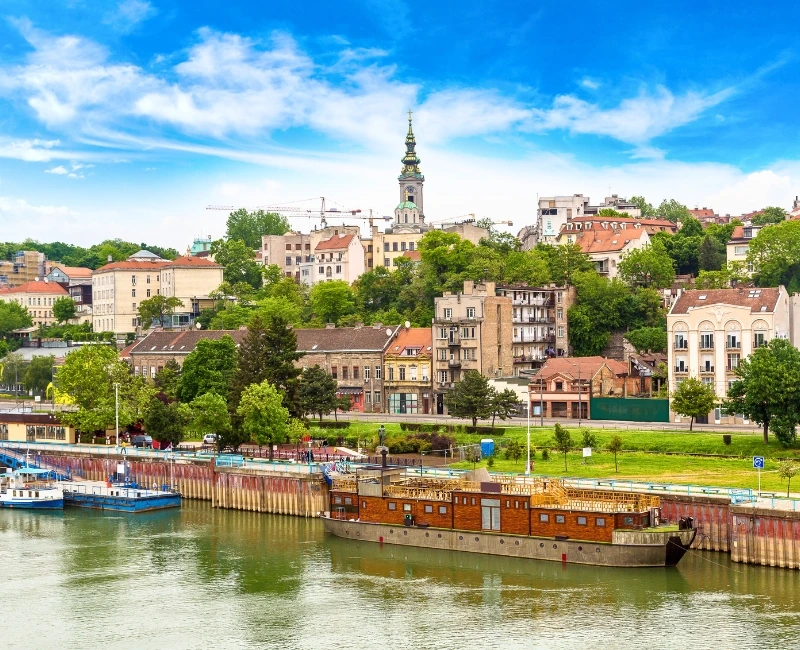
Belgrade’s riversides and green spaces provide restorative counterpoints to its urban energy. At the heart lies Kalemegdan Park, where ancient fortress walls embrace tree‑lined promenades, ornamental flowerbeds, and sculptural monuments. Early risers join joggers tracing the perimeter of the Roman Well or yoga groups greeting dawn above the Danube confluence. Mid‑morning, shaded benches near the Victor Monument beckon readers and birdwatchers observing kingfishers diving along the river’s edge.Cross the Brankov Bridge to reach Zemun, a town-within-a-city whose Danube Promenade brims with 18th‑century architecture, riverside cafés, and fish restaurants grilling carp and sturgeon on open embers. Wander its uphill streets—Donji Grad—to the Gardoš Tower, where sweeping views encompass Belgrade’s skyline and the meandering river. Quaint taverns in Gardoš serve local pastries like krempita alongside robust Serbian coffee.Back in Belgrade proper, Karađorđe’s Park (also known as Đeram) caters to families with playgrounds, shuttlecock courts, and fountain‑shaded cafés. Nearby, Tasmajdan Park features outdoor gyms, memorial chapels, and impromptu chess games among seniors. For an aquatic escape, the island‑peninsula Ada Ciganlija—nicknamed the “Belgrade Sea”—offers sandy beaches on its lake, a 7 km cycling path, and water‑sport rentals: paddleboards, kayaks, and wake‑boarding rails. Beach volleyball courts and mini‑golf add to the active‑leisure options.Boat cruises departing from Dorćol or Zemun ports deliver alternative perspectives. Guided tours wind upstream past fortress walls and industrial piers, narrating the confluence’s history and wildlife—herons, swans, and occasionally otters. Sunset dinner cruises combine traditional tamburica music with Serbian specialties like grilled lamb and šljivovica tastings.Cyclists take advantage of Belgrade’s Bike System: over 1,000 bikes at docking stations near parks and riverbanks. Cycle lanes trace the water’s edge from Kalemegdan to Ada, passing under lush canopy and offering frequent rest stops.Pack shoes suitable for mixed terrain—cobbled paths, sandy beaches, paved promenades—along with sun protection and a refillable water bottle. Weekdays bring tranquil riverside strolls; weekends fill with families and fitness groups. Photographers will find magic at sunrise on the Ada causeway or at dusk when lights along the quay reflect in rippling waters.Balancing cultural exploration with moments of repose, Belgrade’s riverbanks and parks invite travellers to witness local life and breathe in vistas that blend nature and history—an essential complement to the city’s bustling core.
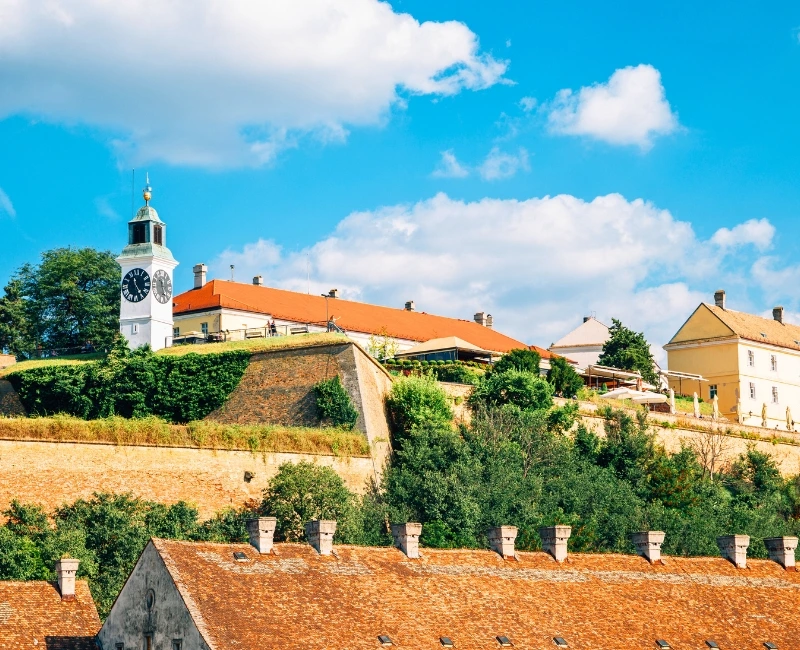
Belgrade’s central location makes it an ideal base for day trips that unveil Serbia’s diverse landscapes, historic towns, and culinary traditions. Begin northward to Novi Sad, a 45‑minute drive or bus ride along the Danube. Dubbed the “Serbian Athens” for its vibrant arts scene, Novi Sad charms with Petrovaradin Fortress—“Gibraltar on the Danube”—where labyrinthine tunnels, vantage points over the river, and the annual EXIT Festival create an unforgettable atmosphere. Stroll through the pedestrianized Zmaj Jovina Street, sampling local pastries and coffee before crossing to Štrand, a popular sandy beach on the riverbank.Head south into Šumadija, Serbia’s wine heartland. In Topola and Oplenac, visit the Church of Saint George, its interior mosaic walls depicting over 750,000 pieces of multi‑colored tesserae. The adjoining mausoleum of the Karađorđević dynasty offers insights into Serbia’s royal heritage. Nearby, family‑run wineries in Aleksandrovac (the Prokupac capital) open cellars for tastings of robust reds and crisp whites. Participate in harvest rituals—grape stomping and food pairings of local cheeses, honey, and ajvar.Nature enthusiasts should not miss Fruška Gora National Park, straddling the Danube between Belgrade and Novi Sad. Drive or join an eco‑tour to hike forested peaks adorned with centuries‑old monasteries—each a tranquil haven of Byzantine frescoes. Wildlife‑spotting may reveal deer, wild boar, and over 200 bird species.For archaeology buffs, the ancient Viminacium site, 80 km east of Belgrade, uncovers a once‑thriving Roman provincial capital. On‑site museum displays funerary monuments, urban layouts, and artefacts; guided tours illuminate daily life 2,000 years ago. Nearby, the Homolje region beckons with verdant gorges and the Drina River’s emerald waters—ideal for kayaking or riverside picnics.Food‑centric excursions include visits to Rakovica and Caravan Farm stays, where travellers collect free‑range eggs, assist with cheese‑making, and dine on hearth‑baked breads. Guided cycling tours trace country lanes lined with sunflowers, vineyards, and roadside fruit stalls—sampling figs, cherries, or blackberries in season.Transportation options suit varied tastes: self‑drive vehicles offer ultimate flexibility; small‑group minibus tours deliver expert commentary and hassle‑free logistics; public buses and regional trains connect major towns. Whichever route you choose, pack comfortable footwear, weather‑appropriate attire, and a sense of adventure. By venturing beyond Belgrade’s urban sprawl, these day trips reveal Serbia’s rich tapestry of history, nature, and gastronomy—deepening your appreciation for the country’s enduring spirit and scenic diversity..
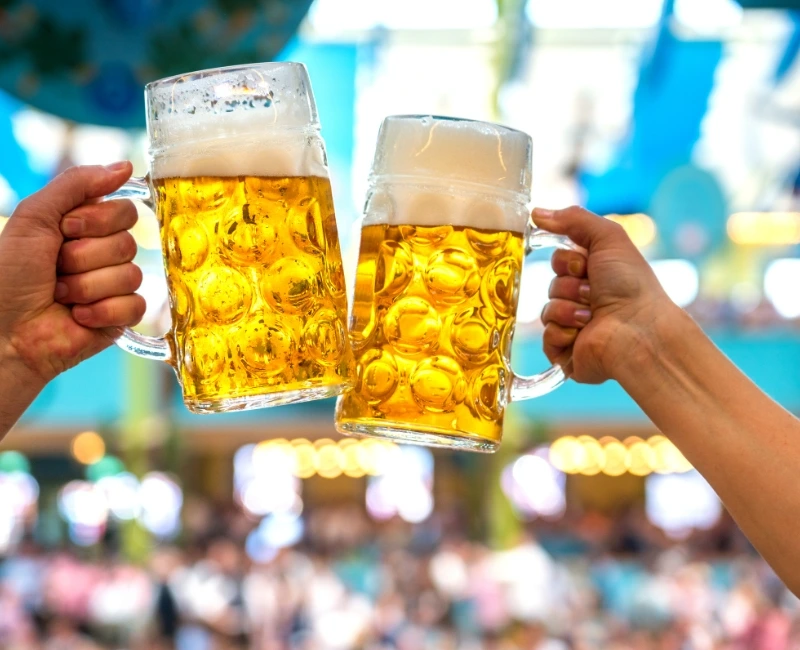
Belgrade’s vibrant calendar pulses year‑round with festivals, performances, and cultural gatherings that showcase the city’s dynamic spirit. Summer heralds open‑air concerts on river barges and within the ancient walls of Kalemegdan Fortress. The Belgrade Beer Fest and Belgrade Jazz Festival draw thousands to terraces overlooking the Sava, presenting international and local talent against a backdrop of fireworks and camaraderie. Each July, EXIT Festival transforms Petrovaradin Fortress in Novi Sad into a mecca for electronic beats, rock headliners, and underground avant‑garde acts.Film aficionados flock to the Belgrade International Film Festival (FEST) each February, screening feature films, documentaries, and retrospectives in historic cinemas such as Kombank Hall and Dom Omladine. Independent filmmakers screen in pop‑up outdoor venues in Block 44 and the Student Cultural Center (SKC), fostering dialogue through Q&As and workshops.Visual artists find ample showcase opportunities in Savamala, Belgrade’s creative quarter. Venues like Mikser House and KC Grad host biennales, graffiti exhibitions, and design fairs that blur the lines between street art and gallery installations. The annual Belgrade Design Week in September brings interactive installations, product launches, and lectures from global design pioneers.Literary events thread through the city’s cafés and bookshops. The Bookstan Literary Festival convenes modern writers for panel discussions in rooftop gardens, while intimate readings at Knjazevac and Urban Book Circle reveal emerging voices. Seasonal poetry slams in Skadarlija tap into the bohemian legacy of Belgrade’s artistic past.Religious and national celebrations—Orthodox Easter processions, Vidovdan commemorations—offer glimpses into Serbia’s intangible heritage. On Slava (family saint’s day), some families open their homes for communal meals; respectful visitors may join if invited, experiencing homemade pastries and rakija toasts.Culinary festivals spotlight street food and regional specialties. The Belgrade Food Show, held in May, assembles chefs for live demos, tastings of modern Serbian cuisine, and craft‑beer pairings. Pop‑up markets—milk‑crate cheese stalls next to artisan baklava booths—bring flavours of the Balkans to city squares.To participate, consult the Turistička Organizacija Beograda website or hotel concierges for event schedules. Many offerings are free or low‑cost, though marquee events—EXIT, FEST—require advance tickets. Flexible attire suits indoor galleries, open‑air concerts, or impromptu dance circles on river promenades.By aligning your visit with Belgrade’s festival rhythm—whether sampling jazz under fortress ramparts, exploring pop‑up galleries in repurposed warehouses, or dancing into dawn on floating clubs—you’ll experience not only the city’s historic foundations but also its contemporary energy, creativity, and communal warmth.
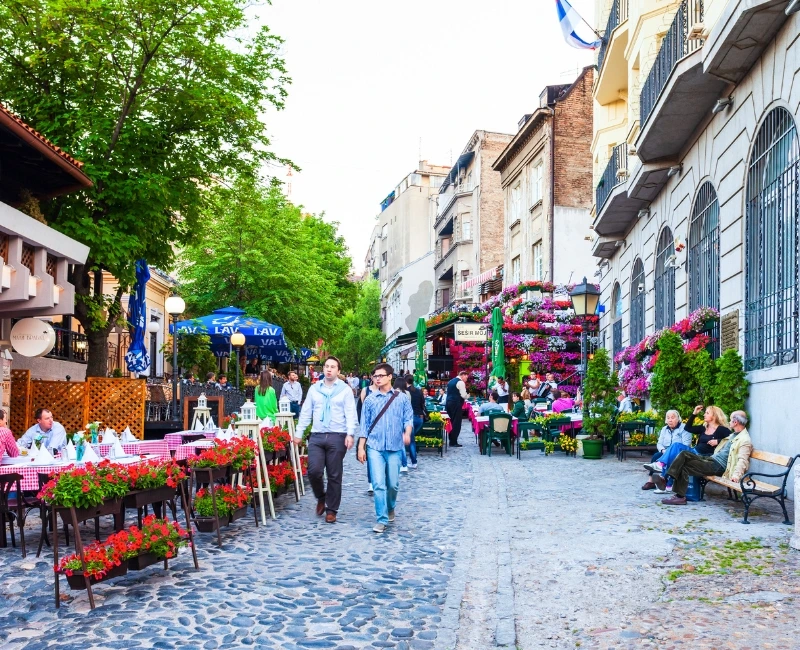
Beyond its ancient fortifications and religious landmarks, Belgrade thrives as a crucible of contemporary art and music. The Savamala district, once industrial warehouses and neglected docks, has reinvented itself as a creative enclave. Galleries like Galerija 12 Hub and KC Grad showcase rotating exhibitions of local painters, sculptors, and multimedia artists. Urban art trails guide you past monumental murals—some commissioned by the city, others spontaneous—depicting Balkan mythology and modern social themes.For performing arts, the National Theatre stages operas and ballets in grand 19th‑century halls, while the Belgrade Philharmonic Hall hosts symphony seasons under acclaimed conductors. In contrast, the Subterranean Club beneath KST (the Students’ Cultural Center) champions improvisational and experimental performances—from avant‑garde theatre to live electronic duets.Music venues abound. Jazz Basta and Black Turtle house nightly jazz sets, bebop, and fusion jams in intimate settings where local musicians gather mid‑week for jam sessions. Indie rock fans flock to Dom Omladine and Tvornica (in Block 44), venues known for launching regional acts onto the European touring circuit. Electronic music thrives at Drugstore and 20/44 Ship, where techno nights pulse in cavernous interiors echoing Belgrade’s industrial past.Co‑working spaces doubling as creative hubs—Impact Hub Belgrade and Synchro Hub—host lectures, film screenings, and startup pitch nights. Regular “PechaKucha” evenings invite designers and photographers to deliver concise, image‑driven presentations in downtown cafés. Pop‑up makerspaces in Republic Square enable hands‑on workshops: screen‑printing posters, crafting ceramics from local clay, or building analog synthesizers.Architectural tours spotlight repurposed landmarks: the Museum of Contemporary Art on the Sava’s bank—reopened after extensive renovation—houses permanent collections of Yugoslav and international modern art. Nearby, the Luka Music Academy transforms a neo‑renaissance palace into an incubator for classical and contemporary musicians.For book lovers and poets, Knjazevac and Replies Bookstore host author meet‑and‑greets and themed reading nights. Literary salons in bohemian cafés—Question Mark and Parobrod—blend cappuccino culture with spoken‑word performances and bi‑monthly poetry slams.Nighttime exploration reveals hidden courtyards behind unassuming facades, where candlelit performances—flamenco‑folk fusion or experimental jazz—create ephemeral atmospheres. Local art festivals like Belgrade Biennale and Mikser Festival curate immersive installations and avant‑garde concerts, often free to the public.Belgrade’s creative pulse thrives on collaboration and spontaneity. Strike up conversations with artists in gallery openings, join open‑mic nights at cultural centers, or attend record‑store listening parties for underground releases. By seeking out these hubs of innovation, travellers engage with Serbia’s living culture—discovering how history informs contemporary expression, and how a resilient city continues to reinvent itself through art, music, and collective imagination.
No ads. No trails. No commitments


Alice Roses
London, England
51 ST MATTHIAS ROAD
NOTTINGHAM, NOTTINGHAMSHIRE
NG3 2HF
Hours: 8:00 - 17:00, Mon - Sat
support@johnsonholidays.com