
 Cape Panwa Travel
Guide
Cape Panwa Travel
Guide
Paris is known around the world as the “capital of love,” and even if you don't understand the history of Paris at all

13 Hours
£3
Cape Panwa’s coastline features sheltered bays and small beaches shielded by headlands and rocky outcrops, creating a sense of privacy rare in Phuket. The waters here are generally calm, ideal for gentle swimming or paddle sports, and the sands are often quieter than the busier west coast. Early mornings reward visitors with near-empty shores, perfect for contemplative strolls or sunrise photography. In British pounds terms, beach days here cost little more than a towel rental and occasional refreshments—spend around £5-£10 on snacks or coconut water and enjoy the tranquil setting almost free of crowds.
Learn More
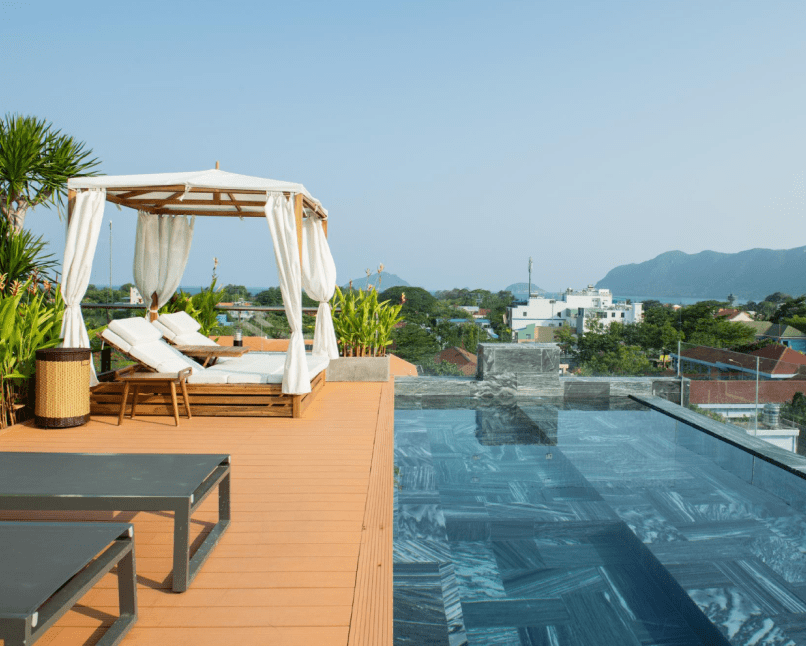
Cape Panwa hosts a selection of resorts blending luxury amenities with natural surroundings. Many properties offer hillside villas with sea views, private plunge pools, and spa treatments at prices often ranging from £80–£150 per night in low/shoulder season, and £120–£250 in peak months when converted to British pounds. Boutique resorts here emphasise personalised service, intimate settings, and local design touches—ideal for couples seeking romance or wellness retreats. The investment is worthwhile for facilities such as infinity pools overlooking the Andaman Sea, open-air yoga decks, and beachfront dining, delivering a high-value experience at competitive rates compared to busier Phuket areas.
Learn More
The bays off Cape Panwa provide access to excellent snorkeling and diving sites, with vibrant coral reefs, tropical fish, and occasional sightings of turtles. Dive trips and snorkeling excursions typically cost around £30–£50 per person for half-day tours, including equipment and guided instruction. Kayaking or stand-up paddleboarding around hidden coves offers peaceful marine exploration at an approximate cost of £10–£15 per rental. Boat charters for island hopping or sunset cruises can be arranged from around £100 for a small group, often including refreshments. The diversity of water-based adventures makes Cape Panwa appealing for active travellers.
Learn More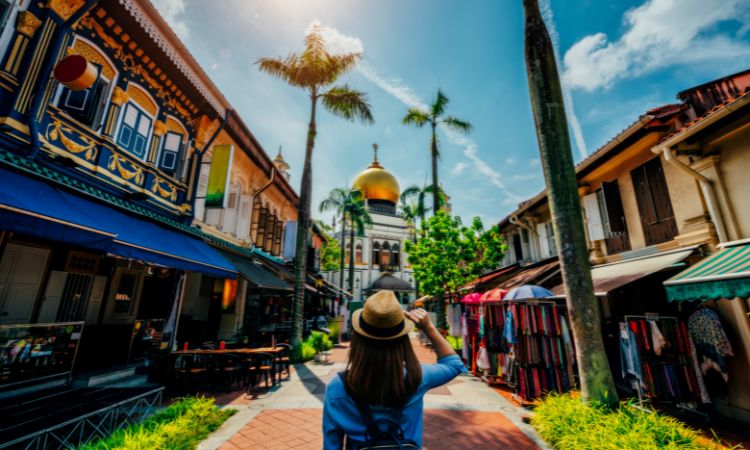
Cape Panwa retains a genuine Thai coastal character. Local markets brim with fresh seafood and seasonal fruits; trying dishes like southern-style curry or freshly grilled fish often costs under £5–£7 per meal. Visiting village temples or participating in a cooking class offers insight into traditions and culinary heritage; classes are priced around £30–£40 per person. Small community-run eateries and beach shacks serve delicious fare without the premium pricing of tourist hotspots. Guests can immerse in everyday life, sampling coconut-based desserts, sipping Thai iced tea, and watching fishermen return with their daily catch, all at modest expense in British pounds.
Learn More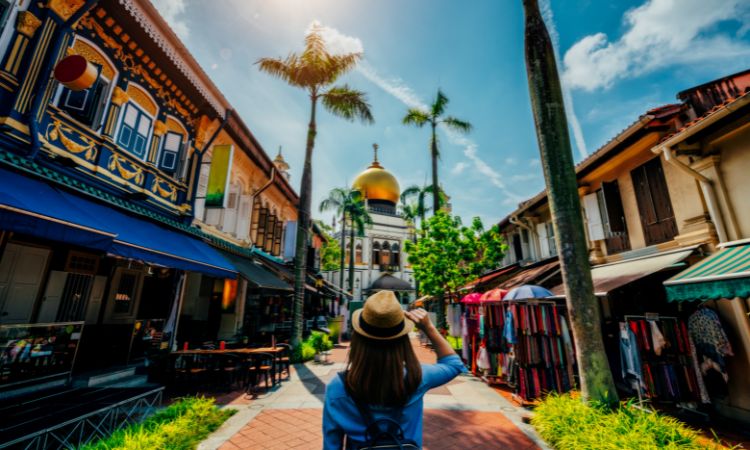
Cape Panwa’s serene environment lends itself to wellness retreats. Spa treatments—traditional Thai massage, herbal compress, or aromatherapy sessions—are available at prices around £20–£40 per treatment. Many resorts feature yoga classes at sunrise or sunset overlooking the sea; group sessions may cost around £10 per class. The calming ambiance, combined with healthy Thai cuisine options and peaceful spa facilities, makes it an ideal spot for travellers aiming to unplug and rejuvenate. A wellness-focused stay here can feel luxurious yet affordable when compared to similar offerings in Europe, thanks to favourable conversion into British pounds.
Learn More
While Cape Panwa feels secluded, it lies a short drive from Phuket Town, where visitors can explore historic Sino-Portuguese architecture, street markets, and cultural landmarks. Day trips to Phuket Old Town, weekend night markets, or museums can be organized for around £10–£20 including transport and minor entrance fees. Transfers between Cape Panwa and the airport typically cost £20–£30 by taxi or private transfer. This convenient access to urban amenities, combined with the area’s tranquility, makes Cape Panwa a well-rounded base for exploring southern Phuket without sacrificing comfort or adding significant cost when converted into British pounds.
Learn More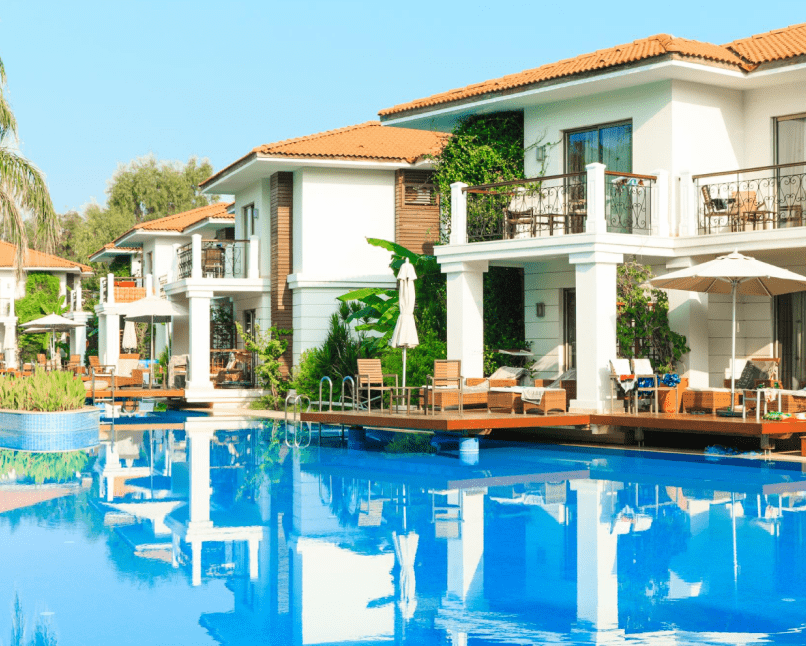
Lorem ipsum dolor, sit amet consectetur adipisicing elit. At illo adipisci iusto
From

Because more than 268 other customers have loved us too

Demonstrates commitment to user data security through encryption and secure payment practices
Learn More
Demonstrates commitment to user data security through encryption and secure payment practices
Learn More
Demonstrates commitment to user data security through encryption and secure payment practices
Learn More
Demonstrates commitment to user data security through encryption and secure payment practices
Learn More
Quality as judged by customers. Book at the ideal price!


/ person
/ person
/ person
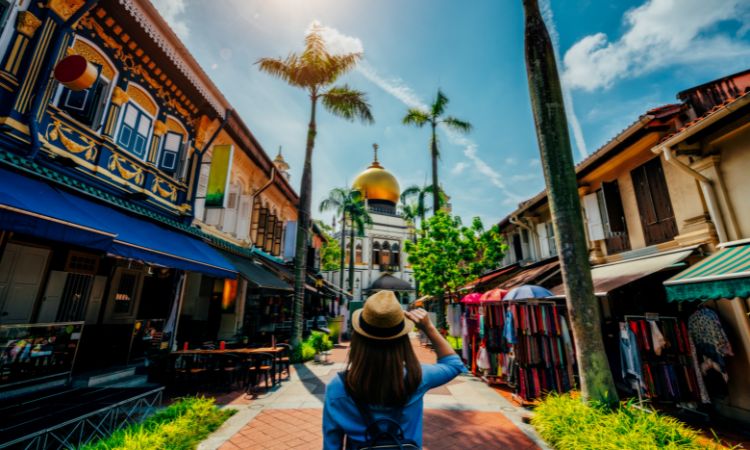
Cape Panwa’s coastline shelters several small beaches and bays prized for their tranquil ambiance and natural beauty. Unlike the busier west coast beaches, these spots are often less crowded, lending themselves to leisurely exploration. Early morning visits to beaches such as Ao Yon and Ao Sane reward travellers with calm waters ideal for swimming or snorkeling. Ao Yon features a gently sloping bay with soft sand and clear, shallow water; local long-tail boats anchor offshore, providing occasional shade but leaving plenty of space to unwind. Ao Sane, reached via a short drive and a brief walk through shaded trees, offers rocky outcrops interspersed with sandy patches—an excellent location for snorkeling, particularly around the rocks where coral and fish congregate. If you bring your own snorkeling gear (or rent locally for around £5 per day), you can spot parrotfish, clownfish, and possibly even a sea turtle gliding by.For further seclusion, head to secluded coves accessible only by kayak or boat. Renting a kayak for approximately £10–£15 per half day allows you to paddle along the coastline, discovering hidden inlets where the water’s edge meets lush jungle. These little bays often have fine-grained sand and shallow waters perfect for a refreshing swim after the paddle. Pack a picnic with local snacks—fresh fruit, sticky rice, grilled chicken skewers—to enjoy on a quiet stretch of sand.Sunset at Cape Panwa Beach is a highlight: the headland frames the horizon, casting golden hues over calm waters. Many resorts and beachside cafés offer seating facing west; order a refreshing coconut or local Thai iced tea (around £2–£3) and watch fishing boats return as the sky transforms. Photographing the sunset here yields images of rugged silhouettes against radiant skies—a memory of Cape Panwa’s serene charm.Finally, consider a guided nature walk along nearby trails that wind through tropical vegetation to small viewpoints overlooking the sea. Local guides can be arranged via resorts or tour operators for around £20–£30, sharing insights into local flora and fauna: monitor lizards sunning on rocks, tropical birds nesting in trees, and the seasonal flowering plants that color the hillsides. Whether swimming, snorkeling, kayaking, or hiking, exploring Cape Panwa’s hidden beaches and natural corners is a rewarding way to connect with Phuket’s quieter side.
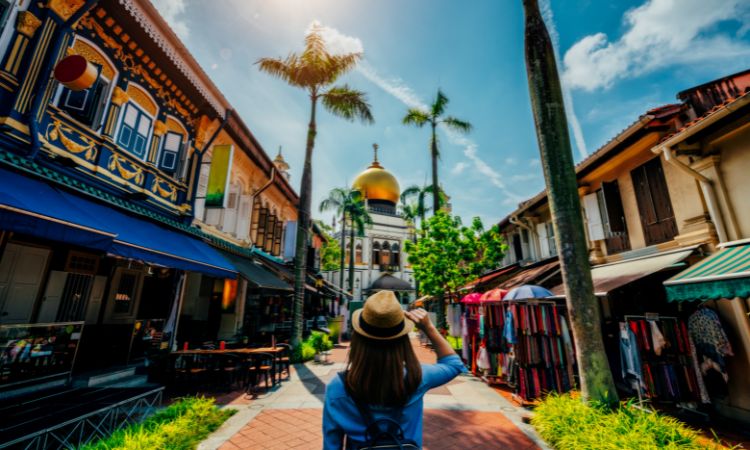
Cape Panwa serves as a convenient departure point for island-hopping adventures in the Andaman Sea. Several small islands lie offshore, each offering unique experiences, from vibrant coral reefs to quiet picnic spots. Organizing a half-day or full-day boat excursion can be done through local operators or resort concierges, with shared long-tail boat trips starting around £30–£40 per person and private charters from approximately £100–£150 total, depending on group size and itinerary.One popular destination is Coral Island (Koh Hae), located about 15 km south of Cape Panwa. Its white sandy beaches and clear waters make it ideal for snorkeling and swimming. Boat trips often include snorkeling stops over shallow reefs teeming with colorful fish. Equipment rental is usually included in excursion packages; confirm ahead whether lunch or refreshments are provided, or plan to bring snacks in British pounds equivalent (around £5–£10 extra).The Racha Islands (Racha Yai and Racha Noi) lie slightly further afield, known for crystal-clear waters and excellent diving sites. A day trip to Racha Yai may include a beachside buffet lunch, snorkeling off pristine reefs, and optional diving experiences (additional cost of about £40–£60 for dive certification/taster sessions). The speedboat journey from Cape Panwa takes around 1–1.5 hours, offering scenic views of the coastline.For those seeking wildlife encounters, consider tours focused on spotting marine life such as turtles or reef sharks. Experienced guides know the best snorkeling spots where encounters are likely; these tours may cost around £50 per person, including gear and guidance. Some itineraries include visits to untouched islets where you can disembark for a brief walk, photographing limestone formations and secluded beaches.Sunset cruises departing Cape Panwa present another angle: board a small boat in late afternoon for a leisurely sail around the peninsula and nearby islands. Light refreshments are often included, and the changing light on limestone cliffs and sea provides a tranquil backdrop. Prices range from £40–£60 per person. These cruises are popular for couples seeking a romantic evening, offering a peaceful contrast to daytime excursions.Safety and comfort: Ensure the operator provides life jackets, and check weather conditions, especially in shoulder or monsoon seasons when seas can be rough. Early booking through your resort or a reputable local agency is recommended during high season (November–February). Evening or sunset trips should be arranged at least a day in advance to confirm timing and catering details.Whether snorkeling over coral gardens, enjoying a beach barbecue on a quiet island, or sailing at sunset, island hopping from Cape Panwa unlocks a world of marine wonders and scenic beauty. The combination of convenient departure, varied itineraries, and relative seclusion makes these excursions a highlight of any Cape Panwa stay.
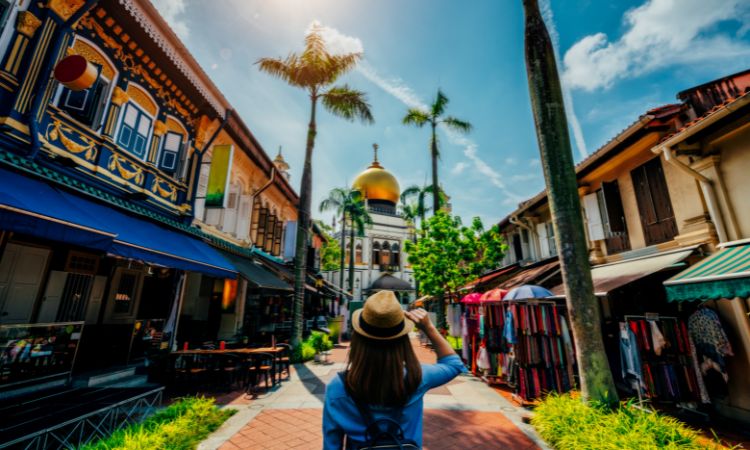
While Cape Panwa is celebrated for its beaches and resorts, delving into local culture enriches any visit. The area retains genuine southern Thai character, shaped by fishing heritage and Malay-influenced cuisine. Begin by exploring local markets: early morning markets near Phuket Town or smaller village markets along the drive to Cape Panwa offer fresh catch, tropical produce, and homemade snacks. Sample items such as khanom krok (coconut pancakes) sold for around £1–£2, or fresh mango sticky rice (£2–£3) as a sweet treat.Participate in a cooking class to learn regional specialties. Many resorts or local chefs offer classes priced around £30–£40 per person, including a market visit to select ingredients. You may learn to prepare dishes like Southern Massaman curry, spicy seafood salad, or coconut-based desserts, understanding techniques that have been passed down through generations. Cooking alongside locals offers insight into ingredients sourced from land and sea, along with stories about family traditions and regional festivals.Visit Wat Khao Khad, a hilltop temple near Cape Panwa. The journey up winding roads rewards with panoramic views over the peninsula and Andaman Sea. This modest temple offers a peaceful setting for reflection and photography. Dress modestly (shoulders and knees covered) and observe local customs: remove shoes before entering buildings and maintain respectful behavior around monks. The temple atmosphere, combined with vistas of lush hills descending to coastal waters, highlights the blend of spirituality and natural beauty in Thai culture.Attend cultural events or festivals if timing aligns. Songkran (Thai New Year in April) and Loy Krathong (usually November) are celebrated island-wide; in Cape Panwa you may witness locals launching decorated floating offerings on water or joining community gatherings. Participation can be as simple as lighting a candle or launching a krathong (decorated leaf boat) at a local waterfront. These experiences connect travellers with Thai beliefs in merit-making and respect for nature’s cycles.Artisan workshops: Seek out small craft workshops producing hand-made items such as batik textiles or simple wood carvings. While not as extensive as Phuket Town’s art scene, local artisans sometimes open studios where visitors can observe or try basic techniques for a small fee (around £10–£15). The resulting handicraft serves as a meaningful souvenir and supports local communities.Engage with fishing villages to understand daily life: early morning fishing boat departures, fish processing, and communal meals. Some operators offer guided village tours where you can accompany fishermen at dawn or witness net-mending activities, often accompanied by an optional seafood brunch. Costs vary but average around £20–£30 including refreshments. This immersive experience fosters appreciation for the labor behind the seafood enjoyed at beachfront restaurants.Through cooking classes, temple visits, market explorations, and village encounters, travellers gain a deeper sense of Cape Panwa’s cultural tapestry. These experiences complement beach and nature activities, ensuring a well-rounded holiday that honors local traditions and fosters meaningful connections beyond the resort.
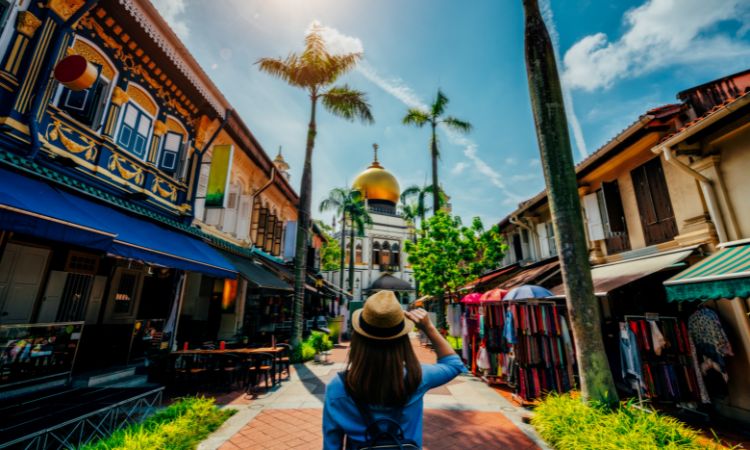
Although Cape Panwa itself is primarily known for its natural beauty, nearby Phuket Town offers a window into the island’s history and heritage. Allocate a half-day or full-day excursion to explore colonial architecture, museums, and heritage trails. A taxi or private transfer from Cape Panwa to Phuket Town takes around 30–40 minutes and costs approximately £20–£25 each way. For a comprehensive experience, consider joining a guided walking tour (about £15–£20 per person), or self-guiding using a map and audio guide app.Phuket Town’s Old Quarter features well-preserved Sino-Portuguese shophouses painted in pastel hues, lining streets such as Thalang Road and Soi Romanee. These buildings date to the tin-boom era of the 19th and early 20th centuries, reflecting Chinese, Malay, and European influences. Stroll through charming cafés and boutique shops housed in heritage buildings; while refraining from external links, note that many cafés serve Thai-influenced coffee creations for around £2–£3.Visit museums such as the Thai Hua Museum or the Phuket Trickeye Museum for insight into local history and culture. Entrance fees typically range from £3–£6. The Thai Hua Museum chronicles immigration patterns and tin mining heritage, offering context to how Phuket evolved into a multicultural hub. Exploring these exhibits helps understand the island’s transition from fishing communities to a major tourist destination.Phuket Town’s Sunday Walking Street Market (Lard Yai), held weekly on Thalang Road, presents an opportunity to sample street food and shop for souvenirs in an atmospheric setting. Expect items priced in British pounds equivalent: snacks around £1–£3 and handicrafts from £5 upwards. The bustling market environment showcases local artistry, music performances, and street entertainers, giving travellers a sense of contemporary Phuket life.For a cultural landmark near Phuket Town, consider Wat Chalong, the island’s largest and most revered Buddhist temple. A visit here involves a modest entrance donation (around £1–£2) and a respectful dress code. The temple complex features ornate architecture, shrines, and a pagoda enshrining a relic of the Buddha. Guided tours or audio guides enrich the visit by explaining rituals, symbolism, and the temple’s significance.Combine Phuket Town exploration with a culinary tour: sample local delicacies such as Hokkien noodles, roti sai mai (sweet floss pastry), and local desserts. A food tour (approx. £30–£40) may include visits to hidden eateries favored by locals. Alternatively, craft your own itinerary by sampling items at various stalls, spending around £10–£15 in total for a satisfying local feast.Returning to Cape Panwa in the afternoon offers a contrast: after bustling town streets, unwind in your resort’s spa or relax on a quiet beach. This blend of cultural immersion and serene coastal retreat creates a balanced holiday rhythm. Whether discovering architectural gems, sampling historic flavors, or reflecting at temples, the nearby heritage sites complement Cape Panwa’s natural allure for a holistic Phuket experience.
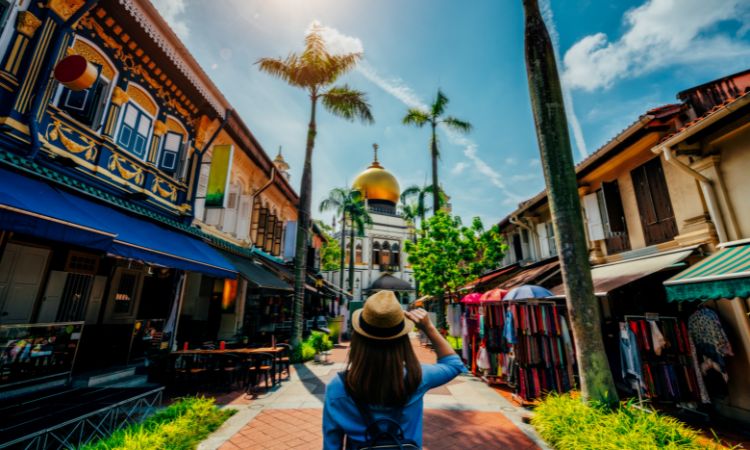
Cape Panwa’s calm bays and proximity to vibrant reefs make it an excellent base for water sports and diving. Dive centers operating from Cape Panwa offer daily scuba diving trips to nearby reefs, wreck sites, and marine parks. Typical PADI-certified dive trips (two-tank dives) cost around £50–£70 in British pounds equivalent, including equipment rental, boat transfers, and dive guides. For newcomers, introductory “Discover Scuba” experiences cost roughly £40–£50, offering a safe, guided dive to shallow reefs.Snorkeling excursions are equally accessible: guided half-day tours to shallow coral gardens cost approximately £30–£40 per person, including mask, snorkel, fins, and boat transport. Popular snorkeling spots host schools of tropical fish, colorful coral formations, and occasional sightings of turtles. Some operators provide underwater photography services for an additional fee, allowing travellers to capture marine encounters without investing in their own waterproof gear.Stand-up paddleboarding (SUP) and kayaking are available for self-guided exploration of nearby coves. Rental rates hover around £10–£15 per half day. Paddle along calm waters, exploring hidden bays inaccessible by car; bring water, snacks, and sun protection. Early morning paddles avoid midday heat and boat traffic, offering tranquil wildlife sightings—occasional monitor lizards on rocky shores or seabirds perched on limestone outcrops.For thrill-seekers, speedboat excursions to more distant dive sites or islands deliver adrenaline and scenic variety. Day trips to Racha Islands or Phi Phi (longer journey) depart early and return late afternoon; prices start around £60–£80 per person, often including lunch. Ensure your schedule allows for potential rough seas, and check weather forecasts before booking in shoulder season.Fishing charters: Join local fishermen for half-day fishing trips, costing roughly £50–£70 per person. Learn traditional techniques such as bottom fishing or trolling, and enjoy the satisfaction of catching your own lunch. Many trips include cleaning and grilling the catch at a nearby beachside shack for an additional small fee.For those seeking aerial views, parasailing excursions launch from nearby beaches at a cost of around £30–£40 per person for a tandem flight. The experience offers panoramic vistas of the coastline and Andaman Sea, best undertaken in calm weather conditions.Safety considerations: Always choose operators with proper safety equipment, experienced guides, and clear instructions. Diving students should ensure dive centers are certified and follow international safety standards. When participating in any activity, monitor sea conditions and heed local advice regarding currents and weather.Whether diving into colorful underwater worlds, paddling into secluded bays, or soaring above the sea, water sports and diving adventures from Cape Panwa cater to a range of interests and skill levels. These experiences add excitement and discovery to a seaside retreat, connecting travellers to Phuket’s marine environment while maintaining high safety and comfort standards.
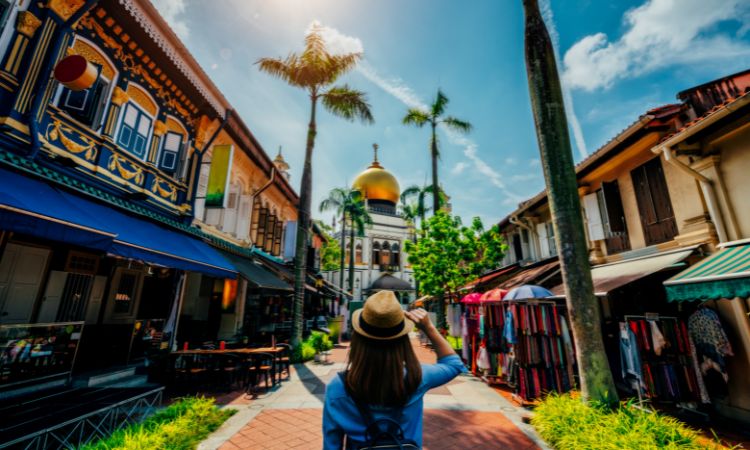
Beyond beaches, Cape Panwa offers wildlife encounters both on land and sea. Marine-focused tours aim to showcase local biodiversity: join snorkeling or diving trips targeting coral reefs inhabited by reef fish, moray eels, and, occasionally, sea turtles. For more curated encounters, certain operators offer guided eco-tours where marine biologists or experienced guides point out species and explain conservation efforts. These tours may cost around £50–£60 per person, reflecting the expertise and small-group focus.For those keen on marine conservation, enquire about volunteer or educational experiences: some centres collaborate on reef monitoring, beach clean-ups, or turtle-conservation projects during nesting seasons. Participation fees (often around £20–£30) support local NGOs and provide hands-on learning about preserving fragile ecosystems. While not typical mass-tourism offerings, these opportunities deepen understanding of environmental challenges in the Andaman Sea region.On land, jungle trails near Cape Panwa reveal tropical flora and fauna. Guided nature walks (approx. £20–£30) lead travellers through shady forests to viewpoints and waterfalls. Listen for calls of tropical birds such as hornbills or kingfishers, and spot macaques or monitor lizards sunning on rocks. Early morning or late afternoon is best for wildlife sightings and comfortable temperatures. Guides share knowledge on plant uses and local ecology, offering a richer exploration than solo trekking.Visit rehabilitation centres or sanctuaries responsibly: if available nearby, centres for injured wildlife (e.g., gibbons or other native species) sometimes allow short educational visits. Confirm ethical practices and avoid attractions that exploit animals. Fees generally support the centre’s work and range from £10–£20 per person.Boat-based marine safaris: Beyond snorkeling, glass-bottom boat trips offer a gentle way to observe marine life without getting wet. These family-friendly tours cost around £20–£30 per person for a half-day outing. Peering through the glass, travellers can spot coral formations and fish schools beneath the vessel—ideal for travellers with limited swimming ability or young children.Night snorkeling or diving: For certified divers, night dives reveal nocturnal marine creatures such as crustaceans and bioluminescent plankton. Night dive trips cost slightly more than daytime dives (£60–£80) due to added safety measures and equipment. Ensure dive center experience and proper briefing for underwater navigation in darkness.Photographic safaris: Engage a local photographer or guide specializing in wildlife photography to help capture memorable encounters. Costs vary widely depending on duration and expertise (starting around £50 for a few hours), but the investment yields professional-grade images of marine life, birds, and scenic vistas.Overall, wildlife and marine encounters around Cape Panwa emphasize respectful interaction with nature, combining adventure with education. By choosing ethical, knowledgeable operators, travellers gain insight into regional ecosystems, contribute to conservation efforts, and create lasting memories of Phuket’s natural wonders..
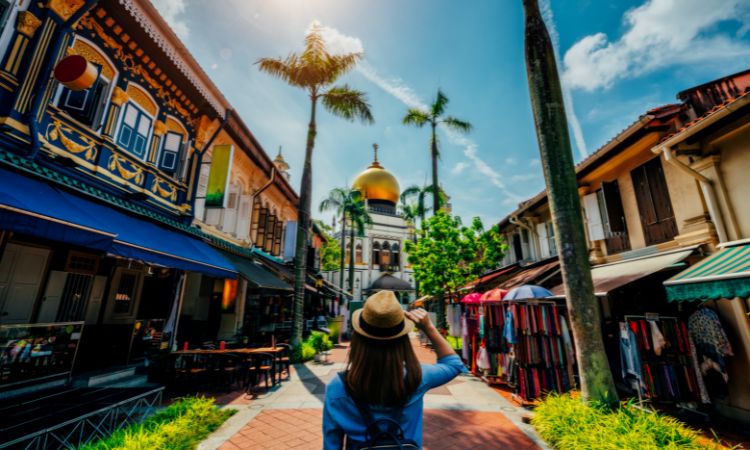
Cape Panwa’s serene setting lends itself perfectly to spa and wellness experiences. Many resorts incorporate on-site spas offering traditional Thai massage, aromatherapy treatments, herbal compress therapies, and more holistic options such as reflexology or acupuncture. Treatment prices typically range from £20–£40 per session when converted to British pounds, significantly lower than many Western spa destinations. Facilties often include open-air treatment salas overlooking gardens or the sea, enhancing the connection to nature.Begin your wellness journey with a traditional Thai massage—an invigorating experience combining acupressure, stretching, and rhythmic compressions to relieve tension and improve circulation. For deeper relaxation, try a herbal compress massage: heated herbal pouches infused with lemongrass, turmeric, and other local herbs are pressed along muscles, soothing soreness and promoting detoxification. These treatments often pair well with a steam bath or sauna session if available, creating a comprehensive spa ritual.Many resorts offer wellness packages combining multiple treatments with healthy dining options and fitness activities. A two- or three-day package might include daily yoga classes at sunrise, spa treatments each afternoon, nutritious Thai-inspired meals featuring fresh seafood and vegetables, and guided mindfulness sessions. Packages vary in cost but often start around £150–£200 for a short retreat, representing strong value in British pounds for the immersive experience.Yoga and meditation: Beachfront or hillside yoga classes are common, with sessions priced around £10–£15 each. Early morning yoga on the sand welcomes sunrise over calm waters, grounding participants in sight and sound of the sea. For deeper practice, some resorts host visiting instructors leading multi-day retreats or workshops; inquire in advance for schedules and costs. Meditation sessions, guided by experienced practitioners, may focus on breathing exercises, visualization, or mindfulness, helping guests disconnect from daily stresses.Wellness cuisine: Resorts and nearby cafés increasingly offer health-focused menus—smoothie bowls with tropical fruits, salads featuring local herbs and vegetables, and lean seafood dishes cooked with minimal oil. A typical healthy meal may cost £5–£10. Cooking classes focusing on wellness recipes (e.g., low-sugar desserts, herbal infusions) provide tools to maintain healthy habits beyond the holiday.Nature therapy: Incorporate gentle nature walks along coastal trails or guided forest bathing sessions into your routine. Spending time among trees and listening to waves supports mental wellbeing. Guided walks led by local experts (approx. £20 per session) highlight medicinal plants and local ecology, reinforcing the mind-body-nature connection central to Thai wellness philosophy.Holistic workshops: Some retreats offer workshops on traditional Thai healing practices, herbal remedies, or mindful living. These immersive sessions (costing around £30–£50) combine theory and hands-on experience, such as preparing herbal compresses or learning basic Thai herbal medicine applications. These workshops appeal to travellers wishing to deepen their understanding of local wellness traditions.At day’s end, unwind with a sunset spa ritual: some resorts provide treatments timed to coincide with sunset, such as aromatic foot baths on the beach followed by gentle massages. The combination of soothing touch, sea breeze, and fading light creates a memorable, restorative experience.Overall, Cape Panwa’s spa and wellness retreats offer a harmonious blend of traditional Thai therapies, yoga and mindfulness, healthy cuisine, and nature immersion. The favourable cost in British pounds makes it accessible for a range of budgets, while the serene coastal environment amplifies the restorative benefits.
Practicing yoga and mindfulness amidst Cape Panwa’s coastal scenery transforms a routine retreat into an immersive experience. Many resorts maintain open-air yoga platforms overlooking the Andaman Sea or quiet garden spaces surrounded by tropical foliage. Classes typically cost around £10–£15 per session; packages for multiple classes or private instruction are available at discounted rates, often around £50–£70 for several sessions.Begin with sunrise yoga on the beach: arriving before dawn, participants greet the first light with gentle stretches and breathing exercises, the sound of gentle waves providing natural rhythm. Sunrise sessions are ideal for establishing calm focus before the day’s activities. Evening classes at sunset allow reflection as the sky changes color, guiding practitioners into relaxation and restful sleep.Class styles range from Hatha and Vinyasa flows to restorative sessions focusing on deep relaxation. Private or small-group classes enable instructors to tailor sequences to individual needs, addressing areas of tension or cultivating specific goals such as improved flexibility or stress relief. Arrange private sessions (approx. £30–£40 per session) through your resort or a local instructor, ensuring personalized attention.Mindfulness practices complement yoga: guided meditation sessions emphasize breath awareness, body scans, or visualization techniques. Some resorts incorporate sound therapy—using instruments like singing bowls—or breathing workshops teaching pranayama techniques adapted for beginners. These sessions, priced around £10–£20, equip visitors with tools to manage stress and maintain mental clarity beyond the holiday.For a deeper retreat, combine yoga classes with spa treatments and healthy meals into a mini wellness program. A sample day might begin with morning yoga on a deck overlooking the sea, followed by a nutritious breakfast featuring tropical fruits and lean protein. Midday could include a spa treatment such as aromatherapy massage, while the afternoon offers free time for journaling by the pool or a mindful nature walk. Evening meditation at sunset completes the routine. Such curated schedules are offered by some resorts as wellness packages costing around £150–£200 for a few days, representing good value given the comprehensive experience.Nature-based mindfulness: Engage in beach walking meditation—slow-paced walks focusing on each step and sensory perceptions: the feel of sand beneath feet, the scent of sea air, the sound of waves. Guided sessions (approx. £10) introduce techniques that guests can practise independently. Similarly, forest bathing along nearby trails invites participants to mindfully observe surroundings, noticing textures, colors, and sounds, fostering a sense of calm and connection with nature.Group workshops or retreats: Occasionally, visiting yoga teachers or wellness practitioners host thematic workshops—such as chakra balancing, mindfulness retreats, or partner yoga sessions. Costs vary (£30–£60 per workshop), and schedules may be limited; check resort event calendars in advance. These events attract like-minded travellers, enabling social connection while deepening practice.In conclusion, yoga and mindfulness by the sea in Cape Panwa blend physical practice with mental rejuvenation, leveraging the serene coastal environment and professional instruction. With affordable pricing in British pounds and a variety of class styles, beginners and experienced practitioners alike can cultivate lasting habits in a peaceful tropical setting.
No ads. No trails. No commitments


Alice Roses
London, England
51 ST MATTHIAS ROAD
NOTTINGHAM, NOTTINGHAMSHIRE
NG3 2HF
Hours: 8:00 - 17:00, Mon - Sat
support@johnsonholidays.com