 Oslo Travel
Guide
Oslo Travel
Guide
Paris is known around the world as the “capital of love,” and even if you don't understand the history of Paris at all

2 Hours
£6
Oslo’s cultural scene is world-class, with institutions that chart Norway’s past and present. Visitors can explore the Munch Museum’s extensive collection of Edvard Munch’s works, delve into Viking history at the Viking Ship Museum, and marvel at contemporary art at the National Museum. Beyond museums, Oslo hosts a range of festivals—from the Oslo Jazz Festival in August to the Nobel Peace Prize Ceremony at City Hall each December—offering unique insights into local traditions and global significance. With English widely spoken, immersive guided tours or independent exploration both yield rewarding experiences, making Oslo appealing to culture enthusiasts.
Learn More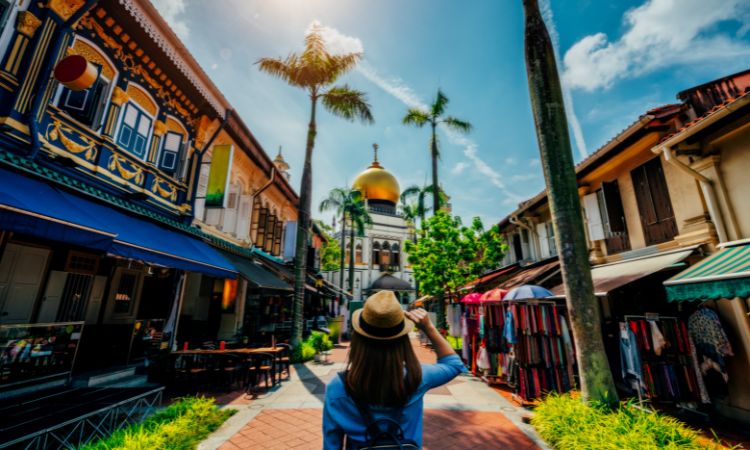
Oslo is renowned for cutting-edge architecture that harmonises with nature. The iconic Oslo Opera House, with its sloping white marble roof that invites visitors to walk atop for panoramic views, exemplifies modern design meeting functionality. The Deichman Library’s airy, light-filled spaces reflect Oslo’s commitment to accessible public spaces. Districts like Bjørvika showcase sustainable urban development, blending residential, commercial, and cultural venues along the fjord. Design boutiques, galleries, and concept stores within the city centre highlight Norway’s minimalistic aesthetic, offering inspiration for design aficionados.
Learn More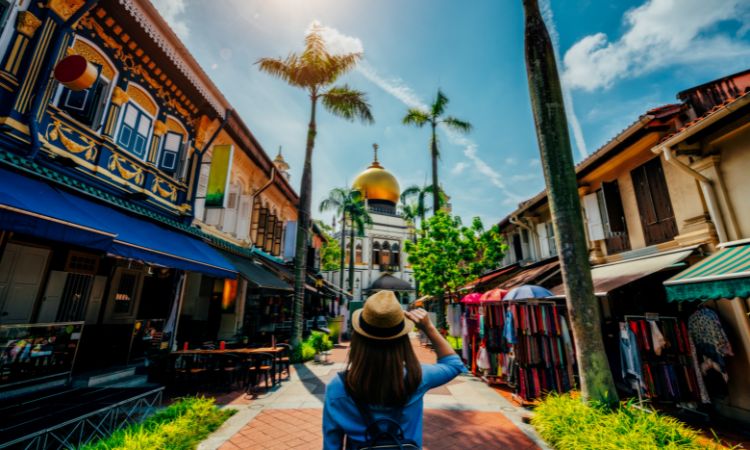
Dubbed one of the world’s greenest capitals, Oslo provides immediate access to outdoor thrills. From kayaking or paddleboarding on the Oslo Fjord in summer to hiking scenic trails in Nordmarka forests just a short train or bus ride away, nature is never far. In winter, cross-country skiing and snowshoeing on groomed trails near the city offer authentic Nordic experiences. Cycling paths throughout the city encourage eco-friendly exploration, while guided fjord cruises reveal spectacular landscapes. Whether seeking adrenaline-filled activities or tranquil nature walks, Oslo suits all outdoor preferences.
Learn More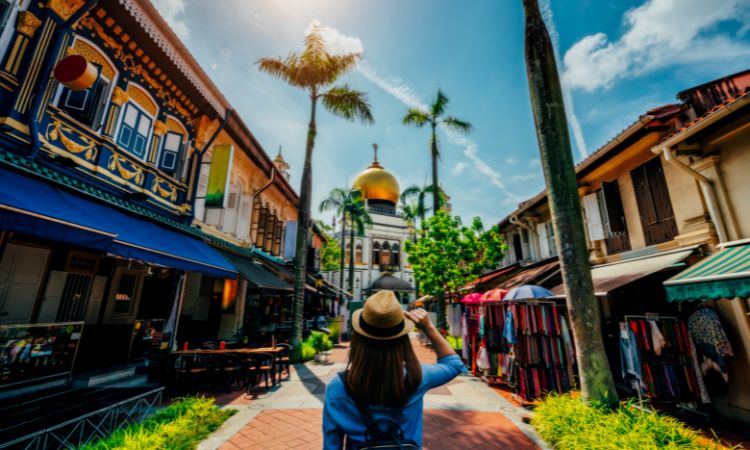
Oslo’s food scene blends traditional Norwegian dishes with modern, innovative twists. Visitors can savour freshly caught seafood, such as smoked salmon or Arctic char, and sample reindeer or lamb dishes reflecting local heritage. Food halls like Mathallen showcase artisanal producers and international cuisine under one roof. For a splurge, Michelin-starred restaurants deliver Nordic fine dining experiences, while cosy cafés serve hearty soups and pastries. Craft breweries and cocktail bars offer vibrant nightlife options. Displaying prices in British pounds helps travellers budget: expect a pint around £6-7 and mid-range meals approximately £30-£50 per person.
Learn More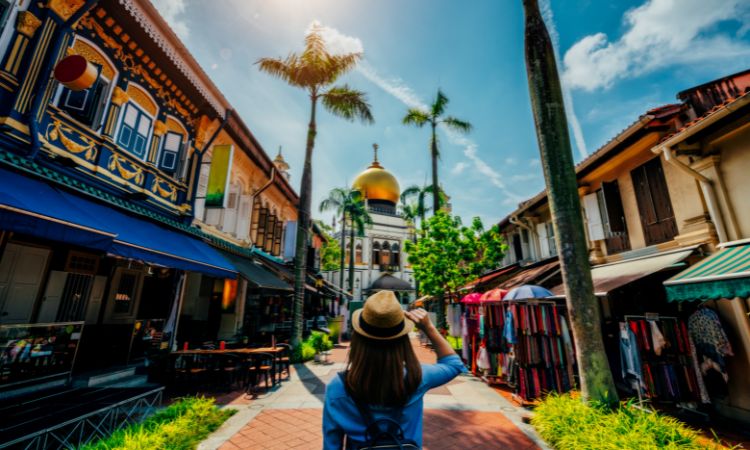
Oslo leads in sustainability: electric buses, trams, and ferries reduce carbon footprints, while extensive bike-share schemes encourage low-impact mobility. Many hotels and attractions adhere to eco-certifications, and outdoor activities emphasise “leave no trace” principles. Visitors can support local eco-friendly tours, such as electric boat trips on the fjord or electric bike excursions through forests. By choosing sustainable options, travellers contribute to Oslo’s green ethos and experience the city’s natural beauty responsibly.
Learn More
Oslo is well-connected to major European hubs. From the UK, flights take approximately 2 hours 5 minutes on average, facilitating quick city breaks or longer stays without long transit times . Gardermoen Airport (OSL) offers efficient rail and bus connections to the city centre. Once in Oslo, the compact layout and multilingual signage in public transport systems make navigation straightforward for first-time visitors, ensuring more time enjoying attractions and less time figuring out logistics.
Learn More
Lorem ipsum dolor, sit amet consectetur adipisicing elit. At illo adipisci iusto
From

Because more than 268 other customers have loved us too

Demonstrates commitment to user data security through encryption and secure payment practices
Learn More
Demonstrates commitment to user data security through encryption and secure payment practices
Learn More
Demonstrates commitment to user data security through encryption and secure payment practices
Learn More
Demonstrates commitment to user data security through encryption and secure payment practices
Learn More
Quality as judged by customers. Book at the ideal price!


/ person
/ person
/ person
Oslo’s tapestry of history and culture is woven through landmarks that chronicle Norway’s journey from Viking seafaring eras to contemporary urban innovation. Begin at the Viking Ship Museum on Bygdøy Peninsula, where remarkably preserved vessels—such as the Oseberg, Gokstad and Tune ships—sit in vast glass halls. Intricately carved prows, rowing benches and everyday artefacts like combs, textiles and household items evoke not only the maritime skill of Norse shipbuilders but also the rhythms of daily life on long ocean voyages. Accompanying exhibits, including interactive displays and 3D reconstructions, illuminate shipbuilding techniques and burial customs, providing rich context for these world-renowned archaeological treasures.A short walk away lies the Norwegian Museum of Cultural History (Norsk Folkemuseum), an expansive open-air site featuring more than 150 traditional buildings relocated from across Norway. Stroll past stave churches dating to the 12th century, Sami turf huts from the Arctic north, and rural farmsteads festooned with turf roofs and ancient dried fish hanging from racks. Period-costumed guides demonstrate blacksmithing, weaving and traditional music, immersing visitors in bygone agrarian societies. Seasonal festivals—such as the May Day folk costume parade—bring these historic structures to life, underscoring how architecture and craft trace Norway’s social evolution.Perched guard over the Oslo Fjord, Akershus Fortress offers both history and sweeping shoreline panoramas. Originally erected in the late 13th century to protect the city from maritime attacks, its thick stone walls later housed royalty, prison inmates and military garrisons. Walking the ramparts, visitors encounter interpretive panels detailing sieges, political intrigue and the fortress’s transformation into a symbol of national resilience. Guided tours often include visits to the medieval castle church and royal mausoleum, where Norwegian monarchs rest in solemn dignity.In the city centre, Karl Johans gate—the capital’s grand boulevard—leads directly to the Royal Palace. Broad, tree-lined avenues reveal stately 19th-century façades, neoclassical streetlamps and landmarks such as the Parliament and National Theatre. Time your visit for the ceremonial changing of the guard at 1 pm daily (11 am weekends), when precision-drilled soldiers clad in red tunics and bearskin hats march to military fanfares.Art enthusiasts will find a dual pilgrimage in the Munch Museum and the National Museum. The former houses the world’s largest collection of Edvard Munch’s works—over 26,000 items including paintings, prints and sketches—tracing the evolution of one of Norway’s most influential artists. The National Museum’s grand halls display a broad sweep of Norwegian and international art, from Renaissance masterpieces to modernist statements, inviting contemplation of cross-cultural dialogues and aesthetic innovation.Conclude your cultural journey at the Oslo Opera House, a contemporary landmark of white Carrara marble and glass rising from the fjord’s edge. Its sloping roof doubles as a public plaza, where visitors ascend for panoramic views of harbour, ships and distant islands. Inside, world-class productions of opera, ballet and concerts play in acoustically refined auditoria. Nearby, the Deichman Library in Bjørvika—a shining example of sustainable architecture—welcomes passersby with light-filled reading rooms, cozy nooks and rotating exhibitions on design, literature and digital culture.Seasonal considerations—such as visiting during shoulder months (April–May, September–October) to avoid peak crowds—enhance the experience. Audio guides in multiple languages, English signage and expert-led tours by local historians or architects add depth, illuminating architectural styles, artefact provenance and the narratives binding past to present. By weaving together visits to ship burials, medieval fortresses, royal avenues and cutting-edge cultural venues, travellers trace Norway’s transformation from seafaring prowess and rural heritage to forward-looking design sensibilities and civic innovation.
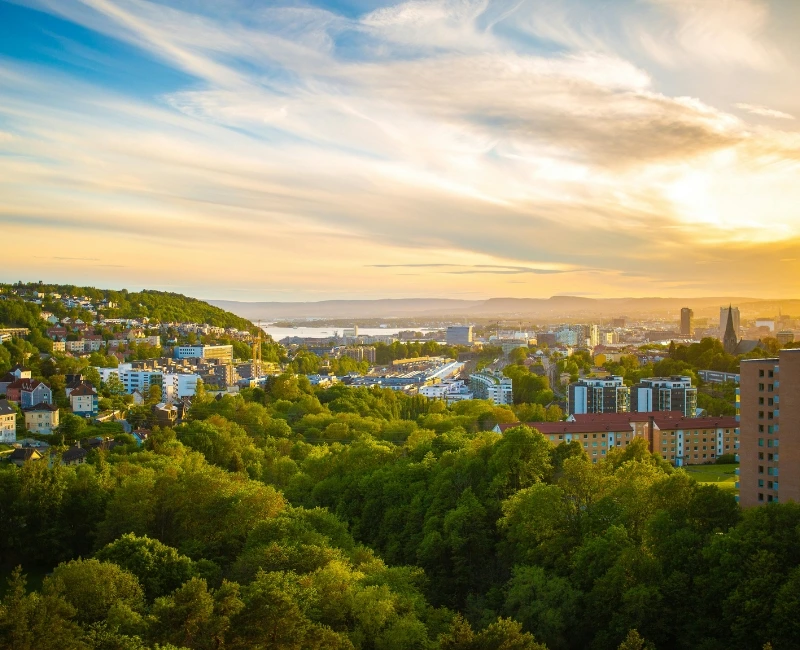
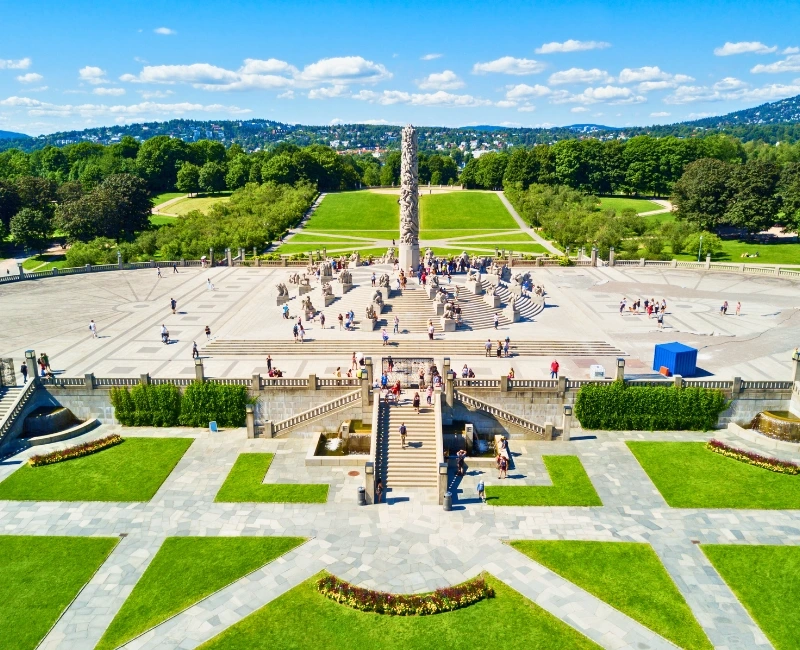
Oslo’s cultural calendar pulses with festivals and events that showcase music, art, film and community traditions year-round. In summer (May–August), when daylight stretches into the late evening, outdoor festivals flourish across neighbourhoods. The Oslo Jazz Festival brings acclaimed international and Norwegian jazz artists to open-air stages in parks such as Kulturkirken Jakob, while Øyafestivalen transforms Tøyenpark into a vibrant music hub featuring rock, electronic and indie acts performing across multiple stages. Both festivals integrate local food vendors, craft beer stalls and pop-up art installations, creating immersive multi-sensory experiences under the midnight sun.Simultaneously, the Oslo Chamber Music Festival stages intimate recitals by world-class classical musicians in historic venues like Gamle Logen and Eastern Norway Conservatory. Meanwhile, the Oslo International Church Music Festival presents sacred choral and organ music in medieval churches, where resonant acoustics amplify sonic richness. Complementary events include culinary pop-ups—such as harbour-side seafood tastings—and design showcases spotlighting Nordic crafts, reflecting the intersection of gastronomy, visual arts and performance.As autumn arrives (September–October), the film community converges for the Oslo International Film Festival and Oslo Pix, highlighting Nordic cinema alongside global features. Screenings take place in sleek arthouse cinemas like Cinemateket and cosy cultural centres, often followed by Q&A sessions with directors and actors. Art enthusiasts can coincide their visit with Oslo Design Week, a curated series of exhibitions, lectures and workshops spotlighting Scandinavian furniture, fashion and graphic design in repurposed industrial spaces across Grünerløkka and Vulkan.Winter (November–February) transforms Oslo into a festive wonderland. Christmas markets in Spikersuppa and Youngstorget brim with handcrafted gifts, seasonal treats such as pepperkaker (ginger biscuits) and steaming cups of gløgg (mulled wine). Ice skating rinks offer joyful outdoor activity against a backdrop of twinkling lights. December’s Nobel Peace Prize Ceremony at Oslo City Hall is a highlight of international significance; while public access to the ceremony is limited, the surrounding grounds host exhibitions honouring laureates, interactive installations and public seminars on peace and conflict resolution. January’s Lysfest—or Light Festival—wraps the city in luminous art pieces, guiding evening strolls through Vigeland Park and along the Aker Brygge waterfront.Spring (March–May) ushers in Easter concerts at the University Aula and national museums, alongside smaller design fairs introducing emerging talents in fashion and jewellery. Jazz enthusiasts can attend Vinterjazz in February, featuring performances in intimate clubs and church halls. Many events take place in repurposed warehouses and scenic urban parks, illustrating Oslo’s flair for adaptive reuse and site-specific programming.Booking ahead is crucial for popular summer festivals and winter operas. Secure tickets and accommodation early—especially in July and December when visitor numbers peak. Participating in Oslo’s festivals and events provides authentic immersion into Norwegian culture, connecting travellers with vibrant local communities, innovative artistic expressions and seasonal traditions that underscore Norway’s creative vitality.
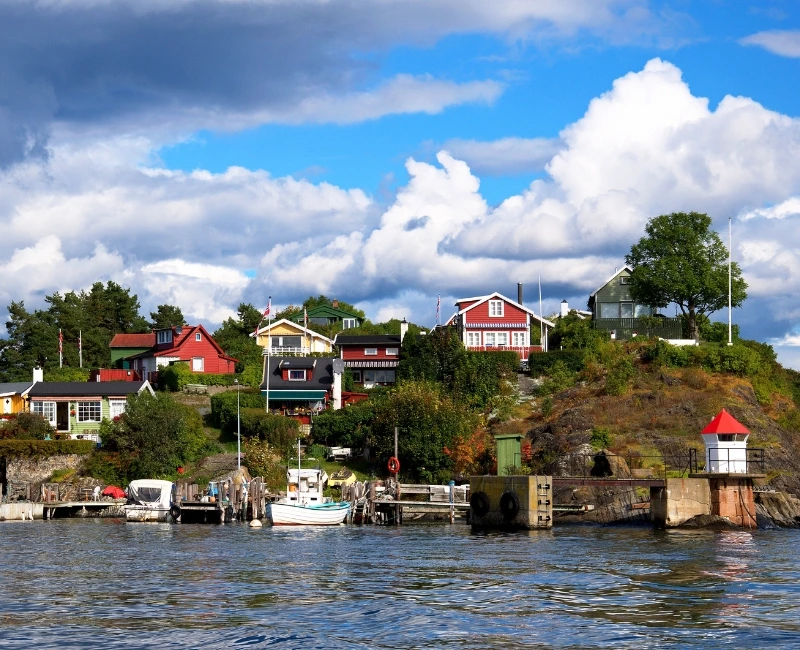
Oslo’s unique position on the Oslo Fjord and its encircling greenbelt of forests make it an ideal base for outdoor enthusiasts seeking both water-based adventures and forested escapes within a single day. In summer (June–August), the fjord beckons with kayaking and paddleboarding tours departing from central piers at Aker Brygge or Sørenga. Guided excursions wind through sheltered inlets and archipelago channels, passing tranquil islets such as Hovedøya and Lindøya. Expert guides point out coastal ecosystems—seabird nesting sites, eelgrass meadows and granite formations sculpted by ancient glaciers—while sharing local lore about island monasteries and wartime bunkers.Swimming spots along the shoreline—popular beaches at Huk or beaches near Langøyene—offer refreshing dips framed by scenic views of the city skyline. Public docks provide convenient entry points for swimmers of all ages, and summer lifeguards patrol busy swimming piers. For those preferring narrated cruises, public ferries (Line B1–B4) and specialized sightseeing boats sail daily, stopping at ferry-accessible islands where marked hiking trails lead to historic abbey ruins, picnic clearings and migratory bird-watching posts.Inland, the vast Nordmarka forest lies within 30 minutes of downtown by metro (Line 5 to Sognsvann) or bus. A network of trails ranges from gentle lakeside walks around Sognsvann—which features cafés and rental hytter—to more strenuous ascents toward Vettakollen or Kobberhaughytta cabins, where hikers can rest, warm by wood-burning stoves and purchase simple fare like waffles and hot chocolate. Cycling routes thread through forest roads and city parks; local outfitters rent mountain bikes and e-bikes, while guided tours introduce participants to single-track trails and gravel pathways.Autumn (September–October) transforms deciduous forests into a fiery tapestry of reds, oranges and golds. Photographers and leaf-peepers flock to get candid shots along the Tryvannstua plateau, where panoramic lookout points frame Oslo beneath a canopy of fall foliage.Winter (December–March) brings Nordmarka’s groomed cross-country skiing tracks to life. Over 450 km of trails—lighted for evening skiing at Nordseter and Frognerseteren—cater to all skill levels. Ski lodges offer warming beverages and traditional Norwegian dishes such as rømmegrøt (sour cream porridge) and brown cheese waffles. Snowshoeing and winter hiking present quieter ways to experience snow-blanketed forests, while guided tours reveal tracks of moose, fox and hare in the powder.The Holmenkollen area—reachable by metro Line 1 to Holmenkollen station—features the iconic ski jump tower and ski museum, where interactive exhibits trace Norway’s ski heritage. Weather permitting, lift operators run chairlifts to the top, offering sweeping views across fjord, forest and capital.Sunrise and sunset excursions—by kayak or guided hike—provide ethereal experiences as low-angled light dances on water and treetops. Seasonal daylight variations—from nearly 19 hours in midsummer to just six in midwinter—inform planning; early starts in December ensure guests maximize daylight, while late twilight in June allows paddlers to extend outings well past 10 pm.Whether scaling forest ridges, gliding across frozen lakes or dipping into fjord waters, Oslo’s outdoor offerings blend urban convenience with access to landscapes that define Norway’s natural identity. Rental gear, safety briefings and multilingual guides ensure novices and experts alike feel comfortable, making Oslo an unparalleled gateway to Scandinavian wilderness just moments from the city center.

Oslo’s culinary scene harmonises traditional Norwegian ingredients with global influences, creating memorable dining experiences suited to every palate and budget. A perfect starting point is Mathallen Food Hall in Vulkan, where over 30 artisanal stalls showcase cheeses from Vestlandet, cured meats from Trøndelag, freshly shucked oysters and seasonal produce such as wild berries and heirloom vegetables. Sampling open-faced sandwiches (smørbrød) topped with silky gravlax, smoked mackerel or creamy brown goat cheese exemplifies Norway’s seafood heritage and dairy traditions. Artisanal vendors also present craft chocolates infused with juniper, berry preserves and freshly baked lefse (potato flatbread).Beyond food halls, Oslo hosts a spectrum of restaurants. Michelin-starred gems such as Maaemo and Re-Naa offer tasting menus that celebrate New Nordic cuisine—dishes meticulously plated with foraged mushrooms, reindeer tartare, lamb with sorrel and Arctic char paired with native herbs. These immersive, multi-course experiences can cost upwards of £150 per person, reflecting the precision and seasonality that define fine-dining in Norway.Mid-range restaurants such as Lofotstua or Smalhans provide hearty, locally inspired fare—hearty fish soups brimming with cod and shellfish, traditional meatballs drizzled in lingonberry sauce, and vegetable-forward plates emphasising root vegetables, kale and wild greens. Here, a three-course dinner typically ranges between £30–£50 per person.Casual lunchtime spots and cafés abound. Specialty coffee shops like Fuglen and Supreme Roastworks serve high-grade beans roasted locally, paired with freshly baked pastries—kanelboller (cinnamon buns) and skolebrød (custard-topped buns). Many cafés double as co-working hubs, reflecting Norway’s coffee-centric culture and social egalitarianism.The craft beer scene has flourished, with breweries such as Nøgne Ø, Amundsen and Lervig opening taprooms in Grünerløkka and Grünerløkka. Tasting flights (£10–£15) let visitors sample inventive brews infused with spruce tips, sea buckthorn or juniper. Seasonal beer festivals like Oslo Beer Week in May bring brewers together for brewery tours, beer pairing dinners and collaborative releases. Cocktail bars such as Himkok experiment with homemade aquavits, berry infusions and locally distilled spirits, offering creative concoctions in stylish, intimate settings.Budget-minded travellers can explore street food markets such as Vippa on the waterfront, where food trucks dish out kebabs, tacos, vegetarian wraps and fusion fare for around £8–£12. Many locals grab takeaway and picnic along the fjordfront or in Frogner Park.Seasonal considerations dictate menus: spring menus feature foraged ramps and fiddlehead ferns; summer showcases light salads and chilled soups; autumn introduces game meats such as elk and grouse; winter warms with hearty stews and baked root vegetable gratins. Guided food tours—led by local chefs and historians—uncover hidden gems, explain cultural traditions behind ingredients and navigate Oslo’s neighbourhoods along the way.Sustainability underpins much of Oslo’s gastronomy. Restaurants focus on eco-certified seafood, organic produce and nose-to-tail cooking. Visitors are encouraged to refill reusable water bottles from pristine tap water fountains, reducing plastic waste. By engaging with this dynamic culinary landscape—from high-end tasting menus to vibrant street food markets—travellers gain intimate insight into Norwegian culture, environmental stewardship and the convivial values that unite communities around the dining table.

Oslo exemplifies sustainable tourism practices, and travellers can actively contribute to the city’s eco-friendly ethos while enjoying seamless exploration. Public transport is almost entirely electric, with trams, buses, metro (T-bane) and ferries reducing carbon emissions across the city. Purchase an Oslo Pass or travel card—available for 24, 48 or 72 hours—to enjoy unlimited travel within defined zones, plus free entry to over 30 museums and attractions. This integrated ticketing system not only saves money but also minimizes individual transport footprints.Cycling infrastructure is extensive, featuring over 200 km of dedicated bike lanes and a public bike-share scheme (Oslo Bysykkel). Rental e-bikes—available at dozens of docking stations—make navigating hilly areas effortless. For those who prefer guided exploration, eco-friendly cycle tours introduce visitors to green corridors, community gardens and hidden parks.When selecting accommodation, look for green-certified hotels and guesthouses accredited by Nordic Swan Ecolabel or similar standards. These properties implement energy-saving measures such as LED lighting, water-saving fixtures and linen reuse programs. Locally owned guesthouses and B&Bs further reduce environmental impact by sourcing cleaning supplies and breakfast ingredients from nearby organic farms.Oslo’s dining scene offers numerous sustainable choices. Seek out restaurants prioritising seasonal, locally sourced produce and seafood from ASC-certified farms. Plant-based menus—such as those at restaurants like Nordvegan—demonstrate how Norwegian chefs innovate with pulses, grains and wild mushrooms. Carry reusable water bottles and coffee cups; Oslo’s tap water is among the world’s best, and refill stations are widespread in public squares and cafés.Shopping sustainably means choosing locally crafted souvenirs—handwoven woollen textiles, ceramics glazed with Nordic motifs, upcycled woodwork or organic skincare products from Norwegian apothecaries. Avoid souvenir shops selling mass-produced items, and instead patronise artisans at markets like Youngstorget Crafts Market or seasonal Christmas markets in Spikersuppa.Outdoor activities should follow “leave no trace” principles. When hiking in Nordmarka or camping on uninhabited fjord islands, stay on marked trails, pack out all rubbish and respect wildlife. Join guided eco-tours—such as battery-electric boat cruises on the fjord—that emphasize low emissions and marine conservation. Foraging walks led by certified guides teach responsible harvesting of berries and mushrooms without damaging ecosystems.Timing travel to shoulder seasons (April–May, September–October) helps spread visitor load and reduces pressure on popular sites. Planning overnight stays in lesser-known regions—such as small coastal villages or inland valleys—supports local economies and diversifies tourism benefits.Engage respectfully with cultural and environmental regulations. Observe protected area signage in bird nesting zones and adhere to seasonal fishing and foraging restrictions. Volunteer opportunities—such as shoreline clean-ups or community garden planting days—connect travellers with local stewardship efforts.By integrating these sustainable practices, visitors experience Oslo authentically while contributing to Norway’s ambitious climate goals and social welfare values. This mindful approach ensures that the city’s natural beauty, cultural heritage and community vitality endure for generations to come.
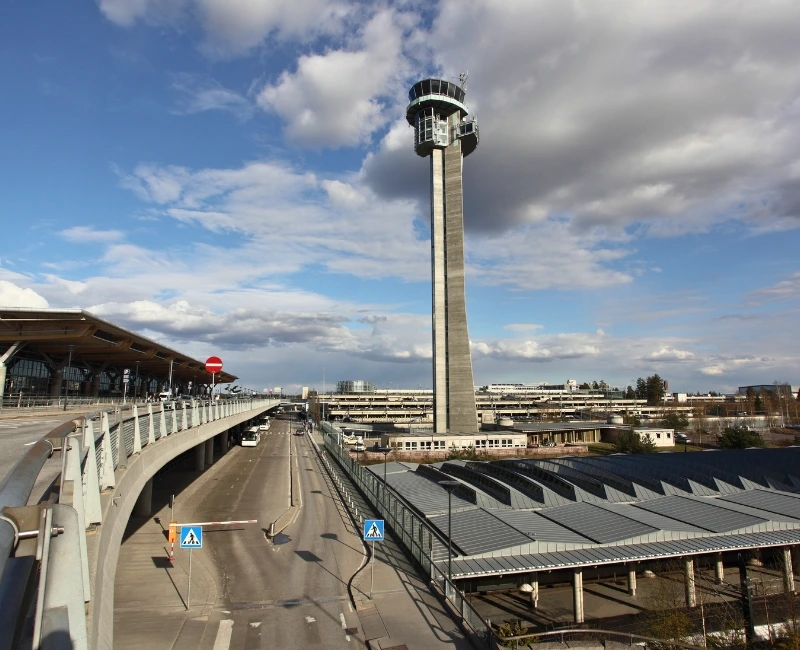
Navigating Oslo is intuitive thanks to a cohesive transport network, clear signage and compact urban design. Upon arrival at Oslo Airport Gardermoen (OSL), travellers have several efficient options. The Flytoget airport express train whisks passengers to Oslo Central Station in approximately 20 minutes, with departures every 10 minutes; one-way tickets cost NOK 240 (around £17). Regional Vy trains and airport coaches (Flybussen) also connect the airport to major hubs at slightly lower fares (£15 for coaches), though with fewer departures.Within the city, trams, buses, metro (T-bane) and ferries operate under an integrated ticketing system managed by Ruter. Single-journey tickets cost NOK 45–55 (~£3.50–£4) depending on zones, and are valid for transfers within 60 minutes of validation. Purchase via ticket machines at stops, the RuterBillett mobile app, or kiosks; contactless payment with credit cards and mobile wallets is also widely accepted on board. For unlimited travel, consider a 24-hour travelcard (£8–£12) or the Oslo Pass, which combines transit with free museum entries and discounts on attractions.Cycling is a popular and eco-friendly mode of transport. The city boasts over 200 km of dedicated bike lanes, including protected routes along major arteries. The public bike-share scheme (Oslo Bysykkel) features stations throughout the city centre; a 24-hour pass costs NOK 100 (~£7), and e-bikes—ideal for hillier districts—incur a small additional fee. Rental shops also offer mountain bikes, cargo bikes and child seats for family excursions.Walking remains one of the best ways to explore central neighbourhoods. Districts such as Grünerløkka, Aker Brygge and Gamle Oslo lie within 20–30 minutes on foot of each other, revealing street art, boutique shops and waterfront promenades. Clear pedestrian signage directs visitors to major attractions, while well-maintained sidewalks and pedestrian zones ensure safety.For journeys to forest trails or fjord islands, regional buses and ferries integrate seamlessly with city transit. Buses to Nordmarka depart from Jernbanetorget and Majorstuen, reaching trailheads like Sognsvann in under 30 minutes. Ferries to Hovedøya, Gressholmen and other islands leave from City Hall Pier every hour (more frequently in summer), offering both public transport and scenic sightseeing options on the same ticket.Taxis and ride-hailing services (such as Norgestaxi and Uber) are available around the clock but command higher fares—expect base charges of NOK 60 (~£4) plus NOK 15 per kilometre. They can be useful for late-night returns when public transport frequency decreases. All taxis accept card payments, and accessibility features—wheelchair ramps, audio announcements—are increasingly common.Key tips: always validate tickets before boarding to avoid fines, which can exceed £60. Plan trips using the RuterReise journey planner or Google Maps in transit mode for real-time schedules. Purchase multi-day travelcards in advance to minimise queuing. Displaying costs in British pounds helps set realistic budgets—for instance, a single ticket at £3.50 and a day pass at £10.By leveraging Oslo’s efficient, predominantly electric transport infrastructure—whether by train, tram, ferry, bike or on foot—travellers maximise time exploring the city and surrounding nature while minimising logistical hassles and environmental impact..
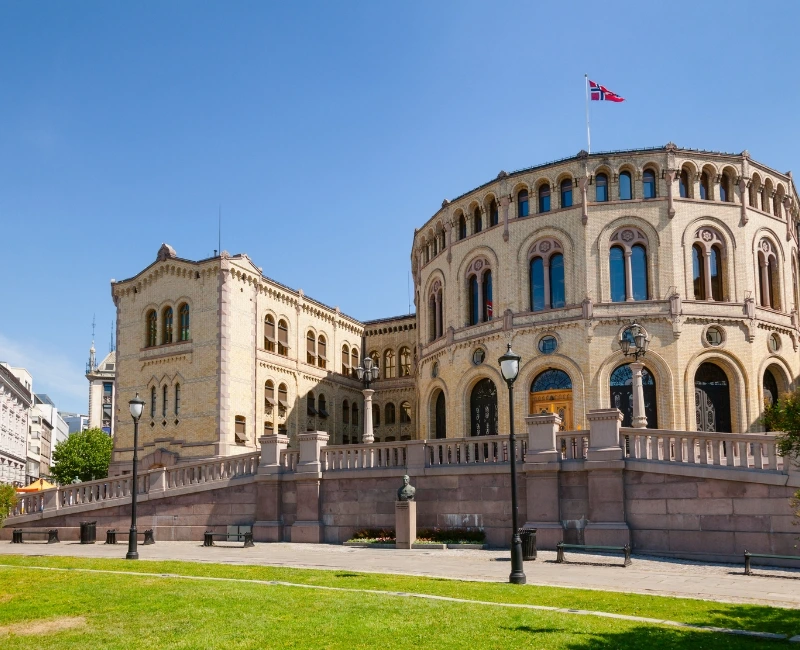
Oslo’s central location and robust transport links make it an exceptional base for day trips that unveil Norway’s broader landscapes and cultural sites. A short ferry ride from City Hall Pier brings travellers to serene fjord islands such as Hovedøya, Gressholmen and Lindøya. Each island offers unique charms—Hovedøya’s medieval monastery ruins and sandy beaches, Gressholmen’s seabird colonies and wartime bunkers, and Lindøya’s tranquil picnic spots framed by maritime pines. Pack picnic supplies from Mathallen or local bakeries, and spend the afternoon exploring walking trails, spotting seals basking on rocky outcrops or sampling wild berries in season.For forest adventures, catch the metro (Line 5) or bus to Sognsvann, the gateway to Nordmarka’s vast wilderness. In summer, swim in crystal-clear lake waters or hike to scenic overlooks such as Vettakollen. Mountain cabins—ranging from self-service huts with wood-burning stoves to staffed lodges offering waffles and hot drinks—lend themselves to rustic overnight stays. In winter, these same trails transform into expansive cross-country skiing networks, with over 450 km of groomed tracks for all skill levels. Day-trip skiers can rent equipment at Frognerseteren station before gliding through silent, snow-blanketed forests.Cultural excursions to nearby towns are equally rewarding. A 40-minute train journey on the Dovre Line takes you to Drammen, where riverside promenades, vibrant street art and the Spiralen tunnel culminating in panoramic views reward urban explorers. History buffs can visit Hadeland Glassverk—a one-hour train ride north—witnessing centuries-old glassblowing techniques, touring museum exhibits on Nordic glass art and purchasing handcrafted crystal gifts.For scenic rail experiences, a segment of the renowned Oslo–Bergen line can be sampled en route to Hønefoss or Hamar. Even partial trips treat passengers to dramatic fjord vistas, mountain valleys and rustic stations where time seems to slow. Return fares for nearby destinations typically range from £10–£15, making spontaneous departures feasible.Guided fjord cruises—departing from Aker Brygge—extend beyond Oslo’s sheltered waters into narrower fjord arms, revealing charming villages such as Drøbak with its coastal wooden houses and Christmas-themed shops. Autumn enhances these excursions with vibrant foliage; winter cruises sometimes offer glimpses of the northern lights dancing overhead on clear nights.Check schedules in advance, as regional buses and ferries operate less frequently in off-peak seasons. Booking train tickets early can yield discounted fares through Vy’s advance-purchase deals. Engaging local guides—for walking tours in historic towns or kayaking trips in remote coves—adds depth through insider knowledge on geology, folklore and wildlife.Dedicating a day to excursions beyond Oslo reveals Norway’s seamless blend of urban sophistication, coastal tranquillity and rugged wilderness, offering travellers a richer appreciation of the country’s natural diversity, cultural heritage and efficient transport integration.
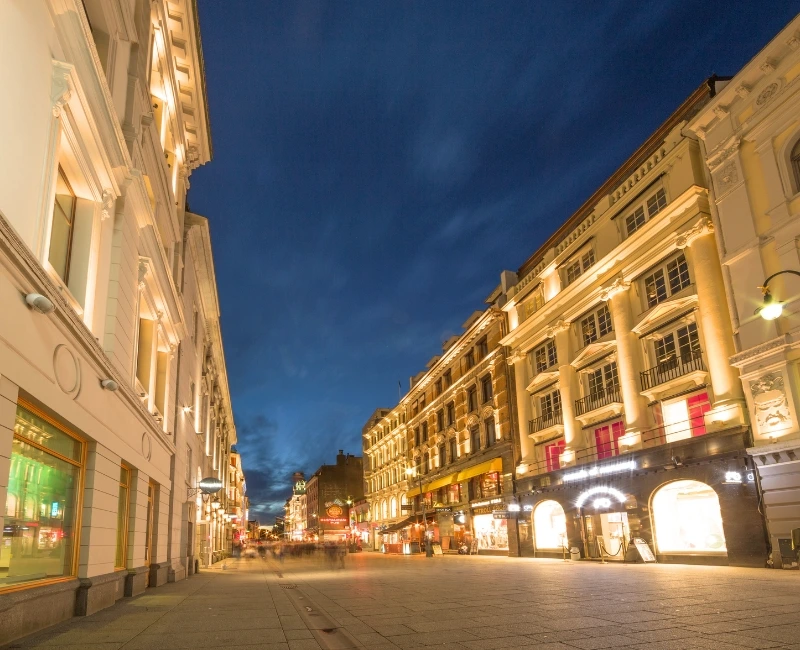
Oslo’s shopping landscape melds contemporary Scandinavian design with centuries-old crafts, offering visitors an array of authentic items that reflect Norway’s aesthetic sensibilities and artisanal traditions. In central thoroughfares such as Karl Johans gate, Bogstadveien and Øvre Slottsgate, flagship stores of international brands stand alongside homegrown boutiques showcasing minimalist fashion, functional homeware and sleek furniture pieces. Window displays artfully highlight clean lines, muted palettes and sustainable materials, inviting shoppers into curated worlds of Nordic simplicity.For those seeking handmade treasures, head to the pedestrianised Grünerløkka district. Here, boutiques and collective studios sell ceramics by artists like Anne Strömberg, knitwear by local designers infusing traditional Selbu patterns into modern silhouettes, and wood-turned home accessories crafted from locally foraged birch and oak. Jewelry studios—such as David-Andersen and automatic glass workshops—offer unique pieces ranging from silver filigree inspired by Viking age motifs to contemporary resin creations encapsulating dried moss and berries.Food-related shopping features prominently at Mathallen Food Hall, where artisanal vendors present vacuum-packed salmon gravlax, cured reindeer sausages, organic cheeses and seaweed snacks. Packaging is travel-friendly, and most producers welcome inquiries on shipping beyond Norway’s borders. Specialty chocolate shops such as Freia and Kadew manufacture bars infused with Norwegian sea salt or cloudberry jam—ideal edible souvenirs.Seasonal markets elevate the shopping experience. During the Christmas season, the Spikersuppa and Youngstorget squares host markets brimming with handcrafted ornaments, felted wool hats, hand-dipped candles and gingerbread houses. Artisans demonstrate spinning wool, carving wooden trolls and weaving reindeer hide slippers, allowing visitors to engage with these time-honoured skills firsthand. In summer, occasional pop-up craft fairs along Akerselva bring together emerging makers selling handmade paper goods, macramé plant hangers and botanical prints.Many cultural institutions—such as the Design and Architecture Gallery (DOGA) and the National Museum—operate museum shops offering curated merchandise: books on design theory, limited-edition prints, stationery featuring works by local illustrators and high-quality table linens. Prices in British pounds help budgeting: a handcrafted wool cushion cover might range from £40–£70, ceramic mugs from £20–£35, and designer apparel starting around £80.Tax-free shopping is available for non-EU residents. Keep receipts above the NOK 315 threshold and process VAT refunds at the airport. Look for stores displaying the Global Blue or Premier Tax Free logos, and allow extra time for paperwork when departing.For a more eclectic experience, explore second-hand shops and vintage boutiques. Stores like Fretex and UFF sell well-preserved Scandinavian classics—wool coats, designer leather boots and mid-century furniture—often at a fraction of original retail prices. Bargaining is not customary; instead, prices reflect quality and provenance.Beyond purchases, conversations with shop owners often yield insights into local trends, material sourcing and the philosophical underpinnings of Scandinavian design—simplicity, sustainability and functionality. Ultimately, shopping in Oslo offers not only tangible souvenirs but also a deeper understanding of Norway’s commitment to craftsmanship, environmental stewardship and design excellence.
No ads. No trails. No commitments


Alice Roses
London, England
51 ST MATTHIAS ROAD
NOTTINGHAM, NOTTINGHAMSHIRE
NG3 2HF
Hours: 8:00 - 17:00, Mon - Sat
support@johnsonholidays.com