 Pisa Travel
Guide
Pisa Travel
Guide
Paris is known around the world as the “capital of love,” and even if you don't understand the history of Paris at all

2.5 Hours
£4
Climbing the Leaning Tower of Pisa is a bucket-list experience that epitomises the city’s enduring appeal. Beyond the famous tilt, the Tower’s Romanesque architecture and marble detailing showcase medieval ingenuity. Securing a timed entry ticket allows you to ascend its spiralling staircase, relishing both a thrilling climb and a unique perspective on Pisa’s rooftops and the surrounding Tuscan landscape. The Leaning Tower sits within the broader Piazza dei Miracoli complex, so visitors also gain access to the majestic Cathedral, Baptistery, and Camposanto Monumentale. This cluster of world-class monuments offers rich historical context: admire intricate frescoes, ornate sculptures, and learn about Pisa’s significance as a maritime republic. Booking Pisa ensures that you witness this architectural wonder firsthand, creating memories—and photographs—that last a lifetime.
Learn More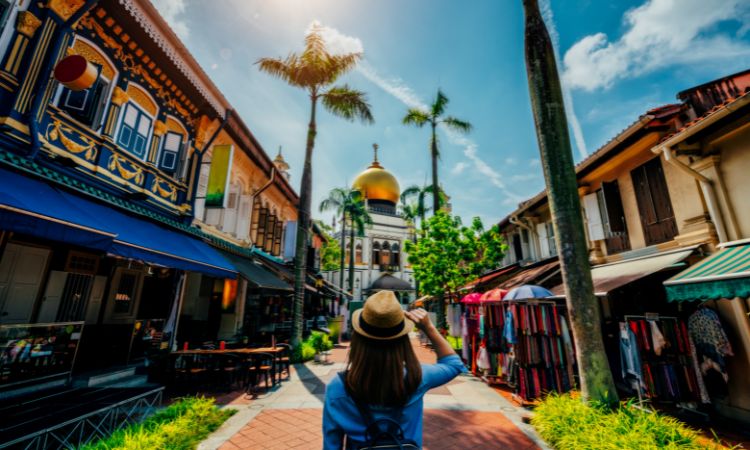
Pisa’s culinary scene blends traditional Tuscan flavours with contemporary creativity. Dining here means savouring dishes rooted in simple, high-quality ingredients: freshly made pasta drizzled with extra-virgin olive oil, seasonal vegetable soups, and locally sourced seafood from the Ligurian coast. Family-run trattorie serve classic fare such as pappa al pomodoro or cecina (chickpea flatbread), while enoteche pair local wines—such as Vernaccia di San Gimignano or Bolgheri reds—with artisanal cheeses and cured meats. Markets brim with fresh produce, offering picnic opportunities along the Arno River or in nearby parks. Even casual aperitivo culture invites travellers to mingle with locals over a glass of wine and snacks. Booking Pisa means indulging in authentic Tuscan dining experiences that delight the palate and reveal regional culinary heritage.
Learn More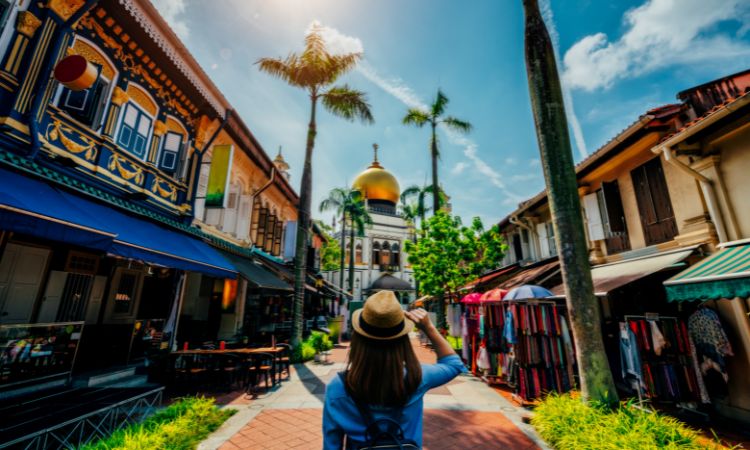
Pisa’s city centre is remarkably compact and pedestrian-friendly, making it ideal for exploration on foot. From the central railway station, you can reach Piazza dei Miracoli in a short walk, then continue along charming lanes to discover hidden cafés, boutique shops, and historic landmarks. The proximity of attractions minimises transit time, allowing you to maximise sightseeing, dining, and leisurely breaks. Riverside promenades along the Arno offer scenic strolls, while bike rentals enable easy access to parks and nearby neighbourhoods. Staying in central accommodation ensures you can immerse yourself in Pisa’s atmosphere throughout the day and evening without relying heavily on taxis or complex transport. Booking Pisa allows travellers to enjoy efficient logistics and a stress-free itinerary focused on discovery rather than long commutes.
Learn More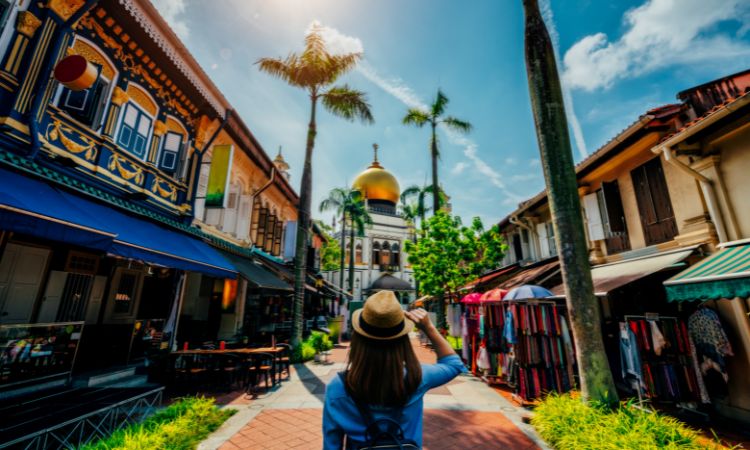
Pisa serves as an excellent base for exploring the wider region of Tuscany. Frequent trains and regional buses connect to major cities like Florence, Lucca, and Siena, enabling seamless day trips. Car rentals open the door to scenic drives through rolling vineyards, hilltop villages, and wine estates offering tastings. Cultural itineraries might include visits to medieval towns such as San Gimignano or Volterra, while nature enthusiasts can explore the Etruscan Coast’s beaches or cycle through countryside trails. Booking a holiday in Pisa offers both the comfort of a well-equipped city stay and the flexibility to venture into Tuscany’s diverse landscapes. Whether you prioritise art and history or prefer wine tours and rural relaxation, Pisa’s strategic location amplifies holiday possibilities.
Learn More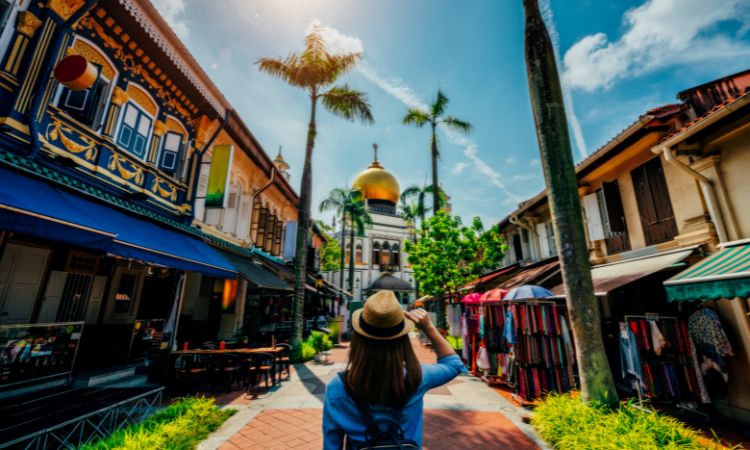
Beyond the Leaning Tower, Pisa boasts a wealth of cultural and artistic treasures. The Cathedral’s intricate façade, the Baptistery’s acoustics, and the Camposanto’s frescoes reflect centuries of artistic endeavour. Museums such as the National Museum of San Matteo house collections of medieval and Renaissance art, while modern venues present rotating exhibitions and contemporary works. Literary connections, including references in Dante’s writings, enrich Pisa’s narrative. Annual events—classical music concerts, local festivals, and traditional celebrations—offer immersive cultural experiences. Booking a trip to Pisa invites you to delve into this multifaceted heritage, appreciating both iconic landmarks and lesser-known artistic gems off the beaten path, all within an engaging urban setting.
Learn More
Pisa’s calendar features festivals and events that showcase local traditions and contemporary life. From summer open-air concerts at historic venues to food fairs celebrating seasonal produce, there’s always something happening. Street performances, markets, and art installations create a dynamic urban vibe. Locals gather in piazzas for evening passeggiata (strolls), offering travellers authentic glimpses into everyday Italian routines. The city’s student population contributes youthful energy to cafés and nightlife. Booking Pisa allows you to align your visit with vibrant local happenings, ensuring an engaging stay that goes beyond sightseeing to embrace community spirit, conviviality, and the warmth of Tuscan hospitality.
Learn More
Lorem ipsum dolor, sit amet consectetur adipisicing elit. At illo adipisci iusto
From

Because more than 268 other customers have loved us too

Demonstrates commitment to user data security through encryption and secure payment practices
Learn More
Demonstrates commitment to user data security through encryption and secure payment practices
Learn More
Demonstrates commitment to user data security through encryption and secure payment practices
Learn More
Demonstrates commitment to user data security through encryption and secure payment practices
Learn More
Quality as judged by customers. Book at the ideal price!


/ person
/ person
/ person
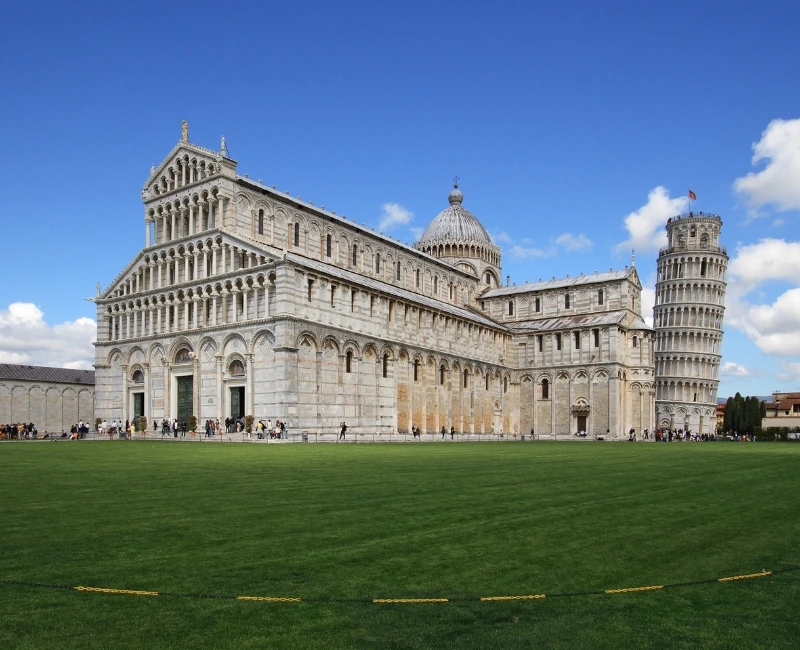
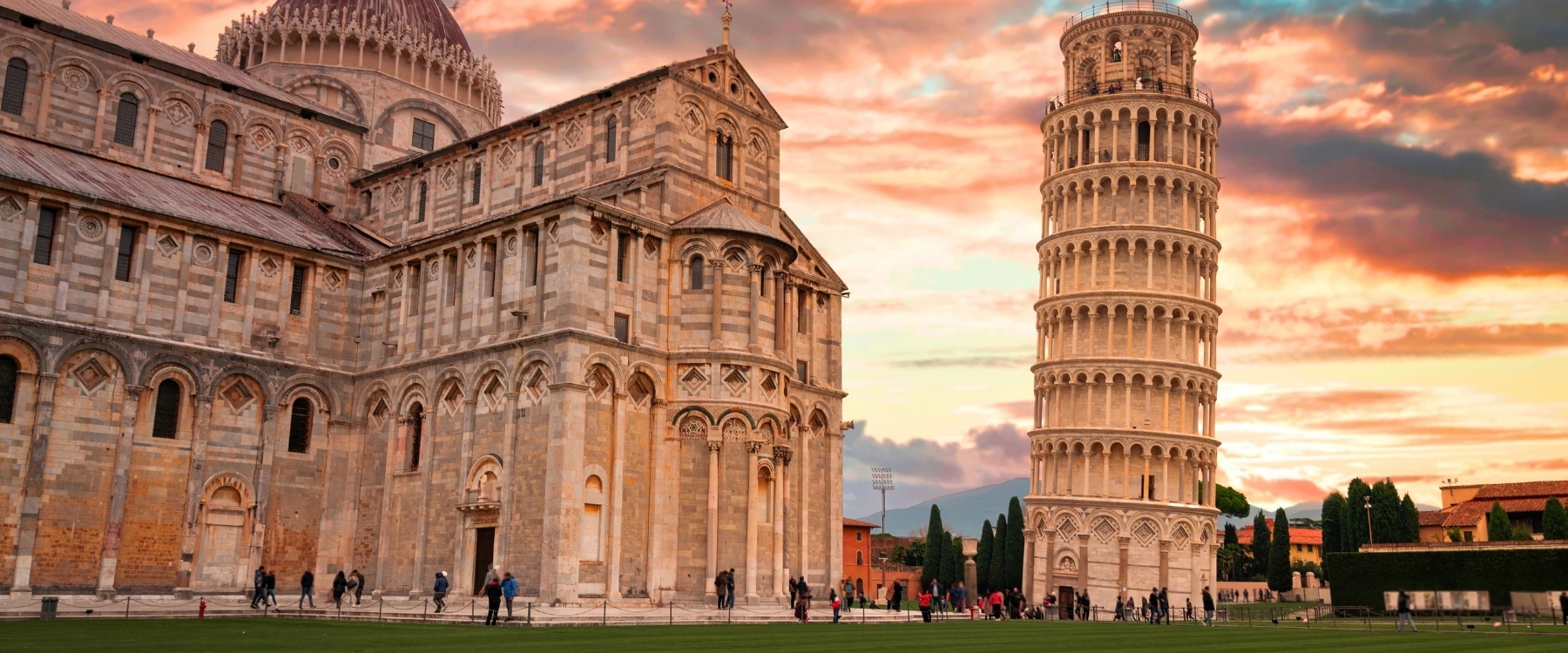
Piazza dei Miracoli, often translated as “Square of Miracles,” serves as the beating heart of Pisa’s architectural and spiritual heritage. At its center stands the world‑famous Leaning Tower, the campanile of the adjacent Cathedral. Construction began in 1173, and by the time builders reached the third story, uneven settling on the marshy subsoil had caused the tower to tilt. Rather than abandon the project, medieval craftsmen compensated by angling the upper stories in the opposite direction, creating the gentle curve and lean that have captivated generations.Visitors can climb the 294-step spiral staircase inside the tower—each step worn from eight centuries of pilgrims—ascending approximately 55 meters to reach the belfry. From this vantage, you’ll enjoy sweeping panoramas: the red‑tiled roofs of Pisa’s historic center, the verdant Tuscan countryside rolling toward the Arno River, and the distant silhouette of the Apennines. Remember to book a timed‑entry ticket in advance; slots fill quickly, especially in spring and summer.Facing the tower is the Cathedral of Santa Maria Assunta (Duomo di Pisa). Completed in 1092, its façade dazzles with alternating bands of white and grey marble, inlaid galleries, and bronze relief panels depicting biblical scenes. Inside, pilgrims pause beneath soaring barrel vaults and tremble at the echoing acoustics, stud the golden mosaics of the apse, and admire Giovanni Pisano’s ornate pulpit of swirling figures carved from Carrara marble.Adjacent to the Duomo stands the Baptistery of San Giovanni, Italy’s largest. Its circular plan and Romanesque lower section, topped by a later Gothic cupola, showcase both solidity and soaring elegance. Attend one of the short—but unforgettable—acoustic demonstrations, where a single tenor’s voice resonates for nearly a full minute, drifting ethereally under the vaulted ceiling.Completing the quartet is the Camposanto Monumentale, a cloistered cemetery allegedly built atop sacred soil brought back from Golgotha during the Crusades. Inside, grave monuments and ancient Roman sarcophagi line the arcades; medieval frescoes—though damaged—still impart ghostly, vivid scenes of judgment and salvation. Interpretation panels and digital guides help visitors piece together its artistic and religious significance.For the best experience, arrive before 9:00 AM to capture photography with soft morning light and fewer crowds. Spend at least two hours here, allowing time for a guided tour or high‑quality audio guide. Pause at the loggia cafés to sip espresso and reflect on the ingenuity that turned what might have been a structural failure into one of the world’s most beloved symbols of human creativity and perseverance. Whether your fascination lies in geometry, medieval sculpture, or engineering marvels, Piazza dei Miracoli offers a layered journey through faith, art, and science.
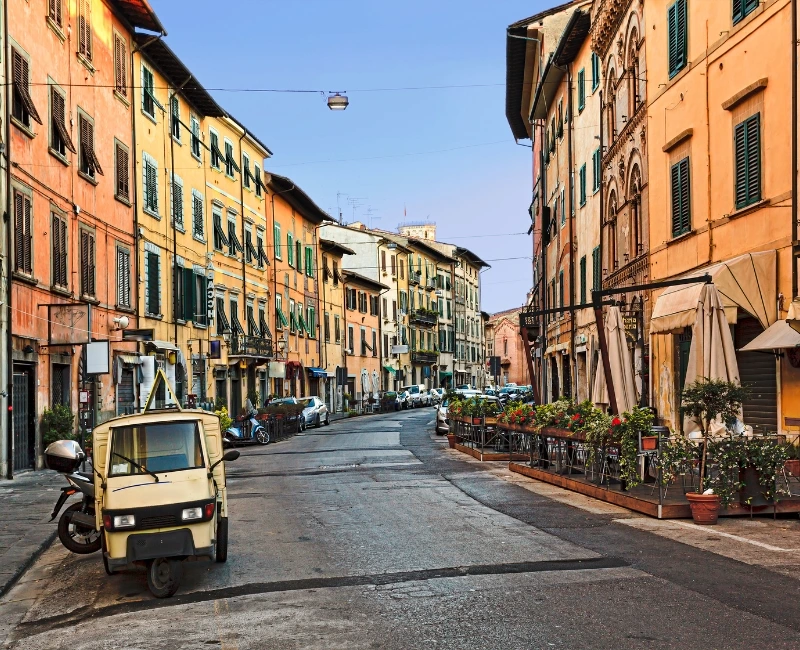
Beyond the grandeur of Piazza dei Miracoli, Pisa’s historic center weaves a tapestry of medieval alleyways, Renaissance palaces, and vibrant urban life. Begin your stroll at Borgo Stretto, an elegant pedestrian street lined with graceful porticoes. Under its arches, centuries‑old shops sit alongside contemporary boutiques and cafés where students from the University of Pisa gather over espresso. Keep an eye out for the medieval façade of Casa dell’Opera, whose worn stone tells stories of merchants and magistrates.Turn toward Via Santa Maria to discover hidden chapels tucked between residential blocks. At the Church of Santa Maria della Spina, a diminutive Gothic jewel perched on the Arno’s bank, intricately carved pinnacles and statues of saints seem to float above the river’s gentle current. Early morning offers calm reflections in the water; later, the midday sun illuminates the polished marble, revealing veins of pink and green.Art enthusiasts should visit Palazzo Blu, a riverside complex that fuses 18th‑century grandeur with cutting‑edge exhibition spaces. Permanent collections trace Pisa’s civic and religious history, while rotating shows bring in modern masters and emerging voices. For deeper insights into the Cathedral’s creation, the Museo dell’Opera del Duomo displays original sculptures by Nicola Pisano and Giovanni Pisano, fragments of inlaid marble floors, and the Cathedral’s medieval silver altar.Nearby, the National Museum of San Matteo houses an intimate collection of paintings, sculptures, and illuminated manuscripts from the 12th to the 15th centuries. Admire Masaccio’s panels, Donatello’s terracotta reliefs, and richly colored altarpieces—each piece narrating the evolution of Pisan art. Check the museum’s calendar for occasional lectures or restoration‑work viewings.Stroll along Lungarno Mediceo, pausing at the Ponte di Mezzo to photograph the Arno’s turquoise waters flanked by ochre‑hued façades. Continue west to Piazza dei Cavalieri, once the epicenter of Pisa’s political power. Here, the façade of Palazzo della Carovana—reimagined by Giorgio Vasari under Cosimo I—blends Mannerist ornament with medieval fortitude. Opposite stands the baroque Church of Santo Stefano dei Cavalieri, with a lavishly gilded interior and an altar screen painted by Domenico Passignano.For lunch, slip into a local osteria hidden off a side street: order prepared gnocchi tossed with fresh tomato and basil or a plate of cecina, the savory chickpea flatbread beloved by locals. As you wander, leave room to peer through wrought‑iron gates at cloistered courtyards overflowing with jasmine in spring, or to duck into artisan workshops where leatherworkers and ceramicists ply centuries‑old crafts.This guide unfolds at a leisurely pace, inviting you to blend landmark visits with serendipitous discoveries. By interweaving well‑known sites and tucked‑away gems, you’ll experience Pisa not just as a must‑see destination but as a living city where history, art, and daily life converge.
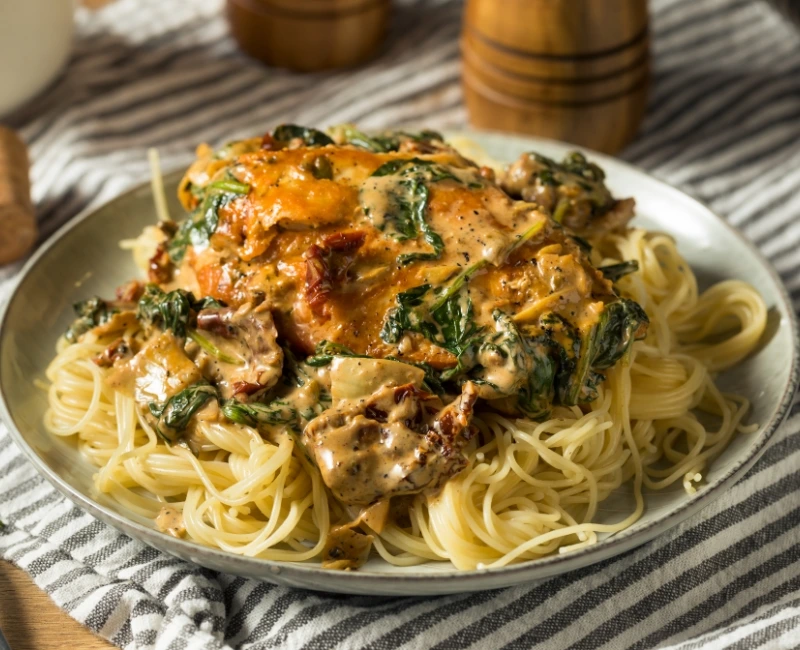
In Pisa, Tuscan cuisine isn’t just a meal—it’s a philosophy rooted in seasonal produce, artisanal techniques, and centuries of rural tradition. Begin your gastronomic odyssey at Mercato delle Vettovaglie, the city’s main food market. Under the colorful awnings, local farmers and producers display crates of sun‑ripened tomatoes, crisp radicchio, fragrant basil bunches, and wheels of pecorino Toscano aged from weeks to years. Sample slices of salumi—finocchiona, prosciutto crudo, soppressata—paired with local extra‑virgin olive oil drizzled over fresh focaccia.For a warming first course, try pappa al pomodoro in a modest trattoria where the thick soup melds stale bread, ripe tomatoes, garlic, and basil into a comforting stew. Alternatively, a bowl of ribollita—its name meaning “reboiled”—features hearty beans, cavolo nero (Tuscan kale), and chunks of bread simmered in vegetable broth. Each spoonful channels the ingenuity of peasant kitchens, turning humble staples into soul‑satisfying fare.Venture to narrow side streets to find family‑run osterie serving handmade pappardelle. Dice into each al dente ribbon to discover sauces of earthy porcini mushrooms or robust wild boar ragù. In riverside taverns, fresh seafood takes center stage: spaghetti alle vongole brims with briny clams, garlic, and parsley, while platters of grilled sea bass arrive garnished with lemon and rosemary.No visit to Pisa is complete without cecina—a wafer‑thin chickpea flour pancake baked in a wood‑fired oven until crisp at the edges and tender inside. Sprinkle with cracked pepper or rosemary, slice into wedges, and pair with a crisp Vernaccia di San Gimignano in an outdoor enoteca.Culinary adventures continue with a mid‑afternoon gelato break. Seek out small gelaterie where seasonal fruit sorbets—blood‑orange, strawberry, fig—sit alongside creamy stracciatella and pistachio. Combine a scoop of creamy crema with a churned ricotta‑honey flavor for a truly Sicilian‑inspired twist.For wine enthusiasts, book a tasting flight in an enoteca near Piazza delle Vettovaglie. Sip Vernaccia, the region’s signature white, with its distinct almond‑nut aroma, then move to Chianti Classico, full‑bodied and laced with dark cherry. Boards heaped with local cheeses, olives, and bruschetta provide perfect accompaniment.To deepen your understanding, sign up for a half‑day cooking class that begins with a guided market tour, selecting ingredients for recipes you’ll prepare under the tutelage of a Tuscan chef. Roll pasta by hand, simmer tomato‑basil sauce from scratch, and learn to balance the acidity of a vinaigrette for seasonal salads.As evening falls, embrace the Italian ritual of aperitivo: a spritz or local red, paired with small plates—crostini topped with chicken liver pâté, marinated olives, or shaved bottarga. Then settle into a trattoria for a multi‑course tasting menu, where modern chefs reinterpret classic Tuscan flavors using seasonal produce. End on a sweet note with cantucci dipped in Vin Santo or a slice of schiacciata alla Fiorentina if visiting in February.By weaving market visits, hands‑on experiences, and well‑chosen dining spots, this guide invites you to taste the essence of Pisa’s culinary heritage—hearty, honest, and utterly unforgettable.
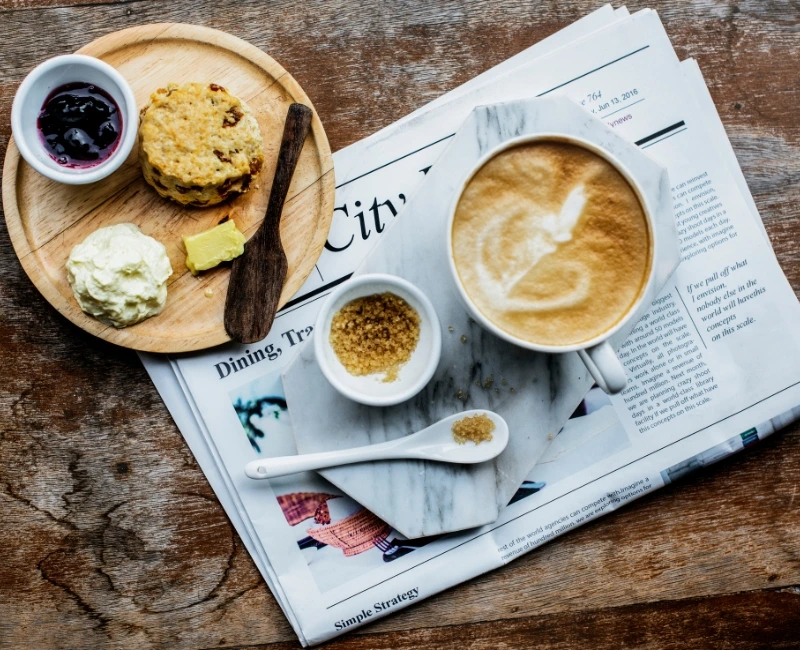
To truly feel the pulse of Pisa, immerse yourself in its café culture and vibrant marketplaces—spaces where culinary tradition and daily life intersect. Begin your morning at a neighborhood bar. Italians here rarely say “coffee”: they order un espresso or un cappuccino alle nove (an espresso at nine) and often pair it with a freshly baked brioche or cornetto ripieno (jam‑filled croissant). Observe the ritual—locals chatting with baristas by name, catching up on news, and scrolling through smartphones as they stand at the counter.Next, wander toward the Mercato delle Vettovaglie or the smaller Sant’Agostino Market on Lungarno. In these labyrinths of stalls, vendors display baskets of sun‑kissed peaches, bottles of green‑gold olive oil, slabs of pecorino still warm from pressing, and arrays of cured meats hung like art installations. Engage sellers in conversation: they’ll often offer tastes of aged balsamic vinegar or slices of salami studded with peppercorns. Assemble your own picnic—fresh tomatoes, crunchy focaccia, marinated artichokes, cheeses, and a chilled bottle of Vernaccia.For specialty ingredients, detour to family‑run alimentari (delicatessen shops) off the beaten path. Here, shelves groan with artisanal pasta, regional honey, and small‑batch jams. Many spin wheels of Parmesan you can sample and purchase by weight. These proprietors pride themselves on provenance—ask about harvest dates, pressing methods, and flavor notes.Choose a café overlooking an open square or the Arno’s riverside promenade for a leisurely lunch. Order a light antipasto plate—olive ascolane (fried stuffed olives), bruschetta al pomodoro, or prosciutto‑wrapped melon—and a glass of chilled bianco. Sit outdoors if weather permits, watching passersby and gauging local pace.Late afternoon markets, especially on Piazza XX Settembre, often spill into food festivals or artisan fairs. Vendors set out street‑food stalls selling lampredotto sandwiches (tripe in a flavorful broth) and crispy porchetta wraps. Timing your visit for these events adds a festive atmosphere, with live music and communal tables.As evening approaches, embrace aperitivo—the gateway to dinner. Seek out wine bars near Piazza delle Vettovaglie or Santa Maria. Order a spritz or a local rosso with a side of cicchetti: small plates of crostini topped with chicken liver pâté, fried zucchini flowers, or fresh anchovies. This ritual, typically between 6:00 PM and 8:00 PM, showcases how Pisa’s social life revolves around food and conversation.For a deeper dive, book a guided market tour led by a local chef. Traverse stalls, learn to pick the ripest produce, and return to a test kitchen to prepare simple dishes—a fennel and orange salad, fresh pasta with sage butter, or gelato su stecco. These hands‑on experiences forge lasting connections between ingredient, place, and palate.By focusing on cafés and markets, this guide illuminates Pisa’s everyday gastronomic landscape—unhurried, communal, and steeped in regional authenticity. From morning espresso to aperitivo bites, you’ll discover why food remains at the heart of Italian hospitality.
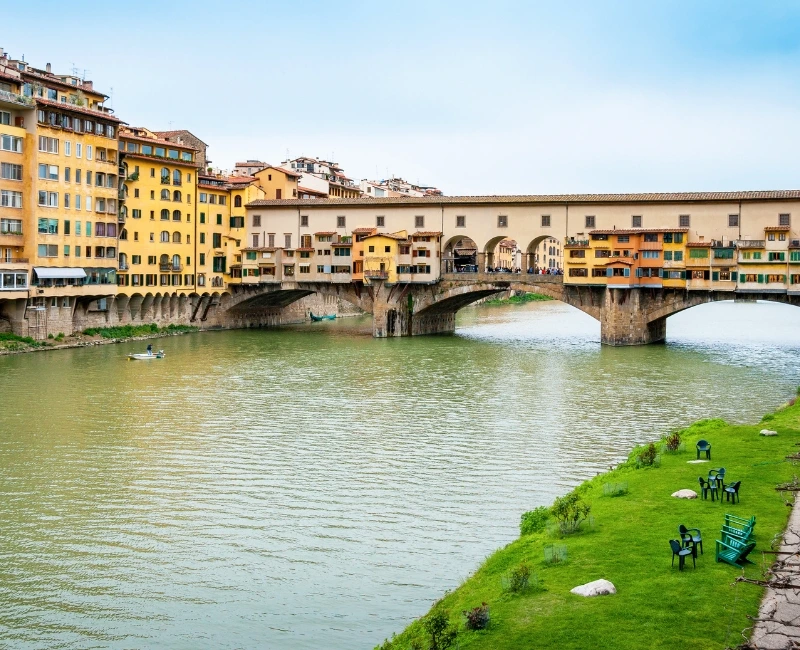
Pisa’s prime location and rail connections make it an ideal base for exploring Tuscany’s crown jewels. Two of the most rewarding day trips are Florence, the cradle of the Renaissance, and Lucca, the walled medieval town that seems frozen in time.Florence: A high‑speed regional train whisks you to Florence’s Santa Maria Novella station in just under an hour. Start early—by 8:30 AM you can be first in line at the Uffizi Gallery, home to Botticelli’s ethereal “Birth of Venus,” Caravaggio’s dramatic chiaroscuro, and a trove of masterpieces whose beauty shaped Western art. After two hours inside, stroll across the Ponte Vecchio—its jewelers’ shops still glint in the midday sun—and converge on Piazza della Signoria, where sculptures from the Loggia dei Lanzi stand guard over palatial façades. Climb Brunelleschi’s Dome at the Cathedral of Santa Maria del Fiore (book tickets in advance) for bird’s‑eye views of terracotta rooftops and the Arno winding through the city. For lunch, duck into a trattoria in the Oltrarno district—order ribollita or a bistecca alla Fiorentina to fuel your afternoon. Finish by exploring artisan workshops in Santo Spirito, where silversmiths, bookbinders, and leatherworkers maintain centuries‑old crafts.Return to Pisa by early evening, perhaps pausing on the train to admire dusky views of the Chianti hills.Lucca: A short 20‑minute ride north brings you to Lucca’s perfectly preserved Renaissance walls. Rent a bike at the station and pedal the entire 4.2 km perimeter atop the broad ramparts, shaded by double rows of plane trees and dotted with cafés ideal for a mid‑ride coffee. Descend into the historic center to wander medieval alleyways lined with pastel palazzi. Climb Torre Guinigi, where oak trees crown the rooftop terrace, offering panorama of ochre rooftops and cypress‑lined streets. In Piazza dell’Anfiteatro, once a Roman amphitheater, pause at an outdoor café for a slice of schiacciata—a salty flatbread studded with rosemary. Before boarding your return train, explore San Michele in Foro, a Gothic marvel whose ornate marble façade rivals Pisa’s Cathedral.Tips for Both Trips:Tickets & Timing: Reserve Uffizi and Duomo tickets online at least a week in advance during high season. Check train schedules on Trenitalia or regional apps; timetable changes occur on Sundays and holidays.Packing: Travel light—carry water, a sun hat, and good walking shoes. Book-bike rentals in Lucca early; they’re in high demand on weekends.Dining: Make lunch reservations, particularly near major sights. Look for “Menu del Giorno” (daily specials) for the best value.By pairing Pisa with Florence and Lucca, you’ll experience the spectrum of Tuscan history—from artistic innovation to fortified medieval life—all within easy reach of your home base.
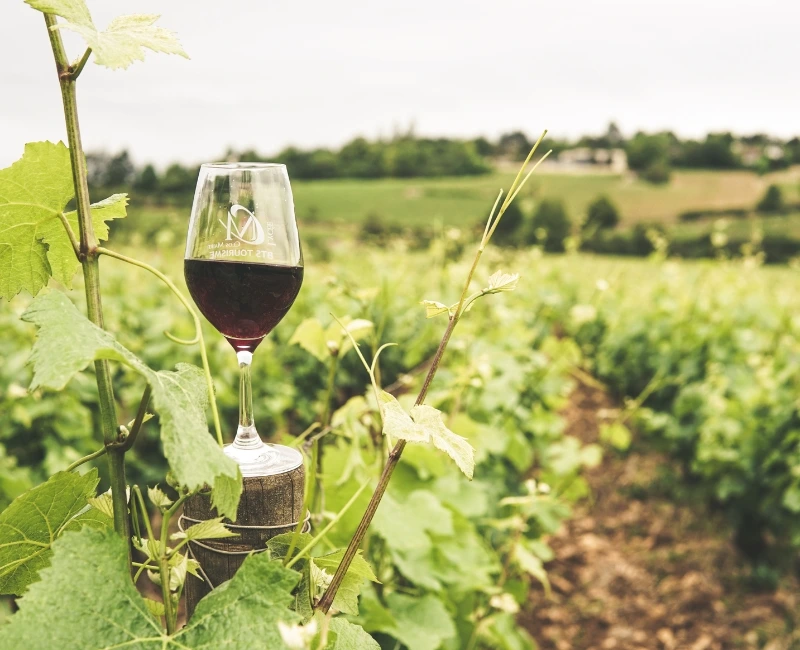
While Pisa’s urban charms are compelling, Tuscany’s rolling hills and sun‑drenched vineyards beckon adventurers seeking quiet country vistas and epicurean discoveries. A day—or better yet, two—exploring the Colline Pisane (Pisan Hills) reveals olive groves, hilltop hamlets, and family‑run wineries producing distinctive vintages.Getting There & Around: Rent a car in Pisa early—ideally before 9:00 AM—to beat traffic on winding hill roads. Alternatively, join a small‑group tour that includes transportation, tastings, and local lunch. Either way, allow at least 6–8 hours for a full experience.Wineries & Tastings: Begin with a visit to a boutique estate near San Giovanni alla Vena. Here, proprietors offer guided cellar tours explaining traditional vinification: fermentation in steel tanks, aging in French oak barrels, and bottling timelines. Sample Vernaccia di San Gimignano—a crisp white with notes of almond blossom—and barrel‑aged reds that blend Sangiovese with indigenous varieties. Each tasting includes bruschette topped with estate‑pressed olive oil, highlighting fruity or peppery flavor profiles.Next, head toward San Miniato, a medieval town famous for its white truffles (Tuber magnatum pico). If you’re visiting in October or November, join a truffle hunt in nearby woods alongside trained dogs. Finish at a local agriturismo for an al fresco lunch: handmade pici pasta tossed in butter and sage, grilled meats, and seasonal vegetables from on‑site gardens. Pair courses with robust Sangiovese or a deep Chianti Riserva.Olive Oil & Artisan Producers: In the afternoon, tour an olive mill. Learn how olives harvested at dawn translate into extra‑virgin oil through cold pressing within hours. Compare peppery versus buttery oils side by side, then select your favorite to drizzle over ricotta or fresh bread.For cheese lovers, arrange a visit to a caseificio near Volterra. Watch wheel‑pressing of pecorino Toscano and sample fresh, semi‑aged, and aged rounds alongside local honey and jams. Document your tasting notes to compare textures and tang levels.Active Options: Cyclists can follow designated bike routes looping through vineyards and cypress‑lined lanes. Hikers have options ranging from gentle vineyard paths to steeper trails near Monte Pisano, offering panoramic views over the Tyrrhenian Sea on clear days.Planning Tips:Bookings: Reserve winery tours and agriturismo lunches at least two weeks in advance, especially during harvest season.Seasonality: Spring (April–June) bursts with wildflowers; autumn (September–October) offers grape‑picking experiences.What to Pack: Comfortable shoes, sun protection, and a light jacket (hills can be breezy).Whether you opt for a guided excursion or craft your own itinerary, venturing into Tuscany’s countryside from Pisa reveals the region’s agricultural soul. From vine to table and mill to palate, you’ll come away with a deeper appreciation for the traditions that sustain Tuscan flavors and landscapes..
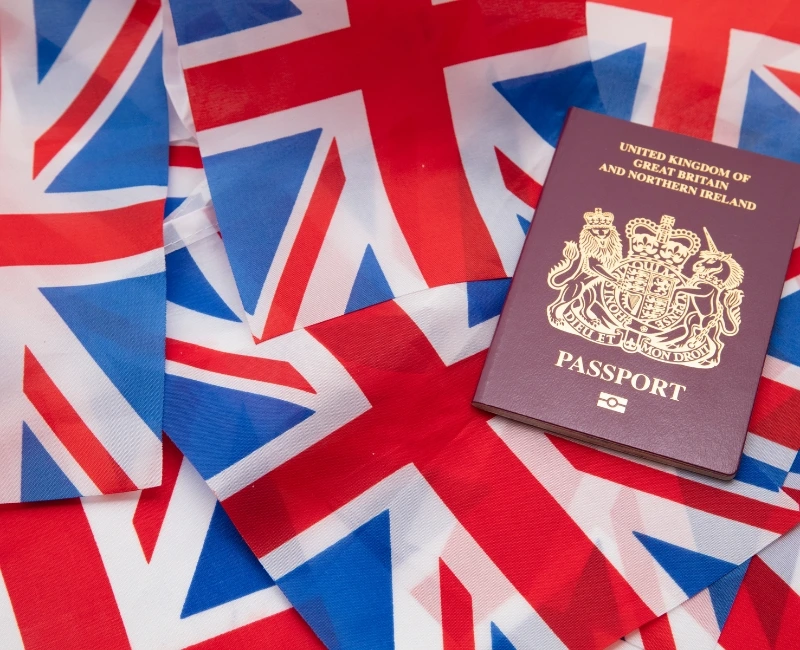
Efficient logistics turn a good trip to Pisa into a great one. Knowing how to navigate the city, secure tickets, and handle local customs frees you to focus on sightseeing, dining, and soaking in the atmosphere.Arrival & Transfers: Pisa International Airport (PSA) sits just 2.5 km from the city center. A shuttle bus (PisaMover) departs every 5–10 minutes, connecting to Pisa Centrale station in under 10 minutes. Taxis wait outside arrivals—expect a 15–20 minute ride to downtown hotels for around €15–20.Rail Connections: Pisa Centrale offers frequent regional trains: Florence in ~55 minutes, Lucca in ~20 minutes, and Livorno in ~20 minutes. Purchase tickets at kiosks, tobacconists (Tabacchi), or mobile apps. Validate paper tickets in yellow machines before boarding to avoid fines. Consider a Trenitalia Eurail pass if traveling extensively across Italy.Local Transport: Pisa’s compact core is best traversed on foot. Wear comfortable shoes for cobblestones and occasional uphill streets. For longer hops—such as from Piazza dei Miracoli to the airport—blue city buses (CAP) run regularly; single tickets cost ~€1.30 and must be bought before boarding. Ticket inspectors patrol frequently.Cycling: Pisa is famously flat. Bike rentals around the station start at ~€8/day. Many hotels lend bikes free of charge. Lock securely using two locks—one on the frame and one on the wheel—then park in designated racks. Avoid riding on sidewalks to respect pedestrian areas.Driving & ZTL Zones: If you plan countryside trips, rent a car. Central Pisa includes ZTL (limited traffic zones) marked by signs; entering without permission incurs fines. Park in P1 or P3 lots outside the historic center and walk or cycle inward. Fuel up at out‑of‑town stations, as city pumps can be pricier.Tickets & Reservations:Leaning Tower & Duomo: Timed‑entry slots sell out weeks in advance. Book online with the Opera della Primaziale Pisana.Museums & Tours: Some museums, like the Uffizi in Florence for day trips, also require reservations. Always check opening days and hours—many close Mondays or observe midday breaks from 1:00–4:00 PM.Money & Language: Euro is the local currency. Credit cards are widely accepted, but carry small bills and coins for markets, cafés, and ticket machines. Learn key Italian phrases—Buongiorno, Grazie, Quanto costa?—to ease interactions.Connectivity & Safety: Free Wi‑Fi hotspots exist in public squares; consider a local SIM card for reliable data. Pisa is generally safe, but watch for pickpockets in crowded areas. Keep belongings zipped and be alert on buses.Health & Emergencies: Pharmacies (Farmacia) display a green cross and often have extended hours. In emergencies dial 112 for police or 118 for medical assistance.By mastering these practical tips, you’ll navigate Pisa—and beyond—with confidence, maximizing time for the experiences that matter most.
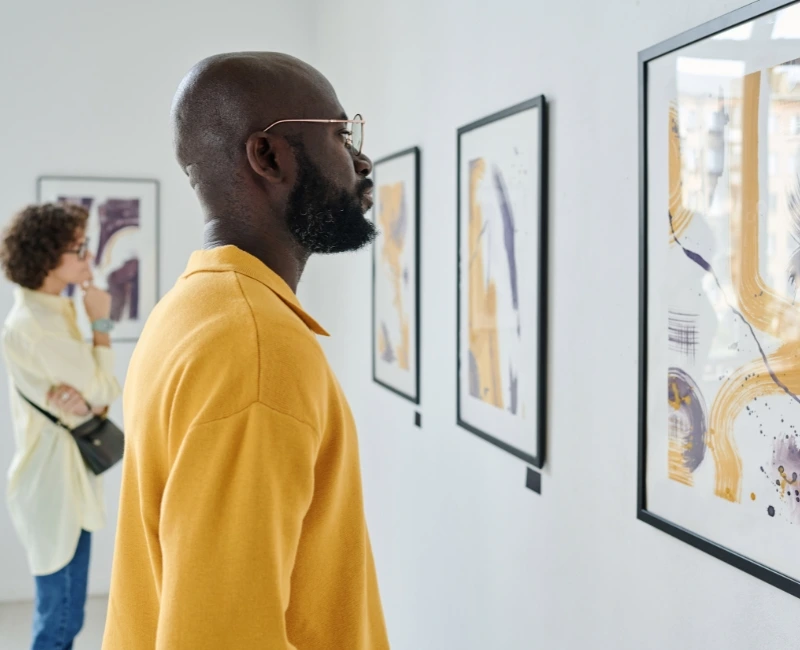
Timing your visit to coincide with Pisa’s vibrant calendar of events unlocks cultural depth beyond static monuments. From music and art to local sagre (food festivals), each season brings fresh reasons to explore.Spring (April–June): As wisteria and jasmine bloom, Pisa awakens with open‑air concerts at Palazzo Blu and Piazza dei Cavalieri. In April and May, the Festival dei Concerti presents chamber music beneath loggias, while outdoor opera performances fill the air with arias. Easter weekend features solemn processions and special liturgies at the Cathedral; reserve seats early.Early Summer (June–July): Warm evenings invite cinema sotto le stelle (movies under the stars) in manicured gardens near the Baptistery. Foodies flock to local sagre in neighboring villages—spaghetti with black truffles in San Miniato or calamari frito by the sea in Livorno. Check municipal listings for dates and entry fees.Mid‑Summer (July–August): Pisa’s university student body disperses, and the city quiets. Yet cultural life thrives: jazz combos play riverside stages during the Arno Jazz Festival, blending bebop with Mediterranean melodies. Art exhibitions at Palazzo Blu continue until late August, and some museums extend evening hours.Harvest & Early Autumn (September): Vendemmia season transforms vineyards into golden mosaics. Arrange a wine‑harvest tour: pick grapes alongside vintners, stomp in barrels, and celebrate with tastings of young wines. Meanwhile, the Settembre Pisanese festival fills streets with theater troupes, dance companies, and street artists.Winter & Festive Periods (November–February): Cooler months see fewer tourists, offering calm exploration. In December, Christmas markets dot Piazza Vittorio Emanuele, brimming with artisan crafts—hand‑blown glass ornaments, wood‑carved presepi (nativity scenes), and tins of spiced panforte. Churches host candlelit concerts of Baroque choral works; arrive early for best seats. Carnival in February brings masked balls and children’s parades, culminating in floats winding through Borgo Stretto.Weekly Markets & Ongoing Events: Every Tuesday and Saturday morning, Piazza XX Settembre hosts an antiques market—browse vintage jewelry and retro fashion alongside local artisans selling handmade ceramics. The weekly Civic Market on Lungarno runs midweek, offering organic produce and cheese tastings.Planning & Reservations:Advance Booking: Popular concerts and guided festival tours often sell out. Reserve online or through local tourism offices at least a month ahead.Opening Hours: Check schedules—many events pause midday or close on public holidays.Transport & Accommodation: During high‑profile festivals (e.g., August jazz or December markets), book hotels and train tickets early to secure the best rates.By syncing your itinerary with Pisa’s dynamic event calendar, you’ll experience the city as residents do—through communal celebrations, artistic showcases, and age‑old traditions that lend Tuscany its irresistible cultural rhythm.
No ads. No trails. No commitments


Alice Roses
London, England
51 ST MATTHIAS ROAD
NOTTINGHAM, NOTTINGHAMSHIRE
NG3 2HF
Hours: 8:00 - 17:00, Mon - Sat
support@johnsonholidays.com